Top articlesSee all...

A Comprehensive Guide to Dog Exercise

How To Crate train An Older Dog - A Comprehensive Guide

How To Socialize A Dog - A Comprehensive Guide

Leash Training: A Guide to Training Your Dog to Walk on a Leash

Skijoring: A Guide to Skijoring with Dogs

The Best Dog Enrichment Toys

The Best United States Dog Parks

The Best Indoor Dog Parks in the United States

The Best Off-Leash Dog Parks in the United States
Top articles
A Comprehensive Guide to Dog Exercise
How To Crate train An Older Dog - A Comprehensive Guide
How To Socialize A Dog - A Comprehensive Guide
Leash Training: A Guide to Training Your Dog to Walk on a Leash
Skijoring: A Guide to Skijoring with Dogs
The Best Dog Enrichment Toys
The Best United States Dog Parks
The Best Indoor Dog Parks in the United States
The Best Off-Leash Dog Parks in the United States
See all...My Dog Was Attacked by an Off-Leash Dog. Here's How We Found Our Way Back.


Shoshana grew up as the child of two dog trainers. When the time came to bring a dog into her adult life, she was excited about the opportunity to raise a puppy of her own! She did her research and settled on a Shiloh shepherd: a breed with German shepherd and malamute ancestry selected for a gentle nature. (“I loved the idea of a large, fluffy dog who didn’t drool,” she said.)
Her new best friend Griffin fit the bill perfectly.
He was everything Shoshana wanted and on track to be a highly socialized companion. By the time he was one year old, he’d already attended multiple training classes, won a bundle of conformation show ribbons, and was on his way to earning his Canine Good Citizen title, but an attack by two off-leash dogs in an on-leash area shook everyone’s confidence.
One Experience Can Have a Lasting Impact
Griffin wasn’t all that bold from the beginning (as a young dog he spent some of his puppy classes hiding from the other attendees underneath the counter) but his attack tipped the scale clearly towards anxiety. He and Shoshana were taking an on-leash walk through a public park when two unknown dogs approached without warning.
While the large shepherd didn’t suffer lasting physical effects from the confrontation, he became wary of unfamiliar dogs and struggled to relax in public environments. “I could watch him tense up seeing a person and then relax when he realized they didn’t have a dog with them,” Shoshana said.
When the two started working with a trainer to heal Griffin’s anxiety, she recommended Sniffspot as a way to continue safely exploring new places and having novel experiences. Since then, it’s become a regular part of their weekly routine!

Griffin Can Enjoy New Adventures Thanks to Sniffspot and His Owner’s Dedication
When visiting a Sniffspot, Griffin isn’t fixated on the environment. He’s able to relax in a secure, private space, and the neutral locations make the perfect opportunity to hang out with other dogs that Shoshana trusts! (As long as he feels safe, Griffin will still play with low-key friends even after being attacked.)
Sniffspots also give the Shiloh shepherd plenty of calm, uneventful exposure to new things. He’s gotten to meet livestock and horses who are completely unbothered by his presence, which allows him to settle in and be neutral to theirs as well.
Shoshana shared one favorite story about Griffin happily bouncing after some quacking ducks at one particular Sniffspot’s pond. He enjoys the water and listening to the world around him. “I think a pig would be his perfect creature,” Shoshana said about Griffin’s affinity for other animals and their strange sounds. “I’d love for him to meet one someday.”
Shoshana also appreciates the “absolute kindness” of the Sniffspot site owners. “They’re so considerate,” she said, talking about the ways they make sure Griffin has a great experience. It’s wonderful to connect with such an understanding, caring dog community.
Beyond weekly Sniffspot visits, Shoshana and Griffin share relaxed regular walks (they drive to a peaceful spot nearby) and plenty of couch snuggles. The huge shepherd also loves to lounge in the garage with the door mostly closed, he can relax in a cool, safe space to just watch the world go by.

What to Do When Your Dog Is Attacked by an Off-Leash Dog
First: breathe. What happened to Griffin (an on-leash dog approached and attacked without warning in a space where that shouldn't have happened) is more common than it should be, and it is not your fault. In fact, reports of dog bites and attacks is on the rise since 2020.
Here's what to do in the immediate aftermath and the weeks that follow.
Right after the attack:
Check for injuries first. Even if your dog seems okay, dog bites can cause deeper puncture wounds than they appear. If there's any swelling, bleeding, or your dog is favoring a limb, get to a vet the same day. Document everything: photos of any wounds, the location, and if possible, the other owner's contact information.
Give your dog space to decompress. Skip the rest of the walk. Go home, let them settle in a quiet space, and resist the urge to flood them with reassurance and attention. Calm and neutral is what they need from you right now.
Other than seeking medical attention, don't make a big deal around your dog. It's completely normal to feel shaken up, but keep these feelings away fro your pet. Dogs can literally smell your stress, and you want to keep them from adding negativity to this experience.
In the days and weeks that follow:
Watch for behavioral changes. A dog who is normally confident and social becoming suddenly wary of other dogs, tense on walks, or reactive on leash is showing you that the attack had an emotional impact. This is not a character flaw. It is a normal response to a scary experience, and it is workable.
Don't rush back to normal. The instinct to get back out there quickly and "prove" that not all dogs are scary is understandable, but it can backfire. Give your dog time to stabilize before reintroducing the situations that now feel threatening.
Find a certified trainer who specializes in fear and reactivity. This is the single most important step. A good trainer will help you understand where your dog is and build a desensitization plan that actually fits them. Look for someone using positive reinforcement methods. Here's how to find a reactive dog trainer near you.
Swap unpredictable environments for controlled ones. This is exactly what Shoshana did for Griffin. Instead of walks through busy public parks where unknown dogs can approach without warning, find spaces where you control the variables. Private Sniffspot locations let you give your dog outdoor time and new experiences without the exposure risk that public spaces carry right now.
Be patient with yourself too. Shoshana tried so hard to do everything right and the actions of someone else still affected Griffin's development. That grief is real. Channeling it into understanding rather than anger, as she did, is one of the harder and more generous things a dog owner can do.
Frequently Asked Questions
Will my dog become reactive or aggressive after being attacked?
Some dogs do develop reactivity after a traumatic experience with another dog. Reactivity is a fear or frustration response to triggers, and a single bad experience can be enough to shift a dog's baseline. That said, reactivity is not permanent. With the right support, consistent work, and access to safe environments, many dogs make significant progress. Griffin is a good example.
How long does it take for a dog to recover from an attack?
There is no fixed timeline. Some dogs bounce back quickly. Others, like Griffin, carry the anxiety for longer. What matters more than timeline is approach: working with a qualified trainer, reducing exposure to triggering environments while rebuilding confidence, and giving your dog regular access to low-stress off-leash decompression all tend to accelerate recovery meaningfully.
How do I safely socialize my dog after a traumatic experience?
Slowly, and on their terms. The goal is controlled positive exposure, not immersion. Start with dogs your dog already knows and trusts in neutral, private spaces. Avoid unpredictable environments like busy dog parks where unknown dogs can approach without warning. For a full approach to rebuilding social confidence: How to Socialize a Reactive Dog.
Can a dog who was attacked still enjoy off-leash time?
Yes. The key is choosing the right environment: private, fenced, and free from the unpredictability that triggered the anxiety in the first place. Private Sniffspot spaces were a core part of Griffin's recovery specifically because they gave him genuine freedom without the risk of another unwanted approach. For a deeper look at how reactive dogs can access off-leash time safely: Can Reactive Dogs Go Off-Leash?
Griffin Isn't Alone, and Neither Are You
At times Shoshana’s journey with Griffin has been difficult: She’d grown up with a dog-aggressive dog as a child and tried so hard to do everything right for her new puppy only to have the actions of someone else deeply affect his development.
But working through her shepherd’s anxiety has also been a valuable learning experience.
Shoshana now thinks more deeply about the way other dog owners see the world. Instead of being angry, she tries to empathize and understand they might not realize the impact their pets could have in a public space.
When it comes to life with Griffin, she’s moved from thinking about what he can handle or tolerate to considering what really helps him thrive. “I want him to be happy,” she said, “to do things because he enjoys them.” While he was able to complete his Canine Good Citizen title despite his bad experience, it wasn’t a relaxed accomplishment. In contrast, Sniffspot adventures are what bring him joy.
It’s been two and a half years since Griffin was attacked, and life is wonderful — he has dog friends he can play with in safe spaces, gets regular opportunities to decompress, and always makes Shoshana laugh when he rests his chin on the table (he really is that tall).


Most recent articles


Related articles
Top dog guides per area
Dog training guides

Best Dog Fields in the US: 25+ Wide-Open Spaces for Your Pup to Run Free
The best dog fields in the US offer something that traditional enclosed parks simply can't match: acres of open space where your pup can truly stretch their legs and run at full speed. From Colorado's 470-acre prairie meadows to Tennessee's...
Dog Food Aggression & Resource Guarding Guide
Does your dog ever growl when you walk by their food dish? Maybe they get possessive of treats, carrying them far away and giving you side-eye when you start to approach — or snarling at your other pets or children if they get too close.
The Ultimate Guide to Scent Training for Dogs
Your dog's nose is an amazing tool. Did you know they have 40 times the olfactory receptors than humans? Scent training for dogs taps into this superpower, turning everyday moments into exciting sniff-fests. It's enriching for all types of dogs –...
How Much Does It Cost to Train a Service Dog?
More than 80 million Americans rely on their service dogs to help them navigate the world. Task-trained assistance animals perform a huge range of life-changing—in many cases, life-saving—services: These dogs act as eyes for visually impaired...
How to Deal With Puppy Potty Training Regression
You thought those dreaded middle-of-the-night potty breaks were over. You were finally free from cleaning up puppy puddles. Then, suddenly, your six-month-old who's been accident-free for weeks starts peeing on your rug again.
Dirty Dog Syndrome: Causes, Solutions, and Prevention
It's a cringe-worthy moment every dog owner dreads: your furry friend chowing down on something truly disgusting. If your dog has a penchant for poop, you're dealing with coprophagia. It's more common than you think, and thankfully, often...


Dog enrichment guides
Best Dog Fields in the US: 25+ Wide-Open Spaces for Your Pup to Run Free
The best dog fields in the US offer something that traditional enclosed parks simply can't match: acres of open space where your pup can truly stretch their legs and run at full speed. From Colorado's 470-acre prairie meadows to Tennessee's...
Best Dog Water Parks in the US: 15+ Amazing Splash Destinations for Your Pup
Do you have a water-loving dog looking to burn some energy? There are countless dog parks to visit throughout our country — but some of them become far too hot in the midday sun to be safe for your pets to play. That’s why we’ve put together a...
Best Toys for Herding Dogs: Keeping Your Pup Happy & Engaged
Herding dogs are amazing, intelligent companions. But that also means they need more than just a simple game of fetch. Finding the right toys for herding dogs is key to keeping them happy and stimulated. This article explores some of the best toys...
Tough Dog Toys for Aggressive Chewers: A Practical Guide
Does your dog destroy every toy you give them? Is your house littered with the remnants of plush toys? Are you tired of wasting money on "indestructible" dog toys for aggressive chewers that don't last? Then this post is for you. We'll cover...
Dog Exercise Calculator: How Much Exercise Does Your Dog Need?
Every dog needs to move, but how much is actually enough? The answer depends on more than just breed. Age, health, and even your own lifestyle all play a role in figuring out the right daily exercise routine for your pup.
Complete Guide To Herding With Dogs
* All Sniffspot articles are reviewed by certified trainers for quality, please see bottom of article for details *


Dog reactivity guides
Best Dog Fields in the US: 25+ Wide-Open Spaces for Your Pup to Run Free
The best dog fields in the US offer something that traditional enclosed parks simply can't match: acres of open space where your pup can truly stretch their legs and run at full speed. From Colorado's 470-acre prairie meadows to Tennessee's...
Rottweiler Aggression: Signs, Causes & Training
Many dogs have gotten a bad reputation over the years for being "dangerous breeds." Rottweilers are among them. Like pit bulls and other large, blocky-headed types of dogs, these powerful and beautiful animals are often assumed to be aggressive.
The Reactive Dog Chart: How to Calm Your Dog's Triggers
If your dog lunges, barks, or loses their mind at the sight of another dog, a stranger, or a bicycle, you’re living with a reactive dog (and you’re far from alone). Dog reactivity is one of the most common behavioral challenges dog owners face,...
How to Socialize a Reactive Dog: A Step-by-Step Guide
Does your dog display reactivity to other pets or people—barking, lunging, or growling when they see their triggers? Whether they're a rescue still settling in, missed critical socialization as a puppy, or had a negative experience that changed...
What Is a Reactive Dog? The Complete Guide for Understanding and Helping Your Pup
Does your dog transform into a barking, lunging tornado the second they spot another dog across the street? You're definitely not alone. According to our research of over 4,000 dog owners, 66% of dogs show some signs of reactivity.
9 Best Online Communities for Reactive Dog Parents
Does your dog's reactivity make walks stressful? You're not alone. Many dog owners face similar challenges. This guide offers practical advice and support for managing reactivity, including finding the best online dog training for reactive dogs....


Sniffspot community guides
Best Dog Fields in the US: 25+ Wide-Open Spaces for Your Pup to Run Free
The best dog fields in the US offer something that traditional enclosed parks simply can't match: acres of open space where your pup can truly stretch their legs and run at full speed. From Colorado's 470-acre prairie meadows to Tennessee's...
The State of Public Dog Parks Across the United States
From 2009 to 2020, there was a 40 percent increase in the development of public dog parks. Designated spots for canine exercise have become commonplace in every major city in North America — many pet owners won’t even consider renting an apartment...
How This Family is Affording Their Dream Property Through Renting it Hourly to Dogs
Thousand Oaks, California has been a safe haven for Sniffspot host, Jen, since childhood. Having grown up in busy Santa Barbara, Jen, an introvert from an early age, would seek out solitude and serenity away from tourists attractions and droves of...
Host Tips: Ellen K. What Makes Sniffspot Successful for Me
Ellen is the host of Country Pasture Getaway, one of Sniffspot's most popular sniff spots. She has taken the time to write up the lessons she has learned about how to be a great sniff spot host.
How this Oregon Farmer is Making a Business From Renting Her Land to Dogs
Just 20 minutes outside of the busy city of Portland, Oregon, and settled right on the banks of the Columbia River, you’ll find what countless visitors have flocked to the area in search of – mountain views, crisp, clean air, and running water for...
Host Tips: Fran T. Providing Great Guest Service at our Spot
Fran is the host of Ranch Setting, one of Sniffspot's most popular spots. She has taken the time to write up the lessons she has learned about how to be a great Sniffspot host.


Top dog trainers in the US
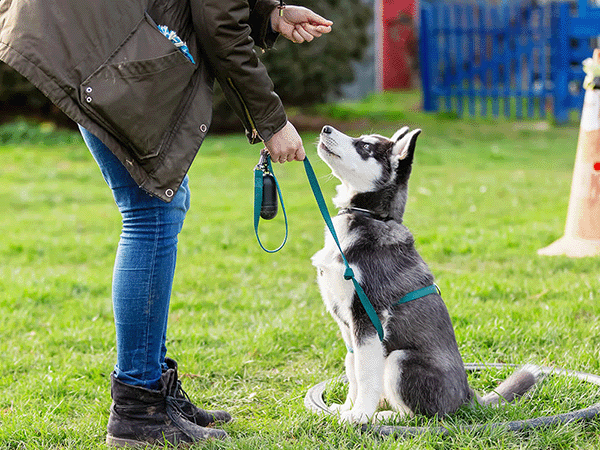
The Best Dog Trainers in the United States of 2026
This is a list of the top dog trainers in the United States, based on votes from the Sniffspot community and the general public.
The Best Dog Trainers in Seattle, WA of 2026
This is a list of the top dog trainers in Seattle, WA, based on votes from the Sniffspot community and the general public.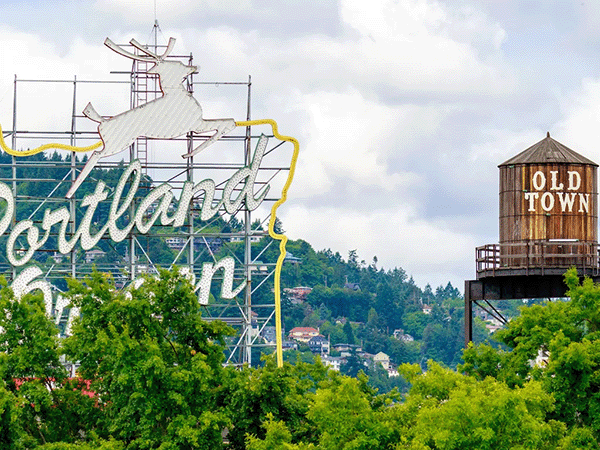
The Best Dog Trainers in Portland, OR of 2026
This is a list of the top dog trainers in Portland, OR, based on votes from the Sniffspot community and the general public.
The Best Dog Trainers in Los Angeles, CA of 2026
This is a list of the top dog trainers in Los Angeles, CA, based on votes from the Sniffspot community and the general public.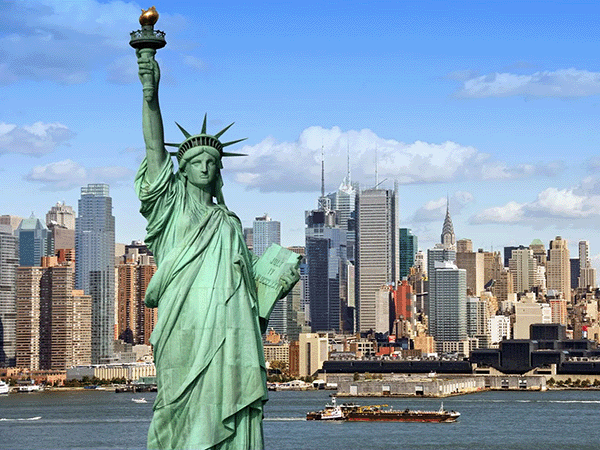
The Best Dog Trainers in New York, NY of 2026
This is a list of the top dog trainers in New York, NY, based on votes from the Sniffspot community and the general public.


City dog park guides
Best Dog Fields in the US: 25+ Wide-Open Spaces for Your Pup to Run Free
The best dog fields in the US offer something that traditional enclosed parks simply can't match: acres of open space where your pup can truly stretch their legs and run at full speed. From Colorado's 470-acre prairie meadows to Tennessee's...
Top 10 Indoor Dog Parks: A US Guide
Looking for a space to play with your dog no matter what the weather’s like outside? Look no further than our list of the best indoor dog parks in the United States! These climate-controlled spaces are growing in popularity as pet ownership...
Best Dog Parks in the US: Ultimate Guide to Public & Private Off-Leash Adventures
Is your pup giving you those pleading "let me run free" eyes? Whether you're a new dog parent or a seasoned pro looking for fresh adventures, finding the perfect off-leash paradise for your furry friend can feel ruff! From sun-soaked California...
Dog Parks Near Me: Las Vegas Edition
Looking for the perfect dog park near me in Las Vegas? You're in luck! This guide explores all the best options for your pup, from public dog parks to private dog parks near me on Sniffspot. We'll help you find the ideal spot for playtime,...Best Dog Parks in the US: Off-Leash Guide
Looking for the perfect dog park? Whether you need a wide-open public space or a private, fenced-in spot, this guide will help you find the best dog parks across the US. We'll cover top-rated public parks, the perks of private dog parks, and even...
Sniffspot: Portland's Best Private Dog Parks
Ready to discover Portland's best dog parks? Whether you're looking for a public park or the unique experience of a private Sniffspot, this guide has you covered. We'll help you find the perfect spot for your pup, with tips on what to bring, how...


Dog breeds
Best Dog Fields in the US: 25+ Wide-Open Spaces for Your Pup to Run Free
The best dog fields in the US offer something that traditional enclosed parks simply can't match: acres of open space where your pup can truly stretch their legs and run at full speed. From Colorado's 470-acre prairie meadows to Tennessee's...
German Shepherd Guide: Best Family Dog? Truth from 9K Owners
The German Shepherd Dog (GSDs) are known for their intelligence, loyalty, and striking appearance. They're also incredibly versatile, excelling as working dogs and devoted family companions. This guide covers everything you need to know about...
Labrador Retriever: Real Tips from Owners
Discover the Labrador Retriever, a breed celebrated for its playful nature, affectionate temperament, and trainability. Labradors are known for their friendly demeanor and adaptability, making them perfect family companions and versatile working...
Golden Retriever Advice: The Complete Owner's Guide
Golden Retrievers: they're gorgeous, playful, and incredibly popular. But before you welcome one into your home, you need the right golden retriever advice. This guide draws on the wisdom of nearly 10,000 Golden Retriever owners, offering...
Are American Staffordshire Terriers Good for First-Time Owners: Complete Guide
Think American Staffordshire Terriers are tough? Think again. While their muscular build might intimidate some, these dogs are known for their playful and loyal personalities. This guide draws on the experience of nearly 10,000 AmStaff owners to...
Australian Shepherd Facts: Breed Info & Care Guide
Discover the Australian Shepherd, an AKC breed celebrated for its trainable, playful, and affectionate nature. Despite its name, the Australian Shepherd is actually a native breed to the United States, originally developed to breed on farms and...


Top dog names in the US
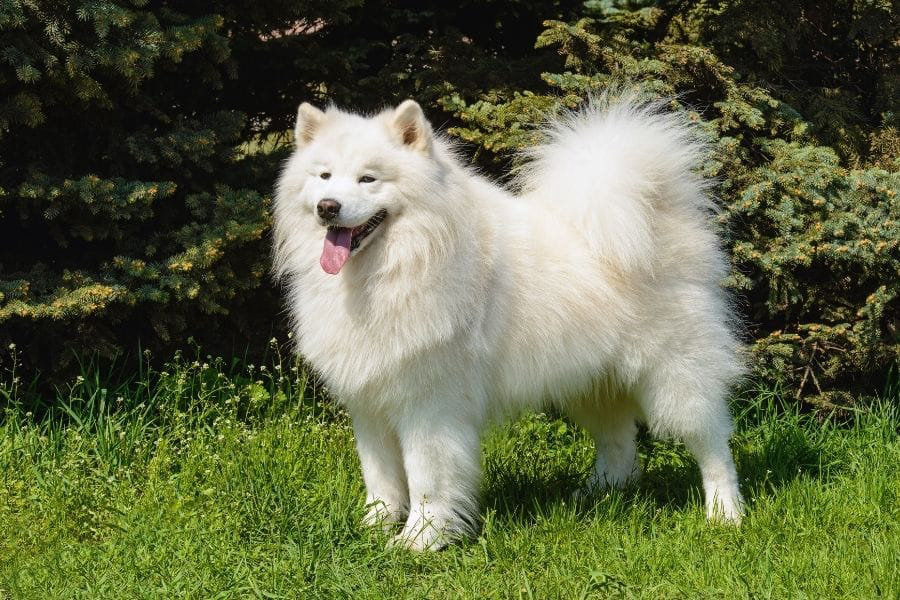
Top 1,000 Most Popular Dog Names
Looking for the perfect dog name for your new pup? We have created filterable lists of dog names from our database of hundreds of thousands of Sniffspot users. You can filter by gender, breed and state to find the most cute, unique and creative dog names.
Most Popular Male Dog Names
Looking for the perfect dog name for your new male pup? We have created filterable lists of male dog names from our database of hundreds of thousands of Sniffspot users. You can filter by gender, breed and state to find the most cute, unique and creative male dog names.
Most Popular Female Dog Names
Looking for the perfect dog name for your new female pup? We have created filterable lists of female dog names from our database of hundreds of thousands of Sniffspot users. You can filter by gender, breed and state to find the most cute, unique and creative female dog names.
Most Popular Golden Retriever Names
Welcome to our comprehensive list of Golden Retriever dog names, curated from our vast database of Sniffspot users. Filter through hundreds of thousands of options by gender, breed, and state to discover the most adorable, original, and imaginative names for your beloved Golden Retriever.
Most Popular Labrador Retriever Names
Welcome to our Labrador Retriever dog names page! Here you can browse through filterable lists of names for your beloved furry friend, ranging from cute and classic to unique and creative options. Our database of hundreds of thousands of Sniffspot users ensures you'll find the perfect name for your Labrador Retriever, whether you're seeking a name for a male or female, based on breed or state.


Top dog rescues in the US

The Best Washington Dog Rescues & Shelters in 2026
This list showcases the top dog rescues & shelters in Washington. These remarkable organizations have been recognized for their unwavering dedication to the well-being of countless dogs.
The Best Oregon Dog Rescues & Shelters in 2026
This list showcases the top dog rescues & shelters in Oregon. These remarkable organizations have been recognized for their unwavering dedication to the well-being of countless dogs.
The Best California Dog Rescues & Shelters in 2026
This list showcases the top dog rescues & shelters in California. These remarkable organizations have been recognized for their unwavering dedication to the well-being of countless dogs.
The Best Florida Dog Rescues & Shelters in 2026
This list showcases the top dog rescues & shelters in Florida. These remarkable organizations have been recognized for their unwavering dedication to the well-being of countless dogs.
The Best New York Dog Rescues & Shelters in 2026
This list showcases the top dog rescues & shelters in New York. These remarkable organizations have been recognized for their unwavering dedication to the well-being of countless dogs.


