Top articlesSee all...

A Comprehensive Guide to Dog Exercise

How To Crate train An Older Dog - A Comprehensive Guide

How To Socialize A Dog - A Comprehensive Guide

Leash Training: A Guide to Training Your Dog to Walk on a Leash

Skijoring: A Guide to Skijoring with Dogs

The Best Dog Enrichment Toys

The Best United States Dog Parks

The Best Indoor Dog Parks in the United States

The Best Off-Leash Dog Parks in the United States
Top articles
A Comprehensive Guide to Dog Exercise
How To Crate train An Older Dog - A Comprehensive Guide
How To Socialize A Dog - A Comprehensive Guide
Leash Training: A Guide to Training Your Dog to Walk on a Leash
Skijoring: A Guide to Skijoring with Dogs
The Best Dog Enrichment Toys
The Best United States Dog Parks
The Best Indoor Dog Parks in the United States
The Best Off-Leash Dog Parks in the United States
See all...Stop Guessing: The Complete Dog Exercise Guide


Your dog needs exercise. You know this. What you might not know is exactly how much, what kind, how often, or why their breed and age change the whole equation.
This guide exists to answer all of those questions in one place. Whether you just adopted a Border Collie puppy, have a seven-year-old Bulldog, or are somewhere in between, this is the resource to bookmark.
For a customized recommendation based on science, try our interactive dog exercise calculator.
In this guide, we'll cover the science of how much exercise dogs actually need, break it down by breed group and age, explain the different types of exercise and what each one does for your dog's body and mind, and give you practical tools for building a routine that sticks.
Let's get into it.
Jump Ahead: Dog Exercise Guide
- How Much Exercise Does My Dog Actually Need?
- Exercise by Breed Group
- High-Energy Working, Herding, and Sporting Breeds (1.5-2+ hours/day)
- Moderate-Energy Family and Companion Breeds (30-60 min/day)
- Lower-Energy Companion and Brachycephalic Breeds (20-30 min/day)
- Sighthounds: The Sprinters (Shorter but Fast)
- Giant Breeds: More Careful Than You'd Think (30-45 min/day, low-impact)
- Exercise by Life Stage
- Types of Dog Exercise and What Each One Does
- Mental Exercise: The Missing Piece
- How to Build Your Dog's Exercise Routine
- Warning Signs: Too Much or Too Little Exercise?
- Frequently Asked Questions
How Much Exercise Does My Dog Actually Need?
The honest answer: it depends on your dog. But here's a useful framework.
According to the American Kennel Club, most healthy adult dogs need between 30 minutes and 2 hours of exercise per day. The right amount for your dog sits somewhere in that range based on:
- Breed and breed group (working dogs need more than companion breeds)
- Age (puppies and seniors have different needs than adult dogs in their prime)
- Health status (joint conditions, heart disease, brachycephalic airways all affect exercise capacity)
- Individual temperament (some dogs within the same breed are simply higher or lower energy)
The PDSA's exercise guide notes that the type of exercise matters as much as the amount. A 30-minute walk and a 30-minute off-leash sprint session are both "30 minutes of exercise," but they're dramatically different in terms of energy expenditure and enrichment.
Use the guidelines below as a starting framework, then adjust based on your dog's individual cues.

Exercise by Breed Group
High-Energy Working, Herding, and Sporting Breeds (1.5-2+ hours/day)
These dogs were developed to work all day alongside humans, covering terrain, making decisions, and solving problems. Without substantial daily exercise, they become anxious, destructive, and difficult. For an owner-backed list of the most active breeds, check out our official ranking.
Breeds in this group: Border Collie, Australian Shepherd, Belgian Malinois, German Shorthaired Pointer, Vizsla, Siberian Husky, Weimaraner, Dalmatian, Jack Russell Terrier, Airedale Terrier
Exercise needs: This group needs a combination of sustained aerobic exercise (running, hiking, swimming, fetch) and mental stimulation (training, nose work, problem-solving). Long walks alone are not enough. Off-leash time where they can move freely and make decisions is essential.
Sniffspot use case: High-energy breeds benefit enormously from private off-leash Sniffspot sessions where they can sprint, explore, and move without constraint. Find a Sniffspot with open terrain near you.
Moderate-Energy Family and Companion Breeds (30-60 min/day)
Well-rounded family dogs: they enjoy exercise but also appreciate a good sofa.
Breeds in this group: Labrador Retriever, Golden Retriever, Standard Poodle, Boxer, Cocker Spaniel, English Springer Spaniel, Bernese Mountain Dog, Collie
Exercise needs: One to two brisk daily walks, plus some off-leash play or fetch. These dogs adapt well to varied schedules but thrive with consistent daily movement. Mental exercise (puzzle feeders, training) rounds out their needs well.
Lower-Energy Companion and Brachycephalic Breeds (20-30 min/day)
These dogs need regular movement for health, but less intensity and duration than working breeds.
Breeds in this group: Bulldog, Basset Hound, Shih Tzu, Pekingese, Chow Chow, Maltese, Cavalier King Charles Spaniel
Exercise needs: Short, moderate-paced walks once or twice daily. Avoid intense exercise or heat. For brachycephalic breeds (flat-faced dogs like Bulldogs and Pugs), respiratory limitations mean you should always watch for panting and stop before they're struggling to breathe.
Important: Low-energy doesn't mean no exercise. Even a Bulldog needs daily movement for cardiovascular health, weight management, and mental stimulation.
Sighthounds: The Sprinters (Shorter but Fast)
Greyhounds, Whippets, and similar breeds are fascinating outliers: extremely fast in short bursts, but surprisingly low-energy the rest of the time. They need a couple of short off-leash sprints daily rather than long sustained walks.
Sighthounds must always be exercised in fully fenced areas because their chase drive is extremely strong and their speed means they're gone in seconds. Private Sniffspot locations are ideal.
Giant Breeds: More Careful Than You'd Think (30-45 min/day, low-impact)
Great Danes, Mastiffs, Saint Bernards, and similar giants need less exercise than you might expect, and far less high-impact exercise than their size suggests. Their joints and cardiovascular systems are under significant strain just carrying their size. Low-impact movement on soft surfaces is key.
Avoid stairs, jumping, and high-intensity fetch with giant breeds. Swimming is excellent.

Exercise by Life Stage
Puppies: Less Is More (Structured Exercise)
Counter-intuitively, puppies often need less structured exercise than adult dogs, not more. Their growth plates are open and developing until 12-24 months (later for large breeds), and repeated impact on those developing structures can cause permanent joint damage.
The widely used rule of thumb: 5 minutes of structured exercise per month of age, twice daily. A 4-month-old puppy: 20 minutes max. An 8-month-old puppy: 40 minutes max.
This applies to structured exercise like walks and fetch. Free play in a safe space (where the puppy self-regulates pace and stopping) is generally fine.
What puppies do need: Mental enrichment, socialization experiences, short training sessions, and exploratory time. A puppy doesn't need a two-mile jog. They need to sniff a new yard, meet a friendly dog, and learn that the world is interesting and safe.
Adolescent Dogs (6-18 months): The Difficult Middle
Adolescent dogs are a special challenge. They're big enough to look like adults but still developing physically and emotionally. Their brain is doing significant rewiring (this is why formerly easy puppies suddenly "forget" everything they knew). They also have enormous energy.
This is the life stage when many dogs end up surrendered to shelters. The answer is structured mental exercise, consistent training, and appropriate physical outlets, not free-for-all exercise that further amps up arousal.
Focus on training, nose work, and controlled off-leash time in safe environments. Browse private Sniffspot locations for controlled off-leash options without the chaos of a public dog park.
Adult Dogs (1-7 years): Prime Exercise Years
This is your dog at their physical peak. Exercise according to breed group guidelines. Maintain a consistent daily routine. Add variety regularly (new trails, new Sniffspot locations, new activities) to keep enrichment high.
Watch weight closely during this period. Overweight adult dogs are one of the most common veterinary concerns, and exercise plays a significant role in prevention.
Senior Dogs (7+ years, varies by breed): Adapt and Continue
Senior dogs don't stop needing exercise. They need different exercise. The focus shifts from intensity and distance to frequency and gentleness. Multiple short, low-impact sessions daily are better than one long outing.
For a full breakdown of senior dog exercise specifically, read: Senior Dog Exercise: How to Keep Older Dogs Active Safely.
Types of Dog Exercise and What Each One Does
Understanding what different exercise types actually accomplish helps you build a more intentional routine.
Walking
What it does: Cardiovascular exercise, mental enrichment (sniffing and exploring), joint mobility, bonding time, behavioral regulation.
Best for: All dogs, all ages, all health levels (modify intensity and duration as needed).
Tips: Vary your routes. Allow sniffing time. A brisk pace burns more energy than a slow one. A 30-minute walk at a good pace is worth more than an hour of slow wandering.
Off-Leash Running and Play
What it does: High-intensity cardiovascular exercise, self-directed movement (more satisfying to many dogs than leash walking), social behavior (if with other dogs).
Best for: Healthy adult dogs and adolescents, especially high-energy breeds.
Tips: Always in a fully fenced, safe area. Private Sniffspot locations give you fenced off-leash space without the unpredictability of public dog parks. Find one near you.
Fetch and Retrieve
What it does: High-intensity aerobic exercise in short bursts, prey drive outlet, bonding.
Best for: Retrievers, sporting breeds, and any ball-obsessed dog.
Tips: Always warm up before sprinting (short walk first). Keep sessions to 15-20 minutes. Avoid hard surfaces. Don't play fetch on hot days when your dog can't self-regulate. Watch for obsessive behavior: some dogs will fetch until they collapse.
Swimming
What it does: Full-body resistance exercise with zero joint impact. Excellent cardiovascular workout.
Best for: Dogs with joint issues, overweight dogs, seniors, and any water-loving breed (Labs, Goldens, Setters, Standard Poodles).
Tips: Never force a dog into water. Use a life jacket for inexperienced swimmers or for any dog in moving water. Rinse your dog after swimming in natural bodies of water to remove algae and bacteria.
Hiking
What it does: Sustained cardiovascular exercise, proprioceptive training (navigating varied terrain), mental enrichment, bonding.
Best for: Healthy adult dogs and active breeds.
Tips: Start with shorter trails and build up. Bring water. Check paw pads for cuts or soreness on rocky terrain. Watch for signs of fatigue. Know that hot pavement and trail surfaces can burn paws.
Agility and Dog Sports
What it does: Physical exercise, mental exercise (sequencing, problem-solving), body awareness, precision.
Best for: High-energy dogs who need both mental and physical stimulation in one activity.
Options: Formal agility, flyball, disc dog, dock diving, treibball (urban herding), barn hunt, lure coursing.
These sports are one of the best investments for working-breed owners. A Border Collie who competes in agility is a much happier, better-behaved pet than one who only gets walks.
Nose Work and Scent Sports
What it does: Deep mental exercise, confidence building, calm after sessions.
Best for: Any dog, especially seniors, anxious dogs, and reactive dogs. Also excellent for high-drive working breeds.
Learn more: The Best Mental Exercises for Dogs.
Mental Exercise: The Missing Piece
Physical exercise is necessary. It's not sufficient.
Dogs have brains that require regular engagement as much as their bodies require movement. Without mental stimulation, even a well-walked dog can exhibit destructive behavior, anxiety, excessive barking, and general unrest.
The good news: mental exercise is efficient. A 15-minute puzzle feeding session or nose work game produces behavioral calm comparable to a much longer physical walk.
Add at least one mental exercise per day:
- Puzzle feeder at one meal (instead of a bowl)
- 10-minute training session
- Nose work game (hide treats around the house)
- Frozen Kong or lick mat
- New trick practice
How to Build Your Dog's Exercise Routine
For a step-by-step guide to building a sustainable exercise routine, with sample weekly schedules by breed type and practical tips for busy owners, read: How to Build a Dog Exercise Routine from Scratch.
The core principles:
- Consistency beats intensity. A 20-minute walk every day outperforms a 2-hour weekend hike for behavioral regulation, cardiovascular conditioning, and habit-building.
- Start slower than you think you need to. Especially if your dog is coming from a sedentary period. Build duration and intensity gradually to avoid injury.
- Vary activities. Doing the same walk every day gets boring for your dog. Rotate routes, introduce new activities, and use private Sniffspot locations to introduce novel environments regularly.
- Account for weather. Rainy days and extreme heat require alternative plans. For rainy day options: Rainy Day Exercise Ideas for Dogs.
For working owners: The morning session matters most. A dog who has been exercised before 8 a.m. is a much calmer dog by evening. For full strategies: Exercise Ideas for Dogs When You Work Full Time.
🦮 Make off-leash time part of the routine. Private Sniffspot locations give your dog room to run, sniff, and explore safely on a schedule that works for you. Browse listings near you.
Warning Signs: Too Much or Too Little Exercise?
Signs Your Dog Is Under-Exercised
- Destructive chewing or digging
- Excessive barking at nothing
- Hyperactivity that doesn't resolve after activity
- Jumping and inability to settle
- Attention-seeking behaviors (pawing, nudging, demanding)
- Weight gain
- Restlessness and inability to relax
For a complete checklist: Signs Your Dog Isn't Getting Enough Exercise.
Signs Your Dog Is Over-Exercised
- Excessive panting that takes a long time to resolve
- Limping or lameness during or after exercise
- Reluctance to continue mid-activity
- Sore, cracked paw pads
- Muscle stiffness and soreness (reluctance to get up)
- Dehydration
- Heat exhaustion symptoms (drooling, vomiting, confusion)
Over-exercise is more common in owners who are doing their best: the enthusiastic hikers who bring their dog on a 12-mile trail before the dog is conditioned for it, or the fetch players who keep going because the dog keeps bringing the ball back (some dogs will literally play themselves into heat exhaustion).
Watch your dog, not the clock!
Frequently Asked Questions
How much exercise does a dog need per day?
Between 30 minutes and 2 hours daily for most healthy adult dogs, depending on breed and age. High-energy working breeds sit at the higher end. Senior and low-energy breeds at the lower end. Mental exercise (puzzle feeders, nose work, training) should be added alongside physical exercise daily.
Is a 30-minute walk enough for a dog?
For many dogs, especially moderate to lower-energy breeds, one 30-minute brisk walk plus mental enrichment covers daily needs. For high-energy breeds, it's a starting point, not a complete solution.
Can dogs get too much exercise?
Yes. Signs of over-exercise include panting that doesn't resolve, limping, reluctance to continue, and heat exhaustion. Puppies and seniors are particularly vulnerable. Always follow your dog's cues, not an arbitrary target.
What's the best exercise for dogs?
There is no single "best." A combination of walking, off-leash running, and mental enrichment covers all the physical and cognitive bases for most dogs. The best exercise is one your dog enjoys and can do consistently.
How do I exercise a reactive dog?
Reactive dogs often do best in low-stimulation environments where they can move freely without encountering triggers. Private Sniffspot locations are ideal: fully fenced, no other dogs, on your schedule. Pair physical exercise with structured nose work (which reduces overall arousal baseline) for the best behavioral outcomes.
What if my dog doesn't like walks?
First, rule out pain or health issues with a vet visit. Then experiment with other exercise forms: swimming, fetch, sniff walks (self-paced, nose-led), or off-leash time. Some dogs prefer movement that doesn't feel like structured walking.
How does exercise help with dog behavior problems?
Exercise reduces excess energy (which drives destructive and hyperactive behaviors), reduces stress hormones, and provides a healthy outlet for drives (prey drive, social drive, arousal). A well-exercised dog is not a perfect dog, but they are a more manageable one. Note: exercise alone doesn't resolve behavior issues rooted in anxiety, fear, or lack of training.
What's the best exercise for anxious dogs?
Low-arousal exercise (sniff walks, nose work, calm on-leash exploration) is often better than high-intensity exercise for anxious dogs. High-intensity activity can spike arousal, which makes anxiety worse rather than better. Calm sniffing activates the parasympathetic nervous system, which physically reduces anxiety. Private Sniffspot locations are excellent for anxious dogs who feel safer without other dogs around. Find one near you.
Ensure Your Dog Gets the Activity They Need
Exercise quality matters as much as quantity. A 20-minute sniff walk where your dog actually investigates their world is often more satisfying than a 45-minute brisk lap around the neighborhood where you're dragging them along. Pay attention to what your individual dog loves, build a routine around that, and add mental enrichment to the mix every single day. That's the formula.
Learn more:
- How to Build a Dog Exercise Routine from Scratch
- The Best Mental Exercises for Dogs
- Mental Exercise vs. Physical Exercise: Does Your Dog Need Both?
- Senior Dog Exercise: How to Keep Older Dogs Active Safely
- Find Private Off-Leash Dog Parks Near You
There's so much misinformation out there around dog training and exercise. At Sniffspot, our guides are backed and reviewed by real trainers. This article was reviewed by:
Erica Marshall CPDT-ka, CDBC, Owner/Trainer of Wicked Good Dog Training in Christiana TN
Author of “New Puppy, Now What?”
Hallie Wells, Owner-Lumos Dog Training, Atlanta, GA
Certified Professional Professional Dog Trainer (CPDT-KA), Fear Free Certified Professional (FFCP), Applied Animal Behavior Analysts (UW-AABA)


Most recent articles


Related articles
Top dog guides per area
Dog training guides

Dog Food Aggression & Resource Guarding Guide
Does your dog ever growl when you walk by their food dish? Maybe they get possessive of treats, carrying them far away and giving you side-eye when you start...
The Ultimate Guide to Scent Training for Dogs
Your dog's nose is an amazing tool. Did you know they have 40 times the olfactory receptors than humans? Scent training for dogs taps into this superpower,...
How Much Does It Cost to Train a Service Dog?
More than 80 million Americans rely on their service dogs to help them navigate the world. Task-trained assistance animals perform a huge range of...
How to Deal With Puppy Potty Training Regression
You thought those dreaded middle-of-the-night potty breaks were over. You were finally free from cleaning up puppy puddles. Then, suddenly, your...
Dirty Dog Syndrome: Causes, Solutions, and Prevention
It's a cringe-worthy moment every dog owner dreads: your furry friend chowing down on something truly disgusting. If your dog has a penchant for poop, you're...
How to Train Your Rescue Dog: A Complete Guide
The shelter ride home goes one of two ways. Your new dog either plasters themselves against the car window, tongue out and tail going like a helicopter, or...


Dog enrichment guides

Best Dog Water Parks in the US: 15+ Amazing Splash Destinations for Your Pup
Do you have a water-loving dog looking to burn some energy? There are countless dog parks to visit throughout our country — but some of them become far too...
Best Toys for Herding Dogs: Keeping Your Pup Happy & Engaged
Herding dogs are amazing, intelligent companions. But that also means they need more than just a simple game of fetch. Finding the right toys for herding...
Tough Dog Toys for Aggressive Chewers: A Practical Guide
Does your dog destroy every toy you give them? Is your house littered with the remnants of plush toys? Are you tired of wasting money on "indestructible" dog...
Dog Exercise Calculator: How Much Exercise Does Your Dog Need?
Every dog needs to move, but how much is actually enough? The answer depends on more than just breed. Age, health, and even your own lifestyle all play a...
Complete Guide To Herding With Dogs
* All Sniffspot articles are reviewed by certified trainers for quality, please see bottom of article for details *
Dog Enrichment Activities: The Ultimate Guide
Ever feel like your dog is restless or bored? They may be getting enough exercise, but still need more. That's where enrichment activities for dogs come in....


Dog reactivity guides

Rottweiler Aggression: Signs, Causes & Training
Many dogs have gotten a bad reputation over the years for being "dangerous breeds." Rottweilers are among them. Like pit bulls and other large, blocky-headed...
The Reactive Dog Chart: How to Calm Your Dog's Triggers
If your dog lunges, barks, or loses their mind at the sight of another dog, a stranger, or a bicycle, you’re living with a reactive dog (and you’re far from...
How to Socialize a Reactive Dog: A Step-by-Step Guide
Does your dog display reactivity to other pets or people—barking, lunging, or growling when they see their triggers? Whether they're a rescue still settling...
What Is a Reactive Dog? The Complete Guide for Understanding and Helping Your Pup
Does your dog transform into a barking, lunging tornado the second they spot another dog across the street? You're definitely not alone. According to our...
9 Best Online Communities for Reactive Dog Parents
Does your dog's reactivity make walks stressful? You're not alone. Many dog owners face similar challenges. This guide offers practical advice and support...
How To Groom a Reactive Dog
* All Sniffspot articles are reviewed by certified trainers for quality, please see bottom of article for details *


Sniffspot community guides

The State of Public Dog Parks Across the United States
From 2009 to 2020, there was a 40 percent increase in the development of public dog parks. Designated spots for canine exercise have become commonplace in...
How This Family is Affording Their Dream Property Through Renting it Hourly to Dogs
Thousand Oaks, California has been a safe haven for Sniffspot host, Jen, since childhood. Having grown up in busy Santa Barbara, Jen, an introvert from an...
Host Tips: Ellen K. What Makes Sniffspot Successful for Me
Ellen is the host of Country Pasture Getaway, one of Sniffspot's most popular sniff spots. She has taken the time to write up the lessons she has learned...
How this Oregon Farmer is Making a Business From Renting Her Land to Dogs
Just 20 minutes outside of the busy city of Portland, Oregon, and settled right on the banks of the Columbia River, you’ll find what countless visitors have...
Host Tips: Fran T. Providing Great Guest Service at our Spot
Fran is the host of Ranch Setting, one of Sniffspot's most popular spots. She has taken the time to write up the lessons she has learned about how to be a...
How Sniffspot Helped a Nervous Rescue Work Through His Fears and Change His Family’s Life
This is the story of a family and dog rescuing each other.


Top dog trainers in the US
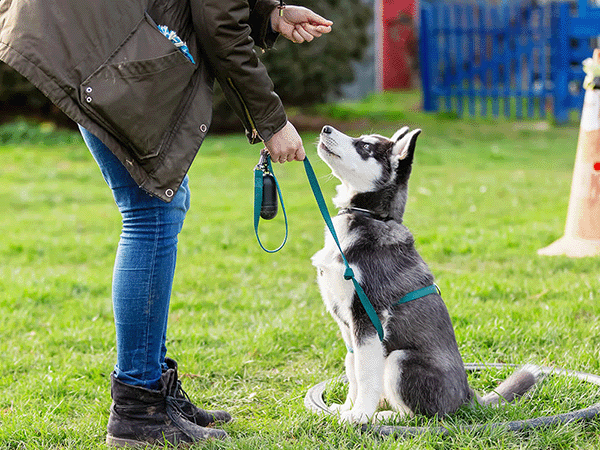
The Best Dog Trainers in the United States of 2026
This is a list of the top dog trainers in the United States, based on votes from the Sniffspot community and the general public.
The Best Dog Trainers in Seattle, WA of 2026
This is a list of the top dog trainers in Seattle, WA, based on votes from the Sniffspot community and the general public.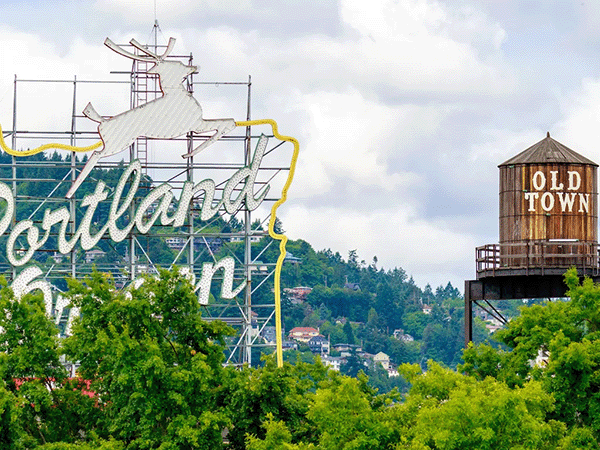
The Best Dog Trainers in Portland, OR of 2026
This is a list of the top dog trainers in Portland, OR, based on votes from the Sniffspot community and the general public.
The Best Dog Trainers in Los Angeles, CA of 2026
This is a list of the top dog trainers in Los Angeles, CA, based on votes from the Sniffspot community and the general public.
The Best Dog Trainers in New York, NY of 2026
This is a list of the top dog trainers in New York, NY, based on votes from the Sniffspot community and the general public.


City dog park guides

Best Dog Fields in the US: 25+ Wide-Open Spaces for Your Pup to Run Free
The best dog fields in the US offer something that traditional enclosed parks simply can't match: acres of open space where your pup can truly stretch their...
Top 10 Indoor Dog Parks: A US Guide
Looking for a space to play with your dog no matter what the weather’s like outside? Look no further than our list of the best indoor dog parks in the United...
Best Dog Parks in the US: Ultimate Guide to Public & Private Off-Leash Adventures
Is your pup giving you those pleading "let me run free" eyes? Whether you're a new dog parent or a seasoned pro looking for fresh adventures, finding the...
Dog Parks Near Me: Las Vegas Edition
Looking for the perfect dog park near me in Las Vegas? You're in luck! This guide explores all the best options for your pup, from public dog parks to...Best Dog Parks in the US: Off-Leash Guide
Looking for the perfect dog park? Whether you need a wide-open public space or a private, fenced-in spot, this guide will help you find the best dog parks...
Sniffspot: Portland's Best Private Dog Parks
Ready to discover Portland's best dog parks? Whether you're looking for a public park or the unique experience of a private Sniffspot, this guide has you...


Dog breeds

German Shepherd Guide: Best Family Dog? Truth from 9K Owners
The German Shepherd Dog (GSDs) are known for their intelligence, loyalty, and striking appearance. They're also incredibly versatile, excelling as working...
Labrador Retriever: Real Tips from Owners
Discover the Labrador Retriever, a breed celebrated for its playful nature, affectionate temperament, and trainability. Labradors are known for their...
Golden Retriever Advice: The Complete Owner's Guide
Golden Retrievers: they're gorgeous, playful, and incredibly popular. But before you welcome one into your home, you need the right golden retriever advice....
Are American Staffordshire Terriers Good for First-Time Owners: Complete Guide
Think American Staffordshire Terriers are tough? Think again. While their muscular build might intimidate some, these dogs are known for their playful and...
Australian Shepherd Facts: Breed Info & Care Guide
Discover the Australian Shepherd, an AKC breed celebrated for its trainable, playful, and affectionate nature. Despite its name, the Australian Shepherd is...
Essential Husky Facts for Owners: Breed Guide
Discover the Siberian Husky, a breed celebrated for its curious, intelligent, and loyal nature. Considered a medium-sized dog, Siberian Huskies were...


Top dog names in the US
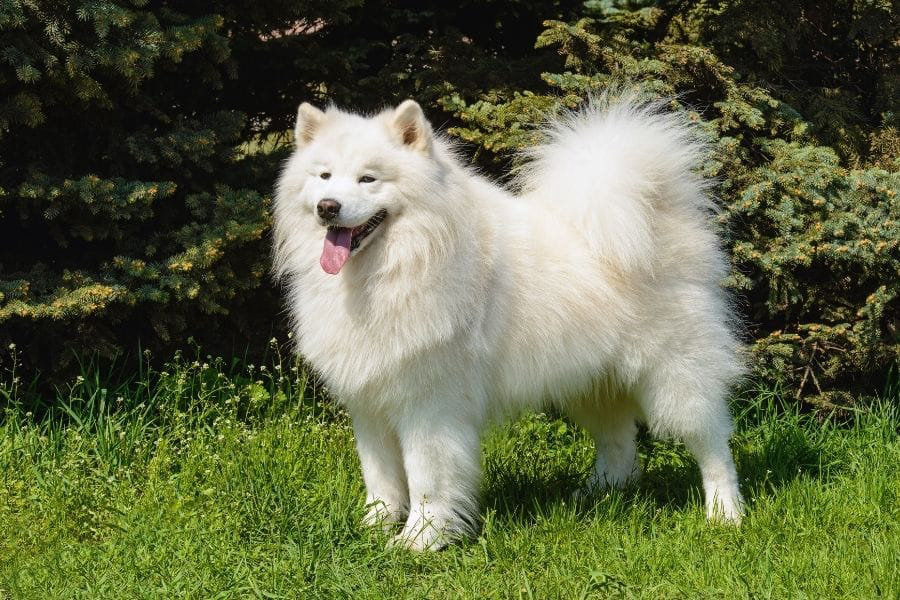
Top 1,000 Most Popular Dog Names
Looking for the perfect dog name for your new pup? We have created filterable lists of dog names from our database of hundreds of thousands of Sniffspot users.
Most Popular Male Dog Names
Looking for the perfect dog name for your new male pup? We have created filterable lists of male dog names from our database of hundreds of thousands of...
Most Popular Female Dog Names
Looking for the perfect dog name for your new female pup? We have created filterable lists of female dog names from our database of hundreds of thousands of...
Most Popular Golden Retriever Names
Welcome to our comprehensive list of Golden Retriever dog names, curated from our vast database of Sniffspot users.
Most Popular Labrador Retriever Names
Welcome to our Labrador Retriever dog names page! Here you can browse through filterable lists of names for your beloved furry friend, ranging from cute and...


Top dog rescues in the US

The Best Washington Dog Rescues & Shelters in 2026
This list showcases the top dog rescues & shelters in Washington. These remarkable organizations have been recognized for their unwavering dedication to the...
The Best Oregon Dog Rescues & Shelters in 2026
This list showcases the top dog rescues & shelters in Oregon. These remarkable organizations have been recognized for their unwavering dedication to the...
The Best California Dog Rescues & Shelters in 2026
This list showcases the top dog rescues & shelters in California. These remarkable organizations have been recognized for their unwavering dedication to the...
The Best Florida Dog Rescues & Shelters in 2026
This list showcases the top dog rescues & shelters in Florida. These remarkable organizations have been recognized for their unwavering dedication to the...
The Best New York Dog Rescues & Shelters in 2026
This list showcases the top dog rescues & shelters in New York. These remarkable organizations have been recognized for their unwavering dedication to the...


