Top articlesSee all...

A Comprehensive Guide to Dog Exercise

How To Crate train An Older Dog - A Comprehensive Guide

How To Socialize A Dog - A Comprehensive Guide

Leash Training: A Guide to Training Your Dog to Walk on a Leash

Skijoring: A Guide to Skijoring with Dogs

The Best Dog Enrichment Toys

The Best United States Dog Parks

The Best Indoor Dog Parks in the United States

The Best Off-Leash Dog Parks in the United States
Top articles
A Comprehensive Guide to Dog Exercise
How To Crate train An Older Dog - A Comprehensive Guide
How To Socialize A Dog - A Comprehensive Guide
Leash Training: A Guide to Training Your Dog to Walk on a Leash
Skijoring: A Guide to Skijoring with Dogs
The Best Dog Enrichment Toys
The Best United States Dog Parks
The Best Indoor Dog Parks in the United States
The Best Off-Leash Dog Parks in the United States
See all...How Much Does It Cost to Train a Service Dog?


More than 80 million Americans rely on their service dogs to help them navigate the world. Task-trained assistance animals perform a huge range of life-changing—in many cases, life-saving—services: These dogs act as eyes for visually impaired handlers, provide mobility support, alert to seizures and blood sugar crashes, interrupt anxiety attacks, remind their people to take medications, and so much more.
According to the Americans with Disabilities Act (ADA), anyone in the United States with a diagnosed disability is eligible to get a service dog. (Service dogs are different from therapy dogs and emotional support animals. SDs have public access rights to be viewed as medical equipment in non-pet-friendly places, while therapy dogs and ESAs do not.)
If you’ve considered training your existing pet to be your service animal—or thought about getting a pre-trained dog from an organization that raises puppies specifically for disability assistance—you’ve probably wondered what it’s going to cost.
The short answer? It depends! Your financial investment for a service dog will vary based on an array of factors (like where you live and what services you need them to perform in your everyday routine).
While each individual situation is different—for the most accurate estimate of what you’ll spend on a service dog, we recommend you get in touch with local programs and trainers ahead of time—it is possible to get a general idea of assistance animal training prices.
Read on as we break down the most common costs of service dog training!

DIY: How much does it cost to owner-train a service dog?
TLDR: Can be less than $1,000—but a lot of time and energy
Under the ADA, “people with disabilities have the right to train [their] dog themselves and are not required to use a professional service dog training program.”
This means that if you’re up for a potential challenge—and especially if you already have a pet with a stable temperament—you might be a great candidate to handle your service dog’s intensive training all on your own.
Ways people might get a dog to train for service work themselves
An existing pet with a stable temperament
Many handlers notice their existing pets provide them comfort. They then choose to specifically task-train their dogs to provide necessary services and work on public access skills (the ability to confidently and respectfully navigate public places) to meet the ADA definition of a service dog.
From a reputable breeder
Other people want to complete their service animal’s training by themselves, but they don’t already own a suitable prospect. In these cases handlers might obtain a puppy from a reputable breeder who has previously produced service dogs. Ethical breeders will vouch for their puppies throughout their lives. They make thoughtful parent pairings—and conduct applicable genetic testing like hip scoring, elbow grading, thyroid tests, and more—to maximize their litters' chances of good health and biddability for service work.
From a shelter or rescue
A handler might also find a suitable service dog candidate at a local shelter or rescue organization. Many adopted dogs are absolutely wonderful family pets—and some thrive as service animals, too! Know that it can be difficult to gauge a new dog's suitability for long-term service work without complete knowledge of their genetics and past experiences, though.
Make no mistake: Rescue assistance animals are just as valid as their purebred or program-trained counterparts! There is no across-the-board recommendation for where to get your personal service dog. It’s simply not as common to go with a rescue due to logistical constraints.

Pros of training a service dog by yourself
- Owner-training your service dog is usually the cheapest option. If you work with a dog you already own, you might spend as little as a few hundred dollars to complete their task training.
- Since you know your dog best, you might be able to kickstart the training process. You likely already have a strong bond with your pet!
- Many handlers who don’t have an existing companion (or choose not to train their current pet dog for service dog work) love to experience the joy of personally picking out the puppy that will later become their assistance animal.
- You won’t need to travel to pick up or train your service dog. You can practice all of their skills in your own community.
- There is a wide volume of dog training content accessible at a low cost, or sometimes completely for free, online.
Cons of training a service dog by yourself
- While being in charge of your service dog’s training might save you some money up front, it can be costly in other ways. Teaching specific tasks and refining public access skills requires a huge amount of your personal time and energy!
- It might take more than two to three years until your owner-trained dog is ready to fully assist you with the services you need out in the world.
- If you make a mistake while training your service dog on your own, you don’t have an automatic support network to help you work through it.
- While the internet is full of great dog training content, there’s also a lot of conflicting information out there. It can be difficult to know who to trust and what methods to follow.
Hands-on with guidance: How much does it cost to take your own dog to professional service dog training?
TLDR: $100 - $300+ per hour of lessons (often weekly) over the course of several months to a few years
Many handlers opt to be heavily involved in their service dogs’ training but still work with a professional trainer. This can be a great “middle ground” between training your service dog entirely by yourself and paying for an expensive program-trained dog.
Pros of paying for your own dog’s professional training
- You’re able to be involved in the process without having all of the responsibility squarely on your shoulders. Your trainer will be your greatest source of support!
- Taking your own dog to professional training can be expensive—anywhere from $100 to upwards of $300 per hour of lessons—but it’s still cheaper than buying a service dog from a larger organization.
- Many trainers are willing to travel to you for sessions. You’ll be able to work out and about in your local community while still having professional guidance in private lessons. You might also get to experience group training classes specifically geared to prepare your dog for public access distractions.
- Service dog professionals with years of experience can help you create an efficient, personalized training plan to maximize your dog’s chances of success as a working animal.
Cons of paying for your own dog’s professional training
- Sometimes it’s difficult to find a professional dog trainer you trust, especially with so much conflicting information about what dog training methods are the most effective and humane.
- Reputable trainers can be too expensive for many families to afford.
- Even with the help of a professional service dog trainer, many animals take up to two years to be fully trained to mitigate their handlers’ disabilities.

Leave it to the professionals: How much does it cost to buy a program-trained service dog?
TLDR: $15,000 to $50,000 on average
Many organizations specialize in breeding, raising, and training puppies specifically for service dog work. They’ll get to know you and your specific needs to match you with the perfect fit from their program— enabling you to head home with a fully trained service dog without having to do the foundational work yourself.
Pros of buying a program-trained service dog
- Buying a pre-trained service dog can save you a lot of time and energy.
- Reputable organizations meticulously breed, raise, and train each puppy for the best possible results.
- Many service dog programs will provide lifelong support.
Cons of buying a program-trained service dog
- While some nonprofit organizations provide service dogs to people in need at no cost or offer forms of financial assistance like scholarships, it’s not very common. Chances are you’ll have to pay full price if you’re looking to get an already trained service dog.
- Full price can range anywhere from $15,000 to even $50,000 as an average cost, depending on what specific services the dog needs to perform. Many handlers don’t have thousands of dollars to spend.
- You don’t get to enjoy your dog’s puppy phase. Some handlers want to be present for every milestone as their service dog grows up.
- Some service dog programs have long wait lists between one to three years.
- While most service dog organizations are ethical and truly devoted to the success of their dog-handler teams, some employ questionable practices to make a profit. You’ll want to carefully vet any program before purchasing a puppy.
Additional expenses regardless of how you train your service dog
TLDR: Simply owning a dog (without extra training) can cost a few thousand dollars each year
- Routine veterinary care can cost between $200 to $1,000 a year depending on your dog’s age, specific medical needs, and payment plans or insurance options.
- Monthly preventatives for fleas, ticks, and heartworms can add another $300 or so annually.
- Feeding your service dog species-appropriate food can cost between a few hundred to a thousand dollars depending on where you live and what brand you choose.
- Some long-haired service dog breeds might require routine grooming to function at their best. This can cost up to $500 a year.
- Your dog’s supplies like harnesses, collars, leashes, vests, and service work patches will occasionally wear out and need to be replaced. It’s a good idea to budget $100 to $300 for this annually.

Service dogs are a worthwhile investment for the right handlers!
Reputably obtaining a service dog can be a huge investment. Keeping their behavior up to public access standards so they’re able to assist you in a range of environments can be time consuming, too. Dogs are living beings—if they don’t regularly practice their training skills, they might lose them.
Because of these financial, emotional, and other associated costs, service dogs aren’t the best fit for everyone who lives with a disability. But for the right handlers? Assistance animals provide immeasurable confidence, freedom, and independence.
Trainer Review of this Article
There is so much misinformation out there, we want to make sure we only provide the highest quality information to our community. We have all of our articles reviewed by qualified, positive-only trainers.
This is the trainer that reviewed this article:
Emily Fitzpatrick
VSA-CDT
Owner and Head Trainer | Misunderstood Mutt


Most recent articles


Related articles
Top dog guides per area
Dog training guides

Dog Food Aggression & Resource Guarding Guide
Does your dog ever growl when you walk by their food dish? Maybe they get possessive of treats, carrying them far away and giving you side-eye when you start...
The Ultimate Guide to Scent Training for Dogs
Your dog's nose is an amazing tool. Did you know they have 40 times the olfactory receptors than humans? Scent training for dogs taps into this superpower,...
How Much Does It Cost to Train a Service Dog?
More than 80 million Americans rely on their service dogs to help them navigate the world. Task-trained assistance animals perform a huge range of...
How to Deal With Puppy Potty Training Regression
You thought those dreaded middle-of-the-night potty breaks were over. You were finally free from cleaning up puppy puddles. Then, suddenly, your...
Dirty Dog Syndrome: Causes, Solutions, and Prevention
It's a cringe-worthy moment every dog owner dreads: your furry friend chowing down on something truly disgusting. If your dog has a penchant for poop, you're...
How to Train Your Rescue Dog: A Complete Guide
The shelter ride home goes one of two ways. Your new dog either plasters themselves against the car window, tongue out and tail going like a helicopter, or...


Dog enrichment guides

Best Dog Water Parks in the US: 15+ Amazing Splash Destinations for Your Pup
Do you have a water-loving dog looking to burn some energy? There are countless dog parks to visit throughout our country — but some of them become far too...
Best Toys for Herding Dogs: Keeping Your Pup Happy & Engaged
Herding dogs are amazing, intelligent companions. But that also means they need more than just a simple game of fetch. Finding the right toys for herding...
Tough Dog Toys for Aggressive Chewers: A Practical Guide
Does your dog destroy every toy you give them? Is your house littered with the remnants of plush toys? Are you tired of wasting money on "indestructible" dog...
Dog Exercise Calculator: How Much Exercise Does Your Dog Need?
Every dog needs to move, but how much is actually enough? The answer depends on more than just breed. Age, health, and even your own lifestyle all play a...
Complete Guide To Herding With Dogs
* All Sniffspot articles are reviewed by certified trainers for quality, please see bottom of article for details *
Dog Enrichment Activities: The Ultimate Guide
Ever feel like your dog is restless or bored? They may be getting enough exercise, but still need more. That's where enrichment activities for dogs come in....


Dog reactivity guides

Rottweiler Aggression: Signs, Causes & Training
Many dogs have gotten a bad reputation over the years for being "dangerous breeds." Rottweilers are among them. Like pit bulls and other large, blocky-headed...
The Reactive Dog Chart: How to Calm Your Dog's Triggers
If your dog lunges, barks, or loses their mind at the sight of another dog, a stranger, or a bicycle, you’re living with a reactive dog (and you’re far from...
How to Socialize a Reactive Dog: A Step-by-Step Guide
Does your dog display reactivity to other pets or people—barking, lunging, or growling when they see their triggers? Whether they're a rescue still settling...
What Is a Reactive Dog? The Complete Guide for Understanding and Helping Your Pup
Does your dog transform into a barking, lunging tornado the second they spot another dog across the street? You're definitely not alone. According to our...
9 Best Online Communities for Reactive Dog Parents
Does your dog's reactivity make walks stressful? You're not alone. Many dog owners face similar challenges. This guide offers practical advice and support...
How To Groom a Reactive Dog
* All Sniffspot articles are reviewed by certified trainers for quality, please see bottom of article for details *


Sniffspot community guides

The State of Public Dog Parks Across the United States
From 2009 to 2020, there was a 40 percent increase in the development of public dog parks. Designated spots for canine exercise have become commonplace in...
How This Family is Affording Their Dream Property Through Renting it Hourly to Dogs
Thousand Oaks, California has been a safe haven for Sniffspot host, Jen, since childhood. Having grown up in busy Santa Barbara, Jen, an introvert from an...
Host Tips: Ellen K. What Makes Sniffspot Successful for Me
Ellen is the host of Country Pasture Getaway, one of Sniffspot's most popular sniff spots. She has taken the time to write up the lessons she has learned...
How this Oregon Farmer is Making a Business From Renting Her Land to Dogs
Just 20 minutes outside of the busy city of Portland, Oregon, and settled right on the banks of the Columbia River, you’ll find what countless visitors have...
Host Tips: Fran T. Providing Great Guest Service at our Spot
Fran is the host of Ranch Setting, one of Sniffspot's most popular spots. She has taken the time to write up the lessons she has learned about how to be a...
How Sniffspot Helped a Nervous Rescue Work Through His Fears and Change His Family’s Life
This is the story of a family and dog rescuing each other.


Top dog trainers in the US
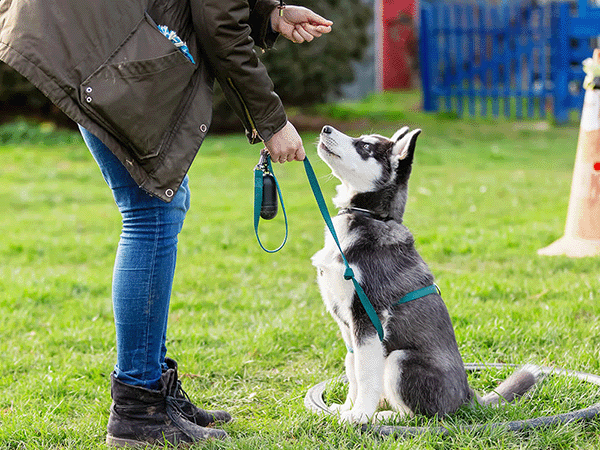
The Best Dog Trainers in the United States of 2026
This is a list of the top dog trainers in the United States, based on votes from the Sniffspot community and the general public.
The Best Dog Trainers in Seattle, WA of 2026
This is a list of the top dog trainers in Seattle, WA, based on votes from the Sniffspot community and the general public.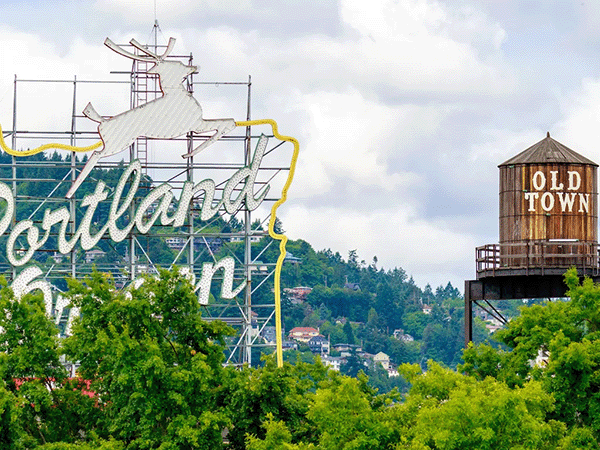
The Best Dog Trainers in Portland, OR of 2026
This is a list of the top dog trainers in Portland, OR, based on votes from the Sniffspot community and the general public.
The Best Dog Trainers in Los Angeles, CA of 2026
This is a list of the top dog trainers in Los Angeles, CA, based on votes from the Sniffspot community and the general public.
The Best Dog Trainers in New York, NY of 2026
This is a list of the top dog trainers in New York, NY, based on votes from the Sniffspot community and the general public.


City dog park guides

Best Dog Fields in the US: 25+ Wide-Open Spaces for Your Pup to Run Free
The best dog fields in the US offer something that traditional enclosed parks simply can't match: acres of open space where your pup can truly stretch their...
Top 10 Indoor Dog Parks: A US Guide
Looking for a space to play with your dog no matter what the weather’s like outside? Look no further than our list of the best indoor dog parks in the United...
Best Dog Parks in the US: Ultimate Guide to Public & Private Off-Leash Adventures
Is your pup giving you those pleading "let me run free" eyes? Whether you're a new dog parent or a seasoned pro looking for fresh adventures, finding the...
Dog Parks Near Me: Las Vegas Edition
Looking for the perfect dog park near me in Las Vegas? You're in luck! This guide explores all the best options for your pup, from public dog parks to...Best Dog Parks in the US: Off-Leash Guide
Looking for the perfect dog park? Whether you need a wide-open public space or a private, fenced-in spot, this guide will help you find the best dog parks...
Sniffspot: Portland's Best Private Dog Parks
Ready to discover Portland's best dog parks? Whether you're looking for a public park or the unique experience of a private Sniffspot, this guide has you...


Dog breeds

German Shepherd Guide: Best Family Dog? Truth from 9K Owners
The German Shepherd Dog (GSDs) are known for their intelligence, loyalty, and striking appearance. They're also incredibly versatile, excelling as working...
Labrador Retriever: Real Tips from Owners
Discover the Labrador Retriever, a breed celebrated for its playful nature, affectionate temperament, and trainability. Labradors are known for their...
Golden Retriever Advice: The Complete Owner's Guide
Golden Retrievers: they're gorgeous, playful, and incredibly popular. But before you welcome one into your home, you need the right golden retriever advice....
Are American Staffordshire Terriers Good for First-Time Owners: Complete Guide
Think American Staffordshire Terriers are tough? Think again. While their muscular build might intimidate some, these dogs are known for their playful and...
Australian Shepherd Facts: Breed Info & Care Guide
Discover the Australian Shepherd, an AKC breed celebrated for its trainable, playful, and affectionate nature. Despite its name, the Australian Shepherd is...
Essential Husky Facts for Owners: Breed Guide
Discover the Siberian Husky, a breed celebrated for its curious, intelligent, and loyal nature. Considered a medium-sized dog, Siberian Huskies were...


Top dog names in the US
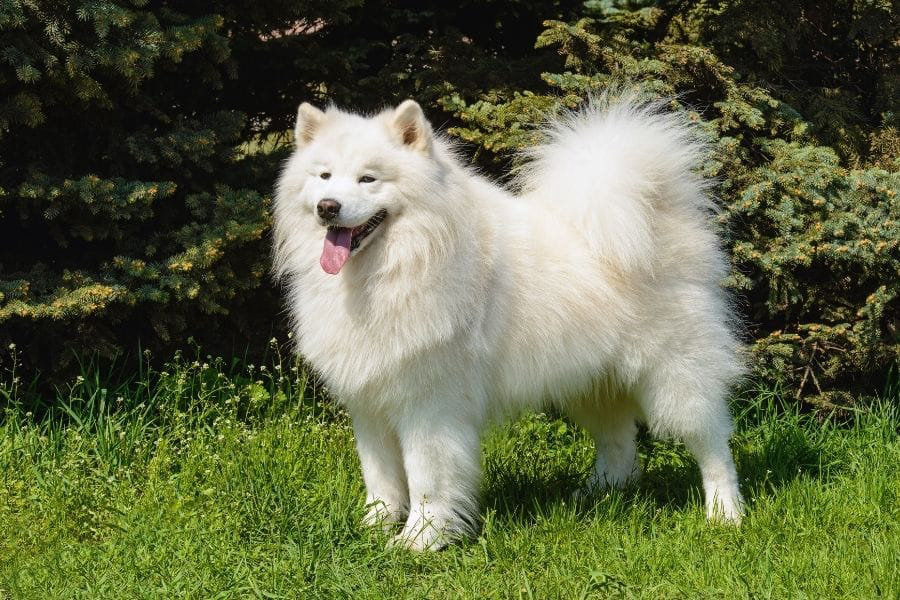
Top 1,000 Most Popular Dog Names
Looking for the perfect dog name for your new pup? We have created filterable lists of dog names from our database of hundreds of thousands of Sniffspot users.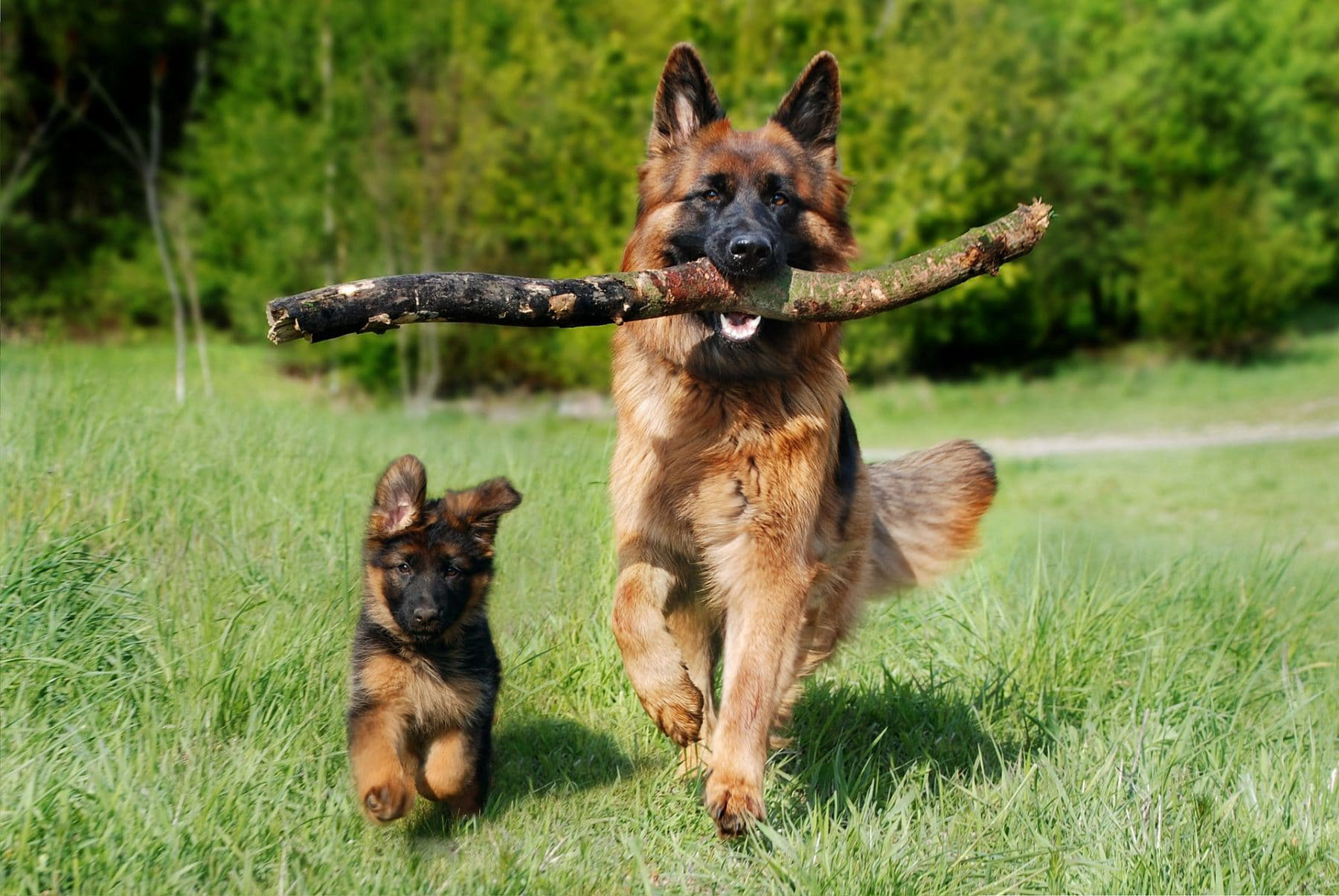
Most Popular Male Dog Names
Looking for the perfect dog name for your new male pup? We have created filterable lists of male dog names from our database of hundreds of thousands of...
Most Popular Female Dog Names
Looking for the perfect dog name for your new female pup? We have created filterable lists of female dog names from our database of hundreds of thousands of...
Most Popular Golden Retriever Names
Welcome to our comprehensive list of Golden Retriever dog names, curated from our vast database of Sniffspot users.
Most Popular Labrador Retriever Names
Welcome to our Labrador Retriever dog names page! Here you can browse through filterable lists of names for your beloved furry friend, ranging from cute and...


Top dog rescues in the US

The Best Washington Dog Rescues & Shelters in 2026
This list showcases the top dog rescues & shelters in Washington. These remarkable organizations have been recognized for their unwavering dedication to the...
The Best Oregon Dog Rescues & Shelters in 2026
This list showcases the top dog rescues & shelters in Oregon. These remarkable organizations have been recognized for their unwavering dedication to the...
The Best California Dog Rescues & Shelters in 2026
This list showcases the top dog rescues & shelters in California. These remarkable organizations have been recognized for their unwavering dedication to the...
The Best Florida Dog Rescues & Shelters in 2026
This list showcases the top dog rescues & shelters in Florida. These remarkable organizations have been recognized for their unwavering dedication to the...
The Best New York Dog Rescues & Shelters in 2026
This list showcases the top dog rescues & shelters in New York. These remarkable organizations have been recognized for their unwavering dedication to the...


