Top articlesSee all...

A Comprehensive Guide to Dog Exercise

How To Crate train An Older Dog - A Comprehensive Guide

How To Socialize A Dog - A Comprehensive Guide

Leash Training: A Guide to Training Your Dog to Walk on a Leash

Skijoring: A Guide to Skijoring with Dogs

The Best Dog Enrichment Toys

The Best United States Dog Parks

The Best Indoor Dog Parks in the United States

The Best Off-Leash Dog Parks in the United States
Top articles
A Comprehensive Guide to Dog Exercise
How To Crate train An Older Dog - A Comprehensive Guide
How To Socialize A Dog - A Comprehensive Guide
Leash Training: A Guide to Training Your Dog to Walk on a Leash
Skijoring: A Guide to Skijoring with Dogs
The Best Dog Enrichment Toys
The Best United States Dog Parks
The Best Indoor Dog Parks in the United States
The Best Off-Leash Dog Parks in the United States
See all...Where Can You Bring Your Reactive Dog? 8 Safe Places

/fit-in/0x450/wp-content/uploads/2023/11/shutterstock_251683153.jpg)
You love your dog. You also know that taking them out in public can feel like defusing a bomb. One wrong turn, one unexpected off-leash dog, and your carefully managed walk turns into a stress spiral for both of you.
If you have a reactive dog, the question of where to take them isn't trivial. Public parks can be unpredictable. Traditional dog parks are usually out entirely. Even a neighborhood walk can feel like a gamble depending on what (or who) you run into.
The good news: there are genuinely good options out there. Here's a practical breakdown of where reactive dog owners find success - plus what to watch for in each environment.
- First: What Is a Reactive Dog, Exactly?
- 1. Private Rented Dog Parks (Sniffspot)
- 2. Public Parks During Off-Peak Hours
- 3. Industrial Parks and Business Complexes
- 4. Hiking Trails (with Strategy)
- 5. Bureau of Land Management (BLM) and National Forest Land
- 6. Reactive Dog Training Classes
- 7. Fenced Private Backyards (Friends or Family)
- 8. Empty Sports Fields and School Grounds (Off-Hours)
- Staying Safe in Any Environment: Scanning Skills for Handlers
- What Doesn't Work (Usually)
- Frequently Asked Questions
Key Takeaways
- Reactive dogs can absolutely get exercise, enrichment, and adventures, they just need the right environments
- Private spaces (like Sniffspot) are often the best starting point because you control variables
- Off-peak timing at public spaces makes a real difference, early mornings and weekday afternoons are often low-traffic
- Knowing your dog's threshold distance helps you choose and navigate spaces more effectively
- Always have an escape route in mind before entering any new environment
First: What Is a Reactive Dog, Exactly?
"Reactive" in dog training terms means a dog who overreacts to certain stimuli: barking, lunging, growling, spinning, or shutting down in response to triggers that most dogs handle without incident. Common triggers include other dogs, strangers, cyclists, kids, or certain sounds.
Reactivity isn't the same as aggression, though the behaviors can look similar from the outside. Most reactive dogs are operating from fear or frustration, not a desire to harm. Understanding that distinction matters, because it shapes how you think about the environments your dog can handle.
For a deeper dive, see our guide on what is a reactive dog.

Above: Private Sniffspot Off-Leash Dog Parks, Shadow Fox Farm (left) & Grace Dog Park (right)
1. Private Rented Dog Parks (Sniffspot)
For most reactive dog owners, private spaces on Sniffspot are a game-changer. Here's why: you book a fenced outdoor space and it's yours for the duration of your booking. No other dogs. No strangers wandering through. No surprises.
That level of control isn't just convenient - it's genuinely therapeutic for reactive dogs. When a reactive dog can decompress in an environment without triggers, their overall baseline stress level drops. Regular access to a low-pressure, off-leash environment is one of the most effective things you can do to support a reactive dog's wellbeing and training progress.
Spaces vary widely: fenced backyards, large open fields, wooded trails, spaces with agility equipment or water features. Many hosts specifically cater to reactive dogs.
Best for: Dogs who are reactive to other dogs or strangers, dogs building off-leash confidence, dogs whose recall is still in progress, dogs who need decompression time
Look for: Confirm the space is fully fenced with no shared access points, and check host notes for nearby trigger risks like neighboring dogs or street noise audible from the property.
🐾 Find a private, dog-only space near you. Explore Sniffspot locations →

Pictured: Genesee Park Off-Leash Area & North Acres Park Off-Leash Area
2. Public Parks During Off-Peak Hours
Traditional public parks aren't off the table. The key is timing. Early morning (before 7 am on weekdays) and late evening hours tend to be significantly quieter. Weekdays are usually much calmer than weekends.
Arriving early or late means fewer dogs, fewer unpredictable encounters, and more space to maneuver. If your dog has a 50-foot threshold from other dogs, you need room to work, and a crowded Saturday afternoon park doesn't give you that.
Scout before you bring your dog. Walk the space without them first to understand the layout, identify common pinch points (narrow paths, blind corners), and plan your exit routes.
Best for: Dogs who are working on threshold training, dogs who can handle occasional visual contact with triggers from a distance
Look for: Watch for blind corners, narrow paths, and any off-leash dogs whose handlers aren't paying attention; pick parks with wide sightlines so you can spot triggers before your dog does.

Pictured: Four Season Fun in Port Orchard (left) & Private dog park at Rusty Bar Ranch (right)
3. Industrial Parks and Business Complexes
Not glamorous, but genuinely useful. Industrial parks, office complexes off highway exits, and strip mall parking areas outside of business hours offer wide-open, low-foot-traffic spaces to walk and train.
These environments give you control over distance from triggers (you can usually see them coming well in advance), minimal off-leash dog encounters, and room to work. They're also novel for dogs. New smells, new surfaces, different sensory inputs...these are enriching for your dog (yes, really).
A few things to watch for: machinery noise, unfamiliar smells, delivery vehicles. Visit during quiet times (early morning, evenings) for the best experience.
Best for: Dogs who need wide sightlines and predictable environments; good for counter-conditioning practice at distance
Look for: Time your visits around delivery schedules and after-hours security patrols, and stay alert for sudden machinery noise, loose loading-dock dogs, or fast-moving forklifts and trucks.

Pictured: Pacific Forestlands Forest Walk (left) & Lake Cavanaugh K9 Ranch (right)
4. Hiking Trails (with Strategy)
Hiking trails with good visibility are a real option for reactive dogs, as long as you choose the right trails and times. Look for:
- Wider trails where you have room to step off the path
- Trails with clear sightlines (so you're not rounding a corner into someone)
- Less popular routes (check reviews for trail traffic levels)
- Weekday mornings for minimum crowds
Having a plan when you see another hiker or dog: step off the trail, increase distance, ask your dog for a behavior they know well (sit, look at me), reward, let the trigger pass. The key is staying far enough outside your dog's threshold that they can actually think and respond.
If you're using a long line on trail, long leash training skills help you manage the extra length in varied terrain. It's also worth exploring sniffspot for private off-leash hiking trails for your reactive dog, like the Lake Cavanaugh K9 Ranch in Mount Vernon, WA.
Best for: Dogs who can handle visual triggers at a distance; handlers comfortable with trail navigation and management
Look for: Choose trails with wide shoulders and long sightlines so you have room to step off, and watch for pinch points like switchbacks or bridges where passing distance disappears.

Pictured: BLM Land
5. Bureau of Land Management (BLM) and National Forest Land
BLM areas and national forests often have lightly traveled fire roads and trails where you can walk for miles without seeing another soul. This is as close to "free and open" as public land gets for reactive dog owners.
Check regulations before you go. Some areas require dogs on leash, others have designated off-leash zones. The key advantage is sheer space: you can adjust distance from any trigger dramatically.
Best for: Rural areas; dogs who do well in nature; handlers looking for more freedom with less crowd management
Look for: Check current leash rules and seasonal closures before heading out, and stay aware of hunters, livestock, mountain bikers, and wildlife that can appear without warning on remote roads.

Pictured: The Friendly Bark In Lynnwood (left) & NorCal K9 (right)
6. Reactive Dog Training Classes
Many trainers offer reactive dog-specific group classes in controlled environments. These use careful spacing, visual barriers, and structured protocols so your dog gets exposure to other dogs' presence without the chaos of a traditional park.
These classes serve double duty: your dog gets managed exposure to their triggers while you learn the techniques to handle those moments yourself.
If you're looking for a reactive dog specialist, our guide to finding a reactive dog trainer near you is a good starting point.
Best for: Dogs at the counter-conditioning stage of training; handlers who want professional guidance
Look for: Search for small class sizes, visual barriers between dogs, and a trainer who uses force-free, threshold-based methods rather than flooding or corrections.

Pictured: Fido's Frolic Private Dog Park (left) & Colleen's Fully Fenced Yard (right)
7. Fenced Private Backyards (Friends or Family)
If you have a friend or family member with a fenced backyard and no dogs (or dogs your reactive dog tolerates), this is low-cost private space. The familiarity of someone your dog knows can reduce baseline stress, which makes it easier to work on training.
This works especially well for dogs who are reactive to strangers but okay with people they know. The familiar handler lowers arousal so you can do productive work.
Best for: Dogs reactive to strangers or unknown dogs; early recall and confidence training
Look for: Inspect the fence line for gaps, low spots, or unsecured gates before letting your dog off-leash, and confirm no resident dogs or kids will appear mid-visit.

Pictured: Fenced, 5-ish Acre Open-Space (left) & Castro Valley Private Hiking Trail (Right)
8. Empty Sports Fields and School Grounds (Off-Hours)
Fenced sports fields, school grounds, and tennis courts are often accessible outside of school or league hours. This gives you a flat, fenced space (often with no other dogs in sight) for off-leash confidence work or long leash training.
Always verify that dogs are permitted before assuming. A quick call to your local parks department clears up the rules.
Best for: Dogs who need fenced off-leash time but whose recall isn't reliable yet; early off-leash training
Look for: Verify dogs are actually permitted by the local parks or school district, and scan for unfenced gaps, gate latches that don't fully close, and posted practice or event schedules that could bring sudden crowds.
Staying Safe in Any Environment: Scanning Skills for Handlers
Wherever you go, the single most valuable skill you can develop as a reactive dog handler is spatial awareness. Train yourself to:
- Use your peripheral vision: You shouldn't be staring at your dog constantly, instead scan the full environment regularly.
- Look ahead on the path: Identify potential triggers before your dog does. If you see a dog 200 feet away, you have time to change direction before your dog locks on.
- Always know your exit: Before you commit to any path, know where you can move if a trigger appears suddenly.
- Read your dog: Learn what "pre-reactivity" looks like in your dog, stiffening, staring, ears forward, tail position change. The sooner you catch it, the more options you have. Understand dog anxiety signs and symptoms so you can stay ahead of them.
These skills matter as much as the environment you choose.
What Doesn't Work (Usually)
Just to name it directly: traditional public dog parks are usually not a good fit for reactive dogs. The chaos, unpredictable off-leash dogs, and inability to control the environment create conditions where reactive dogs get overwhelmed. Even a single negative encounter in a dog park can set back months of progress.
This isn't a failure. It's just not the right tool. The options above give you so much more control - and your reactive dog can absolutely have a full life without ever stepping foot in a public dog park.
Frequently Asked Questions
Can I take a reactive dog to a regular dog park?
Generally, no. Public dog parks are difficult environments for reactive dogs because you can't control who comes in, how close they get, or how other dogs behave. The unpredictability makes it very hard to stay below your dog's threshold. Private options like Sniffspot are a much better fit.
How do I know if a trail is too busy for my reactive dog?
Check trail apps like AllTrails for user reviews that mention crowd levels, or visit on a weekday morning as a test run without your dog first. Look for trails with good visibility so you can spot triggers early and create distance.
Is it ever okay to let a reactive dog off-leash in public?
It depends entirely on the specific dog, their recall reliability, and the environment. For most reactive dogs who are still in active training, a long leash gives more freedom while maintaining safety. Off-leash should happen in fully fenced or controlled spaces until recall is very reliable. See our guide on whether reactive dogs can go off-leash for more nuance.
My reactive dog is also reactive to cars and bikes. Any advice?
Industrial parks and BLM areas tend to have fewer fast-moving vehicles. Early morning walks in quiet neighborhoods often help too - less traffic overall. The strategy is the same: identify the trigger early, increase distance, ask for a known behavior, reward.
What's the best way to handle an unexpected off-leash dog approaching us?
Stay calm and try to create distance immediately. Place yourself between the approaching dog and your dog. If the other dog is clearly charging, a citronella spray carried in your hand can interrupt the approach. Yelling at the other dog owner to grab their dog is completely appropriate. Your primary goal is creating distance, not managing your reactive dog's emotions in that moment. Just get space.
🐾 Skip the stress of public spaces - find a private, dog-only park near you. Explore Sniffspot spots→
This article was reviewed by an experienced dog trainer.
Kaia Wilson, CPDT-KA, SAP-BC, FDM of Dogspeed Training
Kaia is a certified professional dog trainer and separation anxiety specialist based in Portland, Oregon. Since 2013, they've helped reactive and fearful dogs build confidence through compassion-centered, positive reinforcement methods. Kaia is also a graduate of Michael Shikashio's Aggression in Dogs Masterclass and runs Dogspeed Training.


/fit-in/0x128/wp-content/uploads/2026/10/puppy-obedience-training.png)
/fit-in/0x128/wp-content/uploads/2022/07/shutterstock_237584221-1.jpg)
/fit-in/0x128/wp-content/uploads/2020/08/shutterstock_421958377.jpg)
/fit-in/0x128/wp-content/uploads/2023/11/shutterstock_161543342.jpg)
/fit-in/0x128/wp-content/uploads/2020/07/shutterstock-627476036_orig.jpg)
Most recent articles
/fit-in/0x256/wp-content/uploads/2026/10/puppy-obedience-training.png)
/fit-in/0x256/wp-content/uploads/2022/07/shutterstock_237584221-1.jpg)
/fit-in/0x256/wp-content/uploads/2020/08/shutterstock_421958377.jpg)
/fit-in/0x128/wp-content/uploads/2025/03/Moving-with-your-pet-1.png)
/fit-in/0x256/wp-content/uploads/2025/03/Moving-with-your-pet-1.png)
/fit-in/0x128/wp-content/uploads/2024/11/Screen-Shot-2024-11-29-at-12.58.43-PM.png)
/fit-in/0x256/wp-content/uploads/2024/11/Screen-Shot-2024-11-29-at-12.58.43-PM.png)
/fit-in/0x128/wp-content/uploads/2025/03/Moving-with-your-pet-2.png)
/fit-in/0x256/wp-content/uploads/2025/03/Moving-with-your-pet-2.png)
Related articles
Top dog guides per area
Dog training guides

Best Dog Fields in the US: 25+ Wide-Open Spaces for Your Pup to Run Free
The best dog fields in the US offer something that traditional enclosed parks simply can't match: acres of open space where your pup can truly stretch their legs and run at full speed. From Colorado's 470-acre prairie meadows to Tennessee's...
Dog Food Aggression & Resource Guarding Guide
Does your dog ever growl when you walk by their food dish? Maybe they get possessive of treats, carrying them far away and giving you side-eye when you start to approach — or snarling at your other pets or children if they get too close.
The Ultimate Guide to Scent Training for Dogs
Your dog's nose is an amazing tool. Did you know they have 40 times the olfactory receptors than humans? Scent training for dogs taps into this superpower, turning everyday moments into exciting sniff-fests. It's enriching for all types of dogs –...
How Much Does It Cost to Train a Service Dog?
More than 80 million Americans rely on their service dogs to help them navigate the world. Task-trained assistance animals perform a huge range of life-changing—in many cases, life-saving—services: These dogs act as eyes for visually impaired...
How to Deal With Puppy Potty Training Regression
You thought those dreaded middle-of-the-night potty breaks were over. You were finally free from cleaning up puppy puddles. Then, suddenly, your six-month-old who's been accident-free for weeks starts peeing on your rug again.
Dirty Dog Syndrome: Causes, Solutions, and Prevention
It's a cringe-worthy moment every dog owner dreads: your furry friend chowing down on something truly disgusting. If your dog has a penchant for poop, you're dealing with coprophagia. It's more common than you think, and thankfully, often...
/354x256/wp-content/uploads/2025/09/Screenshot-2025-09-21-at-6.39.54-PM.png)
/354x256/wp-content/uploads/2020/08/bernese-mountain-dog-208092_1280.jpg)
/354x256/wp-content/uploads/2022/04/shutterstock_543831754.jpg)
/354x256/wp-content/uploads/2022/08/shutterstock_494495788-1.jpg)
/354x256/wp-content/uploads/2022/07/shutterstock_237584221-1.jpg)
/354x256/wp-content/uploads/2022/10/shutterstock_705844504.jpg)
Dog enrichment guides
Best Dog Fields in the US: 25+ Wide-Open Spaces for Your Pup to Run Free
The best dog fields in the US offer something that traditional enclosed parks simply can't match: acres of open space where your pup can truly stretch their legs and run at full speed. From Colorado's 470-acre prairie meadows to Tennessee's...
Best Dog Water Parks in the US: 15+ Amazing Splash Destinations for Your Pup
Do you have a water-loving dog looking to burn some energy? There are countless dog parks to visit throughout our country — but some of them become far too hot in the midday sun to be safe for your pets to play. That’s why we’ve put together a...
Best Toys for Herding Dogs: Keeping Your Pup Happy & Engaged
Herding dogs are amazing, intelligent companions. But that also means they need more than just a simple game of fetch. Finding the right toys for herding dogs is key to keeping them happy and stimulated. This article explores some of the best toys...
Tough Dog Toys for Aggressive Chewers: A Practical Guide
Does your dog destroy every toy you give them? Is your house littered with the remnants of plush toys? Are you tired of wasting money on "indestructible" dog toys for aggressive chewers that don't last? Then this post is for you. We'll cover...
Dog Exercise Calculator: How Much Exercise Does Your Dog Need?
Every dog needs to move, but how much is actually enough? The answer depends on more than just breed. Age, health, and even your own lifestyle all play a role in figuring out the right daily exercise routine for your pup.
Complete Guide To Herding With Dogs
* All Sniffspot articles are reviewed by certified trainers for quality, please see bottom of article for details *
/354x256/wp-content/uploads/2023/04/dogwaterpark.png)
/354x256/wp-content/uploads/2022/05/shutterstock_174836186.jpg)
/354x256/wp-content/uploads/2023/02/shutterstock_1346929262.jpg)
/354x256/wp-content/uploads/2022/08/dogexercisecalculatorfeaturedimage.jpg)
/354x256/wp-content/uploads/2020/07/bb.jpg)
Dog reactivity guides
Best Dog Fields in the US: 25+ Wide-Open Spaces for Your Pup to Run Free
The best dog fields in the US offer something that traditional enclosed parks simply can't match: acres of open space where your pup can truly stretch their legs and run at full speed. From Colorado's 470-acre prairie meadows to Tennessee's...
Rottweiler Aggression: Signs, Causes & Training
Many dogs have gotten a bad reputation over the years for being "dangerous breeds." Rottweilers are among them. Like pit bulls and other large, blocky-headed types of dogs, these powerful and beautiful animals are often assumed to be aggressive.
The Reactive Dog Chart: How to Calm Your Dog's Triggers
If your dog lunges, barks, or loses their mind at the sight of another dog, a stranger, or a bicycle, you’re living with a reactive dog (and you’re far from alone). Dog reactivity is one of the most common behavioral challenges dog owners face,...
How to Socialize a Reactive Dog: A Step-by-Step Guide
Does your dog display reactivity to other pets or people—barking, lunging, or growling when they see their triggers? Whether they're a rescue still settling in, missed critical socialization as a puppy, or had a negative experience that changed...
What Is a Reactive Dog? The Complete Guide for Understanding and Helping Your Pup
Does your dog transform into a barking, lunging tornado the second they spot another dog across the street? You're definitely not alone. According to our research of over 4,000 dog owners, 66% of dogs show some signs of reactivity.
9 Best Online Communities for Reactive Dog Parents
Does your dog's reactivity make walks stressful? You're not alone. Many dog owners face similar challenges. This guide offers practical advice and support for managing reactivity, including finding the best online dog training for reactive dogs....
/354x256/wp-content/uploads/2023/05/Screen-Shot-2024-05-23-at-9.33.57-PM.png)
/354x256/wp-content/uploads/2022/08/dogreactivitychartfeaturedimage.jpg)
/354x256/wp-content/uploads/2022/08/shutterstock_523383649.jpg)
/354x256/wp-content/uploads/2020/07/a.jpg)
/354x256/wp-content/uploads/2022/01/shutterstock_796422001.jpg)
Sniffspot community guides
Best Dog Fields in the US: 25+ Wide-Open Spaces for Your Pup to Run Free
The best dog fields in the US offer something that traditional enclosed parks simply can't match: acres of open space where your pup can truly stretch their legs and run at full speed. From Colorado's 470-acre prairie meadows to Tennessee's...
The State of Public Dog Parks Across the United States
From 2009 to 2020, there was a 40 percent increase in the development of public dog parks. Designated spots for canine exercise have become commonplace in every major city in North America — many pet owners won’t even consider renting an apartment...
How This Family is Affording Their Dream Property Through Renting it Hourly to Dogs
Thousand Oaks, California has been a safe haven for Sniffspot host, Jen, since childhood. Having grown up in busy Santa Barbara, Jen, an introvert from an early age, would seek out solitude and serenity away from tourists attractions and droves of...
Host Tips: Ellen K. What Makes Sniffspot Successful for Me
Ellen is the host of Country Pasture Getaway, one of Sniffspot's most popular sniff spots. She has taken the time to write up the lessons she has learned about how to be a great sniff spot host.
How this Oregon Farmer is Making a Business From Renting Her Land to Dogs
Just 20 minutes outside of the busy city of Portland, Oregon, and settled right on the banks of the Columbia River, you’ll find what countless visitors have flocked to the area in search of – mountain views, crisp, clean air, and running water for...
Host Tips: Fran T. Providing Great Guest Service at our Spot
Fran is the host of Ranch Setting, one of Sniffspot's most popular spots. She has taken the time to write up the lessons she has learned about how to be a great Sniffspot host.
/354x256/wp-content/uploads/2022/07/Sniffspot_infographic_1-01.jpeg)
/354x256/wp-content/uploads/2021/05/Final-Edit-003-1.jpg)
/354x256/wp-content/uploads/2020/07/good-photo-3_orig.jpg)
/354x256/wp-content/uploads/2021/05/sniffspot-28-of-45-1.jpg)
/354x256/wp-content/uploads/2020/07/screen-shot-2019-09-19-at-2-01-47-pm_orig.png)
Top dog trainers in the US
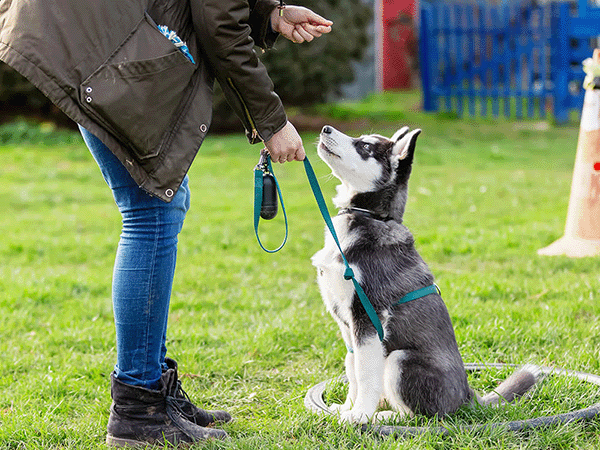
The Best Dog Trainers in the United States of 2026
This is a list of the top dog trainers in the United States, based on votes from the Sniffspot community and the general public.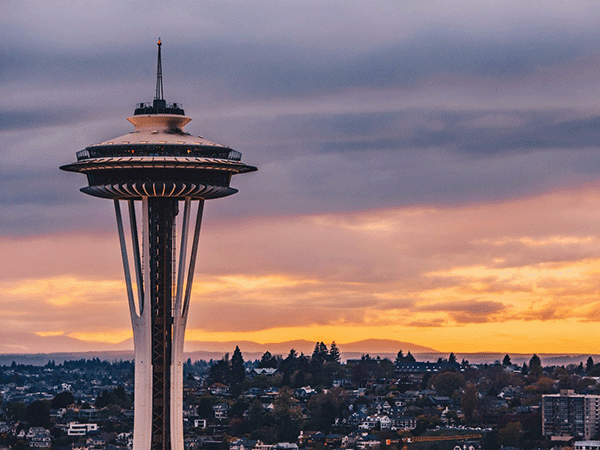
The Best Dog Trainers in Seattle, WA of 2026
This is a list of the top dog trainers in Seattle, WA, based on votes from the Sniffspot community and the general public.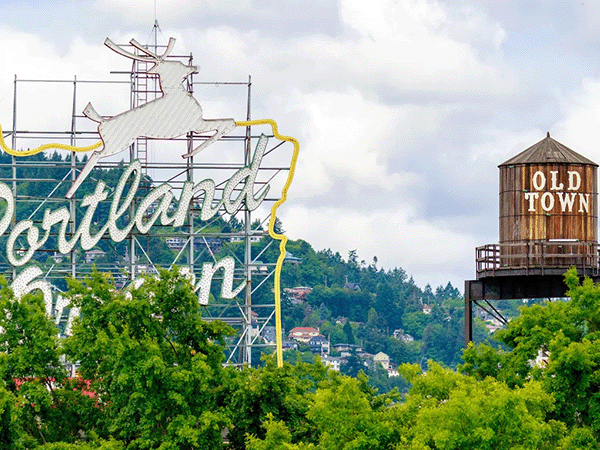
The Best Dog Trainers in Portland, OR of 2026
This is a list of the top dog trainers in Portland, OR, based on votes from the Sniffspot community and the general public.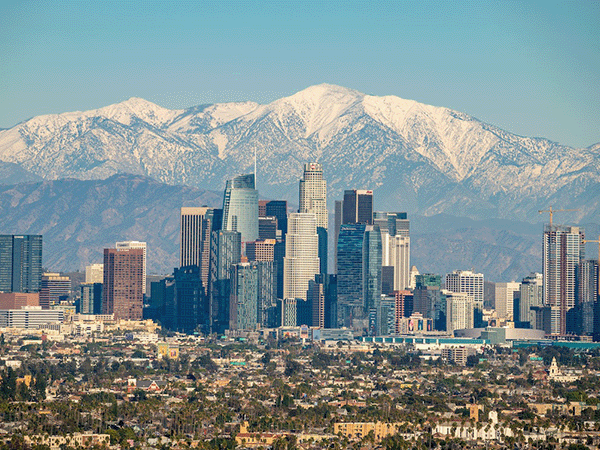
The Best Dog Trainers in Los Angeles, CA of 2026
This is a list of the top dog trainers in Los Angeles, CA, based on votes from the Sniffspot community and the general public.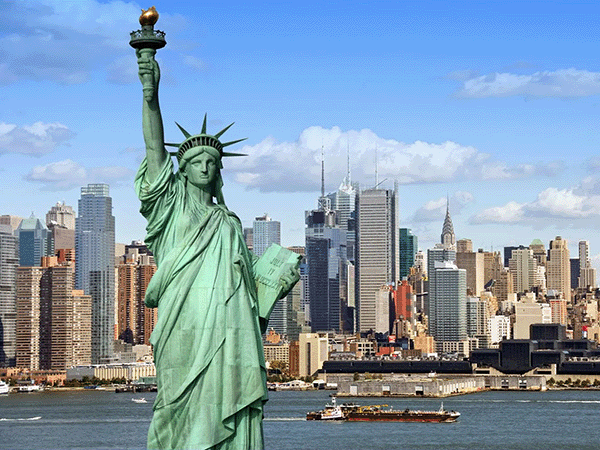
The Best Dog Trainers in New York, NY of 2026
This is a list of the top dog trainers in New York, NY, based on votes from the Sniffspot community and the general public.


City dog park guides
Best Dog Fields in the US: 25+ Wide-Open Spaces for Your Pup to Run Free
The best dog fields in the US offer something that traditional enclosed parks simply can't match: acres of open space where your pup can truly stretch their legs and run at full speed. From Colorado's 470-acre prairie meadows to Tennessee's...
Top 10 Indoor Dog Parks: A US Guide
Looking for a space to play with your dog no matter what the weather’s like outside? Look no further than our list of the best indoor dog parks in the United States! These climate-controlled spaces are growing in popularity as pet ownership...
Best Dog Parks in the US: Ultimate Guide to Public & Private Off-Leash Adventures
Is your pup giving you those pleading "let me run free" eyes? Whether you're a new dog parent or a seasoned pro looking for fresh adventures, finding the perfect off-leash paradise for your furry friend can feel ruff! From sun-soaked California...
Dog Parks Near Me: Las Vegas Edition
Looking for the perfect dog park near me in Las Vegas? You're in luck! This guide explores all the best options for your pup, from public dog parks to private dog parks near me on Sniffspot. We'll help you find the ideal spot for playtime,...Best Dog Parks in the US: Off-Leash Guide
Looking for the perfect dog park? Whether you need a wide-open public space or a private, fenced-in spot, this guide will help you find the best dog parks across the US. We'll cover top-rated public parks, the perks of private dog parks, and even...
Sniffspot: Portland's Best Private Dog Parks
Ready to discover Portland's best dog parks? Whether you're looking for a public park or the unique experience of a private Sniffspot, this guide has you covered. We'll help you find the perfect spot for your pup, with tips on what to bring, how...
/354x256/wp-content/uploads/2023/04/indoordogparks.png)
/354x256/wp-content/uploads/2023/03/offleashdogparks.png)
/354x256/wp-content/uploads/2023/02/vegas.jpg)
/354x256/wp-content/uploads/2023/02/portland.jpg)
Dog breeds
Best Dog Fields in the US: 25+ Wide-Open Spaces for Your Pup to Run Free
The best dog fields in the US offer something that traditional enclosed parks simply can't match: acres of open space where your pup can truly stretch their legs and run at full speed. From Colorado's 470-acre prairie meadows to Tennessee's...
German Shepherd Guide: Best Family Dog? Truth from 9K Owners
The German Shepherd Dog (GSDs) are known for their intelligence, loyalty, and striking appearance. They're also incredibly versatile, excelling as working dogs and devoted family companions. This guide covers everything you need to know about...
Labrador Retriever: Real Tips from Owners
Discover the Labrador Retriever, a breed celebrated for its playful nature, affectionate temperament, and trainability. Labradors are known for their friendly demeanor and adaptability, making them perfect family companions and versatile working...
Golden Retriever Advice: The Complete Owner's Guide
Golden Retrievers: they're gorgeous, playful, and incredibly popular. But before you welcome one into your home, you need the right golden retriever advice. This guide draws on the wisdom of nearly 10,000 Golden Retriever owners, offering...
Are American Staffordshire Terriers Good for First-Time Owners: Complete Guide
Think American Staffordshire Terriers are tough? Think again. While their muscular build might intimidate some, these dogs are known for their playful and loyal personalities. This guide draws on the experience of nearly 10,000 AmStaff owners to...
Australian Shepherd Facts: Breed Info & Care Guide
Discover the Australian Shepherd, an AKC breed celebrated for its trainable, playful, and affectionate nature. Despite its name, the Australian Shepherd is actually a native breed to the United States, originally developed to breed on farms and...
/354x256/wp-content/uploads/2024/07/German-Shepherd-Dog.png)
/354x256/wp-content/uploads/2024/07/Screen-Shot-2024-07-24-at-4.06.05-PM.png)
/354x256/wp-content/uploads/2024/07/Screen-Shot-2024-07-25-at-3.05.09-PM.png)
/354x256/wp-content/uploads/2024/07/staffy.jpg)
/354x256/wp-content/uploads/2024/07/Screen-Shot-2024-07-25-at-3.39.43-PM.png)
Top dog names in the US
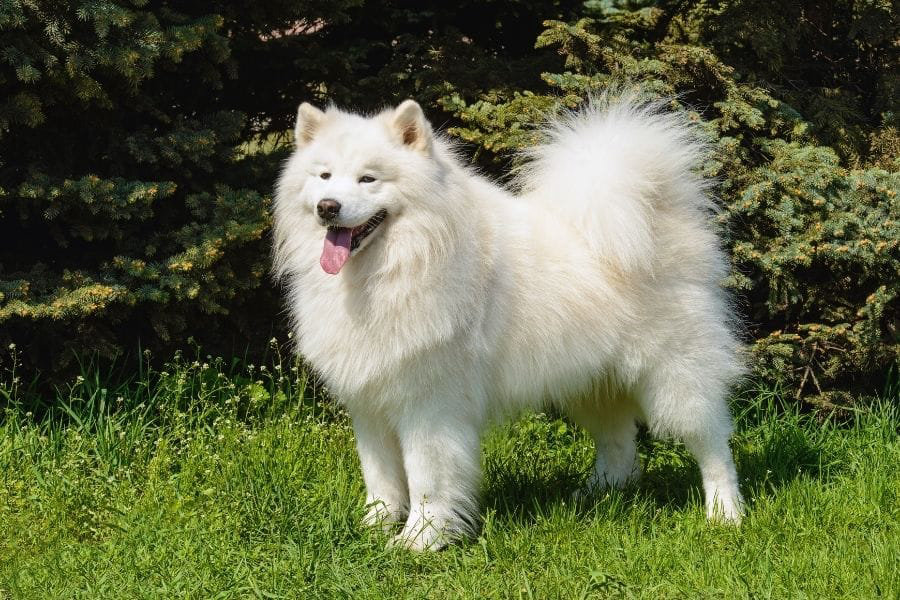
Top 1,000 Most Popular Dog Names
Looking for the perfect dog name for your new pup? We have created filterable lists of dog names from our database of hundreds of thousands of Sniffspot users. You can filter by gender, breed and state to find the most cute, unique and creative dog names.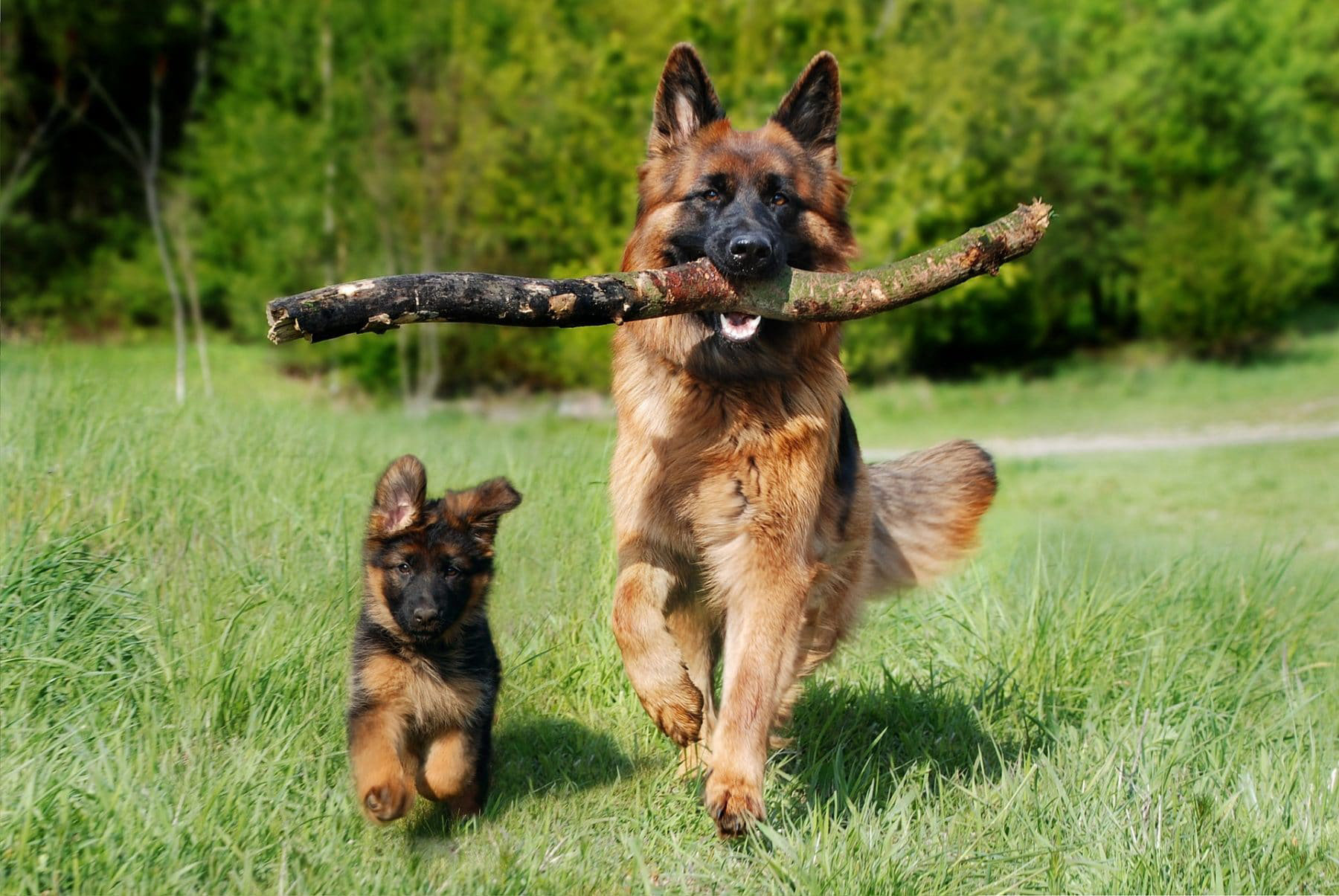
Most Popular Male Dog Names
Looking for the perfect dog name for your new male pup? We have created filterable lists of male dog names from our database of hundreds of thousands of Sniffspot users. You can filter by gender, breed and state to find the most cute, unique and creative male dog names.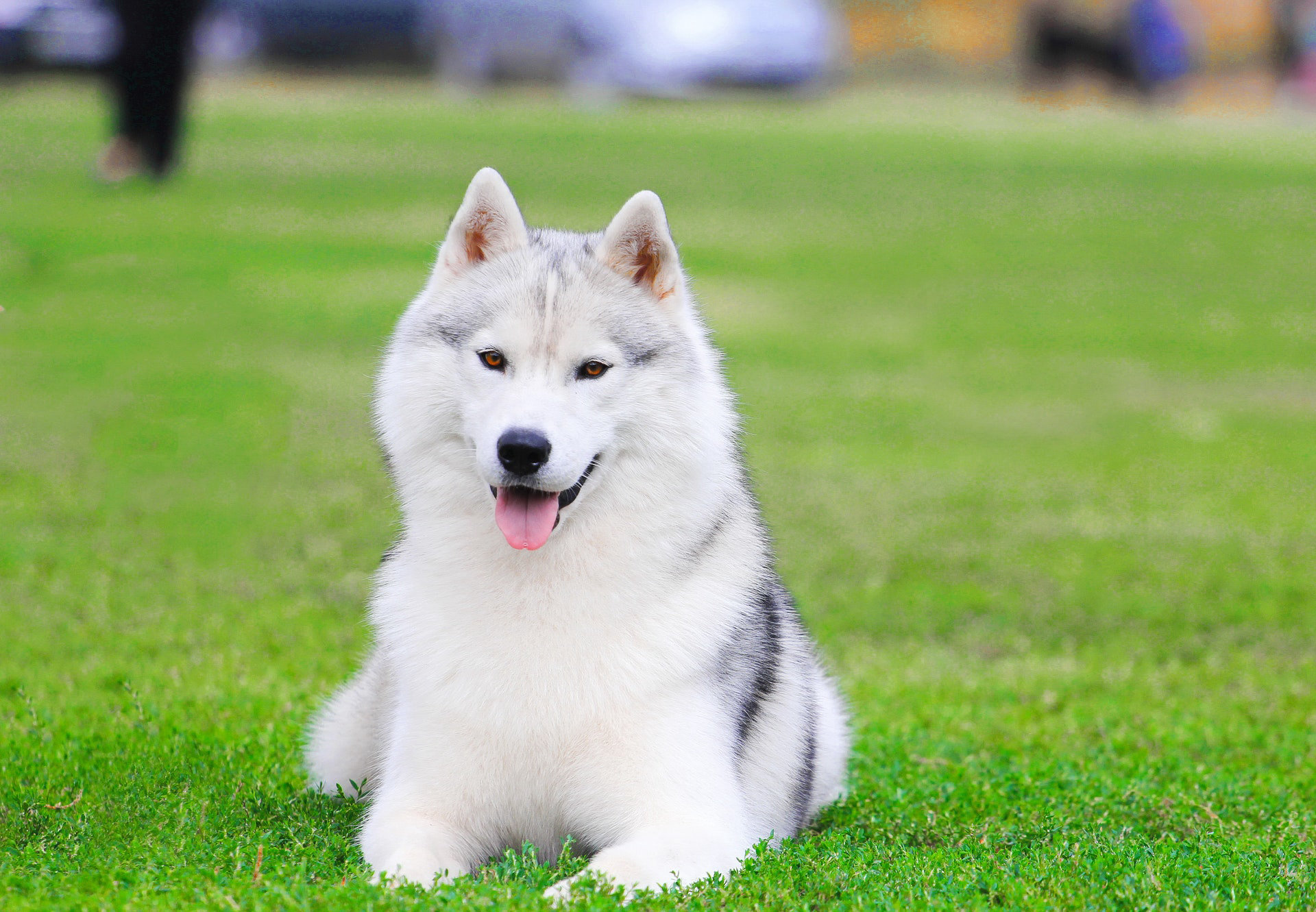
Most Popular Female Dog Names
Looking for the perfect dog name for your new female pup? We have created filterable lists of female dog names from our database of hundreds of thousands of Sniffspot users. You can filter by gender, breed and state to find the most cute, unique and creative female dog names.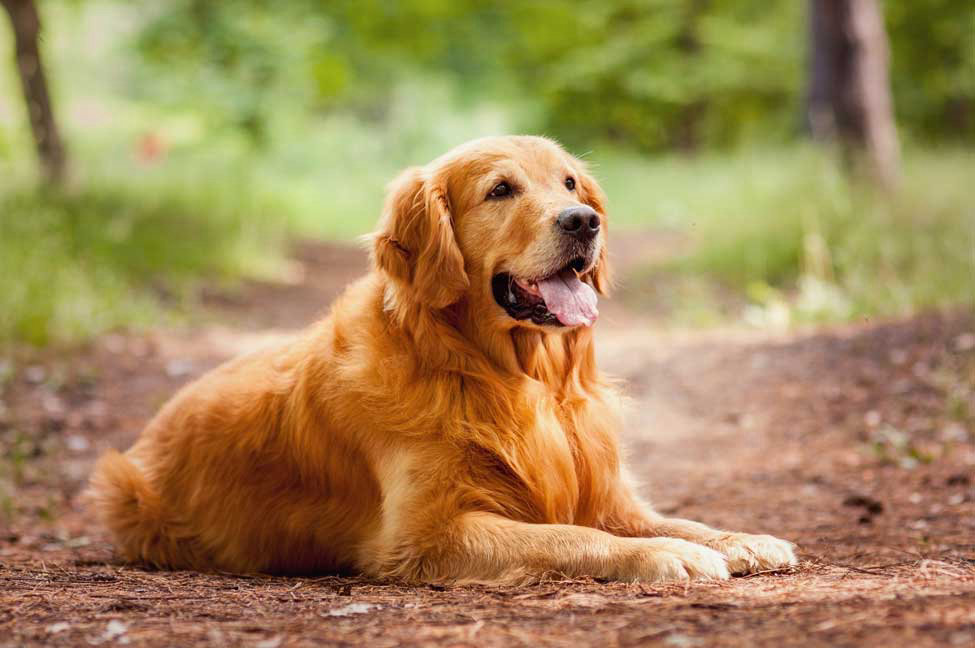
Most Popular Golden Retriever Names
Welcome to our comprehensive list of Golden Retriever dog names, curated from our vast database of Sniffspot users. Filter through hundreds of thousands of options by gender, breed, and state to discover the most adorable, original, and imaginative names for your beloved Golden Retriever.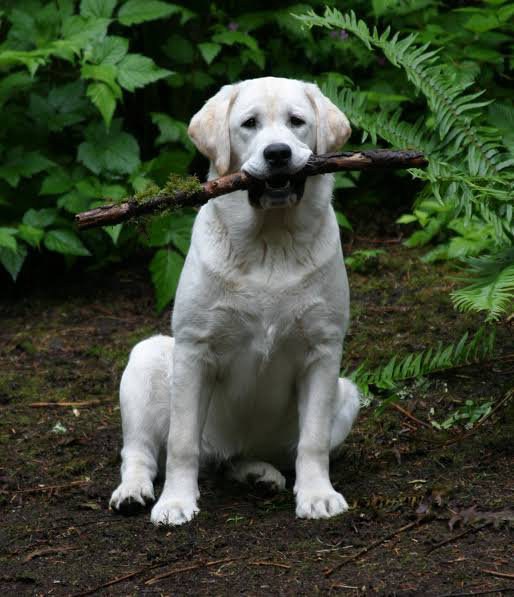
Most Popular Labrador Retriever Names
Welcome to our Labrador Retriever dog names page! Here you can browse through filterable lists of names for your beloved furry friend, ranging from cute and classic to unique and creative options. Our database of hundreds of thousands of Sniffspot users ensures you'll find the perfect name for your Labrador Retriever, whether you're seeking a name for a male or female, based on breed or state.


Top dog rescues in the US

The Best Washington Dog Rescues & Shelters in 2026
This list showcases the top dog rescues & shelters in Washington. These remarkable organizations have been recognized for their unwavering dedication to the well-being of countless dogs.
The Best Oregon Dog Rescues & Shelters in 2026
This list showcases the top dog rescues & shelters in Oregon. These remarkable organizations have been recognized for their unwavering dedication to the well-being of countless dogs.
The Best California Dog Rescues & Shelters in 2026
This list showcases the top dog rescues & shelters in California. These remarkable organizations have been recognized for their unwavering dedication to the well-being of countless dogs.
The Best Florida Dog Rescues & Shelters in 2026
This list showcases the top dog rescues & shelters in Florida. These remarkable organizations have been recognized for their unwavering dedication to the well-being of countless dogs.
The Best New York Dog Rescues & Shelters in 2026
This list showcases the top dog rescues & shelters in New York. These remarkable organizations have been recognized for their unwavering dedication to the well-being of countless dogs.
/354x256/Photos/SeoDogRescue/1282/178507e67e44-MC_logo_square.jpg)
/354x256/Photos/SeoDogRescue/931/cef8bbb17769-South_Coast_Humane_Society.png)
/354x256/Photos/SeoDogRescue/61/30aea3371b69-MainSquare_2.png)
/354x256/Photos/SeoDogRescue/298/1000035238.jpg)
/354x256/Photos/SeoDogRescue/814/91cfd62cd986-IMG_1035.jpeg)