Top articlesSee all...

A Comprehensive Guide to Dog Exercise

How To Crate train An Older Dog - A Comprehensive Guide

How To Socialize A Dog - A Comprehensive Guide

Leash Training: A Guide to Training Your Dog to Walk on a Leash

Skijoring: A Guide to Skijoring with Dogs

The Best Dog Enrichment Toys

The Best United States Dog Parks

The Best Indoor Dog Parks in the United States

The Best Off-Leash Dog Parks in the United States
Top articles
A Comprehensive Guide to Dog Exercise
How To Crate train An Older Dog - A Comprehensive Guide
How To Socialize A Dog - A Comprehensive Guide
Leash Training: A Guide to Training Your Dog to Walk on a Leash
Skijoring: A Guide to Skijoring with Dogs
The Best Dog Enrichment Toys
The Best United States Dog Parks
The Best Indoor Dog Parks in the United States
The Best Off-Leash Dog Parks in the United States
See all...Reactive Dog Training: A Practical Guide

/fit-in/0x450/wp-content/uploads/2022/07/shutterstock_187910180.jpg)
Is your dog's barking, lunging, or growling causing you stress? You're not alone. Many dog owners face the challenges of reactive dog training. It's tough dealing with a reactive dog, but there's hope. This guide offers practical advice and effective techniques for how to train a reactive dog.
Can your best friend be helped? What’s causing their meltdowns? How do you sift through the mountains of training information online?
We know working through dog reactivity can be overwhelming, but you’re not alone. Reactivity is one of the most common behavior issues in modern dogs. Here’s a comprehensive guide to getting on the right track with your reactive dog!
- Dog Training Terminology: Understanding Reactivity
- What Causes Reactivity in Dogs?
- Is Dog Reactivity the Same as Aggression?
- The First Step: Meet Your Dog's Basic Needs
- Set Realistic Goals for Your Dogs Reactivity Training
- Reactive Dog Training: Core Training Principles
- How to Train Your Reactive Dog: Foundation Skills
- Reactive Dog Training: Management Strategies
- Understanding Reactive Dog Body Language
- Start Reactivity Training by Tackling Triggers
- Essential Equipment for Reactive Dog Training
- Reactive Dog Training Timeline: What to Expect Month by Month
- Trusted Resources for Reactive Dog Owners
- Know When to Seek Professional Help
- Understand Progress Isn't Always Perfect
- Trainer Review of this Article
- Dog Reactivity Frequently Asked Questions
Reactive dog training at a glance:
- Understand your dog's reactivity: Reactivity is often rooted in fear or frustration. Identifying your dog's triggers and recognizing their threshold is the first step toward building a training plan. Meeting your dog's needs through exercise, enrichment, and addressing any underlying health issues can significantly impact their behavior.
- Focus on foundational training: Positive reinforcement methods, such as clicker training and classical conditioning, are crucial for creating positive associations. Work on impulse control, calmness, and confidence-building exercises to equip your dog with the skills they need to manage challenging situations.
- Combine management with training: Use management techniques like muzzle training, trigger avoidance, and the three-second rule to minimize reactive episodes while implementing a training plan. Progress takes time and dedication, so be patient with yourself and your dog, and celebrate the small wins along the way.

Dog Training Terminology: Understanding Reactivity
First, let’s get our definitions straight. Dog reactivity is a big topic with lots of associated terms.
Let's start with the basics. What does it mean when a dog is reactive? While every living animal is constantly “reacting” to its environment — you might put on a sweatshirt when you notice you’re cold or head to open the door when you hear a knock — “reactive” is used in the dog training world to describe pets who overreact to stimuli in their environments.
Reactivity generally encompasses a range of unwanted behaviors (barking, growling, lunging, jumping, pulling, and more) in situations that typically don’t warrant them (like when these triggers are behaving normally, in a non threatening way). But for whatever reason, these situations are overwhelming or scary to our dogs.
In other words, your puppy who woofs once or twice when startled? They would not be diagnosed with reactivity. That’s a natural reaction to a sudden sound or sight!
A dog who barks, growls, and lunges at every other dog they see out on a walk, though, even if that other pup is minding their own business? Yep, that would be considered reactive.
What is a trigger?
Another word you'll hear frequently in relation to training your reactive dog is "trigger." Your dog’s triggers are the things that cause them to react. Dogs can become reactive to just about anything in today’s crowded world, but some common triggers are:
- Adult humans (especially strangers, people wearing uncommon clothing your dog hasn’t seen before, associated with a scary past experience, or approaching in a certain way)
- Children, who can move quickly and erratically
- Other dogs
- Prey animals like cats, rabbits, squirrels, and birds
- Fast-moving object like cars, bikes, or skateboards
Some dogs react to their triggers in all situations (for example, every dog they see outside their home). Other reactive canines only react to more specific images (like pointy-eared dogs directly approaching them at a certain distance) or only when they're on a leash (also called leash reactivity).
What is your dog’s threshold?
Finally, the last term to define is reactivity threshold. Your dog’s reactivity threshold is the point where they fully react to their triggers. When a dog is under threshold, they’re able to control their behaviors and remain aware of their surroundings (though they still might be a little aroused, nervous, or on edge). When your companion goes over threshold, though, they’re reacting from fear or a predatory instinct. They aren’t even aware of their own actions.
You might have experienced this yourself if you've ever needed to "snap" your dog out of their reactive state. In some ways, it's like a trance. Your dog is so focused on their trigger, they're no longer with you in the moment.
A common way to work with a reactive dog is to keep them under threshold as much as possible. This usually means working at a comfortable, safe distance from triggers. Yes, your dog knows it’s there, but they aren’t yet overwhelmed. If you’re able to control the trigger’s intensity and duration, that can work too. (But it’s usually a little more difficult outside of a controlled training set up.)
When a dog goes over threshold, it can take one to two full days for their bodies to come down from the cortisol and adrenaline highs. It’s important to be extra conscious of any additional stressors during this period.
What Causes Reactivity in Dogs?
Next, why does reactivity happen? What causes dogs to react so strongly to triggers, sometimes defying all logic? Typically, reactive dogs have one of two goals in mind. They either want to get away from something scary (this is fear-based reactivity) or want to get closer to something exciting (this is frustration-based reactivity).
Some dogs are born reactive. Like humans, dogs come with different brains and personalities. Some are simply more anxious than others, and that's completely normal. Other times, dogs are reactive because of an event in his or her past, like a dog attack, trauma, abuse, or abandonment. If you have a rescue dog, it can be hard to know exactly where their reactivity originated from.
However, the important thing when training a reactive dog isn't really where the reactivity came from. It's the type of reactivity they experience as well as their specific triggers. If you can identify this (hint: you can!) whether on your own or with the support of a trainer, you can get them on the path to calm, cool, and collected.

What are the most common types of dog reactivity?
Here are the most common types of reactivity you'll encounter. Which matches your dog's behavior?
- Fear-based dog reactivity: Fear-based reactivity in dogs is often caused when nervous or uncertain dogs feel trapped. Think about a porcupine puffing out their quills to make something scary go away. Your dog might appear to show aggressive behaviors, but they don’t want to go out of their way to cause harm. At it's core, this is an anxious, scared response to something external.
- Excitement dog reactivity: Excitement dog reactivity (also sometimes known as frustration-based reactivity), stems from a dog wanting to interact with something they can’t. This is common in social dogs who regularly visit dog parks or attend daycare. They love other pets and get frustrated when they aren’t allowed to greet them! That frustration (especially when being held back on a leash) can quickly build into a reactive display.
- General over arousal: We bred certain traits into dog breeds over generations and generations. Two examples: herding breeds are hyper-aware of their surroundings, and terriers have an intense desire to chase prey. So if your Border Collie is barking at quick-moving objects or your Jack Russell keeps lunging after rabbits, there’s a chance their reactivity is caused by unmet genetic drives rather than a lack of socialization.
Mixed reactivity: when dogs have both
Some dogs display both fear and frustration-based reactivity, sometimes toward different triggers, sometimes toward the same trigger in different contexts.
Example: A dog might be fear-reactive toward large dogs but frustration-reactive toward small dogs. Or they might be frustration-reactive toward dogs they see regularly but fear-reactive toward unfamiliar dogs.
Is Dog Reactivity the Same as Aggression?
If you find your dog lunging, barking, and growling around stranger, cars, other dogs, etc., it's understandable to be concerned. Many quickly jump to the conclusion that their dog is acting aggressively.
It’s important to distinguish between reactivity and aggression. According to researchers at Cornell, reactive dogs overreact to stimuli (e.g., other dogs, people), while aggressive dogs intend to cause harm. A reactive dog’s behavior is often rooted in fear or frustration, not a desire to hurt.
It's true they might bark, lunge, or growl, but their goal is usually to increase distance from something scary or get closer to something exciting. True aggression, on the other hand, is driven by an intent to inflict harm.
However, the result of both reactivity and aggression can be the same. When dogs are over threshold, they might escalate to snapping, biting, or even a full-blown attack. This is why it's important to work with a certified professional dog trainer as soon as you notice your dog’s challenging behavior. A qualified trainer can help you determine the underlying cause of your dog’s reactivity and create a personalized training plan. They’ll also help you identify your dog’s specific triggers and teach you management techniques to prevent reactions.
Important note: If your dog suddenly begins to experience reactivity or aggression out of nowhere, start with a trip the vet. This can be a sign of an underlying health issue, and you'll want to rule this out before working with a trainer.
The First Step: Meet Your Dog's Basic Needs
Though it might sound too good to be true, many of your dogs unwanted behaviors might simply be a result of unmet basic needs. Dogs are very good at masking their true feelings and discomfort. Before you do anything else, consider if your dog has all of their basic meets met based on their breed type:
- Your dog is adequately fed and hydrated
- Your pup feels mentally and physically stimulated
- Your dog feels safe and secure in his space
- Your dog is in good health and free from pain
Even if your dog’s reactivity is driven by more than a treatable health or fulfillment problem, making sure their needs are met will still help you maximize your training success. As the saying goes, a tired dog is a well behaved dog.
Creating a safe environment for your reactive dog is crucial for their well-being and training progress. Reactive dogs often feel overwhelmed in crowded or unfamiliar settings, which can worsen their anxiety and lead to further reactivity.
As the experts at Your Dog's Reactivity note, “fear-based reactivity in dogs is often caused when nervous or uncertain dogs feel trapped.” This highlights the importance of providing spaces where they can feel secure and relaxed. Finding safe, enclosed areas where they can explore and play without the stress of encountering triggers can help achieve this.
Find a Private Training Space on Sniffspot: Search over 15,000 private, fully-fenced yards where you can practice reactive dog training without surprise encounters. Filter by location, size, and amenities. Many hosts specifically welcome reactive dogs. Browse Sniffspot locations →
Dogs and humans are both social animals. It’s important to spend time together, and not always in high stakes training or socialization settings. Prioritize the things you both enjoy to make sure you’re still investing in your bond even as you navigate the ins and outs and difficult reactivity.
Set Realistic Goals for Your Dogs Reactivity Training
When living with a reactive dog, almost nothing is more important than setting realistic goals — for both of you.
You want to find the sweet spot that works for your individual situation. Look for a balance of feeling empowered to make changes while also realizing that many reactive dogs are never fully “cured” (and don’t need to be in order to live amazing lives).
Avoid setting goals that are out of your control, like having your dog be comfortable in all situations and never react to anything ever again. (We live in a messy, modern human world — it’s just not possible to keep our pets calm 100% of the time.)
Do set goals that matter to your lifestyle, and focus on metrics that you can easily keep track of (like how many training sessions you have in a week).
Some examples of healthy long-term goals:
- I want my dog to feel more comfortable than he does now, even if he still occasionally reacts in certain situations we can’t fully control.
- I want my dog to be able to walk closer to his triggers, even if he’s never able to directly interact with them.
- I want my dog to react less frequently, even if he still barks, growls, and lunges on occasion.
- I want my dog to recover from his reactions more quickly.
- I want my dog’s reactions to be less intense.
- I want my dog and I to enjoy our life together
It's entirely normal to wish your dog could live a "normal" life. Perhaps you imagined visiting dog parks, going to dog-friendly water parks, or having doggie play dates with friends and their pups. It's normal to experience grief at not having these opportunities as a reactive dog owners. However, management and training can go a long way.
Remember, your dog can live a happy, health, and fulfilling life whether or not they can go to public dog parks or they play with their human in your backyard.
Reactive Dog Training: Core Training Principles
Before diving into specific training exercises for your reactive dog, it’s helpful to grasp a few core training concepts. These principles form the bedrock of effective dog training, especially when addressing reactivity.
- Positive Reinforcement: Positive reinforcement is the cornerstone of modern dog training. It focuses on rewarding desired behaviors, making them more likely to occur again. This method uses rewards like treats, praise, or toys to motivate your dog and create a positive learning experience. Aversive methods, which involve punishment or causing discomfort, can worsen fear and anxiety.
- Classical Conditioning: This is a learning process where your dog associates two unrelated stimuli. For example, if you consistently pair the sound of a clicker with a treat, your dog will eventually learn that the clicker predicts a treat. This association can be powerful in reactivity training.
- Clicker Training: Clicker training is a valuable tool that enhances positive reinforcement by improving the timing and precision of your rewards. The clicker acts as a marker signal, pinpointing the exact moment your dog performs the desired behavior. This precise timing helps your dog understand exactly what they're being rewarded for, accelerating the learning process.
How to Train Your Reactive Dog: Foundation Skills
While addressing specific triggers is important, building a strong foundation of basic skills is crucial for managing reactivity. These skills empower your dog with the tools they need to handle challenging situations more effectively.
Impulse Control Training
Impulse control is a vital skill for reactive dogs. It teaches them to resist acting on their immediate impulses, such as lunging or barking at a trigger. Impulse control exercises teach your dog to wait patiently for things they want, building self-control and reducing impulsive reactions. This can significantly improve their ability to manage their responses in triggering situations. A simple "leave it" cue can be a great starting point.
Calmness Training
Calmness training focuses on rewarding calm behavior, teaching your dog that being relaxed and quiet leads to positive outcomes. This involves rewarding your dog when they exhibit calm behavior, such as lying down or settling quietly.
Consistently reinforcing calmness helps your dog develop a default state of relaxation, making them less likely to overreact to triggers. This approach encourages your dog to choose calm behavior over reactive behavior.
Confidence Building
Building your dog's confidence is essential for overcoming reactivity. A confident dog is less likely to perceive situations as threatening and therefore less likely to react defensively. Confidence building involves gradually exposing your dog to their triggers at a safe distance and rewarding them for calm behavior.
This process of desensitization and counterconditioning helps your dog develop positive associations with their triggers, reducing their fear and anxiety. Building confidence is a key component of long-term success in managing reactivity. For example, creating positive experiences on safe, private dog parks can be a great way to build confidence.
Reactive Dog Training: Management Strategies
We promise we’ll get into reactive dog training itself soon, but first: management is an important part of helping your reactive dog avoid bad experiences in your daily life. The more frequently your pet practices their undesirable behaviors in a heightened emotional state, the deeper they ingrain those habits. It’s important to prevent as many reactions as possible so your training can be successful!
Don’t worry, you don’t have to be perfect. We mentioned healthy lifestyle expectations above and it’s important to have those when it comes to management, too. Your dog will still react to triggers. You can’t control the whole world. And no one expects you to!
Just a little bit of effort can go a long way to managing your dog’s behavior in the meantime. Some ideas that might be a good fit for you and your pup are:
- Visual cues: Use tools like basket muzzles or “ignore me” patches as a visual cue to get more space from strangers while out on walks.
- Timing: Carefully consider when you go to an environment and whether it will be too busy for your reactive dog to feel comfortable. It’s smart to avoid places with many off-leash dogs, young kids, or other common triggers, especially early on in your reactivity training plan.
- Reduce visibility: Cover your windows with film or close the blinds to prevent your dog from barking at triggers outside your living room or office windows throughout the day. You can also use household objects as visual barriers.
- New location: Drive to a quieter walking route rather than trying to stay in your immediate neighborhood if it’s too overwhelming.
- Turn around: Don’t feel guilty about turning around when you see a trigger if you aren’t prepared to train through it.
- Practice the basics: Practice your dog’s basic cues, leash skills, ability to receive reinforcement in multiple ways (like from your hand, scattered on the ground, and tossed in the air), and eye contact with you.

Understanding Reactive Dog Body Language
Learning to read your dog’s body language is crucial for intervening before reactivity escalates. This awareness helps you identify when your dog is feeling stressed or uncomfortable, allowing you to take proactive steps to prevent negative interactions.
Recognize Specific Body Language Cues
When introducing your dog to new situations or other dogs, it’s essential to recognize specific body language cues. Key signs of stress or discomfort include stiff or tucked tails, positioning their head over another dog’s shoulders, tight jaws, and holding their breath.
Positive signs include loose body movements, relaxed postures, and even tail wags. Being able to interpret these signals helps you gauge your dog’s comfort level and adjust accordingly. The Dog Training College offers more information on canine body language cues.
Manage Interactions Carefully
If other canines trigger your dog’s reactivity, you can use a few simple management techniques to make introductions and ongoing interactions less stressful. Finding a safe and enriching space for these interactions can also be beneficial.
Sniffspot offers private dog parks that can be a great resource for reactive dog owners looking for controlled environments.
To manage introductions effectively, consider using the three-second rule. Limit initial greetings to three seconds. Count “one elephant, two elephants, three elephants,” then separate the dogs. This brief interaction allows you to assess compatibility without overwhelming your dog.
Even dogs who usually play together might have off days. Using multiple short, three-second greetings can help assess your dog’s compatibility with others on any given day. This approach allows for gradual acclimatization and reduces the risk of negative encounters.
When introducing dogs, it’s best to avoid face-to-face greetings. Instead, walk dogs side-by-side, keeping them at a distance initially. Allow brief, split-second sniffs. This method helps reduce the pressure of direct confrontation and allows for a more relaxed introduction.
Protect Your Dog in Public
When out in public, it’s essential to be vigilant and protect your dog from potential triggers. Be observant during walks and avoid potential triggers whenever possible. Don’t force interactions; respect your dog’s space and comfort level. This resource offers additional tips for managing reactivity in public.
To effectively manage your dog’s reactivity, consider avoiding known triggers temporarily while working on training. This might mean altering walk times or locations. This strategy allows you to focus on training without the added stress of encountering triggers.
Start Reactivity Training by Tackling Triggers
Phew! We’ve talked about a lot of important foundational work to set you and your reactive dog up for success. Now for the nitty gritty. What does actual reactive dog training look like?
There are a range of training techniques, methods, and set ups to help your reactive dog feel calmer around their triggers — together, these are referred to as a behavior modification training program. Most of them involve creating neutral or positive experiences to change their underlying emotions.
Desensitization
Desensitization involves getting our dogs used to their triggers slowly, in small doses that don’t put them over threshold. While it can be difficult to implement in the “real world” (public environments are often unpredictable and we can’t always decide how far away our dogs are from their triggers) it’s a valuable technique in controlled situations. Distance, intensity and duration matter.
Counterconditioning
Counter conditioning (CC) is the process of pairing something scary or overwhelming (your reactive dog’s triggers) with something positive (like their favorite treats or toys) to ultimately change their conditioned emotional response over time.
CC can be incredibly helpful when working with reactive dogs — but it’s important to be aware of your timing! If you feed your dog before they notice their trigger, you might accidentally teach them that “good things predicts scary things” instead of the other way around. You also have to keep up CC consistently or undesirable emotions (and their associated behaviors) can return.
Observation games
Observation games like engage-disengage and look at that use counter conditioning principles to help your dog feel a little calmer and think more clearly around their triggers. Then these methods capitalize on operant conditioning (a learning theory involving animals intentionally performing behavior to earn reinforcement) to create better responses (like looking at you) rather than barking and lunging.
Behavior adjustment training
Behavior Adjustment Training (BAT) was developed by force-free trainer Grisha Stewart to rehabilitate and prevent dog reactivity. BAT builds confidence by employing principles of desensitization while also giving our pets a chance to learn to control their environment.
It’s a minimally invasive method — it allows our pets to learn about their triggers in as natural a way as possible — that prioritizes dogs making their own decisions. Treats and direct rewards are used less in BAT than methods like counter conditioning.
The play way
According to force-free trainer Amy Cook, play can be both an indicator of stress and/or an intervention for stress. She uses social play to rehabilitate fearful dogs rather than focusing on food like many methods do.
This makes her process a particularly great option for pets who have sensitive stomachs or dietary restrictions that prevent their owners from routinely using high value treats when out in the world.
Always learn from the experts
It would be impossible to list every reactivity training approach in one place. Each dog, owner, and situation is different — and the animal training world is constantly evolving!
As long as your chosen method is recommended by a humane trainer you trust and prioritizes your dog’s positive emotions, it could help them live a better life.

Essential Equipment for Reactive Dog Training
Having the right equipment can make the difference between a successful training session and a frustrating one. While you can't buy your way out of reactivity, the right tools give you better control, clearer communication, and more options when working with your reactive dog.
Front-clip harnesses: your best friend for leash reactivity
If your dog pulls toward or away from triggers, a front-clip harness is worth its weight in gold. Unlike back-clip harnesses (which actually encourage pulling) or collars (which can damage the trachea), front-clip harnesses redirect your dog's momentum toward you when they pull. The key is proper fit—you should be able to fit two fingers between the harness and your dog's body.
Long training leads for distance work
Early in reactive dog training, you'll need to work at distances where your dog can see triggers but remain under threshold. A 15-30 foot long line gives you this flexibility while maintaining safety and control.
Important: Long lines are for training in controlled environments (like Sniffspot locations or empty fields), not crowded sidewalks. Practice your handling skills. A tangled long line at the wrong moment can spell disaster.
High-value training treats: what makes them "high-value"?
Counter-conditioning requires treats that are more exciting than the trigger itself. For most dogs, this means:
- Real meat: Chicken, turkey, roast beef, hot dogs
- Cheese: String cheese cut into tiny pieces works well
- Commercial options: Freeze-dried liver, salmon treats, training treats specifically designed for high-value work
The treats should be:
- Soft enough to eat quickly (no crunchy biscuits)
- Small (pea-sized because you'll use lots of them)
- Smelly (stronger scent = more motivating)
Keep your highest-value treats reserved exclusively for training around triggers. If your dog gets them all the time, they lose their special status.
Treat pouches and quick delivery methods
You need quick access to treats during training. A treat pouch worn at your hip beats fumbling in your pockets. Practice delivering treats in different ways:
- From your hand (builds engagement)
- Tossed on the ground (creates movement away from trigger)
- Scattered in an area (provides sniff work and distraction)
Basket muzzles as a safety tool (not a punishment)
Muzzles get a bad rap, but for some reactive dogs, a properly fitted basket muzzle can actually reduce stress. Your dog can't bite, which means you can relax. When you relax, your dog feels it.
Basket muzzles (unlike sleeve muzzles) allow panting, drinking, and taking treats. Muzzle training should be done gradually with positive associations before you ever need to use it in public. The Muzzle Up! Project has excellent resources for muzzle conditioning.
Reactive Dog Training Timeline: What to Expect Month by Month
One of the most common questions reactive dog owners ask: "How long will this take?" The answer is frustrating: it depends. But having realistic timeline expectations helps you celebrate small wins and understand that progress isn't linear.
Here's what a typical reactive dog training journey looks like. Remember: your dog may move faster or slower through these stages, and that's completely okay.
Weeks 1-2: assessment and preparation phase
What You're Doing:
- Identifying all triggers and threshold distances
- Gathering baseline data (how close can you get before reaction?)
- Researching training methods and trainers
- Buying equipment
- Finding safe practice locations
What "Success" Looks Like: You have a clear picture of your dog's reactivity patterns. You know their triggers, typical reaction distances, and early warning signs. You're not actively training yet—you're gathering information.
Common Challenges: Feeling overwhelmed by all the information. Wanting to skip ahead to "fixing" the problem. Realizing your dog might need help with more triggers than you initially thought.
Sniffspot Tip: Use this phase to research Sniffspot locations in your area. Book a visit to a quiet spot to see how your dog behaves in a controlled, private environment compared to public spaces.
Weeks 3-4: foundation building
What You're Doing:
- Teaching basic attention exercises ("look at me")
- Building value in working with you through simple cues
- Conditioning your marker (clicker or verbal)
- Practicing treat delivery methods
- Getting your dog comfortable with new equipment
What "Success" Looks Like: Your dog can make eye contact with you reliably in low-distraction environments. They're excited about training sessions. Equipment is no longer novel or stressful.
Common Challenges: Impatience. You want to work on the real problem already. Your dog might be so good at home that you're tempted to skip ahead. (Don't!)
Training Location: Practice these foundations both at home and in your chosen Sniffspot location. Building strong basics in a safe, enclosed space makes it easier to use these skills later around triggers.
Weeks 5-8: initial counter-conditioning
What You're Doing:
- Exposing your dog to triggers at threshold distance
- Pairing trigger sightings with high-value treats
- Practicing "look at that" games
- Building positive associations very gradually
What "Success" Looks Like: Your dog notices a trigger from far away and looks to you for treats instead of reacting. Or they react less intensely than before. Or they recover faster after a reaction. These are HUGE wins.
Common Challenges: Accidentally getting too close and causing a reaction. Difficulty finding appropriate training scenarios in public. Feeling like progress is too slow.
The Sniffspot Advantage: This is where private training spaces shine. You can have a friend with a calm dog walk past your Sniffspot location at predetermined distances. You control everything: the angle, speed, distance, and duration. You can't do this at a public dog park or on a crowded sidewalk.
Months 3-6: gradual confidence building
What You're Doing:
- Slowly decreasing distance to triggers (maybe 5-10 feet closer every 2-3 weeks)
- Introducing more challenging scenarios (moving triggers, multiple triggers)
- Building duration (can your dog watch a trigger for longer?)
- Possibly working with a trainer on controlled greetings (frustration-based reactivity only)
What "Success" Looks Like: Your dog can handle situations that would have caused meltdowns 2 months ago. You're seeing consistent progress, even if it's incremental. Maybe you can walk past a dog across the street without incident.
Common Challenges: Setbacks happen during this phase—one bad experience can temporarily increase reactivity. This is normal and doesn't mean you're failing. Trigger stacking (multiple stressors in one day) becomes obvious.
Training Strategy: Continue using controlled scenarios at Sniffspot locations 2-3 times per week. Supplement with carefully managed real-world practice. The combination of controlled practice and real-world exposure accelerates progress.
Months 6-12: real world application
What You're Doing:
- Taking skills into more challenging real-world environments
- Working on duration and intensity
- Reducing treat frequency (variable reinforcement)
- Building independence (your dog making good choices without constant prompting)
What "Success" Looks Like: You can walk in your neighborhood with reasonable confidence. Your dog has good days and okay days (not many terrible days). You're starting to enjoy walks again. Strangers might not even realize your dog is reactive.
Common Challenges: Complacency—it's easy to stop training once things improve. But maintenance is crucial. You'll also discover new triggers or situations that still challenge your dog.
Maintenance Plan: Even as your dog improves, continue occasional Sniffspot training sessions to maintain skills and provide safe enrichment. Think of it like going to the gym—you don't stop once you're fit.
Important notes on this timeline
Factors That Speed Up Progress:
- Working with a qualified positive reinforcement trainer
- Consistency in training (3-5 short sessions per week beats one long weekly session)
- Access to safe, controlled training environments
- Addressing underlying health issues
- Managing your own stress (dogs feel it)
Factors That Slow Down Progress:
- Inconsistent training or long gaps between sessions
- Continued exposure to overwhelming situations
- Underlying pain or health issues
- Using punishment-based methods (these often backfire)
- Expecting too much too soon
Don't compare your dog to other dogs or get discouraged by social media success stories. Your dog's journey is unique. Celebrate the small wins. They add up to big changes over time.
Trusted Resources for Reactive Dog Owners
Living with and training a reactive dog can feel like a lonely journey, but plenty of resources are out there to help you and your pup. Here are a few of our favorites.
At Sniffspot, we know reactive dogs because we're a team of reactive dog owners ourself. Here are our most-recommended resources for reactive dog training.
- Fenzi Dog Sports Academy: The FDSA offers various affordable online courses covering a wide range of dog training topics — including classes specifically designed for reactive dogs! These courses can provide valuable insights and techniques to help you manage and train your dog effectively.
- BAT 2.0: This book by Grisha Stewart is highly recommended for owners dealing with fear-reactive dogs. This book focuses on Behavior Adjustment Training (BAT), which helps reactive dogs learn about their triggers in a safe, minimally invasive way. BAT empowers dogs to make their own choices, which can be particularly effective for building confidence and reducing fear-based reactivity.
- Reddit: If you're a Reddit user, you already know there's a community there for just about everything. The reactive dog subreddit holds a wealth of knowledge, as well as compassionate support from people who "get it."
Helpful reactive dog training YouTube channels
Several YouTube channels provide excellent training videos and resources for reactive dog owners. Notable mentions include Kikopups, Simpawtico, Training Positive, Zak George, and Instinct Dog Behavior and Training.
These channels offer practical tips and demonstrations that can be beneficial for your training journey. Many also have websites and social media accounts with additional information and support.
Know When to Seek Professional Help
Sometimes, we need a little extra help. Working with the right professional can make all the difference.
If you're feeling overwhelmed, consulting a veterinary behaviorist or a certified fear-free dog trainer can provide personalized guidance tailored to your dog's specific needs. These professionals can help you develop a training plan that addresses your dog’s reactivity effectively.
The right trainer will take the time to understand your dog's individual triggers, temperament, and learning style to create a customized approach. A good place to start your search is the Certification Council for Professional Dog Trainers directory.
When seeking professional help, it's crucial to find a trainer who emphasizes relationship building and rehabilitation rather than just obedience training. Our guide to the top dog trainers in the United States can help you find a qualified professional in your area.
Understand Progress Isn't Always Perfect
Like many things in life, training a reactive dog isn’t a linear process. There will be ups and downs along the journey! While it’s important to realize your pet might never enjoy some of the “normal” things other dogs do (like visiting traditional dog parks or crowded restaurant patios), they absolutely can still have a full life.
Together you’ll learn, grow, and adjust along the way as you encounter new environments at your dog’s pace. The reactive dog community is cheering for you!
Training a reactive dog takes time and dedication. Some days will feel like a breeze; others will bring you right back to square one. It’s important to remember that progress isn’t always linear. Training a reactive dog has its ups and downs.
Celebrate the small victories and don't get discouraged by occasional setbacks. Consistency in your training approach and unwavering patience will be key to your dog's progress. Finding safe spaces for your dog to decompress can also make a big difference.
Set realistic and practical expectations for your reactive dog
Set yourself up for success by being realistic. As much as we might want to create a perfect bubble for our dogs, we can’t control every variable in their lives. Avoid setting goals that are out of your control, like expecting your dog to be perfectly comfortable in every situation and never react again. S
trive for progress, not perfection. Finding a balance between aiming for positive change and accepting that your dog may always have some level of reactivity is essential for both your well-being and theirs.
Many reactive dogs live happy, fulfilling lives, even with occasional reactions. Consider what a "successful" outcome looks like for your dog and your lifestyle. Does it involve being able to pass other dogs on the sidewalk without lunging? Or maybe just being able to relax in your own home without barking at every noise outside?
Recognize that reactivity is a long-term commitment
Successfully working with a reactive dog requires a long-term commitment. Finding the right approach for you and your dog may involve trying different training methods and adjusting your strategies along the way.
Focus on making gradual progress and celebrate even small improvements. Remember, this is a journey, not a race, and your dedication will ultimately benefit both you and your furry friend. If you're feeling lost or overwhelmed, consider connecting with a certified professional dog trainer or joining a supportive online community.
Accept that reactivity is a challenge
Living with a reactive dog can be challenging, both mentally and emotionally. It's important to prioritize your own well-being throughout this process. Taking care of yourself is not selfish; it's essential to being the best support system for your dog.
Find healthy ways to manage stress, seek support from friends, family, or online communities, and remember to celebrate your own resilience and patience. This might involve taking breaks from training, setting boundaries with friends and family who don't understand your dog's needs, or simply scheduling some time for yourself each week to relax and recharge. A tired, stressed owner is rarely able to help their dog reach their full potential.
Trainer Review of this Article
We're committed to providing accurate, evidence-based information on reactive dog training. This article was reviewed by Penny Locke, a Certified Canine Communication Specialist with over 20 years of experience helping reactive and fearful dogs through positive, force-free methods.
Penny specializes in compassionate, holistic training that prioritizes understanding why dogs behave the way they do. She regularly practices what she preaches—you'll often find her at Sniffspot locations with her own dogs, Misha and Hope.
Related Articles
- Where to Bring Your Reactive Dog for Training and Exercise
- 10 Ways to Exercise a Reactive Dog
- Dog Reactivity Training | When Your Dog Reacts to Other Dogs
- Best Remote Dog Trainers in 2023 | Sniffspot
- Dog Barrier Reactivity and Frustration Training | Sniffspot
- Engaging Activities for Reactive Dogs: Building Confidence & Reducing Anxiety
Dog Reactivity Frequently Asked Questions
My dog only reacts on leash. Is this still considered reactivity?
Yes, reactivity can manifest in specific situations, and leash reactivity is a common form. It often stems from frustration at being restrained while wanting to interact with something or someone. The leash itself can also heighten anxiety and contribute to the reaction. The strategies discussed in this post, such as understanding triggers, managing the environment, and training for calmness and impulse control, can still be very effective for leash-reactive dogs.
I’ve tried everything, and my dog is still reactive. What should I do?
Working with reactivity takes time, consistency, and patience. If you've been struggling, consider consulting with a certified professional dog trainer or veterinary behaviorist specializing in reactivity. There will be good days and bad days. Focus on celebrating small victories and adjusting your approach as needed. Don't give up!
How can I find a trainer who specializes in reactive dogs?
Look for trainers who use positive reinforcement methods and have experience working with reactive dogs. Check certifications, read reviews, and ask for referrals from other dog owners or your veterinarian.
Is it ever okay to use punishment with a reactive dog?
Punishment is generally not recommended for reactive dogs. It can escalate fear and anxiety, potentially worsening the reactivity. Positive reinforcement methods, which focus on rewarding desired behaviors, are much more effective and build a stronger bond between you and your dog. A qualified trainer can help you develop a positive reinforcement training plan tailored to your dog's specific needs.
My dog is reactive to other dogs. How can I still let them socialize?
Socialization for reactive dogs needs to be carefully managed to avoid triggering their reactions. Focus on creating positive, controlled experiences. This might involve finding safe, enclosed spaces like Sniffspot where your dog can interact with other dogs at a comfortable distance or individually. Short, supervised interactions with calm, friendly dogs can also be helpful. Always prioritize your dog's comfort level and avoid forcing interactions.


/fit-in/0x128/wp-content/uploads/2020/08/shutterstock_1421150522.jpg)
/fit-in/0x128/wp-content/uploads/2022/03/shutterstock_1608507346.jpg)
/fit-in/0x128/wp-content/uploads/2026/09/What-is-dog-surfing.png)
/fit-in/0x128/wp-content/uploads/2020/07/shutterstock_330043559-1.jpg)
/fit-in/0x128/wp-content/uploads/2022/07/shutterstock_340496699-1.jpg)
Most recent articles
/fit-in/0x256/wp-content/uploads/2020/08/shutterstock_1421150522.jpg)
/fit-in/0x256/wp-content/uploads/2022/03/shutterstock_1608507346.jpg)
/fit-in/0x256/wp-content/uploads/2026/09/What-is-dog-surfing.png)
/fit-in/0x128/wp-content/uploads/2023/05/Dog-sports-101.png)
/fit-in/0x256/wp-content/uploads/2023/05/Dog-sports-101.png)
/fit-in/0x128/wp-content/uploads/2026/09/first-night-with-rescue-dog.png)
/fit-in/0x256/wp-content/uploads/2026/09/first-night-with-rescue-dog.png)
/fit-in/0x128/wp-content/uploads/2026/09/What-are-the-requirements-to-adopt-a-dog.png)
/fit-in/0x256/wp-content/uploads/2026/09/What-are-the-requirements-to-adopt-a-dog.png)
Related articles
Top dog guides per area
Dog training guides

Best Dog Fields in the US: 25+ Wide-Open Spaces for Your Pup to Run Free
The best dog fields in the US offer something that traditional enclosed parks simply can't match: acres of open space where your pup can truly stretch their legs and run at full speed. From Colorado's 470-acre prairie meadows to Tennessee's award-winning "Outback," these wide-open spaces allow dogs to roam, explore, and exercise naturally while engaging instincts that cramped urban parks suppress.

Dog Food Aggression & Resource Guarding Guide
Does your dog ever growl when you walk by their food dish? Maybe they get possessive of treats, carrying them far away and giving you side-eye when you start to approach — or snarling at your other pets or children if they get too close.

The Ultimate Guide to Scent Training for Dogs
Your dog's nose is an amazing tool. Did you know they have 40 times the olfactory receptors than humans? Scent training for dogs taps into this superpower, turning everyday moments into exciting sniff-fests. It's enriching for all types of dogs – reactive, shy, or simply adventurous. Ready to explore the world of scent work for dogs? Let's get started.

How Much Does It Cost to Train a Service Dog?
More than 80 million Americans rely on their service dogs to help them navigate the world. Task-trained assistance animals perform a huge range of life-changing—in many cases, life-saving—services: These dogs act as eyes for visually impaired handlers, provide mobility support, alert to seizures and blood sugar crashes, interrupt anxiety attacks, remind their people to take medications, and so much more.

How to Deal With Puppy Potty Training Regression

Dirty Dog Syndrome: Causes, Solutions, and Prevention
It's a cringe-worthy moment every dog owner dreads: your furry friend chowing down on something truly disgusting. If your dog has a penchant for poop, you're dealing with coprophagia. It's more common than you think, and thankfully, often manageable. This article explores the reasons behind dirty dog syndrome, from instinct to learned behavior. We'll also give you practical tips to help break this unpleasant habit.
/354x256/wp-content/uploads/2025/09/Screenshot-2025-09-21-at-6.39.54-PM.png)
/354x256/wp-content/uploads/2020/08/bernese-mountain-dog-208092_1280.jpg)
/354x256/wp-content/uploads/2022/04/shutterstock_543831754.jpg)
/354x256/wp-content/uploads/2022/08/shutterstock_494495788-1.jpg)
/354x256/wp-content/uploads/2022/07/shutterstock_237584221-1.jpg)
/354x256/wp-content/uploads/2022/10/shutterstock_705844504.jpg)
Dog enrichment guides
Best Dog Fields in the US: 25+ Wide-Open Spaces for Your Pup to Run Free
The best dog fields in the US offer something that traditional enclosed parks simply can't match: acres of open space where your pup can truly stretch their legs and run at full speed. From Colorado's 470-acre prairie meadows to Tennessee's award-winning "Outback," these wide-open spaces allow dogs to roam, explore, and exercise naturally while engaging instincts that cramped urban parks suppress.

Best Dog Water Parks in the US: 15+ Amazing Splash Destinations for Your Pup
Do you have a water-loving dog looking to burn some energy? There are countless dog parks to visit throughout our country — but some of them become far too hot in the midday sun to be safe for your pets to play. That’s why we’ve put together a list of some of the best dog water parks throughout the United States! At these locations, your pup can frolic, splash, and swim to their heart’s content.

Best Toys for Herding Dogs: Keeping Your Pup Happy & Engaged
Herding dogs are amazing, intelligent companions. But that also means they need more than just a simple game of fetch. Finding the right toys for herding dogs is key to keeping them happy and stimulated. This article explores some of the best toys for herding dogs, including options specifically for breeds like Border Collies and Australian Shepherds. We'll help you discover the perfect herding toys for dogs to tap into their natural instincts and keep them entertained for hours.

Tough Dog Toys for Aggressive Chewers: A Practical Guide
Does your dog destroy every toy you give them? Is your house littered with the remnants of plush toys? Are you tired of wasting money on "indestructible" dog toys for aggressive chewers that don't last? Then this post is for you. We'll cover everything you need to know about finding the best dog toys for aggressive chewers, so you can finally give your pup something safe, durable, and fun.

Dog Exercise Calculator: How Much Exercise Does Your Dog Need?
Every dog needs to move, but how much is actually enough? The answer depends on more than just breed. Age, health, and even your own lifestyle all play a role in figuring out the right daily exercise routine for your pup.

Complete Guide To Herding With Dogs
* All Sniffspot articles are reviewed by certified trainers for quality, please see bottom of article for details *
/354x256/wp-content/uploads/2023/04/dogwaterpark.png)
/354x256/wp-content/uploads/2022/05/shutterstock_174836186.jpg)
/354x256/wp-content/uploads/2023/02/shutterstock_1346929262.jpg)
/354x256/wp-content/uploads/2022/08/dogexercisecalculatorfeaturedimage.jpg)
/354x256/wp-content/uploads/2020/07/bb.jpg)
Dog reactivity guides
Best Dog Fields in the US: 25+ Wide-Open Spaces for Your Pup to Run Free
The best dog fields in the US offer something that traditional enclosed parks simply can't match: acres of open space where your pup can truly stretch their legs and run at full speed. From Colorado's 470-acre prairie meadows to Tennessee's award-winning "Outback," these wide-open spaces allow dogs to roam, explore, and exercise naturally while engaging instincts that cramped urban parks suppress.

Rottweiler Aggression: Signs, Causes & Training
Many dogs have gotten a bad reputation over the years for being "dangerous breeds." Rottweilers are among them. Like pit bulls and other large, blocky-headed types of dogs, these powerful and beautiful animals are often assumed to be aggressive.

The Reactive Dog Chart: How to Calm Your Dog's Triggers
If your dog lunges, barks, or loses their mind at the sight of another dog, a stranger, or a bicycle, you’re living with a reactive dog (and you’re far from alone). Dog reactivity is one of the most common behavioral challenges dog owners face, and it can make even a simple walk feel stressful and isolating.

How to Socialize a Reactive Dog: A Step-by-Step Guide
Does your dog display reactivity to other pets or people—barking, lunging, or growling when they see their triggers? Whether they're a rescue still settling in, missed critical socialization as a puppy, or had a negative experience that changed how they see the world, you're not alone. Reactivity is one of the most common dog behavior concerns, and with the right approach, you can help your dog feel calmer and more confident.

What Is a Reactive Dog? The Complete Guide for Understanding and Helping Your Pup
Does your dog transform into a barking, lunging tornado the second they spot another dog across the street? You're definitely not alone. According to our research of over 4,000 dog owners, 66% of dogs show some signs of reactivity.

9 Best Online Communities for Reactive Dog Parents
Does your dog's reactivity make walks stressful? You're not alone. Many dog owners face similar challenges. This guide offers practical advice and support for managing reactivity, including finding the best online dog training for reactive dogs. We'll connect you with reactive dog support groups, share training tips, and explore resources like the best dog training app for reactive dogs. Let's build a stronger bond with your dog, together.
* All Sniffspot articles are reviewed by certified trainers for quality, please see bottom of article for details *
/354x256/wp-content/uploads/2023/05/Screen-Shot-2024-05-23-at-9.33.57-PM.png)
/354x256/wp-content/uploads/2022/08/dogreactivitychartfeaturedimage.jpg)
/354x256/wp-content/uploads/2022/08/shutterstock_523383649.jpg)
/354x256/wp-content/uploads/2020/07/a.jpg)
/354x256/wp-content/uploads/2022/01/shutterstock_796422001.jpg)
Sniffspot community guides
Best Dog Fields in the US: 25+ Wide-Open Spaces for Your Pup to Run Free
The best dog fields in the US offer something that traditional enclosed parks simply can't match: acres of open space where your pup can truly stretch their legs and run at full speed. From Colorado's 470-acre prairie meadows to Tennessee's award-winning "Outback," these wide-open spaces allow dogs to roam, explore, and exercise naturally while engaging instincts that cramped urban parks suppress.

The State of Public Dog Parks Across the United States
From 2009 to 2020, there was a 40 percent increase in the development of public dog parks. Designated spots for canine exercise have become commonplace in every major city in North America — many pet owners won’t even consider renting an apartment that doesn’t have its own fenced-in pet area for their canine companions.

How This Family is Affording Their Dream Property Through Renting it Hourly to Dogs
Thousand Oaks, California has been a safe haven for Sniffspot host, Jen, since childhood. Having grown up in busy Santa Barbara, Jen, an introvert from an early age, would seek out solitude and serenity away from tourists attractions and droves of people visiting from elsewhere. “My grandparents own 60 acres about a 30 minute drive from here, and I grew up spending every summer and every holiday visiting them on the ranch,” Jen explained. “In Santa Barbara, we wouldn't go to the beach on the weekend because that's where everybody was, so you'd find places off the beaten path where the tourists weren't. For me, the ranch was just my happy place.”

Host Tips: Ellen K. What Makes Sniffspot Successful for Me
Ellen is the host of Country Pasture Getaway, one of Sniffspot's most popular sniff spots. She has taken the time to write up the lessons she has learned about how to be a great sniff spot host.

How this Oregon Farmer is Making a Business From Renting Her Land to Dogs
Just 20 minutes outside of the busy city of Portland, Oregon, and settled right on the banks of the Columbia River, you’ll find what countless visitors have flocked to the area in search of – mountain views, crisp, clean air, and running water for miles. What you might not expect to find, however, is a hidden oasis designed just for dogs and their people, owned and operated by a farming couple and enjoyed by visitors on two legs, and four.

Host Tips: Fran T. Providing Great Guest Service at our Spot
Fran is the host of Ranch Setting, one of Sniffspot's most popular spots. She has taken the time to write up the lessons she has learned about how to be a great Sniffspot host.
/354x256/wp-content/uploads/2022/07/Sniffspot_infographic_1-01.jpeg)
/354x256/wp-content/uploads/2021/05/Final-Edit-003-1.jpg)
/354x256/wp-content/uploads/2020/07/good-photo-3_orig.jpg)
/354x256/wp-content/uploads/2021/05/sniffspot-28-of-45-1.jpg)
/354x256/wp-content/uploads/2020/07/screen-shot-2019-09-19-at-2-01-47-pm_orig.png)
Top dog trainers in the US
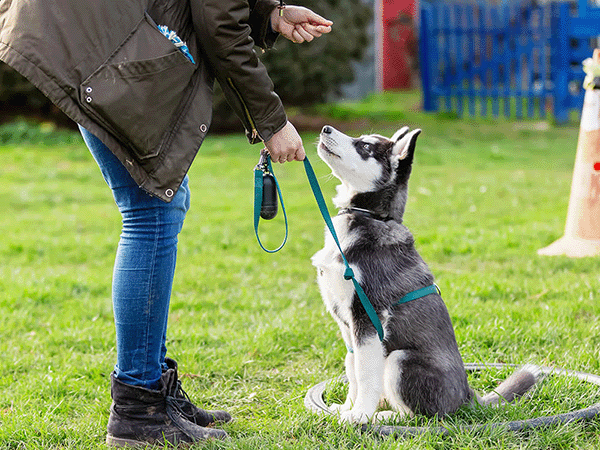
The Best Dog Trainers in the United States of 2026
This is a list of the top dog trainers in the United States, based on votes from the Sniffspot community and the general public.
The Best Dog Trainers in Seattle, WA of 2026
This is a list of the top dog trainers in Seattle, WA, based on votes from the Sniffspot community and the general public.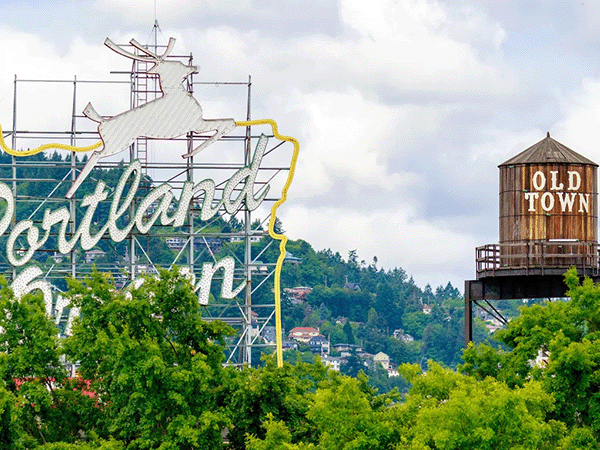
The Best Dog Trainers in Portland, OR of 2026
This is a list of the top dog trainers in Portland, OR, based on votes from the Sniffspot community and the general public.
The Best Dog Trainers in Los Angeles, CA of 2026
This is a list of the top dog trainers in Los Angeles, CA, based on votes from the Sniffspot community and the general public.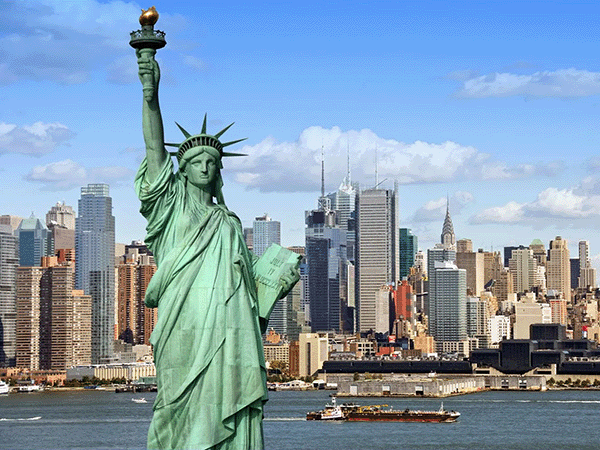
The Best Dog Trainers in New York, NY of 2026
This is a list of the top dog trainers in New York, NY, based on votes from the Sniffspot community and the general public.


City dog park guides
Best Dog Fields in the US: 25+ Wide-Open Spaces for Your Pup to Run Free
The best dog fields in the US offer something that traditional enclosed parks simply can't match: acres of open space where your pup can truly stretch their legs and run at full speed. From Colorado's 470-acre prairie meadows to Tennessee's award-winning "Outback," these wide-open spaces allow dogs to roam, explore, and exercise naturally while engaging instincts that cramped urban parks suppress.

Top 10 Indoor Dog Parks: A US Guide
Looking for a space to play with your dog no matter what the weather’s like outside? Look no further than our list of the best indoor dog parks in the United States! These climate-controlled spaces are growing in popularity as pet ownership increases throughout the country. As a bonus, many of them also offer dog training, boarding, grooming, or daycare services on the premises.

Best Dog Parks in the US: Ultimate Guide to Public & Private Off-Leash Adventures
Is your pup giving you those pleading "let me run free" eyes? Whether you're a new dog parent or a seasoned pro looking for fresh adventures, finding the perfect off-leash paradise for your furry friend can feel ruff! From sun-soaked California beaches where your water-loving lab can make a splash to mountain trails in Vermont where your adventure buddy can chase every scent, we've sniffed out the 15 best dog parks across America.

Dog Parks Near Me: Las Vegas Edition
Looking for the perfect dog park near me in Las Vegas? You're in luck! This guide explores all the best options for your pup, from public dog parks to private dog parks near me on Sniffspot. We'll help you find the ideal spot for playtime, socializing, and fresh air. Plus, we'll cover essential etiquette and safety tips to ensure a happy visit for everyone. Get ready for some tail-wagging fun!
Discover the Perfect Dog Park in Las Vegas
This page is about public city dog parks and also includes Sniffspot private dog parks. Sniffspot is the largest network of private dog parks for rent in the world!Best Dog Parks in the US: Off-Leash Guide
Looking for the perfect dog park? Whether you need a wide-open public space or a private, fenced-in spot, this guide will help you find the best dog parks across the US. We'll cover top-rated public parks, the perks of private dog parks, and even explore Sniffspot locations – giving your pup a safe and fun place to play. Ready to find your dog's new favorite spot? Let's go!

Sniffspot: Portland's Best Private Dog Parks
Ready to discover Portland's best dog parks? Whether you're looking for a public park or the unique experience of a private Sniffspot, this guide has you covered. We'll help you find the perfect spot for your pup, with tips on what to bring, how to prepare, and even understanding dog body language. Plus, we'll explore some top Portland dog parks, including public and Sniffspot options, so you can plan your next dog-friendly adventure in the City of Roses.
Portland Dog Parks: Public & Private Options
This page is about public city dog parks and also includes Sniffspot private dog parks. Sniffspot is the largest network of private dog parks for rent in the world!
/354x256/wp-content/uploads/2023/04/indoordogparks.png)
/354x256/wp-content/uploads/2023/03/offleashdogparks.png)
/354x256/wp-content/uploads/2023/02/vegas.jpg)
/354x256/wp-content/uploads/2023/02/portland.jpg)
Dog breeds
Best Dog Fields in the US: 25+ Wide-Open Spaces for Your Pup to Run Free
The best dog fields in the US offer something that traditional enclosed parks simply can't match: acres of open space where your pup can truly stretch their legs and run at full speed. From Colorado's 470-acre prairie meadows to Tennessee's award-winning "Outback," these wide-open spaces allow dogs to roam, explore, and exercise naturally while engaging instincts that cramped urban parks suppress.

German Shepherd Guide: Best Family Dog? Truth from 9K Owners
The German Shepherd Dog (GSDs) are known for their intelligence, loyalty, and striking appearance. They're also incredibly versatile, excelling as working dogs and devoted family companions. This guide covers everything you need to know about GSDs, from understanding their unique traits and rich history to practical advice on training and care. So, whether you're a seasoned GSD owner or just starting your research, let's explore this remarkable breed together.

Labrador Retriever: Real Tips from Owners
Discover the Labrador Retriever, a breed celebrated for its playful nature, affectionate temperament, and trainability. Labradors are known for their friendly demeanor and adaptability, making them perfect family companions and versatile working dogs. As one of the most popular types of retrievers, Labs are ideal companions for various lifestyles and are recognized by the American Kennel Club (AKC) as an excellent breed for families.

Golden Retriever Advice: The Complete Owner's Guide
Golden Retrievers: they're gorgeous, playful, and incredibly popular. But before you welcome one into your home, you need the right golden retriever advice. This guide draws on the wisdom of nearly 10,000 Golden Retriever owners, offering practical tips for caring for these affectionate dogs. From understanding their high energy levels to mastering grooming and training, we'll cover everything you need to know. So whether you're already a devoted Golden parent or just starting your research, get ready to learn how to give your furry friend the best possible care.

Are American Staffordshire Terriers Good for First-Time Owners: Complete Guide
Think American Staffordshire Terriers are tough? Think again. While their muscular build might intimidate some, these dogs are known for their playful and loyal personalities. This guide draws on the experience of nearly 10,000 AmStaff owners to reveal the truth about this often misunderstood breed. Want to learn more about caring for an American Staffordshire Terrier? You're in the right place.

Australian Shepherd Facts: Breed Info & Care Guide
Discover the Australian Shepherd, an AKC breed celebrated for its trainable, playful, and affectionate nature. Despite its name, the Australian Shepherd is actually a native breed to the United States, originally developed to breed on farms and ranches. Considered a medium dog, Australian Shepherds were bred for herding beginning in the 1950s. As one of the high-energy breeds, Aussies are known for their boundless energy and need for regular exercise, including aerobic exercise.
/354x256/wp-content/uploads/2024/07/German-Shepherd-Dog.png)
/354x256/wp-content/uploads/2024/07/Screen-Shot-2024-07-24-at-4.06.05-PM.png)
/354x256/wp-content/uploads/2024/07/Screen-Shot-2024-07-25-at-3.05.09-PM.png)
/354x256/wp-content/uploads/2024/07/staffy.jpg)
/354x256/wp-content/uploads/2024/07/Screen-Shot-2024-07-25-at-3.39.43-PM.png)
Top dog names in the US
Top 1,000 Most Popular Dog Names
Looking for the perfect dog name for your new pup? We have created filterable lists of dog names from our database of hundreds of thousands of Sniffspot users. You can filter by gender, breed and state to find the most cute, unique and creative dog names.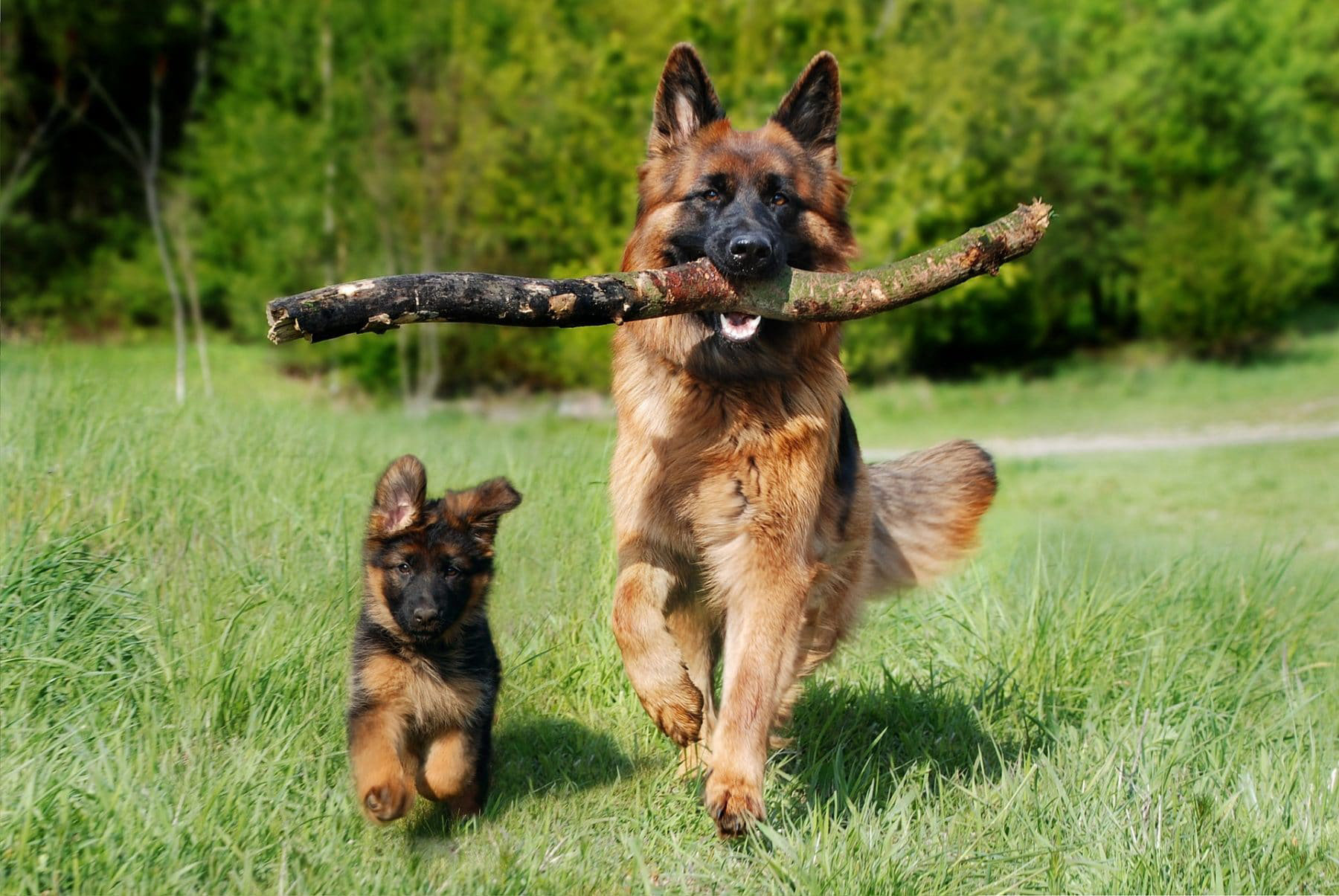
Most Popular Male Dog Names
Looking for the perfect dog name for your new male pup? We have created filterable lists of male dog names from our database of hundreds of thousands of Sniffspot users. You can filter by gender, breed and state to find the most cute, unique and creative male dog names.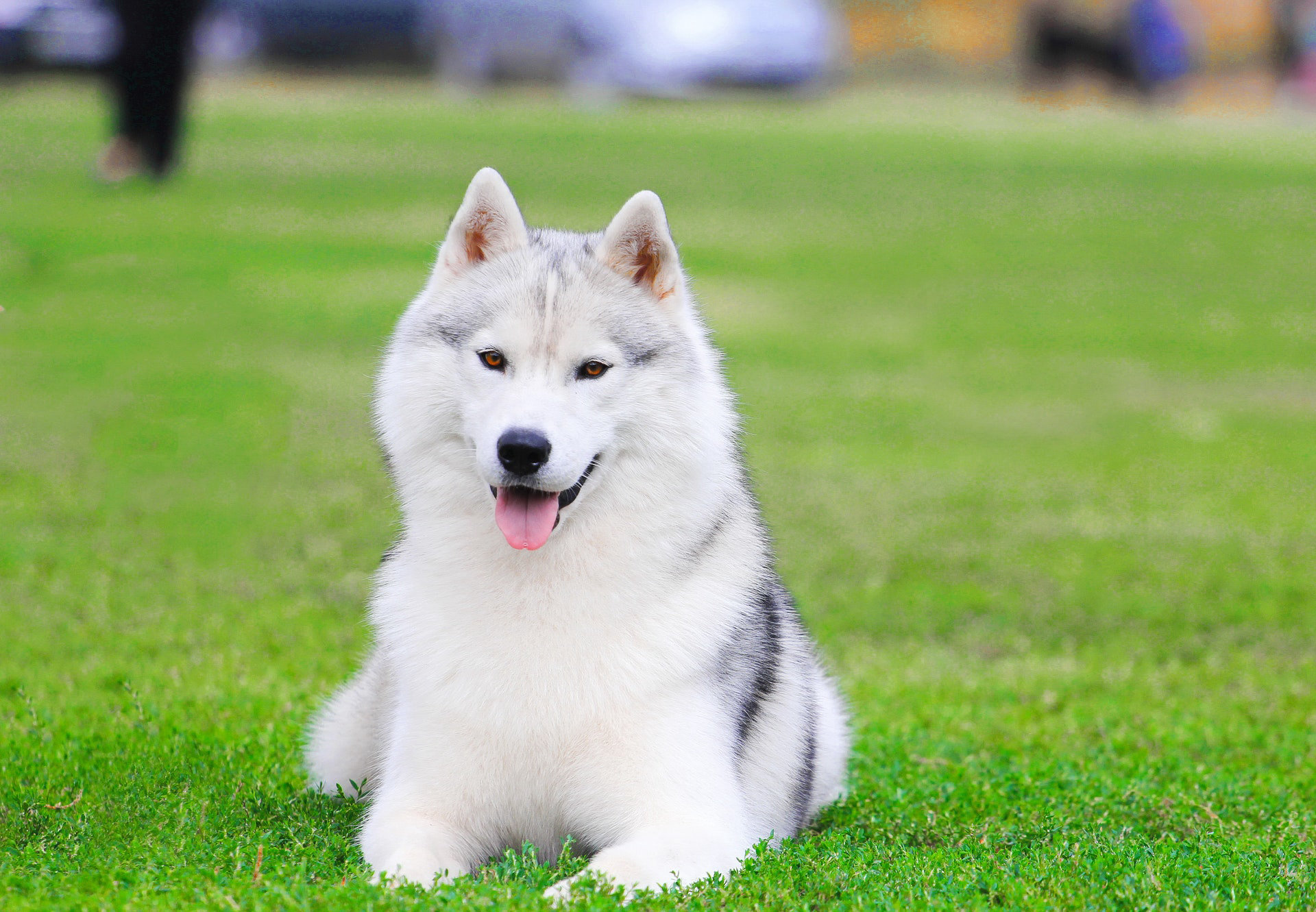
Most Popular Female Dog Names
Looking for the perfect dog name for your new female pup? We have created filterable lists of female dog names from our database of hundreds of thousands of Sniffspot users. You can filter by gender, breed and state to find the most cute, unique and creative female dog names.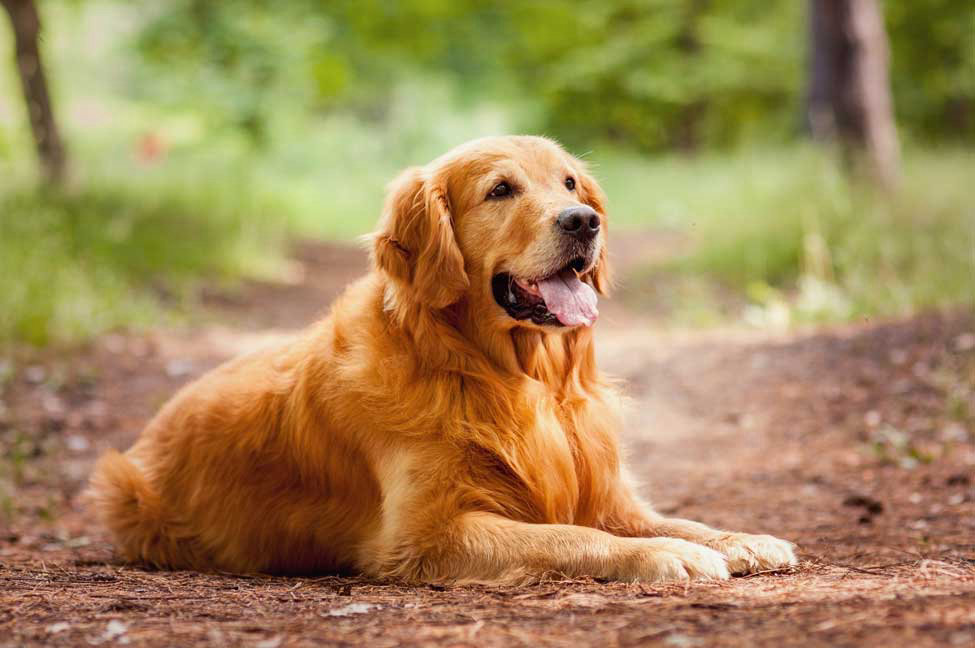
Most Popular Golden Retriever Names
Welcome to our comprehensive list of Golden Retriever dog names, curated from our vast database of Sniffspot users. Filter through hundreds of thousands of options by gender, breed, and state to discover the most adorable, original, and imaginative names for your beloved Golden Retriever.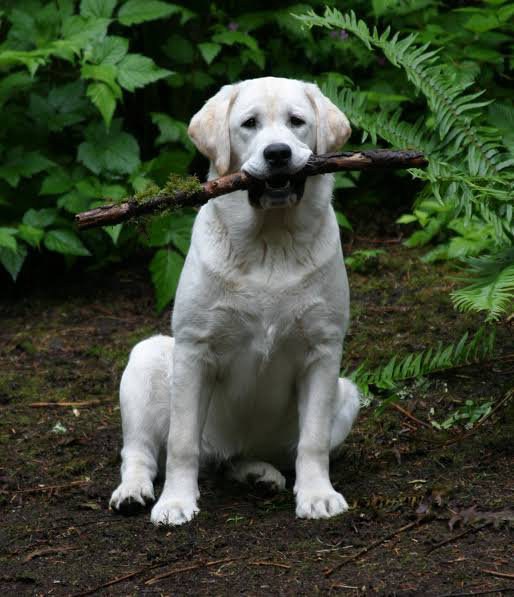
Most Popular Labrador Retriever Names
Welcome to our Labrador Retriever dog names page! Here you can browse through filterable lists of names for your beloved furry friend, ranging from cute and classic to unique and creative options. Our database of hundreds of thousands of Sniffspot users ensures you'll find the perfect name for your Labrador Retriever, whether you're seeking a name for a male or female, based on breed or state.


Top dog rescues in the US

The Best Washington Dog Rescues & Shelters in 2026
This list showcases the top dog rescues & shelters in Washington. These remarkable organizations have been recognized for their unwavering dedication to the well-being of countless dogs.
The Best Oregon Dog Rescues & Shelters in 2026
This list showcases the top dog rescues & shelters in Oregon. These remarkable organizations have been recognized for their unwavering dedication to the well-being of countless dogs.
The Best California Dog Rescues & Shelters in 2026
This list showcases the top dog rescues & shelters in California. These remarkable organizations have been recognized for their unwavering dedication to the well-being of countless dogs.
The Best Florida Dog Rescues & Shelters in 2026
This list showcases the top dog rescues & shelters in Florida. These remarkable organizations have been recognized for their unwavering dedication to the well-being of countless dogs.
The Best New York Dog Rescues & Shelters in 2026
This list showcases the top dog rescues & shelters in New York. These remarkable organizations have been recognized for their unwavering dedication to the well-being of countless dogs.
/354x256/Photos/SeoDogRescue/1282/178507e67e44-MC_logo_square.jpg)
/354x256/Photos/SeoDogRescue/931/cef8bbb17769-South_Coast_Humane_Society.png)
/354x256/Photos/SeoDogRescue/61/30aea3371b69-MainSquare_2.png)
/354x256/Photos/SeoDogRescue/298/1000035238.jpg)
/354x256/Photos/SeoDogRescue/814/91cfd62cd986-IMG_1035.jpeg)