Top articlesSee all...

A Comprehensive Guide to Dog Exercise

How To Crate train An Older Dog - A Comprehensive Guide

How To Socialize A Dog - A Comprehensive Guide

Leash Training: A Guide to Training Your Dog to Walk on a Leash

Skijoring: A Guide to Skijoring with Dogs

The Best Dog Enrichment Toys

The Best United States Dog Parks

The Best Indoor Dog Parks in the United States

The Best Off-Leash Dog Parks in the United States
Top articles
A Comprehensive Guide to Dog Exercise
How To Crate train An Older Dog - A Comprehensive Guide
How To Socialize A Dog - A Comprehensive Guide
Leash Training: A Guide to Training Your Dog to Walk on a Leash
Skijoring: A Guide to Skijoring with Dogs
The Best Dog Enrichment Toys
The Best United States Dog Parks
The Best Indoor Dog Parks in the United States
The Best Off-Leash Dog Parks in the United States
See all...Standard Poodle: The Ultimate Guide For Owners


Discover the Standard Poodle, a breed celebrated for its friendly, affectionate, and playful nature. Considered a large dog, Standard Poodles were originally bred in France for waterfowl hunting beginning in the 15th century.
In this post, we share insights from almost 10,000 Sniffspot users, offering practical advice for new and prospective Standard Poodle owners. Whether you’re considering owning or rescuing a Standard Poodle yourself or already have one, you'll find valuable tips on how to care for and enjoy life with a friendly Standard Poodle.
As Sniffspot user Kaylin says, "Poodles are a large breed that is extremely intelligent and sensitive "

Source: Sniffspot Community Breed Survey 2024
Standard Poodle Quick Characteristics
- Breed Type: Companion
- Size: Large
- Life Expectancy: 12 to 15 years
- Healthy Weight Range: 40 to 70 lbs
- Height Range: 15 - 24 in
- Temperament: Friendly, Affectionate, Playful
- Coat Type: Curly
- Color: Black, white, gray, brown, and cream
About the Standard Poodle
According to almost 10,000 Sniffspot community users who shared real-world data about their Standard Poodle, we learned these dogs are friendly and affectionate. The Standard Poodle is very friendly and social with children and very friendly with other pets.
When living with a Poodle, 82% of our owners said a large house with a fenced yard is ideal. Additionally, 32% of owners said a rural or suburban area with open spaces is also acceptable. This dog is highly trainable by all types of dog owners and owners say the Standard Poodle learns best with positive reinforcement, consistent routines, and socialization.
When it comes to exercise, 59% of Sniffspot owners say their Standard Poodle benefits from moderate exercise every day, including between 1-2 hours of activity each day, including walks and active play sessions. The Sniffspot Poodle community would recommend this dog for first-time owners.
History and Origin of Standard Poodle
Standard Poodles, often mistaken as a French breed due to their national prominence in France, actually originated in Germany. Their name comes from the German word “pudel,” meaning “to splash in the water,” reflecting their initial purpose as water retrievers. Many are surprised the poodle is a breed of water dog!
This intelligent breed was used to fetch ducks and other game, a role that continues in some hunting circles today. The traditional Poodle cut, with its distinctive puffs and pompoms, was designed for functionality. It helps protect the joints and vital organs from cold water while maintaining buoyancy and swimming efficiency.
Poodles come in three sizes—Standard, Miniature, and Toy—all adhering to the same breed standards but with separate breed names. Despite their different sizes, Poodles require plenty of exercise, including fetch, jogging, and swimming, thanks to their active nature. Their hair, unlike fur, continuously grows and does not shed, which is a trait they share with humans. Known for their intelligence and versatility, Poodles excel in various roles, including service work, therapy, and even truffle hunting
Notably, they were once part of the Iditarod Trail Sled Dog Race in 1988, though their performance led to breed restrictions. American icons like Elvis Presley and Jacqueline Kennedy have also had a soft spot for these elegant and capable dogs.
Standard Poodle Traits and Characteristics
- Temperament: Friendly, Affectionate, Playful
- Energy Level: Moderate
- Trainability: Highly trainable - Learns commands quickly and responds well to training.
- Grooming needs: Very high maintenance - Needs professional grooming services regularly to maintain coat and hygiene.
- Good with Kids: Very friendly and social with children
- Good with Other Pets: Very friendly with other pets
What to Expect as a Standard Poodle Dog Owner
As a Standard Poodle owner, it's important to know the best dog breed tips as well as expectations from current Standard Poodle owners.

Source: Sniffspot Community Breed Research 2024
Grooming Needs
Standard Poodle dogs require very high-maintenance grooming. This means Standard Poodle owners should expect professional grooming services regularly to keep their coat beautiful. Standard Poodle dogs have a curly coat, ideal for water resistance. Their curly coat is considered low shed.
To keep your Standard Poodle's coat soft and up to breed standards, include brushing in their daily routine and regular brushing and trimming every 6 to 8 weeks. Of the coat types for beloved breeds in the companion group, the coat grooming needs for Standard Poodle are very high maintenance.
Exercise Needs
Standard Poodles require moderate activity each day, though they're typically a healthy breed. Though one of the most popular dog breeds, Poodles are considered a very athletic, high-energy breed. Poodles make great pets, and they thrive with between 1-2 hours of activity each day, including walks and active play sessions. Owners of Poodles report their dogs especially love chasing/playing with a ball or frisbee, puzzle toys, and puzzle toys. Enrichment can also include basic obedience training and advanced training, stimulating these pups' need for mental activity.
When large breeds like Poodles don't get sufficient exercise, they're more likely to act out on undesirable behaviors like growing reserved or aloof. They need consistent training, mental activity, and regular moderate exercise to avoid excess energy.
Diet and Nutrition
What should you feed your Standard Poodle to keep him healthy? As a moderate energy breed, what you feed them is important. A reported 58% of our community feed their Poodle commercial dry kibble.
With moderate exercise, Poodles should eat 2 to 3 cups of vet-recommended food to maintain a healthy weight around 40 to 70 lbs. However, your Standard Poodle's ideal weight and food depend on your pet's sex, activity level, and age.
Breed Health Concerns
The Standard Poodle breed is most prone to ear infections and digestive issues (e.g., bloating, sensitive stomach). A reported 49% of our Standard Poodle owners reported ear infections caused by allergies, ear mites, or contact dermatitis. Poodle's risk for these challenges increase as they age.
Similarly, 41% reported digestive issues like constipation, diarrhea, vomiting, and lack of appetite. Lastly, 21% of Standard Poodle owners claim their dog struggles with skin conditions like allergies, yeast infections, impetigo, ringworm, alopecia, and folliculitis — a common Poodle health concern. If you're worried about any of these health issues above, talk to your Poodle's vet.
How Friendly Are Standard Poodles?
Another important thing to consider when adopting a Poodle is whether or not they fit with your current family. How friendly are Standard Poodles compared to other large-sized breeds?

Source: Sniffspot Community Breed Survey 2024
With consistent training, you can hone your Poodle's instinct into a loyal and playful family dog. Introducing your pet to positive reinforcement (treats, praise, rewards) and consistent daily training routines early helps them avoid undesirable behaviors like growing reserved or aloof. Our community Standard Poodle owners comment on their pet's friendliness:
- Incredibly smart, obedient, and friendly. Knows how to “turn it off” and be a couch potato despite being energetic. (TV)
- I love having dogs that give off " humanoid alien in a dog suit" vibes. Poodles have such expressive faces, strong preferences, and love to communicate. They're also endlessly snuggly and affectionate; as I type this I'm in the middle of a snoring poodle sandwich. They really want to understand what you're saying and doing and they pick up on training and routines quickly if you communicate clearly. (JH)
- They are a velcro dog, my boy loves doing most things as long as I'm involved and enjoys being around me often. (Tori)
How to Train a Standard Poodle
Whether you're adopting a Poodle puppy or a grown Standard Poodle adult, training is a large part of owning a large breed. When you fail to train your Poodle properly, they're more likely to display undesirable behaviors like growing reserved or aloof, and so on. Providing stimulating activities is a great first step, but this needs to be paired with the right training for your Poodle.
As a companion breed, Standard Poodles benefit from praise and positive reinforcement. Here's what our Poodle community recommended based on their experience with their own dog:
- Positive Reinforcement (92%): This includes treats, praise, rewards, and so on for positive behavior
- Consistent Routines (58%): A consistent training routine allows your pet to get comfortable with expectations
- Socialization (52%): Socializing your dog with other pets, dogs, and people prepares them to interact with the world
As dogs bred for waterfowl hunting, Poodles are considered highly trainable by all types of dog owners.
 Herman Aasly on Unsplash
What Do Owners Love About Standard Poodles?
We asked Sniffspot Poodle owners what they love the most about their Standard Poodle pups, and here's what they had to say:
- Poodles are incredibly intelligent, and from my experience with my two, and hearing from others, are at minimum very affectionate with their own humans and therefore very loyal. (Kristina V)
- Standard poodles are VERY loving and attach very deeply to their people. (WK)
- All love, all day, every day !!! They are amazing loving companions. (M.A.)
What Are the Biggest Challenges for Standard Poodle Owners?
Similarly, Poodle owners shared some of the biggest challenges of living with Standard Poodle:
- I have found poodles to be “too smart for their own good” I.e. finding a way to do things they shouldn’t. (Kaylin)
- They are intelligent, which can be challenging at times. They are also very sensitive - as a first-time dog owner my first poodle is incredibly reactive and my second less so (sometimes a bit shy/can be startled). The first may have come from a not-so-reputable breeding program, that I didn’t know what I didn’t know at the time, but I’m now recognizing that even with what I thought was a great effort in socialization to all the things and helping try to have calm and confident dogs, it wasn’t enough in the end. They are lovely in the home, and great with each other. They have a high prey drive and that can be difficult outside. (Kristina V)
- Because of the combination of their high grooming needs and high-energy personalities, it can be hard to get them used to grooming even starting as a puppy. They also tend towards anxiety - COVID definitely made it worse for all standard poodles raised during that time (I'm a vet worker and I see a lot of doodle/poodle mixes) but even naturally they have to be well socialized and can often develop separation anxiety at a young age. (WK)
Is a Standard Poodle Right for a First-Time Dog Owner?

Source: Sniffspot 2024 Community Dog Breed Survey
According to 64% of our Sniffspot community, Standard Poodles are a great first-time dog. This comes from their friendly nature and moderate exercise needs. Standard Poodle owners say it best:
- All love, all day, every day!!! They are amazing loving companions. (M.A.)
- Incredibly smart, obedient, and friendly. Knows how to “turn it off” and be a couch potato despite being energetic. (TV)
- Loyalty, intelligence, allergy-friendly, affectionate. (Nicki)
Advice for Standard Poodle Owners
Luckily, our Sniffspot community is full of experienced, trustworthy Poodle owners. These Standard Poodle breed owners share the most essential dog breed tips and advice for prospective or new dog owners:
Commit to daily grooming.
- You need to groom daily if you’re serious about poodles. (Bethany)
- Plan for regular exercise and mental stimulation. (Kathy)
Plan for regular exercise and mental stimulation.
- Be prepared to spend at least 2-3 hours per day walking and playing with your dog. A happy standard poodle is a tired one. (RS)
- They are much like having a child, a major time and energy commitment- but the best companion ever. (Jessica)
Invest in training and positive reinforcement.
- Responds well to positive reinforcement, they can have a high prey drive so safe introductions to smaller animals are a must at a young age. (Christen)
- Be prepared to change your training style to fit the dog in front of you. (Sparrow)
Research breeds and be prepared for costs.
- Find a good groomer and a good breeder or a good rescue and work with them closely. (Imani)
- Work with your breeder, groomer, trainer, and vet to create a team. Once you get into the swing of a poodle, you won’t change until you’re tired of grooming. (Tom)
Frequently Asked Questions about the Standard Poodle
What is the average lifespan of a Standard Poodle?
The average lifespan of a Standard Poodle is typically between 12 to 15 years years.
What is the size of a Standard Poodle?
An adult Standard Poodle weighs between 40 to 70 lbs pounds and stands between 15 - 24 in tall.
How much grooming does a Standard Poodle need?
Standard Poodle dogs require very high-maintenance grooming. Regular grooming helps to keep their coat healthy and manageable. Standard Poodle dogs have a curly coat, which is well-suited for water resistance. They are considered low shedders.
To maintain your Standard Poodle's coat, it's important to brush them daily and commit to trimming every 6 to 8 weeks. Among companion breeds, Standard Poodle grooming is amongst the most intense.
How much exercise does a Standard Poodle need?
Standard Poodles require moderate activity each day. Though one of the most popular dog breeds, Poodles are classified as a moderately athletic, somewhat high-energy breed.
Poodles are excellent companions and flourish with between 1-2 hours of activity each day, including walks and active play sessions. Owners of Poodles note that their dogs particularly enjoy chasing/playing with a ball or frisbee, puzzle toys, and puzzle toys.
If large breeds like Poodles don't receive enough exercise, they may develop unwanted behaviors. These dogs need ongoing training, mental stimulation, and consistent exercise to channel their energy effectively.
How friendly are Standard Poodles with children?
According to our data, Standard Poodles are very friendly and social with children.
How well do Standard Poodles get along with other pets?
Our research indicates that Standard Poodles are very friendly with other pets with other pets.
What should you feed your Standard Poodle to keep him healthy?
As a moderate energy breed, the diet of your Poodle is crucial. A significant 58% of our community feed their Poodle commercial dry kibble.
For optimal health, Poodles should consume 2 to 3 cups of vet-recommended food to maintain a healthy weight of around 40 to 70 lbs pounds. The exact amount and type of food will depend on your Standard Poodle's sex, activity level, and age.
What health concerns are common for Standard Poodles?
The Standard Poodle breed is particularly prone to ear infections caused by allergies, ear mites, or contact dermatitis and digestive issues like constipation, diarrhea, vomiting, and lack of appetite. Our data shows that 49% of Standard Poodle owners reported ear infections caused by allergies, ear mites, or contact dermatitis. Poodle's risk for these health issues increases as they age.
Additionally, 41% reported digestive issues like constipation, diarrhea, vomiting, and lack of appetite. Finally, 21% of Standard Poodle owners indicated their dog struggles with skin conditions like allergies, yeast infections, impetigo, ringworm, alopecia, and folliculitis, which are common Poodle health concerns. If you have concerns about any of these health issues, consult your Poodle's veterinarian.
Resources for Standard Poodle Owners
Whether you're a current Standard Poodle dog owner or you're considering adopting a Poodle, Sniffspot is here to lend a helping hand. Here are some of the most relevant resources for Standard Poodle owners.
- Most Popular Names for Standard Poodles
- Poodle Club of America Foundation
- ASPCA Poodle Information
- Enchanted Poodle Club
Sources:


Most recent articles


Related articles
Top dog guides per area
Dog training guides

Dog Food Aggression & Resource Guarding Guide
Does your dog ever growl when you walk by their food dish? Maybe they get possessive of treats, carrying them far away and giving you side-eye when you start...
The Ultimate Guide to Scent Training for Dogs
Your dog's nose is an amazing tool. Did you know they have 40 times the olfactory receptors than humans? Scent training for dogs taps into this superpower,...
How Much Does It Cost to Train a Service Dog?
More than 80 million Americans rely on their service dogs to help them navigate the world. Task-trained assistance animals perform a huge range of...
How to Deal With Puppy Potty Training Regression
You thought those dreaded middle-of-the-night potty breaks were over. You were finally free from cleaning up puppy puddles. Then, suddenly, your...
Dirty Dog Syndrome: Causes, Solutions, and Prevention
It's a cringe-worthy moment every dog owner dreads: your furry friend chowing down on something truly disgusting. If your dog has a penchant for poop, you're...
How to Train Your Rescue Dog: A Complete Guide
The shelter ride home goes one of two ways. Your new dog either plasters themselves against the car window, tongue out and tail going like a helicopter, or...


Dog enrichment guides

Best Dog Water Parks in the US: 15+ Amazing Splash Destinations for Your Pup
Do you have a water-loving dog looking to burn some energy? There are countless dog parks to visit throughout our country — but some of them become far too...
Best Toys for Herding Dogs: Keeping Your Pup Happy & Engaged
Herding dogs are amazing, intelligent companions. But that also means they need more than just a simple game of fetch. Finding the right toys for herding...
Tough Dog Toys for Aggressive Chewers: A Practical Guide
Does your dog destroy every toy you give them? Is your house littered with the remnants of plush toys? Are you tired of wasting money on "indestructible" dog...
Dog Exercise Calculator: How Much Exercise Does Your Dog Need?
Every dog needs to move, but how much is actually enough? The answer depends on more than just breed. Age, health, and even your own lifestyle all play a...
Complete Guide To Herding With Dogs
* All Sniffspot articles are reviewed by certified trainers for quality, please see bottom of article for details *
Dog Enrichment Activities: The Ultimate Guide
Ever feel like your dog is restless or bored? They may be getting enough exercise, but still need more. That's where enrichment activities for dogs come in....


Dog reactivity guides

Rottweiler Aggression: Signs, Causes & Training
Many dogs have gotten a bad reputation over the years for being "dangerous breeds." Rottweilers are among them. Like pit bulls and other large, blocky-headed...
The Reactive Dog Chart: How to Calm Your Dog's Triggers
If your dog lunges, barks, or loses their mind at the sight of another dog, a stranger, or a bicycle, you’re living with a reactive dog (and you’re far from...
How to Socialize a Reactive Dog: A Step-by-Step Guide
Does your dog display reactivity to other pets or people—barking, lunging, or growling when they see their triggers? Whether they're a rescue still settling...
What Is a Reactive Dog? The Complete Guide for Understanding and Helping Your Pup
Does your dog transform into a barking, lunging tornado the second they spot another dog across the street? You're definitely not alone. According to our...
9 Best Online Communities for Reactive Dog Parents
Does your dog's reactivity make walks stressful? You're not alone. Many dog owners face similar challenges. This guide offers practical advice and support...
How To Groom a Reactive Dog
* All Sniffspot articles are reviewed by certified trainers for quality, please see bottom of article for details *


Sniffspot community guides

The State of Public Dog Parks Across the United States
From 2009 to 2020, there was a 40 percent increase in the development of public dog parks. Designated spots for canine exercise have become commonplace in...
How This Family is Affording Their Dream Property Through Renting it Hourly to Dogs
Thousand Oaks, California has been a safe haven for Sniffspot host, Jen, since childhood. Having grown up in busy Santa Barbara, Jen, an introvert from an...
Host Tips: Ellen K. What Makes Sniffspot Successful for Me
Ellen is the host of Country Pasture Getaway, one of Sniffspot's most popular sniff spots. She has taken the time to write up the lessons she has learned...
How this Oregon Farmer is Making a Business From Renting Her Land to Dogs
Just 20 minutes outside of the busy city of Portland, Oregon, and settled right on the banks of the Columbia River, you’ll find what countless visitors have...
Host Tips: Fran T. Providing Great Guest Service at our Spot
Fran is the host of Ranch Setting, one of Sniffspot's most popular spots. She has taken the time to write up the lessons she has learned about how to be a...
How Sniffspot Helped a Nervous Rescue Work Through His Fears and Change His Family’s Life
This is the story of a family and dog rescuing each other.


Top dog trainers in the US
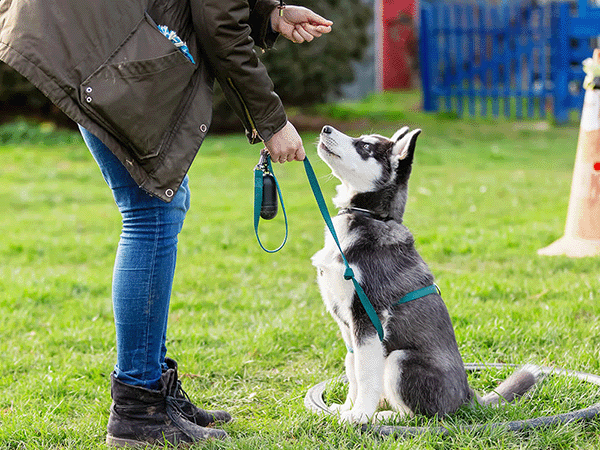
The Best Dog Trainers in the United States of 2026
This is a list of the top dog trainers in the United States, based on votes from the Sniffspot community and the general public.
The Best Dog Trainers in Seattle, WA of 2026
This is a list of the top dog trainers in Seattle, WA, based on votes from the Sniffspot community and the general public.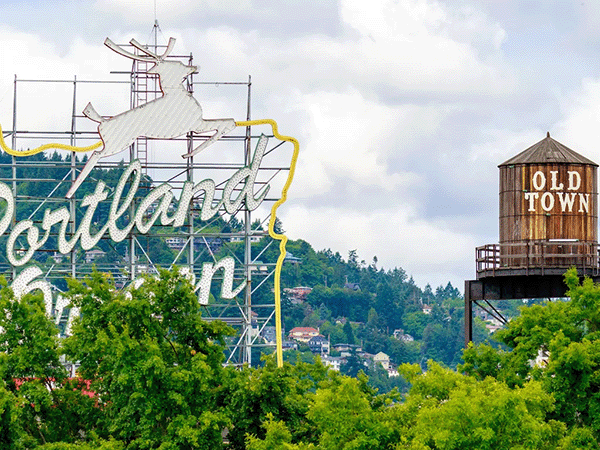
The Best Dog Trainers in Portland, OR of 2026
This is a list of the top dog trainers in Portland, OR, based on votes from the Sniffspot community and the general public.
The Best Dog Trainers in Los Angeles, CA of 2026
This is a list of the top dog trainers in Los Angeles, CA, based on votes from the Sniffspot community and the general public.
The Best Dog Trainers in New York, NY of 2026
This is a list of the top dog trainers in New York, NY, based on votes from the Sniffspot community and the general public.


City dog park guides

Best Dog Fields in the US: 25+ Wide-Open Spaces for Your Pup to Run Free
The best dog fields in the US offer something that traditional enclosed parks simply can't match: acres of open space where your pup can truly stretch their...
Top 10 Indoor Dog Parks: A US Guide
Looking for a space to play with your dog no matter what the weather’s like outside? Look no further than our list of the best indoor dog parks in the United...
Best Dog Parks in the US: Ultimate Guide to Public & Private Off-Leash Adventures
Is your pup giving you those pleading "let me run free" eyes? Whether you're a new dog parent or a seasoned pro looking for fresh adventures, finding the...
Dog Parks Near Me: Las Vegas Edition
Looking for the perfect dog park near me in Las Vegas? You're in luck! This guide explores all the best options for your pup, from public dog parks to...Best Dog Parks in the US: Off-Leash Guide
Looking for the perfect dog park? Whether you need a wide-open public space or a private, fenced-in spot, this guide will help you find the best dog parks...
Sniffspot: Portland's Best Private Dog Parks
Ready to discover Portland's best dog parks? Whether you're looking for a public park or the unique experience of a private Sniffspot, this guide has you...


Dog breeds

German Shepherd Guide: Best Family Dog? Truth from 9K Owners
The German Shepherd Dog (GSDs) are known for their intelligence, loyalty, and striking appearance. They're also incredibly versatile, excelling as working...
Labrador Retriever: Real Tips from Owners
Discover the Labrador Retriever, a breed celebrated for its playful nature, affectionate temperament, and trainability. Labradors are known for their...
Golden Retriever Advice: The Complete Owner's Guide
Golden Retrievers: they're gorgeous, playful, and incredibly popular. But before you welcome one into your home, you need the right golden retriever advice....
Are American Staffordshire Terriers Good for First-Time Owners: Complete Guide
Think American Staffordshire Terriers are tough? Think again. While their muscular build might intimidate some, these dogs are known for their playful and...
Australian Shepherd Facts: Breed Info & Care Guide
Discover the Australian Shepherd, an AKC breed celebrated for its trainable, playful, and affectionate nature. Despite its name, the Australian Shepherd is...
Essential Husky Facts for Owners: Breed Guide
Discover the Siberian Husky, a breed celebrated for its curious, intelligent, and loyal nature. Considered a medium-sized dog, Siberian Huskies were...


Top dog names in the US
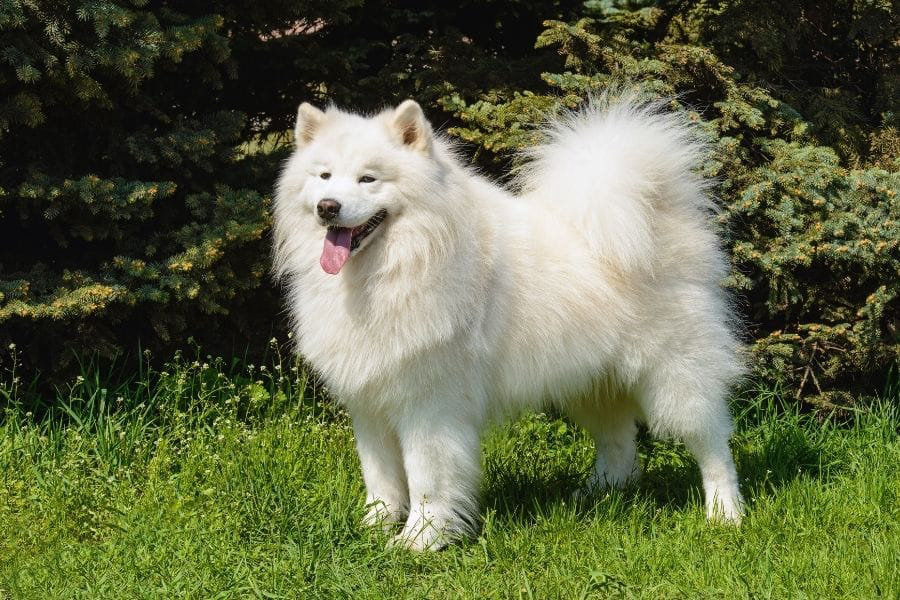
Top 1,000 Most Popular Dog Names
Looking for the perfect dog name for your new pup? We have created filterable lists of dog names from our database of hundreds of thousands of Sniffspot users.
Most Popular Male Dog Names
Looking for the perfect dog name for your new male pup? We have created filterable lists of male dog names from our database of hundreds of thousands of...
Most Popular Female Dog Names
Looking for the perfect dog name for your new female pup? We have created filterable lists of female dog names from our database of hundreds of thousands of...
Most Popular Golden Retriever Names
Welcome to our comprehensive list of Golden Retriever dog names, curated from our vast database of Sniffspot users.
Most Popular Labrador Retriever Names
Welcome to our Labrador Retriever dog names page! Here you can browse through filterable lists of names for your beloved furry friend, ranging from cute and...


Top dog rescues in the US

The Best Washington Dog Rescues & Shelters in 2026
This list showcases the top dog rescues & shelters in Washington. These remarkable organizations have been recognized for their unwavering dedication to the...
The Best Oregon Dog Rescues & Shelters in 2026
This list showcases the top dog rescues & shelters in Oregon. These remarkable organizations have been recognized for their unwavering dedication to the...
The Best California Dog Rescues & Shelters in 2026
This list showcases the top dog rescues & shelters in California. These remarkable organizations have been recognized for their unwavering dedication to the...
The Best Florida Dog Rescues & Shelters in 2026
This list showcases the top dog rescues & shelters in Florida. These remarkable organizations have been recognized for their unwavering dedication to the...
The Best New York Dog Rescues & Shelters in 2026
This list showcases the top dog rescues & shelters in New York. These remarkable organizations have been recognized for their unwavering dedication to the...


