Top articlesSee all...

A Comprehensive Guide to Dog Exercise

How To Crate train An Older Dog - A Comprehensive Guide

How To Socialize A Dog - A Comprehensive Guide

Leash Training: A Guide to Training Your Dog to Walk on a Leash

Skijoring: A Guide to Skijoring with Dogs

The Best Dog Enrichment Toys

The Best United States Dog Parks

The Best Indoor Dog Parks in the United States

The Best Off-Leash Dog Parks in the United States
Top articles
A Comprehensive Guide to Dog Exercise
How To Crate train An Older Dog - A Comprehensive Guide
How To Socialize A Dog - A Comprehensive Guide
Leash Training: A Guide to Training Your Dog to Walk on a Leash
Skijoring: A Guide to Skijoring with Dogs
The Best Dog Enrichment Toys
The Best United States Dog Parks
The Best Indoor Dog Parks in the United States
The Best Off-Leash Dog Parks in the United States
See all...Dog Skijoring for Beginners: Gear, Training & Safety Tips

/fit-in/0x450/wp-content/uploads/2022/03/shutterstock_1608507346.jpg)
Picture this: fresh snow, a quiet trail, and your dog pulling you forward on skis like you're starring in your own sled dog movie. That's skijoring, and it might be the most fun you and your dog have all winter.
Skijoring with dogs combines cross-country skiing with the strength and enthusiasm of your own pup, and it's growing fast as a winter sport across the snowier parts of the United States. This guide covers everything a beginner needs to know: what skijoring actually is, whether your dog is a good fit, the gear you'll need, and how to train your dog to pull safely and confidently.
Ready to see if skijoring is your next favorite way to spend a snow day together? Let's get into it.
Jump Ahead: Dog Skijoring for Beginners
- What Is Dog Skijoring?
- Recreational vs. Competitive Skijoring
- Is Your Dog a Good Fit for Skijoring?
- Skijoring Gear for You and Your Dog
- How to Train Your Dog to Skijor
- Skijoring Etiquette on Shared Trails
- No Snow? Try Canicross or Bikejoring Instead
- Frequently Asked Questions: Dog Skijoring
- The Bottom Line on Skijoring With Your Dog
Key Takeaways
- Skijoring is a winter sport where your dog (or a horse, or a snowmobile) pulls you on skis. With a dog, it's a fast, joyful way to combine exercise, bonding, and winter recreation.
- Dogs over 35 pounds tend to pull most efficiently, but smaller dogs and mixed breeds can absolutely skijor too, especially with an experienced skier doing more of the work.
- The right gear matters. A pulling harness (not a walking harness) and a bungee towline protect your dog's body and keep both of you safer on the trail.
- Training takes time. Start with basic directional cues on leash before you ever clip in, and build up gradually so your dog learns to pull with confidence.
- No snow, no problem. Canicross and bikejoring use nearly identical gear and skills, so you can train year-round no matter your climate.
What Is Dog Skijoring?
Skijoring is a winter sport where a skier is pulled along by a dog, a horse, or (in some competitive circuits) a snowmobile. With dogs, it blends the speed of downhill skiing with the more forgiving terrain of cross-country skiing, and it's sometimes called "ski driving."
The word itself comes from the Norwegian "skikjøring," which literally means driving on skis. It's a close cousin of dog sledding, just scaled down to one skier and one or two dogs instead of a full sled team.
At its core, skijoring is simple: your dog wears a pulling harness, a bungee line connects that harness to a belt around your waist, and you glide along on cross-country skis while your dog does a good chunk of the work. You still ski. Your dog just gives you a serious assist.
 By John E. Thwaites - John E. Thwaites Photographs of Alaska
A Short History of Skijoring
Nobody knows exactly when skijoring began, but its roots run deep into dog sledding traditions. Here's a rough timeline of how it evolved into the sport it is today:
- Canada, roughly 1,000 years ago. Archaeologists believe Indigenous peoples in what's now Canada invented dog sledding, and the practice spread to other snowy regions of the world from there.
- China, 1200 to 1644. Some historians think an early form of skijoring, in which dogs pulled a person on wooden boards, developed in China during the Yuan and Ming dynasties.
- Scandinavia, 1850s. Travelers returning to Scandinavia from the western United States had seen dog mushing and adapted it, swapping sleds for skis and using fewer dogs. This is widely considered the birth of dog skijoring as we know it.
- Stockholm, 1901. Skijoring behind reindeer debuted at the Nordic Games, a forerunner to today's equestrian skijoring competitions.
- Europe and North America, 1910s. Skijoring with horses became popular in France and Switzerland, then crossed the Atlantic, showing up in New York in 1915 and New Hampshire the following year.
- United States, 1976. Denver included skijoring as an exhibition sport in its (unsuccessful) bid to host the Winter Olympics, a sign of how far the sport's reputation had already traveled.
Recreational vs. Competitive Skijoring
Modern skijoring shows up almost anywhere that gets reliable snow, and it looks pretty different depending on who's doing it.
Recreational skijoring
First, recreational skijoring is low-pressure by design. Most hobbyists already own cross-country ski gear, so the barrier to entry is low, and it's a natural way to fold your dog into winter fun.
There are no hard rules: go slow through a quiet field, or pick up the pace on a busy trail. Recreational skijorers typically use the classic ski technique (a motion similar to walking), and the pace is whatever works for your team that day.
Competitive skijoring
However, competitive skijoring is a different animal. Racers use the faster skating ski technique, and the dogs are conditioned more deliberately, often with input from vets and canine physical therapists. Communication has to be airtight, since a packed race course leaves little room for error and collisions are a real risk. Despite the higher stakes, most competitors are there because they genuinely love the sport, and skijoring clubs tend to have a strong sense of camaraderie.
Whichever version you land on, skijoring started as a practical way to cover long winter distances between mining camps and hunting grounds. Today it's mostly about one thing: the joy of moving through the snow with a dog who's just as thrilled to be there as you are. Navigating trails together, relying on each other to communicate and stay in sync, is a genuinely different kind of bonding than a normal walk.
If you want more ways to deepen that connection before ski season even starts, a private Sniffspot is a great place to work on the impulse control and focus skijoring demands, without the distractions of a crowded trail.
Is Your Dog a Good Fit for Skijoring?
Almost any healthy dog can give skijoring a try, but a few factors make the experience safer and more enjoyable for both of you.
Size and Breed
Dogs over 35 pounds generally pull most efficiently, but smaller dogs can absolutely skijor too, as long as you're prepared to do more of the work yourself. Think of it as a team effort rather than a strict weight requirement.
Working and sporting breeds tend to take to pulling naturally. Siberian Huskies, Alaskan Malamutes, and pointing breeds like the German Shorthaired Pointer are common favorites, and even a Golden Retriever will often throw themselves into it with enthusiasm. But breed is really just a starting point. What matters more is whether your individual dog enjoys running, pulling, and being outside in the cold. A Border Collie with a strong drive to work can be just as good a partner as a husky, and even a toy breed can join in on flatter terrain if they're excited about it.
A safe, enclosed space is the easiest way to find out. Bring your dog to a Sniffspot and see how they respond to running and light pulling games. A dog who leans into the challenge with excitement is showing you real interest. A dog who seems anxious or reluctant is telling you something too, and that's worth listening to.
Age and Physical Readiness
Puppies need to wait until their bones and joints are fully developed before doing any high-impact pulling work. Starting too early raises the risk of hip dysplasia and other joint injuries down the road. "Full grown" varies by breed (your vet is the best judge here), but most dogs are ready for more demanding exercise somewhere around 1.5 to 2 years old.
Before your dog pulls any real weight, get them checked out. A quick pre-season vet visit can catch issues you might miss on your own, and it's worth telling your vet specifically what you're planning so they can flag anything relevant.
Once you're moving, watch your dog's gait closely. Any limping, stiffness, or unevenness is a sign to stop and check in, not push through. And because pulling burns real energy, active dogs often need a calorie bump on heavy training days, alongside a diet with enough protein and fat to support sustained effort. Regular vet checkups are the best way to make sure your dog's nutrition is keeping pace with their activity level.
 By Randi Hausken from Bærum, Norway
Skijoring Gear for You and Your Dog
The right equipment is what turns skijoring from a fun idea into a safe, repeatable habit. Here's what you actually need to get started.
For You
- Warm, layered clothing. You'll generate heat once you're moving, so dress in layers you can adjust.
- A skijoring belt. This is what connects you to your dog's towline, usually padded around the hips for comfort and control.
- Cross-country skis. Most cross-country skis work fine for recreational skijoring. Skip anything with metal edges, since those are built for downhill control, not the flatter, more forgiving terrain skijoring uses. Backcountry or touring skis tend to be wider and heavier, better suited to deep powder than to a groomed trail. For most beginners, something lightweight and easy to maneuver is the right call. If you're chasing more speed and control on firmer snow, narrower skis with more camber are worth asking about at a local ski shop.
For Your Dog
- A dedicated pulling harness. This is non-negotiable. A pulling harness distributes pressure evenly across your dog's chest and shoulders, while a standard walking harness can strain their neck and back under the force of a real pull. A poorly fitted harness raises the risk of soreness, injury, and long-term gait problems, so this is one place not to cut corners.
- A bungee towline. Look for a shock-absorbing bungee line rather than a standard leash. A regular 6-foot leash is too short and too rigid for skijoring; you'll want something closer to 9 feet, both for the extra room around your skis and for the give that protects you both from sudden jolts.
How to Train Your Dog to Skijor
Skijoring asks a lot of your dog, both physically and in terms of communication, so training is not a step to skip.
Introduce the Gear Slowly
Let your dog sniff and investigate the harness and towline before you ever put it on them. Pair the gear with something they love (treats, a favorite toy) so it builds a good association from the start. Once they're relaxed around it, lure their head through the harness opening and reward generously, keeping early sessions short.
Work up gradually to buckling the harness and adjusting the straps, then attach the bungee line so they get used to the feeling of light tension. Games like tug or fetch while wearing the harness can help it start to feel like fun instead of a foreign object. If your dog seems unsure at any point, back off and go slower. A force-free trainer can help if you're not sure how to read their body language.
Skis and poles are unfamiliar too. Set them on the ground and let your dog check them out at their own pace before you pick them up. Practice walking alongside your dog while carrying poles, then while carrying skis, ideally with your dog off leash or on a long line so they have room to move away if something feels overwhelming.
Teach the Core Commands
Your dog needs a working vocabulary before you clip in for real. Solid leash walking skills are the foundation everything else builds on, so it's worth brushing up on the basics before adding skis to the mix. At minimum, they should reliably start, stop, and turn left and right on cue. Competitive skijorers often use "hike" to go, "whoa" to stop, "on by" to pass distractions, "gee" for right, and "haw" for left, but you can use whatever words you want as long as you and your dog are both clear on what they mean.
- "Hike" (or your chosen start word). Practice this on leash first, rewarding forward movement, then build up distance and speed as your dog catches on. Teaching a reliable recall first makes every other command easier to layer in.
- "Whoa." This one matters most for safety. Practice it on regular walks before adding skis, rewarding every clean stop.
- "Gee" and "haw." Lure your dog in the desired direction with a treat while giving the cue, first on foot, then with skis added once they've got the idea.
- "On by." Practice around small distractions first, rewarding your dog for staying focused and moving past rather than investigating. Dogs who struggle with this, especially leash reactive dogs, often do better building this skill in a private, low-distraction space before testing it on a busy trail.
A strong "line out" (stay in place while you get set up) rounds things out. No one wants a tangled towline, or a dog who takes off before you're ready.
🐾 Practice recall, "on by," and impulse control without the pressure of other dogs and skiers around. Find a private Sniffspot near you →
Consider a Lesson
If you're new to the sport, a lesson from a qualified instructor can save you a lot of trial and error. A good instructor will cover equipment setup, communication, and how to handle different terrain, and can spot problems early that you might otherwise only discover the hard way. Many skijoring clubs offer lessons or guided outings, so it's worth checking what's available near you.

Skijoring Etiquette on Shared Trails
Most skijoring happens on multi-use land, so a little courtesy goes a long way toward keeping those spaces dog-friendly for everyone.
- Always follow the posted rules for the space you're in.
- Pay attention to trail and snow conditions before you head out.
- Pick up after your dog, every time.
- Call out before passing someone from behind, and give other trail users a wide berth when you can.
- Never let your dog approach another person or dog without asking first.
Public cross-country ski tracks and nature loops often restrict dogs entirely or limit them to certain hours, so multi-use trails and dog-friendly fields tend to be your best bet.
If your area doesn't have great public options, a private Sniffspot can fill that gap. Some hosts offer large, open spaces that are perfect for skijoring practice away from crowds and off-leash restrictions, and you can filter listings for the terrain and amenities you need.
🐾 Skip the crowded trailhead and practice somewhere just for you two. Search Sniffspot listings near you →
No Snow? Try Canicross or Bikejoring Instead
If you love the idea of skijoring but don't live somewhere that gets reliable snow, you don't have to wait for a ski trip to try it. Canicross (your dog pulls you while you run) and bikejoring (your dog pulls you on a bike) use almost identical gear and training, minus the skis. Both are great off-season practice, and both are genuinely fun sports in their own right, not just substitutes.
You'll still need a proper pulling harness and a bungee line, and if you go the bikejoring route, a secure bike attachment matters just as much as the harness does. If your dog is more water dog than snow dog, dog surfing is another high-energy option worth a look once warmer weather rolls around. Whatever the season, the same rule applies: check in with your dog often, and make sure they're physically and mentally up for the activity that day.
Beyond canicross and bikejoring, plenty of other dog sports build the same kind of teamwork and impulse control that skijoring rewards, so it's worth exploring a few if you're building a well-rounded, active routine with your dog.
Frequently Asked Questions: Dog Skijoring
Do I need to be an experienced skier to try skijoring?
No, but basic cross-country ski skills help. You should be comfortable balancing on skis and know how to fall safely, since your dog will be adding real forward momentum. If you're new to cross-country skiing entirely, it's worth practicing without your dog first before adding a second variable to the mix.
What size or breed of dog is best for skijoring?
Dogs over 35 pounds tend to pull most efficiently, and working or sporting breeds like Huskies, Malamutes, and pointers often take to it quickly. That said, breed matters less than temperament and fitness. Any healthy dog who enjoys running and pulling, and who's physically mature, can be a good skijoring partner.
How much snow do I need to go skijoring?
You need enough consistent snow cover to ski safely, usually a few inches at minimum, on relatively flat, open terrain. Groomed cross-country trails work well when dogs are allowed, and open fields or dog-friendly private land are solid alternatives when they're not.
Is skijoring dangerous?
Skijoring carries real risk, mostly from falls, collisions, or a dog pulling unpredictably before you're ready. Good training, the right gear (especially a proper pulling harness and bungee line), and a controlled practice environment significantly reduce that risk.
How do I know if my dog will actually enjoy skijoring?
Watch their body language during test runs with light pulling games. A dog who leans into resistance, seems excited by movement, and recovers quickly from any startle is showing good signs. A dog who seems anxious, avoidant, or shuts down isn't a good fit for this particular sport, and that's completely fine. There are plenty of other ways to stay active together.
Can small dogs skijor?
Yes, though they won't generate as much pulling power as a larger dog. Smaller dogs can still participate on flatter terrain and shorter distances, with the skier doing more of the propulsion themselves.
What's the difference between skijoring and dog sledding?
Dog sledding uses a team of multiple dogs to pull a sled, typically with a musher standing on runners behind it. Skijoring uses one or two dogs to pull a single skier directly, with no sled involved. Skijoring grew out of dog sledding traditions but is a much more accessible entry point for most owners.
Where can I practice skijoring near me?
Look for multi-use, dog-friendly trails or open fields with reliable snow cover, since many dedicated cross-country ski tracks restrict dogs. Local skijoring clubs are also a good resource for group practice sessions and can point you toward regularly used training spots in your area.
The Bottom Line on Skijoring With Your Dog
Skijoring isn't complicated once you break it down: the right gear, some patient training, and a dog who genuinely enjoys the work. Whether you're chasing a new competitive hobby or just want a fun way to burn off your dog's winter energy, it's one of the more rewarding ways to spend a snow day together.
Start slow, keep training sessions short and positive, and pay close attention to how your dog is feeling every step of the way. The goal was never the speed or the distance. It's the two of you, moving through the snow as a team.
🐾 Give your dog a private space to build confidence with new gear and commands before hitting the trail. Book a Sniffspot near you →
This article was reviewed by Kaia Wilson (she/her), CPDT-KA, SAP-BC, FDM, founder of Dogspeed Training. Kaia has spent over a decade working with dogs and their people on fear, anxiety, reactivity, and separation anxiety, and brings a blend of hands-on skill and science-backed methods to every dog she works with.
Related Articles:


/fit-in/0x128/wp-content/uploads/2026/09/is-pet-insurance-worth-it.png)
/fit-in/0x128/wp-content/uploads/2026/09/first-night-with-rescue-dog.png)
/fit-in/0x128/wp-content/uploads/2026/09/What-are-the-requirements-to-adopt-a-dog.png)
/fit-in/0x128/wp-content/uploads/2020/07/shutterstock_330043559-1.jpg)
/fit-in/0x128/wp-content/uploads/2022/03/shutterstock_389134573-1.jpg)
Most recent articles
/fit-in/0x256/wp-content/uploads/2026/09/is-pet-insurance-worth-it.png)
/fit-in/0x256/wp-content/uploads/2026/09/first-night-with-rescue-dog.png)
/fit-in/0x256/wp-content/uploads/2026/09/What-are-the-requirements-to-adopt-a-dog.png)
/fit-in/0x128/wp-content/uploads/2026/09/Dog-heartworm-prevention.png)
/fit-in/0x256/wp-content/uploads/2026/09/Dog-heartworm-prevention.png)
/fit-in/0x128/wp-content/uploads/2026/09/insurance-that-pays-vet-directly.png)
/fit-in/0x256/wp-content/uploads/2026/09/insurance-that-pays-vet-directly.png)
/fit-in/0x128/wp-content/uploads/2026/09/what-does-pet-insurance-cover.png)
/fit-in/0x256/wp-content/uploads/2026/09/what-does-pet-insurance-cover.png)
Related articles
Top dog guides per area
Dog training guides

Best Dog Fields in the US: 25+ Wide-Open Spaces for Your Pup to Run Free
The best dog fields in the US offer something that traditional enclosed parks simply can't match: acres of open space where your pup can truly stretch their legs and run at full speed. From Colorado's 470-acre prairie meadows to Tennessee's award-winning "Outback," these wide-open spaces allow dogs to roam, explore, and exercise naturally while engaging instincts that cramped urban parks suppress.

Dog Food Aggression & Resource Guarding Guide
Does your dog ever growl when you walk by their food dish? Maybe they get possessive of treats, carrying them far away and giving you side-eye when you start to approach — or snarling at your other pets or children if they get too close.

The Ultimate Guide to Scent Training for Dogs
Your dog's nose is an amazing tool. Did you know they have 40 times the olfactory receptors than humans? Scent training for dogs taps into this superpower, turning everyday moments into exciting sniff-fests. It's enriching for all types of dogs – reactive, shy, or simply adventurous. Ready to explore the world of scent work for dogs? Let's get started.

How Much Does It Cost to Train a Service Dog?
More than 80 million Americans rely on their service dogs to help them navigate the world. Task-trained assistance animals perform a huge range of life-changing—in many cases, life-saving—services: These dogs act as eyes for visually impaired handlers, provide mobility support, alert to seizures and blood sugar crashes, interrupt anxiety attacks, remind their people to take medications, and so much more.

How to Deal With Puppy Potty Training Regression

Dirty Dog Syndrome: Causes, Solutions, and Prevention
It's a cringe-worthy moment every dog owner dreads: your furry friend chowing down on something truly disgusting. If your dog has a penchant for poop, you're dealing with coprophagia. It's more common than you think, and thankfully, often manageable. This article explores the reasons behind dirty dog syndrome, from instinct to learned behavior. We'll also give you practical tips to help break this unpleasant habit.
/354x256/wp-content/uploads/2025/09/Screenshot-2025-09-21-at-6.39.54-PM.png)
/354x256/wp-content/uploads/2020/08/bernese-mountain-dog-208092_1280.jpg)
/354x256/wp-content/uploads/2022/04/shutterstock_543831754.jpg)
/354x256/wp-content/uploads/2022/08/shutterstock_494495788-1.jpg)
/354x256/wp-content/uploads/2022/07/shutterstock_237584221-1.jpg)
/354x256/wp-content/uploads/2022/10/shutterstock_705844504.jpg)
Dog enrichment guides
Best Dog Fields in the US: 25+ Wide-Open Spaces for Your Pup to Run Free
The best dog fields in the US offer something that traditional enclosed parks simply can't match: acres of open space where your pup can truly stretch their legs and run at full speed. From Colorado's 470-acre prairie meadows to Tennessee's award-winning "Outback," these wide-open spaces allow dogs to roam, explore, and exercise naturally while engaging instincts that cramped urban parks suppress.

Best Dog Water Parks in the US: 15+ Amazing Splash Destinations for Your Pup
Do you have a water-loving dog looking to burn some energy? There are countless dog parks to visit throughout our country — but some of them become far too hot in the midday sun to be safe for your pets to play. That’s why we’ve put together a list of some of the best dog water parks throughout the United States! At these locations, your pup can frolic, splash, and swim to their heart’s content.

Best Toys for Herding Dogs: Keeping Your Pup Happy & Engaged
Herding dogs are amazing, intelligent companions. But that also means they need more than just a simple game of fetch. Finding the right toys for herding dogs is key to keeping them happy and stimulated. This article explores some of the best toys for herding dogs, including options specifically for breeds like Border Collies and Australian Shepherds. We'll help you discover the perfect herding toys for dogs to tap into their natural instincts and keep them entertained for hours.

Tough Dog Toys for Aggressive Chewers: A Practical Guide
Does your dog destroy every toy you give them? Is your house littered with the remnants of plush toys? Are you tired of wasting money on "indestructible" dog toys for aggressive chewers that don't last? Then this post is for you. We'll cover everything you need to know about finding the best dog toys for aggressive chewers, so you can finally give your pup something safe, durable, and fun.

Dog Exercise Calculator: How Much Exercise Does Your Dog Need?
Every dog needs to move, but how much is actually enough? The answer depends on more than just breed. Age, health, and even your own lifestyle all play a role in figuring out the right daily exercise routine for your pup.

Complete Guide To Herding With Dogs
* All Sniffspot articles are reviewed by certified trainers for quality, please see bottom of article for details *
/354x256/wp-content/uploads/2023/04/dogwaterpark.png)
/354x256/wp-content/uploads/2022/05/shutterstock_174836186.jpg)
/354x256/wp-content/uploads/2023/02/shutterstock_1346929262.jpg)
/354x256/wp-content/uploads/2022/08/dogexercisecalculatorfeaturedimage.jpg)
/354x256/wp-content/uploads/2020/07/bb.jpg)
Dog reactivity guides
Best Dog Fields in the US: 25+ Wide-Open Spaces for Your Pup to Run Free
The best dog fields in the US offer something that traditional enclosed parks simply can't match: acres of open space where your pup can truly stretch their legs and run at full speed. From Colorado's 470-acre prairie meadows to Tennessee's award-winning "Outback," these wide-open spaces allow dogs to roam, explore, and exercise naturally while engaging instincts that cramped urban parks suppress.

Rottweiler Aggression: Signs, Causes & Training
Many dogs have gotten a bad reputation over the years for being "dangerous breeds." Rottweilers are among them. Like pit bulls and other large, blocky-headed types of dogs, these powerful and beautiful animals are often assumed to be aggressive.

The Reactive Dog Chart: How to Calm Your Dog's Triggers
If your dog lunges, barks, or loses their mind at the sight of another dog, a stranger, or a bicycle, you’re living with a reactive dog (and you’re far from alone). Dog reactivity is one of the most common behavioral challenges dog owners face, and it can make even a simple walk feel stressful and isolating.

How to Socialize a Reactive Dog: A Step-by-Step Guide
Does your dog display reactivity to other pets or people—barking, lunging, or growling when they see their triggers? Whether they're a rescue still settling in, missed critical socialization as a puppy, or had a negative experience that changed how they see the world, you're not alone. Reactivity is one of the most common dog behavior concerns, and with the right approach, you can help your dog feel calmer and more confident.

What Is a Reactive Dog? The Complete Guide for Understanding and Helping Your Pup
Does your dog transform into a barking, lunging tornado the second they spot another dog across the street? You're definitely not alone. According to our research of over 4,000 dog owners, 66% of dogs show some signs of reactivity.

9 Best Online Communities for Reactive Dog Parents
Does your dog's reactivity make walks stressful? You're not alone. Many dog owners face similar challenges. This guide offers practical advice and support for managing reactivity, including finding the best online dog training for reactive dogs. We'll connect you with reactive dog support groups, share training tips, and explore resources like the best dog training app for reactive dogs. Let's build a stronger bond with your dog, together.
* All Sniffspot articles are reviewed by certified trainers for quality, please see bottom of article for details *
/354x256/wp-content/uploads/2023/05/Screen-Shot-2024-05-23-at-9.33.57-PM.png)
/354x256/wp-content/uploads/2022/08/dogreactivitychartfeaturedimage.jpg)
/354x256/wp-content/uploads/2022/08/shutterstock_523383649.jpg)
/354x256/wp-content/uploads/2020/07/a.jpg)
/354x256/wp-content/uploads/2022/01/shutterstock_796422001.jpg)
Sniffspot community guides
Best Dog Fields in the US: 25+ Wide-Open Spaces for Your Pup to Run Free
The best dog fields in the US offer something that traditional enclosed parks simply can't match: acres of open space where your pup can truly stretch their legs and run at full speed. From Colorado's 470-acre prairie meadows to Tennessee's award-winning "Outback," these wide-open spaces allow dogs to roam, explore, and exercise naturally while engaging instincts that cramped urban parks suppress.

The State of Public Dog Parks Across the United States
From 2009 to 2020, there was a 40 percent increase in the development of public dog parks. Designated spots for canine exercise have become commonplace in every major city in North America — many pet owners won’t even consider renting an apartment that doesn’t have its own fenced-in pet area for their canine companions.

How This Family is Affording Their Dream Property Through Renting it Hourly to Dogs
Thousand Oaks, California has been a safe haven for Sniffspot host, Jen, since childhood. Having grown up in busy Santa Barbara, Jen, an introvert from an early age, would seek out solitude and serenity away from tourists attractions and droves of people visiting from elsewhere. “My grandparents own 60 acres about a 30 minute drive from here, and I grew up spending every summer and every holiday visiting them on the ranch,” Jen explained. “In Santa Barbara, we wouldn't go to the beach on the weekend because that's where everybody was, so you'd find places off the beaten path where the tourists weren't. For me, the ranch was just my happy place.”

Host Tips: Ellen K. What Makes Sniffspot Successful for Me
Ellen is the host of Country Pasture Getaway, one of Sniffspot's most popular sniff spots. She has taken the time to write up the lessons she has learned about how to be a great sniff spot host.

How this Oregon Farmer is Making a Business From Renting Her Land to Dogs
Just 20 minutes outside of the busy city of Portland, Oregon, and settled right on the banks of the Columbia River, you’ll find what countless visitors have flocked to the area in search of – mountain views, crisp, clean air, and running water for miles. What you might not expect to find, however, is a hidden oasis designed just for dogs and their people, owned and operated by a farming couple and enjoyed by visitors on two legs, and four.

Host Tips: Fran T. Providing Great Guest Service at our Spot
Fran is the host of Ranch Setting, one of Sniffspot's most popular spots. She has taken the time to write up the lessons she has learned about how to be a great Sniffspot host.
/354x256/wp-content/uploads/2022/07/Sniffspot_infographic_1-01.jpeg)
/354x256/wp-content/uploads/2021/05/Final-Edit-003-1.jpg)
/354x256/wp-content/uploads/2020/07/good-photo-3_orig.jpg)
/354x256/wp-content/uploads/2021/05/sniffspot-28-of-45-1.jpg)
/354x256/wp-content/uploads/2020/07/screen-shot-2019-09-19-at-2-01-47-pm_orig.png)
Top dog trainers in the US
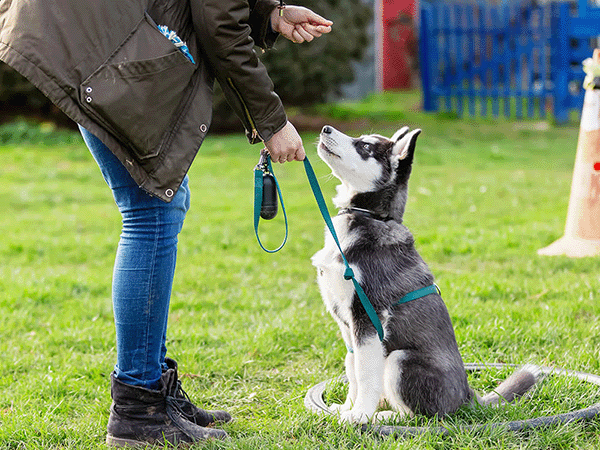
The Best Dog Trainers in the United States of 2026
This is a list of the top dog trainers in the United States, based on votes from the Sniffspot community and the general public.
The Best Dog Trainers in Seattle, WA of 2026
This is a list of the top dog trainers in Seattle, WA, based on votes from the Sniffspot community and the general public.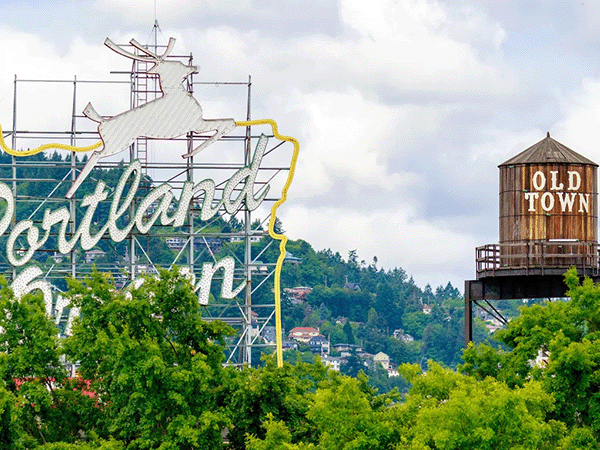
The Best Dog Trainers in Portland, OR of 2026
This is a list of the top dog trainers in Portland, OR, based on votes from the Sniffspot community and the general public.
The Best Dog Trainers in Los Angeles, CA of 2026
This is a list of the top dog trainers in Los Angeles, CA, based on votes from the Sniffspot community and the general public.
The Best Dog Trainers in New York, NY of 2026
This is a list of the top dog trainers in New York, NY, based on votes from the Sniffspot community and the general public.


City dog park guides
Best Dog Fields in the US: 25+ Wide-Open Spaces for Your Pup to Run Free
The best dog fields in the US offer something that traditional enclosed parks simply can't match: acres of open space where your pup can truly stretch their legs and run at full speed. From Colorado's 470-acre prairie meadows to Tennessee's award-winning "Outback," these wide-open spaces allow dogs to roam, explore, and exercise naturally while engaging instincts that cramped urban parks suppress.

Top 10 Indoor Dog Parks: A US Guide
Looking for a space to play with your dog no matter what the weather’s like outside? Look no further than our list of the best indoor dog parks in the United States! These climate-controlled spaces are growing in popularity as pet ownership increases throughout the country. As a bonus, many of them also offer dog training, boarding, grooming, or daycare services on the premises.

Best Dog Parks in the US: Ultimate Guide to Public & Private Off-Leash Adventures
Is your pup giving you those pleading "let me run free" eyes? Whether you're a new dog parent or a seasoned pro looking for fresh adventures, finding the perfect off-leash paradise for your furry friend can feel ruff! From sun-soaked California beaches where your water-loving lab can make a splash to mountain trails in Vermont where your adventure buddy can chase every scent, we've sniffed out the 15 best dog parks across America.

Dog Parks Near Me: Las Vegas Edition
Looking for the perfect dog park near me in Las Vegas? You're in luck! This guide explores all the best options for your pup, from public dog parks to private dog parks near me on Sniffspot. We'll help you find the ideal spot for playtime, socializing, and fresh air. Plus, we'll cover essential etiquette and safety tips to ensure a happy visit for everyone. Get ready for some tail-wagging fun!
Discover the Perfect Dog Park in Las Vegas
This page is about public city dog parks and also includes Sniffspot private dog parks. Sniffspot is the largest network of private dog parks for rent in the world!Best Dog Parks in the US: Off-Leash Guide
Looking for the perfect dog park? Whether you need a wide-open public space or a private, fenced-in spot, this guide will help you find the best dog parks across the US. We'll cover top-rated public parks, the perks of private dog parks, and even explore Sniffspot locations – giving your pup a safe and fun place to play. Ready to find your dog's new favorite spot? Let's go!

Sniffspot: Portland's Best Private Dog Parks
Ready to discover Portland's best dog parks? Whether you're looking for a public park or the unique experience of a private Sniffspot, this guide has you covered. We'll help you find the perfect spot for your pup, with tips on what to bring, how to prepare, and even understanding dog body language. Plus, we'll explore some top Portland dog parks, including public and Sniffspot options, so you can plan your next dog-friendly adventure in the City of Roses.
Portland Dog Parks: Public & Private Options
This page is about public city dog parks and also includes Sniffspot private dog parks. Sniffspot is the largest network of private dog parks for rent in the world!
/354x256/wp-content/uploads/2023/04/indoordogparks.png)
/354x256/wp-content/uploads/2023/03/offleashdogparks.png)
/354x256/wp-content/uploads/2023/02/vegas.jpg)
/354x256/wp-content/uploads/2023/02/portland.jpg)
Dog breeds
Best Dog Fields in the US: 25+ Wide-Open Spaces for Your Pup to Run Free
The best dog fields in the US offer something that traditional enclosed parks simply can't match: acres of open space where your pup can truly stretch their legs and run at full speed. From Colorado's 470-acre prairie meadows to Tennessee's award-winning "Outback," these wide-open spaces allow dogs to roam, explore, and exercise naturally while engaging instincts that cramped urban parks suppress.

German Shepherd Guide: Best Family Dog? Truth from 9K Owners
The German Shepherd Dog (GSDs) are known for their intelligence, loyalty, and striking appearance. They're also incredibly versatile, excelling as working dogs and devoted family companions. This guide covers everything you need to know about GSDs, from understanding their unique traits and rich history to practical advice on training and care. So, whether you're a seasoned GSD owner or just starting your research, let's explore this remarkable breed together.

Labrador Retriever: Real Tips from Owners
Discover the Labrador Retriever, a breed celebrated for its playful nature, affectionate temperament, and trainability. Labradors are known for their friendly demeanor and adaptability, making them perfect family companions and versatile working dogs. As one of the most popular types of retrievers, Labs are ideal companions for various lifestyles and are recognized by the American Kennel Club (AKC) as an excellent breed for families.

Golden Retriever Advice: The Complete Owner's Guide
Golden Retrievers: they're gorgeous, playful, and incredibly popular. But before you welcome one into your home, you need the right golden retriever advice. This guide draws on the wisdom of nearly 10,000 Golden Retriever owners, offering practical tips for caring for these affectionate dogs. From understanding their high energy levels to mastering grooming and training, we'll cover everything you need to know. So whether you're already a devoted Golden parent or just starting your research, get ready to learn how to give your furry friend the best possible care.

Are American Staffordshire Terriers Good for First-Time Owners: Complete Guide
Think American Staffordshire Terriers are tough? Think again. While their muscular build might intimidate some, these dogs are known for their playful and loyal personalities. This guide draws on the experience of nearly 10,000 AmStaff owners to reveal the truth about this often misunderstood breed. Want to learn more about caring for an American Staffordshire Terrier? You're in the right place.

Australian Shepherd Facts: Breed Info & Care Guide
Discover the Australian Shepherd, an AKC breed celebrated for its trainable, playful, and affectionate nature. Despite its name, the Australian Shepherd is actually a native breed to the United States, originally developed to breed on farms and ranches. Considered a medium dog, Australian Shepherds were bred for herding beginning in the 1950s. As one of the high-energy breeds, Aussies are known for their boundless energy and need for regular exercise, including aerobic exercise.
/354x256/wp-content/uploads/2024/07/German-Shepherd-Dog.png)
/354x256/wp-content/uploads/2024/07/Screen-Shot-2024-07-24-at-4.06.05-PM.png)
/354x256/wp-content/uploads/2024/07/Screen-Shot-2024-07-25-at-3.05.09-PM.png)
/354x256/wp-content/uploads/2024/07/staffy.jpg)
/354x256/wp-content/uploads/2024/07/Screen-Shot-2024-07-25-at-3.39.43-PM.png)
Top dog names in the US
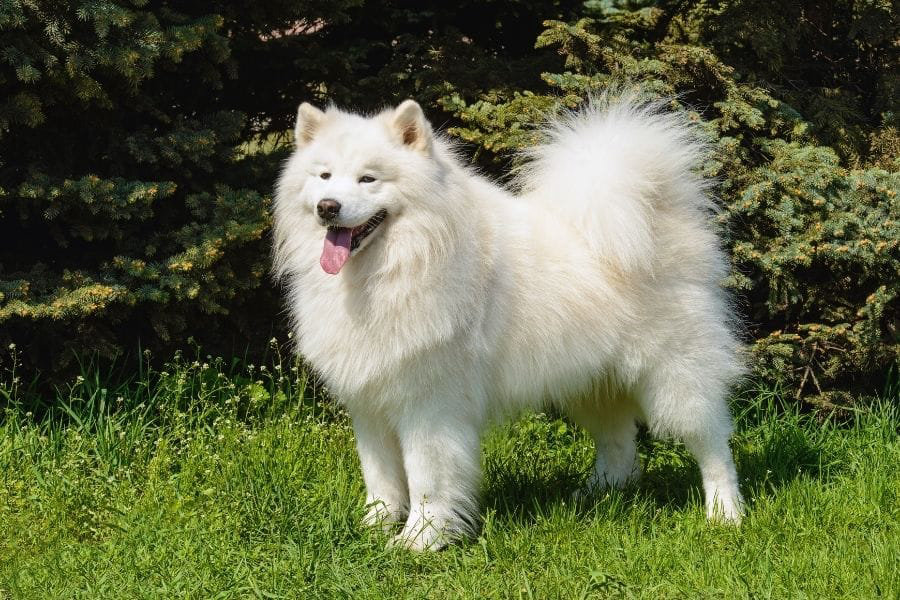
Top 1,000 Most Popular Dog Names
Looking for the perfect dog name for your new pup? We have created filterable lists of dog names from our database of hundreds of thousands of Sniffspot users. You can filter by gender, breed and state to find the most cute, unique and creative dog names.
Most Popular Male Dog Names
Looking for the perfect dog name for your new male pup? We have created filterable lists of male dog names from our database of hundreds of thousands of Sniffspot users. You can filter by gender, breed and state to find the most cute, unique and creative male dog names.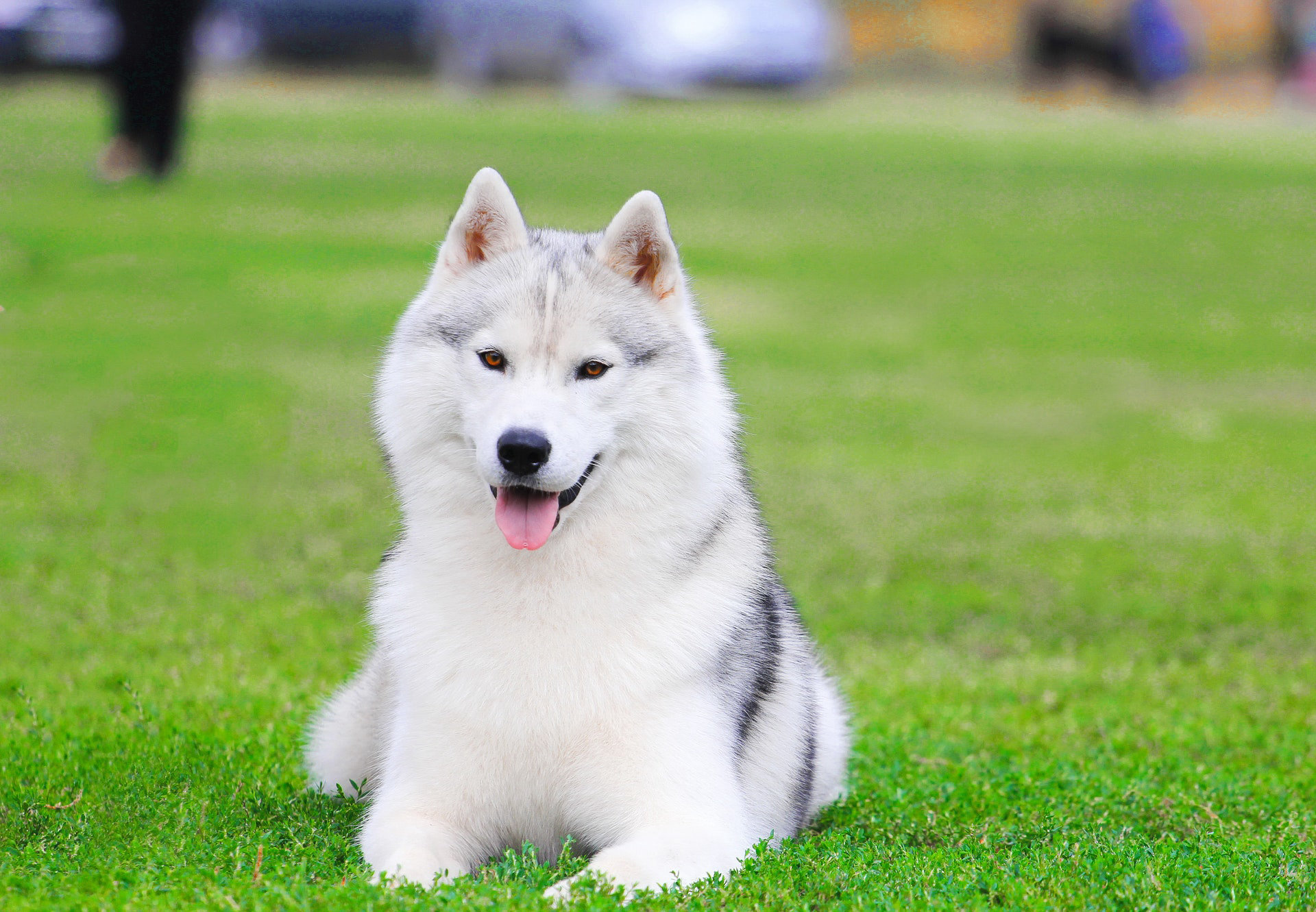
Most Popular Female Dog Names
Looking for the perfect dog name for your new female pup? We have created filterable lists of female dog names from our database of hundreds of thousands of Sniffspot users. You can filter by gender, breed and state to find the most cute, unique and creative female dog names.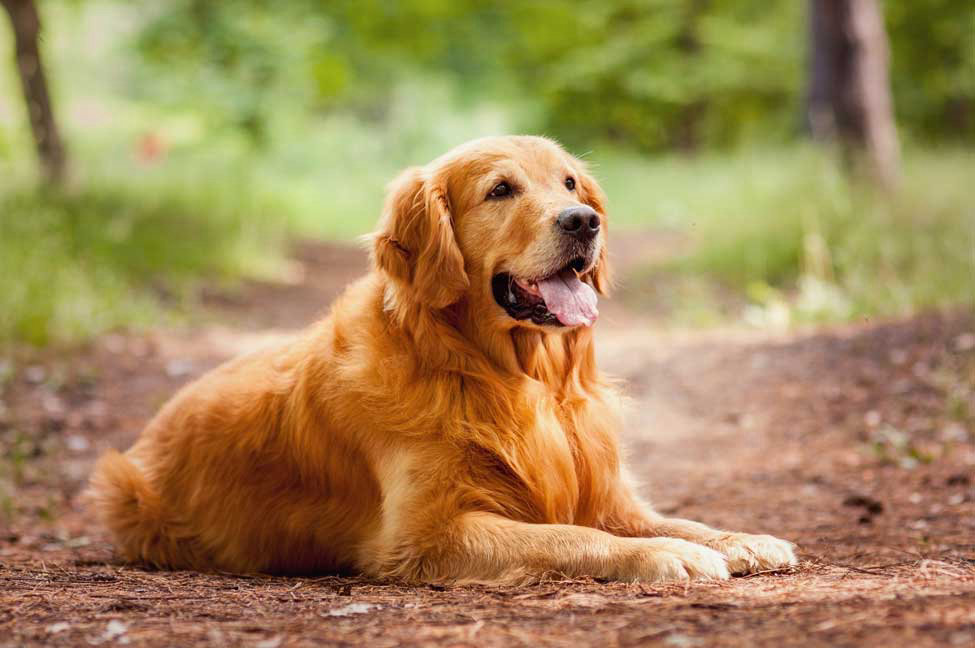
Most Popular Golden Retriever Names
Welcome to our comprehensive list of Golden Retriever dog names, curated from our vast database of Sniffspot users. Filter through hundreds of thousands of options by gender, breed, and state to discover the most adorable, original, and imaginative names for your beloved Golden Retriever.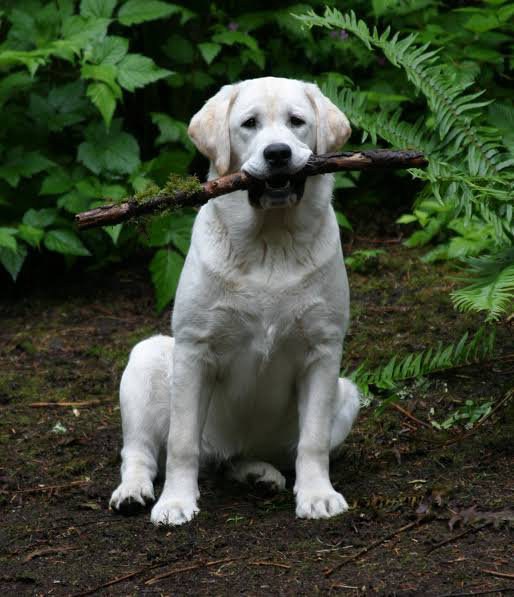
Most Popular Labrador Retriever Names
Welcome to our Labrador Retriever dog names page! Here you can browse through filterable lists of names for your beloved furry friend, ranging from cute and classic to unique and creative options. Our database of hundreds of thousands of Sniffspot users ensures you'll find the perfect name for your Labrador Retriever, whether you're seeking a name for a male or female, based on breed or state.


Top dog rescues in the US

The Best Washington Dog Rescues & Shelters in 2026
This list showcases the top dog rescues & shelters in Washington. These remarkable organizations have been recognized for their unwavering dedication to the well-being of countless dogs.
The Best Oregon Dog Rescues & Shelters in 2026
This list showcases the top dog rescues & shelters in Oregon. These remarkable organizations have been recognized for their unwavering dedication to the well-being of countless dogs.
The Best California Dog Rescues & Shelters in 2026
This list showcases the top dog rescues & shelters in California. These remarkable organizations have been recognized for their unwavering dedication to the well-being of countless dogs.
The Best Florida Dog Rescues & Shelters in 2026
This list showcases the top dog rescues & shelters in Florida. These remarkable organizations have been recognized for their unwavering dedication to the well-being of countless dogs.
The Best New York Dog Rescues & Shelters in 2026
This list showcases the top dog rescues & shelters in New York. These remarkable organizations have been recognized for their unwavering dedication to the well-being of countless dogs.
/354x256/Photos/SeoDogRescue/1282/178507e67e44-MC_logo_square.jpg)
/354x256/Photos/SeoDogRescue/931/cef8bbb17769-South_Coast_Humane_Society.png)
/354x256/Photos/SeoDogRescue/61/30aea3371b69-MainSquare_2.png)
/354x256/Photos/SeoDogRescue/298/1000035238.jpg)
/354x256/Photos/SeoDogRescue/814/91cfd62cd986-IMG_1035.jpeg)