Top articlesSee all...

A Comprehensive Guide to Dog Exercise

How To Crate train An Older Dog - A Comprehensive Guide

How To Socialize A Dog - A Comprehensive Guide

Leash Training: A Guide to Training Your Dog to Walk on a Leash

Skijoring: A Guide to Skijoring with Dogs

The Best Dog Enrichment Toys

The Best United States Dog Parks

The Best Indoor Dog Parks in the United States

The Best Off-Leash Dog Parks in the United States
Top articles
A Comprehensive Guide to Dog Exercise
How To Crate train An Older Dog - A Comprehensive Guide
How To Socialize A Dog - A Comprehensive Guide
Leash Training: A Guide to Training Your Dog to Walk on a Leash
Skijoring: A Guide to Skijoring with Dogs
The Best Dog Enrichment Toys
The Best United States Dog Parks
The Best Indoor Dog Parks in the United States
The Best Off-Leash Dog Parks in the United States
See all...Off-Leash Time Isn't Just for Dogs: How It Helps Your Mental Health Too


Ever noticed your shoulders creeping up toward your ears on a walk, just because another dog turned the corner? You're not alone, and it turns out off-leash time and mental health are more connected than most of us realize. When we asked 545 dog owners how safe, private off-leash time changed things, the dogs weren't the only ones who felt it.
In our Dog Wellbeing Survey, 87% of owners said their own stress and anxiety while exercising their dog improved. This is the second post in our series on what owners told us. The first post covered what off-leash time does for dogs, and this one is for the humans holding the leash (or, finally, not holding it).
Below, you'll find the numbers, the owners' own words, and a little science on why open space can feel so good for people, too. Want every figure? Read the full executive summary (PDF).
- Can Off-Leash Time Really Lower Your Stress?
- Why Is Exercising a Dog So Stressful for Some Owners?
- What Does "Constant Alert" Feel Like (and What Changes Without It)?
- How Does Safe, Private Space Take the Pressure Off?
- Does Time Outdoors Help Your Mental Health, Too?
- Why Does a Happier Dog Often Mean a Happier You?
- What Does This Mean If You Have a Reactive Dog?
- Can Off-Leash Time Ease Dog Parent Guilt?
- How Can You Get the Most Out of Off-Leash Time (for You)?
- What Should You Know About How We Ran the Survey?
- FAQ: Off-Leash Time and Mental Health
- Off-Leash Time Is Good for Dogs, and for the People Who Love Them
Key Takeaways
- Owners felt the difference. 87.0% said their own stress or anxiety while exercising their dog improved, and 62.0% said it was much better.
- Almost no one felt worse. Only 2 of the 545 owners said their stress got worse.
- The relief came from letting go of "constant alert." Owners described no longer scanning for triggers, or holding their breath, and finally being able to relax.
- Time outdoors helps people, too. Research suggests even 20 to 30 minutes in nature can bring stress down.
- Reactive dog parents may feel it most. Research links dog behavior problems with poorer owner wellbeing, so easier outings can matter.
- It's owner perception, not a clinical result. These are self-reported experiences from Sniffspot users, and they aren't a substitute for professional mental health support.
🐾 Sniffspot tip: Curious what a stress-free outing could look like for you and your pup? Find a Sniffspot near you →

Can Off-Leash Time Really Lower Your Stress?
For most of the owners we surveyed, yes. 87.0% said the stress and anxiety they feel while exercising their dog got better, and 62.0% said it got much better. That's well over half of respondents describing a big change in how they feel, not just a small one.
It's also one of the clearest results in the whole survey. Only 2 of 545 owners reported feeling worse, and the rest were somewhere between "a little better" and "a whole lot better."
Of course, this is what owners told us, not a lab measurement. Still, the pattern is hard to ignore when it shows up across hundreds of different people, dogs, and backyards.
Why Is Exercising a Dog So Stressful for Some Owners?
If you've ever tensed up on a sidewalk, you already know the answer. Public spaces come with surprises: a loose dog around the bend, a skateboard, a stranger who "just wants to say hi."
For owners of anxious, fearful, or reactive dogs, every outing can turn into a vigilance exercise. You watch the dog, watch the street, watch the dog again, and plan an escape route before you've left the driveway.
One owner described the feeling like this: "I used to hold my breath when doing off leash activities because we'd been attacked. Now I can relax and enjoy it."
That's a lot of mental work for what's supposed to be a walk. And it helps explain why the relief owners felt wasn't about the exercise itself. It was about what they no longer had to worry about.
What Does "Constant Alert" Feel Like (and What Changes Without It)?
The phrase kept popping up in owners' comments, in one form or another. One put it this way: "I'm not on constant alert, experiencing high stress or being hyper vigilant when I'm at a public dog park."
Another wrote, "Not as stressed trying to keep aware of our surroundings. I can relax and just watch her play."

Notice what both owners describe. It isn't a new skill or a new gadget. It's the absence of a job they didn't realize they were doing.
When your dog is in a private, fenced space, the list of things that could go wrong gets short. There are no other dogs to manage, no off-leash surprises, and no need to read every stranger's body language. What's left is the fun part: watching your dog be a dog.
How Does Safe, Private Space Take the Pressure Off?
We asked owners what they thought contributed to the changes they saw. Several of their answers were about the owner's peace of mind as much as the dog's fun:
- Safe off-leash time: 89%
- Privacy and fewer unexpected interactions: 58%
- Fewer stressful triggers: 52%
- More quality time together: 41%
Notice how the "calm" answers sit right alongside the "fun" ones. Safe, private space seems to work on both ends of the leash.
One owner summed it up: "Having a place to let my dog play that is private and safe has significantly reduced anxiety for me. Not having to worry about her while she gets her exercise is amazing."
Worry is exhausting, and not having to carry it for an hour can feel like setting down a heavy grocery bag.
🐾 Have a reactive pup? Learn how to find off-leash space that works for your dog (and your nerves). Explore off-leash options for reactive dogs →

Does Time Outdoors Help Your Mental Health, Too?
There's research on the human side of this. A study in Frontiers in Psychology followed 36 city dwellers over eight weeks and measured their levels of cortisol, a stress hormone, after time spent in nature. The most efficient drop in stress hormone happened with nature experiences of about 20 to 30 minutes, and further benefits continued to build at a slower rate after that.
Participants chose how they spent that time, so there was no gym membership or marathon training required.
To be fair, that study was about time in nature, not about dogs or off-leash spaces specifically. But it's a handy reminder that stepping outside, slowing down, and letting a pup sniff around isn't just good for the dog.
If you've ever left a Sniffspot feeling a little lighter, a bit of time outdoors may be part of the reason. As one owner wrote, "I'm also so very happy and relaxed after our visits!"
🐾 Take a breather: Give yourself 30 minutes of open space and zero worries. Browse private spaces near you →
Why Does a Happier Dog Often Mean a Happier You?
Owners rarely described their own relief in isolation. They tied it to what they saw in their dog.

In the first post of this series, 84.4% of owners said their dog's overall happiness and quality of life improved. It makes sense that watching your dog play, relax, and sleep better would lift your mood, too.
Several owners also talked about the time together. 41% named more quality time as a contributor to the changes they noticed, and one wrote that "our relationship/bond has grown from being able to spend that time together doing enriching activities we don't have at home."
Another said, "I finally enjoy exercising my dog! She was such a handful and a nightmare to walk. We now get great bonding time and have fun together!"
That's a pretty big shift: from dreading the walk to looking forward to it. And dogs are good at noticing when their people are relaxed, which can make the whole experience a feel-good loop.
What Does This Mean If You Have a Reactive Dog?
Quite a bit, actually. Many of the owners who described the biggest relief were living with reactive or anxious dogs.
A 2024 review in Pets looked at 21 studies on dog behavior problems and owner wellbeing. The authors reported that behavior problems were associated with negative emotions, poorer mental health, and a more disrupted social life for owners. They also described the relationship as complex and running in both directions, and noted that the studies can't prove cause and effect.
In plain English: living with a dog who struggles can be hard on the person, too, and that is nothing to be embarrassed about.
One owner of a reactive dog told us, "Sniffspot gives him the freedom to run around, sniff, explore, and just be a dog without me constantly worrying about other dogs or triggers... makes outings way less stressful for both of us!"
If this sounds like your life, our State of Reactive Dogs 2026 report shares what 1,170 reactive dog owners told us about their experiences.
Can Off-Leash Time Ease Dog Parent Guilt?
Here's one that doesn't show up in the percentages, but it showed up in the comments. A few owners talked about the guilt of feeling like their dog was missing out.
One wrote, "I always felt so guilty that they couldn't go to new places unless it was very early in the morning or late at night. I felt like they were missing out on so many experiences in their life. Sniffspot has made me feel less guilty and like a much better dog parent!!!"
The same owner shared that their own anxiety and depression had decreased. That's one person's experience, and we aren't suggesting an off-leash visit replaces support from a doctor or therapist. But it's a lovely example of how a dog's world getting bigger can make a person's world feel lighter.
If you're a worrier by nature, it may help to know you're in good company. Plenty of dog parents carry a little guilt, and plenty of them said giving their pup more room to roam helped.

How Can You Get the Most Out of Off-Leash Time (for You)?
A few small habits can help turn dog time into reset time:
- Leave the phone in your pocket. Try watching your dog for the first 10 minutes. It's weirdly relaxing.
- Let your dog set the pace. Sniff breaks are welcome, and there's no schedule to keep.
- Aim for 20 to 30 minutes. That's where the nature research saw the biggest efficiency gains, though longer is fine, too.
- Sit down for a bit. Bring a chair or a thermos and enjoy the view while your dog explores.
- Practice recall where it's calm. A quiet, fenced space is a stress-free place to work on it. Our complete guide to off-leash training can help you get started.
Not sure how much off-leash time your own dog needs? Our guide on whether all dogs need off-leash time can help.
🐾 Need support? A good trainer can help you build confidence on both ends of the leash. Browse top dog trainers →
What Should You Know About How We Ran the Survey?
We want you to trust these numbers, so here's the fine print.
The 545 respondents are Sniffspot users, and everything is self-reported. There's no control group, and owners rated their own stress and their own dogs. Changes can also reflect other things going on in a person's life, like the seasons, a new routine, or simply having a good week.
And since people who book Sniffspot went looking for private space, these results don't describe every dog parent everywhere. This post is about how owners experienced the change, not a medical claim. If you're struggling with anxiety or low mood, a doctor or licensed mental health professional is the right place to start.
To dig into the numbers yourself, read the full executive summary (PDF).
FAQ: Off-Leash Time and Mental Health
Does off-leash time help with owner stress?
In our survey of 545 dog owners, 87.0% said their own stress or anxiety while exercising their dog improved, and 62.0% said it got much better. Only 2 owners said it got worse. These are self-reported experiences, not clinical measurements.
Why do dog owners feel less stressed in a private off-leash space?
Owners described not having to stay on constant alert for other dogs, people, or triggers. In the survey, 58% credited privacy and fewer unexpected interactions, and 52% credited fewer stressful triggers.
Is time outdoors good for mental health?
Research suggests it can be. A study in Frontiers in Psychology found that stress hormone levels dropped most efficiently with about 20 to 30 minutes of nature contact. That study looked at time in nature generally, not dogs specifically.
Can owning a reactive dog affect your mental health?
A 2024 review of 21 studies found that dog behavior problems were associated with poorer wellbeing for owners, including negative emotions and a more disrupted social life. The authors noted the relationship runs in both directions and that the studies can't prove cause and effect.
How long should I spend at an off-leash space?
There's no single right answer, since it depends on your dog's age, health, and energy. The nature research found stress benefits start to build around 20 to 30 minutes, so that's a handy starting point for you. Check with your vet about what suits your dog.
Can off-leash time replace therapy or professional support?
No. Owners shared that safe off-leash time made outings feel easier, but it isn't a substitute for care from a doctor or licensed mental health professional. If you're struggling, reach out to one.
Off-Leash Time Is Good for Dogs, and for the People Who Love Them
The takeaway from 545 owners is simple: when your dog gets safe, private space to run, you may get a little room to breathe, too. Less scanning, less worrying, and more watching your pup have the time of their life.
It's not a cure-all, and it isn't a replacement for support when you need it. But if your shoulders have been living near your ears, a quiet, fenced yard might be worth a try.
🐾 Ready for a little peace? Browse private, fenced spaces where your dog can run and you can finally relax. Find a Sniffspot near you →


Most recent articles


Related articles
Top dog guides per area
Dog training guides

Dog Food Aggression & Resource Guarding Guide
Does your dog ever growl when you walk by their food dish? Maybe they get possessive of treats, carrying them far away and giving you side-eye when you start...
The Ultimate Guide to Scent Training for Dogs
Your dog's nose is an amazing tool. Did you know they have 40 times the olfactory receptors than humans? Scent training for dogs taps into this superpower,...
How Much Does It Cost to Train a Service Dog?
More than 80 million Americans rely on their service dogs to help them navigate the world. Task-trained assistance animals perform a huge range of...
How to Deal With Puppy Potty Training Regression
You thought those dreaded middle-of-the-night potty breaks were over. You were finally free from cleaning up puppy puddles. Then, suddenly, your...
Dirty Dog Syndrome: Causes, Solutions, and Prevention
It's a cringe-worthy moment every dog owner dreads: your furry friend chowing down on something truly disgusting. If your dog has a penchant for poop, you're...
How to Train Your Rescue Dog: A Complete Guide
The shelter ride home goes one of two ways. Your new dog either plasters themselves against the car window, tongue out and tail going like a helicopter, or...


Dog enrichment guides

Best Dog Water Parks in the US: 15+ Amazing Splash Destinations for Your Pup
Do you have a water-loving dog looking to burn some energy? There are countless dog parks to visit throughout our country — but some of them become far too...
Best Toys for Herding Dogs: Keeping Your Pup Happy & Engaged
Herding dogs are amazing, intelligent companions. But that also means they need more than just a simple game of fetch. Finding the right toys for herding...
Tough Dog Toys for Aggressive Chewers: A Practical Guide
Does your dog destroy every toy you give them? Is your house littered with the remnants of plush toys? Are you tired of wasting money on "indestructible" dog...
Dog Exercise Calculator: How Much Exercise Does Your Dog Need?
Every dog needs to move, but how much is actually enough? The answer depends on more than just breed. Age, health, and even your own lifestyle all play a...
Complete Guide To Herding With Dogs
* All Sniffspot articles are reviewed by certified trainers for quality, please see bottom of article for details *
Dog Enrichment Activities: The Ultimate Guide
Ever feel like your dog is restless or bored? They may be getting enough exercise, but still need more. That's where enrichment activities for dogs come in....


Dog reactivity guides

Rottweiler Aggression: Signs, Causes & Training
Many dogs have gotten a bad reputation over the years for being "dangerous breeds." Rottweilers are among them. Like pit bulls and other large, blocky-headed...
The Reactive Dog Chart: How to Calm Your Dog's Triggers
If your dog lunges, barks, or loses their mind at the sight of another dog, a stranger, or a bicycle, you’re living with a reactive dog (and you’re far from...
How to Socialize a Reactive Dog: A Step-by-Step Guide
Does your dog display reactivity to other pets or people—barking, lunging, or growling when they see their triggers? Whether they're a rescue still settling...
What Is a Reactive Dog? The Complete Guide for Understanding and Helping Your Pup
Does your dog transform into a barking, lunging tornado the second they spot another dog across the street? You're definitely not alone. According to our...
9 Best Online Communities for Reactive Dog Parents
Does your dog's reactivity make walks stressful? You're not alone. Many dog owners face similar challenges. This guide offers practical advice and support...
How To Groom a Reactive Dog
* All Sniffspot articles are reviewed by certified trainers for quality, please see bottom of article for details *


Sniffspot community guides

The State of Public Dog Parks Across the United States
From 2009 to 2020, there was a 40 percent increase in the development of public dog parks. Designated spots for canine exercise have become commonplace in...
How This Family is Affording Their Dream Property Through Renting it Hourly to Dogs
Thousand Oaks, California has been a safe haven for Sniffspot host, Jen, since childhood. Having grown up in busy Santa Barbara, Jen, an introvert from an...
Host Tips: Ellen K. What Makes Sniffspot Successful for Me
Ellen is the host of Country Pasture Getaway, one of Sniffspot's most popular sniff spots. She has taken the time to write up the lessons she has learned...
How this Oregon Farmer is Making a Business From Renting Her Land to Dogs
Just 20 minutes outside of the busy city of Portland, Oregon, and settled right on the banks of the Columbia River, you’ll find what countless visitors have...
Host Tips: Fran T. Providing Great Guest Service at our Spot
Fran is the host of Ranch Setting, one of Sniffspot's most popular spots. She has taken the time to write up the lessons she has learned about how to be a...
How Sniffspot Helped a Nervous Rescue Work Through His Fears and Change His Family’s Life
This is the story of a family and dog rescuing each other.


Top dog trainers in the US
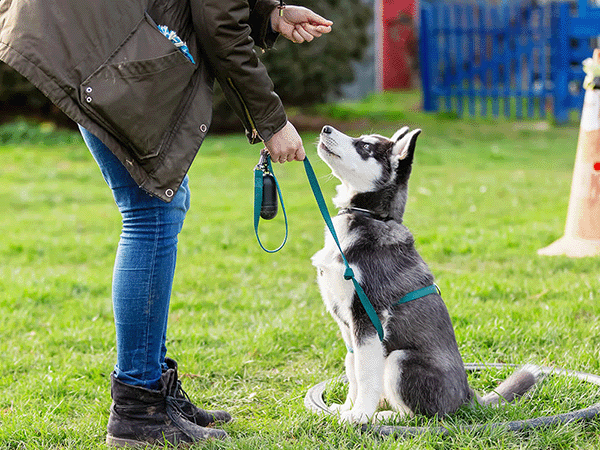
The Best Dog Trainers in the United States of 2026
This is a list of the top dog trainers in the United States, based on votes from the Sniffspot community and the general public.
The Best Dog Trainers in Seattle, WA of 2026
This is a list of the top dog trainers in Seattle, WA, based on votes from the Sniffspot community and the general public.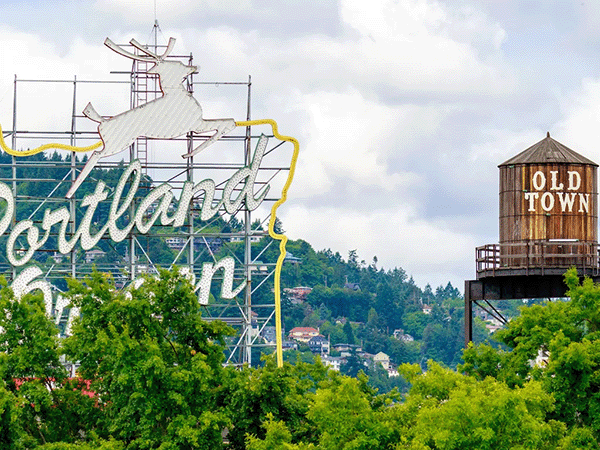
The Best Dog Trainers in Portland, OR of 2026
This is a list of the top dog trainers in Portland, OR, based on votes from the Sniffspot community and the general public.
The Best Dog Trainers in Los Angeles, CA of 2026
This is a list of the top dog trainers in Los Angeles, CA, based on votes from the Sniffspot community and the general public.
The Best Dog Trainers in New York, NY of 2026
This is a list of the top dog trainers in New York, NY, based on votes from the Sniffspot community and the general public.


City dog park guides

Best Dog Fields in the US: 25+ Wide-Open Spaces for Your Pup to Run Free
The best dog fields in the US offer something that traditional enclosed parks simply can't match: acres of open space where your pup can truly stretch their...
Top 10 Indoor Dog Parks: A US Guide
Looking for a space to play with your dog no matter what the weather’s like outside? Look no further than our list of the best indoor dog parks in the United...
Best Dog Parks in the US: Ultimate Guide to Public & Private Off-Leash Adventures
Is your pup giving you those pleading "let me run free" eyes? Whether you're a new dog parent or a seasoned pro looking for fresh adventures, finding the...
Dog Parks Near Me: Las Vegas Edition
Looking for the perfect dog park near me in Las Vegas? You're in luck! This guide explores all the best options for your pup, from public dog parks to...Best Dog Parks in the US: Off-Leash Guide
Looking for the perfect dog park? Whether you need a wide-open public space or a private, fenced-in spot, this guide will help you find the best dog parks...
Sniffspot: Portland's Best Private Dog Parks
Ready to discover Portland's best dog parks? Whether you're looking for a public park or the unique experience of a private Sniffspot, this guide has you...


Dog breeds

German Shepherd Guide: Best Family Dog? Truth from 9K Owners
The German Shepherd Dog (GSDs) are known for their intelligence, loyalty, and striking appearance. They're also incredibly versatile, excelling as working...
Labrador Retriever: Real Tips from Owners
Discover the Labrador Retriever, a breed celebrated for its playful nature, affectionate temperament, and trainability. Labradors are known for their...
Golden Retriever Advice: The Complete Owner's Guide
Golden Retrievers: they're gorgeous, playful, and incredibly popular. But before you welcome one into your home, you need the right golden retriever advice....
Are American Staffordshire Terriers Good for First-Time Owners: Complete Guide
Think American Staffordshire Terriers are tough? Think again. While their muscular build might intimidate some, these dogs are known for their playful and...
Australian Shepherd Facts: Breed Info & Care Guide
Discover the Australian Shepherd, an AKC breed celebrated for its trainable, playful, and affectionate nature. Despite its name, the Australian Shepherd is...
Essential Husky Facts for Owners: Breed Guide
Discover the Siberian Husky, a breed celebrated for its curious, intelligent, and loyal nature. Considered a medium-sized dog, Siberian Huskies were...


Top dog names in the US
Top 1,000 Most Popular Dog Names
Looking for the perfect dog name for your new pup? We have created filterable lists of dog names from our database of hundreds of thousands of Sniffspot users.
Most Popular Male Dog Names
Looking for the perfect dog name for your new male pup? We have created filterable lists of male dog names from our database of hundreds of thousands of...
Most Popular Female Dog Names
Looking for the perfect dog name for your new female pup? We have created filterable lists of female dog names from our database of hundreds of thousands of...
Most Popular Golden Retriever Names
Welcome to our comprehensive list of Golden Retriever dog names, curated from our vast database of Sniffspot users.
Most Popular Labrador Retriever Names
Welcome to our Labrador Retriever dog names page! Here you can browse through filterable lists of names for your beloved furry friend, ranging from cute and...


Top dog rescues in the US

The Best Washington Dog Rescues & Shelters in 2026
This list showcases the top dog rescues & shelters in Washington. These remarkable organizations have been recognized for their unwavering dedication to the...
The Best Oregon Dog Rescues & Shelters in 2026
This list showcases the top dog rescues & shelters in Oregon. These remarkable organizations have been recognized for their unwavering dedication to the...
The Best California Dog Rescues & Shelters in 2026
This list showcases the top dog rescues & shelters in California. These remarkable organizations have been recognized for their unwavering dedication to the...
The Best Florida Dog Rescues & Shelters in 2026
This list showcases the top dog rescues & shelters in Florida. These remarkable organizations have been recognized for their unwavering dedication to the...
The Best New York Dog Rescues & Shelters in 2026
This list showcases the top dog rescues & shelters in New York. These remarkable organizations have been recognized for their unwavering dedication to the...


