Top articlesSee all...

A Comprehensive Guide to Dog Exercise

How To Crate train An Older Dog - A Comprehensive Guide

How To Socialize A Dog - A Comprehensive Guide

Leash Training: A Guide to Training Your Dog to Walk on a Leash

Skijoring: A Guide to Skijoring with Dogs

The Best Dog Enrichment Toys

The Best United States Dog Parks

The Best Indoor Dog Parks in the United States

The Best Off-Leash Dog Parks in the United States
Top articles
A Comprehensive Guide to Dog Exercise
How To Crate train An Older Dog - A Comprehensive Guide
How To Socialize A Dog - A Comprehensive Guide
Leash Training: A Guide to Training Your Dog to Walk on a Leash
Skijoring: A Guide to Skijoring with Dogs
The Best Dog Enrichment Toys
The Best United States Dog Parks
The Best Indoor Dog Parks in the United States
The Best Off-Leash Dog Parks in the United States
See all...Why Is My Dog Anxious? Common Causes of Dog Anxiety


Why is my dog anxious? It's one of the most common questions pet parents ask, and the answer is rarely just one thing. Anxiety is common in dogs, and the reasons range from genetics and early experiences to pain, aging, and big changes at home.
This guide walks through the most likely causes so you can start connecting the dots for your own pup. For the big picture on types and treatment, see our complete guide to dog anxiety.
- Is Anxiety Common in Dogs?
- What Are the Most Common Causes of Dog Anxiety?
- Can Genetics and Breed Make a Dog Anxious?
- How Do Early Experiences and Socialization Shape Anxiety?
- Could Pain or a Medical Problem Be Behind the Anxiety?
- Do Age and Cognitive Changes Cause New Anxiety?
- How Do Big Life Changes Make a Dog Anxious?
- Do Low Exercise, Boredom, or Rough Handling Add to Anxiety?
- What Triggers Anxiety, and Where Does Separation Fit In?
- How Can You Narrow Down What's Behind the Worry?
- What Comes Next After You Know the Cause?
- FAQ: Causes of Anxiety in Dogs
- Find the Why, Then Find the Way: Next Steps for Your Anxious Pup
Key Takeaways
- It's rarely one cause: Genes, early life, health, and life changes usually stack up together.
- Rule out pain first: A sudden shift in behavior can be a medical problem in disguise.
- Look at the whole picture: Age, routine, exercise, and handling all play a part.
- It's not your fault: Finding the cause is how you build a plan, not how you assign blame.
🐾 Sniffspot tip: Quiet, private outings give a worried pup a low-pressure break from the world. Find a Sniffspot near you →
Is Anxiety Common in Dogs?
Short answer: yes. Many dogs experience anxiety at some point, and dog anxiety occurs across breeds, ages, and backgrounds. In a Finnish survey of 13,715 dogs, about one in three showed excessive fear of at least one sound, and 29% were fearful, the second most common trait. Owners chose to take part, so the numbers may not match all dogs, but they show how widespread worry is.
Fear and anxiety often overlap, and anxiety in dogs can look different from one pup to the next, so you'll see us use "worry" for both. Common signs of anxiety, like pacing, panting, or hiding, deserve their own guide, so here we'll focus on the why. Most dog owners just want to know where the worry comes from, and that's what we'll sort out.
What Are the Most Common Causes of Dog Anxiety?
The most common causes of dog anxiety include genetics, limited early socialization, pain or illness, aging, and big changes in routine. Most dogs have more than one thing going on. A sensitive dog may develop anxiety after a move, and a sore hip can make everyday life feel harder.
Think of it like a recipe with several ingredients. Every dog has their own mix, which is why the plan that worked for your neighbor's pup may not work for yours.
Knowing the mix matters because it points toward the right fix. It helps you give your dog support that fits what's actually going on, instead of guessing.

Can Genetics and Breed Make a Dog Anxious?
Partly, yes. Temperament runs in families, and some dogs are simply born more sensitive. In the Finnish survey, fear was most common in Spanish water dogs, Shetland sheepdogs, and mixed breeds, and it was seldom reported in Labradors. Females were also more likely than males to be fearful.
Breed is only a rough guide, though. Plenty of dogs from "worrier" breeds are happy-go-lucky, and a calm Lab can still have a rough day. Genes shape dog behavior, but they don't write the whole story.
Your dog’s anxiety is also shaped by what happens after birth. That's good news, because experience is the part you can influence.
How Do Early Experiences and Socialization Shape Anxiety?
The first months of life leave a mark. In a study of 3,264 Finnish dogs, fearful dogs had been less socialized as puppies and had lower quality maternal care. The researchers found links, not proof of cause, but the results fit the idea that early life matters.
A pup who misses out on gentle exposure to unfamiliar places, noises, people, and other animals may find the world overwhelming later. A scary event can also stick. One frightening encounter with another dog can teach a pup that the world feels unsafe, and dogs may also carry worry from a rough start with an unknown history.
Our separation anxiety guide notes that dogs adopted from shelters seem to struggle with it more than dogs raised by one family, though many shelter dogs never do. Whatever your dog's past, it's never too late to build confidence. Patient, positive experiences can help your dog feel more comfortable with things that once worried them, and gentle early exposure may help prevent some worries from taking hold.
Could Pain or a Medical Problem Be Behind the Anxiety?
Ask this one first. PetMD says pain, including dental disease, arthritis, neurological pain, and stomach problems, can sit behind worry, and it recommends working with your veterinarian to find the most likely cause. Pain can look like anxious behavior, and the ASPCA notes it can also lead to irritability.
If anxiety appears suddenly in a dog who has been fine for years, take it seriously. The ASPCA notes that many changes in behavior can be signs of treatable medical disorders, such as arthritis, dental disease, or hypothyroidism. A dog may have anxiety that is really a health problem in disguise, so rule that out before anything else.
If your dog is suffering and the cause isn't obvious, call your care team. Bring notes on when the worry started and what changed around that time. That history helps them decide what to check.
Do Age and Cognitive Changes Cause New Anxiety?
They can. Senior dogs sometimes develop canine cognitive dysfunction, and the University of Illinois College of Veterinary Medicine says dogs with the condition show an increase in anxiety and stress, especially when routine is disrupted.
Senses fade with age, too. The ASPCA adds that hearing loss can make some dogs more anxious and vocal, and it warns against assuming a dog is "just getting old" when behavior changes. Older dogs may show signs of distress at night, like pacing or restlessness, so share what you see with your veterinary team. When a dog becomes stressed by small changes at home, age may be part of the reason.
How Do Big Life Changes Make a Dog Anxious?
Dogs love routine. PetMD lists household changes among common triggers, and it's easy to see why. Moving to a new home, bringing home a new dog, a new work schedule, or losing a family member can turn a dog's world upside down.
Even a happy change can feel like a stressful situation to a dog who likes things predictable. A houseguest who stays for a week or a rearranged living room can be enough to throw them off. An anxious dog often craves predictability, and a dog who can't predict their day may feel anxious without any single obvious trigger.
If your dog’s behavior shifted around the time something changed at home, that timing is a clue. Predictable routines tend to leave dogs less anxious, so keeping meals, walks, and bedtime steady is a good place to start.
📖 Want the full picture? Our complete guide covers types, triggers, and treatment. Read the complete guide →

Do Low Exercise, Boredom, or Rough Handling Add to Anxiety?
They can contribute. In the same Finnish study of 3,264 dogs, less daily exercise was linked with noise sensitivity and separation anxiety. That's an association, not proof, since worried dogs can be harder to exercise as well, but it makes exercise worth a look.
Boredom can feed restless energy, too. A dog may bark, whine, or chew when it has nowhere to put that energy, and it can look like worry even when other factors are in play. A sniffy walk or a session in a private dog park gives that energy somewhere to go, and daily exercise may reduce anxiety for some dogs.
Handling matters as well. A veterinary behaviorist's conference paper notes that punishment can raise anxiety, fear, and aggression, which is one reason many trainers prefer positive reinforcement.
What Triggers Anxiety, and Where Does Separation Fit In?
A cause sets the stage, and a trigger sets it off. Typical triggers include storms, fireworks, car rides, and unfamiliar places, and PetMD adds unfamiliar surfaces like grass, tile, or stairs. Noise is a big one, and our guide to noise triggers and phobias goes deeper.
Separation-related worry is its own category with its own causes. Dogs with separation anxiety often bark, whine, or drool when left alone, and some dogs pace the house or shadow you from room to room. If your dog has separation anxiety, the pattern usually points to being apart from you rather than a specific noise or place.
📖 Home-alone worries? We already have a deep dive on training steps and rule-outs. Read the separation anxiety guide →
How Can You Narrow Down What's Behind the Worry?
Start by playing detective. Write down when the worry began, what changed around that time, and what a typical day looks like now. If you spot the signs early, the pattern gets much easier to read.
Note when your dog shows signs of worry and what happened just before. Anxiety signs include pacing, panting, hiding, and refusing food, and if anxiety symptoms only appear in the car or only when guests arrive, that points to a specific cause. If your dog is anxious only in one place, look at that place first.
Pay attention to how your dog responds to small changes, too. When a dog is stressed, little things pile up, and stressed dogs may seem to react more strongly to things they'd usually shrug off. Sharing your notes helps your care team see the whole picture, and a certified trainer can add what they see in person.

What Comes Next After You Know the Cause?
Finding the cause is the first step in a plan to help your dog. Your veterinarian can build a treatment plan around it, and treatment options might include training, routine changes, and sometimes anxiety medication. Our guide to when and how to think about medication walks through that conversation.
A certified dog trainer can teach your dog new coping skills. Rewarding calm behavior helps dogs learn that quiet is worth it, and a safe space with a cozy bed gives them somewhere to reset. Training can help dogs build confidence, steady routines can make your dog feel safe, and predictable days can make your dog feel calmer over time.
Some dogs benefit from medication alongside that work. Anxious dogs may need more support than others, and moderate anxiety may need less than severe anxiety, so the plan should match the dog.
Managing anxiety is a long game. Managing dog anxiety well takes patience and a team. Learning the signs of dog anxiety early, plus daily exercise and enrichment, can help manage everyday worry and help reduce stress. Mental games like sniff walks may help soothe a restless mind, and small wins add up.
🎓 Need support? A certified trainer can map out a plan that fits your dog's pace. Find a trainer near you →
FAQ: Causes of Anxiety in Dogs
Why did my dog suddenly become worried?
Sudden changes deserve a closer look. Pain, illness, and age-related changes are common culprits, and a move or new schedule can tip the scales too. Call your clinic first, since many of these causes are treatable.
Is it my fault my dog is worried?
Almost never. Genetics, early life, health, and big changes all contribute, so it's rarely one thing you did or didn't do. Focus on what you can change now, like noting patterns and scheduling a check-up.
Are some breeds more prone to anxiety?
Some, yes. In a Finnish survey, fear was reported more often in breeds like Shetland sheepdogs and less often in Labradors. Still, individuals vary a lot, so breed is a clue rather than a verdict.
Can a rescue dog's past cause anxiety?
It can play a part. Dogs adopted from shelters seem to struggle with being alone more than dogs raised by one family, though many never do. You often can't know a rescue's full history, so focus on the dog in front of you.
Does a lack of exercise cause anxiety?
Not on its own. A Finnish study linked less daily exercise to noise sensitivity and separation anxiety, but a link isn't proof of cause. Exercise is still a smart part of the plan, along with enrichment and rest.
How do I know if the cause is medical or behavioral?
Often you can't tell at home, which is why a check-up comes first. A veterinary exam can rule out pain and illness before you build a training plan, and your notes help the team connect the dots.
Find the Why, Then Find the Way: Next Steps for Your Anxious Pup
There's rarely a single answer to why a pup worries, but there are usually clues. Genetics, early life, health, age, and big changes all leave fingerprints, and your notes help you read them.
Be patient with your pup and with yourself. Once you know what's behind the worry, you can build a plan one small step at a time.
🌳 Ready for a change of scenery? A private, fenced spot lets your pup explore at their own speed, with no strangers or surprises. Find a Sniffspot near you →


Most recent articles


Related articles
Top dog guides per area
Dog training guides

Dog Food Aggression & Resource Guarding Guide
Does your dog ever growl when you walk by their food dish? Maybe they get possessive of treats, carrying them far away and giving you side-eye when you start...
The Ultimate Guide to Scent Training for Dogs
Your dog's nose is an amazing tool. Did you know they have 40 times the olfactory receptors than humans? Scent training for dogs taps into this superpower,...
How Much Does It Cost to Train a Service Dog?
More than 80 million Americans rely on their service dogs to help them navigate the world. Task-trained assistance animals perform a huge range of...
How to Deal With Puppy Potty Training Regression
You thought those dreaded middle-of-the-night potty breaks were over. You were finally free from cleaning up puppy puddles. Then, suddenly, your...
Dirty Dog Syndrome: Causes, Solutions, and Prevention
It's a cringe-worthy moment every dog owner dreads: your furry friend chowing down on something truly disgusting. If your dog has a penchant for poop, you're...
How to Train Your Rescue Dog: A Complete Guide
The shelter ride home goes one of two ways. Your new dog either plasters themselves against the car window, tongue out and tail going like a helicopter, or...


Dog enrichment guides

Best Dog Water Parks in the US: 15+ Amazing Splash Destinations for Your Pup
Do you have a water-loving dog looking to burn some energy? There are countless dog parks to visit throughout our country — but some of them become far too...
Best Toys for Herding Dogs: Keeping Your Pup Happy & Engaged
Herding dogs are amazing, intelligent companions. But that also means they need more than just a simple game of fetch. Finding the right toys for herding...
Tough Dog Toys for Aggressive Chewers: A Practical Guide
Does your dog destroy every toy you give them? Is your house littered with the remnants of plush toys? Are you tired of wasting money on "indestructible" dog...
Dog Exercise Calculator: How Much Exercise Does Your Dog Need?
Every dog needs to move, but how much is actually enough? The answer depends on more than just breed. Age, health, and even your own lifestyle all play a...
Complete Guide To Herding With Dogs
* All Sniffspot articles are reviewed by certified trainers for quality, please see bottom of article for details *
Dog Enrichment Activities: The Ultimate Guide
Ever feel like your dog is restless or bored? They may be getting enough exercise, but still need more. That's where enrichment activities for dogs come in....


Dog reactivity guides

Rottweiler Aggression: Signs, Causes & Training
Many dogs have gotten a bad reputation over the years for being "dangerous breeds." Rottweilers are among them. Like pit bulls and other large, blocky-headed...
The Reactive Dog Chart: How to Calm Your Dog's Triggers
If your dog lunges, barks, or loses their mind at the sight of another dog, a stranger, or a bicycle, you’re living with a reactive dog (and you’re far from...
How to Socialize a Reactive Dog: A Step-by-Step Guide
Does your dog display reactivity to other pets or people—barking, lunging, or growling when they see their triggers? Whether they're a rescue still settling...
What Is a Reactive Dog? The Complete Guide for Understanding and Helping Your Pup
Does your dog transform into a barking, lunging tornado the second they spot another dog across the street? You're definitely not alone. According to our...
9 Best Online Communities for Reactive Dog Parents
Does your dog's reactivity make walks stressful? You're not alone. Many dog owners face similar challenges. This guide offers practical advice and support...
How To Groom a Reactive Dog
* All Sniffspot articles are reviewed by certified trainers for quality, please see bottom of article for details *


Sniffspot community guides

The State of Public Dog Parks Across the United States
From 2009 to 2020, there was a 40 percent increase in the development of public dog parks. Designated spots for canine exercise have become commonplace in...
How This Family is Affording Their Dream Property Through Renting it Hourly to Dogs
Thousand Oaks, California has been a safe haven for Sniffspot host, Jen, since childhood. Having grown up in busy Santa Barbara, Jen, an introvert from an...
Host Tips: Ellen K. What Makes Sniffspot Successful for Me
Ellen is the host of Country Pasture Getaway, one of Sniffspot's most popular sniff spots. She has taken the time to write up the lessons she has learned...
How this Oregon Farmer is Making a Business From Renting Her Land to Dogs
Just 20 minutes outside of the busy city of Portland, Oregon, and settled right on the banks of the Columbia River, you’ll find what countless visitors have...
Host Tips: Fran T. Providing Great Guest Service at our Spot
Fran is the host of Ranch Setting, one of Sniffspot's most popular spots. She has taken the time to write up the lessons she has learned about how to be a...
How Sniffspot Helped a Nervous Rescue Work Through His Fears and Change His Family’s Life
This is the story of a family and dog rescuing each other.


Top dog trainers in the US
The Best Dog Trainers in the United States of 2026
This is a list of the top dog trainers in the United States, based on votes from the Sniffspot community and the general public.
The Best Dog Trainers in Seattle, WA of 2026
This is a list of the top dog trainers in Seattle, WA, based on votes from the Sniffspot community and the general public.
The Best Dog Trainers in Portland, OR of 2026
This is a list of the top dog trainers in Portland, OR, based on votes from the Sniffspot community and the general public.
The Best Dog Trainers in Los Angeles, CA of 2026
This is a list of the top dog trainers in Los Angeles, CA, based on votes from the Sniffspot community and the general public.
The Best Dog Trainers in New York, NY of 2026
This is a list of the top dog trainers in New York, NY, based on votes from the Sniffspot community and the general public.


City dog park guides

Best Dog Fields in the US: 25+ Wide-Open Spaces for Your Pup to Run Free
The best dog fields in the US offer something that traditional enclosed parks simply can't match: acres of open space where your pup can truly stretch their...
Top 10 Indoor Dog Parks: A US Guide
Looking for a space to play with your dog no matter what the weather’s like outside? Look no further than our list of the best indoor dog parks in the United...
Best Dog Parks in the US: Ultimate Guide to Public & Private Off-Leash Adventures
Is your pup giving you those pleading "let me run free" eyes? Whether you're a new dog parent or a seasoned pro looking for fresh adventures, finding the...
Dog Parks Near Me: Las Vegas Edition
Looking for the perfect dog park near me in Las Vegas? You're in luck! This guide explores all the best options for your pup, from public dog parks to...Best Dog Parks in the US: Off-Leash Guide
Looking for the perfect dog park? Whether you need a wide-open public space or a private, fenced-in spot, this guide will help you find the best dog parks...
Sniffspot: Portland's Best Private Dog Parks
Ready to discover Portland's best dog parks? Whether you're looking for a public park or the unique experience of a private Sniffspot, this guide has you...


Dog breeds

German Shepherd Guide: Best Family Dog? Truth from 9K Owners
The German Shepherd Dog (GSDs) are known for their intelligence, loyalty, and striking appearance. They're also incredibly versatile, excelling as working...
Labrador Retriever: Real Tips from Owners
Discover the Labrador Retriever, a breed celebrated for its playful nature, affectionate temperament, and trainability. Labradors are known for their...
Golden Retriever Advice: The Complete Owner's Guide
Golden Retrievers: they're gorgeous, playful, and incredibly popular. But before you welcome one into your home, you need the right golden retriever advice....
Are American Staffordshire Terriers Good for First-Time Owners: Complete Guide
Think American Staffordshire Terriers are tough? Think again. While their muscular build might intimidate some, these dogs are known for their playful and...
Australian Shepherd Facts: Breed Info & Care Guide
Discover the Australian Shepherd, an AKC breed celebrated for its trainable, playful, and affectionate nature. Despite its name, the Australian Shepherd is...
Essential Husky Facts for Owners: Breed Guide
Discover the Siberian Husky, a breed celebrated for its curious, intelligent, and loyal nature. Considered a medium-sized dog, Siberian Huskies were...


Top dog names in the US
Top 1,000 Most Popular Dog Names
Looking for the perfect dog name for your new pup? We have created filterable lists of dog names from our database of hundreds of thousands of Sniffspot users.
Most Popular Male Dog Names
Looking for the perfect dog name for your new male pup? We have created filterable lists of male dog names from our database of hundreds of thousands of...
Most Popular Female Dog Names
Looking for the perfect dog name for your new female pup? We have created filterable lists of female dog names from our database of hundreds of thousands of...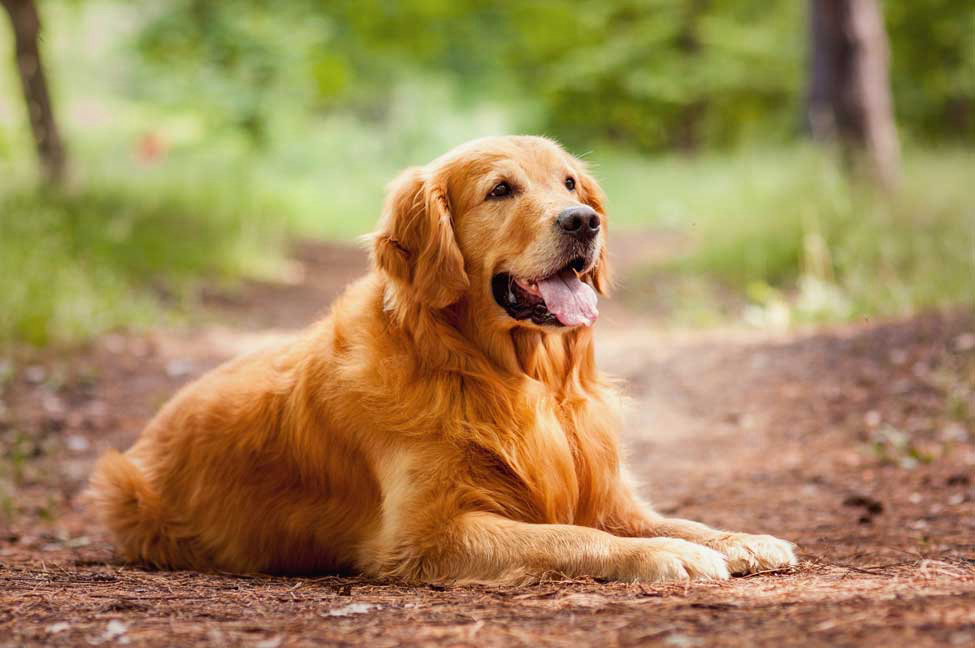
Most Popular Golden Retriever Names
Welcome to our comprehensive list of Golden Retriever dog names, curated from our vast database of Sniffspot users.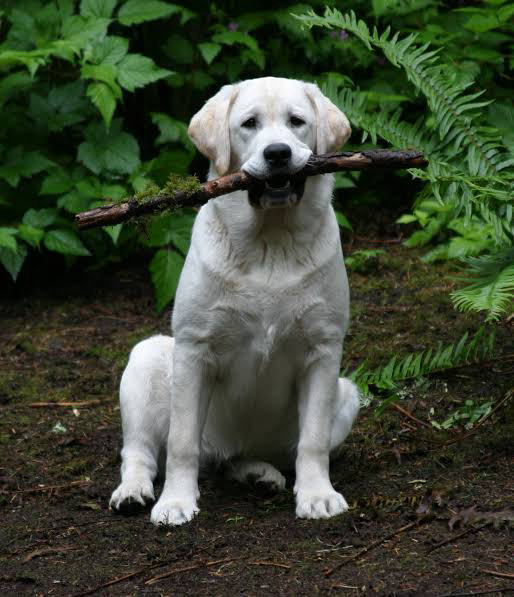
Most Popular Labrador Retriever Names
Welcome to our Labrador Retriever dog names page! Here you can browse through filterable lists of names for your beloved furry friend, ranging from cute and...


Top dog rescues in the US

The Best Washington Dog Rescues & Shelters in 2026
This list showcases the top dog rescues & shelters in Washington. These remarkable organizations have been recognized for their unwavering dedication to the...
The Best Oregon Dog Rescues & Shelters in 2026
This list showcases the top dog rescues & shelters in Oregon. These remarkable organizations have been recognized for their unwavering dedication to the...
The Best California Dog Rescues & Shelters in 2026
This list showcases the top dog rescues & shelters in California. These remarkable organizations have been recognized for their unwavering dedication to the...
The Best Florida Dog Rescues & Shelters in 2026
This list showcases the top dog rescues & shelters in Florida. These remarkable organizations have been recognized for their unwavering dedication to the...
The Best New York Dog Rescues & Shelters in 2026
This list showcases the top dog rescues & shelters in New York. These remarkable organizations have been recognized for their unwavering dedication to the...


