Top articlesSee all...

A Comprehensive Guide to Dog Exercise

How To Crate train An Older Dog - A Comprehensive Guide

How To Socialize A Dog - A Comprehensive Guide

Leash Training: A Guide to Training Your Dog to Walk on a Leash

Skijoring: A Guide to Skijoring with Dogs

The Best Dog Enrichment Toys

The Best United States Dog Parks

The Best Indoor Dog Parks in the United States

The Best Off-Leash Dog Parks in the United States
Top articles
A Comprehensive Guide to Dog Exercise
How To Crate train An Older Dog - A Comprehensive Guide
How To Socialize A Dog - A Comprehensive Guide
Leash Training: A Guide to Training Your Dog to Walk on a Leash
Skijoring: A Guide to Skijoring with Dogs
The Best Dog Enrichment Toys
The Best United States Dog Parks
The Best Indoor Dog Parks in the United States
The Best Off-Leash Dog Parks in the United States
See all...The Cost of Having a Dog: Complete 2026 Breakdown

/fit-in/0x450/wp-content/uploads/2026/04/cost-of-dog-ownership.png)
You’ve fallen in love with the idea of a dog. (Or maybe you’ve already fallen in love with a specific dog and are now doing the math after the fact...relatable.) Either way, you’re here for the real numbers.
Dog ownership costs more than most people expect, and varies wildly depending on size, breed, health, location, and lifestyle choices. According to the American Kennel Club's study of 1000+ dog owners, over 40% of dog owners are concerned about rising pet care costs. And they’re right to plan ahead: first-year costs alone typically run $1,500 to $4,500 before you’ve even settled into a routine.
Here’s the full, honest breakdown.
Jump Ahead: Whats the Cost of Having a Dog?
- Key Takeaways
- How Much Does It Cost to Get a Dog? Initial Costs
- How Much Does a Dog Cost Per Year?
- The Cost of a Dog by Life Stage
- The Hidden Costs of Dog Ownership
- Cost of Dog Ownership by Dog Size
- Dogs vs. Cats: A Cost Comparison
- Budget-Friendly Ways to Reduce Dog Ownership Costs
- Frequently Asked Questions: Cost of Having a Dog
- Is a Dog Worth the Cost?
Key Takeaways
- First-year costs typically range from $1,500 to $4,500+ depending on whether you adopt or buy from a breeder
- Annual ongoing costs for an adult dog run approximately $1,200 to $4,200 per year
- Puppies and senior dogs cost more than adult dogs due to more frequent vet care
- Large dogs cost significantly more than small dogs over a lifetime, often 2-3x more
- Hidden costs (emergency vet bills, boarding, destructive behavior) are where most people get surprised
- Smart budgeting strategies (pet insurance, DIY grooming, free enrichment) can meaningfully reduce ongoing costs

How Much Does It Cost to Get a Dog? Initial Costs
The costs before you even get your dog home can range from almost nothing (a low-fee shelter adoption) to several thousand dollars (a purebred puppy from a reputable breeder). According to the AKC, the average cost to purchase a purebred dog from a reputable breeder ranges from $500 to over $2,000 depending on breed — and that's before any first-year care costs.
The ASPCA estimates first-year dog ownership costs between $1,391 and $4,843 depending on size, a figure that aligns closely with what we see in practice. Here's what goes into the initial investment.

Adoption vs. Buying from a Breeder
Shelter adoption fees typically run $50 to $500, often including spay/neuter surgery, initial vaccinations, and a microchip. Many shelters periodically waive fees entirely for senior dogs or dogs who have been there a long time. Adopting is the most budget-friendly way to bring a dog home.
Buying from a reputable breeder typically runs $1,000 to $4,500+ depending on breed and lineage. One consideration: data on mixed breeds vs. purebreds shows that mixed-breed dogs often have fewer breed-specific genetic health issues, which can translate to lower lifetime veterinary costs.
Whichever route you choose, factor in that breeders typically don’t include vaccinations, spay/neuter, or microchipping in the purchase price, adding several hundred to over a thousand dollars to the initial cost.
Initial Supplies
Before your dog walks through the door, you need the basics. Here’s the honest range:
- Crate: $60 to $390 (size-dependent)
- Dog bed: $20 to $300 (they will destroy the first nice one, plan accordingly)
- Collar, leash, and ID tag: $30 to $80
- Harness: $20 to $80 (worth having as well, especially for training)
- Food and water bowls: $10 to $60
- Toys: $20 to $100 (puppies will need replenishment as they destroy things)
- Poop bags: $6 to $15 (this expense never ends)
- Cleaning supplies (enzyme cleaner, etc.): $20 to $60
- Grooming basics (brush, shampoo): $20 to $80
Total initial supplies estimate: $200 to $1,200 depending on size, breed, and whether you go budget or premium.
First Vet Visit and Vaccinations
Every new dog needs a baseline wellness exam, ideally within the first week. According to the American Veterinary Medical Association, establishing care with a regular vet immediately is one of the most important things a new owner can do. Initial vet exam typically costs $90 to $170.
Core vaccinations (distemper, parvovirus, rabies) run $100 to $300 for the series. Puppies require a series of boosters in the first few months; adult dogs need boosters on a schedule. Some low-cost vaccination clinics at pet stores or shelters can significantly reduce this cost.
Spay and Neuter Costs
If your dog isn’t already spayed or neutered (most shelter adoptions include this), plan for $125 to $600 depending on your dog’s size, sex, and location. Female spays typically cost more than male neuters due to the complexity of the surgery. Low-cost spay/neuter programs exist in most metro areas — search your local humane society or ASPCA affiliate.
Microchip and Registration
Microchipping runs $15 to $65 and is one of the best investments you can make — it’s the most reliable way to be reunited with a lost dog. Some localities also require dog licensing, which runs $15 to $50 per year.
🐾 Give your new dog the best off-leash experience from day one. Find a Sniffspot near you →
How Much Does a Dog Cost Per Year?
Once past the initial setup, annual costs stabilize, though they never disappear. Here’s what to budget for each category.

Food Costs
Dog food is the biggest ongoing expense for most owners. Annual food costs range from about $250 for a small dog on standard kibble to over $1,500 for a large dog on premium food or a raw diet.
- Small dogs (under 20 lbs): $250 to $600/year
- Medium dogs (20-60 lbs): $400 to $900/year
- Large dogs (60+ lbs): $700 to $1,500+/year
Treats, chews, and supplements add another $50 to $400 per year depending on your dog’s needs and your preferences.
Veterinary Care and Preventatives
A healthy adult dog needs at minimum one annual wellness exam ($75 to $150), annual heartworm testing ($35 to $75), and monthly heartworm prevention ($10 to $35/month). Flea and tick prevention adds another $100 to $420 annually depending on product and dog size.
Total basic preventative care for a healthy adult dog: approximately $400 to $900 per year. This does not include treatment for illness or injury.
Grooming
Grooming costs vary enormously by breed. A Labrador who needs a monthly bath and nail trim is very different from a Poodle who needs professional grooming every 6-8 weeks.
- Low-maintenance coat breeds (short, smooth): $0 to $200/year for occasional professional grooming
- Medium-maintenance breeds: $200 to $500/year
- High-maintenance breeds (Doodles, Poodles, Shih Tzus, Maltese): $500 to $1,200/year for professional grooming every 6-8 weeks
DIY grooming like home baths, brushing, nail trims can significantly reduce costs but requires the right tools and, in some cases, a patient dog.
Training
Training is both a cost and an investment. A well-trained dog destroys less property, is easier to manage, and is safer in more environments. Group training classes run $100 to $300 for a 6-8 week session. Private training runs $75 to $175 per session. Clicker training at home is free once you have the equipment and knowledge, and it works.
For most dogs, training costs are front-loaded in the first year and then become as-needed. Budget $200 to $600 for the first year; less going forward.
Pet Insurance
Pet insurance is optional but worth serious consideration. Premiums for a healthy adult dog run $30 to $90 per month ($360 to $1,080/year). Premiums increase with the dog’s age and vary by breed and location.
The math on pet insurance is basically a bet on your dog’s health. It often pays off significantly in years when your dog needs emergency care or surgery. It often doesn’t pay off in healthy years. The value is in the peace of mind and in not having to make health decisions based on what you can afford in a crisis.
Exercise and Enrichment
Dogs need physical exercise and mental enrichment to stay healthy and behaviorally stable. How much you spend here depends heavily on your dog’s needs and your lifestyle. Our dog exercise calculator can help you figure out what your specific dog needs.
Budget options like mental exercise ideas for dogs can fulfill a lot of enrichment needs with minimal spending. Dog walkers run $15 to $30 per walk if needed. Doggy daycare runs $25 to $45 per day. Private Sniffspot sessions give your dog genuine off-leash time for a fraction of what doggy daycare costs, with no other dogs to manage around.
Sniffspot vs. Public Dog Park: What You're Actually Paying
Public dog parks are free, but free doesn't mean low-cost, especially for reactive dogs, high-energy breeds, or owners who end up paying for training to undo a bad park experience. Here's how the math actually looks:
- Public dog park: $0 per visit, but unpredictable environment, no control over who's there, and potential for stress or incident that sets back training
- Sniffspot private session: $10–$20/hour depending on location and amenities — fully private, fenced, no other dogs or strangers during your booking
- Doggy daycare: $25–$45/day for group play, not appropriate for all dogs
- Dog walker: $15–$30/walk, exercise without off-leash freedom
For most dogs, one or two Sniffspot sessions per week runs under $100 per month — less than most doggy daycare budgets, and a better fit for dogs who need private space to decompress. Many owners find that regular private off-leash time also reduces behavioral issues, which lowers training costs over time.
The Cost of a Dog by Life Stage
Your annual dog budget will shift significantly depending on your dog’s age.
Puppy Years (0-2)
Puppies are the most expensive phase of dog ownership. Between more frequent vet visits in the first year (puppy shot series, spay/neuter, any surprise ingestions), higher food costs (puppy food is pricier than adult food), more toys and chews (teething is real), and initial training, first-year costs typically run $1,500 to $5,000 above baseline.
Puppies also have a talent for property destruction. Budget a contingency fund for whatever your puppy decides to eat, chew, or pee on.
Adult Dog (2-7)
The sweet spot of dog ownership, cost-wise. Annual costs drop significantly as the one-time setup items are paid for and the puppy chaos phase ends. A healthy medium-sized adult dog typically costs $1,200 to $3,500 per year in total ongoing care.
This is also when off-leash training and enrichment really pay dividends. A well-exercised adult dog is a well-behaved dog — which means fewer replacement costs for destroyed items and lower stress for everyone. Our guide to off-leash time for dogs explains why this phase is the best time to invest in off-leash freedom.
Senior Dog (7+)
Costs typically increase again in the senior years. Vet visits increase to twice annually, bloodwork becomes standard, and many senior dogs develop conditions requiring medication or specialized food. Mobility aids, joint supplements, and orthopedic beds become common expenses. Budget $2,500 to $5,000+ per year for a senior dog, with higher costs for dogs managing chronic conditions.
Senior dogs also benefit enormously from appropriate exercise — just the right kind. Our senior dog exercise guide covers how to keep older dogs active without overdoing it.
The Hidden Costs of Dog Ownership
This is where most new owners get blindsided. Plan for these.
Emergency Vet Bills
Emergency vet visits start at $280 and can quickly reach $1,500 to $5,000+ for surgery, diagnostics, or extended care. According to the ASPCA, 1 in 3 pets will need emergency care every year. Having $1,500 to $3,000 in an emergency fund (or pet insurance) is not paranoid — it’s planning.
Boarding and Pet Sitting
If you travel, you need a plan for your dog. Options range from $25 to $55 per night for a pet sitter or boarding facility to $45 to $85 per night for in-home pet sitting or a premium boarding option. For a two-week vacation, that’s $350 to $1,200 just for dog care. Boarding a reactive dog or an elderly dog is even more of an expense.
Destructive Behavior Costs
Puppies especially. Shoes, baseboards, couches, drywall, remote controls...the list of things dogs have destroyed is extensive. Budget at least a few hundred dollars in the first year as a contingency, especially with a puppy or an adolescent dog.
End-of-Life Care
Euthanasia and cremation or burial are costs nobody likes to plan for, but planning ahead is an act of love. In-clinic euthanasia typically runs $50 to $300. In-home euthanasia (preferred by many for the comfort of the dog and family) runs $300 to $600. Cremation adds another $100 to $400. End-of-life care overall typically runs $250 to $1,000.
Cost of Dog Ownership by Dog Size
Size is one of the biggest predictors of lifetime dog ownership costs. The differences compound significantly over a lifetime.
- Small dogs (under 20 lbs): Annual costs $1,000 to $2,500. Lifetime costs $10,000 to $25,000 over 12-15 years
- Medium dogs (20-60 lbs): Annual costs $1,500 to $3,500. Lifetime costs $20,000 to $40,000 over 10-13 years
- Large dogs (60-100 lbs): Annual costs $2,000 to $4,500. Lifetime costs $25,000 to $55,000 over 8-12 years
- Giant breeds (100+ lbs): Annual costs $2,500 to $5,500+. Lifetime costs $20,000 to $60,000 over 7-10 years
Large and giant dogs cost more in every category: food, medication (often dosed by weight), grooming, boarding, and surgical/anesthesia costs.
Dogs vs. Cats: A Cost Comparison
If you’re deciding between a dog and a cat, the honest answer is: cats are generally less expensive. Annual cat ownership costs typically run $700 to $1,500 for a healthy adult cat vs. $1,200 to $3,500 for a dog.
The key cost drivers where dogs exceed cats:
- Food: dogs eat significantly more (especially larger breeds)
- Training: cats don’t typically need obedience classes
- Licensing: required for dogs in most areas, not for cats
- Professional grooming: more commonly needed for dogs
- Boarding: cats are generally easier and cheaper to care for while you travel
That said, the costs of dog ownership scale with the individual dog. A small, healthy, low-maintenance dog can easily be comparable in cost to a cat. The difference grows with size and health needs.
Budget-Friendly Ways to Reduce Dog Ownership Costs
You can give your dog an excellent life without spending at the top end of every category. Here’s where the savings actually add up.
- Adopt rather than buy: Save $500 to $3,000 upfront and often get a dog who is already spayed/neutered and vaccinated
- Get pet insurance while your dog is young and healthy: Rates are lower, and pre-existing conditions are often excluded after a certain age
- Learn to do basic grooming at home: Nail trims, ear cleaning, and brushing are learnable skills that save hundreds annually
- Train with positive reinforcement at home: The basics can be learned from quality books and online resources. You don’t need classes for everything
- Use free and low-cost enrichment: Sniff walks, DIY puzzle feeders, and free training videos provide genuine enrichment without ongoing expense
- Use Sniffspot for off-leash time: Hourly private space rental is typically far less expensive than doggy daycare while giving your dog the genuine off-leash experience they need
- Look for low-cost vaccine clinics: Many areas have periodic low-cost vaccination events that can cut vaccine costs by half or more
- Build an emergency fund gradually: Even putting $50/month into a dedicated pet emergency fund gives you $600/year to fall back on
Frequently Asked Questions: Cost of Having a Dog
How much does it cost to have a dog per month?
For a healthy adult medium-sized dog, expect $100 to $350 per month on average, covering food, routine care, preventatives, and incidentals. Costs are higher in the first year (with more setup expenses) and may spike in months with vet visits, grooming, or boarding.
What is the cheapest dog breed to own?
Small breeds with simple coats and fewer breed-specific health issues tend to be the most affordable. Chihuahuas, Beagles, Dachshunds, and mixed-breed dogs from shelters tend to have lower lifetime costs than larger purebreds or breeds prone to health problems. The cheapest option overall is typically a mixed-breed shelter adoption.
How much does it cost to have a dog neutered?
Neutering a male dog typically costs $150 to $400. Spaying a female dog typically runs $200 to $600 because the procedure is more complex. Low-cost spay/neuter programs — available through many humane societies and ASPCA affiliates — can bring costs down significantly.
How much does it cost to have a dog microchipped?
Microchipping typically costs $15 to $65 at a regular vet. Many shelters include microchipping in the adoption fee. Low-cost microchipping events frequently bring the price down to $15 to $25. Annual registration of the chip with a national database typically runs $10 to $25.
Is it cheaper to have a dog or a cat?
Cats are generally less expensive than dogs, with annual costs typically $500 to $1,000 less per year depending on size and needs. The main cost drivers where dogs exceed cats: more food, professional training, licensing, more frequent professional grooming, and higher boarding costs.
What is the average annual cost of having a dog?
The national average for a healthy adult medium dog runs approximately $1,500 to $3,500 per year in total care costs. This includes food, routine vet care, preventatives, grooming, and a modest allocation for supplies and enrichment. It does not include pet insurance, boarding, or emergency expenses.
Is a Dog Worth the Cost?
The question that nobody asks but everyone should probably consider honestly.
The financial reality of dog ownership is substantial. Over a dog’s lifetime, even a modest budget adds up to $15,000 to $50,000+. That’s real money, and it’s worth going in with eyes open.
What the numbers can’t capture is what dogs bring to the people who love them. The research on human-animal bond benefits is extensive: reduced cortisol, lower blood pressure, decreased loneliness, increased physical activity, genuine companionship. For people who are genuinely good fits for dog ownership, the ROI in quality of life is real.
The most important thing is to be honest with yourself before you bring a dog home: about your lifestyle, your budget, your living situation, your time, and what a dog actually needs. A dog who is set up to succeed with the resources and attention they need is a better experience for everyone. Including the dog.
Do the math first. Know what you’re signing up for. Then go find your dog.
🐾 Give your dog the off-leash time they deserve. Find a private Sniffspot near you →
Sources: Rover 2025 Pet Parenthood Cost Survey; ASPCA Pet Care Cost Estimates; American Veterinary Medical Association pet care guidelines.


/fit-in/0x128/wp-content/uploads/2026/10/puppy-obedience-training.png)
/fit-in/0x128/wp-content/uploads/2022/07/shutterstock_237584221-1.jpg)
/fit-in/0x128/wp-content/uploads/2020/08/shutterstock_421958377.jpg)
/fit-in/0x128/wp-content/uploads/2026/04/dog-on-leash-at-park.jpg)
/fit-in/0x128/wp-content/uploads/2026/04/best-cities-in-the-us-for-active-dogs.png)
Most recent articles
/fit-in/0x256/wp-content/uploads/2026/10/puppy-obedience-training.png)
/fit-in/0x256/wp-content/uploads/2022/07/shutterstock_237584221-1.jpg)
/fit-in/0x256/wp-content/uploads/2020/08/shutterstock_421958377.jpg)
/fit-in/0x128/wp-content/uploads/2025/03/Moving-with-your-pet-1.png)
/fit-in/0x256/wp-content/uploads/2025/03/Moving-with-your-pet-1.png)
/fit-in/0x128/wp-content/uploads/2024/11/Screen-Shot-2024-11-29-at-12.58.43-PM.png)
/fit-in/0x256/wp-content/uploads/2024/11/Screen-Shot-2024-11-29-at-12.58.43-PM.png)
/fit-in/0x128/wp-content/uploads/2025/03/Moving-with-your-pet-2.png)
/fit-in/0x256/wp-content/uploads/2025/03/Moving-with-your-pet-2.png)
Related articles
Top dog guides per area
Dog training guides

Best Dog Fields in the US: 25+ Wide-Open Spaces for Your Pup to Run Free
The best dog fields in the US offer something that traditional enclosed parks simply can't match: acres of open space where your pup can truly stretch their legs and run at full speed. From Colorado's 470-acre prairie meadows to Tennessee's...
Dog Food Aggression & Resource Guarding Guide
Does your dog ever growl when you walk by their food dish? Maybe they get possessive of treats, carrying them far away and giving you side-eye when you start to approach — or snarling at your other pets or children if they get too close.
The Ultimate Guide to Scent Training for Dogs
Your dog's nose is an amazing tool. Did you know they have 40 times the olfactory receptors than humans? Scent training for dogs taps into this superpower, turning everyday moments into exciting sniff-fests. It's enriching for all types of dogs –...
How Much Does It Cost to Train a Service Dog?
More than 80 million Americans rely on their service dogs to help them navigate the world. Task-trained assistance animals perform a huge range of life-changing—in many cases, life-saving—services: These dogs act as eyes for visually impaired...
How to Deal With Puppy Potty Training Regression
You thought those dreaded middle-of-the-night potty breaks were over. You were finally free from cleaning up puppy puddles. Then, suddenly, your six-month-old who's been accident-free for weeks starts peeing on your rug again.
Dirty Dog Syndrome: Causes, Solutions, and Prevention
It's a cringe-worthy moment every dog owner dreads: your furry friend chowing down on something truly disgusting. If your dog has a penchant for poop, you're dealing with coprophagia. It's more common than you think, and thankfully, often...
/354x256/wp-content/uploads/2025/09/Screenshot-2025-09-21-at-6.39.54-PM.png)
/354x256/wp-content/uploads/2020/08/bernese-mountain-dog-208092_1280.jpg)
/354x256/wp-content/uploads/2022/04/shutterstock_543831754.jpg)
/354x256/wp-content/uploads/2022/08/shutterstock_494495788-1.jpg)
/354x256/wp-content/uploads/2022/07/shutterstock_237584221-1.jpg)
/354x256/wp-content/uploads/2022/10/shutterstock_705844504.jpg)
Dog enrichment guides
Best Dog Fields in the US: 25+ Wide-Open Spaces for Your Pup to Run Free
The best dog fields in the US offer something that traditional enclosed parks simply can't match: acres of open space where your pup can truly stretch their legs and run at full speed. From Colorado's 470-acre prairie meadows to Tennessee's...
Best Dog Water Parks in the US: 15+ Amazing Splash Destinations for Your Pup
Do you have a water-loving dog looking to burn some energy? There are countless dog parks to visit throughout our country — but some of them become far too hot in the midday sun to be safe for your pets to play. That’s why we’ve put together a...
Best Toys for Herding Dogs: Keeping Your Pup Happy & Engaged
Herding dogs are amazing, intelligent companions. But that also means they need more than just a simple game of fetch. Finding the right toys for herding dogs is key to keeping them happy and stimulated. This article explores some of the best toys...
Tough Dog Toys for Aggressive Chewers: A Practical Guide
Does your dog destroy every toy you give them? Is your house littered with the remnants of plush toys? Are you tired of wasting money on "indestructible" dog toys for aggressive chewers that don't last? Then this post is for you. We'll cover...
Dog Exercise Calculator: How Much Exercise Does Your Dog Need?
Every dog needs to move, but how much is actually enough? The answer depends on more than just breed. Age, health, and even your own lifestyle all play a role in figuring out the right daily exercise routine for your pup.
Complete Guide To Herding With Dogs
* All Sniffspot articles are reviewed by certified trainers for quality, please see bottom of article for details *
/354x256/wp-content/uploads/2023/04/dogwaterpark.png)
/354x256/wp-content/uploads/2022/05/shutterstock_174836186.jpg)
/354x256/wp-content/uploads/2023/02/shutterstock_1346929262.jpg)
/354x256/wp-content/uploads/2022/08/dogexercisecalculatorfeaturedimage.jpg)
/354x256/wp-content/uploads/2020/07/bb.jpg)
Dog reactivity guides
Best Dog Fields in the US: 25+ Wide-Open Spaces for Your Pup to Run Free
The best dog fields in the US offer something that traditional enclosed parks simply can't match: acres of open space where your pup can truly stretch their legs and run at full speed. From Colorado's 470-acre prairie meadows to Tennessee's...
Rottweiler Aggression: Signs, Causes & Training
Many dogs have gotten a bad reputation over the years for being "dangerous breeds." Rottweilers are among them. Like pit bulls and other large, blocky-headed types of dogs, these powerful and beautiful animals are often assumed to be aggressive.
The Reactive Dog Chart: How to Calm Your Dog's Triggers
If your dog lunges, barks, or loses their mind at the sight of another dog, a stranger, or a bicycle, you’re living with a reactive dog (and you’re far from alone). Dog reactivity is one of the most common behavioral challenges dog owners face,...
How to Socialize a Reactive Dog: A Step-by-Step Guide
Does your dog display reactivity to other pets or people—barking, lunging, or growling when they see their triggers? Whether they're a rescue still settling in, missed critical socialization as a puppy, or had a negative experience that changed...
What Is a Reactive Dog? The Complete Guide for Understanding and Helping Your Pup
Does your dog transform into a barking, lunging tornado the second they spot another dog across the street? You're definitely not alone. According to our research of over 4,000 dog owners, 66% of dogs show some signs of reactivity.
9 Best Online Communities for Reactive Dog Parents
Does your dog's reactivity make walks stressful? You're not alone. Many dog owners face similar challenges. This guide offers practical advice and support for managing reactivity, including finding the best online dog training for reactive dogs....
/354x256/wp-content/uploads/2023/05/Screen-Shot-2024-05-23-at-9.33.57-PM.png)
/354x256/wp-content/uploads/2022/08/dogreactivitychartfeaturedimage.jpg)
/354x256/wp-content/uploads/2022/08/shutterstock_523383649.jpg)
/354x256/wp-content/uploads/2020/07/a.jpg)
/354x256/wp-content/uploads/2022/01/shutterstock_796422001.jpg)
Sniffspot community guides
Best Dog Fields in the US: 25+ Wide-Open Spaces for Your Pup to Run Free
The best dog fields in the US offer something that traditional enclosed parks simply can't match: acres of open space where your pup can truly stretch their legs and run at full speed. From Colorado's 470-acre prairie meadows to Tennessee's...
The State of Public Dog Parks Across the United States
From 2009 to 2020, there was a 40 percent increase in the development of public dog parks. Designated spots for canine exercise have become commonplace in every major city in North America — many pet owners won’t even consider renting an apartment...
How This Family is Affording Their Dream Property Through Renting it Hourly to Dogs
Thousand Oaks, California has been a safe haven for Sniffspot host, Jen, since childhood. Having grown up in busy Santa Barbara, Jen, an introvert from an early age, would seek out solitude and serenity away from tourists attractions and droves of...
Host Tips: Ellen K. What Makes Sniffspot Successful for Me
Ellen is the host of Country Pasture Getaway, one of Sniffspot's most popular sniff spots. She has taken the time to write up the lessons she has learned about how to be a great sniff spot host.
How this Oregon Farmer is Making a Business From Renting Her Land to Dogs
Just 20 minutes outside of the busy city of Portland, Oregon, and settled right on the banks of the Columbia River, you’ll find what countless visitors have flocked to the area in search of – mountain views, crisp, clean air, and running water for...
Host Tips: Fran T. Providing Great Guest Service at our Spot
Fran is the host of Ranch Setting, one of Sniffspot's most popular spots. She has taken the time to write up the lessons she has learned about how to be a great Sniffspot host.
/354x256/wp-content/uploads/2022/07/Sniffspot_infographic_1-01.jpeg)
/354x256/wp-content/uploads/2021/05/Final-Edit-003-1.jpg)
/354x256/wp-content/uploads/2020/07/good-photo-3_orig.jpg)
/354x256/wp-content/uploads/2021/05/sniffspot-28-of-45-1.jpg)
/354x256/wp-content/uploads/2020/07/screen-shot-2019-09-19-at-2-01-47-pm_orig.png)
Top dog trainers in the US
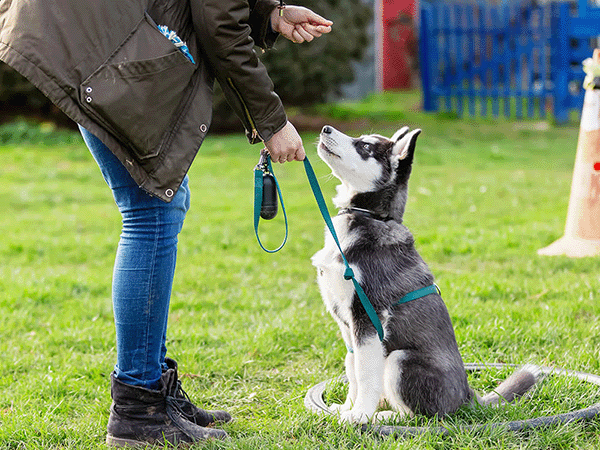
The Best Dog Trainers in the United States of 2026
This is a list of the top dog trainers in the United States, based on votes from the Sniffspot community and the general public.
The Best Dog Trainers in Seattle, WA of 2026
This is a list of the top dog trainers in Seattle, WA, based on votes from the Sniffspot community and the general public.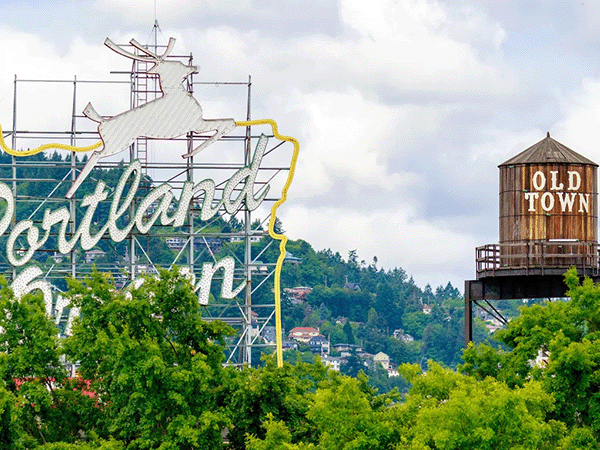
The Best Dog Trainers in Portland, OR of 2026
This is a list of the top dog trainers in Portland, OR, based on votes from the Sniffspot community and the general public.
The Best Dog Trainers in Los Angeles, CA of 2026
This is a list of the top dog trainers in Los Angeles, CA, based on votes from the Sniffspot community and the general public.
The Best Dog Trainers in New York, NY of 2026
This is a list of the top dog trainers in New York, NY, based on votes from the Sniffspot community and the general public.


City dog park guides
Best Dog Fields in the US: 25+ Wide-Open Spaces for Your Pup to Run Free
The best dog fields in the US offer something that traditional enclosed parks simply can't match: acres of open space where your pup can truly stretch their legs and run at full speed. From Colorado's 470-acre prairie meadows to Tennessee's...
Top 10 Indoor Dog Parks: A US Guide
Looking for a space to play with your dog no matter what the weather’s like outside? Look no further than our list of the best indoor dog parks in the United States! These climate-controlled spaces are growing in popularity as pet ownership...
Best Dog Parks in the US: Ultimate Guide to Public & Private Off-Leash Adventures
Is your pup giving you those pleading "let me run free" eyes? Whether you're a new dog parent or a seasoned pro looking for fresh adventures, finding the perfect off-leash paradise for your furry friend can feel ruff! From sun-soaked California...
Dog Parks Near Me: Las Vegas Edition
Looking for the perfect dog park near me in Las Vegas? You're in luck! This guide explores all the best options for your pup, from public dog parks to private dog parks near me on Sniffspot. We'll help you find the ideal spot for playtime,...Best Dog Parks in the US: Off-Leash Guide
Looking for the perfect dog park? Whether you need a wide-open public space or a private, fenced-in spot, this guide will help you find the best dog parks across the US. We'll cover top-rated public parks, the perks of private dog parks, and even...
Sniffspot: Portland's Best Private Dog Parks
Ready to discover Portland's best dog parks? Whether you're looking for a public park or the unique experience of a private Sniffspot, this guide has you covered. We'll help you find the perfect spot for your pup, with tips on what to bring, how...
/354x256/wp-content/uploads/2023/04/indoordogparks.png)
/354x256/wp-content/uploads/2023/03/offleashdogparks.png)
/354x256/wp-content/uploads/2023/02/vegas.jpg)
/354x256/wp-content/uploads/2023/02/portland.jpg)
Dog breeds
Best Dog Fields in the US: 25+ Wide-Open Spaces for Your Pup to Run Free
The best dog fields in the US offer something that traditional enclosed parks simply can't match: acres of open space where your pup can truly stretch their legs and run at full speed. From Colorado's 470-acre prairie meadows to Tennessee's...
German Shepherd Guide: Best Family Dog? Truth from 9K Owners
The German Shepherd Dog (GSDs) are known for their intelligence, loyalty, and striking appearance. They're also incredibly versatile, excelling as working dogs and devoted family companions. This guide covers everything you need to know about...
Labrador Retriever: Real Tips from Owners
Discover the Labrador Retriever, a breed celebrated for its playful nature, affectionate temperament, and trainability. Labradors are known for their friendly demeanor and adaptability, making them perfect family companions and versatile working...
Golden Retriever Advice: The Complete Owner's Guide
Golden Retrievers: they're gorgeous, playful, and incredibly popular. But before you welcome one into your home, you need the right golden retriever advice. This guide draws on the wisdom of nearly 10,000 Golden Retriever owners, offering...
Are American Staffordshire Terriers Good for First-Time Owners: Complete Guide
Think American Staffordshire Terriers are tough? Think again. While their muscular build might intimidate some, these dogs are known for their playful and loyal personalities. This guide draws on the experience of nearly 10,000 AmStaff owners to...
Australian Shepherd Facts: Breed Info & Care Guide
Discover the Australian Shepherd, an AKC breed celebrated for its trainable, playful, and affectionate nature. Despite its name, the Australian Shepherd is actually a native breed to the United States, originally developed to breed on farms and...
/354x256/wp-content/uploads/2024/07/German-Shepherd-Dog.png)
/354x256/wp-content/uploads/2024/07/Screen-Shot-2024-07-24-at-4.06.05-PM.png)
/354x256/wp-content/uploads/2024/07/Screen-Shot-2024-07-25-at-3.05.09-PM.png)
/354x256/wp-content/uploads/2024/07/staffy.jpg)
/354x256/wp-content/uploads/2024/07/Screen-Shot-2024-07-25-at-3.39.43-PM.png)
Top dog names in the US
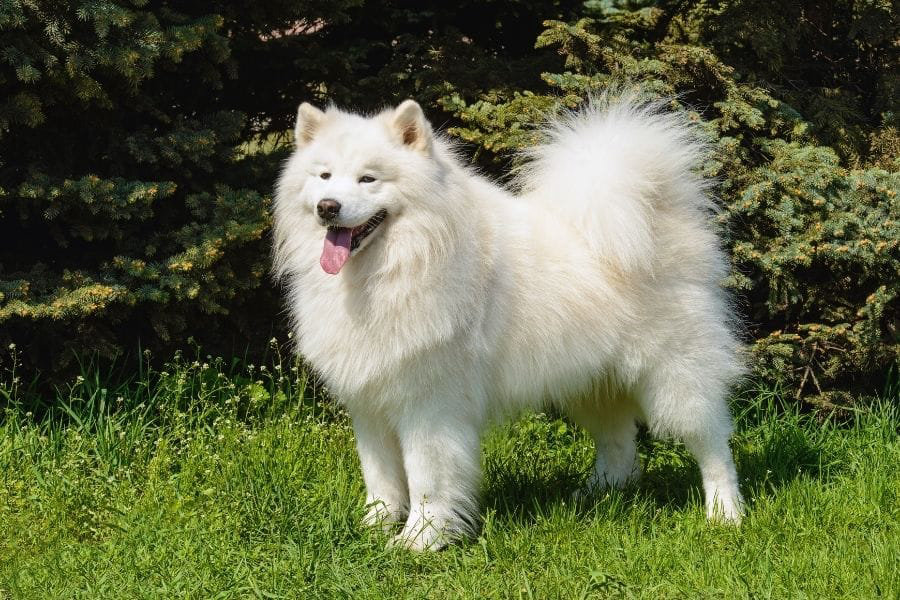
Top 1,000 Most Popular Dog Names
Looking for the perfect dog name for your new pup? We have created filterable lists of dog names from our database of hundreds of thousands of Sniffspot users. You can filter by gender, breed and state to find the most cute, unique and creative dog names.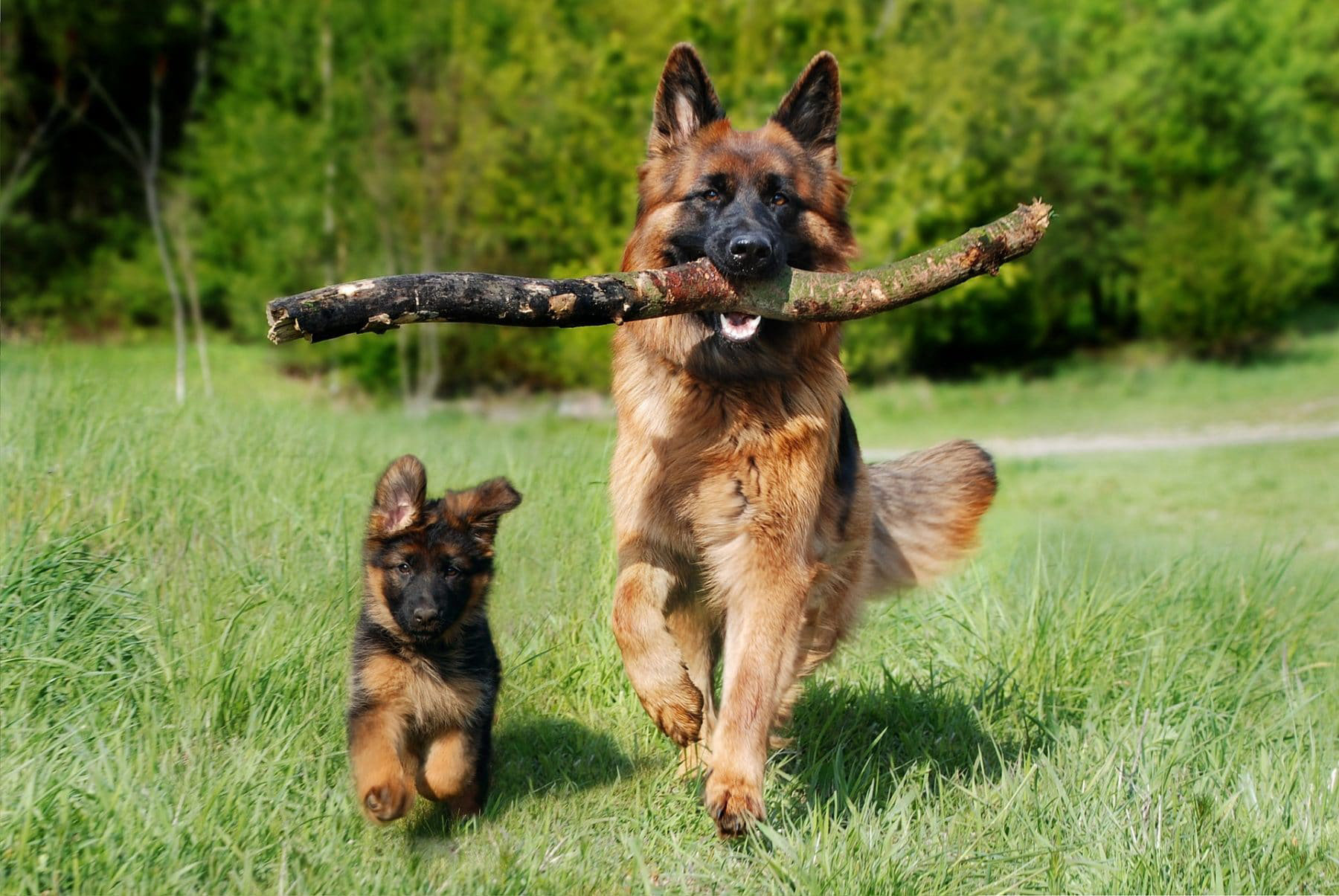
Most Popular Male Dog Names
Looking for the perfect dog name for your new male pup? We have created filterable lists of male dog names from our database of hundreds of thousands of Sniffspot users. You can filter by gender, breed and state to find the most cute, unique and creative male dog names.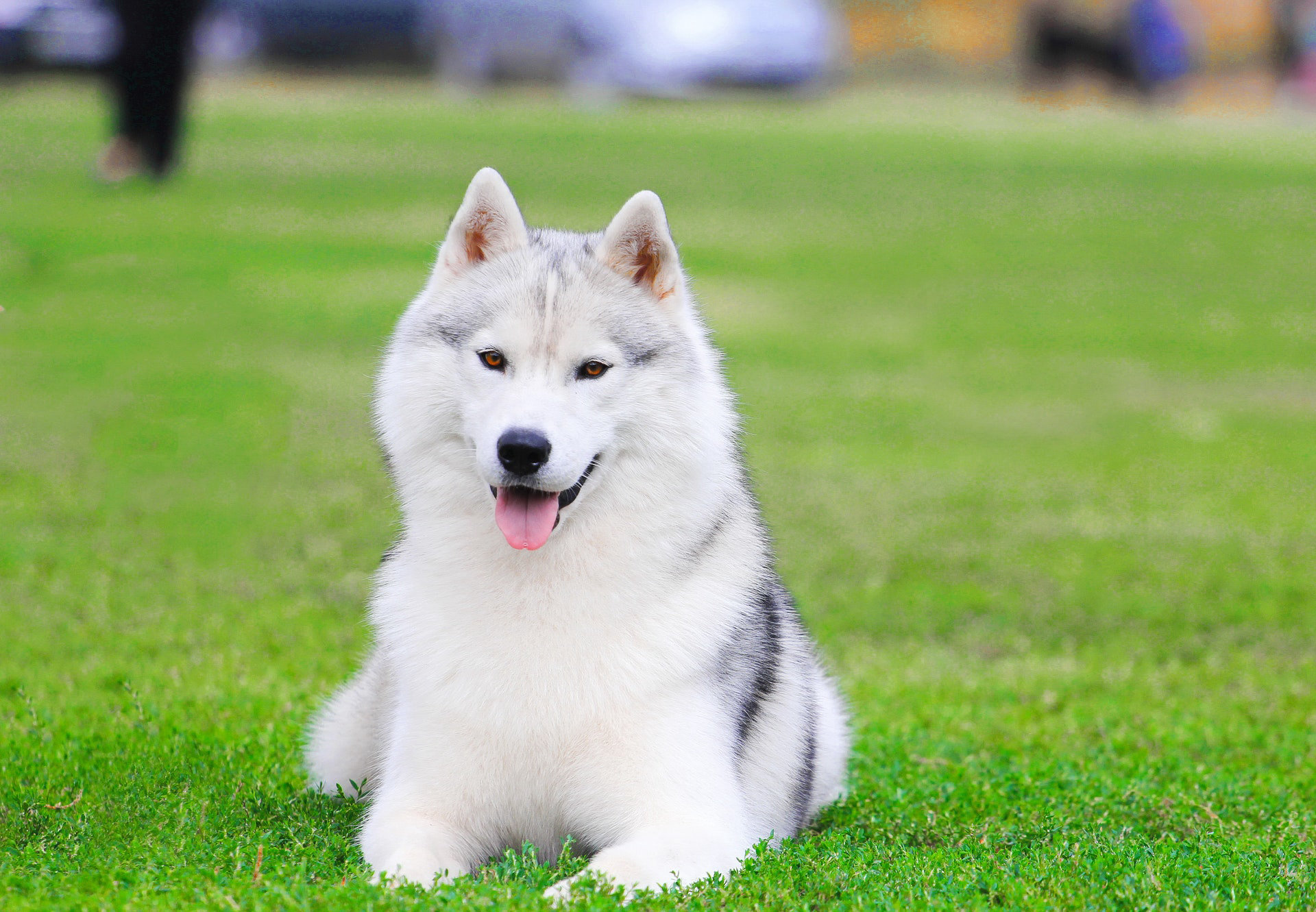
Most Popular Female Dog Names
Looking for the perfect dog name for your new female pup? We have created filterable lists of female dog names from our database of hundreds of thousands of Sniffspot users. You can filter by gender, breed and state to find the most cute, unique and creative female dog names.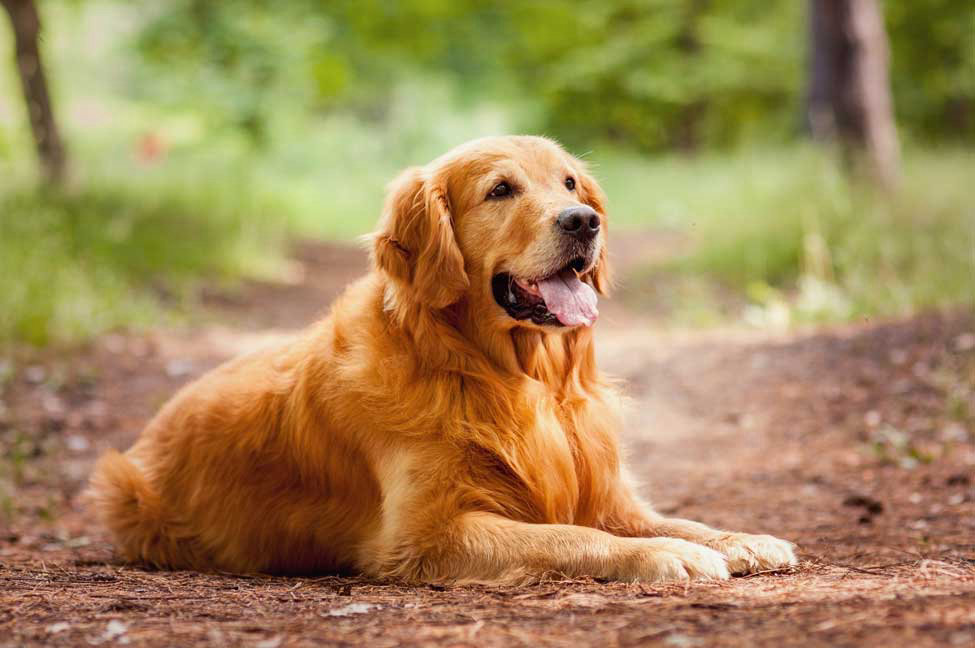
Most Popular Golden Retriever Names
Welcome to our comprehensive list of Golden Retriever dog names, curated from our vast database of Sniffspot users. Filter through hundreds of thousands of options by gender, breed, and state to discover the most adorable, original, and imaginative names for your beloved Golden Retriever.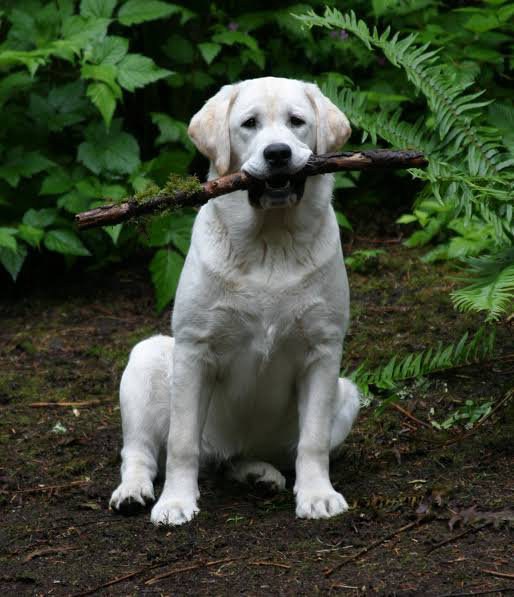
Most Popular Labrador Retriever Names
Welcome to our Labrador Retriever dog names page! Here you can browse through filterable lists of names for your beloved furry friend, ranging from cute and classic to unique and creative options. Our database of hundreds of thousands of Sniffspot users ensures you'll find the perfect name for your Labrador Retriever, whether you're seeking a name for a male or female, based on breed or state.


Top dog rescues in the US

The Best Washington Dog Rescues & Shelters in 2026
This list showcases the top dog rescues & shelters in Washington. These remarkable organizations have been recognized for their unwavering dedication to the well-being of countless dogs.
The Best Oregon Dog Rescues & Shelters in 2026
This list showcases the top dog rescues & shelters in Oregon. These remarkable organizations have been recognized for their unwavering dedication to the well-being of countless dogs.
The Best California Dog Rescues & Shelters in 2026
This list showcases the top dog rescues & shelters in California. These remarkable organizations have been recognized for their unwavering dedication to the well-being of countless dogs.
The Best Florida Dog Rescues & Shelters in 2026
This list showcases the top dog rescues & shelters in Florida. These remarkable organizations have been recognized for their unwavering dedication to the well-being of countless dogs.
The Best New York Dog Rescues & Shelters in 2026
This list showcases the top dog rescues & shelters in New York. These remarkable organizations have been recognized for their unwavering dedication to the well-being of countless dogs.
/354x256/Photos/SeoDogRescue/1282/178507e67e44-MC_logo_square.jpg)
/354x256/Photos/SeoDogRescue/931/cef8bbb17769-South_Coast_Humane_Society.png)
/354x256/Photos/SeoDogRescue/61/30aea3371b69-MainSquare_2.png)
/354x256/Photos/SeoDogRescue/298/1000035238.jpg)
/354x256/Photos/SeoDogRescue/814/91cfd62cd986-IMG_1035.jpeg)