Top articlesSee all...

A Comprehensive Guide to Dog Exercise

How To Crate train An Older Dog - A Comprehensive Guide

How To Socialize A Dog - A Comprehensive Guide

Leash Training: A Guide to Training Your Dog to Walk on a Leash

Skijoring: A Guide to Skijoring with Dogs

The Best Dog Enrichment Toys

The Best United States Dog Parks

The Best Indoor Dog Parks in the United States

The Best Off-Leash Dog Parks in the United States
Top articles
A Comprehensive Guide to Dog Exercise
How To Crate train An Older Dog - A Comprehensive Guide
How To Socialize A Dog - A Comprehensive Guide
Leash Training: A Guide to Training Your Dog to Walk on a Leash
Skijoring: A Guide to Skijoring with Dogs
The Best Dog Enrichment Toys
The Best United States Dog Parks
The Best Indoor Dog Parks in the United States
The Best Off-Leash Dog Parks in the United States
See all...How to Exercise a Reactive Dog Safely (Without a Trainer)


Does your reactive dog turn into a barking, lunging mess the moment they spot another dog on your neighborhood walk? Maybe you've given up on dog parks entirely after one too many stressful encounters. You're not imagining things: it's hard to exercise a reactive dog when every traditional option seems designed to make things worse.
Here's the frustrating catch-22: Your reactive dog needs 1-2 hours of daily exercise to help manage their reactivity, but all the "normal" ways to exercise a dog involve the exact triggers that set them off. Dog parks? Absolutely not. Busy hiking trails? A nightmare waiting to happen. Even a simple walk around the block can feel like navigating a minefield.
The good news? Your reactive dog can absolutely get the exercise they need without you becoming a professional dog trainer overnight. This guide shows you exactly how to safely tire out your reactive pup using alternative exercises and controlled environments where triggers aren't lurking around every corner.
What you'll learn:
- Why traditional exercise options fail reactive dogs (and make behavior worse)
- The best safe locations for exercising reactive dogs without surprise encounters
- 10+ exercise alternatives that work for reactive dogs of all types
- How to build a balanced daily routine combining physical and mental exercise
- Common mistakes that accidentally increase reactivity
Why Traditional Exercise Fails Reactive Dogs
Let's be honest about why the usual exercise recommendations don't work for reactive dogs.
Dog parks seem like the obvious answer. Free, fenced, designed for dogs to run and play! Except for reactive dogs, they're overwhelming chaos factories.
You have zero control over which dogs show up, whether they're well-behaved, or how their owners supervise them. One bad encounter can set your training back weeks. Even if nothing "happens," the constant overstimulation keeps your dog's stress hormones sky-high.
Neighborhood walks should be simple, right? Just leash up and go. But when you're managing a reactive dog, every walk becomes an exhausting game of trigger-spotting. Is that a dog three blocks away? Quick, cross the street. Someone's coming around the corner? Turn around and power-walk the other direction. Your dog never gets to actually exercise because they're too busy practicing their reactive behaviors every time something appears.
Doggie daycare markets itself as the perfect solution for energetic dogs who need to "burn off steam." For most reactive dogs, it's actually a recipe for disaster.
Unstructured play with multiple unknown dogs in an enclosed space? That's not exercise. That's a stress buffet. Even well-run daycares can be too stimulating for dogs who struggle with impulse control around other pets.
Here's the paradox that makes reactive dog ownership so tricky: Your dog desperately needs exercise to help manage their reactivity, but nearly every standard exercise option makes their reactivity worse. Under-exercised dogs have less impulse control, higher baseline anxiety, and shorter fuses around their triggers. But exercising them in trigger-filled environments just gives them more opportunities to rehearse the exact behaviors you're trying to eliminate.
The solution? Controlled environments plus alternative exercises. When you can exercise your dog in spaces where you control who else is present, suddenly everything gets easier. They can actually relax, run, sniff, and tire themselves out without constantly scanning for threats or getting over-excited by potential playmates.
Jump Ahead: Exercise a Reactive Dog
Where to Safely Exercise Your Reactive Dog
Location matters just as much as what exercises you choose. The perfect workout routine means nothing if your dog is too stressed by their surroundings to actually engage with it. Here are the best places to exercise reactive dogs where surprise encounters won't ruin your session.
The Best Locations for Reactive Dog Exercise
Private Sniffspots (Our Top Recommendation)
Private Sniffspots are fenced yards, fields, and properties that owners rent out by the hour specifically for dogs who need safe spaces. Think of it like an Airbnb for your dog's exercise needs. You book a time slot, show up, and have the entire space to yourselves with zero other dogs present.
Why this works so well for reactive dogs:
- You control exactly who is there (spoiler: nobody but you and your dog)
- No surprise encounters with off-leash dogs or well-meaning strangers
- Many spots are fully fenced so your dog can be off-leash safely
- Properties range from simple yards to full agility courses to wooded trails
- Your dog can actually relax and exercise instead of being on high alert
Your Own Fenced Yard
If you're lucky enough to have a fenced yard, use it liberally. Yes, it's less exciting than new locations, but it's the ultimate controlled environment. Your dog knows the space, feels safe there, and you can set up activities without worrying about triggers appearing.
The main limitation? Smaller space and less novel stimulation. Dogs get bored with the same smells and sights every day. Try rotating toys and activities to keep things interesting, or save the yard for certain exercises while using other locations for variety.
Quiet Open Spaces During Off-Peak Times
With some creative timing and location scouting, you can find trigger-free zones in public spaces:
- Empty baseball or soccer fields on weekday mornings
- Industrial areas or business parks on weekends when they're deserted
- School grounds after hours (check local rules first)
- Large empty parking lots early in the morning
The key is going when hardly anyone else is around AND choosing spaces with great visibility so you can spot any approaching triggers from far away. Wide open fields are your friend. Narrow trails with blind corners? Not so much.
Indoor Spaces
Don't underestimate the power of indoor exercise, especially for mental enrichment activities:
- Your own home (hallways are surprisingly good for fetch and recall games)
- Empty parking garages (sounds weird, works great for rainy days)
- Indoor training facilities during private rental times
- Large basements or finished garages
Indoor spaces are perfect for nose work, puzzle toys, training sessions, and tug of war. While they won't replace outdoor exercise entirely, they're invaluable when weather is bad or your dog needs lower-key activities.
Places to AVOID With Reactive Dogs
Some locations are just asking for trouble:
- Dog parks: We've covered this, but it bears repeating. No busy dog parks. Not even "just to walk around the outside." The risk isn't worth it.
- Popular hiking trails during peak hours: Weekend mornings on busy trails mean constant encounters with other dogs, many off-leash despite leash laws. Save hiking for dawn patrols on weekdays.
- Busy neighborhoods: If your neighborhood is packed with dogs, don't force walks there. Drive somewhere quieter.
- Areas with off-leash dogs: Beaches, open space preserves, or anywhere off-leash dogs regularly appear. Even "friendly" off-leash dogs ruin training by creating unpredictable interactions.
- Crowded parks or events: Street fairs, outdoor concerts, farmers markets. Too much chaos, too many triggers.
The right location transforms exercise from a stressful ordeal into actual fun for both of you. When your dog can focus on the activity instead of scanning for threats, that's when real exercise happens.

10 Ways to Exercise Your Reactive Dog
Exercise for reactive dogs needs to hit two targets: physical exhaustion and mental tiredness. A dog who only gets physical exercise becomes a canine athlete who needs more and more running to tire out. A dog who only gets mental stimulation might still have pent-up physical energy to burn. The magic happens when you combine both throughout the day.
Here are 10 proven ways to exercise your reactive dog in controlled, safe environments.

1. Enrichment Walks (Sniffaris)
Forget power-walking around the block trying to "get steps in." Enrichment walks are about letting your dog's nose do the work.
How it works: Take your dog on leash to a new location where there are no triggers around (a quiet field, the woods, an empty park, or a private Sniffspot). Here's the key difference: your dog chooses the route and the pace. Let them sniff every patch of grass, investigate every tree trunk, and zigzag wherever their nose leads them. You're just along for the ride.
Why it tires them out: Dogs experience the world primarily through scent. Sniffing engages their brain intensely, processing thousands of scent molecules and creating a complete mental picture of the environment. Research shows that scent work and sniffing activities can be as mentally tiring as physical exercise, with just 15 minutes of dedicated sniffing lowering a dog's pulse rate and helping them feel calmer. Twenty minutes of focused sniffing can tire a dog out as much as an hour-long structured walk.
Bonus benefit: This type of walk is naturally low-stress. Your dog isn't on high alert scanning for threats because they're absorbed in sniffing. It builds confidence while burning energy.
Tip: Bring a long lead (15-30 feet) so your dog has freedom to explore while staying safe. Choose a different location weekly to maximize the novelty factor.
2. Flirt Pole
If you only add one item to your reactive dog exercise toolkit, make it a flirt pole. This simple toy delivers an insane amount of exercise in a tiny space and short time.
What it is: Picture a giant cat toy for dogs. It's a long pole (usually 3-4 feet) with a rope attached to the end, and a toy or lure tied to the rope. You hold the pole and swing it around while your dog chases the lure.
How to use it: Stand in your fenced yard or in an open area and make the lure scurry along the ground like prey. Quick, erratic movements work best. Let your dog chase and "catch" the lure every 20-30 seconds so they feel successful and stay engaged. This is critical! If they never catch it, they'll get frustrated instead of exercised.
Why it works: Flirt poles tap into natural prey drive and hunting instincts. The high-intensity sprinting, turning, and jumping burns serious energy. Ten minutes of flirt pole work can equal a 30-minute run. It's also perfect for reactive dogs because you can do it in your backyard or a private Sniffspot with zero risk of trigger encounters.
Safety note: Let your dog warm up first with a short walk, and don't overdo it in the beginning. Build up their fitness gradually. This is intense exercise!
3. Food Puzzle Toys and Interactive Feeders
Stop feeding your reactive dog from a bowl. Seriously. Making them work for their food transforms boring mealtime into genuine exercise.
Options include:
- Kong Wobblers (dogs knock it around to dispense kibble)
- Snuffle mats (hide kibble in fabric strips they have to sniff out)
- Puzzle feeders with sliding compartments or flip lids
- Slow feeders with ridges and obstacles
- DIY options like muffin tins with tennis balls covering the treats
Why it works: Problem-solving and foraging engage your dog's brain intensely. Mental exercise produces the same tired, satisfied feeling as physical activity. Dogs who work for their food also build confidence through successfully solving challenges. Studies on canine enrichment show that puzzle feeders and food-dispensing toys significantly reduce stress behaviors and promote natural foraging instincts.
Bonus: This gives your reactive dog something productive to do during times when exercise outside isn't possible (bad weather, your schedule, post-veterinary rest).
Tip: Rotate different puzzle toys every few days to maintain novelty and challenge. Once your dog masters a puzzle, it becomes less engaging.
4. Nose Work Games
Your dog's nose is their superpower. A German Shepherd has roughly 225 million scent receptors compared to our measly 5 million. Put that incredible sense of smell to work!
Basic nose work game:
- While your dog is in another room, hide small treats around your house or yard
- Bring your dog to the area and say "Find it!"
- Encourage them as they search, celebrating when they discover treats
- Start easy (treats on the floor in plain sight) and gradually increase difficulty
Progression ideas:
- Hide treats in boxes or paper bags
- Place treats under plastic cones or cups
- Hide treats in more challenging locations (under furniture, in bushes)
- Use different rooms or outdoor spaces
- Try different terrain (pavement is easier than tall grass)
Why it's perfect for reactive dogs: Nose work happens in controlled spaces you choose. No triggers required. It's also naturally calming because sniffing lowers stress hormones. Twenty minutes of nose work can leave your dog as tired as an hour-long walk.
Advanced version: As your dog gets better, hide a specific scented item (like a tea bag or essential oil on a cotton ball) instead of food. This mimics professional detection work and really engages their brain.
5. Fetch (In Safe Spaces)
Classic fetch gets a bad reputation for reactive dogs because people try to play it in trigger-filled environments like dog parks or busy trails. Play it in your fenced yard or a private Sniffspot instead, and suddenly it's perfect.
How to make fetch work:
- Use two identical toys so you don't have to chase your dog for the first one
- When they bring the first toy back, show them the second one
- As they drop the first to grab the second, throw the second one
- This keeps the game flowing without wrestling toys away
Add difficulty: Make your dog perform a behavior before each throw. "Sit... ready... go!" or "Down... wait... okay!" This adds impulse control training while they exercise.
Why it works for reactive dogs: In a controlled environment, fetch provides high-intensity physical exercise through sprinting and turning. The repetitive nature can also be calming and meditative for dogs who enjoy structure.
Not all dogs love fetch: If your dog isn't naturally interested, don't force it. Try other options from this list instead. Forcing a dog to fetch who doesn't enjoy it creates stress rather than exercise.
6. Tug of War
Tug of war has gotten a bad rap over the years with myths about it creating aggression or dominance issues. Science has thoroughly debunked those claims. Tug is actually an excellent exercise option for reactive dogs.
How to play productively:
- Use a sturdy rope toy or tug toy designed for this purpose
- Let your dog "win" by releasing the toy every 10-20 seconds when they pull hard
- Celebrate their victory! "Good dog! You got it!"
- They should bring the toy back to you to play again
- Repeat for 5-10 minutes
Why winning matters: Letting your dog win builds confidence and makes the game more fun for them. Dogs who feel successful want to keep playing. If you never let them win, they'll get frustrated or lose interest.
Indoor or outdoor: Tug works anywhere. It's perfect for rainy days, small apartments, or any time you can't get outside. It combines physical exertion (pulling, tugging) with mental engagement (impulse control, following game rules).
Training bonus: Use tug as a reward during training sessions. Five seconds of tug can be more motivating than treats for some dogs.
7. Indoor Training Sessions
Never underestimate the exhaustion potential of a good training session. Ten to fifteen minutes of focused training can leave your dog more tired than a 45-minute walk.
High-energy training exercises:
- Recall games: Have your dog run back and forth between family members in different rooms for treats
- Stair work: Practice recalls or "find it" games up and down stairs (great leg workout)
- Repeat sits backwards: Walk backwards while your dog follows, sitting each time you stop
- Direction changes: Practice sudden turns, speed changes, and stopping to build focus
Why training is exercise: Learning new behaviors requires intense mental focus. Physical movement during training (running between people, navigating direction changes) adds a cardio component. The combination leaves dogs genuinely tired.
Double benefit: Training sessions also build the exact focus and impulse control skills you'll need during actual socialization work with triggers. You're exercising AND preparing for behavior modification.
Keep it fun: Use high-value treats, keep sessions short (10-15 minutes max), and end on a success. Training should feel like a game, not a chore. For more guidance on training techniques, check out our beginner's guide to training reactive dogs.
8. Frozen Kongs and Long-Lasting Chews
While these aren't active exercise, they're crucial for the mental component of tiring out your dog and teaching them to settle calmly.
Frozen Kong recipes:
- Classic: Peanut butter (xylitol-free only!) frozen solid
- Layered: Kibble mixed with plain yogurt, add pumpkin puree, freeze
- Simple: Wet dog food stuffed and frozen
- Fancy: Alternate layers of different ingredients for variety
Freezing is key: Frozen Kongs last 30-60 minutes instead of 5 minutes. The freezing process also makes licking more challenging, which engages your dog's brain more.
Other long-lasting options:
- Bully sticks (fully digestible, long-lasting)
- Filled marrow bones
- Lick mats smeared with peanut butter or wet food
- Himalayan cheese chews
Why licking is calming: The repetitive motion of licking releases endorphins and lowers stress hormones. It's naturally soothing for anxious or reactive dogs. Use these after higher-energy activities to help your dog transition into calm, settled behavior.
Tip: Prep several Kongs at once and keep them in your freezer so you always have one ready.
9. DIY Enrichment and Shredding Activities
Dogs have a natural instinct to tear things apart. Instead of fighting this urge (hello, destroyed couch cushions), give them appropriate outlets.
Safe items for shredding:
- Toilet paper or paper towel rolls (fold the ends closed with treats inside)
- Cardboard boxes (hide treats inside or between flaps)
- Paper bags with treats crumpled inside
- Egg cartons with treats in the compartments
- Old phone books or newspapers (if your dog won't eat paper)
How it works: Hide treats inside these items and let your dog rip them apart to get the goodies. The tearing, shredding, and problem-solving engage both their physical energy and mental focus.
Important safety note: Only do this with dogs who won't eat the cardboard or paper. Supervise closely the first few times. If your dog tries to swallow non-food items, skip this activity entirely and stick with commercial puzzle toys instead.
Why reactive dogs love this: It's a safe, appropriate way to express natural behaviors in a controlled environment. The focused destruction can also help release pent-up frustration or anxiety.
10. Backyard Agility Course
You don't need fancy equipment or competition-level skills to create a fun agility setup for your reactive dog.
Simple DIY obstacles:
- Weave poles: Use traffic cones, PVC pipes stuck in the ground, or even empty 2-liter bottles
- Jumps: A broomstick balanced on two overturned buckets (start very low)
- Tunnel: A kids' play tunnel or even a line of chairs with a blanket draped over
- Platform: A sturdy box or wooden platform to practice "place" commands
- Balance beam: A 2x4 board lying flat or slightly elevated
How to play: Guide your dog through the course using treats and encouragement. Start with one obstacle at a time, then link them together as your dog gets confident. Keep it playful and low-pressure.
Why it works: Agility combines physical exercise (running, jumping, climbing) with mental challenge (following directions, navigating new obstacles, body awareness). It also builds confidence as your dog masters new skills.
Bonus benefit: Agility strengthens your communication and bond. You're working as a team, and your dog learns to trust your guidance through uncertain situations. These skills transfer beautifully to socialization training.
Bonus: Swimming (If You Have Access)
If you can access a private pool, dog-friendly pond, or quiet beach during off-hours, swimming is incredible exercise for reactive dogs.
Why swimming is special:
- Low-impact (perfect for dogs with joint issues or arthritis)
- Five minutes of swimming equals roughly 30 minutes of walking
- Most dogs find it naturally enjoyable and calming
- Requires no other dogs or triggers to be present
Where to swim safely:
- Private Sniffspots with pools or pond access
- Your own pool
- Dog-friendly lakes or ponds during weekday mornings
- Beaches during off-season or very early morning
Safety considerations: Always supervise, use a dog life vest for beginners or dogs who tire easily, and rinse your dog afterward to remove chlorine or lake water. Remember: not all dogs swim naturally. Some need gradual introduction and encouragement. Never force a fearful dog into water.
Building a Balanced Exercise Routine
Knowing individual exercises is great. Combining them into a sustainable daily routine? That's where the magic happens.
Daily Exercise Goals
Most reactive dogs need 1 to 2 hours of combined physical and mental exercise daily. This varies significantly based on:
- Breed (working breeds like German Shepherds or American Staffordshire Terriers need more, senior dogs need less)
- Age (puppies and young adults need more)
- Individual temperament and energy level
- Health status
The key word is "combined." You're not trying to tire them out with one massive 2-hour activity. Break exercise into multiple shorter sessions throughout the day, mixing high-energy activities with calming mental work.
Sample Daily Schedule for a Reactive Dog
Here's what a well-balanced exercise day might look like:
Morning Session (30-40 minutes)
- Enrichment walk at a quiet location OR 30-minute private Sniffspot session
- 10 minutes of flirt pole or fetch back at home
- Goal: Burn morning energy, start the day calm
Midday Session (20-30 minutes)
- Frozen Kong or puzzle feeder during lunch
- Quick nose work game OR 10-minute training session
- Goal: Mental stimulation, prevent boredom during your workday
Evening Session (30-40 minutes)
- Tug of war or indoor fetch (15 minutes)
- Training session focused on tricks or focus exercises (10 minutes)
- Long-lasting chew to wind down before bed
- Goal: Use up remaining energy, transition into calm evening
Weekly Additions:
- 2-3 visits to private Sniffspots for off-leash running and exploration
- Rotate activities to prevent boredom (Monday: flirt pole, Tuesday: nose work, Wednesday: agility, etc.)
- One longer enrichment walk (45-60 minutes) on weekends
Adjust Based on Your Dog
This schedule is a starting point. Watch your dog's behavior to know if they need adjustments.
Signs your dog needs MORE exercise:
- Destructive behavior at home (chewing furniture, digging)
- Increased reactivity on walks
- Restlessness, pacing, whining
- Difficulty settling or sleeping
- Over-excitement at minor stimuli
Signs your dog is well-exercised:
- Calm behavior at home most of the day
- Settles easily after activities
- Less fixated on triggers during training
- Sleeps soundly through the night
- Appropriate energy for play but can also relax
Signs you might be overdoing it:
- Limping or soreness
- Excessive panting that doesn't resolve
- Reluctance to exercise
- Sleeping excessively (more than 12-16 hours for adult dogs)
Remember: mental exercise counts just as much as physical. A 15-minute training session uses as much energy as a 30-45 minute walk for most dogs.

The 80/20 Rule for Reactive Dogs
Aim for 80% of exercise happening in controlled, trigger-free environments (your yard, private Sniffspots, indoor activities) and 20% in managed public spaces where you're actively working on training.
This balance lets your dog actually exercise and decompress most of the time while still building skills for the real world. Too much exposure to triggers before they're ready just creates stress, not exercise.
Common Mistakes When Exercising Reactive Dogs
Even with the best intentions, it's easy to make mistakes that accidentally worsen reactivity instead of helping. Here are the big ones to avoid.

Only Doing Physical Exercise Without Mental Stimulation
Why it fails: Dogs who only get physical exercise often become "canine athletes" who need more and more running to tire out. Their bodies get fitter, so the same amount of exercise stops working. Meanwhile, their brains are under-stimulated and bored.
The fix: Always combine physical activities with mental challenges. A 10-minute training session after a 20-minute walk leaves your dog more satisfied than a 30-minute walk alone.
Exercising in Trigger-Filled Environments
Why it fails: When your dog is constantly stressed by nearby triggers, they're not actually exercising. They're in survival mode with elevated stress hormones. Research shows that stress hormones like cortisol can remain elevated for up to 72 hours after a stressful event, creating a compounding effect where your dog becomes increasingly reactive with each exposure.
The fix: Prioritize trigger-free locations. Use private Sniffspots, your yard, or carefully timed visits to empty spaces. Save trigger exposure for dedicated training sessions where you're prepared with treats and a plan.
Inconsistent Exercise Schedule
Why it fails: Reactive dogs thrive on predictability. When exercise is sporadic (long walk Monday, nothing Tuesday, super active Wednesday), their energy levels and stress tolerance fluctuate wildly. This makes reactivity worse because they never know what to expect.
The fix: Create a daily routine and stick to it as much as possible. Even if you have less time some days, do something. Fifteen minutes of consistent daily exercise is better than sporadic hour-long sessions.

Skipping Exercise on "Bad Behavior" Days
Why it fails: When your dog has been particularly reactive or "naughty," it's tempting to skip their exercise as punishment. This is backwards. Often, the bad behavior is BECAUSE they're under-exercised and stressed. Withholding exercise makes the problem worse.
The fix: Bad behavior days are when your dog needs exercise most. Stick to the routine. If you're frustrated, choose an activity that requires less interaction (frozen Kong, nose work game) rather than skipping entirely.
Comparing Your Dog to Others
Why it fails: Your friend's dog plays happily at the dog park for hours. Your neighbor's reactive dog "got better" in three weeks. These comparisons just make you feel inadequate and push you to rush your dog's progress.
The fix: Every reactive dog is different. Some will never enjoy dog parks, and that's genuinely okay. Focus on YOUR dog's individual progress, not anyone else's timeline or end goals. Success looks different for every dog.
Forgetting That Exercise Needs Change Over Time
Why it fails: Puppies, adult dogs, and seniors all need different amounts and types of exercise. Working breeds need more than companion breeds. A strategy that worked six months ago might not work now.
The fix: Reassess your dog's exercise needs every few months. Are they getting calmer? Maybe they need slightly less. Are they restless despite your current routine? Time to increase mental stimulation or add variety.
Frequently Asked Questions About Exercising Reactive Dogs
How much exercise does a reactive dog need?
Most dogs need 1-2 hours of combined physical and mental exercise daily, but this varies significantly by breed, age, and individual energy levels. Working breeds like Border Collies, German Shepherds, and Huskies may need 2-3 hours or more. Companion breeds and senior dogs typically need less.
The key is combining physical exercise (fetch, flirt pole, walking) with mental exercise (training, nose work, puzzle toys) throughout the day. A well-exercised reactive dog is significantly easier to train and manage. For breed-specific exercise needs, check out guides for popular reactive breeds like German Shepherds and American Staffordshire Terriers.
Can I walk my reactive dog in the neighborhood?
Yes, but with strategic modifications. Walk during off-peak times (early morning, late evening), choose routes with wide sidewalks where you can create distance from triggers, and always have an escape plan. However, neighborhood walks shouldn't be your dog's ONLY exercise. They're often too stressful to truly tire your dog out.
Supplement neighborhood walks with activities in trigger-free environments like private Sniffspots, your yard, or empty fields. This lets your dog actually relax and exercise without constant vigilance. For more tips on managing neighborhood walks, read our guide on how to train a reactive dog.
Where can I let my reactive dog run off-leash safely?
Private Sniffspots are ideal for off-leash exercise. These are fenced yards and fields you can rent by the hour with no other dogs present. Your own fenced yard works if you have one. Empty baseball fields, school yards, or industrial areas during off-hours can work if you're confident no other dogs will appear.
Avoid dog parks, public trails, and beaches where off-leash dogs roam unpredictably. Even "friendly" dogs running up can set back months of training. If you're working toward reliable off-leash control, check out our definitive guide to off-leash training.
Will more exercise cure my dog's reactivity?
Exercise alone won't "cure" reactivity, but it's a critical foundation. Under-exercised dogs have less impulse control and higher stress levels, making reactivity significantly worse. Adequate exercise reduces baseline anxiety and makes training more effective.
Think of exercise as necessary but not sufficient. You'll still need counter-conditioning training and behavior modification work, but these techniques work much better when your dog is properly exercised. A tired dog has more mental bandwidth to learn new responses to triggers. Learn more about comprehensive reactive dog socialization.
What if I don't have a yard or car to get to quiet spaces?
Focus on indoor and mental enrichment activities: nose work games, puzzle feeders, training sessions, tug of war, indoor fetch (in hallways or large rooms), frozen Kongs, and shredding activities. A 15-minute intense training session can tire your dog as much as a 45-minute walk.
Search for Sniffspots within walking distance of your home, or ask friends and family if you can use their fenced yards. Many Sniffspot hosts specifically welcome reactive dogs and understand the challenges. Some are located in residential areas accessible without a car.
Is a flirt pole safe for all reactive dogs?
Flirt poles are generally safe and excellent for most reactive dogs because they provide high-intensity exercise in a controlled environment. However, dogs with severe prey drive combined with aggression issues, or dogs with resource guarding problems, should be supervised extra closely.
Always let your dog "catch" the lure regularly (every 20-30 seconds) so they feel successful and don't become frustrated. Start with short 5-10 minute sessions and build up gradually. Stop immediately if your dog shows signs of over-arousal (hard eye contact, stiff body, not responding to cues). Let them calm down before playing again.
How do I know if my dog is getting enough exercise?
Well-exercised dogs display calm behavior at home, ability to settle after activities, decreased reactivity to triggers, good sleep patterns (12-16 hours for adult dogs), and minimal destructive behavior. They can engage in play when invited but also relax contentedly.
Under-exercised dogs show restlessness, pacing, whining, increased reactivity on walks, destructive chewing, difficulty settling, hypervigilance, and may develop compulsive behaviors. Track your dog's behavior for a week to identify patterns. If you see signs of under-exercise, gradually increase both physical and mental activities.
Can reactive dogs play with other dogs for exercise?
Some can, in very controlled circumstances with carefully selected dog friends. Frustration-based reactive dogs (who want to greet other dogs but get over-excited on leash) often do well with scheduled playdates with known, calm dogs in private spaces like Sniffspots.
Fear-based reactive dogs typically should not be pushed to interact with other dogs. They need distance and calm observation instead. Always work with a certified professional trainer before attempting dog-to-dog play if your dog has any bite history. Start with parallel walks at a distance before considering direct interaction.
What's the best exercise for senior reactive dogs?
Senior dogs still need daily exercise, but lower-impact activities work best. Focus on gentle enrichment walks where they can sniff at their own pace, nose work games that don't require lots of movement, puzzle feeders, short swimming sessions if they enjoy water, and calm training sessions.
Avoid high-impact activities like jumping, intense fetch, or long flirt pole sessions that stress aging joints. Watch for signs of fatigue or soreness and adjust accordingly. Mental exercise becomes even more important for senior dogs, as it tires them without physical strain. Always consult your vet about appropriate exercise levels for your senior dog's specific health conditions.
Your Reactive Dog Deserves a Full, Active Life
Living with a reactive dog doesn't mean giving up on exercise, outdoor adventures, or your dog's quality of life. It just means getting creative with WHERE and HOW you provide that exercise.
The dogs who struggle most with reactivity are often the smartest, most sensitive, and most energetic dogs out there. They're not "bad dogs." They're dogs with big feelings who need appropriate outlets for their physical energy and mental capacity. When you give them safe spaces to run, sniff, play, and learn without constant trigger management, you're not just exercising them. You're giving them the mental break they desperately need to succeed.
A well-exercised reactive dog is:
- Calmer at home
- More focused during training
- Less likely to fixate on triggers
- Better able to learn new coping strategies
- Simply happier
Start with one or two activities from this guide. Maybe rent a private Sniffspot this weekend and let your dog experience true off-leash freedom in a safe space. Add a frozen Kong to your evening routine. Try a 10-minute flirt pole session before dinner. Small changes add up to big improvements.
Your reactive dog isn't broken. They just need exercise opportunities that work WITH their temperament instead of against it. You've got this.
Ready to give your reactive dog safe space to exercise? Browse private Sniffspots near you and book your first session today.
For more support on your reactive dog journey, explore:
- How to Socialize Your Reactive Dog
- Beginner's Guide to Training Reactive Dogs
- Best Dog Training Podcasts for ongoing education and support
This article has been reviewed and approved by a certified pet professional to ensure accuracy and safety. Sam T., Certified Pet Professional, Over 5 Years Experience with Reactive Dogs
"Exercise is one of the most overlooked foundations in reactive dog behavior modification. I've worked exclusively with reactive dogs struggling with resource guarding, anxiety, and exercise-related behaviors for over five years, and I can tell you: a properly exercised dog is exponentially easier to train. The strategies in this guide prioritize what reactive dogs truly need: safe spaces to decompress, mental stimulation that tires them without stress, and physical outlets that don't require exposure to triggers."


Most recent articles


Related articles
Top dog guides per area
Dog training guides

Dog Food Aggression & Resource Guarding Guide
Does your dog ever growl when you walk by their food dish? Maybe they get possessive of treats, carrying them far away and giving you side-eye when you start...
The Ultimate Guide to Scent Training for Dogs
Your dog's nose is an amazing tool. Did you know they have 40 times the olfactory receptors than humans? Scent training for dogs taps into this superpower,...
How Much Does It Cost to Train a Service Dog?
More than 80 million Americans rely on their service dogs to help them navigate the world. Task-trained assistance animals perform a huge range of...
How to Deal With Puppy Potty Training Regression
You thought those dreaded middle-of-the-night potty breaks were over. You were finally free from cleaning up puppy puddles. Then, suddenly, your...
Dirty Dog Syndrome: Causes, Solutions, and Prevention
It's a cringe-worthy moment every dog owner dreads: your furry friend chowing down on something truly disgusting. If your dog has a penchant for poop, you're...
How to Train Your Rescue Dog: A Complete Guide
The shelter ride home goes one of two ways. Your new dog either plasters themselves against the car window, tongue out and tail going like a helicopter, or...


Dog enrichment guides

Best Dog Water Parks in the US: 15+ Amazing Splash Destinations for Your Pup
Do you have a water-loving dog looking to burn some energy? There are countless dog parks to visit throughout our country — but some of them become far too...
Best Toys for Herding Dogs: Keeping Your Pup Happy & Engaged
Herding dogs are amazing, intelligent companions. But that also means they need more than just a simple game of fetch. Finding the right toys for herding...
Tough Dog Toys for Aggressive Chewers: A Practical Guide
Does your dog destroy every toy you give them? Is your house littered with the remnants of plush toys? Are you tired of wasting money on "indestructible" dog...
Dog Exercise Calculator: How Much Exercise Does Your Dog Need?
Every dog needs to move, but how much is actually enough? The answer depends on more than just breed. Age, health, and even your own lifestyle all play a...
Complete Guide To Herding With Dogs
* All Sniffspot articles are reviewed by certified trainers for quality, please see bottom of article for details *
Dog Enrichment Activities: The Ultimate Guide
Ever feel like your dog is restless or bored? They may be getting enough exercise, but still need more. That's where enrichment activities for dogs come in....


Dog reactivity guides

Rottweiler Aggression: Signs, Causes & Training
Many dogs have gotten a bad reputation over the years for being "dangerous breeds." Rottweilers are among them. Like pit bulls and other large, blocky-headed...
The Reactive Dog Chart: How to Calm Your Dog's Triggers
If your dog lunges, barks, or loses their mind at the sight of another dog, a stranger, or a bicycle, you’re living with a reactive dog (and you’re far from...
How to Socialize a Reactive Dog: A Step-by-Step Guide
Does your dog display reactivity to other pets or people—barking, lunging, or growling when they see their triggers? Whether they're a rescue still settling...
What Is a Reactive Dog? The Complete Guide for Understanding and Helping Your Pup
Does your dog transform into a barking, lunging tornado the second they spot another dog across the street? You're definitely not alone. According to our...
9 Best Online Communities for Reactive Dog Parents
Does your dog's reactivity make walks stressful? You're not alone. Many dog owners face similar challenges. This guide offers practical advice and support...
How To Groom a Reactive Dog
* All Sniffspot articles are reviewed by certified trainers for quality, please see bottom of article for details *


Sniffspot community guides

The State of Public Dog Parks Across the United States
From 2009 to 2020, there was a 40 percent increase in the development of public dog parks. Designated spots for canine exercise have become commonplace in...
How This Family is Affording Their Dream Property Through Renting it Hourly to Dogs
Thousand Oaks, California has been a safe haven for Sniffspot host, Jen, since childhood. Having grown up in busy Santa Barbara, Jen, an introvert from an...
Host Tips: Ellen K. What Makes Sniffspot Successful for Me
Ellen is the host of Country Pasture Getaway, one of Sniffspot's most popular sniff spots. She has taken the time to write up the lessons she has learned...
How this Oregon Farmer is Making a Business From Renting Her Land to Dogs
Just 20 minutes outside of the busy city of Portland, Oregon, and settled right on the banks of the Columbia River, you’ll find what countless visitors have...
Host Tips: Fran T. Providing Great Guest Service at our Spot
Fran is the host of Ranch Setting, one of Sniffspot's most popular spots. She has taken the time to write up the lessons she has learned about how to be a...
How Sniffspot Helped a Nervous Rescue Work Through His Fears and Change His Family’s Life
This is the story of a family and dog rescuing each other.


Top dog trainers in the US
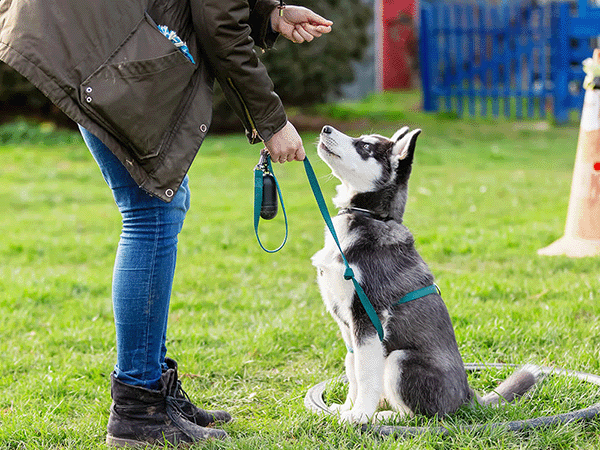
The Best Dog Trainers in the United States of 2026
This is a list of the top dog trainers in the United States, based on votes from the Sniffspot community and the general public.
The Best Dog Trainers in Seattle, WA of 2026
This is a list of the top dog trainers in Seattle, WA, based on votes from the Sniffspot community and the general public.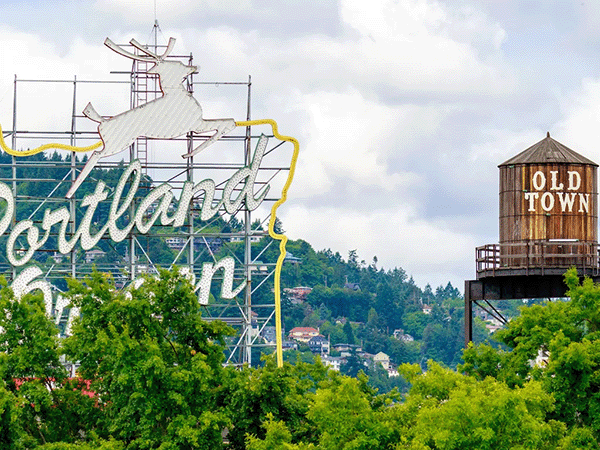
The Best Dog Trainers in Portland, OR of 2026
This is a list of the top dog trainers in Portland, OR, based on votes from the Sniffspot community and the general public.
The Best Dog Trainers in Los Angeles, CA of 2026
This is a list of the top dog trainers in Los Angeles, CA, based on votes from the Sniffspot community and the general public.
The Best Dog Trainers in New York, NY of 2026
This is a list of the top dog trainers in New York, NY, based on votes from the Sniffspot community and the general public.


City dog park guides

Best Dog Fields in the US: 25+ Wide-Open Spaces for Your Pup to Run Free
The best dog fields in the US offer something that traditional enclosed parks simply can't match: acres of open space where your pup can truly stretch their...
Top 10 Indoor Dog Parks: A US Guide
Looking for a space to play with your dog no matter what the weather’s like outside? Look no further than our list of the best indoor dog parks in the United...
Best Dog Parks in the US: Ultimate Guide to Public & Private Off-Leash Adventures
Is your pup giving you those pleading "let me run free" eyes? Whether you're a new dog parent or a seasoned pro looking for fresh adventures, finding the...
Dog Parks Near Me: Las Vegas Edition
Looking for the perfect dog park near me in Las Vegas? You're in luck! This guide explores all the best options for your pup, from public dog parks to...Best Dog Parks in the US: Off-Leash Guide
Looking for the perfect dog park? Whether you need a wide-open public space or a private, fenced-in spot, this guide will help you find the best dog parks...
Sniffspot: Portland's Best Private Dog Parks
Ready to discover Portland's best dog parks? Whether you're looking for a public park or the unique experience of a private Sniffspot, this guide has you...


Dog breeds

German Shepherd Guide: Best Family Dog? Truth from 9K Owners
The German Shepherd Dog (GSDs) are known for their intelligence, loyalty, and striking appearance. They're also incredibly versatile, excelling as working...
Labrador Retriever: Real Tips from Owners
Discover the Labrador Retriever, a breed celebrated for its playful nature, affectionate temperament, and trainability. Labradors are known for their...
Golden Retriever Advice: The Complete Owner's Guide
Golden Retrievers: they're gorgeous, playful, and incredibly popular. But before you welcome one into your home, you need the right golden retriever advice....
Are American Staffordshire Terriers Good for First-Time Owners: Complete Guide
Think American Staffordshire Terriers are tough? Think again. While their muscular build might intimidate some, these dogs are known for their playful and...
Australian Shepherd Facts: Breed Info & Care Guide
Discover the Australian Shepherd, an AKC breed celebrated for its trainable, playful, and affectionate nature. Despite its name, the Australian Shepherd is...
Essential Husky Facts for Owners: Breed Guide
Discover the Siberian Husky, a breed celebrated for its curious, intelligent, and loyal nature. Considered a medium-sized dog, Siberian Huskies were...


Top dog names in the US
Top 1,000 Most Popular Dog Names
Looking for the perfect dog name for your new pup? We have created filterable lists of dog names from our database of hundreds of thousands of Sniffspot users.
Most Popular Male Dog Names
Looking for the perfect dog name for your new male pup? We have created filterable lists of male dog names from our database of hundreds of thousands of...
Most Popular Female Dog Names
Looking for the perfect dog name for your new female pup? We have created filterable lists of female dog names from our database of hundreds of thousands of...
Most Popular Golden Retriever Names
Welcome to our comprehensive list of Golden Retriever dog names, curated from our vast database of Sniffspot users.
Most Popular Labrador Retriever Names
Welcome to our Labrador Retriever dog names page! Here you can browse through filterable lists of names for your beloved furry friend, ranging from cute and...


Top dog rescues in the US

The Best Washington Dog Rescues & Shelters in 2026
This list showcases the top dog rescues & shelters in Washington. These remarkable organizations have been recognized for their unwavering dedication to the...
The Best Oregon Dog Rescues & Shelters in 2026
This list showcases the top dog rescues & shelters in Oregon. These remarkable organizations have been recognized for their unwavering dedication to the...
The Best California Dog Rescues & Shelters in 2026
This list showcases the top dog rescues & shelters in California. These remarkable organizations have been recognized for their unwavering dedication to the...
The Best Florida Dog Rescues & Shelters in 2026
This list showcases the top dog rescues & shelters in Florida. These remarkable organizations have been recognized for their unwavering dedication to the...
The Best New York Dog Rescues & Shelters in 2026
This list showcases the top dog rescues & shelters in New York. These remarkable organizations have been recognized for their unwavering dedication to the...


