Top articlesSee all...

A Comprehensive Guide to Dog Exercise

How To Crate train An Older Dog - A Comprehensive Guide

How To Socialize A Dog - A Comprehensive Guide

Leash Training: A Guide to Training Your Dog to Walk on a Leash

Skijoring: A Guide to Skijoring with Dogs

The Best Dog Enrichment Toys

The Best United States Dog Parks

The Best Indoor Dog Parks in the United States

The Best Off-Leash Dog Parks in the United States
Top articles
A Comprehensive Guide to Dog Exercise
How To Crate train An Older Dog - A Comprehensive Guide
How To Socialize A Dog - A Comprehensive Guide
Leash Training: A Guide to Training Your Dog to Walk on a Leash
Skijoring: A Guide to Skijoring with Dogs
The Best Dog Enrichment Toys
The Best United States Dog Parks
The Best Indoor Dog Parks in the United States
The Best Off-Leash Dog Parks in the United States
See all...Off-Leash Dog Parks for Reactive Dogs: What Actually Works

/fit-in/0x450/wp-content/uploads/2026/04/Lab-in-dog-park.png)
Here’s the frustrating reality of reactive dog ownership: the dogs who arguably need off-leash decompression most are the ones who can least safely use most off-leash spaces. Traditional dog parks are crowded, unpredictable, full of unknown dogs rushing the gate. In other words, they're practically designed to trigger reactive dogs.
So what’s the answer? It’s not “just skip it.” Off-leash time is genuinely valuable for reactive dogs: decompression, freedom, the chance to move at their own pace without constant stress management. The trick is finding the right version of it. Here’s what reactive dog owners have actually found to work.
Jump Ahead:
- Key Takeaways
- Why Traditional Dog Parks Don’t Work for Most Reactive Dogs
- Understanding Your Dog’s Reactivity Before Choosing a Space
- What Actually Works: Off-Leash Options for Reactive Dogs
- What to Look for in an Off-Leash Space for Your Reactive Dog
- Using Off-Leash Time as Genuine Decompression
- Building Toward More Off-Leash Freedom
- Signs Your Dog Has Had Enough
- Frequently Asked Questions: Off-Leash Dog Parks
- Your Reactive Dog Deserves Off-Leash Time Too
Key Takeaways
- Traditional public dog parks are usually not appropriate for reactive dogs. In fact, the structure creates the exact conditions that set them off
- Private rented spaces like Sniffspot are the most consistently effective solution for most reactive dog owners
- Off-leash time for a reactive dog doesn’t have to mean a public park: fenced fields, quiet trails with long leashes, and private spaces all count
- Know your dog’s specific triggers before choosing a space: what works for one reactive dog may not work for another
- Regular access to low-pressure off-leash environments reduces baseline stress over time
Why Traditional Dog Parks Don’t Work for Most Reactive Dogs
Let’s be direct: the traditional public dog park model is poorly suited to reactive dogs for structural reasons, not just behavioral ones.
The Structural Problems
At a typical public dog park:
- Unknown dogs rush the gate the moment you enter with no buffer, no warning
- You cannot control proximity to triggers. Off-leash dogs can approach your dog whether you want them to or not
- Space is often limited, making distance management genuinely difficult
- Arousal levels in the park tend to be high, which elevates stress for everyone
- There’s no screening of dogs for behavior, vaccination status, or temperament
- You can’t predict what’s going to walk through the gate next
What Happens to Reactive Dogs in These Environments
A dog who needs to manage distance from triggers (or who has learned that being approached by unknown dogs means danger) cannot make good choices in this environment. It’s not a training failure; it’s a mismatch between the environment and the dog’s needs. Research on the stress response in dogs, including work from Cornell’s College of Veterinary Medicine, consistently shows that repeated over-threshold experiences can sensitize rather than desensitize reactive animals, making reactivity worse, not better, over time.
Some reactive dogs can manage public dog parks with very careful timing and gate management. But for most reactive dogs, especially those mid-training or with fear-based reactivity, public dog parks are not the answer.
Understanding Your Dog’s Reactivity Before Choosing a Space
Not all reactivity is the same, and understanding what your dog is actually reacting to is essential before choosing the right off-leash option. Our guide on what a reactive dog is covers the full picture, but here’s the short version:
Trigger-Specific vs. Generalized Reactivity
A dog who reacts to one specific type of dog (say, large dogs, or intact males) has different needs than a dog who reacts to all dogs. Trigger-specific reactive dogs may have more options than generalized reactive dogs when it comes to off-leash spaces.

Fear-Based vs. Frustration-Based Reactivity
Fear-based reactivity, where the dog is genuinely frightened by their triggers, and frustration-based reactivity, where the dog is overly aroused and can’t get to what they want, require somewhat different management approaches. Understanding which category your dog falls into helps you choose environments where they can actually succeed. Our reactivity vs. aggression guide explains how to tell the difference.
If your reactive dog is working toward more off-leash freedom, our step-by-step off-leash recall protocol for reactive dogs covers exactly how to build that skill safely
🐾 Find a private, dog-only space for your reactive pup. Book a Sniffspot near you →
What Actually Works: Off-Leash Options for Reactive Dogs
1. Private Rented Spaces (Sniffspot)
This is the most consistently effective option reactive dog owners report. Hands down. Full stop.
Sniffspot is a platform where hosts rent their fenced outdoor spaces by the hour to dog owners looking for safe, private space. When you book a Sniffspot, you’re the only one there. No other dogs arriving unexpectedly. No strangers walking through. The space is entirely yours for the booking window, with buffer time between reservations.
For a reactive dog, this changes everything. They can sniff, run, roll in the grass, and actually breathe without having to manage their stress response every few minutes. That kind of decompression is therapeutic, not just nice to have.
Different Sniffspot locations offer different types of spaces: small fenced backyards, large open fields, wooded acres, spaces with agility equipment, spaces with water features. You can filter by size, fencing type, and amenities to find what your specific dog will love.
- Who this works best for: Essentially every reactive dog, including those reactive to dogs, to people, to noise, or to unpredictable environments
- What to look for: Secure fencing, no neighboring dogs visible through the fence (check reviews), and enough space for your dog to move freely
- Pro tip: Read host reviews specifically from reactive dog owners. Many Sniffspot hosts note in their listings that their space is “reactive dog friendly”
For a sample of the types of spots you can find on Sniffspot, check out this 20 acre farm and ranch in Texas, Kristen's private pool and yard for dogs in Arizona, or Jill's fully fenced dog oasis in Oregon.
What Sniffspot users say:
- "So wonderful to have fenced acres — what a relief to have peace of mind while the dogs get to run free!!" — Joanne
- "This is a dream for a reactive apartment dog!" — Leia
- "The property was very well maintained and secure! Free was pleasantly ecstatic with all the new scenery, smells, and sounds." — Tyler
- "Our dogs love visiting the Sniffspot, and they sleep well at night after the visit." — Gina
2. Public Spaces at Strategic Times
Some reactive dogs (particularly those with frustration-based reactivity, or with very specific triggers) can use public dog parks successfully with very careful management.
- Timing: Arrive before 7am on weekdays when foot traffic is minimal and you have more control over the situation
- Scout before entering: Stand outside and assess who’s in the park before going in. One calm older dog is very different from a pack of four young labs playing rough
- Gate management: The entrance moment is often the most triggering. Use the airlock section many parks have — pause there to let other dogs settle before fully entering
- Exit strategy: Know your dog’s pre-reactivity signals and have a plan ready to leave at the first sign of escalation
This approach requires honest self-assessment. If your dog is in active training or has significant fear-based reactivity, this likely isn’t the right choice yet.

3. Long Leash in Open Spaces
A 20-30 foot training lead in an open park or trail isn’t technically off-leash, but it provides most of the same benefits: freedom of movement, the ability to sniff and explore at their own pace, genuine decompression. For dogs whose recall isn’t solid yet, or who are reactive to specific triggers, a long leash lets them move freely while you maintain a safety connection.
This is a legitimate long-term option, not just a stepping stone. Many reactive dog owners use long leash walks as a primary off-leash alternative throughout their dog’s life. Our long leash training guide covers technique and safety for making the most of long leash sessions.
4. Structured Reactive Dog Play Groups
Some trainers and facilities run reactive dog play groups or controlled socialization classes specifically designed for dogs who struggle in traditional settings. These use careful spacing, visual barriers, and handler management to provide controlled exposure between dogs while staying below threshold.
This is very different from a regular dog park. It’s a supervised environment with trained professionals present. For dogs at the right stage of training, it can be excellent. To find a specialist in your area, check our guide to finding a reactive dog trainer.
5. Quiet Off-Leash Areas in Public Parks
Many parks have open fields or green spaces that aren’t designated dog areas but where dogs are permitted. These often have much lower foot traffic than fenced dog parks, which means more space to maintain distance from triggers and more room for you and your dog to breathe.
The trade-off: no fencing, which requires solid recall. If your dog’s recall is reliable in that environment, a quiet open field with room to maneuver can be an excellent option. Our recall training guide can help you get there.
What to Look for in an Off-Leash Space for Your Reactive Dog
Not all spaces are equal. Here’s what to evaluate.
- Fencing integrity: Is it secure? Appropriate height? No gaps? For dogs who bolt when triggered, fence quality is critical
- Size: Bigger is generally better for reactive dogs. More room to create distance, less crowding, more ability to decompress freely
- Visibility: Good sightlines mean you can spot potential triggers early and manage your dog’s exposure before they escalate
- Neighboring dogs: Some spaces have dogs visible or audible through the fence, a constant trigger for some reactive dogs. Check reviews or ask the host before booking
- Privacy: At Sniffspot you’re always the only booking. At public spaces, check how the park is divided and how many dogs are typically present at your planned time

Using Off-Leash Time as Genuine Decompression
Off-leash time is decompression time. For reactive dogs who spend much of their time managing stress and environmental input, time in a low-pressure, unpredictable-free outdoor space does something real for their nervous system.
Studies on cortisol levels in dogs, including research from the University of Helsinki on dog stress and welfare, show that regular access to low-stress environments correlates with lower baseline cortisol and more stable overall behavior. In plain terms: reactive dogs who regularly get safe off-leash time tend to be less reactive overall. It’s not a cure, but it matters.
The key is low-pressure. Decompression doesn’t happen in an environment where your dog is in constant alert mode. It happens in a space where they can actually relax, and that requires controlling what they’re exposed to.
Our guide on safely exercising a reactive dog covers how to build a regular exercise and decompression routine that actually works for reactive dogs.
Building Toward More Off-Leash Freedom
Off-leash time in private spaces isn’t just the destination. It’s also a training environment. Regular sessions in a controlled, private space let you practice recall, work on attention, and gradually increase your dog’s ability to stay connected to you while free.
Over time, dogs who regularly use private off-leash spaces often become more trainable and more manageable generally. The combination of genuine decompression and consistent recall practice in a safe environment builds exactly the skills that eventually open more doors.
As your dog gains confidence in private spaces, structured socialization is the natural next step.
Wondering if off-leash is even realistic for your dog's reactivity level? Can reactive dogs go off-leash? answers that question honestly — and the answer is more optimistic than most owners expect.
Signs Your Dog Has Had Enough
Even in a great space, reactive dogs can accumulate stress over a session. These are the signals that it’s time to wrap up:
- Difficulty responding to recall, and they’re becoming harder to call in
- Panting more than the physical exertion warrants
- Scanning the fence line frantically
- Stiffening, hypervigilance, or sustained alert posture
- Redirected behaviors like excessive self-grooming, yawning, or lip licking
Ending sessions before your dog hits this point keeps the experience positive and makes them eager to go again. Short, positive sessions consistently beat longer sessions that end with your dog stressed and your training account overdrawn.
Frequently Asked Questions: Off-Leash Dog Parks
Can a reactive dog ever go to a regular dog park?
Some can, with very careful timing and management. But for most reactive dogs, especially those in active training or with significant fear-based reactivity, the unpredictability of public dog parks makes a bad experience more likely than a good one. Private alternatives are usually a better fit, and often produce much better outcomes in both the short and long term.
My reactive dog gets worse after dog park visits. Why?
If your dog is consistently more reactive after park visits, the park is likely putting them over threshold repeatedly. Over-threshold experiences can sensitize rather than desensitize reactive dogs — essentially making the reactivity worse. Switch to a private, low-trigger space and you’ll likely see the pattern reverse within a few sessions.
Is Sniffspot safe for dogs who are reactive to people, not just other dogs?
Yes! At a Sniffspot, you’re the only booking in the space during your session. No strangers will enter during your visit. For dogs reactive to unknown people, this is often one of the best options available, because you have complete control over who is present.
How do I introduce my reactive dog to a new off-leash space?
Enter calmly, let your dog sniff the perimeter at their own pace, and practice a few easy recalls early in the session to build your connection in the new environment. Don’t rush. Let them orient and settle before expecting much from them. The first visit to a new space is almost always about exploration and adjustment, not about big training wins.
Are there good cities for reactive dogs to find private spaces?
Sniffspot has listings in cities across the US, with concentrations in larger urban and suburban areas. Our guide to the best cities for reactive dogs covers which cities have the best infrastructure for reactive dog owners.
Your Reactive Dog Deserves Off-Leash Time Too
Reactive dog owners sometimes fall into the trap of thinking their dog just can’t have off-leash experiences. That’s not true. What’s true is that traditional public dog parks are usually not the right environment.
The alternative is finding the right version of off-leash time for your specific dog, one that gives them genuine freedom and decompression without putting them in situations they can’t handle yet. Private spaces, long leash sessions, quiet fields at early hours, structured groups with trained oversight. These options exist. They work. Most of all, remember that your reactive dog can absolutely have a rich, free, joyful life outside.
You just have to build it thoughtfully instead of hoping the public park works out.
If your dog needs more than a few hours, boarding in a private setting offers the same trigger-free environment over a longer window."
🐾 Find the private off-leash space your reactive dog has been waiting for. Book a Sniffspot now →


/fit-in/0x128/wp-content/uploads/2026/10/Affordable-dog-insurance.png)
/fit-in/0x128/wp-content/uploads/2026/10/Dog-TPLO-surgery.png)
/fit-in/0x128/wp-content/uploads/2026/10/puppy-obedience-training.png)
/fit-in/0x128/wp-content/uploads/2026/04/dog-running-from-owner.jpg)
/fit-in/0x128/wp-content/uploads/2026/04/dog-practicing-recall.jpg)
Most recent articles
/fit-in/0x256/wp-content/uploads/2026/10/Affordable-dog-insurance.png)
/fit-in/0x256/wp-content/uploads/2026/10/Dog-TPLO-surgery.png)
/fit-in/0x256/wp-content/uploads/2026/10/puppy-obedience-training.png)
/fit-in/0x128/wp-content/uploads/2022/07/shutterstock_237584221-1.jpg)
/fit-in/0x256/wp-content/uploads/2022/07/shutterstock_237584221-1.jpg)
/fit-in/0x128/wp-content/uploads/2020/08/shutterstock_421958377.jpg)
/fit-in/0x256/wp-content/uploads/2020/08/shutterstock_421958377.jpg)
/fit-in/0x128/wp-content/uploads/2025/03/Moving-with-your-pet-1.png)
/fit-in/0x256/wp-content/uploads/2025/03/Moving-with-your-pet-1.png)
Related articles
Top dog guides per area
Dog training guides

Best Dog Fields in the US: 25+ Wide-Open Spaces for Your Pup to Run Free
The best dog fields in the US offer something that traditional enclosed parks simply can't match: acres of open space where your pup can truly stretch their legs and run at full speed. From Colorado's 470-acre prairie meadows to Tennessee's...
Dog Food Aggression & Resource Guarding Guide
Does your dog ever growl when you walk by their food dish? Maybe they get possessive of treats, carrying them far away and giving you side-eye when you start to approach — or snarling at your other pets or children if they get too close.
The Ultimate Guide to Scent Training for Dogs
Your dog's nose is an amazing tool. Did you know they have 40 times the olfactory receptors than humans? Scent training for dogs taps into this superpower, turning everyday moments into exciting sniff-fests. It's enriching for all types of dogs –...
How Much Does It Cost to Train a Service Dog?
More than 80 million Americans rely on their service dogs to help them navigate the world. Task-trained assistance animals perform a huge range of life-changing—in many cases, life-saving—services: These dogs act as eyes for visually impaired...
How to Deal With Puppy Potty Training Regression
You thought those dreaded middle-of-the-night potty breaks were over. You were finally free from cleaning up puppy puddles. Then, suddenly, your six-month-old who's been accident-free for weeks starts peeing on your rug again.
Dirty Dog Syndrome: Causes, Solutions, and Prevention
It's a cringe-worthy moment every dog owner dreads: your furry friend chowing down on something truly disgusting. If your dog has a penchant for poop, you're dealing with coprophagia. It's more common than you think, and thankfully, often...
/354x256/wp-content/uploads/2025/09/Screenshot-2025-09-21-at-6.39.54-PM.png)
/354x256/wp-content/uploads/2020/08/bernese-mountain-dog-208092_1280.jpg)
/354x256/wp-content/uploads/2022/04/shutterstock_543831754.jpg)
/354x256/wp-content/uploads/2022/08/shutterstock_494495788-1.jpg)
/354x256/wp-content/uploads/2022/07/shutterstock_237584221-1.jpg)
/354x256/wp-content/uploads/2022/10/shutterstock_705844504.jpg)
Dog enrichment guides
Best Dog Fields in the US: 25+ Wide-Open Spaces for Your Pup to Run Free
The best dog fields in the US offer something that traditional enclosed parks simply can't match: acres of open space where your pup can truly stretch their legs and run at full speed. From Colorado's 470-acre prairie meadows to Tennessee's...
Best Dog Water Parks in the US: 15+ Amazing Splash Destinations for Your Pup
Do you have a water-loving dog looking to burn some energy? There are countless dog parks to visit throughout our country — but some of them become far too hot in the midday sun to be safe for your pets to play. That’s why we’ve put together a...
Best Toys for Herding Dogs: Keeping Your Pup Happy & Engaged
Herding dogs are amazing, intelligent companions. But that also means they need more than just a simple game of fetch. Finding the right toys for herding dogs is key to keeping them happy and stimulated. This article explores some of the best toys...
Tough Dog Toys for Aggressive Chewers: A Practical Guide
Does your dog destroy every toy you give them? Is your house littered with the remnants of plush toys? Are you tired of wasting money on "indestructible" dog toys for aggressive chewers that don't last? Then this post is for you. We'll cover...
Dog Exercise Calculator: How Much Exercise Does Your Dog Need?
Every dog needs to move, but how much is actually enough? The answer depends on more than just breed. Age, health, and even your own lifestyle all play a role in figuring out the right daily exercise routine for your pup.
Complete Guide To Herding With Dogs
* All Sniffspot articles are reviewed by certified trainers for quality, please see bottom of article for details *
/354x256/wp-content/uploads/2023/04/dogwaterpark.png)
/354x256/wp-content/uploads/2022/05/shutterstock_174836186.jpg)
/354x256/wp-content/uploads/2023/02/shutterstock_1346929262.jpg)
/354x256/wp-content/uploads/2022/08/dogexercisecalculatorfeaturedimage.jpg)
/354x256/wp-content/uploads/2020/07/bb.jpg)
Dog reactivity guides
Best Dog Fields in the US: 25+ Wide-Open Spaces for Your Pup to Run Free
The best dog fields in the US offer something that traditional enclosed parks simply can't match: acres of open space where your pup can truly stretch their legs and run at full speed. From Colorado's 470-acre prairie meadows to Tennessee's...
Rottweiler Aggression: Signs, Causes & Training
Many dogs have gotten a bad reputation over the years for being "dangerous breeds." Rottweilers are among them. Like pit bulls and other large, blocky-headed types of dogs, these powerful and beautiful animals are often assumed to be aggressive.
The Reactive Dog Chart: How to Calm Your Dog's Triggers
If your dog lunges, barks, or loses their mind at the sight of another dog, a stranger, or a bicycle, you’re living with a reactive dog (and you’re far from alone). Dog reactivity is one of the most common behavioral challenges dog owners face,...
How to Socialize a Reactive Dog: A Step-by-Step Guide
Does your dog display reactivity to other pets or people—barking, lunging, or growling when they see their triggers? Whether they're a rescue still settling in, missed critical socialization as a puppy, or had a negative experience that changed...
What Is a Reactive Dog? The Complete Guide for Understanding and Helping Your Pup
Does your dog transform into a barking, lunging tornado the second they spot another dog across the street? You're definitely not alone. According to our research of over 4,000 dog owners, 66% of dogs show some signs of reactivity.
9 Best Online Communities for Reactive Dog Parents
Does your dog's reactivity make walks stressful? You're not alone. Many dog owners face similar challenges. This guide offers practical advice and support for managing reactivity, including finding the best online dog training for reactive dogs....
/354x256/wp-content/uploads/2023/05/Screen-Shot-2024-05-23-at-9.33.57-PM.png)
/354x256/wp-content/uploads/2022/08/dogreactivitychartfeaturedimage.jpg)
/354x256/wp-content/uploads/2022/08/shutterstock_523383649.jpg)
/354x256/wp-content/uploads/2020/07/a.jpg)
/354x256/wp-content/uploads/2022/01/shutterstock_796422001.jpg)
Sniffspot community guides
Best Dog Fields in the US: 25+ Wide-Open Spaces for Your Pup to Run Free
The best dog fields in the US offer something that traditional enclosed parks simply can't match: acres of open space where your pup can truly stretch their legs and run at full speed. From Colorado's 470-acre prairie meadows to Tennessee's...
The State of Public Dog Parks Across the United States
From 2009 to 2020, there was a 40 percent increase in the development of public dog parks. Designated spots for canine exercise have become commonplace in every major city in North America — many pet owners won’t even consider renting an apartment...
How This Family is Affording Their Dream Property Through Renting it Hourly to Dogs
Thousand Oaks, California has been a safe haven for Sniffspot host, Jen, since childhood. Having grown up in busy Santa Barbara, Jen, an introvert from an early age, would seek out solitude and serenity away from tourists attractions and droves of...
Host Tips: Ellen K. What Makes Sniffspot Successful for Me
Ellen is the host of Country Pasture Getaway, one of Sniffspot's most popular sniff spots. She has taken the time to write up the lessons she has learned about how to be a great sniff spot host.
How this Oregon Farmer is Making a Business From Renting Her Land to Dogs
Just 20 minutes outside of the busy city of Portland, Oregon, and settled right on the banks of the Columbia River, you’ll find what countless visitors have flocked to the area in search of – mountain views, crisp, clean air, and running water for...
Host Tips: Fran T. Providing Great Guest Service at our Spot
Fran is the host of Ranch Setting, one of Sniffspot's most popular spots. She has taken the time to write up the lessons she has learned about how to be a great Sniffspot host.
/354x256/wp-content/uploads/2022/07/Sniffspot_infographic_1-01.jpeg)
/354x256/wp-content/uploads/2021/05/Final-Edit-003-1.jpg)
/354x256/wp-content/uploads/2020/07/good-photo-3_orig.jpg)
/354x256/wp-content/uploads/2021/05/sniffspot-28-of-45-1.jpg)
/354x256/wp-content/uploads/2020/07/screen-shot-2019-09-19-at-2-01-47-pm_orig.png)
Top dog trainers in the US
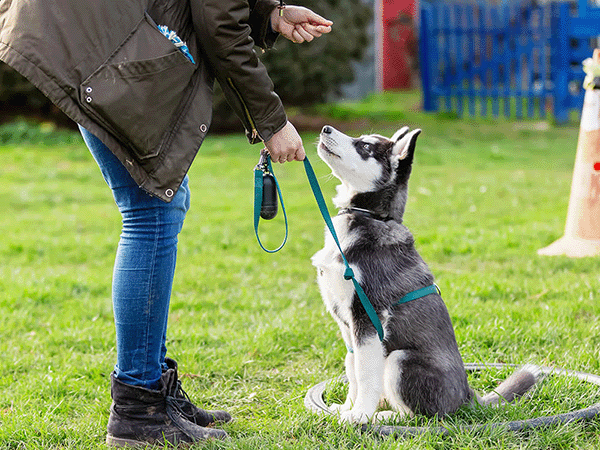
The Best Dog Trainers in the United States of 2026
This is a list of the top dog trainers in the United States, based on votes from the Sniffspot community and the general public.
The Best Dog Trainers in Seattle, WA of 2026
This is a list of the top dog trainers in Seattle, WA, based on votes from the Sniffspot community and the general public.
The Best Dog Trainers in Portland, OR of 2026
This is a list of the top dog trainers in Portland, OR, based on votes from the Sniffspot community and the general public.
The Best Dog Trainers in Los Angeles, CA of 2026
This is a list of the top dog trainers in Los Angeles, CA, based on votes from the Sniffspot community and the general public.
The Best Dog Trainers in New York, NY of 2026
This is a list of the top dog trainers in New York, NY, based on votes from the Sniffspot community and the general public.


City dog park guides
Best Dog Fields in the US: 25+ Wide-Open Spaces for Your Pup to Run Free
The best dog fields in the US offer something that traditional enclosed parks simply can't match: acres of open space where your pup can truly stretch their legs and run at full speed. From Colorado's 470-acre prairie meadows to Tennessee's...
Top 10 Indoor Dog Parks: A US Guide
Looking for a space to play with your dog no matter what the weather’s like outside? Look no further than our list of the best indoor dog parks in the United States! These climate-controlled spaces are growing in popularity as pet ownership...
Best Dog Parks in the US: Ultimate Guide to Public & Private Off-Leash Adventures
Is your pup giving you those pleading "let me run free" eyes? Whether you're a new dog parent or a seasoned pro looking for fresh adventures, finding the perfect off-leash paradise for your furry friend can feel ruff! From sun-soaked California...
Dog Parks Near Me: Las Vegas Edition
Looking for the perfect dog park near me in Las Vegas? You're in luck! This guide explores all the best options for your pup, from public dog parks to private dog parks near me on Sniffspot. We'll help you find the ideal spot for playtime,...Best Dog Parks in the US: Off-Leash Guide
Looking for the perfect dog park? Whether you need a wide-open public space or a private, fenced-in spot, this guide will help you find the best dog parks across the US. We'll cover top-rated public parks, the perks of private dog parks, and even...
Sniffspot: Portland's Best Private Dog Parks
Ready to discover Portland's best dog parks? Whether you're looking for a public park or the unique experience of a private Sniffspot, this guide has you covered. We'll help you find the perfect spot for your pup, with tips on what to bring, how...
/354x256/wp-content/uploads/2023/04/indoordogparks.png)
/354x256/wp-content/uploads/2023/03/offleashdogparks.png)
/354x256/wp-content/uploads/2023/02/vegas.jpg)
/354x256/wp-content/uploads/2023/02/portland.jpg)
Dog breeds
Best Dog Fields in the US: 25+ Wide-Open Spaces for Your Pup to Run Free
The best dog fields in the US offer something that traditional enclosed parks simply can't match: acres of open space where your pup can truly stretch their legs and run at full speed. From Colorado's 470-acre prairie meadows to Tennessee's...
German Shepherd Guide: Best Family Dog? Truth from 9K Owners
The German Shepherd Dog (GSDs) are known for their intelligence, loyalty, and striking appearance. They're also incredibly versatile, excelling as working dogs and devoted family companions. This guide covers everything you need to know about...
Labrador Retriever: Real Tips from Owners
Discover the Labrador Retriever, a breed celebrated for its playful nature, affectionate temperament, and trainability. Labradors are known for their friendly demeanor and adaptability, making them perfect family companions and versatile working...
Golden Retriever Advice: The Complete Owner's Guide
Golden Retrievers: they're gorgeous, playful, and incredibly popular. But before you welcome one into your home, you need the right golden retriever advice. This guide draws on the wisdom of nearly 10,000 Golden Retriever owners, offering...
Are American Staffordshire Terriers Good for First-Time Owners: Complete Guide
Think American Staffordshire Terriers are tough? Think again. While their muscular build might intimidate some, these dogs are known for their playful and loyal personalities. This guide draws on the experience of nearly 10,000 AmStaff owners to...
Australian Shepherd Facts: Breed Info & Care Guide
Discover the Australian Shepherd, an AKC breed celebrated for its trainable, playful, and affectionate nature. Despite its name, the Australian Shepherd is actually a native breed to the United States, originally developed to breed on farms and...
/354x256/wp-content/uploads/2024/07/German-Shepherd-Dog.png)
/354x256/wp-content/uploads/2024/07/Screen-Shot-2024-07-24-at-4.06.05-PM.png)
/354x256/wp-content/uploads/2024/07/Screen-Shot-2024-07-25-at-3.05.09-PM.png)
/354x256/wp-content/uploads/2024/07/staffy.jpg)
/354x256/wp-content/uploads/2024/07/Screen-Shot-2024-07-25-at-3.39.43-PM.png)
Top dog names in the US
Top 1,000 Most Popular Dog Names
Looking for the perfect dog name for your new pup? We have created filterable lists of dog names from our database of hundreds of thousands of Sniffspot users. You can filter by gender, breed and state to find the most cute, unique and creative dog names.
Most Popular Male Dog Names
Looking for the perfect dog name for your new male pup? We have created filterable lists of male dog names from our database of hundreds of thousands of Sniffspot users. You can filter by gender, breed and state to find the most cute, unique and creative male dog names.
Most Popular Female Dog Names
Looking for the perfect dog name for your new female pup? We have created filterable lists of female dog names from our database of hundreds of thousands of Sniffspot users. You can filter by gender, breed and state to find the most cute, unique and creative female dog names.
Most Popular Golden Retriever Names
Welcome to our comprehensive list of Golden Retriever dog names, curated from our vast database of Sniffspot users. Filter through hundreds of thousands of options by gender, breed, and state to discover the most adorable, original, and imaginative names for your beloved Golden Retriever.
Most Popular Labrador Retriever Names
Welcome to our Labrador Retriever dog names page! Here you can browse through filterable lists of names for your beloved furry friend, ranging from cute and classic to unique and creative options. Our database of hundreds of thousands of Sniffspot users ensures you'll find the perfect name for your Labrador Retriever, whether you're seeking a name for a male or female, based on breed or state.


Top dog rescues in the US

The Best Washington Dog Rescues & Shelters in 2026
This list showcases the top dog rescues & shelters in Washington. These remarkable organizations have been recognized for their unwavering dedication to the well-being of countless dogs.
The Best Oregon Dog Rescues & Shelters in 2026
This list showcases the top dog rescues & shelters in Oregon. These remarkable organizations have been recognized for their unwavering dedication to the well-being of countless dogs.
The Best California Dog Rescues & Shelters in 2026
This list showcases the top dog rescues & shelters in California. These remarkable organizations have been recognized for their unwavering dedication to the well-being of countless dogs.
The Best Florida Dog Rescues & Shelters in 2026
This list showcases the top dog rescues & shelters in Florida. These remarkable organizations have been recognized for their unwavering dedication to the well-being of countless dogs.
The Best New York Dog Rescues & Shelters in 2026
This list showcases the top dog rescues & shelters in New York. These remarkable organizations have been recognized for their unwavering dedication to the well-being of countless dogs.
/354x256/Photos/SeoDogRescue/1282/178507e67e44-MC_logo_square.jpg)
/354x256/Photos/SeoDogRescue/931/cef8bbb17769-South_Coast_Humane_Society.png)
/354x256/Photos/SeoDogRescue/61/30aea3371b69-MainSquare_2.png)
/354x256/Photos/SeoDogRescue/298/1000035238.jpg)
/354x256/Photos/SeoDogRescue/814/91cfd62cd986-IMG_1035.jpeg)