Top articlesSee all...

A Comprehensive Guide to Dog Exercise

How To Crate train An Older Dog - A Comprehensive Guide

How To Socialize A Dog - A Comprehensive Guide

Leash Training: A Guide to Training Your Dog to Walk on a Leash

Skijoring: A Guide to Skijoring with Dogs

The Best Dog Enrichment Toys

The Best United States Dog Parks

The Best Indoor Dog Parks in the United States

The Best Off-Leash Dog Parks in the United States
Top articles
A Comprehensive Guide to Dog Exercise
How To Crate train An Older Dog - A Comprehensive Guide
How To Socialize A Dog - A Comprehensive Guide
Leash Training: A Guide to Training Your Dog to Walk on a Leash
Skijoring: A Guide to Skijoring with Dogs
The Best Dog Enrichment Toys
The Best United States Dog Parks
The Best Indoor Dog Parks in the United States
The Best Off-Leash Dog Parks in the United States
See all...Flyball Dogs: A Complete Guide to This Exciting Sport


Does your dog have energy to burn? A love for fetching? Then flyball might be the perfect dog sport for you both! This exciting team sport combines running, jumping, and retrieving—turning your dog's natural instincts into a thrilling competition. Whether you're a seasoned dog sports enthusiast or just curious about flyball training for dogs, this guide covers everything you need to know to get started.
It may sound like an unbelievably specific set of criteria. But as dog sports continue to grow in popularity (yes, even for everyday dog owners!) anyone with a flyball dog will tell you just how rewarding all of the above elements can be put together.
If you’re looking for a new outlet to exercise your active dog — especially if they have a knack for remaining focused and driven under pressure, like many working breeds do — flyball racing may be a fun and effective way to meet your canine companion’s physical and mental needs.
Here’s everything you need to know about the flyball dog sport.
Want to practice before you join a team? Find a private, fenced Sniffspot near you to work on retrieves and jumps without the distractions of a busy dog park.
This post has been updated as of October 14, 2026.
- What is flyball and how does it work?
- Benefits of flyball
- Is flyball right for me and my dog?
- How to get your dog started in flyball
- Other ways to exercise your dog
- Trainer that reviewed this article
- Key Organizations and Resources
- AKC Titles and Recognition
- Flyball Technology and Innovation
- World Records and Achievements
- Related Articles
- Frequently Asked Questions
- Conclusion
What is flyball and how does it work?
At its simplest, flyball is a relay race. Two teams of dogs (eight total, four on each team) complete a straightforward yet challenging set of obstacles (hurdles, quickly turning and pressing a pad to launch a ball from a box, carrying the ball back over the hurdles) in order to reach the finish line.
Key Takeaways
- Flyball is an engaging team sport for energetic dogs: This relay race combines running, jumping, and retrieving, providing excellent physical and mental exercise. It's open to all breeds and mixes, creating a welcoming community for dog owners.
- Starting flyball is simple: Attend a local event to observe the sport and connect with enthusiasts. Begin training at home with retrieving, jumping, and recall exercises to prepare your dog.
- Flyball offers numerous benefits: It strengthens the dog-owner bond, provides socialization, and builds confidence. Even if your dog isn't competitive by nature, flyball can be a fun, rewarding activity.
The history of flyball
In the United States, flyball first showed up in Southern California in the 1960s. A group of dog trainers thought it would be fun to combine retrieving and scent hurdle racing to create a new, exciting dog sport. One man named Herbert Wagner invented a box apparatus to launch tennis balls for his fetch-loving dog — he even presented it to Johnny Carson on The Tonight Show. This eventually became the mechanized flyball box you see today!
The first formal flyball competition was held in 1981. In the decades since, the sport has spread around the world — more than 16,000 flyball dogs are registered in a handful of countries. Flyball continues to grow in popularity as more owners realize how fulfilling it can be for their dogs.
Origins and Early Development
Flyball first emerged in Southern California during the 1960s. A group of inventive dog trainers, always looking for new ways to engage their canine companions, combined the thrill of retrieving with the challenge of scent hurdle racing. This innovative blend gave birth to a dynamic and exciting new dog sport. The American Kennel Club offers a great overview of the sport.
Initially, flyball involved dogs leaping over hurdles, triggered by a scent, to retrieve a tennis ball. This early format laid the groundwork for the fast-paced, team-oriented sport we know and love today. It quickly gained traction among dog enthusiasts who recognized its potential to challenge dogs both physically and mentally.
The Invention of the Flyball Box
A pivotal moment in flyball history arrived with the ingenuity of Herbert Wagner. Wagner, recognizing his own dog's love for fetching, devised a unique box apparatus designed to launch tennis balls. This invention wasn't just a backyard amusement; Wagner even showcased it on The Tonight Show with Johnny Carson, introducing the concept to a wider audience. This ingenious contraption would eventually evolve into the mechanized flyball box that is central to the sport today. The flyball box, with its spring-loaded mechanism, added a new layer of complexity and excitement to the game, requiring dogs to master the art of triggering the ball release while maintaining their speed and focus. You can find out more about the history of flyball at the AKC website.
Growth and International Expansion
The first official flyball competition took place in 1981, marking a significant milestone in the sport's evolution. This formalized the rules and structure of flyball, paving the way for its widespread adoption. In the decades following that inaugural competition, flyball's popularity exploded, spreading across the globe and captivating dog owners in numerous countries. With over 16,000 registered flyball dogs internationally, the sport continues to flourish. As more and more owners discover the joys and benefits of flyball, its growth shows no signs of slowing down. The combination of physical exertion, mental stimulation, and team camaraderie makes flyball a truly fulfilling activity for both dogs and their handlers.
How does flyball work, exactly?
To begin, two competing dogs run the length of a course in the same direction. They:
- First jump over four hurdles
- Once they reach the end of the course section, the dogs will then touch a spring-loaded pad on a flyball box with one of their paws (this is referred to as a “box turn”) to quickly flip 180 degrees while releasing a ball from the mechanized apparatus
- The dogs grab the ball with their mouths
- They carry the toy back over the hurdles
- Finally cross the finish line
Once a competitor’s nose crosses the finish line, the next dog can start their run. This continues until all dogs on both teams have completed the course.
The winning team is decided by the fastest times in three out of five races. All four dogs must complete the entire course with zero errors made — if they miss a jump or drop the ball, rules state they must rerun the course after the rest of their team has finished. This means that any deviations from the course make it hard to be the fastest team.
The Flyball Course
The flyball course is 51 feet long and consists of four hurdles spaced 10 feet apart. The first hurdle sits 6 feet from the start line. At the end of the course is the flyball box, a spring-loaded device that releases a tennis ball when triggered by the dog. The box is positioned so dogs can easily turn and grab the launched ball. Jump heights are adjusted based on the shortest dog on the team (minus 5 inches). This ensures fair competition for all sizes of dogs. You can learn more about the specifics of flyball courses and official flyball rules online.
Racing and Scoring
In flyball, two teams race side-by-side, and the first team to have all four dogs complete the course without errors wins. Teams compete against others of similar speed, so winning isn’t just about being error-free—speed is key. The American Kennel Club details how points are awarded based on a team’s time: under 24 seconds earns 25 points per dog, under 28 earns 5 points, and under 32 earns 1 point. The team with the fastest time wins. The current world record is an impressive 14.433 seconds.
Faults and Reruns
Faults in flyball typically involve early starts, missed jumps, or dropped balls. If a dog makes a fault, they must rerun the course after the rest of their team finishes. This adds significant time to the team's overall score, highlighting the importance of accuracy and clean runs. All four dogs must complete the entire course without errors. For more information on flyball, Sniffspot offers helpful resources for dog owners including articles on dog sports.
Competition Levels and Jump Heights
Flyball caters to dogs of all shapes and sizes. Jump heights are adjusted based on the shortest dog on the team, ensuring a level playing field. This "height dog" determines the hurdle height for the entire team—the standard formula is the height of the shortest dog at the withers minus five inches. This adjustment creates fair competition and allows even small dogs to excel in the sport. Wikipedia’s page on flyball offers a good overview of height adjustments and other competition details.
Flyball teams are made up of:
- Four dogs to compete in the relay race
- Four handlers to guide and encourage the racing dogs as well as release dogs onto the course following a series of yellow and green flashing lights, which signal the start of heats
- One ball loader to replace balls for dogs to retrieve
- One or two runners to collect any loose balls
- The reserve crew consisting of two additional dogs and their two handlers
Flyball is an incredibly physical sport. According to the North American Flyball Association standard, flyball courses are 51 feet in length. Racing dogs must scale all hurdles both to and from the springboard that holds the ball. That’s no easy feat!
Because all breeds and sizes of dogs are encouraged to compete in flyball races, the height of the hurdles is determined by the smallest dog on a team. The hurdles measure five inches lower than the shortest dog’s shoulder height, and hurdles max out at a height of 14 inches. The relatively low hurdle height allows competing dogs to retain top speeds while still requiring them to focus and time their jumps properly.

Benefits of flyball
- Flyball is an excellent way for high strung dogs to productively channel their mental and physical energy. It incorporates many natural canine tendencies like running, jumping, and retrieving to satisfy their innate instincts!
- Because flyball is open to dogs of any breed, it’s a welcoming sport to a huge range of dog owners. This makes it the perfect environment to meet fellow dog lovers, form friendships, and ultimately feel part of a community. (This can be especially important in post-pandemic times, when many dogs and humans were unable to get enough socialization to keep them mentally healthy.)
- Speaking of socialization: Because of the diversity of competitors, flyball is a great opportunity to give your dog safe, fun exposure to other dogs and people. While it’s generally not recommended for incredibly fearful dogs (you’ll want to do some foundational confidence building first) dog sports like flyball can help you take your dog’s self esteem to the next level.
- Flyball is fun! While there are competitions, and some participants get pretty serious, many dog handlers pursue the sport simply for the joy of cooperating with their canine companion. Any dog with the ability to fetch (so really, just about any dog!) can experience the joy.
- Dog sports, especially multi-faceted ones like flyball, can make your relationship with your dog even stronger. You’ll be working together around distractions in high energy environments. It’s a great way to reinforce your bond.
Is flyball right for me and my dog?
Flyball is open to just about any dog — but that doesn’t mean every pet is going to enjoy it. And that’s okay! There’s a huge range of dog sports (and other noncompetitive activities) out there to pursue with your canine companion. No one type of exercise is inherently better than all the others.
That said, the majority of people who try out flyball end up loving it. Here are a few things to keep in mind when deciding whether or not flyball is right for you and your dog!
Flyball dogs should be in good physical health
Like many sports which rely on a dog’s agility, flyball as a competitive sport is great for dogs in good physical health. If your pet suffers from any gait, muscle, or joint issues, you should check with your veterinarian before pursuing a new activity.
Flyball dogs are often (but not always) of working breeds
Because flyball is an activity that involves athletic capability, focus, and determination, the sport is generally best suited to dogs who need to be stimulated — both physically and mentally — in order to feel their best. Many working and herding breeds thrive in the competitive environment.
If your dog isn’t naturally high drive, though, don’t fret! You’re still welcome to pursue flyball and hone your pet’s skills over time. It just might take a bit more work than someone entering the sport with a high energy, focused breed.
Breeds That Excel
Because flyball involves athleticism, focus, and determination, it’s generally best for dogs who need plenty of physical and mental stimulation. Many herding and working breeds thrive in this competitive environment. Popular flyball dogs include:
- Border Collies
- Whippets
- Shetland Sheepdogs
- Australian Shepherds
- Jack Russell Terriers
Of course, mixed breeds can also make fantastic flyball competitors! If you’re unsure whether your dog has what it takes, consider their personality and how they react to other dogs. A generally confident dog who loves to fetch and has a friendly—or even playful—attitude toward other canines has a good chance of enjoying flyball.
But Any Dog Can Play!
Flyball welcomes dogs of all breeds and sizes, creating a supportive community for a wide range of dog owners. It’s a perfect opportunity to connect with fellow dog lovers and build friendships. You can even find Sniffspots near your local flyball club to give your dog extra practice and exercise in a safe, controlled environment.
If your dog isn’t naturally high-drive, don’t worry! You can still enjoy flyball and help your pet develop their skills. It might just take a bit more time and encouragement compared to someone starting with a naturally energetic and focused breed. Check out our articles on choosing a dog name and finding the right dog trainer for additional resources to support your pup's journey.
Flyball involves working in close proximity to other dogs
Dogs who participate in flyball competitions should be non-aggressive and not leash reactive toward other dogs. It’s impossible to get much distance from other animals during the competitions (unlike other sports like agility or rally, which many fearful and reactive dogs can thrive in).
If you’re interested in flyball but aren’t sure your dog can handle it yet, get in touch with a professional dog trainer! They’ll be able to help you develop a training plan and set realistic goals. We also have several articles on dog reactivity on the Sniffspot blog.
In the meantime, a private Sniffspot gives your dog room to build confidence, practice recall, and play with no surprise encounters.
Flyball can be a chaotic environment
Dogs who succeed in flyball are usually not easily stressed or agitated. That’s because the sport creates a fast-paced and loud environment.
Flyball requires a strong relationship between dog and owner
A dog and their handler generally work as a unit within the team. Communication, trust, and a strong bond is an important aspect of scoring well in flyball competitions! Pets with strong recall abilities who readily follow directions and cues are great candidates for the sport.

How to get your dog started in flyball
Think flyball may be a good fit for your dog? How exciting!
Attend a flyball event in person first
The best way to get started is to attend a flyball event in your area. This lets you see for yourself what your canine is expected to do and the format of competitions.
To locate your local flyball community, there are a few things you can try:
- Search Facebook for flyball clubs, groups, and teams nearby
- Research flyball online by searching for phrases like “flyball near me” and “flyball dog training near me”
- Ask a local trainer or pet care professional if they have any information or experience with flyball
Like any dog sporting event, finding a community of dog guardians immersed in the sport can provide a great resource for answering any questions you may have, learning about future competitions, and finding out what it takes to train a flyball dog.
The North American Flyball Association sanctions over 300 competitions annually in various locations.
Finding Local Flyball Clubs and Resources
Once you’ve seen flyball in action, you’ll have a much better idea of whether it’s something you and your dog want to pursue. If the answer is yes, it’s time to find a local flyball club or training class. Connecting with experienced flyball enthusiasts is invaluable. They can answer your questions, offer training tips, and share information about upcoming competitions.
There are several ways to find flyball resources near you:
- Search online: A quick search for "flyball clubs near me" or "flyball training near me" will likely turn up some useful resources. You can also check out the websites of national flyball organizations like the United Flyball League International (UFLI) and the North American Flyball Association (NAFA). These organizations often have club directories.
- Use social media: Facebook groups dedicated to flyball or dog sports in your area can be a great way to connect with local clubs and trainers. Search for groups related to flyball, dog agility, or general dog activities in your city or region.
- Ask local professionals: Your veterinarian, local dog trainers, or even groomers might have information about flyball clubs in your area. They often have connections within the dog sports community. If you're looking for a trainer to help you get started with flyball training, check out Sniffspot's directory of top dog trainers.
Joining a local flyball club offers more than just training resources. It connects you with a supportive community of dog owners who share your passion for the sport. This can be especially helpful when you're just starting out. You'll gain access to experienced mentors, training partners, and a network of friends who understand the joys and challenges of flyball.
Begin foundational flyball training with your dog
If you can’t find a flyball community near you, or if you simply want to see if your dog would even enjoy participating in such an activity, there are some things you can do at home to assess your dog’s interest and current skill level.
Ask your dog to return a ball to you
One way to do this is to have your dog return a ball to you. The ball should be stationary — try laying a tennis ball on the floor and encourage your dog to pick it up and deliver it to you rather than drop it onto the ground. This will discourage your dog from dropping a ball during a flyball race.
Make sure to work with positive reward training, where a high value treat is offered to your dog each time they return the ball to you!
You can read more about teaching your dog to fetch in this article.
Practice jumping
You should also practice — and generously reward! — jumping. This might sound complicated after reading about the official flyball setup, but you can use any household item tall enough for your dog to step over.
To practice jumping:
- Start with something very low to the ground and easy to scale at first. You might prop a broom between the bottom rungs of two chairs, for example.
- Reward your dog each time they step over the object. Throw a little party. Play in between attempts to keep the energy level up. Make your training fun!
- Over time, add height to the item. Continue to offer rewards and encouragement.
- Eventually start adding some running before and after the jump.
A relatively private outdoor space — like a Sniffspot location near you — is a great option for teaching a dog to retrieve or jump in preparation for flyball racing.
Start Low and Gradually Increase Height
It’s important to start with low jumps and gradually increase the height as your dog gets more comfortable. A broom handle balanced between two chairs makes a great starting point. Reward your dog enthusiastically each time they successfully clear the “jump,” even if it’s barely a hop! Keep the mood light and fun—play with your dog between attempts to maintain their energy and enthusiasm. Find more tips on getting started with flyball on the Sniffspot blog.
As your dog’s confidence grows, slowly increase the height of the jump. You can use stacks of books, yoga blocks, or even low agility jumps if you have them. The key is to progress slowly and celebrate each success. Eventually, start incorporating short runs before and after the jump to simulate the flyball course. A safe, enclosed space, like a private Sniffspot, can be ideal for this type of training.
Work on other basic skills like focus and recall
You can read more about teaching your dog a basic cue in this article and learn about recall training in this one.
Practice settling in busy environments
While dog sports generally make us think of fast-paced action, resting is also a huge part of flyball tournaments. You should teach your dog to become comfortable at rest in a crate so that they won’t be disruptive or overly excited while other teams are competing during their downtime. This makes sure you’re respectful of the sport environment and sets your dog up for success by ensuring they’re well-rested for their own runs.
Training for the Flyball Box
The flyball box is a key piece of equipment, and teaching your dog to use it efficiently is crucial. As explained in Sniffspot's guide to flyball, the box turn involves your dog touching a spring-loaded pad with their paw to release the ball. Start by introducing the box without the spring, rewarding your dog for simply touching it. Gradually introduce the spring action, and then practice the “swimmer’s turn,” where the dog uses their back legs to pivot off the box while grabbing the ball. This takes time and patience, so break it down into small, manageable steps.
Positive Reinforcement and Working at Your Dog's Pace
Training a flyball dog takes dedication, but remember to keep it fun! PetMD emphasizes positive reinforcement: use high-value treats, praise, and toys to motivate your dog. Begin with basic obedience commands like sit, stay, and come. Once your dog has mastered these, introduce low hurdles and gradually increase the height as they gain confidence. Focus on retrieving, aiming for a clean catch and a quick return. Finally, combine all the elements and practice running the entire course. Always work at your dog's pace to prevent burnout and minimize the risk of injury. Check out Sniffspot's articles on dog training for more tips on positive reinforcement and building a strong foundation with your dog.
Prerequisites for Training
Before you dive into flyball training, make sure your dog has a solid foundation. Eukanuba highlights the importance of a love for fetch. Your dog should be able to catch and hold a tennis ball reliably. If retrieving isn't their forte, spend some time building their interest in the ball. Introduce jumping practice with low obstacles, even just a line on the ground, before using actual hurdles. A typical flyball course has four hurdles spaced ten feet apart. If you're looking for a safe, enclosed space to practice, Sniffspot offers a variety of dog-friendly locations perfect for training sessions.
Other ways to exercise your dog
If flyball doesn’t sound like your thing — or even if it is and you’re just looking for some other fun activities, too — we’ve put together several guides on keeping our dogs in top physical and mental shape. Take a look below!
- Best Ways to Exercise Your Dog
- Dog Exercise Calculator: How Much Exercise Does Your Dog Need?
- Comprehensive Guide to Enrichment Activities for Dogs
Finding Dog Parks and Activities Near You
Finding the right space for your dog to run and play safely is crucial for responsible dog owners. Whether you're looking for a place to practice flyball, let your dog socialize, or simply enjoy some off-leash time, access to secure and stimulating environments is essential. Luckily, resources are available to help you discover the perfect spots for your furry friend.
If you're searching for a dog park or a safe, private space to work with your dog on flyball skills, Sniffspot offers a variety of dog-friendly locations. You can search by location, amenities (like water parks for a fun summer activity), and even find spaces specifically designed for training and exercise. This is especially helpful if you're just starting with flyball and want a controlled environment to practice retrieves and jumps.
Ready to practice? Browse private dog parks on Sniffspot near you and book a space by the hour for retrieves, jumps, and recall at your dog's pace.
Beyond Sniffspot, exploring local resources can connect you with a wider community of dog owners and potential flyball enthusiasts. Check community centers, pet supply stores, and even veterinarian offices—they often have bulletin boards or information about dog-related activities in the area. Don't underestimate word-of-mouth! Talking to other dog owners at existing dog parks or during training classes can uncover hidden gems and introduce you to local flyball groups. Building these connections can be invaluable as you and your dog begin your flyball journey.
Trainer that reviewed this article
There is so much misinformation out there, we want to make sure we only provide the highest quality information to our community. We have all of our articles reviewed by qualified, positive-only trainers. The trainers that review our content are reviewed by other trainers to ensure that we have the best quality filters on our content.
This is the trainer that reviewed this article:
Lindy Langum
Founder – K9 Fun Club
Staff Trainer – Summit Assistance Dogs
Certified in Canine Studies (CSS), NW School of Canine Studies
Key Organizations and Resources
Like many official dog sports, flyball has governing bodies that set the rules and standards for competitions. Here are a few of the key organizations.
North American Flyball Association (NAFA)
The North American Flyball Association (NAFA) is one of the primary organizations for flyball in North America. They focus on promoting the sport, setting standardized rules, and organizing competitions. NAFA emphasizes flyball’s inclusivity—dogs of all breeds and mixes are welcome. While some breeds, like herding dogs, might have a natural aptitude, mixed-breed dogs also find success. It's a sport enjoyed by serious competitors and those who simply want a fun way to bond with their dogs and other dog owners.
United Flyball League International (U-FLI)
The United Flyball League International (U-FLI) is another prominent flyball organization. U-FLI plays a significant role in organizing competitions, often grouping teams by speed for closer races and more excitement. They also host large flyball events, such as the Tournament of Champions, which attracts hundreds of teams.
Other International Organizations
Beyond NAFA and U-FLI, various other organizations govern flyball internationally. The Australian Flyball Association (AFA) oversees the sport in Australia, with numerous national organizations throughout Europe and other parts of the world. This global presence highlights flyball’s widespread popularity and growth.
AKC Titles and Recognition
Your dog can earn official titles in flyball through the American Kennel Club.
Understanding AKC Flyball Titles
The American Kennel Club (AKC), partnering with NAFA, offers several flyball titles. These include the Flyball Dog Champion (FDCH), Flyball Master (FM), ONYX, and the Flyball Grand Champion (FGDCH). These titles represent different achievement levels and recognize a dog's skill and dedication.
The AKC Title Application Process
To pursue AKC titles for your flyball dog, submit an application through the AKC's online Title Application Portal (TAP). You'll also need your dog's registration or listing number. The TAP system streamlines the application process.
Flyball Technology and Innovation
Technology plays a surprisingly large role in modern flyball competitions.
Electronic Timing Systems
Accurate timing is crucial in flyball, and electronic timing systems are now standard. While stopwatches were used in the past, electronic systems offer greater precision. Some teams use high-speed cameras and software to analyze their dog's passes and optimize performance.
Performance Analysis Tools
Beyond timing systems, other technological advancements have impacted flyball. Training tools and performance analysis software help teams refine strategies and improve technique for faster race times. These innovations demonstrate flyball’s ongoing evolution.
World Records and Achievements
Current World Record
The current world record for a flyball race is an impressive 14.433 seconds, showcasing the speed and teamwork of the dogs and handlers. This record is subject to change as teams continue to push boundaries.
National and International Records
Besides the world record, various national and international records exist for flyball teams. These records are constantly challenged and broken. You can often find updated lists on flyball organizations' websites or through online resources like Wikipedia.
Related Articles
- Guide to Dog Sport Flyball | Sniffspot
- Beginner’s Guide to Dog Sports | Competitions & Activities
- Complete Guide to Dog Agility | Beginner Training & Trials
- Best Toys for Herding Dogs - Border Collies, Cattle Dogs, Shepherds
- How to Teach Your Dog to Play Fetch | Retrieve | Sniffspot
Frequently Asked Questions
Is flyball only for certain breeds of dogs?
While some breeds, like Border Collies and Whippets, naturally excel in flyball due to their herding or racing instincts, any dog who loves to fetch and run can participate. Mixed breeds are also common and successful competitors. The sport accommodates dogs of all sizes, adjusting jump heights to ensure fair play. If your dog enjoys retrieving, has a good temperament around other dogs, and is physically sound, they likely have the potential to enjoy flyball.
What if my dog isn't naturally competitive or high-energy?
Flyball isn't just about competition. Many people participate simply for the fun and bonding experience with their dogs. Even if your dog isn't naturally driven, they can still learn and enjoy the sport. It might take a bit more patience and encouragement, but the rewards of seeing your dog gain confidence and new skills are worth the effort. Focus on making training positive and fun, and celebrate small victories along the way.
How can I find flyball clubs or training resources near me?
Several resources can help you connect with the flyball community. Searching online for "flyball clubs near me" or "flyball training near me" is a good starting point. National organizations like the North American Flyball Association (NAFA) and the United Flyball League International (U-FLI) often have online club directories. Social media groups dedicated to dog sports or activities in your area can also be valuable resources. Additionally, local dog trainers, veterinarians, or even groomers may have information about flyball clubs or training opportunities.
What equipment do I need to get started with flyball?
You don't need specialized equipment to begin training your dog for flyball. Start with basic obedience training and focus on building a strong recall and a love for retrieving. For practicing jumps at home, you can use household items like a broom handle balanced between chairs, gradually increasing the height as your dog progresses. A tennis ball is essential for fetch practice. As your dog advances, you can consider investing in regulation flyball equipment, but it's not necessary in the initial stages.
What are the basic steps to train my dog for flyball?
Begin by reinforcing basic obedience commands like "sit," "stay," and "come." Work on retrieving, encouraging your dog to catch and hold a tennis ball reliably. Introduce jumping practice with low obstacles, gradually increasing the height as your dog gains confidence. Practice the "box turn" by teaching your dog to touch a target with their paw, eventually simulating the action of triggering the flyball box. Finally, combine all the elements and practice running a simulated flyball course. Remember to use positive reinforcement throughout the training process, keeping it fun and rewarding for your dog.
Where can I practice flyball skills with my dog?
Look for a private, fenced space where your dog can focus on retrieving and jumping without the distractions of a busy dog park. Sniffspot lets you book a private space by the hour, so you can practice retrieves, low jumps, and recall at your dog's pace before you ever step into a flyball practice. Availability varies by city, so browse spots near you.
Can a reactive dog do flyball?
Flyball puts dogs in close quarters with other dogs, so it's generally not a good fit for dogs that are aggressive or leash reactive. Sports like agility or rally often work better for reactive dogs, and a private Sniffspot is a great place to build confidence and practice skills without surprise encounters. A professional dog trainer can help you decide what's realistic for your dog.
Conclusion
Flyball is a fast, joyful sport that rewards teamwork, focus, and a love of fetch. Dogs of nearly any breed and size can take part, as long as they enjoy retrieving and are comfortable around other dogs. Start with the basics: a reliable recall, a solid retrieve, and low jumps at your dog's own pace.
Build skills in a calm, distraction-free setting before you head to a club practice. A private, fenced space like a Sniffspot gives your dog room to practice retrieves, jumps, and recall without surprise encounters. If you're unsure whether flyball suits your dog, a professional trainer can help you set realistic goals.


Most recent articles


Related articles
Top dog guides per area
Dog training guides

Best Dog Fields in the US: 25+ Wide-Open Spaces for Your Pup to Run Free
The best dog fields in the US offer something that traditional enclosed parks simply can't match: acres of open space where your pup can truly stretch their legs and run at full speed. From Colorado's 470-acre prairie meadows to Tennessee's...
Dog Food Aggression & Resource Guarding Guide
Does your dog ever growl when you walk by their food dish? Maybe they get possessive of treats, carrying them far away and giving you side-eye when you start to approach — or snarling at your other pets or children if they get too close.
The Ultimate Guide to Scent Training for Dogs
Your dog's nose is an amazing tool. Did you know they have 40 times the olfactory receptors than humans? Scent training for dogs taps into this superpower, turning everyday moments into exciting sniff-fests. It's enriching for all types of dogs –...
How Much Does It Cost to Train a Service Dog?
More than 80 million Americans rely on their service dogs to help them navigate the world. Task-trained assistance animals perform a huge range of life-changing—in many cases, life-saving—services: These dogs act as eyes for visually impaired...
How to Deal With Puppy Potty Training Regression
You thought those dreaded middle-of-the-night potty breaks were over. You were finally free from cleaning up puppy puddles. Then, suddenly, your six-month-old who's been accident-free for weeks starts peeing on your rug again.
Dirty Dog Syndrome: Causes, Solutions, and Prevention
It's a cringe-worthy moment every dog owner dreads: your furry friend chowing down on something truly disgusting. If your dog has a penchant for poop, you're dealing with coprophagia. It's more common than you think, and thankfully, often...


Dog enrichment guides
Best Dog Fields in the US: 25+ Wide-Open Spaces for Your Pup to Run Free
The best dog fields in the US offer something that traditional enclosed parks simply can't match: acres of open space where your pup can truly stretch their legs and run at full speed. From Colorado's 470-acre prairie meadows to Tennessee's...
Best Dog Water Parks in the US: 15+ Amazing Splash Destinations for Your Pup
Do you have a water-loving dog looking to burn some energy? There are countless dog parks to visit throughout our country — but some of them become far too hot in the midday sun to be safe for your pets to play. That’s why we’ve put together a...
Best Toys for Herding Dogs: Keeping Your Pup Happy & Engaged
Herding dogs are amazing, intelligent companions. But that also means they need more than just a simple game of fetch. Finding the right toys for herding dogs is key to keeping them happy and stimulated. This article explores some of the best toys...
Tough Dog Toys for Aggressive Chewers: A Practical Guide
Does your dog destroy every toy you give them? Is your house littered with the remnants of plush toys? Are you tired of wasting money on "indestructible" dog toys for aggressive chewers that don't last? Then this post is for you. We'll cover...
Dog Exercise Calculator: How Much Exercise Does Your Dog Need?
Every dog needs to move, but how much is actually enough? The answer depends on more than just breed. Age, health, and even your own lifestyle all play a role in figuring out the right daily exercise routine for your pup.
Complete Guide To Herding With Dogs
* All Sniffspot articles are reviewed by certified trainers for quality, please see bottom of article for details *


Dog reactivity guides
Best Dog Fields in the US: 25+ Wide-Open Spaces for Your Pup to Run Free
The best dog fields in the US offer something that traditional enclosed parks simply can't match: acres of open space where your pup can truly stretch their legs and run at full speed. From Colorado's 470-acre prairie meadows to Tennessee's...
Rottweiler Aggression: Signs, Causes & Training
Many dogs have gotten a bad reputation over the years for being "dangerous breeds." Rottweilers are among them. Like pit bulls and other large, blocky-headed types of dogs, these powerful and beautiful animals are often assumed to be aggressive.
The Reactive Dog Chart: How to Calm Your Dog's Triggers
If your dog lunges, barks, or loses their mind at the sight of another dog, a stranger, or a bicycle, you’re living with a reactive dog (and you’re far from alone). Dog reactivity is one of the most common behavioral challenges dog owners face,...
How to Socialize a Reactive Dog: A Step-by-Step Guide
Does your dog display reactivity to other pets or people—barking, lunging, or growling when they see their triggers? Whether they're a rescue still settling in, missed critical socialization as a puppy, or had a negative experience that changed...
What Is a Reactive Dog? The Complete Guide for Understanding and Helping Your Pup
Does your dog transform into a barking, lunging tornado the second they spot another dog across the street? You're definitely not alone. According to our research of over 4,000 dog owners, 66% of dogs show some signs of reactivity.
9 Best Online Communities for Reactive Dog Parents
Does your dog's reactivity make walks stressful? You're not alone. Many dog owners face similar challenges. This guide offers practical advice and support for managing reactivity, including finding the best online dog training for reactive dogs....


Sniffspot community guides
Best Dog Fields in the US: 25+ Wide-Open Spaces for Your Pup to Run Free
The best dog fields in the US offer something that traditional enclosed parks simply can't match: acres of open space where your pup can truly stretch their legs and run at full speed. From Colorado's 470-acre prairie meadows to Tennessee's...
The State of Public Dog Parks Across the United States
From 2009 to 2020, there was a 40 percent increase in the development of public dog parks. Designated spots for canine exercise have become commonplace in every major city in North America — many pet owners won’t even consider renting an apartment...
How This Family is Affording Their Dream Property Through Renting it Hourly to Dogs
Thousand Oaks, California has been a safe haven for Sniffspot host, Jen, since childhood. Having grown up in busy Santa Barbara, Jen, an introvert from an early age, would seek out solitude and serenity away from tourists attractions and droves of...
Host Tips: Ellen K. What Makes Sniffspot Successful for Me
Ellen is the host of Country Pasture Getaway, one of Sniffspot's most popular sniff spots. She has taken the time to write up the lessons she has learned about how to be a great sniff spot host.
How this Oregon Farmer is Making a Business From Renting Her Land to Dogs
Just 20 minutes outside of the busy city of Portland, Oregon, and settled right on the banks of the Columbia River, you’ll find what countless visitors have flocked to the area in search of – mountain views, crisp, clean air, and running water for...
Host Tips: Fran T. Providing Great Guest Service at our Spot
Fran is the host of Ranch Setting, one of Sniffspot's most popular spots. She has taken the time to write up the lessons she has learned about how to be a great Sniffspot host.


Top dog trainers in the US
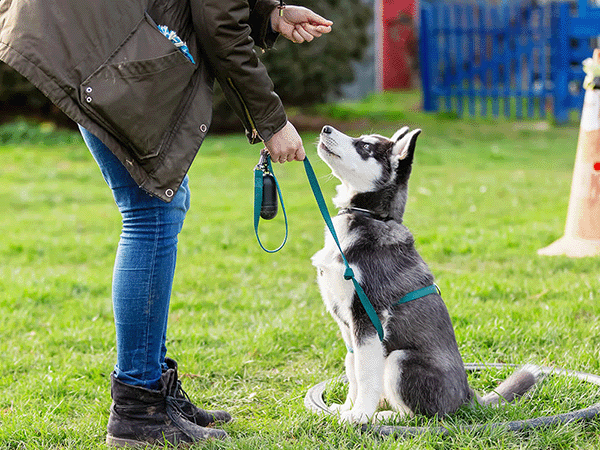
The Best Dog Trainers in the United States of 2026
This is a list of the top dog trainers in the United States, based on votes from the Sniffspot community and the general public.
The Best Dog Trainers in Seattle, WA of 2026
This is a list of the top dog trainers in Seattle, WA, based on votes from the Sniffspot community and the general public.
The Best Dog Trainers in Portland, OR of 2026
This is a list of the top dog trainers in Portland, OR, based on votes from the Sniffspot community and the general public.
The Best Dog Trainers in Los Angeles, CA of 2026
This is a list of the top dog trainers in Los Angeles, CA, based on votes from the Sniffspot community and the general public.
The Best Dog Trainers in New York, NY of 2026
This is a list of the top dog trainers in New York, NY, based on votes from the Sniffspot community and the general public.


City dog park guides
Best Dog Fields in the US: 25+ Wide-Open Spaces for Your Pup to Run Free
The best dog fields in the US offer something that traditional enclosed parks simply can't match: acres of open space where your pup can truly stretch their legs and run at full speed. From Colorado's 470-acre prairie meadows to Tennessee's...
Top 10 Indoor Dog Parks: A US Guide
Looking for a space to play with your dog no matter what the weather’s like outside? Look no further than our list of the best indoor dog parks in the United States! These climate-controlled spaces are growing in popularity as pet ownership...
Best Dog Parks in the US: Ultimate Guide to Public & Private Off-Leash Adventures
Is your pup giving you those pleading "let me run free" eyes? Whether you're a new dog parent or a seasoned pro looking for fresh adventures, finding the perfect off-leash paradise for your furry friend can feel ruff! From sun-soaked California...
Dog Parks Near Me: Las Vegas Edition
Looking for the perfect dog park near me in Las Vegas? You're in luck! This guide explores all the best options for your pup, from public dog parks to private dog parks near me on Sniffspot. We'll help you find the ideal spot for playtime,...Best Dog Parks in the US: Off-Leash Guide
Looking for the perfect dog park? Whether you need a wide-open public space or a private, fenced-in spot, this guide will help you find the best dog parks across the US. We'll cover top-rated public parks, the perks of private dog parks, and even...
Sniffspot: Portland's Best Private Dog Parks
Ready to discover Portland's best dog parks? Whether you're looking for a public park or the unique experience of a private Sniffspot, this guide has you covered. We'll help you find the perfect spot for your pup, with tips on what to bring, how...


Dog breeds
Best Dog Fields in the US: 25+ Wide-Open Spaces for Your Pup to Run Free
The best dog fields in the US offer something that traditional enclosed parks simply can't match: acres of open space where your pup can truly stretch their legs and run at full speed. From Colorado's 470-acre prairie meadows to Tennessee's...
German Shepherd Guide: Best Family Dog? Truth from 9K Owners
The German Shepherd Dog (GSDs) are known for their intelligence, loyalty, and striking appearance. They're also incredibly versatile, excelling as working dogs and devoted family companions. This guide covers everything you need to know about...
Labrador Retriever: Real Tips from Owners
Discover the Labrador Retriever, a breed celebrated for its playful nature, affectionate temperament, and trainability. Labradors are known for their friendly demeanor and adaptability, making them perfect family companions and versatile working...
Golden Retriever Advice: The Complete Owner's Guide
Golden Retrievers: they're gorgeous, playful, and incredibly popular. But before you welcome one into your home, you need the right golden retriever advice. This guide draws on the wisdom of nearly 10,000 Golden Retriever owners, offering...
Are American Staffordshire Terriers Good for First-Time Owners: Complete Guide
Think American Staffordshire Terriers are tough? Think again. While their muscular build might intimidate some, these dogs are known for their playful and loyal personalities. This guide draws on the experience of nearly 10,000 AmStaff owners to...
Australian Shepherd Facts: Breed Info & Care Guide
Discover the Australian Shepherd, an AKC breed celebrated for its trainable, playful, and affectionate nature. Despite its name, the Australian Shepherd is actually a native breed to the United States, originally developed to breed on farms and...


Top dog names in the US
Top 1,000 Most Popular Dog Names
Looking for the perfect dog name for your new pup? We have created filterable lists of dog names from our database of hundreds of thousands of Sniffspot users. You can filter by gender, breed and state to find the most cute, unique and creative dog names.
Most Popular Male Dog Names
Looking for the perfect dog name for your new male pup? We have created filterable lists of male dog names from our database of hundreds of thousands of Sniffspot users. You can filter by gender, breed and state to find the most cute, unique and creative male dog names.
Most Popular Female Dog Names
Looking for the perfect dog name for your new female pup? We have created filterable lists of female dog names from our database of hundreds of thousands of Sniffspot users. You can filter by gender, breed and state to find the most cute, unique and creative female dog names.
Most Popular Golden Retriever Names
Welcome to our comprehensive list of Golden Retriever dog names, curated from our vast database of Sniffspot users. Filter through hundreds of thousands of options by gender, breed, and state to discover the most adorable, original, and imaginative names for your beloved Golden Retriever.
Most Popular Labrador Retriever Names
Welcome to our Labrador Retriever dog names page! Here you can browse through filterable lists of names for your beloved furry friend, ranging from cute and classic to unique and creative options. Our database of hundreds of thousands of Sniffspot users ensures you'll find the perfect name for your Labrador Retriever, whether you're seeking a name for a male or female, based on breed or state.


Top dog rescues in the US

The Best Washington Dog Rescues & Shelters in 2026
This list showcases the top dog rescues & shelters in Washington. These remarkable organizations have been recognized for their unwavering dedication to the well-being of countless dogs.
The Best Oregon Dog Rescues & Shelters in 2026
This list showcases the top dog rescues & shelters in Oregon. These remarkable organizations have been recognized for their unwavering dedication to the well-being of countless dogs.
The Best California Dog Rescues & Shelters in 2026
This list showcases the top dog rescues & shelters in California. These remarkable organizations have been recognized for their unwavering dedication to the well-being of countless dogs.
The Best Florida Dog Rescues & Shelters in 2026
This list showcases the top dog rescues & shelters in Florida. These remarkable organizations have been recognized for their unwavering dedication to the well-being of countless dogs.
The Best New York Dog Rescues & Shelters in 2026
This list showcases the top dog rescues & shelters in New York. These remarkable organizations have been recognized for their unwavering dedication to the well-being of countless dogs.


