Top articlesSee all...

A Comprehensive Guide to Dog Exercise

How To Crate train An Older Dog - A Comprehensive Guide

How To Socialize A Dog - A Comprehensive Guide

Leash Training: A Guide to Training Your Dog to Walk on a Leash

Skijoring: A Guide to Skijoring with Dogs

The Best Dog Enrichment Toys

The Best United States Dog Parks

The Best Indoor Dog Parks in the United States

The Best Off-Leash Dog Parks in the United States
Top articles
A Comprehensive Guide to Dog Exercise
How To Crate train An Older Dog - A Comprehensive Guide
How To Socialize A Dog - A Comprehensive Guide
Leash Training: A Guide to Training Your Dog to Walk on a Leash
Skijoring: A Guide to Skijoring with Dogs
The Best Dog Enrichment Toys
The Best United States Dog Parks
The Best Indoor Dog Parks in the United States
The Best Off-Leash Dog Parks in the United States
See all...Puppy Training Basics: A New Puppy Obedience Training Guide

/fit-in/0x450/wp-content/uploads/2026/10/puppy-obedience-training.png)
Bringing home a new puppy is equal parts joy and chaos. This guide breaks down obedience training into simple steps: when to start, what to teach first, how to build a training schedule, and when to call in a professional.
Whether you’re one of the many dog owners raising a first puppy or a fifth, you’ll learn how to train your dog with a plan you can start today. Training for puppies works best when every puppy gets the same patient, positive start. 🐶
Jump ahead
- When Should You Start Training a New Puppy?
- What Are the Puppy Training Basics Every Dog Needs?
- Why Is Socialization So Important for Puppy Training?
- How Does Positive Reinforcement Help You Train Your Puppy?
- How Do You Build a Puppy Training Schedule That Works?
- How Do You Handle Potty Training and Crate Training?
- What Do You Do About Puppy Biting and Jumping?
- How Do You Teach Basic Dog Obedience: Sit, Come, and Leash Skills?
- Are Puppy Classes, Private Training, or a Training App the Best Choice?
- When Should You Call a Professional Dog Trainer or Join Dog Training Classes?
- Puppy Training FAQ
- What to Remember
- Conclusion
When Should You Start Training a New Puppy?
The short answer: the day you bring your puppy home. You can train your new puppy from the first minute, because they’re learning whether you’re teaching or not. If you don’t set the rules, your puppy will happily write its own (and they tend to involve your shoes).
Formal training classes can typically begin once your puppy has had its first round of vaccines, so puppies as young as eight weeks old can often start, with your vet’s approval. The American Kennel Club notes that puppy classes teach the foundations, like sit, down, and come, while giving puppies a safe way to meet new people and dogs. Check to make sure your vet approves the timing, since every puppy has a different health history and each individual puppy may be ready at a different pace.
Until then, you can start training at home with short, fun sessions. Say their name in a happy voice, hand over a treat, and repeat. You’re already building focus, and focus is the foundation of everything else.
👉 Want a head start? Book a Sniffspot recommended dog trainer to get started the right way.
What Are the Puppy Training Basics Every Dog Needs?
Every dog, from a Chihuahua to a Great Dane, benefits from the same basic skills. Think of these as your puppy training basics, the basic puppy skills that act as building blocks for every fancier trick later on. Good dog behavior starts here.
- Name recognition: They should look at you when they hear their name.
- Sit and down: The first cues most puppies learn, and the easiest way to teach impulse control.
- Come when called: The most important safety skill you will ever teach.
- Leash manners: Learning to walk without pulling makes every outing better.
- Potty training and crate training: The house-living essentials, which the AKC lists among the first behaviors to teach a puppy.
If you’re new to the topic, our guide on what dog training actually involves explains how these skills fit together and shares more training information. Master these basic obedience skills first, and the rest gets much easier. Keep it simple. A puppy who nails five behaviors is better off than one who half-knows twenty.
Why Is Socialization So Important for Puppy Training?
Socialization may be the most time-sensitive part of puppy training. According to the American Veterinary Society of Animal Behavior (AVSAB), the first three months of life are the primary window for puppies to get comfortable with new people, animals, sounds, and places. Missing that window can raise the risk of fear and avoidance problems later.
Good early exposure isn’t about tossing your puppy into the deep end. It’s about safe, positive exposure. The AKC suggests starting slowly and letting your puppy sniff at their own pace. Skip the dog park if they haven’t met other dogs yet. A calm, well-mannered friend dog is a much better first play date.
A group class is a great way to practice. A good puppy class puts your puppy around other puppies and people in a structured space, with an instructor who can step in when things get overwhelming. Just remember that it’s also about everyday life: car rides, hats, vacuum cleaners, and strangers carrying umbrellas. Keep every experience short, sweet, and followed by a treat. 🦴

How Does Positive Reinforcement Help You Train Your Puppy?
Positive reinforcement is the simplest idea in dog training: reward the behavior you like, and your puppy will do it more. Rewards help any dog learn what works. The AVSAB’s humane dog training position statement supports reward-based methods for both welfare and results. At Sniffspot, we only recommend force-free training techniques.
Here’s how it works in practice. Your puppy sits, you mark the moment with a happy “yes!”, and you deliver a treat and praise within a second or two. Timing is everything. Hand the treat over late and your dog may not connect it to the behavior. Praise and petting count as rewards too, and some dogs work just as hard for a treat or a toy, like a tug toy.
This reward-based approach also helps create a strong bond and builds trust. A puppy who learns that good things happen when they check in with you becomes an adult dog who wants to work with you. Use tiny, soft treats so training sessions don’t turn into a calorie fest, and count those treats as part of their daily food. 🐾
How Do You Build a Puppy Training Schedule That Works?
Expect your puppy to have the attention span of a squirrel at a bird feeder, so your training schedule should be short and frequent. Aim for a few training sessions a day, each lasting just five minutes or so. End on a win, every time, and you’re setting your dog up for success.
A simple daily training plan might look like this:
- Morning: One quick session on sit or name recognition, before breakfast when your dog is most motivated.
- Midday: A short potty break routine plus a few minutes of leash practice.
- Evening: A fun session on come when called, followed by play.
Consistency matters more than length. Every member of your family should use the same cues and the same rules, otherwise your dog gets mixed messages. Write your cues on the fridge if you need to. As your puppy grows, you can stretch sessions and add distractions, like practicing near a window or in a new room.
If juggling it all sounds like a lot, a personalized training plan from a professional can take the guesswork out. 📅 Find a Sniffspot recommended dog trainer near you.
How Do You Handle Potty Training and Crate Training?
Potty training and crate training go hand in paw. A crate gives your puppy a safe den for naps and quiet time, and because a dog’s instinct is to avoid soiling where they sleep, it makes housebreaking easier. Not every owner uses a crate, but the AKC notes that crate training can improve safety, travel, and potty training.
Introduce the crate slowly. Toss in treats, feed meals inside, and keep the door open at first. Never use the crate as punishment. For potty training, take your dog out after meals, naps, play, and first thing in the morning. Choose one spot, wait quietly, and reward with a treat and praise the second they finish.
Accidents will happen, and so will setbacks. If your once-perfect puppy suddenly starts having accidents again, don’t panic. Our guide on potty training regression explains why it happens and how to get back on track. Clean any mess with an enzyme cleaner, skip the scolding, and keep your schedule steady.

What Do You Do About Puppy Biting and Jumping?
Puppy biting is normal. Puppies explore with their mouths, and those needle-sharp teeth are not a sign of a “bad dog.” Your job is redirecting unwanted behavior toward appropriate behavior. When teeth touch skin, pause the game, then offer a chew toy or a tug toy instead. When they chew the right thing, praise and reward.
If your puppy jumps up to say hello, turn away and wait. The moment all four paws hit the floor, reward with a treat and calm attention. Jumping works because it gets attention, so take away the payoff and reward the alternative. Teaching your puppy to sit for greetings gives that energy somewhere better to go.
Tired puppies are better-behaved puppies. Mix in enrichment like puzzle feeders, sniff walks, and chew toys alongside physical exercise. Many cases of mouthy behavior get worse when a puppy is overtired, so a nap is sometimes the best training tool you have. 😴
How Do You Teach Basic Dog Obedience: Sit, Come, and Leash Skills?
Whatever you want your dog to learn, start with sit. Start by holding a treat in front of your puppy’s nose, then slowly lift it over their head. As their head tilts up, their bottom goes down. The instant it lands, say “yes!” and give the treat. If your puppy doesn’t sit right away, just repeat. Add the word “sit” once your puppy is doing it reliably. The AKC’s puppy classes use this same food lure approach to teach a sit, no pushing or pressure needed.
For come when called, make it the best game in town. Stay a short distance away, say their name in a happy voice, then “come,” and celebrate wildly when they arrive. Never call your puppy to you for something unpleasant. Use a long line for practice outdoors until the skill is rock solid.
Leash skills take patience. Let your puppy wear a harness and leash around the house first. When teaching your puppy to walk on a loose leash, reward every step beside you and stop moving when the leash tightens. Add stay in one spot later, starting with just a second or two. Short, easy wins build confidence, and confidence builds a well-behaved dog. 🐕
Are Puppy Classes, Private Training, or a Training App the Best Choice?
The best option depends on your puppy, your schedule, and your goals. Here are the most common types of training for puppies:
- Puppy classes and group class training: Great for socialization, distractions from other dogs, and learning alongside other puppies and owners. The AKC S.T.A.R. Puppy program, for example, is a six-week class built around positive reinforcement.
- Private training: One-on-one private lessons let a trainer work on specific challenges, like fearful behavior or leash reactivity, at your pace.
- A training app or training videos: Handy for reviewing steps between sessions, and a flexible add-on to classes.
Many dog owners combine them. A group class for socialization, plus private training for tricky spots, plus a training app for homework. Whichever route you choose, look for an instructor who uses reward-based methods and can show you the exact methods they use.
Training can also be a smart moment to think about your dog’s long-term health costs. Our pet insurance guide walks through your options, which are often cheapest when your puppy is young and healthy. 💡
When Should You Call a Professional Dog Trainer or Join Dog Training Classes?
You don’t have to wait for a problem. Many new owners book a trainer right away to make sure they start off strong. But a professional is especially helpful if you notice growling, hiding, lunging at other dogs, or intense fear of new people or noises. Early help with behavior and training is far easier than fixing habits in an adult dog.
Be careful when choosing. Training isn’t a regulated field, so ask about credentials, ask about methods, and ask to observe a class. Dog trainers who rely on treats, toys, and praise are doing it right. Those who rely on fear, pain, or intimidation are not, and the AVSAB’s humane training guidance explains why.
For reactive dogs, a private, quiet space can make all the difference. Sniffspot lets you book secure, fenced spaces where your dog can practice new skills without surprise dogs showing up. 🌳 Pair that with an instructor who knows their stuff, and you’ve got a recipe for success. Book a Sniffspot recommended dog trainer today.
Puppy Training FAQ
How long does it take to train a puppy?
Most puppies pick up basic obedience cues like sit within a few weeks of consistent practice. Reliable behavior around distractions takes months, so keep your training schedule going as your puppy grows.
How often should I train my puppy each day?
A few short training sessions of about five minutes each works better than one long session. Short and frequent keeps your dog eager.
Can I start puppy training before all vaccines are done?
Many puppies can start classes around eight weeks of age after their first vaccines, but your vet should guide timing. You can also begin training at home right away.
Should I use treats for puppy training?
Yes. Treat and praise are the foundation of reward-based training. Use tiny pieces, and slowly fade the treats as your puppy learns.
Is it too late to train an adult dog?
Not at all. An adult dog can learn new skills at any age. It may just take a little more patience to replace old habits.
What to Remember
- Start early. Training begins the day you get your puppy, with formal classes often starting around eight weeks of age once your vet approves.
- Prioritize socialization. The first three months are the key window. Keep experiences safe, short, and positive.
- Use positive reinforcement. Reward good behavior with a treat and praise, and skip fear-based methods.
- Keep sessions short. A few five-minute sessions a day beat one long, frustrating one.
- Stay consistent. Same cues, same rules, same schedule for everyone in the family.
- Redirect, don’t punish. Biting and jumping are normal. Teach them what to do instead.
- Mix your training options. Group classes, private training, and a training app can work together.
- Call a pro when you need one. A good professional saves time, stress, and a few couches. 🛋️
Conclusion
Puppy training doesn’t have to be perfect, it just has to be consistent. Start early, keep it positive, and celebrate the small wins, even the ones that happen at 3 a.m. outside in the rain. With the right plan and a little support, your new puppy will grow into a confident, well-behaved dog. 🐕🦺
Ready for expert help? Book a Sniffspot recommended dog trainer and give your puppy the best start.


/fit-in/0x128/wp-content/uploads/2026/10/puppy-obedience-training.png)
/fit-in/0x128/wp-content/uploads/2022/07/shutterstock_237584221-1.jpg)
/fit-in/0x128/wp-content/uploads/2020/08/shutterstock_421958377.jpg)
/fit-in/0x128/wp-content/uploads/2020/07/shutterstock_330043559-1.jpg)
Most recent articles
/fit-in/0x256/wp-content/uploads/2026/10/puppy-obedience-training.png)
/fit-in/0x256/wp-content/uploads/2022/07/shutterstock_237584221-1.jpg)
/fit-in/0x256/wp-content/uploads/2020/08/shutterstock_421958377.jpg)
/fit-in/0x128/wp-content/uploads/2025/03/Moving-with-your-pet-1.png)
/fit-in/0x256/wp-content/uploads/2025/03/Moving-with-your-pet-1.png)
/fit-in/0x128/wp-content/uploads/2024/11/Screen-Shot-2024-11-29-at-12.58.43-PM.png)
/fit-in/0x256/wp-content/uploads/2024/11/Screen-Shot-2024-11-29-at-12.58.43-PM.png)
/fit-in/0x128/wp-content/uploads/2025/03/Moving-with-your-pet-2.png)
/fit-in/0x256/wp-content/uploads/2025/03/Moving-with-your-pet-2.png)
Related articles
Top dog guides per area
Dog training guides

Best Dog Fields in the US: 25+ Wide-Open Spaces for Your Pup to Run Free
The best dog fields in the US offer something that traditional enclosed parks simply can't match: acres of open space where your pup can truly stretch their legs and run at full speed. From Colorado's 470-acre prairie meadows to Tennessee's award-winning "Outback," these wide-open spaces allow dogs to roam, explore, and exercise naturally while engaging instincts that cramped urban parks suppress.

Dog Food Aggression & Resource Guarding Guide
Does your dog ever growl when you walk by their food dish? Maybe they get possessive of treats, carrying them far away and giving you side-eye when you start to approach — or snarling at your other pets or children if they get too close.

The Ultimate Guide to Scent Training for Dogs
Your dog's nose is an amazing tool. Did you know they have 40 times the olfactory receptors than humans? Scent training for dogs taps into this superpower, turning everyday moments into exciting sniff-fests. It's enriching for all types of dogs – reactive, shy, or simply adventurous. Ready to explore the world of scent work for dogs? Let's get started.

How Much Does It Cost to Train a Service Dog?
More than 80 million Americans rely on their service dogs to help them navigate the world. Task-trained assistance animals perform a huge range of life-changing—in many cases, life-saving—services: These dogs act as eyes for visually impaired handlers, provide mobility support, alert to seizures and blood sugar crashes, interrupt anxiety attacks, remind their people to take medications, and so much more.

How to Deal With Puppy Potty Training Regression
You thought those dreaded middle-of-the-night potty breaks were over. You were finally free from cleaning up puppy puddles. Then, suddenly, your six-month-old who's been accident-free for weeks starts peeing on your rug again.

Dirty Dog Syndrome: Causes, Solutions, and Prevention
It's a cringe-worthy moment every dog owner dreads: your furry friend chowing down on something truly disgusting. If your dog has a penchant for poop, you're dealing with coprophagia. It's more common than you think, and thankfully, often manageable. This article explores the reasons behind dirty dog syndrome, from instinct to learned behavior. We'll also give you practical tips to help break this unpleasant habit.
/354x256/wp-content/uploads/2025/09/Screenshot-2025-09-21-at-6.39.54-PM.png)
/354x256/wp-content/uploads/2020/08/bernese-mountain-dog-208092_1280.jpg)
/354x256/wp-content/uploads/2022/04/shutterstock_543831754.jpg)
/354x256/wp-content/uploads/2022/08/shutterstock_494495788-1.jpg)
/354x256/wp-content/uploads/2022/07/shutterstock_237584221-1.jpg)
/354x256/wp-content/uploads/2022/10/shutterstock_705844504.jpg)
Dog enrichment guides
Best Dog Fields in the US: 25+ Wide-Open Spaces for Your Pup to Run Free
The best dog fields in the US offer something that traditional enclosed parks simply can't match: acres of open space where your pup can truly stretch their legs and run at full speed. From Colorado's 470-acre prairie meadows to Tennessee's award-winning "Outback," these wide-open spaces allow dogs to roam, explore, and exercise naturally while engaging instincts that cramped urban parks suppress.

Best Dog Water Parks in the US: 15+ Amazing Splash Destinations for Your Pup
Do you have a water-loving dog looking to burn some energy? There are countless dog parks to visit throughout our country — but some of them become far too hot in the midday sun to be safe for your pets to play. That’s why we’ve put together a list of some of the best dog water parks throughout the United States! At these locations, your pup can frolic, splash, and swim to their heart’s content.

Best Toys for Herding Dogs: Keeping Your Pup Happy & Engaged
Herding dogs are amazing, intelligent companions. But that also means they need more than just a simple game of fetch. Finding the right toys for herding dogs is key to keeping them happy and stimulated. This article explores some of the best toys for herding dogs, including options specifically for breeds like Border Collies and Australian Shepherds. We'll help you discover the perfect herding toys for dogs to tap into their natural instincts and keep them entertained for hours.

Tough Dog Toys for Aggressive Chewers: A Practical Guide
Does your dog destroy every toy you give them? Is your house littered with the remnants of plush toys? Are you tired of wasting money on "indestructible" dog toys for aggressive chewers that don't last? Then this post is for you. We'll cover everything you need to know about finding the best dog toys for aggressive chewers, so you can finally give your pup something safe, durable, and fun.

Dog Exercise Calculator: How Much Exercise Does Your Dog Need?
Every dog needs to move, but how much is actually enough? The answer depends on more than just breed. Age, health, and even your own lifestyle all play a role in figuring out the right daily exercise routine for your pup.

Complete Guide To Herding With Dogs
* All Sniffspot articles are reviewed by certified trainers for quality, please see bottom of article for details *
/354x256/wp-content/uploads/2023/04/dogwaterpark.png)
/354x256/wp-content/uploads/2022/05/shutterstock_174836186.jpg)
/354x256/wp-content/uploads/2023/02/shutterstock_1346929262.jpg)
/354x256/wp-content/uploads/2022/08/dogexercisecalculatorfeaturedimage.jpg)
/354x256/wp-content/uploads/2020/07/bb.jpg)
Dog reactivity guides
Best Dog Fields in the US: 25+ Wide-Open Spaces for Your Pup to Run Free
The best dog fields in the US offer something that traditional enclosed parks simply can't match: acres of open space where your pup can truly stretch their legs and run at full speed. From Colorado's 470-acre prairie meadows to Tennessee's award-winning "Outback," these wide-open spaces allow dogs to roam, explore, and exercise naturally while engaging instincts that cramped urban parks suppress.

Rottweiler Aggression: Signs, Causes & Training
Many dogs have gotten a bad reputation over the years for being "dangerous breeds." Rottweilers are among them. Like pit bulls and other large, blocky-headed types of dogs, these powerful and beautiful animals are often assumed to be aggressive.

The Reactive Dog Chart: How to Calm Your Dog's Triggers
If your dog lunges, barks, or loses their mind at the sight of another dog, a stranger, or a bicycle, you’re living with a reactive dog (and you’re far from alone). Dog reactivity is one of the most common behavioral challenges dog owners face, and it can make even a simple walk feel stressful and isolating.

How to Socialize a Reactive Dog: A Step-by-Step Guide
Does your dog display reactivity to other pets or people—barking, lunging, or growling when they see their triggers? Whether they're a rescue still settling in, missed critical socialization as a puppy, or had a negative experience that changed how they see the world, you're not alone. Reactivity is one of the most common dog behavior concerns, and with the right approach, you can help your dog feel calmer and more confident.

What Is a Reactive Dog? The Complete Guide for Understanding and Helping Your Pup
Does your dog transform into a barking, lunging tornado the second they spot another dog across the street? You're definitely not alone. According to our research of over 4,000 dog owners, 66% of dogs show some signs of reactivity.

9 Best Online Communities for Reactive Dog Parents
Does your dog's reactivity make walks stressful? You're not alone. Many dog owners face similar challenges. This guide offers practical advice and support for managing reactivity, including finding the best online dog training for reactive dogs. We'll connect you with reactive dog support groups, share training tips, and explore resources like the best dog training app for reactive dogs. Let's build a stronger bond with your dog, together.
* All Sniffspot articles are reviewed by certified trainers for quality, please see bottom of article for details *
/354x256/wp-content/uploads/2023/05/Screen-Shot-2024-05-23-at-9.33.57-PM.png)
/354x256/wp-content/uploads/2022/08/dogreactivitychartfeaturedimage.jpg)
/354x256/wp-content/uploads/2022/08/shutterstock_523383649.jpg)
/354x256/wp-content/uploads/2020/07/a.jpg)
/354x256/wp-content/uploads/2022/01/shutterstock_796422001.jpg)
Sniffspot community guides
Best Dog Fields in the US: 25+ Wide-Open Spaces for Your Pup to Run Free
The best dog fields in the US offer something that traditional enclosed parks simply can't match: acres of open space where your pup can truly stretch their legs and run at full speed. From Colorado's 470-acre prairie meadows to Tennessee's award-winning "Outback," these wide-open spaces allow dogs to roam, explore, and exercise naturally while engaging instincts that cramped urban parks suppress.

The State of Public Dog Parks Across the United States
From 2009 to 2020, there was a 40 percent increase in the development of public dog parks. Designated spots for canine exercise have become commonplace in every major city in North America — many pet owners won’t even consider renting an apartment that doesn’t have its own fenced-in pet area for their canine companions.

How This Family is Affording Their Dream Property Through Renting it Hourly to Dogs
Thousand Oaks, California has been a safe haven for Sniffspot host, Jen, since childhood. Having grown up in busy Santa Barbara, Jen, an introvert from an early age, would seek out solitude and serenity away from tourists attractions and droves of people visiting from elsewhere. “My grandparents own 60 acres about a 30 minute drive from here, and I grew up spending every summer and every holiday visiting them on the ranch,” Jen explained. “In Santa Barbara, we wouldn't go to the beach on the weekend because that's where everybody was, so you'd find places off the beaten path where the tourists weren't. For me, the ranch was just my happy place.”

Host Tips: Ellen K. What Makes Sniffspot Successful for Me
Ellen is the host of Country Pasture Getaway, one of Sniffspot's most popular sniff spots. She has taken the time to write up the lessons she has learned about how to be a great sniff spot host.

How this Oregon Farmer is Making a Business From Renting Her Land to Dogs
Just 20 minutes outside of the busy city of Portland, Oregon, and settled right on the banks of the Columbia River, you’ll find what countless visitors have flocked to the area in search of – mountain views, crisp, clean air, and running water for miles. What you might not expect to find, however, is a hidden oasis designed just for dogs and their people, owned and operated by a farming couple and enjoyed by visitors on two legs, and four.

Host Tips: Fran T. Providing Great Guest Service at our Spot
Fran is the host of Ranch Setting, one of Sniffspot's most popular spots. She has taken the time to write up the lessons she has learned about how to be a great Sniffspot host.
/354x256/wp-content/uploads/2022/07/Sniffspot_infographic_1-01.jpeg)
/354x256/wp-content/uploads/2021/05/Final-Edit-003-1.jpg)
/354x256/wp-content/uploads/2020/07/good-photo-3_orig.jpg)
/354x256/wp-content/uploads/2021/05/sniffspot-28-of-45-1.jpg)
/354x256/wp-content/uploads/2020/07/screen-shot-2019-09-19-at-2-01-47-pm_orig.png)
Top dog trainers in the US
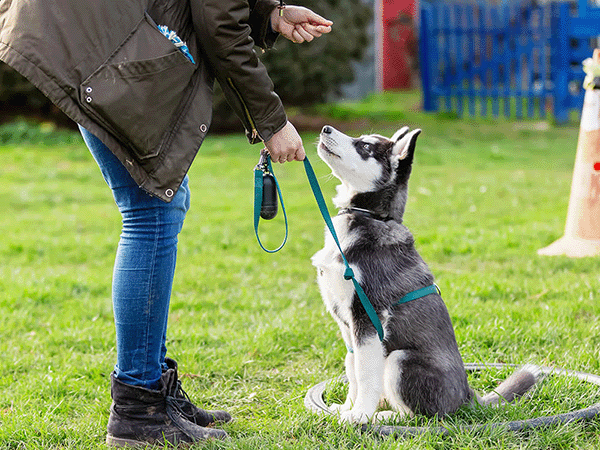
The Best Dog Trainers in the United States of 2026
This is a list of the top dog trainers in the United States, based on votes from the Sniffspot community and the general public.
The Best Dog Trainers in Seattle, WA of 2026
This is a list of the top dog trainers in Seattle, WA, based on votes from the Sniffspot community and the general public.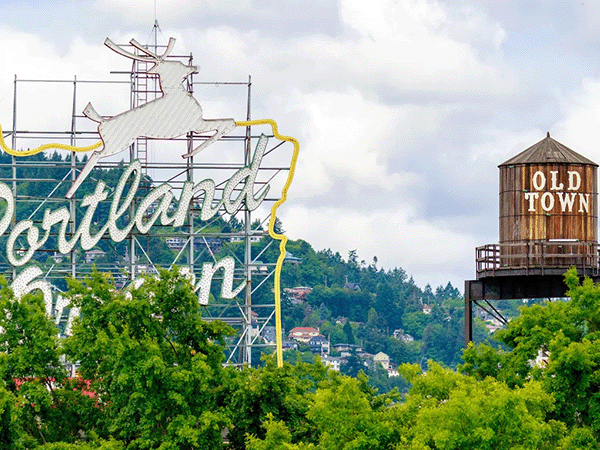
The Best Dog Trainers in Portland, OR of 2026
This is a list of the top dog trainers in Portland, OR, based on votes from the Sniffspot community and the general public.
The Best Dog Trainers in Los Angeles, CA of 2026
This is a list of the top dog trainers in Los Angeles, CA, based on votes from the Sniffspot community and the general public.
The Best Dog Trainers in New York, NY of 2026
This is a list of the top dog trainers in New York, NY, based on votes from the Sniffspot community and the general public.


City dog park guides
Best Dog Fields in the US: 25+ Wide-Open Spaces for Your Pup to Run Free
The best dog fields in the US offer something that traditional enclosed parks simply can't match: acres of open space where your pup can truly stretch their legs and run at full speed. From Colorado's 470-acre prairie meadows to Tennessee's award-winning "Outback," these wide-open spaces allow dogs to roam, explore, and exercise naturally while engaging instincts that cramped urban parks suppress.

Top 10 Indoor Dog Parks: A US Guide
Looking for a space to play with your dog no matter what the weather’s like outside? Look no further than our list of the best indoor dog parks in the United States! These climate-controlled spaces are growing in popularity as pet ownership increases throughout the country. As a bonus, many of them also offer dog training, boarding, grooming, or daycare services on the premises.

Best Dog Parks in the US: Ultimate Guide to Public & Private Off-Leash Adventures
Is your pup giving you those pleading "let me run free" eyes? Whether you're a new dog parent or a seasoned pro looking for fresh adventures, finding the perfect off-leash paradise for your furry friend can feel ruff! From sun-soaked California beaches where your water-loving lab can make a splash to mountain trails in Vermont where your adventure buddy can chase every scent, we've sniffed out the 15 best dog parks across America.

Dog Parks Near Me: Las Vegas Edition
Looking for the perfect dog park near me in Las Vegas? You're in luck! This guide explores all the best options for your pup, from public dog parks to private dog parks near me on Sniffspot. We'll help you find the ideal spot for playtime, socializing, and fresh air. Plus, we'll cover essential etiquette and safety tips to ensure a happy visit for everyone. Get ready for some tail-wagging fun!
Discover the Perfect Dog Park in Las Vegas
This page is about public city dog parks and also includes Sniffspot private dog parks. Sniffspot is the largest network of private dog parks for rent in the world!Best Dog Parks in the US: Off-Leash Guide
Looking for the perfect dog park? Whether you need a wide-open public space or a private, fenced-in spot, this guide will help you find the best dog parks across the US. We'll cover top-rated public parks, the perks of private dog parks, and even explore Sniffspot locations – giving your pup a safe and fun place to play. Ready to find your dog's new favorite spot? Let's go!

Sniffspot: Portland's Best Private Dog Parks
Ready to discover Portland's best dog parks? Whether you're looking for a public park or the unique experience of a private Sniffspot, this guide has you covered. We'll help you find the perfect spot for your pup, with tips on what to bring, how to prepare, and even understanding dog body language. Plus, we'll explore some top Portland dog parks, including public and Sniffspot options, so you can plan your next dog-friendly adventure in the City of Roses.
Portland Dog Parks: Public & Private Options
This page is about public city dog parks and also includes Sniffspot private dog parks. Sniffspot is the largest network of private dog parks for rent in the world!
/354x256/wp-content/uploads/2023/04/indoordogparks.png)
/354x256/wp-content/uploads/2023/03/offleashdogparks.png)
/354x256/wp-content/uploads/2023/02/vegas.jpg)
/354x256/wp-content/uploads/2023/02/portland.jpg)
Dog breeds
Best Dog Fields in the US: 25+ Wide-Open Spaces for Your Pup to Run Free
The best dog fields in the US offer something that traditional enclosed parks simply can't match: acres of open space where your pup can truly stretch their legs and run at full speed. From Colorado's 470-acre prairie meadows to Tennessee's award-winning "Outback," these wide-open spaces allow dogs to roam, explore, and exercise naturally while engaging instincts that cramped urban parks suppress.

German Shepherd Guide: Best Family Dog? Truth from 9K Owners
The German Shepherd Dog (GSDs) are known for their intelligence, loyalty, and striking appearance. They're also incredibly versatile, excelling as working dogs and devoted family companions. This guide covers everything you need to know about GSDs, from understanding their unique traits and rich history to practical advice on training and care. So, whether you're a seasoned GSD owner or just starting your research, let's explore this remarkable breed together.

Labrador Retriever: Real Tips from Owners
Discover the Labrador Retriever, a breed celebrated for its playful nature, affectionate temperament, and trainability. Labradors are known for their friendly demeanor and adaptability, making them perfect family companions and versatile working dogs. As one of the most popular types of retrievers, Labs are ideal companions for various lifestyles and are recognized by the American Kennel Club (AKC) as an excellent breed for families.

Golden Retriever Advice: The Complete Owner's Guide
Golden Retrievers: they're gorgeous, playful, and incredibly popular. But before you welcome one into your home, you need the right golden retriever advice. This guide draws on the wisdom of nearly 10,000 Golden Retriever owners, offering practical tips for caring for these affectionate dogs. From understanding their high energy levels to mastering grooming and training, we'll cover everything you need to know. So whether you're already a devoted Golden parent or just starting your research, get ready to learn how to give your furry friend the best possible care.

Are American Staffordshire Terriers Good for First-Time Owners: Complete Guide
Think American Staffordshire Terriers are tough? Think again. While their muscular build might intimidate some, these dogs are known for their playful and loyal personalities. This guide draws on the experience of nearly 10,000 AmStaff owners to reveal the truth about this often misunderstood breed. Want to learn more about caring for an American Staffordshire Terrier? You're in the right place.

Australian Shepherd Facts: Breed Info & Care Guide
Discover the Australian Shepherd, an AKC breed celebrated for its trainable, playful, and affectionate nature. Despite its name, the Australian Shepherd is actually a native breed to the United States, originally developed to breed on farms and ranches. Considered a medium dog, Australian Shepherds were bred for herding beginning in the 1950s. As one of the high-energy breeds, Aussies are known for their boundless energy and need for regular exercise, including aerobic exercise.
/354x256/wp-content/uploads/2024/07/German-Shepherd-Dog.png)
/354x256/wp-content/uploads/2024/07/Screen-Shot-2024-07-24-at-4.06.05-PM.png)
/354x256/wp-content/uploads/2024/07/Screen-Shot-2024-07-25-at-3.05.09-PM.png)
/354x256/wp-content/uploads/2024/07/staffy.jpg)
/354x256/wp-content/uploads/2024/07/Screen-Shot-2024-07-25-at-3.39.43-PM.png)
Top dog names in the US
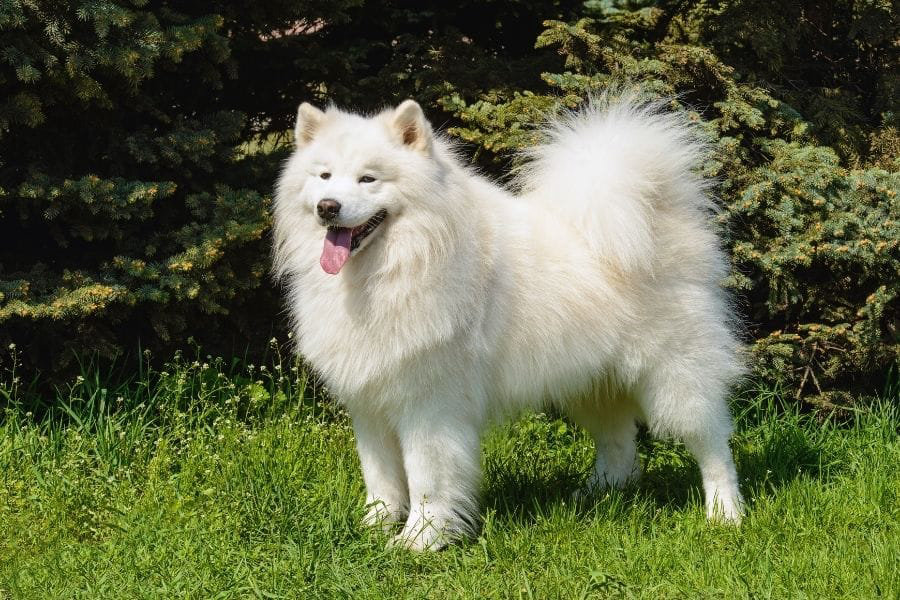
Top 1,000 Most Popular Dog Names
Looking for the perfect dog name for your new pup? We have created filterable lists of dog names from our database of hundreds of thousands of Sniffspot users. You can filter by gender, breed and state to find the most cute, unique and creative dog names.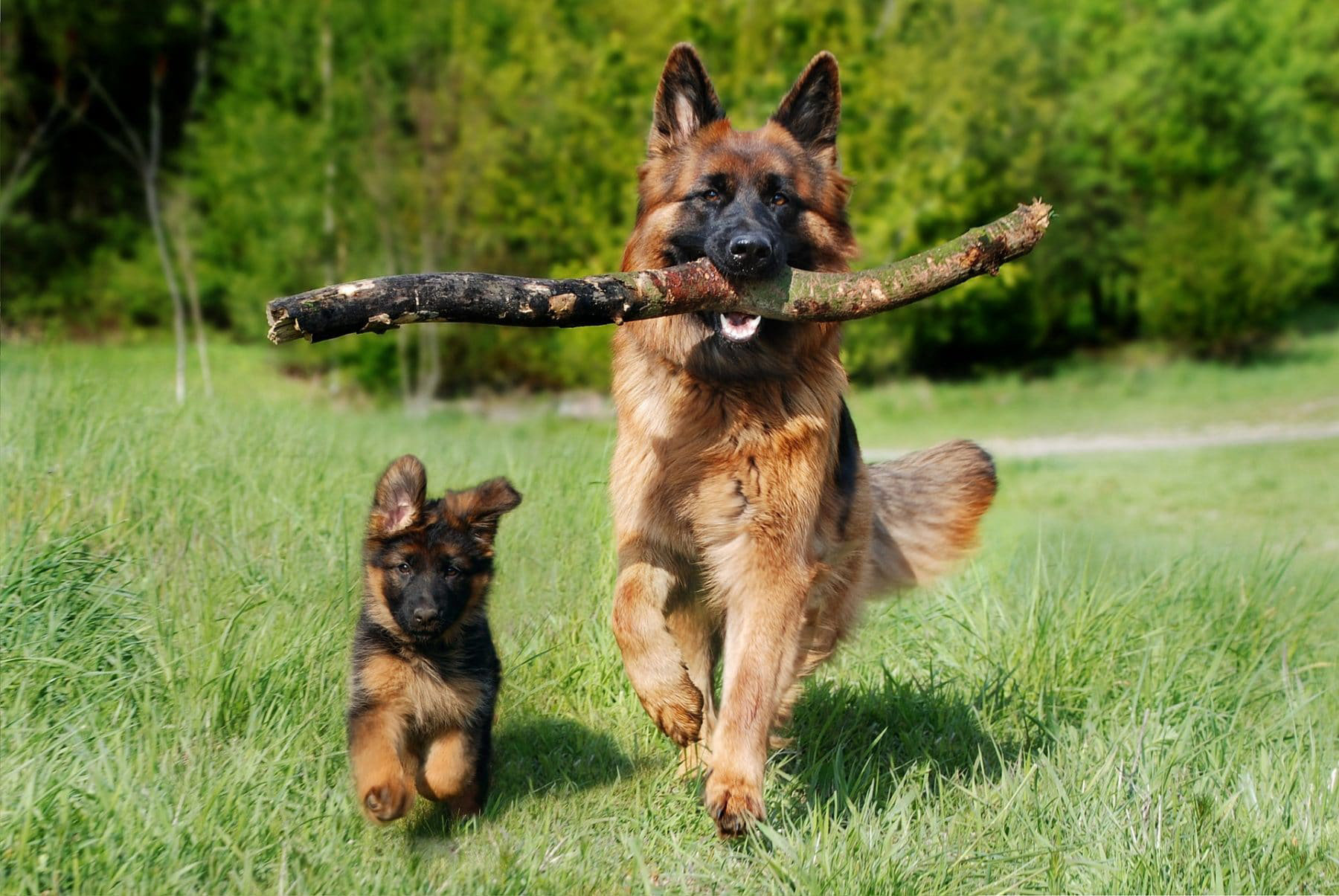
Most Popular Male Dog Names
Looking for the perfect dog name for your new male pup? We have created filterable lists of male dog names from our database of hundreds of thousands of Sniffspot users. You can filter by gender, breed and state to find the most cute, unique and creative male dog names.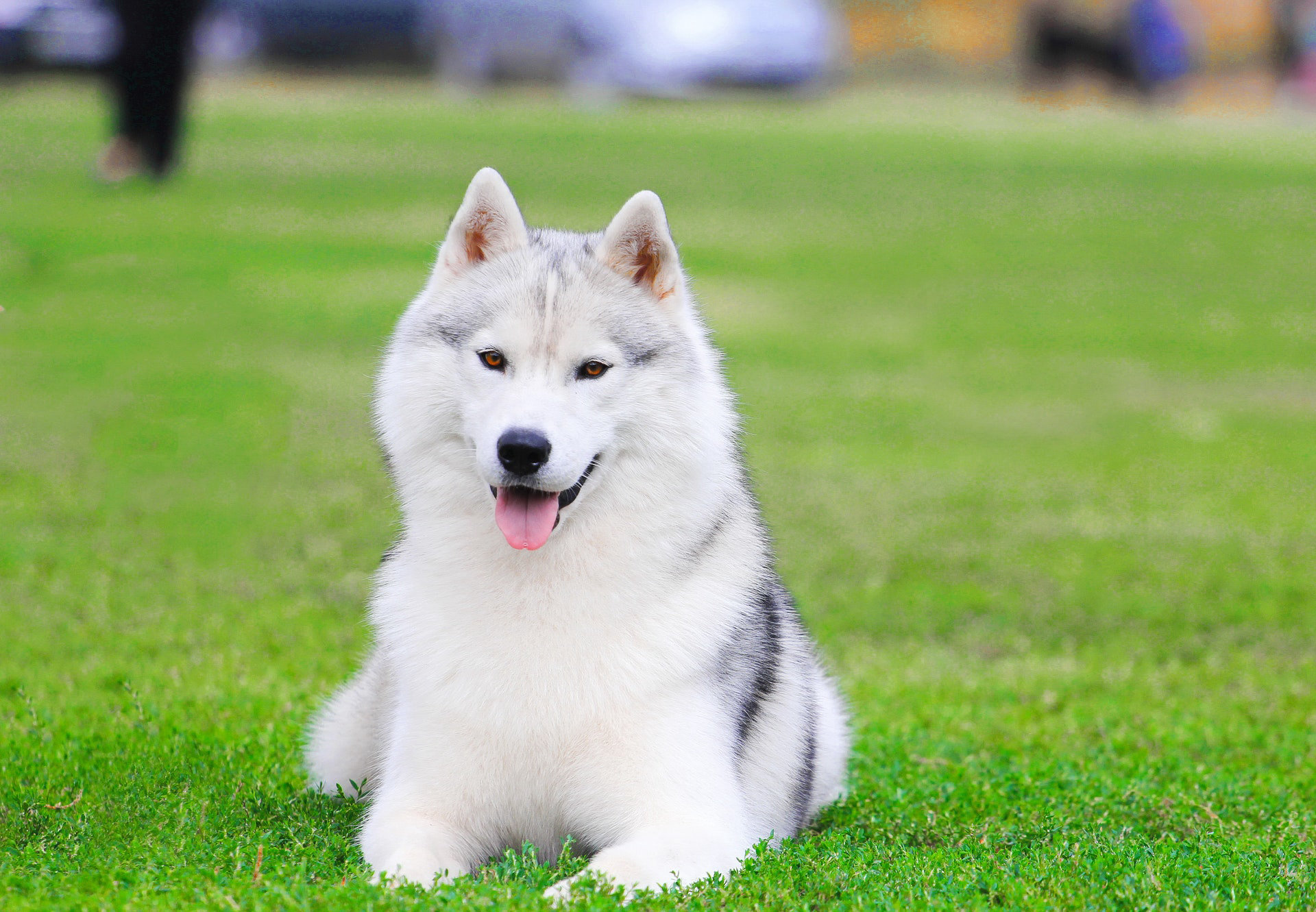
Most Popular Female Dog Names
Looking for the perfect dog name for your new female pup? We have created filterable lists of female dog names from our database of hundreds of thousands of Sniffspot users. You can filter by gender, breed and state to find the most cute, unique and creative female dog names.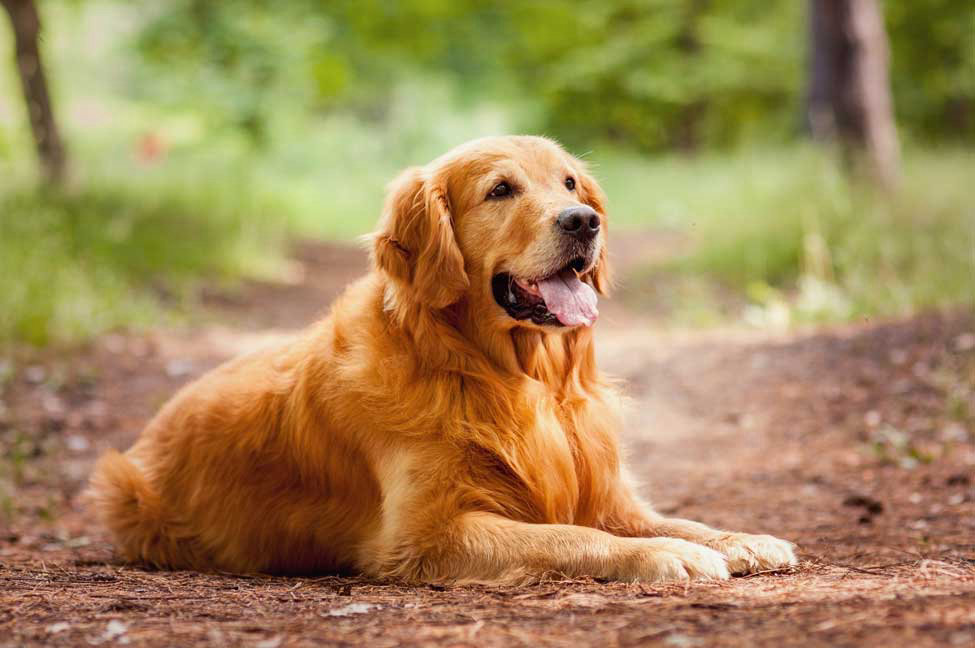
Most Popular Golden Retriever Names
Welcome to our comprehensive list of Golden Retriever dog names, curated from our vast database of Sniffspot users. Filter through hundreds of thousands of options by gender, breed, and state to discover the most adorable, original, and imaginative names for your beloved Golden Retriever.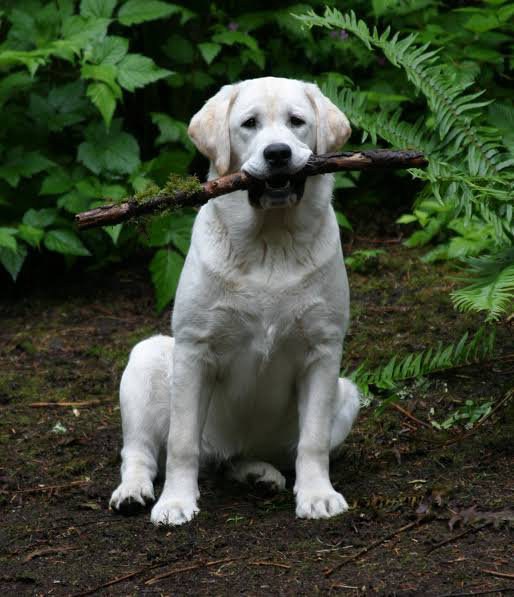
Most Popular Labrador Retriever Names
Welcome to our Labrador Retriever dog names page! Here you can browse through filterable lists of names for your beloved furry friend, ranging from cute and classic to unique and creative options. Our database of hundreds of thousands of Sniffspot users ensures you'll find the perfect name for your Labrador Retriever, whether you're seeking a name for a male or female, based on breed or state.


Top dog rescues in the US

The Best Washington Dog Rescues & Shelters in 2026
This list showcases the top dog rescues & shelters in Washington. These remarkable organizations have been recognized for their unwavering dedication to the well-being of countless dogs.
The Best Oregon Dog Rescues & Shelters in 2026
This list showcases the top dog rescues & shelters in Oregon. These remarkable organizations have been recognized for their unwavering dedication to the well-being of countless dogs.
The Best California Dog Rescues & Shelters in 2026
This list showcases the top dog rescues & shelters in California. These remarkable organizations have been recognized for their unwavering dedication to the well-being of countless dogs.
The Best Florida Dog Rescues & Shelters in 2026
This list showcases the top dog rescues & shelters in Florida. These remarkable organizations have been recognized for their unwavering dedication to the well-being of countless dogs.
The Best New York Dog Rescues & Shelters in 2026
This list showcases the top dog rescues & shelters in New York. These remarkable organizations have been recognized for their unwavering dedication to the well-being of countless dogs.
/354x256/Photos/SeoDogRescue/1282/178507e67e44-MC_logo_square.jpg)
/354x256/Photos/SeoDogRescue/931/cef8bbb17769-South_Coast_Humane_Society.png)
/354x256/Photos/SeoDogRescue/61/30aea3371b69-MainSquare_2.png)
/354x256/Photos/SeoDogRescue/298/1000035238.jpg)
/354x256/Photos/SeoDogRescue/814/91cfd62cd986-IMG_1035.jpeg)