Top articlesSee all...

A Comprehensive Guide to Dog Exercise

How To Crate train An Older Dog - A Comprehensive Guide

How To Socialize A Dog - A Comprehensive Guide

Leash Training: A Guide to Training Your Dog to Walk on a Leash

Skijoring: A Guide to Skijoring with Dogs

The Best Dog Enrichment Toys

The Best United States Dog Parks

The Best Indoor Dog Parks in the United States

The Best Off-Leash Dog Parks in the United States
Top articles
A Comprehensive Guide to Dog Exercise
How To Crate train An Older Dog - A Comprehensive Guide
How To Socialize A Dog - A Comprehensive Guide
Leash Training: A Guide to Training Your Dog to Walk on a Leash
Skijoring: A Guide to Skijoring with Dogs
The Best Dog Enrichment Toys
The Best United States Dog Parks
The Best Indoor Dog Parks in the United States
The Best Off-Leash Dog Parks in the United States
See all...The Best Cities for Reactive Dog Owners in America (2026)


If you have a reactive dog, you already know that where you live changes everything.
It's not just about having dog parks nearby. It's about whether your neighbors actually leash their dogs. It's about whether you can find a trainer who gets reactivity, not just basic obedience. It's about whether a simple walk around the block is manageable or a daily gauntlet.
We surveyed 4,062 reactive dog owners across the country to find out which cities are genuinely doing right by reactive dogs and their people. This isn't a general "most dog-friendly cities" list (we have one of those too, if you want it: check out our most dog-friendly cities in the USA ranking). This is specifically for reactive dog owners, scored on the things that actually matter to us.
Jump Ahead: Best US Cities for Reactive Dog Owners
Methodology: How We Ranked the Cities
This report is based on responses collected from 6,375 dog owners who participated in the Sniffspot Dog Friendliness Survey between 2024-2026. For this analysis, we filtered to the 4,062 respondents who identified as having at least one reactive dog.
Each city got scored on four things, all rated 0-10 by the reactive dog owners who live there:
- Off-leash compliance: how often owners encounter off-leash dogs in public (higher score = fewer off-leash encounters, which is what we want)
- Services access: availability of trainers, behaviorists, walkers, and groomers who understand reactive dogs
- Ease of walking: how manageable daily walks actually feel
- Dog-related laws: satisfaction with local ordinances and whether they're enforced
Each city's Reactive Dog Friendliness Score is the unweighted average of four satisfaction dimensions, each rated on a 0-10 scale by reactive dog owners in that metro area. The dimensions are: off-leash dog compliance, dog services access, ease of walking, and dog-related laws. All scores reflect the subjective satisfaction of reactive dog owners and do not represent objective measurements of law enforcement activity, park density, or trainer availability.

The Top 10 Best Cities for Reactive Dog Owners
Overall Rankings at a Glance:
- #1 Minneapolis-St. Paul, MN — 6.62/10 🥇
- #2 Austin, TX — 6.60/10 🥈
- #3 Raleigh, NC — 6.56/10 🥉
- #4 Washington, DC — 6.46/10
- #5 Portland, OR — 6.40/10
- #6 Tampa, FL — 6.29/10
- #7 Denver, CO — 6.28/10
- #8 Asheville, NC — 6.18/10
- #9 Sacramento, CA — 6.15/10
- #10 Columbus, OH — 6.14/10
City-by-City Breakdown
🥇 #1 Minneapolis-St. Paul, MN (6.62/10)
Score breakdown: Off-leash: 5.49 | Services: 7.11 | Walking: 7.37 | Laws: 6.52
Respondents: 103 reactive dog owners
Minneapolis takes the top spot, and honestly, it earns it. Our 103 respondents from the Twin Cities gave it some of the strongest leash law scores of any major northern metro, and their laws score (6.52) suggests local ordinances actually carry weight here. This is a city where most dog owners get it.
What stands out isn't any single category but, rather, the consistency. Minneapolis doesn't blow the doors off in any one area, but it's solid across all four. That kind of reliability matters a lot when you're planning a walk with a reactive dog. You want predictability. Minneapolis delivers it.
"Don't see that occurring very frequently." — Minneapolis owner, on off-leash encounters
"Plenty of areas exist to walk my dog without issues." — Minneapolis reactive dog owner
The cold winters do mean you need a plan for keeping reactive dogs exercised and enriched year-round. Private enclosed spaces become especially valuable when the sidewalks are icy and crowded parks feel like too much of a gamble.
🥈 #2 Austin, TX (6.60/10)
Score breakdown: Off-leash: 4.76 | Services: 8.29 | Walking: 7.65 | Laws: 5.71
Respondents: 34 reactive dog owners
Austin's services score (8.29/10) is the highest of any city in the entire study. If you have a reactive dog and you need a good trainer, Austin is genuinely one of the best places in the country to find one. The city has a deep bench of behaviorists, positive reinforcement trainers, and reactive-dog-specific programs.
The tradeoff is real though. Austin's off-leash compliance score is the lowest in the top five, and owners describe a city where leash laws in parks are treated as more of a suggestion. For reactive dog owners, that's a daily stressor that no amount of good trainers can fully offset.
"People seem to treat the entire city of Austin like it's an off-leash dog park and as someone with a reactive dog, I HATE IT." — Austin reactive dog owner
"I have a dog walker and mobile groomer both are great with lots of options." — Austin reactive dog owner
Austin lands at #2 because access to world-class training resources genuinely moves the needle for reactive dog management. But if you live here, you probably already know that public parks require a lot of strategy.
🥉 #3 Raleigh, NC (6.56/10)
Score breakdown: Off-leash: 5.70 | Services: 7.70 | Walking: 7.30 | Laws: 5.53
Respondents: 30 reactive dog owners
Here's the surprise of the top three. Raleigh has the highest off-leash compliance score of any city in our entire study. Reactive dog owners here encounter fewer off-leash dogs in public than almost anywhere else we surveyed. That single fact is huge if you own a reactive dog.
Pair that with strong services access (7.70) and solid walkability (7.30), and you've got a city that's quietly excellent for reactive dog owners. Raleigh almost never shows up on dog-friendly city rankings, which makes this finding all the more interesting.
"Owners are generally responsible with their dogs on leash, and it's very rare to see off-leash dogs." — Raleigh reactive dog owner
"There are an abundance of pet services in the area." — Raleigh reactive dog owner
If you're considering a move and reactive dog management is a priority, Raleigh is worth a serious look.
#4 Washington, DC (6.46/10)
Score breakdown: Off-leash: 5.08 | Services: 7.29 | Walking: 7.25 | Laws: 6.21
Respondents: 125 reactive dog owners
DC's second-largest sample in our study (125 respondents) gives us a lot of confidence in this result. The city scores well across the board; owners describe abundant sidewalks, accessible green corridors, and a strong professional dog services scene.
The leash law picture is mixed. Most owners follow the rules, but the owners who don't tend to do so loudly and in high-traffic areas. For reactive dog owners, one person letting their "friendly" Lab approach your dog off-leash in Rock Creek Park can undo a week of careful training.
"We have so many great options for trainers and dog services." — DC reactive dog owner
"Most people follow leash laws, but the people who don't have no awareness of why those rules exist for dogs like mine." — DC reactive dog owner
DC is genuinely a top-five city for reactive dog ownership. The infrastructure is there. The challenge is the culture in specific parks and green spaces.
#5 Portland, OR (6.40/10)
Score breakdown: Off-leash: 4.70 | Services: 7.53 | Walking: 7.63 | Laws: 5.76
Respondents: 182 reactive dog owners
Portland has our largest sample in the study (182 reactive dog owners) so this result is especially reliable. The city scores strongly for walkability (7.63) and services (7.53), and owners consistently describe a city where dogs are part of the culture in a meaningful way.
Off-leash compliance is the weak spot, though it's better than you might expect for a city with such an outdoor-forward culture. Owners describe most public spaces as manageable, with problems concentrated in specific parks and trails.
"Dogs are normally on leash so unwanted encounters rarely happen here." — Portland owner
"A ton of services and they're always so accommodating in Portland!" — Portland reactive dog owner
Portland is one of the better cities for finding a reactive-dog-literate trainer, and the city's network of quieter neighborhood streets gives owners real options for low-stress walking routes.
#6 Tampa, FL (6.29/10)
Score breakdown: Off-leash: 4.79 | Services: 7.40 | Walking: 6.88 | Laws: 6.10
Respondents: 42 reactive dog owners
Tampa is the genuine surprise of the top 10. Florida cities almost never make lists like this, but Tampa's reactive dog owners rate the city's laws (6.10) and services (7.40) notably well. The year-round warm weather is an underrated advantage. Reactive dogs do better with consistent daily enrichment, and Tampa owners can deliver that 365 days a year.
Loose dogs in certain neighborhoods remain a real issue, and a few owners flagged specific areas where off-leash encounters are frequent. But the overall picture is stronger than most people would expect from a Florida metro.
"Most people here have dogs and are out walking. It's a very dog-aware community." — Tampa reactive dog owner
#7 Denver, CO (6.28/10)
Score breakdown: Off-leash: 4.15 | Services: 7.71 | Walking: 7.72 | Laws: 5.54
Respondents: 87 reactive dog owners
Denver's walkability score (7.72) is the highest in the entire study, a reflection of the city's trail networks, green corridors, and outdoor culture. Services are also excellent (7.71). If you need a good trainer or behaviorist, Denver has them.
But Denver's off-leash score is the lowest in the top 10, and this is the city where that number tells the most important story. Denver's outdoor culture genuinely struggles with leash compliance on trails. Off-leash dogs appearing around a corner mid-hike is a regular occurrence, and for reactive dog owners, that unpredictability is exhausting.
"People are usually very respectful here in the city. The trails are trickier." — Denver reactive dog owner
"SOOO many service options." — Denver reactive dog owner
Denver is a city of trade-offs for reactive dog owners. Incredible access to space and training resources, but trail walks require a lot of management and preparation.
#8 Asheville, NC (6.18/10)
Score breakdown: Off-leash: 4.56 | Services: 7.85 | Walking: 6.50 | Laws: 5.79
Respondents: 34 reactive dog owners
Asheville is small (only 34 qualifying respondents) but its services score of 7.85 is the second-highest in the entire study and frankly shocking for a city this size. Asheville has a disproportionate number of excellent, specialized dog trainers and behaviorists relative to its population.
Walkability is lower (6.50), partly because Asheville's mountainous terrain and limited sidewalk infrastructure make urban walking genuinely trickier. Off-leash encounters on trails are common. But for owners who want access to elite training support, Asheville over-delivers.
"So many trainers out there either online or in-person." — Asheville reactive dog owner
"Most people have their animals leashed here in town which is a relief." — Asheville reactive dog owner
#9 Sacramento, CA (6.15/10)
Score breakdown: Off-leash: 5.35 | Services: 6.51 | Walking: 6.96 | Laws: 5.78
Respondents: 51 reactive dog owners
Sacramento surprises here too. It has the second-highest off-leash compliance score in our top 10, which tells you something meaningful about the culture. In a state where off-leash incidents are common conversation in reactive dog communities, Sacramento's owners describe a noticeably more compliant environment than Los Angeles or San Francisco.
Services are adequate but not exceptional (6.51), and a few owners noted that finding a specialist in reactivity specifically can take some searching. The suburban layout gives owners good access to lower-traffic walking routes, which matters a lot in day-to-day management.
"Off-leash dogs here tend to be pretty well trained. When we do encounter them, they usually have amazing recall." — Sacramento reactive dog owner
#10 Columbus, OH (6.14/10)
Score breakdown: Off-leash: 4.60 | Services: 7.45 | Walking: 7.21 | Laws: 5.29
Respondents: 42 reactive dog owners
Columbus rounds out the top 10 with a quietly solid scorecard. Owners describe a city with genuine local enforcement and strong services access (7.45). It's a Midwest city that consistently flies under the radar on dog-friendly rankings, and for reactive dog owners specifically, that's an oversight worth correcting.
"Great training and boarding spots. There's are lots of pet services." — Columbus reactive dog owner
"Local enforcement makes a real difference." — Columbus reactive dog owner

What the Data Actually Tells Us
A few things jumped out when we looked across all 32 cities:
Leash law culture matters more than park access.
The cities that scored highest aren't necessarily the ones with the most dog parks or the most green space. They're the ones where other dog owners have genuinely internalized that leash laws exist for a reason. That culture shift is slow, but it's the single biggest quality-of-life variable for reactive dog owners.
Good trainers change everything.
The top cities for services scores (Austin, Asheville, and Denver) have deep benches of reactive-dog-literate professionals. If you're working on behavior modification, having access to someone who really understands reactivity (not just obedience) dramatically changes your trajectory. If you're just getting started, our beginner's guide to training a reactive dog is a good place to start.
Even the best cities have gaps.
No city in our study scored above 8 on any category consistently. Every city in the top 10 has parks or neighborhoods where off-leash encounters are common. This is why so many reactive dog owners (regardless of city) rely on private enclosed spaces for safe exercise and decompression. When public spaces aren't predictable, having somewhere controlled and guaranteed becomes essential.
What Reactive Dog Owners Actually Want
The open-ended survey responses were clear. Across thousands of comments, the same requests came up over and over:
- Consistent enforcement of leash laws in parks and on trails
- Public education that "friendly" off-leash dogs can genuinely harm a reactive dog's progress
- Quieter hours or low-stimulus windows at high-traffic dog areas
- More private, enclosed spaces where reactive dogs can exercise without unexpected encounters
The last one especially resonates. Public dog parks are often the worst possible environment for reactive dogs: too chaotic, too unpredictable, too much pressure. Private yards and enclosed spaces that can be booked exclusively (so no other dogs show up) have become one of the most practical tools in a reactive dog owner's toolkit. That's actually part of why Sniffspot exists.
👉 Find a private, fully enclosed space for your reactive dog near you
Frequently Asked Questions: Cities for Reactive Dogs
What is the best city for reactive dog owners in the US?
Based on our 2026 survey of 4,062 reactive dog owners, Minneapolis-St. Paul, MN ranks #1 with a composite score of 6.62/10. It leads in leash law compliance and consistency across all four categories. Austin, TX and Raleigh, NC round out the top three.
What makes a city good for reactive dogs?
The three biggest factors from our research are: how well leash laws are followed in public spaces, the availability of qualified reactive-dog trainers and behaviorists, and walkability. Cities where the culture around leash compliance is strong tend to score higher regardless of park quantity or green space.
Are reactive dogs dangerous?
Reactive dogs are not inherently dangerous. Reactivity is a behavioral response, and it's often rooted in fear, anxiety, or over-arousal. This causes dogs to bark, lunge, or fixate when they encounter triggers. With consistent training and smart environmental management, most reactive dogs live happy, full lives. The challenge is that public spaces often lack the control and predictability reactive dogs need to succeed.
How do I safely exercise a reactive dog in the city?
Walk during off-peak hours, choose lower-traffic routes, use distance management techniques, and be strategic about which parks and paths you use. Many reactive dog owners supplement public walks with private enclosed yard rentals through platforms like Sniffspot which ensures dedicated off-leash time in a guaranteed, controlled environment.
What is the worst city for reactive dog owners?
In our study, Nashville, TN ranked last (32nd of 32) with a composite score of 5.37/10. Reactive dog owners in Nashville gave the city low marks across all four categories, particularly for leash compliance and walking ease.
Can I rent a private dog park for my reactive dog?
Yes! Sniffspot is a marketplace of private, fully fenced yards and dog parks available to rent by the hour across the US. Each booking is exclusive with no other dogs, no other people. This privacy makes it one of the most popular tools for reactive dog owners who need safe, controlled exercise space. Browse listings here.
Do reactive dogs get better with training?
Yes, reactivity is highly manageable with consistent behavior modification. Desensitization, counter-conditioning, and positive reinforcement have strong success rates when applied consistently in the right environment. The environment matters as much as the technique. Reactive dogs make faster progress when owners can control trigger distance and intensity. See our beginner's guide to training a reactive dog for where to start.
How common are reactive dogs?
More common than most people realize. Of the 6,375 dog owners Sniffspot surveyed in 2026, 4,062 (nearly 64%) identified as having a reactive dog. Various trainer surveys put the general rate somewhere between 15-20% of the pet dog population.
The Bottom Line: Your City Shapes Your Reactive Dog's Life
No matter where you live, the pattern from our data is clear. Reactive dog owners thrive when their city makes the basics easy: leash laws that actually get followed, trainers who understand behavioral science, and walking routes where you can catch your breath. Those things matter far more than dog park counts or pet-friendly patio lists.
Every city on this list has gaps. But they're also proof that the right environment makes a real difference. And you don't have to move to give your reactive dog a better quality of life. Sometimes it's about finding the right neighborhood, the right trainer, or a private space where your dog can run and actually decompress.
That's part of why Sniffspot exists. A private yard isn't a replacement for working on reactivity -- but it's one of the best tools you have while you do that work. Your dog gets to run. You get to breathe. And you both get to practice what "calm" actually feels like before heading back out into the world. Find a private space near you.


Most recent articles


Related articles
Top dog guides per area
Dog training guides

Dog Food Aggression & Resource Guarding Guide
Does your dog ever growl when you walk by their food dish? Maybe they get possessive of treats, carrying them far away and giving you side-eye when you start...
The Ultimate Guide to Scent Training for Dogs
Your dog's nose is an amazing tool. Did you know they have 40 times the olfactory receptors than humans? Scent training for dogs taps into this superpower,...
How Much Does It Cost to Train a Service Dog?
More than 80 million Americans rely on their service dogs to help them navigate the world. Task-trained assistance animals perform a huge range of...
How to Deal With Puppy Potty Training Regression
You thought those dreaded middle-of-the-night potty breaks were over. You were finally free from cleaning up puppy puddles. Then, suddenly, your...
Dirty Dog Syndrome: Causes, Solutions, and Prevention
It's a cringe-worthy moment every dog owner dreads: your furry friend chowing down on something truly disgusting. If your dog has a penchant for poop, you're...
How to Train Your Rescue Dog: A Complete Guide
The shelter ride home goes one of two ways. Your new dog either plasters themselves against the car window, tongue out and tail going like a helicopter, or...


Dog enrichment guides

Best Dog Water Parks in the US: 15+ Amazing Splash Destinations for Your Pup
Do you have a water-loving dog looking to burn some energy? There are countless dog parks to visit throughout our country — but some of them become far too...
Best Toys for Herding Dogs: Keeping Your Pup Happy & Engaged
Herding dogs are amazing, intelligent companions. But that also means they need more than just a simple game of fetch. Finding the right toys for herding...
Tough Dog Toys for Aggressive Chewers: A Practical Guide
Does your dog destroy every toy you give them? Is your house littered with the remnants of plush toys? Are you tired of wasting money on "indestructible" dog...
Dog Exercise Calculator: How Much Exercise Does Your Dog Need?
Every dog needs to move, but how much is actually enough? The answer depends on more than just breed. Age, health, and even your own lifestyle all play a...
Complete Guide To Herding With Dogs
* All Sniffspot articles are reviewed by certified trainers for quality, please see bottom of article for details *
Dog Enrichment Activities: The Ultimate Guide
Ever feel like your dog is restless or bored? They may be getting enough exercise, but still need more. That's where enrichment activities for dogs come in....


Dog reactivity guides

Rottweiler Aggression: Signs, Causes & Training
Many dogs have gotten a bad reputation over the years for being "dangerous breeds." Rottweilers are among them. Like pit bulls and other large, blocky-headed...
The Reactive Dog Chart: How to Calm Your Dog's Triggers
If your dog lunges, barks, or loses their mind at the sight of another dog, a stranger, or a bicycle, you’re living with a reactive dog (and you’re far from...
How to Socialize a Reactive Dog: A Step-by-Step Guide
Does your dog display reactivity to other pets or people—barking, lunging, or growling when they see their triggers? Whether they're a rescue still settling...
What Is a Reactive Dog? The Complete Guide for Understanding and Helping Your Pup
Does your dog transform into a barking, lunging tornado the second they spot another dog across the street? You're definitely not alone. According to our...
9 Best Online Communities for Reactive Dog Parents
Does your dog's reactivity make walks stressful? You're not alone. Many dog owners face similar challenges. This guide offers practical advice and support...
How To Groom a Reactive Dog
* All Sniffspot articles are reviewed by certified trainers for quality, please see bottom of article for details *


Sniffspot community guides

The State of Public Dog Parks Across the United States
From 2009 to 2020, there was a 40 percent increase in the development of public dog parks. Designated spots for canine exercise have become commonplace in...
How This Family is Affording Their Dream Property Through Renting it Hourly to Dogs
Thousand Oaks, California has been a safe haven for Sniffspot host, Jen, since childhood. Having grown up in busy Santa Barbara, Jen, an introvert from an...
Host Tips: Ellen K. What Makes Sniffspot Successful for Me
Ellen is the host of Country Pasture Getaway, one of Sniffspot's most popular sniff spots. She has taken the time to write up the lessons she has learned...
How this Oregon Farmer is Making a Business From Renting Her Land to Dogs
Just 20 minutes outside of the busy city of Portland, Oregon, and settled right on the banks of the Columbia River, you’ll find what countless visitors have...
Host Tips: Fran T. Providing Great Guest Service at our Spot
Fran is the host of Ranch Setting, one of Sniffspot's most popular spots. She has taken the time to write up the lessons she has learned about how to be a...
How Sniffspot Helped a Nervous Rescue Work Through His Fears and Change His Family’s Life
This is the story of a family and dog rescuing each other.


Top dog trainers in the US
The Best Dog Trainers in the United States of 2026
This is a list of the top dog trainers in the United States, based on votes from the Sniffspot community and the general public.
The Best Dog Trainers in Seattle, WA of 2026
This is a list of the top dog trainers in Seattle, WA, based on votes from the Sniffspot community and the general public.
The Best Dog Trainers in Portland, OR of 2026
This is a list of the top dog trainers in Portland, OR, based on votes from the Sniffspot community and the general public.
The Best Dog Trainers in Los Angeles, CA of 2026
This is a list of the top dog trainers in Los Angeles, CA, based on votes from the Sniffspot community and the general public.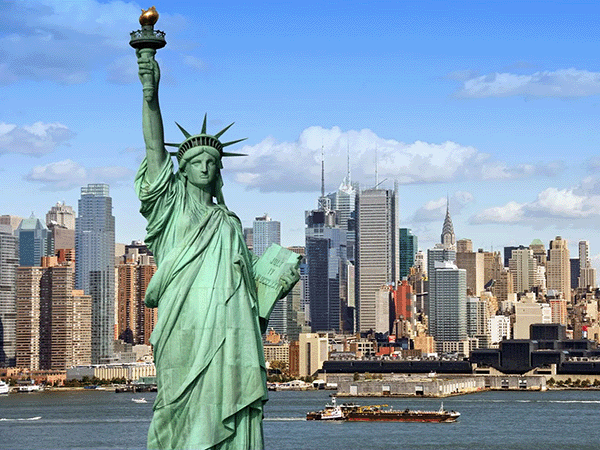
The Best Dog Trainers in New York, NY of 2026
This is a list of the top dog trainers in New York, NY, based on votes from the Sniffspot community and the general public.


City dog park guides

Best Dog Fields in the US: 25+ Wide-Open Spaces for Your Pup to Run Free
The best dog fields in the US offer something that traditional enclosed parks simply can't match: acres of open space where your pup can truly stretch their...
Top 10 Indoor Dog Parks: A US Guide
Looking for a space to play with your dog no matter what the weather’s like outside? Look no further than our list of the best indoor dog parks in the United...
Best Dog Parks in the US: Ultimate Guide to Public & Private Off-Leash Adventures
Is your pup giving you those pleading "let me run free" eyes? Whether you're a new dog parent or a seasoned pro looking for fresh adventures, finding the...
Dog Parks Near Me: Las Vegas Edition
Looking for the perfect dog park near me in Las Vegas? You're in luck! This guide explores all the best options for your pup, from public dog parks to...Best Dog Parks in the US: Off-Leash Guide
Looking for the perfect dog park? Whether you need a wide-open public space or a private, fenced-in spot, this guide will help you find the best dog parks...
Sniffspot: Portland's Best Private Dog Parks
Ready to discover Portland's best dog parks? Whether you're looking for a public park or the unique experience of a private Sniffspot, this guide has you...


Dog breeds

German Shepherd Guide: Best Family Dog? Truth from 9K Owners
The German Shepherd Dog (GSDs) are known for their intelligence, loyalty, and striking appearance. They're also incredibly versatile, excelling as working...
Labrador Retriever: Real Tips from Owners
Discover the Labrador Retriever, a breed celebrated for its playful nature, affectionate temperament, and trainability. Labradors are known for their...
Golden Retriever Advice: The Complete Owner's Guide
Golden Retrievers: they're gorgeous, playful, and incredibly popular. But before you welcome one into your home, you need the right golden retriever advice....
Are American Staffordshire Terriers Good for First-Time Owners: Complete Guide
Think American Staffordshire Terriers are tough? Think again. While their muscular build might intimidate some, these dogs are known for their playful and...
Australian Shepherd Facts: Breed Info & Care Guide
Discover the Australian Shepherd, an AKC breed celebrated for its trainable, playful, and affectionate nature. Despite its name, the Australian Shepherd is...
Essential Husky Facts for Owners: Breed Guide
Discover the Siberian Husky, a breed celebrated for its curious, intelligent, and loyal nature. Considered a medium-sized dog, Siberian Huskies were...


Top dog names in the US
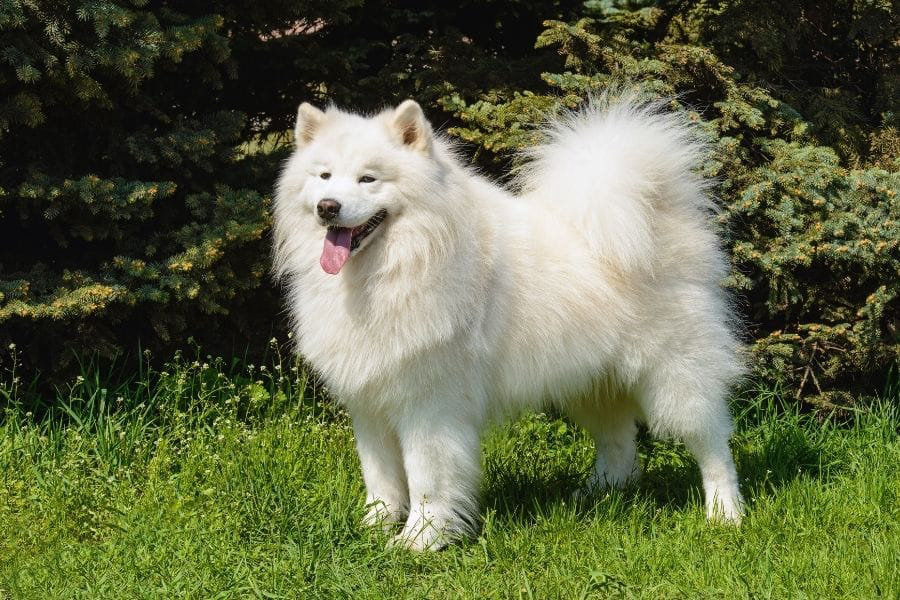
Top 1,000 Most Popular Dog Names
Looking for the perfect dog name for your new pup? We have created filterable lists of dog names from our database of hundreds of thousands of Sniffspot users.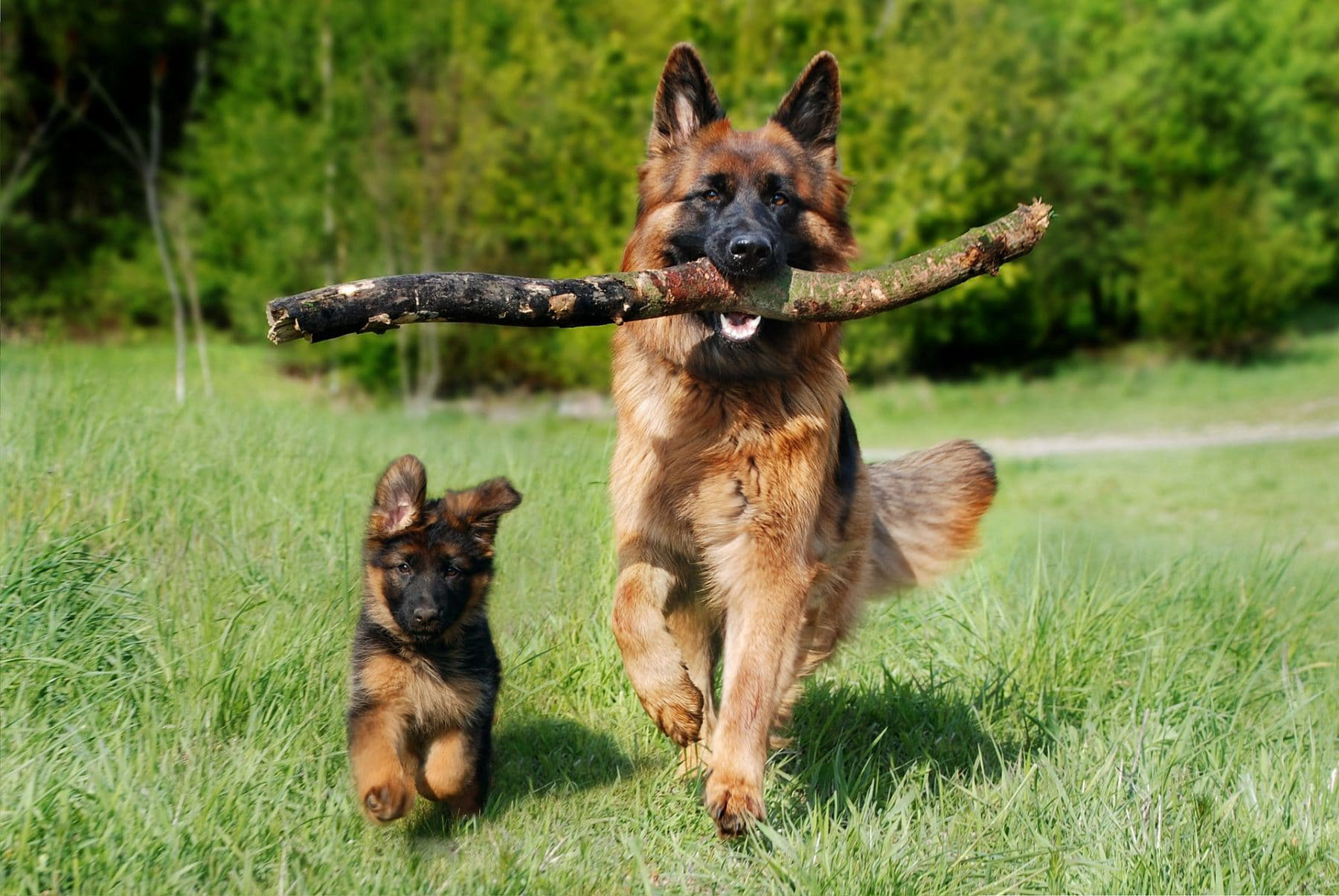
Most Popular Male Dog Names
Looking for the perfect dog name for your new male pup? We have created filterable lists of male dog names from our database of hundreds of thousands of...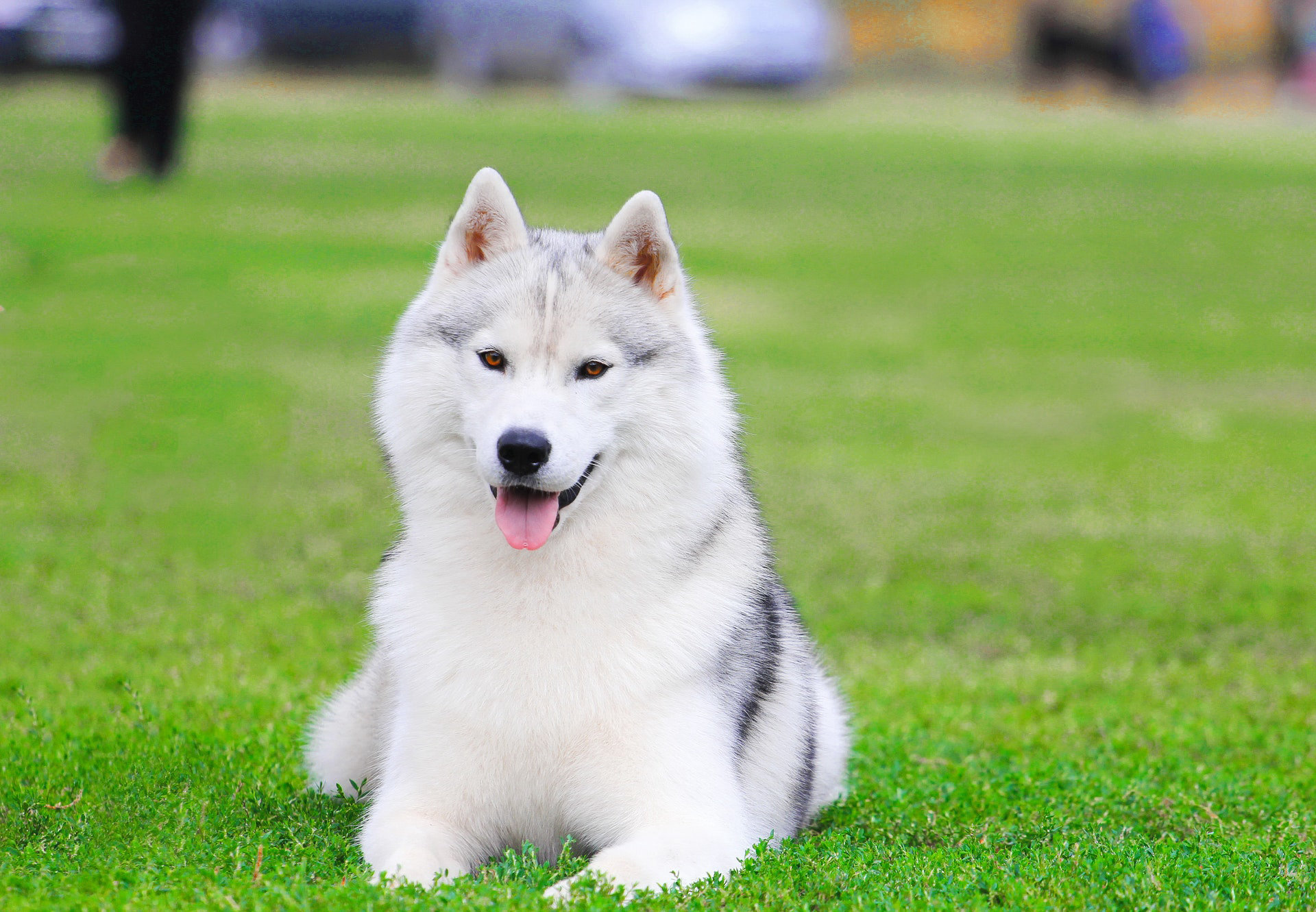
Most Popular Female Dog Names
Looking for the perfect dog name for your new female pup? We have created filterable lists of female dog names from our database of hundreds of thousands of...
Most Popular Golden Retriever Names
Welcome to our comprehensive list of Golden Retriever dog names, curated from our vast database of Sniffspot users.
Most Popular Labrador Retriever Names
Welcome to our Labrador Retriever dog names page! Here you can browse through filterable lists of names for your beloved furry friend, ranging from cute and...


Top dog rescues in the US

The Best Washington Dog Rescues & Shelters in 2026
This list showcases the top dog rescues & shelters in Washington. These remarkable organizations have been recognized for their unwavering dedication to the...
The Best Oregon Dog Rescues & Shelters in 2026
This list showcases the top dog rescues & shelters in Oregon. These remarkable organizations have been recognized for their unwavering dedication to the...
The Best California Dog Rescues & Shelters in 2026
This list showcases the top dog rescues & shelters in California. These remarkable organizations have been recognized for their unwavering dedication to the...
The Best Florida Dog Rescues & Shelters in 2026
This list showcases the top dog rescues & shelters in Florida. These remarkable organizations have been recognized for their unwavering dedication to the...
The Best New York Dog Rescues & Shelters in 2026
This list showcases the top dog rescues & shelters in New York. These remarkable organizations have been recognized for their unwavering dedication to the...


