Top articlesSee all...

A Comprehensive Guide to Dog Exercise

How To Crate train An Older Dog - A Comprehensive Guide

How To Socialize A Dog - A Comprehensive Guide

Leash Training: A Guide to Training Your Dog to Walk on a Leash

Skijoring: A Guide to Skijoring with Dogs

The Best Dog Enrichment Toys

The Best United States Dog Parks

The Best Indoor Dog Parks in the United States

The Best Off-Leash Dog Parks in the United States
Top articles
A Comprehensive Guide to Dog Exercise
How To Crate train An Older Dog - A Comprehensive Guide
How To Socialize A Dog - A Comprehensive Guide
Leash Training: A Guide to Training Your Dog to Walk on a Leash
Skijoring: A Guide to Skijoring with Dogs
The Best Dog Enrichment Toys
The Best United States Dog Parks
The Best Indoor Dog Parks in the United States
The Best Off-Leash Dog Parks in the United States
See all...Do Calming Treats Work? Best Calming Treats for Dogs, Calming Bites, and Calming Care for an Anxious Dog


Calming treats are one of the fastest-growing corners of the pet aisle, and it's easy to see why. If you have an anxious dog, a bag of tasty chews that promises to calm things down sounds like a dream. But do calming treats for dogs actually work, or are you paying for a pricey snack?
This guide breaks down what's inside these chews, what the research says about each ingredient, and how to pick a product safely. We'll also touch on diffusers and vests, and on when to skip the shelf and call your vet, so you can stay calm in the pet aisle.
- What Do Calming Treats for Dogs Actually Do?
- What Is Inside Dog Calming Treats: L-Theanine, Melatonin, Chamomile, or Hemp?
- Do Calming Supplements for Dogs Work, or Is It Placebo?
- Are Hemp Calming Chews for Dogs and CBD Safe?
- How Do You Choose the Best Calming Treats for Dogs?
- What Is in Zesty Paws Calming Bites and Other Popular Brands?
- When Can Calming Treats Help? Fireworks, Thunderstorms, and Separation Anxiety
- Does a Calming Pheromone Diffuser or Anxiety Vest Help?
- How Do You Combine a Calming Aid With Training and Care?
- How Can You Give Calming Treats Safely?
- FAQ: Calming Treats for Dogs and Calming Supplements
- Calming Care That Works: A Smart, Safe Game Plan
Key Takeaways
- The evidence is mixed: A few ingredients, like L-theanine, have some research behind them, but most products haven't been well tested.
- Quality varies: Pet behavior supplements aren't monitored the way medicine is, so read labels and ask your vet.
- Rule out health first: A medical problem behind the worry won't be fixed by a chew.
- Treats are a helper: They fit best alongside training, routine, and exercise.
🐾 Sniffspot tip: No chew can replace a calm, quiet place to unwind. A private, fenced Sniffspot gives a worried dog room to sniff and settle. Find a Sniffspot near you →
What Do Calming Treats for Dogs Actually Do?
A calming treat is usually a soft chew or bite that blends a few ingredients said to promote relaxation. Think of it as a gentle nudge, not a sedative. The goal is to take the edge off everyday nerves and keep your pup calm, not to knock them out.
Keep your expectations realistic. PetMD says few products have been tested and proven through scientific research to reduce anxiety in pets, and results vary by dog and product. The placebo effect is real, too, and it can make an ineffective product seem helpful, which may delay solutions that actually work.
Every dog has different anxiety triggers, so one pup's favorite chew may do nothing for the next. Any calming effects are likely to be modest, so keep your hopes in check and your plan flexible.
What Is Inside Dog Calming Treats: L-Theanine, Melatonin, Chamomile, or Hemp?
Most dog calming treats mix several natural ingredients, so it helps to know the usual suspects. L-theanine is an amino acid, and PetMD says several veterinary studies showed benefits, including for noise and storm phobias. It adds that these products are meant for daily use and may take four to six weeks to work.
PetMD says owners sometimes reach for melatonin to help with vet visits, storms, and fireworks, and that a recent review suggests promise but calls for more studies. L-tryptophan is another amino acid, but results from studies are mixed. Chamomile and valerian show up on plenty of labels too, though PetMD's article doesn't dig into them.
One more name to know is alpha-casozepine, a milk protein. A veterinary evidence review of three studies found no evidence it works as an anxiety reliever, and the studies were low quality.

Do Calming Supplements for Dogs Work, or Is It Placebo?
The honest answer is "maybe, a little, for some dogs." A calming supplement for dogs is not a drug, and no standard checks whether it does what the label says. PetMD says there's no standardized monitoring of pet behavioral supplements, so ingredients and quality can differ between brands and even batches. Not all dog supplements are held to the same standards, which is why the label matters so much.
That doesn't make every product useless. Some ingredients have more support than others, and some dogs seem to respond well. Many dogs hide their worry, though, which makes it hard to tell whether a product is really working.
If you're hoping a chew will fix a deep-rooted problem, it probably won't, whether the trouble is stress or anxiety. Treat any dog calming chew or calming chew supplement as one part of a bigger plan.
Are Hemp Calming Chews for Dogs and CBD Safe?
Hemp calming chews for dogs are everywhere, and so is the confusion around them. CBD comes from the cannabis plant, and Cornell's veterinary college says cannabidiol products are not FDA regulated or approved, with no standard therapeutic dose established. In one Cornell study, 83% of dogs given the chews before a stressful event showed fewer stress-related behaviors, though the page says more research is needed.
Quality is a big concern. Cornell cites a study of 29 pet cannabidiol products in which four had heavy-metal contamination, two had no cannabinoids, and only 10 were within 10% of their labeled amount. Cannabidiol can also affect liver enzymes involved in drug metabolism, so talk to your vet first and ask for a list of recommended brands.
How Do You Choose the Best Calming Treats for Dogs?
Choosing the best calming treats for dogs comes down to the label, not the packaging. With such a huge selection of calming treats on the shelf, a high-quality calming treat is easier to spot once you know what to look for. Not all calming treats are created equal, so start by reading the label like you would for dog food.
Look for clear ingredient amounts, a company that tests its products, and a formula made for dogs. Compare the calming ingredients and the serving size, and compare calming supplement chews by what's inside rather than what's on the front. If melatonin is on the list, PetMD says to pick a product made for dogs and avoid xylitol.
The NASC seal is a decent starting point. The National Animal Supplement Council says member companies follow quality standards and pass independent audits, but PetMD points out the NASC seal does not indicate if the product works. It's a quality signal, not a guarantee.
Size and age matter, too. A small dog and a large dog need different amounts, and puppy, adult dog, and senior formulas often differ. Match the formula to your dog’s anxiety level and weight, and ask your vet before you start.

💡 Want the bigger picture? Our complete guide covers dog anxiety types, triggers, and treatment. Read the complete guide →
What Is in Zesty Paws Calming Bites and Other Popular Brands?
Brand labels show how varied these products are. Zesty Paws calming bites contain chamomile, a relaxation blend of valerian root, L-tryptophan, and melatonin, hemp seed powder, passionflower, and L-theanine, according to the label for its Advanced Calming formula. The label also lists ginger root, ashwagandha, magnesium citrate, and natural flavor. The company markets the chews as stress support for normal stress, nervousness, and hyperactivity, and the page doesn't mention talking to a vet.
Other brands take different routes. WOOF Pupsicle calming refills are lickable pops for a treat-dispensing dog toy, made with a vitamin blend of magnesium, tryptophan, and passion flower. A bag holds 7 pops that last 20 to 40 minutes each.
Some brands pitch themselves as using natural ingredients, but natural doesn't always mean safe or effective. Treats come in other shapes too, like calming dental sticks for dogs, and the same label rules apply. Those are manufacturer claims, and we couldn't find independent studies on these specific products.

When Can Calming Treats Help? Fireworks, Thunderstorms, and Separation Anxiety
Calming treats can help dogs most with predictable, short-term stress, like a firework display, a thunderstorm, or a car ride. That's why many owners plan ahead for thunderstorms or fireworks instead of waiting until the first boom. A chew may support how dogs cope with these events, but it works best when paired with a quiet room and a calm routine.
L-theanine, on the other hand, is meant for daily use, so it won't work as a last-minute fix. Timing matters, so read the label and ask your vet when to start.
Home-alone worries are trickier. A chew alone is unlikely to solve them, since the real work is gradual training. Our separation anxiety guide walks through what to do.
📖 Home-alone worries? We already have a deep dive on training steps and rule-outs. Read the separation anxiety guide →
Does a Calming Pheromone Diffuser or Anxiety Vest Help?
A calming pheromone diffuser has the most scientific support among over-the-counter aids, according to PetMD, though many studies have limits in how they were designed. The idea behind a dog calming diffuser is to release a scent dogs may find soothing. The Vetality Harmony Pet Calming Home Diffuser for Dogs, for example, uses a pheromone that the seller says mimics a mother dog's scent, and one cartridge lasts about 30 days. You'll often see a calming diffuser kit sold with a plug-in unit and one refill.
A vest for dogs, sometimes sold as an anxiety vest or anxiety shirt, has more limited evidence. PetMD calls research on anxiety wraps limited and inconclusive, though they're low-risk if fitted well. The fit should be snug but not tight, and you should never leave your dog unsupervised in one. We'll dig into vests in a separate guide.
We didn't find research on a calming collar for this guide, so we can't say whether it's worth the money.
How Do You Combine a Calming Aid With Training and Care?
A calming aid works best as part of an anxiety management strategy. PetMD notes that repeatedly pairing a positive experience with a trigger can help a dog form positive associations over time, and some diffuser studies also used behavior modification, so it's hard to tell which approach caused any improvement. Think of the chew as the cherry on top of your calming care routine.
Start with the basics: daily exercise, steady routines, a safe space, and reward-based training with a certified trainer. These habits help your dog stay calm and make it easier to manage anxiety day to day. Exercise is still the simplest form of stress relief, and no snack replaces it.
A calming lickable treat or a stuffed toy can keep a busy mind busy. If you stuff a toy with peanut butter, check the label for xylitol, which is toxic to dogs. These aids also tend to be marketed for mild stress, so bigger fears usually need a bigger plan.
If anxiety is too high, a dog may not even be interested in food, which is a sign to dial things down. Don't expect lasting anxiety relief from a snack alone, and don't skip the extra calming support of training and a safe space.
How Can You Give Calming Treats Safely?
Check with your veterinarian before introducing calming treats, even over-the-counter ones. PetMD says calming products almost certainly won't help if an underlying medical disorder is present, so a check-up comes first. Your vet can also check for drug interactions, since some ingredients, like cannabidiol, can change how medications are processed.
Follow the label's dosing for your dog's weight, and check the feeding chart on any calming soft chew before you buy. Never give your dog a product made for people, and skip anything that lists xylitol. Watch for changes like unusual sleepiness or an upset stomach, and call your vet if anything seems off.
Treats add calories, too, so count dog chew treats toward your dog's daily food. If you use calming dog treats as a reward during training, trim the regular meal a little to match, since even one extra dog treat a day adds up.
🎓 Need support? A certified trainer can build a plan that fits your dog's pace. Find a trainer near you →
FAQ: Calming Treats for Dogs and Calming Supplements
Do calming treats actually work?
Sometimes, for some dogs. PetMD says few products have been proven by research, and the placebo effect can make a product seem more helpful than it is. Talk to your vet to see whether a trial makes sense.
How long do calming treats take to work?
It depends on the active ingredient. PetMD says daily-use products may take four to six weeks, while others are meant for short events like storms. Always follow the label.
Are they safe for all dogs?
Not always. Dogs with health conditions or those taking medication may need a different plan. Ask your vet before you start, and avoid any product with xylitol.
Can I give my dog human supplements or cannabidiol?
Check with your vet first. PetMD says to choose a product made for dogs, and Cornell says cannabidiol is not FDA approved and can affect how medications are processed.
Do calming treats work for dogs left home alone?
They might take the edge off, but they won't solve it alone. Gradual training and routine do the heavy lifting, and your vet can talk through other options.
What if the treats don't work?
That's common. Try other tools like exercise, routine, or a trainer, and ask your vet about a deeper look. Anxiety can have medical causes, so don't skip the check-up.
Calming Care That Works: A Smart, Safe Game Plan
Calming treats can be a handy tool, but they're best when you don't expect miracles. Keep these points in mind:
- Expect a mixed bag: Few products have strong proof behind them.
- Read the label: Look for clear amounts, a dog-safe formula, and quality checks like the NASC seal.
- Vet first: Rule out pain and illness, and ask about any supplement.
- Pair it with training: Chews fit best alongside routine, exercise, and reward-based practice.
- Watch your dog: Stop and call your vet if anything seems off.
🌳 Ready for a low-pressure outing? A private, fenced Sniffspot lets your pup unwind at their own speed. Sometimes the best dog day is a quiet one. Find a Sniffspot near you →
At Sniffspot, we make sure every article is checked for accuracy before it publishes. This one was reviewed by Elisa Quinn, CVT, of SEA Island Animal Clinic, who helps owners with anxious pups every day.


Most recent articles


Related articles
Top dog guides per area
Dog training guides

Dog Food Aggression & Resource Guarding Guide
Does your dog ever growl when you walk by their food dish? Maybe they get possessive of treats, carrying them far away and giving you side-eye when you start...
The Ultimate Guide to Scent Training for Dogs
Your dog's nose is an amazing tool. Did you know they have 40 times the olfactory receptors than humans? Scent training for dogs taps into this superpower,...
How Much Does It Cost to Train a Service Dog?
More than 80 million Americans rely on their service dogs to help them navigate the world. Task-trained assistance animals perform a huge range of...
How to Deal With Puppy Potty Training Regression
You thought those dreaded middle-of-the-night potty breaks were over. You were finally free from cleaning up puppy puddles. Then, suddenly, your...
Dirty Dog Syndrome: Causes, Solutions, and Prevention
It's a cringe-worthy moment every dog owner dreads: your furry friend chowing down on something truly disgusting. If your dog has a penchant for poop, you're...
How to Train Your Rescue Dog: A Complete Guide
The shelter ride home goes one of two ways. Your new dog either plasters themselves against the car window, tongue out and tail going like a helicopter, or...


Dog enrichment guides

Best Dog Water Parks in the US: 15+ Amazing Splash Destinations for Your Pup
Do you have a water-loving dog looking to burn some energy? There are countless dog parks to visit throughout our country — but some of them become far too...
Best Toys for Herding Dogs: Keeping Your Pup Happy & Engaged
Herding dogs are amazing, intelligent companions. But that also means they need more than just a simple game of fetch. Finding the right toys for herding...
Tough Dog Toys for Aggressive Chewers: A Practical Guide
Does your dog destroy every toy you give them? Is your house littered with the remnants of plush toys? Are you tired of wasting money on "indestructible" dog...
Dog Exercise Calculator: How Much Exercise Does Your Dog Need?
Every dog needs to move, but how much is actually enough? The answer depends on more than just breed. Age, health, and even your own lifestyle all play a...
Complete Guide To Herding With Dogs
* All Sniffspot articles are reviewed by certified trainers for quality, please see bottom of article for details *
Dog Enrichment Activities: The Ultimate Guide
Ever feel like your dog is restless or bored? They may be getting enough exercise, but still need more. That's where enrichment activities for dogs come in....


Dog reactivity guides

Rottweiler Aggression: Signs, Causes & Training
Many dogs have gotten a bad reputation over the years for being "dangerous breeds." Rottweilers are among them. Like pit bulls and other large, blocky-headed...
The Reactive Dog Chart: How to Calm Your Dog's Triggers
If your dog lunges, barks, or loses their mind at the sight of another dog, a stranger, or a bicycle, you’re living with a reactive dog (and you’re far from...
How to Socialize a Reactive Dog: A Step-by-Step Guide
Does your dog display reactivity to other pets or people—barking, lunging, or growling when they see their triggers? Whether they're a rescue still settling...
What Is a Reactive Dog? The Complete Guide for Understanding and Helping Your Pup
Does your dog transform into a barking, lunging tornado the second they spot another dog across the street? You're definitely not alone. According to our...
9 Best Online Communities for Reactive Dog Parents
Does your dog's reactivity make walks stressful? You're not alone. Many dog owners face similar challenges. This guide offers practical advice and support...
How To Groom a Reactive Dog
* All Sniffspot articles are reviewed by certified trainers for quality, please see bottom of article for details *


Sniffspot community guides

The State of Public Dog Parks Across the United States
From 2009 to 2020, there was a 40 percent increase in the development of public dog parks. Designated spots for canine exercise have become commonplace in...
How This Family is Affording Their Dream Property Through Renting it Hourly to Dogs
Thousand Oaks, California has been a safe haven for Sniffspot host, Jen, since childhood. Having grown up in busy Santa Barbara, Jen, an introvert from an...
Host Tips: Ellen K. What Makes Sniffspot Successful for Me
Ellen is the host of Country Pasture Getaway, one of Sniffspot's most popular sniff spots. She has taken the time to write up the lessons she has learned...
How this Oregon Farmer is Making a Business From Renting Her Land to Dogs
Just 20 minutes outside of the busy city of Portland, Oregon, and settled right on the banks of the Columbia River, you’ll find what countless visitors have...
Host Tips: Fran T. Providing Great Guest Service at our Spot
Fran is the host of Ranch Setting, one of Sniffspot's most popular spots. She has taken the time to write up the lessons she has learned about how to be a...
How Sniffspot Helped a Nervous Rescue Work Through His Fears and Change His Family’s Life
This is the story of a family and dog rescuing each other.


Top dog trainers in the US
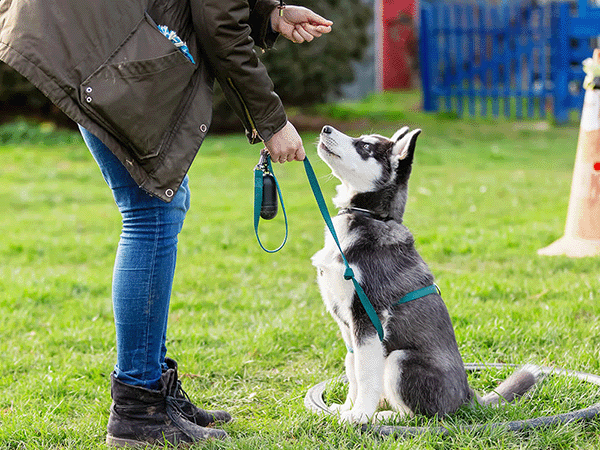
The Best Dog Trainers in the United States of 2026
This is a list of the top dog trainers in the United States, based on votes from the Sniffspot community and the general public.
The Best Dog Trainers in Seattle, WA of 2026
This is a list of the top dog trainers in Seattle, WA, based on votes from the Sniffspot community and the general public.
The Best Dog Trainers in Portland, OR of 2026
This is a list of the top dog trainers in Portland, OR, based on votes from the Sniffspot community and the general public.
The Best Dog Trainers in Los Angeles, CA of 2026
This is a list of the top dog trainers in Los Angeles, CA, based on votes from the Sniffspot community and the general public.
The Best Dog Trainers in New York, NY of 2026
This is a list of the top dog trainers in New York, NY, based on votes from the Sniffspot community and the general public.


City dog park guides

Best Dog Fields in the US: 25+ Wide-Open Spaces for Your Pup to Run Free
The best dog fields in the US offer something that traditional enclosed parks simply can't match: acres of open space where your pup can truly stretch their...
Top 10 Indoor Dog Parks: A US Guide
Looking for a space to play with your dog no matter what the weather’s like outside? Look no further than our list of the best indoor dog parks in the United...
Best Dog Parks in the US: Ultimate Guide to Public & Private Off-Leash Adventures
Is your pup giving you those pleading "let me run free" eyes? Whether you're a new dog parent or a seasoned pro looking for fresh adventures, finding the...
Dog Parks Near Me: Las Vegas Edition
Looking for the perfect dog park near me in Las Vegas? You're in luck! This guide explores all the best options for your pup, from public dog parks to...Best Dog Parks in the US: Off-Leash Guide
Looking for the perfect dog park? Whether you need a wide-open public space or a private, fenced-in spot, this guide will help you find the best dog parks...
Sniffspot: Portland's Best Private Dog Parks
Ready to discover Portland's best dog parks? Whether you're looking for a public park or the unique experience of a private Sniffspot, this guide has you...


Dog breeds

German Shepherd Guide: Best Family Dog? Truth from 9K Owners
The German Shepherd Dog (GSDs) are known for their intelligence, loyalty, and striking appearance. They're also incredibly versatile, excelling as working...
Labrador Retriever: Real Tips from Owners
Discover the Labrador Retriever, a breed celebrated for its playful nature, affectionate temperament, and trainability. Labradors are known for their...
Golden Retriever Advice: The Complete Owner's Guide
Golden Retrievers: they're gorgeous, playful, and incredibly popular. But before you welcome one into your home, you need the right golden retriever advice....
Are American Staffordshire Terriers Good for First-Time Owners: Complete Guide
Think American Staffordshire Terriers are tough? Think again. While their muscular build might intimidate some, these dogs are known for their playful and...
Australian Shepherd Facts: Breed Info & Care Guide
Discover the Australian Shepherd, an AKC breed celebrated for its trainable, playful, and affectionate nature. Despite its name, the Australian Shepherd is...
Essential Husky Facts for Owners: Breed Guide
Discover the Siberian Husky, a breed celebrated for its curious, intelligent, and loyal nature. Considered a medium-sized dog, Siberian Huskies were...


Top dog names in the US
Top 1,000 Most Popular Dog Names
Looking for the perfect dog name for your new pup? We have created filterable lists of dog names from our database of hundreds of thousands of Sniffspot users.
Most Popular Male Dog Names
Looking for the perfect dog name for your new male pup? We have created filterable lists of male dog names from our database of hundreds of thousands of...
Most Popular Female Dog Names
Looking for the perfect dog name for your new female pup? We have created filterable lists of female dog names from our database of hundreds of thousands of...
Most Popular Golden Retriever Names
Welcome to our comprehensive list of Golden Retriever dog names, curated from our vast database of Sniffspot users.
Most Popular Labrador Retriever Names
Welcome to our Labrador Retriever dog names page! Here you can browse through filterable lists of names for your beloved furry friend, ranging from cute and...


Top dog rescues in the US

The Best Washington Dog Rescues & Shelters in 2026
This list showcases the top dog rescues & shelters in Washington. These remarkable organizations have been recognized for their unwavering dedication to the...
The Best Oregon Dog Rescues & Shelters in 2026
This list showcases the top dog rescues & shelters in Oregon. These remarkable organizations have been recognized for their unwavering dedication to the...
The Best California Dog Rescues & Shelters in 2026
This list showcases the top dog rescues & shelters in California. These remarkable organizations have been recognized for their unwavering dedication to the...
The Best Florida Dog Rescues & Shelters in 2026
This list showcases the top dog rescues & shelters in Florida. These remarkable organizations have been recognized for their unwavering dedication to the...
The Best New York Dog Rescues & Shelters in 2026
This list showcases the top dog rescues & shelters in New York. These remarkable organizations have been recognized for their unwavering dedication to the...


