Top articlesSee all...

A Comprehensive Guide to Dog Exercise

How To Crate train An Older Dog - A Comprehensive Guide

How To Socialize A Dog - A Comprehensive Guide

Leash Training: A Guide to Training Your Dog to Walk on a Leash

Skijoring: A Guide to Skijoring with Dogs

The Best Dog Enrichment Toys

The Best United States Dog Parks

The Best Indoor Dog Parks in the United States

The Best Off-Leash Dog Parks in the United States
Top articles
A Comprehensive Guide to Dog Exercise
How To Crate train An Older Dog - A Comprehensive Guide
How To Socialize A Dog - A Comprehensive Guide
Leash Training: A Guide to Training Your Dog to Walk on a Leash
Skijoring: A Guide to Skijoring with Dogs
The Best Dog Enrichment Toys
The Best United States Dog Parks
The Best Indoor Dog Parks in the United States
The Best Off-Leash Dog Parks in the United States
See all...How to Teach Your Dog to Come (That Actually Works)

/fit-in/0x450/wp-content/uploads/2026/04/dog-practicing-recall.jpg)
Teaching your dog to come when called sounds simple. You say “come,” they come. Done, right?
Not quite. Getting a dog to come reliably (in the backyard, at the park, when a squirrel is mid-sprint, when another dog is in view...) is one of the most important and most undertrained skills in dog ownership. The basics take a few weeks. Real reliability takes months of practice in the right environments, in the right sequence.
The good news: every dog can learn this. Here’s exactly how to teach it.
(The AKC calls “come” the single most important command a dog can ever learn. We’re not going to argue with that.)
Jump Ahead: Teach Your Dog to Come
- What Does “Teach Your Dog to Come” Actually Mean?
- Why Dogs Stop Coming When Called (And How to Fix It)
- The Golden Rule: Protect Your Recall Cue
- How to Teach Your Dog to Come: Step by Step
- Games That Teach “Come” Faster Than Drills
- Common Recall Mistakes
- Teaching “Come” to Reactive, High-Drive, and Older Dogs
- Frequently Asked Questions: Recall Training
- A Dog Who Comes When Called Changes Everything
Key Takeaways
- Your recall cue must always, every single time, predict something wonderful so protect it from negative associations at all costs
- Build recall in this exact order: indoors, fenced backyard, long leash outdoors, off-leash in enclosed spaces
- Never repeat the recall cue if your dog doesn’t respond immediately — say it once and mean it
- Reserve your dog’s highest-value rewards specifically for recall practice
- Private fenced spaces let you practice in real outdoor environments without unexpected distractions derailing your sessions
- After a failed recall: don’t repeat the cue, don’t chase! Instead, move away enthusiastically so they follow you
What Does “Teach Your Dog to Come” Actually Mean?
Teaching your dog to come means building a specific cue (like a word, a whistle, a hand signal) that means “come to me right now, no matter what you’re doing.” The goal is a response that’s automatic, fast, and reliable: your dog hears the cue, orients toward you, and comes in. Every time. No matter the squirrel situation.
The gap most people discover: “usually comes” is very different from “reliably comes.” Most dogs will trot over when called if nothing more interesting is happening. Teaching a dog to come reliably means they come even when there’s a fascinating smell underfoot, another dog visible across the field, or a child running past with a ball. That level of reliability is built through hundreds of positive repetitions, in the right sequence, with consistently high-value rewards.
Worth noting: research from Applied Animal Behaviour Science confirms that reward magnitude significantly affects how reliably dogs respond to trained cues in high-distraction environments. Translation: the better the treat, the better the recall.
Why Dogs Stop Coming When Called (And How to Fix It)
Most “come” failures trace back to one of three root causes. The fix is different for each.
The Recall Cue Has Been Poisoned
If “come” has ever predicted something your dog dislikes like a bath, nail trim, getting in the car against their will, the end of a great play session, your dog has been learning from that. Over time, the recall cue starts predicting “something not great” and their response degrades. Some dogs actively start avoiding the person calling them. The fix: stop using the damaged word and start fresh with a new cue.
Recall Hasn’t Been Practiced Where It’s Needed
A dog who comes perfectly in the backyard but ignores you at the park hasn’t been trained at the park. Dogs learn contextually. What works at home has to be separately built at the park, on the trail, in the field. Recall needs to be proofed in each specific environment where you need it to work.
The Reward Isn’t High Enough
If your dog is choosing between coming to you for a dry biscuit and continuing to investigate the best smell of their life, the smell wins every time. Recall needs to be reinforced with the highest-value rewards in your arsenal (real meat, cheese, hot dogs) and those rewards should be reserved almost exclusively for recall. Not for sit. Not for down. For recall.
The Golden Rule: Protect Your Recall Cue
This deserves its own section because violating this rule is the fastest way to undo months of training.
Your recall cue must always, every single time, result in something wonderful. High-value treats. Enthusiastic praise. A favorite toy. Your most genuinely excited reaction. The best thing that happened all day.
And your recall cue must NEVER result in something your dog dislikes. Not for nail trims. Not for baths. Not for ending play. Not for the crate when they’d rather stay out. If you need your dog for any of those things, walk over and physically get them. Do not call them with your recall cue.
Every time you call your dog and something unpleasant follows, you’ve made a withdrawal from the recall account. Make enough withdrawals and you’re overdrawn.
What to Do If Your Recall Cue Is Already Damaged
If you’ve been saying “come” for years and your dog frequently ignores it: the fastest fix is a clean start. Pick a new word like “here,” “front,” “this way,” a specific whistle, and build it from scratch following the steps below. New cue, clean slate, no negative history. Protect it from day one.
🐾 Find the perfect fenced space for recall training. Book a Sniffspot now →
How to Teach Your Dog to Come: Step by Step
The sequence matters. Build each stage to 8-out-of-10 reliability before moving forward. Skipping steps is the most common reason “come” falls apart when it counts.
Step 1: Build the Foundation Indoors
Your living room is the first training environment. Lowest possible distractions. Clean slate.
- Dog is off-leash in a room with you, doing their thing a few feet away
- In a warm, upbeat tone (not a sharp command, more like an invitation) say your recall cue once
- The moment they turn toward you and start moving, back up a few quick steps. This builds momentum and makes coming to you feel exciting
- When they reach you, deliver treats right at your leg, not from an extended hand. Teach them to come to you specifically, not just in your general direction
- Big verbal celebration, then release with “free” or “okay”
Do 5-10 repetitions per session, then stop. End before your dog loses interest. Over many sessions with consistent rewards, this cue becomes deeply automatic. That’s the goal.
If you’re already working with positive reinforcement methods, recall pairs beautifully with a marker. Our dog clicker training guide explains how to integrate a marker for precise timing.
Step 2: Add Distance and Mild Distractions
Once your dog is responding 8/10 times from a few feet away, start expanding.
- Practice from across the room, then the next room, then from upstairs or another floor
- Add mild distractions: when they’re sniffing something, when a family member is nearby, when food is on a low table
- Try restrained recall: have someone hold your dog gently by the collar while you walk away, then call. The mild restraint builds drive. When released, most dogs sprint to you with real enthusiasm
Step 3: Move to a Fenced Outdoor Space
Moving outdoors is a significant jump in difficulty. New smells, sounds, and visual stimuli everywhere. Your dog’s brain is working overtime. Their recall response will drop initially. That’s completely normal.
Think of outdoor training as starting over in a new context. Reward more generously outdoors than you did inside. Practice at short distances before building to longer ones. Don’t add significant distractions until the baseline outdoor recall is solid.
Even your own backyard may have real triggers: a neighbor dog through the fence, a squirrel, a person walking past. These are your first real-world distraction opportunities. Practice calling your dog before they fully lock onto a distraction when they notice it but haven’t fully fixated.
Step 4: The Long Leash Phase
A 20-30 foot long leash is how you bridge from backyard to real-world outdoor recall. It gives your dog real distance and freedom while keeping a safety connection.
- Keep the line slack at all times with notension between you and your dog
- Let your dog reach the end and engage with the environment
- Call once with the happy voice, back up a few steps, reward generously when they respond
- If they don’t respond, calmly gather the line without jerking, guide them in, and reward, but at a lower value than when they came independently
Our long leash training guide covers the full technique including safety, equipment, and how to use the line without creating leash dependency.
Practice in progressively more distracting environments. When you genuinely can’t remember the last time you needed to use the line to bring your dog in, you’re close to ready for off-leash work in enclosed spaces.
🐾 Practice long leash recall in a private, fully fenced space. Book now →
Step 5: Off-Leash Practice in Fenced Spaces
Before going off-leash in open environments, practice in enclosed areas. This step is non-negotiable.
Private spaces on Sniffspot are built for exactly this: fully fenced, private (no unexpected dogs or strangers arriving mid-session), and varied enough to provide genuinely novel outdoor environments with containment.
- Keep the long line attached but let it drag for the first several sessions. Remember, it’s a safety net, not a training tool!
- Practice recalls throughout the session, not just when you need to leave
- End each recall with a release back to free time so recall doesn’t always mean the session is ending
- Use your highest-value treats specifically for off-leash responses
The benchmark to aim for: when you’re in a fenced space and genuinely can’t remember the last time your dog failed to respond to their recall cue, you’ve built it.
Games That Teach “Come” Faster Than Drills
Games make recall training faster, more durable, and way more fun. These are the ones that produce real results.
The Recall Party
Call your dog from across the yard in your most enthusiastic, ridiculous voice. When they arrive, throw a genuine party: multiple treats delivered rapidly, big praise, maybe a brief game of tug or chase. Make it the most exciting thing that happened all day. Then casually release them back to whatever they were doing.
Two-Person Recall
Two handlers in a fenced space, each with high-value treats, taking turns calling the dog back and forth between them. The back-and-forth itself builds enthusiasm and drive. Increase the distance between handlers gradually as the dog improves. Classic for puppies but works beautifully at any age.
Hide and Seek
While your dog is occupied elsewhere, slip away and hide. Then call them. The hunt itself is rewarding, and finding you produces the jackpot. This game also builds the habit of your dog actively seeking you out rather than assuming you’re always visible, which becomes genuinely useful in outdoor environments.
Random Recall During Play
During any off-leash free play session, randomly call your dog to you, reward enthusiastically, then immediately release them back to play. This is the crucial game for breaking the “recall means fun is over” pattern. Dogs who learn that recall sometimes leads back to play are significantly more reliable than dogs who’ve learned it always ends the session.
Common Recall Mistakes
Repeating the Cue
If you say “come come COME” until they finally respond, you’ve taught your dog that one “come” means nothing. They only have to respond at the fourth repetition. Say it once, then wait. If they don’t respond, guide them in calmly with a lower-value reward, but don’t say the cue again.
Using Recall for Things They Dislike
This is the recall killer. Every time “come” leads somewhere unpleasant, it degrades. Protect the cue at all costs.
Only Recalling at the End of Sessions
If every recall means “leash on, party’s over,” your dog will start dodging the cue. Mix in multiple recalls per session with rewards and release back to freedom before ending the outing.
Punishing a Slow Response
Even if your dog took 45 frustrating seconds to come: when they arrive, celebrate. You’re reinforcing the behavior of coming, not the speed. Punishing a slow recall teaches your dog that arriving = something bad.
Skipping the Long Leash Phase
The most common shortcut that backfires. If recall falls apart on a long leash when distractions are present, it will definitely fall apart off-leash. This step is not optional.
Teaching “Come” to Reactive, High-Drive, and Older Dogs
Leash-Reactive Dogs
Recall is more important for reactive dogs than for any other dog (and harder to build). Once a reactive dog has spotted their trigger and arousal starts rising, they genuinely cannot process your cue the same way a calm dog can. The solution: practice recall specifically at sub-threshold distances, where your dog can notice a trigger but still respond to you. Our leash-reactive dog guide covers threshold management in depth.
If you’re not making progress with your reactive dog’s recall on your own, a certified reactive dog trainer can help you identify exactly what’s happening and build a plan that works for your specific dog.
High-Drive Working and Sporting Breeds
Herding dogs, sporting breeds, and dogs with strong prey drive have instincts that can override even excellent recall when wildlife appears. These dogs need recall specifically proofed in environments where their drives get triggered. Knowing your dog’s breed tendencies matters; our complete dog exercise guide covers how breed-specific energy and drive affect training.
Puppies
Start recall games with puppies as young as 8-10 weeks. Keep sessions extremely short (2-3 minutes), make them wildly fun, and reward with genuine enthusiasm. The goal at this stage isn’t formal recall, rather, it’s building a deeply positive association with running to you. Don’t expect reliable off-leash recall until 6+ months in, after significant consistent practice.
Frequently Asked Questions: Recall Training
How long does it take to build reliable recall?
Indoor and backyard recall can be solid within 2-4 weeks of daily practice. Outdoor recall with moderate distractions typically takes 2-4 months of consistent work. High-distraction proofing(aka reliable recall near other dogs, wildlife, or high-arousal situations) can take 6-12 months. There are no shortcuts, but every single session adds to the behavioral bank.
My dog ignores me completely at the park. Is that fixable?
Yesm but it means you need to train recall specifically at the park, not just in your backyard. Start with the long leash at the park during low-traffic times, at short distances, in easy situations. The park is a different training environment with a much higher difficulty level. Build the behavior there the same way you built it at home.
Should I always use food, or can I phase treats out?
Don’t fully phase out food. Research on intermittent reinforcement is clear: occasional unpredictable high-value rewards maintain behavior better than consistent lower-value reinforcement. Most recalls get treats. Some get just praise. Occasionally, a recall produces something extraordinary. That unpredictability keeps the behavior strong long-term.
What’s the highest-value recall reward?
It varies by dog. For most, real meat wins: cooked chicken, cheese, hot dogs, or beef. Some dogs go harder for a favorite toy or a brief game of tug. Test what makes your dog’s eyes light up: that’s your recall reward, and it should be saved almost exclusively for recall practice.
Can I teach recall to an older dog?
Absolutely. There’s no age limit. Senior dogs may need more repetitions and shorter sessions, but the process is identical to what you’d do with a younger dog. The one consideration: make sure the physical demands (lots of running toward you) are appropriate for your older dog’s mobility and overall health.
What should I do when recall fails?
Don’t repeat the cue. Don’t chase them! Chasing teaches your dog that a fun game starts when they ignore “come.” Move enthusiastically in the opposite direction. Most dogs will follow. Drop a handful of treats on the ground to interrupt their focus if needed. For long leash situations, calmly gather the line. After a failed recall: don’t punish. Instead, note that the distraction level was too high and dial back to an easier environment to rebuild.
A Dog Who Comes When Called Changes Everything
There’s a particular kind of freedom that comes with a dog whose recall you actually trust. The ability to let your dog explore a trail, run an open field, or decompress at their own pace. Knowing they’ll come when you call is one of the most rewarding things in dog ownership.
Building that recall takes time, consistency, and a genuine commitment to the sequence. But every solid recall you earn adds to a behavioral foundation that compounds over time. And whether your dog needs off-leash time for decompression, training, or just being a dog, our guide on whether dogs need off-leash time explains why it matters and how to give them more of it safely.
So protect the cue. Use the long leash. Practice where it actually matters. And celebrate every single dog who runs across a field to get back to you. That recall? You built it.
🐾 Find the perfect off-leash training space for your dog. Book a Sniffspot near you →
All Sniffspot articles are reviewed by certified trainers. Struggling with a specific recall challenge? Find a certified trainer near you.
Kaia Wilson, CPDT-KA, SAP-BC, FDM of Dogspeed Training
Kaia is a certified professional dog trainer and separation anxiety specialist based in Portland, Oregon. Since 2013, they've helped reactive and fearful dogs build confidence through compassion-centered, positive reinforcement methods. Kaia is also a graduate of Michael Shikashio's Aggression in Dogs Masterclass and runs Dogspeed Training.


/fit-in/0x128/wp-content/uploads/2020/08/shutterstock_1421150522.jpg)
/fit-in/0x128/wp-content/uploads/2022/03/shutterstock_1608507346.jpg)
/fit-in/0x128/wp-content/uploads/2026/09/What-is-dog-surfing.png)
/fit-in/0x128/wp-content/uploads/2020/07/shutterstock_330043559-1.jpg)
/fit-in/0x128/wp-content/uploads/2026/04/dog-on-leash-at-park.jpg)
Most recent articles
/fit-in/0x256/wp-content/uploads/2020/08/shutterstock_1421150522.jpg)
/fit-in/0x256/wp-content/uploads/2022/03/shutterstock_1608507346.jpg)
/fit-in/0x256/wp-content/uploads/2026/09/What-is-dog-surfing.png)
/fit-in/0x128/wp-content/uploads/2023/05/Dog-sports-101.png)
/fit-in/0x256/wp-content/uploads/2023/05/Dog-sports-101.png)
/fit-in/0x128/wp-content/uploads/2026/09/first-night-with-rescue-dog.png)
/fit-in/0x256/wp-content/uploads/2026/09/first-night-with-rescue-dog.png)
/fit-in/0x128/wp-content/uploads/2026/09/What-are-the-requirements-to-adopt-a-dog.png)
/fit-in/0x256/wp-content/uploads/2026/09/What-are-the-requirements-to-adopt-a-dog.png)
Related articles
Top dog guides per area
Dog training guides

Best Dog Fields in the US: 25+ Wide-Open Spaces for Your Pup to Run Free
The best dog fields in the US offer something that traditional enclosed parks simply can't match: acres of open space where your pup can truly stretch their legs and run at full speed. From Colorado's 470-acre prairie meadows to Tennessee's award-winning "Outback," these wide-open spaces allow dogs to roam, explore, and exercise naturally while engaging instincts that cramped urban parks suppress.

Dog Food Aggression & Resource Guarding Guide
Does your dog ever growl when you walk by their food dish? Maybe they get possessive of treats, carrying them far away and giving you side-eye when you start to approach — or snarling at your other pets or children if they get too close.

The Ultimate Guide to Scent Training for Dogs
Your dog's nose is an amazing tool. Did you know they have 40 times the olfactory receptors than humans? Scent training for dogs taps into this superpower, turning everyday moments into exciting sniff-fests. It's enriching for all types of dogs – reactive, shy, or simply adventurous. Ready to explore the world of scent work for dogs? Let's get started.

How Much Does It Cost to Train a Service Dog?
More than 80 million Americans rely on their service dogs to help them navigate the world. Task-trained assistance animals perform a huge range of life-changing—in many cases, life-saving—services: These dogs act as eyes for visually impaired handlers, provide mobility support, alert to seizures and blood sugar crashes, interrupt anxiety attacks, remind their people to take medications, and so much more.

How to Deal With Puppy Potty Training Regression

Dirty Dog Syndrome: Causes, Solutions, and Prevention
It's a cringe-worthy moment every dog owner dreads: your furry friend chowing down on something truly disgusting. If your dog has a penchant for poop, you're dealing with coprophagia. It's more common than you think, and thankfully, often manageable. This article explores the reasons behind dirty dog syndrome, from instinct to learned behavior. We'll also give you practical tips to help break this unpleasant habit.
/354x256/wp-content/uploads/2025/09/Screenshot-2025-09-21-at-6.39.54-PM.png)
/354x256/wp-content/uploads/2020/08/bernese-mountain-dog-208092_1280.jpg)
/354x256/wp-content/uploads/2022/04/shutterstock_543831754.jpg)
/354x256/wp-content/uploads/2022/08/shutterstock_494495788-1.jpg)
/354x256/wp-content/uploads/2022/07/shutterstock_237584221-1.jpg)
/354x256/wp-content/uploads/2022/10/shutterstock_705844504.jpg)
Dog enrichment guides
Best Dog Fields in the US: 25+ Wide-Open Spaces for Your Pup to Run Free
The best dog fields in the US offer something that traditional enclosed parks simply can't match: acres of open space where your pup can truly stretch their legs and run at full speed. From Colorado's 470-acre prairie meadows to Tennessee's award-winning "Outback," these wide-open spaces allow dogs to roam, explore, and exercise naturally while engaging instincts that cramped urban parks suppress.

Best Dog Water Parks in the US: 15+ Amazing Splash Destinations for Your Pup
Do you have a water-loving dog looking to burn some energy? There are countless dog parks to visit throughout our country — but some of them become far too hot in the midday sun to be safe for your pets to play. That’s why we’ve put together a list of some of the best dog water parks throughout the United States! At these locations, your pup can frolic, splash, and swim to their heart’s content.

Best Toys for Herding Dogs: Keeping Your Pup Happy & Engaged
Herding dogs are amazing, intelligent companions. But that also means they need more than just a simple game of fetch. Finding the right toys for herding dogs is key to keeping them happy and stimulated. This article explores some of the best toys for herding dogs, including options specifically for breeds like Border Collies and Australian Shepherds. We'll help you discover the perfect herding toys for dogs to tap into their natural instincts and keep them entertained for hours.

Tough Dog Toys for Aggressive Chewers: A Practical Guide
Does your dog destroy every toy you give them? Is your house littered with the remnants of plush toys? Are you tired of wasting money on "indestructible" dog toys for aggressive chewers that don't last? Then this post is for you. We'll cover everything you need to know about finding the best dog toys for aggressive chewers, so you can finally give your pup something safe, durable, and fun.

Dog Exercise Calculator: How Much Exercise Does Your Dog Need?
Every dog needs to move, but how much is actually enough? The answer depends on more than just breed. Age, health, and even your own lifestyle all play a role in figuring out the right daily exercise routine for your pup.

Complete Guide To Herding With Dogs
* All Sniffspot articles are reviewed by certified trainers for quality, please see bottom of article for details *
/354x256/wp-content/uploads/2023/04/dogwaterpark.png)
/354x256/wp-content/uploads/2022/05/shutterstock_174836186.jpg)
/354x256/wp-content/uploads/2023/02/shutterstock_1346929262.jpg)
/354x256/wp-content/uploads/2022/08/dogexercisecalculatorfeaturedimage.jpg)
/354x256/wp-content/uploads/2020/07/bb.jpg)
Dog reactivity guides
Best Dog Fields in the US: 25+ Wide-Open Spaces for Your Pup to Run Free
The best dog fields in the US offer something that traditional enclosed parks simply can't match: acres of open space where your pup can truly stretch their legs and run at full speed. From Colorado's 470-acre prairie meadows to Tennessee's award-winning "Outback," these wide-open spaces allow dogs to roam, explore, and exercise naturally while engaging instincts that cramped urban parks suppress.

Rottweiler Aggression: Signs, Causes & Training
Many dogs have gotten a bad reputation over the years for being "dangerous breeds." Rottweilers are among them. Like pit bulls and other large, blocky-headed types of dogs, these powerful and beautiful animals are often assumed to be aggressive.

The Reactive Dog Chart: How to Calm Your Dog's Triggers
If your dog lunges, barks, or loses their mind at the sight of another dog, a stranger, or a bicycle, you’re living with a reactive dog (and you’re far from alone). Dog reactivity is one of the most common behavioral challenges dog owners face, and it can make even a simple walk feel stressful and isolating.

How to Socialize a Reactive Dog: A Step-by-Step Guide
Does your dog display reactivity to other pets or people—barking, lunging, or growling when they see their triggers? Whether they're a rescue still settling in, missed critical socialization as a puppy, or had a negative experience that changed how they see the world, you're not alone. Reactivity is one of the most common dog behavior concerns, and with the right approach, you can help your dog feel calmer and more confident.

What Is a Reactive Dog? The Complete Guide for Understanding and Helping Your Pup
Does your dog transform into a barking, lunging tornado the second they spot another dog across the street? You're definitely not alone. According to our research of over 4,000 dog owners, 66% of dogs show some signs of reactivity.

9 Best Online Communities for Reactive Dog Parents
Does your dog's reactivity make walks stressful? You're not alone. Many dog owners face similar challenges. This guide offers practical advice and support for managing reactivity, including finding the best online dog training for reactive dogs. We'll connect you with reactive dog support groups, share training tips, and explore resources like the best dog training app for reactive dogs. Let's build a stronger bond with your dog, together.
* All Sniffspot articles are reviewed by certified trainers for quality, please see bottom of article for details *
/354x256/wp-content/uploads/2023/05/Screen-Shot-2024-05-23-at-9.33.57-PM.png)
/354x256/wp-content/uploads/2022/08/dogreactivitychartfeaturedimage.jpg)
/354x256/wp-content/uploads/2022/08/shutterstock_523383649.jpg)
/354x256/wp-content/uploads/2020/07/a.jpg)
/354x256/wp-content/uploads/2022/01/shutterstock_796422001.jpg)
Sniffspot community guides
Best Dog Fields in the US: 25+ Wide-Open Spaces for Your Pup to Run Free
The best dog fields in the US offer something that traditional enclosed parks simply can't match: acres of open space where your pup can truly stretch their legs and run at full speed. From Colorado's 470-acre prairie meadows to Tennessee's award-winning "Outback," these wide-open spaces allow dogs to roam, explore, and exercise naturally while engaging instincts that cramped urban parks suppress.

The State of Public Dog Parks Across the United States
From 2009 to 2020, there was a 40 percent increase in the development of public dog parks. Designated spots for canine exercise have become commonplace in every major city in North America — many pet owners won’t even consider renting an apartment that doesn’t have its own fenced-in pet area for their canine companions.

How This Family is Affording Their Dream Property Through Renting it Hourly to Dogs
Thousand Oaks, California has been a safe haven for Sniffspot host, Jen, since childhood. Having grown up in busy Santa Barbara, Jen, an introvert from an early age, would seek out solitude and serenity away from tourists attractions and droves of people visiting from elsewhere. “My grandparents own 60 acres about a 30 minute drive from here, and I grew up spending every summer and every holiday visiting them on the ranch,” Jen explained. “In Santa Barbara, we wouldn't go to the beach on the weekend because that's where everybody was, so you'd find places off the beaten path where the tourists weren't. For me, the ranch was just my happy place.”

Host Tips: Ellen K. What Makes Sniffspot Successful for Me
Ellen is the host of Country Pasture Getaway, one of Sniffspot's most popular sniff spots. She has taken the time to write up the lessons she has learned about how to be a great sniff spot host.

How this Oregon Farmer is Making a Business From Renting Her Land to Dogs
Just 20 minutes outside of the busy city of Portland, Oregon, and settled right on the banks of the Columbia River, you’ll find what countless visitors have flocked to the area in search of – mountain views, crisp, clean air, and running water for miles. What you might not expect to find, however, is a hidden oasis designed just for dogs and their people, owned and operated by a farming couple and enjoyed by visitors on two legs, and four.

Host Tips: Fran T. Providing Great Guest Service at our Spot
Fran is the host of Ranch Setting, one of Sniffspot's most popular spots. She has taken the time to write up the lessons she has learned about how to be a great Sniffspot host.
/354x256/wp-content/uploads/2022/07/Sniffspot_infographic_1-01.jpeg)
/354x256/wp-content/uploads/2021/05/Final-Edit-003-1.jpg)
/354x256/wp-content/uploads/2020/07/good-photo-3_orig.jpg)
/354x256/wp-content/uploads/2021/05/sniffspot-28-of-45-1.jpg)
/354x256/wp-content/uploads/2020/07/screen-shot-2019-09-19-at-2-01-47-pm_orig.png)
Top dog trainers in the US
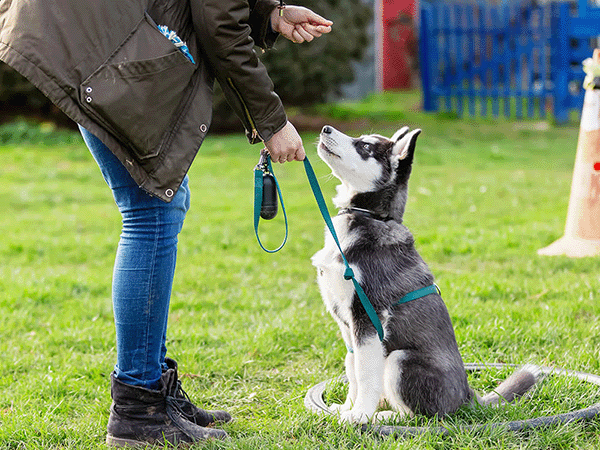
The Best Dog Trainers in the United States of 2026
This is a list of the top dog trainers in the United States, based on votes from the Sniffspot community and the general public.
The Best Dog Trainers in Seattle, WA of 2026
This is a list of the top dog trainers in Seattle, WA, based on votes from the Sniffspot community and the general public.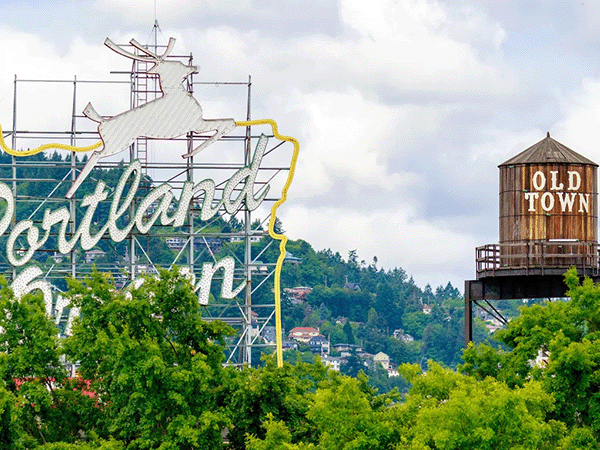
The Best Dog Trainers in Portland, OR of 2026
This is a list of the top dog trainers in Portland, OR, based on votes from the Sniffspot community and the general public.
The Best Dog Trainers in Los Angeles, CA of 2026
This is a list of the top dog trainers in Los Angeles, CA, based on votes from the Sniffspot community and the general public.
The Best Dog Trainers in New York, NY of 2026
This is a list of the top dog trainers in New York, NY, based on votes from the Sniffspot community and the general public.


City dog park guides
Best Dog Fields in the US: 25+ Wide-Open Spaces for Your Pup to Run Free
The best dog fields in the US offer something that traditional enclosed parks simply can't match: acres of open space where your pup can truly stretch their legs and run at full speed. From Colorado's 470-acre prairie meadows to Tennessee's award-winning "Outback," these wide-open spaces allow dogs to roam, explore, and exercise naturally while engaging instincts that cramped urban parks suppress.

Top 10 Indoor Dog Parks: A US Guide
Looking for a space to play with your dog no matter what the weather’s like outside? Look no further than our list of the best indoor dog parks in the United States! These climate-controlled spaces are growing in popularity as pet ownership increases throughout the country. As a bonus, many of them also offer dog training, boarding, grooming, or daycare services on the premises.

Best Dog Parks in the US: Ultimate Guide to Public & Private Off-Leash Adventures
Is your pup giving you those pleading "let me run free" eyes? Whether you're a new dog parent or a seasoned pro looking for fresh adventures, finding the perfect off-leash paradise for your furry friend can feel ruff! From sun-soaked California beaches where your water-loving lab can make a splash to mountain trails in Vermont where your adventure buddy can chase every scent, we've sniffed out the 15 best dog parks across America.

Dog Parks Near Me: Las Vegas Edition
Looking for the perfect dog park near me in Las Vegas? You're in luck! This guide explores all the best options for your pup, from public dog parks to private dog parks near me on Sniffspot. We'll help you find the ideal spot for playtime, socializing, and fresh air. Plus, we'll cover essential etiquette and safety tips to ensure a happy visit for everyone. Get ready for some tail-wagging fun!
Discover the Perfect Dog Park in Las Vegas
This page is about public city dog parks and also includes Sniffspot private dog parks. Sniffspot is the largest network of private dog parks for rent in the world!Best Dog Parks in the US: Off-Leash Guide
Looking for the perfect dog park? Whether you need a wide-open public space or a private, fenced-in spot, this guide will help you find the best dog parks across the US. We'll cover top-rated public parks, the perks of private dog parks, and even explore Sniffspot locations – giving your pup a safe and fun place to play. Ready to find your dog's new favorite spot? Let's go!

Sniffspot: Portland's Best Private Dog Parks
Ready to discover Portland's best dog parks? Whether you're looking for a public park or the unique experience of a private Sniffspot, this guide has you covered. We'll help you find the perfect spot for your pup, with tips on what to bring, how to prepare, and even understanding dog body language. Plus, we'll explore some top Portland dog parks, including public and Sniffspot options, so you can plan your next dog-friendly adventure in the City of Roses.
Portland Dog Parks: Public & Private Options
This page is about public city dog parks and also includes Sniffspot private dog parks. Sniffspot is the largest network of private dog parks for rent in the world!
/354x256/wp-content/uploads/2023/04/indoordogparks.png)
/354x256/wp-content/uploads/2023/03/offleashdogparks.png)
/354x256/wp-content/uploads/2023/02/vegas.jpg)
/354x256/wp-content/uploads/2023/02/portland.jpg)
Dog breeds
Best Dog Fields in the US: 25+ Wide-Open Spaces for Your Pup to Run Free
The best dog fields in the US offer something that traditional enclosed parks simply can't match: acres of open space where your pup can truly stretch their legs and run at full speed. From Colorado's 470-acre prairie meadows to Tennessee's award-winning "Outback," these wide-open spaces allow dogs to roam, explore, and exercise naturally while engaging instincts that cramped urban parks suppress.

German Shepherd Guide: Best Family Dog? Truth from 9K Owners
The German Shepherd Dog (GSDs) are known for their intelligence, loyalty, and striking appearance. They're also incredibly versatile, excelling as working dogs and devoted family companions. This guide covers everything you need to know about GSDs, from understanding their unique traits and rich history to practical advice on training and care. So, whether you're a seasoned GSD owner or just starting your research, let's explore this remarkable breed together.

Labrador Retriever: Real Tips from Owners
Discover the Labrador Retriever, a breed celebrated for its playful nature, affectionate temperament, and trainability. Labradors are known for their friendly demeanor and adaptability, making them perfect family companions and versatile working dogs. As one of the most popular types of retrievers, Labs are ideal companions for various lifestyles and are recognized by the American Kennel Club (AKC) as an excellent breed for families.

Golden Retriever Advice: The Complete Owner's Guide
Golden Retrievers: they're gorgeous, playful, and incredibly popular. But before you welcome one into your home, you need the right golden retriever advice. This guide draws on the wisdom of nearly 10,000 Golden Retriever owners, offering practical tips for caring for these affectionate dogs. From understanding their high energy levels to mastering grooming and training, we'll cover everything you need to know. So whether you're already a devoted Golden parent or just starting your research, get ready to learn how to give your furry friend the best possible care.

Are American Staffordshire Terriers Good for First-Time Owners: Complete Guide
Think American Staffordshire Terriers are tough? Think again. While their muscular build might intimidate some, these dogs are known for their playful and loyal personalities. This guide draws on the experience of nearly 10,000 AmStaff owners to reveal the truth about this often misunderstood breed. Want to learn more about caring for an American Staffordshire Terrier? You're in the right place.

Australian Shepherd Facts: Breed Info & Care Guide
Discover the Australian Shepherd, an AKC breed celebrated for its trainable, playful, and affectionate nature. Despite its name, the Australian Shepherd is actually a native breed to the United States, originally developed to breed on farms and ranches. Considered a medium dog, Australian Shepherds were bred for herding beginning in the 1950s. As one of the high-energy breeds, Aussies are known for their boundless energy and need for regular exercise, including aerobic exercise.
/354x256/wp-content/uploads/2024/07/German-Shepherd-Dog.png)
/354x256/wp-content/uploads/2024/07/Screen-Shot-2024-07-24-at-4.06.05-PM.png)
/354x256/wp-content/uploads/2024/07/Screen-Shot-2024-07-25-at-3.05.09-PM.png)
/354x256/wp-content/uploads/2024/07/staffy.jpg)
/354x256/wp-content/uploads/2024/07/Screen-Shot-2024-07-25-at-3.39.43-PM.png)
Top dog names in the US
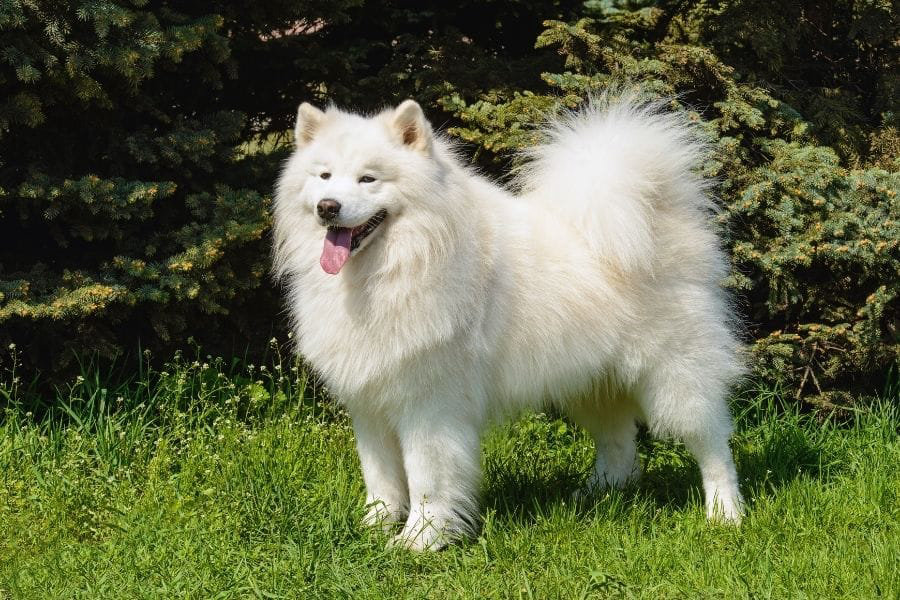
Top 1,000 Most Popular Dog Names
Looking for the perfect dog name for your new pup? We have created filterable lists of dog names from our database of hundreds of thousands of Sniffspot users. You can filter by gender, breed and state to find the most cute, unique and creative dog names.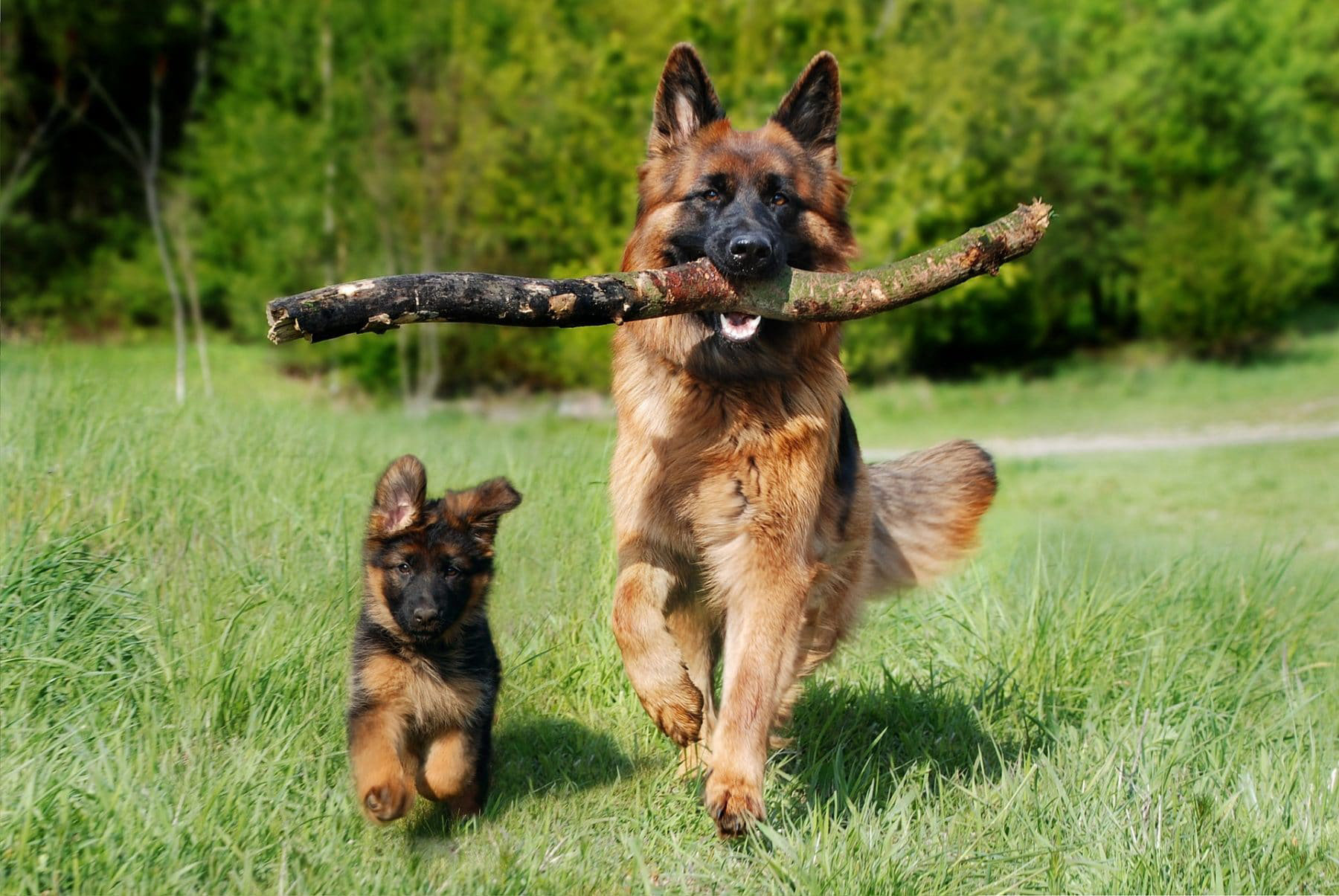
Most Popular Male Dog Names
Looking for the perfect dog name for your new male pup? We have created filterable lists of male dog names from our database of hundreds of thousands of Sniffspot users. You can filter by gender, breed and state to find the most cute, unique and creative male dog names.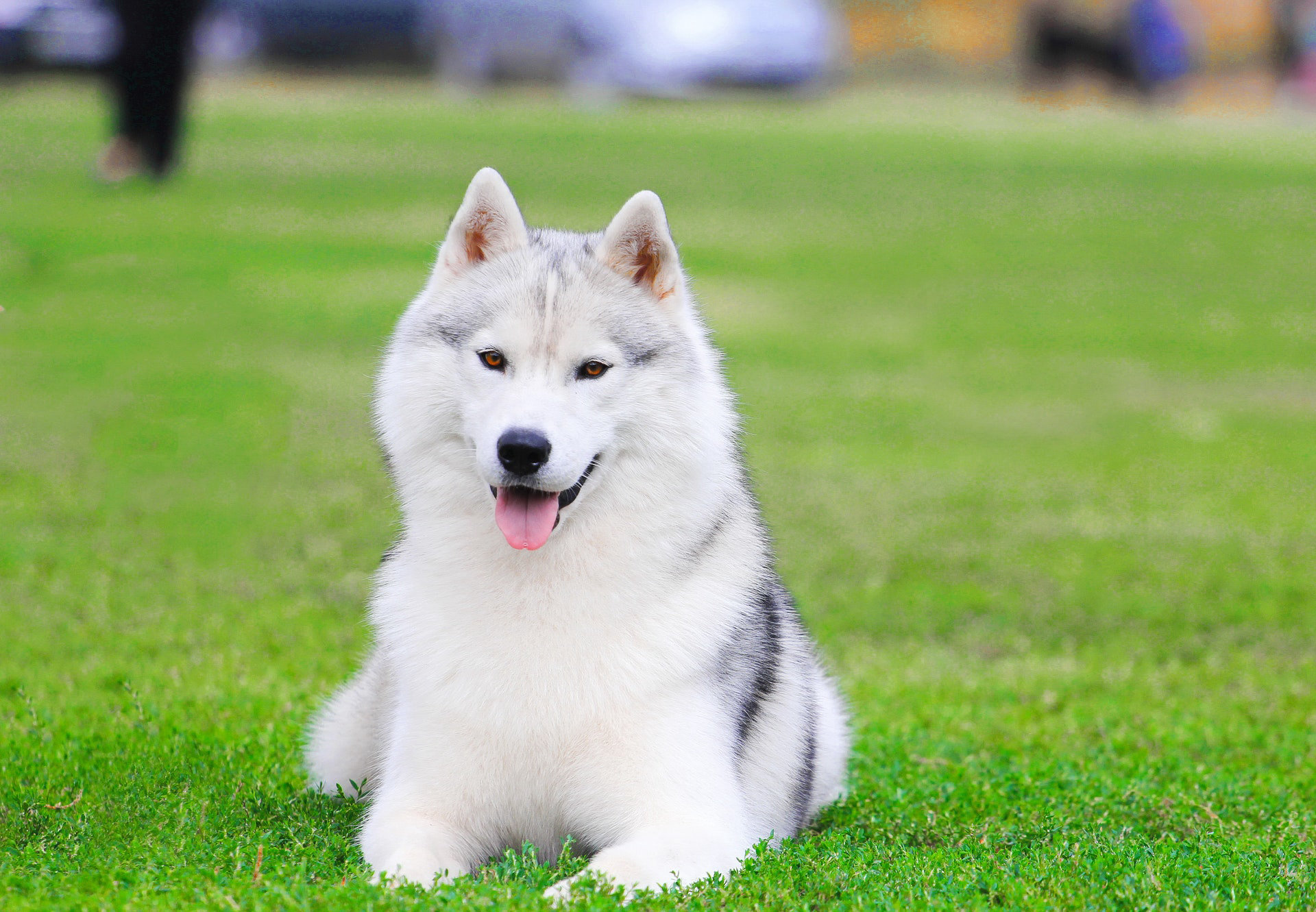
Most Popular Female Dog Names
Looking for the perfect dog name for your new female pup? We have created filterable lists of female dog names from our database of hundreds of thousands of Sniffspot users. You can filter by gender, breed and state to find the most cute, unique and creative female dog names.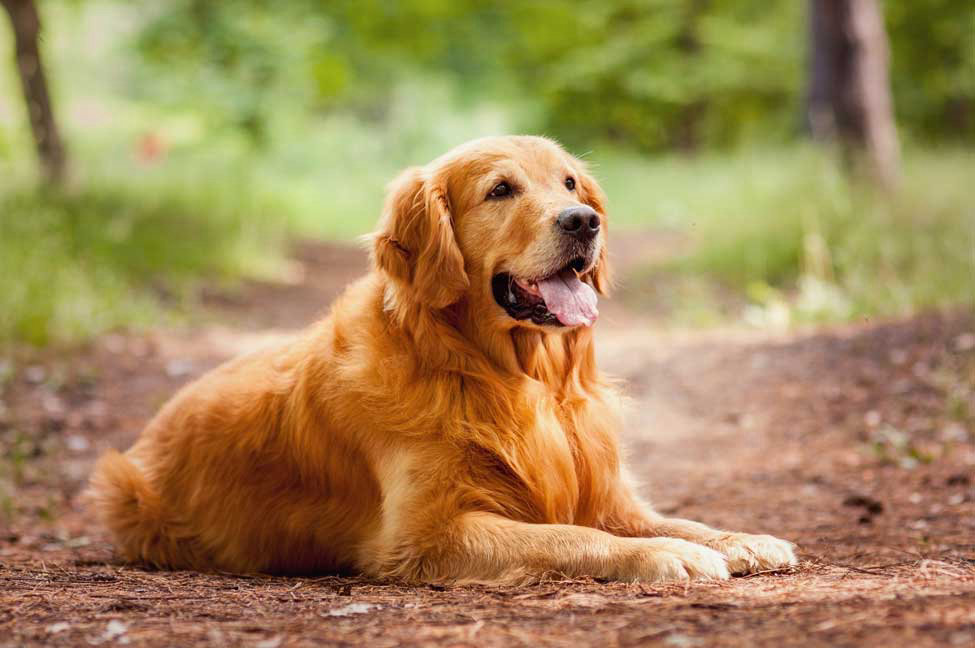
Most Popular Golden Retriever Names
Welcome to our comprehensive list of Golden Retriever dog names, curated from our vast database of Sniffspot users. Filter through hundreds of thousands of options by gender, breed, and state to discover the most adorable, original, and imaginative names for your beloved Golden Retriever.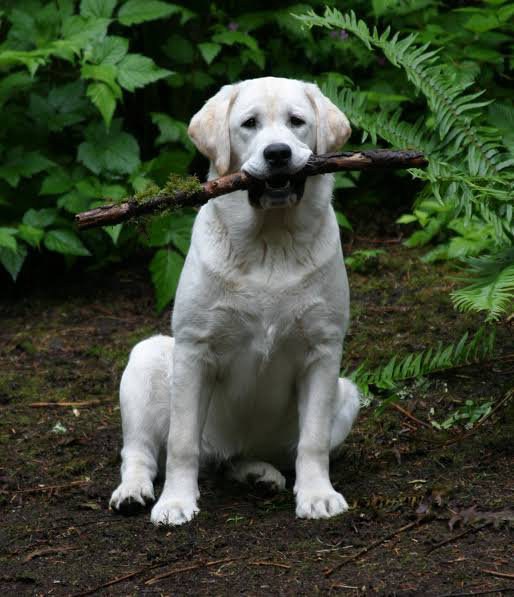
Most Popular Labrador Retriever Names
Welcome to our Labrador Retriever dog names page! Here you can browse through filterable lists of names for your beloved furry friend, ranging from cute and classic to unique and creative options. Our database of hundreds of thousands of Sniffspot users ensures you'll find the perfect name for your Labrador Retriever, whether you're seeking a name for a male or female, based on breed or state.


Top dog rescues in the US

The Best Washington Dog Rescues & Shelters in 2026
This list showcases the top dog rescues & shelters in Washington. These remarkable organizations have been recognized for their unwavering dedication to the well-being of countless dogs.
The Best Oregon Dog Rescues & Shelters in 2026
This list showcases the top dog rescues & shelters in Oregon. These remarkable organizations have been recognized for their unwavering dedication to the well-being of countless dogs.
The Best California Dog Rescues & Shelters in 2026
This list showcases the top dog rescues & shelters in California. These remarkable organizations have been recognized for their unwavering dedication to the well-being of countless dogs.
The Best Florida Dog Rescues & Shelters in 2026
This list showcases the top dog rescues & shelters in Florida. These remarkable organizations have been recognized for their unwavering dedication to the well-being of countless dogs.
The Best New York Dog Rescues & Shelters in 2026
This list showcases the top dog rescues & shelters in New York. These remarkable organizations have been recognized for their unwavering dedication to the well-being of countless dogs.
/354x256/Photos/SeoDogRescue/1282/178507e67e44-MC_logo_square.jpg)
/354x256/Photos/SeoDogRescue/931/cef8bbb17769-South_Coast_Humane_Society.png)
/354x256/Photos/SeoDogRescue/61/30aea3371b69-MainSquare_2.png)
/354x256/Photos/SeoDogRescue/298/1000035238.jpg)
/354x256/Photos/SeoDogRescue/814/91cfd62cd986-IMG_1035.jpeg)