Top articlesSee all...

A Comprehensive Guide to Dog Exercise

How To Crate train An Older Dog - A Comprehensive Guide

How To Socialize A Dog - A Comprehensive Guide

Leash Training: A Guide to Training Your Dog to Walk on a Leash

Skijoring: A Guide to Skijoring with Dogs

The Best Dog Enrichment Toys

The Best United States Dog Parks

The Best Indoor Dog Parks in the United States

The Best Off-Leash Dog Parks in the United States
Top articles
A Comprehensive Guide to Dog Exercise
How To Crate train An Older Dog - A Comprehensive Guide
How To Socialize A Dog - A Comprehensive Guide
Leash Training: A Guide to Training Your Dog to Walk on a Leash
Skijoring: A Guide to Skijoring with Dogs
The Best Dog Enrichment Toys
The Best United States Dog Parks
The Best Indoor Dog Parks in the United States
The Best Off-Leash Dog Parks in the United States
See all...Leash Reactive Dog: Why It Happens and How to Actually Fix It


You are on what was supposed to be a lovely evening walk. Birds are chirping, the weather is nice, and then: a golden retriever appears at the end of the block. In the next three seconds, your dog transforms from a reasonably functioning mammal into a writhing, barking, leash-shredding chaos tornado.
Welcome to leash reactivity. Population: you, approximately 30% of dog owners, and every single person who has ever tried to apologize to a stranger on the street while their dog screams at a labrador.
Leash reactivity is one of the most common behavioral challenges in dogs, and also one of the most misunderstood. It is not aggression. It is not a sign that your dog is broken or dangerous or beyond hope. It is a specific behavioral pattern with specific causes, and it responds very well to the right training approach.
This guide covers everything: why leash reactivity happens, the difference between fear-based and frustration-based reactivity, how to train it step by step, and what to do on days when training feels very far away and you just need to survive the walk.
🐾 Reactive dogs need safe spaces to decompress between training sessions. Find a private, fenced Sniffspot near you →
What Is Leash Reactivity?
Leash reactivity is a behavioral pattern in which a dog has an exaggerated, out-of-proportion reaction to a trigger when on leash. The behavior might include barking, lunging, growling, spinning, or pulling frantically either toward or away from the trigger depending on what emotion is driving it.
The defining characteristic is the leash. Many leash-reactive dogs are completely calm and social off-leash. The same dog who loses their mind at another dog from 20 feet away on a walk might happily greet that same dog in an off-leash setting. The leash is not just incidental to the behavior. It is a significant contributing factor.
Leash reactivity is extremely common. It does not mean you have failed as a dog owner, and it does not mean your dog is aggressive. It means your dog has a specific emotional response to a specific set of circumstances, and that response has become practiced and reinforced over time.
For a broader understanding of reactive behavior beyond walks, see our comprehensive guide to dog reactivity.
Jump Ahead: Understanding Leash Reactive Dogs
- Why Does the Leash Make Reactivity Worse?
- Fear-Based vs. Frustration-Based Leash Reactivity
- Common Triggers for Leash Reactive Dogs
- Understanding Threshold and Trigger Stacking
- How to Train a Leash Reactive Dog: Step by Step
- Tools That Help (and Tools to Avoid)
- Practical Management Tips for Daily Life
- The Role of Safe Exercise Spaces for Leash Reactive Dogs
- Realistic Expectations for Leash Reactivity Training
- Frequently Asked Questions About Leash Reactive Dogs
- Living with a Leash Reactive Dog
Why Does the Leash Make Reactivity Worse?
This is one of the most important questions to understand, because the leash is doing several things simultaneously that turn up the volume on your dog's emotional response.
The Inability to Flee
When a dog perceives a threat, their nervous system activates a fight-or-flight response. Off-leash, a scared dog can choose flight. They can create distance between themselves and whatever is scaring them. On a leash, that option is removed. A dog who cannot flee has only one remaining option: fight. Barking, lunging, and snarling are all "fight" behaviors, and they come out because flight is not available.
This is why so many leash-reactive dogs are completely different off-leash. Remove the restriction, and the fear-flight option comes back. No need to fight.
Barrier Frustration
Not all leash reactivity is fear-based. Some dogs are frustrated dogs. They want to run over and meet that other dog RIGHT NOW, and this leash is preventing them from doing the thing they desperately want to do. Barrier frustration is the canine equivalent of being stuck in traffic when you are already late. The arousal has nowhere to go, and it comes out as barking, pulling, and spinning.
These dogs would probably be delighted to actually meet the other dog. They are not afraid. They are just incredibly frustrated that they cannot.
Leash Tension Communicates Stress
Here is a less-discussed piece of the puzzle: when you tighten the leash because you see another dog coming, your dog feels that. The physical tension travels right down the lead and communicates, in a very literal way, that you are tense. And if you are tense, maybe there is something to be tense about. Your dog is reading your body language and your leash pressure as information about the environment, and sometimes that information accidentally amplifies their own stress response.
Try to keep the leash as loose as possible on walks. It sounds counterintuitive when you are bracing for a reaction, but a loose leash is actually one of the most useful management tools you have.
Fear-Based vs. Frustration-Based Leash Reactivity
Understanding which type of reactivity your dog has matters because it changes how you approach training. The outward behavior can look similar (barking, lunging, generally losing their mind) but the underlying motivation is different, and the emotion you need to address is different.

Fear-Based Leash Reactivity
The fear-reactive dog is trying to make the scary thing go away. They are operating from a place of anxiety, overwhelm, or past negative experience. Their behavior is distance-increasing: get this thing AWAY from me.
Signs that fear is the driver:
- Dog pulls or lunges away from the trigger as much as toward it
- Low, tense body posture with weight sometimes shifted backward
- Hackles raised, whale eye, tight facial muscles
- Can switch quickly from bark-lunge to freeze or flee if given the chance
- Often worse in tight spaces or situations where they cannot see escape routes
Frustration-Based Leash Reactivity
The frustration-reactive dog wants the trigger. Usually, they want to play with the other dog, or they are so excited to say hi that they cannot contain themselves. The leash is the enemy. Their behavior is technically distance-decreasing: I want to GET to that thing.
Signs that frustration is the driver:
- Dog pulls hard toward the trigger, not away
- Bouncy, chaotic energy rather than tense and low
- Often more barky and whiny than growly
- May be perfectly social and friendly off-leash with the exact same dogs they react to on-leash
- Worse when they can see a dog but cannot get to them for a long time
Many dogs have elements of both. A dog who started out as frustration-reactive can develop fear over time if on-leash greetings have gone badly. Pay attention to context, history, and the full picture of your dog's body language.
🏞️ Your dog needs somewhere to actually BE a dog. Private Sniffspot listings give leash-reactive dogs safe off-leash time with no surprise triggers. Browse now →
Common Triggers for Leash Reactive Dogs
While other dogs are the most common trigger by far, leash reactivity can be directed at almost anything. Common triggers include:
- Other dogs (especially on-leash, especially if the other dog is also reactive)
- Unfamiliar people, particularly men, people wearing hats or uniforms, or people with unusual gaits
- Children, especially those who are running, playing loudly, or moving unpredictably
- Cyclists, joggers, skateboarders, and electric scooters
- Large vehicles: trucks, buses, delivery vans, motorcycles
- Other animals: cats, squirrels, birds
- Being near their home, car, or other perceived territory (barrier aggression)
Some dogs have a single specific trigger while others seem to react to almost everything on a bad day. Dogs can also exhibit barrier reactivity that shows up specifically near fences, gates, or car windows even when they are calm in open spaces.
Understanding Threshold and Trigger Stacking
Two concepts from behavioral science will immediately change how you think about your dog's reactivity: threshold and trigger stacking.

What Is Threshold?
Threshold is the point at which your dog shifts from "noticing the trigger" to "reacting to the trigger." Below threshold, your dog can still take treats, make eye contact, and respond to cues. Above threshold, none of that works. The cognitive parts of the brain go offline and instinct takes over.
Training can only happen below threshold. If your dog is already reacting, they are not learning anything useful. They are just practicing being reactive. This is why distance management is so foundational to any leash reactivity training program: you need to stay below threshold to make any progress at all.
For a visual breakdown of threshold zones, see our dog reactivity chart.
What Is Trigger Stacking?
Trigger stacking (sometimes called the "stress bucket" effect) is what happens when your dog encounters multiple stressors in a short period of time. Each trigger fills the bucket a little more. Once the bucket overflows, your dog is over threshold for everything, even things that normally would not bother them.
This is why your dog might be fine passing other dogs on Monday morning and then completely lose it at a trash can on Thursday afternoon. By Thursday, maybe they had a stressful vet visit, saw a skateboard, and got startled by a car backfiring. The bucket was full. The trash can was just the thing that finally overflowed it.
Understanding trigger stacking helps you become strategic about when to walk, what routes to take, and when your dog simply needs a rest day rather than a training session.
How to Train a Leash Reactive Dog: Step by Step
There is no shortcut. But there is a clear, well-established path that works for the vast majority of leash-reactive dogs when followed consistently.
Step 1: Management First
Before you can train your dog out of reactivity, you need to stop reinforcing the behavior. Every reactive episode makes the pattern stronger. This means:
- Walk at off-peak times (early morning, late evening) when trigger density is lower
- Choose quieter routes deliberately rather than just default routes
- Learn to spot triggers before your dog does so you have time to create distance or change direction
- Use environmental management: park behind cars, turn around before encounters, duck into side streets
- Keep enough distance between you and other dogs that your dog can notice them without reacting
This is not giving up. This is the foundation everything else is built on.
Step 2: Counter-Conditioning and Desensitization (CC&D)
Counter-conditioning means changing your dog's emotional association with their trigger from "scary/overwhelming/frustrating" to "oh, that thing means great stuff is coming." Desensitization means gradually reducing the intensity of the trigger over many exposures.
How it works in practice:
- Find your dog's threshold distance: far enough away from the trigger that your dog notices it but does not react
- The moment your dog notices the trigger, begin feeding high-value treats continuously. Use the good stuff: real chicken, cheese, hot dogs.
- When the trigger disappears (or you create distance), stop the treats. Trigger visible = treats flow. Trigger gone = treats stop.
- Over many sessions, your dog begins to anticipate good things when they spot their trigger
- Gradually decrease the distance to the trigger, but only once your dog is consistently calm at the current distance
Critical rule: if your dog reacts at any point, you are too close. Increase distance immediately. Progress is measured in feet and weeks, not hours.
Step 3: The Look at That (LAT) Game
The Look at That game, developed by Leslie McDevitt in her book Control Unleashed, is a specific training protocol perfectly suited for leash reactivity. Here is how it works:
- Start below threshold distance from the trigger
- Mark (click or say "yes") the moment your dog looks at the trigger calmly
- Immediately deliver a treat. Your dog will likely look back at you to get the treat.
- Mark and reward the eye contact
- Repeat: trigger appears, dog looks, you mark, dog looks at you for treat, you mark and reward
Over time, your dog learns that looking at the trigger (without reacting) is the behavior that earns them great things. The trigger transforms from something overwhelming into something that predicts a reward. The emotional association changes, which is what actually fixes the behavior.
Step 4: Build Focus and Emergency Skills
Once counter-conditioning is working well, layer in additional skills:
- Attention/watch me cue: teach your dog to make eye contact with you on cue, then generalize it to walks
- Voluntary check-ins: reward your dog any time they choose to look at you unprompted on a walk
- Emergency U-turn: teach a cue that means "spin around and walk the other way immediately," practiced first at home, then on low-trigger walks
- Loose leash walking: a dog who is already practicing loose leash skills is in a calmer physical state that supports emotional regulation
Step 5: Get Professional Support When Needed
If progress stalls, if the reactivity is getting worse despite consistent work, or if you are not confident you are reading your dog correctly, bring in a professional. A certified trainer with specific reactivity experience can catch things you might miss and help you adjust your approach. See our guide to finding a reactive dog trainer near you.
Tools That Help (and Tools to Avoid)
Equipment choices matter significantly for leash reactive dogs. Here is a clear breakdown:

The tools to avoid are not just ineffective for leash reactivity. They actively make fear-based reactivity worse by pairing painful or aversive sensations with the sight of the trigger. That is the opposite of counter-conditioning.
Practical Management Tips for Daily Life
Training is the long game. Management is what keeps you and your dog sane in the meantime.
- Walk at low-traffic times: early morning or late evening are usually quieter
- Scout your routes in advance and know your escape options: side streets, parking lots, driveways you can duck into
- Always have treats on you. Not just sometimes. Always.
- Give yourself more space than you think you need: reactive dogs need more distance than most owners initially assume
- Learn the body language that precedes a reaction so you can intervene earlier
- On days when your dog's stress bucket seems full, opt for a decompression walk (letting them sniff at their own pace rather than heeling) or a private exercise space
- Be kind to yourself. A bad walk is data, not a verdict.
The Role of Safe Exercise Spaces for Leash Reactive Dogs
One of the most overlooked pieces of the leash reactivity puzzle is this: reactive dogs still need real exercise. They cannot be managed into a calm state without their physical needs being met. A dog who is under-exercised because every walk is a stress gauntlet is going to have a harder time staying below threshold.
But the public park is not always an option. The busy walking trail is not always safe. This is where private off-leash spaces become genuinely important, not just nice to have.
Sniffspot connects reactive dog owners with private, fully fenced outdoor spaces where dogs can run, sniff, and just be dogs without any surprise encounters. No other dogs. No strangers. Just your dog and the freedom to move and decompress.
For reactive dogs, a Sniffspot session serves multiple purposes:
- Real physical exercise that lowers baseline arousal
- Sniff-based mental enrichment that is deeply calming for dogs
- A stress-free environment for practicing training exercises without competing distractions
- A place to let your dog succeed and just be happy, which matters a lot for confidence-building
🌿 Let your leash reactive dog run free without the stress. Browse private, fully fenced Sniffspot listings near you →
Realistic Expectations for Leash Reactivity Training
Managing your own expectations is genuinely one of the harder parts of this process. Here is an honest timeline:
- Weeks 1-4: management systems in place, your dog is having fewer reactive episodes because you are getting better at distance management and route planning
- Weeks 4-8: early signs of CC&D working; your dog may start glancing at you when they spot their trigger instead of immediately exploding
- Months 2-6: noticeable improvement in threshold distance; your dog can handle situations that previously caused full reactions
- Months 6-12+: significant behavioral change in many dogs; some triggers may no longer produce reactions at all
Setbacks happen. A single bad experience or a particularly stressful week can temporarily reset progress. That is normal and expected. When it happens, rest for a few days, lower your criteria, and resume training with more distance and easier situations. Progress with reactive dogs is not linear. Celebrate the small wins, because they add up.
Frequently Asked Questions About Leash Reactive Dogs
Is leash reactivity the same as aggression?
No. Most leash-reactive dogs are not trying to harm anyone. Their behavior is rooted in fear, frustration, or over-excitement, and most would not follow through with a bite if the trigger simply walked past. True aggression involves more intentional, calculating behavior with fewer visible warnings. That said, untreated reactivity can escalate toward aggression over time, which is why addressing it early matters. We have a full guide to understanding reactivity vs. aggression in dogs.
Why is my dog reactive on leash but not off-leash?
This is very common and comes down to the two factors we covered: inability to flee and barrier frustration. Off-leash, a scared dog can choose distance. A frustrated dog can go say hi. Both emotional problems are solved by the freedom of off-leash movement. On a leash, those options are removed and the behavior escalates. This is actually a useful diagnostic: if your dog is significantly better off-leash, fear and barrier frustration are very likely driving the leash behavior.
What is the fastest way to stop leash reactivity?
Honestly, there is no fast way. Counter-conditioning and desensitization is the gold standard approach and it takes consistent work over weeks to months. Any method that claims to "stop" reactivity quickly, especially those involving punishment or correction, is usually suppressing the behavior rather than addressing the underlying emotion, which creates different and often more serious problems down the road.
Can I socialize my leash reactive dog?
Yes, very carefully and gradually. The goal is not to throw your reactive dog into situations they cannot handle and hope they "learn." The goal is controlled, below-threshold exposure that gradually builds positive associations. Private spaces are ideal for this kind of work. See our guide on how to socialize a reactive dog for a step-by-step approach.
How do I exercise a leash reactive dog safely?
A mix of strategies works best: early morning or late evening walks when foot traffic is low, decompression walks in quiet areas where you let your dog sniff and lead, and access to private off-leash spaces where your dog can exercise without encountering triggers. Sniffspot is specifically popular with reactive dog owners for this reason. Private, fenced, bookable by the hour.
Should I let my leash reactive dog greet other dogs?
Only if both dogs are comfortable and the situation is genuinely controlled. Forced greetings where your dog is still over threshold often go badly and can actually worsen reactivity by creating another negative experience. If and when your dog does meet another dog, keep the initial interaction brief, keep the leashes as loose as possible, and watch both dogs' body language closely for signs of stress. Success looks like two dogs sniffing and then moving on, not one dog dragging the other around.
What should I do when my dog reacts on a walk?
Increase distance immediately. Do not try to correct or reassure the behavior mid-reaction. Your dog is over threshold and cannot process anything useful right now. Create distance until your dog can take a treat and respond to their name. Then take a few minutes at that distance before continuing. If your dog needs the walk ended, end it without frustration. There will be another walk.
Living with a Leash Reactive Dog
Leash reactivity is one of the most isolating challenges in dog ownership. The embarrassment of public meltdowns. The anxiety of every approaching dog. The exhaustion of constant vigilance. It wears on you, and it is completely valid to find it hard.
But here is what the data and the trainers and the thousands of reactive dog owners who have been where you are will tell you: this gets better. Not always completely, not always quickly, but it gets better. The dog who once lost their mind at every dog on the street can become the dog who glances at the trigger, looks at you, and calmly keeps walking.
You are not doing this wrong. You are doing it in the hardest possible way by caring enough to understand what your dog is going through and committing to the process. That is exactly right.
If you want to connect with other people navigating the same thing, our list of the 9 best online communities for reactive dog parents is a good place to start.
🐕 Your leash reactive dog deserves safe, joyful exercise without the unpredictability of public walks. Find a private, fully fenced Sniffspot near you and let them run →
Trainer-Reviewed Article
All Sniffspot content on dog behavior and training is reviewed by certified, positive-reinforcement-based professionals to ensure accuracy and safety.


Most recent articles


Related articles
Top dog guides per area
Dog training guides

Dog Food Aggression & Resource Guarding Guide
Does your dog ever growl when you walk by their food dish? Maybe they get possessive of treats, carrying them far away and giving you side-eye when you start...
The Ultimate Guide to Scent Training for Dogs
Your dog's nose is an amazing tool. Did you know they have 40 times the olfactory receptors than humans? Scent training for dogs taps into this superpower,...
How Much Does It Cost to Train a Service Dog?
More than 80 million Americans rely on their service dogs to help them navigate the world. Task-trained assistance animals perform a huge range of...
How to Deal With Puppy Potty Training Regression
You thought those dreaded middle-of-the-night potty breaks were over. You were finally free from cleaning up puppy puddles. Then, suddenly, your...
Dirty Dog Syndrome: Causes, Solutions, and Prevention
It's a cringe-worthy moment every dog owner dreads: your furry friend chowing down on something truly disgusting. If your dog has a penchant for poop, you're...
How to Train Your Rescue Dog: A Complete Guide
The shelter ride home goes one of two ways. Your new dog either plasters themselves against the car window, tongue out and tail going like a helicopter, or...


Dog enrichment guides

Best Dog Water Parks in the US: 15+ Amazing Splash Destinations for Your Pup
Do you have a water-loving dog looking to burn some energy? There are countless dog parks to visit throughout our country — but some of them become far too...
Best Toys for Herding Dogs: Keeping Your Pup Happy & Engaged
Herding dogs are amazing, intelligent companions. But that also means they need more than just a simple game of fetch. Finding the right toys for herding...
Tough Dog Toys for Aggressive Chewers: A Practical Guide
Does your dog destroy every toy you give them? Is your house littered with the remnants of plush toys? Are you tired of wasting money on "indestructible" dog...
Dog Exercise Calculator: How Much Exercise Does Your Dog Need?
Every dog needs to move, but how much is actually enough? The answer depends on more than just breed. Age, health, and even your own lifestyle all play a...
Complete Guide To Herding With Dogs
* All Sniffspot articles are reviewed by certified trainers for quality, please see bottom of article for details *
Dog Enrichment Activities: The Ultimate Guide
Ever feel like your dog is restless or bored? They may be getting enough exercise, but still need more. That's where enrichment activities for dogs come in....


Dog reactivity guides

Rottweiler Aggression: Signs, Causes & Training
Many dogs have gotten a bad reputation over the years for being "dangerous breeds." Rottweilers are among them. Like pit bulls and other large, blocky-headed...
The Reactive Dog Chart: How to Calm Your Dog's Triggers
If your dog lunges, barks, or loses their mind at the sight of another dog, a stranger, or a bicycle, you’re living with a reactive dog (and you’re far from...
How to Socialize a Reactive Dog: A Step-by-Step Guide
Does your dog display reactivity to other pets or people—barking, lunging, or growling when they see their triggers? Whether they're a rescue still settling...
What Is a Reactive Dog? The Complete Guide for Understanding and Helping Your Pup
Does your dog transform into a barking, lunging tornado the second they spot another dog across the street? You're definitely not alone. According to our...
9 Best Online Communities for Reactive Dog Parents
Does your dog's reactivity make walks stressful? You're not alone. Many dog owners face similar challenges. This guide offers practical advice and support...
How To Groom a Reactive Dog
* All Sniffspot articles are reviewed by certified trainers for quality, please see bottom of article for details *


Sniffspot community guides

The State of Public Dog Parks Across the United States
From 2009 to 2020, there was a 40 percent increase in the development of public dog parks. Designated spots for canine exercise have become commonplace in...
How This Family is Affording Their Dream Property Through Renting it Hourly to Dogs
Thousand Oaks, California has been a safe haven for Sniffspot host, Jen, since childhood. Having grown up in busy Santa Barbara, Jen, an introvert from an...
Host Tips: Ellen K. What Makes Sniffspot Successful for Me
Ellen is the host of Country Pasture Getaway, one of Sniffspot's most popular sniff spots. She has taken the time to write up the lessons she has learned...
How this Oregon Farmer is Making a Business From Renting Her Land to Dogs
Just 20 minutes outside of the busy city of Portland, Oregon, and settled right on the banks of the Columbia River, you’ll find what countless visitors have...
Host Tips: Fran T. Providing Great Guest Service at our Spot
Fran is the host of Ranch Setting, one of Sniffspot's most popular spots. She has taken the time to write up the lessons she has learned about how to be a...
How Sniffspot Helped a Nervous Rescue Work Through His Fears and Change His Family’s Life
This is the story of a family and dog rescuing each other.


Top dog trainers in the US
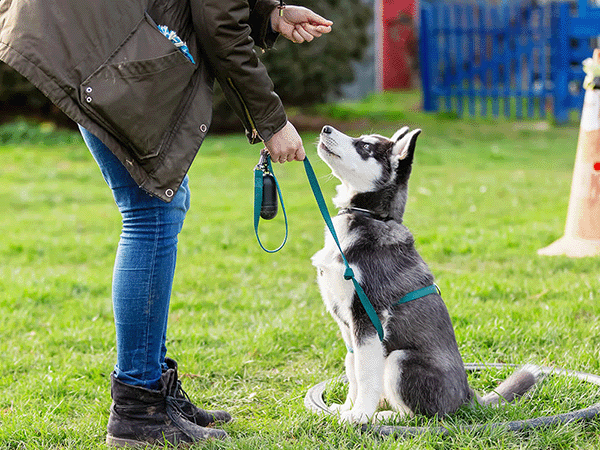
The Best Dog Trainers in the United States of 2026
This is a list of the top dog trainers in the United States, based on votes from the Sniffspot community and the general public.
The Best Dog Trainers in Seattle, WA of 2026
This is a list of the top dog trainers in Seattle, WA, based on votes from the Sniffspot community and the general public.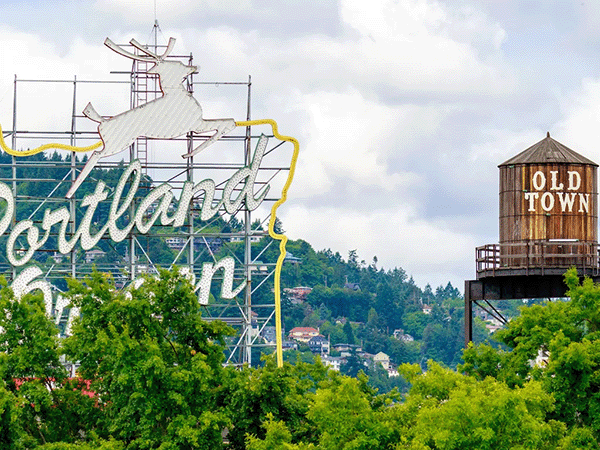
The Best Dog Trainers in Portland, OR of 2026
This is a list of the top dog trainers in Portland, OR, based on votes from the Sniffspot community and the general public.
The Best Dog Trainers in Los Angeles, CA of 2026
This is a list of the top dog trainers in Los Angeles, CA, based on votes from the Sniffspot community and the general public.
The Best Dog Trainers in New York, NY of 2026
This is a list of the top dog trainers in New York, NY, based on votes from the Sniffspot community and the general public.


City dog park guides

Best Dog Fields in the US: 25+ Wide-Open Spaces for Your Pup to Run Free
The best dog fields in the US offer something that traditional enclosed parks simply can't match: acres of open space where your pup can truly stretch their...
Top 10 Indoor Dog Parks: A US Guide
Looking for a space to play with your dog no matter what the weather’s like outside? Look no further than our list of the best indoor dog parks in the United...
Best Dog Parks in the US: Ultimate Guide to Public & Private Off-Leash Adventures
Is your pup giving you those pleading "let me run free" eyes? Whether you're a new dog parent or a seasoned pro looking for fresh adventures, finding the...
Dog Parks Near Me: Las Vegas Edition
Looking for the perfect dog park near me in Las Vegas? You're in luck! This guide explores all the best options for your pup, from public dog parks to...Best Dog Parks in the US: Off-Leash Guide
Looking for the perfect dog park? Whether you need a wide-open public space or a private, fenced-in spot, this guide will help you find the best dog parks...
Sniffspot: Portland's Best Private Dog Parks
Ready to discover Portland's best dog parks? Whether you're looking for a public park or the unique experience of a private Sniffspot, this guide has you...


Dog breeds

German Shepherd Guide: Best Family Dog? Truth from 9K Owners
The German Shepherd Dog (GSDs) are known for their intelligence, loyalty, and striking appearance. They're also incredibly versatile, excelling as working...
Labrador Retriever: Real Tips from Owners
Discover the Labrador Retriever, a breed celebrated for its playful nature, affectionate temperament, and trainability. Labradors are known for their...
Golden Retriever Advice: The Complete Owner's Guide
Golden Retrievers: they're gorgeous, playful, and incredibly popular. But before you welcome one into your home, you need the right golden retriever advice....
Are American Staffordshire Terriers Good for First-Time Owners: Complete Guide
Think American Staffordshire Terriers are tough? Think again. While their muscular build might intimidate some, these dogs are known for their playful and...
Australian Shepherd Facts: Breed Info & Care Guide
Discover the Australian Shepherd, an AKC breed celebrated for its trainable, playful, and affectionate nature. Despite its name, the Australian Shepherd is...
Essential Husky Facts for Owners: Breed Guide
Discover the Siberian Husky, a breed celebrated for its curious, intelligent, and loyal nature. Considered a medium-sized dog, Siberian Huskies were...


Top dog names in the US
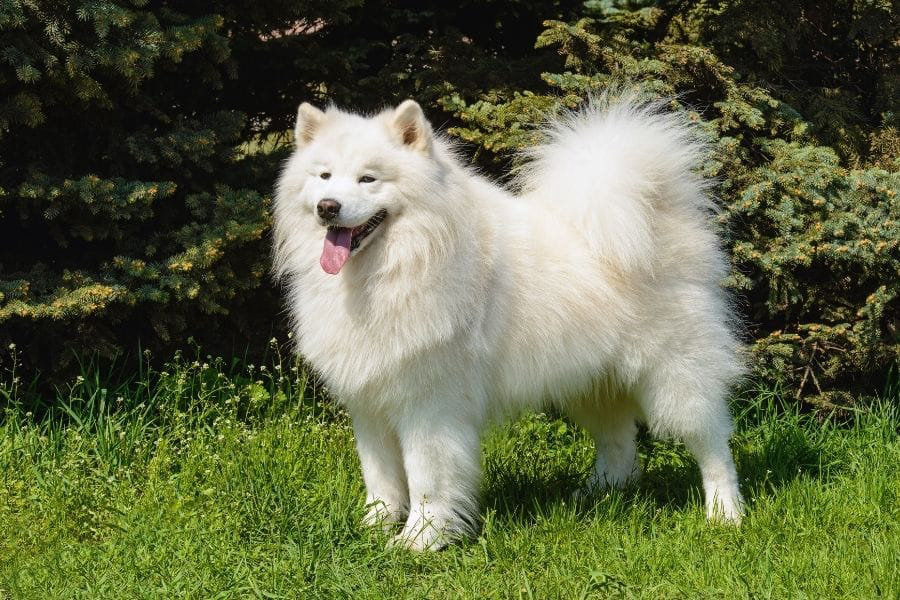
Top 1,000 Most Popular Dog Names
Looking for the perfect dog name for your new pup? We have created filterable lists of dog names from our database of hundreds of thousands of Sniffspot users.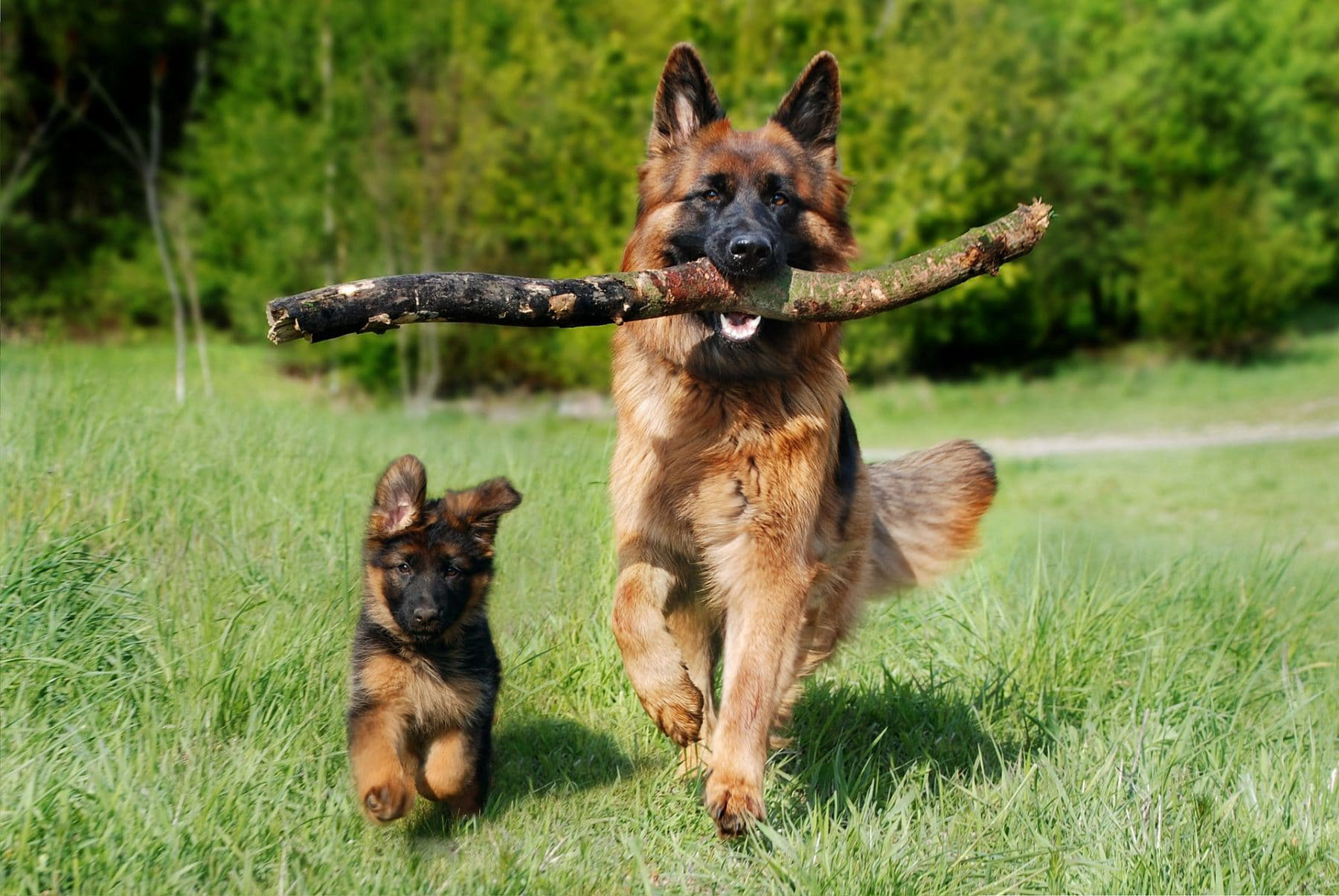
Most Popular Male Dog Names
Looking for the perfect dog name for your new male pup? We have created filterable lists of male dog names from our database of hundreds of thousands of...
Most Popular Female Dog Names
Looking for the perfect dog name for your new female pup? We have created filterable lists of female dog names from our database of hundreds of thousands of...
Most Popular Golden Retriever Names
Welcome to our comprehensive list of Golden Retriever dog names, curated from our vast database of Sniffspot users.
Most Popular Labrador Retriever Names
Welcome to our Labrador Retriever dog names page! Here you can browse through filterable lists of names for your beloved furry friend, ranging from cute and...


Top dog rescues in the US

The Best Washington Dog Rescues & Shelters in 2026
This list showcases the top dog rescues & shelters in Washington. These remarkable organizations have been recognized for their unwavering dedication to the...
The Best Oregon Dog Rescues & Shelters in 2026
This list showcases the top dog rescues & shelters in Oregon. These remarkable organizations have been recognized for their unwavering dedication to the...
The Best California Dog Rescues & Shelters in 2026
This list showcases the top dog rescues & shelters in California. These remarkable organizations have been recognized for their unwavering dedication to the...
The Best Florida Dog Rescues & Shelters in 2026
This list showcases the top dog rescues & shelters in Florida. These remarkable organizations have been recognized for their unwavering dedication to the...
The Best New York Dog Rescues & Shelters in 2026
This list showcases the top dog rescues & shelters in New York. These remarkable organizations have been recognized for their unwavering dedication to the...


