Top articlesSee all...

A Comprehensive Guide to Dog Exercise

How To Crate train An Older Dog - A Comprehensive Guide

How To Socialize A Dog - A Comprehensive Guide

Leash Training: A Guide to Training Your Dog to Walk on a Leash

Skijoring: A Guide to Skijoring with Dogs

The Best Dog Enrichment Toys

The Best United States Dog Parks

The Best Indoor Dog Parks in the United States

The Best Off-Leash Dog Parks in the United States
Top articles
A Comprehensive Guide to Dog Exercise
How To Crate train An Older Dog - A Comprehensive Guide
How To Socialize A Dog - A Comprehensive Guide
Leash Training: A Guide to Training Your Dog to Walk on a Leash
Skijoring: A Guide to Skijoring with Dogs
The Best Dog Enrichment Toys
The Best United States Dog Parks
The Best Indoor Dog Parks in the United States
The Best Off-Leash Dog Parks in the United States
See all...Pet Holiday Safety Tips: How to Avoid Common Holiday Hazards for Pets


The biggest threats to pets at this time of year are toxic plants, shiny or breakable decorations, rich or poisonous foods, and crowded, noisy gatherings. Keep those out of reach, set up a quiet room for your pet, and save your vet's number, and holiday pet safety mostly takes care of itself.
If you've ever caught your dog with a mouthful of tinsel or your cat halfway up the tree, you know the struggle is real. Twinkling lights, rich food, and a steady stream of guests make the season magical, and they also turn your home into an obstacle course for curious pets.
This holiday guide shares tips to protect your pet from the dangers vets see most, from plants and decorations to table scraps and party chaos. Most pet owners never expect trouble until it happens, so you'll get simple swaps, a quick plan for emergencies, and numbers worth saving now, so everyone in the family, furry ones included, gets to enjoy the day.
- How Can You Keep Your Dog Safe Around Foods, Plants, and Decorations?
- What Are the Common Holiday Plants That Are Poisonous to Pets?
- Is a Christmas Tree Safe for Pets?
- How Can Holiday Decorations Become Choking Hazards?
- Is a Candle or Strand of Festive Lights Dangerous for Pets?
- Which Toxic Holiday Foods Should Stay Away From Pets?
- Can You Feed Your Dog Table Scraps and Leftovers?
- How Do You Keep Guests and Holiday Gatherings From Causing Trouble?
- What Should You Do if Your Pet Has Eaten Something Dangerous?
- How Can You Handle Pet Travel and Winter Weather?
- FAQ: Holiday Hazards for Dogs and Cats
- A Safer, Merrier Season Starts With a Few Simple Habits
Key Takeaways
- Check your plants: Lilies are a serious danger for cats, and several seasonal favorites can upset stomachs or worse.
- Secure the tree and decor: Anchor the tree and keep stringy, shiny, and breakable decorations out of reach.
- Guard the table: Chocolate, xylitol, grapes, raisins, onions, and fatty scraps all belong out of reach.
- Brief your guests: A quick chat about the house rules prevents a lot of sneaky snacking.
- Save the numbers: Keep your vet's emergency line and a poison hotline handy before you need them.
🐾 Sniffspot tip: A tired dog makes a calmer party guest. Find a private Sniffspot near you for a long, relaxed run before the house fills up.
How Can You Keep Your Dog Safe Around Foods, Plants, and Decorations?
The short answer is to think high and out of reach. Put food on counters your dog can't reach, move plants to a shelf or a closed room, and hang breakable decorations near the top of the tree. A dog that can't reach it can't chew it.
Then do a quick walk-through at dog height. Look for cords, dangling ribbon, wrapped gifts with food inside, and open trash cans, and fix whatever a curious nose could grab. The sections below cover each hazard in more detail, so you can check them off one by one.

What Are the Common Holiday Plants That Are Poisonous to Pets?
Let's start with the plant that gets the worst rap. A Cornell toxicologist says the poinsettia is not as dangerous as many people think, and at worst it irritates the mouth and stomach. The University of Illinois adds that the sap can cause drooling and skin irritation, but not death. Still, treat it as a no-snack zone, because a pet may drool, vomit, or lose its appetite after a nibble.
These two deserve more respect. Penn Vet says mistletoe berries are the most toxic part of the plant and can cause vomiting, lack of appetite, and depression, while Texas A&M vets note that mistletoe can even cause seizures. The spiny leaves on holly can cut the mouth, and chewing the leaves or berries can bring on vomiting, diarrhea, and drooling.
Lilies are the one to ban outright if you share your home with a cat. Every part of the plant is toxic, and even a small amount can lead to life-threatening kidney failure in cats, so any nibble means an immediate trip to the vet. Before you accept a gift of holiday bouquets, check for lilies hidden in the mix.
If you want greenery without the worry, choose pet-safe options or keep poisonous holiday plants on a high shelf or in a closed room. Anything on this list can make a pet sick in the wrong amount, and curious paws always find a way.
Is a Christmas Tree Safe for Pets?
A real or artificial tree is basically a giant, shiny cat toy. Penn Vet warns that unsecured trees can tip over, and the water in the stand can upset your pet's stomach if they drink it. Anchor the tree to the wall, cover the stand with a skirt, and keep the base area dry and tidy.
Experts at the Cornell University College of Veterinary Medicine also suggest checking whether a living tree was treated with chemicals to preserve freshness and looking for pet-safe alternatives. If you are not sure, a tree from a trusted farm or an artificial one removes the question.
Because pets climb and swat at anything that dangles, plan ahead: with pets around, hang heavy or breakable pieces near the top and leave the bottom third of the branches bare. A little restraint down low saves a lot of cleanup, and a lot of vet visits.

How Can Holiday Decorations Become Choking Hazards?
Cats and dogs explore the world with their mouths, so anything shiny, dangly, or edible-looking is fair game. Cornell vets note that pets find shiny decorations and gift wrap very appealing, so ribbon, small baubles, and wrapping paper can turn dangerous in a heartbeat. Penn Vet adds that glass ornaments and their hooks can shatter, and one broken ornament can cut the mouth, esophagus, or intestines. Salt dough ornaments are a problem too, since they can cause vomiting and diarrhea.
Tinsel is the worst offender, especially for cats. UC Davis explains that swallowed strands can cause an intestinal blockage, and Virginia Tech vets say a cat that swallows a piece can trigger an accordion-like folding of the intestines. Vets call stringy items like ribbon, yarn, and string linear foreign bodies, and they sometimes need surgery to fix. Skip the sparkly stuff if you can.
Wrapped gifts count too. Cornell's veterinarian warns that swallowing wrapped gifts can lead to choking, vomiting, and bleeding, so keep presents, especially any with food inside, out of reach until the big morning.
Is a Candle or Strand of Festive Lights Dangerous for Pets?
Yes, both can be. Candles make a house feel cozy, but Texas A&M vets say to put every candle high enough that a pet cannot accidentally knock it over. Keep pets away from open flames, and consider a battery-powered flicker if your dog's tail clears the coffee table.
Lights are another hazard. UC Davis warns that pets can be electrocuted if they chew thin, uninsulated cords, and trouble breathing or a burn mark on the lips or tongue means an emergency. Christmas trees and holiday lights look best when cords are tucked behind furniture and unplugged whenever you head out.

Which Toxic Holiday Foods Should Stay Away From Pets?
Poison-control experts say the season is one of their busiest, and their top six holiday dangers read like a party menu. Here is the short version:
- Chocolate: Darker chocolate is worse. UC Davis notes that chocolate is toxic to dogs and cats, and Penn Vet says larger amounts can cause an irregular heartbeat and seizures.
- Xylitol: This sugar substitute hides in gum, candy, puddings, and sauces, and it can cause life-threatening low blood sugar and liver failure.
- Grapes and raisins: Both are toxic to dogs and can cause kidney failure, so watch stuffing, fruitcake, and cookies.
- Onions and garlic: Stuffing can combine onions, garlic, and raisins in one dish, which makes it a potential trifecta of dangers.
- Bread dough: Unbaked yeast dough can bloat in the stomach and ferment into alcohol.
- Alcohol: Drinks can cause neurologic signs, including coma.
- Marijuana and edibles: These round out the top six list, so store them where pets cannot get to them.
These show up in places you might not expect, from popular holiday dishes to the baking shelf. Holiday meals are full of surprises, so keep food away from pets at the buffet, in the trash, and on low tables, because even a quick lap at the counter can mean a vet visit. Many of these ingredients are toxic to pets in small amounts, so do not wait to see what happens. Store candy and baking supplies away from your pets, since foods containing cream of tartar can cause trouble.
Can You Feed Your Dog Table Scraps and Leftovers?
It is tempting, but the answer is mostly no. Penn Vet says turkey, ham, gravy, and cookies can cause diarrhea, vomiting, or pancreatitis, which can be life-threatening, and recommends keeping pets on their regular diet. Fatty trimmings are too rich for pets, and they are hard for pets to digest.
Bones deserve their own warning. Poultry bones can cause stomach upset or pancreatitis, or lodge in the esophagus, so wrap them up and put them in a bin a pet can't reach.
If you want to give your pet something special, stick with a treat made for dogs instead of holiday treats meant for people, or offer a small portion of their usual food, and keep the leftovers for tomorrow's sandwich.
How Do You Keep Guests and Holiday Gatherings From Causing Trouble?
Poison-control experts point out that gatherings bring new foods and unusual situations, and that adults focus on the kids and forget the pets. Penn Vet suggests making sure visitors know which foods pets can and cannot have, so a quick heads-up at the door goes a long way.
Open doors are an escape route, and guests who bring their own pets add even more chaos. Keep collars and ID tags on, and set up a safe space where your pet can retreat, like a quiet bedroom with a bed, water, and a chew. A quiet room can help keep your pet comfortable, since a frightened pet needs a door that closes, not a crowd of well-meaning cuddlers.
Noise is the other big stressor. Doorbells, laughter, and loud music can rattle a nervous dog, so give them a long walk before guests arrive, run white noise in their quiet room, and hand over a chew or puzzle toy. If your dog really struggles, many of the tricks in our guide to calm dogs during fireworks work for party noise too.
Bringing home a new rescue this season? Give them time to settle before the party starts. Our guide to the 3-3-3 rule for rescue dogs explains what to expect in the first days, weeks, and months, and why a quiet room matters even more for a new arrival.
At holiday parties, never leave a pet alone with a table full of food, and consider a pet sitter for big events. Many pets find noise stressful, and our guide on how to calm an anxious dog can help, along with the dog anxiety hub. Many dogs love company, but they still need breaks.
📍 Need support? If your dog struggles around visitors, find a trainer before the guests arrive.

What Should You Do if Your Pet Has Eaten Something Dangerous?
Act fast and do not wait for symptoms. The AVMA recommends calling your vet right away and lists the ASPCA Animal Poison Control Center at 888-426-4435 and the Pet Poison Helpline at 855-764-7661, noting that a fee may apply.
Watch for vomiting, diarrhea, drooling, or a sudden loss of appetite, and remember that some signs show up hours later. UC Davis lists a loss of appetite, vomiting, or diarrhea as reasons to call after a pet swallows decorations, and the same rule of thumb works for most of the items above.
Have the basics ready: what your pet ate, how much, and when. Poison-control experts also discourage inducing vomiting at home without talking to a veterinarian first, because some materials do more harm coming back up.
Emergency vets stay open on holidays, but bills can sting, so see our guide on how to pay for vet bills. A little planning protects your pet's health and safety long after the decorations come down.
How Can You Handle Pet Travel and Winter Weather?
If you take your pet along on trips, pack their usual food, medications, and a copy of their vet records, and keep a current ID tag on their collar. Our road trip with Sniffspot guide has ideas for stretch breaks along the way.
Winter weather matters too. Check our guide on how cold is too cold for dogs before you head out, and see our post on calm dogs during fireworks if New Year's Eve is on your calendar.
FAQ: Holiday Hazards for Dogs and Cats
Is a poinsettia poisonous?
Mildly at most. A Cornell toxicologist says the plant is not as dangerous as many people think, and the University of Illinois notes that the sap can cause drooling and skin irritation, but not death. Expect, at worst, an irritated mouth and stomach, with drooling or vomiting. Call your vet if your pet keeps vomiting or stops eating, and keep the plant out of reach anyway.
Are lilies really that dangerous for cats?
Yes, and they are the one plant to ban outright. Penn Vet explains that every part of the lily is toxic and the kidneys are at risk, so any ingestion needs immediate veterinary care, even if your cat seems fine. Check bouquets and arrangements for hidden lilies before you bring them home, and skip them entirely if you share your home with a cat.
What should I do if my dog eats chocolate?
Call your vet or a poison hotline right away. UC Davis notes that chocolate is toxic for dogs as well as cats, and Penn Vet adds that larger amounts can cause an irregular heartbeat and seizures. Darker chocolate is riskier, and the amount matters, so have the wrapper or a rough estimate handy when you call.
Is xylitol really that dangerous?
It can be. Veterinary experts warn that xylitol can cause life-threatening low blood sugar and liver failure in dogs. It hides in gum, candy, puddings, and some sauces, so read labels and keep purses and gift bags off the floor. Call right away if your dog eats anything that might contain it.
Is tinsel really a problem?
Yes. UC Davis says swallowed strands can cause an intestinal blockage, and Virginia Tech vets describe how a cat that swallows a piece can end up with an accordion-like folding of the intestines. Call your vet if your pet eats any, especially if you see vomiting, diarrhea, or a loss of appetite.
Can my dog have a little turkey?
Plain bites are one thing, but the trimmings are the trouble. Penn Vet warns that turkey, ham, gravy, and cookies can cause diarrhea, vomiting, or pancreatitis, which can be life-threatening, and it recommends keeping pets on their regular diet. Fatty skin and gravy are the biggest culprits, and cooked bones belong in a bin your pet cannot reach. If you want to share, ask your vet first.
Is the water in the tree stand dangerous?
It can upset a stomach if a pet drinks it, according to Penn Vet, so cover the stand with a skirt and keep it clean. The Cornell vets also suggest asking whether a living tree was treated with chemicals to preserve freshness, which is one more reason to steer pets away from the base.
Are candles safe if they are out of reach?
Higher is better. Texas A&M vets recommend placing candles where a pet cannot accidentally knock them over, and a flameless candle is a safer choice if you have a swishy tail around. Never leave a flame unattended, and blow them out whenever you leave the room or the house.
Can my dog stay home alone while I go to parties or travel?
A healthy adult dog can usually manage six to eight hours, according to Adopt a Pet, while the AKC quotes closer to four to six hours. Puppies and seniors need much less, so arrange a sitter or a midday visit for longer outings. Before you leave, unplug the lights, blow out candles, and put away food and gifts.
What numbers should I save?
Your regular vet, the nearest emergency clinic, and the poison hotlines. The AVMA lists the ASPCA Animal Poison Control Center at 888-426-4435 and a second hotline at 855-764-7661, and a fee may apply for the hotlines. Having a number saved beats searching during an emergency.
A Safer, Merrier Season Starts With a Few Simple Habits
Most emergencies in December are preventable, and they usually come down to the same handful of things: plants, decor, food, and guests. A few small habits can help keep your pets safe this holiday season, and you will spend more time cuddling than calling the vet.
Whether you share your home with a dog or cat, start with one room at a time and see what a curious nose could reach. Tell your guests the rules, save the poison hotline numbers, and give everyone a safe place to relax.
🌳 Ready to wind down? After the guests leave, a quiet walk or a private Sniffspot visit is a great way to reset. Browse Sniffspot listings near you.
Remember:
- Anchor the tree and keep stringy decor, ribbon, and breakable pieces out of reach
- Keep lilies away from cats, and treat other plants as no-snack zones
- Chocolate, xylitol, grapes, raisins, onions, bread dough, and alcohol are off limits
- Skip the table scraps and bag up bones
- Brief your guests and give pets a quiet room
- Save your vet and poison hotline numbers now
At Sniffspot, we make sure every article is checked for accuracy before it publishes. This one was reviewed by Elisa Quinn, CVT, of SEA Island Animal Clinic, who has helped clients handle anxiety and reactivity around the holiday season.


Most recent articles


Related articles
Top dog guides per area
Dog training guides

Dog Food Aggression & Resource Guarding Guide
Does your dog ever growl when you walk by their food dish? Maybe they get possessive of treats, carrying them far away and giving you side-eye when you start...
The Ultimate Guide to Scent Training for Dogs
Your dog's nose is an amazing tool. Did you know they have 40 times the olfactory receptors than humans? Scent training for dogs taps into this superpower,...
How Much Does It Cost to Train a Service Dog?
More than 80 million Americans rely on their service dogs to help them navigate the world. Task-trained assistance animals perform a huge range of...
How to Deal With Puppy Potty Training Regression
You thought those dreaded middle-of-the-night potty breaks were over. You were finally free from cleaning up puppy puddles. Then, suddenly, your...
Dirty Dog Syndrome: Causes, Solutions, and Prevention
It's a cringe-worthy moment every dog owner dreads: your furry friend chowing down on something truly disgusting. If your dog has a penchant for poop, you're...
How to Train Your Rescue Dog: A Complete Guide
The shelter ride home goes one of two ways. Your new dog either plasters themselves against the car window, tongue out and tail going like a helicopter, or...


Dog enrichment guides

Best Dog Water Parks in the US: 15+ Amazing Splash Destinations for Your Pup
Do you have a water-loving dog looking to burn some energy? There are countless dog parks to visit throughout our country — but some of them become far too...
Best Toys for Herding Dogs: Keeping Your Pup Happy & Engaged
Herding dogs are amazing, intelligent companions. But that also means they need more than just a simple game of fetch. Finding the right toys for herding...
Tough Dog Toys for Aggressive Chewers: A Practical Guide
Does your dog destroy every toy you give them? Is your house littered with the remnants of plush toys? Are you tired of wasting money on "indestructible" dog...
Dog Exercise Calculator: How Much Exercise Does Your Dog Need?
Every dog needs to move, but how much is actually enough? The answer depends on more than just breed. Age, health, and even your own lifestyle all play a...
Complete Guide To Herding With Dogs
* All Sniffspot articles are reviewed by certified trainers for quality, please see bottom of article for details *
Dog Enrichment Activities: The Ultimate Guide
Ever feel like your dog is restless or bored? They may be getting enough exercise, but still need more. That's where enrichment activities for dogs come in....


Dog reactivity guides

Rottweiler Aggression: Signs, Causes & Training
Many dogs have gotten a bad reputation over the years for being "dangerous breeds." Rottweilers are among them. Like pit bulls and other large, blocky-headed...
The Reactive Dog Chart: How to Calm Your Dog's Triggers
If your dog lunges, barks, or loses their mind at the sight of another dog, a stranger, or a bicycle, you’re living with a reactive dog (and you’re far from...
How to Socialize a Reactive Dog: A Step-by-Step Guide
Does your dog display reactivity to other pets or people—barking, lunging, or growling when they see their triggers? Whether they're a rescue still settling...
What Is a Reactive Dog? The Complete Guide for Understanding and Helping Your Pup
Does your dog transform into a barking, lunging tornado the second they spot another dog across the street? You're definitely not alone. According to our...
9 Best Online Communities for Reactive Dog Parents
Does your dog's reactivity make walks stressful? You're not alone. Many dog owners face similar challenges. This guide offers practical advice and support...
How To Groom a Reactive Dog
* All Sniffspot articles are reviewed by certified trainers for quality, please see bottom of article for details *


Sniffspot community guides

The State of Public Dog Parks Across the United States
From 2009 to 2020, there was a 40 percent increase in the development of public dog parks. Designated spots for canine exercise have become commonplace in...
How This Family is Affording Their Dream Property Through Renting it Hourly to Dogs
Thousand Oaks, California has been a safe haven for Sniffspot host, Jen, since childhood. Having grown up in busy Santa Barbara, Jen, an introvert from an...
Host Tips: Ellen K. What Makes Sniffspot Successful for Me
Ellen is the host of Country Pasture Getaway, one of Sniffspot's most popular sniff spots. She has taken the time to write up the lessons she has learned...
How this Oregon Farmer is Making a Business From Renting Her Land to Dogs
Just 20 minutes outside of the busy city of Portland, Oregon, and settled right on the banks of the Columbia River, you’ll find what countless visitors have...
Host Tips: Fran T. Providing Great Guest Service at our Spot
Fran is the host of Ranch Setting, one of Sniffspot's most popular spots. She has taken the time to write up the lessons she has learned about how to be a...
How Sniffspot Helped a Nervous Rescue Work Through His Fears and Change His Family’s Life
This is the story of a family and dog rescuing each other.


Top dog trainers in the US
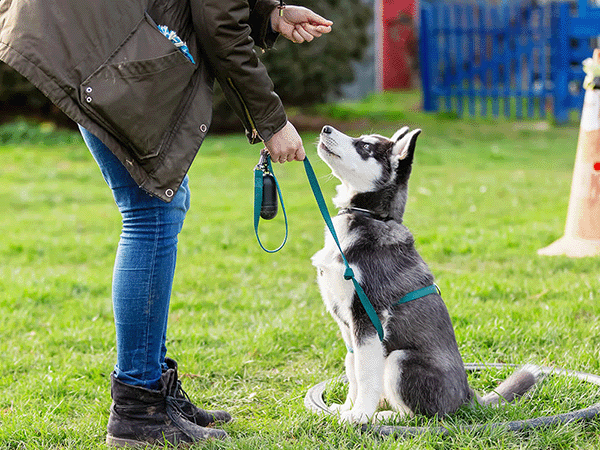
The Best Dog Trainers in the United States of 2026
This is a list of the top dog trainers in the United States, based on votes from the Sniffspot community and the general public.
The Best Dog Trainers in Seattle, WA of 2026
This is a list of the top dog trainers in Seattle, WA, based on votes from the Sniffspot community and the general public.
The Best Dog Trainers in Portland, OR of 2026
This is a list of the top dog trainers in Portland, OR, based on votes from the Sniffspot community and the general public.
The Best Dog Trainers in Los Angeles, CA of 2026
This is a list of the top dog trainers in Los Angeles, CA, based on votes from the Sniffspot community and the general public.
The Best Dog Trainers in New York, NY of 2026
This is a list of the top dog trainers in New York, NY, based on votes from the Sniffspot community and the general public.


City dog park guides

Best Dog Fields in the US: 25+ Wide-Open Spaces for Your Pup to Run Free
The best dog fields in the US offer something that traditional enclosed parks simply can't match: acres of open space where your pup can truly stretch their...
Top 10 Indoor Dog Parks: A US Guide
Looking for a space to play with your dog no matter what the weather’s like outside? Look no further than our list of the best indoor dog parks in the United...
Best Dog Parks in the US: Ultimate Guide to Public & Private Off-Leash Adventures
Is your pup giving you those pleading "let me run free" eyes? Whether you're a new dog parent or a seasoned pro looking for fresh adventures, finding the...
Dog Parks Near Me: Las Vegas Edition
Looking for the perfect dog park near me in Las Vegas? You're in luck! This guide explores all the best options for your pup, from public dog parks to...Best Dog Parks in the US: Off-Leash Guide
Looking for the perfect dog park? Whether you need a wide-open public space or a private, fenced-in spot, this guide will help you find the best dog parks...
Sniffspot: Portland's Best Private Dog Parks
Ready to discover Portland's best dog parks? Whether you're looking for a public park or the unique experience of a private Sniffspot, this guide has you...


Dog breeds

German Shepherd Guide: Best Family Dog? Truth from 9K Owners
The German Shepherd Dog (GSDs) are known for their intelligence, loyalty, and striking appearance. They're also incredibly versatile, excelling as working...
Labrador Retriever: Real Tips from Owners
Discover the Labrador Retriever, a breed celebrated for its playful nature, affectionate temperament, and trainability. Labradors are known for their...
Golden Retriever Advice: The Complete Owner's Guide
Golden Retrievers: they're gorgeous, playful, and incredibly popular. But before you welcome one into your home, you need the right golden retriever advice....
Are American Staffordshire Terriers Good for First-Time Owners: Complete Guide
Think American Staffordshire Terriers are tough? Think again. While their muscular build might intimidate some, these dogs are known for their playful and...
Australian Shepherd Facts: Breed Info & Care Guide
Discover the Australian Shepherd, an AKC breed celebrated for its trainable, playful, and affectionate nature. Despite its name, the Australian Shepherd is...
Essential Husky Facts for Owners: Breed Guide
Discover the Siberian Husky, a breed celebrated for its curious, intelligent, and loyal nature. Considered a medium-sized dog, Siberian Huskies were...


Top dog names in the US
Top 1,000 Most Popular Dog Names
Looking for the perfect dog name for your new pup? We have created filterable lists of dog names from our database of hundreds of thousands of Sniffspot users.
Most Popular Male Dog Names
Looking for the perfect dog name for your new male pup? We have created filterable lists of male dog names from our database of hundreds of thousands of...
Most Popular Female Dog Names
Looking for the perfect dog name for your new female pup? We have created filterable lists of female dog names from our database of hundreds of thousands of...
Most Popular Golden Retriever Names
Welcome to our comprehensive list of Golden Retriever dog names, curated from our vast database of Sniffspot users.
Most Popular Labrador Retriever Names
Welcome to our Labrador Retriever dog names page! Here you can browse through filterable lists of names for your beloved furry friend, ranging from cute and...


Top dog rescues in the US

The Best Washington Dog Rescues & Shelters in 2026
This list showcases the top dog rescues & shelters in Washington. These remarkable organizations have been recognized for their unwavering dedication to the...
The Best Oregon Dog Rescues & Shelters in 2026
This list showcases the top dog rescues & shelters in Oregon. These remarkable organizations have been recognized for their unwavering dedication to the...
The Best California Dog Rescues & Shelters in 2026
This list showcases the top dog rescues & shelters in California. These remarkable organizations have been recognized for their unwavering dedication to the...
The Best Florida Dog Rescues & Shelters in 2026
This list showcases the top dog rescues & shelters in Florida. These remarkable organizations have been recognized for their unwavering dedication to the...
The Best New York Dog Rescues & Shelters in 2026
This list showcases the top dog rescues & shelters in New York. These remarkable organizations have been recognized for their unwavering dedication to the...


