Top articlesSee all...

A Comprehensive Guide to Dog Exercise

How To Crate train An Older Dog - A Comprehensive Guide

How To Socialize A Dog - A Comprehensive Guide

Leash Training: A Guide to Training Your Dog to Walk on a Leash

Skijoring: A Guide to Skijoring with Dogs

The Best Dog Enrichment Toys

The Best United States Dog Parks

The Best Indoor Dog Parks in the United States

The Best Off-Leash Dog Parks in the United States
Top articles
A Comprehensive Guide to Dog Exercise
How To Crate train An Older Dog - A Comprehensive Guide
How To Socialize A Dog - A Comprehensive Guide
Leash Training: A Guide to Training Your Dog to Walk on a Leash
Skijoring: A Guide to Skijoring with Dogs
The Best Dog Enrichment Toys
The Best United States Dog Parks
The Best Indoor Dog Parks in the United States
The Best Off-Leash Dog Parks in the United States
See all...How to Keep Your Dog Calm During Fireworks: Tips for Every Scared Pup


If your dog trembles, hides, or tries to climb into your lap the second the first boom rolls in, you are not alone. Fireworks are one of the most common triggers for noise fear, and many dogs are scared of fireworks even when they are brave the other 364 days of the year. The good news is that you can learn how to calm dogs during fireworks with a little planning, a cozy hideout, and a lot of patience.
This guide walks through why the booms feel so scary, the warning signs to watch for, and what to do before, during, and after the show. You'll get a prep checklist, training steps you can start early, and a clear picture of when it's time to call your vet, so the next Fourth of July, New Year's Eve, or bonfire night feels a lot less stressful for both of you.
- Why Are Dogs Afraid of Fireworks?
- Are Some Dog Breeds More Scared of Fireworks Than Others?
- What Are the Signs of Fear in Dogs During Fireworks?
- How Can You Prepare Your Dog for Fireworks Ahead of Time?
- How Do You Go About Creating a Safe Space for a Scared Dog?
- What Should You Do While the Fireworks Go Off?
- Does Desensitization Training Help With Fireworks Anxiety?
- Do Calming Aids Like Vests, Treats, and Pheromone Products Work?
- When Should You Talk to Your Vet About Anxiety Medication?
- What Should You Avoid Doing When Your Dog Is Scared?
- How Can You Prevent Fireworks Fear in Puppies and Young Dogs?
- FAQ: Dogs and Fireworks
- A Calmer Night Is Possible for Your Best Friend
Key Takeaways
- Start early: Sound training and a vet chat work best weeks before the holiday, not on the night itself.
- Build a hideout: A quiet, familiar room with a cozy bed gives your dog somewhere to retreat.
- Stay close: Veterinary behavior experts say comforting a frightened dog does not make the fear worse.
- Skip the punishment: Fear is not misbehavior, and scolding only adds to the stress.
- Know when to get help: If your dog is panicking, your vet has more tools than you might think.
🐾 Sniffspot tip: A long, relaxed outing earlier in the day is one of the easiest ways to take the edge off. Find a private Sniffspot near you for a no-stress sniff session before the evening begins.
Why Are Dogs Afraid of Fireworks?
Fireworks check every box for a scary noise. They are sudden, extremely loud, and unpredictable, and the flashes and smells show up with zero warning. To a dog, a booming sky makes no sense, and there is no way to explain that the firework display will be over in twenty minutes.
Dogs are also more common victims of noise fear than most people realize. Research from Ohio State University suggests between 25% and 50% of dogs and cats have some form of noise aversion. The reaction can grow over time, too. Tufts veterinarians explain that repeated booms can sensitize even a mildly fearful dog, so a rough fireworks season can make next year worse.
Age, hearing changes, past scares, and genetics all play a role, and a dog may be fine one year and a trembling mess the next. Sudden loud noises of all kinds can set off the same response, from a thunderstorm to a car backfiring. Fireworks trigger a startle reaction, and with each new firework the startle can turn into dread.
Are Some Dog Breeds More Scared of Fireworks Than Others?
Yes, genetics play a part. In a Norwegian survey of more than 5,000 dogs across 17 breeds, 21% showed strong or very strong fireworks fear, and rates ranged from 8% in Chinese Crested dogs to 32% in Norwegian Buhunds, according to a summary from AVSAB. A separate Finnish study found wheaten terriers and mixed breeds were among the most likely to be sensitive to noise.
Don't read too much into a breed label, though. Plenty of dogs from "low-risk" breeds fall apart at the first boom, and personal history matters as much as DNA. Treat how your own dog reacts as the real data.

What Are the Signs of Fear in Dogs During Fireworks?
Every dog shows fear a little differently. Cornell's Riney Canine Health Center lists trembling, barking or whining, drooling, pacing, hiding, scratching at doors, and trying to escape as typical reactions, and a dog may also pant even when the room is cool. Some dogs get scared and bolt for the bathroom or the closet, while others glue themselves to your leg.
Your dog feels the fear in their whole body, so watch for the quieter clues too: a tucked tail, flattened ears, wide eyes, or a stiff posture. If you want a refresher, we break down how to read your dog's body language in a separate guide.
Noise fear can sometimes overlap with separation anxiety, so if your dog also struggles when you leave the house, mention both to your vet. And if these reactions show up outside of holidays, our guide to dog anxiety signs and how to help is a good next stop.
How Can You Prepare Your Dog for Fireworks Ahead of Time?
Preparation is your best tool, and it starts well before the first firework lights up the sky. Work through this checklist a week or two out:
- Update the ID. Frightened dogs bolt, so make sure the collar tag and microchip info are current. Cornell recommends keeping ID collars and chip registrations up to date.
- Book the vet chat. If your dog has a history of panic, ask about options now, not the afternoon of the holiday.
- Plan the exercise. Walk your dog and let them play well before dusk. Exercise, play, and bathroom trips earlier in the day mean a tired, relaxed dog by sunset.
- Secure the house and yard. Check gates, latches, and windows, and take your dog out on a leash for any potty breaks, even in a fenced yard.
Remember that celebrations are rarely limited to one night. Neighbors often start well before the 4th of July and keep going long after, so don't wait until the fireworks begin to put your plan in motion. Pick a weekend a few days ahead to test your setup and tweak anything your dog ignores.
📍 Need a hand? If the fear is bigger than a DIY plan can handle, find a trainer who works with noise-sensitive dogs.
How Do You Go About Creating a Safe Space for a Scared Dog?
Cornell recommends picking a familiar room away from the noise with few windows and a cozy bed. Tufts adds that a basement, windowless bathroom, or closet works well too. Close the curtains, add a favorite blanket, and make the room feel safe and calm well before the show.
The trick is to make the spot a happy place long before the booms begin. Tufts suggests spending positive time there every day, with treats, chews, and quiet cuddles, so your dog links it with good things. A few cozy extras can help them feel secure, like a worn T-shirt that smells like you or a washable bed in a corner.
A crate can work only if your dog already uses it and sees it as a refuge, and you should never shut a panicked dog inside one. Every choice here comes back to one goal: help your dog feel safe on their own terms.

What Should You Do While the Fireworks Go Off?
As soon as the fireworks start, head to the hideout together. Cornell suggests staying with a frightened dog or arranging a trusted sitter, and Tufts notes that comforting does not make the fear worse. So go ahead and cuddle. Even one distant firework can set off a dog that is already on edge, so don't wait for the big finale. Stay close to your dog before and during fireworks, and keep your own voice low and breezy.
Here is how to keep pets calm during fireworks once the noise starts:
- Mask the noise. Cornell suggests white noise or soft classical music. We cover options in our guide to calming music for dogs.
- Offer a distraction. Give your dog a long-lasting chew or food puzzle before the show begins. Our DIY enrichment ideas are budget-friendly.
- Use your voice. Speak softly and reassure your dog with gentle petting.
- Add gentle touch. A slow, soft massage can help calm your dog and soothe a restless one without turning the evening into a big production.
When the last firework fades, keep the evening quiet and offer water and a leashed potty trip.
Try to stay calm yourself. Dogs read your energy, and a relaxed owner is a surprisingly good signal that the sky is not falling. If your dog prefers to pace, hide behind the couch, or lean against the wall, let them. Helping a dog stay calm means following their lead, not forcing cuddles on a pup who needs space.
Does Desensitization Training Help With Fireworks Anxiety?
For many dogs, yes. This approach teaches your dog that the sound is not a threat by pairing it with good things, and it works best when you start well before the holiday. PetMD recommends playing recordings at a very quiet level alongside small, high-value treats, then raising it gradually.
Here is how a simple routine might look:
- Introduce your dog to recordings of firework sounds at a low volume, during a quiet moment at home.
- Pair the sound of fireworks with treats, so your dog will begin to associate it with snacks.
- Allow your dog plenty of time to get used to each level before moving on.
- Once your dog gets used to that level, gradually increase the volume a little at a time.
Mix up the recordings so your dog doesn't tune into one particular firework noise, and vary the rhythm and distance. If your dog shows fear at any step, turn the volume down and back up a step. Moving too fast is the most common mistake, and it can backfire.
The training takes weeks, not days. Cornell and PetMD both stress that it needs to begin well before the holiday arrives, so mark your calendar for a month out, long before anyone lights a firework.
Do Calming Aids Like Vests, Treats, and Pheromone Products Work?
No single product ends noise fear, but some can take the edge off. Beyond products, long-lasting chews and food puzzles are among the simplest things you can offer. Pressure vests, calming treats, and scent diffusers and collars all have fans, and PetMD notes that none of them are guaranteed. Cornell says pheromones may help as an add-on, but to ask your veterinarian first.
We've dug into the evidence in separate guides on anxiety vests and calming treats. The short version: think of any dog calming product as a helper, not a fix.
These are extra ways to help on top of exercise, a hideout, and training, not a replacement for them. Used alongside the basics, they can also help reduce stress for some dogs, though results vary, so test anything new on a quiet day before the holiday.
When Should You Talk to Your Vet About Anxiety Medication?
If the panic is intense, or the training and hideout are not enough, it is time to call. Tufts says noise phobia is typically treated with environmental management, behavior modification, and, when severe, medication. Cornell University College of Veterinary Medicine experts advise that you talk to your veterinarian well in advance, and trial any medication on a calm day before the real event.
Never give your dog an over-the-counter medication without checking first, and that includes Benadryl. Human drugs and supplements can be risky for dogs, and the right option depends on health and history.
Why not Benadryl? It is a common question, but PetMD says Benadryl is not typically an effective treatment for anxiety. It may make some dogs a little sleepy without doing anything for the underlying fear. Ask your vet which prescription options fit your dog instead.
If the fear is severe or unmanageable, ask about a referral to a veterinary behaviorist, who can build a plan that goes beyond the holiday. For more on when to make the appointment, see our guide on when to see a vet for anxiety in dogs. Call early, because appointments fill up fast around the holidays.
What Should You Avoid Doing When Your Dog Is Scared?
Some well-meaning moves make things worse. Cornell is clear that you should never punish a frightened dog. It is natural for a dog to be scared, and scolding adds fear and anxiety on top of what they already feel. No dog would choose to tremble under the bed, so skip the lecture.
Skip the "toughen them up" approach too. Forcing a dog to a firework show or a crowded fireworks event does not build confidence. It can sensitize them further, and a panicked dog in a crowd is also a flight risk.
Don't leave your dog alone outside, either, even in a fenced yard. With fireworks outside and loud fireworks going off nearby, a dog that's alone may feel scared enough to dig, jump, or bolt. Keep your dog safe indoors and use a leash for any quick potty trips.
How Can You Prevent Fireworks Fear in Puppies and Young Dogs?
A lifelong fear of fireworks is not inevitable. Gentle, positive exposure to everyday sounds can build resilience, so socialization as a puppy should include vacuum cleaners, doorbells, and car doors, all paired with treats and plenty of breaks.
Even well-socialized dogs find that fireworks can be frightening, and this approach is no guarantee. But it gives young dogs a head start and makes later training easier. If you're not sure how to begin, a trainer can help, and our guide on how to calm an anxious dog offers more everyday strategies.

FAQ: Dogs and Fireworks
Is it normal for a dog to be afraid of fireworks?
Yes, it is very common. Research from Ohio State University suggests between 25% and 50% of dogs and cats have some form of noise aversion. Because the reaction can grow with repeated exposure, it pays to start helping early instead of waiting to see if your dog grows out of it.
Should I comfort my dog during fireworks?
Yes. Tufts notes that comforting a scared dog does not make the fear worse, so offer quiet company, a soft voice, and a place to retreat. If your dog prefers to be alone under the bed, let them have that space and simply stay nearby.
Can I leave my dog home alone when fireworks are planned?
If you can, no. If you can, stay with your dog or arranging a trusted sitter. If you truly have to go out, set up the hideout first, leave some steady background sound on, and have someone check in.
Do crates help a scared dog?
Only if your dog already treats the crate as a safe spot. Otherwise, a quiet interior room with a cozy bed is a better choice, and a panicked dog should never be locked in.
Do anxiety vests or calming treats work?
They help some dogs and do nothing for others, and PetMD notes that none are guaranteed. Think of them as extras on top of exercise, a hideout, and training, and test anything new on a quiet day. We break down the evidence in our guides to anxiety vests and calming treats.
Does background music really help?
It can. Cornell suggests soft classical music or other steady background sound to mask the booms, which works best when it starts before the noise does. See our guide to calming music for dogs for ideas.
How early should I start training?
Start weeks or even months ahead. Thrive Pet Healthcare vets warn that sound recordings only help when they are introduced months in advance, so a few days of practice right before the holiday is not enough.
Should I bring my dog outside to watch the show?
No. The same Thrive guide lists taking a dog outside to "see" the fireworks as something that does not work and could make things worse. A quiet room at home is a far better spot.
Can the fear get worse over time?
Yes. Tufts explains that repeated booms can sensitize even a mildly fearful dog, so what looks like a minor startle this year can turn into full panic next year. That is one more reason to start training and ask your vet early.
Is fear of thunder the same thing?
They often travel together. Psychology Today reports that dogs who react badly to fireworks tend to be fearful of thunder and gunshots too, so a hideout and sound training can pay off all year.
What if my dog runs away in a panic?
Keep ID tags up to date and check that the registered chip info is current before the holiday. If your dog does bolt, start searching right away, then call local shelters and vets and post in neighborhood groups.
Can I give my dog Benadryl for fireworks?
Ask your vet first. PetMD says it is not typically effective for anxiety, and prescription options paired with training tend to work better.
When is it time to call the vet?
Call if the panic is intense, if your dog hurts themselves trying to escape, if the fear lasts long after the noise ends, or if it gets worse each year. Your vet can rule out pain, talk through medication, and refer you to a behaviorist if needed.
A Calmer Night Is Possible for Your Best Friend
Fireworks are not going away, but the fear does not have to be permanent. A hideout, an early plan, some sound training, and a steady human can turn a terrifying night into one your dog sails through with a little less trembling.
Start small and be patient with the process. Even a few of these steps can make the next holiday easier, and your vet can fill in the gaps when you need more support.
🌳 Ready for a calmer day before the show? Book a private, fully fenced space and let your dog sniff, run, and decompress while the evening is still quiet. Browse Sniffspot listings near you.
Remember:
- Start sound training and vet conversations weeks ahead
- Exercise your dog earlier in the day
- Build a quiet hideout and make it a happy place
- Stay with your dog and offer calm comfort
- Never punish a frightened dog
- Keep ID current and secure the yard
- Ask for help when fear is severe
At Sniffspot, we make sure every article is checked for accuracy before it publishes. This one was reviewed by Elisa Quinn, CVT, of SEA Island Animal Clinic, who has helped clients handle anxiety and reactivity.


Most recent articles


Related articles
Top dog guides per area
Dog training guides

Dog Food Aggression & Resource Guarding Guide
Does your dog ever growl when you walk by their food dish? Maybe they get possessive of treats, carrying them far away and giving you side-eye when you start...
The Ultimate Guide to Scent Training for Dogs
Your dog's nose is an amazing tool. Did you know they have 40 times the olfactory receptors than humans? Scent training for dogs taps into this superpower,...
How Much Does It Cost to Train a Service Dog?
More than 80 million Americans rely on their service dogs to help them navigate the world. Task-trained assistance animals perform a huge range of...
How to Deal With Puppy Potty Training Regression
You thought those dreaded middle-of-the-night potty breaks were over. You were finally free from cleaning up puppy puddles. Then, suddenly, your...
Dirty Dog Syndrome: Causes, Solutions, and Prevention
It's a cringe-worthy moment every dog owner dreads: your furry friend chowing down on something truly disgusting. If your dog has a penchant for poop, you're...
How to Train Your Rescue Dog: A Complete Guide
The shelter ride home goes one of two ways. Your new dog either plasters themselves against the car window, tongue out and tail going like a helicopter, or...


Dog enrichment guides

Best Dog Water Parks in the US: 15+ Amazing Splash Destinations for Your Pup
Do you have a water-loving dog looking to burn some energy? There are countless dog parks to visit throughout our country — but some of them become far too...
Best Toys for Herding Dogs: Keeping Your Pup Happy & Engaged
Herding dogs are amazing, intelligent companions. But that also means they need more than just a simple game of fetch. Finding the right toys for herding...
Tough Dog Toys for Aggressive Chewers: A Practical Guide
Does your dog destroy every toy you give them? Is your house littered with the remnants of plush toys? Are you tired of wasting money on "indestructible" dog...
Dog Exercise Calculator: How Much Exercise Does Your Dog Need?
Every dog needs to move, but how much is actually enough? The answer depends on more than just breed. Age, health, and even your own lifestyle all play a...
Complete Guide To Herding With Dogs
* All Sniffspot articles are reviewed by certified trainers for quality, please see bottom of article for details *
Dog Enrichment Activities: The Ultimate Guide
Ever feel like your dog is restless or bored? They may be getting enough exercise, but still need more. That's where enrichment activities for dogs come in....


Dog reactivity guides

Rottweiler Aggression: Signs, Causes & Training
Many dogs have gotten a bad reputation over the years for being "dangerous breeds." Rottweilers are among them. Like pit bulls and other large, blocky-headed...
The Reactive Dog Chart: How to Calm Your Dog's Triggers
If your dog lunges, barks, or loses their mind at the sight of another dog, a stranger, or a bicycle, you’re living with a reactive dog (and you’re far from...
How to Socialize a Reactive Dog: A Step-by-Step Guide
Does your dog display reactivity to other pets or people—barking, lunging, or growling when they see their triggers? Whether they're a rescue still settling...
What Is a Reactive Dog? The Complete Guide for Understanding and Helping Your Pup
Does your dog transform into a barking, lunging tornado the second they spot another dog across the street? You're definitely not alone. According to our...
9 Best Online Communities for Reactive Dog Parents
Does your dog's reactivity make walks stressful? You're not alone. Many dog owners face similar challenges. This guide offers practical advice and support...
How To Groom a Reactive Dog
* All Sniffspot articles are reviewed by certified trainers for quality, please see bottom of article for details *


Sniffspot community guides

The State of Public Dog Parks Across the United States
From 2009 to 2020, there was a 40 percent increase in the development of public dog parks. Designated spots for canine exercise have become commonplace in...
How This Family is Affording Their Dream Property Through Renting it Hourly to Dogs
Thousand Oaks, California has been a safe haven for Sniffspot host, Jen, since childhood. Having grown up in busy Santa Barbara, Jen, an introvert from an...
Host Tips: Ellen K. What Makes Sniffspot Successful for Me
Ellen is the host of Country Pasture Getaway, one of Sniffspot's most popular sniff spots. She has taken the time to write up the lessons she has learned...
How this Oregon Farmer is Making a Business From Renting Her Land to Dogs
Just 20 minutes outside of the busy city of Portland, Oregon, and settled right on the banks of the Columbia River, you’ll find what countless visitors have...
Host Tips: Fran T. Providing Great Guest Service at our Spot
Fran is the host of Ranch Setting, one of Sniffspot's most popular spots. She has taken the time to write up the lessons she has learned about how to be a...
How Sniffspot Helped a Nervous Rescue Work Through His Fears and Change His Family’s Life
This is the story of a family and dog rescuing each other.


Top dog trainers in the US
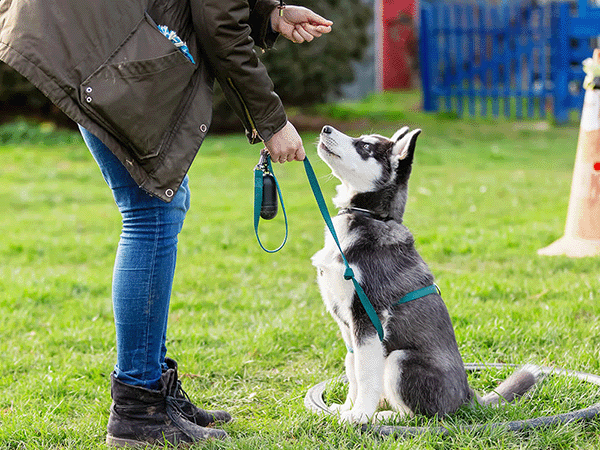
The Best Dog Trainers in the United States of 2026
This is a list of the top dog trainers in the United States, based on votes from the Sniffspot community and the general public.
The Best Dog Trainers in Seattle, WA of 2026
This is a list of the top dog trainers in Seattle, WA, based on votes from the Sniffspot community and the general public.
The Best Dog Trainers in Portland, OR of 2026
This is a list of the top dog trainers in Portland, OR, based on votes from the Sniffspot community and the general public.
The Best Dog Trainers in Los Angeles, CA of 2026
This is a list of the top dog trainers in Los Angeles, CA, based on votes from the Sniffspot community and the general public.
The Best Dog Trainers in New York, NY of 2026
This is a list of the top dog trainers in New York, NY, based on votes from the Sniffspot community and the general public.


City dog park guides

Best Dog Fields in the US: 25+ Wide-Open Spaces for Your Pup to Run Free
The best dog fields in the US offer something that traditional enclosed parks simply can't match: acres of open space where your pup can truly stretch their...
Top 10 Indoor Dog Parks: A US Guide
Looking for a space to play with your dog no matter what the weather’s like outside? Look no further than our list of the best indoor dog parks in the United...
Best Dog Parks in the US: Ultimate Guide to Public & Private Off-Leash Adventures
Is your pup giving you those pleading "let me run free" eyes? Whether you're a new dog parent or a seasoned pro looking for fresh adventures, finding the...
Dog Parks Near Me: Las Vegas Edition
Looking for the perfect dog park near me in Las Vegas? You're in luck! This guide explores all the best options for your pup, from public dog parks to...Best Dog Parks in the US: Off-Leash Guide
Looking for the perfect dog park? Whether you need a wide-open public space or a private, fenced-in spot, this guide will help you find the best dog parks...
Sniffspot: Portland's Best Private Dog Parks
Ready to discover Portland's best dog parks? Whether you're looking for a public park or the unique experience of a private Sniffspot, this guide has you...


Dog breeds

German Shepherd Guide: Best Family Dog? Truth from 9K Owners
The German Shepherd Dog (GSDs) are known for their intelligence, loyalty, and striking appearance. They're also incredibly versatile, excelling as working...
Labrador Retriever: Real Tips from Owners
Discover the Labrador Retriever, a breed celebrated for its playful nature, affectionate temperament, and trainability. Labradors are known for their...
Golden Retriever Advice: The Complete Owner's Guide
Golden Retrievers: they're gorgeous, playful, and incredibly popular. But before you welcome one into your home, you need the right golden retriever advice....
Are American Staffordshire Terriers Good for First-Time Owners: Complete Guide
Think American Staffordshire Terriers are tough? Think again. While their muscular build might intimidate some, these dogs are known for their playful and...
Australian Shepherd Facts: Breed Info & Care Guide
Discover the Australian Shepherd, an AKC breed celebrated for its trainable, playful, and affectionate nature. Despite its name, the Australian Shepherd is...
Essential Husky Facts for Owners: Breed Guide
Discover the Siberian Husky, a breed celebrated for its curious, intelligent, and loyal nature. Considered a medium-sized dog, Siberian Huskies were...


Top dog names in the US
Top 1,000 Most Popular Dog Names
Looking for the perfect dog name for your new pup? We have created filterable lists of dog names from our database of hundreds of thousands of Sniffspot users.
Most Popular Male Dog Names
Looking for the perfect dog name for your new male pup? We have created filterable lists of male dog names from our database of hundreds of thousands of...
Most Popular Female Dog Names
Looking for the perfect dog name for your new female pup? We have created filterable lists of female dog names from our database of hundreds of thousands of...
Most Popular Golden Retriever Names
Welcome to our comprehensive list of Golden Retriever dog names, curated from our vast database of Sniffspot users.
Most Popular Labrador Retriever Names
Welcome to our Labrador Retriever dog names page! Here you can browse through filterable lists of names for your beloved furry friend, ranging from cute and...


Top dog rescues in the US

The Best Washington Dog Rescues & Shelters in 2026
This list showcases the top dog rescues & shelters in Washington. These remarkable organizations have been recognized for their unwavering dedication to the...
The Best Oregon Dog Rescues & Shelters in 2026
This list showcases the top dog rescues & shelters in Oregon. These remarkable organizations have been recognized for their unwavering dedication to the...
The Best California Dog Rescues & Shelters in 2026
This list showcases the top dog rescues & shelters in California. These remarkable organizations have been recognized for their unwavering dedication to the...
The Best Florida Dog Rescues & Shelters in 2026
This list showcases the top dog rescues & shelters in Florida. These remarkable organizations have been recognized for their unwavering dedication to the...
The Best New York Dog Rescues & Shelters in 2026
This list showcases the top dog rescues & shelters in New York. These remarkable organizations have been recognized for their unwavering dedication to the...


