Top articlesSee all...

A Comprehensive Guide to Dog Exercise

How To Crate train An Older Dog - A Comprehensive Guide

How To Socialize A Dog - A Comprehensive Guide

Leash Training: A Guide to Training Your Dog to Walk on a Leash

Skijoring: A Guide to Skijoring with Dogs

The Best Dog Enrichment Toys

The Best United States Dog Parks

The Best Indoor Dog Parks in the United States

The Best Off-Leash Dog Parks in the United States
Top articles
A Comprehensive Guide to Dog Exercise
How To Crate train An Older Dog - A Comprehensive Guide
How To Socialize A Dog - A Comprehensive Guide
Leash Training: A Guide to Training Your Dog to Walk on a Leash
Skijoring: A Guide to Skijoring with Dogs
The Best Dog Enrichment Toys
The Best United States Dog Parks
The Best Indoor Dog Parks in the United States
The Best Off-Leash Dog Parks in the United States
See all...Signs of a Poorly Socialized Dog (And What to Do About It)

/fit-in/0x450/wp-content/uploads/2026/07/Signs-of-a-poorly-socialized-dog.png)
Your dog cowers when a stranger reaches out to say hello. He barks at the vacuum, lunges at every dog he passes on leash, and turns into a different animal the second you walk into a busy dog park. He can't settle down at a friend's house no matter how long you've been there. If any of that sounds familiar, your dog may be showing signs of a poorly socialized dog, and you're not alone.
Socialization is one of the most misunderstood parts of owning a dog. Most people think it just means teaching a dog to like other dogs, but dog socialization is really about the social skills and comfort your dog builds for the world at large: new people, new places, new sounds, and other dogs too. It's built through positive experiences, not one single lesson.
This guide covers what socialization actually means, the common signs your dog may be poorly socialized, why the socialization process gets interrupted, and how to help your dog build real confidence, even if the early window has already passed. Along the way you'll get practical dog socialization tips you can start using today. Here's the short version: this is fixable.
Jump Ahead: Signs of a Poorly Socialized Dog (And What to Do About It)
- Key Takeaways
- What Is Dog Socialization?
- Signs of a Poorly Socialized Dog
- What are the signs of an aggressive puppy or adopted dog?
- Consequences of Poor Socialization
- Why Dogs End Up Poorly Socialized
- Can You Socialize a Dog That Missed the Window?
- Effective Dog Socialization Techniques for Adult Dogs
- When to Involve a Professional
- How Sniffspot Helps
- Frequently Asked Questions: Poorly Socialized Dogs
- Poorly Socialized Dog: What Really Mattes
Key Takeaways
- Socialization is about comfort and confidence in new situations, not just friendliness toward other dogs. Common signs include fear, avoidance, overreaction to normal stimuli, and trouble settling down.
- Poor socialization usually traces back to a missed critical window, limited exposure, or a rough experience.
- It's never too late to socialize an older dog, though the process looks different than it does for a puppy.
- Slow, positive exposure works far better than flooding a dog with too much too fast.
- A certified dog trainer can make a real difference for dogs showing fear, aggression, or reactivity.
What Is Dog Socialization?
Socialization is the process of helping your dog build positive associations with people and animals, plus the places, sounds, and new situations they'll encounter over a lifetime. Done well, it helps your dog feel more comfortable in moments that would otherwise trigger fear.
Dogs are naturally social animals, but that doesn't mean every dog is born knowing how to handle new situations calmly. Just like people, dogs learn what's safe through repeated, low pressure experience. A properly socialized dog has learned, through many gentle exposures, that most new things are fine.
That's different from simply dragging your dog through a crowded festival or a chaotic group meetup and calling it socialization training. That kind of exposure can backfire, creating more fear than it resolves. Good socialization is intentional and gradual, always paced to what the dog can actually handle. Positive socialization experiences, the kind that end with the dog feeling safe rather than overwhelmed, are what actually stick.
According to the American Veterinary Medical Association, socialization shapes a dog's behavior for life and is most influential during a specific early window, though the work itself never really stops. Puppy classes during that window can help, and so can informal puppy training at home, plus plenty of everyday, low key exposure.
Why is dog socialization important?
Dog socialization is the ongoing process of helping a dog feel safe and confident around new people, animals, places, and experiences, not just teaching them to tolerate other dogs.
It matters because a well-socialized dog can handle everyday life without constant stress: vet visits, houseguests, walks past construction noise, weekends at crowded dog parks. Exposing your pup to a variety of people, sounds, and environments while they're young builds a dog who can roll with whatever life brings, and it pays off for the dog's entire life, not just puppyhood.
Signs of a Poorly Socialized Dog
Recognizing the signs of poor socialization is the first step toward helping your dog. Some signs are obvious. Others are subtle enough that pet parents miss them for years, chalking it up to personality instead of a gap in early exposure, especially in social situations that look fine on the surface.
Here's what to watch for, and what each one might tell you about your dog's temperament.

Fear or Aggression Toward Strangers
A dog who wasn't well socialized may cower, freeze, growl, or snap when a new person approaches. This isn't defiance. It's fear, and fear or aggression toward unfamiliar people is one of the clearest signals that early exposure to new people never really happened. Another word for this is reactivity.
You might notice this most at the door, on walks, or when visitors come over. Some dogs freeze completely. Others get loud, relying on excessive barking or lunging to create distance from something that feels threatening.
Inability to Settle in New Environments
A well-socialized dog can visit a friend's house, a new park, a dog-friendly cafe, or other public places and eventually relax. An unsocialized dog often can't. They pace, pant, whine, or stay hyper alert the entire visit, unable to settle no matter how calm the room actually is.
This hypervigilance tends to flare up around changes in routine too. A rearranged living room or a different walking route can put an undersocialized dog on edge for the rest of the day, which gets mistaken for a training issue when it's really an unresolved comfort issue.

Overreaction to Normal Sounds or Objects
Umbrellas opening. Skateboards. A vacuum turning on. Dogs with a lack of socialization often treat completely normal household or street sounds like genuine threats, barking, fleeing, or shaking in response to things that don't bother most dogs.
This happens because the dog never got the chance to learn, back during those first weeks of age, that these sounds are just part of everyday life and not something to fear.
Poor Dog-to-Dog Communication
Not every dog needs to love every other dog, but a socialized dog should at least be able to read basic canine body language and respond appropriately. A dog who missed out on those early lessons might misread a play bow or escalate quickly during an interaction with other dogs.
If you've ever watched your dog and another dog mid greeting and thought "wait, is that play or is that a real problem," you're not alone. It's worth learning the difference between normal roughhousing and an actual fight, especially before turning your dog loose in a busy group setting.
Avoidance of Eye Contact
Avoiding eye contact with people or other dogs is a classic stress signal. A poorly socialized dog may turn their head away, show the whites of their eyes, or refuse to make eye contact at all when approached. It's their way of saying "I'm not comfortable here" without escalating further.
This one gets missed constantly because it looks passive. According to ASPCA guidance on canine body language, avoidance is still a genuine stress response, and it deserves the same attention as more obvious signs. The same discomfort often shows up in any interaction with people, not just strangers passing by.
Hyperactivity or Overexcitement
Not every dog who missed out on socialization shuts down. Some dogs may exhibit the opposite: jumping, mouthing, or spinning out of control the moment something new shows up.
This can look like friendliness, but a dog who was never taught how to greet people or other dogs calmly often doesn't have the social skills to self-regulate once excited.
Difficulty Recovering After Stress
A confident dog can have a startling moment (a loud truck, a surprise greeting from a stranger) and shake it off within a few minutes. A dog who wasn't properly socialized often can't. They may stay tense, panting, or hypervigilant long after the trigger is gone, even with calming techniques like a change of scenery, a favorite chew, or dog-appeasing pheromones.
This slow recovery is one of the clearest indicators of poor socialization, and it's exhausting for owners too, since every outing can start to feel like a gamble.
🐾 Give your dog a private, low pressure space to decompress after a stressful outing. Find a Sniffspot near you →

What are the signs of an aggressive puppy or adopted dog?
Puppy aggression rarely looks like adult aggression. It's usually growling over a toy or food bowl, biting that doesn't ease up during play, stiffening when reached for, or snapping when startled awake.
None of this means you have a "bad" puppy. A puppy who is fearful or anxious around handling, strangers, or other dogs is usually protecting themselves, not asserting dominance. Left unaddressed, a puppy may become anxious around the same triggers as an adult dog, so it's worth taking these signs seriously early rather than waiting to see if they outgrow it.
How can you prevent aggression in puppies?
Prevention comes down to early, positive exposure and teaching bite inhibition before it becomes a habit worth breaking. Reward calm behavior around new people and dogs with small dog treats or praise instead of only reacting when things go wrong, and never punish a growl. Remember, it's information, not defiance.
These steps to socialize your dog matter most in the first few months: gentle handling exercises, short supervised meetings with calm dogs, and consistent, positive experiences with new people. Enrolling in structured puppy socialization classes (sometimes nicknamed puppy kindergarten) is one of the most efficient ways to rack up those early positive exposures under a trainer's supervision, and regular training classes can carry that momentum forward as your dog gets older.
If a young pup is already showing real aggression, a certified dog trainer can build a personalized socialization plan around their specific triggers rather than relying on generic advice.
Is my newly adopted dog aggressive?
When you first bring home a dog from another home, foster, or rescue, you need to give them appropriate time to settle. Changing homes is incredibly stressful on pups just like it is for humans. The first several weeks are notoriously unreliable for determining how your new pet will actually fit into your home.
Many trainers and rescues call this the 7-7-7 rule. What is the 7-7-7 rule for dogs?
The 7-7-7 rule is a rough timeline some shelters and rescues use for newly adopted dogs: 7 days to decompress in a quiet environment, 7 weeks to settle into a routine, and 7 months to feel fully bonded and secure in their new home. It's a helpful reminder that trust builds in stages, not overnight.
That said, dogs still need socialization during this adjustment period, just gently, at a pace that matches where they are, rather than skipped entirely until the 7 months are up.
Consequences of Poor Socialization
Left unaddressed, poor socialization tends to compound into larger behavioral issues rather than resolve on its own. A dog who's fearful of strangers as a puppy often becomes a dog who's reactive or defensively aggressive as an adult dog, simply because every uncomfortable encounter reinforces the belief that new things are dangerous.
Common downstream effects include:
- Chronically elevated stress levels, which can affect a dog's physical health over time, not just their behavior
- A higher risk of fear-based aggression toward people and other animals
- A smaller world, since a dog who can't handle new situations ends up unable to go on walks, visit dog parks, take trips, or have relaxed social interactions with other dogs and people
- Strain on the bond between dog and pet parent, especially when outings consistently end in stress for both of you
- Separation anxiety, in some cases, since a dog who never built outside confidence can become overly dependent on their owner for a sense of safety
A dog who never got comfortable meeting new people often avoids stimulation altogether, which only deepens the isolation. Left alone, a dog who's fearful or aggressive tends to stay that way, and that fearfulness rarely resolves without deliberate work. None of this means your dog is a lost cause. It just means the sooner you catch what's happening, the sooner you can start turning it around.eliberate work. None of this means your dog is a lost cause. It just means the sooner you catch what's happening, the sooner you can start turning it around.
Why Dogs End Up Poorly Socialized
Socializing your puppy well from the start is the easiest path, but plenty of dogs miss it for reasons that have nothing to do with their pet parents doing anything wrong. There's rarely one single reason a dog ends up under-socialized. Usually it's some combination of the following.
A missed critical window
Puppies are most receptive to new experiences between roughly 3 and 14 weeks of age. The American Kennel Club notes that this early window shapes a dog's temperament for life, and dogs who don't get positive exposure to people, animals, and environments during that window often struggle more later.
Tucked inside that window is at least one recognized fear period, often falling somewhere between 8 and 11 weeks, when a single scary experience can leave a bigger mark than usual. That's exactly why gentle, low pressure exposure matters so much during this stretch, and why a bad encounter during a fear period shouldn't be brushed off as no big deal.
The socialization window is believed to be up to 16 weeks, but review our full guide to the puppy socialization window to determine how your dog fits.
Genuine lack of exposure
Puppies raised in isolated settings, or adopted later from a shelter or rescue with limited history, may have simply missed early socialization opportunities altogether.
A rough experience
One bad encounter, like an off-leash dog charging at a puppy, can undo a lot of good early work and create lasting fear.
Illness during the critical period
Vaccination timelines and health issues sometimes keep puppies home during exactly the weeks they'd benefit most from supervised, low risk exposure, since many group classes and dog parks require fully vaccinated dogs before puppies can join.
Owners avoiding triggers instead of working through them
It's understandable to want to protect a nervous dog from anything scary, but avoidance alone doesn't build confidence. It just delays the problem. Introducing your dog to new people and animals gradually, even later in life, still makes a real difference.

Can You Socialize a Dog That Missed the Window?
Yes, actually. It's never too late to socialize an older dog, though the process looks different than it does for a puppy. Adult dogs aren't a blank slate. They come with existing associations, good and bad, and changing those takes patience and consistency rather than one big breakthrough moment.
The goal with socializing an adult dog isn't to recreate puppyhood. It's to slowly build new, positive associations that compete with the old, fearful ones through a deliberate socialization process. This is a real area of behavior science, often called counterconditioning and desensitization, and it works even for dogs with years of poor experience behind them.
The biggest mindset shift for pet parents: progress with an under-socialized adult dog is usually slow and incremental, not fast. That's normal, not a sign you're doing something wrong.
Effective Dog Socialization Techniques for Adult Dogs
There's no single right way to socialize your dog as an adult, but these effective dog socialization techniques all focus on building comfort gradually as part of a longer socialization process, exposing your dog to new things at a pace they can handle instead of all at once.
- Start at a distance - Let your dog observe new people, dogs, or environments from far enough away that they stay calm, then reward that calm behavior to build positive interactions one step at a time. Move closer only once they're relaxed.
- Use high value dog treats - Pair new experiences with something genuinely exciting, like small pieces of chicken, cheese, or other tasty treats your dog rarely gets, to help your dog form a positive association instead of a fearful one.
- Keep sessions short - Five calm, successful minutes beats thirty overwhelming ones. End on a good note.
- Control the environment - A private, fenced space lets you introduce new smells, sounds, or a calm helper dog for some low-pressure dog enrichment without the chaos of a crowded public space.
- Watch your dog's body language - Lip licking, yawning, a tucked tail, or a stiff body are all cues to slow down, not push forward.
- Choose the right playmates - A calm, known dog for low-key play dates works better early on than a chaotic doggy daycare group or an off-leash park full of strangers. Private spaces let you control the variables while your dog builds confidence.
- Consider a structured socialization class - Working through a certified trainer gives you expert eyes on the process if you want more structure than solo outings provide.
- Go at your dog's pace, not a schedule - Some dogs need weeks of small wins before they're ready for the next step, and that's fine.
The goal isn't to force bravery. It's to help them become more comfortable, for both people and dogs involved, one small win at a time.
If your dog shows fear or reactivity around other dogs specifically, it's worth learning how to socialize a reactive dog the right way, since generic "just expose them more" advice can actually make a reactive dog worse without a real plan behind it.
🐾 Practice new introductions somewhere calm, fenced, and totally private. Book a Sniffspot near you →nced, and totally private. Book a Sniffspot near you →
When to Involve a Professional
Some of this work is very doable on your own. But if you're seeing real fear or aggression toward people, or your dog's reactions seem to be getting worse instead of better, it's time to seek professional help from a certified dog trainer.
Good dog training, whether it's for socialization or anything else, should always rely on positive reinforcement training, force-free methods rather than corrections or punishment. Look for a certified dog trainer, veterinary behaviorist, or relationship-based behavior consultant — all of whom lean on positive reinforcement rather than corrections. A good dog trainer can help you read your dog's specific triggers, build a realistic plan, and stay focused on keeping your dog safe while everyone involved, your dog, you, and whoever you're introducing your dog to, works through it together.
This matters most for dogs showing real reactivity, since a poorly timed introduction can set training back significantly. Dog trainers with real experience in fear and reactivity usually start much slower than owners expect, and that's a good sign, not a red flag.
🐾 Working with the right expert can change everything. Find a certified reactive dog trainer near me →

How Sniffspot Helps
One of the biggest obstacles to helping a poorly socialized dog is the environment most advice assumes you have access to: a calm park, a friendly neighbor with an easygoing dog, a quiet street. In reality, a lot of socialization happens in loud, unpredictable places that overwhelm a dog who isn't ready for them yet.
Sniffspot lets you book private, fully fenced backyards and outdoor spaces by the hour, so you control exactly what your dog is exposed to and when. That's different from a crowded doggy daycare or an unpredictable dog park meetup. It might mean practicing a calm greeting with one known, mellow dog instead of a crowded meetup, or letting a nervous dog explore new smells and sounds with no other dogs or strangers in sight at all.
Sniffspot also works well for low-key dog enrichment and confidence-building activities that don't require another dog or person at all, and it lays groundwork that matters even for dogs headed toward specialized roles, like a future service dog.
For a dog who isn't ready for the dog park just yet, a private Sniffspot is a genuine middle ground: real exposure to the outside world, without the unpredictability that can undo weeks of progress in a single bad encounter.
Frequently Asked Questions: Poorly Socialized Dogs
What are the most common FAQs about poorly socialized dogs?
What does a poorly socialized dog look like?
A poorly socialized dog often shows fear or aggression toward strangers, struggles to settle in new environments, overreacts to normal sounds, or avoids eye contact with people and other dogs. Some dogs go the opposite direction and become overexcited around new stimuli. The common thread is real difficulty feeling comfortable in situations that don't bother a well-socialized dog.
Is it too late to socialize my dog?
No. The critical window in puppyhood is the easiest time to build social skills, but it's never too late to work with an adult dog. Older dogs can absolutely build new, positive associations through slow, consistent, reward-based exposure. It just takes more patience than working with a puppy who hasn't formed negative associations yet.
What happens if a dog is not socialized?
A dog who isn't socialized is more likely to develop fear-based aggression, chronic stress, and reactivity toward people, other dogs, or new environments. Over time, this can shrink their quality of life and turn everyday moments, walks, vet visits, dog parks, having guests over, into something genuinely stressful for everyone involved.
How do I fix a poorly socialized dog?
Start with slow, positive exposure at a distance your dog can handle, pairing new experiences with high value treats and ending sessions before your dog gets overwhelmed. Favor controlled, low stress environments over crowded or unpredictable ones. If you're seeing real fear or aggression, seek professional help from a certified dog trainer who can guide the process safely.
Poorly Socialized Dog: What Really Mattes
Recognizing the signs of a poorly socialized dog isn't about assigning blame to yourself or your dog. Most pet parents are doing their best with the information they had at the time, and most dogs are just reacting to a world that once felt unpredictable.
What matters now is what you do with that awareness. Slow, positive exposure, realistic expectations, and the right environment can genuinely change how your dog experiences the world, even if things didn't go smoothly early on. Progress tends to show up in small wins rather than one big transformation, but it adds up.
🐾 Give your dog a private, pressure free space to practice feeling safe. Find a Sniffspot near you →
Sources: American Veterinary Medical Association, Socialization of dogs and cats; American Kennel Club, Puppy Socialization: Why, When, and How to Do It Right; ASPCA, Canine Body Language Tips
This post was reviewed by Kaia Wilson (she/her), CPDT-KA, SAP-BC, FDM, founder of Dogspeed Training. Kaia has spent more than a decade working alongside dogs and their people through fear, anxiety, reactivity, and separation anxiety, and holds certifications as a Certified Professional Dog Trainer (CPDT-KA), Separation Anxiety Pro (SAP-BC), and Fear-Free Distinction Member (FDM).


/fit-in/0x128/wp-content/uploads/2026/10/puppy-obedience-training.png)
/fit-in/0x128/wp-content/uploads/2022/07/shutterstock_237584221-1.jpg)
/fit-in/0x128/wp-content/uploads/2020/08/shutterstock_421958377.jpg)
/fit-in/0x128/wp-content/uploads/2026/07/Host_Blog_Graphic1.jpg)
/fit-in/0x128/wp-content/uploads/2026/07/does-my-dog-need-a-friend.jpg)
Most recent articles
/fit-in/0x256/wp-content/uploads/2026/10/puppy-obedience-training.png)
/fit-in/0x256/wp-content/uploads/2022/07/shutterstock_237584221-1.jpg)
/fit-in/0x256/wp-content/uploads/2020/08/shutterstock_421958377.jpg)
/fit-in/0x128/wp-content/uploads/2025/03/Moving-with-your-pet-1.png)
/fit-in/0x256/wp-content/uploads/2025/03/Moving-with-your-pet-1.png)
/fit-in/0x128/wp-content/uploads/2024/11/Screen-Shot-2024-11-29-at-12.58.43-PM.png)
/fit-in/0x256/wp-content/uploads/2024/11/Screen-Shot-2024-11-29-at-12.58.43-PM.png)
/fit-in/0x128/wp-content/uploads/2025/03/Moving-with-your-pet-2.png)
/fit-in/0x256/wp-content/uploads/2025/03/Moving-with-your-pet-2.png)
Related articles
Top dog guides per area
Dog training guides

Best Dog Fields in the US: 25+ Wide-Open Spaces for Your Pup to Run Free
The best dog fields in the US offer something that traditional enclosed parks simply can't match: acres of open space where your pup can truly stretch their legs and run at full speed. From Colorado's 470-acre prairie meadows to Tennessee's...
Dog Food Aggression & Resource Guarding Guide
Does your dog ever growl when you walk by their food dish? Maybe they get possessive of treats, carrying them far away and giving you side-eye when you start to approach — or snarling at your other pets or children if they get too close.
The Ultimate Guide to Scent Training for Dogs
Your dog's nose is an amazing tool. Did you know they have 40 times the olfactory receptors than humans? Scent training for dogs taps into this superpower, turning everyday moments into exciting sniff-fests. It's enriching for all types of dogs –...
How Much Does It Cost to Train a Service Dog?
More than 80 million Americans rely on their service dogs to help them navigate the world. Task-trained assistance animals perform a huge range of life-changing—in many cases, life-saving—services: These dogs act as eyes for visually impaired...
How to Deal With Puppy Potty Training Regression
You thought those dreaded middle-of-the-night potty breaks were over. You were finally free from cleaning up puppy puddles. Then, suddenly, your six-month-old who's been accident-free for weeks starts peeing on your rug again.
Dirty Dog Syndrome: Causes, Solutions, and Prevention
It's a cringe-worthy moment every dog owner dreads: your furry friend chowing down on something truly disgusting. If your dog has a penchant for poop, you're dealing with coprophagia. It's more common than you think, and thankfully, often...
/354x256/wp-content/uploads/2025/09/Screenshot-2025-09-21-at-6.39.54-PM.png)
/354x256/wp-content/uploads/2020/08/bernese-mountain-dog-208092_1280.jpg)
/354x256/wp-content/uploads/2022/04/shutterstock_543831754.jpg)
/354x256/wp-content/uploads/2022/08/shutterstock_494495788-1.jpg)
/354x256/wp-content/uploads/2022/07/shutterstock_237584221-1.jpg)
/354x256/wp-content/uploads/2022/10/shutterstock_705844504.jpg)
Dog enrichment guides
Best Dog Fields in the US: 25+ Wide-Open Spaces for Your Pup to Run Free
The best dog fields in the US offer something that traditional enclosed parks simply can't match: acres of open space where your pup can truly stretch their legs and run at full speed. From Colorado's 470-acre prairie meadows to Tennessee's...
Best Dog Water Parks in the US: 15+ Amazing Splash Destinations for Your Pup
Do you have a water-loving dog looking to burn some energy? There are countless dog parks to visit throughout our country — but some of them become far too hot in the midday sun to be safe for your pets to play. That’s why we’ve put together a...
Best Toys for Herding Dogs: Keeping Your Pup Happy & Engaged
Herding dogs are amazing, intelligent companions. But that also means they need more than just a simple game of fetch. Finding the right toys for herding dogs is key to keeping them happy and stimulated. This article explores some of the best toys...
Tough Dog Toys for Aggressive Chewers: A Practical Guide
Does your dog destroy every toy you give them? Is your house littered with the remnants of plush toys? Are you tired of wasting money on "indestructible" dog toys for aggressive chewers that don't last? Then this post is for you. We'll cover...
Dog Exercise Calculator: How Much Exercise Does Your Dog Need?
Every dog needs to move, but how much is actually enough? The answer depends on more than just breed. Age, health, and even your own lifestyle all play a role in figuring out the right daily exercise routine for your pup.
Complete Guide To Herding With Dogs
* All Sniffspot articles are reviewed by certified trainers for quality, please see bottom of article for details *
/354x256/wp-content/uploads/2023/04/dogwaterpark.png)
/354x256/wp-content/uploads/2022/05/shutterstock_174836186.jpg)
/354x256/wp-content/uploads/2023/02/shutterstock_1346929262.jpg)
/354x256/wp-content/uploads/2022/08/dogexercisecalculatorfeaturedimage.jpg)
/354x256/wp-content/uploads/2020/07/bb.jpg)
Dog reactivity guides
Best Dog Fields in the US: 25+ Wide-Open Spaces for Your Pup to Run Free
The best dog fields in the US offer something that traditional enclosed parks simply can't match: acres of open space where your pup can truly stretch their legs and run at full speed. From Colorado's 470-acre prairie meadows to Tennessee's...
Rottweiler Aggression: Signs, Causes & Training
Many dogs have gotten a bad reputation over the years for being "dangerous breeds." Rottweilers are among them. Like pit bulls and other large, blocky-headed types of dogs, these powerful and beautiful animals are often assumed to be aggressive.
The Reactive Dog Chart: How to Calm Your Dog's Triggers
If your dog lunges, barks, or loses their mind at the sight of another dog, a stranger, or a bicycle, you’re living with a reactive dog (and you’re far from alone). Dog reactivity is one of the most common behavioral challenges dog owners face,...
How to Socialize a Reactive Dog: A Step-by-Step Guide
Does your dog display reactivity to other pets or people—barking, lunging, or growling when they see their triggers? Whether they're a rescue still settling in, missed critical socialization as a puppy, or had a negative experience that changed...
What Is a Reactive Dog? The Complete Guide for Understanding and Helping Your Pup
Does your dog transform into a barking, lunging tornado the second they spot another dog across the street? You're definitely not alone. According to our research of over 4,000 dog owners, 66% of dogs show some signs of reactivity.
9 Best Online Communities for Reactive Dog Parents
Does your dog's reactivity make walks stressful? You're not alone. Many dog owners face similar challenges. This guide offers practical advice and support for managing reactivity, including finding the best online dog training for reactive dogs....
/354x256/wp-content/uploads/2023/05/Screen-Shot-2024-05-23-at-9.33.57-PM.png)
/354x256/wp-content/uploads/2022/08/dogreactivitychartfeaturedimage.jpg)
/354x256/wp-content/uploads/2022/08/shutterstock_523383649.jpg)
/354x256/wp-content/uploads/2020/07/a.jpg)
/354x256/wp-content/uploads/2022/01/shutterstock_796422001.jpg)
Sniffspot community guides
Best Dog Fields in the US: 25+ Wide-Open Spaces for Your Pup to Run Free
The best dog fields in the US offer something that traditional enclosed parks simply can't match: acres of open space where your pup can truly stretch their legs and run at full speed. From Colorado's 470-acre prairie meadows to Tennessee's...
The State of Public Dog Parks Across the United States
From 2009 to 2020, there was a 40 percent increase in the development of public dog parks. Designated spots for canine exercise have become commonplace in every major city in North America — many pet owners won’t even consider renting an apartment...
How This Family is Affording Their Dream Property Through Renting it Hourly to Dogs
Thousand Oaks, California has been a safe haven for Sniffspot host, Jen, since childhood. Having grown up in busy Santa Barbara, Jen, an introvert from an early age, would seek out solitude and serenity away from tourists attractions and droves of...
Host Tips: Ellen K. What Makes Sniffspot Successful for Me
Ellen is the host of Country Pasture Getaway, one of Sniffspot's most popular sniff spots. She has taken the time to write up the lessons she has learned about how to be a great sniff spot host.
How this Oregon Farmer is Making a Business From Renting Her Land to Dogs
Just 20 minutes outside of the busy city of Portland, Oregon, and settled right on the banks of the Columbia River, you’ll find what countless visitors have flocked to the area in search of – mountain views, crisp, clean air, and running water for...
Host Tips: Fran T. Providing Great Guest Service at our Spot
Fran is the host of Ranch Setting, one of Sniffspot's most popular spots. She has taken the time to write up the lessons she has learned about how to be a great Sniffspot host.
/354x256/wp-content/uploads/2022/07/Sniffspot_infographic_1-01.jpeg)
/354x256/wp-content/uploads/2021/05/Final-Edit-003-1.jpg)
/354x256/wp-content/uploads/2020/07/good-photo-3_orig.jpg)
/354x256/wp-content/uploads/2021/05/sniffspot-28-of-45-1.jpg)
/354x256/wp-content/uploads/2020/07/screen-shot-2019-09-19-at-2-01-47-pm_orig.png)
Top dog trainers in the US
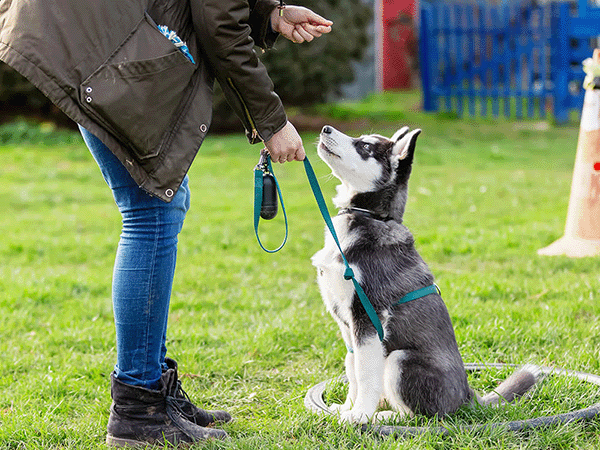
The Best Dog Trainers in the United States of 2026
This is a list of the top dog trainers in the United States, based on votes from the Sniffspot community and the general public.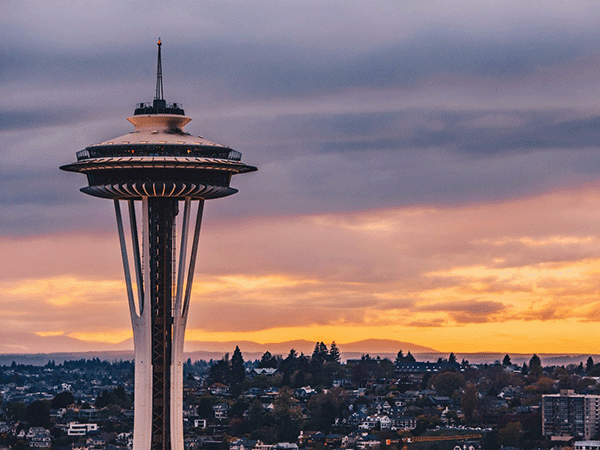
The Best Dog Trainers in Seattle, WA of 2026
This is a list of the top dog trainers in Seattle, WA, based on votes from the Sniffspot community and the general public.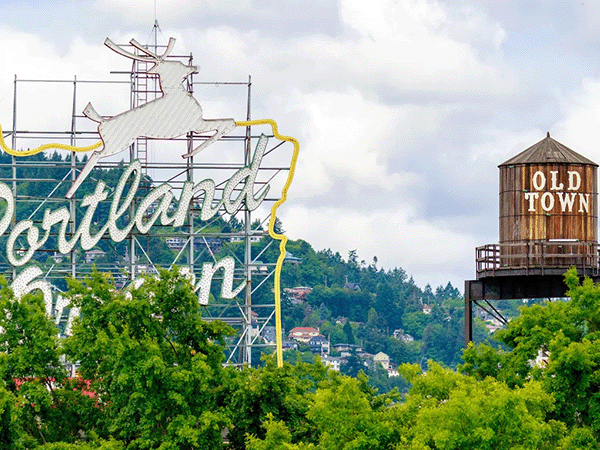
The Best Dog Trainers in Portland, OR of 2026
This is a list of the top dog trainers in Portland, OR, based on votes from the Sniffspot community and the general public.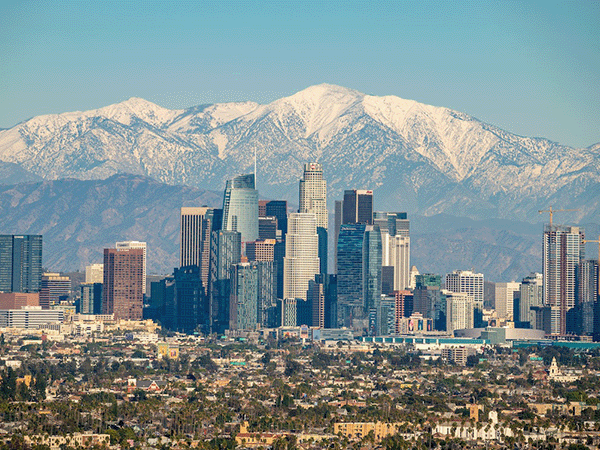
The Best Dog Trainers in Los Angeles, CA of 2026
This is a list of the top dog trainers in Los Angeles, CA, based on votes from the Sniffspot community and the general public.
The Best Dog Trainers in New York, NY of 2026
This is a list of the top dog trainers in New York, NY, based on votes from the Sniffspot community and the general public.


City dog park guides
Best Dog Fields in the US: 25+ Wide-Open Spaces for Your Pup to Run Free
The best dog fields in the US offer something that traditional enclosed parks simply can't match: acres of open space where your pup can truly stretch their legs and run at full speed. From Colorado's 470-acre prairie meadows to Tennessee's...
Top 10 Indoor Dog Parks: A US Guide
Looking for a space to play with your dog no matter what the weather’s like outside? Look no further than our list of the best indoor dog parks in the United States! These climate-controlled spaces are growing in popularity as pet ownership...
Best Dog Parks in the US: Ultimate Guide to Public & Private Off-Leash Adventures
Is your pup giving you those pleading "let me run free" eyes? Whether you're a new dog parent or a seasoned pro looking for fresh adventures, finding the perfect off-leash paradise for your furry friend can feel ruff! From sun-soaked California...
Dog Parks Near Me: Las Vegas Edition
Looking for the perfect dog park near me in Las Vegas? You're in luck! This guide explores all the best options for your pup, from public dog parks to private dog parks near me on Sniffspot. We'll help you find the ideal spot for playtime,...Best Dog Parks in the US: Off-Leash Guide
Looking for the perfect dog park? Whether you need a wide-open public space or a private, fenced-in spot, this guide will help you find the best dog parks across the US. We'll cover top-rated public parks, the perks of private dog parks, and even...
Sniffspot: Portland's Best Private Dog Parks
Ready to discover Portland's best dog parks? Whether you're looking for a public park or the unique experience of a private Sniffspot, this guide has you covered. We'll help you find the perfect spot for your pup, with tips on what to bring, how...
/354x256/wp-content/uploads/2023/04/indoordogparks.png)
/354x256/wp-content/uploads/2023/03/offleashdogparks.png)
/354x256/wp-content/uploads/2023/02/vegas.jpg)
/354x256/wp-content/uploads/2023/02/portland.jpg)
Dog breeds
Best Dog Fields in the US: 25+ Wide-Open Spaces for Your Pup to Run Free
The best dog fields in the US offer something that traditional enclosed parks simply can't match: acres of open space where your pup can truly stretch their legs and run at full speed. From Colorado's 470-acre prairie meadows to Tennessee's...
German Shepherd Guide: Best Family Dog? Truth from 9K Owners
The German Shepherd Dog (GSDs) are known for their intelligence, loyalty, and striking appearance. They're also incredibly versatile, excelling as working dogs and devoted family companions. This guide covers everything you need to know about...
Labrador Retriever: Real Tips from Owners
Discover the Labrador Retriever, a breed celebrated for its playful nature, affectionate temperament, and trainability. Labradors are known for their friendly demeanor and adaptability, making them perfect family companions and versatile working...
Golden Retriever Advice: The Complete Owner's Guide
Golden Retrievers: they're gorgeous, playful, and incredibly popular. But before you welcome one into your home, you need the right golden retriever advice. This guide draws on the wisdom of nearly 10,000 Golden Retriever owners, offering...
Are American Staffordshire Terriers Good for First-Time Owners: Complete Guide
Think American Staffordshire Terriers are tough? Think again. While their muscular build might intimidate some, these dogs are known for their playful and loyal personalities. This guide draws on the experience of nearly 10,000 AmStaff owners to...
Australian Shepherd Facts: Breed Info & Care Guide
Discover the Australian Shepherd, an AKC breed celebrated for its trainable, playful, and affectionate nature. Despite its name, the Australian Shepherd is actually a native breed to the United States, originally developed to breed on farms and...
/354x256/wp-content/uploads/2024/07/German-Shepherd-Dog.png)
/354x256/wp-content/uploads/2024/07/Screen-Shot-2024-07-24-at-4.06.05-PM.png)
/354x256/wp-content/uploads/2024/07/Screen-Shot-2024-07-25-at-3.05.09-PM.png)
/354x256/wp-content/uploads/2024/07/staffy.jpg)
/354x256/wp-content/uploads/2024/07/Screen-Shot-2024-07-25-at-3.39.43-PM.png)
Top dog names in the US
Top 1,000 Most Popular Dog Names
Looking for the perfect dog name for your new pup? We have created filterable lists of dog names from our database of hundreds of thousands of Sniffspot users. You can filter by gender, breed and state to find the most cute, unique and creative dog names.
Most Popular Male Dog Names
Looking for the perfect dog name for your new male pup? We have created filterable lists of male dog names from our database of hundreds of thousands of Sniffspot users. You can filter by gender, breed and state to find the most cute, unique and creative male dog names.
Most Popular Female Dog Names
Looking for the perfect dog name for your new female pup? We have created filterable lists of female dog names from our database of hundreds of thousands of Sniffspot users. You can filter by gender, breed and state to find the most cute, unique and creative female dog names.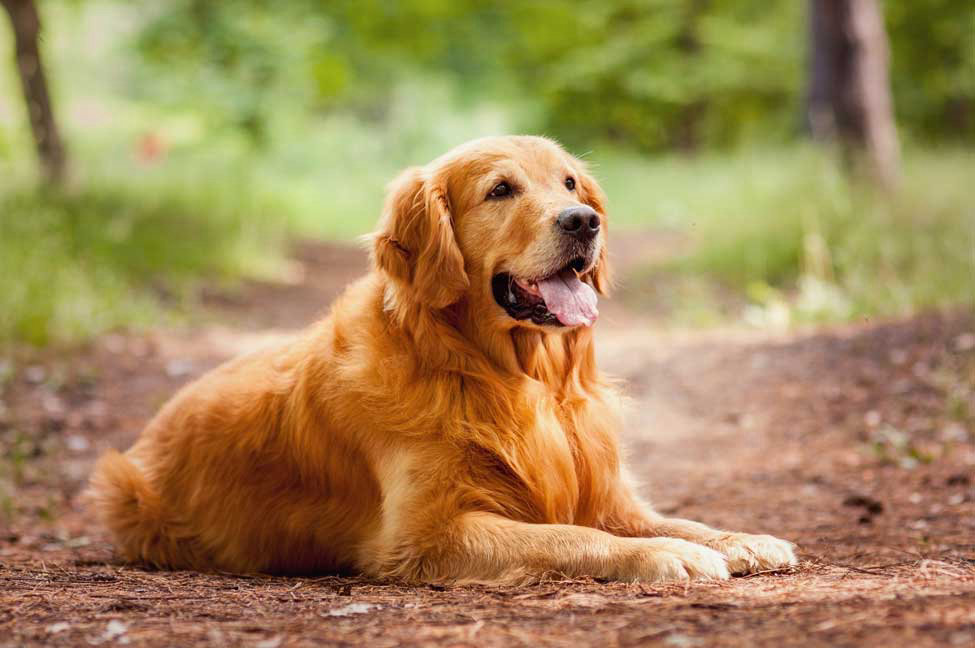
Most Popular Golden Retriever Names
Welcome to our comprehensive list of Golden Retriever dog names, curated from our vast database of Sniffspot users. Filter through hundreds of thousands of options by gender, breed, and state to discover the most adorable, original, and imaginative names for your beloved Golden Retriever.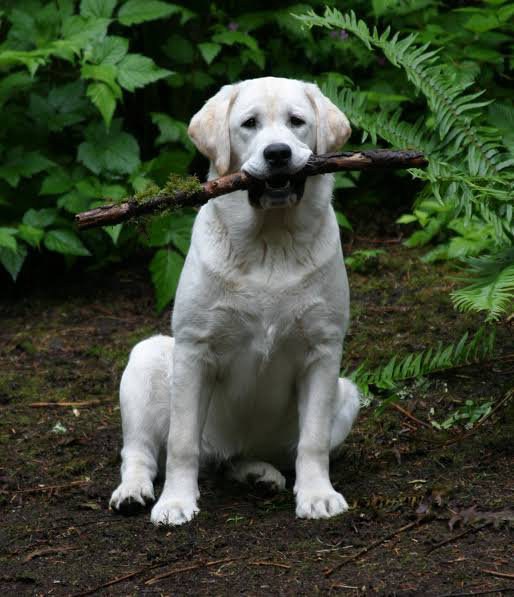
Most Popular Labrador Retriever Names
Welcome to our Labrador Retriever dog names page! Here you can browse through filterable lists of names for your beloved furry friend, ranging from cute and classic to unique and creative options. Our database of hundreds of thousands of Sniffspot users ensures you'll find the perfect name for your Labrador Retriever, whether you're seeking a name for a male or female, based on breed or state.


Top dog rescues in the US

The Best Washington Dog Rescues & Shelters in 2026
This list showcases the top dog rescues & shelters in Washington. These remarkable organizations have been recognized for their unwavering dedication to the well-being of countless dogs.
The Best Oregon Dog Rescues & Shelters in 2026
This list showcases the top dog rescues & shelters in Oregon. These remarkable organizations have been recognized for their unwavering dedication to the well-being of countless dogs.
The Best California Dog Rescues & Shelters in 2026
This list showcases the top dog rescues & shelters in California. These remarkable organizations have been recognized for their unwavering dedication to the well-being of countless dogs.
The Best Florida Dog Rescues & Shelters in 2026
This list showcases the top dog rescues & shelters in Florida. These remarkable organizations have been recognized for their unwavering dedication to the well-being of countless dogs.
The Best New York Dog Rescues & Shelters in 2026
This list showcases the top dog rescues & shelters in New York. These remarkable organizations have been recognized for their unwavering dedication to the well-being of countless dogs.
/354x256/Photos/SeoDogRescue/1282/178507e67e44-MC_logo_square.jpg)
/354x256/Photos/SeoDogRescue/931/cef8bbb17769-South_Coast_Humane_Society.png)
/354x256/Photos/SeoDogRescue/61/30aea3371b69-MainSquare_2.png)
/354x256/Photos/SeoDogRescue/298/1000035238.jpg)
/354x256/Photos/SeoDogRescue/814/91cfd62cd986-IMG_1035.jpeg)