Top articlesSee all...

A Comprehensive Guide to Dog Exercise

How To Crate train An Older Dog - A Comprehensive Guide

How To Socialize A Dog - A Comprehensive Guide

Leash Training: A Guide to Training Your Dog to Walk on a Leash

Skijoring: A Guide to Skijoring with Dogs

The Best Dog Enrichment Toys

The Best United States Dog Parks

The Best Indoor Dog Parks in the United States

The Best Off-Leash Dog Parks in the United States
Top articles
A Comprehensive Guide to Dog Exercise
How To Crate train An Older Dog - A Comprehensive Guide
How To Socialize A Dog - A Comprehensive Guide
Leash Training: A Guide to Training Your Dog to Walk on a Leash
Skijoring: A Guide to Skijoring with Dogs
The Best Dog Enrichment Toys
The Best United States Dog Parks
The Best Indoor Dog Parks in the United States
The Best Off-Leash Dog Parks in the United States
See all...Is Your Dog Ready for the Dog Park? How to Know Before You Go


Dog parks sound like a dream. A fenced space, other dogs, room to run. Most of us picture our dogs bounding around with new friends while we sip coffee and chat with other owners. It's a nice image.
Here's what Sniffspot's national survey of 1,000+ dog owners actually found: more than 1 in 7 report their dog has been attacked at a public dog park. That number is worth sitting with.
None of this means dog parks are always wrong. Some dogs genuinely thrive in them. But "my dog loves other dogs" and "my dog is ready for a dog park" aren't the same thing, and understanding the difference can save you and your pup a lot of grief. Read the full state of public dog parks report here.
Let’s talk about how to decide if you should bring your dog to a public dog park.
Key Takeaways
- Public dog parks aren't always the best choice: Consider the potential risks of disease, injury, and behavioral problems before bringing your dog to a public dog park. A careful assessment of your dog's temperament and the park's environment is crucial.
- Socialization doesn't require a dog park: Many dogs prefer the company of their families and don't need to interact with unfamiliar dogs. Focus on positive experiences and avoid forcing interactions if your dog seems uncomfortable.
- Plenty of alternatives to public dog parks exist: Explore options like private dog parks, playdates with known dogs, dog sports, or other enriching activities to keep your dog happy, healthy, and engaged.
What are the biggest concerns with public dog parks?
While the popularity of dog parks has been skyrocketing in the United States, so has the number of professional trainers who caution against their use.
Here are the top risks associated with public off-leash dog parks.
- Dog parks can create an unnatural social environment.
- Busy dog parks can overwhelm shy or nervous dogs with bad interactions. These incidents can have a lasting effect on your pup if they experience single-event or one-trial learning!
- Dog parks can exacerbate problem behaviors like leash reactivity and resource guarding
- Traumatic experiences at a dog park can also create behavior problems in the first place.
- Public dog parks can lead to physical injuries and illnesses, like transmittable diseases and parasites.
What Dog Owners Say About Dog Parks
Sniffspot conducted a national survey of dog owners across the country to better understand the state of public off-leash dog parks.
- The common stereotype is that the east and west coasts are the most dog-friendly regions of our country—but survey results show that public dog parks in the coasts are actually the dirtiest (posing the greatest health risks) and most dangerous (when it comes to physical injuries and attacks) in the country.
- More than 1 in 7 dog owners report their dogs having been attacked in a public dog park!
- We surveyed more than 1,000 dog owners in the United States.
Read the full report on the state of public dog parks here.

Disease Transmission at Dog Parks
Public dog parks, by their very nature, bring together many dogs from different backgrounds. This creates an environment where diseases and parasites can easily spread. Even if your dog is vaccinated, they can still be carriers and pass illnesses on to other dogs, or contract something themselves. Think of canine cough (kennel cough), parvovirus, and even fleas and ticks.
The Risk of Dog Fights and Injuries
Enclosed dog parks often force dogs into close proximity with each other, creating an unnatural social environment. While some dogs thrive in this setting, others can become overwhelmed or anxious. This heightened stress can increase the risk of dog fights and injuries. Even seemingly playful interactions can escalate quickly, especially in a confined space where dogs may feel trapped or pressured. If your dog is uncomfortable, they may not have a clear exit strategy, which can exacerbate the situation.
Behavioral Problems Stemming from Dog Parks
If your dog already struggles with leash reactivity or resource guarding, a dog park can make these behaviors worse. The constant presence of other dogs and the competition for toys or attention can trigger reactive responses. A dog park visit can create a perfect storm for reinforcing unwanted behaviors. Unfortunately, negative experiences at the dog park can also be the starting point for new behavioral issues, like fear or aggression, especially in younger or more sensitive dogs.
Lack of Supervision and Control in Dog Parks
Responsible dog owners understand the importance of supervision and training. However, not everyone at a public dog park shares the same level of commitment. You might encounter unleashed dogs whose recall is unreliable, or owners who are distracted and not paying attention to their dog's behavior. Lack of proper supervision can lead to uncontrolled interactions, bullying between dogs, and even dangerous situations if a fight breaks out. It only takes one irresponsible owner to create a negative experience for everyone.
Overcrowding and Unsuitable Park Conditions
Overcrowding is a common issue in public dog parks, especially during peak hours. Too many dogs in a limited space can amplify stress and increase the likelihood of negative interactions. Additionally, the condition of the park itself can pose risks. Unsanitary conditions, like excessive waste or poor maintenance, can contribute to the spread of disease. Even seemingly small issues, like broken fences or inadequate shade, can create hazards for dogs. Consider the overall environment and whether it truly offers a safe and enriching experience for your pet.
How do public dog parks create an unnatural social environment for modern dogs?
Many pet parents are drawn to dog parks because they want to socialize their pets. We’re inundated with messages of the “perfect” friendly dog. Our social media feeds feature viral videos of animal best friends that echo the cutesy movies we loved as children!
But this media often shows a false reality.
While dogs are social mammals, it’s typically not natural for them to regularly engage in play with strangers. Dog sociability can be viewed as a sliding scale.
- Some canine companions are truly dog social. This means they genuinely enjoy interaction with almost every dog they meet! We tend to think these dogs are more common than they really are, because they’re the ones we most see out and about because they can handle the widest range of environments.
- Most dogs are dog tolerant or dog selective. They don’t often seek out new friends, but they can comfortably interact with other dogs when needed after a proper introduction process. (You can read more about properly introducing dogs who don’t know each other in this article.)
- Some dogs are dog aggressive. They might live with or know a few specific canine friends, but they don’t generally enjoy being around their own species.
Ultimately: It’s perfectly normal for our dogs to not want to play with other pets outside of our families.

Incompatible Play Styles and Stress
Even dogs who are generally friendly can have vastly different play styles. One dog might enjoy gentle sniffing and rump sniffs, while another prefers to wrestle and engage in rough-and-tumble play. As Courteous Canine points out, these incompatible play styles can cause stress for one or both dogs. A dog who prefers gentle play might feel overwhelmed or even threatened by a more boisterous dog. This can lead to fear, anxiety, and even defensive aggression. For example, a small dog who enjoys a polite greeting might be bowled over by a large, exuberant dog who wants to play rough.
Body language is key here. A stressed dog might exhibit behaviors like lip licking, yawning, whale eye (showing the whites of their eyes), tucked tails, and attempts to move away. If these signals are ignored by the other dog, it can escalate the situation and potentially lead to a negative interaction. Learning to read canine calming signals can help you identify when your dog is uncomfortable and intervene before a situation escalates. If you see your dog displaying these signs, it's important to remove them from the situation immediately.
The "Prey" Drive in Dog Parks
The excitement and fast-paced movement of a dog park can trigger a prey drive in some dogs, particularly those with herding or hunting breeds in their lineage. This can lead to chasing behavior that can be stressful for the dog being chased, even if no physical harm is intended. A dog being chased might feel trapped and panicked, especially in a fenced-in area. In some cases, this chasing can escalate into nipping or even more serious aggression. Additionally, the open nature of some dog parks, as highlighted by GreySave, poses a significant risk. A dog focused on chasing another dog might not notice an incomplete fence, leading to potential escape and dangerous situations. A private dog park can offer a safer, more controlled environment.
Unpredictability and Potential for Negative Experiences
One of the biggest challenges with dog parks is their inherent unpredictability. You simply can't control the other dogs or their owners who will be present. Courteous Canine emphasizes this point, noting that even a single negative experience can have a lasting impact on a dog's behavior. A dog who is bullied, attacked, or becomes overwhelmed at a dog park might develop fear or anxiety around other dogs, leading to reactivity or aggression in future encounters. This can make walks and other social situations challenging, even outside of the dog park environment. This is why careful consideration and observation are crucial before bringing your dog to a public dog park.
Pack Behavior and Aggression
Here's something dog parks don't advertise: group dynamics in off-leash spaces can escalate faster than most owners realize. When multiple dogs share a confined area, arousal compounds. One excited dog raises the energy for everyone around them. Dogs who are stressed, overstimulated, or guarding a toy or a person can tip from manageable to reactive in seconds, especially when there's no easy way out.
This isn't about "dominance" or pack hierarchy. Those concepts have largely been walked back by modern animal behaviorists. What's actually happening is arousal management, and dog parks provide almost none. Knowing how to read your dog's body language is your best tool for catching tension before it becomes a problem.
Learn More About Canine Socialization
Here's a gentle reframe that might take some pressure off: socialization doesn't require a dog park. What it actually means is helping your dog build positive associations with other dogs and people. That can happen on a calm walk, from across a parking lot, or during a structured playdate with a dog they already know.
Most adult dogs aren't naturally wired to want to befriend every stranger they meet, and that's completely normal. If your dog genuinely loves new dogs, has solid recall, and bounces back easily from stressful moments, a well-maintained park might be a great fit. But if your dog is more selective about their social life? That's not a flaw. That's just your dog. You can read more about what healthy socialization actually looks like here.
What are public dog parks good for?
Public dog parks aren’t all bad. Well-maintained off-leash areas can provide dogs and owners with some truly great opportunities.
- Biological fulfillment. At their best, dog parks provide an opportunity to fulfill our dogs’ natural canine instincts (running, sniffing, digging, etc.) without impacting others in shared spaces. This can be especially valuable if owners don’t have a yard of their own or walking trails nearby.
- Playtime. While most dogs don’t want to play with strangers, some particularly outgoing canines might enjoy playing with brand-new friends. A small percentage of truly “dog social” dogs are good candidates for traditional dog parks!
- Distraction training. Dog parks can be an ideal place to practice advanced training, like recalls, around the distractions of other dogs, people, and nature scents.
- Owner connections. Many owners enjoy the human social aspect of the dog park. Public spaces enable those relationships without the costs commonly associated with formal group training classes or dog sports practices.

Socialization Benefits for *Some* Dogs
Dog parks can provide opportunities for dogs to interact with other dogs and people, learning appropriate social skills and body language. This is especially important for puppies. However, it’s important to remember that socialization means having a positive experience around other beings—not necessarily interacting directly with them. A well-socialized dog can exist comfortably in the presence of other dogs without needing to engage in close contact. For some dogs, simply seeing other dogs from afar at the park is enough to build confidence and comfort.
As mentioned earlier, most adult dogs aren’t naturally driven to make friends with strangers. While a truly dog-social dog might enjoy a romp with new companions, most dogs prefer the company of their families. If your dog isn’t interested in playing with unfamiliar dogs, that’s perfectly normal! Don’t feel pressured to force interactions.
Exercise and Mental Stimulation
Dog parks offer a great way to provide both physical and mental stimulation, crucial for preventing boredom and destructive behaviors. This is particularly beneficial for energetic breeds. A safe, open space to run can be a wonderful outlet for dogs with lots of energy to burn. The varied terrain and smells of a park also provide valuable mental enrichment. Encouraging your dog’s natural instincts, like sniffing and exploring, contributes to their overall well-being.
If your dog enjoys exploring off-leash, consider checking out Sniffspot. Sniffspot connects dog owners with private dog parks where your pup can run and play without the risks of a public dog park. You can even find dog water parks for extra fun!
Is My Dog Ready for the Dog Park?
To determine if your dog is a good fit for a public dog park, you need to assessing your dog’s behavior, socialization, and individual personality—and then consider the specific rules and dynamics of any dog park in question.
Ask yourself these questions before taking your furry best friend to play.
Temperament and socialization
- Has your dog been well-socialized? Have they had many positive experiences in social settings with other dogs? A long history of great interactions can help inoculate your dog from becoming fearful or aggressive if something does go wrong.
- Is your dog usually friendly with other dogs and people? Or does their response depend heavily on the behavior of those around them? If so, an unpredictable public dog park probably isn’t the best environment.
- How has your dog responded to scary or startling experiences in the past? Do they recover quickly? Or do they carry these bad events with them for a long time? Pups who hang onto stress are at greater risk of behavior problems from visiting an off-leash dog park.
- Does your dog do well in crowds? Some pets are uncomfortable in tight, noisy environments. Consider how your pup handles these situations, especially if you plan to visit a small fenced-in spot.
Training foundation
- Does your dog respond well to basic training cues, such as recall, so you can help them navigate a new dog park situation?
- Can you maintain reasonable control over your dog in a distracting environment? Off-leash dog parks have far more relaxed rules than other environments like hiking trails—but it’s still good protocol to be able to give your dog direction.
Play style
- Do you feel like you understand your dog’s play style? Some dogs prefer rough play, while others may be more sensitive. If your pup gets easily overwhelmed during play, a free-for-all dog park probably isn’t the best fit.
Human supervision and intervention
- Are you willing and able to closely supervise your dog at all times while at the dog park?
- Can you intervene if play becomes too rough or conflicts arise? Do you know how to break up dog fights? All-out brawls are thankfully rare at most public parks, but it’s important to be prepared just in case. It only has to happen once.
Body language knowledge
- How are you at reading your dog’s body language? Are you able to tell how they feel around other dogs? Look for signs of stress, anxiety, or aggression— and err on the side of caution if you see any worrisome behavior.
Age and health
- Is your dog the right age for the dog park? Puppies and senior dogs have different exercise needs, tolerances, and restrictions. Usually they aren’t good candidates for public dog parks.
- Does your pup have any medical conditions? Pets with joint problems, muscle strain, and other health issues are at higher risk of injury at the dog park. Consider getting more physical exercise and mental stimulation at home or in a training class instead!
How can I keep my dog safe in a public dog park environment?
If you decide to use a public dog park, follow these steps to set your pup up for success.
- Make an honest assessment of your dog’s sociability. Are they one of the small portion of dogs that gets along with all other animals?
- Check that your dog is up to date on vaccines to protect them against any bugs that may be present in the park.
- See if the dog park is large enough for not only physical exercise but also natural social interactions.
- Do a quick scan for obvious hazards in your off-leash park. Are there any maintenance issues in the park that could be a problem? Trash, sharp surfaces, and uneven terrain can pose problems.
- Assess other owners before entering the dog park. Is it overly crowded? Are there owners that are not keeping a close eye on their dog? Are there dogs that could be an issue for your dog or others?
- Keep a close watch. Be an active part of your dog’s play! You want to see well-behaved dogs with loose bodies who are enjoying a pleasant experience together.
Choosing the Right Dog Park
Not all dog parks are created equal. As we discussed, dog parks can create an unnatural social environment, and busy dog parks can overwhelm shy or nervous dogs with bad interactions. If you’ve decided a dog park might be a good fit for your pup, take the time to find one that’s the right size and has a good reputation. Check out our dog parks for safe and private options!
Consider these factors when selecting a dog park:
- Separate areas for large and small dogs. Parks with designated areas for different sizes can help prevent injuries and make sure all pups feel comfortable.
- Proper fencing and gates. Double-gated entry and exit points can help prevent escapes, and secure fencing keeps everyone contained.
- Cleanliness and maintenance. A well-maintained park is less likely to harbor parasites and diseases. Look for parks that are regularly cleaned and have easily accessible waste disposal stations.
- Shade and water. Especially important in warmer climates, shade and water can help prevent overheating and dehydration. Dog water parks can be a great option for pups who love to swim!
- Rules and regulations. Clearly posted rules about vaccinations, leash requirements (for entry and exit), and aggressive behavior can help ensure a safe and positive experience for everyone.
Tips for a Safe Dog Park Visit
Even in the best dog park, things can still go wrong. Remember, making an honest assessment of your dog’s sociability is key. Is your dog truly comfortable around other dogs, or do they prefer their own company? Here are some tips to help keep your dog safe during a visit:
- Supervise closely. Keep a close watch on your dog’s play! Be prepared to intervene if play becomes too rough or if your dog seems uncomfortable. Learn to read your dog's body language so you can understand how they're feeling.
- Start slow. If it’s your dog’s first time at a particular park, take a few minutes to walk around the perimeter on-leash before entering the off-leash area. This allows your dog to acclimate to the sights, sounds, and smells of the park before interacting with other dogs.
- Avoid peak hours. Busy parks can be overwhelming for some dogs. Try visiting during off-peak times when there are fewer dogs present.
- Know your dog’s limits. If your dog seems stressed, anxious, or overwhelmed, it’s time to leave. Don’t push your dog to interact if they’re not comfortable.
- Have an exit strategy. Know where the exits are and have a plan for quickly removing your dog if necessary. A well-fitted harness and leash can make this process easier.
Vaccinations and Parasite Prevention
Protecting your dog from preventable illnesses is a crucial part of responsible dog ownership. Before visiting any dog park, make sure your dog is up to date on all vaccinations to protect them against any bugs that may be present in the park. Talk to your veterinarian about a parasite prevention plan that’s right for your dog and your area.
Here are some key things to discuss with your vet:
- Core vaccines. These protect against common and potentially serious diseases like distemper, parvovirus, and rabies.
- Non-core vaccines. Depending on your dog’s lifestyle and risk factors, your vet may recommend additional vaccines, such as those for Bordetella (kennel cough) and Leptospirosis.
- Parasite prevention. Fleas, ticks, and heartworm are common parasites that can be transmitted at dog parks. Your vet can recommend appropriate preventative medications.
- Fecal testing. Regular fecal testing can help detect intestinal parasites, which can be easily spread in dog parks.
What to Do After a Bad Dog Park Experience
If your dog had a rough experience at a dog park, you might be waiting for them to shake it off. Sometimes they do. But dogs are capable of something called single-event learning, where one scary moment rewires how they feel about similar situations going forward. It's especially powerful in puppies, but it can happen at any age.
Signs your dog was more affected than they're letting on: sudden tension or reactivity around other dogs on walks, freezing or trying to hide when they see a dog approaching, or coming home from the park unusually shut down and quiet. Trust those signals.
The good news is that with the right support, most dogs can work through it. A certified trainer who specializes in fear and reactivity can help you build new, positive associations before the old ones get too cemented. In the meantime, giving your dog off-leash time in a private, controlled space keeps them moving and happy without putting them back in a situation they're not ready for.
Alternatives to Dog Parks: Exercise and Enrichment
Don’t worry if your pup isn’t a “dog park dog.” There are so many other ways you can have fun together! Some of our favorites:
- Consider dabbling in a fun dog sport! Dock diving, agility, rally obedience, and barn hunt are great options for beginners. Most of these sports welcome mixed breed dogs—and you can try them out just for fun. No competitions required.
- Focus on mental stimulation. Our pets need to work their brains just as much as (if not more than) they work their bodies. Boost your dog’s intelligence with problem-solving games like puzzle toys, obstacle courses, and more.
- Give your dog other forms of physical exercise. Exercise isn’t all about running! Maybe your dog would benefit from strength activities instead. Or you’ll both have a blast with a game of hide and seek. Ever heard of a flirt pole? Get more ideas in our post about unconventional ways to exercise your pup.
- Provide different types of canine enrichment. We’ve put together a comprehensive guide to help you decide which enrichment activities will most fulfill your individual dog.
- Rent a private Sniffspot dog park! Many dog behaviorists discourage public dog park experiences and recommend Sniffspot’s private dog parks instead. With Sniffspot, dogs can get their exercise safely—without worrying about other dogs, people, or potential disease transmission.
Supervised Playgroups
If your dog enjoys the company of other pups but public dog parks feel too chaotic, consider creating a small, supervised playgroup. Reach out to friends, family, or neighbors with friendly, well-socialized dogs. It’s important to choose dogs with compatible temperaments and play styles to ensure everyone has a good time. A fenced yard (yours or a friend’s) provides a safe and controlled environment for the dogs to interact and play. Even an empty public dog park can work well for this purpose, as long as you’re comfortable with the potential risks we’ve discussed. If you’re unsure how to find compatible playmates for your pup, check out this article on making dog friends.
Doggy Daycare
For dogs who thrive in social settings, doggy daycare can be a great alternative to public dog parks. However, not all doggy daycares are created equal. It’s crucial to do your research and choose a facility that prioritizes safety and positive reinforcement methods. Look for a daycare that uses small playgroups, provides ample space, and has knowledgeable staff trained in canine body language. Ensure the daycare requires vaccinations and uses positive training methods to manage behavior and prevent conflicts.
Alternative Exercise Options
If your dog isn’t particularly social or simply doesn’t enjoy the company of other dogs, there are plenty of alternative ways to provide them with the exercise and enrichment they need. A long line can give your dog a sense of freedom while still allowing you to maintain control. Use it for a game of frisbee in a large open space, go jogging together, or explore hiking trails. You could also explore dog sports like agility or dock diving, which provide both physical and mental stimulation. These activities can be a fun way to bond with your dog and help them burn off energy in a safe and engaging way. For more ideas, check out our post on unconventional ways to exercise your pup.
Sniffspot: A Safe Alternative
For a safe and controlled off-leash experience, consider renting a private Sniffspot dog park. Many dog behaviorists and trainers recommend Sniffspot as a safer alternative to public dog parks. Sniffspot connects dog owners with private, fenced-in spaces where their dogs can run and play without the risks associated with crowded public parks. This allows dogs to get the exercise they need in a secure environment, free from the stress of unfamiliar dogs, uncontrolled interactions, and potential disease transmission.
Trainers that reviewed this article
There is so much misinformation out there. We want to make sure we only provide the highest quality content to our community.
This is the trainer that reviewed the information article:
Alisa Healy
Related Articles
- The Best Off-Leash Dog Parks Near You in the United States | Sniffspot
- Best Indoor Dog Parks in the United States | Off Leash Areas
- Fenced Dog Parks | Popular Off Leash Dog Areas in the US
- Do Dogs Need Off Leash Time? | Sniffspot Dog Training Blog
- Best Small Dog Parks in the United States | Sniffspot
Frequently Asked Questions
My dog loves other dogs. Are you saying I should never take them to a dog park?
Not necessarily! Some dogs genuinely thrive in dog parks. If your dog is truly dog-social, enjoys a variety of play styles, and bounces back easily from stressful situations, a public dog park could be a good fit. However, it's crucial to carefully consider the potential risks, choose the park wisely, and closely supervise your dog during each visit. Even if your dog loves other dogs, a public park might not be the best environment for every outing. Consider the other options discussed in the article, like playdates with known dogs or a private Sniffspot park.
I’m worried about my dog getting sick at the dog park. What precautions should I take?
Talk to your veterinarian about vaccinations and parasite prevention. Ensure your dog is up-to-date on core vaccines and discuss any additional non-core vaccines that might be appropriate based on your dog's lifestyle and the prevalence of diseases in your area. Your vet can also recommend effective flea, tick, and heartworm prevention. Regular fecal testing is also important for detecting and treating intestinal parasites. Even with these precautions, it's wise to be mindful of the inherent risks of disease transmission in any environment where multiple dogs congregate.
My dog has had a bad experience at a dog park. What should I do?
If your dog has had a negative experience, it's important to address any resulting fear or anxiety promptly. Avoid returning to the same dog park, as this could reinforce the negative association. Consult with a certified professional dog trainer or behaviorist who can help you develop a plan for addressing any behavioral changes, such as fear or reactivity, that may have developed. They can guide you through desensitization and counter-conditioning exercises to help your dog regain confidence and feel safe around other dogs.
What are some good alternatives to public dog parks?
If public dog parks aren't a good fit for your dog, there are plenty of other ways to provide exercise and enrichment. Consider setting up playdates with familiar dogs, exploring dog sports like agility or flyball, or finding new ways to engage your dog's mind with puzzle toys and training games. Sniffspot offers private dog parks, providing a safe and controlled environment for off-leash fun. You can also find alternative ways to exercise your dog, such as hiking, swimming, or simply playing fetch in a secure area.
How can I tell if my dog is enjoying the dog park or if they're stressed?
Learning to read your dog's body language is essential for gauging their comfort level in any situation, especially at a dog park. Look for signs of stress or anxiety, such as lip licking, yawning, whale eye (showing the whites of their eyes), tucked tail, and attempts to move away or hide. If your dog displays these behaviors, it's a clear sign they're uncomfortable and it's time to leave. Don't force interactions or assume your dog will "get over it." Prioritize their well-being and remove them from the situation if they seem overwhelmed.


Most recent articles


Related articles
Top dog guides per area
Dog training guides

Best Dog Fields in the US: 25+ Wide-Open Spaces for Your Pup to Run Free
The best dog fields in the US offer something that traditional enclosed parks simply can't match: acres of open space where your pup can truly stretch their legs and run at full speed. From Colorado's 470-acre prairie meadows to Tennessee's...
Dog Food Aggression & Resource Guarding Guide
Does your dog ever growl when you walk by their food dish? Maybe they get possessive of treats, carrying them far away and giving you side-eye when you start to approach — or snarling at your other pets or children if they get too close.
The Ultimate Guide to Scent Training for Dogs
Your dog's nose is an amazing tool. Did you know they have 40 times the olfactory receptors than humans? Scent training for dogs taps into this superpower, turning everyday moments into exciting sniff-fests. It's enriching for all types of dogs –...
How Much Does It Cost to Train a Service Dog?
More than 80 million Americans rely on their service dogs to help them navigate the world. Task-trained assistance animals perform a huge range of life-changing—in many cases, life-saving—services: These dogs act as eyes for visually impaired...
How to Deal With Puppy Potty Training Regression
You thought those dreaded middle-of-the-night potty breaks were over. You were finally free from cleaning up puppy puddles. Then, suddenly, your six-month-old who's been accident-free for weeks starts peeing on your rug again.
Dirty Dog Syndrome: Causes, Solutions, and Prevention
It's a cringe-worthy moment every dog owner dreads: your furry friend chowing down on something truly disgusting. If your dog has a penchant for poop, you're dealing with coprophagia. It's more common than you think, and thankfully, often...


Dog enrichment guides
Best Dog Fields in the US: 25+ Wide-Open Spaces for Your Pup to Run Free
The best dog fields in the US offer something that traditional enclosed parks simply can't match: acres of open space where your pup can truly stretch their legs and run at full speed. From Colorado's 470-acre prairie meadows to Tennessee's...
Best Dog Water Parks in the US: 15+ Amazing Splash Destinations for Your Pup
Do you have a water-loving dog looking to burn some energy? There are countless dog parks to visit throughout our country — but some of them become far too hot in the midday sun to be safe for your pets to play. That’s why we’ve put together a...
Best Toys for Herding Dogs: Keeping Your Pup Happy & Engaged
Herding dogs are amazing, intelligent companions. But that also means they need more than just a simple game of fetch. Finding the right toys for herding dogs is key to keeping them happy and stimulated. This article explores some of the best toys...
Tough Dog Toys for Aggressive Chewers: A Practical Guide
Does your dog destroy every toy you give them? Is your house littered with the remnants of plush toys? Are you tired of wasting money on "indestructible" dog toys for aggressive chewers that don't last? Then this post is for you. We'll cover...
Dog Exercise Calculator: How Much Exercise Does Your Dog Need?
Every dog needs to move, but how much is actually enough? The answer depends on more than just breed. Age, health, and even your own lifestyle all play a role in figuring out the right daily exercise routine for your pup.
Complete Guide To Herding With Dogs
* All Sniffspot articles are reviewed by certified trainers for quality, please see bottom of article for details *


Dog reactivity guides
Best Dog Fields in the US: 25+ Wide-Open Spaces for Your Pup to Run Free
The best dog fields in the US offer something that traditional enclosed parks simply can't match: acres of open space where your pup can truly stretch their legs and run at full speed. From Colorado's 470-acre prairie meadows to Tennessee's...
Rottweiler Aggression: Signs, Causes & Training
Many dogs have gotten a bad reputation over the years for being "dangerous breeds." Rottweilers are among them. Like pit bulls and other large, blocky-headed types of dogs, these powerful and beautiful animals are often assumed to be aggressive.
The Reactive Dog Chart: How to Calm Your Dog's Triggers
If your dog lunges, barks, or loses their mind at the sight of another dog, a stranger, or a bicycle, you’re living with a reactive dog (and you’re far from alone). Dog reactivity is one of the most common behavioral challenges dog owners face,...
How to Socialize a Reactive Dog: A Step-by-Step Guide
Does your dog display reactivity to other pets or people—barking, lunging, or growling when they see their triggers? Whether they're a rescue still settling in, missed critical socialization as a puppy, or had a negative experience that changed...
What Is a Reactive Dog? The Complete Guide for Understanding and Helping Your Pup
Does your dog transform into a barking, lunging tornado the second they spot another dog across the street? You're definitely not alone. According to our research of over 4,000 dog owners, 66% of dogs show some signs of reactivity.
9 Best Online Communities for Reactive Dog Parents
Does your dog's reactivity make walks stressful? You're not alone. Many dog owners face similar challenges. This guide offers practical advice and support for managing reactivity, including finding the best online dog training for reactive dogs....


Sniffspot community guides
Best Dog Fields in the US: 25+ Wide-Open Spaces for Your Pup to Run Free
The best dog fields in the US offer something that traditional enclosed parks simply can't match: acres of open space where your pup can truly stretch their legs and run at full speed. From Colorado's 470-acre prairie meadows to Tennessee's...
The State of Public Dog Parks Across the United States
From 2009 to 2020, there was a 40 percent increase in the development of public dog parks. Designated spots for canine exercise have become commonplace in every major city in North America — many pet owners won’t even consider renting an apartment...
How This Family is Affording Their Dream Property Through Renting it Hourly to Dogs
Thousand Oaks, California has been a safe haven for Sniffspot host, Jen, since childhood. Having grown up in busy Santa Barbara, Jen, an introvert from an early age, would seek out solitude and serenity away from tourists attractions and droves of...
Host Tips: Ellen K. What Makes Sniffspot Successful for Me
Ellen is the host of Country Pasture Getaway, one of Sniffspot's most popular sniff spots. She has taken the time to write up the lessons she has learned about how to be a great sniff spot host.
How this Oregon Farmer is Making a Business From Renting Her Land to Dogs
Just 20 minutes outside of the busy city of Portland, Oregon, and settled right on the banks of the Columbia River, you’ll find what countless visitors have flocked to the area in search of – mountain views, crisp, clean air, and running water for...
Host Tips: Fran T. Providing Great Guest Service at our Spot
Fran is the host of Ranch Setting, one of Sniffspot's most popular spots. She has taken the time to write up the lessons she has learned about how to be a great Sniffspot host.


Top dog trainers in the US
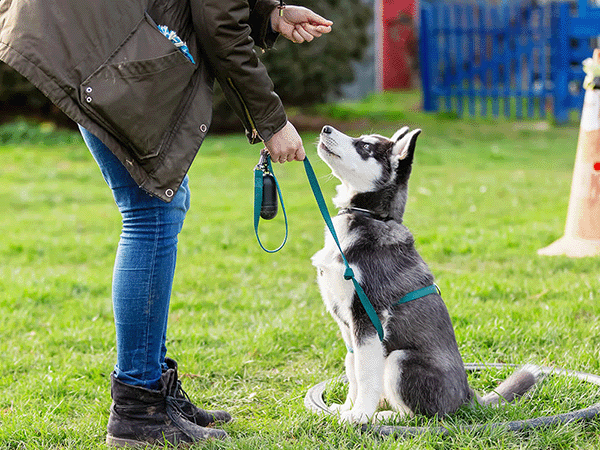
The Best Dog Trainers in the United States of 2026
This is a list of the top dog trainers in the United States, based on votes from the Sniffspot community and the general public.
The Best Dog Trainers in Seattle, WA of 2026
This is a list of the top dog trainers in Seattle, WA, based on votes from the Sniffspot community and the general public.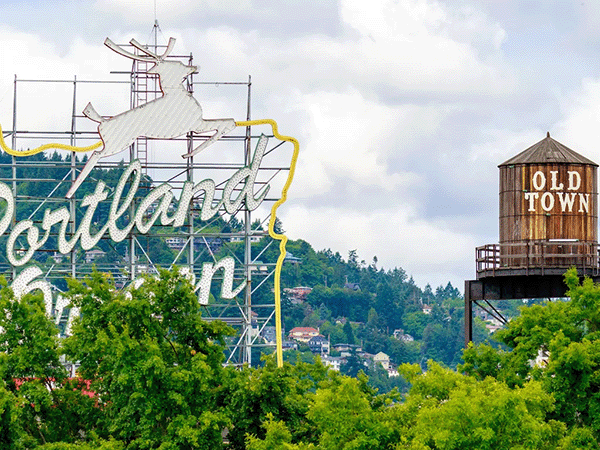
The Best Dog Trainers in Portland, OR of 2026
This is a list of the top dog trainers in Portland, OR, based on votes from the Sniffspot community and the general public.
The Best Dog Trainers in Los Angeles, CA of 2026
This is a list of the top dog trainers in Los Angeles, CA, based on votes from the Sniffspot community and the general public.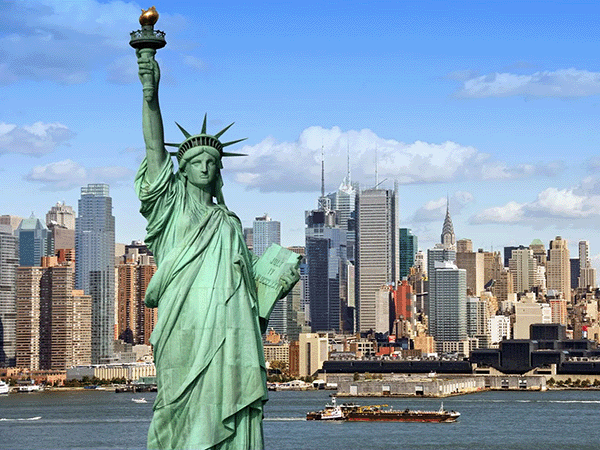
The Best Dog Trainers in New York, NY of 2026
This is a list of the top dog trainers in New York, NY, based on votes from the Sniffspot community and the general public.


City dog park guides
Best Dog Fields in the US: 25+ Wide-Open Spaces for Your Pup to Run Free
The best dog fields in the US offer something that traditional enclosed parks simply can't match: acres of open space where your pup can truly stretch their legs and run at full speed. From Colorado's 470-acre prairie meadows to Tennessee's...
Top 10 Indoor Dog Parks: A US Guide
Looking for a space to play with your dog no matter what the weather’s like outside? Look no further than our list of the best indoor dog parks in the United States! These climate-controlled spaces are growing in popularity as pet ownership...
Best Dog Parks in the US: Ultimate Guide to Public & Private Off-Leash Adventures
Is your pup giving you those pleading "let me run free" eyes? Whether you're a new dog parent or a seasoned pro looking for fresh adventures, finding the perfect off-leash paradise for your furry friend can feel ruff! From sun-soaked California...
Dog Parks Near Me: Las Vegas Edition
Looking for the perfect dog park near me in Las Vegas? You're in luck! This guide explores all the best options for your pup, from public dog parks to private dog parks near me on Sniffspot. We'll help you find the ideal spot for playtime,...Best Dog Parks in the US: Off-Leash Guide
Looking for the perfect dog park? Whether you need a wide-open public space or a private, fenced-in spot, this guide will help you find the best dog parks across the US. We'll cover top-rated public parks, the perks of private dog parks, and even...
Sniffspot: Portland's Best Private Dog Parks
Ready to discover Portland's best dog parks? Whether you're looking for a public park or the unique experience of a private Sniffspot, this guide has you covered. We'll help you find the perfect spot for your pup, with tips on what to bring, how...


Dog breeds
Best Dog Fields in the US: 25+ Wide-Open Spaces for Your Pup to Run Free
The best dog fields in the US offer something that traditional enclosed parks simply can't match: acres of open space where your pup can truly stretch their legs and run at full speed. From Colorado's 470-acre prairie meadows to Tennessee's...
German Shepherd Guide: Best Family Dog? Truth from 9K Owners
The German Shepherd Dog (GSDs) are known for their intelligence, loyalty, and striking appearance. They're also incredibly versatile, excelling as working dogs and devoted family companions. This guide covers everything you need to know about...
Labrador Retriever: Real Tips from Owners
Discover the Labrador Retriever, a breed celebrated for its playful nature, affectionate temperament, and trainability. Labradors are known for their friendly demeanor and adaptability, making them perfect family companions and versatile working...
Golden Retriever Advice: The Complete Owner's Guide
Golden Retrievers: they're gorgeous, playful, and incredibly popular. But before you welcome one into your home, you need the right golden retriever advice. This guide draws on the wisdom of nearly 10,000 Golden Retriever owners, offering...
Are American Staffordshire Terriers Good for First-Time Owners: Complete Guide
Think American Staffordshire Terriers are tough? Think again. While their muscular build might intimidate some, these dogs are known for their playful and loyal personalities. This guide draws on the experience of nearly 10,000 AmStaff owners to...
Australian Shepherd Facts: Breed Info & Care Guide
Discover the Australian Shepherd, an AKC breed celebrated for its trainable, playful, and affectionate nature. Despite its name, the Australian Shepherd is actually a native breed to the United States, originally developed to breed on farms and...


Top dog names in the US
Top 1,000 Most Popular Dog Names
Looking for the perfect dog name for your new pup? We have created filterable lists of dog names from our database of hundreds of thousands of Sniffspot users. You can filter by gender, breed and state to find the most cute, unique and creative dog names.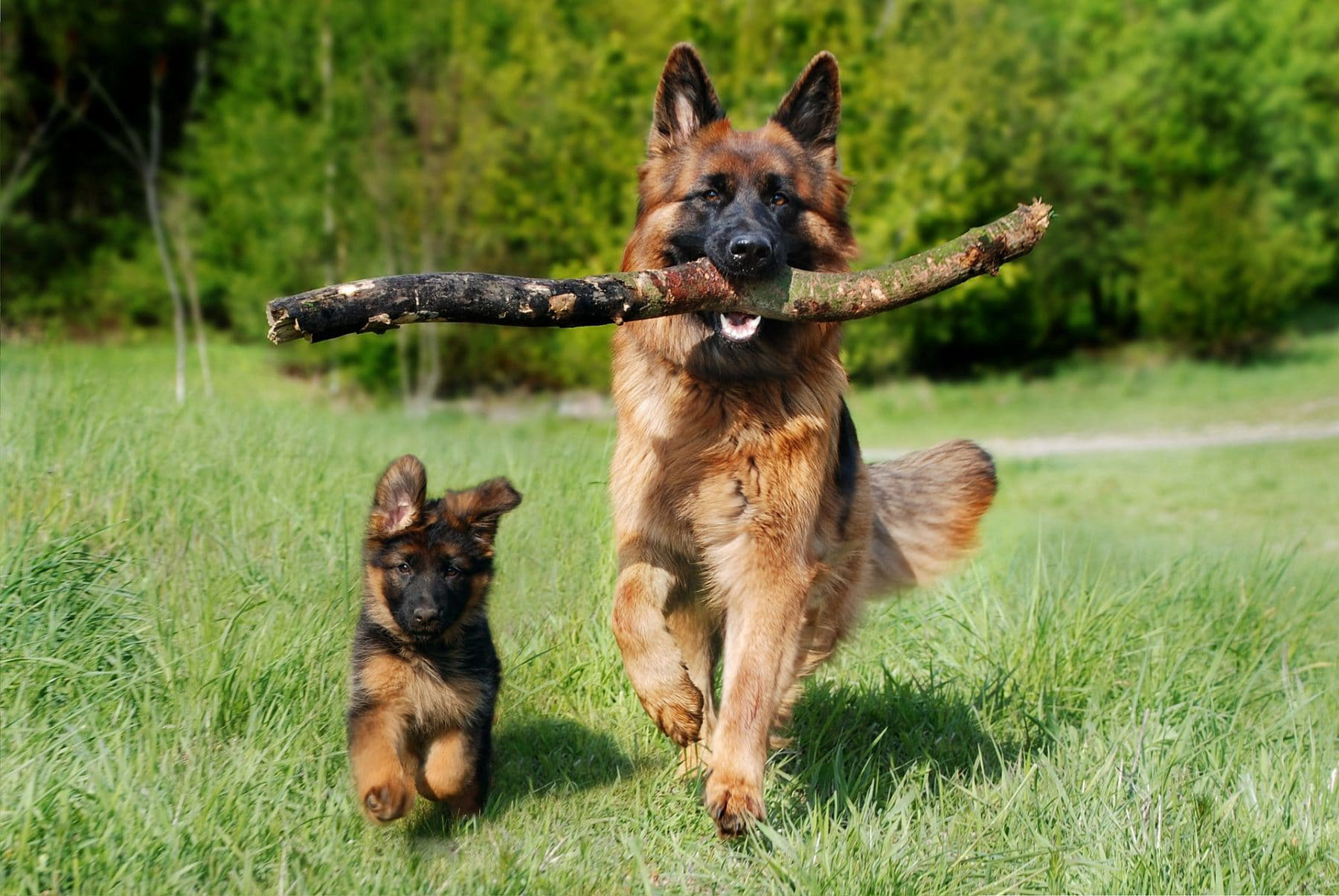
Most Popular Male Dog Names
Looking for the perfect dog name for your new male pup? We have created filterable lists of male dog names from our database of hundreds of thousands of Sniffspot users. You can filter by gender, breed and state to find the most cute, unique and creative male dog names.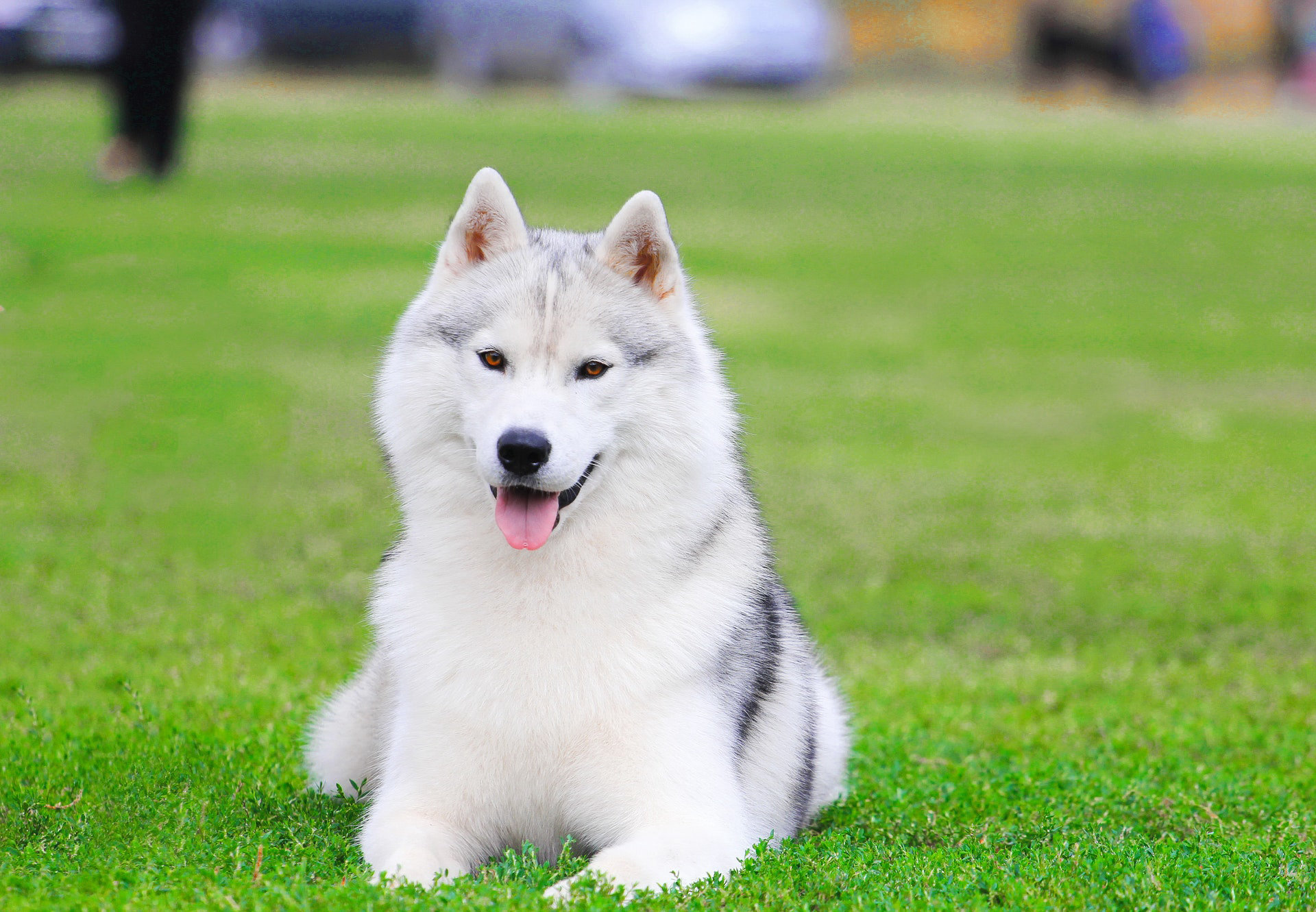
Most Popular Female Dog Names
Looking for the perfect dog name for your new female pup? We have created filterable lists of female dog names from our database of hundreds of thousands of Sniffspot users. You can filter by gender, breed and state to find the most cute, unique and creative female dog names.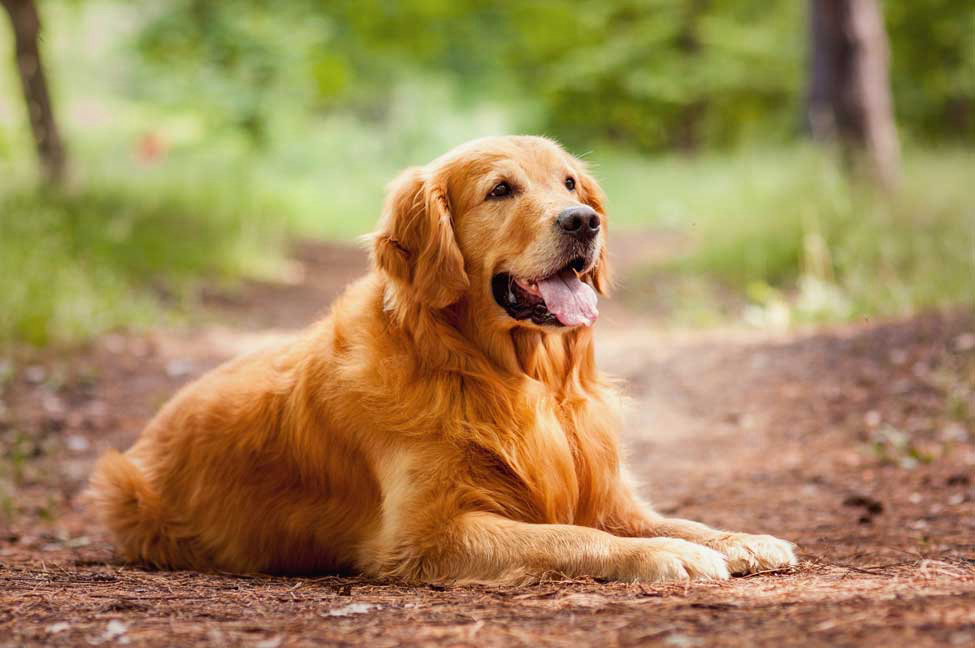
Most Popular Golden Retriever Names
Welcome to our comprehensive list of Golden Retriever dog names, curated from our vast database of Sniffspot users. Filter through hundreds of thousands of options by gender, breed, and state to discover the most adorable, original, and imaginative names for your beloved Golden Retriever.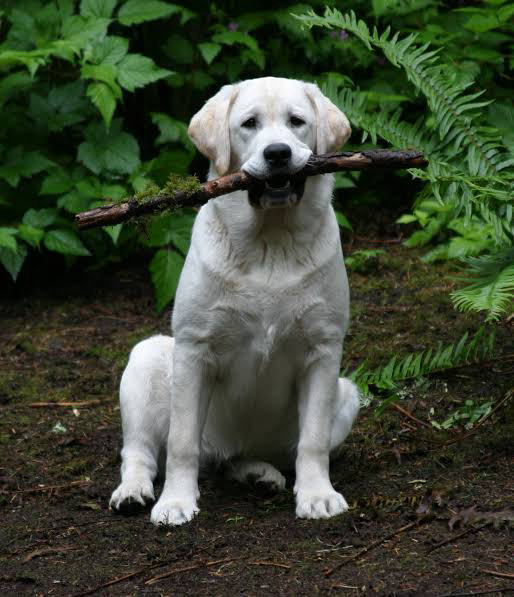
Most Popular Labrador Retriever Names
Welcome to our Labrador Retriever dog names page! Here you can browse through filterable lists of names for your beloved furry friend, ranging from cute and classic to unique and creative options. Our database of hundreds of thousands of Sniffspot users ensures you'll find the perfect name for your Labrador Retriever, whether you're seeking a name for a male or female, based on breed or state.


Top dog rescues in the US

The Best Washington Dog Rescues & Shelters in 2026
This list showcases the top dog rescues & shelters in Washington. These remarkable organizations have been recognized for their unwavering dedication to the well-being of countless dogs.
The Best Oregon Dog Rescues & Shelters in 2026
This list showcases the top dog rescues & shelters in Oregon. These remarkable organizations have been recognized for their unwavering dedication to the well-being of countless dogs.
The Best California Dog Rescues & Shelters in 2026
This list showcases the top dog rescues & shelters in California. These remarkable organizations have been recognized for their unwavering dedication to the well-being of countless dogs.
The Best Florida Dog Rescues & Shelters in 2026
This list showcases the top dog rescues & shelters in Florida. These remarkable organizations have been recognized for their unwavering dedication to the well-being of countless dogs.
The Best New York Dog Rescues & Shelters in 2026
This list showcases the top dog rescues & shelters in New York. These remarkable organizations have been recognized for their unwavering dedication to the well-being of countless dogs.


