Top articlesSee all...

A Comprehensive Guide to Dog Exercise

How To Crate train An Older Dog - A Comprehensive Guide

How To Socialize A Dog - A Comprehensive Guide

Leash Training: A Guide to Training Your Dog to Walk on a Leash

Skijoring: A Guide to Skijoring with Dogs

The Best Dog Enrichment Toys

The Best United States Dog Parks

The Best Indoor Dog Parks in the United States

The Best Off-Leash Dog Parks in the United States
Top articles
A Comprehensive Guide to Dog Exercise
How To Crate train An Older Dog - A Comprehensive Guide
How To Socialize A Dog - A Comprehensive Guide
Leash Training: A Guide to Training Your Dog to Walk on a Leash
Skijoring: A Guide to Skijoring with Dogs
The Best Dog Enrichment Toys
The Best United States Dog Parks
The Best Indoor Dog Parks in the United States
The Best Off-Leash Dog Parks in the United States
See all...Yorkshire Terriers: What Were They Bred For?


Discover the Yorkshire Terrier, a breed celebrated for its playful, friendly, and intelligent nature. Recognized as a small dog, Yorkshire Terriers have their origins in England, where they were initially bred for hunting vermin in textile mills and mines starting in the mid-19th century.
In this post, we share insights from nearly 10,000 Sniffspot users, offering practical advice for new and prospective Yorkshire Terrier owners. Whether you’re considering adopting or rescuing a Yorkshire Terrier or already have one, you’ll find valuable tips on how to care for and enjoy life with a playful Yorkshire Terrier.
“I love his loyalty!” says Sniffspot user Makenzie. But did you know that beneath that adorable fluff, Yorkies have a rich history? We'll uncover what Yorkies were bred for, tracing their journey from hardworking vermin hunters to cherished companions. Join us as we explore fascinating Yorkie facts, drawing on insights from nearly 10,000 Sniffspot users, to help you understand and care for these spirited little dogs.
Source: Sniffspot Community Breed Survey 2024
Yorkshire Terrier: At a Glance
- Breed Type: Toy
- Size: Small
- Life Expectancy: 11 to 15
- Healthy Weight Range: 4 to 7
- Height Range: 7 to 8
- Temperament: Playful, Friendly, Intelligent
- Coat Type: Long, silky, single coat
- Color: Blue and tan, black and tan, black and gold, blue and gold
About the Yorkshire Terrier: What You Should Know
According to nearly 10,000 Sniffspot community users who shared real-world data about their Yorkshire Terrier, we learned that these dogs are playful and friendly. The Yorkshire Terrier is also known to be very friendly and social with children and neutral, neither particularly friendly nor unfriendly towards other pets.
When living with a Yorkie, 59% of our owners indicated that a large house with a fenced yard is ideal. Additionally, 49% of owners found that an apartment or condominium with regular walks is also acceptable. This dog is moderately trainable, often benefiting from a professional trainer and owners say that the Yorkshire Terrier learns best with positive reinforcement, consistent routines, and socialization.
In terms of exercise, 45% of Sniffspot owners say their Yorkshire Terrier benefits from moderate exercise every day, including between 1-2 hours of activity each day, including walks and active play sessions. The Sniffspot Yorkie community would recommend this dog for first-time owners.
Key Takeaways
- Yorkies are adaptable companions: These playful and intelligent small dogs fit well into various lifestyles, especially with early socialization. They are generally good with children, making them a popular family choice.
- Moderate care keeps Yorkies happy: Regular brushing maintains their beautiful coats, and daily walks and playtime meet their exercise needs. Sniffspot can help you find safe places for exercise and socialization.
- Training is key for a thriving Yorkie: Positive reinforcement and consistent routines are essential for a well-behaved companion. Sniffspot offers resources for training and safe socialization opportunities.
History of the Yorkshire Terrier: What Were Yorkies Bred For?
The Yorkshire Terrier, affectionately known as the Yorkie, has its roots in the mid-19th century in England. It was developed in Yorkshire, a northern county known for its textile mills and coal mines. The breed was originally created by Scottish workers who migrated to England in search of jobs. They brought along small terrier dogs, which were crossbred with local breeds to produce the Yorkie. These dogs were highly valued for their ability to hunt rats and other vermin in textile mills and homes, making them an essential companion for working-class families.
As the breed evolved, the Yorkshire Terrier’s appearance and size became more refined. By the late 1800s, they had transitioned from being working-class rodent hunters to fashionable companions for the upper class. Their small size, elegant demeanor, and silky coats made them a favorite among Victorian society, who prized them for their beauty and grace. The breed was first recognized by the British Kennel Club in 1874, further cementing their place in dog history.
Over time, the Yorkie’s popularity spread far beyond England, eventually becoming a beloved pet in the United States and around the world. Today, they are known more for their lively personalities and charming companionship than their rat-hunting skills. Despite their size, Yorkies have a big-dog attitude, making them bold, confident, and fiercely loyal to their owners. While their working days are behind them, they remain one of the most popular toy breeds, adored for their affectionate nature and striking appearance.
The Ancestry of the Yorkshire Terrier
The Yorkshire Terrier's story begins in the mid-19th century amidst the bustling textile mills and coal mines of Yorkshire, England. Scottish workers, migrating south for work, brought with them various small terriers. These dogs, bred with local terrier breeds like the now-extinct Clydesdale Terrier, Paisley Terrier, and English Black and Tan Terrier, would eventually give rise to the Yorkie. Sniffspot's breed survey highlights these origins, painting a picture of a dog deeply intertwined with the working-class communities of 19th-century England.
The Role of Huddersfield Ben
One dog, in particular, stands out in Yorkie history: Huddersfield Ben. Born in 1865, this remarkable dog is considered the "father" of the modern Yorkshire Terrier. A highly successful show dog, Huddersfield Ben established the breed standard for the Yorkie's signature long, silky blue and tan coat. His influence solidified the breed's transition from a working-class ratter to a beloved companion, paving the way for the Yorkie's rise in popularity among Victorian high society.
From Ratters to Companions: The Evolution of the Yorkie's Purpose
Initially bred for their vermin-hunting prowess, Yorkies were indispensable in the textile mills and homes of working-class families. Their small size allowed them to squeeze into tight spaces, effectively controlling rodent populations. Sniffspot's breed survey highlights this working-class heritage, explaining the Yorkie's tenacious and intelligent nature. Over time, their charming personalities and striking appearance caught the eye of the upper classes, leading to their adoption as fashionable companions. This shift in purpose, from utilitarian worker to cherished pet, ultimately transformed the Yorkie into the beloved breed we know today, prized for its playful nature and unwavering loyalty.
Yorkshire Terrier Traits and Quirks
- Temperament: Playful, Friendly, Intelligent
- Energy Level: Moderate
- Trainability: Moderately trainable – Learns commands with consistent training and practice.
- Grooming needs: Moderate maintenance – Needs regular brushing and periodic baths.
- Good with Kids: Very friendly and social with children
- Good with Other Pets: Neutral, neither particularly friendly nor unfriendly
Temperament and Personality
Yorkshire Terriers are known for their playful, friendly, and intelligent nature, making them great companions for families and individuals alike. According to nearly 10,000 Sniffspot community users who shared real-world data about their Yorkshire Terrier, we learned that these dogs are playful and friendly. They are also known to be very friendly and social with children and neutral—neither particularly friendly nor unfriendly—towards other pets. This makes them adaptable to various living situations, whether it's a bustling household with kids and other animals or a quiet home with a single owner. Their intelligence also contributes to their trainability, though they can sometimes display a bit of a stubborn streak. Positive reinforcement and consistent training are key to bringing out the best in these bright little dogs. If you're looking for a small dog with a big personality, a Yorkie might be the perfect fit.
Remember that each dog is an individual, and personalities can vary. Early socialization plays a crucial role in shaping a well-adjusted Yorkie. Introducing them to a variety of people, places, and situations from a young age can help them develop into confident and well-behaved companions. Sniffspot offers a safe and controlled environment for socializing your Yorkie, allowing them to interact with other dogs and people in a positive setting. You can even find top-rated dog trainers near you through our platform.
Physical Characteristics
The Yorkshire Terrier, affectionately known as the Yorkie, has its roots in the mid-19th century in England. These dogs were highly valued for their ability to hunt rats and other vermin in textile mills and homes, making them an essential companion for working-class families. Their small size allowed them to access tight spaces, and their sharp terrier instincts made them effective hunters. This heritage contributes to their energetic and tenacious nature, even in modern times.
Today’s Yorkies retain the elegant look that made them popular with Victorian society. Their long, silky coats are a defining feature, typically a combination of blue and tan, black and tan, black and gold, or blue and gold. While their luxurious fur requires regular grooming, it’s part of their distinctive charm. Yorkies are small dogs, typically weighing between 4 and 7 pounds and standing 7 to 8 inches tall. This compact size makes them well-suited to apartment living, though they still need regular exercise and opportunities to explore. If you’re considering adding a Yorkie to your family, be prepared to dedicate time to grooming and provide them with plenty of love and attention. You can find more helpful resources, including information on dog names and other breeds, on Sniffspot.
Yorkshire Terrier Ownership: What to Expect
As a Yorkshire Terrier owner, it’s important to know the best dog breed tips and what to expect from current Yorkshire Terrier owners.

Source: Sniffspot Community Breed Research 2024
Grooming Your Yorkie: Essential Tips
Yorkshire Terrier dogs require moderate maintenance grooming. This means Yorkshire Terrier owners should expect regular brushing and periodic baths. Yorkshire Terrier dogs have a long, silky, single-coat coat, which is ideal for protection and insulation. Their long, silky, single-coat coat is considered low shed.
To keep your Yorkshire Terrier’s coat healthy and up to breed standards, include brushing in your daily routine to avoid matting and trim regularly to keep a healthy coat. Of the coat types for common breeds in the toy group, the grooming needs for Yorkshire Terriers are moderate maintenance.
Exercise Needs of a Yorkshire Terrier
Yorkshire Terriers require moderate activity each day. One of the most popular toy dog breeds, Yorkies are considered a very athletic, high-energy breed despite their small size. Yorkies make great pets and thrive with between 1-2 hours of activity each day, including walks and active play sessions. Owners of Yorkies report their dogs especially love playing with squeaky toys, tug-of-war, and puzzle toys.
When small breeds like Yorkies don’t get sufficient exercise, they’re more likely to act out with undesirable behaviors like excessive barking and separation anxiety. They need consistent training, mental activity, and regular moderate exercise to avoid running into these challenges.
Yorkie Diet and Nutrition: A Practical Guide
What should you feed your Yorkshire Terrier to keep them healthy? As a moderate energy breed, what you feed them is important. A reported 47% of our community feeds their Yorkie commercial dry kibble.
With moderate exercise, Yorkies should eat 0.5 to 0.75 cups of vet-recommended food to maintain a healthy weight of around 4 to 7 lbs. However, your Yorkshire Terrier’s ideal weight and food depend on your pet’s sex, activity level, and age.
Common Yorkshire Terrier Health Issues
The Yorkshire Terrier breed is most prone to dental problems (e.g., periodontal disease, tooth decay) and joint problems (e.g., hip dysplasia, arthritis). A reported 35% of our Yorkshire Terrier owners reported dental problems like periodontal disease, dental calculous, tooth loss, bad breath, or an oral infection. Yorkie’s risk for these challenges increases as they age.
Similarly, 24% reported joint problems like arthritis, elbow dysplasia, degenerative issues, and osteosarcoma. Lastly, 24% of Yorkshire Terrier owners claim their dog struggles with joint problems like arthritis, elbow dysplasia, degenerative issues, and osteosarcoma — a common Yorkie health concern. If you’re worried about any of these health issues above, talk to your Yorkie’s vet.
Are Yorkshire Terriers Friendly?
Another important thing to consider when adopting a Yorkie is whether or not this breed fits with your current family. How friendly are Yorkshire Terriers compared to other small-sized breeds?

Source: Sniffspot Community Breed Survey 2024 With moderate training, you can hone your Yorkie’s toy instinct into a playful and friendly family dog. Introducing your pet to positive reinforcement (treats, praise, rewards) and consistent daily training routines early helps them avoid undesirable behaviors like excessive barking and separation anxiety. Our community Yorkshire Terrier owners comment on their pet’s friendliness:
- The Yorkshire Terrier is the first dog I have owned by myself. They are nothing but loyal, loving and are adaptable to your lifestyle. I would own this breed forever. (KS)
- Always happy. Agreeable to grooming. Agreeable but doesn’t run up to every stranger. (Arlene)
- Cute as pups and adults. Small, great hair, easier to clean up after, alert, smart, cuddly (BN)
Yorkies and Children
Yorkshire Terriers are known for their playful and affectionate nature, which often makes them good companions for children. Our Sniffspot Community Breed Survey highlighted that Yorkies are generally very friendly and social with kids. However, as with any dog breed, it's essential to supervise interactions between Yorkies and young children. Teach children how to interact respectfully with the dog, avoiding pulling their ears or tail. Because of their small size, Yorkies can be easily injured, so gentle handling is key. Early socialization with children can also help a Yorkie puppy develop into a well-adjusted adult dog comfortable around kids.
Yorkies and Other Pets
When it comes to other pets, Yorkies tend to be neutral. According to our Sniffspot Community Breed Survey, they are neither particularly friendly nor unfriendly towards other animals in the household. Proper introductions are crucial for a harmonious multi-pet home. Supervise initial interactions and separate the animals if you see any signs of tension or aggression. With patience and positive reinforcement, Yorkies can often coexist peacefully with other dogs and even cats, especially if they are raised together from a young age. Check out Sniffspot's dog park listings for safe spaces where your Yorkie can socialize with other dogs.
Yorkies and Strangers
While generally friendly with their families, Yorkies can be wary of strangers. Trupanion notes that this breed can be protective and territorial, often displaying caution around unfamiliar people. This doesn't mean they are inherently aggressive, but they might bark or show some initial hesitation. Early socialization is vital to help Yorkies become more comfortable with new people and situations. Expose them to a variety of sights, sounds, and people from a young age to reduce their wariness and prevent excessive barking or fear-based behaviors. Positive reinforcement and consistent training can also help them develop into well-adjusted adults who are more welcoming to visitors.
Training Your Yorkshire Terrier: Simple Steps
Whether you’re adopting a Yorkie puppy or an adult Yorkshire Terrier, training is a significant part of owning a small-sized breed. Without proper training, your Yorkie is more likely to display undesirable behaviors such as excessive barking and separation anxiety. Providing stimulating activities is a great first step, but this needs to be paired with the right training for your Yorkie.
As a toy breed, Yorkshire Terriers benefit from praise and positive reinforcement. Here’s what our Yorkie community recommended based on their experience with their own dogs:
- Positive Reinforcement (80%): This includes treats, praise, rewards, and so on for positive behavior
- Consistent Routines (33%): A consistent training routine allows your pet to get comfortable with expectations
- Socialization (27%): Socializing your dog with other pets, dogs, and people prepares them to interact with the world
As dogs bred for hunting vermin in textile mills and mines, Yorkies are considered moderately trainable, often benefiting from a professional trainer.

Matt Arnold on Unsplash
House Training
House training a Yorkie can be straightforward with a positive approach. Celebrate successful potty breaks outside with praise and a small treat. This helps them learn what you expect. A safe, secure spot for their business is important. A regular potty break schedule minimizes accidents. Don’t get discouraged by setbacks. Sometimes, extra patience and positive reinforcement are all it takes. Accidents happen! Clean them up thoroughly to prevent repeat incidents.
Basic Obedience
Yorkies are smart but can have a mind of their own. Basic obedience training helps. Start with commands like "sit," "stay," and "come." Keep training sessions short, fun, and engaging. Positive reinforcement with praise, treats, or a favorite toy works wonders. If you’re facing challenges, a professional dog trainer can offer personalized guidance. A well-trained Yorkie is a happy Yorkie, and basic obedience builds a strong bond.
Socialization
Early socialization is essential for a well-adjusted Yorkie. Expose your Yorkie to different sights, sounds, people, and dogs, especially when they’re puppies. This helps them grow into confident, well-behaved adults. Supervised visits to dog parks are great for socialization, especially with larger dogs. Even brief, positive interactions help. If your Yorkie is hesitant in new situations, offer gentle encouragement and positive reinforcement instead of forcing them. Socialization is an ongoing process, so keep providing opportunities for your Yorkie to interact with the world. A well-socialized Yorkie is more likely to be comfortable and happy in different environments.
Why Do Owners Adore Yorkshire Terriers?
We asked Sniffspot Yorkie owners what they love the most about their Yorkshire Terrier pups, and here’s what they had to say:
- Sweet disposition & fast learner. Extremely adaptable! (Elaine)
- Relatively healthy except for dental, hardly any shedding, small breeds are easy to bring places. (Michelle)
- Cute as pups and adults. Small, great hair, easier to clean up after, alert, smart, cuddly. (BN)
Challenges of Yorkshire Terrier Ownership
Similarly, Yorkie owners shared some of the biggest challenges of living with their Yorkshire Terrier:
- People think they are just little purses or lapdogs, but they need to be mentally stimulated all the time. (Jennifer)
- Very barky. She talks…..A LOT. She also thinks she’s in charge of EVERYTHING – unlike the poodle who is afraid he might be god, she’s quite convinced that she IS god. (Anon)
- Can be picky with food and also a bit stubborn, need to take extra care in brushing teeth regularly and annual dental cleanings. (Michelle)
Is a Yorkshire Terrier Right for You?

Source: Sniffspot 2024 Community Dog Breed Survey
According to 88% of our Sniffspot community, Yorkshire Terriers are a great first-time dog. This comes from their playful nature and moderate exercise needs. Yorkshire Terrier owners say it best:
- Cute as pups and adults. Small, great hair, easier to clean up after, alert, smart, cuddly (BN)
- Super calm, sleeps a lot but also will enjoy and be ready for a walk. So good off-switch. (Anon)
- The Yorkshire Terrier is my first dog I have owned by myself. They are nothing but loyal, loving and are adaptable to your lifestyle. I would own this breed forever. (KS)
Consider Your Lifestyle
Yorkshire Terriers, with their small size and adaptable nature, can fit into a variety of lifestyles. According to 88% of our Sniffspot community, Yorkshire Terriers are a great first-time dog. This stems from their playful nature and moderate exercise needs. One Yorkie owner describes their experience: “The Yorkshire Terrier is my first dog I have owned by myself. They are nothing but loyal, loving and are adaptable to your lifestyle. I would own this breed forever.” (KS) While small, Yorkies have a surprisingly athletic side and enjoy activities like playing with squeaky toys, tug-of-war, and puzzle toys. Consider how a Yorkie's energy level and need for playtime would integrate into your daily routine. If you enjoy walks and trips to dog parks, a Yorkie could be a great companion.
Remember, even small dogs need regular exercise and mental stimulation. If your lifestyle is more laid-back, a Yorkie might still be a good fit, but you'll need to ensure they get enough activity to stay happy and healthy. Our guide on dog enrichment offers helpful tips.
Assess Your Living Situation
When considering a Yorkie, assess your living situation. While 59% of Yorkie owners in our Sniffspot community have a large house with a fenced yard, 49% live in apartments or condos. This shows Yorkies can adapt to different living spaces, provided their needs are met. If you live in an apartment, regular walks and access to private dog parks through Sniffspot can provide the necessary exercise and outdoor time.
Yorkshire Terriers require moderate daily activity. Despite their small size, Yorkies are an athletic, high-energy breed. Owners report their dogs love playing with squeaky toys, tug-of-war, and puzzle toys. Consider whether your living situation can accommodate their need for playtime and movement. Do you have space for them to run and play indoors? Is there a nearby park or Sniffspot where you can take them for walks and playtime?
Think About Your Experience with Dogs
Yorkies are intelligent but can also be independent. They are moderately trainable and often benefit from professional training. Positive reinforcement, consistent routines, and socialization are key to successful training. If you're a first-time dog owner, a Yorkie can be a great choice, but be prepared to invest time and effort in training.
Consider your experience with dogs and your comfort level with training. Are you prepared to establish consistent routines and provide positive reinforcement? Are you comfortable socializing your Yorkie with other dogs and people? While Yorkies are generally friendly, early socialization is important for them to develop into well-adjusted adults. Providing stimulating activities is a great first step, but pair this with the right training for your Yorkie.
Tips for Yorkshire Terrier Owners
Luckily, our Sniffspot community is full of experienced, trustworthy Yorkie owners. These Yorkshire Terrier breed owners share the most essential dog breed tips and advice for prospective or new dog owners:
Creating a Safe Environment for Your Yorkie
Yorkies, with their small stature and playful energy, can be prone to certain risks around the house. Creating a safe environment for them is key to ensuring their well-being and happiness. Here are a few simple steps you can take:
Using Ramps or Stairs for Furniture
Yorkshire Terriers are small and can be injured jumping from heights. Using ramps or stairs can help them safely access furniture, reducing the risk of falls and injuries. This is especially important for older Yorkies who may develop joint issues.
Securing Potential Hazards
Due to their curious nature, it's important to secure potential hazards around your home. Yorkshire Terriers can easily squeeze into small spaces or chew on harmful items. Keeping dangerous items out of reach and creating a safe play area are essential for their well-being. Childproofing cabinets and covering electrical cords are good first steps.
Finding the Right Sniffspot for Your Yorkie
Finding secure and stimulating environments for your Yorkie to play and socialize is essential for their happiness and development. Sniffspot offers a variety of dog-friendly locations, including private dog parks, that cater to a Yorkie's specific needs. According to nearly 10,000 Sniffspot community users, Yorkshire Terriers thrive in environments where they can engage in moderate exercise and socialization, benefiting from one to two hours of activity each day, including walks and active play sessions. Find the perfect Sniffspot near you.
Managing Your Yorkie's Energy Levels
- Be patient and make sure to keep them very occupied! (Sw)
- Be prepared to for high-maintenance grooming. (Heather)
Grooming Your Yorkie: Be Prepared
- Make sure that you are able to care for this breed in all aspects. Grooming needs to be done regularly as they have human like hair it is prone to getting tangled easier. (KS)
- Have patience for training and willingness to brush their hair and teeth regularly. (KC)
Yorkies and Barking: What to Know
- Do consider this breed if you want a small, trainable, alert dog. Do not expect silence or to not be alerted when something is a miss. (Anon)
- Be patient and make sure to keep them very occupied! (Heather)
Yorkies: Small Dog, Big Personality
- Plan to do some training. They are not great with small children and not always great with all dogs. You have to be careful because if they get into it with another dog, they are going to lose. In their mind, they think they are going to win (Jennifer)
- Be prepared to put in the work. It’s definitely worth it. Best protection dog. (Anon)
Frequently Asked Questions about the Yorkshire Terrier
Yorkshire Terrier Lifespan: How Long Do They Live?
The average lifespan of a Yorkshire Terrier is typically between 11 to 15 years.
Yorkshire Terrier Size: How Big Do They Get?
An adult Yorkshire Terrier weighs between 4 to 7 pounds and stands between 7 to 8 inches tall.
How Often Should You Groom a Yorkshire Terrier?
Yorkshire Terrier dogs require moderate maintenance grooming. Regular grooming helps to keep their coat healthy and manageable. Yorkshire Terrier dogs have a long, silky, single coat coat, which is well-suited for protection and insulation. They are considered low shedders.
To maintain your Yorkshire Terrier’s coat, it’s important to brush daily to avoid matting and trim regularly to keep a healthy coat. Among toy breeds, Yorkshire Terrier grooming is categorized as expected.
How Much Exercise Does a Yorkie Need?
Yorkshire Terriers require moderate activity each day. Though one of the most popular dog breeds, Yorkies are classified as a moderately athletic, somewhat high-energy breed.
Yorkies are excellent companions and thrive with between 1-2 hours of activity each day, including walks and active play sessions. Owners of Yorkies note that their dogs particularly enjoy playing with squeaky toys, tug-of-war, and puzzle toys.
If small breeds like Yorkies don’t receive enough exercise, they may develop unwanted behaviors. These dogs need ongoing training, mental stimulation, and consistent exercise to channel their energy effectively.
Are Yorkshire Terriers Good with Children?
According to our data, Yorkshire Terriers are very friendly and social with children with children.
Do Yorkshire Terriers Get Along with Other Pets?
Our research indicates that Yorkshire Terriers are neutral, neither particularly friendly nor unfriendly with other pets.
Feeding Your Yorkshire Terrier: A Healthy Diet
As a moderate energy breed, the diet of your Yorkie is crucial. A significant 47% of our community feed their Yorkie commercial dry kibble.
For optimal health, Yorkies should consume 0.5 to 0.75 cups of vet-recommended food to maintain a healthy weight around 4 to 7 pounds. The exact amount and type of food will depend on your Yorkshire Terrier’s sex, activity level, and age.
Common Health Problems in Yorkshire Terriers
The Yorkshire Terrier breed is particularly prone to dental problems like periodontal disease, dental calculous, tooth loss, bad breath, or an oral infection and joint problems like arthritis, elbow dysplasia, degenerative issues, and osteosarcoma. Our data shows that 35% of Yorkshire Terrier owners reported dental problems like periodontal disease, dental calculous, tooth loss, bad breath, or an oral infection. Yorkie’s risk for these health issues increases as they age.
Additionally, 24% reported joint problems like arthritis, elbow dysplasia, degenerative issues, and osteosarcoma. Finally, 24% of Yorkshire Terrier owners indicated their dog struggles with joint problems like arthritis, elbow dysplasia, degenerative issues, and osteosarcoma, which are common Yorkie health concerns. If you have concerns about any of these health issues, consult your Yorkie’s veterinarian.
Helpful Resources for Yorkshire Terrier Owners
Whether you’re a current Yorkshire Terrier dog owner or you’re considering adopting a Yorkie, Sniffspot is here to lend a helping hand. Here are some of the most relevant resources for Yorkshire Terrier owners.
- Most Popular Yorkshire Terrier Names
- Top Yorkie Rescues and Shelters
- The Yorkshire Terrier Club of America
Sources:
Related Articles
- Yorkshire Terrier: Breed Facts, Experience and Tips from 9K+ Owners | Sniffspot
- Meet the Yorkshire Terrier: Genuine Tips from Real Owners
- Puppy Socialization Guide | How to Socialize Your Dog
- How to Socialize a Dog: The Ultimate Guide
- Pomeranian: Breed Facts, Experience and Tips from 9K+ Owners | Sniffspot


Most recent articles


Related articles
Top dog guides per area
Dog training guides

Dog Food Aggression & Resource Guarding Guide
Does your dog ever growl when you walk by their food dish? Maybe they get possessive of treats, carrying them far away and giving you side-eye when you start...
The Ultimate Guide to Scent Training for Dogs
Your dog's nose is an amazing tool. Did you know they have 40 times the olfactory receptors than humans? Scent training for dogs taps into this superpower,...
How Much Does It Cost to Train a Service Dog?
More than 80 million Americans rely on their service dogs to help them navigate the world. Task-trained assistance animals perform a huge range of...
How to Deal With Puppy Potty Training Regression
You thought those dreaded middle-of-the-night potty breaks were over. You were finally free from cleaning up puppy puddles. Then, suddenly, your...
Dirty Dog Syndrome: Causes, Solutions, and Prevention
It's a cringe-worthy moment every dog owner dreads: your furry friend chowing down on something truly disgusting. If your dog has a penchant for poop, you're...
How to Train Your Rescue Dog: A Complete Guide
The shelter ride home goes one of two ways. Your new dog either plasters themselves against the car window, tongue out and tail going like a helicopter, or...


Dog enrichment guides

Best Dog Water Parks in the US: 15+ Amazing Splash Destinations for Your Pup
Do you have a water-loving dog looking to burn some energy? There are countless dog parks to visit throughout our country — but some of them become far too...
Best Toys for Herding Dogs: Keeping Your Pup Happy & Engaged
Herding dogs are amazing, intelligent companions. But that also means they need more than just a simple game of fetch. Finding the right toys for herding...
Tough Dog Toys for Aggressive Chewers: A Practical Guide
Does your dog destroy every toy you give them? Is your house littered with the remnants of plush toys? Are you tired of wasting money on "indestructible" dog...
Dog Exercise Calculator: How Much Exercise Does Your Dog Need?
Every dog needs to move, but how much is actually enough? The answer depends on more than just breed. Age, health, and even your own lifestyle all play a...
Complete Guide To Herding With Dogs
* All Sniffspot articles are reviewed by certified trainers for quality, please see bottom of article for details *
Dog Enrichment Activities: The Ultimate Guide
Ever feel like your dog is restless or bored? They may be getting enough exercise, but still need more. That's where enrichment activities for dogs come in....


Dog reactivity guides

Rottweiler Aggression: Signs, Causes & Training
Many dogs have gotten a bad reputation over the years for being "dangerous breeds." Rottweilers are among them. Like pit bulls and other large, blocky-headed...
The Reactive Dog Chart: How to Calm Your Dog's Triggers
If your dog lunges, barks, or loses their mind at the sight of another dog, a stranger, or a bicycle, you’re living with a reactive dog (and you’re far from...
How to Socialize a Reactive Dog: A Step-by-Step Guide
Does your dog display reactivity to other pets or people—barking, lunging, or growling when they see their triggers? Whether they're a rescue still settling...
What Is a Reactive Dog? The Complete Guide for Understanding and Helping Your Pup
Does your dog transform into a barking, lunging tornado the second they spot another dog across the street? You're definitely not alone. According to our...
9 Best Online Communities for Reactive Dog Parents
Does your dog's reactivity make walks stressful? You're not alone. Many dog owners face similar challenges. This guide offers practical advice and support...
How To Groom a Reactive Dog
* All Sniffspot articles are reviewed by certified trainers for quality, please see bottom of article for details *


Sniffspot community guides

The State of Public Dog Parks Across the United States
From 2009 to 2020, there was a 40 percent increase in the development of public dog parks. Designated spots for canine exercise have become commonplace in...
How This Family is Affording Their Dream Property Through Renting it Hourly to Dogs
Thousand Oaks, California has been a safe haven for Sniffspot host, Jen, since childhood. Having grown up in busy Santa Barbara, Jen, an introvert from an...
Host Tips: Ellen K. What Makes Sniffspot Successful for Me
Ellen is the host of Country Pasture Getaway, one of Sniffspot's most popular sniff spots. She has taken the time to write up the lessons she has learned...
How this Oregon Farmer is Making a Business From Renting Her Land to Dogs
Just 20 minutes outside of the busy city of Portland, Oregon, and settled right on the banks of the Columbia River, you’ll find what countless visitors have...
Host Tips: Fran T. Providing Great Guest Service at our Spot
Fran is the host of Ranch Setting, one of Sniffspot's most popular spots. She has taken the time to write up the lessons she has learned about how to be a...
How Sniffspot Helped a Nervous Rescue Work Through His Fears and Change His Family’s Life
This is the story of a family and dog rescuing each other.


Top dog trainers in the US
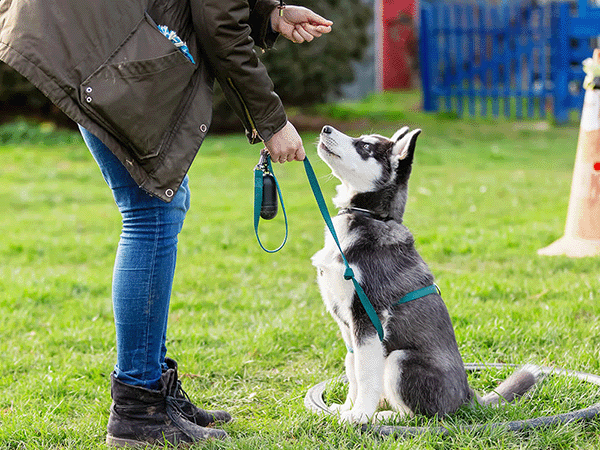
The Best Dog Trainers in the United States of 2026
This is a list of the top dog trainers in the United States, based on votes from the Sniffspot community and the general public.
The Best Dog Trainers in Seattle, WA of 2026
This is a list of the top dog trainers in Seattle, WA, based on votes from the Sniffspot community and the general public.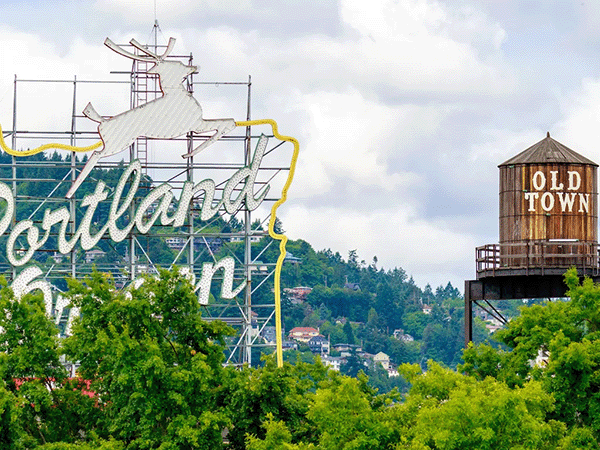
The Best Dog Trainers in Portland, OR of 2026
This is a list of the top dog trainers in Portland, OR, based on votes from the Sniffspot community and the general public.
The Best Dog Trainers in Los Angeles, CA of 2026
This is a list of the top dog trainers in Los Angeles, CA, based on votes from the Sniffspot community and the general public.
The Best Dog Trainers in New York, NY of 2026
This is a list of the top dog trainers in New York, NY, based on votes from the Sniffspot community and the general public.


City dog park guides

Best Dog Fields in the US: 25+ Wide-Open Spaces for Your Pup to Run Free
The best dog fields in the US offer something that traditional enclosed parks simply can't match: acres of open space where your pup can truly stretch their...
Top 10 Indoor Dog Parks: A US Guide
Looking for a space to play with your dog no matter what the weather’s like outside? Look no further than our list of the best indoor dog parks in the United...
Best Dog Parks in the US: Ultimate Guide to Public & Private Off-Leash Adventures
Is your pup giving you those pleading "let me run free" eyes? Whether you're a new dog parent or a seasoned pro looking for fresh adventures, finding the...
Dog Parks Near Me: Las Vegas Edition
Looking for the perfect dog park near me in Las Vegas? You're in luck! This guide explores all the best options for your pup, from public dog parks to...Best Dog Parks in the US: Off-Leash Guide
Looking for the perfect dog park? Whether you need a wide-open public space or a private, fenced-in spot, this guide will help you find the best dog parks...
Sniffspot: Portland's Best Private Dog Parks
Ready to discover Portland's best dog parks? Whether you're looking for a public park or the unique experience of a private Sniffspot, this guide has you...


Dog breeds

German Shepherd Guide: Best Family Dog? Truth from 9K Owners
The German Shepherd Dog (GSDs) are known for their intelligence, loyalty, and striking appearance. They're also incredibly versatile, excelling as working...
Labrador Retriever: Real Tips from Owners
Discover the Labrador Retriever, a breed celebrated for its playful nature, affectionate temperament, and trainability. Labradors are known for their...
Golden Retriever Advice: The Complete Owner's Guide
Golden Retrievers: they're gorgeous, playful, and incredibly popular. But before you welcome one into your home, you need the right golden retriever advice....
Are American Staffordshire Terriers Good for First-Time Owners: Complete Guide
Think American Staffordshire Terriers are tough? Think again. While their muscular build might intimidate some, these dogs are known for their playful and...
Australian Shepherd Facts: Breed Info & Care Guide
Discover the Australian Shepherd, an AKC breed celebrated for its trainable, playful, and affectionate nature. Despite its name, the Australian Shepherd is...
Essential Husky Facts for Owners: Breed Guide
Discover the Siberian Husky, a breed celebrated for its curious, intelligent, and loyal nature. Considered a medium-sized dog, Siberian Huskies were...


Top dog names in the US
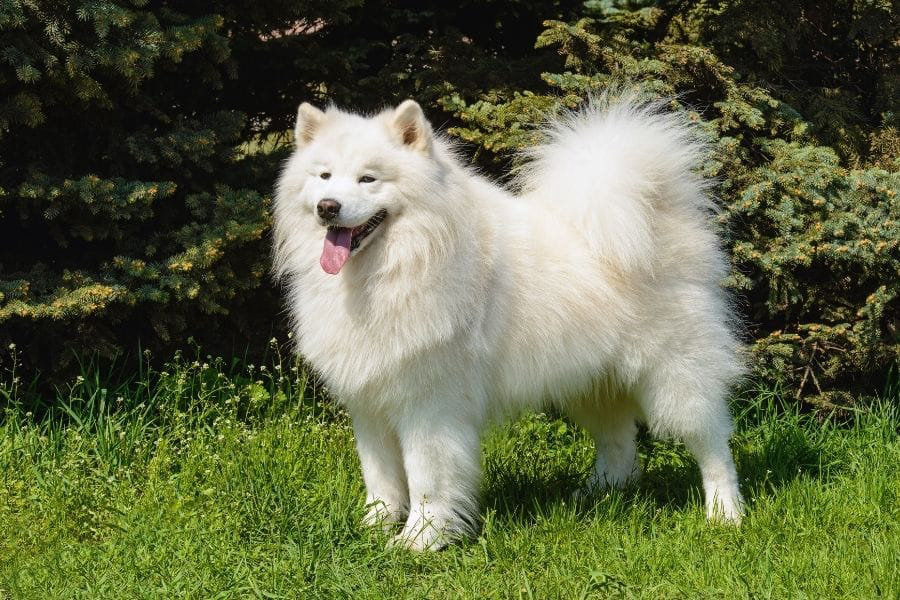
Top 1,000 Most Popular Dog Names
Looking for the perfect dog name for your new pup? We have created filterable lists of dog names from our database of hundreds of thousands of Sniffspot users.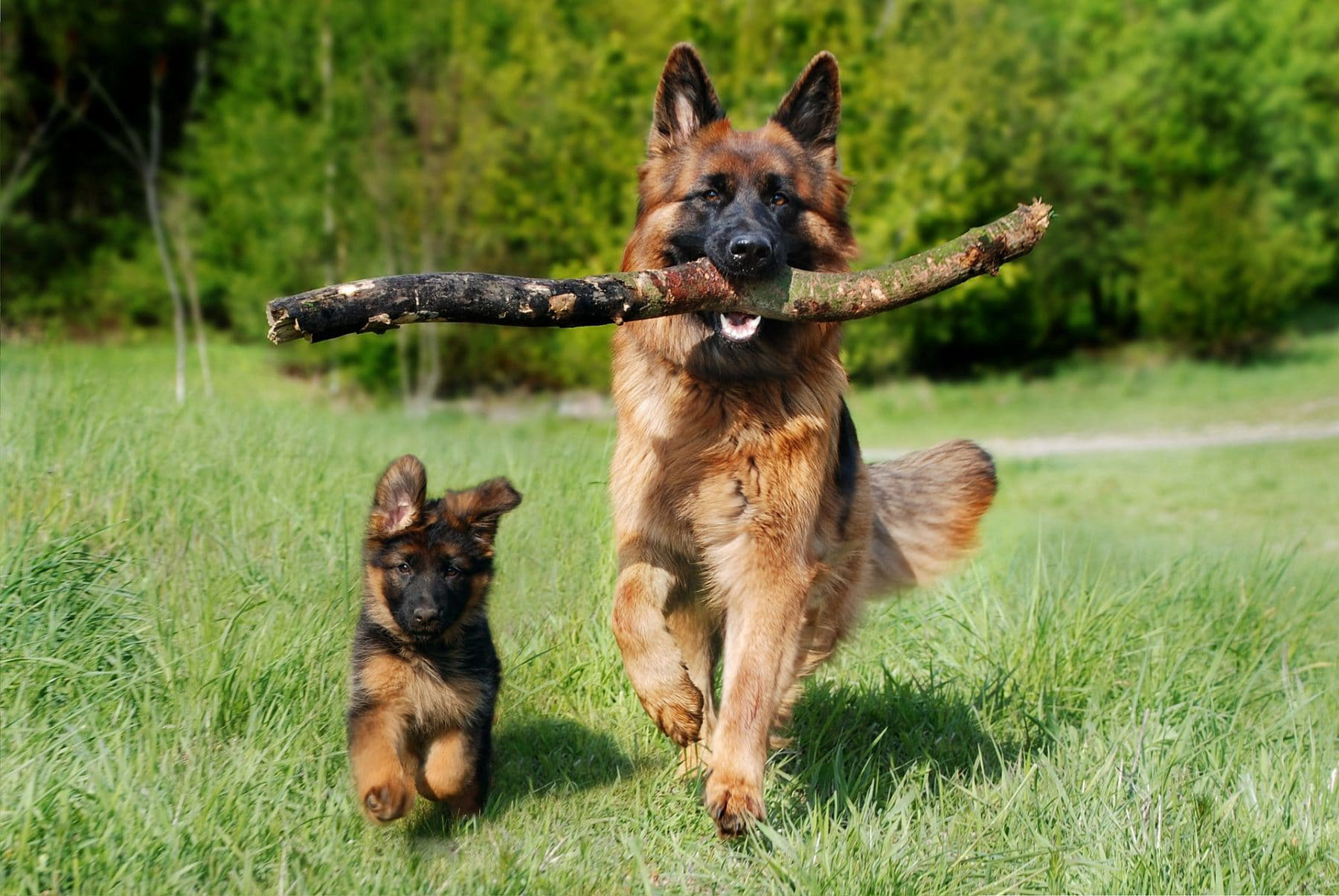
Most Popular Male Dog Names
Looking for the perfect dog name for your new male pup? We have created filterable lists of male dog names from our database of hundreds of thousands of...
Most Popular Female Dog Names
Looking for the perfect dog name for your new female pup? We have created filterable lists of female dog names from our database of hundreds of thousands of...
Most Popular Golden Retriever Names
Welcome to our comprehensive list of Golden Retriever dog names, curated from our vast database of Sniffspot users.
Most Popular Labrador Retriever Names
Welcome to our Labrador Retriever dog names page! Here you can browse through filterable lists of names for your beloved furry friend, ranging from cute and...


Top dog rescues in the US

The Best Washington Dog Rescues & Shelters in 2026
This list showcases the top dog rescues & shelters in Washington. These remarkable organizations have been recognized for their unwavering dedication to the...
The Best Oregon Dog Rescues & Shelters in 2026
This list showcases the top dog rescues & shelters in Oregon. These remarkable organizations have been recognized for their unwavering dedication to the...
The Best California Dog Rescues & Shelters in 2026
This list showcases the top dog rescues & shelters in California. These remarkable organizations have been recognized for their unwavering dedication to the...
The Best Florida Dog Rescues & Shelters in 2026
This list showcases the top dog rescues & shelters in Florida. These remarkable organizations have been recognized for their unwavering dedication to the...
The Best New York Dog Rescues & Shelters in 2026
This list showcases the top dog rescues & shelters in New York. These remarkable organizations have been recognized for their unwavering dedication to the...


