Top articlesSee all...

A Comprehensive Guide to Dog Exercise

How To Crate train An Older Dog - A Comprehensive Guide

How To Socialize A Dog - A Comprehensive Guide

Leash Training: A Guide to Training Your Dog to Walk on a Leash

Skijoring: A Guide to Skijoring with Dogs

The Best Dog Enrichment Toys

The Best United States Dog Parks

The Best Indoor Dog Parks in the United States

The Best Off-Leash Dog Parks in the United States
Top articles
A Comprehensive Guide to Dog Exercise
How To Crate train An Older Dog - A Comprehensive Guide
How To Socialize A Dog - A Comprehensive Guide
Leash Training: A Guide to Training Your Dog to Walk on a Leash
Skijoring: A Guide to Skijoring with Dogs
The Best Dog Enrichment Toys
The Best United States Dog Parks
The Best Indoor Dog Parks in the United States
The Best Off-Leash Dog Parks in the United States
See all...8 Warning Signs Your Dog Needs More Exercise

/fit-in/0x450/wp-content/uploads/2026/03/pexels-dina-nasyrova-2006209-3764319.jpg)
You know that feeling when you've been stuck inside for three days straight and you start reorganizing your sock drawer just for something to do? Your dog has that feeling too, except instead of sorting socks, they're eating yours.
A dog who isn't getting enough exercise is a dog looking for ways to spend that energy, and they are not always going to pick the ones you'd prefer. The tail-tale signs can be obvious, or they can be sneaky. Either way, knowing what to look for is the first step to fixing it.
Here's how to tell if your dog is trying to tell you something.
🐾 Looking for a safe, private space to burn some of that extra energy? Browse Sniffspot listings near you
Jump Ahead: Is Your Dog Getting Enough Exercise?
- Why Exercise Matters More Than You Think
- Sign 1: Destructive Behavior
- Sign 2: Hyperactivity and the Zoomies That Won't Quit
- Sign 3: Excessive Barking, Whining, or Attention-Seeking
- Sign 4: Weight Gain
- Sign 5: Withdrawal and Low Mood
- Sign 6: Stiffness and Reluctance to Move
- Sign 7: Trouble Settling or Sleeping
- Sign 8: Worsening Reactivity or Anxiety
- How Much Exercise Does My Dog Actually Need?
- What to Do If Your Dog Isn't Getting Enough
- Frequently Asked Questions About Dog Exercise
Why Exercise Matters More Than You Think
Exercise isn't just about keeping your dog's weight in check (though that matters too). Regular physical activity helps regulate your dog's mood, reduce cortisol levels, improve sleep, support joint health, and give them appropriate outlets for natural behaviors like running, sniffing, chasing, and exploring.
According to Cornell University's College of Veterinary Medicine, a sedentary lifestyle is one of the contributing factors to problem behaviors like reactivity and anxiety. A dog who moves their body regularly is genuinely a different dog, calmer, more focused, and a whole lot easier to live with.
The tricky part is that the signs of not-enough-exercise can look like a lot of other things. A dog eating your couch cushions could be anxious, bored, under-exercised, or all three at once. Here's how to sniff out what's actually going on.
Sign 1: Destructive Behavior
Your dog did not chew your favorite sneaker because they hate you. They chewed it because they had energy to spend and the sneaker was right there.
Destructive behavior is one of the most common signs that a dog's physical and mental needs aren't being met. Chewing furniture, digging at carpet, raiding the trash, scratching at doors: these are all ways dogs self-soothe or burn off steam when they don't have better outlets.
Dr. Sandra Mitchell, DVM, writing for PetMD, notes that behavioral problems including destructive behavior are among the most common results of insufficient exercise, especially in high-energy breeds who become bored and frustrated without regular outlets.
The fix is rarely training alone. You can't teach a dog not to be bored. You have to give them something to do instead.

Sign 2: Hyperactivity and the Zoomies That Won't Quit
Some zoomies are totally normal. Your dog finishes a bath and does three laps around the living room? Pawsitively fine. But if your dog is running circuits around the house multiple times a day, can't settle during quiet time, and behaves like they are powered by an internal generator you can't switch off, that's a sign.
Dogs who are over-threshold on pent-up energy will have trouble regulating themselves. They jump on guests, can't hold a sit for more than two seconds, and treat every moment as an invitation to play. It looks like a personality trait, and sometimes it is, but very often it's a management problem dressed up as a temperament problem.
The good news is this one responds quickly to exercise changes. Add a dedicated daily fetch session, a sniff walk, or a flirt pole session and watch what happens to the zoomie frequency within a week. For more ideas, we've shared 20+ of our favorite ways to tire out your dog.
Sign 3: Excessive Barking, Whining, or Attention-Seeking
Your dog barks at you. You ignore them. They bark louder. You give in. And now you have a dog who has learned that barking works.
Here's the thing though: some dogs aren't barking because they've "learned" to manipulate you. They're barking because they genuinely feel restless and unsettled, and barking is what that looks like coming out. Excessive vocalization, whining, nudging, pawing, and full-body demands for attention are all ways dogs communicate unmet needs.
Before you go down the rabbit hole of "my dog has separation anxiety" or "my dog has attention problems," ask yourself honestly: is this dog getting enough physical and mental exercise every day? Often the answer to the barking is a tired dog.
Sign 4: Weight Gain
This one isn't always about exercise alone. Diet plays a huge role. But if your dog's food hasn't changed and they're getting pudgier, reduced activity is a likely factor.
Extra weight in dogs is not just a cosmetic issue. Obesity puts pressure on joints, strains the cardiovascular system, and significantly increases the risk of diabetes, organ problems, and chronic inflammation. Per Dr. Mitchell at PetMD, the most effective approach is combining dietary adjustments with a gradual increase in daily activity.
If you're not sure whether your dog is at a healthy weight, your vet can assess their body condition score at their next checkup. A good rule of thumb: you should be able to feel (but not see) your dog's ribs without pressing hard.
🐕 Private Sniffspot spaces let your dog run freely without leash pressure or unexpected encounters. Find one near you
Sign 5: Withdrawal and Low Mood
Not every under-exercised dog bounces off the walls. Some go the other direction. A dog who seems checked out, uninterested in games they used to love, slow to engage, and generally mopey may be depressed rather than hyperactive.
Physical activity is one of the most reliable mood-boosters for dogs (same as for us, honestly). According to the National Institute of Health, exercise increases serotonin and dopamine, reduces cortisol, and gives dogs the kind of sensory input and mental engagement they need to feel like themselves.
Important caveat here: withdrawal and lethargy can also be signs of illness. If your dog seems genuinely unwell, not just bored, get a vet checkup before assuming exercise is the answer. Thyroid dysfunction in particular can mimic the sluggish presentation of an under-exercised dog.

Sign 6: Stiffness and Reluctance to Move
This one tends to show up in older or less active dogs, and it's a bit counterintuitive. You might think a stiff, achy dog needs less movement. But regular, appropriate exercise actually keeps tendons and ligaments flexible, maintains muscle tone, and supports joint health over the long term.
A dog who barely moves gets stiffer. A dog who moves regularly (at an appropriate intensity for their age and condition) generally stays more mobile for longer.
If your senior or less-active dog seems reluctant to get up, hesitates on stairs, or moves more slowly than usual, definitely get a vet evaluation first. Arthritis, hip dysplasia, and other dog medical conditions need to be diagnosed before you start a new exercise plan. But in many cases, gentle daily movement like short walks or swimming is part of the treatment, not something to avoid.
Sign 7: Trouble Settling or Sleeping
A physically and mentally tired dog is a dog who sleeps well. If your dog is restless at night, gets up repeatedly, paces, or seems unable to settle even after a long day, it's worth looking at whether they're actually getting the kind of exercise that tires them out.
Note that mental exercise matters here just as much as physical. A dog who went for a 45-minute walk but spent zero time problem-solving, sniffing, or engaging their brain may still be wound up at bedtime. Puzzle toys, training sessions, and nose work before sleep can make a real difference.
Sign 8: Worsening Reactivity or Anxiety
This is the one reactive dog owners need to hear most.
Exercise is one of the most effective tools for managing baseline anxiety in reactive dogs. A dog operating at a lower general stress level has more buffer before they hit their reactive threshold. The same trigger that sends an under-exercised dog over the edge might be something a well-exercised dog can notice and move on from.
This doesn't mean exercise "cures" reactivity. It doesn't, and you'll still need a behavior modification plan. But a tired, mentally satisfied dog is genuinely easier to work with. If you're finding your reactive dog is getting worse rather than better, take a look at exercise load before anything else.
For more on this, check out our guide to understanding leash reactivity and our dog reactivity chart.

How Much Exercise Does My Dog Actually Need?
There's no single answer, and anyone who gives you one without knowing your dog's breed, age, and health status is guessing. But here are some useful guidelines:
Most healthy adult dogs need at least 30 to 60 minutes of physical activity per day, with higher-energy working breeds (border collies, huskies, Australian shepherds, Belgian Malinois) often needing significantly more.
Puppies need less structured exercise than you might think, with short, frequent play sessions rather than long runs. Their growth plates are still developing, and too much repetitive high-impact activity can cause real long-term joint damage.
Senior dogs still need daily movement but at lower intensity. Shorter, more frequent outings and low-impact activities like swimming or gentle walks tend to work better than long hikes.
For a personalized estimate based on your dog's specific situation, check out the Sniffspot Dog Exercise Calculator.
What to Do If Your Dog Isn't Getting Enough
Start simple. You don't need a complete overhaul overnight. Here's where to begin:
Add a dedicated sniff walk. Let your dog set the pace and stop wherever they want to smell things. A 20-minute sniff walk is more mentally tiring than a brisk 45-minute power walk. It's one of the easiest, most underrated upgrades you can make.
Introduce puzzle toys and nose work. Mental exercise counts. Scatter feeding, snuffle mats, and food puzzles burn energy without burning you out.
Consider a private dog park booking. If your dog is reactive, pulling in public, or just needs to really run, a private fenced space changes everything. No unexpected encounters. No leash tension. Just your dog getting to be a dog.
🐾 Private Sniffspot listings are available in hundreds of cities across the US. Find a spot and book by the hour
Work with a trainer. If exercise changes alone don't shift the behavioral signs you're seeing, a certified positive reinforcement trainer can help you build a plan. Find a trainer near you.
Frequently Asked Questions About Dog Exercise
How do I know if my dog needs more exercise or just more mental stimulation?
Both, usually. If your dog is destructive, hyperactive, or can't settle, they likely need more physical activity. If they seem anxious, restless, or unable to focus, mental enrichment (training, puzzle toys, nose work) often helps more than adding another walk. In most cases, the best approach combines both.
Can too much exercise be a problem?
Yes, and it gets overlooked. Over-exercising a dog can cause physical injury, joint wear, and in some cases, a dog who is increasingly difficult to settle because their exercise threshold keeps rising. High-energy dogs especially can get into a cycle where you have to do more and more just to tire them out. Balance physical activity with mental enrichment and genuine rest.
My dog seems tired but still acts out. What's going on?
Physical tiredness and mental satisfaction are different things. A dog who ran five miles but had no opportunity to sniff, problem-solve, or engage their brain may be physically spent but mentally unsatisfied. Try adding nose work, training, or puzzle feeding and see if the behavior shifts.
What are the signs my dog is getting too much exercise?
Watch for: excessive panting that doesn't resolve quickly, unusual stiffness the day after activity, reluctance to go out on walks they normally love, or limping. If you see any of these, rest and a vet visit are in order.
Can lack of exercise cause aggression in dogs?
Chronic under-exercise raises baseline stress and anxiety, which can lower a dog's threshold for reactive or aggressive responses. It's not a direct cause, but it's a real contributing factor. Addressing exercise needs is often part of a behavior modification plan for dogs showing aggression.
My dog is reactive and I can't take them to the dog park. How do I get them enough exercise?
Indoor activities, sniff walks during off-peak hours, training sessions, and private dog parks (like Sniffspot listings) are your toolkit. You don't need a public dog park to give a dog adequate exercise. Read more in our guide on boarding and exercise for reactive dogs.
Is it bad to let my dog rest on days I'm busy?
One rest day isn't going to cause behavioral problems. It's the chronic pattern that matters. If your dog is under-exercised most of the time, that's where you'll start seeing the signs above.
Your dog is trying to tell you something. Sometimes the message is: I need to run. Book a private Sniffspot space and let them 🐾
This article was reviewed by two certified, positive-reinforcement-based trainers to ensure accuracy and safety.
Erica Marshall, CPDT-KA, CDBC Owner and Trainer, Wicked Good Dog Training, Christiania, TN. Author of New Puppy, Now What?
Hallie Wells, CPDT-KA, FFCP, UW-AABA Owner, Lumos Dog Training, Atlanta, GA. Certified Professional Dog Trainer, Fear Free Certified Professional, and Applied Animal Behavior Analyst.


/fit-in/0x128/wp-content/uploads/2020/08/shutterstock_1421150522.jpg)
/fit-in/0x128/wp-content/uploads/2022/03/shutterstock_1608507346.jpg)
/fit-in/0x128/wp-content/uploads/2026/09/What-is-dog-surfing.png)
/fit-in/0x128/wp-content/uploads/2020/07/shutterstock_330043559-1.jpg)
/fit-in/0x128/wp-content/uploads/2026/03/pexels-leonardo-merlo-1124828-13275187.jpg)
Most recent articles
/fit-in/0x256/wp-content/uploads/2020/08/shutterstock_1421150522.jpg)
/fit-in/0x256/wp-content/uploads/2022/03/shutterstock_1608507346.jpg)
/fit-in/0x256/wp-content/uploads/2026/09/What-is-dog-surfing.png)
/fit-in/0x128/wp-content/uploads/2023/05/Dog-sports-101.png)
/fit-in/0x256/wp-content/uploads/2023/05/Dog-sports-101.png)
/fit-in/0x128/wp-content/uploads/2026/09/first-night-with-rescue-dog.png)
/fit-in/0x256/wp-content/uploads/2026/09/first-night-with-rescue-dog.png)
/fit-in/0x128/wp-content/uploads/2026/09/What-are-the-requirements-to-adopt-a-dog.png)
/fit-in/0x256/wp-content/uploads/2026/09/What-are-the-requirements-to-adopt-a-dog.png)
Related articles
Top dog guides per area
Dog training guides

Best Dog Fields in the US: 25+ Wide-Open Spaces for Your Pup to Run Free
The best dog fields in the US offer something that traditional enclosed parks simply can't match: acres of open space where your pup can truly stretch their legs and run at full speed. From Colorado's 470-acre prairie meadows to Tennessee's award-winning "Outback," these wide-open spaces allow dogs to roam, explore, and exercise naturally while engaging instincts that cramped urban parks suppress.

Dog Food Aggression & Resource Guarding Guide
Does your dog ever growl when you walk by their food dish? Maybe they get possessive of treats, carrying them far away and giving you side-eye when you start to approach — or snarling at your other pets or children if they get too close.

The Ultimate Guide to Scent Training for Dogs
Your dog's nose is an amazing tool. Did you know they have 40 times the olfactory receptors than humans? Scent training for dogs taps into this superpower, turning everyday moments into exciting sniff-fests. It's enriching for all types of dogs – reactive, shy, or simply adventurous. Ready to explore the world of scent work for dogs? Let's get started.

How Much Does It Cost to Train a Service Dog?
More than 80 million Americans rely on their service dogs to help them navigate the world. Task-trained assistance animals perform a huge range of life-changing—in many cases, life-saving—services: These dogs act as eyes for visually impaired handlers, provide mobility support, alert to seizures and blood sugar crashes, interrupt anxiety attacks, remind their people to take medications, and so much more.

How to Deal With Puppy Potty Training Regression

Dirty Dog Syndrome: Causes, Solutions, and Prevention
It's a cringe-worthy moment every dog owner dreads: your furry friend chowing down on something truly disgusting. If your dog has a penchant for poop, you're dealing with coprophagia. It's more common than you think, and thankfully, often manageable. This article explores the reasons behind dirty dog syndrome, from instinct to learned behavior. We'll also give you practical tips to help break this unpleasant habit.
/354x256/wp-content/uploads/2025/09/Screenshot-2025-09-21-at-6.39.54-PM.png)
/354x256/wp-content/uploads/2020/08/bernese-mountain-dog-208092_1280.jpg)
/354x256/wp-content/uploads/2022/04/shutterstock_543831754.jpg)
/354x256/wp-content/uploads/2022/08/shutterstock_494495788-1.jpg)
/354x256/wp-content/uploads/2022/07/shutterstock_237584221-1.jpg)
/354x256/wp-content/uploads/2022/10/shutterstock_705844504.jpg)
Dog enrichment guides
Best Dog Fields in the US: 25+ Wide-Open Spaces for Your Pup to Run Free
The best dog fields in the US offer something that traditional enclosed parks simply can't match: acres of open space where your pup can truly stretch their legs and run at full speed. From Colorado's 470-acre prairie meadows to Tennessee's award-winning "Outback," these wide-open spaces allow dogs to roam, explore, and exercise naturally while engaging instincts that cramped urban parks suppress.

Best Dog Water Parks in the US: 15+ Amazing Splash Destinations for Your Pup
Do you have a water-loving dog looking to burn some energy? There are countless dog parks to visit throughout our country — but some of them become far too hot in the midday sun to be safe for your pets to play. That’s why we’ve put together a list of some of the best dog water parks throughout the United States! At these locations, your pup can frolic, splash, and swim to their heart’s content.

Best Toys for Herding Dogs: Keeping Your Pup Happy & Engaged
Herding dogs are amazing, intelligent companions. But that also means they need more than just a simple game of fetch. Finding the right toys for herding dogs is key to keeping them happy and stimulated. This article explores some of the best toys for herding dogs, including options specifically for breeds like Border Collies and Australian Shepherds. We'll help you discover the perfect herding toys for dogs to tap into their natural instincts and keep them entertained for hours.

Tough Dog Toys for Aggressive Chewers: A Practical Guide
Does your dog destroy every toy you give them? Is your house littered with the remnants of plush toys? Are you tired of wasting money on "indestructible" dog toys for aggressive chewers that don't last? Then this post is for you. We'll cover everything you need to know about finding the best dog toys for aggressive chewers, so you can finally give your pup something safe, durable, and fun.

Dog Exercise Calculator: How Much Exercise Does Your Dog Need?
Every dog needs to move, but how much is actually enough? The answer depends on more than just breed. Age, health, and even your own lifestyle all play a role in figuring out the right daily exercise routine for your pup.

Complete Guide To Herding With Dogs
* All Sniffspot articles are reviewed by certified trainers for quality, please see bottom of article for details *
/354x256/wp-content/uploads/2023/04/dogwaterpark.png)
/354x256/wp-content/uploads/2022/05/shutterstock_174836186.jpg)
/354x256/wp-content/uploads/2023/02/shutterstock_1346929262.jpg)
/354x256/wp-content/uploads/2022/08/dogexercisecalculatorfeaturedimage.jpg)
/354x256/wp-content/uploads/2020/07/bb.jpg)
Dog reactivity guides
Best Dog Fields in the US: 25+ Wide-Open Spaces for Your Pup to Run Free
The best dog fields in the US offer something that traditional enclosed parks simply can't match: acres of open space where your pup can truly stretch their legs and run at full speed. From Colorado's 470-acre prairie meadows to Tennessee's award-winning "Outback," these wide-open spaces allow dogs to roam, explore, and exercise naturally while engaging instincts that cramped urban parks suppress.

Rottweiler Aggression: Signs, Causes & Training
Many dogs have gotten a bad reputation over the years for being "dangerous breeds." Rottweilers are among them. Like pit bulls and other large, blocky-headed types of dogs, these powerful and beautiful animals are often assumed to be aggressive.

The Reactive Dog Chart: How to Calm Your Dog's Triggers
If your dog lunges, barks, or loses their mind at the sight of another dog, a stranger, or a bicycle, you’re living with a reactive dog (and you’re far from alone). Dog reactivity is one of the most common behavioral challenges dog owners face, and it can make even a simple walk feel stressful and isolating.

How to Socialize a Reactive Dog: A Step-by-Step Guide
Does your dog display reactivity to other pets or people—barking, lunging, or growling when they see their triggers? Whether they're a rescue still settling in, missed critical socialization as a puppy, or had a negative experience that changed how they see the world, you're not alone. Reactivity is one of the most common dog behavior concerns, and with the right approach, you can help your dog feel calmer and more confident.

What Is a Reactive Dog? The Complete Guide for Understanding and Helping Your Pup
Does your dog transform into a barking, lunging tornado the second they spot another dog across the street? You're definitely not alone. According to our research of over 4,000 dog owners, 66% of dogs show some signs of reactivity.

9 Best Online Communities for Reactive Dog Parents
Does your dog's reactivity make walks stressful? You're not alone. Many dog owners face similar challenges. This guide offers practical advice and support for managing reactivity, including finding the best online dog training for reactive dogs. We'll connect you with reactive dog support groups, share training tips, and explore resources like the best dog training app for reactive dogs. Let's build a stronger bond with your dog, together.
* All Sniffspot articles are reviewed by certified trainers for quality, please see bottom of article for details *
/354x256/wp-content/uploads/2023/05/Screen-Shot-2024-05-23-at-9.33.57-PM.png)
/354x256/wp-content/uploads/2022/08/dogreactivitychartfeaturedimage.jpg)
/354x256/wp-content/uploads/2022/08/shutterstock_523383649.jpg)
/354x256/wp-content/uploads/2020/07/a.jpg)
/354x256/wp-content/uploads/2022/01/shutterstock_796422001.jpg)
Sniffspot community guides
Best Dog Fields in the US: 25+ Wide-Open Spaces for Your Pup to Run Free
The best dog fields in the US offer something that traditional enclosed parks simply can't match: acres of open space where your pup can truly stretch their legs and run at full speed. From Colorado's 470-acre prairie meadows to Tennessee's award-winning "Outback," these wide-open spaces allow dogs to roam, explore, and exercise naturally while engaging instincts that cramped urban parks suppress.

The State of Public Dog Parks Across the United States
From 2009 to 2020, there was a 40 percent increase in the development of public dog parks. Designated spots for canine exercise have become commonplace in every major city in North America — many pet owners won’t even consider renting an apartment that doesn’t have its own fenced-in pet area for their canine companions.

How This Family is Affording Their Dream Property Through Renting it Hourly to Dogs
Thousand Oaks, California has been a safe haven for Sniffspot host, Jen, since childhood. Having grown up in busy Santa Barbara, Jen, an introvert from an early age, would seek out solitude and serenity away from tourists attractions and droves of people visiting from elsewhere. “My grandparents own 60 acres about a 30 minute drive from here, and I grew up spending every summer and every holiday visiting them on the ranch,” Jen explained. “In Santa Barbara, we wouldn't go to the beach on the weekend because that's where everybody was, so you'd find places off the beaten path where the tourists weren't. For me, the ranch was just my happy place.”

Host Tips: Ellen K. What Makes Sniffspot Successful for Me
Ellen is the host of Country Pasture Getaway, one of Sniffspot's most popular sniff spots. She has taken the time to write up the lessons she has learned about how to be a great sniff spot host.

How this Oregon Farmer is Making a Business From Renting Her Land to Dogs
Just 20 minutes outside of the busy city of Portland, Oregon, and settled right on the banks of the Columbia River, you’ll find what countless visitors have flocked to the area in search of – mountain views, crisp, clean air, and running water for miles. What you might not expect to find, however, is a hidden oasis designed just for dogs and their people, owned and operated by a farming couple and enjoyed by visitors on two legs, and four.

Host Tips: Fran T. Providing Great Guest Service at our Spot
Fran is the host of Ranch Setting, one of Sniffspot's most popular spots. She has taken the time to write up the lessons she has learned about how to be a great Sniffspot host.
/354x256/wp-content/uploads/2022/07/Sniffspot_infographic_1-01.jpeg)
/354x256/wp-content/uploads/2021/05/Final-Edit-003-1.jpg)
/354x256/wp-content/uploads/2020/07/good-photo-3_orig.jpg)
/354x256/wp-content/uploads/2021/05/sniffspot-28-of-45-1.jpg)
/354x256/wp-content/uploads/2020/07/screen-shot-2019-09-19-at-2-01-47-pm_orig.png)
Top dog trainers in the US
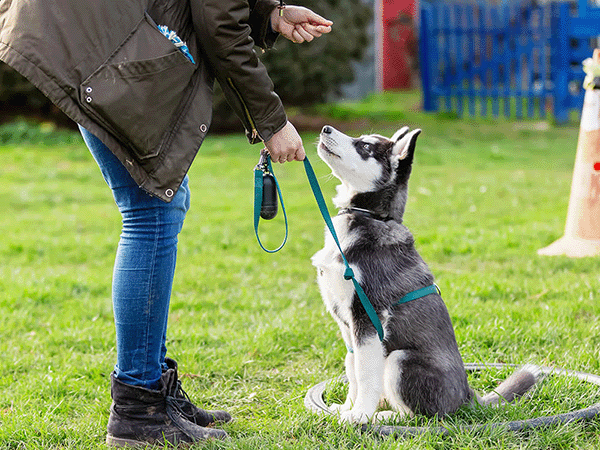
The Best Dog Trainers in the United States of 2026
This is a list of the top dog trainers in the United States, based on votes from the Sniffspot community and the general public.
The Best Dog Trainers in Seattle, WA of 2026
This is a list of the top dog trainers in Seattle, WA, based on votes from the Sniffspot community and the general public.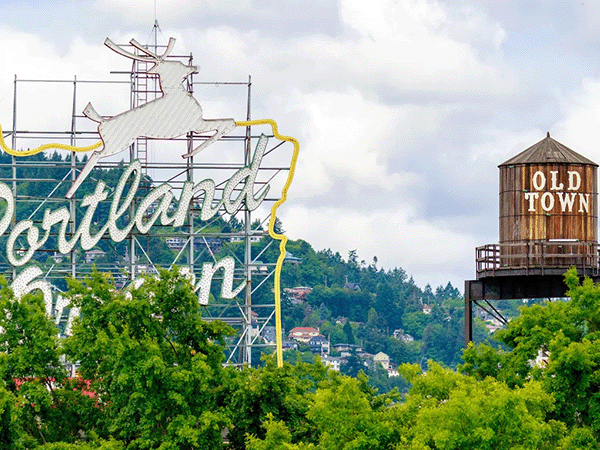
The Best Dog Trainers in Portland, OR of 2026
This is a list of the top dog trainers in Portland, OR, based on votes from the Sniffspot community and the general public.
The Best Dog Trainers in Los Angeles, CA of 2026
This is a list of the top dog trainers in Los Angeles, CA, based on votes from the Sniffspot community and the general public.
The Best Dog Trainers in New York, NY of 2026
This is a list of the top dog trainers in New York, NY, based on votes from the Sniffspot community and the general public.


City dog park guides
Best Dog Fields in the US: 25+ Wide-Open Spaces for Your Pup to Run Free
The best dog fields in the US offer something that traditional enclosed parks simply can't match: acres of open space where your pup can truly stretch their legs and run at full speed. From Colorado's 470-acre prairie meadows to Tennessee's award-winning "Outback," these wide-open spaces allow dogs to roam, explore, and exercise naturally while engaging instincts that cramped urban parks suppress.

Top 10 Indoor Dog Parks: A US Guide
Looking for a space to play with your dog no matter what the weather’s like outside? Look no further than our list of the best indoor dog parks in the United States! These climate-controlled spaces are growing in popularity as pet ownership increases throughout the country. As a bonus, many of them also offer dog training, boarding, grooming, or daycare services on the premises.

Best Dog Parks in the US: Ultimate Guide to Public & Private Off-Leash Adventures
Is your pup giving you those pleading "let me run free" eyes? Whether you're a new dog parent or a seasoned pro looking for fresh adventures, finding the perfect off-leash paradise for your furry friend can feel ruff! From sun-soaked California beaches where your water-loving lab can make a splash to mountain trails in Vermont where your adventure buddy can chase every scent, we've sniffed out the 15 best dog parks across America.

Dog Parks Near Me: Las Vegas Edition
Looking for the perfect dog park near me in Las Vegas? You're in luck! This guide explores all the best options for your pup, from public dog parks to private dog parks near me on Sniffspot. We'll help you find the ideal spot for playtime, socializing, and fresh air. Plus, we'll cover essential etiquette and safety tips to ensure a happy visit for everyone. Get ready for some tail-wagging fun!
Discover the Perfect Dog Park in Las Vegas
This page is about public city dog parks and also includes Sniffspot private dog parks. Sniffspot is the largest network of private dog parks for rent in the world!Best Dog Parks in the US: Off-Leash Guide
Looking for the perfect dog park? Whether you need a wide-open public space or a private, fenced-in spot, this guide will help you find the best dog parks across the US. We'll cover top-rated public parks, the perks of private dog parks, and even explore Sniffspot locations – giving your pup a safe and fun place to play. Ready to find your dog's new favorite spot? Let's go!

Sniffspot: Portland's Best Private Dog Parks
Ready to discover Portland's best dog parks? Whether you're looking for a public park or the unique experience of a private Sniffspot, this guide has you covered. We'll help you find the perfect spot for your pup, with tips on what to bring, how to prepare, and even understanding dog body language. Plus, we'll explore some top Portland dog parks, including public and Sniffspot options, so you can plan your next dog-friendly adventure in the City of Roses.
Portland Dog Parks: Public & Private Options
This page is about public city dog parks and also includes Sniffspot private dog parks. Sniffspot is the largest network of private dog parks for rent in the world!
/354x256/wp-content/uploads/2023/04/indoordogparks.png)
/354x256/wp-content/uploads/2023/03/offleashdogparks.png)
/354x256/wp-content/uploads/2023/02/vegas.jpg)
/354x256/wp-content/uploads/2023/02/portland.jpg)
Dog breeds
Best Dog Fields in the US: 25+ Wide-Open Spaces for Your Pup to Run Free
The best dog fields in the US offer something that traditional enclosed parks simply can't match: acres of open space where your pup can truly stretch their legs and run at full speed. From Colorado's 470-acre prairie meadows to Tennessee's award-winning "Outback," these wide-open spaces allow dogs to roam, explore, and exercise naturally while engaging instincts that cramped urban parks suppress.

German Shepherd Guide: Best Family Dog? Truth from 9K Owners
The German Shepherd Dog (GSDs) are known for their intelligence, loyalty, and striking appearance. They're also incredibly versatile, excelling as working dogs and devoted family companions. This guide covers everything you need to know about GSDs, from understanding their unique traits and rich history to practical advice on training and care. So, whether you're a seasoned GSD owner or just starting your research, let's explore this remarkable breed together.

Labrador Retriever: Real Tips from Owners
Discover the Labrador Retriever, a breed celebrated for its playful nature, affectionate temperament, and trainability. Labradors are known for their friendly demeanor and adaptability, making them perfect family companions and versatile working dogs. As one of the most popular types of retrievers, Labs are ideal companions for various lifestyles and are recognized by the American Kennel Club (AKC) as an excellent breed for families.

Golden Retriever Advice: The Complete Owner's Guide
Golden Retrievers: they're gorgeous, playful, and incredibly popular. But before you welcome one into your home, you need the right golden retriever advice. This guide draws on the wisdom of nearly 10,000 Golden Retriever owners, offering practical tips for caring for these affectionate dogs. From understanding their high energy levels to mastering grooming and training, we'll cover everything you need to know. So whether you're already a devoted Golden parent or just starting your research, get ready to learn how to give your furry friend the best possible care.

Are American Staffordshire Terriers Good for First-Time Owners: Complete Guide
Think American Staffordshire Terriers are tough? Think again. While their muscular build might intimidate some, these dogs are known for their playful and loyal personalities. This guide draws on the experience of nearly 10,000 AmStaff owners to reveal the truth about this often misunderstood breed. Want to learn more about caring for an American Staffordshire Terrier? You're in the right place.

Australian Shepherd Facts: Breed Info & Care Guide
Discover the Australian Shepherd, an AKC breed celebrated for its trainable, playful, and affectionate nature. Despite its name, the Australian Shepherd is actually a native breed to the United States, originally developed to breed on farms and ranches. Considered a medium dog, Australian Shepherds were bred for herding beginning in the 1950s. As one of the high-energy breeds, Aussies are known for their boundless energy and need for regular exercise, including aerobic exercise.
/354x256/wp-content/uploads/2024/07/German-Shepherd-Dog.png)
/354x256/wp-content/uploads/2024/07/Screen-Shot-2024-07-24-at-4.06.05-PM.png)
/354x256/wp-content/uploads/2024/07/Screen-Shot-2024-07-25-at-3.05.09-PM.png)
/354x256/wp-content/uploads/2024/07/staffy.jpg)
/354x256/wp-content/uploads/2024/07/Screen-Shot-2024-07-25-at-3.39.43-PM.png)
Top dog names in the US
Top 1,000 Most Popular Dog Names
Looking for the perfect dog name for your new pup? We have created filterable lists of dog names from our database of hundreds of thousands of Sniffspot users. You can filter by gender, breed and state to find the most cute, unique and creative dog names.
Most Popular Male Dog Names
Looking for the perfect dog name for your new male pup? We have created filterable lists of male dog names from our database of hundreds of thousands of Sniffspot users. You can filter by gender, breed and state to find the most cute, unique and creative male dog names.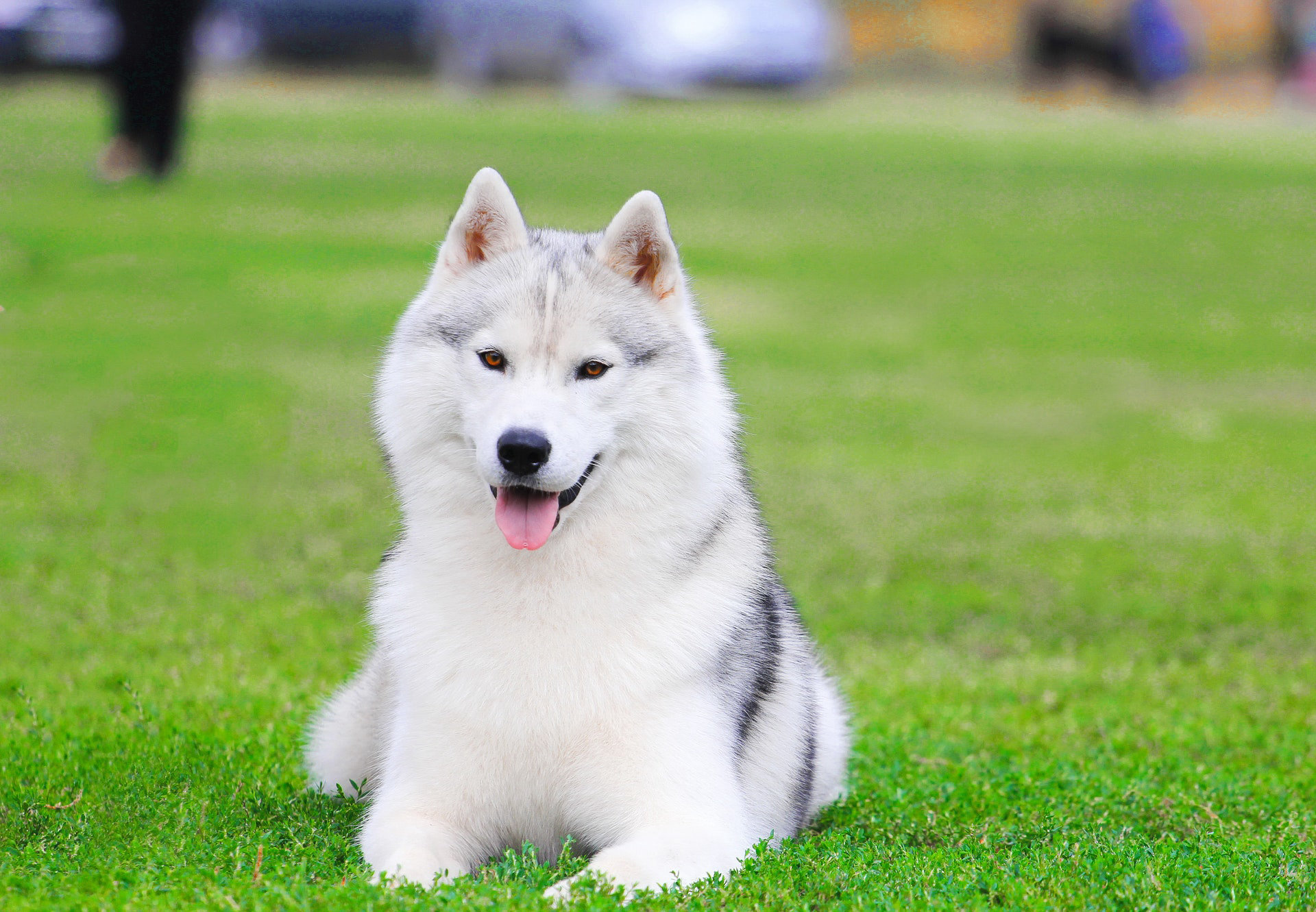
Most Popular Female Dog Names
Looking for the perfect dog name for your new female pup? We have created filterable lists of female dog names from our database of hundreds of thousands of Sniffspot users. You can filter by gender, breed and state to find the most cute, unique and creative female dog names.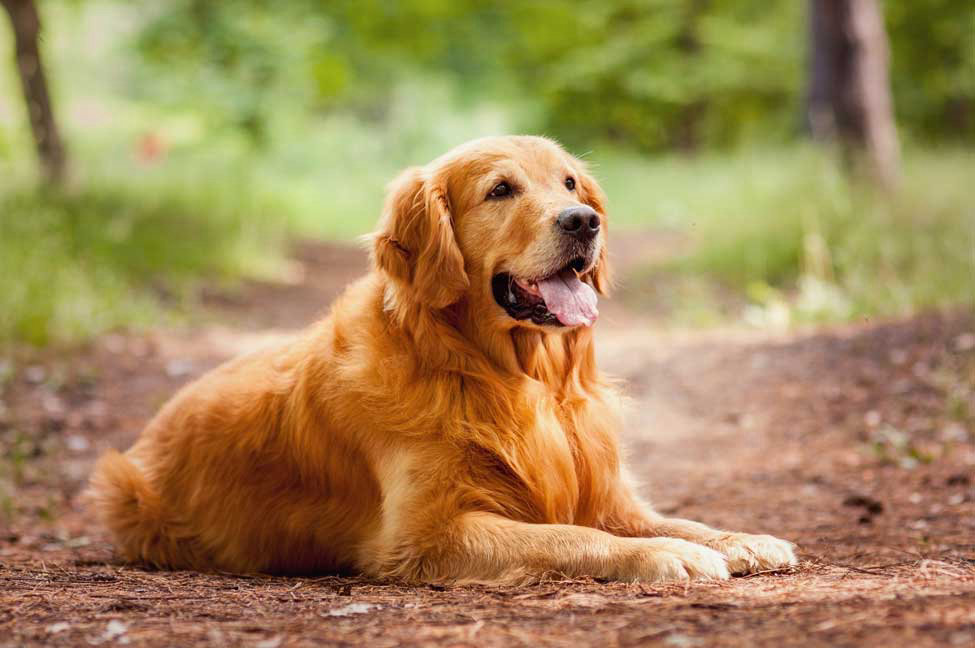
Most Popular Golden Retriever Names
Welcome to our comprehensive list of Golden Retriever dog names, curated from our vast database of Sniffspot users. Filter through hundreds of thousands of options by gender, breed, and state to discover the most adorable, original, and imaginative names for your beloved Golden Retriever.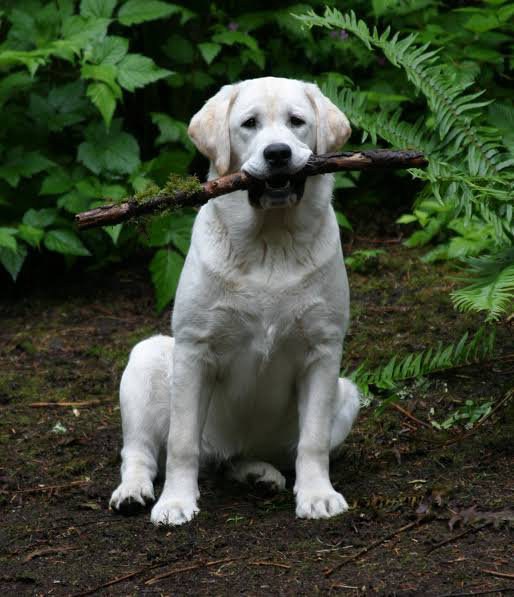
Most Popular Labrador Retriever Names
Welcome to our Labrador Retriever dog names page! Here you can browse through filterable lists of names for your beloved furry friend, ranging from cute and classic to unique and creative options. Our database of hundreds of thousands of Sniffspot users ensures you'll find the perfect name for your Labrador Retriever, whether you're seeking a name for a male or female, based on breed or state.


Top dog rescues in the US

The Best Washington Dog Rescues & Shelters in 2026
This list showcases the top dog rescues & shelters in Washington. These remarkable organizations have been recognized for their unwavering dedication to the well-being of countless dogs.
The Best Oregon Dog Rescues & Shelters in 2026
This list showcases the top dog rescues & shelters in Oregon. These remarkable organizations have been recognized for their unwavering dedication to the well-being of countless dogs.
The Best California Dog Rescues & Shelters in 2026
This list showcases the top dog rescues & shelters in California. These remarkable organizations have been recognized for their unwavering dedication to the well-being of countless dogs.
The Best Florida Dog Rescues & Shelters in 2026
This list showcases the top dog rescues & shelters in Florida. These remarkable organizations have been recognized for their unwavering dedication to the well-being of countless dogs.
The Best New York Dog Rescues & Shelters in 2026
This list showcases the top dog rescues & shelters in New York. These remarkable organizations have been recognized for their unwavering dedication to the well-being of countless dogs.
/354x256/Photos/SeoDogRescue/1282/178507e67e44-MC_logo_square.jpg)
/354x256/Photos/SeoDogRescue/931/cef8bbb17769-South_Coast_Humane_Society.png)
/354x256/Photos/SeoDogRescue/61/30aea3371b69-MainSquare_2.png)
/354x256/Photos/SeoDogRescue/298/1000035238.jpg)
/354x256/Photos/SeoDogRescue/814/91cfd62cd986-IMG_1035.jpeg)