Top articlesSee all...

A Comprehensive Guide to Dog Exercise

How To Crate train An Older Dog - A Comprehensive Guide

How To Socialize A Dog - A Comprehensive Guide

Leash Training: A Guide to Training Your Dog to Walk on a Leash

Skijoring: A Guide to Skijoring with Dogs

The Best Dog Enrichment Toys

The Best United States Dog Parks

The Best Indoor Dog Parks in the United States

The Best Off-Leash Dog Parks in the United States
Top articles
A Comprehensive Guide to Dog Exercise
How To Crate train An Older Dog - A Comprehensive Guide
How To Socialize A Dog - A Comprehensive Guide
Leash Training: A Guide to Training Your Dog to Walk on a Leash
Skijoring: A Guide to Skijoring with Dogs
The Best Dog Enrichment Toys
The Best United States Dog Parks
The Best Indoor Dog Parks in the United States
The Best Off-Leash Dog Parks in the United States
See all...Best Dog Hiking Trails in the USA: Coast-to-Coast Adventures


Want to explore the best dog hiking trails with your furry friend? Whether you're looking for a leisurely stroll or an adventurous trek, finding dog-friendly hiking trails can be a blast. This guide covers everything you need for a safe and fun outing, from essential gear to trail etiquette. Let's find the perfect hike for you and your pup!
We’ve put together some of the country’s most popular dog-friendly trails for you to explore — along with a checklist of what to know ahead of time and some frequently asked questions about dog friendly parks and wilderness areas. Let’s dive in!
- Know Before You Go: Dog Friendly Hiking Trail Checklist
- What to bring with you on a hike with your dog
- What to do before going into a dog friendly hiking trail system
- Types of Dog Friendly Hiking Trails
- Finding the Perfect Trail for Your Dog
- The Best Dog Friendly Hiking Trails in the United States
- The Best Private Dog Hiking Trails
- Dog Training for Hiking
- Trail Safety and Etiquette for Dog Hikers
- Dog Hiking Gear Essentials
- Dog Fitness and Hike Planning
- FAQ About Dog Friendly Hiking Trails in the United States
- Related Articles
Know Before You Go: Dog Friendly Hiking Trail Checklist
- Plan ahead for a paw-some hike: Research trails, pack essentials (water, waste bags, leash), and ensure your dog's training is up to par. Knowing your dog's body language is also helpful for a safe and fun experience.
- Explore Sniffspot for a stress-free hike: Sniffspot's private dog parks offer diverse terrains and amenities, letting you customize the hike to your dog's needs and avoid the crowds and uncertainties of public trails.
- Be a responsible trail user: Respect other hikers and wildlife, follow leash rules, and leave no trace behind. Being considerate ensures everyone enjoys the great outdoors.
What to bring with you on a hike with your dog
Here are a few things to bring with you when visiting any dog friendly hiking trail in the United States.
Carry multiple dog waste bags
Keep your parks and hiking trails clean! Always pack a few extra poop bags in case you need to pick up after your pup — and consider scooping any left-behind piles you come across, too. This will make the environment safer for everyone who visits.
Pack drinking water
Some public parks or trailheads offer water bowls or fountains for your dog, but it’s a good idea to pack some of your own just in case. Never leave your dog’s hydration up to chance, especially on hot days — and even more important if you’re going to be covering miles of trails.
Have your dog wear a collar or harness with ID tags
It’s important to bring a well-fitted collar or harness along with your dog’s identification tags, especially if you’ll be out in the wilderness on your dog-friendly hikes. You might also consider some type of GPS tracking device so you can always keep tabs on your pet — even if they get out of sight.
Bring a leash or two
Along with a collar or harness, bring a leash, even if the hiking trail you’re visiting is a designated off-leash area. This way you can keep your dog under control while walking to and from the trailhead.
You might also consider packing an extra leash in case you need to grab hold of another dog or intervene if a conflict arises — and it’s a good idea to read up on leash laws in your local area before venturing out.
What to do before going into a dog friendly hiking trail system
Research the trail ahead of time
Read reviews and be on the lookout for any common issues, like unruly dogs, left-behind waste, or treacherous terrain. Consider downloading a digital park map or even investing in an old-school hard copy if you’ll be away from cell service.
It can be hard to find reliable information about some public hiking trails (one reason Sniffspot’s private listings might be a better option) — so when in doubt, don’t risk it. Your dog’s safety and comfort are too important.
Brush up on your pup’s basic cues and obedience training
Different trails will require your dog to have different skills. It’s a good idea to think about recall training and loose leash walking in particular to maintain good hike etiquette.
Make sure you have basic knowledge of dog body language
This will help you make sure your dog is enjoying their time and keep everyone safe! Know what signs might indicate that your pup is stressed or overwhelmed — and be ready to step in to prevent an on-leash greeting or off-leash interaction on dog-friendly trails if needed.
You can read more about interpreting your dog’s body language in this article.
Types of Dog Friendly Hiking Trails
There are so many options to choose from across North America. Here are some of the common categories of pet friendly hiking trails!
- Off-leash hiking trails: These trails allow dogs to hike off leash, usually so long as they’re under voice control. While leash laws are generally in place for safety, some trails are actually safer when your pet isn’t attached to you due to rough terrain that they might cover at a different pace. This is often true of many mountain trails that end in beautiful, panoramic views at their summits.
- On-leash hiking trails: These trails allow dogs on leash, usually with some type of length requirement that can vary depending on each route.
- Public park trails: Whether or not you call these trails “real” hikes is up to every individual — but we think they count! Dogs are welcome at many public parks and their paths, including many easily accessible paved trails, throughout the United States.
- National forest and BLM land: Our country boasts several national forests and Bureau of Land Management areas that allow for backcountry recreation opportunities. Sometimes these areas aren’t official trails but rather networks of forest service roads, but don’t let that stop you: The United States has public land covering all sorts of terrain from mountains to forests to waterfalls and everything in between. These areas are especially popular for overnight trips.
Finding the Perfect Trail for Your Dog
Considering Your Dog's Breed and Fitness Level
Before you lace up your hiking boots, consider your dog’s breed and fitness level. Some dog breeds, like Bulldogs and Pugs, might have limitations due to breathing or hip issues, so shorter, less strenuous trails are better. Others—Retrievers, Shepherds, for example—are naturally inclined to stick close, while independent breeds may require a bit more recall training (though they’re totally capable of learning!).
A good rule of thumb for a safe hiking distance is around 5 miles for most dogs, with fitter pups handling up to 10. Puppies should only exercise for about 5 minutes for every month of age, especially larger breeds. Older dogs (over 2) can usually handle longer hikes.
Using Online Resources and Apps
Finding the perfect trail is easier with the right online resources. Apps like AllTrails offer a wealth of information, including trail reviews, difficulty ratings, and even user-submitted photos. Reading reviews can give you a heads-up about potential hazards like unruly dogs or tricky terrain. If you're in the UK, websites like Walkhighlands offer detailed trail information. Download a digital park map or grab a physical copy if you're venturing into areas with spotty cell service. For a more controlled environment, especially regarding other dogs, consider checking out Sniffspot for private dog parks near you.
Struggling to find a pet friendly hiking trail near you?
Sniffspot is the largest network of private dog parks for rent in the world. Each of the thousands of Sniffspot dog parks are hosted by locals on private land with 100% private bookings to maximize safety for guests and their dogs.
Sniffspot offers various types of dog parks, including fenced fields, dog beaches, wooded trail systems, and more. Click here to learn more about Sniffspots near you and filter by hiking trails!
The Best Dog Friendly Hiking Trails in the United States
It would be impossible to round up every pet friendly trail in our expansive country — but we’ve compiled some of the most highly rated options below.
If you can’t find what you’re looking for, it’s a good idea to browse your local parks and recreation department website or check out national forest land in your state! You never know what hidden gems you’ll come across.
Garden of the Gods (Colorado Springs, CO)

- Off leash? No
- Difficulty level: Easy
- Location: Colorado Springs, Colorado
You are welcome to bring your leashed dog to Garden of the Gods, a Registered National Natural Landmark in Colorado Springs, CO. You can enjoy hiking on the scenic trails that meander through red rock formations and marvel at the breathtaking views and landscape with your furry companion!
Pets are also permitted inside the Visitor and Nature Center — something that isn’t true at national parks throughout the United States — but it’s important to keep them out of indoor dining spaces. Please make sure to clean up after your dog during your visit.
Garden of the Gods Dog Hiking Tips from Owners:
- "This is one of my favorite places to bring my dog that's near Denver, but beware some of the trails are steep and can be challenging for small dogs. I have to carry my corgi a lot!" (Amy)
- "Garden of the Gods is one of the coolest places I've ever been! But because it's so cool, it's also very crowded especially on weekends. If you can, get here early! Not only will you beat the crowds, but it's less hot!" (Sam)
Acadia National Park (Acadia, ME)

- Off leash? No
- Difficulty: Moderate
- Location: Acadia National Park, Maine
Acadia, located on the Maine coast, is one of the most popular pet-friendly national parks! Almost all 120 miles of hiking trails and 45 miles of carriage roads within the park allow pets, with the exception of a few direct routes that require climbing on iron rungs or ladders.
The only restricted areas are Duck Harbor Campground, Wild Gardens of Acadia, and Echo Lake Beach and Sand Beach during high season (mid-May to mid-Sept). Everywhere else, your furry friend is welcome to accompany you, including on the free shuttles that transport visitors around the park!
Acadia National Park Dog Hiking Tips from Owners:
- "It's rare to find a dog-friendly national park, and I'm lucky to live close to this one. Take advantage of the dog-friendly shuttles to get around! It saves you so much time when parking." (Dave)
- "Your pup can become an Acadia Bark Ranger if you stop by the visitor center or one of the campgrounds and grab an activity checklist. This is the best way to make sure you keep our pet privileges alive and well at this park!" (Steve)
Custer State Park (Custer, SD)

- Off leash? No
- Difficulty: Easy to difficult, depending on the trail
- Location: Custer, South Dakota
Custer State Park provides visitors with 71,000 acres of breathtaking scenery and outdoor adventures that are dog-friendly, allowing leashed dogs to accompany their owners throughout the park. The 18-mile Wildlife Loop is a great way to explore the park and observe its native wildlife while driving with your pet.
In addition, there are various dog-friendly hiking trails available for visitors to enjoy, such as the 7-mile Black Elk Peak Loop, which offers stunning views of the Cathedral Spires and Black Hills Wilderness. However, it is important to note that designated swimming beaches and park buildings, including camping cabins, lodges, and comfort stations, are off-limits to dogs.
Custer State Park Dog Hiking Tips from Owners:
- "In the summer, take advantage of the dog-friendly hiking trails with lakes in Custer State Park! Dogs can take a much-needed dip (and their humans too) and some of these are just jaw droppingly beautiful." (Daisy)
- "Love Custer but BEWARE there are A LOT OF TICKS on trails. Keep an eye on your pup and make sure you always check for ticks when you're done hiking." (Addy)
Palo Duro Canyon State Park (Canyon, TX)

- Off leash? No
- Difficulty: Moderate
- Location: Canyon, Texas
Located in Canyon, TX, Palo Duro Canyon State Park is a breathtaking and dog-friendly destination near the Texas Panhandle. This natural wonder was formed over millions of years through water erosion and stretches 120 miles long, up to 20 miles wide, and has a maximum depth of more than 800 feet. The canyon’s rim stands at an elevation of 3,500 feet above sea level, and it is often regarded as the second largest canyon in the United States.
The Lighthouse Trail is one of the most popular dog-friendly routes in the park, and it is best explored during the cooler months between September and May. Visitors and their leashed dogs can enjoy the stunning views of colorful cliffs that surround the valley and take in one of the park’s most iconic rock formations.
Palo Duro Canyon State Park Dog Hiking Tips from Owners:
- "This park is really hot most of the year, so make sure you're prepared if you go hiking with your dog. If they tolerate it, get your dog to wear those pavement-protecting dog shoes." (S.)
- "Make sure your dog doesn't wander too far from the trails here. There's a lot of cacti and I've seen a few dogs get hurt by being a bit too curious. Better safe than sorry." (Mandy)
Great Sand Dunes National Park (Great Sand Dunes National Park, CO)

- Off leash? No
- Difficulty: Easy
- Location: Great Sand Dunes National Park, Colorado
Great Sand Dunes in southern Colorado features the tallest dunes in North America, located in a diverse landscape of grasslands, wetlands, conifer and aspen forests, alpine lakes, and tundra.
Pets are permitted up to the top of the first tall ridge of dunes, located between High Dune and the Castle Creek Picnic Area, and throughout the adjoining Great Sand Dunes National Preserve. It’s important to remember that the sand can become hot, so it’s best to go early in the morning or late in the evening to protect your pup’s paws.
Great Sand Dunes National Park Tips from Dog Owners
- "Dogs aren't allowed to hike on all the dunes, just High Dune and nearby. This is the most famous area, so they won't miss out on anything." (Darcy)
- "It can reach 150 degrees in this desert park, and the sand can burn your pooch's paws. Try booties or sticking to the trails in the early morning hours. And if your dog is super sensitive to heat, maybe skip this trail area." (Madison)
Washington Park Arboretum (Seattle, WA)

- Off leash? No
- Difficulty: Easy
- Location: Seattle, Washington
Washington Park Arboretum, located in Seattle, WA, welcomes leashed pets. This makes it a great destination for dog owners! Visitors can enjoy extensive trails that wind through the beautiful park and are filled with numerous benches for resting. The park is also home to a variety of local wildlife, providing a unique and natural experience for both pets and their owners.
Better yet, this park is free and easy to access. Explore different plants native to every continent, and be sure to check some of the free events as they appear throughout the year - like concerts, markets, and more.
Washington Park Arboretum Dog-Friendly Hiking Tips
- "FYI dogs can't go into the Japanese Garden at the Washington Park Arboretum. This area has an additional fee, and it's worth checking out if you're a human!" (Anonymous)
- "If you have time to spare, wander out to Foster Island. This trail takes you under the 520 bridge which is sort of cool in itself, then you'll have a great view along Lake Washington." (Anne)
Wekiwa Springs State Park (Apopka, FL)

- Off leash? No
- Difficulty? Easy
- Location: Apopka, Florida
Just a short drive from Orlando, Wekiwa Springs State Park in Apopka offers over 25 miles of scenic trails through pine forests, sandhills, and lush hammocks—perfect for hiking with your dog. Centered around a crystal-clear spring that stays 72°F year-round, the park is a haven for outdoor lovers, with options for hiking, paddling, and camping.
Dogs are welcome on most trails and in campgrounds as long as they’re on a 6-foot leash and not left unattended. While pups can’t enter the spring swimming area or buildings, there’s still plenty of space for them to explore. If you're looking for a dog-friendly outdoor adventure in Central Florida, Wekiwa Springs is a must-visit.
Wekiwa Springs State Park Dog-Friendly Hiking Tips
- "This is a beautiful place to swim, but dogs aren't permitted to swim in the springs. Keep them on the dog-friendly trails throughout the park and you'll have the best time!" (Jackie)
- "If you're new to Florida, make sure you keep an eye on your pet at all times. We have some crazy wildlife here, especially in this inland state park. Gators, pumas, snakes, and even bears are a real threat. Keep your dog safe!!" (Amanda)
Davis Island State Park (Tampa, FL)

- Off leash? Yes
- Difficulty: Easy
- Location: Tampa, FL
Davis Islands (crafted during the 1920s from dredged bay mud) is now a charming, historic neighborhood of Tampa known for its scenic trail, parks, and dog-friendly amenities. The paved Davis Island Trail offers a leisurely 2.6‑mile out-and-back walk along waterfront streets and past the airport. It’s perfect for a stroll with your pup (on leash): flat, stroller and wheelchair-friendly, with bay views and benches to rest along the way.
For off-leash fun, head to the Davis Island Dog Beach and Park at the south end. This fenced, waterfront dog area features a dedicated sandy beach and grassy play zones, water fountains, rinse-off stations, and sometimes poop-bag dispensers—making it a favorite among pet owners. Though some caution that the water quality and maintenance can vary, so weekday mornings are often the best bet for a peaceful visit.
Davis Island State Park Dog-Friendly Hiking Tips
- "There are only a few tables to sit here, so bring your own beach chairs to set up if you plan to hang out for a bit with your dog." (Britt)
- "The biggest tip I have is to get here just in time to watch the sunset! I swear it's some of the best views of the sunset on the west coast of Florida." (Rem)
The Best Private Dog Hiking Trails
Handyland (Owentown, KY)

- Location: Owenton, Kentucky
- Size: 200 acres
- Fenced: Yes
Soak up the vintage and rustic charm of Kentucky! Handyland is nestled on top of a ridge with 200 acres of land you can explore while visiting. The hosts have a pond and a large creek that runs right through our property along with beautiful rolling hills that make for a great landscape to enjoy the sunrise or sunset.
Real owner reviews
- "The walk path created was pretty wide and easy to follow. There is a nice open area where you can play fetch with your dog(s). There is wildlife around, especially rabbits but other than that it was very peaceful and beautiful." (Melis)
- "My pups thoroughly enjoyed their experience on the farm! Beautiful spot! My dogs are fully off leash trained, so containment wasn’t an issue for me. I would definitely recommend people with dogs who don’t have a reliable off leash recall, bring a long line with them to let their dog explore safely." (Carole)
Triple Lake Ranch (White Oak, TX)

- Location: White Oak, Texas
- Size: 30 acres
- Fenced: Yes
Enjoy this ranch property for you and your furry friend to roam and get some exercise! There is a pond for swimming and trails to explore, along with shade cloth to sit and relax and enjoy the view while your dog plays.
Real owner reviews
- "This park is the absolute best! My dog loves to get in the ponds, watch the livestock at the neighboring properties, and run around the hiking trails." (Kara)
- "This is an AMAZING spot. A beautiful mix of views, wide open spaces, woods and water. My dogs absolutely loved it and so did I. The spring wild flowers were even blooming. The host was very kind and helpful. Gave great directions and parking was well marked and so were the trails!" (Savannah)
The Garden (Salado, TX)

- Location: Salado, Texas
- Size: 30 acres
- Fenced: Yes
The Garden's goal is to create an outdoor daycare and boarding option for larger dogs or dogs with high amounts of outdoor energy. The hosts hope their Sniffspot listing enables owners to experience the joy of The Garden while also having some space to themselves to recreate privately!
Real dog owner reviews
- "This place is amazing!!!!!! We went on a Sunday morning, our dogs had such a blast and it was so quiet and peaceful! We can’t wait to come again!" (Lindy)
- "What a wonderful property! Joannie was a fantastic host and The Garden was exactly what we were looking for. Our dogs had a great time exploring the property and we enjoyed the views and the hike." (Ony)
Meracle Acres (Dousman, WI)

- Location: Dousman, Wisconsin
- Size: 50 acres
- Fenced: No
Meracle Acres is a huge private dog park with 50 acres of woods, trails, and ponds dotted throughout the property. The hosts note wild animal sightings sure to keep your dog on their toes, along with patches of grass, sand, and all the other midwest terrain you could dream of.
Note that this area is not fenced, so you’ll want to make sure your dog has a solid recall before you visit.
Real owner reviews
- "Peaceful wooded property, great place to get a longer walk in without worrying about other people coming around blind corners. My dog had tons of fun sniffing around and zooming by the pond." (Shannon)
- "My dog Chase loved getting to run around and swim! If you have a noise sensitive dog just be aware there’s a shooting range nearby and we heard it the whole time, my dog was unbothered but I know some dogs would freak out." (Lindsey)
Maple Ridge Farms 100 Acre Woods (Otsego, MI)

- Location: Otsego, Michigan
- Size: 100 acres
- Fenced: No
Yes, you read that right — Maple Ridge Farms private Sniffspot features 100 acres of land for you and your dog to enjoy. You’ll have to come back multiple times to enjoy it all, and you won’t run into a single other soul! The trails are well maintained and often home to birds, deer, and plenty of other interesting wildlife.
Note that this area is not fenced, so you’ll want to make sure your dog has a solid recall before you visit.
Real dog owner reviews
- "What a beautiful and peaceful property! My dog and I both (equally) enjoyed the space. The woods were stunning and provided great shade with the extreme heat we had! Reva was very kind and accommodating. Such a fun visit - we’d love to return next time we’re in the area!" (Colleen)
- "This place was wonderful, beautiful parcel of land with rolling hills. Well maintained trails with picnic tables spread throughout the area. Our Goldens loved it and are exhausted we can’t wait to come back again!" (Joshua)
Dog Training for Hiking
Before you hit the trail, make sure your dog has the skills they need for a safe and enjoyable hike. A little preparation goes a long way!
Essential Commands: Come, Let's Go, Wait, and Leave It
Having a handful of reliable cues will make your hike much smoother. "Come" (or recall) is crucial for off-leash trails or if your dog accidentally slips their leash. "Let's Go" helps keep your dog moving on the trail and prevents dawdling.
"Wait" can be used at trail crossings or when encountering other hikers. And "Leave It" is essential for keeping your dog away from wildlife, plants, and other potential hazards. Check out this article on recall training for more tips.
Leash Training and Recall Training
Even if you plan to let your dog off-leash, leash training is a must. Use a standard 6-foot leash and avoid retractable leashes, which can be dangerous on trails.
If your dog pulls, consider a front-hook harness or head halter. For off-leash hikes, practice recall training extensively in a safe, enclosed area before hitting the trail. You can find more information on leash training here.
Managing Barking and Other Behaviors
If your dog tends to bark at other hikers or dogs, work on redirecting their attention. Bring high-value treats and reward your dog for focusing on you instead of barking.
Long-lasting chews can also help keep your dog occupied during rest stops. If your dog is reactive, consider hiking during off-peak hours or exploring less-trafficked trails. Sniffspot offers private dog parks that can be a great option for reactive dogs.
Trail Safety and Etiquette for Dog Hikers
Being a responsible hiker means respecting others and protecting the environment.
Respecting Other Hikers and Wildlife
Not everyone loves dogs, so be mindful of other hikers. Yield to those without dogs, and keep your dog close when passing. Never let your dog approach or chase wildlife. It's also important to keep your dog on the trail to avoid disturbing vegetation. Check out these tips for hiking with dogs.
Staying Safe on the Trail
Always check if dogs are allowed on the trail before you go. Avoid trails with difficult terrain that could injure your dog, and be prepared for changing weather conditions. Carry a dog first-aid kit and know how to use it. And of course, always pack out everything you pack in, including dog waste. This thread offers some helpful advice on trail safety with dogs.
Dog Hiking Gear Essentials
Packing for Your Pup
- First aid kit: Bandages, antiseptic, and tweezers for cuts or splinters
- Extra water: 1 ounce per pound of dog per hour, plus collapsible bowl
- Leash: Required for emergency control even on off-leash trails
- Waste bags: Pack out all waste - leave no trace on trails
- High-value treats: For recall training and emergency situations
- ID tags: Current contact info in case you get separated
- Dog booties: Protection against rough terrain and hot surfaces
- Reflective gear: Vest or LED collar for visibility in low light
- Tick prevention: Check and remove after every hike
- Weather protection: Cooling towel for heat, jacket for rain/cold
Dog Fitness and Hike Planning
Be realistic about your dog's fitness level. Start with shorter, easier hikes and gradually increase the distance and difficulty. Watch for signs of fatigue, such as excessive panting or lagging behind. Consider consulting your veterinarian for personalized advice.
Choosing Appropriate Hikes: Distance, Difficulty, and Terrain
Consider your dog's breed, age, and physical condition when choosing a hike. A safe distance for most dogs is around 5 miles, but fitter dogs can handle longer treks. Avoid trails with steep inclines, loose rocks, or other hazards that could injure your dog. This guide offers helpful tips on choosing the right hike for your dog.
Hiking in Hot Weather
Avoid strenuous exercise in hot weather. If the temperature is above 20°C (68°F), hike during the cooler parts of the day and bring plenty of water. If it's above 27°C (81°F), it's best to skip the hike altogether. This article provides more information on hiking with dogs in hot weather.
Hiking in Cold or Wet Conditions
Some dogs enjoy hiking in cold weather, but others need extra protection. Consider a dog coat or booties, especially if your dog has short fur. Be aware of potential hazards like ice and snow, and avoid hiking in extreme cold. You can find dog booties and other cold-weather gear at REI.
FAQ About Dog Friendly Hiking Trails in the United States
Why do some hiking trails not allow dogs?
We know it’s a bummer as dog lovers — but there are several reasons why some hiking trails do not allow pets to join their owners.
- Wildlife conservation: Many hiking trails are located in areas where there is significant wildlife population — often made up of sensitive or endangered species. Dogs can disrupt or harm the natural ecosystem.
- Safety: Hiking trails can be dangerous. Dogs can sometimes pose a safety risk for both themselves and other hikers.
- Trail maintenance: Some hiking trails may have fragile ecosystems or sensitive areas that require careful maintenance, and dogs can damage the environment by trampling on vegetation, digging holes, or leaving waste.
Ultimately, the decision to allow dogs on a hiking trail is up to the trail management or the local authorities, and they will consider the safety and environmental concerns associated with dogs on the trail.
Why do some hiking trails require dogs to be kept on leash?
Leash laws are often a compromise where dogs don’t have to be banned entirely but are still under control to limit environmental impact.
- Safety: Keeping dogs on a leash can help prevent them from running off and getting lost or injured. It can also keep them from approaching other hikers or wildlife, which can be dangerous for both the dog and others involved.
- Environmental protection: Many hiking trails are located in sensitive natural areas where off-leash dogs can cause damage to vegetation or disturb wildlife. Keeping dogs on a leash can help minimize this impact and preserve the natural environment for everyone to enjoy!
- Trail etiquette: Hiking trails can become crowded, and not all hikers may be comfortable around off-leash dogs. Keeping dogs on a leash can help ensure that other hikers feel safe and respected on the trail.
Are off-leash hiking trails dangerous?
The answer to this question depends greatly on the specific rules and culture of each individual hiking trail.
On crowded trails where off-leash dogs regularly greet one another, it can be difficult to ensure all interactions are positive. Uncertain dogs are easily overwhelmed by quick approaches from strangers — if the trail is narrow without adequate space to flee, these pets can quickly feel trapped or resort to the “fight” option of fight-or-flight reactions.
After a few stressful experiences, previously shy dogs can lose trust in their owners and even become fear aggressive.
Sniffspot takes these risks seriously. That’s why all of our private dog park listings, including hiking trail systems, are carefully booked to make sure there’s ample time between arrivals and departures — and you can filter listings by whether or not your dog is likely to see any other animals at all, even from afar.
Can one bad experience on a pet friendly hiking trail have a lasting effect on a dog?
Even a previously social dog might develop a behavior issue (like fear reactivity) due to a negative interaction with another dog in a public place. Perhaps they get subtly bullied, feel overwhelmed, or are even bit — and they decide to preemptively try to keep other dogs away from them. Now your social dog is selective or even aggressive toward others.
While some dogs seem to let those negative interactions roll off their back (especially if they’ve been well socialized since puppyhood) others are affected in lasting ways. Each dog and situation is different. It’s important to be mindful whenever hiking or walking with your dog.
Discovering America's Best Dog Hiking Adventures
The United States offers an incredible diversity of dog-friendly hiking opportunities, from the rugged coastal trails of the Pacific Northwest to the desert landscapes of the Southwest and everything in between. Whether you're exploring iconic national forest trails with stunning mountain vistas or discovering hidden gem Sniffspot private trails that offer complete solitude, the perfect hiking adventure awaits you and your four-legged companion.
Public trails provide access to some of America's most breathtaking scenery and well-maintained trail systems, while private Sniffspot hiking areas deliver the peace of mind that comes with controlled environments, guaranteed off-leash freedom, and no unexpected encounters with other hikers or dogs. Both options serve different needs - from social trail dogs who thrive meeting new friends to reactive pups who need quiet spaces to build confidence.
The key to successful dog hiking lies in matching your pup's fitness level and temperament to the right trail difficulty and environment. Whether you choose a gentle lakeside walk in Michigan, a challenging mountain ascent in Colorado, or a private forest exploration in Pennsylvania, proper preparation and realistic expectations ensure both you and your dog return home safely with unforgettable memories.
Remember that every dog is different. What works for an energetic Border Collie may overwhelm a nervous rescue or prove too challenging for a senior pup. Start small, build gradually, and always prioritize your dog's safety and comfort over reaching any particular destination.
Related Articles


Most recent articles


Related articles
Top dog guides per area
Dog training guides

Best Dog Fields in the US: 25+ Wide-Open Spaces for Your Pup to Run Free
The best dog fields in the US offer something that traditional enclosed parks simply can't match: acres of open space where your pup can truly stretch their legs and run at full speed. From Colorado's 470-acre prairie meadows to Tennessee's...
Dog Food Aggression & Resource Guarding Guide
Does your dog ever growl when you walk by their food dish? Maybe they get possessive of treats, carrying them far away and giving you side-eye when you start to approach — or snarling at your other pets or children if they get too close.
The Ultimate Guide to Scent Training for Dogs
Your dog's nose is an amazing tool. Did you know they have 40 times the olfactory receptors than humans? Scent training for dogs taps into this superpower, turning everyday moments into exciting sniff-fests. It's enriching for all types of dogs –...
How Much Does It Cost to Train a Service Dog?
More than 80 million Americans rely on their service dogs to help them navigate the world. Task-trained assistance animals perform a huge range of life-changing—in many cases, life-saving—services: These dogs act as eyes for visually impaired...
How to Deal With Puppy Potty Training Regression
You thought those dreaded middle-of-the-night potty breaks were over. You were finally free from cleaning up puppy puddles. Then, suddenly, your six-month-old who's been accident-free for weeks starts peeing on your rug again.
Dirty Dog Syndrome: Causes, Solutions, and Prevention
It's a cringe-worthy moment every dog owner dreads: your furry friend chowing down on something truly disgusting. If your dog has a penchant for poop, you're dealing with coprophagia. It's more common than you think, and thankfully, often...


Dog enrichment guides
Best Dog Fields in the US: 25+ Wide-Open Spaces for Your Pup to Run Free
The best dog fields in the US offer something that traditional enclosed parks simply can't match: acres of open space where your pup can truly stretch their legs and run at full speed. From Colorado's 470-acre prairie meadows to Tennessee's...
Best Dog Water Parks in the US: 15+ Amazing Splash Destinations for Your Pup
Do you have a water-loving dog looking to burn some energy? There are countless dog parks to visit throughout our country — but some of them become far too hot in the midday sun to be safe for your pets to play. That’s why we’ve put together a...
Best Toys for Herding Dogs: Keeping Your Pup Happy & Engaged
Herding dogs are amazing, intelligent companions. But that also means they need more than just a simple game of fetch. Finding the right toys for herding dogs is key to keeping them happy and stimulated. This article explores some of the best toys...
Tough Dog Toys for Aggressive Chewers: A Practical Guide
Does your dog destroy every toy you give them? Is your house littered with the remnants of plush toys? Are you tired of wasting money on "indestructible" dog toys for aggressive chewers that don't last? Then this post is for you. We'll cover...
Dog Exercise Calculator: How Much Exercise Does Your Dog Need?
Every dog needs to move, but how much is actually enough? The answer depends on more than just breed. Age, health, and even your own lifestyle all play a role in figuring out the right daily exercise routine for your pup.
Complete Guide To Herding With Dogs
* All Sniffspot articles are reviewed by certified trainers for quality, please see bottom of article for details *


Dog reactivity guides
Best Dog Fields in the US: 25+ Wide-Open Spaces for Your Pup to Run Free
The best dog fields in the US offer something that traditional enclosed parks simply can't match: acres of open space where your pup can truly stretch their legs and run at full speed. From Colorado's 470-acre prairie meadows to Tennessee's...
Rottweiler Aggression: Signs, Causes & Training
Many dogs have gotten a bad reputation over the years for being "dangerous breeds." Rottweilers are among them. Like pit bulls and other large, blocky-headed types of dogs, these powerful and beautiful animals are often assumed to be aggressive.
The Reactive Dog Chart: How to Calm Your Dog's Triggers
If your dog lunges, barks, or loses their mind at the sight of another dog, a stranger, or a bicycle, you’re living with a reactive dog (and you’re far from alone). Dog reactivity is one of the most common behavioral challenges dog owners face,...
How to Socialize a Reactive Dog: A Step-by-Step Guide
Does your dog display reactivity to other pets or people—barking, lunging, or growling when they see their triggers? Whether they're a rescue still settling in, missed critical socialization as a puppy, or had a negative experience that changed...
What Is a Reactive Dog? The Complete Guide for Understanding and Helping Your Pup
Does your dog transform into a barking, lunging tornado the second they spot another dog across the street? You're definitely not alone. According to our research of over 4,000 dog owners, 66% of dogs show some signs of reactivity.
9 Best Online Communities for Reactive Dog Parents
Does your dog's reactivity make walks stressful? You're not alone. Many dog owners face similar challenges. This guide offers practical advice and support for managing reactivity, including finding the best online dog training for reactive dogs....


Sniffspot community guides
Best Dog Fields in the US: 25+ Wide-Open Spaces for Your Pup to Run Free
The best dog fields in the US offer something that traditional enclosed parks simply can't match: acres of open space where your pup can truly stretch their legs and run at full speed. From Colorado's 470-acre prairie meadows to Tennessee's...
The State of Public Dog Parks Across the United States
From 2009 to 2020, there was a 40 percent increase in the development of public dog parks. Designated spots for canine exercise have become commonplace in every major city in North America — many pet owners won’t even consider renting an apartment...
How This Family is Affording Their Dream Property Through Renting it Hourly to Dogs
Thousand Oaks, California has been a safe haven for Sniffspot host, Jen, since childhood. Having grown up in busy Santa Barbara, Jen, an introvert from an early age, would seek out solitude and serenity away from tourists attractions and droves of...
Host Tips: Ellen K. What Makes Sniffspot Successful for Me
Ellen is the host of Country Pasture Getaway, one of Sniffspot's most popular sniff spots. She has taken the time to write up the lessons she has learned about how to be a great sniff spot host.
How this Oregon Farmer is Making a Business From Renting Her Land to Dogs
Just 20 minutes outside of the busy city of Portland, Oregon, and settled right on the banks of the Columbia River, you’ll find what countless visitors have flocked to the area in search of – mountain views, crisp, clean air, and running water for...
Host Tips: Fran T. Providing Great Guest Service at our Spot
Fran is the host of Ranch Setting, one of Sniffspot's most popular spots. She has taken the time to write up the lessons she has learned about how to be a great Sniffspot host.


Top dog trainers in the US
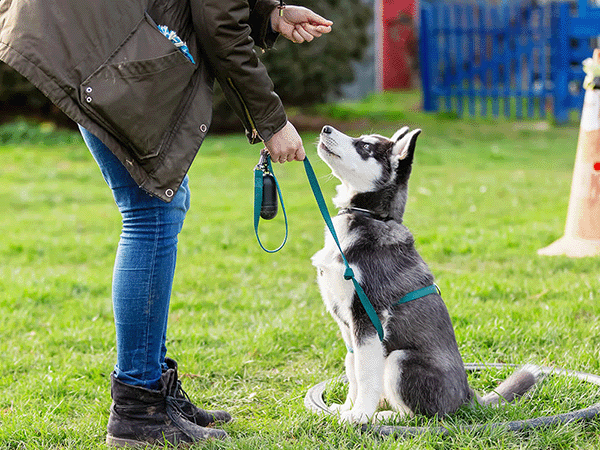
The Best Dog Trainers in the United States of 2026
This is a list of the top dog trainers in the United States, based on votes from the Sniffspot community and the general public.
The Best Dog Trainers in Seattle, WA of 2026
This is a list of the top dog trainers in Seattle, WA, based on votes from the Sniffspot community and the general public.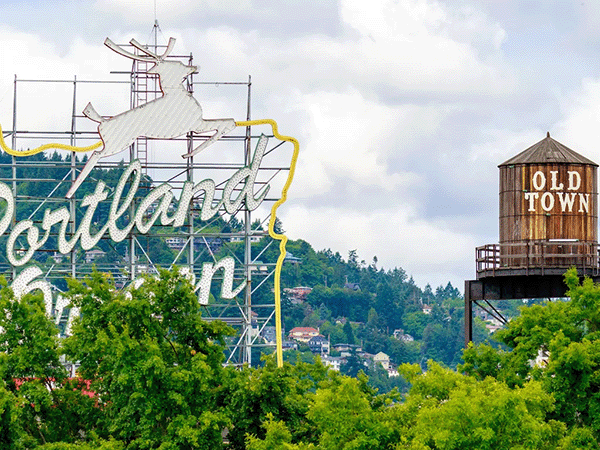
The Best Dog Trainers in Portland, OR of 2026
This is a list of the top dog trainers in Portland, OR, based on votes from the Sniffspot community and the general public.
The Best Dog Trainers in Los Angeles, CA of 2026
This is a list of the top dog trainers in Los Angeles, CA, based on votes from the Sniffspot community and the general public.
The Best Dog Trainers in New York, NY of 2026
This is a list of the top dog trainers in New York, NY, based on votes from the Sniffspot community and the general public.


City dog park guides
Best Dog Fields in the US: 25+ Wide-Open Spaces for Your Pup to Run Free
The best dog fields in the US offer something that traditional enclosed parks simply can't match: acres of open space where your pup can truly stretch their legs and run at full speed. From Colorado's 470-acre prairie meadows to Tennessee's...
Top 10 Indoor Dog Parks: A US Guide
Looking for a space to play with your dog no matter what the weather’s like outside? Look no further than our list of the best indoor dog parks in the United States! These climate-controlled spaces are growing in popularity as pet ownership...
Best Dog Parks in the US: Ultimate Guide to Public & Private Off-Leash Adventures
Is your pup giving you those pleading "let me run free" eyes? Whether you're a new dog parent or a seasoned pro looking for fresh adventures, finding the perfect off-leash paradise for your furry friend can feel ruff! From sun-soaked California...
Dog Parks Near Me: Las Vegas Edition
Looking for the perfect dog park near me in Las Vegas? You're in luck! This guide explores all the best options for your pup, from public dog parks to private dog parks near me on Sniffspot. We'll help you find the ideal spot for playtime,...Best Dog Parks in the US: Off-Leash Guide
Looking for the perfect dog park? Whether you need a wide-open public space or a private, fenced-in spot, this guide will help you find the best dog parks across the US. We'll cover top-rated public parks, the perks of private dog parks, and even...
Sniffspot: Portland's Best Private Dog Parks
Ready to discover Portland's best dog parks? Whether you're looking for a public park or the unique experience of a private Sniffspot, this guide has you covered. We'll help you find the perfect spot for your pup, with tips on what to bring, how...


Dog breeds
Best Dog Fields in the US: 25+ Wide-Open Spaces for Your Pup to Run Free
The best dog fields in the US offer something that traditional enclosed parks simply can't match: acres of open space where your pup can truly stretch their legs and run at full speed. From Colorado's 470-acre prairie meadows to Tennessee's...
German Shepherd Guide: Best Family Dog? Truth from 9K Owners
The German Shepherd Dog (GSDs) are known for their intelligence, loyalty, and striking appearance. They're also incredibly versatile, excelling as working dogs and devoted family companions. This guide covers everything you need to know about...
Labrador Retriever: Real Tips from Owners
Discover the Labrador Retriever, a breed celebrated for its playful nature, affectionate temperament, and trainability. Labradors are known for their friendly demeanor and adaptability, making them perfect family companions and versatile working...
Golden Retriever Advice: The Complete Owner's Guide
Golden Retrievers: they're gorgeous, playful, and incredibly popular. But before you welcome one into your home, you need the right golden retriever advice. This guide draws on the wisdom of nearly 10,000 Golden Retriever owners, offering...
Are American Staffordshire Terriers Good for First-Time Owners: Complete Guide
Think American Staffordshire Terriers are tough? Think again. While their muscular build might intimidate some, these dogs are known for their playful and loyal personalities. This guide draws on the experience of nearly 10,000 AmStaff owners to...
Australian Shepherd Facts: Breed Info & Care Guide
Discover the Australian Shepherd, an AKC breed celebrated for its trainable, playful, and affectionate nature. Despite its name, the Australian Shepherd is actually a native breed to the United States, originally developed to breed on farms and...


Top dog names in the US
Top 1,000 Most Popular Dog Names
Looking for the perfect dog name for your new pup? We have created filterable lists of dog names from our database of hundreds of thousands of Sniffspot users. You can filter by gender, breed and state to find the most cute, unique and creative dog names.
Most Popular Male Dog Names
Looking for the perfect dog name for your new male pup? We have created filterable lists of male dog names from our database of hundreds of thousands of Sniffspot users. You can filter by gender, breed and state to find the most cute, unique and creative male dog names.
Most Popular Female Dog Names
Looking for the perfect dog name for your new female pup? We have created filterable lists of female dog names from our database of hundreds of thousands of Sniffspot users. You can filter by gender, breed and state to find the most cute, unique and creative female dog names.
Most Popular Golden Retriever Names
Welcome to our comprehensive list of Golden Retriever dog names, curated from our vast database of Sniffspot users. Filter through hundreds of thousands of options by gender, breed, and state to discover the most adorable, original, and imaginative names for your beloved Golden Retriever.
Most Popular Labrador Retriever Names
Welcome to our Labrador Retriever dog names page! Here you can browse through filterable lists of names for your beloved furry friend, ranging from cute and classic to unique and creative options. Our database of hundreds of thousands of Sniffspot users ensures you'll find the perfect name for your Labrador Retriever, whether you're seeking a name for a male or female, based on breed or state.


Top dog rescues in the US

The Best Washington Dog Rescues & Shelters in 2026
This list showcases the top dog rescues & shelters in Washington. These remarkable organizations have been recognized for their unwavering dedication to the well-being of countless dogs.
The Best Oregon Dog Rescues & Shelters in 2026
This list showcases the top dog rescues & shelters in Oregon. These remarkable organizations have been recognized for their unwavering dedication to the well-being of countless dogs.
The Best California Dog Rescues & Shelters in 2026
This list showcases the top dog rescues & shelters in California. These remarkable organizations have been recognized for their unwavering dedication to the well-being of countless dogs.
The Best Florida Dog Rescues & Shelters in 2026
This list showcases the top dog rescues & shelters in Florida. These remarkable organizations have been recognized for their unwavering dedication to the well-being of countless dogs.
The Best New York Dog Rescues & Shelters in 2026
This list showcases the top dog rescues & shelters in New York. These remarkable organizations have been recognized for their unwavering dedication to the well-being of countless dogs.


