Top articlesSee all...

A Comprehensive Guide to Dog Exercise

How To Crate train An Older Dog - A Comprehensive Guide

How To Socialize A Dog - A Comprehensive Guide

Leash Training: A Guide to Training Your Dog to Walk on a Leash

Skijoring: A Guide to Skijoring with Dogs

The Best Dog Enrichment Toys

The Best United States Dog Parks

The Best Indoor Dog Parks in the United States

The Best Off-Leash Dog Parks in the United States
Top articles
A Comprehensive Guide to Dog Exercise
How To Crate train An Older Dog - A Comprehensive Guide
How To Socialize A Dog - A Comprehensive Guide
Leash Training: A Guide to Training Your Dog to Walk on a Leash
Skijoring: A Guide to Skijoring with Dogs
The Best Dog Enrichment Toys
The Best United States Dog Parks
The Best Indoor Dog Parks in the United States
The Best Off-Leash Dog Parks in the United States
See all...DIY Dog Enrichment Ideas to Mentally Stimulate Your Dog at Home

/fit-in/0x450/wp-content/uploads/2026/07/Dog-Enrichment-DIYs.png)
Your dog has been staring at you for an hour and it's only 10am. He's not hungry, he's not tired, and the walk already happened. What he's actually missing is enrichment: activities that engage his brain and tap into instincts like sniffing, foraging, and problem-solving, not just his legs.
DIY dog enrichment fixes this without a shopping cart full of puzzle toys. Most diy enrichment toys use things already in your kitchen: a muffin tin, an empty cardboard box, a few toilet paper rolls. Mental stimulation for dogs matters just as much as physical exercise, and in some ways it's easier to fit into a busy week, since a lot of these ideas take ten minutes to set up and keep a dog occupied far longer than that. The goal is simple: engage your dog mentally for a few minutes a day, and a lot of the frustration you see at home tends to ease up on its own.
This guide covers homemade dog enrichment across every category: sniff and scent games, food-based puzzles, problem-solving activities, outdoor options, and adjustments for high-energy or anxious dogs. By the end, you'll have more DIY dog enrichment ideas than you know what to do with, and a simple way to decide which ones to start with.
Jump Ahead: DIY Dog Enrichment Ideas to Mentally Stimulate Your Dog at Home
- What Is Dog Enrichment (and Why Does It Matter)?
- DIY Sniff and Scent Enrichment
- DIY Food-Based Enrichment
- DIY Puzzle and Problem-Solving Games
- DIY Outdoor Enrichment
- DIY Enrichment for High-Energy and Anxious Dogs
- How to Build an Enrichment Routine
- Frequently Asked Questions: DIY Dog Enrichment
- Two or Three Ideas Is All It Takes
Key Takeaways
- Enrichment is mental stimulation that taps into a dog's natural instincts (sniffing, foraging, problem-solving), and it's just as important as physical exercise.
- Most effective DIY dog enrichment toys use household items you already have: muffin tins, cardboard boxes, toilet paper rolls, old towels.
- Sniffing and scent work are the single most effective and lowest-effort category of enrichment for most dogs.
- High-energy dogs need longer, harder enrichment sessions. Anxious dogs usually do better with calm, sniff-heavy activities instead of chaotic games.
- You don't need a new activity every day. Two or three enrichment activities, rotated a few times a week, make a real difference.
What Is Dog Enrichment (and Why Does It Matter)?
Enrichment gets thrown around as a buzzword, but the definition is simple: it's any activity that engages your dog's brain and taps into natural behaviors like sniffing, chewing, foraging, and problem-solving.
That can mean anything from a five-minute game where you hide food and let him work for it, to a full DIY puzzle session. A walk exercises his body. An enrichment activity exercises his mind, and the two aren't interchangeable.
Mental vs. Physical Exercise
Physical exercise burns energy. Mental stimulation for dogs burns energy differently, and often more efficiently.
A 20-minute snuffle mat session can tire a dog out mentally and physically in a way that a 20-minute walk on a familiar route doesn't, because problem-solving is genuinely tiring for a brain that isn't used to using it that way. For a deeper look at how the two categories work together, see Mental vs. Physical Exercise for Dogs.
Signs Your Dog Needs More Enrichment
A few patterns tend to show up when a dog isn't getting enough mental stimulation:
- Destructive behavior: chewed furniture, dug-up couch cushions, shredded anything left within reach.
- Excessive barking, especially at nothing in particular. Why Do Dogs Bark breaks down the different causes if this one sounds familiar.
- Velcro dog syndrome: following you room to room and struggling to settle on his own.
- Restlessness even after a full walk, like the one described above.
If several of these sound familiar, your dog gets plenty of physical exercise but not enough mental stimulation. Signs Your Dog Isn't Getting Enough Exercise goes deeper on how to tell the two apart.

DIY Sniff and Scent Enrichment
Sniffing is the single most effective form of mental enrichment for most dogs, and it's the easiest category to start with. A dog's nose has roughly 300 million scent receptors, and using it to search for something taps into natural foraging instincts in a way that's both calming and tiring.
A 2019 study in Applied Animal Behaviour Science found that dogs who did two weeks of daily nosework showed more optimistic behavior on a cognitive test than dogs who did two weeks of standard obedience training, which lines up with what most trainers see anecdotally: dogs settle faster after they've had a chance to use their nose (ScienceDirect).
Scatter Feeding
Instead of a bowl, toss a handful of kibble into the grass or across a section of carpet and let your dog use his nose to find it. This is the easiest DIY dog enrichment idea on this entire list, costs nothing, and takes thirty seconds to set up.
DIY Snuffle Mat
A snuffle mat is a rubber mat with fleece strips knotted through it, and your dog roots through the fleece to find hidden kibble or treats. To make one, cut fleece into strips, tie a simple knot through each hole in a rubber sink mat or door mat, and hide kibble or treats inside once it's done.
It's one of the most popular DIY dog enrichment toys for a reason: dogs genuinely love them, and a homemade version works just as well as a store-bought one.
Muffin Tin Puzzle
Drop treats into the cups of a muffin tin, then cover each one with a tennis ball. Your dog has to move each ball with his nose or paw to get to the treats inside. It's a simple food puzzle that takes seconds to set up and scales easily: use more cups or fewer treats per cup to increase the difficulty as your dog gets better at it.
Cardboard Box Dig Box
Fill an empty box with crumpled paper or old towels, hide treats or a favorite toy inside, and set it down for your dog to dig through. This one gets messy, so it's better suited to a mudroom, garage, or outdoor space than the living room.
Scent Trails
Drag a treat along the floor or yard to lay a scent trail, then hide the treat at the end. On a rainy day, hide treats around a single room instead for a quick indoor version. This is a simple way to build indoor scent games into your routine, and it scales up easily into a full sniffari around the yard once your dog gets the idea.

DIY Food-Based Enrichment
Food-based enrichment turns mealtime or snack time into a mental workout instead of thirty seconds at a bowl. These are some of the easiest diy dog enrichment ideas to build into an existing routine, since you're just changing how the food gets delivered.
Frozen Kongs
Smear peanut butter inside a Kong, or pack it with mashed banana, kibble, or plain broth, then freeze it. The cold and the effort of licking it out make this last far longer than a regular treat, and it gives your dog something to play with independently while keeping him occupied and calm during a busy afternoon. Freeze a few at once so you always have one ready.
DIY Lick Mat Alternatives
No lick mat, no problem. Spread wet food, plain yogurt, or peanut butter across a silicone baking mat, a cookie sheet, or even a cutting board, and your dog licks it clean. The repetitive licking motion is genuinely calming for a lot of dogs, similar to the effect of a frozen Kong.
Ice Cube Treats
Freeze chicken broth, blueberries, or a handful of kibble into ice cube trays for a warm-weather enrichment activity that doubles as a treat. Dry food works fine here too if that's what you have on hand.
Stuffed Toilet Paper Rolls
Fold the ends of an empty toilet paper or paper towel roll closed, tucking treats inside before you fold the second end. Your dog has to figure out how to unroll or crush the tube to get the treats inside.
This is genuinely one of the easiest diy dog enrichment toys you can easily make, since toilet paper rolls and paper towel rolls are something most households throw away weekly anyway.
The "Which Hand" Game
Put a treat in one closed hand, present both fists, and watch him sniff and paw at the hand he thinks has the treat. It's a low-effort way to keep your dog entertained for a few minutes, and a fun trick to teach your dog a little impulse control at the same time.

DIY Puzzle and Problem-Solving Games
Puzzle games, sometimes called busy box activities, ask a dog to actually think through a problem instead of just following his nose. These diy dog enrichment games are a step up in difficulty from scatter feeding and snuffle mats, and they're worth adding once your dog has the basics down.
If you want to build actual problem-solving skills rather than just novelty, pairing puzzles with a little clicker training gives your dog a clear way to know when he's getting it right.
The Muffin Tin Game, Round Two
Once your dog has mastered the tennis ball version above, raise the difficulty: use a mix of covered and uncovered cups, or swap in cups he hasn't seen before, so the puzzle stays a genuine challenge instead of a memorized routine.
The Towel Roll
Roll treats into an old towel or kitchen towel, then let your dog unroll it to find them. It's a satisfying enrichment game for dogs who like to use their paws as much as their nose.
Box Within a Box
Nest a few empty boxes inside each other, with treats hidden in the smallest one. Your dog has to work through each layer, which stretches out a simple food puzzle into a longer session.
Egg Carton Puzzle
Drop treats into an empty egg carton and close the lid. Your dog has to open each individual cup to get to the food or treats inside, which makes this one of the more mentally demanding options on this list for a dog who's never seen it before.
The Cup Game
Set out three cups, hide a treat under one, and shuffle them slowly while your dog watches. Let him knock over or paw at the cup he thinks has the treat. Dogs are better at tracking this than most people expect, and it's a fun one to do with the whole family.

DIY Outdoor Enrichment
Outdoor enrichment gives your dog more room to move while he works, and it adds fresh smells that indoor games can't replicate. Most of the ideas above can move outside with minor changes, and on a day when the weather doesn't cooperate, indoor exercise ideas can fill the gap instead.
Scatter Feeding in the Yard (or a Sniffspot)
Scatter feeding works even better outdoors, where the grass, dirt, and open air give your dog a much bigger scent picture to search through. If your own yard is small, unfenced, or shared with a busy street, a private Sniffspot gives him a secure, distraction-free space to search without another dog crashing the session or a fence line he can slip through.
Digging Box
Build a small sandbox or dedicated digging area, bury a handful of treats or a few toys, and leave your dog to dig them up. This gives dogs who love to dig a designated outlet instead of a ruined flower bed.
Hide and Seek With Toys
Hide a favorite toy or two around the yard while your dog waits inside, then let him out to find them. It combines scent work with a bit of physical searching, which makes it more tiring than either activity alone.
Sniff Walks vs. Exercise Walks
A sniff walk is different from a normal walk: instead of a brisk pace with a destination, you let your dog set the route and stop wherever he wants to investigate a smell. It looks unproductive from the outside, but it's one of the highest-value enrichment activities available, since it lets your dog use his nose for as long as he wants without you rushing him along.
🐾 For dogs who need more outdoor enrichment space, a private Sniffspot yard lets them sniff and explore without distractions or other dogs. Find a Sniffspot near you →
Some dogs also just need more unstructured time off leash to fully decompress. Do Dogs Need Off-Leash Time? breaks down which dogs benefit most.
DIY Enrichment for High-Energy and Anxious Dogs
Not every dog needs the same amount or type of enrichment. High-energy and anxious dogs both need it, but for different reasons and in different forms.
High-Energy Dogs Need More, Not Just Harder
A high-energy dog usually needs longer and more frequent enrichment sessions, not necessarily harder ones. Several shorter sessions throughout the day, paired with real physical exercise, tend to work better than one long session that leaves him just as wound up as he started.
Breeds like the Border Collie and Belgian Malinois were bred for demanding working roles, and DIY dog enrichment alone usually isn't enough for them without matching physical outlets too. If your dog also needs somewhere to burn off the extra energy, exercise ideas for dogs when you work full time has options that fit around a busy schedule.
Anxious Dogs Need Calm, Not Chaos
Anxious dogs often benefit most from sniff-heavy, low-arousal activities like scatter feeding, snuffle mats, and sniff walks, rather than high-energy games. Sniffing and licking are naturally calming behaviors, which is part of why nosework shows up so often in decompression protocols for nervous or reactive dogs.
For more structured options, The Best Mental Exercises for Dogs covers additional low-arousal activities worth trying.
Pairing Enrichment With Downtime
A frozen Kong after a walk is a simple way to pair enrichment with rest: the walk burns physical energy, and the Kong gives your dog something calm to do while he settles down afterward. This combination works especially well for dogs who struggle to relax on their own.
What Not to Do
Don't use fast-paced, chaotic games like frantic fetch or tug as "enrichment" for an anxious dog. Games that spike arousal can backfire, leaving an already nervous dog more wound up instead of calmer. Match the activity to what the dog actually needs, not what looks the most fun from the outside.
How to Build an Enrichment Routine
A good enrichment routine doesn't need to be elaborate or daily. It needs to be consistent enough that your dog gets regular mental stimulation without turning into one more chore on your to-do list. If you want the bigger picture on where enrichment fits alongside walks and playtime, the complete dog exercise guide covers the full picture.
How Often Is Enough
Enrichment doesn't have to happen every single day to make a difference. Even three times a week is enough to noticeably reduce boredom-driven behavior in most dogs, especially when it's paired with regular walks. How to Build a Dog Exercise Routine has a useful framework if you want to fold enrichment into a broader weekly plan.
Rotate for Novelty
Dogs get bored of the same puzzle just like people do. Rotate through a handful of activities instead of relying on one favorite, and put toys away between uses so they feel new again the next time they come out.
Match the Activity to the Dog
A high-energy dog on a low-key day might do better with a calm snuffle mat than a rowdy game. A tired or anxious dog might need a frozen Kong more than a physical challenge. Use the dog exercise calculator as a starting point for how much total activity your dog needs, then let his mood and energy level guide which type of enrichment fits best each day.

Frequently Asked Questions: DIY Dog Enrichment
These are the questions that come up most often once people start building DIY dog enrichment into their routine.
What is the best enrichment for dogs?
There's no single best option, since it depends on the dog, but sniff-based activities like scatter feeding, snuffle mats, and sniff walks tend to have the broadest appeal. They're low-cost, low-effort to set up, and work well for almost every dog, from high-energy breeds to anxious ones who need something calming.
How do I mentally stimulate my dog at home?
Start with one or two easy diy dog enrichment ideas, like scatter feeding or a frozen Kong, and build from there. Household items work fine: muffin tins, cardboard boxes, and toilet paper rolls all make effective enrichment toys without any special purchase. Rotate a few options so your dog doesn't get bored of the same one.
Is DIY enrichment as good as store-bought puzzles?
For most dogs, yes. A homemade snuffle mat or muffin tin puzzle taps into the same instincts as an expensive puzzle toy, and dogs generally can't tell the difference between "homemade" and "bought." Store-bought puzzles can be worth it for durability or for dogs who are hard on toys, but they're not required to get real enrichment value.
How long should enrichment sessions be?
Ten to twenty minutes is plenty for most DIY dog enrichment activities. Watch your dog rather than the clock: when he loses interest or finishes the puzzle, the session is over. Longer isn't automatically better, especially for puzzles that get easy once a dog has solved them a few times.
What enrichment is best for anxious dogs?
Calm, sniff-heavy activities work best: scatter feeding, snuffle mats, frozen Kongs, and sniff walks. Skip high-arousal games like frantic fetch or tug, which can spike anxiety instead of easing it. Supervise your dog closely during any new activity so you can step in if he seems more stressed than engaged.
Can puppies do enrichment activities?
Yes, with a few adjustments. Keep puzzles simple, sessions short, and always supervise your dog closely around small parts like tennis balls or fleece strips that could be a choking risk. Scatter feeding and basic snuffle mats are safe, easy starting points for most puppies.
Two or Three Ideas Is All It Takes
DIY dog enrichment doesn't have to be expensive or elaborate to work. A muffin tin, a spare towel, and a few minutes of setup time cover most of what's on this list, and cheap dog enrichment ideas like these are often more effective than pricier store-bought alternatives anyway, especially next to the real cost of having a dog once food, vet care, and toys are all added up. If you only try one thing from this guide, scatter feeding is the easy diy enrichment win to start with, and it costs nothing.
Pick two or three ideas from this guide, rotate them through the week, and pay attention to how your dog responds. A calmer, less destructive, more satisfied dog is usually the result within a couple of weeks. Enrichment isn't about doing everything at once. It's about keeping your dog's brain engaged as consistently as his body.
🐾 For dogs who need more room to sniff, dig, and explore outdoors, a private Sniffspot yard makes outdoor enrichment easier to fit into a regular routine. Find a Sniffspot near you →
This post was reviewed for accuracy by Kaia Wilson (she/her), CPDT-KA, SAP-BC, FDM, founder of Dogspeed Training.


/fit-in/0x128/wp-content/uploads/2026/10/puppy-obedience-training.png)
/fit-in/0x128/wp-content/uploads/2022/07/shutterstock_237584221-1.jpg)
/fit-in/0x128/wp-content/uploads/2020/08/shutterstock_421958377.jpg)
/fit-in/0x128/wp-content/uploads/2026/07/does-my-dog-need-a-friend.jpg)
/fit-in/0x128/wp-content/uploads/2026/07/Side-hustles-for-dog-lovers.png)
Most recent articles
/fit-in/0x256/wp-content/uploads/2026/10/puppy-obedience-training.png)
/fit-in/0x256/wp-content/uploads/2022/07/shutterstock_237584221-1.jpg)
/fit-in/0x256/wp-content/uploads/2020/08/shutterstock_421958377.jpg)
/fit-in/0x128/wp-content/uploads/2025/03/Moving-with-your-pet-1.png)
/fit-in/0x256/wp-content/uploads/2025/03/Moving-with-your-pet-1.png)
/fit-in/0x128/wp-content/uploads/2024/11/Screen-Shot-2024-11-29-at-12.58.43-PM.png)
/fit-in/0x256/wp-content/uploads/2024/11/Screen-Shot-2024-11-29-at-12.58.43-PM.png)
/fit-in/0x128/wp-content/uploads/2025/03/Moving-with-your-pet-2.png)
/fit-in/0x256/wp-content/uploads/2025/03/Moving-with-your-pet-2.png)
Related articles
Top dog guides per area
Dog training guides

Best Dog Fields in the US: 25+ Wide-Open Spaces for Your Pup to Run Free
The best dog fields in the US offer something that traditional enclosed parks simply can't match: acres of open space where your pup can truly stretch their legs and run at full speed. From Colorado's 470-acre prairie meadows to Tennessee's...
Dog Food Aggression & Resource Guarding Guide
Does your dog ever growl when you walk by their food dish? Maybe they get possessive of treats, carrying them far away and giving you side-eye when you start to approach — or snarling at your other pets or children if they get too close.
The Ultimate Guide to Scent Training for Dogs
Your dog's nose is an amazing tool. Did you know they have 40 times the olfactory receptors than humans? Scent training for dogs taps into this superpower, turning everyday moments into exciting sniff-fests. It's enriching for all types of dogs –...
How Much Does It Cost to Train a Service Dog?
More than 80 million Americans rely on their service dogs to help them navigate the world. Task-trained assistance animals perform a huge range of life-changing—in many cases, life-saving—services: These dogs act as eyes for visually impaired...
How to Deal With Puppy Potty Training Regression
You thought those dreaded middle-of-the-night potty breaks were over. You were finally free from cleaning up puppy puddles. Then, suddenly, your six-month-old who's been accident-free for weeks starts peeing on your rug again.
Dirty Dog Syndrome: Causes, Solutions, and Prevention
It's a cringe-worthy moment every dog owner dreads: your furry friend chowing down on something truly disgusting. If your dog has a penchant for poop, you're dealing with coprophagia. It's more common than you think, and thankfully, often...
/354x256/wp-content/uploads/2025/09/Screenshot-2025-09-21-at-6.39.54-PM.png)
/354x256/wp-content/uploads/2020/08/bernese-mountain-dog-208092_1280.jpg)
/354x256/wp-content/uploads/2022/04/shutterstock_543831754.jpg)
/354x256/wp-content/uploads/2022/08/shutterstock_494495788-1.jpg)
/354x256/wp-content/uploads/2022/07/shutterstock_237584221-1.jpg)
/354x256/wp-content/uploads/2022/10/shutterstock_705844504.jpg)
Dog enrichment guides
Best Dog Fields in the US: 25+ Wide-Open Spaces for Your Pup to Run Free
The best dog fields in the US offer something that traditional enclosed parks simply can't match: acres of open space where your pup can truly stretch their legs and run at full speed. From Colorado's 470-acre prairie meadows to Tennessee's...
Best Dog Water Parks in the US: 15+ Amazing Splash Destinations for Your Pup
Do you have a water-loving dog looking to burn some energy? There are countless dog parks to visit throughout our country — but some of them become far too hot in the midday sun to be safe for your pets to play. That’s why we’ve put together a...
Best Toys for Herding Dogs: Keeping Your Pup Happy & Engaged
Herding dogs are amazing, intelligent companions. But that also means they need more than just a simple game of fetch. Finding the right toys for herding dogs is key to keeping them happy and stimulated. This article explores some of the best toys...
Tough Dog Toys for Aggressive Chewers: A Practical Guide
Does your dog destroy every toy you give them? Is your house littered with the remnants of plush toys? Are you tired of wasting money on "indestructible" dog toys for aggressive chewers that don't last? Then this post is for you. We'll cover...
Dog Exercise Calculator: How Much Exercise Does Your Dog Need?
Every dog needs to move, but how much is actually enough? The answer depends on more than just breed. Age, health, and even your own lifestyle all play a role in figuring out the right daily exercise routine for your pup.
Complete Guide To Herding With Dogs
* All Sniffspot articles are reviewed by certified trainers for quality, please see bottom of article for details *
/354x256/wp-content/uploads/2023/04/dogwaterpark.png)
/354x256/wp-content/uploads/2022/05/shutterstock_174836186.jpg)
/354x256/wp-content/uploads/2023/02/shutterstock_1346929262.jpg)
/354x256/wp-content/uploads/2022/08/dogexercisecalculatorfeaturedimage.jpg)
/354x256/wp-content/uploads/2020/07/bb.jpg)
Dog reactivity guides
Best Dog Fields in the US: 25+ Wide-Open Spaces for Your Pup to Run Free
The best dog fields in the US offer something that traditional enclosed parks simply can't match: acres of open space where your pup can truly stretch their legs and run at full speed. From Colorado's 470-acre prairie meadows to Tennessee's...
Rottweiler Aggression: Signs, Causes & Training
Many dogs have gotten a bad reputation over the years for being "dangerous breeds." Rottweilers are among them. Like pit bulls and other large, blocky-headed types of dogs, these powerful and beautiful animals are often assumed to be aggressive.
The Reactive Dog Chart: How to Calm Your Dog's Triggers
If your dog lunges, barks, or loses their mind at the sight of another dog, a stranger, or a bicycle, you’re living with a reactive dog (and you’re far from alone). Dog reactivity is one of the most common behavioral challenges dog owners face,...
How to Socialize a Reactive Dog: A Step-by-Step Guide
Does your dog display reactivity to other pets or people—barking, lunging, or growling when they see their triggers? Whether they're a rescue still settling in, missed critical socialization as a puppy, or had a negative experience that changed...
What Is a Reactive Dog? The Complete Guide for Understanding and Helping Your Pup
Does your dog transform into a barking, lunging tornado the second they spot another dog across the street? You're definitely not alone. According to our research of over 4,000 dog owners, 66% of dogs show some signs of reactivity.
9 Best Online Communities for Reactive Dog Parents
Does your dog's reactivity make walks stressful? You're not alone. Many dog owners face similar challenges. This guide offers practical advice and support for managing reactivity, including finding the best online dog training for reactive dogs....
/354x256/wp-content/uploads/2023/05/Screen-Shot-2024-05-23-at-9.33.57-PM.png)
/354x256/wp-content/uploads/2022/08/dogreactivitychartfeaturedimage.jpg)
/354x256/wp-content/uploads/2022/08/shutterstock_523383649.jpg)
/354x256/wp-content/uploads/2020/07/a.jpg)
/354x256/wp-content/uploads/2022/01/shutterstock_796422001.jpg)
Sniffspot community guides
Best Dog Fields in the US: 25+ Wide-Open Spaces for Your Pup to Run Free
The best dog fields in the US offer something that traditional enclosed parks simply can't match: acres of open space where your pup can truly stretch their legs and run at full speed. From Colorado's 470-acre prairie meadows to Tennessee's...
The State of Public Dog Parks Across the United States
From 2009 to 2020, there was a 40 percent increase in the development of public dog parks. Designated spots for canine exercise have become commonplace in every major city in North America — many pet owners won’t even consider renting an apartment...
How This Family is Affording Their Dream Property Through Renting it Hourly to Dogs
Thousand Oaks, California has been a safe haven for Sniffspot host, Jen, since childhood. Having grown up in busy Santa Barbara, Jen, an introvert from an early age, would seek out solitude and serenity away from tourists attractions and droves of...
Host Tips: Ellen K. What Makes Sniffspot Successful for Me
Ellen is the host of Country Pasture Getaway, one of Sniffspot's most popular sniff spots. She has taken the time to write up the lessons she has learned about how to be a great sniff spot host.
How this Oregon Farmer is Making a Business From Renting Her Land to Dogs
Just 20 minutes outside of the busy city of Portland, Oregon, and settled right on the banks of the Columbia River, you’ll find what countless visitors have flocked to the area in search of – mountain views, crisp, clean air, and running water for...
Host Tips: Fran T. Providing Great Guest Service at our Spot
Fran is the host of Ranch Setting, one of Sniffspot's most popular spots. She has taken the time to write up the lessons she has learned about how to be a great Sniffspot host.
/354x256/wp-content/uploads/2022/07/Sniffspot_infographic_1-01.jpeg)
/354x256/wp-content/uploads/2021/05/Final-Edit-003-1.jpg)
/354x256/wp-content/uploads/2020/07/good-photo-3_orig.jpg)
/354x256/wp-content/uploads/2021/05/sniffspot-28-of-45-1.jpg)
/354x256/wp-content/uploads/2020/07/screen-shot-2019-09-19-at-2-01-47-pm_orig.png)
Top dog trainers in the US
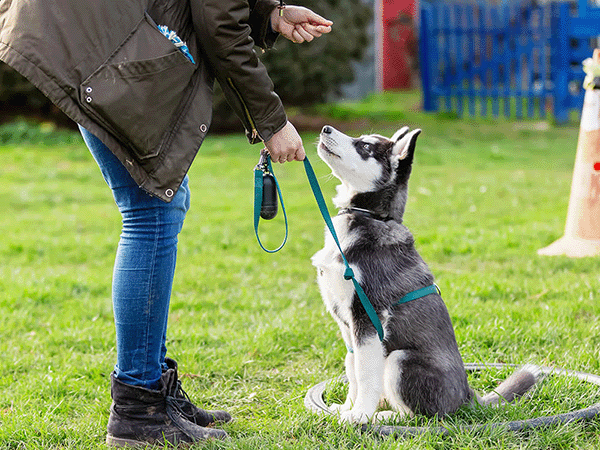
The Best Dog Trainers in the United States of 2026
This is a list of the top dog trainers in the United States, based on votes from the Sniffspot community and the general public.
The Best Dog Trainers in Seattle, WA of 2026
This is a list of the top dog trainers in Seattle, WA, based on votes from the Sniffspot community and the general public.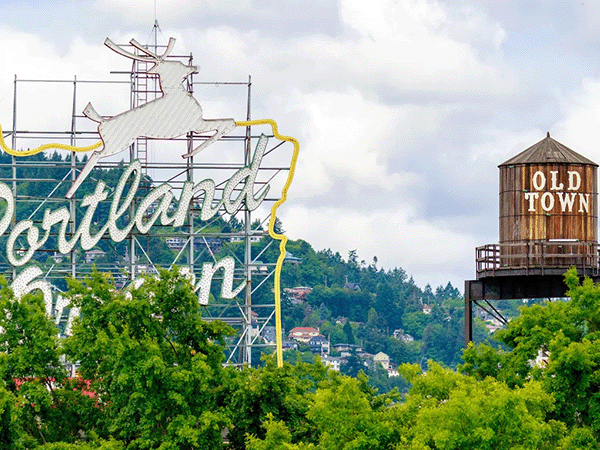
The Best Dog Trainers in Portland, OR of 2026
This is a list of the top dog trainers in Portland, OR, based on votes from the Sniffspot community and the general public.
The Best Dog Trainers in Los Angeles, CA of 2026
This is a list of the top dog trainers in Los Angeles, CA, based on votes from the Sniffspot community and the general public.
The Best Dog Trainers in New York, NY of 2026
This is a list of the top dog trainers in New York, NY, based on votes from the Sniffspot community and the general public.


City dog park guides
Best Dog Fields in the US: 25+ Wide-Open Spaces for Your Pup to Run Free
The best dog fields in the US offer something that traditional enclosed parks simply can't match: acres of open space where your pup can truly stretch their legs and run at full speed. From Colorado's 470-acre prairie meadows to Tennessee's...
Top 10 Indoor Dog Parks: A US Guide
Looking for a space to play with your dog no matter what the weather’s like outside? Look no further than our list of the best indoor dog parks in the United States! These climate-controlled spaces are growing in popularity as pet ownership...
Best Dog Parks in the US: Ultimate Guide to Public & Private Off-Leash Adventures
Is your pup giving you those pleading "let me run free" eyes? Whether you're a new dog parent or a seasoned pro looking for fresh adventures, finding the perfect off-leash paradise for your furry friend can feel ruff! From sun-soaked California...
Dog Parks Near Me: Las Vegas Edition
Looking for the perfect dog park near me in Las Vegas? You're in luck! This guide explores all the best options for your pup, from public dog parks to private dog parks near me on Sniffspot. We'll help you find the ideal spot for playtime,...Best Dog Parks in the US: Off-Leash Guide
Looking for the perfect dog park? Whether you need a wide-open public space or a private, fenced-in spot, this guide will help you find the best dog parks across the US. We'll cover top-rated public parks, the perks of private dog parks, and even...
Sniffspot: Portland's Best Private Dog Parks
Ready to discover Portland's best dog parks? Whether you're looking for a public park or the unique experience of a private Sniffspot, this guide has you covered. We'll help you find the perfect spot for your pup, with tips on what to bring, how...
/354x256/wp-content/uploads/2023/04/indoordogparks.png)
/354x256/wp-content/uploads/2023/03/offleashdogparks.png)
/354x256/wp-content/uploads/2023/02/vegas.jpg)
/354x256/wp-content/uploads/2023/02/portland.jpg)
Dog breeds
Best Dog Fields in the US: 25+ Wide-Open Spaces for Your Pup to Run Free
The best dog fields in the US offer something that traditional enclosed parks simply can't match: acres of open space where your pup can truly stretch their legs and run at full speed. From Colorado's 470-acre prairie meadows to Tennessee's...
German Shepherd Guide: Best Family Dog? Truth from 9K Owners
The German Shepherd Dog (GSDs) are known for their intelligence, loyalty, and striking appearance. They're also incredibly versatile, excelling as working dogs and devoted family companions. This guide covers everything you need to know about...
Labrador Retriever: Real Tips from Owners
Discover the Labrador Retriever, a breed celebrated for its playful nature, affectionate temperament, and trainability. Labradors are known for their friendly demeanor and adaptability, making them perfect family companions and versatile working...
Golden Retriever Advice: The Complete Owner's Guide
Golden Retrievers: they're gorgeous, playful, and incredibly popular. But before you welcome one into your home, you need the right golden retriever advice. This guide draws on the wisdom of nearly 10,000 Golden Retriever owners, offering...
Are American Staffordshire Terriers Good for First-Time Owners: Complete Guide
Think American Staffordshire Terriers are tough? Think again. While their muscular build might intimidate some, these dogs are known for their playful and loyal personalities. This guide draws on the experience of nearly 10,000 AmStaff owners to...
Australian Shepherd Facts: Breed Info & Care Guide
Discover the Australian Shepherd, an AKC breed celebrated for its trainable, playful, and affectionate nature. Despite its name, the Australian Shepherd is actually a native breed to the United States, originally developed to breed on farms and...
/354x256/wp-content/uploads/2024/07/German-Shepherd-Dog.png)
/354x256/wp-content/uploads/2024/07/Screen-Shot-2024-07-24-at-4.06.05-PM.png)
/354x256/wp-content/uploads/2024/07/Screen-Shot-2024-07-25-at-3.05.09-PM.png)
/354x256/wp-content/uploads/2024/07/staffy.jpg)
/354x256/wp-content/uploads/2024/07/Screen-Shot-2024-07-25-at-3.39.43-PM.png)
Top dog names in the US
Top 1,000 Most Popular Dog Names
Looking for the perfect dog name for your new pup? We have created filterable lists of dog names from our database of hundreds of thousands of Sniffspot users. You can filter by gender, breed and state to find the most cute, unique and creative dog names.
Most Popular Male Dog Names
Looking for the perfect dog name for your new male pup? We have created filterable lists of male dog names from our database of hundreds of thousands of Sniffspot users. You can filter by gender, breed and state to find the most cute, unique and creative male dog names.
Most Popular Female Dog Names
Looking for the perfect dog name for your new female pup? We have created filterable lists of female dog names from our database of hundreds of thousands of Sniffspot users. You can filter by gender, breed and state to find the most cute, unique and creative female dog names.
Most Popular Golden Retriever Names
Welcome to our comprehensive list of Golden Retriever dog names, curated from our vast database of Sniffspot users. Filter through hundreds of thousands of options by gender, breed, and state to discover the most adorable, original, and imaginative names for your beloved Golden Retriever.
Most Popular Labrador Retriever Names
Welcome to our Labrador Retriever dog names page! Here you can browse through filterable lists of names for your beloved furry friend, ranging from cute and classic to unique and creative options. Our database of hundreds of thousands of Sniffspot users ensures you'll find the perfect name for your Labrador Retriever, whether you're seeking a name for a male or female, based on breed or state.


Top dog rescues in the US

The Best Washington Dog Rescues & Shelters in 2026
This list showcases the top dog rescues & shelters in Washington. These remarkable organizations have been recognized for their unwavering dedication to the well-being of countless dogs.
The Best Oregon Dog Rescues & Shelters in 2026
This list showcases the top dog rescues & shelters in Oregon. These remarkable organizations have been recognized for their unwavering dedication to the well-being of countless dogs.
The Best California Dog Rescues & Shelters in 2026
This list showcases the top dog rescues & shelters in California. These remarkable organizations have been recognized for their unwavering dedication to the well-being of countless dogs.
The Best Florida Dog Rescues & Shelters in 2026
This list showcases the top dog rescues & shelters in Florida. These remarkable organizations have been recognized for their unwavering dedication to the well-being of countless dogs.
The Best New York Dog Rescues & Shelters in 2026
This list showcases the top dog rescues & shelters in New York. These remarkable organizations have been recognized for their unwavering dedication to the well-being of countless dogs.
/354x256/Photos/SeoDogRescue/1282/178507e67e44-MC_logo_square.jpg)
/354x256/Photos/SeoDogRescue/931/cef8bbb17769-South_Coast_Humane_Society.png)
/354x256/Photos/SeoDogRescue/61/30aea3371b69-MainSquare_2.png)
/354x256/Photos/SeoDogRescue/298/1000035238.jpg)
/354x256/Photos/SeoDogRescue/814/91cfd62cd986-IMG_1035.jpeg)