Top articlesSee all...

A Comprehensive Guide to Dog Exercise

How To Crate train An Older Dog - A Comprehensive Guide

How To Socialize A Dog - A Comprehensive Guide

Leash Training: A Guide to Training Your Dog to Walk on a Leash

Skijoring: A Guide to Skijoring with Dogs

The Best Dog Enrichment Toys

The Best United States Dog Parks

The Best Indoor Dog Parks in the United States

The Best Off-Leash Dog Parks in the United States
Top articles
A Comprehensive Guide to Dog Exercise
How To Crate train An Older Dog - A Comprehensive Guide
How To Socialize A Dog - A Comprehensive Guide
Leash Training: A Guide to Training Your Dog to Walk on a Leash
Skijoring: A Guide to Skijoring with Dogs
The Best Dog Enrichment Toys
The Best United States Dog Parks
The Best Indoor Dog Parks in the United States
The Best Off-Leash Dog Parks in the United States
See all...How to Socialize a Reactive Dog (Without the Dog Park)

/fit-in/0x450/wp-content/uploads/2026/03/Screenshot-2026-03-18-at-6.30.23-PM.png)
Picture this: you're at the dog park, your dog loses it the moment another dog comes within 30 feet, and a stranger in a fleece vest helpfully suggests you try "socializing them more."
If you have a reactive dog, you have heard some version of this. And it stings a little, because you want to socialize your dog. You just know that throwing them into a chaotic, off-leash, every-dog-for-themselves situation is the opposite of what they need.
Here is the good news: socialization is not the dog park. For reactive dogs, real socialization looks completely different, and it is genuinely achievable. This guide is here to walk you through it.
🐕 Looking for a safe, private space where your reactive dog can decompress and exercise without unexpected encounters? Browse Sniffspot listings near you
Jump Ahead: Reactive Dog Socialization
- What Is a Reactive Dog, Really?
- Why Traditional Dog Parks Don't Work for Reactive Dogs
- What Socialization Actually Means
- Safe Socialization Strategies for Reactive Dogs
- The Role of Private Dog Parks
- What NOT to Do When Socializing a Reactive Dog
- Frequently Asked Questions: Reactive Dog Socialization
- Your Reactive Dog Can Have a Great Social Life (Just a Different One)
What Is a Reactive Dog, Really?
Reactive dogs are dogs who overreact to normal stimuli. They lunge, bark, growl, whine, or shut down completely in response to triggers that other dogs take in stride. Common triggers include other dogs, strangers, children, bikes, skateboards, or specific contexts like being on a leash.
As Cornell University's College of Veterinary Medicine explains, reactive dogs are not necessarily aggressive dogs, but reactivity can escalate into aggression without support, which is why it needs to be taken seriously and worked on with intention.
Reactivity is usually rooted in fear, frustration, or both. A fearful dog reacts because they feel threatened. A frustrated dog reacts because they desperately want to get to the thing and can't. The behaviors can look identical from the outside, which is one reason a professional evaluation is so helpful. Learn more about the difference in our guide to dog reactivity vs. aggression.
The causes are often a mix of genetics, insufficient early socialization, past negative experiences, and a lack of training tools for coping. None of those things are your fault as an owner, and all of them can be worked with.
Why Traditional Dog Parks Don't Work for Reactive Dogs
Traditional dog parks are built on a premise that is genuinely problematic for reactive dogs: that all dogs want to interact with all other dogs, off-leash, in an unpredictable and uncontrolled environment.
Here is what a reactive dog actually experiences at a public dog park:
No control over the distance to triggers.
One of the foundational principles of working with reactive dogs is threshold management: keeping the dog far enough from their trigger that they can think, process, and stay below their reaction point. At a dog park, a strange dog can appear at nose-distance with zero warning. There is no way to manage threshold in that environment.
No control over other dogs' behavior.
Even if your dog is calm, another dog charging at them at full speed can trigger a reaction instantly. You cannot vet the other dogs. You cannot control how they approach.
No control over human behavior.
Well-meaning strangers will approach your dog without asking. They will make direct eye contact, lean over, or try to pet a clearly stressed animal. Managing your reactive dog while also managing unpredictable humans is genuinely exhausting.
Rehearsed reactions become ingrained.
Every time a reactive dog goes over threshold and has a full reaction, that pathway in their brain gets a little more worn in. Repeatedly putting a reactive dog in situations where they can't succeed isn't socialization. It is practice for reactivity.
This does not mean your dog can never be around other dogs again. It means the dog park is not the vehicle for getting there.
What Socialization Actually Means
The word "socialization" gets thrown around as if it means "exposure to lots of dogs and people all at once." That's not what it means, especially not for adult reactive dogs.
For puppies, socialization refers to a developmental window (roughly 3 to 12 weeks) where positive, broad exposure to the world builds a dog's confidence and resilience. Missing or mishandling this window is one of the reasons some adult dogs are reactive.
For adult reactive dogs, socialization is better described as controlled positive exposure: carefully managed interactions that teach your dog the world is navigable, that they have coping tools, and that triggers don't have to mean catastrophe.
This is slow, deliberate work. It is not throwing your dog at the scary thing and hoping for the best. And importantly, as Cornell's veterinary behaviorists note, your dog does not have to be friends with every person or every dog. That is an expectation we put on dogs that we would never put on people.
Safe Socialization Strategies for Reactive Dogs
So what ARE safe socialization strategies reactive dog parents can put into place for their pups? Here's what the top trainers have to say:
Counterconditioning and Desensitization
This is the gold standard for working with reactive dogs, and the principle is simple: pair the scary thing with something your dog loves (almost always food) repeatedly, at a distance where your dog can take the treat and function.
The Cornell CVM guide to managing reactive behavior recommends starting the treat the moment the trigger appears, not after your dog reacts, and working at a distance where they remain comfortable. Over many sessions, you close the gap slowly as your dog's emotional response shifts.
The goal isn't obedience in that moment. The goal is changing how your dog feels about the trigger. When that changes, the behavior changes with it.

Parallel Walks
This is one of the most underrated tools for reactive dogs. Instead of a face-to-face introduction (which is the most confrontational dog greeting format possible), two dogs walk parallel to each other with a safe distance between them, never interacting directly.
Dogs communicate a lot through movement, and moving together in the same direction is naturally calming. Over multiple sessions at decreasing distances, many reactive dogs begin to visibly relax around the other dog. Find a trusted friend with a calm, well-matched dog and try this in a low-traffic area.
Sniff Walks in Low-Traffic Environments
Sniffing is genuinely regulating for dogs. It activates the parasympathetic nervous system, lowers heart rate, and gives dogs a way to gather information about the world without having to directly engage with it. A sniff walk in a quiet park, trail, or low-traffic neighborhood is socialization: your dog is taking in the world, building confidence in it, without being overwhelmed by it.
Time your walks intentionally. Early mornings and weekday afternoons tend to be less busy. Walk in areas where you have visibility and room to create distance if something appears.
Structured Training Classes
Not all classes work for reactive dogs, but the right class is hugely valuable. Look for a reactive-specific class structure where dogs are kept at safe distances, often behind visual barriers, and work on counterconditioning skills in a controlled group setting.
Programs like the Reactive ReDo class model (offered by trainers like Dog's Day Out in Seattle) are specifically designed for this: dogs who can notice a trigger at 40 feet without completely melting down can work in a structured group where every exposure is set up for success. It's a controlled group environment, not chaos, and it comes with professional guidance on how to read your dog and respond effectively.
If a group class isn't the right fit yet, private lessons are the entry point. Find a reactive dog specialist near you or browse dog trainers by state.
Calm One-on-One Dog Introductions
If you want your dog to eventually have dog friends, the path there is carefully managed, one-dog-at-a-time introductions in neutral spaces. Not a dog park. Not someone's home territory. A neutral outdoor space with enough room to move.
Introduce dogs on leash first in parallel. Watch body language carefully. Short, positive, controlled, and done before anyone gets overstimulated. Some dogs need dozens of these meetings before they're ready to play. Some never get fully comfortable with dog-to-dog play, and that's genuinely okay.
The Role of Private Dog Parks
One of the most genuinely useful tools for reactive dog owners is private dog park access, and this is where Sniffspot shines.
Sniffspot connects dog owners with privately rented, fully fenced outdoor spaces. You book the space by the hour and have it entirely to yourself. No other dogs. No unpredictable strangers. No unexpected charges from a strange dog at full speed.
For reactive dogs, this provides something that is incredibly hard to find otherwise: off-leash freedom in a safe, controlled environment. Your dog gets to run, sniff, zoom, and just be without any of the pressure that comes with public spaces. That kind of pressure-free decompression matters. A dog who regularly gets genuine off-leash time in a safe space has lower baseline anxiety and is often easier to work with on the counterconditioning work.
Many Sniffspot hosts also offer amenities like agility equipment, swimming areas, and maintained trails. Some reactive dog owners use a regular weekly Sniffspot booking as an anchor in their dog's exercise and socialization plan. It's private space that lets your dog move freely, practice confidence, and have genuinely positive outdoor experiences.
🔒 No other dogs. No crowds. Just your dog and a fully fenced space. Find a private Sniffspot near you
If you're traveling with your reactive dog or navigating boarding needs, our full guide to boarding for reactive dogs covers your options in detail.
What NOT to Do When Socializing a Reactive Dog
Because some of the most common advice is genuinely counterproductive:
Don't flood them.
Flooding means exposing a dog to their trigger at full intensity until they "get used to it." It's stressful, it can be traumatizing, and it does not build positive associations. It teaches dogs to shut down, which looks like calm but isn't.
Don't let dogs "work it out."
Well-meaning advice for reactive dogs to just "meet" the dog they're reacting to is almost always a bad idea. An already-stressed dog in a face-to-face introduction at close range is a setup for escalation, not resolution.
Don't punish the reaction.
Correcting or punishing a reactive dog for growling or barking removes the warning signal without addressing the underlying feeling. A dog who has been punished for growling doesn't become less scared or frustrated. They just become a dog who skips the warning.
Don't compare your progress to other dogs.
Some dogs make huge strides in weeks. Some take years of consistent, patient work. Some never become dogs who love meeting strangers, and that's not a failure. Managing their life so they can thrive within their personality is a completely valid outcome.
Don't skip the vet.
Sometimes reactivity has a physical component. Pain makes dogs reactive. Thyroid issues affect behavior. Hormonal changes matter. If your dog's reactivity came on suddenly or changed significantly, a vet checkup before you start a training plan is worth doing.
Working With a Trainer
If you are working with a reactive dog, a certified positive reinforcement trainer is not a luxury. They're the person who can watch your dog, identify exactly what's happening, give you mechanics feedback you can't get from a YouTube video, and build a plan that actually fits your specific dog.
What to look for: someone with credentials from CPDT-KA, CBCC-KA, or IAABC, and a clear commitment to positive reinforcement only methods. Prong collars, shock collars, and punishment-based approaches make reactivity worse, not better, and any trainer who uses them for reactivity cases is not the right fit.
The Sniffspot reactive dog trainer directory is a good starting point, as is our broader US trainer directory.

Frequently Asked Questions: Reactive Dog Socialization
Is it too late to socialize a reactive dog?
It's never too late to work on it, though the process looks different for adult dogs than for puppies. You're not re-opening a developmental window. You're doing behavior modification, which takes longer and requires more consistency. Progress is absolutely possible. Full "cure" is not always the goal or outcome, but meaningful improvement in quality of life is.
Can reactive dogs ever play with other dogs?
Some can, some can't, and many land somewhere in between. Some reactive dogs have one or two dog friends they love and want nothing to do with dogs they don't know. That's a completely functional social life. The goal isn't making your dog love every dog. It's making their daily experience manageable and positive.
My dog is fine off leash but reactive on leash. What's happening?
This is called leash reactivity, and it's extremely common. The leash changes the dynamic: your dog can't use natural distance-seeking behaviors to manage discomfort, and tension on the leash can actually increase arousal. A dog who would sniff and move on off-leash might feel trapped and threatened on leash in the same situation. Read more in our leash reactive dog guide.
Should I avoid all social situations with my reactive dog?
Strategic avoidance in the short term while you work on training is smart, not giving up. Cornell's veterinary behaviorists specifically recommend avoiding triggers while building a training plan so the reactive behavior doesn't become more ingrained. The goal is to control the difficulty level of exposures so you're setting your dog up to succeed, not practice failing.
What cities are best for reactive dog owners?
Infrastructure matters a lot: access to positive reinforcement trainers, prevalence of private dog parks, and general dog culture all affect quality of life for reactive dog owners and their dogs. See our guide to the best cities for reactive dogs for a full breakdown.
How do I explain my reactive dog to other people at the park?
You don't owe anyone a detailed explanation, but "my dog is in training, please give us space" works for most situations. Cornell's guide suggests being calm but firm: your dog does not have to greet every person or dog who approaches. You are allowed to advocate for them. "He's working on something, thanks so much" and physically moving away is a complete response.
How long does it take to see improvement?
It varies enormously. Some dogs show noticeable improvement within weeks of consistent counterconditioning work. Others take many months. The variables that affect progress include the severity of the reactivity, how long it's been happening, the dog's underlying temperament, consistency of training, and how well triggers are managed day-to-day. Working with a trainer gives you the most accurate timeline for your specific dog.
What's the difference between reactivity and aggression?
Reactivity is a behavior pattern: overreacting to triggers. Aggression is intent to cause harm. Reactive dogs are not necessarily aggressive, but any reactive dog can escalate to aggression if pushed past their limits without support. Catching and working on reactivity early is one of the most important reasons to take it seriously. Our full breakdown is in the reactivity vs. aggression guide.
My dog has never been socialized. Is it hopeless?
Not even close. Late or missed socialization is one of the most common reasons adult dogs are reactive, and it is one of the most workable ones. The process is slower than it would have been during the puppy window, but dogs are genuinely capable of learning new emotional associations at any age with the right support, consistency, and a low-pressure environment to practice in.
Your Reactive Dog Can Have a Great Social Life (Just a Different One)
The dog park version of socialization was never going to work for your dog, and that is okay. The version that does work involves patience, the right professional in your corner, and a willingness to redefine what success looks like.
A dog who can walk past a trigger without exploding? That is a win. A dog who has one trusted dog friend they love to see? That is a win. A dog who gets to run off-leash in a private field and just exist without pressure? That is absolutely a win.
Reactive dog ownership is genuinely hard sometimes, but it also tends to produce some of the most thoughtful, attuned dog owners out there. Your dog is lucky to have someone who cares enough to get it right.
🐾 Give your reactive dog a safe space to just be a dog. Find a private Sniffspot near you
This article was reviewed by Sam Tetrault, certified reactive dog walker and handler with over four years of professional experience working with reactive and high-need dogs in Seattle, WA.


/fit-in/0x128/wp-content/uploads/2026/03/Screenshot-2026-03-18-at-6.30.23-PM.png)
/fit-in/0x128/wp-content/uploads/2026/03/pexels-dina-nasyrova-2006209-3764319.jpg)
/fit-in/0x128/wp-content/uploads/2022/08/dogexercisecalculatorfeaturedimage.jpg)
/fit-in/0x128/wp-content/uploads/2020/07/shutterstock_1223036338.jpg)
Most recent articles
/fit-in/0x256/wp-content/uploads/2026/03/Screenshot-2026-03-18-at-6.30.23-PM.png)
/fit-in/0x256/wp-content/uploads/2026/03/pexels-dina-nasyrova-2006209-3764319.jpg)
/fit-in/0x256/wp-content/uploads/2022/08/dogexercisecalculatorfeaturedimage.jpg)
/fit-in/0x128/wp-content/uploads/2022/08/waystoexerciseyourdogfeaturedimage.jpg)
/fit-in/0x256/wp-content/uploads/2022/08/waystoexerciseyourdogfeaturedimage.jpg)
/fit-in/0x128/wp-content/uploads/2022/08/shutterstock_494495788-1.jpg)
/fit-in/0x256/wp-content/uploads/2022/08/shutterstock_494495788-1.jpg)
/fit-in/0x128/wp-content/uploads/2022/07/shutterstock_187910180.jpg)
/fit-in/0x256/wp-content/uploads/2022/07/shutterstock_187910180.jpg)
Related articles
Top dog guides per area
Dog training guides

Dog Food Aggression: Why You Shouldn't Punish It
Does your dog ever growl when you walk by their food dish? Maybe they get possessive of treats, carrying them far away and giving you side-eye when you start to approach — or snarling at your other pets or children if they get too close.

Best Dog Fields in the US: 25+ Wide-Open Spaces for Your Pup to Run Free
The best dog fields in the US offer something that traditional enclosed parks simply can't match: acres of open space where your pup can truly stretch their legs and run at full speed. From Colorado's 470-acre prairie meadows to Tennessee's award-winning "Outback," these wide-open spaces allow dogs to roam, explore, and exercise naturally while engaging instincts that cramped urban parks suppress.

The Ultimate Guide to Scent Training for Dogs
Your dog's nose is an amazing tool. Did you know they have 40 times the olfactory receptors than humans? Scent training for dogs taps into this superpower, turning everyday moments into exciting sniff-fests. It's enriching for all types of dogs – reactive, shy, or simply adventurous. Ready to explore the world of scent work for dogs? Let's get started.

Service Dog Training Costs: DIY vs. Pro
More than 80 million Americans rely on their service dogs to help them navigate the world. Task-trained assistance animals perform a huge range of life-changing—in many cases, life-saving—services: These dogs act as eyes for visually impaired handlers, provide mobility support, alert to seizures and blood sugar crashes, interrupt anxiety attacks, remind their people to take medications, and so much more.

How to Deal With Puppy Potty Training Regression

Dirty Dog Syndrome: Causes, Solutions, and Prevention
It's a cringe-worthy moment every dog owner dreads: your furry friend chowing down on something truly disgusting. If your dog has a penchant for poop, you're dealing with coprophagia. It's more common than you think, and thankfully, often manageable. This article explores the reasons behind dirty dog syndrome, from instinct to learned behavior. We'll also give you practical tips to help break this unpleasant habit.

How to Train Your Rescue Dog: A Complete Guide
* All Sniffspot articles are reviewed by certified trainers for quality, please see bottom of article for details *
/354x256/wp-content/uploads/2020/08/bernese-mountain-dog-208092_1280.jpg)
/354x256/wp-content/uploads/2025/09/Screenshot-2025-09-21-at-6.39.54-PM.png)
/354x256/wp-content/uploads/2022/04/shutterstock_543831754.jpg)
/354x256/wp-content/uploads/2022/08/shutterstock_494495788-1.jpg)
/354x256/wp-content/uploads/2022/07/shutterstock_237584221-1.jpg)
/354x256/wp-content/uploads/2022/10/shutterstock_705844504.jpg)
/354x256/wp-content/uploads/2022/06/shutterstock_1295604073-1-1.jpg)
Dog enrichment guides

Best Dog Water Parks in the US: 15+ Amazing Splash Destinations for Your Pup
Do you have a water-loving dog looking to burn some energy? There are countless dog parks to visit throughout our country — but some of them become far too hot in the midday sun to be safe for your pets to play. That’s why we’ve put together a list of some of the best dog water parks throughout the United States! At these locations, your pup can frolic, splash, and swim to their heart’s content.
Best Dog Fields in the US: 25+ Wide-Open Spaces for Your Pup to Run Free
The best dog fields in the US offer something that traditional enclosed parks simply can't match: acres of open space where your pup can truly stretch their legs and run at full speed. From Colorado's 470-acre prairie meadows to Tennessee's award-winning "Outback," these wide-open spaces allow dogs to roam, explore, and exercise naturally while engaging instincts that cramped urban parks suppress.

Best Toys for Herding Dogs: Keeping Your Pup Happy & Engaged
Herding dogs are amazing, intelligent companions. But that also means they need more than just a simple game of fetch. Finding the right toys for herding dogs is key to keeping them happy and stimulated. This article explores some of the best toys for herding dogs, including options specifically for breeds like Border Collies and Australian Shepherds. We'll help you discover the perfect herding toys for dogs to tap into their natural instincts and keep them entertained for hours.

Tough Dog Toys for Aggressive Chewers: A Practical Guide
Does your dog destroy every toy you give them? Is your house littered with the remnants of plush toys? Are you tired of wasting money on "indestructible" dog toys for aggressive chewers that don't last? Then this post is for you. We'll cover everything you need to know about finding the best dog toys for aggressive chewers, so you can finally give your pup something safe, durable, and fun.

Dog Exercise Calculator: How Much Exercise Does Your Dog Need?
Every dog needs to move, but how much is actually enough? The answer depends on more than just breed. Age, health, and even your own lifestyle all play a role in figuring out the right daily exercise routine for your pup.

Complete Guide To Herding With Dogs
* All Sniffspot articles are reviewed by certified trainers for quality, please see bottom of article for details *

Dog Enrichment Activities: The Ultimate Guide
Ever feel like your dog is restless or bored? They may be getting enough exercise, but still need more. That's where enrichment activities for dogs come in. Giving your dog opportunities to sniff, explore, and problem-solve can make a world of difference. Whether you have a puppy, adult, or senior dog, enriching their environment is key for their well-being. Let's explore how to add cognitive enrichment for dogs, even tailoring activities to your dog's breed with breed specific enrichment and fun enrichment games for dogs.
/354x256/wp-content/uploads/2023/04/dogwaterpark.png)
/354x256/wp-content/uploads/2022/05/shutterstock_174836186.jpg)
/354x256/wp-content/uploads/2023/02/shutterstock_1346929262.jpg)
/354x256/wp-content/uploads/2022/08/dogexercisecalculatorfeaturedimage.jpg)
/354x256/wp-content/uploads/2020/07/bb.jpg)
/354x256/wp-content/uploads/2022/07/shutterstock_1091009294.jpg)
Dog reactivity guides

Rottweiler Aggression: Truth vs. Myth
Many dogs have gotten a bad reputation over the years for being "dangerous breeds." Rottweilers are among them. Like pit bulls and other large, blocky-headed types of dogs, these powerful and beautiful animals are often assumed to be aggressive.
Best Dog Fields in the US: 25+ Wide-Open Spaces for Your Pup to Run Free
The best dog fields in the US offer something that traditional enclosed parks simply can't match: acres of open space where your pup can truly stretch their legs and run at full speed. From Colorado's 470-acre prairie meadows to Tennessee's award-winning "Outback," these wide-open spaces allow dogs to roam, explore, and exercise naturally while engaging instincts that cramped urban parks suppress.

The Reactive Dog Chart: How to Calm Your Dog's Triggers
If your dog lunges, barks, or loses their mind at the sight of another dog, a stranger, or a bicycle, you’re living with a reactive dog (and you’re far from alone). Dog reactivity is one of the most common behavioral challenges dog owners face, and it can make even a simple walk feel stressful and isolating.

How to Socialize a Reactive Dog: A Step-by-Step Guide
Does your dog display reactivity to other pets or people—barking, lunging, or growling when they see their triggers? Whether they're a rescue still settling in, missed critical socialization as a puppy, or had a negative experience, you're not alone. Reactivity is one of the most common dog behavior concerns, and with the right approach, you can help your reactive dog feel calmer and more confident around their triggers.

What Is a Reactive Dog? The Complete Guide for Understanding and Helping Your Pup
Does your dog transform into a barking, lunging tornado the second they spot another dog across the street? You're definitely not alone. According to our research of over 4,000 dog owners, 66% of dogs show some signs of reactivity.

9 Best Online Communities for Reactive Dog Parents
Does your dog's reactivity make walks stressful? You're not alone. Many dog owners face similar challenges. This guide offers practical advice and support for managing reactivity, including finding the best online dog training for reactive dogs. We'll connect you with reactive dog support groups, share training tips, and explore resources like the best dog training app for reactive dogs. Let's build a stronger bond with your dog, together.
* All Sniffspot articles are reviewed by certified trainers for quality, please see bottom of article for details *
How To Groom a Reactive Dog
* All Sniffspot articles are reviewed by certified trainers for quality, please see bottom of article for details *
/354x256/wp-content/uploads/2023/05/Screen-Shot-2024-05-23-at-9.33.57-PM.png)
/354x256/wp-content/uploads/2022/08/dogreactivitychartfeaturedimage.jpg)
/354x256/wp-content/uploads/2022/08/shutterstock_523383649.jpg)
/354x256/wp-content/uploads/2020/07/a.jpg)
/354x256/wp-content/uploads/2022/01/shutterstock_796422001.jpg)
/354x256/wp-content/uploads/2020/07/shutterstock-641073763_orig.jpg)
Sniffspot community guides

The State of Public Dog Parks Across the United States
From 2009 to 2020, there was a 40 percent increase in the development of public dog parks. Designated spots for canine exercise have become commonplace in every major city in North America — many pet owners won’t even consider renting an apartment that doesn’t have its own fenced-in pet area for their canine companions.
Best Dog Fields in the US: 25+ Wide-Open Spaces for Your Pup to Run Free
The best dog fields in the US offer something that traditional enclosed parks simply can't match: acres of open space where your pup can truly stretch their legs and run at full speed. From Colorado's 470-acre prairie meadows to Tennessee's award-winning "Outback," these wide-open spaces allow dogs to roam, explore, and exercise naturally while engaging instincts that cramped urban parks suppress.

How This Family is Affording Their Dream Property Through Renting it Hourly to Dogs
Thousand Oaks, California has been a safe haven for Sniffspot host, Jen, since childhood. Having grown up in busy Santa Barbara, Jen, an introvert from an early age, would seek out solitude and serenity away from tourists attractions and droves of people visiting from elsewhere. “My grandparents own 60 acres about a 30 minute drive from here, and I grew up spending every summer and every holiday visiting them on the ranch,” Jen explained. “In Santa Barbara, we wouldn't go to the beach on the weekend because that's where everybody was, so you'd find places off the beaten path where the tourists weren't. For me, the ranch was just my happy place.”

Host Tips: Ellen K. What Makes Sniffspot Successful for Me
Ellen is the host of Country Pasture Getaway, one of Sniffspot's most popular sniff spots. She has taken the time to write up the lessons she has learned about how to be a great sniff spot host.

How this Oregon Farmer is Making a Business From Renting Her Land to Dogs
Just 20 minutes outside of the busy city of Portland, Oregon, and settled right on the banks of the Columbia River, you’ll find what countless visitors have flocked to the area in search of – mountain views, crisp, clean air, and running water for miles. What you might not expect to find, however, is a hidden oasis designed just for dogs and their people, owned and operated by a farming couple and enjoyed by visitors on two legs, and four.

Host Tips: Fran T. Providing Great Guest Service at our Spot
Fran is the host of Ranch Setting, one of Sniffspot's most popular spots. She has taken the time to write up the lessons she has learned about how to be a great Sniffspot host.

How Sniffspot Helped a Nervous Rescue Work Through His Fears and Change His Family’s Life
This is the story of a family and dog rescuing each other.
/354x256/wp-content/uploads/2022/07/Sniffspot_infographic_1-01.jpeg)
/354x256/wp-content/uploads/2021/05/Final-Edit-003-1.jpg)
/354x256/wp-content/uploads/2020/07/good-photo-3_orig.jpg)
/354x256/wp-content/uploads/2021/05/sniffspot-28-of-45-1.jpg)
/354x256/wp-content/uploads/2020/07/screen-shot-2019-09-19-at-2-01-47-pm_orig.png)
/354x256/wp-content/uploads/2022/08/N0A9291.jpg)
Top dog trainers in the US
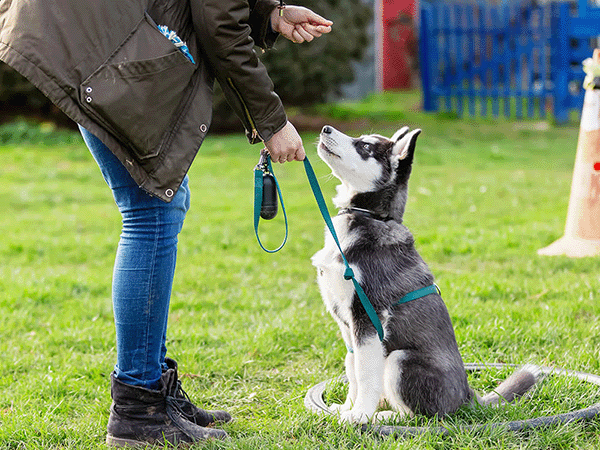
The Best Dog Trainers in the United States of 2026
This is a list of the top dog trainers in the United States, based on votes from the Sniffspot community and the general public.
The Best Dog Trainers in Seattle, WA of 2026
This is a list of the top dog trainers in Seattle, WA, based on votes from the Sniffspot community and the general public.
The Best Dog Trainers in Portland, OR of 2026
This is a list of the top dog trainers in Portland, OR, based on votes from the Sniffspot community and the general public.
The Best Dog Trainers in Los Angeles, CA of 2026
This is a list of the top dog trainers in Los Angeles, CA, based on votes from the Sniffspot community and the general public.
The Best Dog Trainers in New York, NY of 2026
This is a list of the top dog trainers in New York, NY, based on votes from the Sniffspot community and the general public.


City dog parks guides

Top 10 Indoor Dog Parks: A US Guide
Looking for a space to play with your dog no matter what the weather’s like outside? Look no further than our list of the best indoor dog parks in the United States! These climate-controlled spaces are growing in popularity as pet ownership increases throughout the country. As a bonus, many of them also offer dog training, boarding, grooming, or daycare services on the premises.
Best Dog Fields in the US: 25+ Wide-Open Spaces for Your Pup to Run Free
The best dog fields in the US offer something that traditional enclosed parks simply can't match: acres of open space where your pup can truly stretch their legs and run at full speed. From Colorado's 470-acre prairie meadows to Tennessee's award-winning "Outback," these wide-open spaces allow dogs to roam, explore, and exercise naturally while engaging instincts that cramped urban parks suppress.

Best Dog Parks in the US: Ultimate Guide to Public & Private Off-Leash Adventures
Is your pup giving you those pleading "let me run free" eyes? Whether you're a new dog parent or a seasoned pro looking for fresh adventures, finding the perfect off-leash paradise for your furry friend can feel ruff! From sun-soaked California beaches where your water-loving lab can make a splash to mountain trails in Vermont where your adventure buddy can chase every scent, we've sniffed out the 15 best dog parks across America.

Dog Parks Near Me: Las Vegas Edition
Looking for the perfect dog park near me in Las Vegas? You're in luck! This guide explores all the best options for your pup, from public dog parks to private dog parks near me on Sniffspot. We'll help you find the ideal spot for playtime, socializing, and fresh air. Plus, we'll cover essential etiquette and safety tips to ensure a happy visit for everyone. Get ready for some tail-wagging fun!
Top Sniffspot Locations: Find the Perfect Dog Park
Looking for the perfect dog park? Whether you need a wide-open public space or a private, fenced-in spot, this guide will help you find the best dog parks across the US. We'll cover top-rated public parks, the perks of private dog parks, and even explore Sniffspot locations – giving your pup a safe and fun place to play. Ready to find your dog's new favorite spot? Let's go!

Sniffspot: Portland's Best Private Dog Parks
Ready to discover Portland's best dog parks? Whether you're looking for a public park or the unique experience of a private Sniffspot, this guide has you covered. We'll help you find the perfect spot for your pup, with tips on what to bring, how to prepare, and even understanding dog body language. Plus, we'll explore some top Portland dog parks, including public and Sniffspot options, so you can plan your next dog-friendly adventure in the City of Roses.
Portland Dog Parks: Public & Private Options
This page is about public city dog parks and also includes Sniffspot private dog parks. Sniffspot is the largest network of private dog parks for rent in the world!
Small Dog Park Guide: Tips for Finding the Perfect Spot
Finding the perfect dog park for your small breed can be ruff! Big dog parks can be overwhelming, even dangerous, for little pups. This comprehensive guide helps you sniff out the best small dog parks for your pint-sized companion, covering everything from essential safety checklists to top recommendations for small dog parks across the US—including both public spots and private dog parks.
/354x256/wp-content/uploads/2023/04/indoordogparks.png)
/354x256/wp-content/uploads/2023/03/offleashdogparks.png)
/354x256/wp-content/uploads/2023/02/vegas.jpg)
/354x256/wp-content/uploads/2023/02/portland.jpg)
/354x256/wp-content/uploads/2023/03/smalldogparks.png)
Dogs breeds

German Shepherd Guide: Best Family Dog? Truth from 9K Owners
The German Shepherd Dog (GSDs) are known for their intelligence, loyalty, and striking appearance. They're also incredibly versatile, excelling as working dogs and devoted family companions. This guide covers everything you need to know about GSDs, from understanding their unique traits and rich history to practical advice on training and care. So, whether you're a seasoned GSD owner or just starting your research, let's explore this remarkable breed together.
Best Dog Fields in the US: 25+ Wide-Open Spaces for Your Pup to Run Free
The best dog fields in the US offer something that traditional enclosed parks simply can't match: acres of open space where your pup can truly stretch their legs and run at full speed. From Colorado's 470-acre prairie meadows to Tennessee's award-winning "Outback," these wide-open spaces allow dogs to roam, explore, and exercise naturally while engaging instincts that cramped urban parks suppress.

Labrador Retriever: America's Best Family Dog? Owner Truth
Discover the Labrador Retriever, a breed celebrated for its playful nature, affectionate temperament, and trainability. Labradors are known for their friendly demeanor and adaptability, making them perfect family companions and versatile working dogs. As one of the most popular types of retrievers, Labs are ideal companions for various lifestyles and are recognized by the American Kennel Club (AKC) as an excellent breed for families.

Golden Retriever Advice: The Complete Owner's Guide
Golden Retrievers: they're gorgeous, playful, and incredibly popular. But before you welcome one into your home, you need the right golden retriever advice. This guide draws on the wisdom of nearly 10,000 Golden Retriever owners, offering practical tips for caring for these affectionate dogs. From understanding their high energy levels to mastering grooming and training, we'll cover everything you need to know. So whether you're already a devoted Golden parent or just starting your research, get ready to learn how to give your furry friend the best possible care.

Are American Staffordshire Terriers Good for First-Time Owners: Complete Guide
Think American Staffordshire Terriers are tough? Think again. While their muscular build might intimidate some, these dogs are known for their playful and loyal personalities. This guide draws on the experience of nearly 10,000 AmStaff owners to reveal the truth about this often misunderstood breed. Want to learn more about caring for an American Staffordshire Terrier? You're in the right place.

Australian Shepherd Facts: Breed Info & Care Guide
Discover the Australian Shepherd, an AKC breed celebrated for its trainable, playful, and affectionate nature. Despite its name, the Australian Shepherd is actually a native breed to the United States, originally developed to breed on farms and ranches. Considered a medium dog, Australian Shepherds were bred for herding beginning in the 1950s. As one of the high-energy breeds, Aussies are known for their boundless energy and need for regular exercise, including aerobic exercise.

Essential Husky Facts for Owners: Breed Guide
Discover the Siberian Husky, a breed celebrated for its curious, intelligent, and loyal nature. Considered a medium-sized dog, Siberian Huskies were originally bred in Russia for sledding, beginning in the early 20th Century. Today, they're one of the most popular active breeds in North America.
/354x256/wp-content/uploads/2024/07/German-Shepherd-Dog.png)
/354x256/wp-content/uploads/2024/07/Screen-Shot-2024-07-24-at-4.06.05-PM.png)
/354x256/wp-content/uploads/2024/07/Screen-Shot-2024-07-25-at-3.05.09-PM.png)
/354x256/wp-content/uploads/2024/07/staffy.jpg)
/354x256/wp-content/uploads/2024/07/Screen-Shot-2024-07-25-at-3.39.43-PM.png)
/354x256/wp-content/uploads/2024/07/catherine-QMumx6XMJSY-unsplash.jpg)