Top articlesSee all...

A Comprehensive Guide to Dog Exercise

How To Crate train An Older Dog - A Comprehensive Guide

How To Socialize A Dog - A Comprehensive Guide

Leash Training: A Guide to Training Your Dog to Walk on a Leash

Skijoring: A Guide to Skijoring with Dogs

The Best Dog Enrichment Toys

The Best United States Dog Parks

The Best Indoor Dog Parks in the United States

The Best Off-Leash Dog Parks in the United States
Top articles
A Comprehensive Guide to Dog Exercise
How To Crate train An Older Dog - A Comprehensive Guide
How To Socialize A Dog - A Comprehensive Guide
Leash Training: A Guide to Training Your Dog to Walk on a Leash
Skijoring: A Guide to Skijoring with Dogs
The Best Dog Enrichment Toys
The Best United States Dog Parks
The Best Indoor Dog Parks in the United States
The Best Off-Leash Dog Parks in the United States
See all...How to Socialize Your Puppy: A Complete Step-by-Step Guide

/fit-in/0x450/wp-content/uploads/2020/07/shutterstock_317964077-1.jpg)
The first few months with a new puppy are a blur of joy, sleep deprivation, and an overwhelming amount of advice. Somewhere in that noise, "socialize your puppy" appears on practically every list. But what that actually means, when to do it, how to do it safely, and what to do if your puppy isn't responding the way the guides say they should? That part tends to get glossed over.
This guide covers all of it. What puppy socialization actually is (and isn't), how to navigate the vaccination window, what to expose your puppy to and how, the most common mistakes that set puppies back, and what to do if your pup is already showing signs of anxiety or fearfulness. Whether your puppy is eight weeks old or you're starting late, here's your complete roadmap.
Reviewed by Kaia Wilson, CPDT-KA, Dogspeed Training, Portland, OR
- Key Takeaways
- What Puppy Socialization Actually Means
- The Socialization Window: Why Timing Matters
- What to Socialize Your Puppy To
- How to Socialize Your Puppy Safely and Effectively
- Common Socialization Mistakes
- Early Warning Signs: When to Adjust Your Approach
- Where Sniffspot Fits for Puppy Socialization
- Puppy Socialization Checklist
- Frequently Asked Questions About Puppy Socialization
- Set Your Puppy Up for Success
Key Takeaways
- The critical socialization window runs from roughly 3 to 16 weeks. What happens during this period has an outsized effect on your dog's long-term behavior and temperament.
- Socialization is not about exposing your puppy to as much as possible. It's about making sure new experiences predict good things. Quality of experience matters far more than quantity.
- The American Veterinary Society of Animal Behavior (AVSAB) recommends starting socialization before the vaccine series is complete, with appropriate precautions. Waiting until vaccines are done often costs puppies more than it protects them.
- Flooding (overwhelming your puppy with stimuli) does not build confidence. For sensitive puppies, it can create lasting fear responses.
- The socialization window closes, but socialization never fully stops. Adult dogs continue to benefit from new positive experiences throughout their lives.
- If your puppy is already showing signs of fear or reactivity, the approach looks different. See our guide to socializing a reactive dog for what that process involves.
What Puppy Socialization Actually Means
Socialization is the process of helping your puppy build positive associations with the world around them. Other dogs, strangers, children, traffic, umbrellas, the vacuum cleaner, restaurant patios, bicycles, people in hats. Basically anything they're likely to encounter in a life lived alongside humans.
The goal is not to expose your puppy to as much as possible. The goal is to make sure those exposures go well. A well-socialized dog can encounter new situations without shutting down, lashing out, or spending the whole experience in fight-or-flight mode. They've built a mental library of "I've seen this before and it was fine."
This is different from simply being around things. A puppy who got dragged through a crowded farmers market at eight weeks, trembling the whole time, has been exposed. They have not been well-socialized. The experience has to be genuinely positive to build the association you want.
It's also worth saying clearly: socialization is not about making your puppy love every dog and person they meet. The goal is a dog who can navigate the world calmly, not a dog who wants to greet everyone. Most adult dogs are somewhere between dog-selective and dog-tolerant. That's completely normal. You can read more about what healthy socialization looks like across a dog's life in our broader guide to socializing a dog.
The Socialization Window: Why Timing Matters
When it comes to when to start socializing your pup, there's a careful balance in timing.
The Critical Period
Puppies have a developmental window that runs from roughly 3 to 16 weeks of age. During this period, the brain is especially receptive to new experiences. Positive exposures leave a lasting impression. Negative ones do too, which is why what happens during this window matters so much.
When the socialization window closes, the brain doesn't suddenly stop learning. But it becomes progressively more cautious about unfamiliar things. Novel stimuli shift from "curious and approachable" to "potentially threatening until proven otherwise." This is adaptive from an evolutionary standpoint. It's not ideal for a dog who needs to navigate a world full of strangers, traffic, and unpredictable children.
This is why missing the socialization window matters. It doesn't doom a dog to a life of fear, but it does mean that building positive associations later takes significantly more time and effort.
The Vaccination Timing Problem
Here's the tension most puppy owners face: the socialization window overlaps almost entirely with the vaccination series. Most puppies aren't fully protected until around 16 weeks, which is right when the window closes. Waiting for vaccines to be complete before starting socialization means missing most or all of the window.
The AVSAB's position statement on puppy socialization addresses this directly. Their recommendation: start socialization before the vaccine series is complete, with appropriate precautions. The behavioral risks of missing the socialization window outweigh the disease risks of careful, early exposure.
What that looks like in practice:
- Avoid areas with unknown dog populations (dog parks, pet store floors, high-traffic sidewalks)
- Socialize with dogs you know are vaccinated and healthy
- Attend puppy classes held in sanitized indoor environments with vaccinated participants
- Carry your puppy in areas where ground contact is a concern
- Prioritize low-risk, high-reward exposures during this period
Talk to your vet about a specific plan. Most vets who are current on behavioral research will support starting socialization early with appropriate precautions.

What to Socialize Your Puppy To
Use this as a guide to work through, not a checklist to race through. Go slowly, keep your puppy under threshold, and make each exposure genuinely positive before moving to the next.
People
- Adults of different genders, ages, and appearances
- People wearing hats, hoods, sunglasses, helmets, or bulky winter coats
- People using mobility aids (wheelchairs, walkers, canes)
- People with beards, wearing uniforms, or carrying bags and backpacks
- Children (supervised, calm interactions only)
- People jogging, cycling, or skateboarding (start by observing from a distance)
Dogs and Animals
- Calm, friendly adult dogs (vaccinated and owner-vouched)
- Dogs of significantly different sizes and appearances
- Other puppies in structured, supervised class settings
- Cats and small animals (from a safe, controlled distance)
When introducing your puppy to other dogs, how you do it matters. Our guide to how to introduce dogs covers the specifics of a safe, low-stress first meeting. Parallel walks are one of the most effective tools for early introductions because they let two dogs exist near each other without the pressure of a face-to-face greeting. Our guide to parallel walks explains exactly how to run one.
Environments
- Hardwood, tile, grass, gravel, metal grating, and uneven surfaces underfoot
- Stairs and inclines
- Cars, buses, and trucks (observed from a safe distance first)
- Urban sounds, foot traffic, and construction noise
- Veterinary offices (for positive-only visits, not just when something is wrong)
- Public spaces: patios, parking lots, quiet parks
Sounds and Stimuli
- Traffic and city noise
- Thunderstorms and fireworks (audio recordings at low volume before exposure to the real thing)
- Household appliances: vacuum, blender, washer/dryer
- Doorbells and knocking
- Children playing and babies crying
Handling
Start handling work from day one. Your puppy needs to be comfortable being touched all over their body, by you and eventually by veterinary staff and groomers.
- All four paws, between toes
- Ears, mouth, and gums
- Tail and hindquarters
- Gentle restraint (practice this before your puppy needs it at the vet)
- Being picked up and held
- Nail trims, brushing, and basic grooming
Make every handling session positive: pair it with treats and keep it short. A puppy who learns early that being touched by humans predicts good things is a much easier patient, patient, and family member for the rest of their life.

How to Socialize Your Puppy Safely and Effectively
Quality Over Quantity
One genuinely positive experience with a calm, friendly dog is worth more than ten chaotic ones at a dog park. You're building an association library, and bad entries in that library take a long time to overwrite.
Aim for short, positive exposures rather than long, intensive ones. End every session before your puppy is tired, overstimulated, or stressed.
Read Body Language
Learn what stress looks like in dogs before you start any socialization work. A wagging tail does not automatically mean a happy dog. Signs of stress to watch for:
- Whale eye (whites of the eyes visible)
- Lip licking or yawning when not tired
- Tucked tail or low, hunched body posture
- Stiff, frozen body
- Refusing food (stress that overrides appetite is a significant signal)
- Scanning constantly rather than sniffing or relaxing
- Trying to move away or hide
If your puppy looks uncomfortable, they are. Trust what you're seeing and create distance or end the session.
Use High-Value Treats
Bring extremely high-value treats to every socialization outing: small pieces of chicken, cheese, or hot dogs. Reserve these treats for socialization work only so they retain their power.
Pair novel stimuli with treats before your puppy has a chance to form an opinion. Loud truck goes by: treats appear. Stranger in a hat walks past: treats appear. You're shaping emotional responses, not just teaching behaviors.
Puppy Classes
A well-run puppy class in a sanitized indoor environment with vaccinated participants is one of the best socialization investments you can make. Look for classes that:
- Use positive reinforcement only
- Keep play sessions structured and supervised
- Include exposure to different people, surfaces, and sounds
- Don't allow chaotic free-for-alls where bullying can go unchecked
If your puppy is already showing signs of fear or anxiety, talk to the instructor before enrolling. A good trainer will help you assess whether a group class is the right fit or whether individual sessions make more sense first.
Dog Park Readiness
Dog parks are not automatically a socialization tool, especially for puppies. Uncontrolled environments, unknown dogs, and unpredictable energy make them a setup for negative experiences. Before considering a dog park, ask yourself whether your puppy is genuinely ready. Our guide to whether your dog is a good fit for the dog park walks through exactly what that assessment looks like.
Common Socialization Mistakes
- Flooding. Flooding means overwhelming your puppy with a stimulus at full intensity until they stop reacting. This does not build confidence. It causes stress and can create lasting fear responses. If your puppy is not choosing to approach something, that's information. Respect it.
- Treating the dog park as a socialization plan. The dog park can be a good place for well-socialized adult dogs. For puppies, and especially for puppies who are still building confidence, it's often too chaotic and unpredictable to be useful. Save it for later.
- Skipping handling. Owners often focus on environmental and social exposures and forget that being touched needs to be practiced too. A puppy who's never had their paws handled will have a harder time at the vet and groomer for the rest of their life.
- Ignoring resource guarding signals. Puppies can develop resource guarding tendencies around food, toys, and spaces. Early warning signs include stiffening over a food bowl, growling when approached with a toy, or hovering and guarding spaces. These signals are worth addressing early. Our guide to resource guarding covers what to watch for and what to do.
- Rewarding fearful behavior inadvertently. Picking up a shaking puppy and soothing them ("it's okay, it's okay") can reinforce the fear response rather than calm it. Instead, try to redirect attention with a treat, create distance from the trigger, or calmly remove your puppy from the situation.
- Stopping after the socialization window closes. The window matters, but socialization is a lifelong process. Adult dogs who stop encountering new positive experiences can become more fearful over time. Keep it going.
Early Warning Signs: When to Adjust Your Approach
Most puppies move through socialization with curiosity and some occasional hesitation. That's normal. But some puppies show patterns that suggest they need a different approach.
Watch for:
- Consistent freezing or stiffening when approaching new people, dogs, or objects
- Refusing food in situations that seem mild (a sign stress is overriding appetite)
- Barking or growling at things from what seems like a comfortable distance
- Pulling hard away from rather than toward new stimuli
- Shutting down completely in new environments
One or two of these in a genuinely overwhelming situation is within normal range. Consistent patterns across multiple situations, or intense reactions to things most puppies take in stride, are worth paying attention to.
If this sounds like your puppy, the standard socialization advice doesn't apply. You'll need a slower, more controlled approach, and working with a trainer who specializes in fear and reactivity early makes a measurable difference. Our guide to socializing a reactive dog covers what that process looks like in practice.

Where Sniffspot Fits for Puppy Socialization
Public dog parks can be unpredictable environments for puppies who are still building confidence. Sniffspot offers a different option: private, fenced outdoor spaces you rent by the hour, with no other dogs unless you invite them.
For puppy socialization specifically, this is useful in a few ways:
- Controlled first dog introductions. Instead of hoping for the best at a dog park, you can invite one known, calm dog to a Sniffspot for a structured introduction using a parallel walk or separate sides of a fenced space.
- Low-pressure exposure to outdoor environments. A private fenced space lets your puppy explore grass, sounds, and outdoor stimuli without unexpected dogs or strangers walking up.
- Practice space during the vaccination window. A private booking means no unknown dogs, which lowers the disease risk enough to make early outdoor socialization possible before vaccines are complete.
- No performance pressure. Puppy socialization can feel high-stakes. A private space lets you go at your own pace without an audience.
🐾 Find a private fenced space near you for your next puppy socialization session. Browse Sniffspot listings.
Puppy Socialization Checklist
Use this as a loose guide, not a race. Move through each category at your puppy's pace and keep every exposure genuinely positive.
People
- Adults of varying ages, genders, and appearances
- People in hats, hoods, sunglasses, and bulky clothing
- People with facial hair or in uniforms
- People using mobility aids
- Children (calm, supervised interactions)
- People jogging, cycling, or skateboarding (start at distance)
Dogs and Animals
- Calm, vaccinated adult dogs (known to you)
- Dogs of different sizes and appearances
- Other puppies in structured class settings
- Cats and small animals (safe distance)
Environments
- Various floor surfaces (tile, grass, gravel, grating, stairs)
- Urban environments with foot traffic and noise
- Cars, buses, and trucks
- Veterinary offices (positive-only visits)
- Public spaces: patios, parking lots, parks
Sounds
- Traffic and city noise
- Household appliances
- Thunderstorm and fireworks audio at low volume
- Doorbells and knocking
- Children playing
Handling
- All four paws and between toes
- Ears, mouth, and gums
- Gentle restraint
- Being picked up and held
- Nail trim simulation, brushing, basic grooming
Frequently Asked Questions About Puppy Socialization
When should I start socializing my puppy?
Start as early as possible, ideally within the first week of bringing your puppy home. If your puppy comes home at 8 weeks, you have roughly 8 weeks of the critical socialization window left. The AVSAB recommends beginning socialization before vaccines are complete, with appropriate precautions. Every week counts during this window.
How do I socialize my puppy before vaccinations are complete?
Focus on low-risk exposures: indoor puppy classes with vaccinated participants, playdates with dogs you know are vaccinated and healthy, and carried exposure to public environments where your puppy's paws aren't touching the ground. Avoid dog parks, pet store floors, and areas with heavy unknown dog traffic. Talk to your vet about a specific plan that balances both risks.
Should I take my puppy to the dog park?
Not usually, especially during the early socialization window. Dog parks are uncontrolled environments where you can't manage trigger intensity, and one negative experience can have an outsized effect on a young puppy. Build confidence in controlled settings first. Our guide to whether your dog is a good fit for the dog park can help you decide when and if it makes sense for your specific dog.
How do I introduce my puppy to other dogs for the first time?
Slowly and in a neutral space. Parallel walks (two dogs walking in the same direction with some distance between them) are one of the most effective and lowest-pressure ways to start. Direct face-to-face greetings before dogs have had a chance to get comfortable often create more stress than they resolve. See our full guide to introducing dogs and running a parallel walk for step-by-step guidance.
My puppy growls at other dogs. Is that normal?
Sometimes. Growling is communication, and a puppy who growls when they're uncomfortable is telling you something important. The key is what's behind the growl: is your puppy stiff and pulling away (fear-based), or wiggly and bouncy (frustrated social excitement)? If your puppy is consistently growling out of fear or anxiety, it's worth connecting with a trainer early. Don't correct or punish the growl. A dog who learns their warning signals are suppressed is more likely to skip them next time and go straight to snapping.
Can you over-socialize a puppy?
Not exactly, but you can overdo individual sessions. Puppies get tired and overwhelmed quickly. Long, intense socialization outings can leave puppies more sensitized rather than less. Keep sessions short (15 to 20 minutes max for young puppies), end before your puppy is exhausted, and prioritize quality of experience over volume.
What's the difference between puppy socialization and socializing an adult dog?
During the socialization window, puppies are primed to form new associations quickly. The brain is wired to accept novel things as normal. After the window closes, the brain becomes more cautious, and building new positive associations takes more repetitions, more time, and more patience. Socialization in adult dogs is absolutely possible, but it's slower and requires more care. For reactive adult dogs specifically, see our guide to socializing a reactive dog.
How do I socialize my puppy with children?
Always with direct supervision and with children who can follow instructions. Teach children to let the puppy approach them rather than reaching for the puppy. Keep interactions short and calm. If the puppy tries to move away, let them. Puppies who learn they can't escape from children sometimes learn to defend themselves instead.
Set Your Puppy Up for Success
Puppy socialization is one of the highest-leverage things you can do for your dog's long-term wellbeing. The work you put in during those first few months, the calm adult dogs your puppy meets, the strangers in funny hats who turned out to be fine, the vet visits that ended in chicken, all of it is building a mental library of "the world is manageable." That library is what your dog draws on for the rest of their life.
Go slowly. Prioritize quality over quantity. Trust what your puppy's body language is telling you. And remember that the goal isn't a dog who loves everything. It's a dog who can move through the world without being overwhelmed by it. That's more than achievable, and you're already ahead of most owners just by taking it seriously.
🐾 Looking for a private, controlled space for your next puppy socialization session? Find a Sniffspot near you.
Sources:
- American Veterinary Society of Animal Behavior (AVSAB). Position Statement on Puppy Socialization
- Howell, T. J., King, T., & Bennett, P. C. (2015). Puppy parties and beyond: the role of early age socialization practices on adult dog behavior. Veterinary Medicine: Research and Reports, 6, 143-153.
- Overall, K. L. (2013). Manual of Clinical Behavioral Medicine for Dogs and Cats. Elsevier.
- Blackwell, E. J., Twells, C., Seawright, A., & Casey, R. A. (2008). The relationship between training methods and the occurrence of behavior problems. Journal of Veterinary Behavior, 3(5), 207-217.
Reviewed by Kaia Wilson, CPDT-KA, SAP-BC, FDM
Dogspeed Training — Portland, OR. Kaia Wilson (she/they) has been working with dogs professionally since 2013. They are a Certified Professional Dog Trainer (CPDT-KA), a Certified Separation Anxiety Pro Behavior Consultant (SAP-BC), and a graduate of Kim Brophey's Family Dog Mediator program and Michael Shikashio's Aggression in Dogs Masterclass. Kaia has also served as a volunteer trainer at Oregon Humane Society and a volunteer dog walker for Guide Dogs for the Blind.


/fit-in/0x128/wp-content/uploads/2026/09/is-pet-insurance-worth-it.png)
/fit-in/0x128/wp-content/uploads/2026/09/first-night-with-rescue-dog.png)
/fit-in/0x128/wp-content/uploads/2026/09/What-are-the-requirements-to-adopt-a-dog.png)
/fit-in/0x128/wp-content/uploads/2020/07/shutterstock_330043559-1.jpg)
/fit-in/0x128/wp-content/uploads/2023/05/sniffspot_dog_shaking_paws_with_owner_daylight_in_a_park_photor_3ee2b27b-0830-4372-8886-10739493fd81.png)
Most recent articles
/fit-in/0x256/wp-content/uploads/2026/09/is-pet-insurance-worth-it.png)
/fit-in/0x256/wp-content/uploads/2026/09/first-night-with-rescue-dog.png)
/fit-in/0x256/wp-content/uploads/2026/09/What-are-the-requirements-to-adopt-a-dog.png)
/fit-in/0x128/wp-content/uploads/2026/09/Dog-heartworm-prevention.png)
/fit-in/0x256/wp-content/uploads/2026/09/Dog-heartworm-prevention.png)
/fit-in/0x128/wp-content/uploads/2026/09/insurance-that-pays-vet-directly.png)
/fit-in/0x256/wp-content/uploads/2026/09/insurance-that-pays-vet-directly.png)
/fit-in/0x128/wp-content/uploads/2026/09/what-does-pet-insurance-cover.png)
/fit-in/0x256/wp-content/uploads/2026/09/what-does-pet-insurance-cover.png)
Related articles
Top dog guides per area
Dog training guides

Best Dog Fields in the US: 25+ Wide-Open Spaces for Your Pup to Run Free
The best dog fields in the US offer something that traditional enclosed parks simply can't match: acres of open space where your pup can truly stretch their legs and run at full speed. From Colorado's 470-acre prairie meadows to Tennessee's award-winning "Outback," these wide-open spaces allow dogs to roam, explore, and exercise naturally while engaging instincts that cramped urban parks suppress.

Dog Food Aggression & Resource Guarding Guide
Does your dog ever growl when you walk by their food dish? Maybe they get possessive of treats, carrying them far away and giving you side-eye when you start to approach — or snarling at your other pets or children if they get too close.

The Ultimate Guide to Scent Training for Dogs
Your dog's nose is an amazing tool. Did you know they have 40 times the olfactory receptors than humans? Scent training for dogs taps into this superpower, turning everyday moments into exciting sniff-fests. It's enriching for all types of dogs – reactive, shy, or simply adventurous. Ready to explore the world of scent work for dogs? Let's get started.

How Much Does It Cost to Train a Service Dog?
More than 80 million Americans rely on their service dogs to help them navigate the world. Task-trained assistance animals perform a huge range of life-changing—in many cases, life-saving—services: These dogs act as eyes for visually impaired handlers, provide mobility support, alert to seizures and blood sugar crashes, interrupt anxiety attacks, remind their people to take medications, and so much more.

How to Deal With Puppy Potty Training Regression

Dirty Dog Syndrome: Causes, Solutions, and Prevention
It's a cringe-worthy moment every dog owner dreads: your furry friend chowing down on something truly disgusting. If your dog has a penchant for poop, you're dealing with coprophagia. It's more common than you think, and thankfully, often manageable. This article explores the reasons behind dirty dog syndrome, from instinct to learned behavior. We'll also give you practical tips to help break this unpleasant habit.
/354x256/wp-content/uploads/2025/09/Screenshot-2025-09-21-at-6.39.54-PM.png)
/354x256/wp-content/uploads/2020/08/bernese-mountain-dog-208092_1280.jpg)
/354x256/wp-content/uploads/2022/04/shutterstock_543831754.jpg)
/354x256/wp-content/uploads/2022/08/shutterstock_494495788-1.jpg)
/354x256/wp-content/uploads/2022/07/shutterstock_237584221-1.jpg)
/354x256/wp-content/uploads/2022/10/shutterstock_705844504.jpg)
Dog enrichment guides
Best Dog Fields in the US: 25+ Wide-Open Spaces for Your Pup to Run Free
The best dog fields in the US offer something that traditional enclosed parks simply can't match: acres of open space where your pup can truly stretch their legs and run at full speed. From Colorado's 470-acre prairie meadows to Tennessee's award-winning "Outback," these wide-open spaces allow dogs to roam, explore, and exercise naturally while engaging instincts that cramped urban parks suppress.

Best Dog Water Parks in the US: 15+ Amazing Splash Destinations for Your Pup
Do you have a water-loving dog looking to burn some energy? There are countless dog parks to visit throughout our country — but some of them become far too hot in the midday sun to be safe for your pets to play. That’s why we’ve put together a list of some of the best dog water parks throughout the United States! At these locations, your pup can frolic, splash, and swim to their heart’s content.

Best Toys for Herding Dogs: Keeping Your Pup Happy & Engaged
Herding dogs are amazing, intelligent companions. But that also means they need more than just a simple game of fetch. Finding the right toys for herding dogs is key to keeping them happy and stimulated. This article explores some of the best toys for herding dogs, including options specifically for breeds like Border Collies and Australian Shepherds. We'll help you discover the perfect herding toys for dogs to tap into their natural instincts and keep them entertained for hours.

Tough Dog Toys for Aggressive Chewers: A Practical Guide
Does your dog destroy every toy you give them? Is your house littered with the remnants of plush toys? Are you tired of wasting money on "indestructible" dog toys for aggressive chewers that don't last? Then this post is for you. We'll cover everything you need to know about finding the best dog toys for aggressive chewers, so you can finally give your pup something safe, durable, and fun.

Dog Exercise Calculator: How Much Exercise Does Your Dog Need?
Every dog needs to move, but how much is actually enough? The answer depends on more than just breed. Age, health, and even your own lifestyle all play a role in figuring out the right daily exercise routine for your pup.

Complete Guide To Herding With Dogs
* All Sniffspot articles are reviewed by certified trainers for quality, please see bottom of article for details *
/354x256/wp-content/uploads/2023/04/dogwaterpark.png)
/354x256/wp-content/uploads/2022/05/shutterstock_174836186.jpg)
/354x256/wp-content/uploads/2023/02/shutterstock_1346929262.jpg)
/354x256/wp-content/uploads/2022/08/dogexercisecalculatorfeaturedimage.jpg)
/354x256/wp-content/uploads/2020/07/bb.jpg)
Dog reactivity guides
Best Dog Fields in the US: 25+ Wide-Open Spaces for Your Pup to Run Free
The best dog fields in the US offer something that traditional enclosed parks simply can't match: acres of open space where your pup can truly stretch their legs and run at full speed. From Colorado's 470-acre prairie meadows to Tennessee's award-winning "Outback," these wide-open spaces allow dogs to roam, explore, and exercise naturally while engaging instincts that cramped urban parks suppress.

Rottweiler Aggression: Signs, Causes & Training
Many dogs have gotten a bad reputation over the years for being "dangerous breeds." Rottweilers are among them. Like pit bulls and other large, blocky-headed types of dogs, these powerful and beautiful animals are often assumed to be aggressive.

The Reactive Dog Chart: How to Calm Your Dog's Triggers
If your dog lunges, barks, or loses their mind at the sight of another dog, a stranger, or a bicycle, you’re living with a reactive dog (and you’re far from alone). Dog reactivity is one of the most common behavioral challenges dog owners face, and it can make even a simple walk feel stressful and isolating.

How to Socialize a Reactive Dog: A Step-by-Step Guide
Does your dog display reactivity to other pets or people—barking, lunging, or growling when they see their triggers? Whether they're a rescue still settling in, missed critical socialization as a puppy, or had a negative experience that changed how they see the world, you're not alone. Reactivity is one of the most common dog behavior concerns, and with the right approach, you can help your dog feel calmer and more confident.

What Is a Reactive Dog? The Complete Guide for Understanding and Helping Your Pup
Does your dog transform into a barking, lunging tornado the second they spot another dog across the street? You're definitely not alone. According to our research of over 4,000 dog owners, 66% of dogs show some signs of reactivity.

9 Best Online Communities for Reactive Dog Parents
Does your dog's reactivity make walks stressful? You're not alone. Many dog owners face similar challenges. This guide offers practical advice and support for managing reactivity, including finding the best online dog training for reactive dogs. We'll connect you with reactive dog support groups, share training tips, and explore resources like the best dog training app for reactive dogs. Let's build a stronger bond with your dog, together.
* All Sniffspot articles are reviewed by certified trainers for quality, please see bottom of article for details *
/354x256/wp-content/uploads/2023/05/Screen-Shot-2024-05-23-at-9.33.57-PM.png)
/354x256/wp-content/uploads/2022/08/dogreactivitychartfeaturedimage.jpg)
/354x256/wp-content/uploads/2022/08/shutterstock_523383649.jpg)
/354x256/wp-content/uploads/2020/07/a.jpg)
/354x256/wp-content/uploads/2022/01/shutterstock_796422001.jpg)
Sniffspot community guides
Best Dog Fields in the US: 25+ Wide-Open Spaces for Your Pup to Run Free
The best dog fields in the US offer something that traditional enclosed parks simply can't match: acres of open space where your pup can truly stretch their legs and run at full speed. From Colorado's 470-acre prairie meadows to Tennessee's award-winning "Outback," these wide-open spaces allow dogs to roam, explore, and exercise naturally while engaging instincts that cramped urban parks suppress.

The State of Public Dog Parks Across the United States
From 2009 to 2020, there was a 40 percent increase in the development of public dog parks. Designated spots for canine exercise have become commonplace in every major city in North America — many pet owners won’t even consider renting an apartment that doesn’t have its own fenced-in pet area for their canine companions.

How This Family is Affording Their Dream Property Through Renting it Hourly to Dogs
Thousand Oaks, California has been a safe haven for Sniffspot host, Jen, since childhood. Having grown up in busy Santa Barbara, Jen, an introvert from an early age, would seek out solitude and serenity away from tourists attractions and droves of people visiting from elsewhere. “My grandparents own 60 acres about a 30 minute drive from here, and I grew up spending every summer and every holiday visiting them on the ranch,” Jen explained. “In Santa Barbara, we wouldn't go to the beach on the weekend because that's where everybody was, so you'd find places off the beaten path where the tourists weren't. For me, the ranch was just my happy place.”

Host Tips: Ellen K. What Makes Sniffspot Successful for Me
Ellen is the host of Country Pasture Getaway, one of Sniffspot's most popular sniff spots. She has taken the time to write up the lessons she has learned about how to be a great sniff spot host.

How this Oregon Farmer is Making a Business From Renting Her Land to Dogs
Just 20 minutes outside of the busy city of Portland, Oregon, and settled right on the banks of the Columbia River, you’ll find what countless visitors have flocked to the area in search of – mountain views, crisp, clean air, and running water for miles. What you might not expect to find, however, is a hidden oasis designed just for dogs and their people, owned and operated by a farming couple and enjoyed by visitors on two legs, and four.

Host Tips: Fran T. Providing Great Guest Service at our Spot
Fran is the host of Ranch Setting, one of Sniffspot's most popular spots. She has taken the time to write up the lessons she has learned about how to be a great Sniffspot host.
/354x256/wp-content/uploads/2022/07/Sniffspot_infographic_1-01.jpeg)
/354x256/wp-content/uploads/2021/05/Final-Edit-003-1.jpg)
/354x256/wp-content/uploads/2020/07/good-photo-3_orig.jpg)
/354x256/wp-content/uploads/2021/05/sniffspot-28-of-45-1.jpg)
/354x256/wp-content/uploads/2020/07/screen-shot-2019-09-19-at-2-01-47-pm_orig.png)
Top dog trainers in the US
The Best Dog Trainers in the United States of 2026
This is a list of the top dog trainers in the United States, based on votes from the Sniffspot community and the general public.
The Best Dog Trainers in Seattle, WA of 2026
This is a list of the top dog trainers in Seattle, WA, based on votes from the Sniffspot community and the general public.
The Best Dog Trainers in Portland, OR of 2026
This is a list of the top dog trainers in Portland, OR, based on votes from the Sniffspot community and the general public.
The Best Dog Trainers in Los Angeles, CA of 2026
This is a list of the top dog trainers in Los Angeles, CA, based on votes from the Sniffspot community and the general public.
The Best Dog Trainers in New York, NY of 2026
This is a list of the top dog trainers in New York, NY, based on votes from the Sniffspot community and the general public.


City dog park guides
Best Dog Fields in the US: 25+ Wide-Open Spaces for Your Pup to Run Free
The best dog fields in the US offer something that traditional enclosed parks simply can't match: acres of open space where your pup can truly stretch their legs and run at full speed. From Colorado's 470-acre prairie meadows to Tennessee's award-winning "Outback," these wide-open spaces allow dogs to roam, explore, and exercise naturally while engaging instincts that cramped urban parks suppress.

Top 10 Indoor Dog Parks: A US Guide
Looking for a space to play with your dog no matter what the weather’s like outside? Look no further than our list of the best indoor dog parks in the United States! These climate-controlled spaces are growing in popularity as pet ownership increases throughout the country. As a bonus, many of them also offer dog training, boarding, grooming, or daycare services on the premises.

Best Dog Parks in the US: Ultimate Guide to Public & Private Off-Leash Adventures
Is your pup giving you those pleading "let me run free" eyes? Whether you're a new dog parent or a seasoned pro looking for fresh adventures, finding the perfect off-leash paradise for your furry friend can feel ruff! From sun-soaked California beaches where your water-loving lab can make a splash to mountain trails in Vermont where your adventure buddy can chase every scent, we've sniffed out the 15 best dog parks across America.

Dog Parks Near Me: Las Vegas Edition
Looking for the perfect dog park near me in Las Vegas? You're in luck! This guide explores all the best options for your pup, from public dog parks to private dog parks near me on Sniffspot. We'll help you find the ideal spot for playtime, socializing, and fresh air. Plus, we'll cover essential etiquette and safety tips to ensure a happy visit for everyone. Get ready for some tail-wagging fun!
Discover the Perfect Dog Park in Las Vegas
This page is about public city dog parks and also includes Sniffspot private dog parks. Sniffspot is the largest network of private dog parks for rent in the world!Best Dog Parks in the US: Off-Leash Guide
Looking for the perfect dog park? Whether you need a wide-open public space or a private, fenced-in spot, this guide will help you find the best dog parks across the US. We'll cover top-rated public parks, the perks of private dog parks, and even explore Sniffspot locations – giving your pup a safe and fun place to play. Ready to find your dog's new favorite spot? Let's go!

Sniffspot: Portland's Best Private Dog Parks
Ready to discover Portland's best dog parks? Whether you're looking for a public park or the unique experience of a private Sniffspot, this guide has you covered. We'll help you find the perfect spot for your pup, with tips on what to bring, how to prepare, and even understanding dog body language. Plus, we'll explore some top Portland dog parks, including public and Sniffspot options, so you can plan your next dog-friendly adventure in the City of Roses.
Portland Dog Parks: Public & Private Options
This page is about public city dog parks and also includes Sniffspot private dog parks. Sniffspot is the largest network of private dog parks for rent in the world!
/354x256/wp-content/uploads/2023/04/indoordogparks.png)
/354x256/wp-content/uploads/2023/03/offleashdogparks.png)
/354x256/wp-content/uploads/2023/02/vegas.jpg)
/354x256/wp-content/uploads/2023/02/portland.jpg)
Dog breeds
Best Dog Fields in the US: 25+ Wide-Open Spaces for Your Pup to Run Free
The best dog fields in the US offer something that traditional enclosed parks simply can't match: acres of open space where your pup can truly stretch their legs and run at full speed. From Colorado's 470-acre prairie meadows to Tennessee's award-winning "Outback," these wide-open spaces allow dogs to roam, explore, and exercise naturally while engaging instincts that cramped urban parks suppress.

German Shepherd Guide: Best Family Dog? Truth from 9K Owners
The German Shepherd Dog (GSDs) are known for their intelligence, loyalty, and striking appearance. They're also incredibly versatile, excelling as working dogs and devoted family companions. This guide covers everything you need to know about GSDs, from understanding their unique traits and rich history to practical advice on training and care. So, whether you're a seasoned GSD owner or just starting your research, let's explore this remarkable breed together.

Labrador Retriever: Real Tips from Owners
Discover the Labrador Retriever, a breed celebrated for its playful nature, affectionate temperament, and trainability. Labradors are known for their friendly demeanor and adaptability, making them perfect family companions and versatile working dogs. As one of the most popular types of retrievers, Labs are ideal companions for various lifestyles and are recognized by the American Kennel Club (AKC) as an excellent breed for families.

Golden Retriever Advice: The Complete Owner's Guide
Golden Retrievers: they're gorgeous, playful, and incredibly popular. But before you welcome one into your home, you need the right golden retriever advice. This guide draws on the wisdom of nearly 10,000 Golden Retriever owners, offering practical tips for caring for these affectionate dogs. From understanding their high energy levels to mastering grooming and training, we'll cover everything you need to know. So whether you're already a devoted Golden parent or just starting your research, get ready to learn how to give your furry friend the best possible care.

Are American Staffordshire Terriers Good for First-Time Owners: Complete Guide
Think American Staffordshire Terriers are tough? Think again. While their muscular build might intimidate some, these dogs are known for their playful and loyal personalities. This guide draws on the experience of nearly 10,000 AmStaff owners to reveal the truth about this often misunderstood breed. Want to learn more about caring for an American Staffordshire Terrier? You're in the right place.

Australian Shepherd Facts: Breed Info & Care Guide
Discover the Australian Shepherd, an AKC breed celebrated for its trainable, playful, and affectionate nature. Despite its name, the Australian Shepherd is actually a native breed to the United States, originally developed to breed on farms and ranches. Considered a medium dog, Australian Shepherds were bred for herding beginning in the 1950s. As one of the high-energy breeds, Aussies are known for their boundless energy and need for regular exercise, including aerobic exercise.
/354x256/wp-content/uploads/2024/07/German-Shepherd-Dog.png)
/354x256/wp-content/uploads/2024/07/Screen-Shot-2024-07-24-at-4.06.05-PM.png)
/354x256/wp-content/uploads/2024/07/Screen-Shot-2024-07-25-at-3.05.09-PM.png)
/354x256/wp-content/uploads/2024/07/staffy.jpg)
/354x256/wp-content/uploads/2024/07/Screen-Shot-2024-07-25-at-3.39.43-PM.png)
Top dog names in the US
Top 1,000 Most Popular Dog Names
Looking for the perfect dog name for your new pup? We have created filterable lists of dog names from our database of hundreds of thousands of Sniffspot users. You can filter by gender, breed and state to find the most cute, unique and creative dog names.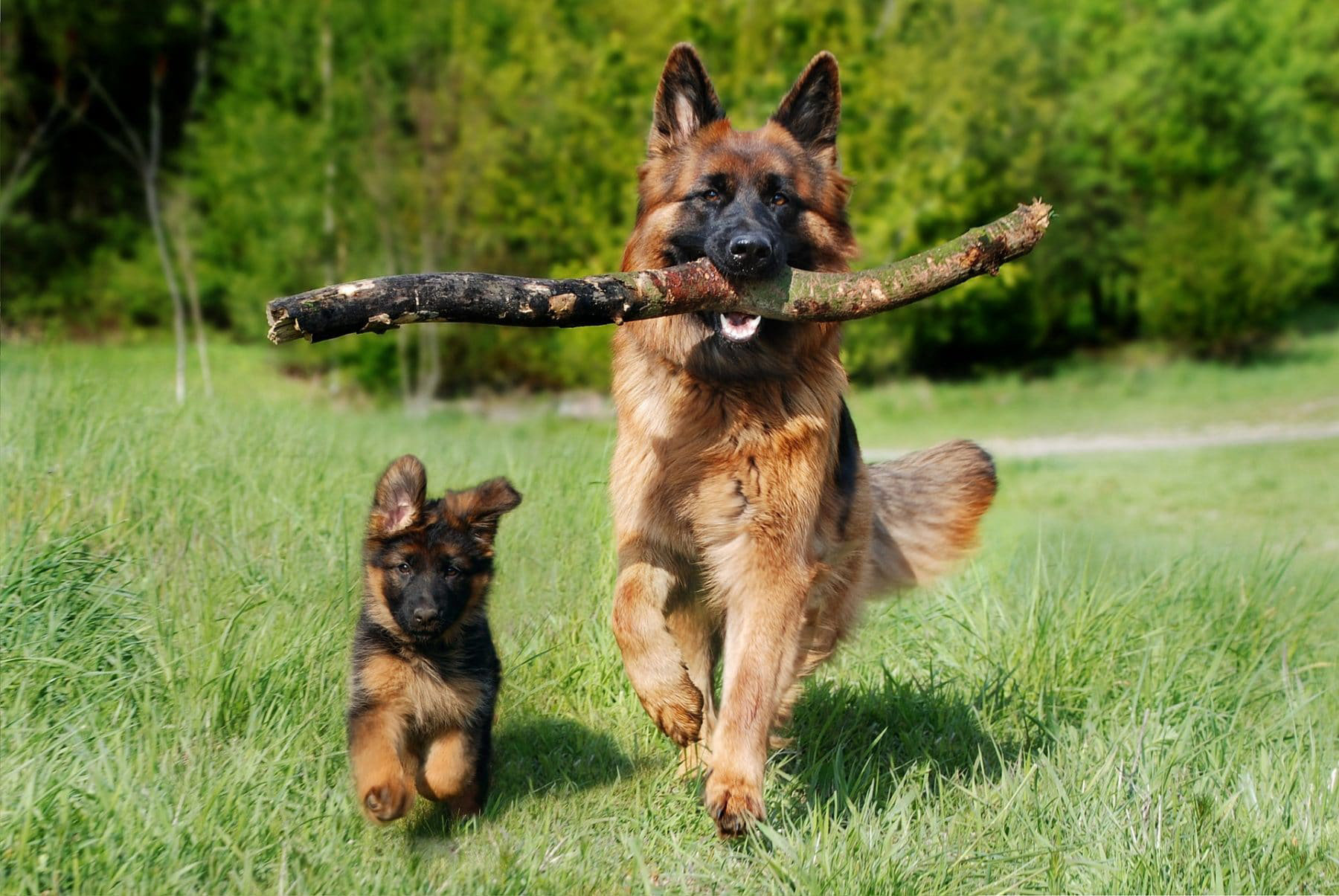
Most Popular Male Dog Names
Looking for the perfect dog name for your new male pup? We have created filterable lists of male dog names from our database of hundreds of thousands of Sniffspot users. You can filter by gender, breed and state to find the most cute, unique and creative male dog names.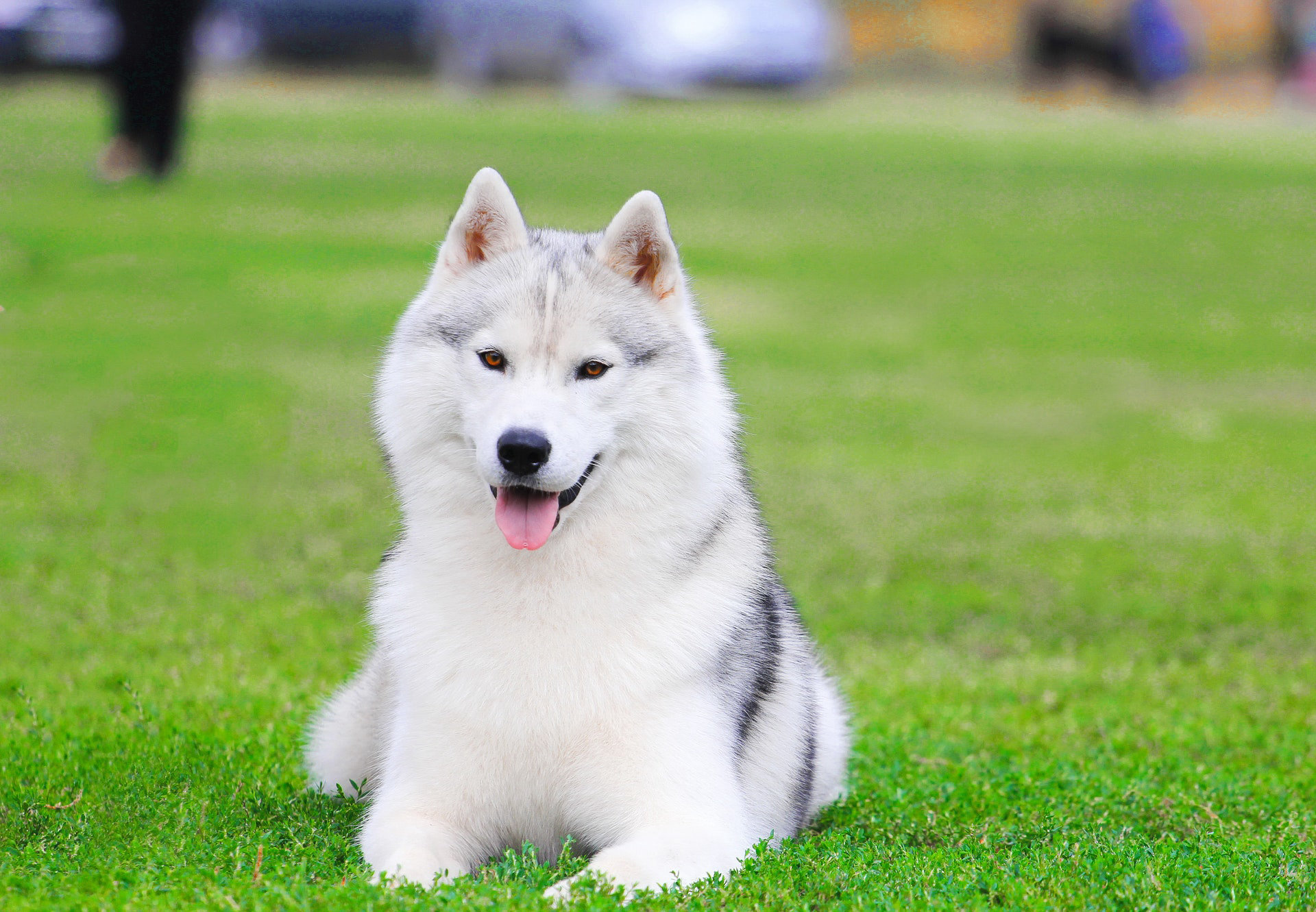
Most Popular Female Dog Names
Looking for the perfect dog name for your new female pup? We have created filterable lists of female dog names from our database of hundreds of thousands of Sniffspot users. You can filter by gender, breed and state to find the most cute, unique and creative female dog names.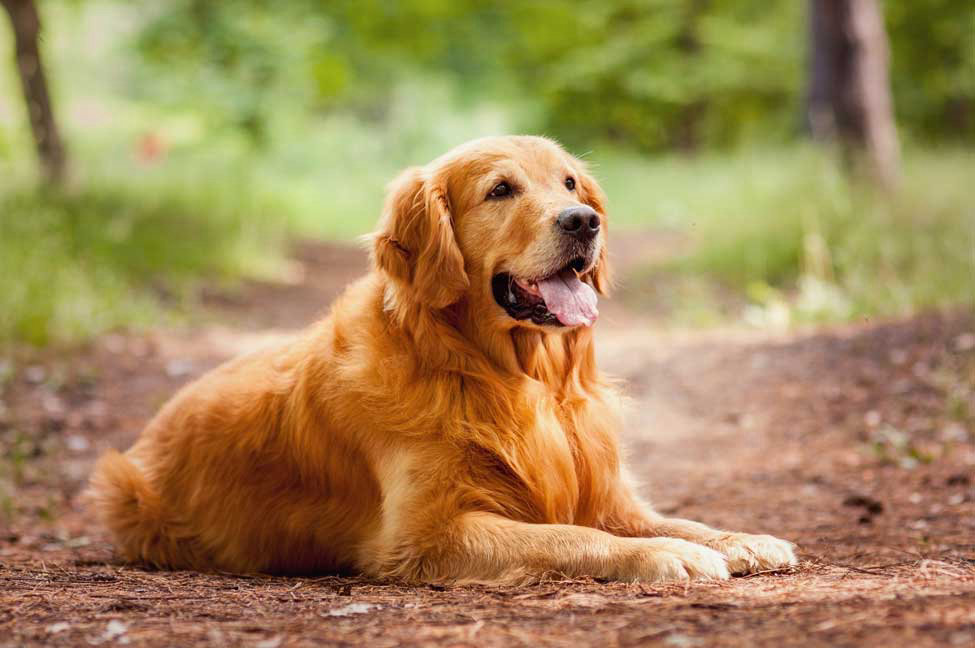
Most Popular Golden Retriever Names
Welcome to our comprehensive list of Golden Retriever dog names, curated from our vast database of Sniffspot users. Filter through hundreds of thousands of options by gender, breed, and state to discover the most adorable, original, and imaginative names for your beloved Golden Retriever.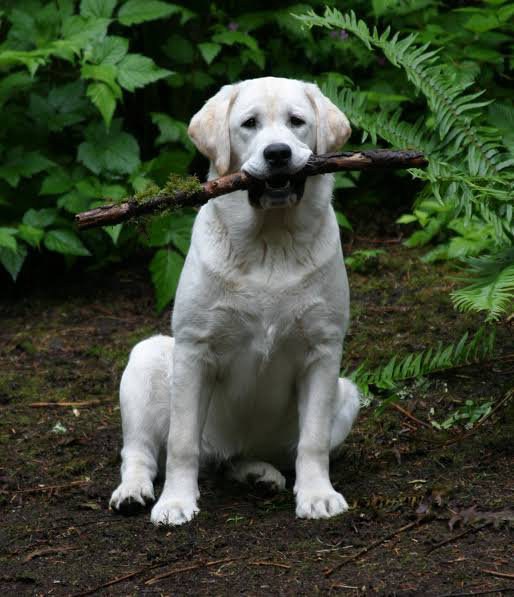
Most Popular Labrador Retriever Names
Welcome to our Labrador Retriever dog names page! Here you can browse through filterable lists of names for your beloved furry friend, ranging from cute and classic to unique and creative options. Our database of hundreds of thousands of Sniffspot users ensures you'll find the perfect name for your Labrador Retriever, whether you're seeking a name for a male or female, based on breed or state.


Top dog rescues in the US

The Best Washington Dog Rescues & Shelters in 2026
This list showcases the top dog rescues & shelters in Washington. These remarkable organizations have been recognized for their unwavering dedication to the well-being of countless dogs.
The Best Oregon Dog Rescues & Shelters in 2026
This list showcases the top dog rescues & shelters in Oregon. These remarkable organizations have been recognized for their unwavering dedication to the well-being of countless dogs.
The Best California Dog Rescues & Shelters in 2026
This list showcases the top dog rescues & shelters in California. These remarkable organizations have been recognized for their unwavering dedication to the well-being of countless dogs.
The Best Florida Dog Rescues & Shelters in 2026
This list showcases the top dog rescues & shelters in Florida. These remarkable organizations have been recognized for their unwavering dedication to the well-being of countless dogs.
The Best New York Dog Rescues & Shelters in 2026
This list showcases the top dog rescues & shelters in New York. These remarkable organizations have been recognized for their unwavering dedication to the well-being of countless dogs.
/354x256/Photos/SeoDogRescue/1282/178507e67e44-MC_logo_square.jpg)
/354x256/Photos/SeoDogRescue/931/cef8bbb17769-South_Coast_Humane_Society.png)
/354x256/Photos/SeoDogRescue/61/30aea3371b69-MainSquare_2.png)
/354x256/Photos/SeoDogRescue/298/1000035238.jpg)
/354x256/Photos/SeoDogRescue/814/91cfd62cd986-IMG_1035.jpeg)