Top articlesSee all...

A Comprehensive Guide to Dog Exercise

How To Crate train An Older Dog - A Comprehensive Guide

How To Socialize A Dog - A Comprehensive Guide

Leash Training: A Guide to Training Your Dog to Walk on a Leash

Skijoring: A Guide to Skijoring with Dogs

The Best Dog Enrichment Toys

The Best United States Dog Parks

The Best Indoor Dog Parks in the United States

The Best Off-Leash Dog Parks in the United States
Top articles
A Comprehensive Guide to Dog Exercise
How To Crate train An Older Dog - A Comprehensive Guide
How To Socialize A Dog - A Comprehensive Guide
Leash Training: A Guide to Training Your Dog to Walk on a Leash
Skijoring: A Guide to Skijoring with Dogs
The Best Dog Enrichment Toys
The Best United States Dog Parks
The Best Indoor Dog Parks in the United States
The Best Off-Leash Dog Parks in the United States
See all...Resource Guarding in Dogs: What It Is, Why It Happens, and How to Fix It

/fit-in/0x450/wp-content/uploads/2026/05/dog-resource-guarding-a-toy.png)
The first time your dog growls at you over a chew bone, it's jarring. You didn't see it coming. You thought you knew this dog.
What you just witnessed is resource guarding, and it's one of the most misunderstood behaviors in dogs. It's natural to feel shaken, or to wonder if something is wrong with your dog. But resource guarding is a deeply instinctual behavior with roots in survival biology, not a character flaw or a sign of aggression. It's a sign that your dog has learned, through experience or genetics or both, that valued things sometimes get taken away.
The good news is that resource guarding is manageable with the right approach. The how matters, though. The way you respond in those early moments shapes whether this behavior improves or escalates.
This guide covers what resource guarding in dogs looks like, why it happens, and how to address it through training. Whether you're dealing with a puppy who growls over a food bowl or an adult dog who resource guards a favorite human, the same core principles apply.
Jump Ahead: Resource Guarding in Dogs
- What Is Resource Guarding?
- What Do Dogs Resource Guard?
- What Resource Guarding Looks Like
- Why Dogs Resource Guard
- Resource Guarding vs. Food Aggression
- Resource Guarding vs. Dominance
- How to Stop Resource Guarding in Dogs
- Step-by-Step Resource Guarding Training Protocol
- My Dog Is Resource Guarding Me
- Puppy Resource Guarding
- Resource Guarding with Other Dogs
- When to Call a Professional
- Frequently Asked Questions: Resource Guarding in Dogs
- Final Thoughts: Resource Guarding in Dogs
Key Takeaways
- Dog resource guarding is normal behavior rooted in survival instinct, not aggression
- It exists on a spectrum from mild stiffening to snapping, and can escalate if mishandled
- The most effective approach is building positive associations with approach, not taking things away
- Punishment makes resource guarding worse
- Puppies can develop resource guarding early, and prevention is much easier than fixing it later
- Some cases require professional support, especially if there's been any biting
What Is Resource Guarding?
Resource guarding is a behavior in which a dog controls access to something they value by communicating that others should back off. That communication can be subtle, like a hard stare or a stiffening of the body, or overt, like growling, snapping, or biting.
Dogs guard things because resources matter. In the wild, losing access to food, water, or resting space can mean not surviving. Even though your dog eats from a stainless bowl in a climate-controlled house, that instinct to protect valuable things is still wired in. Some dogs have it more strongly than others, and some situations trigger it more reliably than others. But it's present in most dogs to some degree.
What makes resource guarding in dogs a problem isn't the instinct itself. It's when the dog uses it in ways that are unsafe or unmanageable in a human household.

What Do Dogs Resource Guard?
The short answer is: anything they find valuable. That said, a few categories come up most often.
Food and food-adjacent items top the list. Food bowls, high-value treats, chews, bones, and pig ears are among the most common triggers. The higher the value of the item to the dog, the more likely it is to trigger guarding behavior.
Objects like toys, stolen items (a sock, a remote control), or resting spots like beds and furniture are also common targets. Some dogs are relaxed about toys in general but become tense the moment they have something they know they're not supposed to have.
Spaces are another category. A dog might guard their crate, a specific corner of the couch, or a spot near the front door. This can look like territorial behavior and overlaps with it, but the mechanism is the same: the dog is protecting something they perceive as theirs.
People are also a guarding target, and this one surprises a lot of owners. If your dog stiffens, growls, or gets between you and another person or animal when you're nearby, that's resource guarding directed at a human. We'll cover this in its own section.
What Resource Guarding Looks Like
Resource guarding exists on a spectrum, and understanding where on that spectrum your dog falls is important for figuring out how to respond.
The early warning signs tend to be subtle: a hard stare, a slowing of chewing, a slight stiffening of the body, or a pause when someone approaches. Many owners miss these signals entirely and first notice the behavior only when it escalates to something harder to ignore.
From there, the spectrum typically moves through: lowering the head over the resource, a low growl, a snarl or baring of teeth, a snap (often a warning with no contact), and in the most serious cases, a bite.
The important thing to understand is that the growl is communication, not aggression. A dog who growls is telling you they're uncomfortable and asking you to back off. If you punish the growl, you teach the dog that growling doesn't work, and the next step on that spectrum is a snap or a bite with no warning. This is one of the most common ways resource guarding escalates from manageable to dangerous.
Why Dogs Resource Guard
So the big question is: what causes resource guarding in dogs? The instinct to guard resources is normal and ancient. Dogs are descended from animals who competed for food, water, mates, and shelter. The ones who defended those things were more likely to survive. That drive didn't disappear when dogs moved into our homes.
Some dogs are more prone to resource guarding than others due to genetics, early experiences, or both. Dogs who went through periods of food insecurity or competition with littermates for resources may have a stronger guarding instinct. Some breeds are also more prone to guarding behaviors generally, though any dog of any breed can develop resource guarding under the right circumstances.
Past experiences also play a role. If a dog has learned that people approaching their bowl means the bowl gets taken away, they learn to guard it earlier. If, on the other hand, a dog has learned that people approaching means good things get added, the opposite happens. This is the foundation of how resource guarding training works.

Resource Guarding vs. Food Aggression
These two terms often get used interchangeably, but they're not quite the same thing.
Resource guarding is the broader category. It can involve any valued item, any person or animal, and any location. Food aggression is a specific subset of resource guarding focused on food: the bowl, treats, stolen snacks, anything edible.
Food aggression can sometimes look more intense than other forms of resource guarding because food is a high-value resource and the behavior often happens at predictable times (mealtimes), which means it gets rehearsed regularly. For a deeper look at this specific version of the behavior, food aggression in dogs has its own nuances worth understanding.
For the purposes of training, though, the approach is essentially the same: build positive associations with approach, don't punish the behavior, manage the environment to prevent rehearsal, and get professional help if there's been any biting.
It's also worth distinguishing resource guarding from general reactivity or aggression. A dog who guards their food bowl is not necessarily aggressive in other contexts. These are separate behavioral patterns, even if they can overlap.
Resource Guarding vs. Dominance
If you've searched for resource guarding before, you've probably come across the word "dominance." The framing usually goes something like: your dog is guarding because they think they're in charge, and you need to establish yourself as the alpha.
As debunked by VCA Animal Hospitals, this "dominance" theory is not accurate. Even more so, acting on it will make things worse.
Resource guarding is driven by anxiety, not status. Your dog isn't protecting their bone because they've decided they outrank you. They're protecting it because they're worried about losing it. Those are very different motivational states, and they require opposite responses. A dog who is anxious needs the association with approach to change. A dog who is being "dominated" into submission is just learning that the humans in their life are unpredictable and threatening which increases anxiety, which makes guarding worse.
The dominance framework also tends to produce the interventions most likely to get someone bitten: alpha rolls, stare-downs, forcibly taking items away. These escalate conflict rather than resolve it. A dog who feels cornered and anxious has fewer options, not more.
Resource guarding is about perceived scarcity. The dog has something, and they've learned (through experience or instinct) that it might disappear. The solution is to change that prediction, not to win a power struggle that isn't actually happening.
How to Stop Resource Guarding in Dogs
The goal of resource guarding training is to change how your dog feels about people approaching their valued things, not just to suppress the behavior. Suppressing the growl without addressing the underlying anxiety leaves the problem intact and removes the warning signal. That's worse.
The Trade-Up Game
The most reliable foundation for resource guarding training is the trade-up game. The concept is simple: whenever you need to take something from your dog, you offer them something better in exchange.
If your dog has a chew bone and you need them to give it up, show them a high-value treat (something significantly better than what they have, like a piece of chicken), let them sniff it, and use a cue like "drop it" or "trade." The moment they release the bone, deliver the treat. Then give the bone back. Returning the item is important because you want the dog to learn that giving something up doesn't mean losing it forever.
Over time, this shifts the dog's association from "someone approaching means I might lose this" to "someone approaching might mean something even better is coming." That's the actual change you're working toward.
Approach Conditioning at the Food Bowl
For dogs who guard their food bowls, approach conditioning is particularly useful. Start by approaching the bowl while your dog is eating and dropping in a high-value treat, then walking away. You're not reaching into the bowl or interacting with the dog directly. You're just training the association that your approach predicts good things.
Do this consistently over many repetitions. Most dogs begin to look up when they hear you approaching rather than hunching protectively over the bowl. That shift in body language is the thing you're watching for.
🐾 Practicing these exercises in a low-distraction, private space makes the early stages of training much more effective. Find a Sniffspot near you →
What Not to Do
Several common responses to resource guarding make the problem significantly worse.
Punishment is the most important one to avoid. Yelling at your dog, grabbing items forcibly, or using physical correction when they growl suppresses the warning signals and teaches the dog that their communication doesn't work. The behavior doesn't go away. The warning signs do. That's not progress, and it can actually become more dangerous.
Alpha rolling, staring down, or physically dominating a guarding dog are also counterproductive and can be genuinely dangerous. These approaches increase anxiety and conflict, which is the opposite of what you need.
Taking items away without trading also reinforces the dog's fear that approach means loss. The dog guarded the item. You took it. They were right to guard it. The behavior gets stronger.
Put it between "How to Stop Resource Guarding in Dogs" and "My Dog Is Resource Guarding Me" — right after the "What Not to Do" subsection. The flow would be: you explain the concept (trade-up game, approach conditioning, what not to do), then the protocol gives readers the actual roadmap before you move into the specific scenarios.
Step-by-Step Resource Guarding Training Protocol
Now that we've established the basics, let's talk resource guarding training. This protocol works for guarding directed at people. If you're dealing with two dogs in the same house, management (separating them during high-value moments) runs alongside the individual training below. They're not mutually exclusive!
One thing before you start: you need to know your dog's threshold. Threshold just means the point where your dog goes from relaxed to guarding. For most dogs it's about distance. They're fine when you're across the room and tense when you're three feet away.
Figure out roughly where that line is before you begin, because all of the early work happens below it. Training above threshold is just practice for guarding. This depiction below is a good reminder of how the training zone works vs. threshold.

Stage 1: Build the association (Week 1-2)
Start with a low-to-medium value item. Not their prized bully stick, just a regular toy or a bowl of kibble. Stay well outside that threshold distance. Toss a high-value treat (chicken, cheese, something noticeably better than what they have) in their direction and then walk away. Don't hover. Don't reach for the item. Don't make prolonged eye contact. Just walk up, drop something good, leave.
Do this 10 to 15 times a day in short passes. You're not teaching a behavior yet. You're changing how your dog feels about you approaching. The moment you're looking for is when your dog starts glancing up when they hear you coming instead of hunching protectively over the item. That shift, small as it looks, is the whole point of this stage.
When you're seeing that consistently, move on.
Stage 2: Decrease distance (Week 2-3)
Same exercise, just a step or two closer over multiple sessions. Only move closer when the previous distance is producing relaxed, anticipatory body language. If you see tension (stiffening, the dog pulling the item closer, a hard stare), you moved too fast. Back up. There's no prize for rushing this part, and rushing is how setbacks happen.
By the end of Stage 2, you should be able to walk up within a few feet of your dog while they have something, drop a treat, and walk away without any stress on either end.
Stage 3: Introduce "drop it" with low-value items (Week 3-4)
Grab a toy your dog genuinely does not care that much about. Hold out a high-value treat, and the moment they drop the toy to go for the treat, mark it and deliver. Then give the toy back. Every time. Giving the item back is the part most people skip, and it's the part that does the most work. The whole lesson you're teaching is that dropping something doesn't mean losing it. If you keep the item, you've just confirmed every suspicion your dog had.
Practice until "drop it" is fast and easy with low-value items.
Stage 4: Move up the value ladder (Week 4-6)
Incrementally work toward higher-value items. The treat you offer has to match or beat whatever you're asking them to give up. If you're asking for the bully stick, a piece of kibble isn't going to cut it. Keep returning the item after every drop. Watch body language. If you hit a level where the dog is hesitating or guarding again, stay there longer rather than pushing through.
Stage 5: Approach conditioning at the food bowl (ongoing)
If the bowl is a trigger, run this separately alongside everything else. Walk up while your dog is eating, drop something good into the bowl without reaching in or making a thing of it, and keep moving. Never take the bowl mid-meal. Do this consistently until your dog's response to hearing you approach during dinner is to look up hopefully rather than guard.
What done actually looks like
You're not trying to produce a dog who has zero guarding instinct. That's not realistic, and honestly it's not the goal.
You're trying to produce a dog whose first instinct when someone approaches their valued item is to think something good is about to happen, instead of bracing for a loss. That shift is real and achievable for most dogs. It just takes more repetitions than most people expect.
My Dog Is Resource Guarding Me
Resource guarding a person is sometimes called possessive aggression, and it's more common than people expect. When a dog is resource guarding their owner from other dogs, it usually looks like inserting themselves physically inserting themselves between you and another person or animal when you're nearby. A dog resource guarding a favorite human being is more common than people expect.
Resource guarding humans is usually rooted in insecurity rather than protectiveness. The dog values proximity to you and is anxious about losing it. The fix isn't to reassure the dog or let the behavior play out. That reinforces it.
What helps is a combination of things. Basic obedience training builds a dog's confidence and gives them a framework for what's expected of them. Impulse control exercises (sit, stay, go to your place) teach the dog that they don't get to make decisions about social access. And making sure the dog has positive relationships with all people in the household, not just one, reduces the intensity of the attachment driving the behavior.
If a partner or child is being growled at or snapped at, don't wait on this one. Reach out to a certified trainer sooner rather than later.
Puppy Resource Guarding
So what about resource guarding in puppies? Puppies can start showing resource guarding behavior early, sometimes as young as 8 to 10 weeks. Littermates compete for nursing access, food, and toys, and the dogs who advocated for themselves got more. That instinct comes with them when they leave the litter.
The earlier you address puppy resource guarding, the easier it is to shape. Puppies are still forming associations and learning what the world means. A puppy who learns from the start that people approaching their bowl predicts good things has a much better foundation than an adult dog who spent years practicing the opposite pattern.
Trade-up games are ideal for puppies because they work with the puppy's natural enthusiasm for food. Handle your puppy around their food regularly, drop treats into the bowl while they eat, and practice taking items from them and immediately returning them with something better. None of this needs to be a formal training session. Just weave it into daily life.
One thing to avoid: letting the puppy "win" standoffs. If your puppy growls over a toy and you back off, they just learned that growling works. The behavior gets reinforced. The right response is to produce something more exciting, redirect them, and then remove the item. If the growling is frequent or intense even at a young age, get a trainer involved early.
In other words, how to stop resource guarding in puppies comes down to building the right habits before the behavior solidifies.
Resource Guarding with Other Dogs
Resource guarding between dogs in the same household is one of the most common sources of dog-to-dog conflict. Most of the time it's manageable with some environmental adjustments.
The simplest and most effective starting point is to stop the conflict from happening by separating dogs during high-value resource moments. Feed dogs in separate rooms or crates, give chews and bones only when dogs are apart, and don't leave high-value items lying around when dogs are together and unsupervised. This isn't a permanent solution, but it stops the behavior from being rehearsed while you work on training.
From there, you're working on teaching each dog solid cue responses ("drop it," "leave it," "go to your place") so that you have something to redirect to when tensions begin to rise. The goal is to be able to call each dog off before the situation escalates. That takes training time with each dog individually before you can expect it to work in the context of another dog nearby.
Resource guarding at the dog park is a particular concern. Dogs who are prone to guarding can do well in many social situations but become dangerous at dog parks, where toys, water bowls, and owner attention all become contested resources and there's limited ability to manage the environment. Whether your dog is a good fit for the dog park is worth thinking through carefully if resource guarding is part of the picture.
🐾 One-on-one play in a private, fully fenced space is a lower-pressure alternative that lets you stay in control of the environment. Find a private Sniffspot near you →
When to Call a Professional
Resource guarding is one of the more trainable behavior issues, but there are situations where professional help isn't optional.
If there has been any biting, even a single incident that didn't break skin, you should get a certified professional involved before continuing to manage this on your own. A "warning bite" is still a bite, and the threshold for the next one is now lower.
If the guarding involves children in the household, don't wait for an escalation. Kids move unpredictably, don't read warning signals the way adults do, and are at the wrong height to be on the receiving end of a snap. Dog resource guarding around a baby is a specific situation that warrants professional help immediately — even before any incident occurs. A certified trainer can help you set up management protocols and a training plan that keeps everyone safe while you work through it.
If you've been working on the behavior for several weeks and aren't seeing progress, or if the behavior seems to be spreading to new items or getting more intense rather than less, that's also a sign that a professional assessment would be useful.
Aggressive dog training covers what to look for in a trainer for this kind of case. Look for someone who uses force-free methods and has specific experience with resource guarding and impulse control work.
Frequently Asked Questions: Resource Guarding in Dogs
What is resource guarding in dogs?
In dogs specifically, resource guarding is one of the most common behavior concerns that trainers see. It can show up in any breed, at any age, and in response to many different triggers. Most resource guarding cases are manageable with the right training approach, but the severity varies significantly from dog to dog.
How do I stop resource guarding in dogs?
The most effective approach is to build positive associations with people approaching valued items rather than suppressing the behavior through punishment. Trade-up games, approach conditioning at the food bowl, and consistent "drop it" training are the core tools. The goal is to change how your dog feels about approach, not just what they do in that moment. Punishment makes resource guarding worse over time.
How do I stop resource guarding with other dogs?
Management is the foundation: separate dogs during high-value resource moments (mealtimes, chew time), don't leave contested items around when dogs are together unsupervised, and train each dog individually on solid "drop it" and recall cues. Dog parks and other multi-dog environments can be problematic for resource-guarding dogs and are worth reconsidering during training.
How do I fix resource guarding in dogs?
"Fix" is a high bar, and the honest answer is that resource guarding in dogs is something you manage and reduce rather than eradicate entirely. Many dogs make significant progress with consistent positive training and become easy to live with even if the instinct never fully disappears. Others, particularly dogs with a long history of the behavior or dogs who have bitten, may always need some level of management around high-value items.
How do I prevent resource guarding?
Start early. With puppies, handle them around food from day one, practice trading games regularly, and teach them that people approaching their resources predicts good things. Avoid taking items away without offering something in return. Avoid punishment during meals or around valued items. These habits build a foundation that makes resource guarding much less likely to develop.
What does resource guarding mean?
It means your dog has learned to protect something valuable by communicating that others should back off. It doesn't mean your dog is dangerous, dominant, or unusually aggressive. It means they've concluded, based on their experience, that something they care about might be at risk when people get close. Understanding it that way makes it easier to train effectively.
Can resource guarding be fixed?
In most cases, yes, with the right approach and consistent work. Puppies and dogs with mild guarding behavior tend to make faster progress. Dogs with a long history of the behavior, dogs who have escalated to biting, or dogs who guard many different items may take longer and may benefit from professional support. The earlier you address it, the better the outcome tends to be.
How do I stop a dog from resource guarding a person?
Resource guarding a person is usually rooted in insecurity and an anxious attachment to one individual. The response is to invest in obedience training and impulse control for the dog, build positive relationships between the dog and other people in the household, and teach the dog that they don't get to make decisions about social access. If the behavior has escalated to snapping or growling at family members, involve a certified trainer.
Why is my dog resource guarding all of a sudden?
Sudden onset resource guarding in a dog who didn't show it before is worth a vet visit. Pain, illness, or a change in household dynamics (new pet, new baby, a move) can trigger guarding behavior that wasn't there previously. If you've ruled out medical causes, the training approach is the same — but sudden escalation warrants a professional consult.
Final Thoughts: Resource Guarding in Dogs
Resource guarding in dogs is uncomfortable to deal with, especially when it comes out of nowhere. But it makes sense when you understand where it comes from. Your dog isn't challenging you. They're worried about losing something that matters to them.
The path through it is to address that worry directly. Build a track record of approach meaning good things. Trade fairly. Don't take without returning. And if the behavior is intense, frequent, or has escalated to biting, get help before the window closes on the easier version of this problem.
A dog who guards their bone isn't a bad dog. They're a dog who needs a different association with what happens next. That association can be built.
🐾 Working on resource guarding training? A private, distraction-free space makes early training sessions significantly easier. Book a Sniffspot now →
There is so much misinformation out there, we want to make sure we only provide the highest quality information to our community. We have all of our articles reviewed by qualified, positive-only trainers.
This is the trainer that reviewed this article:
Rayanne Spence CPDT-KA, IAABC-ADT
Professional Dog Trainer – Animal Medical Center of Hattiesburg


/fit-in/0x128/wp-content/uploads/2026/09/is-pet-insurance-worth-it.png)
/fit-in/0x128/wp-content/uploads/2026/09/first-night-with-rescue-dog.png)
/fit-in/0x128/wp-content/uploads/2026/09/What-are-the-requirements-to-adopt-a-dog.png)
/fit-in/0x128/wp-content/uploads/2020/07/shutterstock_330043559-1.jpg)
/fit-in/0x128/wp-content/uploads/2026/05/national-dog-rescue-day.png)
Most recent articles
/fit-in/0x256/wp-content/uploads/2026/09/is-pet-insurance-worth-it.png)
/fit-in/0x256/wp-content/uploads/2026/09/first-night-with-rescue-dog.png)
/fit-in/0x256/wp-content/uploads/2026/09/What-are-the-requirements-to-adopt-a-dog.png)
/fit-in/0x128/wp-content/uploads/2026/09/Dog-heartworm-prevention.png)
/fit-in/0x256/wp-content/uploads/2026/09/Dog-heartworm-prevention.png)
/fit-in/0x128/wp-content/uploads/2026/09/insurance-that-pays-vet-directly.png)
/fit-in/0x256/wp-content/uploads/2026/09/insurance-that-pays-vet-directly.png)
/fit-in/0x128/wp-content/uploads/2026/09/what-does-pet-insurance-cover.png)
/fit-in/0x256/wp-content/uploads/2026/09/what-does-pet-insurance-cover.png)
Related articles
Top dog guides per area
Dog training guides

Best Dog Fields in the US: 25+ Wide-Open Spaces for Your Pup to Run Free
The best dog fields in the US offer something that traditional enclosed parks simply can't match: acres of open space where your pup can truly stretch their legs and run at full speed. From Colorado's 470-acre prairie meadows to Tennessee's award-winning "Outback," these wide-open spaces allow dogs to roam, explore, and exercise naturally while engaging instincts that cramped urban parks suppress.

Dog Food Aggression & Resource Guarding Guide
Does your dog ever growl when you walk by their food dish? Maybe they get possessive of treats, carrying them far away and giving you side-eye when you start to approach — or snarling at your other pets or children if they get too close.

The Ultimate Guide to Scent Training for Dogs
Your dog's nose is an amazing tool. Did you know they have 40 times the olfactory receptors than humans? Scent training for dogs taps into this superpower, turning everyday moments into exciting sniff-fests. It's enriching for all types of dogs – reactive, shy, or simply adventurous. Ready to explore the world of scent work for dogs? Let's get started.

How Much Does It Cost to Train a Service Dog?
More than 80 million Americans rely on their service dogs to help them navigate the world. Task-trained assistance animals perform a huge range of life-changing—in many cases, life-saving—services: These dogs act as eyes for visually impaired handlers, provide mobility support, alert to seizures and blood sugar crashes, interrupt anxiety attacks, remind their people to take medications, and so much more.

How to Deal With Puppy Potty Training Regression

Dirty Dog Syndrome: Causes, Solutions, and Prevention
It's a cringe-worthy moment every dog owner dreads: your furry friend chowing down on something truly disgusting. If your dog has a penchant for poop, you're dealing with coprophagia. It's more common than you think, and thankfully, often manageable. This article explores the reasons behind dirty dog syndrome, from instinct to learned behavior. We'll also give you practical tips to help break this unpleasant habit.
/354x256/wp-content/uploads/2025/09/Screenshot-2025-09-21-at-6.39.54-PM.png)
/354x256/wp-content/uploads/2020/08/bernese-mountain-dog-208092_1280.jpg)
/354x256/wp-content/uploads/2022/04/shutterstock_543831754.jpg)
/354x256/wp-content/uploads/2022/08/shutterstock_494495788-1.jpg)
/354x256/wp-content/uploads/2022/07/shutterstock_237584221-1.jpg)
/354x256/wp-content/uploads/2022/10/shutterstock_705844504.jpg)
Dog enrichment guides
Best Dog Fields in the US: 25+ Wide-Open Spaces for Your Pup to Run Free
The best dog fields in the US offer something that traditional enclosed parks simply can't match: acres of open space where your pup can truly stretch their legs and run at full speed. From Colorado's 470-acre prairie meadows to Tennessee's award-winning "Outback," these wide-open spaces allow dogs to roam, explore, and exercise naturally while engaging instincts that cramped urban parks suppress.

Best Dog Water Parks in the US: 15+ Amazing Splash Destinations for Your Pup
Do you have a water-loving dog looking to burn some energy? There are countless dog parks to visit throughout our country — but some of them become far too hot in the midday sun to be safe for your pets to play. That’s why we’ve put together a list of some of the best dog water parks throughout the United States! At these locations, your pup can frolic, splash, and swim to their heart’s content.

Best Toys for Herding Dogs: Keeping Your Pup Happy & Engaged
Herding dogs are amazing, intelligent companions. But that also means they need more than just a simple game of fetch. Finding the right toys for herding dogs is key to keeping them happy and stimulated. This article explores some of the best toys for herding dogs, including options specifically for breeds like Border Collies and Australian Shepherds. We'll help you discover the perfect herding toys for dogs to tap into their natural instincts and keep them entertained for hours.

Tough Dog Toys for Aggressive Chewers: A Practical Guide
Does your dog destroy every toy you give them? Is your house littered with the remnants of plush toys? Are you tired of wasting money on "indestructible" dog toys for aggressive chewers that don't last? Then this post is for you. We'll cover everything you need to know about finding the best dog toys for aggressive chewers, so you can finally give your pup something safe, durable, and fun.

Dog Exercise Calculator: How Much Exercise Does Your Dog Need?
Every dog needs to move, but how much is actually enough? The answer depends on more than just breed. Age, health, and even your own lifestyle all play a role in figuring out the right daily exercise routine for your pup.

Complete Guide To Herding With Dogs
* All Sniffspot articles are reviewed by certified trainers for quality, please see bottom of article for details *
/354x256/wp-content/uploads/2023/04/dogwaterpark.png)
/354x256/wp-content/uploads/2022/05/shutterstock_174836186.jpg)
/354x256/wp-content/uploads/2023/02/shutterstock_1346929262.jpg)
/354x256/wp-content/uploads/2022/08/dogexercisecalculatorfeaturedimage.jpg)
/354x256/wp-content/uploads/2020/07/bb.jpg)
Dog reactivity guides
Best Dog Fields in the US: 25+ Wide-Open Spaces for Your Pup to Run Free
The best dog fields in the US offer something that traditional enclosed parks simply can't match: acres of open space where your pup can truly stretch their legs and run at full speed. From Colorado's 470-acre prairie meadows to Tennessee's award-winning "Outback," these wide-open spaces allow dogs to roam, explore, and exercise naturally while engaging instincts that cramped urban parks suppress.

Rottweiler Aggression: Signs, Causes & Training
Many dogs have gotten a bad reputation over the years for being "dangerous breeds." Rottweilers are among them. Like pit bulls and other large, blocky-headed types of dogs, these powerful and beautiful animals are often assumed to be aggressive.

The Reactive Dog Chart: How to Calm Your Dog's Triggers
If your dog lunges, barks, or loses their mind at the sight of another dog, a stranger, or a bicycle, you’re living with a reactive dog (and you’re far from alone). Dog reactivity is one of the most common behavioral challenges dog owners face, and it can make even a simple walk feel stressful and isolating.

How to Socialize a Reactive Dog: A Step-by-Step Guide
Does your dog display reactivity to other pets or people—barking, lunging, or growling when they see their triggers? Whether they're a rescue still settling in, missed critical socialization as a puppy, or had a negative experience that changed how they see the world, you're not alone. Reactivity is one of the most common dog behavior concerns, and with the right approach, you can help your dog feel calmer and more confident.

What Is a Reactive Dog? The Complete Guide for Understanding and Helping Your Pup
Does your dog transform into a barking, lunging tornado the second they spot another dog across the street? You're definitely not alone. According to our research of over 4,000 dog owners, 66% of dogs show some signs of reactivity.

9 Best Online Communities for Reactive Dog Parents
Does your dog's reactivity make walks stressful? You're not alone. Many dog owners face similar challenges. This guide offers practical advice and support for managing reactivity, including finding the best online dog training for reactive dogs. We'll connect you with reactive dog support groups, share training tips, and explore resources like the best dog training app for reactive dogs. Let's build a stronger bond with your dog, together.
* All Sniffspot articles are reviewed by certified trainers for quality, please see bottom of article for details *
/354x256/wp-content/uploads/2023/05/Screen-Shot-2024-05-23-at-9.33.57-PM.png)
/354x256/wp-content/uploads/2022/08/dogreactivitychartfeaturedimage.jpg)
/354x256/wp-content/uploads/2022/08/shutterstock_523383649.jpg)
/354x256/wp-content/uploads/2020/07/a.jpg)
/354x256/wp-content/uploads/2022/01/shutterstock_796422001.jpg)
Sniffspot community guides
Best Dog Fields in the US: 25+ Wide-Open Spaces for Your Pup to Run Free
The best dog fields in the US offer something that traditional enclosed parks simply can't match: acres of open space where your pup can truly stretch their legs and run at full speed. From Colorado's 470-acre prairie meadows to Tennessee's award-winning "Outback," these wide-open spaces allow dogs to roam, explore, and exercise naturally while engaging instincts that cramped urban parks suppress.

The State of Public Dog Parks Across the United States
From 2009 to 2020, there was a 40 percent increase in the development of public dog parks. Designated spots for canine exercise have become commonplace in every major city in North America — many pet owners won’t even consider renting an apartment that doesn’t have its own fenced-in pet area for their canine companions.

How This Family is Affording Their Dream Property Through Renting it Hourly to Dogs
Thousand Oaks, California has been a safe haven for Sniffspot host, Jen, since childhood. Having grown up in busy Santa Barbara, Jen, an introvert from an early age, would seek out solitude and serenity away from tourists attractions and droves of people visiting from elsewhere. “My grandparents own 60 acres about a 30 minute drive from here, and I grew up spending every summer and every holiday visiting them on the ranch,” Jen explained. “In Santa Barbara, we wouldn't go to the beach on the weekend because that's where everybody was, so you'd find places off the beaten path where the tourists weren't. For me, the ranch was just my happy place.”

Host Tips: Ellen K. What Makes Sniffspot Successful for Me
Ellen is the host of Country Pasture Getaway, one of Sniffspot's most popular sniff spots. She has taken the time to write up the lessons she has learned about how to be a great sniff spot host.

How this Oregon Farmer is Making a Business From Renting Her Land to Dogs
Just 20 minutes outside of the busy city of Portland, Oregon, and settled right on the banks of the Columbia River, you’ll find what countless visitors have flocked to the area in search of – mountain views, crisp, clean air, and running water for miles. What you might not expect to find, however, is a hidden oasis designed just for dogs and their people, owned and operated by a farming couple and enjoyed by visitors on two legs, and four.

Host Tips: Fran T. Providing Great Guest Service at our Spot
Fran is the host of Ranch Setting, one of Sniffspot's most popular spots. She has taken the time to write up the lessons she has learned about how to be a great Sniffspot host.
/354x256/wp-content/uploads/2022/07/Sniffspot_infographic_1-01.jpeg)
/354x256/wp-content/uploads/2021/05/Final-Edit-003-1.jpg)
/354x256/wp-content/uploads/2020/07/good-photo-3_orig.jpg)
/354x256/wp-content/uploads/2021/05/sniffspot-28-of-45-1.jpg)
/354x256/wp-content/uploads/2020/07/screen-shot-2019-09-19-at-2-01-47-pm_orig.png)
Top dog trainers in the US
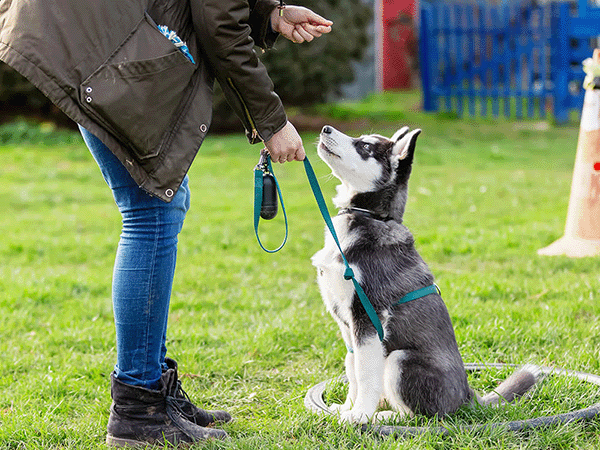
The Best Dog Trainers in the United States of 2026
This is a list of the top dog trainers in the United States, based on votes from the Sniffspot community and the general public.
The Best Dog Trainers in Seattle, WA of 2026
This is a list of the top dog trainers in Seattle, WA, based on votes from the Sniffspot community and the general public.
The Best Dog Trainers in Portland, OR of 2026
This is a list of the top dog trainers in Portland, OR, based on votes from the Sniffspot community and the general public.
The Best Dog Trainers in Los Angeles, CA of 2026
This is a list of the top dog trainers in Los Angeles, CA, based on votes from the Sniffspot community and the general public.
The Best Dog Trainers in New York, NY of 2026
This is a list of the top dog trainers in New York, NY, based on votes from the Sniffspot community and the general public.


City dog park guides
Best Dog Fields in the US: 25+ Wide-Open Spaces for Your Pup to Run Free
The best dog fields in the US offer something that traditional enclosed parks simply can't match: acres of open space where your pup can truly stretch their legs and run at full speed. From Colorado's 470-acre prairie meadows to Tennessee's award-winning "Outback," these wide-open spaces allow dogs to roam, explore, and exercise naturally while engaging instincts that cramped urban parks suppress.

Top 10 Indoor Dog Parks: A US Guide
Looking for a space to play with your dog no matter what the weather’s like outside? Look no further than our list of the best indoor dog parks in the United States! These climate-controlled spaces are growing in popularity as pet ownership increases throughout the country. As a bonus, many of them also offer dog training, boarding, grooming, or daycare services on the premises.

Best Dog Parks in the US: Ultimate Guide to Public & Private Off-Leash Adventures
Is your pup giving you those pleading "let me run free" eyes? Whether you're a new dog parent or a seasoned pro looking for fresh adventures, finding the perfect off-leash paradise for your furry friend can feel ruff! From sun-soaked California beaches where your water-loving lab can make a splash to mountain trails in Vermont where your adventure buddy can chase every scent, we've sniffed out the 15 best dog parks across America.

Dog Parks Near Me: Las Vegas Edition
Looking for the perfect dog park near me in Las Vegas? You're in luck! This guide explores all the best options for your pup, from public dog parks to private dog parks near me on Sniffspot. We'll help you find the ideal spot for playtime, socializing, and fresh air. Plus, we'll cover essential etiquette and safety tips to ensure a happy visit for everyone. Get ready for some tail-wagging fun!
Discover the Perfect Dog Park in Las Vegas
This page is about public city dog parks and also includes Sniffspot private dog parks. Sniffspot is the largest network of private dog parks for rent in the world!Best Dog Parks in the US: Off-Leash Guide
Looking for the perfect dog park? Whether you need a wide-open public space or a private, fenced-in spot, this guide will help you find the best dog parks across the US. We'll cover top-rated public parks, the perks of private dog parks, and even explore Sniffspot locations – giving your pup a safe and fun place to play. Ready to find your dog's new favorite spot? Let's go!

Sniffspot: Portland's Best Private Dog Parks
Ready to discover Portland's best dog parks? Whether you're looking for a public park or the unique experience of a private Sniffspot, this guide has you covered. We'll help you find the perfect spot for your pup, with tips on what to bring, how to prepare, and even understanding dog body language. Plus, we'll explore some top Portland dog parks, including public and Sniffspot options, so you can plan your next dog-friendly adventure in the City of Roses.
Portland Dog Parks: Public & Private Options
This page is about public city dog parks and also includes Sniffspot private dog parks. Sniffspot is the largest network of private dog parks for rent in the world!
/354x256/wp-content/uploads/2023/04/indoordogparks.png)
/354x256/wp-content/uploads/2023/03/offleashdogparks.png)
/354x256/wp-content/uploads/2023/02/vegas.jpg)
/354x256/wp-content/uploads/2023/02/portland.jpg)
Dog breeds
Best Dog Fields in the US: 25+ Wide-Open Spaces for Your Pup to Run Free
The best dog fields in the US offer something that traditional enclosed parks simply can't match: acres of open space where your pup can truly stretch their legs and run at full speed. From Colorado's 470-acre prairie meadows to Tennessee's award-winning "Outback," these wide-open spaces allow dogs to roam, explore, and exercise naturally while engaging instincts that cramped urban parks suppress.

German Shepherd Guide: Best Family Dog? Truth from 9K Owners
The German Shepherd Dog (GSDs) are known for their intelligence, loyalty, and striking appearance. They're also incredibly versatile, excelling as working dogs and devoted family companions. This guide covers everything you need to know about GSDs, from understanding their unique traits and rich history to practical advice on training and care. So, whether you're a seasoned GSD owner or just starting your research, let's explore this remarkable breed together.

Labrador Retriever: Real Tips from Owners
Discover the Labrador Retriever, a breed celebrated for its playful nature, affectionate temperament, and trainability. Labradors are known for their friendly demeanor and adaptability, making them perfect family companions and versatile working dogs. As one of the most popular types of retrievers, Labs are ideal companions for various lifestyles and are recognized by the American Kennel Club (AKC) as an excellent breed for families.

Golden Retriever Advice: The Complete Owner's Guide
Golden Retrievers: they're gorgeous, playful, and incredibly popular. But before you welcome one into your home, you need the right golden retriever advice. This guide draws on the wisdom of nearly 10,000 Golden Retriever owners, offering practical tips for caring for these affectionate dogs. From understanding their high energy levels to mastering grooming and training, we'll cover everything you need to know. So whether you're already a devoted Golden parent or just starting your research, get ready to learn how to give your furry friend the best possible care.

Are American Staffordshire Terriers Good for First-Time Owners: Complete Guide
Think American Staffordshire Terriers are tough? Think again. While their muscular build might intimidate some, these dogs are known for their playful and loyal personalities. This guide draws on the experience of nearly 10,000 AmStaff owners to reveal the truth about this often misunderstood breed. Want to learn more about caring for an American Staffordshire Terrier? You're in the right place.

Australian Shepherd Facts: Breed Info & Care Guide
Discover the Australian Shepherd, an AKC breed celebrated for its trainable, playful, and affectionate nature. Despite its name, the Australian Shepherd is actually a native breed to the United States, originally developed to breed on farms and ranches. Considered a medium dog, Australian Shepherds were bred for herding beginning in the 1950s. As one of the high-energy breeds, Aussies are known for their boundless energy and need for regular exercise, including aerobic exercise.
/354x256/wp-content/uploads/2024/07/German-Shepherd-Dog.png)
/354x256/wp-content/uploads/2024/07/Screen-Shot-2024-07-24-at-4.06.05-PM.png)
/354x256/wp-content/uploads/2024/07/Screen-Shot-2024-07-25-at-3.05.09-PM.png)
/354x256/wp-content/uploads/2024/07/staffy.jpg)
/354x256/wp-content/uploads/2024/07/Screen-Shot-2024-07-25-at-3.39.43-PM.png)
Top dog names in the US
Top 1,000 Most Popular Dog Names
Looking for the perfect dog name for your new pup? We have created filterable lists of dog names from our database of hundreds of thousands of Sniffspot users. You can filter by gender, breed and state to find the most cute, unique and creative dog names.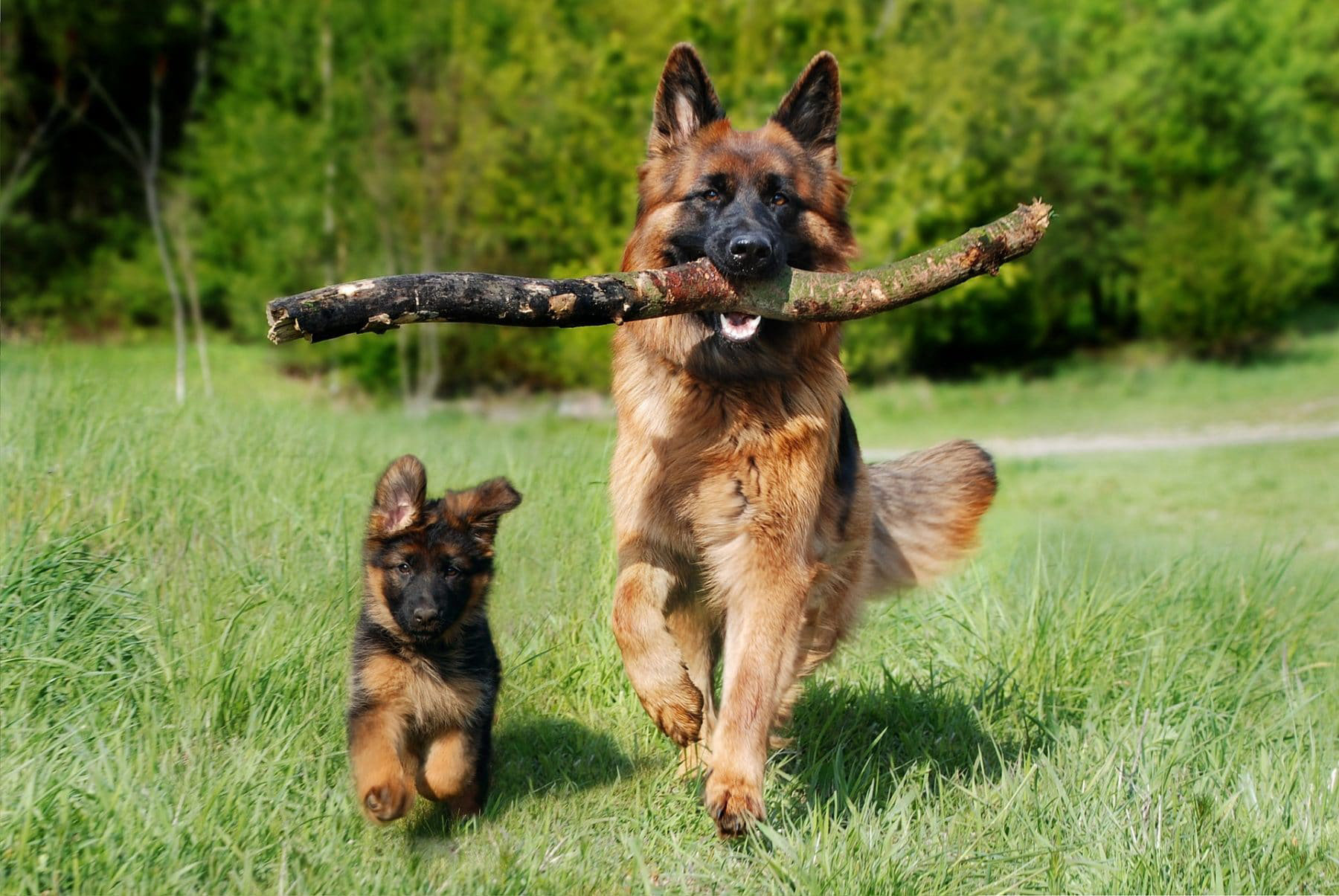
Most Popular Male Dog Names
Looking for the perfect dog name for your new male pup? We have created filterable lists of male dog names from our database of hundreds of thousands of Sniffspot users. You can filter by gender, breed and state to find the most cute, unique and creative male dog names.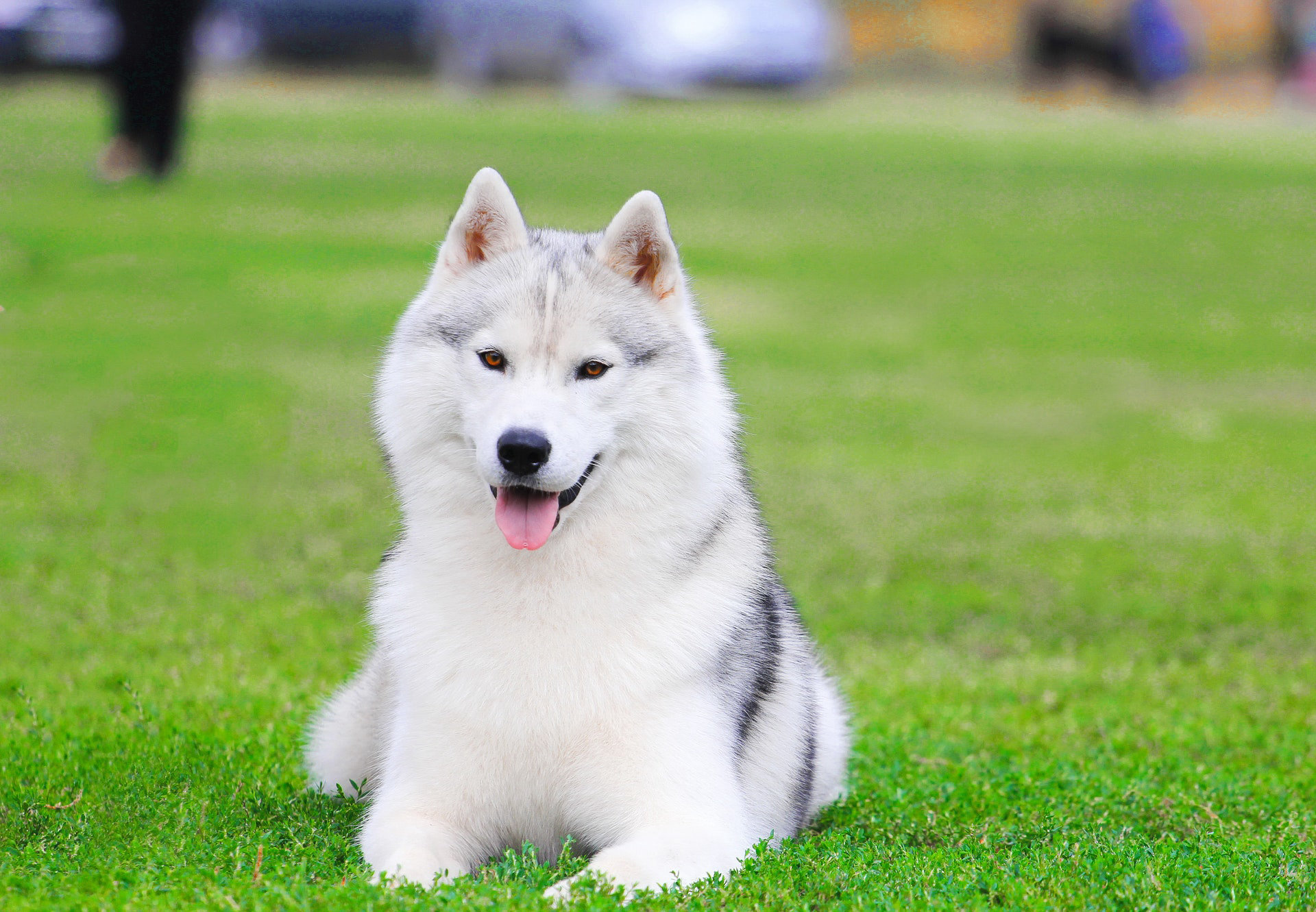
Most Popular Female Dog Names
Looking for the perfect dog name for your new female pup? We have created filterable lists of female dog names from our database of hundreds of thousands of Sniffspot users. You can filter by gender, breed and state to find the most cute, unique and creative female dog names.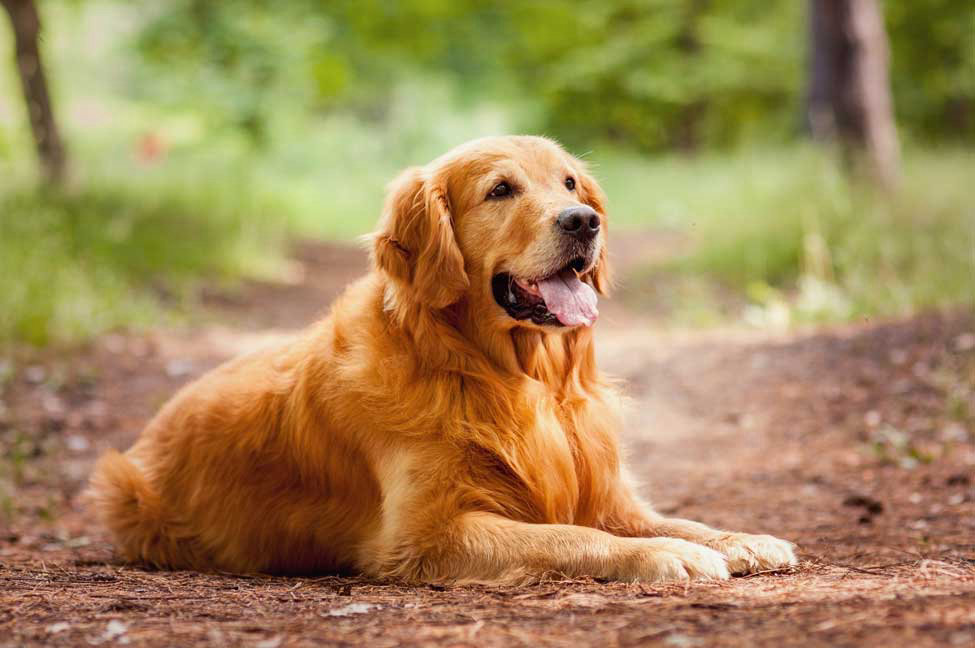
Most Popular Golden Retriever Names
Welcome to our comprehensive list of Golden Retriever dog names, curated from our vast database of Sniffspot users. Filter through hundreds of thousands of options by gender, breed, and state to discover the most adorable, original, and imaginative names for your beloved Golden Retriever.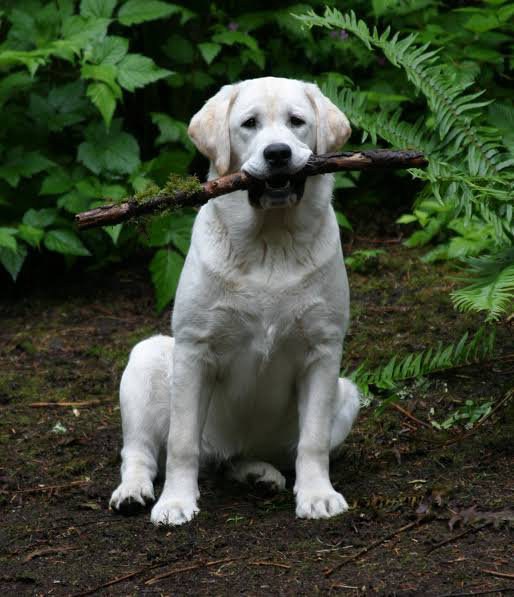
Most Popular Labrador Retriever Names
Welcome to our Labrador Retriever dog names page! Here you can browse through filterable lists of names for your beloved furry friend, ranging from cute and classic to unique and creative options. Our database of hundreds of thousands of Sniffspot users ensures you'll find the perfect name for your Labrador Retriever, whether you're seeking a name for a male or female, based on breed or state.


Top dog rescues in the US

The Best Washington Dog Rescues & Shelters in 2026
This list showcases the top dog rescues & shelters in Washington. These remarkable organizations have been recognized for their unwavering dedication to the well-being of countless dogs.
The Best Oregon Dog Rescues & Shelters in 2026
This list showcases the top dog rescues & shelters in Oregon. These remarkable organizations have been recognized for their unwavering dedication to the well-being of countless dogs.
The Best California Dog Rescues & Shelters in 2026
This list showcases the top dog rescues & shelters in California. These remarkable organizations have been recognized for their unwavering dedication to the well-being of countless dogs.
The Best Florida Dog Rescues & Shelters in 2026
This list showcases the top dog rescues & shelters in Florida. These remarkable organizations have been recognized for their unwavering dedication to the well-being of countless dogs.
The Best New York Dog Rescues & Shelters in 2026
This list showcases the top dog rescues & shelters in New York. These remarkable organizations have been recognized for their unwavering dedication to the well-being of countless dogs.
/354x256/Photos/SeoDogRescue/1282/178507e67e44-MC_logo_square.jpg)
/354x256/Photos/SeoDogRescue/931/cef8bbb17769-South_Coast_Humane_Society.png)
/354x256/Photos/SeoDogRescue/61/30aea3371b69-MainSquare_2.png)
/354x256/Photos/SeoDogRescue/298/1000035238.jpg)
/354x256/Photos/SeoDogRescue/814/91cfd62cd986-IMG_1035.jpeg)