Top articlesSee all...

A Comprehensive Guide to Dog Exercise

How To Crate train An Older Dog - A Comprehensive Guide

How To Socialize A Dog - A Comprehensive Guide

Leash Training: A Guide to Training Your Dog to Walk on a Leash

Skijoring: A Guide to Skijoring with Dogs

The Best Dog Enrichment Toys

The Best United States Dog Parks

The Best Indoor Dog Parks in the United States

The Best Off-Leash Dog Parks in the United States
Top articles
A Comprehensive Guide to Dog Exercise
How To Crate train An Older Dog - A Comprehensive Guide
How To Socialize A Dog - A Comprehensive Guide
Leash Training: A Guide to Training Your Dog to Walk on a Leash
Skijoring: A Guide to Skijoring with Dogs
The Best Dog Enrichment Toys
The Best United States Dog Parks
The Best Indoor Dog Parks in the United States
The Best Off-Leash Dog Parks in the United States
See all...Free Dog Adoption Near You: How to Find Your New Best Friend

/fit-in/0x450/wp-content/uploads/2026/09/free-dog-adoptions.png)
Every August, NBCUniversal's Clear the Shelters campaign alone helps place tens of thousands of pets in new homes, many of them through free dog adoption events where the usual fee gets waived entirely. Free adoption isn't a rare fluke. It's a real, recurring part of how shelters and rescues move dogs into homes faster, especially when space runs short.
Whether you're ready to adopt a pet this weekend or just curious what's available for adoption near you, "free" comes with some fine print worth knowing before you go. This guide covers what free dog adoption actually means, why shelters and rescues offer it, where to find real events near you, and what to budget for once the fee itself is no longer the obstacle.
Jump Ahead: Free Dog Adoption Near You: How to Find Your New Best Friend
- Key Takeaways
- What Does "Free Dog Adoption" Actually Mean?
- Why Shelters and Rescues Waive Adoption Fees
- Where to Find Free Dog Adoption Events Near You
- Is Free Cat Adoption Available Too?
- What's Included (and Not) With a Free Adoption
- Tips for a Successful Free Adoption Day
- Budgeting Beyond the Free Adoption Fee
- Frequently Asked Questions: Free Dog Adoption
- Your Free (or Nearly Free) New Best Friend Is Out There
Key Takeaways
If you only have a minute, here's the short version:
- Free dog adoption usually means a waived adoption fee for a limited time, a specific dog, or a specific event, not a lower standard of care.
- National programs like Clear the Shelters (August), BISSELL Pet Foundation's Empty the Shelters, and Petco Love's fee-waived events run multiple times a year across the U.S.
- Most free adoptions still include spay or neuter surgery, core vaccines, and a microchip. You're rarely skipping the vetting, just the price tag.
- You'll still fill out an application and sign an adoption contract. A free fee doesn't mean a free pass on the process.
- Free adoption days are often first-come, first-served, so arriving early and coming prepared makes a real difference.
- The adoption fee is usually the smallest number in dog ownership. Budget for food, supplies, and vet care regardless of what you paid to adopt.
What Does "Free Dog Adoption" Actually Mean?
Free dog adoption almost always refers to a waived adoption fee, not a shortcut around the adoption process itself. You'll still complete an application, meet the dog, and sign paperwork. The part that changes is the dollar amount at the end.
Shelters offer free or reduced fees in a few common ways:
- National adoption events that run for a set window, sometimes a single weekend, sometimes a few weeks.
- Sponsored fee waivers, where a donor or foundation covers the cost so the shelter can offer free adoption without losing that revenue entirely.
- Standing waivers for specific dogs, most often seniors, dogs with special needs, or dogs who've been listed the longest and need an extra push to get noticed.
- Local promotions, like a "name your own fee" weekend or a military and first responder discount some shelters run year-round.
None of this means the dog got less care on the way to adoption. A shelter offering free dog adoption is almost always still covering spay or neuter surgery, vaccines, and a microchip. They're just not passing that cost on to you.
Why Shelters and Rescues Waive Adoption Fees
Free adoption events exist because shelter capacity is a real, ongoing problem, not because dogs available for free are somehow less desirable.
Overcrowding drives most of it. Shelters and rescues across the U.S. take in animals faster than they can place them in a typical year, and every dog adopted out opens a kennel for one coming in. Waiving the fee for a weekend can move dozens or hundreds of dogs at once, which matters far more to a shelter than the few hundred dollars in fees it gives up.
Funded programs make it sustainable. Organizations like BISSELL Pet Foundation and Petco Love don't just ask shelters to eat the cost. They fund the waiver directly, so the shelter still gets support for the vetting already done while the adopter pays little or nothing.
Some dogs need the extra push. Larger dogs, black dogs, seniors, and dogs with a longer shelter stay are consistently the hardest to place, according to shelter data cited by organizations like the ASPCA. Fee waivers targeted at these dogs specifically help even the odds.
It's good for the whole system. An adopted dog frees up space, staff time, and resources for the next animal who needs them, which is why you'll often see waived fees paired with a “free” or heavily discounted rate rather than doing away with adoption events altogether. If you're not ready to adopt a pet yet but still want to help, most of these same organizations also welcome fosters, which frees up shelter space just as effectively.
🐾 Ready to meet your new best friend? Search Sniffspot's rescue directory by state →
Where to Find Free Dog Adoption Events Near You
A handful of national programs run free or fee-waived adoption events on a predictable schedule, and it's worth bookmarking more than one. Your local animal services department or neighborhood dog rescue often has pets available for adoption listed online well before an event even starts.
- Clear the Shelters: NBCUniversal Local's annual campaign runs every August (the 2026 event ran August 1 through 31) in partnership with hundreds of shelters nationwide and sponsor Hills Pet Nutrition. Many, though not all, participating shelters waive fees for the month.
- BISSELL Pet Foundation's Empty the Shelters: This runs multiple times a year, including spring and fall national events plus holiday campaigns. Adopters typically pay $70 or less for a dog who's already spayed or neutered, fully vaccinated, and microchipped, one of the most reliable "close to free" options going.
- Petco Love's fee-waived events: Petco Love partners with local shelters and rescues on mega adoption events and seasonal drives like Love for the Holidays, often with adoption fees waived entirely for the day. Petco Love Adopt also lists adoptable pets from partner organizations year-round.
- PetSmart Charities National Adoption Week: Typically held in October (October 19 to 25 in 2026), with in-store adoption events at PetSmart locations. Fees are set by each partner rescue, and some run their own discounts or waivers during the week.
- Home 4 the Holidays: Coordinated by Helen Woodward Animal Center with support from Blue Buffalo, this campaign runs across the holiday season (roughly November through January) with around 4,000 participating shelters and rescues worldwide. Many run their own fee promotions during that window.
- Your local municipal shelter or humane society, even outside of a big event. Many maintain a standing fee waiver for senior dogs, special needs dogs, or animals with a long length of stay, funded by local donors who sponsor those adoptions year-round.
Before you go, check the shelter's own website and social media. Many post an adoption fee coupon or a list of that week's fee-waived dogs online ahead of time, so you know what to expect before you make the drive.

Is Free Cat Adoption Available Too?
Most of the programs above aren't dog-specific. Clear the Shelters, Empty the Shelters, Petco Love, and Home 4 the Holidays all typically include cats and kittens alongside dogs, and free cat adoption is, if anything, even more common.
Cats are frequently overrepresented in shelters relative to available homes, so fee waivers for adult cats in particular are a near-constant offer at many humane societies.
If you're drawn to a kitten instead of a puppy, or trying to decide whether to adopt a cat or a dog, the same events apply either way, and the process looks almost identical: an application, a meet and greet, and a much smaller (or nonexistent) fee than usual.
Sniffspot's focus is squarely on dogs, but if your household is weighing cats and dogs together, it's worth checking a shelter's full adoptable list rather than the dog kennels alone.
What's Included (and Not) With a Free Adoption
A free or heavily reduced adoption fee almost never means skipped medical care. Most shelters and rescues still include:
- Spay or neuter surgery, if it hasn't already been done
- Core vaccines, including rabies and distemper
- A microchip, though you'll need to register it in your name after you bring your dog home
- A basic exam from a veterinarian to confirm your new dog is healthy
What a free adoption typically does not waive:
- The application and interview process. Shelters still want to know your home fits the dog, fee or no fee.
- The adoption contract. You're still agreeing to standard terms, like keeping the dog spayed or neutered and returning them to the shelter rather than rehoming independently if it doesn't work out.
- Licensing. Most cities and counties still require you to license a newly adopted dog within 30 days, free adoption fee or not.
- Anything beyond day one. Food, a collar and leash, toys, and ongoing vet care are on you regardless of what the adoption itself cost.
For the full breakdown of what a standard adoption fee usually covers (useful context even when that fee is waived), our guide to how much it costs to adopt a dog walks through it line by line.

Tips for a Successful Free Adoption Day
Free and heavily discounted adoption events draw a crowd, and popular dogs go fast. A little preparation goes a long way.
- Arrive early. Many events are first-come, first-served, especially for the most in-demand dogs. Some locations require an appointment instead, so check ahead rather than assuming you can walk in.
- Bring ID and proof of address. Most shelters require both to complete an adoption, waived fee or not.
- Bring a leash and collar. Some shelters provide a basic starter one at pickup, but not all do, and you'll want a secure way to walk your new dog to the car.
- Know your household's must-haves before you go. Deciding on the spot whether a specific dog fits your home, your schedule, and any other pets is a lot easier if you've thought it through in advance.
- Expect some paperwork either way. A free adoption fee doesn't mean a shorter application. Bring anything the shelter's website says you'll need, like a landlord's contact info if you rent.
- Be ready to say no. A dog available for free is still a real commitment for the next decade-plus. It's okay to meet a dog, love their face, and still walk away if it's genuinely not the right fit.
Budgeting Beyond the Free Adoption Fee
A waived adoption fee is a genuinely great deal, but it's the very beginning of the cost of owning a dog, not the whole picture.
Most new dog owners spend somewhere between $1,500 and $4,500 in the first year even when the adoption itself was free, once food, supplies, a follow-up vet visit, and basic training are factored in. After that, ongoing costs for a healthy adult dog typically run $1,200 to $4,200 a year, depending mostly on size.
Sniffspot's complete guide to the cost of having a dog breaks down exactly where that money goes year by year, and it's worth reading before adoption day, not after. A free dog is still a dog, with all the food, toys, veterinary care, and time that comes with any other adoption.
Once you're home, Sniffspot's full guide to how to adopt a dog covers the adjustment period in more depth, including the 3-3-3 rule for what to expect in the first days, weeks, and months.
🐾 Give your newly adopted dog a calm, private space to decompress once you're home. Book a Sniffspot near you →
Frequently Asked Questions: Free Dog Adoption
Is free dog adoption really free?
Usually, yes, in the sense that the adoption fee itself is waived. However, licensing, food, supplies, and ongoing vet care are never included, and those costs start the same day you bring your dog home regardless of what the adoption cost.
How do I find free pet adoption events near me?
Check your local municipal shelter and humane society websites directly, and watch for national campaigns like Clear the Shelters in August, BISSELL Pet Foundation's Empty the Shelters throughout the year, and Petco Love's fee-waived events. Most shelters also post upcoming events on their own social media a few weeks in advance.
Why do shelters waive adoption fees?
Mainly to address overcrowding. An adopted dog frees up space, staff time, and resources for the next animal coming in. Some fee waivers are funded directly by donors or foundations like BISSELL Pet Foundation, so the shelter isn't simply absorbing the loss.
Are free adoption dogs healthy and already vaccinated?
In almost all cases, yes. A waived fee doesn't mean skipped medical care. Most shelters still complete spay or neuter surgery, core vaccines, and microchipping before a dog is listed as adoptable, free event or not.
Do free dog adoptions still require an application?
Yes. You'll still go through the same basic process: an application, often a short interview, and a signed adoption contract. The fee is what changes, not the process itself.
Can I get same-day adoptions at a free adoption event?
Often, yes, especially at large events like Clear the Shelters or Empty the Shelters, where shelters want to move as many dogs as possible in a single day. Some locations with a longer intake process may still ask you to wait a day or two for final paperwork.
Is free cat adoption available at the same events?
Yes, in most cases. Programs like Clear the Shelters, Empty the Shelters, and Home 4 the Holidays typically include cats and kittens alongside dogs, and free or reduced cat adoption fees are common given how many cats shelters take in relative to available homes.
What if I can't find a free adoption event right now?
Ask your local shelter directly. Many maintain a standing fee waiver for senior dogs, special needs dogs, or long-stay animals year-round, funded by community donors, even outside of a scheduled event.
Your Free (or Nearly Free) New Best Friend Is Out There
A waived adoption fee is one of the better deals in pet ownership, and it's a real, recurring opportunity rather than a rare stroke of luck. Between Clear the Shelters, Empty the Shelters, Petco Love, and the standing waivers most shelters offer for harder-to-place dogs, there's almost always a free or nearly free option running somewhere near you.
Go in prepared: bring your ID, know what you're looking for, and remember that the free part is the fee, not the responsibility that comes after. Budget for the real costs ahead, give your new dog a loving home, and the dog you bring home for $0 will feel like the best deal you ever made.
🐾 Your next best friend is out there right now. Find a private Sniffspot near you →
Sources: Clear the Shelters; BISSELL Pet Foundation, Empty the Shelters; Petco Love Adopt; PetSmart Charities, Adoption Events; Helen Woodward Animal Center, Home 4 the Holidays; ASPCA, U.S. Animal Shelter Statistics.


/fit-in/0x128/wp-content/uploads/2026/10/puppy-obedience-training.png)
/fit-in/0x128/wp-content/uploads/2022/07/shutterstock_237584221-1.jpg)
/fit-in/0x128/wp-content/uploads/2020/08/shutterstock_421958377.jpg)
/fit-in/0x128/wp-content/uploads/2026/09/how-to-adopt-a-dog.png)
/fit-in/0x128/wp-content/uploads/2026/09/What-are-the-requirements-to-adopt-a-dog.png)
Most recent articles
/fit-in/0x256/wp-content/uploads/2026/10/puppy-obedience-training.png)
/fit-in/0x256/wp-content/uploads/2022/07/shutterstock_237584221-1.jpg)
/fit-in/0x256/wp-content/uploads/2020/08/shutterstock_421958377.jpg)
/fit-in/0x128/wp-content/uploads/2025/03/Moving-with-your-pet-1.png)
/fit-in/0x256/wp-content/uploads/2025/03/Moving-with-your-pet-1.png)
/fit-in/0x128/wp-content/uploads/2024/11/Screen-Shot-2024-11-29-at-12.58.43-PM.png)
/fit-in/0x256/wp-content/uploads/2024/11/Screen-Shot-2024-11-29-at-12.58.43-PM.png)
/fit-in/0x128/wp-content/uploads/2025/03/Moving-with-your-pet-2.png)
/fit-in/0x256/wp-content/uploads/2025/03/Moving-with-your-pet-2.png)
Related articles
Top dog guides per area
Dog training guides

Best Dog Fields in the US: 25+ Wide-Open Spaces for Your Pup to Run Free
The best dog fields in the US offer something that traditional enclosed parks simply can't match: acres of open space where your pup can truly stretch their legs and run at full speed. From Colorado's 470-acre prairie meadows to Tennessee's...
Dog Food Aggression & Resource Guarding Guide
Does your dog ever growl when you walk by their food dish? Maybe they get possessive of treats, carrying them far away and giving you side-eye when you start to approach — or snarling at your other pets or children if they get too close.
The Ultimate Guide to Scent Training for Dogs
Your dog's nose is an amazing tool. Did you know they have 40 times the olfactory receptors than humans? Scent training for dogs taps into this superpower, turning everyday moments into exciting sniff-fests. It's enriching for all types of dogs –...
How Much Does It Cost to Train a Service Dog?
More than 80 million Americans rely on their service dogs to help them navigate the world. Task-trained assistance animals perform a huge range of life-changing—in many cases, life-saving—services: These dogs act as eyes for visually impaired...
How to Deal With Puppy Potty Training Regression
You thought those dreaded middle-of-the-night potty breaks were over. You were finally free from cleaning up puppy puddles. Then, suddenly, your six-month-old who's been accident-free for weeks starts peeing on your rug again.
Dirty Dog Syndrome: Causes, Solutions, and Prevention
It's a cringe-worthy moment every dog owner dreads: your furry friend chowing down on something truly disgusting. If your dog has a penchant for poop, you're dealing with coprophagia. It's more common than you think, and thankfully, often...
/354x256/wp-content/uploads/2025/09/Screenshot-2025-09-21-at-6.39.54-PM.png)
/354x256/wp-content/uploads/2020/08/bernese-mountain-dog-208092_1280.jpg)
/354x256/wp-content/uploads/2022/04/shutterstock_543831754.jpg)
/354x256/wp-content/uploads/2022/08/shutterstock_494495788-1.jpg)
/354x256/wp-content/uploads/2022/07/shutterstock_237584221-1.jpg)
/354x256/wp-content/uploads/2022/10/shutterstock_705844504.jpg)
Dog enrichment guides
Best Dog Fields in the US: 25+ Wide-Open Spaces for Your Pup to Run Free
The best dog fields in the US offer something that traditional enclosed parks simply can't match: acres of open space where your pup can truly stretch their legs and run at full speed. From Colorado's 470-acre prairie meadows to Tennessee's...
Best Dog Water Parks in the US: 15+ Amazing Splash Destinations for Your Pup
Do you have a water-loving dog looking to burn some energy? There are countless dog parks to visit throughout our country — but some of them become far too hot in the midday sun to be safe for your pets to play. That’s why we’ve put together a...
Best Toys for Herding Dogs: Keeping Your Pup Happy & Engaged
Herding dogs are amazing, intelligent companions. But that also means they need more than just a simple game of fetch. Finding the right toys for herding dogs is key to keeping them happy and stimulated. This article explores some of the best toys...
Tough Dog Toys for Aggressive Chewers: A Practical Guide
Does your dog destroy every toy you give them? Is your house littered with the remnants of plush toys? Are you tired of wasting money on "indestructible" dog toys for aggressive chewers that don't last? Then this post is for you. We'll cover...
Dog Exercise Calculator: How Much Exercise Does Your Dog Need?
Every dog needs to move, but how much is actually enough? The answer depends on more than just breed. Age, health, and even your own lifestyle all play a role in figuring out the right daily exercise routine for your pup.
Complete Guide To Herding With Dogs
* All Sniffspot articles are reviewed by certified trainers for quality, please see bottom of article for details *
/354x256/wp-content/uploads/2023/04/dogwaterpark.png)
/354x256/wp-content/uploads/2022/05/shutterstock_174836186.jpg)
/354x256/wp-content/uploads/2023/02/shutterstock_1346929262.jpg)
/354x256/wp-content/uploads/2022/08/dogexercisecalculatorfeaturedimage.jpg)
/354x256/wp-content/uploads/2020/07/bb.jpg)
Dog reactivity guides
Best Dog Fields in the US: 25+ Wide-Open Spaces for Your Pup to Run Free
The best dog fields in the US offer something that traditional enclosed parks simply can't match: acres of open space where your pup can truly stretch their legs and run at full speed. From Colorado's 470-acre prairie meadows to Tennessee's...
Rottweiler Aggression: Signs, Causes & Training
Many dogs have gotten a bad reputation over the years for being "dangerous breeds." Rottweilers are among them. Like pit bulls and other large, blocky-headed types of dogs, these powerful and beautiful animals are often assumed to be aggressive.
The Reactive Dog Chart: How to Calm Your Dog's Triggers
If your dog lunges, barks, or loses their mind at the sight of another dog, a stranger, or a bicycle, you’re living with a reactive dog (and you’re far from alone). Dog reactivity is one of the most common behavioral challenges dog owners face,...
How to Socialize a Reactive Dog: A Step-by-Step Guide
Does your dog display reactivity to other pets or people—barking, lunging, or growling when they see their triggers? Whether they're a rescue still settling in, missed critical socialization as a puppy, or had a negative experience that changed...
What Is a Reactive Dog? The Complete Guide for Understanding and Helping Your Pup
Does your dog transform into a barking, lunging tornado the second they spot another dog across the street? You're definitely not alone. According to our research of over 4,000 dog owners, 66% of dogs show some signs of reactivity.
9 Best Online Communities for Reactive Dog Parents
Does your dog's reactivity make walks stressful? You're not alone. Many dog owners face similar challenges. This guide offers practical advice and support for managing reactivity, including finding the best online dog training for reactive dogs....
/354x256/wp-content/uploads/2023/05/Screen-Shot-2024-05-23-at-9.33.57-PM.png)
/354x256/wp-content/uploads/2022/08/dogreactivitychartfeaturedimage.jpg)
/354x256/wp-content/uploads/2022/08/shutterstock_523383649.jpg)
/354x256/wp-content/uploads/2020/07/a.jpg)
/354x256/wp-content/uploads/2022/01/shutterstock_796422001.jpg)
Sniffspot community guides
Best Dog Fields in the US: 25+ Wide-Open Spaces for Your Pup to Run Free
The best dog fields in the US offer something that traditional enclosed parks simply can't match: acres of open space where your pup can truly stretch their legs and run at full speed. From Colorado's 470-acre prairie meadows to Tennessee's...
The State of Public Dog Parks Across the United States
From 2009 to 2020, there was a 40 percent increase in the development of public dog parks. Designated spots for canine exercise have become commonplace in every major city in North America — many pet owners won’t even consider renting an apartment...
How This Family is Affording Their Dream Property Through Renting it Hourly to Dogs
Thousand Oaks, California has been a safe haven for Sniffspot host, Jen, since childhood. Having grown up in busy Santa Barbara, Jen, an introvert from an early age, would seek out solitude and serenity away from tourists attractions and droves of...
Host Tips: Ellen K. What Makes Sniffspot Successful for Me
Ellen is the host of Country Pasture Getaway, one of Sniffspot's most popular sniff spots. She has taken the time to write up the lessons she has learned about how to be a great sniff spot host.
How this Oregon Farmer is Making a Business From Renting Her Land to Dogs
Just 20 minutes outside of the busy city of Portland, Oregon, and settled right on the banks of the Columbia River, you’ll find what countless visitors have flocked to the area in search of – mountain views, crisp, clean air, and running water for...
Host Tips: Fran T. Providing Great Guest Service at our Spot
Fran is the host of Ranch Setting, one of Sniffspot's most popular spots. She has taken the time to write up the lessons she has learned about how to be a great Sniffspot host.
/354x256/wp-content/uploads/2022/07/Sniffspot_infographic_1-01.jpeg)
/354x256/wp-content/uploads/2021/05/Final-Edit-003-1.jpg)
/354x256/wp-content/uploads/2020/07/good-photo-3_orig.jpg)
/354x256/wp-content/uploads/2021/05/sniffspot-28-of-45-1.jpg)
/354x256/wp-content/uploads/2020/07/screen-shot-2019-09-19-at-2-01-47-pm_orig.png)
Top dog trainers in the US
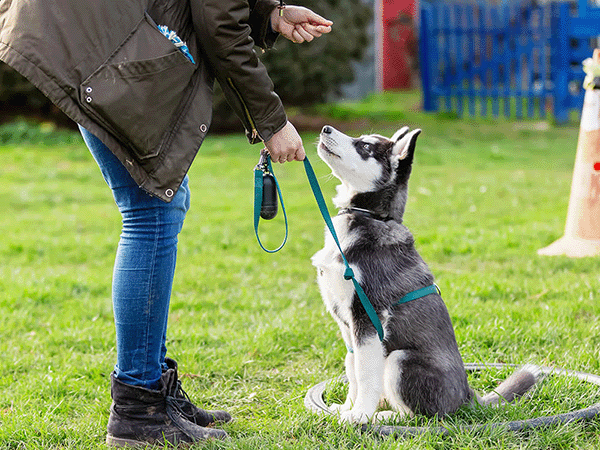
The Best Dog Trainers in the United States of 2026
This is a list of the top dog trainers in the United States, based on votes from the Sniffspot community and the general public.
The Best Dog Trainers in Seattle, WA of 2026
This is a list of the top dog trainers in Seattle, WA, based on votes from the Sniffspot community and the general public.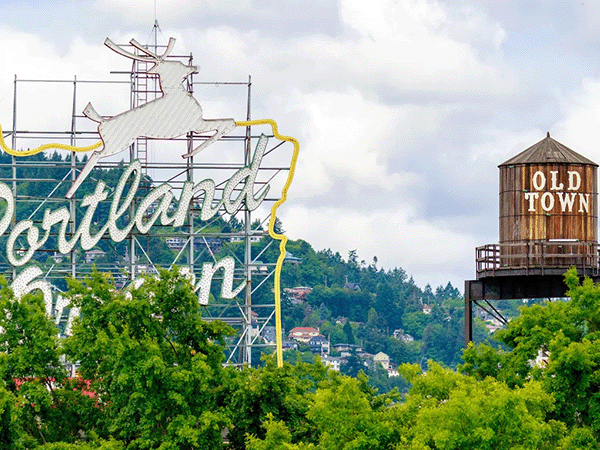
The Best Dog Trainers in Portland, OR of 2026
This is a list of the top dog trainers in Portland, OR, based on votes from the Sniffspot community and the general public.
The Best Dog Trainers in Los Angeles, CA of 2026
This is a list of the top dog trainers in Los Angeles, CA, based on votes from the Sniffspot community and the general public.
The Best Dog Trainers in New York, NY of 2026
This is a list of the top dog trainers in New York, NY, based on votes from the Sniffspot community and the general public.


City dog park guides
Best Dog Fields in the US: 25+ Wide-Open Spaces for Your Pup to Run Free
The best dog fields in the US offer something that traditional enclosed parks simply can't match: acres of open space where your pup can truly stretch their legs and run at full speed. From Colorado's 470-acre prairie meadows to Tennessee's...
Top 10 Indoor Dog Parks: A US Guide
Looking for a space to play with your dog no matter what the weather’s like outside? Look no further than our list of the best indoor dog parks in the United States! These climate-controlled spaces are growing in popularity as pet ownership...
Best Dog Parks in the US: Ultimate Guide to Public & Private Off-Leash Adventures
Is your pup giving you those pleading "let me run free" eyes? Whether you're a new dog parent or a seasoned pro looking for fresh adventures, finding the perfect off-leash paradise for your furry friend can feel ruff! From sun-soaked California...
Dog Parks Near Me: Las Vegas Edition
Looking for the perfect dog park near me in Las Vegas? You're in luck! This guide explores all the best options for your pup, from public dog parks to private dog parks near me on Sniffspot. We'll help you find the ideal spot for playtime,...Best Dog Parks in the US: Off-Leash Guide
Looking for the perfect dog park? Whether you need a wide-open public space or a private, fenced-in spot, this guide will help you find the best dog parks across the US. We'll cover top-rated public parks, the perks of private dog parks, and even...
Sniffspot: Portland's Best Private Dog Parks
Ready to discover Portland's best dog parks? Whether you're looking for a public park or the unique experience of a private Sniffspot, this guide has you covered. We'll help you find the perfect spot for your pup, with tips on what to bring, how...
/354x256/wp-content/uploads/2023/04/indoordogparks.png)
/354x256/wp-content/uploads/2023/03/offleashdogparks.png)
/354x256/wp-content/uploads/2023/02/vegas.jpg)
/354x256/wp-content/uploads/2023/02/portland.jpg)
Dog breeds
Best Dog Fields in the US: 25+ Wide-Open Spaces for Your Pup to Run Free
The best dog fields in the US offer something that traditional enclosed parks simply can't match: acres of open space where your pup can truly stretch their legs and run at full speed. From Colorado's 470-acre prairie meadows to Tennessee's...
German Shepherd Guide: Best Family Dog? Truth from 9K Owners
The German Shepherd Dog (GSDs) are known for their intelligence, loyalty, and striking appearance. They're also incredibly versatile, excelling as working dogs and devoted family companions. This guide covers everything you need to know about...
Labrador Retriever: Real Tips from Owners
Discover the Labrador Retriever, a breed celebrated for its playful nature, affectionate temperament, and trainability. Labradors are known for their friendly demeanor and adaptability, making them perfect family companions and versatile working...
Golden Retriever Advice: The Complete Owner's Guide
Golden Retrievers: they're gorgeous, playful, and incredibly popular. But before you welcome one into your home, you need the right golden retriever advice. This guide draws on the wisdom of nearly 10,000 Golden Retriever owners, offering...
Are American Staffordshire Terriers Good for First-Time Owners: Complete Guide
Think American Staffordshire Terriers are tough? Think again. While their muscular build might intimidate some, these dogs are known for their playful and loyal personalities. This guide draws on the experience of nearly 10,000 AmStaff owners to...
Australian Shepherd Facts: Breed Info & Care Guide
Discover the Australian Shepherd, an AKC breed celebrated for its trainable, playful, and affectionate nature. Despite its name, the Australian Shepherd is actually a native breed to the United States, originally developed to breed on farms and...
/354x256/wp-content/uploads/2024/07/German-Shepherd-Dog.png)
/354x256/wp-content/uploads/2024/07/Screen-Shot-2024-07-24-at-4.06.05-PM.png)
/354x256/wp-content/uploads/2024/07/Screen-Shot-2024-07-25-at-3.05.09-PM.png)
/354x256/wp-content/uploads/2024/07/staffy.jpg)
/354x256/wp-content/uploads/2024/07/Screen-Shot-2024-07-25-at-3.39.43-PM.png)
Top dog names in the US
Top 1,000 Most Popular Dog Names
Looking for the perfect dog name for your new pup? We have created filterable lists of dog names from our database of hundreds of thousands of Sniffspot users. You can filter by gender, breed and state to find the most cute, unique and creative dog names.
Most Popular Male Dog Names
Looking for the perfect dog name for your new male pup? We have created filterable lists of male dog names from our database of hundreds of thousands of Sniffspot users. You can filter by gender, breed and state to find the most cute, unique and creative male dog names.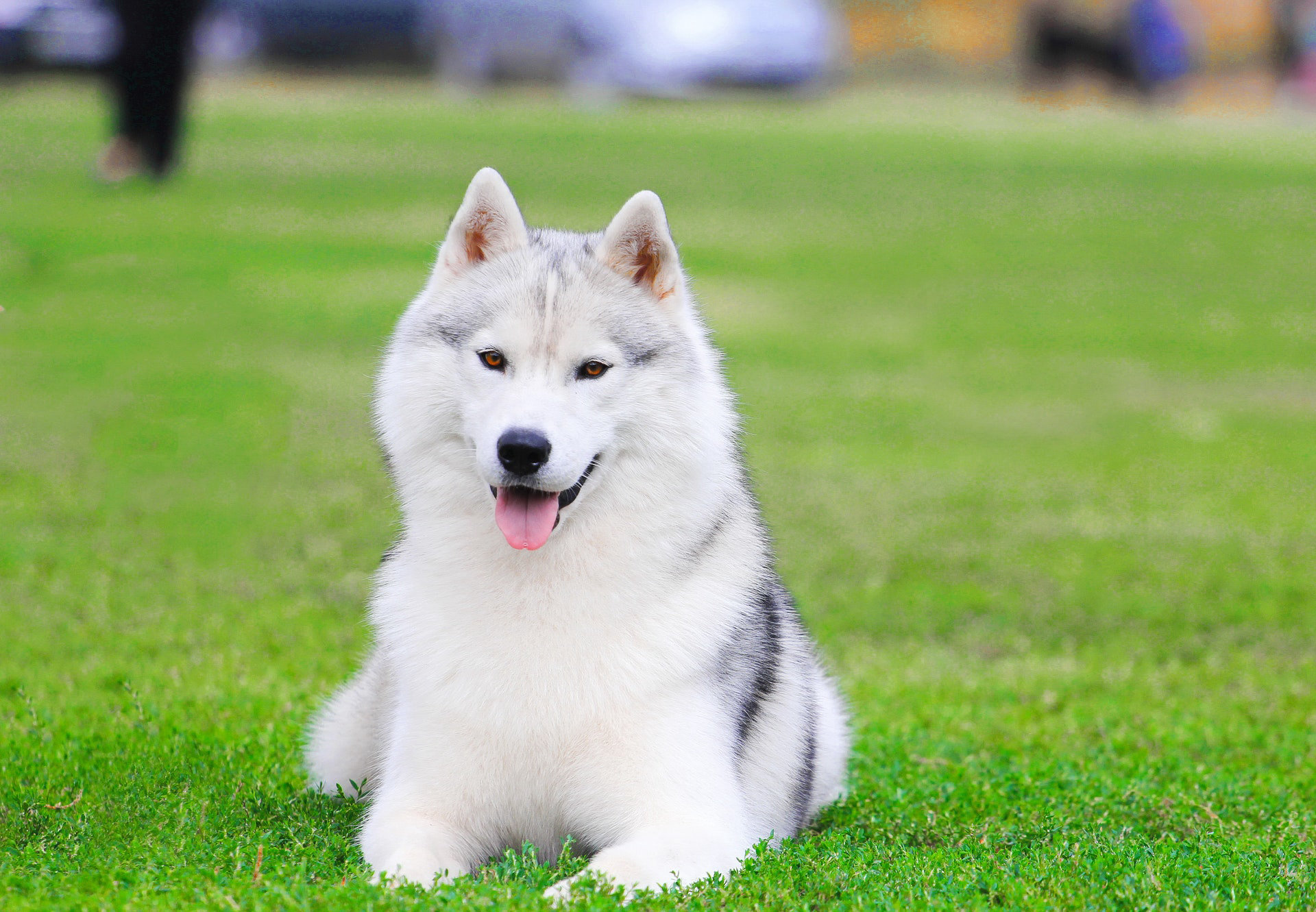
Most Popular Female Dog Names
Looking for the perfect dog name for your new female pup? We have created filterable lists of female dog names from our database of hundreds of thousands of Sniffspot users. You can filter by gender, breed and state to find the most cute, unique and creative female dog names.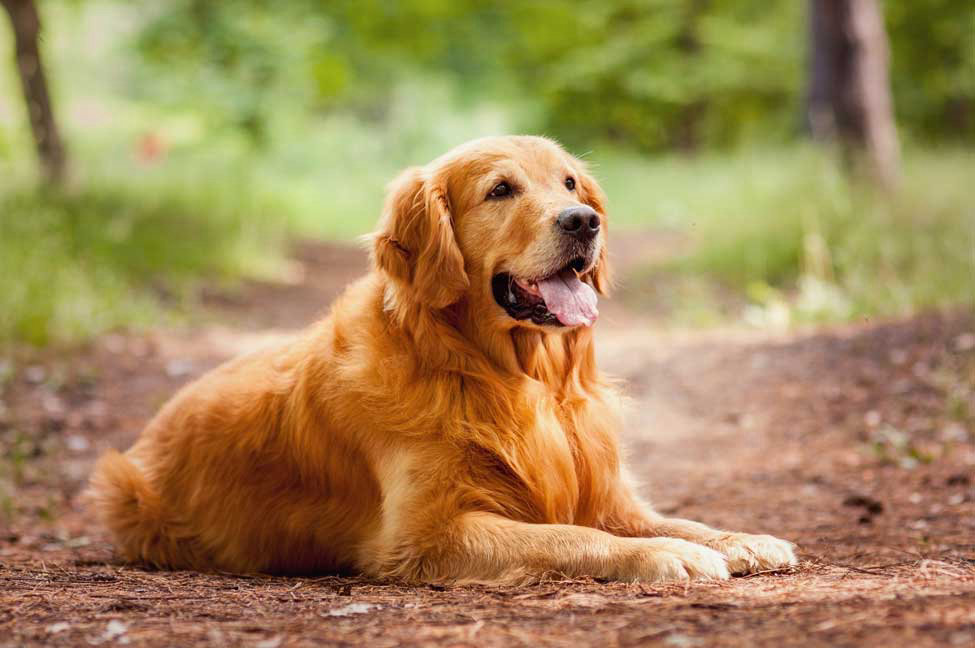
Most Popular Golden Retriever Names
Welcome to our comprehensive list of Golden Retriever dog names, curated from our vast database of Sniffspot users. Filter through hundreds of thousands of options by gender, breed, and state to discover the most adorable, original, and imaginative names for your beloved Golden Retriever.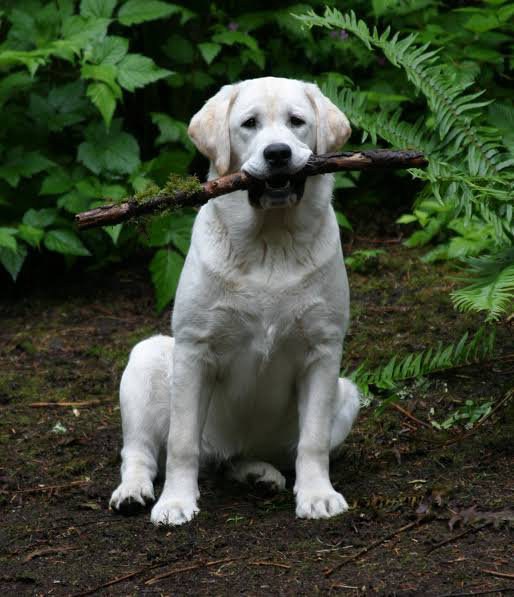
Most Popular Labrador Retriever Names
Welcome to our Labrador Retriever dog names page! Here you can browse through filterable lists of names for your beloved furry friend, ranging from cute and classic to unique and creative options. Our database of hundreds of thousands of Sniffspot users ensures you'll find the perfect name for your Labrador Retriever, whether you're seeking a name for a male or female, based on breed or state.


Top dog rescues in the US

The Best Washington Dog Rescues & Shelters in 2026
This list showcases the top dog rescues & shelters in Washington. These remarkable organizations have been recognized for their unwavering dedication to the well-being of countless dogs.
The Best Oregon Dog Rescues & Shelters in 2026
This list showcases the top dog rescues & shelters in Oregon. These remarkable organizations have been recognized for their unwavering dedication to the well-being of countless dogs.
The Best California Dog Rescues & Shelters in 2026
This list showcases the top dog rescues & shelters in California. These remarkable organizations have been recognized for their unwavering dedication to the well-being of countless dogs.
The Best Florida Dog Rescues & Shelters in 2026
This list showcases the top dog rescues & shelters in Florida. These remarkable organizations have been recognized for their unwavering dedication to the well-being of countless dogs.
The Best New York Dog Rescues & Shelters in 2026
This list showcases the top dog rescues & shelters in New York. These remarkable organizations have been recognized for their unwavering dedication to the well-being of countless dogs.
/354x256/Photos/SeoDogRescue/1282/178507e67e44-MC_logo_square.jpg)
/354x256/Photos/SeoDogRescue/931/cef8bbb17769-South_Coast_Humane_Society.png)
/354x256/Photos/SeoDogRescue/61/30aea3371b69-MainSquare_2.png)
/354x256/Photos/SeoDogRescue/298/1000035238.jpg)
/354x256/Photos/SeoDogRescue/814/91cfd62cd986-IMG_1035.jpeg)