Top articlesSee all...

A Comprehensive Guide to Dog Exercise

How To Crate train An Older Dog - A Comprehensive Guide

How To Socialize A Dog - A Comprehensive Guide

Leash Training: A Guide to Training Your Dog to Walk on a Leash

Skijoring: A Guide to Skijoring with Dogs

The Best Dog Enrichment Toys

The Best United States Dog Parks

The Best Indoor Dog Parks in the United States

The Best Off-Leash Dog Parks in the United States
Top articles
A Comprehensive Guide to Dog Exercise
How To Crate train An Older Dog - A Comprehensive Guide
How To Socialize A Dog - A Comprehensive Guide
Leash Training: A Guide to Training Your Dog to Walk on a Leash
Skijoring: A Guide to Skijoring with Dogs
The Best Dog Enrichment Toys
The Best United States Dog Parks
The Best Indoor Dog Parks in the United States
The Best Off-Leash Dog Parks in the United States
See all...How Much Does It Cost to Adopt a Dog? Fees, Breeds & More

/fit-in/0x450/wp-content/uploads/2026/09/Cost-of-adopting-a-dog.png)
Search "how much to adopt a dog" and you'll get a different answer every time. One shelter might charge $50. A specialty rescue three towns over might charge $450 for what looks like the same kind of dog. Neither number is wrong. They're just reflecting very different organizations, with very different costs, doing the same basic job: getting a dog from a cage into a home.
Most dog adoption fees in the US land somewhere between $50 and $500, and that fee is almost never just a fee. It's usually your dog's spay or neuter surgery, a full round of vaccines, a microchip, and a vet exam, all bundled into one number that's often less than half of what those services would cost separately. Total adoption costs really do vary that much depending on where you look.
This guide breaks down what you're actually paying for when you adopt, why adoption fees for rescue dogs swing so widely between organizations, how that compares to buying a puppy from a breeder, and what legal requirements (like dog licensing) kick in once you bring your new dog home. If you're ready to start looking, Sniffspot's rescue directory is a good place to see what's adoptable near you.
Jump Ahead: How Much Does It Cost to Adopt a Dog? Fees, Breeds & More
- How Much Does It Cost to Adopt a Dog?
- What's Included in a Dog Adoption Fee
- Why Adoption Fees Vary So Much
- Adoption Fees by Age and Type of Dog
- Legal Requirements When You Adopt a Dog
- Adopting from a Rescue vs. Buying from a Breeder
- Where to Find Adoptable Dogs Near You
- Budgeting Beyond the Adoption Fee
- Frequently Asked Questions: Cost to Adopt a Dog
- Is Adopting a Dog Worth the Cost?
Key Takeaways
- Most dog adoption fees range from $50 to $500, and puppies or high-demand breeds often land at the top of that range.
- Adoption fees usually cover spay or neuter surgery, core vaccines, a microchip, and a vet exam, services that can be worth $300 to over $1,100 if you paid for them separately.
- Buying a puppy from a breeder typically costs $500 to $4,500+, and spay/neuter, training, and some vaccines are usually extra.
- Many cities and states require a dog license after adoption, usually $5 to $50 a year, plus proof of a current rabies vaccine.
- Fees vary a lot by organization. Municipal shelters funded by city and county budgets tend to charge less than specialty or breed-specific rescues, and many waive fees entirely for senior dogs or pets with special needs.
- The adoption fee is just the entry cost. Budgeting for food, supplies, and routine vet care matters just as much as the upfront number.
How Much Does It Cost to Adopt a Dog?
On average, expect to pay somewhere between $50 and $500 to adopt a dog in the United States, according to adoption fee data compiled by Adopt a Pet. Puppies tend to sit at the higher end of that range, often $150 to $1,200, simply because demand for puppies is higher and shelters know it.
That range holds up whether you're adopting from a city-run animal shelter, a nonprofit humane society, or a breed-specific rescue group. What changes is what's driving the number.
A municipal shelter that's partly funded by city and county tax dollars can often charge less because it isn't relying on the adoption fee alone to stay open. A donation-funded rescue, on the other hand, may need that fee to cover the real cost of care. Animal Humane New Mexico, for example, has reported spending roughly $530 caring for a single pet before adoption, even when the adoption fee itself is only $100.
On the other end of the spectrum, Three Little Pitties Rescue in Texas is entirely volunteer ran and funded. They charge around $1,200 for puppy adoptions, and between $600-$900 for an adult dog. These fees go towards private medical costs, in-home foster care for each animal, and their ongoing rescue efforts.
It helps to remember that this fee almost never reflects the dog's "value" the way a price tag would. It reflects the medical and administrative work already done on that dog's behalf. That's also why adoption fees are typically non-refundable once the adoption process is complete: the shelter or rescue has already spent that money on the dog's care, whether or not the placement works out.
🐾 Ready to meet your new best friend? Browse trusted rescues in Sniffspot's rescue directory →
What's Included in a Dog Adoption Fee
This is the part that surprises a lot of first-time adopters: that $50 to $500 average fee is rarely just a transaction. At most shelters and rescues, it includes several forms of veterinary care that would otherwise cost significantly more out of pocket.
Here's what's typically bundled into a standard adoption fee:
- Spay or neuter surgery: $125–$600 if paid for separately, depending on your dog's size and where you live (according to PetMD, this costs upwards of $1,500 for a routine spay/neuter)
- Core vaccines (rabies, distemper, parvo): $100–$300 for a full initial series
- Microchipping: $15–$65, plus registration to prove your pet is microchipped
- Deworming and a fecal parasite check: usually a smaller add-on, but a standard part of intake
- Initial veterinarian exam: $90–$170 to confirm your new dog is healthy before you take them home
- Flea and tick prevention: This is sometimes optional, but it's recommended in most parts of the country and can run around $40/month
- Heartworm prevention: an initial heartworm test, especially in warmer climates where heartworm risk is higher
Add that up and you're looking at $330 to over $1,100 in veterinary services that a shelter or rescue has often already covered before you ever sign the adoption application. The graphic below breaks down where that value actually comes from.

Not every organization includes every item. Some rescues, especially all-volunteer ones, ask adopters to handle vaccination boosters or a follow-up spay/neuter appointment themselves, particularly for very young puppies who aren't yet old enough for surgery. Always ask what's included before you assume, so you're not caught off guard by a vet bill in your first week home.
Why Adoption Fees Vary So Much
If you've browsed a few rescues and wondered why one dog is $75 and a very similar-looking dog is $400, the difference usually comes down to who's running the show and how they're funded, not the dog itself.
Municipal and city shelters are often the least expensive option, since they receive some public funding and are typically trying to move animals through quickly due to space constraints. Nonprofit humane societies and SPCA chapters sit in the middle, relying on a mix of donations and adoption fees.
Breed-specific and purebred rescues frequently charge more, both because they invest heavily in vetting each dog (sometimes including additional health testing) and because there's real demand for that breed.
A few other things move the number:
- Special adoption events. Programs like August's Clear the Shelters or October's Adopt a Shelter Dog Month often waive or drastically reduce fees to free up shelter space.
- Length of stay. Dogs who've been waiting the longest sometimes get discounted or free adoption fees to help them find a home faster.
- Special needs and seniors. Many organizations reduce or waive fees for senior dogs, dogs with a disability, or pets with special needs, since these dogs are historically the hardest to place.
- Donations and adoption fees together. Most rescues rely on both to stay running. If you fall in love with a dog but the fee feels like a stretch, it's worth asking directly. Many organizations have flexibility, and if you're not ready to adopt yet, they'll usually welcome you to donate today or foster instead.
Shelter capacity is a real, ongoing issue nationally. The ASPCA reports that around 2.8 million dogs entered US shelters and rescues in 2025, with about 2 million adopted out, a 57% live release rate. Larger dogs, in particular, are staying in shelters longer than they did five years ago. That context matters: the fee you pay is genuinely helping a system that's stretched thin.
Adoption Fees by Age and Type of Dog
Age is one of the biggest swing factors in what you'll pay.
Puppies are almost always the most expensive dogs to adopt, often $150 to $600, because demand from adopters is highest and puppies typically need less "de-stressing" support to feel adoptable. If you're set on a specific breed as a puppy, expect a wait list at most breed-specific rescues.
Adult dogs (roughly 1 to 7 years old) tend to fall closer to the standard $50 to $300 range. They're frequently already house-trained, past the destructive chewing phase, and easier to assess for temperament, which some adopters actually prefer.
Senior dogs (typically 7 years and up) are often the cheapest to adopt, and many shelters waive the fee completely through "seniors for seniors" or similar programs. If a senior dog sounds like the right fit for your household, Sniffspot's guide to senior dog exercise is a good next stop once you bring them home.
Dogs with special needs (a chronic medical condition, limited mobility, or a significant behavioral history) usually have reduced or waived fees, since finding the right adopter often matters more to the rescue than covering costs. These dogs can be wonderful companions when they find their forever home, but it's worth being honest with yourself and the rescue about what kind of support you can realistically provide.

Worth noting: many shelters house both dogs and cats, and a lot of the same fee logic applies across species. Cats are commonly tested for feline leukemia during intake, the same way dogs are screened for heartworm, so the "bundle of vetting" concept isn't unique to dogs.
Legal Requirements When You Adopt a Dog
Adopting a dog isn't just a financial decision. In most of the country, it comes with some legal paperwork too, and skipping it can cost you more than the adoption fee itself. If you're interested in adopting, consider the rules near you. Some common ones are listed here.
Dog Licensing
Dog licensing is required in some form in all 50 states, though the specific rules are set at the city and county level. Typical costs run $5 to $50 a year, though it varies: a spayed or neutered dog is almost always cheaper to license than an intact one (in New York City, for example, it's about $8.50 a year for an altered dog versus $34 for an intact one), and a handful of areas run notably higher, like parts of Oregon and Minnesota. Most municipalities require you to license a newly adopted dog within 30 days.
To get a license, you'll almost always need:
- Proof of a current rabies vaccination
- Proof of spay/neuter status (in areas where it affects the fee or is required outright)
- A local address, since licensing is handled by your city or county, not the state
Skipping licensing isn't just a technicality. Fines for an unlicensed dog typically run $200 to $500 per violation, and a few states even treat repeat violations as a misdemeanor. Licensing also has a real upside: a licensed dog who gets loose has a much better shot at being reunited with you, since animal control can look up the license instead of treating your dog as an unclaimed stray.
Adoption Contract
Beyond licensing, most reputable rescues also have you sign an adoption contract. These vary, but commonly include an agreement to keep the dog spayed or neutered (if it wasn't already done pre-adoption), a promise to return the dog to the rescue rather than rehome it independently, and sometimes a follow-up home check.
Read it before you sign. It's there to protect the dog, not to trip you up. If you're thinking about adopting a pet, you'll want to know exactly what you're agreeing to. Puppies and kittens are a lot of work, but so are older pets.
Adopting from a Rescue vs. Buying from a Breeder
Cost of adopting is rarely the only factor in this decision, but it's a real one, and the gap can be a surprise.

Adopting from a rescue or shelter costs $50 to $500 in almost every case, with spay/neuter, vaccines, and a microchip typically already handled. You can usually take your new adopted pet home the same week you apply, sometimes the same day. The time of adoption is much more flexible in these instances.
Buying a puppy or new pet from a reputable breeder typically runs $500 to $4,500+, and that's before spay/neuter (usually done later, at your own expense), initial training, or the wait, which can stretch from a few weeks to over a year for a popular breed or litter. What you're paying for with a reputable breeder is largely predictability: known lineage, health testing on the parents, and (ideally) a breeder who stays involved and takes the dog back if things don't work out.
Neither path is inherently "better" when searching for a new companion. A responsible breeder who health-tests their dogs and genuinely supports their puppies for life is a legitimate option, particularly for people with specific working, medical, or lifestyle needs a certain breed reliably meets.
But if you're flexible on breed and want to stretch your dollar further, adoption is almost always the more affordable route into dog ownership, and it's one of the reasons shelters nationwide still have real capacity strain to solve.
Whichever route you choose, the adoption or purchase price is only the beginning. For a full breakdown of what a dog costs annually, from food to pet insurance to the vet bill you didn't plan for, Sniffspot's complete guide to the cost of having a dog walks through the numbers year by year.
Where to Find Adoptable Dogs Near You
Once you've got a budget in mind, it's time for the next challenge: the actual search. Not every rescue operates the same way, and it's worth a little homework before you fall in love with a photo online. Even more important, some of these shelters are fronts for scams or unethical animal breeding practices.
A few things to check before you commit to a specific organization:
- Is it a registered nonprofit or a recognized municipal shelter? Both are legitimate, but it's reasonable to ask.
- What does the adoption process actually involve? Some rescues have a quick same-day process. Others require an application, a home visit, and references, especially for dogs with a more complex behavioral history.
- What happens if it's not the right fit? A trustworthy rescue will always take a dog back rather than leave you to rehome it alone.
- Can you talk to the foster or staff who know the dog best? Real details about temperament matter more than a cute bio.
Sniffspot's rescue directory is organized by state, so you can browse adoptable rescue organizations near you without digging through a dozen separate shelter websites. It's a practical starting point whether you already know exactly what you're looking for or you're still figuring out what fits your home.
🐾 Start your search in one place. Search Sniffspot's rescue directory by state →
Budgeting Beyond the Adoption Fee
The adoption fee covers the first chapter, not the whole book. Before you bring your new dog and companion animal home, it's worth budgeting for:
- First-month supplies: crate, bed, bowls, leash, collar or harness, and food, typically $150–$300 to start
- Pet insurance: optional, but worth pricing out early, especially for a dog with an unknown medical history
- A follow-up vet visit: even if the shelter's exam looked clean, many vets recommend a baseline appointment in your dog's first few weeks
- Potential health surprises: a rescue dog's full history isn't always known, so a small emergency fund matters more than it does for a puppy from a health-tested litter
What Are the Typical First-Year and Ongoing Costs of an Adopted Dog?
Your adoption fee turns out to be one of the smaller numbers you'll spend that first year. Once you add in supplies, a follow-up vet visit, and any early training, most adopters land somewhere between $1,500 and $4,500+ for the entire first year, adoption fee included.
After that, ongoing annual costs for a healthy adult dog typically settle into the $1,200 to $4,200 range, depending mostly on size and how much you spend on extras.
Roughly, here's where that ongoing money goes each year:
- Food: $250–$600 for a small dog, $400–$900 for a medium dog, $700–$1,500+ for a large dog
- Routine vet care and preventatives (annual exam, heartworm, flea/tick): $400–$900
- Grooming: $0 if you handle it yourself, up to $1,200 for breeds that need a professional groomer
- Pet insurance: $360–$1,080 a year, if you opt in
Those numbers hold up whether your dog came from a shelter or a breeder. Adoption mainly saves you money on the front end. For the full year-by-year math (including how costs shift as your dog ages), Sniffspot's complete cost of having a dog guide breaks it down further.
The first few weeks matter behaviorally too, not just financially. A newly adopted dog is adjusting to an entirely new environment, new people, new smells, new rules, and that acclimation period goes a lot smoother with calm, low-pressure exposure rather than a crowded dog park on day three.
🐾 Give your newly adopted dog a calm, pressure-free space to decompress and get to know you. Book a private Sniffspot near you →
If your new dog is showing signs of fear, reactivity, or a rough history that's clearly affecting their behavior, don't wait to get support. Sniffspot's guide to socializing a dog is a solid starting point, and for anything beyond what you can handle solo, a professional makes a real difference.
Frequently Asked Questions: Cost to Adopt a Dog
Before you look into adoptable animals, here are some of the most frequently asked questions about animal care, costs, and the adoption process.
How much is it to adopt a dog from a local shelter?
Most local and municipal shelters charge somewhere between $50 and $250 to adopt a dog, though it depends heavily on your area and the dog's age. Puppies and especially popular breeds often land at the higher end. The fee typically includes spay or neuter surgery, vaccines, and a microchip, so it's rarely just a flat administrative charge.
How much does it cost to adopt a dog from a rescue?
Rescue organizations (especially breed-specific, foster-based, or dog-trainer-organized ones) usually charge more than municipal shelters, often $150 to $500. That higher number typically reflects more extensive vetting, foster care costs, and sometimes additional health testing done before the dog is listed as adoptable.
Are there ways to save money on dog adoption fees?
Yes, several. Municipal and city-run shelters are usually cheaper than specialty or breed-specific rescues, so it's worth checking more than one organization before you commit. Adoption events like Clear the Shelters (August) or Adopt a Shelter Dog Month (October) often waive or slash fees for a limited window, and many shelters reduce or fully waive fees year-round for senior dogs, pets with special needs, or dogs who've been waiting the longest, so if you want to care for an animal in a later stage of its life, this is an excellent opportunity to lower the initial cost. It's also fine to just ask: some rescues offer sliding-scale fees, payment plans, or discounts for military members, first responders, or people adopting two dogs together. A waived or reduced fee doesn't mean skipped vetting. Spay/neuter, vaccines, and a microchip are almost always still included.
Is it cheaper to adopt or buy a dog?
Adopting is almost always cheaper than buying a dog. A typical adoption fee of $50 to $500 usually already includes spay/neuter, vaccines, and a microchip, services that alone can cost $300 to over $1,100 if purchased separately.
Buying a puppy from a breeder typically runs $500 to $4,500 or more, often before that surgery and other early vet care are factored in. You'll need to vaccinate your new pup on your own, as well as handle any age-appropriate care.
What is usually included in a dog adoption fee?
Most adoption fees include spay or neuter surgery, a set of core vaccines (like rabies and distemper), a microchip, deworming, and an initial vet exam. Some organizations also include flea and tick prevention or a heartworm test, particularly for adult dogs.
Do I need a license to legally own a dog?
In nearly all of the US, yes. Requirements are set locally by your city or county rather than your state, and most places require you to license a newly adopted dog within 30 days. Costs typically run $5 to $50 a year, and you'll usually need proof of a current rabies vaccination to register.
Why do some rescues charge higher adoption fees than others?
Higher fees usually reflect higher costs, not a higher-value dog. Rescues that rely mainly on donations and adoption fees (rather than city or county funding) often spend hundreds of dollars per animal on vetting, foster care, and transport before a dog is ever listed. Breed-specific rescues in particular tend to invest more in extensive intake care.
How much more does a puppy cost to adopt than an adult dog?
Puppies typically cost $150 to $600 to adopt, compared to $50 to $300 for most adult dogs. The gap comes down to demand. Far more adopters are searching for puppies than adult or senior dogs, so shelters and rescues price accordingly, even though the actual medical care involved is often similar.
What is the 3-3-3 rule for adopted dogs?
The 3-3-3 rule is a rough timeline for how a newly adopted dog typically adjusts to a new home. In the first 3 days, expect a stressed, shut-down dog who may hide, skip meals, or seem like a different animal than the one you met, so the priority is a calm environment, not introductions or outings.
Over the next 3 weeks, their real personality starts to emerge as they settle into a routine, and some pushback behaviors (barking, jumping, testing boundaries) can actually be a sign they finally feel safe enough to be themselves. By 3 months, most dogs feel genuinely at home, greeting you at the door and showing clear preferences and a real bond. For the full breakdown by phase, see Sniffspot's guide to the 3-3-3 rule for rescue dogs.
Is Adopting a Dog Worth the Cost?
For most people, yes. Even at the higher end of the range, a $500 adoption fee is a fraction of what the included veterinary care would cost on its own, and you're giving a home to a dog who was already counted among the millions entering shelters each year.
The bigger point is to go in with your eyes open. Know what a given rescue's fee includes, ask about the adoption process before you fall for a specific dog, and budget for the weeks after adoption day, not just the fee itself. A new dog is a genuine shift in your routine and your home, and the more prepared you are for that first month, the smoother it goes for both of you.
If you're ready to start looking, Sniffspot's rescue directory makes it easy to see adoptable dogs organized by state, so you can find your new family member without digging through a dozen different shelter sites one at a time.
🐾 Your next best friend is out there right now. Search Sniffspot's rescue directory by state →
Sources: Adopt a Pet, Pet Adoption Fees Explained; ASPCA, U.S. Animal Shelter Statistics; Shelter Animals Count, 2025 Annual Data Report; Sniffspot, The Cost of Having a Dog: Complete 2026 Breakdown.
This post was reviewed for accuracy on training and behavior guidance by Kaia Wilson (she/her), CPDT-KA, SAP-BC, FDM, founder of Dogspeed Training. Kaia has spent more than a decade working with dogs and their people on fear, anxiety, reactivity, and separation anxiety, and her approach leans on compassion and science based, force-free methods.


/fit-in/0x128/wp-content/uploads/2026/10/puppy-obedience-training.png)
/fit-in/0x128/wp-content/uploads/2022/07/shutterstock_237584221-1.jpg)
/fit-in/0x128/wp-content/uploads/2020/08/shutterstock_421958377.jpg)
/fit-in/0x128/wp-content/uploads/2026/08/host-spotlight-1.png)
/fit-in/0x128/wp-content/uploads/2026/09/how-to-adopt-a-dog.png)
Most recent articles
/fit-in/0x256/wp-content/uploads/2026/10/puppy-obedience-training.png)
/fit-in/0x256/wp-content/uploads/2022/07/shutterstock_237584221-1.jpg)
/fit-in/0x256/wp-content/uploads/2020/08/shutterstock_421958377.jpg)
/fit-in/0x128/wp-content/uploads/2025/03/Moving-with-your-pet-1.png)
/fit-in/0x256/wp-content/uploads/2025/03/Moving-with-your-pet-1.png)
/fit-in/0x128/wp-content/uploads/2024/11/Screen-Shot-2024-11-29-at-12.58.43-PM.png)
/fit-in/0x256/wp-content/uploads/2024/11/Screen-Shot-2024-11-29-at-12.58.43-PM.png)
/fit-in/0x128/wp-content/uploads/2025/03/Moving-with-your-pet-2.png)
/fit-in/0x256/wp-content/uploads/2025/03/Moving-with-your-pet-2.png)
Related articles
Top dog guides per area
Dog training guides

Best Dog Fields in the US: 25+ Wide-Open Spaces for Your Pup to Run Free
The best dog fields in the US offer something that traditional enclosed parks simply can't match: acres of open space where your pup can truly stretch their legs and run at full speed. From Colorado's 470-acre prairie meadows to Tennessee's...
Dog Food Aggression & Resource Guarding Guide
Does your dog ever growl when you walk by their food dish? Maybe they get possessive of treats, carrying them far away and giving you side-eye when you start to approach — or snarling at your other pets or children if they get too close.
The Ultimate Guide to Scent Training for Dogs
Your dog's nose is an amazing tool. Did you know they have 40 times the olfactory receptors than humans? Scent training for dogs taps into this superpower, turning everyday moments into exciting sniff-fests. It's enriching for all types of dogs –...
How Much Does It Cost to Train a Service Dog?
More than 80 million Americans rely on their service dogs to help them navigate the world. Task-trained assistance animals perform a huge range of life-changing—in many cases, life-saving—services: These dogs act as eyes for visually impaired...
How to Deal With Puppy Potty Training Regression
You thought those dreaded middle-of-the-night potty breaks were over. You were finally free from cleaning up puppy puddles. Then, suddenly, your six-month-old who's been accident-free for weeks starts peeing on your rug again.
Dirty Dog Syndrome: Causes, Solutions, and Prevention
It's a cringe-worthy moment every dog owner dreads: your furry friend chowing down on something truly disgusting. If your dog has a penchant for poop, you're dealing with coprophagia. It's more common than you think, and thankfully, often...
/354x256/wp-content/uploads/2025/09/Screenshot-2025-09-21-at-6.39.54-PM.png)
/354x256/wp-content/uploads/2020/08/bernese-mountain-dog-208092_1280.jpg)
/354x256/wp-content/uploads/2022/04/shutterstock_543831754.jpg)
/354x256/wp-content/uploads/2022/08/shutterstock_494495788-1.jpg)
/354x256/wp-content/uploads/2022/07/shutterstock_237584221-1.jpg)
/354x256/wp-content/uploads/2022/10/shutterstock_705844504.jpg)
Dog enrichment guides
Best Dog Fields in the US: 25+ Wide-Open Spaces for Your Pup to Run Free
The best dog fields in the US offer something that traditional enclosed parks simply can't match: acres of open space where your pup can truly stretch their legs and run at full speed. From Colorado's 470-acre prairie meadows to Tennessee's...
Best Dog Water Parks in the US: 15+ Amazing Splash Destinations for Your Pup
Do you have a water-loving dog looking to burn some energy? There are countless dog parks to visit throughout our country — but some of them become far too hot in the midday sun to be safe for your pets to play. That’s why we’ve put together a...
Best Toys for Herding Dogs: Keeping Your Pup Happy & Engaged
Herding dogs are amazing, intelligent companions. But that also means they need more than just a simple game of fetch. Finding the right toys for herding dogs is key to keeping them happy and stimulated. This article explores some of the best toys...
Tough Dog Toys for Aggressive Chewers: A Practical Guide
Does your dog destroy every toy you give them? Is your house littered with the remnants of plush toys? Are you tired of wasting money on "indestructible" dog toys for aggressive chewers that don't last? Then this post is for you. We'll cover...
Dog Exercise Calculator: How Much Exercise Does Your Dog Need?
Every dog needs to move, but how much is actually enough? The answer depends on more than just breed. Age, health, and even your own lifestyle all play a role in figuring out the right daily exercise routine for your pup.
Complete Guide To Herding With Dogs
* All Sniffspot articles are reviewed by certified trainers for quality, please see bottom of article for details *
/354x256/wp-content/uploads/2023/04/dogwaterpark.png)
/354x256/wp-content/uploads/2022/05/shutterstock_174836186.jpg)
/354x256/wp-content/uploads/2023/02/shutterstock_1346929262.jpg)
/354x256/wp-content/uploads/2022/08/dogexercisecalculatorfeaturedimage.jpg)
/354x256/wp-content/uploads/2020/07/bb.jpg)
Dog reactivity guides
Best Dog Fields in the US: 25+ Wide-Open Spaces for Your Pup to Run Free
The best dog fields in the US offer something that traditional enclosed parks simply can't match: acres of open space where your pup can truly stretch their legs and run at full speed. From Colorado's 470-acre prairie meadows to Tennessee's...
Rottweiler Aggression: Signs, Causes & Training
Many dogs have gotten a bad reputation over the years for being "dangerous breeds." Rottweilers are among them. Like pit bulls and other large, blocky-headed types of dogs, these powerful and beautiful animals are often assumed to be aggressive.
The Reactive Dog Chart: How to Calm Your Dog's Triggers
If your dog lunges, barks, or loses their mind at the sight of another dog, a stranger, or a bicycle, you’re living with a reactive dog (and you’re far from alone). Dog reactivity is one of the most common behavioral challenges dog owners face,...
How to Socialize a Reactive Dog: A Step-by-Step Guide
Does your dog display reactivity to other pets or people—barking, lunging, or growling when they see their triggers? Whether they're a rescue still settling in, missed critical socialization as a puppy, or had a negative experience that changed...
What Is a Reactive Dog? The Complete Guide for Understanding and Helping Your Pup
Does your dog transform into a barking, lunging tornado the second they spot another dog across the street? You're definitely not alone. According to our research of over 4,000 dog owners, 66% of dogs show some signs of reactivity.
9 Best Online Communities for Reactive Dog Parents
Does your dog's reactivity make walks stressful? You're not alone. Many dog owners face similar challenges. This guide offers practical advice and support for managing reactivity, including finding the best online dog training for reactive dogs....
/354x256/wp-content/uploads/2023/05/Screen-Shot-2024-05-23-at-9.33.57-PM.png)
/354x256/wp-content/uploads/2022/08/dogreactivitychartfeaturedimage.jpg)
/354x256/wp-content/uploads/2022/08/shutterstock_523383649.jpg)
/354x256/wp-content/uploads/2020/07/a.jpg)
/354x256/wp-content/uploads/2022/01/shutterstock_796422001.jpg)
Sniffspot community guides
Best Dog Fields in the US: 25+ Wide-Open Spaces for Your Pup to Run Free
The best dog fields in the US offer something that traditional enclosed parks simply can't match: acres of open space where your pup can truly stretch their legs and run at full speed. From Colorado's 470-acre prairie meadows to Tennessee's...
The State of Public Dog Parks Across the United States
From 2009 to 2020, there was a 40 percent increase in the development of public dog parks. Designated spots for canine exercise have become commonplace in every major city in North America — many pet owners won’t even consider renting an apartment...
How This Family is Affording Their Dream Property Through Renting it Hourly to Dogs
Thousand Oaks, California has been a safe haven for Sniffspot host, Jen, since childhood. Having grown up in busy Santa Barbara, Jen, an introvert from an early age, would seek out solitude and serenity away from tourists attractions and droves of...
Host Tips: Ellen K. What Makes Sniffspot Successful for Me
Ellen is the host of Country Pasture Getaway, one of Sniffspot's most popular sniff spots. She has taken the time to write up the lessons she has learned about how to be a great sniff spot host.
How this Oregon Farmer is Making a Business From Renting Her Land to Dogs
Just 20 minutes outside of the busy city of Portland, Oregon, and settled right on the banks of the Columbia River, you’ll find what countless visitors have flocked to the area in search of – mountain views, crisp, clean air, and running water for...
Host Tips: Fran T. Providing Great Guest Service at our Spot
Fran is the host of Ranch Setting, one of Sniffspot's most popular spots. She has taken the time to write up the lessons she has learned about how to be a great Sniffspot host.
/354x256/wp-content/uploads/2022/07/Sniffspot_infographic_1-01.jpeg)
/354x256/wp-content/uploads/2021/05/Final-Edit-003-1.jpg)
/354x256/wp-content/uploads/2020/07/good-photo-3_orig.jpg)
/354x256/wp-content/uploads/2021/05/sniffspot-28-of-45-1.jpg)
/354x256/wp-content/uploads/2020/07/screen-shot-2019-09-19-at-2-01-47-pm_orig.png)
Top dog trainers in the US
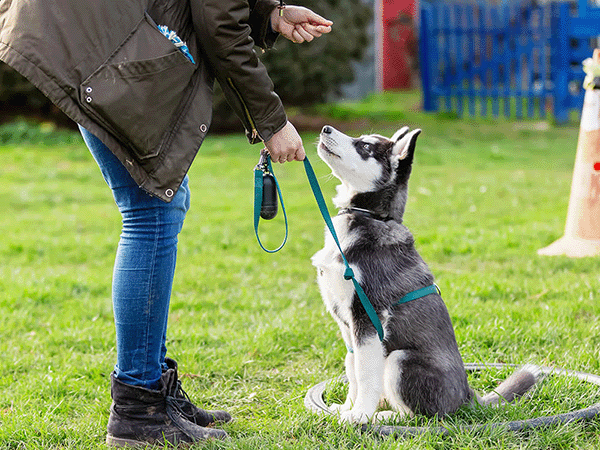
The Best Dog Trainers in the United States of 2026
This is a list of the top dog trainers in the United States, based on votes from the Sniffspot community and the general public.
The Best Dog Trainers in Seattle, WA of 2026
This is a list of the top dog trainers in Seattle, WA, based on votes from the Sniffspot community and the general public.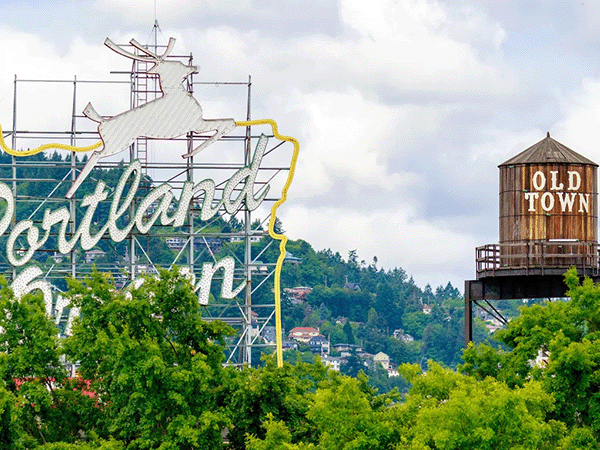
The Best Dog Trainers in Portland, OR of 2026
This is a list of the top dog trainers in Portland, OR, based on votes from the Sniffspot community and the general public.
The Best Dog Trainers in Los Angeles, CA of 2026
This is a list of the top dog trainers in Los Angeles, CA, based on votes from the Sniffspot community and the general public.
The Best Dog Trainers in New York, NY of 2026
This is a list of the top dog trainers in New York, NY, based on votes from the Sniffspot community and the general public.


City dog park guides
Best Dog Fields in the US: 25+ Wide-Open Spaces for Your Pup to Run Free
The best dog fields in the US offer something that traditional enclosed parks simply can't match: acres of open space where your pup can truly stretch their legs and run at full speed. From Colorado's 470-acre prairie meadows to Tennessee's...
Top 10 Indoor Dog Parks: A US Guide
Looking for a space to play with your dog no matter what the weather’s like outside? Look no further than our list of the best indoor dog parks in the United States! These climate-controlled spaces are growing in popularity as pet ownership...
Best Dog Parks in the US: Ultimate Guide to Public & Private Off-Leash Adventures
Is your pup giving you those pleading "let me run free" eyes? Whether you're a new dog parent or a seasoned pro looking for fresh adventures, finding the perfect off-leash paradise for your furry friend can feel ruff! From sun-soaked California...
Dog Parks Near Me: Las Vegas Edition
Looking for the perfect dog park near me in Las Vegas? You're in luck! This guide explores all the best options for your pup, from public dog parks to private dog parks near me on Sniffspot. We'll help you find the ideal spot for playtime,...Best Dog Parks in the US: Off-Leash Guide
Looking for the perfect dog park? Whether you need a wide-open public space or a private, fenced-in spot, this guide will help you find the best dog parks across the US. We'll cover top-rated public parks, the perks of private dog parks, and even...
Sniffspot: Portland's Best Private Dog Parks
Ready to discover Portland's best dog parks? Whether you're looking for a public park or the unique experience of a private Sniffspot, this guide has you covered. We'll help you find the perfect spot for your pup, with tips on what to bring, how...
/354x256/wp-content/uploads/2023/04/indoordogparks.png)
/354x256/wp-content/uploads/2023/03/offleashdogparks.png)
/354x256/wp-content/uploads/2023/02/vegas.jpg)
/354x256/wp-content/uploads/2023/02/portland.jpg)
Dog breeds
Best Dog Fields in the US: 25+ Wide-Open Spaces for Your Pup to Run Free
The best dog fields in the US offer something that traditional enclosed parks simply can't match: acres of open space where your pup can truly stretch their legs and run at full speed. From Colorado's 470-acre prairie meadows to Tennessee's...
German Shepherd Guide: Best Family Dog? Truth from 9K Owners
The German Shepherd Dog (GSDs) are known for their intelligence, loyalty, and striking appearance. They're also incredibly versatile, excelling as working dogs and devoted family companions. This guide covers everything you need to know about...
Labrador Retriever: Real Tips from Owners
Discover the Labrador Retriever, a breed celebrated for its playful nature, affectionate temperament, and trainability. Labradors are known for their friendly demeanor and adaptability, making them perfect family companions and versatile working...
Golden Retriever Advice: The Complete Owner's Guide
Golden Retrievers: they're gorgeous, playful, and incredibly popular. But before you welcome one into your home, you need the right golden retriever advice. This guide draws on the wisdom of nearly 10,000 Golden Retriever owners, offering...
Are American Staffordshire Terriers Good for First-Time Owners: Complete Guide
Think American Staffordshire Terriers are tough? Think again. While their muscular build might intimidate some, these dogs are known for their playful and loyal personalities. This guide draws on the experience of nearly 10,000 AmStaff owners to...
Australian Shepherd Facts: Breed Info & Care Guide
Discover the Australian Shepherd, an AKC breed celebrated for its trainable, playful, and affectionate nature. Despite its name, the Australian Shepherd is actually a native breed to the United States, originally developed to breed on farms and...
/354x256/wp-content/uploads/2024/07/German-Shepherd-Dog.png)
/354x256/wp-content/uploads/2024/07/Screen-Shot-2024-07-24-at-4.06.05-PM.png)
/354x256/wp-content/uploads/2024/07/Screen-Shot-2024-07-25-at-3.05.09-PM.png)
/354x256/wp-content/uploads/2024/07/staffy.jpg)
/354x256/wp-content/uploads/2024/07/Screen-Shot-2024-07-25-at-3.39.43-PM.png)
Top dog names in the US
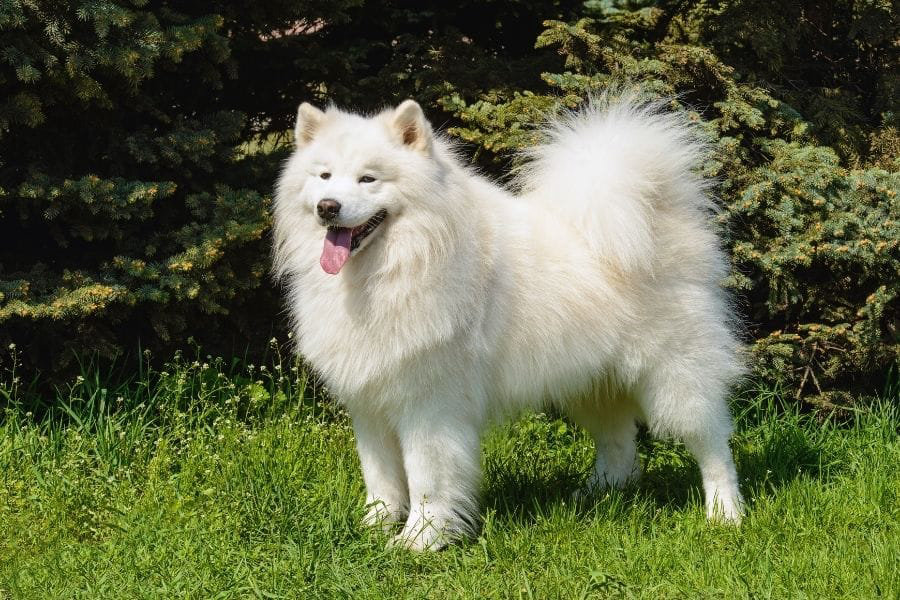
Top 1,000 Most Popular Dog Names
Looking for the perfect dog name for your new pup? We have created filterable lists of dog names from our database of hundreds of thousands of Sniffspot users. You can filter by gender, breed and state to find the most cute, unique and creative dog names.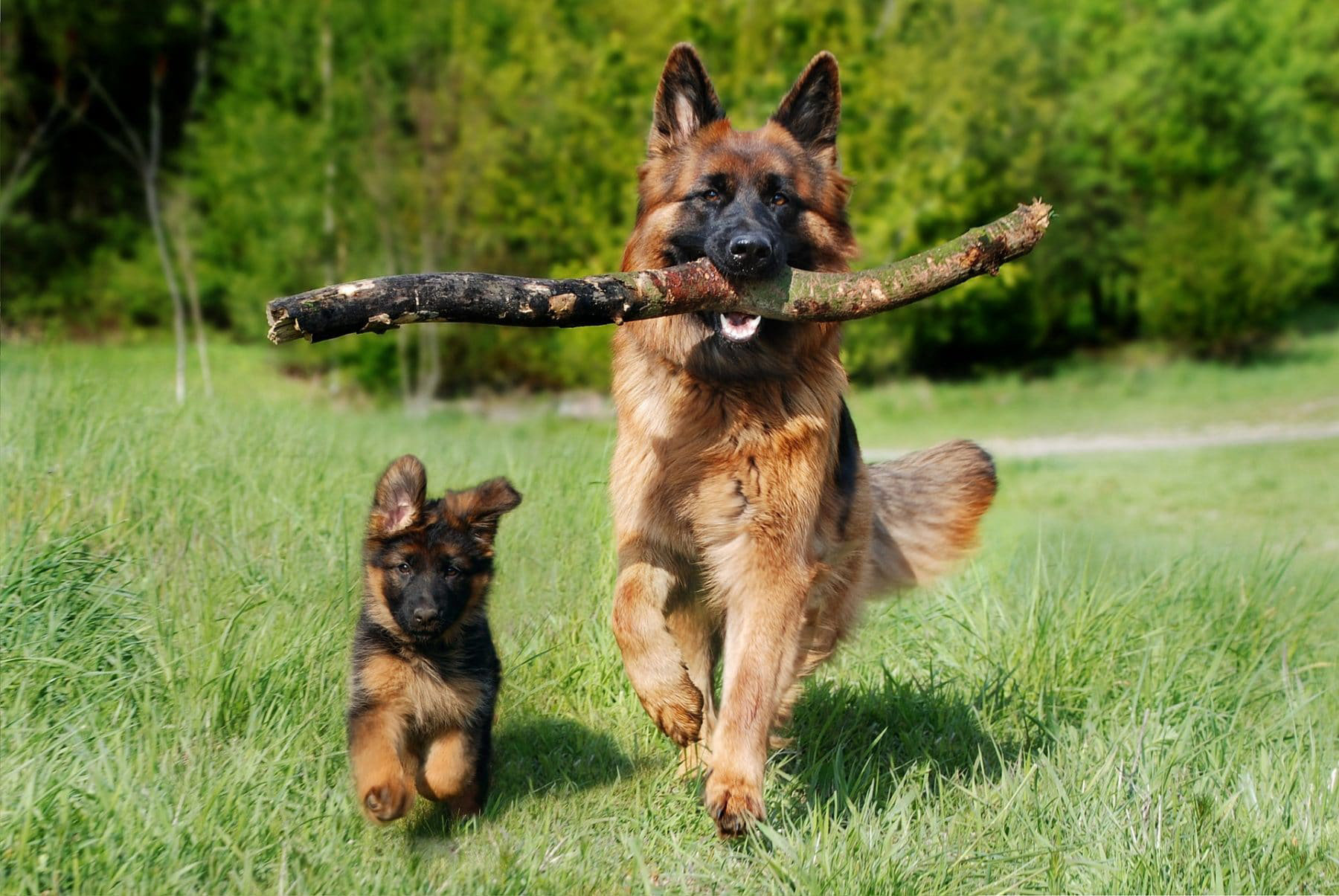
Most Popular Male Dog Names
Looking for the perfect dog name for your new male pup? We have created filterable lists of male dog names from our database of hundreds of thousands of Sniffspot users. You can filter by gender, breed and state to find the most cute, unique and creative male dog names.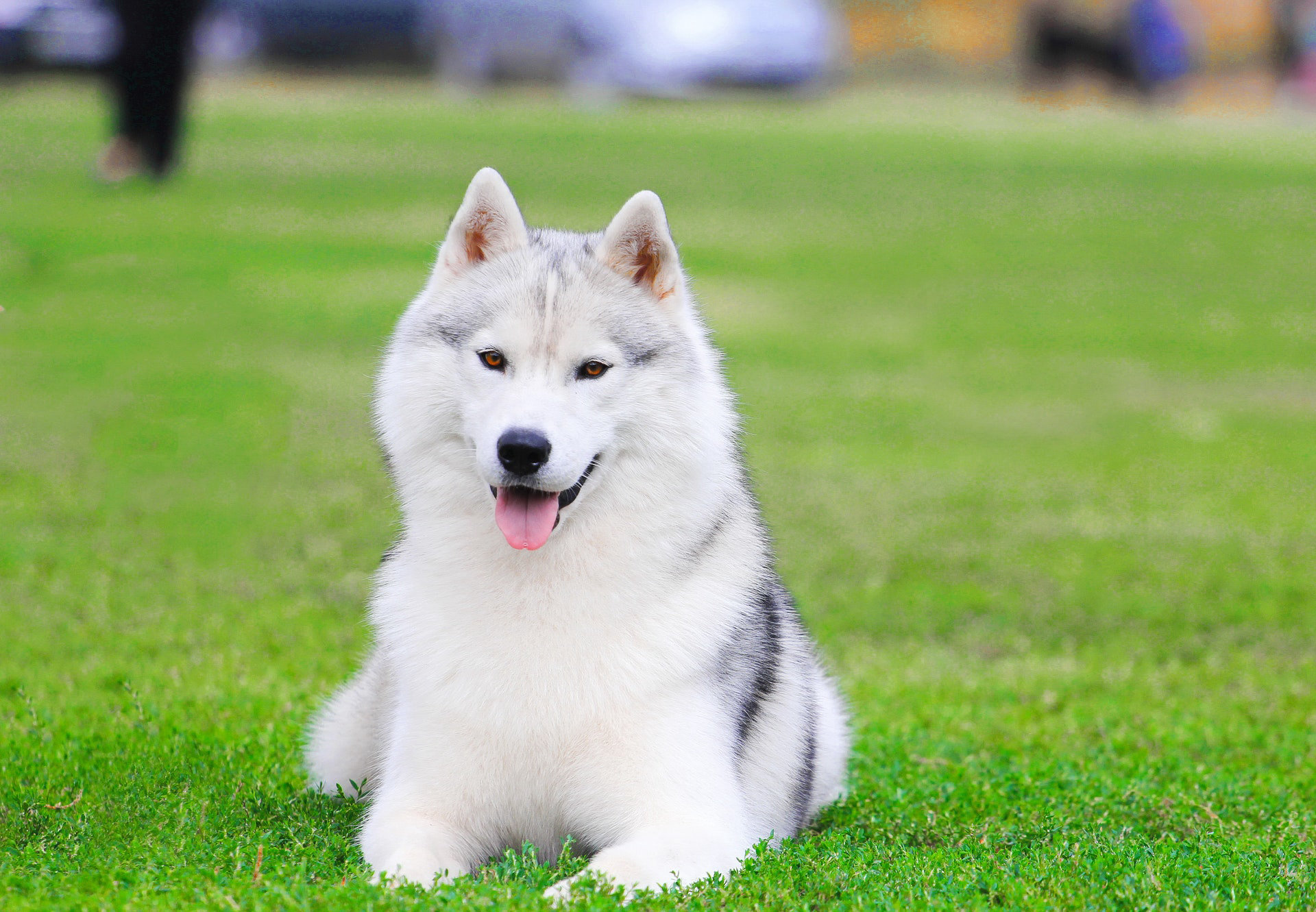
Most Popular Female Dog Names
Looking for the perfect dog name for your new female pup? We have created filterable lists of female dog names from our database of hundreds of thousands of Sniffspot users. You can filter by gender, breed and state to find the most cute, unique and creative female dog names.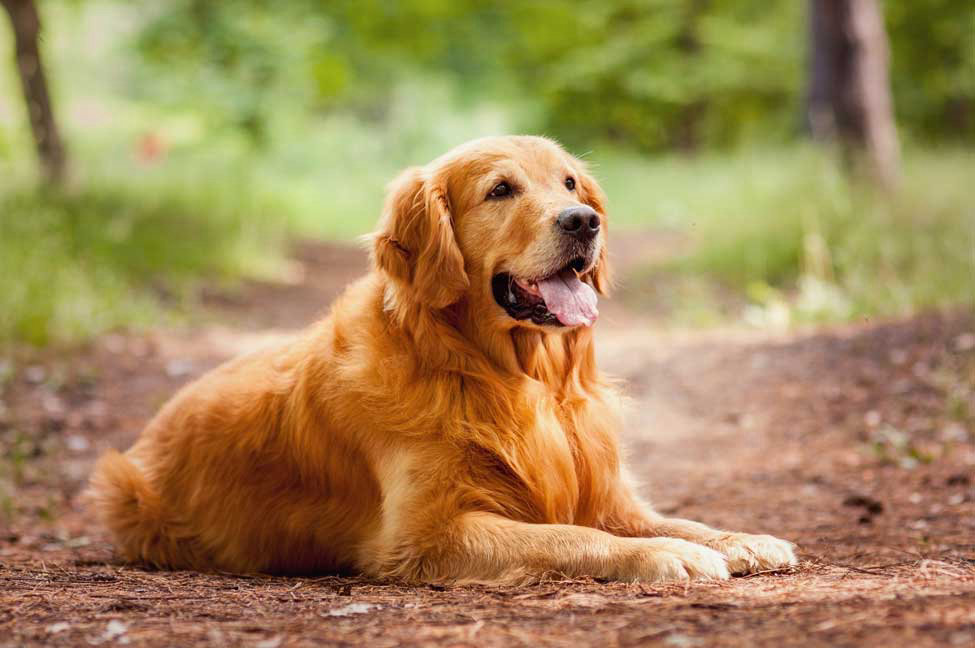
Most Popular Golden Retriever Names
Welcome to our comprehensive list of Golden Retriever dog names, curated from our vast database of Sniffspot users. Filter through hundreds of thousands of options by gender, breed, and state to discover the most adorable, original, and imaginative names for your beloved Golden Retriever.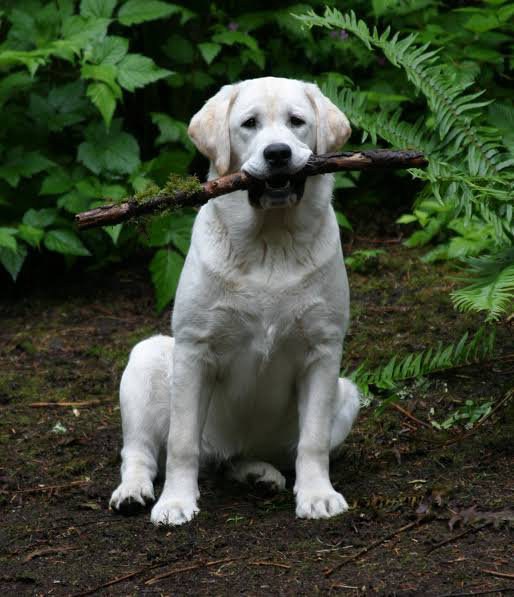
Most Popular Labrador Retriever Names
Welcome to our Labrador Retriever dog names page! Here you can browse through filterable lists of names for your beloved furry friend, ranging from cute and classic to unique and creative options. Our database of hundreds of thousands of Sniffspot users ensures you'll find the perfect name for your Labrador Retriever, whether you're seeking a name for a male or female, based on breed or state.


Top dog rescues in the US

The Best Washington Dog Rescues & Shelters in 2026
This list showcases the top dog rescues & shelters in Washington. These remarkable organizations have been recognized for their unwavering dedication to the well-being of countless dogs.
The Best Oregon Dog Rescues & Shelters in 2026
This list showcases the top dog rescues & shelters in Oregon. These remarkable organizations have been recognized for their unwavering dedication to the well-being of countless dogs.
The Best California Dog Rescues & Shelters in 2026
This list showcases the top dog rescues & shelters in California. These remarkable organizations have been recognized for their unwavering dedication to the well-being of countless dogs.
The Best Florida Dog Rescues & Shelters in 2026
This list showcases the top dog rescues & shelters in Florida. These remarkable organizations have been recognized for their unwavering dedication to the well-being of countless dogs.
The Best New York Dog Rescues & Shelters in 2026
This list showcases the top dog rescues & shelters in New York. These remarkable organizations have been recognized for their unwavering dedication to the well-being of countless dogs.
/354x256/Photos/SeoDogRescue/1282/178507e67e44-MC_logo_square.jpg)
/354x256/Photos/SeoDogRescue/931/cef8bbb17769-South_Coast_Humane_Society.png)
/354x256/Photos/SeoDogRescue/61/30aea3371b69-MainSquare_2.png)
/354x256/Photos/SeoDogRescue/298/1000035238.jpg)
/354x256/Photos/SeoDogRescue/814/91cfd62cd986-IMG_1035.jpeg)