Top articlesSee all...

A Comprehensive Guide to Dog Exercise

How To Crate train An Older Dog - A Comprehensive Guide

How To Socialize A Dog - A Comprehensive Guide

Leash Training: A Guide to Training Your Dog to Walk on a Leash

Skijoring: A Guide to Skijoring with Dogs

The Best Dog Enrichment Toys

The Best United States Dog Parks

The Best Indoor Dog Parks in the United States

The Best Off-Leash Dog Parks in the United States
Top articles
A Comprehensive Guide to Dog Exercise
How To Crate train An Older Dog - A Comprehensive Guide
How To Socialize A Dog - A Comprehensive Guide
Leash Training: A Guide to Training Your Dog to Walk on a Leash
Skijoring: A Guide to Skijoring with Dogs
The Best Dog Enrichment Toys
The Best United States Dog Parks
The Best Indoor Dog Parks in the United States
The Best Off-Leash Dog Parks in the United States
See all...Dog Pool Party Ideas: How to Throw the Best Water Day for Your Pup

/fit-in/0x450/wp-content/uploads/2026/05/dog-in-swimming-pool.jpg)
Your dog has been staring at you through the sliding glass door for three weeks. The pavement is too hot for a walk by 9am. You've been out of good ideas since May. It's time to throw a dog pool party.
Dog pool parties are one of the more genuinely fun summer activities you can do for your dog, and they're a little more satisfying than just filling a kiddie pool and calling it a day. With a little planning, you can put together a real event (or a really good solo enrichment afternoon) that gives your dog exercise, mental stimulation, and something to actually remember from this summer besides lying on the floor next to a box fan.
This guide covers everything: the setup, the guest list, the food, the toys, the safety stuff you actually need to know, and how to find a venue if your backyard isn't quite working for it. Whether you're throwing a party for a handful of dog friends or a private splash day for a solo dog birthday party, this is your playbook. Let's make a splash!
Jump Ahead: Dog Pool Party Ideas: How to Throw the Best Water Day for Your Pup
- Dog Pool Party Ideas at a Glance
- Why Throw a Dog Pool Party?
- Setting the Scene: What You Need
- Dog Pool Party Invites: Who to Include
- Dog-Friendly Pool Party Food and Treats
- Dog Pool Toys and Games
- Health & Safety at a Dog Pool Party
- Party Extras That Make It Fun
- Dog Pool Party Decorations
- Dog Pool Party Favors
- Hiring Professional Help for Dog Pool Parties
- Hosting a Dog Pool Party at a Sniffspot
- Frequently Asked Questions: Dog Pool Party Ideas
- Throw the Best Dog Pool Party
Dog Pool Party Ideas at a Glance
New to the concept or just want the short version? Here's what a solid dog pool party actually looks like:
- Get the right pool - Hard plastic or stock tank over inflatable. Dogs will puncture anything with a valve.
- Set up dedicated shade - Dogs can overheat in the water. Non-negotiable.
- Keep fresh drinking water separate from the pool - They will drink from the pool if you don't.
- Stick to dogs who know each other - A pool party is not the place for first introductions.
- Freeze your treats ahead of time - Broth cubes, stuffed Kongs, and frozen watermelon chunks are all easy to prep the night before.
- Bring floating toys - Rubber or foam only — tennis balls get waterlogged.
- Have a rinse station at the exit - Paws, bellies, ears. Your car will thank you.
- Designate one person as pool watcher - Not "everyone's sort of watching." One named person, sober, whose only job is the dogs.
- Life vests for weak swimmers - Flat-faced breeds, short-legged breeds, senior dogs, and first-time swimmers.
- Build in a cool-down window - Twenty to thirty minutes of frozen Kongs and shade before everyone loads into cars.
Why Throw a Dog Pool Party?
Because your dog deserves one, and honestly so do you. Who doesn't love to splash around?
Dogs need enrichment year-round, but summer creates a specific problem: heat limits exercise options significantly. Morning walks get shorter. Midday anything is often out of the question. By afternoon, everyone is just hot and bored.
Water play solves this elegantly. Swimming and water games give dogs genuine physical exercise in a format that's actually cooling instead of heating. The sensory experience (new textures, sounds, temperatures) provides mental stimulation on top of the physical component.
And then there's the social dimension. For dogs who are social and confident around other dogs, a small pool party with familiar friends is meaningful enrichment. For dogs who prefer solo enrichment, a private splash day is still a whole afternoon of novelty and fun.
The benefits stack up:
- Physical exercise without overheating
- Mental stimulation from a new environment and novel activities
- Socialization for dogs who are ready for it
- A genuinely fun afternoon that costs very little to pull off
- Photo content that will absolutely outperform anything else you post this summer
Let's get into the details.

Setting the Scene: What You Need
A good dog pool party doesn't require a lot of equipment, but the right setup makes a real difference in how smoothly the day runs.

The Pool Situation
Your pool options, ranked by durability:
Hard plastic dog pools are the workhorses. They don't puncture, they're easy to drain and clean, and they last multiple seasons. Cost is typically $40-80. Best for most dogs.
Stock tanks are ideal for large dogs or big groups. Originally made for livestock, these galvanized metal or heavy polyethylene tanks are extremely durable and hold a lot of water. The galvanized versions can heat up in direct sun, so keep them in shade.
Inflatable kiddie pools are a fine option for small dogs or for a one-time event where you don't want to invest much. Just know that dogs with any kind of nail length will probably puncture one within a few sessions.
If you're using a regular pool (ie. an in-ground chlorinated pool), make sure to prep your pool. A good idea is to put a skimmer sock (a mesh sleeve that fits over your pool filter or skimmer basket) in before the party starts. Dog fur will absolutely overwhelm a standard filter. They're cheap, they work, and you'll thank yourself during cleanup.
A Sniffspot with water access is covered in its own section below, but a property with a pond, creek, or pool is a legitimate upgrade if your backyard isn't working for it.
Shade is Non-Negotiable
Dogs can overheat even when they're in cool water. Hot sun, exertion, and excitement combine fast. If your yard doesn't have natural shade, a pop-up canopy or large umbrella is worth setting up before anyone arrives.
Create at least one shaded zone where dogs can rest between swims. Make this area explicitly appealing: a cooling mat, a bowl of fresh water, and maybe a frozen treat waiting for them when they get out.
Towels and Drying Stations
You will need more towels than you think. Set up a designated towel area near the pool exit. Microfiber dog towels absorb fast and dry fast. Regular beach towels work but take a long time to dry out between uses.
If you're planning on dogs going in and out multiple times, having six to ten towels on hand for even a small group isn't overkill.
Water Stations
Fresh drinking water, separate from the pool. Dogs will absolutely drink from the pool if you don't give them another option, and chlorinated or dirty pool water is not great for them. Set up at least one dedicated water bowl in the shade and refill it throughout the day.
Dog Pool Party Invites: Who to Include
This section matters more than people expect, and skipping it is how pool parties go sideways.
Not every dog is ready for a multi-dog pool party. The water, the close quarters, the excitement and chaos of multiple dogs in a small space: this is a high-stimulation situation. It works beautifully for the right group and can become a tense, stressful mess for the wrong one.
Guest list considerations:
- Stick to dogs who know each other well. First-time introductions at a pool party, where everyone is already excited and there's competition for space and toys, is not the ideal setting
- Match energy levels and play styles. A high-drive Border Collie and a mellow senior Basset Hound are not natural pool party companions
- Check vaccination status. Everyone should be current on vaccines before sharing water and close space
- Consider intact dogs carefully. Intact males in particular can cause tension in group settings, especially around other intact dogs
- Think about size compatibility. A 90-pound dog playing rough in a kiddie pool with a 15-pound dog is a problem waiting to happen
- Know your own dog's limits. Even social dogs have a capacity. If your dog gets overstimulated or snappy after two hours of company, plan accordingly
Ideal size: Three to five dogs is a sweet spot for a backyard pool party. Small enough to supervise properly, big enough to feel like an event. More than that and management gets complicated fast — you'll need more space, more water stations, and realistically another adult focused solely on watching the dogs.
Set expectations with guests ahead of time. Let people know the setup: pool size, available shade, how long the event runs. Ask them to confirm their dog's vaccination status and give an honest heads-up if the guest list includes a particularly high-energy dog. The more information people have going in, the better prepared they'll be to read their dog and step in if something needs to change.
And if your dog isn't quite a party dog?
A solo pool day is its own kind of excellent event. Set up the full spread (pool, shade, toys, frozen treats) and call it a private splash party. Your dog does not need an audience to have a good time, and a reactive or shy dog will often enjoy off-leash play and exercise far more when there aren't other dogs to manage.

Dog-Friendly Pool Party Food and Treats
Food is a pool party staple, and dogs deserve good snacks too. The key is knowing what's actually safe.
One timing note before you start prepping treats: don't feed dogs for at least two to three hours before they swim. Swimming is vigorous exercise, and a dog who ate recently is a dog who might throw up in your pool. Ask guests to skip the pre-party meal too, and plan treats for after the swim session wraps up.
Safe Summer Snacks for Dogs
These are crowd-pleasers that are genuinely dog-safe:
- Frozen watermelon chunks: Remove the seeds and rind. Dogs love the texture and it's hydrating, and they keep them cool.
- Plain frozen yogurt: Small amounts only, and read the label carefully. Yogurt with xylitol (often labeled as "natural sweetener") is toxic. Plain, unsweetened, xylitol-free yogurt is fine in small amounts.
- Broth ice cubes: Freeze low-sodium chicken or beef broth in an ice cube tray. Easy to make, endlessly popular.
- Cucumber slices: Cool, hydrating, and most dogs think they're much more exciting than they have any right to be.
- Frozen blueberries: Small, frozen, great for individual treating.
- Carrot sticks: Dogs who like to chew tend to enjoy these as a hot-day snack.
What to Avoid
Keep this list in mind when planning your own party food. According to the FDA's pet food safety guidance and the ASPCA Animal Poison Control Center, some of the most common sources of food toxicity in dogs include:
- Grapes and raisins: Toxic to dogs, can cause kidney failure
- Onion and garlic: Toxic in all forms
- Avocado: Contains persin, which is harmful to dogs
- Xylitol: Found in some peanut butters, yogurts, and sugar-free treats; highly toxic
- Alcohol: Self-explanatory, but worth stating since pool parties involve drinks
- Macadamia nuts and chocolate: Both toxic to dogs
Keep human party food well away from dog height. Dogs are persistent and creative when food is involved. Human guests should eat before, after, or separately.
Frozen Kong Station
This is one of the best party ideas for managing the "everyone needs something to do" phase of a dog party. Pre-stuff Kongs with peanut butter (xylitol-free), banana, plain yogurt, tiny treats, or a combination and freeze them solid the night before. Set them out in a shaded area as a calm-down activity when dogs need a break from swimming.
A dog working on a frozen Kong is a focused, settled dog. It's the canine equivalent of handing someone a beverage and pointing them toward the hammock.
Dog Pool Toys and Games
Not all dog toys survive water contact. Here's what actually works.
Floating fetch toys are the gold standard. Look for rubber or foam construction that stays buoyant even when wet. Specific things that work:
- Rubber fetch balls designed to float (bright colors help)
- Foam flying discs rated for water
- Floating tug rings, good for dogs who prefer tug to fetch
- Rubber squeaky toys that float (most do)
Sprinkler toys are excellent for dogs who love to chase water more than swim in it. A simple hose attachment that creates a spinning sprinkler, or a flat sprinkler mat you lay on the ground, gives dogs a totally different water experience to engage with.
Kiddie sprinkler arches (the kind that kids run through) work surprisingly well for dogs. Many dogs will charge through repeatedly for no reason except that it feels good.
What to avoid:
- Regular tennis balls in deep water: They get waterlogged, become heavy and hard to fetch, and the fuzz can mat and irritate gums
- Small toys that could be swallowed if a dog gets excited in the water
- Hard plastic or sharp-edged toys that could hurt a dog in the water
- Toys with fabric or rope that get waterlogged and heavy
- Human pool floats: They're not designed for a dog's weight distribution and will dump your dog into the water
A quick note on recall: make sure every dog can swim safely and come when called before introducing fetch toys in or near water. Toy drive plus water excitement is a combination that can override a dog's judgment fast.
Health & Safety at a Dog Pool Party
Supervision: The Non-Negotiable
Never leave dogs unsupervised near any water. Not for a minute. Even strong swimmers can tire suddenly, get disoriented, or get into a scuffle near the pool. When dogs are in or near the water, one person's only job is watching them. If you're hosting and also managing food, guests, and toys, designate a named pool watcher before the party starts.
For in-ground pools, a dog-specific pool ramp or stair attachment is essential. Dogs cannot climb tile walls. Make sure every dog knows where the exit is before they swim freely. Nobody wants to think about what might happen in an emergency, but dogs could drown faster than you think.
Overheating: It Happens Even in Water
Dogs can overheat even while swimming. Exertion, excitement, and hot sun combine fast — the water cools their body but doesn't offset the heat generated by vigorous activity in direct sun. The American Veterinary Medical Association (AVMA) notes that dogs can't regulate body temperature as efficiently as humans, making external cooling measures — shade, rest breaks, and fresh water — essential.
Signs of overheating include heavy panting that doesn't settle, excessive drooling, glazed or unfocused eyes, stumbling, and vomiting. If you see any of those, move the dog to shade immediately, offer water, and apply cool (not cold) water to their paws, belly, and neck. Call your vet if symptoms don't improve quickly.
Build in mandatory rest breaks in shade every 15–20 minutes, especially on hot days. Dogs won't always self-regulate when they're excited. As the dog parent, it's up to you to make sure they're not overdoing it.
Water Intoxication
This one catches people off guard. Dogs who are playing enthusiastically in water (fetching, diving, catching water from a hose) can swallow large amounts without meaning to. Too much water too fast dilutes sodium levels in the blood, causing hyponatremia, which can be fatal. It's uncommon but worth knowing about because the symptoms are easy to misread as normal tiredness. The Merck Veterinary Manual identifies water intoxication as a genuine risk during prolonged water play, particularly for dogs who obsessively chase hose streams or dive repeatedly.
Warning signs: bloated belly, lethargy, loss of coordination, glazed eyes, vomiting, or seizures. If your dog has been playing hard in water and shows any of these, contact your vet immediately. Prevention: take regular breaks, limit back-to-back fetch sessions in the water, and watch dogs who obsessively chase hose streams.
Secondary Drowning
If a dog inhales or swallows water during play (a wave to the face, going under briefly, coughing while fetching) watch them in the hours after the party. Secondary drowning is rare but real: inhaled water causes lung inflammation that develops over several hours. Signs include persistent coughing, unusual lethargy, labored breathing, or pale gums after the swim. If you notice any of those, call your vet. Most of the time it's nothing, but the window for treatment matters.
Life Vests
Any dog who isn't a confident swimmer should wear one. That includes flat-faced breeds (Bulldogs, French Bulldogs, Pugs, Boxers), short-legged breeds (Dachshunds, Corgis, Basset Hounds), senior dogs, small dogs in deeper water, and any dog new to swimming. A vest with a back handle lets you lift a dog out quickly without grabbing fur or collar. Even for strong swimmers, a vest is a reasonable precaution in a group setting where you can't watch every dog at once.
Ear Health
Water trapped in the ear canal is the main cause of swimmer's ear (otitis externa) in dogs. At the end of the party, dry every dog's ears with a clean towel. For dogs who swim regularly or are prone to ear infections, a vet-recommended drying ear rinse used after every session is worth the habit.
Paws and Skin
Concrete pool surrounds get hot and abrasive. Check paw pads after the party for cuts, cracking, or redness. Dogs focused on play won't notice in the moment. Chlorine can also cause dry skin and coat irritation with repeated unrinsed exposure. A fresh water rinse after every pool session handles both.
Group Dynamics
Pool excitement escalates dog play faster than most other activities. Watch for stiff posture, whale eye (whites of the eyes showing), lip curls, or a dog repeatedly trying to leave the pool area. Separate and give everyone a break before things escalate. Resource guarding around toys in the water is also common; if one dog is controlling access to a specific toy, remove it and redirect.
Party Extras That Make It Fun
Once the basics are handled, these optional additions take a pool party from good to genuinely memorable. They also make excellent dog pool party birthday ideas if you're celebrating a specific pup — a themed water day with a cake, bandanas, and a photo spot hits differently than a regular backyard afternoon.
Doggy "birthday" cake: Freeze a mixture of plain peanut butter (xylitol-free), mashed banana, and plain yogurt in a small round pan or silicone mold. Unmold it at the party and let the guest of honor go at it. Simple, safe, very photogenic.
Dog bandanas: Assign each dog a bandana in a different color so you can tell at a glance who's who in photos. Also just cute.
A designated photo spot: Set up a backdrop (a wall of colorful balloons, a floral arch, a painted board with a funny phrase) where you can get good party photos. Dogs rarely cooperate with posed photos, but catching them mid-zoomie or mid-shake at a setup spot gives you better backgrounds.
A hose rinse station at the exit: A spot designated for rinsing paws, bellies, and faces before dogs go back into cars. Stage towels here too. Your car upholstery will thank you.
Party playlist for humans: The dogs don't care about the music. You might. If you're bringing your dog to a pool party, consider bringing the playlist.
Name tags or party hats: Again, the dogs don't care. But it makes for a much better Instagram post.
A "doggy bag" station: Set up a small table where guests can grab a take-home bag for their dog — a treat, a recipe card for the broth cubes, a bandana if you have extras. It gives people something to do during the winding-down phase and extends the fun after they leave.
End-of-party group photo: The best dog party photos happen at the end, when everyone is wet, slightly chaotic, and done caring about the camera. Set a timer and get a group shot before people start leaving. You won't regret it.
A cool-down window: Build in 20–30 minutes of low-key time before the official end of the party. Frozen Kongs, shade, and calm energy gives dogs a chance to settle before going into cars, which makes for quieter, safer rides home for everyone.
Dog Pool Party Decorations
Dog pool parties are one of the easier events to decorate for, because your dogs will destroy anything at ground level and you know it going in. The goal is visual impact for photos — nothing that's a choking hazard or that'll end up in the pool.
What works:
- Balloon arch or cluster at the entrance — keep it elevated, away from curious noses. Balloons at dog height become snacks.
- Themed banner — "Dog Days of Summer," "Pawty in the Pool," or your dog's name if it's a birthday. Hang it on a fence or wall, out of reach.
- Large decorative pool floats — flamingos, pineapples, and similar inflatables make great photo backdrops when kept out of the actual swim area.
- Potted plants or flowers — bright, visual, zero choking risk. Check that any plants near the party area aren't toxic to dogs (azaleas, tulips, and oleander are common culprits).
- Chalk art on concrete — paw prints, your dog's name, a welcome message. Completely safe, very photogenic, washes off.
What to skip:
- Streamers or ribbons near the pool — they end up in the water and potentially in someone's mouth
- Anything small and shiny (confetti, decorative stones) that could be ingested
- Latex balloons on the ground — one pop and suddenly everyone's stressed
The decorations that photograph best are usually the simplest: a good banner, elevated balloons, bright towels laid out, and dogs in bandanas.
Dog Pool Party Favors
If you're throwing a group dog pool party, sending guests home with a little something is a nice touch — and it doesn't have to cost much.
Practical favors that dogs actually use:
- A small bag of dog treats — packaged so people can take them home, nothing with xylitol
- A pre-stuffed frozen Kong sent home in a bag — a ready-made enrichment activity for the car ride
- A bandana from the party (if you did the "each dog gets a color" setup, they go home with it)
- A sample-size bottle of dog-safe ear cleaner — actually useful after a swim day
Budget-friendly options:
- A small card with the broth ice cube or frozen Kong recipe you used at the party
- A packet of dog-safe pupsicle mix
- A photo of their dog from the party, printed or sent digitally — often the most appreciated favor of all
You don't need to go overboard. A small treat bag and a party photo hits the right note for most dog people.
Hiring Professional Help for Dog Pool Parties
For most backyard pool parties, you don't need to hire anyone. But for larger events — or if you want a more structured experience — there are a few roles worth considering.
Dog trainers or handlers — If you're hosting six or more dogs, or the group includes dogs who don't all know each other well, having a certified trainer on site is worth the cost. They can manage introductions, read body language in real time, and step in before small tensions become actual conflicts. Look for someone with a CPDT-KA certification (Certified Professional Dog Trainer) or equivalent.
Pet photographers — A professional dog photographer who understands animal behavior will get shots your phone won't. They know how to work with dogs who won't hold still, when to anticipate a shake-off moment, and how to use natural light in outdoor settings. Worth it for milestone birthday parties or if you want photos you'll actually frame.
Mobile dog groomers — Some mobile groomers offer post-swim wash and dry services. Booking one to arrive at the end of your party means every dog goes home clean, ears dried, and dog paws checked which guests genuinely appreciate.
What you don't need: specialized catering, event planners, or puppy party entertainment companies (yes, that's a thing) — unless budget is unlimited and you enjoy that kind of thing. Most dog parties are casual by nature, and the dogs won't know the difference.
Hosting a Dog Pool Party at a Sniffspot
If your backyard isn't set up for this (no space for a pool, no shade, no privacy, or you're renting and can't have a pool on the property) Sniffspot is for you.
Sniffspot is a platform where private landowners rent their outdoor space by the hour, with thousands of private spaces available across the country. Some hosts have pools, natural ponds, creeks, or large water features on their property. You book the space privately, which means you control the guest list entirely, no other dogs or strangers show up uninvited, and you have the space to yourself for your full booking window.
If you're searching for a puppy or dog pool party near me, Sniffspot's location-based search makes it easy to find private outdoor spaces with water access in your area. Filter by amenities to find hosts with pools, ponds, or sprinkler setups — owners frequently highlight water features in their listings.
For a small dog pool party with friends whose dogs all know each other, this is a genuinely good setup:
- You get the outdoor space without needing to own it
- Private means no unknown dogs wandering in
- Some spaces have shade, water features, and plenty of room to set up
- Dogs get a novel environment on top of the water experience, which is enrichment in itself
Search for Sniffspot hosts near you and filter for water access or amenities. Not every host will have a pool, but ponds and natural swimming features are listed when available.
🐾 Your backyard doesn't have to be the only option. Find a private Sniffspot near you with water access →
Frequently Asked Questions: Dog Pool Party Ideas
How do I set up a dog pool party?
Start with the pool (hard plastic holds up best for most dogs), a dedicated shade area, fresh drinking water, and a safety plan for supervision. Add frozen treats, floating toys, and a hose rinse station. If you're inviting other dogs, stick to dogs who know each other with compatible play styles. Set up before anyone arrives so you're not scrambling once dogs are on site.
What kind of pool is best for a dog party?
For most dogs, a hard plastic dog pool or a stock tank is the best option. They don't puncture, they're easy to clean, and they last multiple seasons. Stock tanks are ideal for large dogs or groups. Inflatable pools work for small dogs or low-intensity use but tend to puncture quickly with nails.
What food can I bring to a dog pool party?
Safe options include frozen watermelon chunks (seedless), broth ice cubes, plain xylitol-free frozen yogurt in small amounts, cucumber slices, carrot sticks, and frozen blueberries. Avoid grapes, raisins, onion, garlic, avocado, xylitol, and chocolate. Pre-made frozen Kongs are a great structured treat option.
How do I keep dogs safe at a pool party?
Active supervision at all times. Never leave dogs unsupervised near water. Life vests for dogs who aren't strong swimmers or who are brachycephalic breeds. In-ground pools need a ramp or steps so dogs can exit independently. Rotate dogs in and out with rest breaks in the shade. Manage group dynamics and separate dogs if play gets tense.
Can I have a dog pool party with dogs who don't know each other?
It's possible, but a pool party isn't the ideal setting for first-time dog introductions. The combination of excitement, close quarters, and competition for toys can create tension quickly. If you want to include dogs who haven't met before, do leashed introductions in a neutral area well before pool time, and have a plan to separate dogs if needed.
What are good pool games for dogs?
Floating fetch with rubber or foam toys, sprinkler attachments on a hose, flat sprinkler mats dogs can run through, and "find it" games where you toss treats into shallow water. For groups, parallel water fetching (each dog has their own toy thrown in a different direction) prevents competition over a single toy. Keep it low-key and let dogs self-select their level of engagement.
Should I set any rules or guidelines for the dog pool party?
Yes! And share them with guests in advance rather than enforcing them on the fly. Useful ground rules: all dogs must be current on vaccines, everyone is responsible for supervising their own dog, and any dog showing signs of stress or reactivity takes a break immediately. It also helps to agree ahead of time on a protocol if dogs scuffle. Usually: separate calmly, give a break, reassess before reintroducing. A quick note in the invite works fine. Most dog owners appreciate the clarity.
What can I do to make the dog pool party enjoyable for all attendees?
Match the group to the setup. Small, compatible groups in a space that gives everyone room to move. Give dogs the option to opt out: not every dog wants to swim, and that's fine. Have a shaded area with toys and frozen treats where dogs can hang out without being pressured toward the pool. Build in regular rest breaks and keep the energy level manageable by not overscheduling activities. And watch each dog individually, not just the group. It's easy to focus on the dogs having the most fun and miss the one who's quietly overwhelmed in the corner.
Throw the Best Dog Pool Party
A good dog pool party comes down to three things: the right setup, the right guest list, and not skimping on safety. Get those right and the rest is just showing up with frozen treats and a sense of humor about how wet everything is going to get. Dog party favors optional!
Your dog (or puppy) doesn't need elaborate decorations or themed cups. They need shade, fresh water, a pool they can actually get into and out of safely, and maybe a frozen broth cube or two. The rest is for you.
If your backyard isn't quite set up for it, Sniffspot hosts with water access give you a private outdoor dog park you can book by the hour. Small group, dogs who know each other, a property with a water feature. That's a pool party without needing to own the pool.
🐾 Ready to plan the best water day of the summer? Find a private Sniffspot near you →
This article was last updated June 2026. All our articles are reviewed by qualified professionals, from certified dog trainers to veterinary staff. This article was reviewed by Elisa Quinn, CVT, SEA Island Animal Clinic.


/fit-in/0x128/wp-content/uploads/2022/07/shutterstock_237584221-1.jpg)
/fit-in/0x128/wp-content/uploads/2020/08/shutterstock_421958377.jpg)
/fit-in/0x128/wp-content/uploads/2025/03/Moving-with-your-pet-1.png)
/fit-in/0x128/wp-content/uploads/2020/07/shutterstock_330043559-1.jpg)
/fit-in/0x128/wp-content/uploads/2026/05/white-pitbull-tired-on-rug.jpg)
Most recent articles
/fit-in/0x256/wp-content/uploads/2022/07/shutterstock_237584221-1.jpg)
/fit-in/0x256/wp-content/uploads/2020/08/shutterstock_421958377.jpg)
/fit-in/0x256/wp-content/uploads/2025/03/Moving-with-your-pet-1.png)
/fit-in/0x128/wp-content/uploads/2024/11/Screen-Shot-2024-11-29-at-12.58.43-PM.png)
/fit-in/0x256/wp-content/uploads/2024/11/Screen-Shot-2024-11-29-at-12.58.43-PM.png)
/fit-in/0x128/wp-content/uploads/2025/03/Moving-with-your-pet-2.png)
/fit-in/0x256/wp-content/uploads/2025/03/Moving-with-your-pet-2.png)
/fit-in/0x128/wp-content/uploads/2024/05/dog-friendly-airlines.jpg)
/fit-in/0x256/wp-content/uploads/2024/05/dog-friendly-airlines.jpg)
Related articles
Top dog guides per area
Dog training guides

Best Dog Fields in the US: 25+ Wide-Open Spaces for Your Pup to Run Free
The best dog fields in the US offer something that traditional enclosed parks simply can't match: acres of open space where your pup can truly stretch their legs and run at full speed. From Colorado's 470-acre prairie meadows to Tennessee's award-winning "Outback," these wide-open spaces allow dogs to roam, explore, and exercise naturally while engaging instincts that cramped urban parks suppress.

Dog Food Aggression & Resource Guarding Guide
Does your dog ever growl when you walk by their food dish? Maybe they get possessive of treats, carrying them far away and giving you side-eye when you start to approach — or snarling at your other pets or children if they get too close.

The Ultimate Guide to Scent Training for Dogs
Your dog's nose is an amazing tool. Did you know they have 40 times the olfactory receptors than humans? Scent training for dogs taps into this superpower, turning everyday moments into exciting sniff-fests. It's enriching for all types of dogs – reactive, shy, or simply adventurous. Ready to explore the world of scent work for dogs? Let's get started.

How Much Does It Cost to Train a Service Dog?
More than 80 million Americans rely on their service dogs to help them navigate the world. Task-trained assistance animals perform a huge range of life-changing—in many cases, life-saving—services: These dogs act as eyes for visually impaired handlers, provide mobility support, alert to seizures and blood sugar crashes, interrupt anxiety attacks, remind their people to take medications, and so much more.

How to Deal With Puppy Potty Training Regression
You thought those dreaded middle-of-the-night potty breaks were over. You were finally free from cleaning up puppy puddles. Then, suddenly, your six-month-old who's been accident-free for weeks starts peeing on your rug again.

Dirty Dog Syndrome: Causes, Solutions, and Prevention
It's a cringe-worthy moment every dog owner dreads: your furry friend chowing down on something truly disgusting. If your dog has a penchant for poop, you're dealing with coprophagia. It's more common than you think, and thankfully, often manageable. This article explores the reasons behind dirty dog syndrome, from instinct to learned behavior. We'll also give you practical tips to help break this unpleasant habit.
/354x256/wp-content/uploads/2025/09/Screenshot-2025-09-21-at-6.39.54-PM.png)
/354x256/wp-content/uploads/2020/08/bernese-mountain-dog-208092_1280.jpg)
/354x256/wp-content/uploads/2022/04/shutterstock_543831754.jpg)
/354x256/wp-content/uploads/2022/08/shutterstock_494495788-1.jpg)
/354x256/wp-content/uploads/2022/07/shutterstock_237584221-1.jpg)
/354x256/wp-content/uploads/2022/10/shutterstock_705844504.jpg)
Dog enrichment guides
Best Dog Fields in the US: 25+ Wide-Open Spaces for Your Pup to Run Free
The best dog fields in the US offer something that traditional enclosed parks simply can't match: acres of open space where your pup can truly stretch their legs and run at full speed. From Colorado's 470-acre prairie meadows to Tennessee's award-winning "Outback," these wide-open spaces allow dogs to roam, explore, and exercise naturally while engaging instincts that cramped urban parks suppress.

Best Dog Water Parks in the US: 15+ Amazing Splash Destinations for Your Pup
Do you have a water-loving dog looking to burn some energy? There are countless dog parks to visit throughout our country — but some of them become far too hot in the midday sun to be safe for your pets to play. That’s why we’ve put together a list of some of the best dog water parks throughout the United States! At these locations, your pup can frolic, splash, and swim to their heart’s content.

Best Toys for Herding Dogs: Keeping Your Pup Happy & Engaged
Herding dogs are amazing, intelligent companions. But that also means they need more than just a simple game of fetch. Finding the right toys for herding dogs is key to keeping them happy and stimulated. This article explores some of the best toys for herding dogs, including options specifically for breeds like Border Collies and Australian Shepherds. We'll help you discover the perfect herding toys for dogs to tap into their natural instincts and keep them entertained for hours.

Tough Dog Toys for Aggressive Chewers: A Practical Guide
Does your dog destroy every toy you give them? Is your house littered with the remnants of plush toys? Are you tired of wasting money on "indestructible" dog toys for aggressive chewers that don't last? Then this post is for you. We'll cover everything you need to know about finding the best dog toys for aggressive chewers, so you can finally give your pup something safe, durable, and fun.

Dog Exercise Calculator: How Much Exercise Does Your Dog Need?
Every dog needs to move, but how much is actually enough? The answer depends on more than just breed. Age, health, and even your own lifestyle all play a role in figuring out the right daily exercise routine for your pup.

Complete Guide To Herding With Dogs
* All Sniffspot articles are reviewed by certified trainers for quality, please see bottom of article for details *
/354x256/wp-content/uploads/2023/04/dogwaterpark.png)
/354x256/wp-content/uploads/2022/05/shutterstock_174836186.jpg)
/354x256/wp-content/uploads/2023/02/shutterstock_1346929262.jpg)
/354x256/wp-content/uploads/2022/08/dogexercisecalculatorfeaturedimage.jpg)
/354x256/wp-content/uploads/2020/07/bb.jpg)
Dog reactivity guides
Best Dog Fields in the US: 25+ Wide-Open Spaces for Your Pup to Run Free
The best dog fields in the US offer something that traditional enclosed parks simply can't match: acres of open space where your pup can truly stretch their legs and run at full speed. From Colorado's 470-acre prairie meadows to Tennessee's award-winning "Outback," these wide-open spaces allow dogs to roam, explore, and exercise naturally while engaging instincts that cramped urban parks suppress.

Rottweiler Aggression: Signs, Causes & Training
Many dogs have gotten a bad reputation over the years for being "dangerous breeds." Rottweilers are among them. Like pit bulls and other large, blocky-headed types of dogs, these powerful and beautiful animals are often assumed to be aggressive.

The Reactive Dog Chart: How to Calm Your Dog's Triggers
If your dog lunges, barks, or loses their mind at the sight of another dog, a stranger, or a bicycle, you’re living with a reactive dog (and you’re far from alone). Dog reactivity is one of the most common behavioral challenges dog owners face, and it can make even a simple walk feel stressful and isolating.

How to Socialize a Reactive Dog: A Step-by-Step Guide
Does your dog display reactivity to other pets or people—barking, lunging, or growling when they see their triggers? Whether they're a rescue still settling in, missed critical socialization as a puppy, or had a negative experience that changed how they see the world, you're not alone. Reactivity is one of the most common dog behavior concerns, and with the right approach, you can help your dog feel calmer and more confident.

What Is a Reactive Dog? The Complete Guide for Understanding and Helping Your Pup
Does your dog transform into a barking, lunging tornado the second they spot another dog across the street? You're definitely not alone. According to our research of over 4,000 dog owners, 66% of dogs show some signs of reactivity.

9 Best Online Communities for Reactive Dog Parents
Does your dog's reactivity make walks stressful? You're not alone. Many dog owners face similar challenges. This guide offers practical advice and support for managing reactivity, including finding the best online dog training for reactive dogs. We'll connect you with reactive dog support groups, share training tips, and explore resources like the best dog training app for reactive dogs. Let's build a stronger bond with your dog, together.
* All Sniffspot articles are reviewed by certified trainers for quality, please see bottom of article for details *
/354x256/wp-content/uploads/2023/05/Screen-Shot-2024-05-23-at-9.33.57-PM.png)
/354x256/wp-content/uploads/2022/08/dogreactivitychartfeaturedimage.jpg)
/354x256/wp-content/uploads/2022/08/shutterstock_523383649.jpg)
/354x256/wp-content/uploads/2020/07/a.jpg)
/354x256/wp-content/uploads/2022/01/shutterstock_796422001.jpg)
Sniffspot community guides
Best Dog Fields in the US: 25+ Wide-Open Spaces for Your Pup to Run Free
The best dog fields in the US offer something that traditional enclosed parks simply can't match: acres of open space where your pup can truly stretch their legs and run at full speed. From Colorado's 470-acre prairie meadows to Tennessee's award-winning "Outback," these wide-open spaces allow dogs to roam, explore, and exercise naturally while engaging instincts that cramped urban parks suppress.

The State of Public Dog Parks Across the United States
From 2009 to 2020, there was a 40 percent increase in the development of public dog parks. Designated spots for canine exercise have become commonplace in every major city in North America — many pet owners won’t even consider renting an apartment that doesn’t have its own fenced-in pet area for their canine companions.

How This Family is Affording Their Dream Property Through Renting it Hourly to Dogs
Thousand Oaks, California has been a safe haven for Sniffspot host, Jen, since childhood. Having grown up in busy Santa Barbara, Jen, an introvert from an early age, would seek out solitude and serenity away from tourists attractions and droves of people visiting from elsewhere. “My grandparents own 60 acres about a 30 minute drive from here, and I grew up spending every summer and every holiday visiting them on the ranch,” Jen explained. “In Santa Barbara, we wouldn't go to the beach on the weekend because that's where everybody was, so you'd find places off the beaten path where the tourists weren't. For me, the ranch was just my happy place.”

Host Tips: Ellen K. What Makes Sniffspot Successful for Me
Ellen is the host of Country Pasture Getaway, one of Sniffspot's most popular sniff spots. She has taken the time to write up the lessons she has learned about how to be a great sniff spot host.

How this Oregon Farmer is Making a Business From Renting Her Land to Dogs
Just 20 minutes outside of the busy city of Portland, Oregon, and settled right on the banks of the Columbia River, you’ll find what countless visitors have flocked to the area in search of – mountain views, crisp, clean air, and running water for miles. What you might not expect to find, however, is a hidden oasis designed just for dogs and their people, owned and operated by a farming couple and enjoyed by visitors on two legs, and four.

Host Tips: Fran T. Providing Great Guest Service at our Spot
Fran is the host of Ranch Setting, one of Sniffspot's most popular spots. She has taken the time to write up the lessons she has learned about how to be a great Sniffspot host.
/354x256/wp-content/uploads/2022/07/Sniffspot_infographic_1-01.jpeg)
/354x256/wp-content/uploads/2021/05/Final-Edit-003-1.jpg)
/354x256/wp-content/uploads/2020/07/good-photo-3_orig.jpg)
/354x256/wp-content/uploads/2021/05/sniffspot-28-of-45-1.jpg)
/354x256/wp-content/uploads/2020/07/screen-shot-2019-09-19-at-2-01-47-pm_orig.png)
Top dog trainers in the US
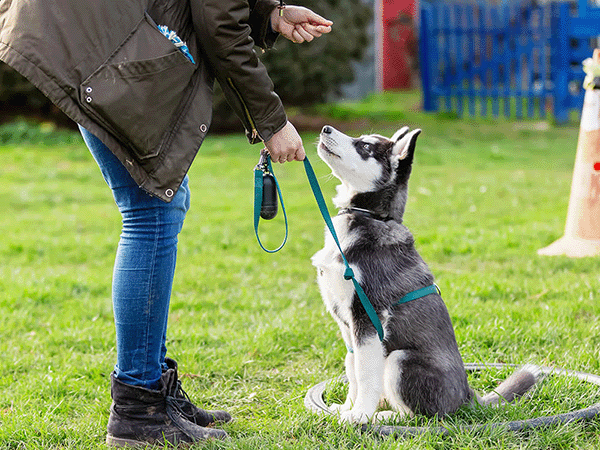
The Best Dog Trainers in the United States of 2026
This is a list of the top dog trainers in the United States, based on votes from the Sniffspot community and the general public.
The Best Dog Trainers in Seattle, WA of 2026
This is a list of the top dog trainers in Seattle, WA, based on votes from the Sniffspot community and the general public.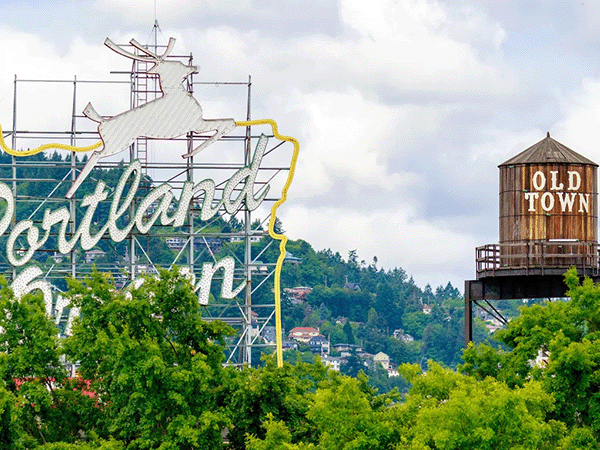
The Best Dog Trainers in Portland, OR of 2026
This is a list of the top dog trainers in Portland, OR, based on votes from the Sniffspot community and the general public.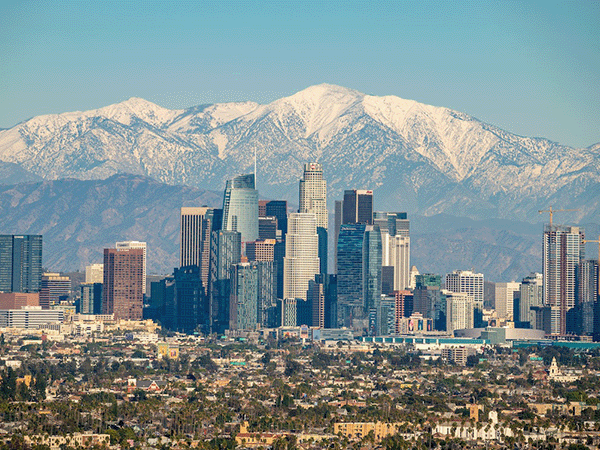
The Best Dog Trainers in Los Angeles, CA of 2026
This is a list of the top dog trainers in Los Angeles, CA, based on votes from the Sniffspot community and the general public.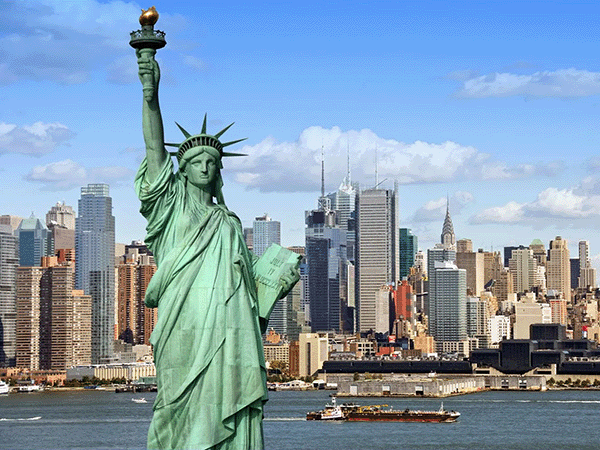
The Best Dog Trainers in New York, NY of 2026
This is a list of the top dog trainers in New York, NY, based on votes from the Sniffspot community and the general public.


City dog park guides
Best Dog Fields in the US: 25+ Wide-Open Spaces for Your Pup to Run Free
The best dog fields in the US offer something that traditional enclosed parks simply can't match: acres of open space where your pup can truly stretch their legs and run at full speed. From Colorado's 470-acre prairie meadows to Tennessee's award-winning "Outback," these wide-open spaces allow dogs to roam, explore, and exercise naturally while engaging instincts that cramped urban parks suppress.

Top 10 Indoor Dog Parks: A US Guide
Looking for a space to play with your dog no matter what the weather’s like outside? Look no further than our list of the best indoor dog parks in the United States! These climate-controlled spaces are growing in popularity as pet ownership increases throughout the country. As a bonus, many of them also offer dog training, boarding, grooming, or daycare services on the premises.

Best Dog Parks in the US: Ultimate Guide to Public & Private Off-Leash Adventures
Is your pup giving you those pleading "let me run free" eyes? Whether you're a new dog parent or a seasoned pro looking for fresh adventures, finding the perfect off-leash paradise for your furry friend can feel ruff! From sun-soaked California beaches where your water-loving lab can make a splash to mountain trails in Vermont where your adventure buddy can chase every scent, we've sniffed out the 15 best dog parks across America.

Dog Parks Near Me: Las Vegas Edition
Looking for the perfect dog park near me in Las Vegas? You're in luck! This guide explores all the best options for your pup, from public dog parks to private dog parks near me on Sniffspot. We'll help you find the ideal spot for playtime, socializing, and fresh air. Plus, we'll cover essential etiquette and safety tips to ensure a happy visit for everyone. Get ready for some tail-wagging fun!
Discover the Perfect Dog Park in Las Vegas
This page is about public city dog parks and also includes Sniffspot private dog parks. Sniffspot is the largest network of private dog parks for rent in the world!Best Dog Parks in the US: Off-Leash Guide
Looking for the perfect dog park? Whether you need a wide-open public space or a private, fenced-in spot, this guide will help you find the best dog parks across the US. We'll cover top-rated public parks, the perks of private dog parks, and even explore Sniffspot locations – giving your pup a safe and fun place to play. Ready to find your dog's new favorite spot? Let's go!

Sniffspot: Portland's Best Private Dog Parks
Ready to discover Portland's best dog parks? Whether you're looking for a public park or the unique experience of a private Sniffspot, this guide has you covered. We'll help you find the perfect spot for your pup, with tips on what to bring, how to prepare, and even understanding dog body language. Plus, we'll explore some top Portland dog parks, including public and Sniffspot options, so you can plan your next dog-friendly adventure in the City of Roses.
Portland Dog Parks: Public & Private Options
This page is about public city dog parks and also includes Sniffspot private dog parks. Sniffspot is the largest network of private dog parks for rent in the world!
/354x256/wp-content/uploads/2023/04/indoordogparks.png)
/354x256/wp-content/uploads/2023/03/offleashdogparks.png)
/354x256/wp-content/uploads/2023/02/vegas.jpg)
/354x256/wp-content/uploads/2023/02/portland.jpg)
Dog breeds
Best Dog Fields in the US: 25+ Wide-Open Spaces for Your Pup to Run Free
The best dog fields in the US offer something that traditional enclosed parks simply can't match: acres of open space where your pup can truly stretch their legs and run at full speed. From Colorado's 470-acre prairie meadows to Tennessee's award-winning "Outback," these wide-open spaces allow dogs to roam, explore, and exercise naturally while engaging instincts that cramped urban parks suppress.

German Shepherd Guide: Best Family Dog? Truth from 9K Owners
The German Shepherd Dog (GSDs) are known for their intelligence, loyalty, and striking appearance. They're also incredibly versatile, excelling as working dogs and devoted family companions. This guide covers everything you need to know about GSDs, from understanding their unique traits and rich history to practical advice on training and care. So, whether you're a seasoned GSD owner or just starting your research, let's explore this remarkable breed together.

Labrador Retriever: Real Tips from Owners
Discover the Labrador Retriever, a breed celebrated for its playful nature, affectionate temperament, and trainability. Labradors are known for their friendly demeanor and adaptability, making them perfect family companions and versatile working dogs. As one of the most popular types of retrievers, Labs are ideal companions for various lifestyles and are recognized by the American Kennel Club (AKC) as an excellent breed for families.

Golden Retriever Advice: The Complete Owner's Guide
Golden Retrievers: they're gorgeous, playful, and incredibly popular. But before you welcome one into your home, you need the right golden retriever advice. This guide draws on the wisdom of nearly 10,000 Golden Retriever owners, offering practical tips for caring for these affectionate dogs. From understanding their high energy levels to mastering grooming and training, we'll cover everything you need to know. So whether you're already a devoted Golden parent or just starting your research, get ready to learn how to give your furry friend the best possible care.

Are American Staffordshire Terriers Good for First-Time Owners: Complete Guide
Think American Staffordshire Terriers are tough? Think again. While their muscular build might intimidate some, these dogs are known for their playful and loyal personalities. This guide draws on the experience of nearly 10,000 AmStaff owners to reveal the truth about this often misunderstood breed. Want to learn more about caring for an American Staffordshire Terrier? You're in the right place.

Australian Shepherd Facts: Breed Info & Care Guide
Discover the Australian Shepherd, an AKC breed celebrated for its trainable, playful, and affectionate nature. Despite its name, the Australian Shepherd is actually a native breed to the United States, originally developed to breed on farms and ranches. Considered a medium dog, Australian Shepherds were bred for herding beginning in the 1950s. As one of the high-energy breeds, Aussies are known for their boundless energy and need for regular exercise, including aerobic exercise.
/354x256/wp-content/uploads/2024/07/German-Shepherd-Dog.png)
/354x256/wp-content/uploads/2024/07/Screen-Shot-2024-07-24-at-4.06.05-PM.png)
/354x256/wp-content/uploads/2024/07/Screen-Shot-2024-07-25-at-3.05.09-PM.png)
/354x256/wp-content/uploads/2024/07/staffy.jpg)
/354x256/wp-content/uploads/2024/07/Screen-Shot-2024-07-25-at-3.39.43-PM.png)
Top dog names in the US
Top 1,000 Most Popular Dog Names
Looking for the perfect dog name for your new pup? We have created filterable lists of dog names from our database of hundreds of thousands of Sniffspot users. You can filter by gender, breed and state to find the most cute, unique and creative dog names.
Most Popular Male Dog Names
Looking for the perfect dog name for your new male pup? We have created filterable lists of male dog names from our database of hundreds of thousands of Sniffspot users. You can filter by gender, breed and state to find the most cute, unique and creative male dog names.
Most Popular Female Dog Names
Looking for the perfect dog name for your new female pup? We have created filterable lists of female dog names from our database of hundreds of thousands of Sniffspot users. You can filter by gender, breed and state to find the most cute, unique and creative female dog names.
Most Popular Golden Retriever Names
Welcome to our comprehensive list of Golden Retriever dog names, curated from our vast database of Sniffspot users. Filter through hundreds of thousands of options by gender, breed, and state to discover the most adorable, original, and imaginative names for your beloved Golden Retriever.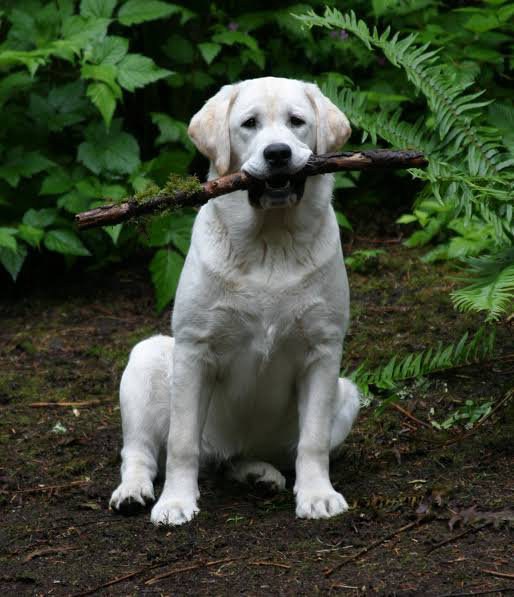
Most Popular Labrador Retriever Names
Welcome to our Labrador Retriever dog names page! Here you can browse through filterable lists of names for your beloved furry friend, ranging from cute and classic to unique and creative options. Our database of hundreds of thousands of Sniffspot users ensures you'll find the perfect name for your Labrador Retriever, whether you're seeking a name for a male or female, based on breed or state.


Top dog rescues in the US

The Best Washington Dog Rescues & Shelters in 2026
This list showcases the top dog rescues & shelters in Washington. These remarkable organizations have been recognized for their unwavering dedication to the well-being of countless dogs.
The Best Oregon Dog Rescues & Shelters in 2026
This list showcases the top dog rescues & shelters in Oregon. These remarkable organizations have been recognized for their unwavering dedication to the well-being of countless dogs.
The Best California Dog Rescues & Shelters in 2026
This list showcases the top dog rescues & shelters in California. These remarkable organizations have been recognized for their unwavering dedication to the well-being of countless dogs.
The Best Florida Dog Rescues & Shelters in 2026
This list showcases the top dog rescues & shelters in Florida. These remarkable organizations have been recognized for their unwavering dedication to the well-being of countless dogs.
The Best New York Dog Rescues & Shelters in 2026
This list showcases the top dog rescues & shelters in New York. These remarkable organizations have been recognized for their unwavering dedication to the well-being of countless dogs.
/354x256/Photos/SeoDogRescue/1282/178507e67e44-MC_logo_square.jpg)
/354x256/Photos/SeoDogRescue/931/cef8bbb17769-South_Coast_Humane_Society.png)
/354x256/Photos/SeoDogRescue/61/30aea3371b69-MainSquare_2.png)
/354x256/Photos/SeoDogRescue/298/1000035238.jpg)
/354x256/Photos/SeoDogRescue/814/91cfd62cd986-IMG_1035.jpeg)