Top articlesSee all...

A Comprehensive Guide to Dog Exercise

How To Crate train An Older Dog - A Comprehensive Guide

How To Socialize A Dog - A Comprehensive Guide

Leash Training: A Guide to Training Your Dog to Walk on a Leash

Skijoring: A Guide to Skijoring with Dogs

The Best Dog Enrichment Toys

The Best United States Dog Parks

The Best Indoor Dog Parks in the United States

The Best Off-Leash Dog Parks in the United States
Top articles
A Comprehensive Guide to Dog Exercise
How To Crate train An Older Dog - A Comprehensive Guide
How To Socialize A Dog - A Comprehensive Guide
Leash Training: A Guide to Training Your Dog to Walk on a Leash
Skijoring: A Guide to Skijoring with Dogs
The Best Dog Enrichment Toys
The Best United States Dog Parks
The Best Indoor Dog Parks in the United States
The Best Off-Leash Dog Parks in the United States
See all...How to Keep Your Dog Cool in Summer (While Staying Active)

/fit-in/0x450/wp-content/uploads/2026/05/dog-getting-cooled-off.jpg)
Summer is great until you realize your dog is panting so hard you can hear it from two rooms away at 9am. If you've ever stood on a sidewalk in July wondering whether this walk is actually a good idea, your instincts are right. Dogs can overheat fast, and the consequences are serious.
But here's the other problem: a dog who doesn't get enough exercise in summer doesn't just get bored. They get destructive. They get restless. They bark at everything and chew the furniture and generally make your home feel like a small, chaotic prison.
So the goal isn't to skip exercise when it's hot. The goal is to do it smarter.
This guide covers everything you need to know about how to keep your dog cool in summer, from heat thresholds and heatstroke warning signs to cooling products, frozen treat ideas, and how to keep your dog active without putting them at risk. Whether you have a young, bouncy lab or an older brachycephalic dog who struggles in the heat, there's something here for you. We've also included some tips for how to keep your dog cool in summer from our very own Sniffspot community.
Jump Ahead: How to Keep Your Dog Cool in Summer (Without Skipping Exercise)
- How Hot Is Too Hot for Your Dog?
- Signs of Heat Exhaustion and Heatstroke in Dogs
- How to Keep Your Dog Cool Outside
- How to Keep Your Dog Cool Inside
- Summer Exercise: How to Keep Your Dog Active Without Overheating
- Frequently Asked Questions: Keeping Your Dog Cool in Summer
- Protect Your Dog This Summer and Beyond
Key Takeaways
- Dogs can begin to overheat at temperatures above 80°F, especially brachycephalic breeds, seniors, and overweight dogs
- The pavement test is simple: if you can't hold your hand on the ground for 7 seconds, it's too hot for your dog's paws
- Heatstroke is a medical emergency. Know the signs and act fast
- Timing walks for early morning or after sunset is the single most effective adjustment you can make
- Mental enrichment and private shaded spaces can keep your dog exercised even on hot days
- Frozen treats are an easy, genuinely effective cooling tool
How Hot Is Too Hot for Your Dog?
Most people underestimate how quickly dogs can overheat. Unlike humans, dogs can't sweat through their skin. They regulate body temperature almost entirely through panting, which becomes significantly less effective in high heat and humidity.
As a general guideline:
- Above 70°F: Start paying attention, especially for at-risk breeds
- Above 80°F: Exercise with caution. Shorten walks and go during cooler parts of the day
- Above 90°F: Limit outdoor time significantly. Focus on early morning or evening outings only
- Above 100°F: This is dangerous for most dogs. Keep outdoor trips very brief and necessary only
The American Veterinary Medical Association recommends keeping dogs inside in extreme heat and avoiding exercise during the hottest parts of the day.
The Pavement Test
Before you walk your dog on any paved surface in summer, do this: press your palm flat against the sidewalk or asphalt and hold it there for seven seconds. If you can't, the surface is hot enough to burn your dog's paw pads.
Asphalt can reach 145°F on a day when the air temperature is just 77°F. Dogs feel every step of that. Burned paw pads are painful, can become infected, and often go unnoticed until your dog starts limping.
Grass, dirt, and natural surfaces stay meaningfully cooler than pavement and concrete. That matters when you're choosing where to walk or play.
What Are the Breeds Most at Risk?
All dogs can overheat, but some are significantly more vulnerable. Here's what temperature and humidity thresholds look like for each high-risk category:
Brachycephalic breeds (Bulldogs, Pugs, French Bulldogs, Boston Terriers, Boxers)
Their shortened airways make panting inefficient (panting is a dog's primary cooling mechanism) so heat builds up faster than they can shed it. Limit outdoor activity above 75°F, and treat anything above 80°F as a no-go for exercise.
Humidity matters just as much here: at 70% humidity or higher, even a 70°F day can be dangerous for these breeds, because moisture in the air reduces how much heat evaporates from their breath.
Double-coated breeds (Huskies, Malamutes, Samoyeds, Chow Chows)
Their coats insulate in both directions, trapping body heat in warm weather. These dogs generally tolerate up to about 80°F in low humidity (under 50%), but struggle quickly when humidity climbs above 60%. Despite popular belief, shaving them doesn't help. In fact, it removes the layer that also reflects solar radiation and can disrupt their natural thermoregulation entirely.
Overweight dogs
Extra body mass generates more metabolic heat and makes cooling harder. Obese dogs effectively behave like a dog in a higher temperature category. For instance, a 78°F day for a healthy-weight dog may feel like 85°F+ to an overweight one. Keep outdoor exertion very brief above 75°F, and watch for early warning signs (heavy panting, slowing pace, seeking shade) at temperatures where a fit dog would be fine.
Puppies and senior dogs
Both have less efficient temperature regulation than healthy adult dogs. Puppies haven't developed full thermoregulatory capacity; seniors often have reduced cardiovascular efficiency that limits how well they redirect blood flow to cool down. For both groups, use 75°F as your practical outdoor activity ceiling on humid days, and 80°F on dry ones. Keep sessions short at 15 minutes or less in direct sun, and build in shade breaks.
Dark-coated dogs
Black and dark brown coats absorb significantly more solar radiation than lighter coats, which can raise surface temperature by several degrees even in moderate weather. In direct sun, this effect kicks in around 70°F. A temperature that feels mild but can cause faster overheating than the ambient temp suggests. In overcast conditions the risk drops considerably, so cloud cover is a meaningful variable for this group.
If your dog falls into any of these categories — and especially if they fall into more than one — treat the thresholds above as conservative starting points, not safe zones. A senior, overweight Bulldog on a humid 75°F day needs the same caution you'd give any dog on a 90°F afternoon. When in doubt, skip the midday outing.
Signs of Heat Exhaustion and Heatstroke in Dogs
Knowing the difference between a dog who's warm and a dog who's in trouble could save their life.
Heat Exhaustion
These are warning signs that your dog is getting too hot and needs to cool down now:
- Excessive panting (harder and faster than normal)
- Heavy drooling or thick, ropy saliva
- Bright red gums or tongue
- Lethargy or reluctance to move
- Mild disorientation or stumbling
- Rapid heart rate
- Seeking shade aggressively or lying down and refusing to move
If you see these signs, get your dog to a cool, shaded area immediately. Offer water in small amounts. Apply cool (not cold) water to their paw pads, armpits, and groin area. Let them rest.
Heatstroke
Heatstroke is a medical emergency. These signs indicate your dog's body temperature has risen to a dangerous level:
- Vomiting or diarrhea, sometimes with blood
- Glazed or unfocused eyes
- Pale or blue-tinged gums
- Seizures or muscle tremors
- Collapse or inability to stand
- Loss of consciousness
If you suspect heatstroke, do not wait to see if it resolves. Apply cool (not ice cold) water to the body, focus on the neck, armpits, groin, and paw pads, then get to an emergency vet immediately. Ice water or ice packs can cause blood vessels to constrict and actually slow cooling, so keep water cool, not frigid.
The ASPCA Animal Poison Control Center and your nearest emergency vet are the resources you want on hand. Save the ASPCA hotline in your phone before you need it.
How to Keep Your Dog Cool Outside
The good news: you don't have to choose between your dog's safety and their sanity. A few adjustments make outdoor time in summer genuinely workable.
Timing Walks Right
This is the single most impactful change you can make. In summer, aim for:
- Before 8am: The coolest part of the day. Pavement hasn't had time to heat up. Humidity is often lower. This is your best window.
- After 7-8pm: Once the sun goes down and surfaces start releasing heat. Evening walks are significantly cooler than anything in the middle of the day.
- Avoid 10am-4pm: Peak heat hours. This is when the combination of air temperature, humidity, and surface heat is at its worst.
It takes some routine adjustment, especially if you're used to midday dog walks. But an early morning walk is genuinely pleasant, and your dog will thank you.
Sniffspot community members have caught on. As Belinda puts it: "In the summer we always go to Sniffspots in the morning before it gets too hot." If you can do anything before 8am, that's your window.
Surface Matters
Wherever possible, route walks through grass, dirt paths, wooded trails, or other natural surfaces. Parks with good tree cover and grassy areas are far more comfortable than a route that's all sidewalk and asphalt.
If your neighborhood is mostly pavement, dog boots are worth considering. They look goofy. They work. Some dogs adapt to them quickly if you introduce them with treats and patience.
Shade and Rest Breaks
Rest in shade should be built into any outdoor time, not treated as optional. Carry water with you and offer it every 10-15 minutes during activity. Collapsible bowls are cheap and take up almost no space.
If your dog is slowing down, seeking shade, or panting very hard, that's a signal. Cool down and head home.
Outdoor Cooling Gear
There are a few products that actually make a difference in heat:
- Cooling vests: Work through evaporation. You soak them in water and the evaporation process draws heat away from the dog's body. Most effective in dry heat; less effective in high humidity.
- Cooling mats: Gel-filled mats your dog lies on. Good for breaks in the shade or in the car.
- Cooling bandanas: Wet them and tie around the neck. The neck has major blood vessels, so cooling it has a meaningful effect. Not as powerful as a vest but very easy.
- Portable misters: Some owners swear by these for outdoor breaks.
None of these replace shade and water, but they're useful supplements.
Water Play
Water play is one of the best ways to cool down and exercise at the same time. A kiddie pool in the backyard, a sprinkler, a hose: dogs who enjoy water can get a great workout while staying cool. If you want to level this up, teaching your dog to swim opens up a whole range of summer activity options that are as effective for cooling as they are for exercise.
Not every dog takes to water naturally. Go at their pace, use high-value treats, and never force them in. Dogs often tell you what they need if you're watching. Sniffspot member Darlene noticed her dog adapt on his own: "My male on a cooler day will walk the 2 acre perimeter 2-3 times. Now that it is hot, he might walk it once and spend most of his time in the wading pool."
According to our community, the demand is real:
- "There's so little spots with pools near me and they book fast all summer." — Pat
- "I drove almost an hour to this one... I wish there was more pools or any water near us." — Cheri
- "Our favorite local sniff spot has two huge ponds — the labs love it." — Melissa

How to Keep Your Dog Cool Inside
On days when it's genuinely too hot to do much outside, the focus shifts to keeping your dog comfortable and stimulated indoors.
Fans and Air Conditioning
Dogs can't sweat, so airflow matters enormously. A fan pointed at a dog helps far more than it might seem. If you have AC, use it. If you don't, fans combined with cool surfaces are your best tools.
Keep the house as cool as possible during peak heat hours by closing blinds and curtains on sun-facing windows in the morning before it gets hot. Opening windows at night when temperatures drop can help cool the house naturally.
Cooling Mats and Cold Surfaces
Many dogs will naturally seek out cool surfaces like tile, hardwood, or concrete. Let them. If your house is carpeted throughout, a cooling mat in their favorite spot gives them the same relief.
A damp towel laid flat is a budget version of a cooling mat. Drape it somewhere shady and let your dog lie on it.
Frozen Kongs and Ice Treats
A frozen Kong stuffed with peanut butter, plain yogurt, or wet food is cooling, mentally stimulating, and will buy you 20-45 minutes of quiet. Prep a batch on Sunday and keep them in the freezer all week.
Ice cubes on their own are fine for most dogs. Some love chasing them around the kitchen floor, which doubles as mild entertainment.
Avoiding the Hottest Rooms
South- and west-facing rooms with lots of windows are significantly hotter than the rest of the house in summer. If you can, give your dog access to cooler interior rooms or a basement during peak heat.
🐾 Even in summer, your dog still needs regular exercise. Browse private outdoor spaces that stay cooler. Find a Sniffspot near you →

How to Keep Your Dog Cool in the Car
This section is important enough that it gets its own header.
Never leave your dog in a parked car in summer. The numbers on this are alarming and worth knowing: a car parked in 70°F weather reaches over 100°F inside within 20 minutes. At 80°F outside, it gets there in under 10. Cracked windows reduce interior temperature by only 1-2°F. They do almost nothing.
Even overcast days are dangerous. Even short trips into a store can turn fatal if something delays you.
If you must travel with your dog in summer:
- Run the AC before loading your dog in
- Use window sunshades on rear windows to reduce heat buildup during the drive
- Carry a travel water bottle and offer water at every stop
- Take rest stops every 1-2 hours on long trips
- Park in shade whenever possible, and even then, take the dog with you
- Never leave your dog unattended in a parked vehicle
For dogs who travel frequently, a battery-powered car fan or a car-specific cooling mat can help during drives.
Summer Exercise: How to Keep Your Dog Active Without Overheating
Even in summer, your dog still needs regular exercise. The risks of under-exercise (destructive behavior, anxiety, weight gain, restlessness) does not go away because it's July.
The key is adjusting how and when exercise happens, not eliminating it.
Early Morning Is the Sweet Spot
An exercise session before 8am is the most effective strategy for summer dog owners. The air is cooler, pavement hasn't absorbed the day's heat yet, and the light is genuinely nice. If you're not a morning person, this is a strong argument for becoming one, at least in June through August.
Private Outdoor Spaces
One of the practical challenges with summer exercise is that most dogs do more work, and cool down more efficiently, when they can run freely. An hour on-leash walking generates heat. Twenty minutes of off-leash sprinting and fetch is more effective and can be done in a shorter window.
Private spaces on Sniffspot offer something public dog parks often don't: control over the environment. You can book a space early in the morning when it's cool. Many hosts have natural terrain, grass, and shade coverage that stays significantly cooler than paved surfaces. Some have ponds and water features your dog can splash in.
For dogs who also can't go to public dog parks due to reactivity or selective socialization, a private Sniffspot booking is often the only realistic off-leash option. If that describes your dog, exercising a reactive dog in summer requires extra planning, and private spaces make it manageable.
Hosts are adapting their spaces for summer too. One host added a hose mid-season: "This time of year, the stream is dry, but there's no place more beautiful than a walk in the woods on a hot day. Today, we added a hose to cool down too!" Host Jason lists his summer setup as "a pool... ponds, hose, and sprinklers... plus many shaded areas to get out of the heat."
Indoor Alternatives on Really Hot Days
On days where the heat index is genuinely dangerous, indoor exercise alternatives exist. Training sessions, puzzle feeders, hide-and-seek games, and indoor fetch in a long hallway can take the edge off even without going outside.
Mental exercise tires dogs out faster than most people expect. A 15-minute training session where your dog is learning something new can produce the kind of settled, quiet calm that a 30-minute walk doesn't always achieve.
If you want to know exactly how much exercise your dog actually needs, that varies by breed, age, and health. Not just the weather..
🐾 Private fenced spaces with shade and water features are a summer game-changer. Find a Sniffspot near you →
Cooling Treats Your Dog Will Love
Frozen treats are one of the easiest and most effective summer tools available, and dogs are almost universally enthusiastic about them. These are all simple, dog-safe options:
Frozen fruit:
- Seedless watermelon chunks (frozen on a baking sheet first, then stored in a bag)
- Blueberries, frozen straight from the bag
- Sliced cucumber, chilled or lightly frozen (not everyone's first instinct but many dogs love it)
Frozen dairy:
- Plain, unsweetened yogurt frozen in an ice cube tray or silicone mold
- Small amounts only, and always check that it contains no xylitol, which is toxic to dogs
- Kefir ice cubes (some dogs do better with the reduced lactose)
Frozen Kong recipes:
- Layer wet food plus a smear of peanut butter (xylitol-free), then freeze overnight
- Blend peanut butter, banana, and plain yogurt, pour into Kong, freeze
- Stuff with canned pumpkin (plain, not pie filling) and a few kibbles, then freeze
- Chicken broth (low sodium, no onion or garlic) frozen in Kongs or an ice cube tray
Broth ice cubes:
- Low-sodium chicken or beef broth frozen into cubes makes an easy and hydrating treat
- Add a piece of kibble or a blueberry inside each cube for extra interest
Batch-prep these on weekends. A silicone ice cube tray and a bag of frozen blueberries is about as low-maintenance as dog enrichment gets, and your dog will act like you invented something magnificent.
🐾 After a cool morning session at a shaded Sniffspot space, a frozen Kong is the perfect wind-down. Search private dog spaces near you →
Frequently Asked Questions: Keeping Your Dog Cool in Summer
How do I know if my dog is too hot?
Watch for excessive panting that's harder and faster than their normal breathing, along with heavy drooling, red gums, and lethargy. If your dog is slowing down significantly, seeking shade, or panting so hard they can't settle, those are signs they need to cool down. Get them to a shaded area, offer water, and apply cool water to their paw pads and armpits.
What temperature is too hot to walk a dog?
Most dogs should have shortened or rescheduled walks at temperatures above 80°F. Above 90°F, outdoor exercise should be minimal and limited to early morning or evening. Brachycephalic breeds (Bulldogs, Pugs, French Bulldogs) and senior dogs should have more conservative limits. Extra caution starts at around 75-77°F for these dogs.
How do I cool down a dog quickly?
Move them to shade or an air-conditioned space immediately. Offer small sips of cool water. Apply cool (not ice cold) water to the paw pads, armpits, groin, and neck. A wet towel laid under them on a cool surface helps. Do not use ice or very cold water, which can cause blood vessels to constrict and slow the cooling process. If symptoms are severe, head to an emergency vet.
Can dogs overheat even in the shade?
Yes. Shade reduces radiant heat from the sun, but if the air temperature and humidity are high, a dog can still overheat while resting in shade. Shade helps, but it's not a substitute for avoiding exercise during peak heat hours or limiting outdoor time on extremely hot days.
What are the best cooling products for dogs?
Evaporative cooling vests are the most effective for outdoor activity in dry heat. Cooling mats are useful for rest periods at home or in the car. Cooling bandanas offer a lighter option. For most dogs, the most effective combination is shade, fresh water, cool surfaces (grass over pavement), and smart timing. Products supplement these basics; they don't replace them.
Can dogs overheat at night?
Less commonly, but yes. On nights when temperatures stay above 80°F and humidity is high, dogs can still struggle. If your dog is restless, panting heavily at night, or seeking cool surfaces obsessively, make sure they have access to a fan or AC and a cool resting spot.
How do I keep my dog cool without air conditioning?
Focus on airflow: fans directed at your dog, especially in combination with a damp towel or cooling mat, make a real difference. Keep the house cool by closing sun-facing blinds during the day and opening windows at night when temperatures drop. Frozen treats like broth ice cubes and frozen Kongs provide internal cooling. Limit outdoor activity to early morning and evening only, and prioritize shaded natural surfaces.
Protect Your Dog This Summer and Beyond
Summer doesn't have to mean your dog spends three months understimulated and overheated. It means adjusting the when and how of their routine rather than abandoning it.
The practical version of that: walk before 8am or after sunset, stick to grass and shaded surfaces, know the heatstroke warning signs, keep frozen Kongs stocked in your freezer, and find spaces where your dog can actually run in the cooler parts of the day. Skip the pavement at noon. Don't leave them in the car. And give brachycephalic or senior dogs extra credit for how hard they work just to stay comfortable in heat.
Your dog is still in there wanting to fetch and run and zoom around like an idiot. They just need you to help them do it safely.
🐾 Find a shaded, private space where your dog can run it out before the day heats up. Book a Sniffspot near you →
This article has been reviewed by a qualified veterinary professional.
All our articles are reviewed by qualified professionals, from certified dog trainers to veterinary staff. This article was reviewed by Elisa Quinn, CVT, SEA Island Animal Clinic.


/fit-in/0x128/wp-content/uploads/2026/09/is-pet-insurance-worth-it.png)
/fit-in/0x128/wp-content/uploads/2026/09/first-night-with-rescue-dog.png)
/fit-in/0x128/wp-content/uploads/2026/09/What-are-the-requirements-to-adopt-a-dog.png)
/fit-in/0x128/wp-content/uploads/2020/07/shutterstock_330043559-1.jpg)
/fit-in/0x128/wp-content/uploads/2026/05/dog-in-swimming-pool.jpg)
Most recent articles
/fit-in/0x256/wp-content/uploads/2026/09/is-pet-insurance-worth-it.png)
/fit-in/0x256/wp-content/uploads/2026/09/first-night-with-rescue-dog.png)
/fit-in/0x256/wp-content/uploads/2026/09/What-are-the-requirements-to-adopt-a-dog.png)
/fit-in/0x128/wp-content/uploads/2026/09/Dog-heartworm-prevention.png)
/fit-in/0x256/wp-content/uploads/2026/09/Dog-heartworm-prevention.png)
/fit-in/0x128/wp-content/uploads/2026/09/insurance-that-pays-vet-directly.png)
/fit-in/0x256/wp-content/uploads/2026/09/insurance-that-pays-vet-directly.png)
/fit-in/0x128/wp-content/uploads/2026/09/what-does-pet-insurance-cover.png)
/fit-in/0x256/wp-content/uploads/2026/09/what-does-pet-insurance-cover.png)
Related articles
Top dog guides per area
Dog training guides

Best Dog Fields in the US: 25+ Wide-Open Spaces for Your Pup to Run Free
The best dog fields in the US offer something that traditional enclosed parks simply can't match: acres of open space where your pup can truly stretch their legs and run at full speed. From Colorado's 470-acre prairie meadows to Tennessee's award-winning "Outback," these wide-open spaces allow dogs to roam, explore, and exercise naturally while engaging instincts that cramped urban parks suppress.

Dog Food Aggression & Resource Guarding Guide
Does your dog ever growl when you walk by their food dish? Maybe they get possessive of treats, carrying them far away and giving you side-eye when you start to approach — or snarling at your other pets or children if they get too close.

The Ultimate Guide to Scent Training for Dogs
Your dog's nose is an amazing tool. Did you know they have 40 times the olfactory receptors than humans? Scent training for dogs taps into this superpower, turning everyday moments into exciting sniff-fests. It's enriching for all types of dogs – reactive, shy, or simply adventurous. Ready to explore the world of scent work for dogs? Let's get started.

How Much Does It Cost to Train a Service Dog?
More than 80 million Americans rely on their service dogs to help them navigate the world. Task-trained assistance animals perform a huge range of life-changing—in many cases, life-saving—services: These dogs act as eyes for visually impaired handlers, provide mobility support, alert to seizures and blood sugar crashes, interrupt anxiety attacks, remind their people to take medications, and so much more.

How to Deal With Puppy Potty Training Regression

Dirty Dog Syndrome: Causes, Solutions, and Prevention
It's a cringe-worthy moment every dog owner dreads: your furry friend chowing down on something truly disgusting. If your dog has a penchant for poop, you're dealing with coprophagia. It's more common than you think, and thankfully, often manageable. This article explores the reasons behind dirty dog syndrome, from instinct to learned behavior. We'll also give you practical tips to help break this unpleasant habit.
/354x256/wp-content/uploads/2025/09/Screenshot-2025-09-21-at-6.39.54-PM.png)
/354x256/wp-content/uploads/2020/08/bernese-mountain-dog-208092_1280.jpg)
/354x256/wp-content/uploads/2022/04/shutterstock_543831754.jpg)
/354x256/wp-content/uploads/2022/08/shutterstock_494495788-1.jpg)
/354x256/wp-content/uploads/2022/07/shutterstock_237584221-1.jpg)
/354x256/wp-content/uploads/2022/10/shutterstock_705844504.jpg)
Dog enrichment guides
Best Dog Fields in the US: 25+ Wide-Open Spaces for Your Pup to Run Free
The best dog fields in the US offer something that traditional enclosed parks simply can't match: acres of open space where your pup can truly stretch their legs and run at full speed. From Colorado's 470-acre prairie meadows to Tennessee's award-winning "Outback," these wide-open spaces allow dogs to roam, explore, and exercise naturally while engaging instincts that cramped urban parks suppress.

Best Dog Water Parks in the US: 15+ Amazing Splash Destinations for Your Pup
Do you have a water-loving dog looking to burn some energy? There are countless dog parks to visit throughout our country — but some of them become far too hot in the midday sun to be safe for your pets to play. That’s why we’ve put together a list of some of the best dog water parks throughout the United States! At these locations, your pup can frolic, splash, and swim to their heart’s content.

Best Toys for Herding Dogs: Keeping Your Pup Happy & Engaged
Herding dogs are amazing, intelligent companions. But that also means they need more than just a simple game of fetch. Finding the right toys for herding dogs is key to keeping them happy and stimulated. This article explores some of the best toys for herding dogs, including options specifically for breeds like Border Collies and Australian Shepherds. We'll help you discover the perfect herding toys for dogs to tap into their natural instincts and keep them entertained for hours.

Tough Dog Toys for Aggressive Chewers: A Practical Guide
Does your dog destroy every toy you give them? Is your house littered with the remnants of plush toys? Are you tired of wasting money on "indestructible" dog toys for aggressive chewers that don't last? Then this post is for you. We'll cover everything you need to know about finding the best dog toys for aggressive chewers, so you can finally give your pup something safe, durable, and fun.

Dog Exercise Calculator: How Much Exercise Does Your Dog Need?
Every dog needs to move, but how much is actually enough? The answer depends on more than just breed. Age, health, and even your own lifestyle all play a role in figuring out the right daily exercise routine for your pup.

Complete Guide To Herding With Dogs
* All Sniffspot articles are reviewed by certified trainers for quality, please see bottom of article for details *
/354x256/wp-content/uploads/2023/04/dogwaterpark.png)
/354x256/wp-content/uploads/2022/05/shutterstock_174836186.jpg)
/354x256/wp-content/uploads/2023/02/shutterstock_1346929262.jpg)
/354x256/wp-content/uploads/2022/08/dogexercisecalculatorfeaturedimage.jpg)
/354x256/wp-content/uploads/2020/07/bb.jpg)
Dog reactivity guides
Best Dog Fields in the US: 25+ Wide-Open Spaces for Your Pup to Run Free
The best dog fields in the US offer something that traditional enclosed parks simply can't match: acres of open space where your pup can truly stretch their legs and run at full speed. From Colorado's 470-acre prairie meadows to Tennessee's award-winning "Outback," these wide-open spaces allow dogs to roam, explore, and exercise naturally while engaging instincts that cramped urban parks suppress.

Rottweiler Aggression: Signs, Causes & Training
Many dogs have gotten a bad reputation over the years for being "dangerous breeds." Rottweilers are among them. Like pit bulls and other large, blocky-headed types of dogs, these powerful and beautiful animals are often assumed to be aggressive.

The Reactive Dog Chart: How to Calm Your Dog's Triggers
If your dog lunges, barks, or loses their mind at the sight of another dog, a stranger, or a bicycle, you’re living with a reactive dog (and you’re far from alone). Dog reactivity is one of the most common behavioral challenges dog owners face, and it can make even a simple walk feel stressful and isolating.

How to Socialize a Reactive Dog: A Step-by-Step Guide
Does your dog display reactivity to other pets or people—barking, lunging, or growling when they see their triggers? Whether they're a rescue still settling in, missed critical socialization as a puppy, or had a negative experience that changed how they see the world, you're not alone. Reactivity is one of the most common dog behavior concerns, and with the right approach, you can help your dog feel calmer and more confident.

What Is a Reactive Dog? The Complete Guide for Understanding and Helping Your Pup
Does your dog transform into a barking, lunging tornado the second they spot another dog across the street? You're definitely not alone. According to our research of over 4,000 dog owners, 66% of dogs show some signs of reactivity.

9 Best Online Communities for Reactive Dog Parents
Does your dog's reactivity make walks stressful? You're not alone. Many dog owners face similar challenges. This guide offers practical advice and support for managing reactivity, including finding the best online dog training for reactive dogs. We'll connect you with reactive dog support groups, share training tips, and explore resources like the best dog training app for reactive dogs. Let's build a stronger bond with your dog, together.
* All Sniffspot articles are reviewed by certified trainers for quality, please see bottom of article for details *
/354x256/wp-content/uploads/2023/05/Screen-Shot-2024-05-23-at-9.33.57-PM.png)
/354x256/wp-content/uploads/2022/08/dogreactivitychartfeaturedimage.jpg)
/354x256/wp-content/uploads/2022/08/shutterstock_523383649.jpg)
/354x256/wp-content/uploads/2020/07/a.jpg)
/354x256/wp-content/uploads/2022/01/shutterstock_796422001.jpg)
Sniffspot community guides
Best Dog Fields in the US: 25+ Wide-Open Spaces for Your Pup to Run Free
The best dog fields in the US offer something that traditional enclosed parks simply can't match: acres of open space where your pup can truly stretch their legs and run at full speed. From Colorado's 470-acre prairie meadows to Tennessee's award-winning "Outback," these wide-open spaces allow dogs to roam, explore, and exercise naturally while engaging instincts that cramped urban parks suppress.

The State of Public Dog Parks Across the United States
From 2009 to 2020, there was a 40 percent increase in the development of public dog parks. Designated spots for canine exercise have become commonplace in every major city in North America — many pet owners won’t even consider renting an apartment that doesn’t have its own fenced-in pet area for their canine companions.

How This Family is Affording Their Dream Property Through Renting it Hourly to Dogs
Thousand Oaks, California has been a safe haven for Sniffspot host, Jen, since childhood. Having grown up in busy Santa Barbara, Jen, an introvert from an early age, would seek out solitude and serenity away from tourists attractions and droves of people visiting from elsewhere. “My grandparents own 60 acres about a 30 minute drive from here, and I grew up spending every summer and every holiday visiting them on the ranch,” Jen explained. “In Santa Barbara, we wouldn't go to the beach on the weekend because that's where everybody was, so you'd find places off the beaten path where the tourists weren't. For me, the ranch was just my happy place.”

Host Tips: Ellen K. What Makes Sniffspot Successful for Me
Ellen is the host of Country Pasture Getaway, one of Sniffspot's most popular sniff spots. She has taken the time to write up the lessons she has learned about how to be a great sniff spot host.

How this Oregon Farmer is Making a Business From Renting Her Land to Dogs
Just 20 minutes outside of the busy city of Portland, Oregon, and settled right on the banks of the Columbia River, you’ll find what countless visitors have flocked to the area in search of – mountain views, crisp, clean air, and running water for miles. What you might not expect to find, however, is a hidden oasis designed just for dogs and their people, owned and operated by a farming couple and enjoyed by visitors on two legs, and four.

Host Tips: Fran T. Providing Great Guest Service at our Spot
Fran is the host of Ranch Setting, one of Sniffspot's most popular spots. She has taken the time to write up the lessons she has learned about how to be a great Sniffspot host.
/354x256/wp-content/uploads/2022/07/Sniffspot_infographic_1-01.jpeg)
/354x256/wp-content/uploads/2021/05/Final-Edit-003-1.jpg)
/354x256/wp-content/uploads/2020/07/good-photo-3_orig.jpg)
/354x256/wp-content/uploads/2021/05/sniffspot-28-of-45-1.jpg)
/354x256/wp-content/uploads/2020/07/screen-shot-2019-09-19-at-2-01-47-pm_orig.png)
Top dog trainers in the US
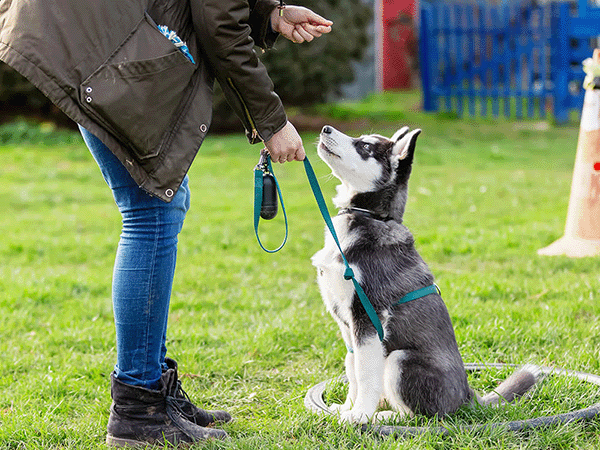
The Best Dog Trainers in the United States of 2026
This is a list of the top dog trainers in the United States, based on votes from the Sniffspot community and the general public.
The Best Dog Trainers in Seattle, WA of 2026
This is a list of the top dog trainers in Seattle, WA, based on votes from the Sniffspot community and the general public.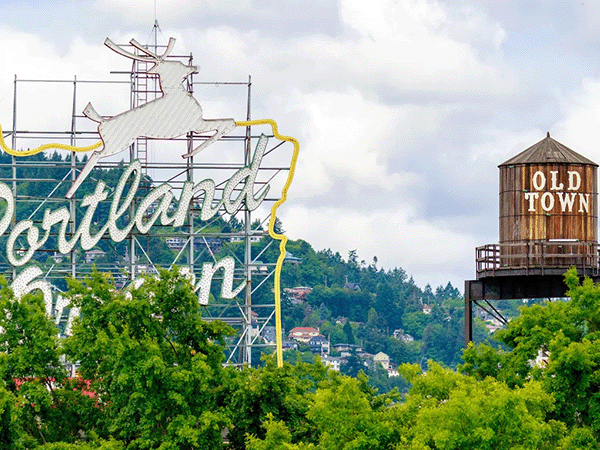
The Best Dog Trainers in Portland, OR of 2026
This is a list of the top dog trainers in Portland, OR, based on votes from the Sniffspot community and the general public.
The Best Dog Trainers in Los Angeles, CA of 2026
This is a list of the top dog trainers in Los Angeles, CA, based on votes from the Sniffspot community and the general public.
The Best Dog Trainers in New York, NY of 2026
This is a list of the top dog trainers in New York, NY, based on votes from the Sniffspot community and the general public.


City dog park guides
Best Dog Fields in the US: 25+ Wide-Open Spaces for Your Pup to Run Free
The best dog fields in the US offer something that traditional enclosed parks simply can't match: acres of open space where your pup can truly stretch their legs and run at full speed. From Colorado's 470-acre prairie meadows to Tennessee's award-winning "Outback," these wide-open spaces allow dogs to roam, explore, and exercise naturally while engaging instincts that cramped urban parks suppress.

Top 10 Indoor Dog Parks: A US Guide
Looking for a space to play with your dog no matter what the weather’s like outside? Look no further than our list of the best indoor dog parks in the United States! These climate-controlled spaces are growing in popularity as pet ownership increases throughout the country. As a bonus, many of them also offer dog training, boarding, grooming, or daycare services on the premises.

Best Dog Parks in the US: Ultimate Guide to Public & Private Off-Leash Adventures
Is your pup giving you those pleading "let me run free" eyes? Whether you're a new dog parent or a seasoned pro looking for fresh adventures, finding the perfect off-leash paradise for your furry friend can feel ruff! From sun-soaked California beaches where your water-loving lab can make a splash to mountain trails in Vermont where your adventure buddy can chase every scent, we've sniffed out the 15 best dog parks across America.

Dog Parks Near Me: Las Vegas Edition
Looking for the perfect dog park near me in Las Vegas? You're in luck! This guide explores all the best options for your pup, from public dog parks to private dog parks near me on Sniffspot. We'll help you find the ideal spot for playtime, socializing, and fresh air. Plus, we'll cover essential etiquette and safety tips to ensure a happy visit for everyone. Get ready for some tail-wagging fun!
Discover the Perfect Dog Park in Las Vegas
This page is about public city dog parks and also includes Sniffspot private dog parks. Sniffspot is the largest network of private dog parks for rent in the world!Best Dog Parks in the US: Off-Leash Guide
Looking for the perfect dog park? Whether you need a wide-open public space or a private, fenced-in spot, this guide will help you find the best dog parks across the US. We'll cover top-rated public parks, the perks of private dog parks, and even explore Sniffspot locations – giving your pup a safe and fun place to play. Ready to find your dog's new favorite spot? Let's go!

Sniffspot: Portland's Best Private Dog Parks
Ready to discover Portland's best dog parks? Whether you're looking for a public park or the unique experience of a private Sniffspot, this guide has you covered. We'll help you find the perfect spot for your pup, with tips on what to bring, how to prepare, and even understanding dog body language. Plus, we'll explore some top Portland dog parks, including public and Sniffspot options, so you can plan your next dog-friendly adventure in the City of Roses.
Portland Dog Parks: Public & Private Options
This page is about public city dog parks and also includes Sniffspot private dog parks. Sniffspot is the largest network of private dog parks for rent in the world!
/354x256/wp-content/uploads/2023/04/indoordogparks.png)
/354x256/wp-content/uploads/2023/03/offleashdogparks.png)
/354x256/wp-content/uploads/2023/02/vegas.jpg)
/354x256/wp-content/uploads/2023/02/portland.jpg)
Dog breeds
Best Dog Fields in the US: 25+ Wide-Open Spaces for Your Pup to Run Free
The best dog fields in the US offer something that traditional enclosed parks simply can't match: acres of open space where your pup can truly stretch their legs and run at full speed. From Colorado's 470-acre prairie meadows to Tennessee's award-winning "Outback," these wide-open spaces allow dogs to roam, explore, and exercise naturally while engaging instincts that cramped urban parks suppress.

German Shepherd Guide: Best Family Dog? Truth from 9K Owners
The German Shepherd Dog (GSDs) are known for their intelligence, loyalty, and striking appearance. They're also incredibly versatile, excelling as working dogs and devoted family companions. This guide covers everything you need to know about GSDs, from understanding their unique traits and rich history to practical advice on training and care. So, whether you're a seasoned GSD owner or just starting your research, let's explore this remarkable breed together.

Labrador Retriever: Real Tips from Owners
Discover the Labrador Retriever, a breed celebrated for its playful nature, affectionate temperament, and trainability. Labradors are known for their friendly demeanor and adaptability, making them perfect family companions and versatile working dogs. As one of the most popular types of retrievers, Labs are ideal companions for various lifestyles and are recognized by the American Kennel Club (AKC) as an excellent breed for families.

Golden Retriever Advice: The Complete Owner's Guide
Golden Retrievers: they're gorgeous, playful, and incredibly popular. But before you welcome one into your home, you need the right golden retriever advice. This guide draws on the wisdom of nearly 10,000 Golden Retriever owners, offering practical tips for caring for these affectionate dogs. From understanding their high energy levels to mastering grooming and training, we'll cover everything you need to know. So whether you're already a devoted Golden parent or just starting your research, get ready to learn how to give your furry friend the best possible care.

Are American Staffordshire Terriers Good for First-Time Owners: Complete Guide
Think American Staffordshire Terriers are tough? Think again. While their muscular build might intimidate some, these dogs are known for their playful and loyal personalities. This guide draws on the experience of nearly 10,000 AmStaff owners to reveal the truth about this often misunderstood breed. Want to learn more about caring for an American Staffordshire Terrier? You're in the right place.

Australian Shepherd Facts: Breed Info & Care Guide
Discover the Australian Shepherd, an AKC breed celebrated for its trainable, playful, and affectionate nature. Despite its name, the Australian Shepherd is actually a native breed to the United States, originally developed to breed on farms and ranches. Considered a medium dog, Australian Shepherds were bred for herding beginning in the 1950s. As one of the high-energy breeds, Aussies are known for their boundless energy and need for regular exercise, including aerobic exercise.
/354x256/wp-content/uploads/2024/07/German-Shepherd-Dog.png)
/354x256/wp-content/uploads/2024/07/Screen-Shot-2024-07-24-at-4.06.05-PM.png)
/354x256/wp-content/uploads/2024/07/Screen-Shot-2024-07-25-at-3.05.09-PM.png)
/354x256/wp-content/uploads/2024/07/staffy.jpg)
/354x256/wp-content/uploads/2024/07/Screen-Shot-2024-07-25-at-3.39.43-PM.png)
Top dog names in the US
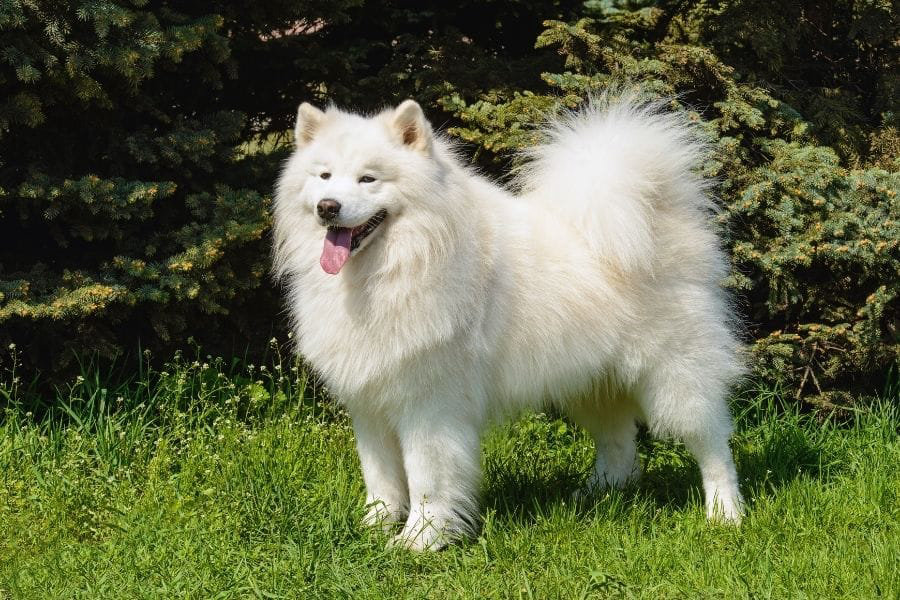
Top 1,000 Most Popular Dog Names
Looking for the perfect dog name for your new pup? We have created filterable lists of dog names from our database of hundreds of thousands of Sniffspot users. You can filter by gender, breed and state to find the most cute, unique and creative dog names.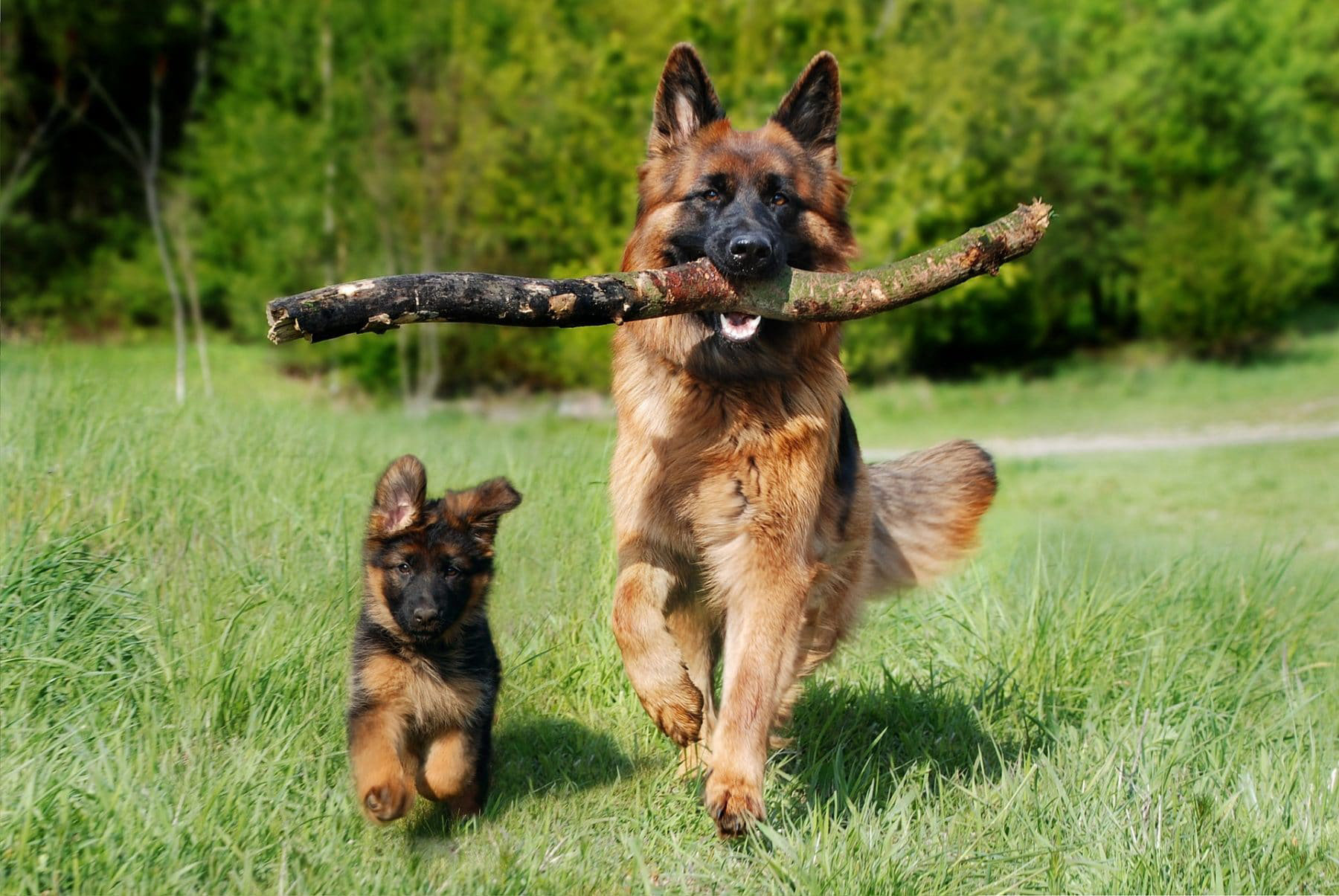
Most Popular Male Dog Names
Looking for the perfect dog name for your new male pup? We have created filterable lists of male dog names from our database of hundreds of thousands of Sniffspot users. You can filter by gender, breed and state to find the most cute, unique and creative male dog names.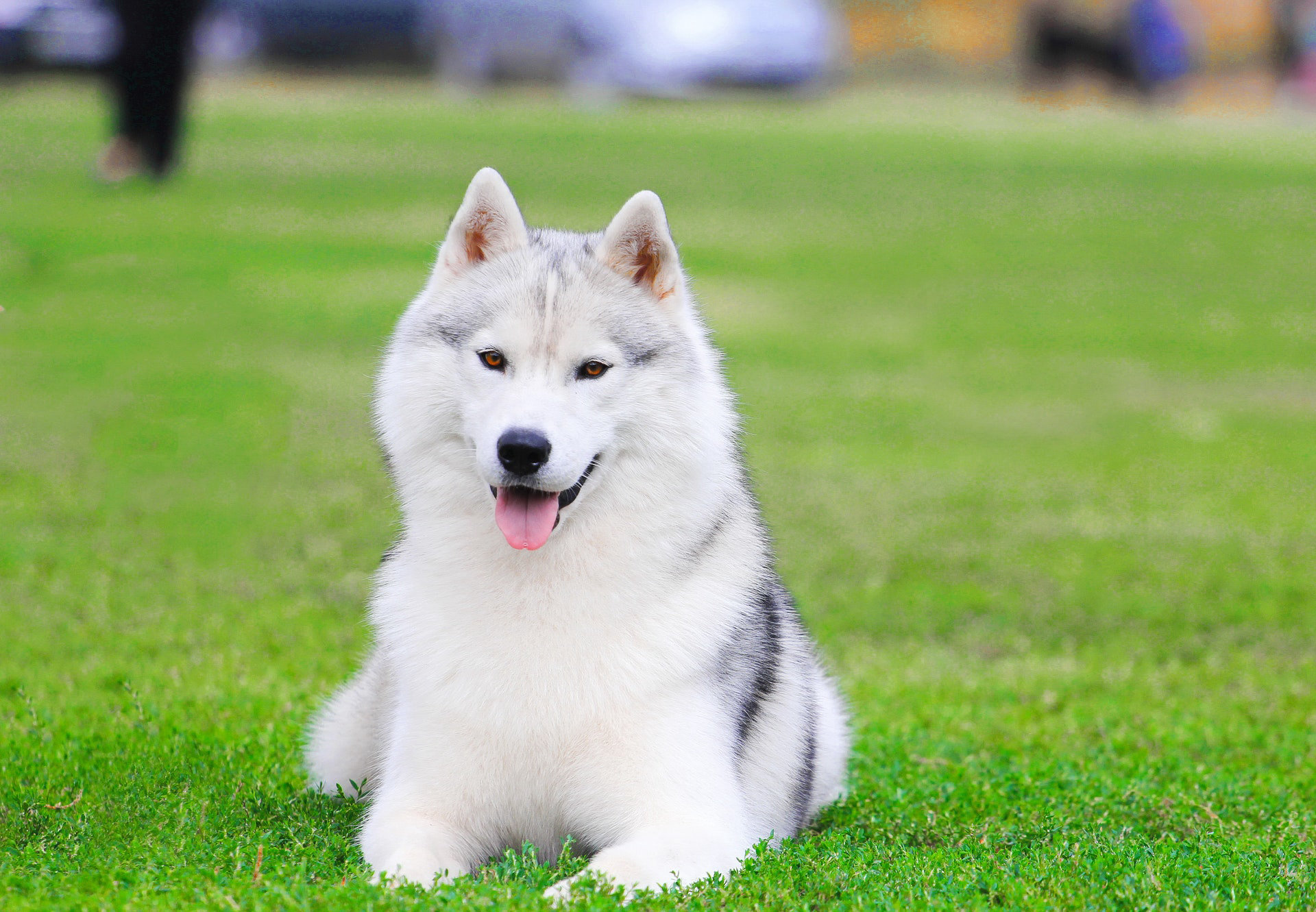
Most Popular Female Dog Names
Looking for the perfect dog name for your new female pup? We have created filterable lists of female dog names from our database of hundreds of thousands of Sniffspot users. You can filter by gender, breed and state to find the most cute, unique and creative female dog names.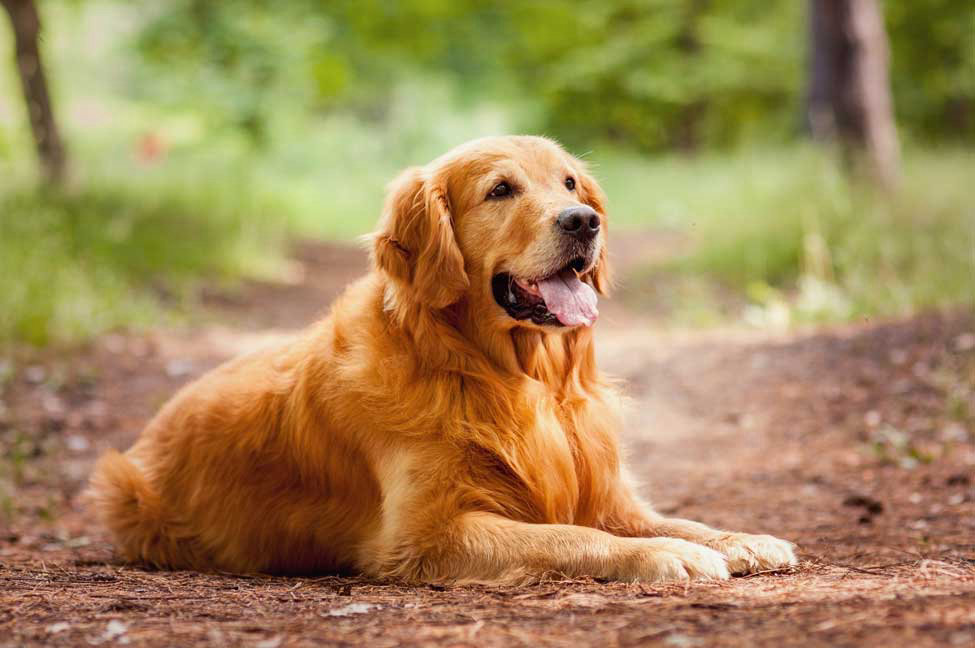
Most Popular Golden Retriever Names
Welcome to our comprehensive list of Golden Retriever dog names, curated from our vast database of Sniffspot users. Filter through hundreds of thousands of options by gender, breed, and state to discover the most adorable, original, and imaginative names for your beloved Golden Retriever.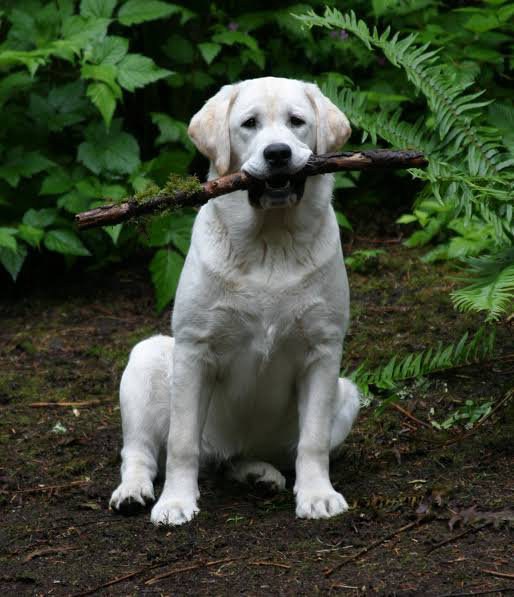
Most Popular Labrador Retriever Names
Welcome to our Labrador Retriever dog names page! Here you can browse through filterable lists of names for your beloved furry friend, ranging from cute and classic to unique and creative options. Our database of hundreds of thousands of Sniffspot users ensures you'll find the perfect name for your Labrador Retriever, whether you're seeking a name for a male or female, based on breed or state.


Top dog rescues in the US

The Best Washington Dog Rescues & Shelters in 2026
This list showcases the top dog rescues & shelters in Washington. These remarkable organizations have been recognized for their unwavering dedication to the well-being of countless dogs.
The Best Oregon Dog Rescues & Shelters in 2026
This list showcases the top dog rescues & shelters in Oregon. These remarkable organizations have been recognized for their unwavering dedication to the well-being of countless dogs.
The Best California Dog Rescues & Shelters in 2026
This list showcases the top dog rescues & shelters in California. These remarkable organizations have been recognized for their unwavering dedication to the well-being of countless dogs.
The Best Florida Dog Rescues & Shelters in 2026
This list showcases the top dog rescues & shelters in Florida. These remarkable organizations have been recognized for their unwavering dedication to the well-being of countless dogs.
The Best New York Dog Rescues & Shelters in 2026
This list showcases the top dog rescues & shelters in New York. These remarkable organizations have been recognized for their unwavering dedication to the well-being of countless dogs.
/354x256/Photos/SeoDogRescue/1282/178507e67e44-MC_logo_square.jpg)
/354x256/Photos/SeoDogRescue/931/cef8bbb17769-South_Coast_Humane_Society.png)
/354x256/Photos/SeoDogRescue/61/30aea3371b69-MainSquare_2.png)
/354x256/Photos/SeoDogRescue/298/1000035238.jpg)
/354x256/Photos/SeoDogRescue/814/91cfd62cd986-IMG_1035.jpeg)