Top articlesSee all...

A Comprehensive Guide to Dog Exercise

How To Crate train An Older Dog - A Comprehensive Guide

How To Socialize A Dog - A Comprehensive Guide

Leash Training: A Guide to Training Your Dog to Walk on a Leash

Skijoring: A Guide to Skijoring with Dogs

The Best Dog Enrichment Toys

The Best United States Dog Parks

The Best Indoor Dog Parks in the United States

The Best Off-Leash Dog Parks in the United States
Top articles
A Comprehensive Guide to Dog Exercise
How To Crate train An Older Dog - A Comprehensive Guide
How To Socialize A Dog - A Comprehensive Guide
Leash Training: A Guide to Training Your Dog to Walk on a Leash
Skijoring: A Guide to Skijoring with Dogs
The Best Dog Enrichment Toys
The Best United States Dog Parks
The Best Indoor Dog Parks in the United States
The Best Off-Leash Dog Parks in the United States
See all...How to Teach Your Dog to Swim (and Actually Enjoy It)

/fit-in/0x450/wp-content/uploads/2026/05/how-to-teach-your-dog-to-swim.png)
Not every dog bursts gleefully into the nearest body of water. Some do, and you know who you are, standing on the shore holding a sopping leash while your Lab is already halfway across the lake. But plenty of dogs need a gentle introduction, and a few need convincing that water isn't, in fact, trying to kill them.
The good news is that most dogs can learn to swim confidently with the right approach. It's less about formal "training" and more about building trust, going slowly, and setting your dog up for a positive first experience. Get that part right, and swimming becomes one of the best forms of exercise and enrichment your dog can get.
This guide covers everything: what to expect based on your dog's breed and personality, the gear you'll actually need, a step-by-step introduction to the water, and how to find safe, private spots to practice near you.
Jump Ahead: How to Teach Your Dog to Swim
- Do All Dogs Know How to Swim Naturally?
- Before You Begin: What You'll Need
- How to Teach Your Dog to Swim, Step by Step
- Dog Swimming Safety Tips You Shouldn't Skip
- Dogs Who May Need Extra Help (or Should Skip It)
- Where to Find Dog Swimming Pools and Spots Near You
- Frequently Asked Questions: Dog Swimming
- Final Thoughts: Teach Your Dog to Swim
Key Takeaways
- Most dogs can learn to swim, but not all are naturals — breed, body type, and past experiences all matter
- Always introduce water gradually and let your dog set the pace
- A well-fitting life jacket is a smart safety tool, especially for first-timers and short-legged breeds
- Never push or throw a dog into water — it damages trust and can cause lasting fear
- Private dog pools and spots (like those on Sniffspot) are ideal for nervous swimmers who'd struggle at busy public beaches or dog parks

Can your dog swim? It often depends on their breed. Natural swimmers include Labrador Retrievers, Golden Retrievers, Portuguese Water Dogs, Irish Water Spaniels, Chesapeake Bay Retrievers, and Standard Poodles. Short-legged breeds like Dachshunds, Corgis, and Basset Hounds can swim but need extra support and a life jacket. Brachycephalic breeds including Bulldogs, French Bulldogs, Pugs, Boston Terriers, and Boxers should only swim under close supervision and after a vet consultation.
Do All Dogs Know How to Swim Naturally?
The phrase "doggy paddle" implies that swimming is instinctual for dogs. And technically, most dogs will make a paddling motion when they hit water. But instinct and skill are two different things.
Some breeds were literally bred to work in and around water. Labrador Retrievers, Portuguese Water Dogs, Irish Water Spaniels, and Chesapeake Bay Retrievers often take to water like it's their natural habitat, because it basically is. They tend to have water-resistant coats, webbed paws, and the kind of enthusiasm that makes you wonder if they'd be happier living on a boat.
Other breeds are much less suited to it. Bulldogs, Pugs, and other flat-faced (brachycephalic) dogs have compact bodies and respiratory challenges that make swimming genuinely difficult and risky. Short-legged breeds like Dachshunds and Corgis have to work hard to keep their back ends up. Greyhounds, with their lean, muscular builds and minimal body fat, often sink more than they float.
And then there are dogs with no structural disadvantages who are just... afraid. Usually because of a bad first experience, or no experience at all.
The point: don't assume your dog will love swimming, and don't assume they'll be terrible at it either. Go in without expectations, pay attention to what your dog tells you, and let the process unfold.
Before You Begin: What You'll Need
You don't need much, but a few things will make the experience significantly easier (and safer).
A well-fitting life jacket. Even if your dog is a decent swimmer, a canine life jacket is worth having for early sessions. It gives your dog extra buoyancy while they're figuring out their technique, which means less panic and more positive associations with the water. Look for one with a handle on the back so you can lift or guide your dog easily.
High-value treats. Bring the good stuff. Swimming is a big ask for a dog that's never done it before, and a steady supply of rewards keeps confidence up and keeps the experience firmly in the "fun" column.
A long leash or training lead. Helpful in open water settings where you want your dog to be able to explore without wandering too far. Gives you control without holding them back. We have a full guide to long-leash training to build your confidence.
A towel (or three). Self-explanatory.
A first aid kit if you're going to a natural water source. Cuts from rocks, ear infections from standing water. In other words, a little preparation goes a long way.
How to Teach Your Dog to Swim, Step by Step
Step 1: Choose the Right Environment
Where you start matters enormously. A loud, crowded public beach with waves, other dogs, and strangers is not the right place for a dog's first swim. Even if your dog is confident in other contexts, too many variables at once makes it hard to set a positive tone.
Ideal first swim environments are:
- Calm, still water — a private pool, a quiet lake edge, or a shallow pond
- No strong currents, waves, or unpredictable movement
- Minimal distractions — other dogs, crowds, and noise all add stress
- Easy entry points — gently sloped shores or pool steps, not steep drops or rocky edges
Private dog pools (more on those below) are genuinely excellent for first-time swimmers. You control the environment completely. No surprises.
Step 2: Let Your Dog Explore at Their Own Pace
Before your dog ever gets wet, give them time to sniff around the water's edge. Don't rush this. Let them decide when and how much contact they have with the water.
If your dog approaches the water willingly, reward them. If they dip a paw in, big reward. If they back away, that's okay too. Don't coax or pressure. Just wait, let them observe, and try again.
The goal of this phase is simple: water = good things happen. That's it.
Step 3: Enter the Water Together
One of the best things you can do for a nervous or unsure dog is get in the water yourself. Your presence and calm energy do a lot. Wade into shallow water, call your dog in a happy voice, and use treats to encourage them toward you.
Keep this first contact shallow. Paws-wet is a win. Up-to-the-belly is a great session. Don't try to get them swimming on the first day. Remember, that's not the goal yet.
Reward every small step of progress. Keep sessions short (5-10 minutes) and end on a positive note while your dog still looks happy and engaged.
Step 4: Introduce Deeper Water Gradually
Over several sessions (not in one go!) you can start moving into water deep enough that your dog needs to paddle. This often happens naturally as your dog gets more comfortable and starts following you into deeper water.
When your dog first starts paddling, watch their technique. Many dogs use only their front legs at first, which causes their back end to sink and makes them work much harder than they need to. Gently supporting their hindquarters with your hand under their belly can help them find their balance and feel what a more efficient swim stroke feels like.
If your dog is wearing a life jacket, the added buoyancy will naturally help with this too.
Step 5: Build Duration and Confidence
Once your dog is swimming comfortably, sessions can gradually get longer. Introduce fetching a floating toy. Let them swim out a short distance and call them back. Practice in different water environments so the skill generalizes.
Keep sessions positive and end before your dog gets tired. Swimming is genuinely more physically demanding than it looks — it's a complete dog exercise that works muscles your dog doesn't use on a regular walk. A 15-minute swim can be equivalent to a much longer run, which is one of the reasons it's so valuable for high-energy dogs.
🐾 Looking for a safe place to practice? Find a private dog swimming pool on Sniffspot →
Dog Swimming Safety Tips You Shouldn't Skip
Swimming is fantastic exercise, but water comes with real risks. A few basics:
Never leave your dog unsupervised near water.
Even confident swimmers can get into trouble — cramps, fatigue, disorientation. Eyes on your dog, always.
Watch for signs of exhaustion.
Dogs will often push past the point of tiredness when they're having fun. Heavy panting, slower strokes, low head position in the water — these are signs it's time to take a break. Recognizing when your dog needs more (or less) activity is a skill worth developing.
Buxbaum recommends building in a rest break every 10 minutes regardless of how much your dog seems to be enjoying themselves. "Dogs don't self-limit well when they're having fun," she says. "By the time they show obvious fatigue, they've often already pushed too far."
Rinse your dog after every swim.
Pool chemicals, salt water, and bacteria in natural water can all irritate skin and coat. Rinse with fresh water and dry ears thoroughly, moisture trapped in the ear canal is a prime environment for ear infections.
Buxbaum recommends drying ears thoroughly after every swim, not just toweling around the outside. "Moisture trapped in the ear canal is one of the most common causes of ear infections I see in dogs who swim regularly," she says. "A few seconds with a cotton ball goes a long way."
Know where the exits are.
If you're using a pool, make sure your dog knows where the steps or ramp are. A panicked dog who can't find the way out of a pool is in serious trouble. Practice locating the exit until your dog can find it reliably.
Be careful with natural water sources.
Ponds and lakes can harbor harmful algae (especially blue-green algae, which is toxic to dogs), bacteria like leptospirosis, and parasites. Check local advisories before letting your dog swim in unfamiliar natural water.
Don't let your dog drink the water.
This is easier said than done, but pool water, salt water, and stagnant fresh water can all cause gastrointestinal issues or worse. Bring fresh water and offer it frequently so your dog isn't thirsty enough to drink what they're swimming in.
Dogs Who May Need Extra Help (or Should Skip It)
Brachycephalic Breeds
Flat-faced dogs (Bulldogs, French Bulldogs, Pugs, Boston Terriers, Boxers, etc.) have a much harder time breathing efficiently under exertion. In water, they have to work harder to keep their faces out, which means their airways are constantly stressed. Many brachycephalic dogs can do very short, supervised swims in calm water with a well-fitting life jacket, but it's worth talking to your vet before you start, and keeping sessions brief.
"Brachycephalic dogs can enjoy water, but their anatomy means they're working twice as hard to breathe while also trying to swim," says Brittany Buxbaum, Licensed Veterinary Technician and Fear Free Certified Professional at VCA Animal Hospitals. "A well-fitted life jacket and very short sessions in calm water are non-negotiable for these breeds, and I'd always recommend a vet check first to understand their individual airway."
Dogs with Joint Issues or Health Conditions
Here's the interesting flip side: swimming is actually one of the best activities for dogs with arthritis, hip dysplasia, or recovering from injuries, because it's low-impact and doesn't put stress on joints. Many rehabilitation vets use hydrotherapy as part of recovery programs. But if your dog has an existing condition, check with your vet about whether and how to introduce swimming.
For senior dogs especially, a calm swim in warm water can be a wonderful alternative to long walks that tax aging joints.
Truly Water-Phobic Dogs
If your dog has a significant fear of water — panic response, complete refusal, stress signals that don't diminish after several gentle sessions — it's worth working with a certified force-free trainer before pushing forward. Flooding a fearful dog (forcing them into water until they "get over it") can cause lasting trauma and isn't something to experiment with on your own.
"Fear around water usually has a history behind it like a bad first experience, or simply no positive exposure at a critical developmental window," says Buxbaum. "Trying to push through that fear quickly almost always makes it worse. Go slower than you think you need to."
Where to Find Dog Swimming Pools and Spots Near You
This is where Sniffspot comes in handy. Public beaches and dog parks are often too chaotic for early swimming lessons, and you have no control over the environment. Sniffspot hosts offer private, bookable spaces where your dog can swim without the noise, crowds, or unpredictable variables.
Find dog swimming pools near you on Sniffspot →
Here are a few worth knowing about:

Perrydise Dog Pool — Puyallup, Washington
A dedicated dog pool with a dock setup, which means your dog can practice jumping or be encouraged off the platform at their own pace, no shoving required (the host is very clear about this). Well-fitting harnesses, flat buckle collars, and life preservers are all allowed. If your dog is blowing coat, brush before you go. A genuinely purpose-built space for dogs who love the water or want to learn.

Swim & Play in Paradise — Henderson, Nevada
Julie's backyard setup in Henderson is the kind of place that makes you want to pack a bag and go. Pool with rock waterfall and a flat ledge to jump from (the human is welcome in too), plus a doggy door for indoor rest breaks. A genuinely playful space for water-confident dogs.

Fully Fenced Yard With Pool for Dogs in Palm Desert — Palm Desert, California
A private desert oasis hosted by Margo S — large fully fenced yard, pool, jacuzzi, shaded seating, palm trees, mountain views. Described as perfect for reactive dogs, training sessions, dog parties, or a quiet off-leash afternoon. If you need a stress-free environment to introduce your dog to water, a private yard like this is exactly it.

Otis' Private Dog Park in Smyrna — Smyrna, Tennessee
25 acres with creeks, woods, fields, trails, and a crystal-clear spring — this one is less "pool" and more "everything." Hosted by Licia B with 500+ five-star reviews. The spring is deep and fast-moving, so this is better suited to confident swimmers who already have some experience, but for the right dog it's the kind of spot that becomes a regular outing.
🐾 Your dog deserves a great swim. Browse dog-friendly pools and water spots on Sniffspot →
Frequently Asked Questions: Dog Swimming
At what age can I start teaching my dog to swim?
Puppies can begin gentle water introductions as early as 8-10 weeks, but keep sessions very short and in very shallow, warm water. Their thermoregulation isn't fully developed and they tire quickly. A first real swimming experience is usually best saved for after 4-6 months, once they're a bit more physically coordinated and resilient. That said, earlier gentle exposure to water (paddling, splashing, wading) builds positive associations that make real swimming much easier later.
My dog hates baths. Does that mean they'll hate swimming?
Not necessarily. Baths involve being held still, having water poured on them, and a generally uncomfortable enclosed space. Swimming is a completely different sensory experience. Plenty of dogs who fight the bathtub will enthusiastically wade into a pond. Don't write your dog off as a non-swimmer just because they're not thrilled about bath time.
Do I need a life jacket even if my dog is a good swimmer?
A life jacket isn't just for dogs who struggle. It's useful for any dog in open water, during long swims, or in situations where you can't predict what might happen. Fatigue is the most common reason confident swimmers get into trouble. A life jacket gives you a handle to grab and provides a safety margin if your dog gets tired or disoriented. It's especially worth having while your dog is still learning, regardless of their natural aptitude.
What's the best way to get a nervous dog into the water?
Slow and steady. Start by just hanging out near the water's edge over multiple visits before any contact with water is expected. Use very high-value treats (think chicken, hot dogs, cheese — whatever your dog goes wild for). Get in the water yourself if possible. Never force or carry a reluctant dog in. The goal is always to make the dog feel like entering the water was their idea, because in a meaningful sense, it should be.
How long should a dog's swimming session be?
For beginners, 5-10 minutes of actual swimming is plenty. Even for experienced swimmers, 20-30 minutes is a solid session — swimming is surprisingly tiring. Watch your dog's energy level and pull them out before they get exhausted. A dog that ends every swim session feeling good will want to come back; a dog that ends a session depleted and overwhelmed will not.
Can swimming help dogs with joint problems or arthritis?
Yes, swimming is one of the most joint-friendly exercises available. The water supports the dog's weight, which means their joints can move through a full range of motion without the impact of running or jumping. Hydrotherapy is regularly used by veterinary rehabilitation specialists for post-surgery recovery, hip dysplasia management, and arthritis. If your dog has a diagnosed condition, ask your vet about appropriate swim protocols. And check out more exercise options for senior dogs if your pup is in their golden years.
Where can I find a dog-friendly pool near me?
Public dog swimming areas exist in some cities, but they're often crowded, unpredictable, and not ideal for beginners. Sniffspot hosts offer private bookable swimming spaces across the country — pools, ponds, creeks, and more. Search for dog swimming pools on Sniffspot and filter by location.
Final Thoughts: Teach Your Dog to Swim
Teaching your dog to swim isn't a one-session project, but it's one of the more rewarding things you can do with them. The patience you put into the early stages pays off in years of one of the best forms of exercise and enrichment a dog can get: low-impact, mentally stimulating, and for most dogs, deeply satisfying.
The key is respecting your dog's pace. Some dogs walk into the water on day one and never look back. Others need weeks of gentle encouragement before they paddle more than a few strokes. Both are completely normal, and neither path requires force, frustration, or shortcuts.
When you're ready to find a private pool or water space to practice in peace, Sniffspot has you covered.
🐾 Skip the crowded public beach. Find a private dog swimming spot near you on Sniffspot →
This article was reviewed by Brittany Buxbaum, a licensed Veterinary Technician at VCA Animal Hospitals. She recommends always consulting with your dog's vet before introducing them to a new swimming routine, as well as checking the water quality in your area.


/fit-in/0x128/wp-content/uploads/2026/09/is-pet-insurance-worth-it.png)
/fit-in/0x128/wp-content/uploads/2026/09/first-night-with-rescue-dog.png)
/fit-in/0x128/wp-content/uploads/2026/09/What-are-the-requirements-to-adopt-a-dog.png)
/fit-in/0x128/wp-content/uploads/2020/07/shutterstock_330043559-1.jpg)
/fit-in/0x128/wp-content/uploads/2026/05/dog-playing-on-the-beach.jpg)
Most recent articles
/fit-in/0x256/wp-content/uploads/2026/09/is-pet-insurance-worth-it.png)
/fit-in/0x256/wp-content/uploads/2026/09/first-night-with-rescue-dog.png)
/fit-in/0x256/wp-content/uploads/2026/09/What-are-the-requirements-to-adopt-a-dog.png)
/fit-in/0x128/wp-content/uploads/2026/09/Dog-heartworm-prevention.png)
/fit-in/0x256/wp-content/uploads/2026/09/Dog-heartworm-prevention.png)
/fit-in/0x128/wp-content/uploads/2026/09/insurance-that-pays-vet-directly.png)
/fit-in/0x256/wp-content/uploads/2026/09/insurance-that-pays-vet-directly.png)
/fit-in/0x128/wp-content/uploads/2026/09/what-does-pet-insurance-cover.png)
/fit-in/0x256/wp-content/uploads/2026/09/what-does-pet-insurance-cover.png)
Related articles
Top dog guides per area
Dog training guides

Best Dog Fields in the US: 25+ Wide-Open Spaces for Your Pup to Run Free
The best dog fields in the US offer something that traditional enclosed parks simply can't match: acres of open space where your pup can truly stretch their legs and run at full speed. From Colorado's 470-acre prairie meadows to Tennessee's award-winning "Outback," these wide-open spaces allow dogs to roam, explore, and exercise naturally while engaging instincts that cramped urban parks suppress.

Dog Food Aggression & Resource Guarding Guide
Does your dog ever growl when you walk by their food dish? Maybe they get possessive of treats, carrying them far away and giving you side-eye when you start to approach — or snarling at your other pets or children if they get too close.

The Ultimate Guide to Scent Training for Dogs
Your dog's nose is an amazing tool. Did you know they have 40 times the olfactory receptors than humans? Scent training for dogs taps into this superpower, turning everyday moments into exciting sniff-fests. It's enriching for all types of dogs – reactive, shy, or simply adventurous. Ready to explore the world of scent work for dogs? Let's get started.

How Much Does It Cost to Train a Service Dog?
More than 80 million Americans rely on their service dogs to help them navigate the world. Task-trained assistance animals perform a huge range of life-changing—in many cases, life-saving—services: These dogs act as eyes for visually impaired handlers, provide mobility support, alert to seizures and blood sugar crashes, interrupt anxiety attacks, remind their people to take medications, and so much more.

How to Deal With Puppy Potty Training Regression

Dirty Dog Syndrome: Causes, Solutions, and Prevention
It's a cringe-worthy moment every dog owner dreads: your furry friend chowing down on something truly disgusting. If your dog has a penchant for poop, you're dealing with coprophagia. It's more common than you think, and thankfully, often manageable. This article explores the reasons behind dirty dog syndrome, from instinct to learned behavior. We'll also give you practical tips to help break this unpleasant habit.
/354x256/wp-content/uploads/2025/09/Screenshot-2025-09-21-at-6.39.54-PM.png)
/354x256/wp-content/uploads/2020/08/bernese-mountain-dog-208092_1280.jpg)
/354x256/wp-content/uploads/2022/04/shutterstock_543831754.jpg)
/354x256/wp-content/uploads/2022/08/shutterstock_494495788-1.jpg)
/354x256/wp-content/uploads/2022/07/shutterstock_237584221-1.jpg)
/354x256/wp-content/uploads/2022/10/shutterstock_705844504.jpg)
Dog enrichment guides
Best Dog Fields in the US: 25+ Wide-Open Spaces for Your Pup to Run Free
The best dog fields in the US offer something that traditional enclosed parks simply can't match: acres of open space where your pup can truly stretch their legs and run at full speed. From Colorado's 470-acre prairie meadows to Tennessee's award-winning "Outback," these wide-open spaces allow dogs to roam, explore, and exercise naturally while engaging instincts that cramped urban parks suppress.

Best Dog Water Parks in the US: 15+ Amazing Splash Destinations for Your Pup
Do you have a water-loving dog looking to burn some energy? There are countless dog parks to visit throughout our country — but some of them become far too hot in the midday sun to be safe for your pets to play. That’s why we’ve put together a list of some of the best dog water parks throughout the United States! At these locations, your pup can frolic, splash, and swim to their heart’s content.

Best Toys for Herding Dogs: Keeping Your Pup Happy & Engaged
Herding dogs are amazing, intelligent companions. But that also means they need more than just a simple game of fetch. Finding the right toys for herding dogs is key to keeping them happy and stimulated. This article explores some of the best toys for herding dogs, including options specifically for breeds like Border Collies and Australian Shepherds. We'll help you discover the perfect herding toys for dogs to tap into their natural instincts and keep them entertained for hours.

Tough Dog Toys for Aggressive Chewers: A Practical Guide
Does your dog destroy every toy you give them? Is your house littered with the remnants of plush toys? Are you tired of wasting money on "indestructible" dog toys for aggressive chewers that don't last? Then this post is for you. We'll cover everything you need to know about finding the best dog toys for aggressive chewers, so you can finally give your pup something safe, durable, and fun.

Dog Exercise Calculator: How Much Exercise Does Your Dog Need?
Every dog needs to move, but how much is actually enough? The answer depends on more than just breed. Age, health, and even your own lifestyle all play a role in figuring out the right daily exercise routine for your pup.

Complete Guide To Herding With Dogs
* All Sniffspot articles are reviewed by certified trainers for quality, please see bottom of article for details *
/354x256/wp-content/uploads/2023/04/dogwaterpark.png)
/354x256/wp-content/uploads/2022/05/shutterstock_174836186.jpg)
/354x256/wp-content/uploads/2023/02/shutterstock_1346929262.jpg)
/354x256/wp-content/uploads/2022/08/dogexercisecalculatorfeaturedimage.jpg)
/354x256/wp-content/uploads/2020/07/bb.jpg)
Dog reactivity guides
Best Dog Fields in the US: 25+ Wide-Open Spaces for Your Pup to Run Free
The best dog fields in the US offer something that traditional enclosed parks simply can't match: acres of open space where your pup can truly stretch their legs and run at full speed. From Colorado's 470-acre prairie meadows to Tennessee's award-winning "Outback," these wide-open spaces allow dogs to roam, explore, and exercise naturally while engaging instincts that cramped urban parks suppress.

Rottweiler Aggression: Signs, Causes & Training
Many dogs have gotten a bad reputation over the years for being "dangerous breeds." Rottweilers are among them. Like pit bulls and other large, blocky-headed types of dogs, these powerful and beautiful animals are often assumed to be aggressive.

The Reactive Dog Chart: How to Calm Your Dog's Triggers
If your dog lunges, barks, or loses their mind at the sight of another dog, a stranger, or a bicycle, you’re living with a reactive dog (and you’re far from alone). Dog reactivity is one of the most common behavioral challenges dog owners face, and it can make even a simple walk feel stressful and isolating.

How to Socialize a Reactive Dog: A Step-by-Step Guide
Does your dog display reactivity to other pets or people—barking, lunging, or growling when they see their triggers? Whether they're a rescue still settling in, missed critical socialization as a puppy, or had a negative experience that changed how they see the world, you're not alone. Reactivity is one of the most common dog behavior concerns, and with the right approach, you can help your dog feel calmer and more confident.

What Is a Reactive Dog? The Complete Guide for Understanding and Helping Your Pup
Does your dog transform into a barking, lunging tornado the second they spot another dog across the street? You're definitely not alone. According to our research of over 4,000 dog owners, 66% of dogs show some signs of reactivity.

9 Best Online Communities for Reactive Dog Parents
Does your dog's reactivity make walks stressful? You're not alone. Many dog owners face similar challenges. This guide offers practical advice and support for managing reactivity, including finding the best online dog training for reactive dogs. We'll connect you with reactive dog support groups, share training tips, and explore resources like the best dog training app for reactive dogs. Let's build a stronger bond with your dog, together.
* All Sniffspot articles are reviewed by certified trainers for quality, please see bottom of article for details *
/354x256/wp-content/uploads/2023/05/Screen-Shot-2024-05-23-at-9.33.57-PM.png)
/354x256/wp-content/uploads/2022/08/dogreactivitychartfeaturedimage.jpg)
/354x256/wp-content/uploads/2022/08/shutterstock_523383649.jpg)
/354x256/wp-content/uploads/2020/07/a.jpg)
/354x256/wp-content/uploads/2022/01/shutterstock_796422001.jpg)
Sniffspot community guides
Best Dog Fields in the US: 25+ Wide-Open Spaces for Your Pup to Run Free
The best dog fields in the US offer something that traditional enclosed parks simply can't match: acres of open space where your pup can truly stretch their legs and run at full speed. From Colorado's 470-acre prairie meadows to Tennessee's award-winning "Outback," these wide-open spaces allow dogs to roam, explore, and exercise naturally while engaging instincts that cramped urban parks suppress.

The State of Public Dog Parks Across the United States
From 2009 to 2020, there was a 40 percent increase in the development of public dog parks. Designated spots for canine exercise have become commonplace in every major city in North America — many pet owners won’t even consider renting an apartment that doesn’t have its own fenced-in pet area for their canine companions.

How This Family is Affording Their Dream Property Through Renting it Hourly to Dogs
Thousand Oaks, California has been a safe haven for Sniffspot host, Jen, since childhood. Having grown up in busy Santa Barbara, Jen, an introvert from an early age, would seek out solitude and serenity away from tourists attractions and droves of people visiting from elsewhere. “My grandparents own 60 acres about a 30 minute drive from here, and I grew up spending every summer and every holiday visiting them on the ranch,” Jen explained. “In Santa Barbara, we wouldn't go to the beach on the weekend because that's where everybody was, so you'd find places off the beaten path where the tourists weren't. For me, the ranch was just my happy place.”

Host Tips: Ellen K. What Makes Sniffspot Successful for Me
Ellen is the host of Country Pasture Getaway, one of Sniffspot's most popular sniff spots. She has taken the time to write up the lessons she has learned about how to be a great sniff spot host.

How this Oregon Farmer is Making a Business From Renting Her Land to Dogs
Just 20 minutes outside of the busy city of Portland, Oregon, and settled right on the banks of the Columbia River, you’ll find what countless visitors have flocked to the area in search of – mountain views, crisp, clean air, and running water for miles. What you might not expect to find, however, is a hidden oasis designed just for dogs and their people, owned and operated by a farming couple and enjoyed by visitors on two legs, and four.

Host Tips: Fran T. Providing Great Guest Service at our Spot
Fran is the host of Ranch Setting, one of Sniffspot's most popular spots. She has taken the time to write up the lessons she has learned about how to be a great Sniffspot host.
/354x256/wp-content/uploads/2022/07/Sniffspot_infographic_1-01.jpeg)
/354x256/wp-content/uploads/2021/05/Final-Edit-003-1.jpg)
/354x256/wp-content/uploads/2020/07/good-photo-3_orig.jpg)
/354x256/wp-content/uploads/2021/05/sniffspot-28-of-45-1.jpg)
/354x256/wp-content/uploads/2020/07/screen-shot-2019-09-19-at-2-01-47-pm_orig.png)
Top dog trainers in the US
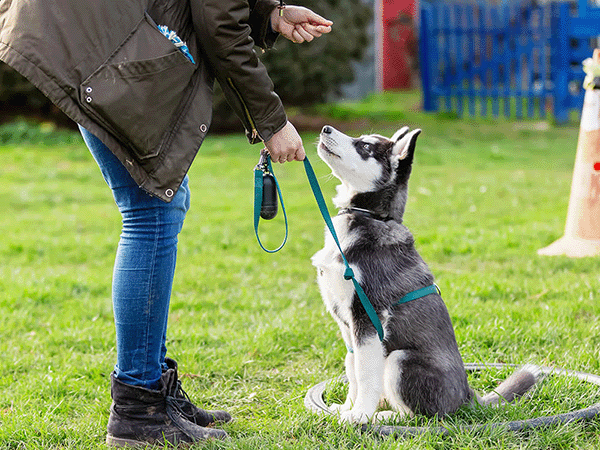
The Best Dog Trainers in the United States of 2026
This is a list of the top dog trainers in the United States, based on votes from the Sniffspot community and the general public.
The Best Dog Trainers in Seattle, WA of 2026
This is a list of the top dog trainers in Seattle, WA, based on votes from the Sniffspot community and the general public.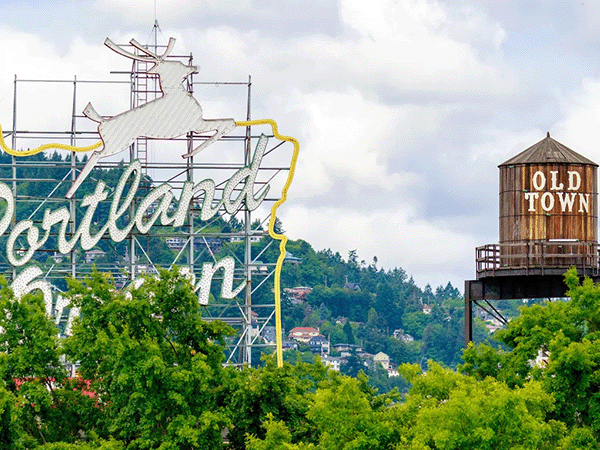
The Best Dog Trainers in Portland, OR of 2026
This is a list of the top dog trainers in Portland, OR, based on votes from the Sniffspot community and the general public.
The Best Dog Trainers in Los Angeles, CA of 2026
This is a list of the top dog trainers in Los Angeles, CA, based on votes from the Sniffspot community and the general public.
The Best Dog Trainers in New York, NY of 2026
This is a list of the top dog trainers in New York, NY, based on votes from the Sniffspot community and the general public.


City dog park guides
Best Dog Fields in the US: 25+ Wide-Open Spaces for Your Pup to Run Free
The best dog fields in the US offer something that traditional enclosed parks simply can't match: acres of open space where your pup can truly stretch their legs and run at full speed. From Colorado's 470-acre prairie meadows to Tennessee's award-winning "Outback," these wide-open spaces allow dogs to roam, explore, and exercise naturally while engaging instincts that cramped urban parks suppress.

Top 10 Indoor Dog Parks: A US Guide
Looking for a space to play with your dog no matter what the weather’s like outside? Look no further than our list of the best indoor dog parks in the United States! These climate-controlled spaces are growing in popularity as pet ownership increases throughout the country. As a bonus, many of them also offer dog training, boarding, grooming, or daycare services on the premises.

Best Dog Parks in the US: Ultimate Guide to Public & Private Off-Leash Adventures
Is your pup giving you those pleading "let me run free" eyes? Whether you're a new dog parent or a seasoned pro looking for fresh adventures, finding the perfect off-leash paradise for your furry friend can feel ruff! From sun-soaked California beaches where your water-loving lab can make a splash to mountain trails in Vermont where your adventure buddy can chase every scent, we've sniffed out the 15 best dog parks across America.

Dog Parks Near Me: Las Vegas Edition
Looking for the perfect dog park near me in Las Vegas? You're in luck! This guide explores all the best options for your pup, from public dog parks to private dog parks near me on Sniffspot. We'll help you find the ideal spot for playtime, socializing, and fresh air. Plus, we'll cover essential etiquette and safety tips to ensure a happy visit for everyone. Get ready for some tail-wagging fun!
Discover the Perfect Dog Park in Las Vegas
This page is about public city dog parks and also includes Sniffspot private dog parks. Sniffspot is the largest network of private dog parks for rent in the world!Best Dog Parks in the US: Off-Leash Guide
Looking for the perfect dog park? Whether you need a wide-open public space or a private, fenced-in spot, this guide will help you find the best dog parks across the US. We'll cover top-rated public parks, the perks of private dog parks, and even explore Sniffspot locations – giving your pup a safe and fun place to play. Ready to find your dog's new favorite spot? Let's go!

Sniffspot: Portland's Best Private Dog Parks
Ready to discover Portland's best dog parks? Whether you're looking for a public park or the unique experience of a private Sniffspot, this guide has you covered. We'll help you find the perfect spot for your pup, with tips on what to bring, how to prepare, and even understanding dog body language. Plus, we'll explore some top Portland dog parks, including public and Sniffspot options, so you can plan your next dog-friendly adventure in the City of Roses.
Portland Dog Parks: Public & Private Options
This page is about public city dog parks and also includes Sniffspot private dog parks. Sniffspot is the largest network of private dog parks for rent in the world!
/354x256/wp-content/uploads/2023/04/indoordogparks.png)
/354x256/wp-content/uploads/2023/03/offleashdogparks.png)
/354x256/wp-content/uploads/2023/02/vegas.jpg)
/354x256/wp-content/uploads/2023/02/portland.jpg)
Dog breeds
Best Dog Fields in the US: 25+ Wide-Open Spaces for Your Pup to Run Free
The best dog fields in the US offer something that traditional enclosed parks simply can't match: acres of open space where your pup can truly stretch their legs and run at full speed. From Colorado's 470-acre prairie meadows to Tennessee's award-winning "Outback," these wide-open spaces allow dogs to roam, explore, and exercise naturally while engaging instincts that cramped urban parks suppress.

German Shepherd Guide: Best Family Dog? Truth from 9K Owners
The German Shepherd Dog (GSDs) are known for their intelligence, loyalty, and striking appearance. They're also incredibly versatile, excelling as working dogs and devoted family companions. This guide covers everything you need to know about GSDs, from understanding their unique traits and rich history to practical advice on training and care. So, whether you're a seasoned GSD owner or just starting your research, let's explore this remarkable breed together.

Labrador Retriever: Real Tips from Owners
Discover the Labrador Retriever, a breed celebrated for its playful nature, affectionate temperament, and trainability. Labradors are known for their friendly demeanor and adaptability, making them perfect family companions and versatile working dogs. As one of the most popular types of retrievers, Labs are ideal companions for various lifestyles and are recognized by the American Kennel Club (AKC) as an excellent breed for families.

Golden Retriever Advice: The Complete Owner's Guide
Golden Retrievers: they're gorgeous, playful, and incredibly popular. But before you welcome one into your home, you need the right golden retriever advice. This guide draws on the wisdom of nearly 10,000 Golden Retriever owners, offering practical tips for caring for these affectionate dogs. From understanding their high energy levels to mastering grooming and training, we'll cover everything you need to know. So whether you're already a devoted Golden parent or just starting your research, get ready to learn how to give your furry friend the best possible care.

Are American Staffordshire Terriers Good for First-Time Owners: Complete Guide
Think American Staffordshire Terriers are tough? Think again. While their muscular build might intimidate some, these dogs are known for their playful and loyal personalities. This guide draws on the experience of nearly 10,000 AmStaff owners to reveal the truth about this often misunderstood breed. Want to learn more about caring for an American Staffordshire Terrier? You're in the right place.

Australian Shepherd Facts: Breed Info & Care Guide
Discover the Australian Shepherd, an AKC breed celebrated for its trainable, playful, and affectionate nature. Despite its name, the Australian Shepherd is actually a native breed to the United States, originally developed to breed on farms and ranches. Considered a medium dog, Australian Shepherds were bred for herding beginning in the 1950s. As one of the high-energy breeds, Aussies are known for their boundless energy and need for regular exercise, including aerobic exercise.
/354x256/wp-content/uploads/2024/07/German-Shepherd-Dog.png)
/354x256/wp-content/uploads/2024/07/Screen-Shot-2024-07-24-at-4.06.05-PM.png)
/354x256/wp-content/uploads/2024/07/Screen-Shot-2024-07-25-at-3.05.09-PM.png)
/354x256/wp-content/uploads/2024/07/staffy.jpg)
/354x256/wp-content/uploads/2024/07/Screen-Shot-2024-07-25-at-3.39.43-PM.png)
Top dog names in the US
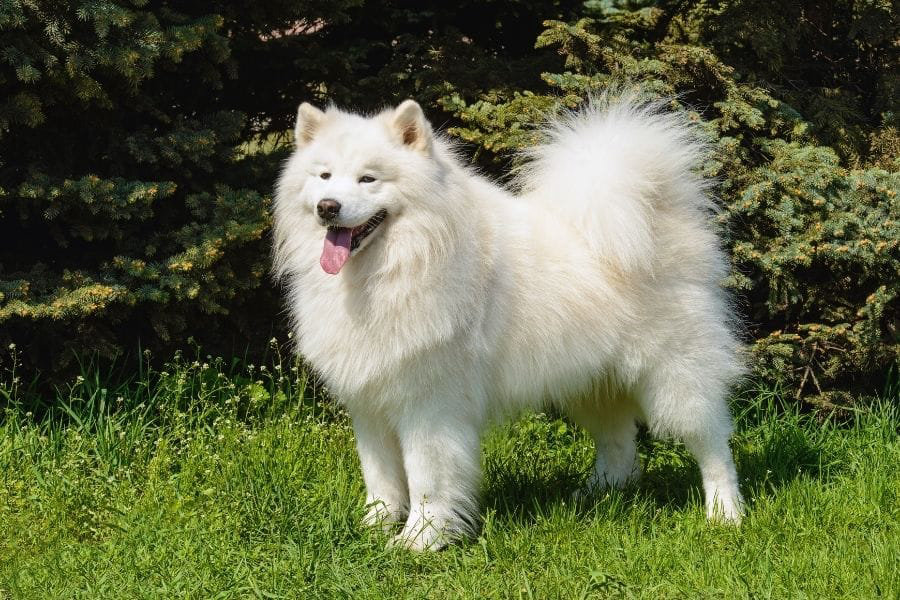
Top 1,000 Most Popular Dog Names
Looking for the perfect dog name for your new pup? We have created filterable lists of dog names from our database of hundreds of thousands of Sniffspot users. You can filter by gender, breed and state to find the most cute, unique and creative dog names.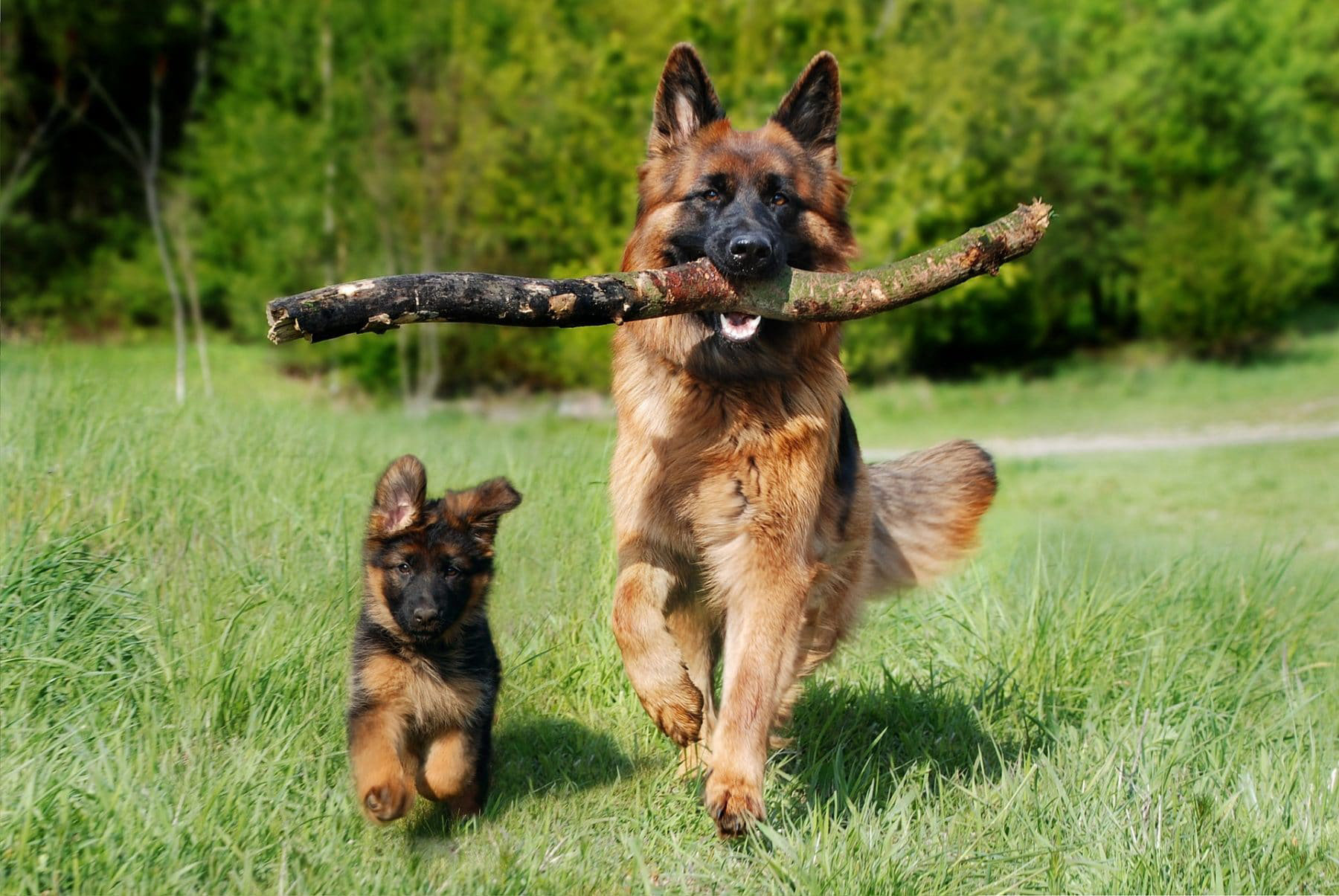
Most Popular Male Dog Names
Looking for the perfect dog name for your new male pup? We have created filterable lists of male dog names from our database of hundreds of thousands of Sniffspot users. You can filter by gender, breed and state to find the most cute, unique and creative male dog names.
Most Popular Female Dog Names
Looking for the perfect dog name for your new female pup? We have created filterable lists of female dog names from our database of hundreds of thousands of Sniffspot users. You can filter by gender, breed and state to find the most cute, unique and creative female dog names.
Most Popular Golden Retriever Names
Welcome to our comprehensive list of Golden Retriever dog names, curated from our vast database of Sniffspot users. Filter through hundreds of thousands of options by gender, breed, and state to discover the most adorable, original, and imaginative names for your beloved Golden Retriever.
Most Popular Labrador Retriever Names
Welcome to our Labrador Retriever dog names page! Here you can browse through filterable lists of names for your beloved furry friend, ranging from cute and classic to unique and creative options. Our database of hundreds of thousands of Sniffspot users ensures you'll find the perfect name for your Labrador Retriever, whether you're seeking a name for a male or female, based on breed or state.


Top dog rescues in the US

The Best Washington Dog Rescues & Shelters in 2026
This list showcases the top dog rescues & shelters in Washington. These remarkable organizations have been recognized for their unwavering dedication to the well-being of countless dogs.
The Best Oregon Dog Rescues & Shelters in 2026
This list showcases the top dog rescues & shelters in Oregon. These remarkable organizations have been recognized for their unwavering dedication to the well-being of countless dogs.
The Best California Dog Rescues & Shelters in 2026
This list showcases the top dog rescues & shelters in California. These remarkable organizations have been recognized for their unwavering dedication to the well-being of countless dogs.
The Best Florida Dog Rescues & Shelters in 2026
This list showcases the top dog rescues & shelters in Florida. These remarkable organizations have been recognized for their unwavering dedication to the well-being of countless dogs.
The Best New York Dog Rescues & Shelters in 2026
This list showcases the top dog rescues & shelters in New York. These remarkable organizations have been recognized for their unwavering dedication to the well-being of countless dogs.
/354x256/Photos/SeoDogRescue/1282/178507e67e44-MC_logo_square.jpg)
/354x256/Photos/SeoDogRescue/931/cef8bbb17769-South_Coast_Humane_Society.png)
/354x256/Photos/SeoDogRescue/61/30aea3371b69-MainSquare_2.png)
/354x256/Photos/SeoDogRescue/298/1000035238.jpg)
/354x256/Photos/SeoDogRescue/814/91cfd62cd986-IMG_1035.jpeg)