Top articlesSee all...

A Comprehensive Guide to Dog Exercise

How To Crate train An Older Dog - A Comprehensive Guide

How To Socialize A Dog - A Comprehensive Guide

Leash Training: A Guide to Training Your Dog to Walk on a Leash

Skijoring: A Guide to Skijoring with Dogs

The Best Dog Enrichment Toys

The Best United States Dog Parks

The Best Indoor Dog Parks in the United States

The Best Off-Leash Dog Parks in the United States
Top articles
A Comprehensive Guide to Dog Exercise
How To Crate train An Older Dog - A Comprehensive Guide
How To Socialize A Dog - A Comprehensive Guide
Leash Training: A Guide to Training Your Dog to Walk on a Leash
Skijoring: A Guide to Skijoring with Dogs
The Best Dog Enrichment Toys
The Best United States Dog Parks
The Best Indoor Dog Parks in the United States
The Best Off-Leash Dog Parks in the United States
See all...How Hot Is Too Hot to Walk a Dog? A Guide to Summer Safety

/fit-in/0x450/wp-content/uploads/2026/06/Dog-Overheating-in-the-Sun.jpg)
It's 9 a.m. and already 85 degrees. You've got a dog who needs a walk, a schedule that doesn't leave room for a "maybe later," and a sidewalk that's been baking in direct sun since sunrise. You'll probably be fine, right?
Maybe. But that "probably" is doing a lot of heavy lifting.
Every summer, thousands of dogs end up in emergency clinics with heat exhaustion or heatstroke in dogs. A huge percentage of those cases happen during what owners thought was a perfectly normal walk around the block. The problem isn't that people don't care. It's that most of us genuinely don't know where the line is.
This guide gives you the actual answer: what temperatures are too hot to walk your dog, how to check your dog's paws and the ground before heading out, what signs of overheating to watch for, and how to make smarter decisions all summer long. We talked to Elisa Quinn, a certified vet tech, to make sure the information here is real and not just internet guesswork.
- Key Takeaways
- Why Heat Hits Dogs Harder Than You Think
- What Temperature Is Too Hot to Walk a Dog?
- The Pavement Test (And Why You Should Do It Every Time)
- Signs Your Dog Is Getting Too Hot
- Which Dogs Are Most at Risk
- How to Walk Your Dog Safely in Summer
- When to Avoid Walking Your Dog
- How Sniffspot Helps in the Summer Heat
- Frequently Asked Questions: How Hot Is Too Hot to Walk a Dog?
- Stay Safe in the Dog Days of Summer
Key Takeaways
- At 85°F and above, most dogs are at real risk during a walk, especially on hot surfaces.
- The pavement test is the simplest way to know if the ground is safe for your dog's paws.
- Flat-faced dogs, seniors, and puppies have a higher risk of heatstroke in hot weather.
- Early morning (before 8 a.m.) or evening (after 8 p.m.) are the safest windows for summer walks.
- Heatstroke is a medical emergency. Cool your dog first, then get to a veterinarian.

The table above breaks down five temperature ranges and what they mean for walking your dog safely. Below 70°F is generally fine with no changes needed, but once you hit 80°F and above you should start adjusting — shorter walks, pavement checks, and avoiding the midday heat.
At 90°F and above, most dogs shouldn't be going on real walks at all, and once it hits 95°F+ the safest call for most dogs is to skip it entirely. We'll dive into these temperature distinctions in more detail below.
Why Heat Hits Dogs Harder Than You Think
You sweat. Your dog doesn't, at least not the way you do.
Dogs have very few sweat glands, concentrated mainly in their paw pads. That means they can't cool their entire body surface the way humans can. Instead, they rely almost entirely on panting: inhaling cooler air, exchanging it with warm moist air in the lungs, and expelling heat through the mouth.
It's a functional system, but an inefficient one. When it's hot and the air is humid, panting starts to lose effectiveness fast.
"Dogs' cooling mechanisms are significantly more limited than ours," says Elisa Quinn, CVT at SEA Island Animal Clinic. "When the air is humid, panting becomes much less effective because there's less evaporation happening. That's when a dog's body temperature can climb fast. It's faster than most owners realize. I always tell people: don't wait for obvious signs. By the time your dog looks like they're in distress, they already are."
A dog's normal body temperature sits between 101°F and 102.5°F. Once it rises above 104°F, you're looking at heat exhaustion. Above 106°F, it's heatstroke: a genuine medical emergency that can cause organ damage or death within minutes. That escalation can happen faster than you'd expect on a hot afternoon walk around the block.
What Temperature Is Too Hot to Walk a Dog?
Here's the honest answer: it depends on more than just the temperature.
Humidity, time of day, surface type, available cover, your dog's breed, age, and fitness level all factor in. But as a general framework, here's how to think about it:
- Below 70°F: Generally safe for most dogs. Normal walk, no extra precautions needed.
- 70–79°F: Comfortable for most dogs but worth keeping an eye on flat-faced dogs and seniors. Bring water.
- 80–89°F: Moderate risk. Take shorter walks, avoid midday sun, test the ground first. High humidity makes this range more dangerous for dogs.
- 90°F and above: Use extreme caution or avoid walking your dog altogether. Many dogs shouldn't be doing sustained outdoor exercise at all.
- 95°F+: Skip the walk entirely for vulnerable dogs. A quick bathroom trip is fine; sustained exercise is not.
A useful rule of thumb: both temperature and humidity determine how dangerous conditions really are. Add the two together. If that number exceeds 120, it's too hot for sustained outdoor activity regardless of temperature alone. 85°F with 40% humidity is manageable. When the air is humid and the reading hits 85°F with 70% humidity, you should avoid walking your dog and find an alternative.
The heat index matters too. A day that reads 88°F on the thermometer but feels like 98°F is genuinely dangerous for dogs, even if the raw number seems borderline.
🐾 Hot days are hard on dogs who need to burn energy. Find a shaded private Sniffspot near you →
The Pavement Test (And Why You Should Do It Every Time)
Temperature tells you one part of the story. The ground tells you another, and it's usually the more dangerous one.
Hot surfaces absorb and hold heat from the sun. On a 90°F day, hot pavement and asphalt can reach 150°F or hotter. Concrete runs nearly as hot. Your dog's paw pads are walking directly on those surfaces, and they burn.
The test is simple: press the back of your hand firmly on the pavement and hold it there for five seconds. If the heat forces you to pull your hand away before the count is up, it's too hot for your dog to walk on.
"Burned paw pads are one of the most common heat-related injuries we see all summer," says Quinn. "The surface is often much hotter than the air temperature, and owners don't always realize that. If you can't hold your hand on the pavement for five seconds, your dog shouldn't be walking on it. It's that simple."
Grass stays significantly cooler than concrete or blacktop and is a much better surface when you're walking your dog in hot weather. If your walking route doesn't have grass options, stick to shaded paths, dirt trails, or early morning walks before the ground has a chance to heat up.
Dog booties are another option if your dog will tolerate them, and they genuinely protect paws on hot surfaces. Not every dog will wear them willingly, but it's worth trying if you're regularly walking on concrete in summer.
Signs Your Dog Is Getting Too Hot
Dogs can't tell you they're in trouble. By the time most owners notice something is wrong, the dog is already past the "I'm warm" stage.
Here's what to watch for:
Early warning signs:
- Panting harder or more rapidly than usual
- Slowing down or lagging behind on the walk
- Seeking shade or lying down and refusing to move
- Excessive drooling or thick, sticky saliva
- Slightly red ears or warm-feeling skin
More serious signs:
- Bright red gums and tongue
- Vomiting or diarrhea
- Glazed or unfocused eyes
- Stumbling or incoordination
- Weakness in the back legs
Emergency signs (get your dog to the vet immediately):
- Collapse or inability to stand
- Seizures
- Loss of consciousness
- Purple or grayish gums
"The tricky thing is that the signs of overheating can look a lot like a dog that's just tired or excited," Quinn says. "If your dog is lagging behind on the walk or seeking shade on their own, don't push through it. That's your dog's body telling you something is wrong. Take it seriously, move them somewhere cool, and make sure your dog has access to cool water right away."
If you think your dog is overheating, move immediately to a cooler area. Offer cool (not ice cold) water. Apply cool water to their neck, belly, and the insides of their thighs, where blood vessels run close to the surface.
Do not use ice water: it can constrict blood vessels and slow the cooling process. Then get your dog to the vet. Even if your dog seems to recover quickly, internal organ stress may have occurred. For a full breakdown of what to do, read our guide on how to prevent and treat heat stroke in your dog.

Which Dogs Are Most at Risk
All dogs can get dangerously hot, but some face a higher risk of heatstroke than others.
Flat-Faced Dogs
Brachycephalic dogs have structurally narrower airways, which makes panting much less effective as a cooling method. These dogs overheat faster and can deteriorate quickly.
The highest-risk flat-faced dogs include:
- Bulldogs and French Bulldogs
- Boxers
- Boston Terriers
- Shih Tzus
- Pugs, Chow Chows, and Cavalier King Charles Spaniels
If you have a flat-faced dog, your thresholds are lower than average. A temperature that's moderate risk for a Labrador Retriever can be genuinely dangerous for a Frenchie.
Senior Dogs and Puppies
Older dogs are less efficient at regulating body temperature and are more likely to have underlying health conditions that compound heat stress. Puppies haven't fully developed their thermoregulation yet and can get too hot without showing the obvious warning signs.
For senior dogs, exercise intensity and duration should be dialed back in summer, not just the schedule.
Double-Coated and Darker Dogs
Dogs with thick double coats trap heat near the body. This includes Siberian Huskies, Bernese Mountain Dogs, Golden Retrievers, and Australian Shepherds. Darker coats absorb solar radiation faster, which adds to the risk.
The American Kennel Club urges dog owners NOT to shave double-coated dogs in summer. Their coat insulates against heat as well as cold. Shaving removes that protection without improving cooling.
Larger Dogs and Overweight Dogs
Larger dogs generate more body heat during exercise and take longer to cool down. Overweight dogs of any size are also significantly more vulnerable: extra body fat acts as insulation, trapping heat inside a dog's body. If your dog is carrying extra weight, summer is a good time to talk to your veterinarian about a safe weight management plan.
How to Walk Your Dog Safely in Summer
You don't have to avoid walking your dog all summer. You just need to walk smarter.
Adjust Your Timing
The most effective change you can make is when you head out for a walk. Aim for:
- Before 8 a.m. — the ground is still cool from overnight
- After 8 p.m. — surfaces have had a few hours to cool after sunset
Avoid midday and early afternoon. If you live somewhere that stays hot well into the evening, push that window back further.
Take Shorter Walks
A walk that's completely reasonable in October can be dangerous for dogs in July. Cut your summer walks down to 15 to 20 minutes maximum and gauge how your dog is responding before deciding whether to continue. Shorter walks more frequently beat one long walk that pushes into dangerous territory.
For dogs who need more physical and mental exercise than a short walk provides, indoor enrichment activities can fill the gap on hot days.
Keep Them Hydrated
Always carry plenty of fresh water and a collapsible bowl. Offer your dog a drink every 10 to 15 minutes on warm walks, not just when they're visibly struggling. If your dog isn't interested in water, pay attention. It may mean they're already stressed and focused elsewhere.
Choose Your Walking Route Carefully
Plan your walking route around grass and cover. Tree canopy can drop the felt temperature significantly. If your only option is an exposed concrete sidewalk in direct sun, that route is dangerous for dogs on a hot day. Find an alternative or skip the walk.
Check Gear
Harnesses that fit tightly can trap heat and restrict airflow. In summer, less is more. A lightweight harness or flat collar beats bulky equipment. Cooling vests can help for dogs who need to be outside longer, but they need to be pre-soaked to stay effective.
For more strategies beyond the walk itself, see our full guide on how to keep your dog cool.
🐾 Skip the hot ground entirely. Find a private, shaded Sniffspot near you →
When to Avoid Walking Your Dog
Some days, the kindest thing you can do is not take your dog out at all.
You shouldn't walk your dog (or should keep it to a quick bathroom trip only) when:
- The temperature is 90°F or above
- The ground fails the hand test and there's no grass alternative
- The heat index pushes conditions above what the raw temperature suggests
- Your dog shows any early warning signs before you've even started
- You have a flat-faced dog and it's above 80°F
- Your dog is a senior, a puppy, overweight, or has a health condition
This doesn't mean your dog goes without enrichment. Training sessions, food puzzles, lick mats, and indoor nose work can give your dog a satisfying outlet without any heat risk.
Swimming is another great option if your dog is into it. It provides real physical exercise without the risk that comes with walking your dog in hot temperatures.
Check out where your dog can go swimming for options near you. If your dog is nervous around water, that's a common and very trainable issue: our guide on dogs who are afraid of water walks through how to help them get comfortable at their own pace.

How Sniffspot Helps in the Summer Heat
One of the trickiest things about summer is that your dog still needs space to run, sniff, and decompress. But public parks in direct sun, with concrete paths and no cover, can become genuinely dangerous for dogs on a hot day.
Private Sniffspot locations offer a different option. Many hosts have naturally shaded yards, grassy surfaces that stay cooler than blacktop or concrete, and water access. Because you're booking the space exclusively, you can also go during early morning or evening hours without worrying about the space being crowded when you get there.
Let your dog roam freely before the day heats up, instead of risking a midday walk on hot surfaces.
🐾 Give your dog outdoor time without the heat risk. Find a shaded Sniffspot near you →
Frequently Asked Questions: How Hot Is Too Hot to Walk a Dog?
How hot is too hot to walk a dog?
As a general rule, 85°F and above is when you should start scaling back walks significantly for most dogs. At 90°F and above, most dogs shouldn't be doing sustained outdoor exercise at all. But temperature is only part of the picture: humidity, surface conditions, available cover, and your individual dog's age and health all affect how much heat they can safely handle. Do the pavement test alongside checking the temperature before you head out for a walk.
What temperature is too hot for dogs outside?
For most dogs, temperatures above 85°F carry moderate risk outdoors. At 90°F+, the risk is high. Flat-faced dogs (Bulldogs, French Bulldogs, Pugs, Boxers), seniors, puppies, and overweight dogs have lower thresholds and shouldn't be out in heat above 80°F. Anytime the air is humid alongside high temperatures, the danger increases significantly.
What is the pavement test for dogs?
Press the back of your hand flat on the pavement and hold it there for five seconds. If the heat forces you to pull your hand away before the count is done, the surface is too hot for your dog's paw pads. The ground can reach 150°F or hotter on a sunny summer day, even when the air temperature is in the low 90s. Grass stays substantially cooler and is almost always the safer surface.
What are the signs of heatstroke in dogs?
Early signs of overheating include rapid heavy panting, excessive drooling, red gums, slowing down or stopping, and vomiting. More serious signs include stumbling, weakness in the back legs, glazed eyes, and collapse. Move your dog to a cool area immediately, apply cool (not ice cold) water to their neck, belly, and inner thighs, and get your dog to the vet as soon as possible. Heatstroke in dogs is a medical emergency. See our full guide on how to prevent and treat heat stroke in your dog.
What is the best time of day to walk a dog in summer?
Before 8 a.m. or after 8 p.m. are generally the safest windows. Early morning is best because the ground still holds overnight coolness and hasn't had time to heat up. Evening walks are safer than afternoon walks, but surfaces can stay hot for hours after the sun goes down. Always check the ground before you head out for a walk, regardless of time.
Can I walk my dog in the heat if I bring water?
Water helps, but it doesn't eliminate the risk. It reduces it. Overheating is primarily a body temperature problem, not just a dehydration problem. A dog can have access to plenty of fresh water and still develop heat exhaustion if they're exercising too hard in extreme conditions. Keep them hydrated on every walk, but don't treat water as a reason to skip the other precautions.
Are some dogs more heat-tolerant than others?
Yes, but the differences aren't as dramatic as people assume. Dogs from warm-climate lineages may tolerate heat slightly better than cold-weather working dogs. But even heat-adapted dogs can get dangerously hot in extreme conditions. The more important variables are your individual dog's health, weight, and fitness level. When in doubt, take shorter walks and go at cooler times of day.
My dog seems fine. Do I really need to cut the walk short?
Maybe. Dogs don't always show distress until they're already in serious trouble. Their drive to keep going can override their body's warning signals. Just because your dog isn't slowing down doesn't mean they're not struggling. Monitor them closely, take shorter walks in high temperatures, and make the call based on conditions rather than your dog's apparent enthusiasm.
Stay Safe in the Dog Days of Summer
Summer and dog ownership coexist just fine. You just need to make smarter decisions than you would in October.
Know the temperature thresholds. Check the ground every single time before you head out for a walk. Shift your schedule to early morning or evening. Recognize that some days, the right call is to avoid walking your dog entirely and do something enriching inside instead.
Your dog doesn't know the difference between 88°F and dangerous. You do. That's the whole job.
🐾 On days when the ground is too hot and the park is too exposed, a shaded private Sniffspot gives your dog somewhere safe to actually move. Find one near you →
All articles on Sniffspot are reviewed by professionals, from certified trainers to qualified veterinary professionals. This guide was reviewed by Elisa Quinn, CVT, SEA Island Animal Clinic, as well as S. Drew, DVT, SEA Island Animal Clinic.


/fit-in/0x128/wp-content/uploads/2026/10/puppy-obedience-training.png)
/fit-in/0x128/wp-content/uploads/2022/07/shutterstock_237584221-1.jpg)
/fit-in/0x128/wp-content/uploads/2020/08/shutterstock_421958377.jpg)
/fit-in/0x128/wp-content/uploads/2026/05/sniffspot-road-trip-1.png)
/fit-in/0x128/wp-content/uploads/2026/06/Marielly-M-Sniffspot-Dog.png)
Most recent articles
/fit-in/0x256/wp-content/uploads/2026/10/puppy-obedience-training.png)
/fit-in/0x256/wp-content/uploads/2022/07/shutterstock_237584221-1.jpg)
/fit-in/0x256/wp-content/uploads/2020/08/shutterstock_421958377.jpg)
/fit-in/0x128/wp-content/uploads/2025/03/Moving-with-your-pet-1.png)
/fit-in/0x256/wp-content/uploads/2025/03/Moving-with-your-pet-1.png)
/fit-in/0x128/wp-content/uploads/2024/11/Screen-Shot-2024-11-29-at-12.58.43-PM.png)
/fit-in/0x256/wp-content/uploads/2024/11/Screen-Shot-2024-11-29-at-12.58.43-PM.png)
/fit-in/0x128/wp-content/uploads/2025/03/Moving-with-your-pet-2.png)
/fit-in/0x256/wp-content/uploads/2025/03/Moving-with-your-pet-2.png)
Related articles
Top dog guides per area
Dog training guides

Best Dog Fields in the US: 25+ Wide-Open Spaces for Your Pup to Run Free
The best dog fields in the US offer something that traditional enclosed parks simply can't match: acres of open space where your pup can truly stretch their legs and run at full speed. From Colorado's 470-acre prairie meadows to Tennessee's...
Dog Food Aggression & Resource Guarding Guide
Does your dog ever growl when you walk by their food dish? Maybe they get possessive of treats, carrying them far away and giving you side-eye when you start to approach — or snarling at your other pets or children if they get too close.
The Ultimate Guide to Scent Training for Dogs
Your dog's nose is an amazing tool. Did you know they have 40 times the olfactory receptors than humans? Scent training for dogs taps into this superpower, turning everyday moments into exciting sniff-fests. It's enriching for all types of dogs –...
How Much Does It Cost to Train a Service Dog?
More than 80 million Americans rely on their service dogs to help them navigate the world. Task-trained assistance animals perform a huge range of life-changing—in many cases, life-saving—services: These dogs act as eyes for visually impaired...
How to Deal With Puppy Potty Training Regression
You thought those dreaded middle-of-the-night potty breaks were over. You were finally free from cleaning up puppy puddles. Then, suddenly, your six-month-old who's been accident-free for weeks starts peeing on your rug again.
Dirty Dog Syndrome: Causes, Solutions, and Prevention
It's a cringe-worthy moment every dog owner dreads: your furry friend chowing down on something truly disgusting. If your dog has a penchant for poop, you're dealing with coprophagia. It's more common than you think, and thankfully, often...
/354x256/wp-content/uploads/2025/09/Screenshot-2025-09-21-at-6.39.54-PM.png)
/354x256/wp-content/uploads/2020/08/bernese-mountain-dog-208092_1280.jpg)
/354x256/wp-content/uploads/2022/04/shutterstock_543831754.jpg)
/354x256/wp-content/uploads/2022/08/shutterstock_494495788-1.jpg)
/354x256/wp-content/uploads/2022/07/shutterstock_237584221-1.jpg)
/354x256/wp-content/uploads/2022/10/shutterstock_705844504.jpg)
Dog enrichment guides
Best Dog Fields in the US: 25+ Wide-Open Spaces for Your Pup to Run Free
The best dog fields in the US offer something that traditional enclosed parks simply can't match: acres of open space where your pup can truly stretch their legs and run at full speed. From Colorado's 470-acre prairie meadows to Tennessee's...
Best Dog Water Parks in the US: 15+ Amazing Splash Destinations for Your Pup
Do you have a water-loving dog looking to burn some energy? There are countless dog parks to visit throughout our country — but some of them become far too hot in the midday sun to be safe for your pets to play. That’s why we’ve put together a...
Best Toys for Herding Dogs: Keeping Your Pup Happy & Engaged
Herding dogs are amazing, intelligent companions. But that also means they need more than just a simple game of fetch. Finding the right toys for herding dogs is key to keeping them happy and stimulated. This article explores some of the best toys...
Tough Dog Toys for Aggressive Chewers: A Practical Guide
Does your dog destroy every toy you give them? Is your house littered with the remnants of plush toys? Are you tired of wasting money on "indestructible" dog toys for aggressive chewers that don't last? Then this post is for you. We'll cover...
Dog Exercise Calculator: How Much Exercise Does Your Dog Need?
Every dog needs to move, but how much is actually enough? The answer depends on more than just breed. Age, health, and even your own lifestyle all play a role in figuring out the right daily exercise routine for your pup.
Complete Guide To Herding With Dogs
* All Sniffspot articles are reviewed by certified trainers for quality, please see bottom of article for details *
/354x256/wp-content/uploads/2023/04/dogwaterpark.png)
/354x256/wp-content/uploads/2022/05/shutterstock_174836186.jpg)
/354x256/wp-content/uploads/2023/02/shutterstock_1346929262.jpg)
/354x256/wp-content/uploads/2022/08/dogexercisecalculatorfeaturedimage.jpg)
/354x256/wp-content/uploads/2020/07/bb.jpg)
Dog reactivity guides
Best Dog Fields in the US: 25+ Wide-Open Spaces for Your Pup to Run Free
The best dog fields in the US offer something that traditional enclosed parks simply can't match: acres of open space where your pup can truly stretch their legs and run at full speed. From Colorado's 470-acre prairie meadows to Tennessee's...
Rottweiler Aggression: Signs, Causes & Training
Many dogs have gotten a bad reputation over the years for being "dangerous breeds." Rottweilers are among them. Like pit bulls and other large, blocky-headed types of dogs, these powerful and beautiful animals are often assumed to be aggressive.
The Reactive Dog Chart: How to Calm Your Dog's Triggers
If your dog lunges, barks, or loses their mind at the sight of another dog, a stranger, or a bicycle, you’re living with a reactive dog (and you’re far from alone). Dog reactivity is one of the most common behavioral challenges dog owners face,...
How to Socialize a Reactive Dog: A Step-by-Step Guide
Does your dog display reactivity to other pets or people—barking, lunging, or growling when they see their triggers? Whether they're a rescue still settling in, missed critical socialization as a puppy, or had a negative experience that changed...
What Is a Reactive Dog? The Complete Guide for Understanding and Helping Your Pup
Does your dog transform into a barking, lunging tornado the second they spot another dog across the street? You're definitely not alone. According to our research of over 4,000 dog owners, 66% of dogs show some signs of reactivity.
9 Best Online Communities for Reactive Dog Parents
Does your dog's reactivity make walks stressful? You're not alone. Many dog owners face similar challenges. This guide offers practical advice and support for managing reactivity, including finding the best online dog training for reactive dogs....
/354x256/wp-content/uploads/2023/05/Screen-Shot-2024-05-23-at-9.33.57-PM.png)
/354x256/wp-content/uploads/2022/08/dogreactivitychartfeaturedimage.jpg)
/354x256/wp-content/uploads/2022/08/shutterstock_523383649.jpg)
/354x256/wp-content/uploads/2020/07/a.jpg)
/354x256/wp-content/uploads/2022/01/shutterstock_796422001.jpg)
Sniffspot community guides
Best Dog Fields in the US: 25+ Wide-Open Spaces for Your Pup to Run Free
The best dog fields in the US offer something that traditional enclosed parks simply can't match: acres of open space where your pup can truly stretch their legs and run at full speed. From Colorado's 470-acre prairie meadows to Tennessee's...
The State of Public Dog Parks Across the United States
From 2009 to 2020, there was a 40 percent increase in the development of public dog parks. Designated spots for canine exercise have become commonplace in every major city in North America — many pet owners won’t even consider renting an apartment...
How This Family is Affording Their Dream Property Through Renting it Hourly to Dogs
Thousand Oaks, California has been a safe haven for Sniffspot host, Jen, since childhood. Having grown up in busy Santa Barbara, Jen, an introvert from an early age, would seek out solitude and serenity away from tourists attractions and droves of...
Host Tips: Ellen K. What Makes Sniffspot Successful for Me
Ellen is the host of Country Pasture Getaway, one of Sniffspot's most popular sniff spots. She has taken the time to write up the lessons she has learned about how to be a great sniff spot host.
How this Oregon Farmer is Making a Business From Renting Her Land to Dogs
Just 20 minutes outside of the busy city of Portland, Oregon, and settled right on the banks of the Columbia River, you’ll find what countless visitors have flocked to the area in search of – mountain views, crisp, clean air, and running water for...
Host Tips: Fran T. Providing Great Guest Service at our Spot
Fran is the host of Ranch Setting, one of Sniffspot's most popular spots. She has taken the time to write up the lessons she has learned about how to be a great Sniffspot host.
/354x256/wp-content/uploads/2022/07/Sniffspot_infographic_1-01.jpeg)
/354x256/wp-content/uploads/2021/05/Final-Edit-003-1.jpg)
/354x256/wp-content/uploads/2020/07/good-photo-3_orig.jpg)
/354x256/wp-content/uploads/2021/05/sniffspot-28-of-45-1.jpg)
/354x256/wp-content/uploads/2020/07/screen-shot-2019-09-19-at-2-01-47-pm_orig.png)
Top dog trainers in the US
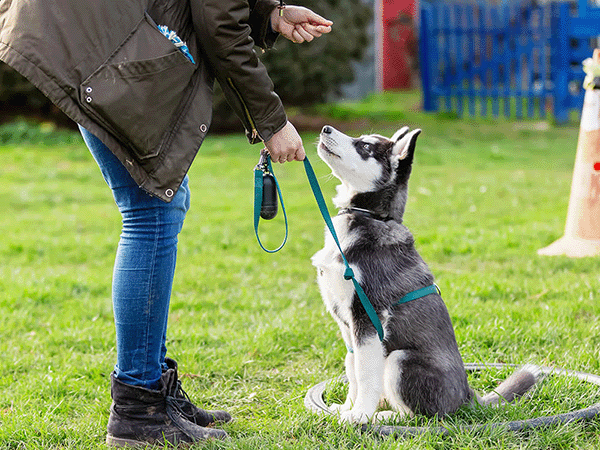
The Best Dog Trainers in the United States of 2026
This is a list of the top dog trainers in the United States, based on votes from the Sniffspot community and the general public.
The Best Dog Trainers in Seattle, WA of 2026
This is a list of the top dog trainers in Seattle, WA, based on votes from the Sniffspot community and the general public.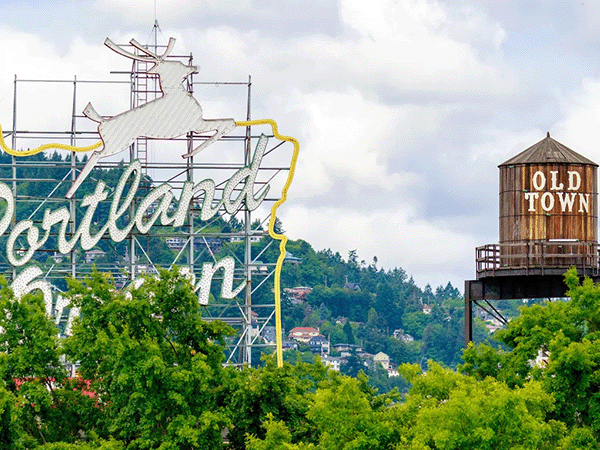
The Best Dog Trainers in Portland, OR of 2026
This is a list of the top dog trainers in Portland, OR, based on votes from the Sniffspot community and the general public.
The Best Dog Trainers in Los Angeles, CA of 2026
This is a list of the top dog trainers in Los Angeles, CA, based on votes from the Sniffspot community and the general public.
The Best Dog Trainers in New York, NY of 2026
This is a list of the top dog trainers in New York, NY, based on votes from the Sniffspot community and the general public.


City dog park guides
Best Dog Fields in the US: 25+ Wide-Open Spaces for Your Pup to Run Free
The best dog fields in the US offer something that traditional enclosed parks simply can't match: acres of open space where your pup can truly stretch their legs and run at full speed. From Colorado's 470-acre prairie meadows to Tennessee's...
Top 10 Indoor Dog Parks: A US Guide
Looking for a space to play with your dog no matter what the weather’s like outside? Look no further than our list of the best indoor dog parks in the United States! These climate-controlled spaces are growing in popularity as pet ownership...
Best Dog Parks in the US: Ultimate Guide to Public & Private Off-Leash Adventures
Is your pup giving you those pleading "let me run free" eyes? Whether you're a new dog parent or a seasoned pro looking for fresh adventures, finding the perfect off-leash paradise for your furry friend can feel ruff! From sun-soaked California...
Dog Parks Near Me: Las Vegas Edition
Looking for the perfect dog park near me in Las Vegas? You're in luck! This guide explores all the best options for your pup, from public dog parks to private dog parks near me on Sniffspot. We'll help you find the ideal spot for playtime,...Best Dog Parks in the US: Off-Leash Guide
Looking for the perfect dog park? Whether you need a wide-open public space or a private, fenced-in spot, this guide will help you find the best dog parks across the US. We'll cover top-rated public parks, the perks of private dog parks, and even...
Sniffspot: Portland's Best Private Dog Parks
Ready to discover Portland's best dog parks? Whether you're looking for a public park or the unique experience of a private Sniffspot, this guide has you covered. We'll help you find the perfect spot for your pup, with tips on what to bring, how...
/354x256/wp-content/uploads/2023/04/indoordogparks.png)
/354x256/wp-content/uploads/2023/03/offleashdogparks.png)
/354x256/wp-content/uploads/2023/02/vegas.jpg)
/354x256/wp-content/uploads/2023/02/portland.jpg)
Dog breeds
Best Dog Fields in the US: 25+ Wide-Open Spaces for Your Pup to Run Free
The best dog fields in the US offer something that traditional enclosed parks simply can't match: acres of open space where your pup can truly stretch their legs and run at full speed. From Colorado's 470-acre prairie meadows to Tennessee's...
German Shepherd Guide: Best Family Dog? Truth from 9K Owners
The German Shepherd Dog (GSDs) are known for their intelligence, loyalty, and striking appearance. They're also incredibly versatile, excelling as working dogs and devoted family companions. This guide covers everything you need to know about...
Labrador Retriever: Real Tips from Owners
Discover the Labrador Retriever, a breed celebrated for its playful nature, affectionate temperament, and trainability. Labradors are known for their friendly demeanor and adaptability, making them perfect family companions and versatile working...
Golden Retriever Advice: The Complete Owner's Guide
Golden Retrievers: they're gorgeous, playful, and incredibly popular. But before you welcome one into your home, you need the right golden retriever advice. This guide draws on the wisdom of nearly 10,000 Golden Retriever owners, offering...
Are American Staffordshire Terriers Good for First-Time Owners: Complete Guide
Think American Staffordshire Terriers are tough? Think again. While their muscular build might intimidate some, these dogs are known for their playful and loyal personalities. This guide draws on the experience of nearly 10,000 AmStaff owners to...
Australian Shepherd Facts: Breed Info & Care Guide
Discover the Australian Shepherd, an AKC breed celebrated for its trainable, playful, and affectionate nature. Despite its name, the Australian Shepherd is actually a native breed to the United States, originally developed to breed on farms and...
/354x256/wp-content/uploads/2024/07/German-Shepherd-Dog.png)
/354x256/wp-content/uploads/2024/07/Screen-Shot-2024-07-24-at-4.06.05-PM.png)
/354x256/wp-content/uploads/2024/07/Screen-Shot-2024-07-25-at-3.05.09-PM.png)
/354x256/wp-content/uploads/2024/07/staffy.jpg)
/354x256/wp-content/uploads/2024/07/Screen-Shot-2024-07-25-at-3.39.43-PM.png)
Top dog names in the US
Top 1,000 Most Popular Dog Names
Looking for the perfect dog name for your new pup? We have created filterable lists of dog names from our database of hundreds of thousands of Sniffspot users. You can filter by gender, breed and state to find the most cute, unique and creative dog names.
Most Popular Male Dog Names
Looking for the perfect dog name for your new male pup? We have created filterable lists of male dog names from our database of hundreds of thousands of Sniffspot users. You can filter by gender, breed and state to find the most cute, unique and creative male dog names.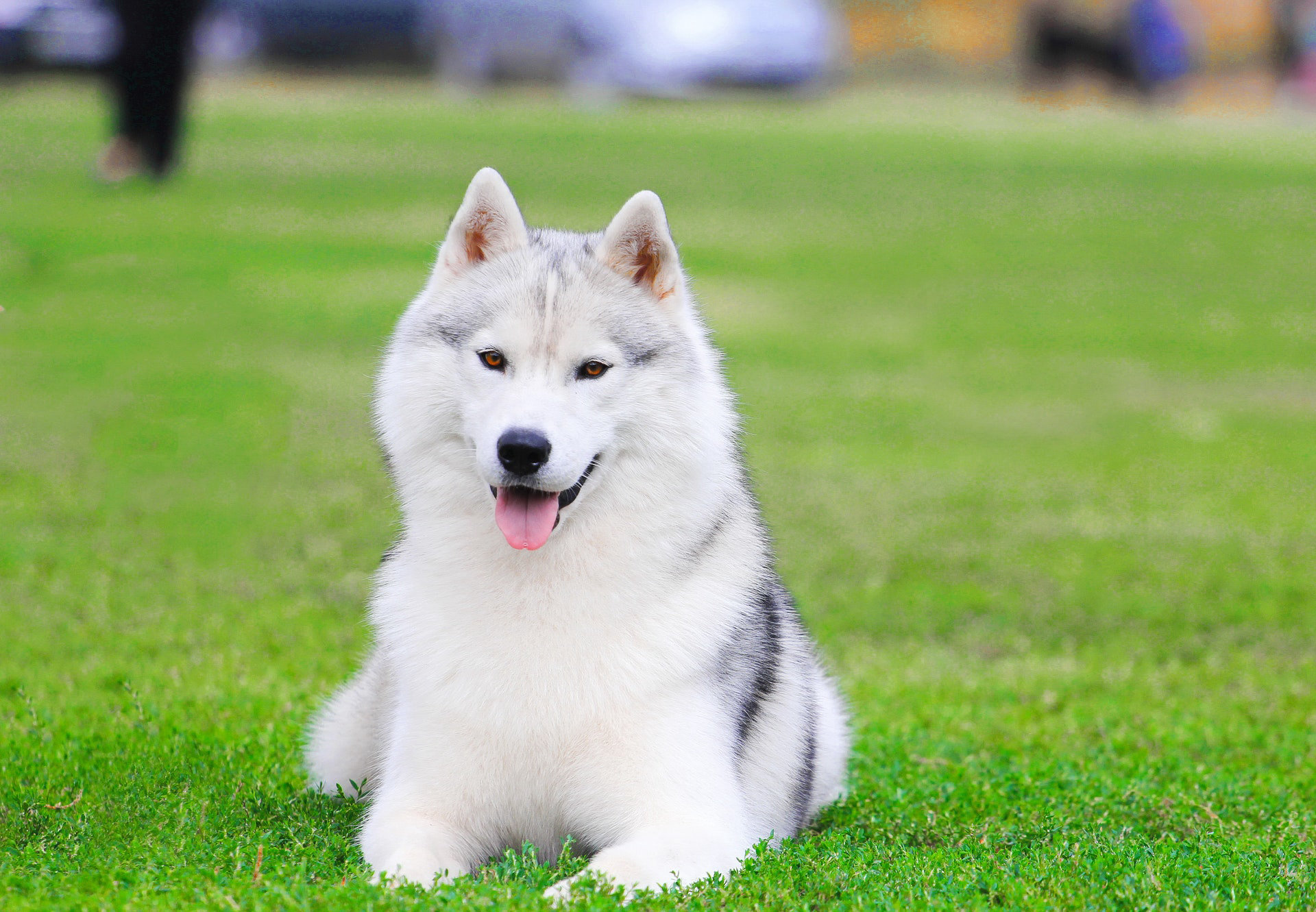
Most Popular Female Dog Names
Looking for the perfect dog name for your new female pup? We have created filterable lists of female dog names from our database of hundreds of thousands of Sniffspot users. You can filter by gender, breed and state to find the most cute, unique and creative female dog names.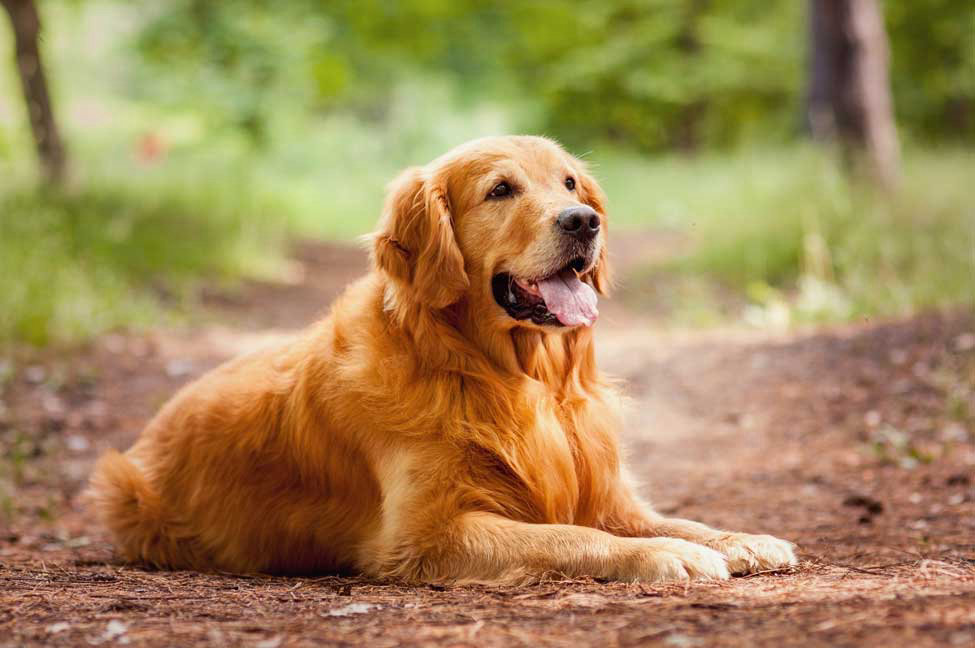
Most Popular Golden Retriever Names
Welcome to our comprehensive list of Golden Retriever dog names, curated from our vast database of Sniffspot users. Filter through hundreds of thousands of options by gender, breed, and state to discover the most adorable, original, and imaginative names for your beloved Golden Retriever.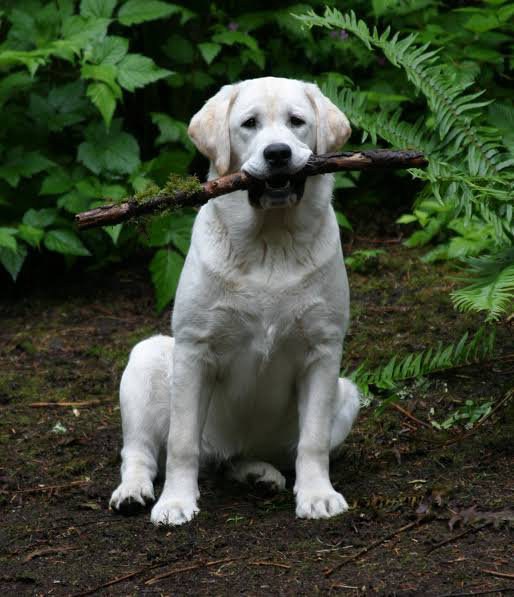
Most Popular Labrador Retriever Names
Welcome to our Labrador Retriever dog names page! Here you can browse through filterable lists of names for your beloved furry friend, ranging from cute and classic to unique and creative options. Our database of hundreds of thousands of Sniffspot users ensures you'll find the perfect name for your Labrador Retriever, whether you're seeking a name for a male or female, based on breed or state.


Top dog rescues in the US

The Best Washington Dog Rescues & Shelters in 2026
This list showcases the top dog rescues & shelters in Washington. These remarkable organizations have been recognized for their unwavering dedication to the well-being of countless dogs.
The Best Oregon Dog Rescues & Shelters in 2026
This list showcases the top dog rescues & shelters in Oregon. These remarkable organizations have been recognized for their unwavering dedication to the well-being of countless dogs.
The Best California Dog Rescues & Shelters in 2026
This list showcases the top dog rescues & shelters in California. These remarkable organizations have been recognized for their unwavering dedication to the well-being of countless dogs.
The Best Florida Dog Rescues & Shelters in 2026
This list showcases the top dog rescues & shelters in Florida. These remarkable organizations have been recognized for their unwavering dedication to the well-being of countless dogs.
The Best New York Dog Rescues & Shelters in 2026
This list showcases the top dog rescues & shelters in New York. These remarkable organizations have been recognized for their unwavering dedication to the well-being of countless dogs.
/354x256/Photos/SeoDogRescue/1282/178507e67e44-MC_logo_square.jpg)
/354x256/Photos/SeoDogRescue/931/cef8bbb17769-South_Coast_Humane_Society.png)
/354x256/Photos/SeoDogRescue/61/30aea3371b69-MainSquare_2.png)
/354x256/Photos/SeoDogRescue/298/1000035238.jpg)
/354x256/Photos/SeoDogRescue/814/91cfd62cd986-IMG_1035.jpeg)