Top articlesSee all...

A Comprehensive Guide to Dog Exercise

How To Crate train An Older Dog - A Comprehensive Guide

How To Socialize A Dog - A Comprehensive Guide

Leash Training: A Guide to Training Your Dog to Walk on a Leash

Skijoring: A Guide to Skijoring with Dogs

The Best Dog Enrichment Toys

The Best United States Dog Parks

The Best Indoor Dog Parks in the United States

The Best Off-Leash Dog Parks in the United States
Top articles
A Comprehensive Guide to Dog Exercise
How To Crate train An Older Dog - A Comprehensive Guide
How To Socialize A Dog - A Comprehensive Guide
Leash Training: A Guide to Training Your Dog to Walk on a Leash
Skijoring: A Guide to Skijoring with Dogs
The Best Dog Enrichment Toys
The Best United States Dog Parks
The Best Indoor Dog Parks in the United States
The Best Off-Leash Dog Parks in the United States
See all...How to Build a Dog Exercise Routine Even If You're Busy

/fit-in/0x450/wp-content/uploads/2026/03/dogs-on-a-walk.jpg)
You adopted a dog. You love your dog. You are also, if you're being honest, making up your dog's exercise routine as you go. A walk here, a throw of the ball there, maybe a frantic sprint around the backyard when you feel guilty about being inside all day.
Here's some good news and some real talk. The good news: you don't need a complicated plan. The real talk: you do need some kind of plan. Dogs thrive on predictability. Exercise on a consistent schedule does more for your dog's physical health, mental stability, and behavior than sporadic intense sessions ever will.
This guide will walk you through how to build a dog exercise routine from the ground up, no personal trainer required. No expensive gear. Just a practical, breed-smart approach that actually fits your life.
(PS: We help you determine just how much exercise your specific pup needs with our dog exercise calculator)
🐾 Putting what you're learning into practice? Sniffspot's private, fully fenced yards give reactive and sensitive dogs a calm, distraction-free space to work on skills without the pressure of a public dog park. Find a spot near you.
Jump Ahead: Dog Exercise Routine
- Step 1: Talk to Your Vet First
- Step 2: Know Your Dog's Exercise Needs
- Step 3: Choose Your Core Activities
- Step 4: Build the Schedule
- Step 5: Start Slow and Build Up
- Step 6: Add Mental Exercise to the Mix
- Step 7: Use Sniffspot for Off-Leash Freedom
- Sample Weekly Schedules by Breed Type
- Frequently Asked Questions: Dog Exercise Routine
Step 1: Talk to Your Vet First
Before you build any exercise plan, schedule a quick check-in with your veterinarian. This is especially important if your dog is new to you, overweight, a senior, or has any history of joint or heart issues.
Your vet can flag conditions that might limit certain types of exercise (like hip dysplasia or brachycephalic airway syndrome in flat-faced breeds) and recommend safe starting points. According to VCA Animal Hospitals, evaluating for underlying musculoskeletal or metabolic issues before starting a new exercise program is always the recommended first step.
Step 2: Know Your Dog's Exercise Needs
Dogs are not one-size-fits-all, not even close. A Border Collie and a Basset Hound technically both belong to the same species, but their exercise needs are about as different as a marathon runner and a philosophy professor.
Here's a general framework, per the American Kennel Club:
High energy breeds (1–2+ hours/day): Border Collies, Australian Shepherds, Belgian Malinois, German Shorthaired Pointers, Vizslas, Siberian Huskies, Jack Russell Terriers, Dalmatians. These dogs were bred to work all day. Without sufficient exercise, they will find their own version of a job, and you won't like it. (For a full breakdown, see our owner-backed study on the most active dog breeds).
Moderate energy breeds (30–60 min/day): Labrador Retrievers, Golden Retrievers, Standard Poodles, Boxers, English Springer Spaniels, Cocker Spaniels. These are your classic "active family dog" types. They like exercise but they also like napping on the couch.
Lower energy breeds (20–30 min/day): Basset Hounds, Bulldogs, Shih Tzus, Chow Chows, Great Danes (surprisingly), most senior dogs. These breeds still need daily movement to stay healthy, but intensity matters more than duration.
Puppies: Counter-intuitively, puppies often need less structured exercise than adult dogs, not more. Their growth plates are still developing. The old rule of thumb: 5 minutes of structured exercise per month of age, twice a day. A 4-month-old puppy does 20 minutes max.
Senior dogs: Frequent, short, low-impact sessions. Three 15-minute walks daily often works better than one 45-minute trek.
Step 3: Choose Your Core Activities
Your dog's exercise routine doesn't have to be fancy. It has to be consistent. Pick 2–3 core activities that work for your schedule, your dog's body, and your environment.
Walking
The underrated backbone of most good dog exercise routines. A brisk 20–30 minute walk covers cardiovascular health, provides mental enrichment through sniffing, and builds your bond. The PDSA recommends daily walks as the single most important physical activity for most dogs.
Pro tip: Vary your routes. The same walk every day is boring for a dog. New smells, new sights, and new surfaces (grass, gravel, pavement, dirt) provide way more enrichment than a familiar loop.
Off-Leash Running and Play
Dogs move very differently when off-leash. They sprint, stop, pivot, double back, and sniff on their own terms. This kind of self-directed movement is physically and mentally satisfying in a way that on-leash walks can't fully replicate.
Private Sniffspot locations offer fenced, off-leash spaces where your dog can move freely without the unpredictability of public dog parks. This is especially valuable for reactive dogs, dogs who are still being socialized, or dogs who simply don't enjoy other dogs in their face. Browse Sniffspot listings near you.
Fetch and Retrieve Games
Great for high-drive dogs and time-pressed owners. Fetch burns a lot of energy in a short time and can be done in a backyard, a hallway, or a fenced field. Keep sessions to 10–20 minutes and always warm up first (a short walk before sprinting prevents muscle strains).
Swimming
Excellent for dogs who love water, and one of the best exercises for dogs with joint issues. Swimming provides full-body resistance training with zero impact on joints. Per PetMD, it's one of the top recommendations for overweight dogs and seniors alike.
Enrichment-Based Exercise
Nose work, puzzle feeding, training sessions, and scent games count as exercise because they fatigue the brain just as effectively as physical movement fatigues the body. For a complete overview of mental exercise options, check out our guide: The Best Mental Exercises for Dogs.
Step 4: Build the Schedule
Here's where most people go wrong: they plan an ambitious routine they can't sustain, then feel like failures when life gets in the way. Build a schedule you can actually do on your worst week, not your best.
- Morning (15–30 min): A walk or active play session before work or before breakfast. This sets your dog up for a calmer day.
- Midday (10–20 min): If you're home, a short training session, puzzle feeder, or a quick backyard play session. If you work away from home, this might be a dog walker visit.
- Evening (20–45 min): Your main exercise session. A longer walk, off-leash time at a Sniffspot, or a combination of play and training.
The golden rule: A consistent 20-minute walk every day is more valuable than a 2-hour weekend hike. Consistency beats intensity every single time.
Step 5: Start Slow and Build Up
If your dog has been living a pretty sedentary life, you can't jump straight to an hour of fetch. Just like humans getting back into the gym, muscles, joints, and cardiovascular endurance all need time to adapt.
Start with what feels easy. For most dogs, this means 10–15 minute walks with minimal intensity. Watch for signs of fatigue: slowing pace, lagging behind, excessive panting, or reluctance to continue.
Add 5–10 minutes every week. After a month, most healthy adult dogs can handle a well-structured daily routine without soreness or fatigue.
Step 6: Add Mental Exercise to the Mix
Physical exercise alone doesn't fully satisfy most dogs. A dog who sprints for an hour but never has to think or sniff or solve problems is still going to look for stimulation, often in ways you don't want.
Here's the cheat code: mental exercise makes physical exercise more effective. Add one mental exercise per day to start:
- Puzzle feeder at one meal: Instead of a bowl, use a Kong, snuffle mat, or puzzle toy.
- Training session (5–10 min): Review known commands or teach something new.
- Nose work game: Hide 5–10 treats around the house and send your dog to find them.
For a deep dive into the science and practice of mental exercise for dogs, read: Mental Exercise vs. Physical Exercise: Does Your Dog Need Both?
Step 7: Use Sniffspot for Off-Leash Freedom
One of the most underused tools in any dog exercise routine is private off-leash space. Public dog parks can be chaotic, unpredictable, and overwhelming for many dogs. But dogs genuinely need the freedom to move, sniff, and play on their own terms.
Sniffspot connects dog owners with privately rented, fully fenced outdoor spaces, from backyards to pastures to wooded trails. You book it, your dog has it all to themselves, and there's no stranger-dog drama.
This is a game-changer for reactive dogs, puppies being gradually socialized, dogs who love to sprint and need more room than a leash allows, and any owner who wants their dog's off-leash time to be safe and predictable.
Find a private off-leash Sniffspot near you and add it to your weekly rotation.
Sample Weekly Schedules by Breed Type
For a High-Energy Working Breed (Border Collie, Malinois, GSP)

For a Moderate-Energy Family Dog (Lab, Golden, Boxer)

For a Lower-Energy or Senior Dog

Make off-leash time part of the routine.
Private Sniffspot locations give your dog room to run, sniff, and just be a dog, without you worrying about other dogs, gates left open, or strangers. Find one near you.
Frequently Asked Questions: Dog Exercise Routine
How much exercise does a dog need per day?
It depends on breed, age, and health status, but a general rule: 30 minutes to 2 hours of combined physical and mental activity daily covers most healthy adult dogs. High-energy working breeds land at the higher end. Senior and low-energy breeds at the lower end.
What's the best time of day to exercise a dog?
Morning exercise is consistently recommended because it burns off overnight energy, sets a calmer tone for the day, and is often cooler (especially important in summer). Evening is a great time for a second, more social outing. Avoid intense exercise in the midday heat from late spring through early fall.
How do I know if my dog is getting enough exercise?
A well-exercised dog is calm at home, doesn't engage in destructive behaviors, sleeps well, and greets you with enthusiasm rather than frantic energy. Signs of under-exercise include chewing, barking, pacing, jumping, and general chaos.
Can I over-exercise my dog?
Yes, especially with puppies, senior dogs, and brachycephalic breeds. Signs of over-exercise: excessive panting, lagging behind, lameness or limping after activity, heat exhaustion, and refusing to move. Always watch your dog's cues.
What if I miss a day?
One missed day is fine. Don't compensate with double intensity the next day (that's how strains happen). Just resume the normal routine. Consistency over weeks and months matters far more than any single day.
My dog doesn't seem interested in walks. What do I do?
Check for underlying health issues first. Then try varying routes, using high-value treats on the walk, or switching to a different activity your dog actually enjoys (some dogs prefer fetch or nose work to walking).
Should I exercise my dog before or after eating?
Always wait 30–60 minutes after a meal before vigorous exercise, especially for larger deep-chested breeds who are at risk for bloat (GDV). A light walk after eating is generally fine; running and intense play are not.
Further reading:


/fit-in/0x128/wp-content/uploads/2026/09/is-pet-insurance-worth-it.png)
/fit-in/0x128/wp-content/uploads/2026/09/first-night-with-rescue-dog.png)
/fit-in/0x128/wp-content/uploads/2026/09/What-are-the-requirements-to-adopt-a-dog.png)
/fit-in/0x128/wp-content/uploads/2020/07/shutterstock_330043559-1.jpg)
/fit-in/0x128/wp-content/uploads/2026/03/woman-with-dog-on-couch.jpg)
Most recent articles
/fit-in/0x256/wp-content/uploads/2026/09/is-pet-insurance-worth-it.png)
/fit-in/0x256/wp-content/uploads/2026/09/first-night-with-rescue-dog.png)
/fit-in/0x256/wp-content/uploads/2026/09/What-are-the-requirements-to-adopt-a-dog.png)
/fit-in/0x128/wp-content/uploads/2026/09/Dog-heartworm-prevention.png)
/fit-in/0x256/wp-content/uploads/2026/09/Dog-heartworm-prevention.png)
/fit-in/0x128/wp-content/uploads/2026/09/insurance-that-pays-vet-directly.png)
/fit-in/0x256/wp-content/uploads/2026/09/insurance-that-pays-vet-directly.png)
/fit-in/0x128/wp-content/uploads/2026/09/what-does-pet-insurance-cover.png)
/fit-in/0x256/wp-content/uploads/2026/09/what-does-pet-insurance-cover.png)
Related articles
Top dog guides per area
Dog training guides

Best Dog Fields in the US: 25+ Wide-Open Spaces for Your Pup to Run Free
The best dog fields in the US offer something that traditional enclosed parks simply can't match: acres of open space where your pup can truly stretch their legs and run at full speed. From Colorado's 470-acre prairie meadows to Tennessee's award-winning "Outback," these wide-open spaces allow dogs to roam, explore, and exercise naturally while engaging instincts that cramped urban parks suppress.

Dog Food Aggression & Resource Guarding Guide
Does your dog ever growl when you walk by their food dish? Maybe they get possessive of treats, carrying them far away and giving you side-eye when you start to approach — or snarling at your other pets or children if they get too close.

The Ultimate Guide to Scent Training for Dogs
Your dog's nose is an amazing tool. Did you know they have 40 times the olfactory receptors than humans? Scent training for dogs taps into this superpower, turning everyday moments into exciting sniff-fests. It's enriching for all types of dogs – reactive, shy, or simply adventurous. Ready to explore the world of scent work for dogs? Let's get started.

How Much Does It Cost to Train a Service Dog?
More than 80 million Americans rely on their service dogs to help them navigate the world. Task-trained assistance animals perform a huge range of life-changing—in many cases, life-saving—services: These dogs act as eyes for visually impaired handlers, provide mobility support, alert to seizures and blood sugar crashes, interrupt anxiety attacks, remind their people to take medications, and so much more.

How to Deal With Puppy Potty Training Regression

Dirty Dog Syndrome: Causes, Solutions, and Prevention
It's a cringe-worthy moment every dog owner dreads: your furry friend chowing down on something truly disgusting. If your dog has a penchant for poop, you're dealing with coprophagia. It's more common than you think, and thankfully, often manageable. This article explores the reasons behind dirty dog syndrome, from instinct to learned behavior. We'll also give you practical tips to help break this unpleasant habit.
/354x256/wp-content/uploads/2025/09/Screenshot-2025-09-21-at-6.39.54-PM.png)
/354x256/wp-content/uploads/2020/08/bernese-mountain-dog-208092_1280.jpg)
/354x256/wp-content/uploads/2022/04/shutterstock_543831754.jpg)
/354x256/wp-content/uploads/2022/08/shutterstock_494495788-1.jpg)
/354x256/wp-content/uploads/2022/07/shutterstock_237584221-1.jpg)
/354x256/wp-content/uploads/2022/10/shutterstock_705844504.jpg)
Dog enrichment guides
Best Dog Fields in the US: 25+ Wide-Open Spaces for Your Pup to Run Free
The best dog fields in the US offer something that traditional enclosed parks simply can't match: acres of open space where your pup can truly stretch their legs and run at full speed. From Colorado's 470-acre prairie meadows to Tennessee's award-winning "Outback," these wide-open spaces allow dogs to roam, explore, and exercise naturally while engaging instincts that cramped urban parks suppress.

Best Dog Water Parks in the US: 15+ Amazing Splash Destinations for Your Pup
Do you have a water-loving dog looking to burn some energy? There are countless dog parks to visit throughout our country — but some of them become far too hot in the midday sun to be safe for your pets to play. That’s why we’ve put together a list of some of the best dog water parks throughout the United States! At these locations, your pup can frolic, splash, and swim to their heart’s content.

Best Toys for Herding Dogs: Keeping Your Pup Happy & Engaged
Herding dogs are amazing, intelligent companions. But that also means they need more than just a simple game of fetch. Finding the right toys for herding dogs is key to keeping them happy and stimulated. This article explores some of the best toys for herding dogs, including options specifically for breeds like Border Collies and Australian Shepherds. We'll help you discover the perfect herding toys for dogs to tap into their natural instincts and keep them entertained for hours.

Tough Dog Toys for Aggressive Chewers: A Practical Guide
Does your dog destroy every toy you give them? Is your house littered with the remnants of plush toys? Are you tired of wasting money on "indestructible" dog toys for aggressive chewers that don't last? Then this post is for you. We'll cover everything you need to know about finding the best dog toys for aggressive chewers, so you can finally give your pup something safe, durable, and fun.

Dog Exercise Calculator: How Much Exercise Does Your Dog Need?
Every dog needs to move, but how much is actually enough? The answer depends on more than just breed. Age, health, and even your own lifestyle all play a role in figuring out the right daily exercise routine for your pup.

Complete Guide To Herding With Dogs
* All Sniffspot articles are reviewed by certified trainers for quality, please see bottom of article for details *
/354x256/wp-content/uploads/2023/04/dogwaterpark.png)
/354x256/wp-content/uploads/2022/05/shutterstock_174836186.jpg)
/354x256/wp-content/uploads/2023/02/shutterstock_1346929262.jpg)
/354x256/wp-content/uploads/2022/08/dogexercisecalculatorfeaturedimage.jpg)
/354x256/wp-content/uploads/2020/07/bb.jpg)
Dog reactivity guides
Best Dog Fields in the US: 25+ Wide-Open Spaces for Your Pup to Run Free
The best dog fields in the US offer something that traditional enclosed parks simply can't match: acres of open space where your pup can truly stretch their legs and run at full speed. From Colorado's 470-acre prairie meadows to Tennessee's award-winning "Outback," these wide-open spaces allow dogs to roam, explore, and exercise naturally while engaging instincts that cramped urban parks suppress.

Rottweiler Aggression: Signs, Causes & Training
Many dogs have gotten a bad reputation over the years for being "dangerous breeds." Rottweilers are among them. Like pit bulls and other large, blocky-headed types of dogs, these powerful and beautiful animals are often assumed to be aggressive.

The Reactive Dog Chart: How to Calm Your Dog's Triggers
If your dog lunges, barks, or loses their mind at the sight of another dog, a stranger, or a bicycle, you’re living with a reactive dog (and you’re far from alone). Dog reactivity is one of the most common behavioral challenges dog owners face, and it can make even a simple walk feel stressful and isolating.

How to Socialize a Reactive Dog: A Step-by-Step Guide
Does your dog display reactivity to other pets or people—barking, lunging, or growling when they see their triggers? Whether they're a rescue still settling in, missed critical socialization as a puppy, or had a negative experience that changed how they see the world, you're not alone. Reactivity is one of the most common dog behavior concerns, and with the right approach, you can help your dog feel calmer and more confident.

What Is a Reactive Dog? The Complete Guide for Understanding and Helping Your Pup
Does your dog transform into a barking, lunging tornado the second they spot another dog across the street? You're definitely not alone. According to our research of over 4,000 dog owners, 66% of dogs show some signs of reactivity.

9 Best Online Communities for Reactive Dog Parents
Does your dog's reactivity make walks stressful? You're not alone. Many dog owners face similar challenges. This guide offers practical advice and support for managing reactivity, including finding the best online dog training for reactive dogs. We'll connect you with reactive dog support groups, share training tips, and explore resources like the best dog training app for reactive dogs. Let's build a stronger bond with your dog, together.
* All Sniffspot articles are reviewed by certified trainers for quality, please see bottom of article for details *
/354x256/wp-content/uploads/2023/05/Screen-Shot-2024-05-23-at-9.33.57-PM.png)
/354x256/wp-content/uploads/2022/08/dogreactivitychartfeaturedimage.jpg)
/354x256/wp-content/uploads/2022/08/shutterstock_523383649.jpg)
/354x256/wp-content/uploads/2020/07/a.jpg)
/354x256/wp-content/uploads/2022/01/shutterstock_796422001.jpg)
Sniffspot community guides
Best Dog Fields in the US: 25+ Wide-Open Spaces for Your Pup to Run Free
The best dog fields in the US offer something that traditional enclosed parks simply can't match: acres of open space where your pup can truly stretch their legs and run at full speed. From Colorado's 470-acre prairie meadows to Tennessee's award-winning "Outback," these wide-open spaces allow dogs to roam, explore, and exercise naturally while engaging instincts that cramped urban parks suppress.

The State of Public Dog Parks Across the United States
From 2009 to 2020, there was a 40 percent increase in the development of public dog parks. Designated spots for canine exercise have become commonplace in every major city in North America — many pet owners won’t even consider renting an apartment that doesn’t have its own fenced-in pet area for their canine companions.

How This Family is Affording Their Dream Property Through Renting it Hourly to Dogs
Thousand Oaks, California has been a safe haven for Sniffspot host, Jen, since childhood. Having grown up in busy Santa Barbara, Jen, an introvert from an early age, would seek out solitude and serenity away from tourists attractions and droves of people visiting from elsewhere. “My grandparents own 60 acres about a 30 minute drive from here, and I grew up spending every summer and every holiday visiting them on the ranch,” Jen explained. “In Santa Barbara, we wouldn't go to the beach on the weekend because that's where everybody was, so you'd find places off the beaten path where the tourists weren't. For me, the ranch was just my happy place.”

Host Tips: Ellen K. What Makes Sniffspot Successful for Me
Ellen is the host of Country Pasture Getaway, one of Sniffspot's most popular sniff spots. She has taken the time to write up the lessons she has learned about how to be a great sniff spot host.

How this Oregon Farmer is Making a Business From Renting Her Land to Dogs
Just 20 minutes outside of the busy city of Portland, Oregon, and settled right on the banks of the Columbia River, you’ll find what countless visitors have flocked to the area in search of – mountain views, crisp, clean air, and running water for miles. What you might not expect to find, however, is a hidden oasis designed just for dogs and their people, owned and operated by a farming couple and enjoyed by visitors on two legs, and four.

Host Tips: Fran T. Providing Great Guest Service at our Spot
Fran is the host of Ranch Setting, one of Sniffspot's most popular spots. She has taken the time to write up the lessons she has learned about how to be a great Sniffspot host.
/354x256/wp-content/uploads/2022/07/Sniffspot_infographic_1-01.jpeg)
/354x256/wp-content/uploads/2021/05/Final-Edit-003-1.jpg)
/354x256/wp-content/uploads/2020/07/good-photo-3_orig.jpg)
/354x256/wp-content/uploads/2021/05/sniffspot-28-of-45-1.jpg)
/354x256/wp-content/uploads/2020/07/screen-shot-2019-09-19-at-2-01-47-pm_orig.png)
Top dog trainers in the US
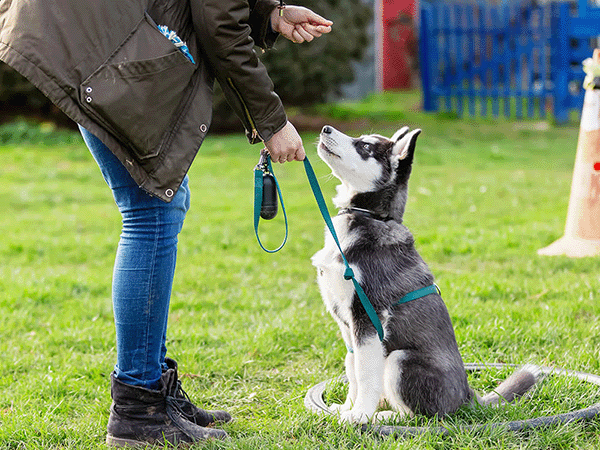
The Best Dog Trainers in the United States of 2026
This is a list of the top dog trainers in the United States, based on votes from the Sniffspot community and the general public.
The Best Dog Trainers in Seattle, WA of 2026
This is a list of the top dog trainers in Seattle, WA, based on votes from the Sniffspot community and the general public.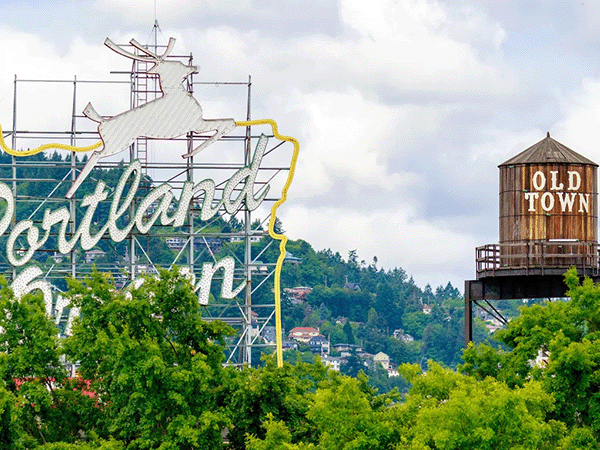
The Best Dog Trainers in Portland, OR of 2026
This is a list of the top dog trainers in Portland, OR, based on votes from the Sniffspot community and the general public.
The Best Dog Trainers in Los Angeles, CA of 2026
This is a list of the top dog trainers in Los Angeles, CA, based on votes from the Sniffspot community and the general public.
The Best Dog Trainers in New York, NY of 2026
This is a list of the top dog trainers in New York, NY, based on votes from the Sniffspot community and the general public.


City dog park guides
Best Dog Fields in the US: 25+ Wide-Open Spaces for Your Pup to Run Free
The best dog fields in the US offer something that traditional enclosed parks simply can't match: acres of open space where your pup can truly stretch their legs and run at full speed. From Colorado's 470-acre prairie meadows to Tennessee's award-winning "Outback," these wide-open spaces allow dogs to roam, explore, and exercise naturally while engaging instincts that cramped urban parks suppress.

Top 10 Indoor Dog Parks: A US Guide
Looking for a space to play with your dog no matter what the weather’s like outside? Look no further than our list of the best indoor dog parks in the United States! These climate-controlled spaces are growing in popularity as pet ownership increases throughout the country. As a bonus, many of them also offer dog training, boarding, grooming, or daycare services on the premises.

Best Dog Parks in the US: Ultimate Guide to Public & Private Off-Leash Adventures
Is your pup giving you those pleading "let me run free" eyes? Whether you're a new dog parent or a seasoned pro looking for fresh adventures, finding the perfect off-leash paradise for your furry friend can feel ruff! From sun-soaked California beaches where your water-loving lab can make a splash to mountain trails in Vermont where your adventure buddy can chase every scent, we've sniffed out the 15 best dog parks across America.

Dog Parks Near Me: Las Vegas Edition
Looking for the perfect dog park near me in Las Vegas? You're in luck! This guide explores all the best options for your pup, from public dog parks to private dog parks near me on Sniffspot. We'll help you find the ideal spot for playtime, socializing, and fresh air. Plus, we'll cover essential etiquette and safety tips to ensure a happy visit for everyone. Get ready for some tail-wagging fun!
Discover the Perfect Dog Park in Las Vegas
This page is about public city dog parks and also includes Sniffspot private dog parks. Sniffspot is the largest network of private dog parks for rent in the world!Best Dog Parks in the US: Off-Leash Guide
Looking for the perfect dog park? Whether you need a wide-open public space or a private, fenced-in spot, this guide will help you find the best dog parks across the US. We'll cover top-rated public parks, the perks of private dog parks, and even explore Sniffspot locations – giving your pup a safe and fun place to play. Ready to find your dog's new favorite spot? Let's go!

Sniffspot: Portland's Best Private Dog Parks
Ready to discover Portland's best dog parks? Whether you're looking for a public park or the unique experience of a private Sniffspot, this guide has you covered. We'll help you find the perfect spot for your pup, with tips on what to bring, how to prepare, and even understanding dog body language. Plus, we'll explore some top Portland dog parks, including public and Sniffspot options, so you can plan your next dog-friendly adventure in the City of Roses.
Portland Dog Parks: Public & Private Options
This page is about public city dog parks and also includes Sniffspot private dog parks. Sniffspot is the largest network of private dog parks for rent in the world!
/354x256/wp-content/uploads/2023/04/indoordogparks.png)
/354x256/wp-content/uploads/2023/03/offleashdogparks.png)
/354x256/wp-content/uploads/2023/02/vegas.jpg)
/354x256/wp-content/uploads/2023/02/portland.jpg)
Dog breeds
Best Dog Fields in the US: 25+ Wide-Open Spaces for Your Pup to Run Free
The best dog fields in the US offer something that traditional enclosed parks simply can't match: acres of open space where your pup can truly stretch their legs and run at full speed. From Colorado's 470-acre prairie meadows to Tennessee's award-winning "Outback," these wide-open spaces allow dogs to roam, explore, and exercise naturally while engaging instincts that cramped urban parks suppress.

German Shepherd Guide: Best Family Dog? Truth from 9K Owners
The German Shepherd Dog (GSDs) are known for their intelligence, loyalty, and striking appearance. They're also incredibly versatile, excelling as working dogs and devoted family companions. This guide covers everything you need to know about GSDs, from understanding their unique traits and rich history to practical advice on training and care. So, whether you're a seasoned GSD owner or just starting your research, let's explore this remarkable breed together.

Labrador Retriever: Real Tips from Owners
Discover the Labrador Retriever, a breed celebrated for its playful nature, affectionate temperament, and trainability. Labradors are known for their friendly demeanor and adaptability, making them perfect family companions and versatile working dogs. As one of the most popular types of retrievers, Labs are ideal companions for various lifestyles and are recognized by the American Kennel Club (AKC) as an excellent breed for families.

Golden Retriever Advice: The Complete Owner's Guide
Golden Retrievers: they're gorgeous, playful, and incredibly popular. But before you welcome one into your home, you need the right golden retriever advice. This guide draws on the wisdom of nearly 10,000 Golden Retriever owners, offering practical tips for caring for these affectionate dogs. From understanding their high energy levels to mastering grooming and training, we'll cover everything you need to know. So whether you're already a devoted Golden parent or just starting your research, get ready to learn how to give your furry friend the best possible care.

Are American Staffordshire Terriers Good for First-Time Owners: Complete Guide
Think American Staffordshire Terriers are tough? Think again. While their muscular build might intimidate some, these dogs are known for their playful and loyal personalities. This guide draws on the experience of nearly 10,000 AmStaff owners to reveal the truth about this often misunderstood breed. Want to learn more about caring for an American Staffordshire Terrier? You're in the right place.

Australian Shepherd Facts: Breed Info & Care Guide
Discover the Australian Shepherd, an AKC breed celebrated for its trainable, playful, and affectionate nature. Despite its name, the Australian Shepherd is actually a native breed to the United States, originally developed to breed on farms and ranches. Considered a medium dog, Australian Shepherds were bred for herding beginning in the 1950s. As one of the high-energy breeds, Aussies are known for their boundless energy and need for regular exercise, including aerobic exercise.
/354x256/wp-content/uploads/2024/07/German-Shepherd-Dog.png)
/354x256/wp-content/uploads/2024/07/Screen-Shot-2024-07-24-at-4.06.05-PM.png)
/354x256/wp-content/uploads/2024/07/Screen-Shot-2024-07-25-at-3.05.09-PM.png)
/354x256/wp-content/uploads/2024/07/staffy.jpg)
/354x256/wp-content/uploads/2024/07/Screen-Shot-2024-07-25-at-3.39.43-PM.png)
Top dog names in the US
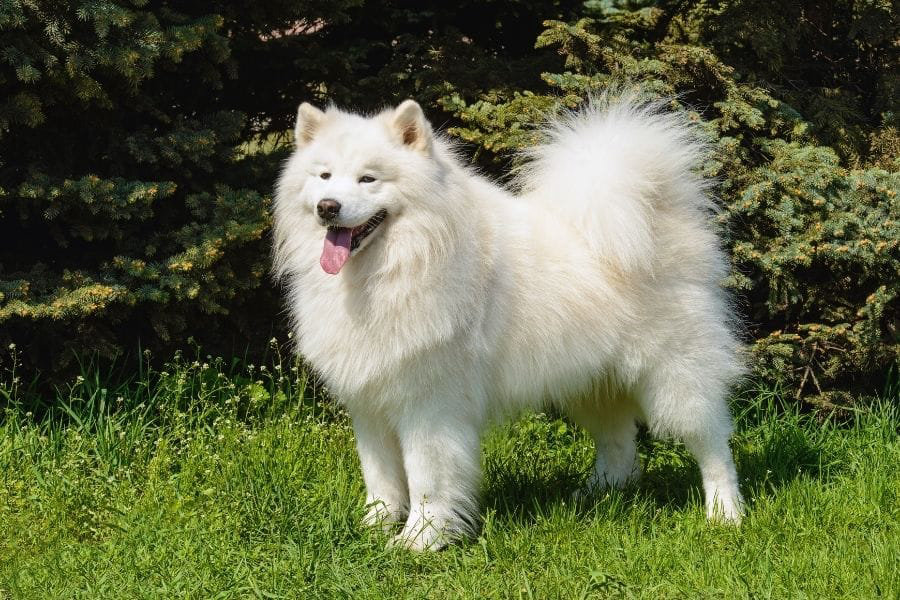
Top 1,000 Most Popular Dog Names
Looking for the perfect dog name for your new pup? We have created filterable lists of dog names from our database of hundreds of thousands of Sniffspot users. You can filter by gender, breed and state to find the most cute, unique and creative dog names.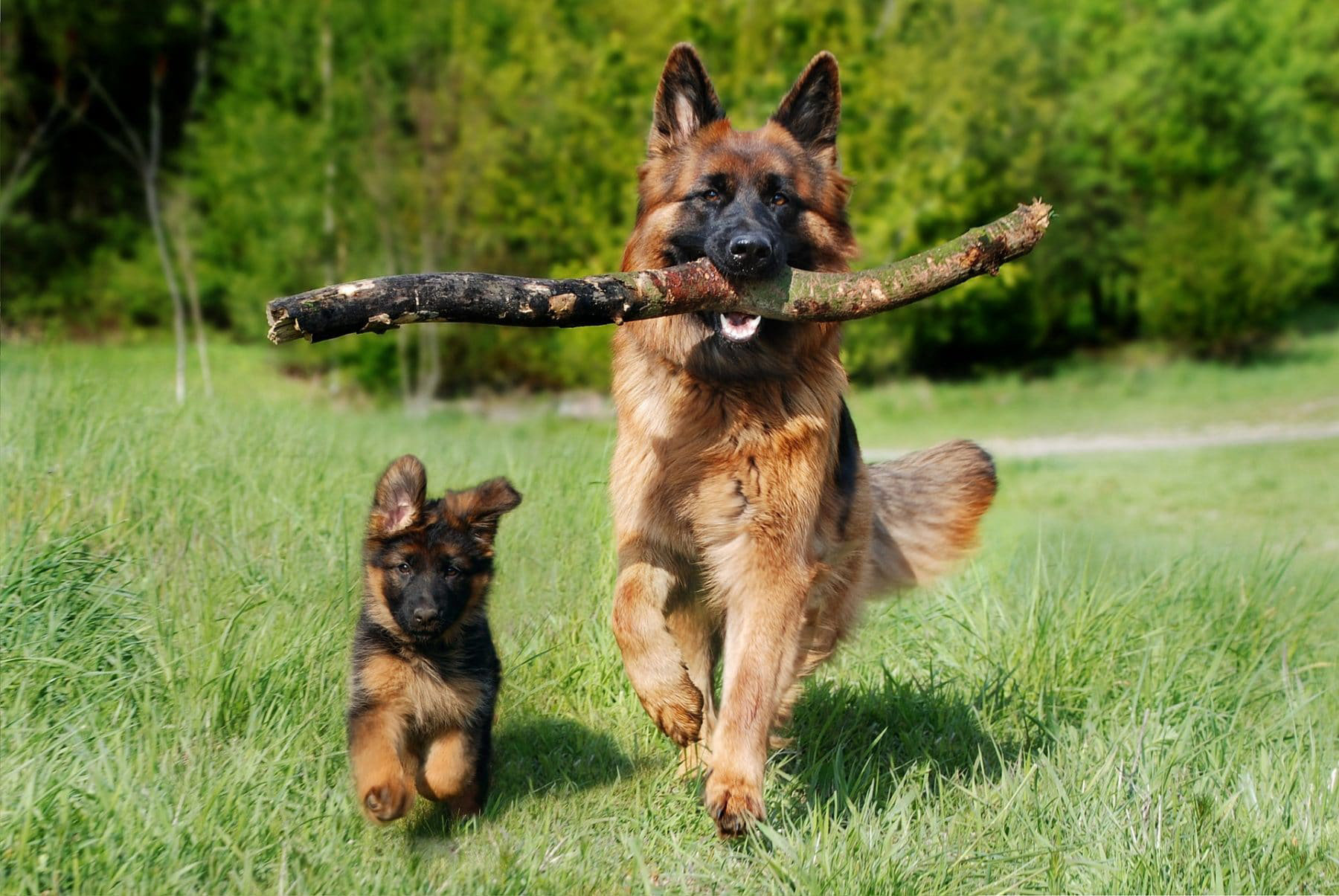
Most Popular Male Dog Names
Looking for the perfect dog name for your new male pup? We have created filterable lists of male dog names from our database of hundreds of thousands of Sniffspot users. You can filter by gender, breed and state to find the most cute, unique and creative male dog names.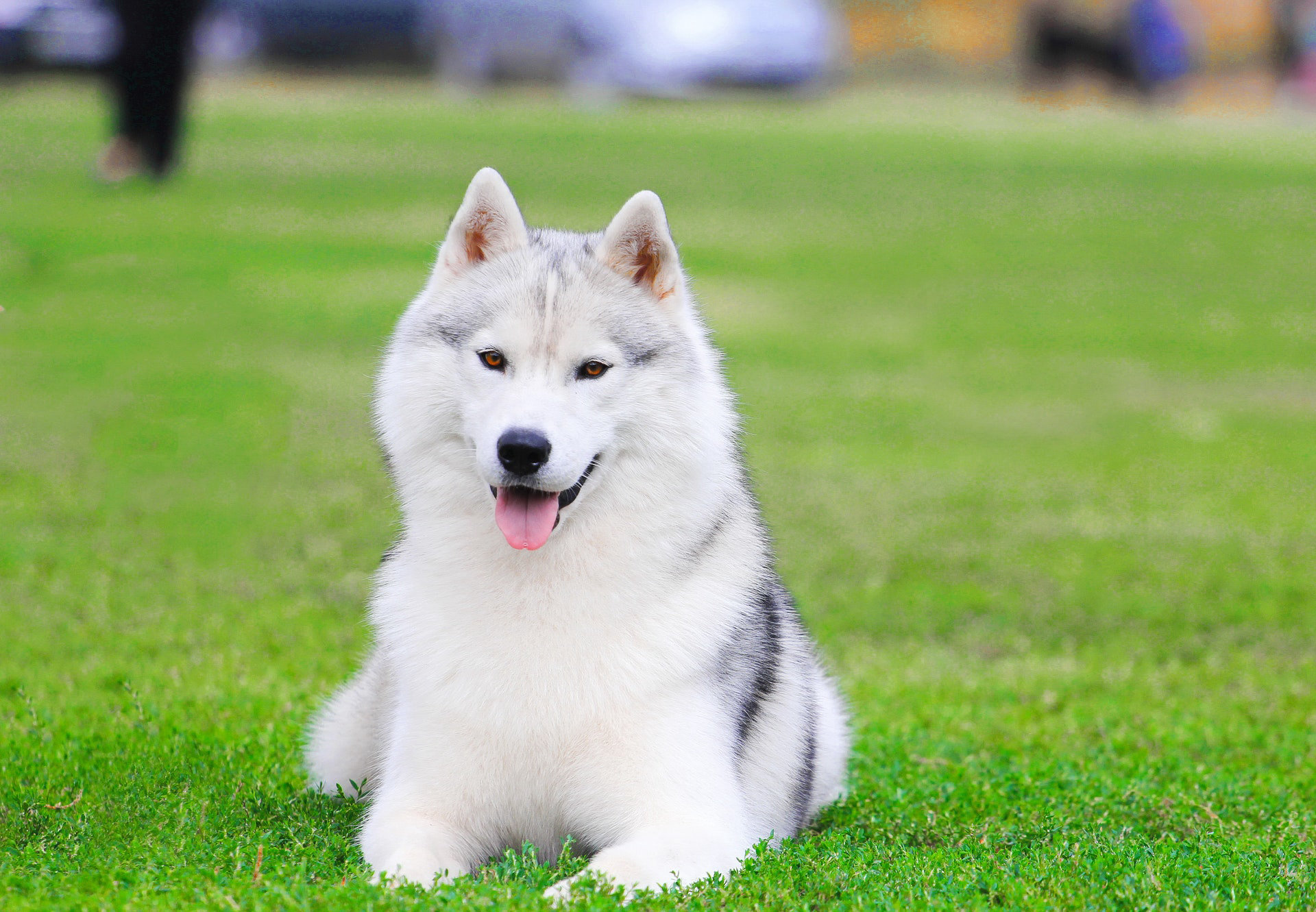
Most Popular Female Dog Names
Looking for the perfect dog name for your new female pup? We have created filterable lists of female dog names from our database of hundreds of thousands of Sniffspot users. You can filter by gender, breed and state to find the most cute, unique and creative female dog names.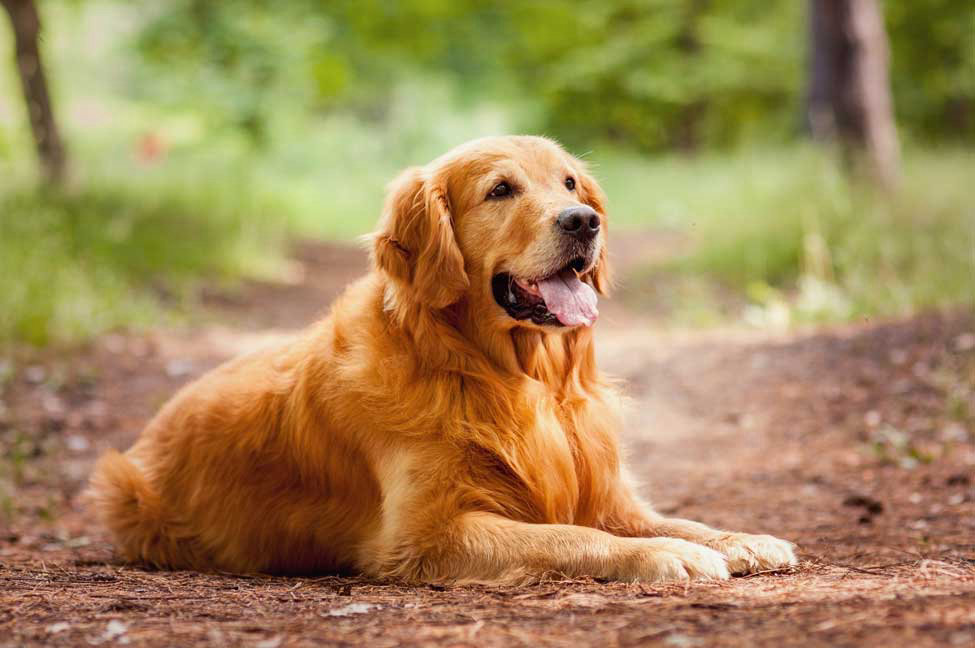
Most Popular Golden Retriever Names
Welcome to our comprehensive list of Golden Retriever dog names, curated from our vast database of Sniffspot users. Filter through hundreds of thousands of options by gender, breed, and state to discover the most adorable, original, and imaginative names for your beloved Golden Retriever.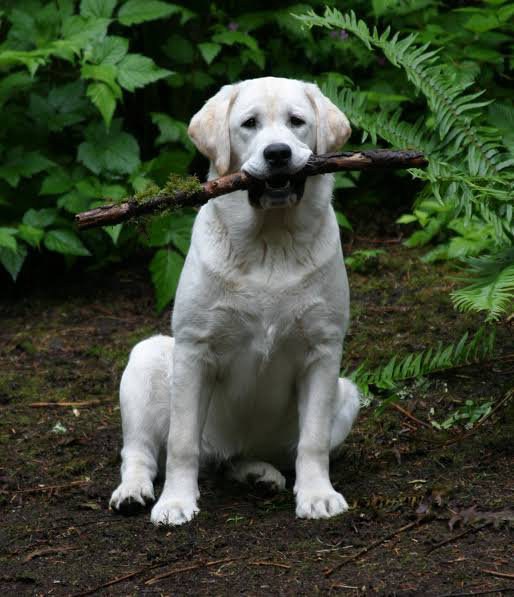
Most Popular Labrador Retriever Names
Welcome to our Labrador Retriever dog names page! Here you can browse through filterable lists of names for your beloved furry friend, ranging from cute and classic to unique and creative options. Our database of hundreds of thousands of Sniffspot users ensures you'll find the perfect name for your Labrador Retriever, whether you're seeking a name for a male or female, based on breed or state.


Top dog rescues in the US

The Best Washington Dog Rescues & Shelters in 2026
This list showcases the top dog rescues & shelters in Washington. These remarkable organizations have been recognized for their unwavering dedication to the well-being of countless dogs.
The Best Oregon Dog Rescues & Shelters in 2026
This list showcases the top dog rescues & shelters in Oregon. These remarkable organizations have been recognized for their unwavering dedication to the well-being of countless dogs.
The Best California Dog Rescues & Shelters in 2026
This list showcases the top dog rescues & shelters in California. These remarkable organizations have been recognized for their unwavering dedication to the well-being of countless dogs.
The Best Florida Dog Rescues & Shelters in 2026
This list showcases the top dog rescues & shelters in Florida. These remarkable organizations have been recognized for their unwavering dedication to the well-being of countless dogs.
The Best New York Dog Rescues & Shelters in 2026
This list showcases the top dog rescues & shelters in New York. These remarkable organizations have been recognized for their unwavering dedication to the well-being of countless dogs.
/354x256/Photos/SeoDogRescue/1282/178507e67e44-MC_logo_square.jpg)
/354x256/Photos/SeoDogRescue/931/cef8bbb17769-South_Coast_Humane_Society.png)
/354x256/Photos/SeoDogRescue/61/30aea3371b69-MainSquare_2.png)
/354x256/Photos/SeoDogRescue/298/1000035238.jpg)
/354x256/Photos/SeoDogRescue/814/91cfd62cd986-IMG_1035.jpeg)