Top articlesSee all...

A Comprehensive Guide to Dog Exercise

How To Crate train An Older Dog - A Comprehensive Guide

How To Socialize A Dog - A Comprehensive Guide

Leash Training: A Guide to Training Your Dog to Walk on a Leash

Skijoring: A Guide to Skijoring with Dogs

The Best Dog Enrichment Toys

The Best United States Dog Parks

The Best Indoor Dog Parks in the United States

The Best Off-Leash Dog Parks in the United States
Top articles
A Comprehensive Guide to Dog Exercise
How To Crate train An Older Dog - A Comprehensive Guide
How To Socialize A Dog - A Comprehensive Guide
Leash Training: A Guide to Training Your Dog to Walk on a Leash
Skijoring: A Guide to Skijoring with Dogs
The Best Dog Enrichment Toys
The Best United States Dog Parks
The Best Indoor Dog Parks in the United States
The Best Off-Leash Dog Parks in the United States
See all...Exercise Ideas for Dogs When You Work Full Time (Actually Doable)


The alarm goes off at 6:30. You have a meeting at 8. Your dog is already staring at you with eyes that say, "We're going on a walk, right? We're definitely going on a walk."
Working full time with a dog at home is one of the most common challenges in modern dog ownership. You love your dog. You want to give them everything they need. But 40+ hours a week in an office (or at a desk) doesn't leave a lot of margin for midday hikes, let alone a full dog exercise schedule. (PS: We have a complete guide to building a dog exercise routine customized to your pup)
Here's the thing: your dog doesn't need your entire day. They need your intentionality. A strategic, consistent approach to exercise that works with your schedule, not against it, can give your dog everything they need to stay healthy, calm, and happy while you pay the mortgage.
Let's build that approach.
Jump Ahead: Exercise Ideas for Dogs
- Why Full-Time Workers Feel the Guilt (and What to Do About It)
- The Before-Work Window: Making It Count
- The Midday Solution: Options When You're Not Home
- Evening Exercise: Maximizing Quality Time
- Weekend Strategy: Longer Adventures, Better Balance
- Enrichment While You're Away
- A Real Sample Schedule for Working Dog Owners
- Frequently Asked Questions: Exercise Ideas for Dogs
Why Full-Time Workers Feel the Guilt (and What to Do About It)
First: you're not a bad dog owner for having a job. Dogs have lived alongside working humans for thousands of years. What they need is not your constant presence. What they need is enough physical exercise, mental stimulation, a consistent schedule, and a deep sense of security that you're coming back.
The research is reassuring here: dogs sleep 12-14 hours a day on average, and even more when their owners are out. According to Vetster's guide for working dog owners, the key isn't the hours you're gone, it's how you structure the time around them.
A dog who gets a solid 30-minute workout before you leave, enrichment while you're gone, and engaged evening time with you is a dog who's genuinely doing well. That's achievable. Let's break it down.

The Before-Work Window: Making It Count
The single highest-return investment a working dog owner can make is a good morning exercise session. A dog who burns meaningful energy before 8 a.m. will nap through much of your workday rather than destroying your couch cushions.
The 20-30 Minute Power Walk
A brisk, sniff-rich 20-30 minute walk before work is a fantastic foundation. The key word is brisk, not leisurely. Keep a good pace, mix in some varied terrain if possible, and let your dog sniff freely (sniffing is mentally exhausting in the best way).
If you can't do 30 minutes, 20 still matters. Even 15 minutes of real engagement beats a rushed 5-minute bathroom break.
Morning Training Session (10-15 min)
Add a short training session before you leave and you've doubled the mental workout without adding much time. Run through known commands at a fast clip, practice a new trick, or play a short recall game in the backyard. According to Journey Dog Training's exercise guide, a 15-minute training session uses comparable energy to a 30-minute walk when combined with physical movement.
Backyard Fetch Burst (10-15 min)
If you have a yard, a fast game of fetch before you leave is an incredibly efficient way to burn energy. The sprinting, pivoting, and retrieving in even a short session can tire out a medium-energy dog significantly. Keep a ball and a coffee in hand at the same time. Multitasking is a skill.
Morning Sniffspot Visit
Some Sniffspot locations open as early as 6 or 7 a.m. Booking a 30-minute private off-leash session before work gives your dog genuine running and sniffing time without the chaos of a public dog park. This is especially valuable for reactive dogs or high-energy breeds who need more than a walk to feel satisfied.
Need guidance training your reactive dog? We've got a full break down to get you started.
The Midday Solution: Options When You're Not Home
The middle of the workday is the trickiest part of the equation. Here are your best options:
Dog Walker
A midday dog walker visit is the most reliable solution for dogs who need a midday bathroom break and some exercise. A 30-minute walk in the middle of the day breaks up the alone time, provides social interaction, and ensures your dog gets outside movement even on busy days.
Apps like Rover, Wag, and local independent walkers all provide this service. It's an investment, but for many dogs (especially puppies, seniors, or high-energy breeds), it's worth it.
Doggy Daycare (2-3 Days Per Week)
Doggy daycare a few days a week gives your dog a full day of social interaction and movement. You don't have to do it every day: even twice a week significantly reduces the cumulative burden of long days home alone. Look for daycares that group dogs by size and energy level, and visit in person before enrolling.
Have a reactive dog? Some doggy daycares offer one-on-one play with human caretakers.
Remote Monitoring + Enrichment
If a walker or daycare isn't in the budget right now, you can set up an enrichment station before you leave: a stuffed frozen Kong, a puzzle toy, or a long-lasting chew like a bully stick or antler. These don't replace exercise but they do keep a dog occupied during the longest stretch of the day.
A pet camera (like a Furbo or similar) lets you check in and even dispense treats remotely. Some dogs are comforted by hearing your voice.
Working From Home Flexibly
If your job allows any work-from-home days, use them strategically. WFH days are your chance to add a midday break, a lunchtime training session, or a quick backyard fetch game. Even 10-15 minutes mid-afternoon can reset a dog who's been snoozing since 8 a.m.

Evening Exercise: Maximizing Quality Time
After work is your biggest exercise window, and it's also when your dog is usually most excited to see you. Use it well.
The Decompression Walk
Come home, put your bag down, and go straight out for a 20-30 minute walk before doing anything else. This is genuinely the single best habit a working dog owner can build. It burns energy when your dog is most primed to move, sets a calm tone for the evening, and transitions you both out of work mode.
Sniffspot After Work
One or two evening Sniffspot visits per week can transform your dog's quality of life, and yours. A 30-45 minute private off-leash session after work lets your dog sprint, sniff, and zoom with real freedom while you decompressalongside them. No dog drama, no checking if the gate is latched. Just you and your dog in a private space.
This is especially worth it on days when the morning routine was short. Sniffspot is your catch-up mechanism. Find an evening Sniffspot near you.
Fetch in the Backyard or Park
If you have outdoor space, evening fetch is your best friend. Twenty minutes of active fetch burns as much energy as a 45-minute casual walk. Use a Chuck-It launcher to extend your range without straining your arm. End the session before your dog is panting heavily and always offer water.
Evening Training Session
If you've done physical exercise already, a 10-15 minute training session before bed is a great way to tire your dog's brain for the night. Work on impulse control exercises (stay, leave it), recall, or enrichment-based activities. A tired brain makes for a dog who sleeps through the night.
For ideas on what to train, check out: The Best Mental Exercises for Dogs.
Weekend Strategy: Longer Adventures, Better Balance
The weekend is where working dog owners can make up for the compressed schedule during the week, but not by overcorrecting with extreme intensity.
- Saturday: A longer outing, a hike, a trip to a Sniffspot with more terrain, or a visit to a dog-friendly nature area. This is your dog's "big day out."
- Sunday: A moderate day. Keep one longer walk, add some enrichment (puzzle feeders, nose work), and let Sunday be a bit more restful as preparation for Monday's structure.
The FitBark guide for busy dog owners emphasizes that the weekend "bank" of longer exercise should supplement the week, not replace it. A 3-hour Sunday hike doesn't make up for five skipped weekday sessions, physically or behaviorally.
Enrichment While You're Away
This is the piece most working dog owners underuse. Enrichment doesn't replace exercise, but it dramatically extends the mental "fuel tank" your morning workout fills up.
- Frozen Kongs: Stuff with kibble, wet food, peanut butter (xylitol-free), or banana and freeze overnight. A frozen Kong takes 20-40 minutes for most dogs to finish and provides genuine mental work.
- Snuffle Mat: Scatter part of your dog's kibble in a snuffle mat instead of a bowl. They spend 15-20 minutes sniffing it out. This alone can reduce anxiety and boredom during the day.
- Long-Lasting Chews: Bully sticks, yak chews, raw marrow bones, and similar options give your dog a sustained, calming activity. Always supervise initially to ensure your dog handles them safely.
- Food Puzzles: Products from Outward Hound, Nina Ottosson, and KONG all offer puzzles that range from beginner to advanced. Rotate them so your dog doesn't get bored.
- Window Access: A window ledge or a dog bed positioned near a street-facing window gives your dog visual stimulation. Not all dogs enjoy this (some find it activating), but for calmer dogs, "dog TV" via the window can be a pleasant distraction.
🥪 Turn your lunch break into your dog's best part of the day. Book a nearby Sniffspot for a midday or after-work visit. Private, fenced, just for you two. Find one near you
A Real Sample Schedule for Working Dog Owners
Here's what a sustainable full-time-worker dog routine actually looks like:
Weekday:
- 6:30 a.m.: 20-25 min brisk walk + 10 min training
- 7:30 a.m.: Leave frozen Kong + snuffle mat out before leaving
- 12:00 p.m.: Dog walker visit OR long-lasting chew (if no walker)
- 5:30 p.m.: Immediate 20-min decompression walk after work
- 7:00 p.m.: 15-min backyard fetch or puzzle toy
Weekend:
- Saturday morning: Sniffspot session (45-60 min) or trail hike
- Saturday afternoon: Moderate enrichment, chews
- Sunday: One longer walk (30-40 min) + relaxed training session
This schedule totals roughly 60-75 minutes of activity on weekdays and 90+ on weekends. For most medium-energy breeds, this is genuinely sufficient and sustainable.
Frequently Asked Questions: Exercise Ideas for Dogs
Is it cruel to leave a dog home alone while you work?
No, provided they are getting adequate exercise, mental enrichment, and social interaction around work hours. Dogs sleep much of the day naturally. The key is what happens before and after work, not the hours you're away.
How long can a dog be left alone during the day?
Most adult dogs can comfortably manage 4-6 hours alone. Beyond 8 hours is pushing it for most dogs (and is too long for puppies). If your day regularly runs past 8 hours, a dog walker or doggy daycare for those days is genuinely important for your dog's wellbeing.
My dog is destroying things while I'm at work. What does that mean?
Usually: insufficient exercise, insufficient enrichment, or separation anxiety. Start by increasing morning exercise intensity and adding enrichment before you leave. If the behavior continues after two weeks of increased activity, consult a trainer about separation anxiety protocols.
What dog breeds do best with full-time workers?
Lower to moderate energy breeds generally adapt better: Basset Hounds, Greyhounds (surprisingly), Bulldogs, Shih Tzus, Cavalier King Charles Spaniels, and older dogs of most breeds. High-drive working breeds (Border Collies, Malinois, GSPs) are significantly harder to manage well on a full-time work schedule without substantial investment in morning exercise, daycare, or walkers.
Can I exercise my dog before the sun comes up?
Absolutely. Invest in a headlamp or reflective collar light and go. Early morning walks are often calmer, quieter, and cooler (in summer), which is actually better for many dogs.
Is morning or evening exercise better for dogs?
Both have value. Morning exercise reduces daytime energy and destructive behavior. Evening exercise de-stresses you and your dog after work and improves overnight sleep. Ideally: both. If you must choose one, morning is usually more impactful for behavior management during the day.
Further reading:


Most recent articles


Related articles
Top dog guides per area
Dog training guides

Dog Food Aggression & Resource Guarding Guide
Does your dog ever growl when you walk by their food dish? Maybe they get possessive of treats, carrying them far away and giving you side-eye when you start...
The Ultimate Guide to Scent Training for Dogs
Your dog's nose is an amazing tool. Did you know they have 40 times the olfactory receptors than humans? Scent training for dogs taps into this superpower,...
How Much Does It Cost to Train a Service Dog?
More than 80 million Americans rely on their service dogs to help them navigate the world. Task-trained assistance animals perform a huge range of...
How to Deal With Puppy Potty Training Regression
You thought those dreaded middle-of-the-night potty breaks were over. You were finally free from cleaning up puppy puddles. Then, suddenly, your...
Dirty Dog Syndrome: Causes, Solutions, and Prevention
It's a cringe-worthy moment every dog owner dreads: your furry friend chowing down on something truly disgusting. If your dog has a penchant for poop, you're...
How to Train Your Rescue Dog: A Complete Guide
The shelter ride home goes one of two ways. Your new dog either plasters themselves against the car window, tongue out and tail going like a helicopter, or...


Dog enrichment guides

Best Dog Water Parks in the US: 15+ Amazing Splash Destinations for Your Pup
Do you have a water-loving dog looking to burn some energy? There are countless dog parks to visit throughout our country — but some of them become far too...
Best Toys for Herding Dogs: Keeping Your Pup Happy & Engaged
Herding dogs are amazing, intelligent companions. But that also means they need more than just a simple game of fetch. Finding the right toys for herding...
Tough Dog Toys for Aggressive Chewers: A Practical Guide
Does your dog destroy every toy you give them? Is your house littered with the remnants of plush toys? Are you tired of wasting money on "indestructible" dog...
Dog Exercise Calculator: How Much Exercise Does Your Dog Need?
Every dog needs to move, but how much is actually enough? The answer depends on more than just breed. Age, health, and even your own lifestyle all play a...
Complete Guide To Herding With Dogs
* All Sniffspot articles are reviewed by certified trainers for quality, please see bottom of article for details *
Dog Enrichment Activities: The Ultimate Guide
Ever feel like your dog is restless or bored? They may be getting enough exercise, but still need more. That's where enrichment activities for dogs come in....


Dog reactivity guides

Rottweiler Aggression: Signs, Causes & Training
Many dogs have gotten a bad reputation over the years for being "dangerous breeds." Rottweilers are among them. Like pit bulls and other large, blocky-headed...
The Reactive Dog Chart: How to Calm Your Dog's Triggers
If your dog lunges, barks, or loses their mind at the sight of another dog, a stranger, or a bicycle, you’re living with a reactive dog (and you’re far from...
How to Socialize a Reactive Dog: A Step-by-Step Guide
Does your dog display reactivity to other pets or people—barking, lunging, or growling when they see their triggers? Whether they're a rescue still settling...
What Is a Reactive Dog? The Complete Guide for Understanding and Helping Your Pup
Does your dog transform into a barking, lunging tornado the second they spot another dog across the street? You're definitely not alone. According to our...
9 Best Online Communities for Reactive Dog Parents
Does your dog's reactivity make walks stressful? You're not alone. Many dog owners face similar challenges. This guide offers practical advice and support...
How To Groom a Reactive Dog
* All Sniffspot articles are reviewed by certified trainers for quality, please see bottom of article for details *


Sniffspot community guides

The State of Public Dog Parks Across the United States
From 2009 to 2020, there was a 40 percent increase in the development of public dog parks. Designated spots for canine exercise have become commonplace in...
How This Family is Affording Their Dream Property Through Renting it Hourly to Dogs
Thousand Oaks, California has been a safe haven for Sniffspot host, Jen, since childhood. Having grown up in busy Santa Barbara, Jen, an introvert from an...
Host Tips: Ellen K. What Makes Sniffspot Successful for Me
Ellen is the host of Country Pasture Getaway, one of Sniffspot's most popular sniff spots. She has taken the time to write up the lessons she has learned...
How this Oregon Farmer is Making a Business From Renting Her Land to Dogs
Just 20 minutes outside of the busy city of Portland, Oregon, and settled right on the banks of the Columbia River, you’ll find what countless visitors have...
Host Tips: Fran T. Providing Great Guest Service at our Spot
Fran is the host of Ranch Setting, one of Sniffspot's most popular spots. She has taken the time to write up the lessons she has learned about how to be a...
How Sniffspot Helped a Nervous Rescue Work Through His Fears and Change His Family’s Life
This is the story of a family and dog rescuing each other.


Top dog trainers in the US
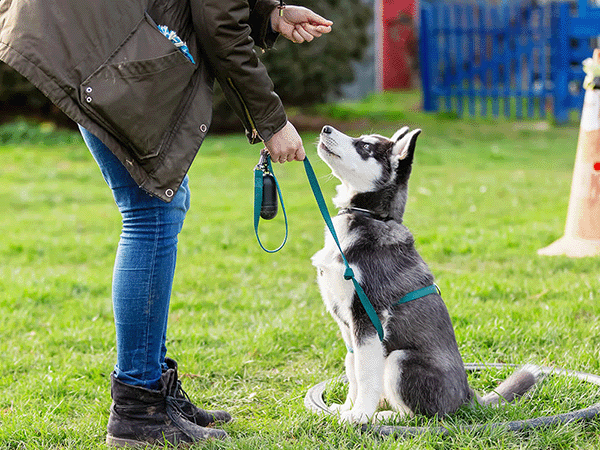
The Best Dog Trainers in the United States of 2026
This is a list of the top dog trainers in the United States, based on votes from the Sniffspot community and the general public.
The Best Dog Trainers in Seattle, WA of 2026
This is a list of the top dog trainers in Seattle, WA, based on votes from the Sniffspot community and the general public.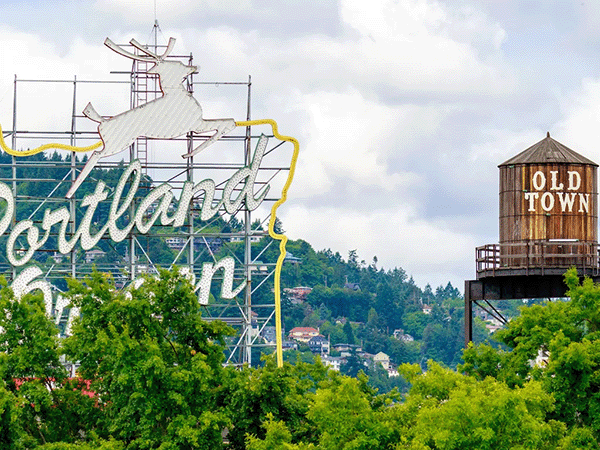
The Best Dog Trainers in Portland, OR of 2026
This is a list of the top dog trainers in Portland, OR, based on votes from the Sniffspot community and the general public.
The Best Dog Trainers in Los Angeles, CA of 2026
This is a list of the top dog trainers in Los Angeles, CA, based on votes from the Sniffspot community and the general public.
The Best Dog Trainers in New York, NY of 2026
This is a list of the top dog trainers in New York, NY, based on votes from the Sniffspot community and the general public.


City dog park guides

Best Dog Fields in the US: 25+ Wide-Open Spaces for Your Pup to Run Free
The best dog fields in the US offer something that traditional enclosed parks simply can't match: acres of open space where your pup can truly stretch their...
Top 10 Indoor Dog Parks: A US Guide
Looking for a space to play with your dog no matter what the weather’s like outside? Look no further than our list of the best indoor dog parks in the United...
Best Dog Parks in the US: Ultimate Guide to Public & Private Off-Leash Adventures
Is your pup giving you those pleading "let me run free" eyes? Whether you're a new dog parent or a seasoned pro looking for fresh adventures, finding the...
Dog Parks Near Me: Las Vegas Edition
Looking for the perfect dog park near me in Las Vegas? You're in luck! This guide explores all the best options for your pup, from public dog parks to...Best Dog Parks in the US: Off-Leash Guide
Looking for the perfect dog park? Whether you need a wide-open public space or a private, fenced-in spot, this guide will help you find the best dog parks...
Sniffspot: Portland's Best Private Dog Parks
Ready to discover Portland's best dog parks? Whether you're looking for a public park or the unique experience of a private Sniffspot, this guide has you...


Dog breeds

German Shepherd Guide: Best Family Dog? Truth from 9K Owners
The German Shepherd Dog (GSDs) are known for their intelligence, loyalty, and striking appearance. They're also incredibly versatile, excelling as working...
Labrador Retriever: Real Tips from Owners
Discover the Labrador Retriever, a breed celebrated for its playful nature, affectionate temperament, and trainability. Labradors are known for their...
Golden Retriever Advice: The Complete Owner's Guide
Golden Retrievers: they're gorgeous, playful, and incredibly popular. But before you welcome one into your home, you need the right golden retriever advice....
Are American Staffordshire Terriers Good for First-Time Owners: Complete Guide
Think American Staffordshire Terriers are tough? Think again. While their muscular build might intimidate some, these dogs are known for their playful and...
Australian Shepherd Facts: Breed Info & Care Guide
Discover the Australian Shepherd, an AKC breed celebrated for its trainable, playful, and affectionate nature. Despite its name, the Australian Shepherd is...
Essential Husky Facts for Owners: Breed Guide
Discover the Siberian Husky, a breed celebrated for its curious, intelligent, and loyal nature. Considered a medium-sized dog, Siberian Huskies were...


Top dog names in the US
Top 1,000 Most Popular Dog Names
Looking for the perfect dog name for your new pup? We have created filterable lists of dog names from our database of hundreds of thousands of Sniffspot users.
Most Popular Male Dog Names
Looking for the perfect dog name for your new male pup? We have created filterable lists of male dog names from our database of hundreds of thousands of...
Most Popular Female Dog Names
Looking for the perfect dog name for your new female pup? We have created filterable lists of female dog names from our database of hundreds of thousands of...
Most Popular Golden Retriever Names
Welcome to our comprehensive list of Golden Retriever dog names, curated from our vast database of Sniffspot users.
Most Popular Labrador Retriever Names
Welcome to our Labrador Retriever dog names page! Here you can browse through filterable lists of names for your beloved furry friend, ranging from cute and...


Top dog rescues in the US

The Best Washington Dog Rescues & Shelters in 2026
This list showcases the top dog rescues & shelters in Washington. These remarkable organizations have been recognized for their unwavering dedication to the...
The Best Oregon Dog Rescues & Shelters in 2026
This list showcases the top dog rescues & shelters in Oregon. These remarkable organizations have been recognized for their unwavering dedication to the...
The Best California Dog Rescues & Shelters in 2026
This list showcases the top dog rescues & shelters in California. These remarkable organizations have been recognized for their unwavering dedication to the...
The Best Florida Dog Rescues & Shelters in 2026
This list showcases the top dog rescues & shelters in Florida. These remarkable organizations have been recognized for their unwavering dedication to the...
The Best New York Dog Rescues & Shelters in 2026
This list showcases the top dog rescues & shelters in New York. These remarkable organizations have been recognized for their unwavering dedication to the...


