Top articlesSee all...

A Comprehensive Guide to Dog Exercise

How To Crate train An Older Dog - A Comprehensive Guide

How To Socialize A Dog - A Comprehensive Guide

Leash Training: A Guide to Training Your Dog to Walk on a Leash

Skijoring: A Guide to Skijoring with Dogs

The Best Dog Enrichment Toys

The Best United States Dog Parks

The Best Indoor Dog Parks in the United States

The Best Off-Leash Dog Parks in the United States
Top articles
A Comprehensive Guide to Dog Exercise
How To Crate train An Older Dog - A Comprehensive Guide
How To Socialize A Dog - A Comprehensive Guide
Leash Training: A Guide to Training Your Dog to Walk on a Leash
Skijoring: A Guide to Skijoring with Dogs
The Best Dog Enrichment Toys
The Best United States Dog Parks
The Best Indoor Dog Parks in the United States
The Best Off-Leash Dog Parks in the United States
See all...How to Tell If Dogs Are Playing or Fighting: Signs, Body Language, and When to Step In

/fit-in/0x450/wp-content/uploads/2026/06/two-dogs-running-together.jpg)
The difference between dog play and fighting comes down to three things: body posture, role switching, and whether both dogs can disengage willingly. Play looks loose, bouncy, and reciprocal. Conflict looks stiff, one-sided, and escalating. Understanding play fighting vs. genuine aggression means learning to read those patterns in real time, not just reacting to noise or movement.
Reviewed by Danette Johnston, Owner of Dog's Day Out (Ballard, WA), Certified Professional Dog Trainer (CPDT-KA), Licensed AKC CGC Evaluator, and NW Coordinator for Doggone Safe.
A note before you start: Any time you're introducing dogs to each other for the first time, we strongly recommend working with a certified dog trainer who can read the interaction in real time and intervene safely. This guide will help you understand what you're looking at, but it's not a substitute for professional eyes on the ground. Here's how to introduce dogs the right way.
Two dogs roughhousing, baring teeth, making noise: is this fun or is it a problem? Playtime can look alarming even when everything is fine. And genuine conflict can begin quietly before it becomes obvious. The signs of a real fight developing are often subtle at first, which is exactly why knowing what to look for matters.
This guide covers the behavioral signals that distinguish appropriate play from escalating tension, the early signs that something is shifting, and how to intervene safely if you need to.
- Why It Can Be Hard to Tell the Difference
- Signs Dogs Are Playing
- Signs Dogs Are Fighting (or Heading There)
- The Gray Zone: When Play Gets Too Rough
- How to Safely Separate Dogs in a Tense Interaction
- Signs of a Poorly Socialized Dog During Play (and When to Get Help)
- Choosing the Right Environment for Dog Interactions
- FAQs: Are Dogs Playing or Fighting?
- The More You Watch, the More You'll Know

Learning to tell the difference between dog play and fighting takes time and observation. This table captures the key distinctions at a glance. When you're assessing an interaction, look at the combination of signals rather than any single behavior in isolation.
Why It Can Be Hard to Tell the Difference
Dogs communicate through an overlapping set of physical signals, and conflict uses many of the same behaviors as play: chasing, biting, vocalizing, pinning. This is not accidental. Play is neurologically how pups practice real-world social skills, and it draws on the same physical vocabulary as actual confrontation. Dogs play fight as a way of rehearsing and refining those skills throughout their lives.
What separates normal play from escalating tension is the pattern of those behaviors, not the behaviors in isolation. A single vocalization is not evidence of a fight. A wagging tail does not mean all is well either, since a tail may wag during conflict too. Trainers and behaviorists read the whole picture: posture, facial expression, the rhythm of the interaction, and whether both dogs are participating willingly. Learning to read that picture is something every pet parent can do with practice.
An older dog who has played with many other dogs will typically self-regulate more readily than a younger or undersocialized dog. That context matters when you're trying to assess whether what you're seeing is normal.
Signs Dogs Are Playing
Appropriate play has a recognizable profile. Once you know what healthy play looks like, you can usually identify it quickly. The key markers below are drawn from established canine ethology, including research on play signals by animal behaviorist Marc Bekoff, whose work on the function and structure of dog play remains foundational.
Loose, bouncy movement
Playful dogs move with an exaggerated looseness, almost like they're bouncing around on purpose. Limbs swing freely, movement is rhythmic but not deliberate. Compare this to the efficient movements of a dog in genuine conflict: direct, purposeful, with no wasted energy. Play looks silly. Conflict does not.
The play bow
Front legs extended forward and down, rear end up, wagging tail. The play bow is one of the clearest intentional signals in canine communication. According to Bekoff's research, it functions as a meta-signal: "everything I do after this is still play." Dogs also use it mid-session to reset an interaction that is getting too intense.

Taking turns and self-handicapping
In play that's working well, roles reverse. Dogs take turns chasing and being chased. The one who was pinning gets pinned in turn. Larger or more confident dogs will often make themselves vulnerable deliberately, exposing their bellies or slowing down to keep the game equitable. Littermates who grew up together often roughhouse more intensely than other pairs, which is normal as long as role reversal is happening. When the same dog is consistently on top with no reversal, that asymmetry is worth noting.
Mutual breaks
Normal play includes natural pauses. Both dogs break contact, shake out, sniff the ground, re-orient, then re-engage. These resets signal the interaction is self-regulating. A dog who is not permitted to disengage is a dog whose stress is building.
Open mouth, relaxed face, and silly smiles
During play a dog's mouth is typically open and the muscles around the face are soft. Trainers sometimes call this expression a "silly smile," the open-mouthed, relaxed play face that signals friendly intent. This is distinctly different from the tight, closed mouth and hard expression that appear when things shift.
Sneezing and calming signals
Dogs often sneeze during play as a calming signal, communicating that the interaction is still friendly. This is documented in Turid Rugaas's work on canine calming signals and is one of the more overlooked markers of healthy social play. You may also notice exaggerated, almost theatrical movements. That silliness is intentional and signals playful intent.

Signs Dogs Are Fighting (or Heading There)
Conflict has a distinct physical signature that is noticeably different from play once you know what to look for. The transition from play to tension is rarely instantaneous. There are usually early warning signals before a snarl, a snap, or a full confrontation. Knowing those signs means you can intervene before things escalate.
Stiff body and hard stare
A dog who has shifted from play to conflict looks categorically different. Weight moves forward. The body stills. The gaze locks on the other dog and does not move. Where play involves bouncy, exaggerated movement, conflict uses direct, efficient movements with clear intent. This is a freeze, not a pause.
Whale eye and raised hackles
Whale eye refers to the visible whites of the eyes, which appear when a dog's head is turned but their gaze stays fixed. Raised hackles along the neck and spine signal arousal that has moved past playful engagement.
Persistent chasing with no role reversal
The pursuer relentlessly driving the other dog, who is clearly attempting to flee and whose signals the chasing dog ignores, with no switching, no breaks, no reset signals, is not play. When one dog ignores repeated attempts by the other to disengage, that is a sign the interaction has stopped being mutual. The dog being chased will typically show distress: tail tucked, ears flattened, actively seeking an exit.
Vocalizations that signal stress
Growling during play tends to be low-pitched, intermittent, and paired with soft posture. Stress vocalizations are higher in pitch, more sustained, more urgent. A snarl, which involves a lip curl and typically a harder, more sustained sound, is a clear escalation signal. An equally significant warning sign is sudden silence. A dog who goes completely quiet and still mid-interaction is not relaxed.
Pinning with no release
A dog pinned flat and held down, particularly when struggling to escape rather than engaging, requires immediate attention. A snarl or snap in this position often follows quickly if the interaction is not interrupted.
The Gray Zone: When Play Gets Too Rough
Not every concerning interaction is a real fight, and not every smooth-looking interaction is fine. There is a middle zone where play is technically still play but the conditions for escalation are actively developing. These are the early signs of a real problem forming:
- Arousal creep. Intensity climbs steadily with no breaks or resets. Both dogs appear locked in and the self-regulation mechanism has stopped working.
- Consent is being ignored. One dog repeatedly tries to signal that they no longer want the fun to continue and the other dog repeatedly re-engages anyway. Play requires two willing participants. When that is not happening, the interaction needs to stop.
- Reset signals disappear. Early in the session both dogs were bowing and taking breaks. When that stops, the mechanism that keeps play safe and legible has broken down.
- Redirected snapping. A dog who snaps toward you when you attempt to intervene is not targeting you. Their arousal is so elevated it is spilling over. This dog is over-threshold and the interaction needs to end.
When you see play is escalating, interrupt before it tips further. Recall training is one of the most practical tools you can build for exactly this situation. A reliable "come" lets you redirect calmly and positively without adding confrontational energy to an already charged environment.

How to Safely Separate Dogs in a Tense Interaction
Never reach between two dogs mid-conflict. That is how people get bitten, not because the dogs are targeting them, but because arousal is high and bites happen fast.
- Use your voice calmly and firmly. A sharp, neutral "hey" or "enough" can break focus without adding energy. Yelling escalates things.
- Create a visual barrier. Step between the dogs and block their line of sight. Removing visual contact is often enough to interrupt the fixation.
- Use a leash if one is available. Clip the instigating dog and walk them away calmly. No dragging or jerking.
- The wheelbarrow method. To physically separate dogs that are locked in, have two people each grab the rear legs of one dog and walk backward simultaneously. Do not grab collars or necks.
- Let both dogs fully settle before reintroducing. Five minutes is not enough. Let heart rates come down. Give each pup a calm, sniff-focused activity before any attempt at re-introduction and help your dog decompress before trying again.
Signs of a Poorly Socialized Dog During Play (and When to Get Help)
Some dogs behave in ways that look alarming around other dogs not because they are aggressive, but because they were never taught the social rules that make play work. Poor socialization is one of the most common underlying factors when dog behavior during play consistently goes sideways. Signs include:
- Inability to read or respond to play signals. The other dog bows and they charge in anyway. They do not recognize or respond to "I want a break" cues.
- Play that escalates immediately. No warm-up, no soft signals. Zero to intense with no transition.
- No bite inhibition. Well-socialized dogs learn to control the pressure of their bites during play, a concept documented extensively by trainer Ian Dunbar. A dog who never learned this plays in ways that hurt, which tends to end interactions badly.
- Persistent mounting even when the other dog is clearly signaling discomfort. This is typically a social skills deficit rather than a dominance display.
- Freezing and staring rather than the loose scanning and sniffing that socially fluent dogs exhibit in a new environment.
- Bullying with no self-correction. Dogs with strong social skills dial back when the other dog opts out. A dog who has not learned this rule will not stop.
Seek professional training advice if your dog consistently struggles to play appropriately, if interactions regularly escalate to snapping or snarling, or if you are not sure whether what you're seeing is play or aggression. A leash reactive dog often has a pattern of missed or negative early social experiences that makes greetings harder. For a full breakdown of the underlying mechanisms, what is a reactive dog covers it thoroughly. And if your dog is already showing reactivity, how to socialize a reactive dog has a step-by-step approach.
It is also worth knowing that dog parks are generally not a good environment for socializing puppies or dogs with social skills gaps. The variables are too unpredictable, the dogs present are unknown quantities, and there is no way to manage the experience. If you are not sure whether your dog is ready for spaces like dog parks, this guide can help you assess play style and readiness.
Choosing the Right Environment for Dog Interactions
One of the hardest parts of reading dog interactions is that public spaces introduce variables you cannot control: unfamiliar dogs arriving without warning, owners who are not watching, high ambient energy, and nowhere to retreat. Chaotic environments make interactions escalate faster and leave you with fewer tools to manage what is happening. Responsible dog ownership means choosing environments that set your dog up to succeed.
Sniffspot is a network of private, bookable dog parks hosted by locals. You rent the space by the hour with no surprise off-leash dogs, no crowds, and no variables you did not choose. That means you can observe interactions in a controlled setting, introduce a known dog on your own terms, and intervene calmly if needed without a dozen other dogs in the mix. For anyone still building the ability to read dog behavior accurately, that level of environmental control is not a luxury. It is what makes real progress possible and play safe.

FAQs: Are Dogs Playing or Fighting?
These are the questions pet parents ask most often when trying to tell the difference between dog play and fighting. If you're unsure about a specific behavior you're seeing, these answers are a good starting point, but a certified dog trainer can give you real-time guidance that no article can replicate.
How do you tell if dogs are playing or fighting?
Read the pattern, not individual behaviors in isolation. Loose posture, role switching, and natural breaks point toward play. Stiff posture, hard stare, no breaks, and a dog who cannot disengage point toward concern. It is the combination of signals, read together, that gives you an accurate picture.
How can you tell if dogs don't like each other?
Watch for avoidance, stiff greetings, one dog consistently ignoring the other's signals to disengage, and interactions that never warm up or include reciprocal play. Dogs who don't like each other will typically show tense body language from the start rather than the loose, bouncy movement of dogs who are happy to interact. They may tolerate proximity without ever engaging willingly.
What is the 7-second rule for dogs?
The 7-second rule is a commonly shared piece of training advice: keep dog-to-dog greetings to around 7 seconds, then create distance and let both dogs decompress before trying again. The idea is that brief, low-pressure contact reduces the chance of arousal building into a problem. It is especially useful for leash greetings and first introductions.
Is it okay for dogs to growl during play?
Yes. Growling during play is common and normal. It tends to be low-pitched, intermittent, and paired with relaxed body language. It becomes a concern when it shifts into a snarl, sustains without breaks, or is accompanied by stiff posture and a fixed stare.
When should I intervene in dog play?
When the intensity is climbing with no natural breaks, when either dog is showing distress signals (tail tucked, ears back, actively trying to leave), or when the interaction has shifted from loose and bouncy to stiff and focused.
What do I do if my dogs get into a real fight?
Do not reach between them with your hands. Use the wheelbarrow method if a second person is present. Use a leash, a barrier, or a visual block to separate the dogs. Let both fully settle before any re-introduction attempt.
Can rough play turn into a fight?
Yes, particularly when arousal builds without breaks. The tipping point is typically when neither dog can disengage and the reset mechanisms (bowing, shake-offs, pauses) stop occurring. Intervening early is always safer than waiting.
My dog plays too rough. What can I do?
Run structured sessions and interrupt before arousal peaks. Building a reliable "all done" cue using positive reinforcement gives your dog a way to disengage on signal. For dogs who consistently cannot self-regulate, working with a certified dog trainer is the most efficient path forward. If you are wondering whether what you are seeing is reactivity rather than rough play, dog reactivity vs. aggression can help you sort it out.
The More You Watch, the More You'll Know
Playtime is messy, loud, and occasionally alarming to watch. Most of the time, that is fine. The goal is not to stop dogs from playing. It is to develop the eye to know what you are looking at so you can act when it actually counts. That is a core part of responsible dog ownership, and it gets easier the more you practice it.
Learn the baseline signals, watch the patterns, and let what you observe tell you what is happening. The more you watch dogs interact across different contexts and play styles, the faster it becomes second nature.
When you are ready to practice reading interactions in a space you actually control, find a private Sniffspot near you.
All Sniffspot articles are reviewed by certified, positive-reinforcement trainers. This article was reviewed by Danette Johnston, Owner of Dog's Day Out (Ballard, WA), Certified Professional Dog Trainer (CPDT-KA), Licensed AKC CGC Evaluator, and NW Coordinator for Doggone Safe.


/fit-in/0x128/wp-content/uploads/2026/06/two-dogs-running-together.jpg)
/fit-in/0x128/wp-content/uploads/2026/06/Marielly-M-Sniffspot-Dog.png)
/fit-in/0x128/wp-content/uploads/2026/06/Dog-Overheating-in-the-Sun.jpg)
/fit-in/0x128/wp-content/uploads/2020/07/shutterstock_330043559-1.jpg)
Most recent articles
/fit-in/0x256/wp-content/uploads/2026/06/two-dogs-running-together.jpg)
/fit-in/0x256/wp-content/uploads/2026/06/Marielly-M-Sniffspot-Dog.png)
/fit-in/0x256/wp-content/uploads/2026/06/Dog-Overheating-in-the-Sun.jpg)
/fit-in/0x128/wp-content/uploads/2020/07/shutterstock-1558642109_orig.jpg)
/fit-in/0x256/wp-content/uploads/2020/07/shutterstock-1558642109_orig.jpg)
/fit-in/0x128/wp-content/uploads/2026/04/dog-running-from-owner.jpg)
/fit-in/0x256/wp-content/uploads/2026/04/dog-running-from-owner.jpg)
/fit-in/0x128/wp-content/uploads/2022/08/Sniffspot-46.jpg)
/fit-in/0x256/wp-content/uploads/2022/08/Sniffspot-46.jpg)
Related articles
Top dog guides per area
Dog training guides

Dog Food Aggression & Resource Guarding Guide
Does your dog ever growl when you walk by their food dish? Maybe they get possessive of treats, carrying them far away and giving you side-eye when you start to approach — or snarling at your other pets or children if they get too close.

Best Dog Fields in the US: 25+ Wide-Open Spaces for Your Pup to Run Free
The best dog fields in the US offer something that traditional enclosed parks simply can't match: acres of open space where your pup can truly stretch their legs and run at full speed. From Colorado's 470-acre prairie meadows to Tennessee's award-winning "Outback," these wide-open spaces allow dogs to roam, explore, and exercise naturally while engaging instincts that cramped urban parks suppress.

The Ultimate Guide to Scent Training for Dogs
Your dog's nose is an amazing tool. Did you know they have 40 times the olfactory receptors than humans? Scent training for dogs taps into this superpower, turning everyday moments into exciting sniff-fests. It's enriching for all types of dogs – reactive, shy, or simply adventurous. Ready to explore the world of scent work for dogs? Let's get started.

How Much Does It Cost to Train a Service Dog?
More than 80 million Americans rely on their service dogs to help them navigate the world. Task-trained assistance animals perform a huge range of life-changing—in many cases, life-saving—services: These dogs act as eyes for visually impaired handlers, provide mobility support, alert to seizures and blood sugar crashes, interrupt anxiety attacks, remind their people to take medications, and so much more.

How to Deal With Puppy Potty Training Regression

Dirty Dog Syndrome: Causes, Solutions, and Prevention
It's a cringe-worthy moment every dog owner dreads: your furry friend chowing down on something truly disgusting. If your dog has a penchant for poop, you're dealing with coprophagia. It's more common than you think, and thankfully, often manageable. This article explores the reasons behind dirty dog syndrome, from instinct to learned behavior. We'll also give you practical tips to help break this unpleasant habit.

How to Train Your Rescue Dog: A Complete Guide
The shelter ride home goes one of two ways. Your new dog either plasters themselves against the car window, tongue out and tail going like a helicopter, or they spend the whole drive wedged in the corner, shaking. Both are completely normal. What happens in the weeks after that is what actually matters.
/354x256/wp-content/uploads/2020/08/bernese-mountain-dog-208092_1280.jpg)
/354x256/wp-content/uploads/2025/09/Screenshot-2025-09-21-at-6.39.54-PM.png)
/354x256/wp-content/uploads/2022/04/shutterstock_543831754.jpg)
/354x256/wp-content/uploads/2022/08/shutterstock_494495788-1.jpg)
/354x256/wp-content/uploads/2022/07/shutterstock_237584221-1.jpg)
/354x256/wp-content/uploads/2022/10/shutterstock_705844504.jpg)
/354x256/wp-content/uploads/2022/06/shutterstock_1295604073-1-1.jpg)
Dog enrichment guides

Best Dog Water Parks in the US: 15+ Amazing Splash Destinations for Your Pup
Do you have a water-loving dog looking to burn some energy? There are countless dog parks to visit throughout our country — but some of them become far too hot in the midday sun to be safe for your pets to play. That’s why we’ve put together a list of some of the best dog water parks throughout the United States! At these locations, your pup can frolic, splash, and swim to their heart’s content.
Best Dog Fields in the US: 25+ Wide-Open Spaces for Your Pup to Run Free
The best dog fields in the US offer something that traditional enclosed parks simply can't match: acres of open space where your pup can truly stretch their legs and run at full speed. From Colorado's 470-acre prairie meadows to Tennessee's award-winning "Outback," these wide-open spaces allow dogs to roam, explore, and exercise naturally while engaging instincts that cramped urban parks suppress.

Best Toys for Herding Dogs: Keeping Your Pup Happy & Engaged
Herding dogs are amazing, intelligent companions. But that also means they need more than just a simple game of fetch. Finding the right toys for herding dogs is key to keeping them happy and stimulated. This article explores some of the best toys for herding dogs, including options specifically for breeds like Border Collies and Australian Shepherds. We'll help you discover the perfect herding toys for dogs to tap into their natural instincts and keep them entertained for hours.

Tough Dog Toys for Aggressive Chewers: A Practical Guide
Does your dog destroy every toy you give them? Is your house littered with the remnants of plush toys? Are you tired of wasting money on "indestructible" dog toys for aggressive chewers that don't last? Then this post is for you. We'll cover everything you need to know about finding the best dog toys for aggressive chewers, so you can finally give your pup something safe, durable, and fun.

Dog Exercise Calculator: How Much Exercise Does Your Dog Need?
Every dog needs to move, but how much is actually enough? The answer depends on more than just breed. Age, health, and even your own lifestyle all play a role in figuring out the right daily exercise routine for your pup.

Complete Guide To Herding With Dogs
* All Sniffspot articles are reviewed by certified trainers for quality, please see bottom of article for details *

Dog Enrichment Activities: The Ultimate Guide
Ever feel like your dog is restless or bored? They may be getting enough exercise, but still need more. That's where enrichment activities for dogs come in. Giving your dog opportunities to sniff, explore, and problem-solve can make a world of difference. Whether you have a puppy, adult, or senior dog, enriching their environment is key for their well-being. Let's explore how to add cognitive enrichment for dogs, even tailoring activities to your dog's breed with breed specific enrichment and fun enrichment games for dogs.
/354x256/wp-content/uploads/2023/04/dogwaterpark.png)
/354x256/wp-content/uploads/2022/05/shutterstock_174836186.jpg)
/354x256/wp-content/uploads/2023/02/shutterstock_1346929262.jpg)
/354x256/wp-content/uploads/2022/08/dogexercisecalculatorfeaturedimage.jpg)
/354x256/wp-content/uploads/2020/07/bb.jpg)
/354x256/wp-content/uploads/2022/07/shutterstock_1091009294.jpg)
Dog reactivity guides

Rottweiler Aggression: Signs, Causes & Training
Many dogs have gotten a bad reputation over the years for being "dangerous breeds." Rottweilers are among them. Like pit bulls and other large, blocky-headed types of dogs, these powerful and beautiful animals are often assumed to be aggressive.
Best Dog Fields in the US: 25+ Wide-Open Spaces for Your Pup to Run Free
The best dog fields in the US offer something that traditional enclosed parks simply can't match: acres of open space where your pup can truly stretch their legs and run at full speed. From Colorado's 470-acre prairie meadows to Tennessee's award-winning "Outback," these wide-open spaces allow dogs to roam, explore, and exercise naturally while engaging instincts that cramped urban parks suppress.

The Reactive Dog Chart: How to Calm Your Dog's Triggers
If your dog lunges, barks, or loses their mind at the sight of another dog, a stranger, or a bicycle, you’re living with a reactive dog (and you’re far from alone). Dog reactivity is one of the most common behavioral challenges dog owners face, and it can make even a simple walk feel stressful and isolating.

How to Socialize a Reactive Dog: A Step-by-Step Guide
Does your dog display reactivity to other pets or people—barking, lunging, or growling when they see their triggers? Whether they're a rescue still settling in, missed critical socialization as a puppy, or had a negative experience that changed how they see the world, you're not alone. Reactivity is one of the most common dog behavior concerns, and with the right approach, you can help your dog feel calmer and more confident.

What Is a Reactive Dog? The Complete Guide for Understanding and Helping Your Pup
Does your dog transform into a barking, lunging tornado the second they spot another dog across the street? You're definitely not alone. According to our research of over 4,000 dog owners, 66% of dogs show some signs of reactivity.

9 Best Online Communities for Reactive Dog Parents
Does your dog's reactivity make walks stressful? You're not alone. Many dog owners face similar challenges. This guide offers practical advice and support for managing reactivity, including finding the best online dog training for reactive dogs. We'll connect you with reactive dog support groups, share training tips, and explore resources like the best dog training app for reactive dogs. Let's build a stronger bond with your dog, together.
* All Sniffspot articles are reviewed by certified trainers for quality, please see bottom of article for details *
How To Groom a Reactive Dog
* All Sniffspot articles are reviewed by certified trainers for quality, please see bottom of article for details *
/354x256/wp-content/uploads/2023/05/Screen-Shot-2024-05-23-at-9.33.57-PM.png)
/354x256/wp-content/uploads/2022/08/dogreactivitychartfeaturedimage.jpg)
/354x256/wp-content/uploads/2022/08/shutterstock_523383649.jpg)
/354x256/wp-content/uploads/2020/07/a.jpg)
/354x256/wp-content/uploads/2022/01/shutterstock_796422001.jpg)
/354x256/wp-content/uploads/2020/07/shutterstock-641073763_orig.jpg)
Sniffspot community guides

The State of Public Dog Parks Across the United States
From 2009 to 2020, there was a 40 percent increase in the development of public dog parks. Designated spots for canine exercise have become commonplace in every major city in North America — many pet owners won’t even consider renting an apartment that doesn’t have its own fenced-in pet area for their canine companions.
Best Dog Fields in the US: 25+ Wide-Open Spaces for Your Pup to Run Free
The best dog fields in the US offer something that traditional enclosed parks simply can't match: acres of open space where your pup can truly stretch their legs and run at full speed. From Colorado's 470-acre prairie meadows to Tennessee's award-winning "Outback," these wide-open spaces allow dogs to roam, explore, and exercise naturally while engaging instincts that cramped urban parks suppress.

How This Family is Affording Their Dream Property Through Renting it Hourly to Dogs
Thousand Oaks, California has been a safe haven for Sniffspot host, Jen, since childhood. Having grown up in busy Santa Barbara, Jen, an introvert from an early age, would seek out solitude and serenity away from tourists attractions and droves of people visiting from elsewhere. “My grandparents own 60 acres about a 30 minute drive from here, and I grew up spending every summer and every holiday visiting them on the ranch,” Jen explained. “In Santa Barbara, we wouldn't go to the beach on the weekend because that's where everybody was, so you'd find places off the beaten path where the tourists weren't. For me, the ranch was just my happy place.”

Host Tips: Ellen K. What Makes Sniffspot Successful for Me
Ellen is the host of Country Pasture Getaway, one of Sniffspot's most popular sniff spots. She has taken the time to write up the lessons she has learned about how to be a great sniff spot host.

How this Oregon Farmer is Making a Business From Renting Her Land to Dogs
Just 20 minutes outside of the busy city of Portland, Oregon, and settled right on the banks of the Columbia River, you’ll find what countless visitors have flocked to the area in search of – mountain views, crisp, clean air, and running water for miles. What you might not expect to find, however, is a hidden oasis designed just for dogs and their people, owned and operated by a farming couple and enjoyed by visitors on two legs, and four.

Host Tips: Fran T. Providing Great Guest Service at our Spot
Fran is the host of Ranch Setting, one of Sniffspot's most popular spots. She has taken the time to write up the lessons she has learned about how to be a great Sniffspot host.

How Sniffspot Helped a Nervous Rescue Work Through His Fears and Change His Family’s Life
This is the story of a family and dog rescuing each other.
/354x256/wp-content/uploads/2022/07/Sniffspot_infographic_1-01.jpeg)
/354x256/wp-content/uploads/2021/05/Final-Edit-003-1.jpg)
/354x256/wp-content/uploads/2020/07/good-photo-3_orig.jpg)
/354x256/wp-content/uploads/2021/05/sniffspot-28-of-45-1.jpg)
/354x256/wp-content/uploads/2020/07/screen-shot-2019-09-19-at-2-01-47-pm_orig.png)
/354x256/wp-content/uploads/2022/08/N0A9291.jpg)
Top dog trainers in the US
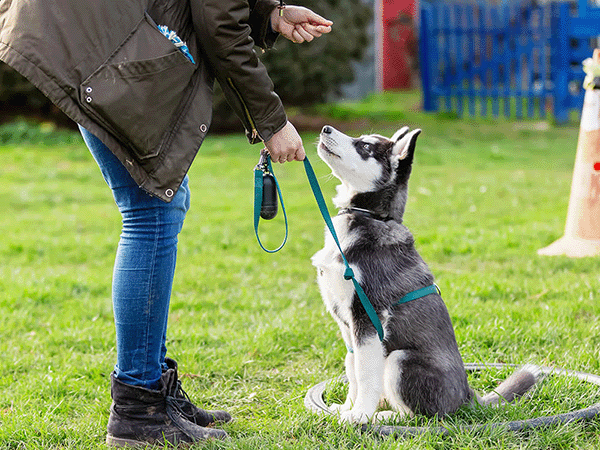
The Best Dog Trainers in the United States of 2026
This is a list of the top dog trainers in the United States, based on votes from the Sniffspot community and the general public.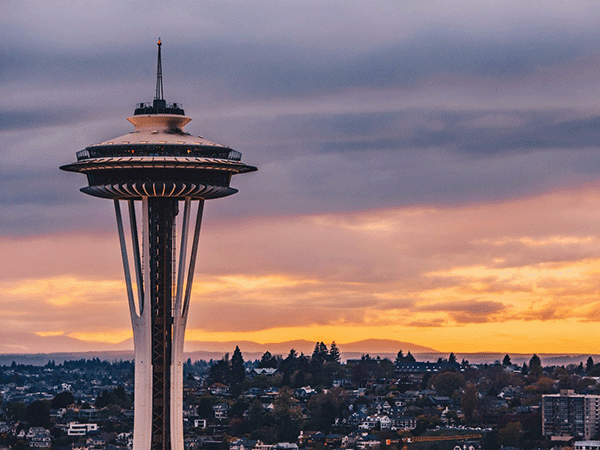
The Best Dog Trainers in Seattle, WA of 2026
This is a list of the top dog trainers in Seattle, WA, based on votes from the Sniffspot community and the general public.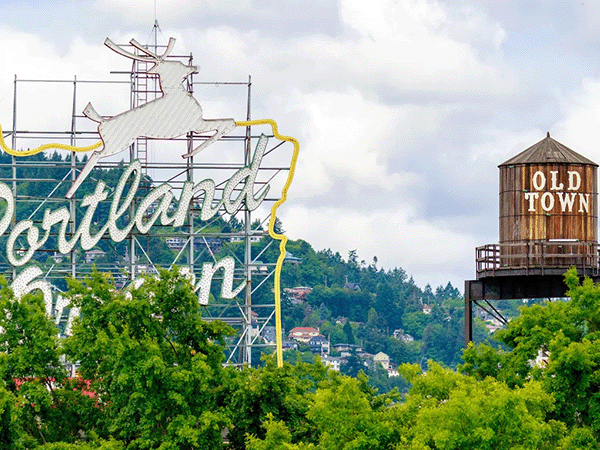
The Best Dog Trainers in Portland, OR of 2026
This is a list of the top dog trainers in Portland, OR, based on votes from the Sniffspot community and the general public.
The Best Dog Trainers in Los Angeles, CA of 2026
This is a list of the top dog trainers in Los Angeles, CA, based on votes from the Sniffspot community and the general public.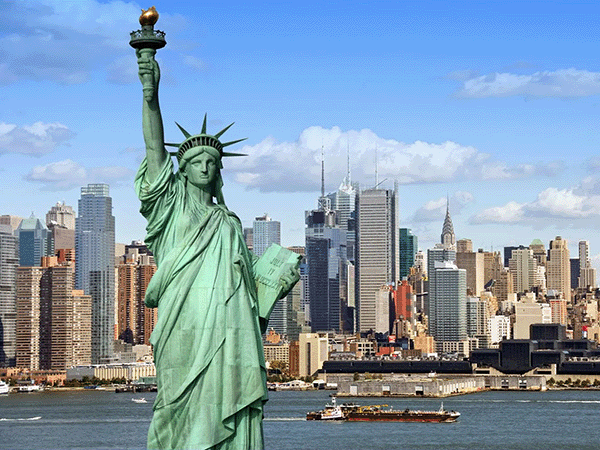
The Best Dog Trainers in New York, NY of 2026
This is a list of the top dog trainers in New York, NY, based on votes from the Sniffspot community and the general public.


City dog parks guides

Top 10 Indoor Dog Parks: A US Guide
Looking for a space to play with your dog no matter what the weather’s like outside? Look no further than our list of the best indoor dog parks in the United States! These climate-controlled spaces are growing in popularity as pet ownership increases throughout the country. As a bonus, many of them also offer dog training, boarding, grooming, or daycare services on the premises.
Best Dog Fields in the US: 25+ Wide-Open Spaces for Your Pup to Run Free
The best dog fields in the US offer something that traditional enclosed parks simply can't match: acres of open space where your pup can truly stretch their legs and run at full speed. From Colorado's 470-acre prairie meadows to Tennessee's award-winning "Outback," these wide-open spaces allow dogs to roam, explore, and exercise naturally while engaging instincts that cramped urban parks suppress.

Best Dog Parks in the US: Ultimate Guide to Public & Private Off-Leash Adventures
Is your pup giving you those pleading "let me run free" eyes? Whether you're a new dog parent or a seasoned pro looking for fresh adventures, finding the perfect off-leash paradise for your furry friend can feel ruff! From sun-soaked California beaches where your water-loving lab can make a splash to mountain trails in Vermont where your adventure buddy can chase every scent, we've sniffed out the 15 best dog parks across America.

Dog Parks Near Me: Las Vegas Edition
Looking for the perfect dog park near me in Las Vegas? You're in luck! This guide explores all the best options for your pup, from public dog parks to private dog parks near me on Sniffspot. We'll help you find the ideal spot for playtime, socializing, and fresh air. Plus, we'll cover essential etiquette and safety tips to ensure a happy visit for everyone. Get ready for some tail-wagging fun!
Best Dog Parks in the US: Off-Leash Guide
Looking for the perfect dog park? Whether you need a wide-open public space or a private, fenced-in spot, this guide will help you find the best dog parks across the US. We'll cover top-rated public parks, the perks of private dog parks, and even explore Sniffspot locations – giving your pup a safe and fun place to play. Ready to find your dog's new favorite spot? Let's go!

Sniffspot: Portland's Best Private Dog Parks
Ready to discover Portland's best dog parks? Whether you're looking for a public park or the unique experience of a private Sniffspot, this guide has you covered. We'll help you find the perfect spot for your pup, with tips on what to bring, how to prepare, and even understanding dog body language. Plus, we'll explore some top Portland dog parks, including public and Sniffspot options, so you can plan your next dog-friendly adventure in the City of Roses.
Portland Dog Parks: Public & Private Options
This page is about public city dog parks and also includes Sniffspot private dog parks. Sniffspot is the largest network of private dog parks for rent in the world!
Small Dog Park Guide: Tips for Finding the Perfect Spot
Finding the perfect dog park for your small breed can be ruff! Big dog parks can be overwhelming, even dangerous, for little pups. This comprehensive guide helps you sniff out the best small dog parks for your pint-sized companion, covering everything from essential safety checklists to top recommendations for small dog parks across the US—including both public spots and private dog parks.
/354x256/wp-content/uploads/2023/04/indoordogparks.png)
/354x256/wp-content/uploads/2023/03/offleashdogparks.png)
/354x256/wp-content/uploads/2023/02/vegas.jpg)
/354x256/wp-content/uploads/2023/02/portland.jpg)
/354x256/wp-content/uploads/2023/03/smalldogparks.png)
Dogs breeds

German Shepherd Guide: Best Family Dog? Truth from 9K Owners
The German Shepherd Dog (GSDs) are known for their intelligence, loyalty, and striking appearance. They're also incredibly versatile, excelling as working dogs and devoted family companions. This guide covers everything you need to know about GSDs, from understanding their unique traits and rich history to practical advice on training and care. So, whether you're a seasoned GSD owner or just starting your research, let's explore this remarkable breed together.
Best Dog Fields in the US: 25+ Wide-Open Spaces for Your Pup to Run Free
The best dog fields in the US offer something that traditional enclosed parks simply can't match: acres of open space where your pup can truly stretch their legs and run at full speed. From Colorado's 470-acre prairie meadows to Tennessee's award-winning "Outback," these wide-open spaces allow dogs to roam, explore, and exercise naturally while engaging instincts that cramped urban parks suppress.

Labrador Retriever: Real Tips from Owners
Discover the Labrador Retriever, a breed celebrated for its playful nature, affectionate temperament, and trainability. Labradors are known for their friendly demeanor and adaptability, making them perfect family companions and versatile working dogs. As one of the most popular types of retrievers, Labs are ideal companions for various lifestyles and are recognized by the American Kennel Club (AKC) as an excellent breed for families.

Golden Retriever Advice: The Complete Owner's Guide
Golden Retrievers: they're gorgeous, playful, and incredibly popular. But before you welcome one into your home, you need the right golden retriever advice. This guide draws on the wisdom of nearly 10,000 Golden Retriever owners, offering practical tips for caring for these affectionate dogs. From understanding their high energy levels to mastering grooming and training, we'll cover everything you need to know. So whether you're already a devoted Golden parent or just starting your research, get ready to learn how to give your furry friend the best possible care.

Are American Staffordshire Terriers Good for First-Time Owners: Complete Guide
Think American Staffordshire Terriers are tough? Think again. While their muscular build might intimidate some, these dogs are known for their playful and loyal personalities. This guide draws on the experience of nearly 10,000 AmStaff owners to reveal the truth about this often misunderstood breed. Want to learn more about caring for an American Staffordshire Terrier? You're in the right place.

Australian Shepherd Facts: Breed Info & Care Guide
Discover the Australian Shepherd, an AKC breed celebrated for its trainable, playful, and affectionate nature. Despite its name, the Australian Shepherd is actually a native breed to the United States, originally developed to breed on farms and ranches. Considered a medium dog, Australian Shepherds were bred for herding beginning in the 1950s. As one of the high-energy breeds, Aussies are known for their boundless energy and need for regular exercise, including aerobic exercise.

Essential Husky Facts for Owners: Breed Guide
Discover the Siberian Husky, a breed celebrated for its curious, intelligent, and loyal nature. Considered a medium-sized dog, Siberian Huskies were originally bred in Russia for sledding, beginning in the early 20th Century. Today, they're one of the most popular active breeds in North America.
/354x256/wp-content/uploads/2024/07/German-Shepherd-Dog.png)
/354x256/wp-content/uploads/2024/07/Screen-Shot-2024-07-24-at-4.06.05-PM.png)
/354x256/wp-content/uploads/2024/07/Screen-Shot-2024-07-25-at-3.05.09-PM.png)
/354x256/wp-content/uploads/2024/07/staffy.jpg)
/354x256/wp-content/uploads/2024/07/Screen-Shot-2024-07-25-at-3.39.43-PM.png)
/354x256/wp-content/uploads/2024/07/catherine-QMumx6XMJSY-unsplash.jpg)
Top dog names in the US
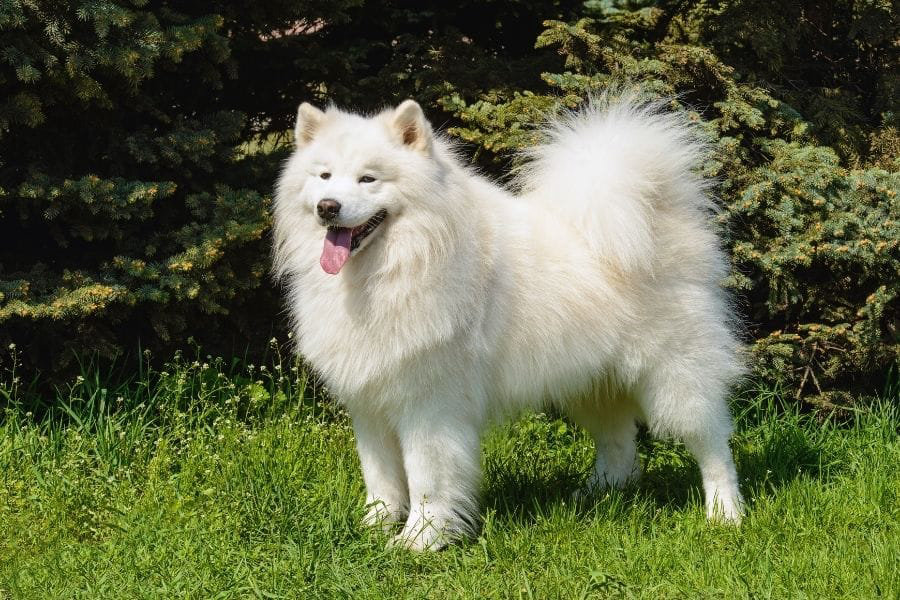
Top 1,000 Most Popular Dog Names
Looking for the perfect dog name for your new pup? We have created filterable lists of dog names from our database of hundreds of thousands of Sniffspot users. You can filter by gender, breed and state to find the most cute, unique and creative dog names.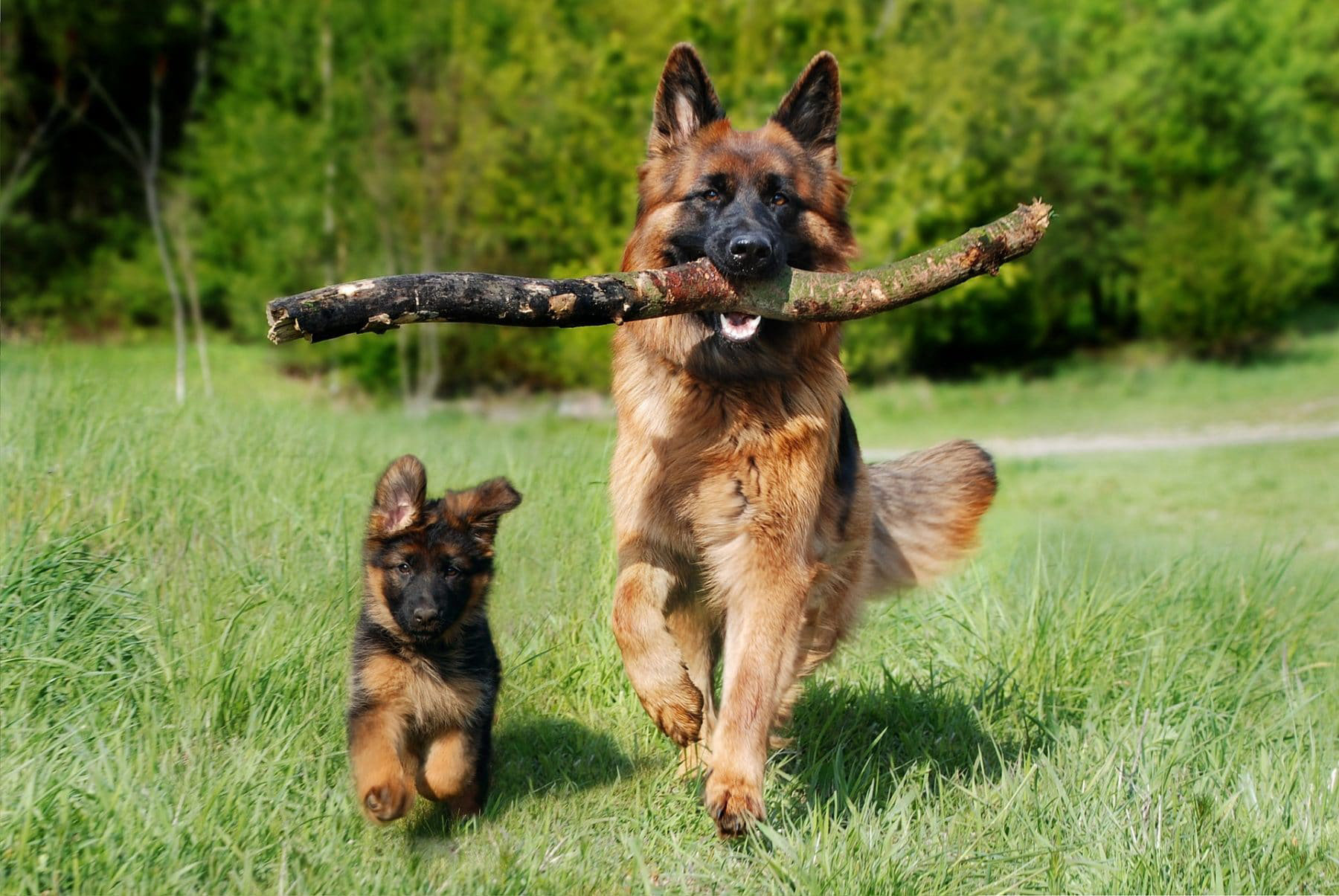
Most Popular Male Dog Names
Looking for the perfect dog name for your new male pup? We have created filterable lists of male dog names from our database of hundreds of thousands of Sniffspot users. You can filter by gender, breed and state to find the most cute, unique and creative male dog names.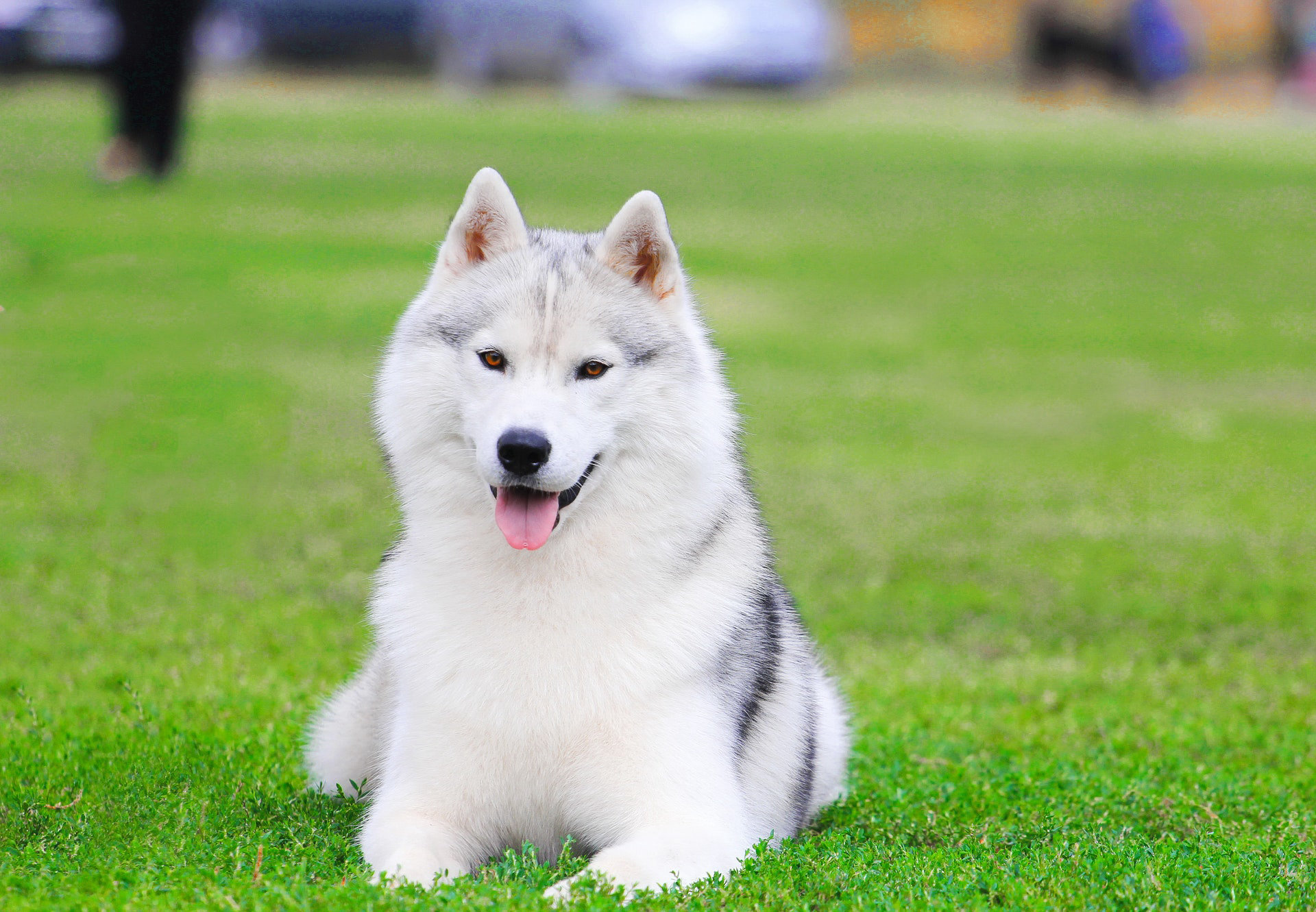
Most Popular Female Dog Names
Looking for the perfect dog name for your new female pup? We have created filterable lists of female dog names from our database of hundreds of thousands of Sniffspot users. You can filter by gender, breed and state to find the most cute, unique and creative female dog names.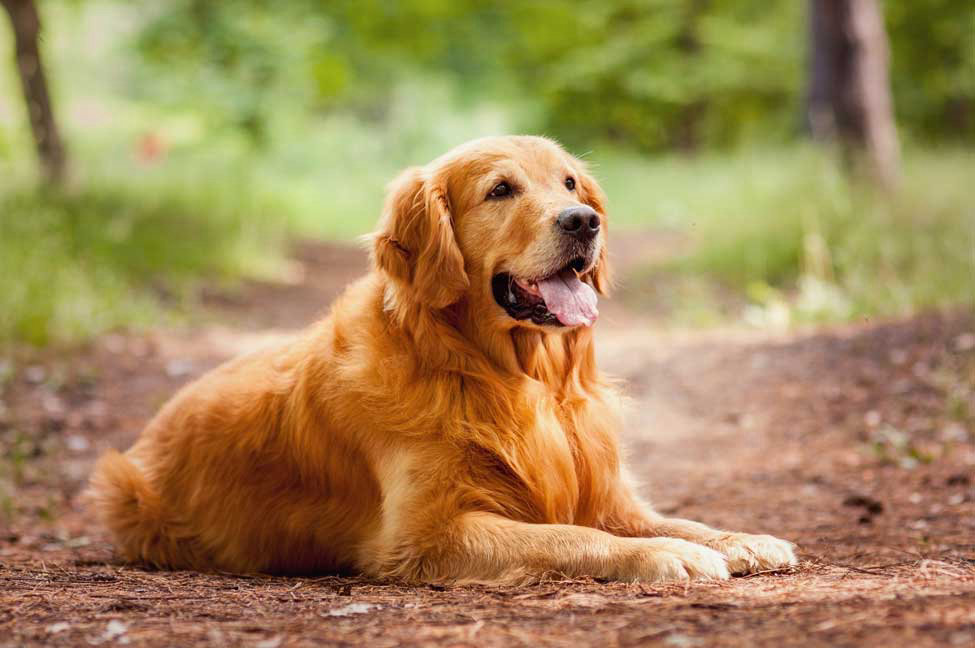
Most Popular Golden Retriever Names
Welcome to our comprehensive list of Golden Retriever dog names, curated from our vast database of Sniffspot users. Filter through hundreds of thousands of options by gender, breed, and state to discover the most adorable, original, and imaginative names for your beloved Golden Retriever.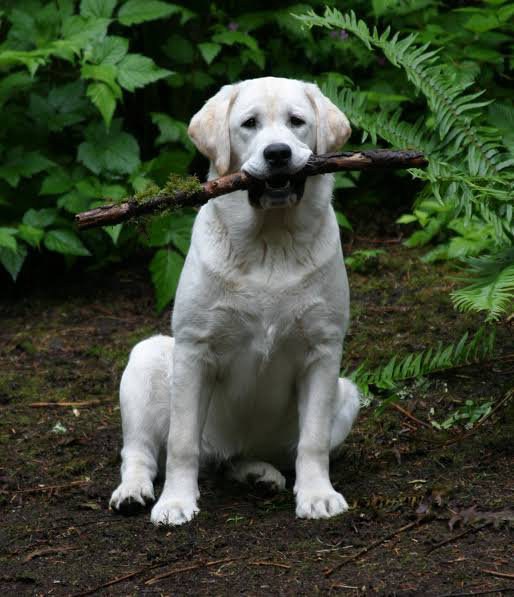
Most Popular Labrador Retriever Names
Welcome to our Labrador Retriever dog names page! Here you can browse through filterable lists of names for your beloved furry friend, ranging from cute and classic to unique and creative options. Our database of hundreds of thousands of Sniffspot users ensures you'll find the perfect name for your Labrador Retriever, whether you're seeking a name for a male or female, based on breed or state.


Top dog rescues in the US

The Best Washington Dog Rescues & Shelters in 2026
This list showcases the top dog rescues & shelters in Washington. These remarkable organizations have been recognized for their unwavering dedication to the well-being of countless dogs.
The Best Oregon Dog Rescues & Shelters in 2026
This list showcases the top dog rescues & shelters in Oregon. These remarkable organizations have been recognized for their unwavering dedication to the well-being of countless dogs.
The Best California Dog Rescues & Shelters in 2026
This list showcases the top dog rescues & shelters in California. These remarkable organizations have been recognized for their unwavering dedication to the well-being of countless dogs.
The Best Florida Dog Rescues & Shelters in 2026
This list showcases the top dog rescues & shelters in Florida. These remarkable organizations have been recognized for their unwavering dedication to the well-being of countless dogs.
The Best New York Dog Rescues & Shelters in 2026
This list showcases the top dog rescues & shelters in New York. These remarkable organizations have been recognized for their unwavering dedication to the well-being of countless dogs.
/354x256/Photos/SeoDogRescue/1282/178507e67e44-MC_logo_square.jpg)
/354x256/Photos/SeoDogRescue/931/cef8bbb17769-South_Coast_Humane_Society.png)
/354x256/Photos/SeoDogRescue/61/30aea3371b69-MainSquare_2.png)
/354x256/Photos/SeoDogRescue/298/1000035238.jpg)
/354x256/Photos/SeoDogRescue/814/91cfd62cd986-IMG_1035.jpeg)