Top articlesSee all...

A Comprehensive Guide to Dog Exercise

How To Crate train An Older Dog - A Comprehensive Guide

How To Socialize A Dog - A Comprehensive Guide

Leash Training: A Guide to Training Your Dog to Walk on a Leash

Skijoring: A Guide to Skijoring with Dogs

The Best Dog Enrichment Toys

The Best United States Dog Parks

The Best Indoor Dog Parks in the United States

The Best Off-Leash Dog Parks in the United States
Top articles
A Comprehensive Guide to Dog Exercise
How To Crate train An Older Dog - A Comprehensive Guide
How To Socialize A Dog - A Comprehensive Guide
Leash Training: A Guide to Training Your Dog to Walk on a Leash
Skijoring: A Guide to Skijoring with Dogs
The Best Dog Enrichment Toys
The Best United States Dog Parks
The Best Indoor Dog Parks in the United States
The Best Off-Leash Dog Parks in the United States
See all...Most Reactive Dog Breeds: Real Data from 9,000 Owners

/fit-in/0x450/wp-content/uploads/2026/05/most-reactive-dogs.png)
You're mid-walk, minding your business, when another dog appears half a block away. Before you've even processed it, your dog is barking, lunging, and doing their best impression of a dog ten times their size. You're not imagining it. You're not doing anything wrong. And if this is your life, you're in surprisingly good company.
Reactivity is one of the most common challenges dog owners face, and yet it still catches so many people off guard. They get a puppy, they pick a breed they love, and somewhere between adorable puppy phase and two-year-old adult dog, walks start to feel like a contact sport.
One thing people want to know: does breed matter? Are some dogs just wired to be more reactive?
The short answer is yes, breed plays a role. But it's messier and more nuanced than any ranked list can capture.
To get a real-world picture, we surveyed over 500 Sniffspot users about their dogs, including the challenges they face navigating daily life with their pets. We combined those insights with behavioral research to put together the most honest guide we could to which dog breeds show up most often in the reactivity conversation, and why.
If you're still trying to understand what reactivity even is, start with our full guide to dog reactivity. Then come back here for the breed breakdown.
Jump Ahead: Reactive Dog Breeds
- What Our Survey Found
- What Is Dog Reactivity, Really?
- About Our Sniffspot Owner Survey
- The Most Reactive Dog Breeds
- A Note on Mixed Breeds
- Breeds That Tend to Be Less Reactive
- Why Breed Is Only Part of the Story
- What to Do If Your Dog Is Reactive
- Frequently Asked Questions: Reactive Dog Breeds
- Conclusion: Understanding Reactive Dog Breeds
What Our Survey Found
We asked 9,254 Sniffspot dog owners about their breed's temperament, how their dogs interact with strangers and other dogs, trainability, and the biggest day-to-day challenges. Dog reactive was defined by how owners reported their dogs responded to strangers, dogs, and other pets. Here's what the data showed:
- Reactivity was the single most-mentioned challenge in open-ended responses, named by 669 owners without being prompted
- 15.7% of all dogs in the survey were described as aggressive or fearful toward other dogs, the highest rate of any interaction type we measured
- Dog-directed reactivity was twice as common as stranger-directed reactivity across the full dataset
- American Staffordshire Terriers had the highest rate of dog-directed fear or aggression at 23.9%, followed by Australian Cattle Dogs (21.4%) and German Shepherd Dogs (20.9%)
- 97.2% of Belgian Malinois owners said they would not recommend the breed to first-time dog owners, by far the highest of any breed surveyed
- Golden Retrievers and Labrador Retrievers had the lowest reactivity rates and the highest first-timer recommendation rates of any breed we tracked
- Nearly half of all dogs in the survey (48%) were flagged by their owners as not suitable for first-time dog owners
- 93.4% of all respondents use positive reinforcement as their primary training method, the most widely used approach by far, with consistent daily routines a distant second at 53%
- Dog-reactive dogs actually have lower reported high-exercise rates than the general population (17.4% vs. 21.1%) — likely because reactivity limits where owners can safely take them, not because those dogs need less exercise. Several owners named it directly: "fear-aggressive reactivity severely limits where we can take her."
Another important note: 76.3% of respondents have adult dogs. This means meaning most people reading this are already past the socialization window and dealing with established behavior, not preventing it. This is worth acknowledging directly.
 Source: Sniffspot Dog Breed Questionnaire, 2024.
What Is Dog Reactivity, Really?
Reactivity is an overreaction to a stimulus. Where a non-reactive dog might glance at another dog across the street and move on, a reactive dog crosses their threshold: barking, lunging, growling, spinning, or freezing. Once a dog is over threshold, they are no longer able to take in information or respond to cues. Treats stop working. Their name disappears into the noise.
It is not aggression, though the two get confused constantly. Reactivity is a stress response. It often looks scary and feels embarrassing, but most reactive dogs are operating from fear or frustration, not a desire to cause harm. (You can read more about the difference between reactivity and aggression here.)
Common reactive triggers include:
- Other dogs, especially on leash
- Strangers, particularly people who approach quickly or unpredictably
- Bikes, skateboards, and fast-moving objects
- Loud noises (cars backfiring, construction, fireworks)
- Other animals
- Specific environments (tight spaces, busy streets, elevators)
The tricky part is that reactivity tends to get worse without intervention. Practice makes permanent, and every successful lunge at a trigger is a lunge that gets harder to stop next time. This is why management and early training matter so much.
About Our Sniffspot Owner Survey
We asked more than 9,000 Sniffspot dog owners to tell us about their breeds: temperament, how their dogs interact with strangers, other dogs, and other pets, how trainable they are, and what the biggest challenges of their breed actually are.
9,254 owners responded across 148 breeds. When we asked open-ended questions about challenges, reactivity came up 669 times without anyone being prompted to mention it. It was the single most-named behavioral challenge in the entire dataset.
We also asked structured questions about how each dog interacts with other dogs. Across all breeds, 15.7% of owners described their dog as aggressive or fearful toward other dogs. That number climbs significantly for working, herding, and guardian breeds.
The most represented breeds in our survey:
- Mixed breed (3,022+)
- German Shepherd Dog (632)
- Labrador Retriever (532)
- American Staffordshire Terrier (503)
- Golden Retriever (438)
- Australian Shepherd (365)
- Australian Cattle Dog (257)
- SIberian Husky (215)
- Border Collie (197)
- Belgian Malinois (109)
These numbers reflect Sniffspot's user base, which skews toward owners of high-energy, active, and often complicated dogs. That is the point of Sniffspot, after all: private, fenced spaces for dogs who need a break from the chaos of public dog parks.
The Most Reactive Dog Breeds
Before we dive into the most reactive dog breeds (and their least-reactive counterparts), it's important to note that not every dog is the same. Just because a dog breed might be more likely to exhibit reactivity, that doesn't mean each individual will. It also doesn't mean each reactive dog will be reactive forever or that reactivity isn't a spectrum that changes over time.
With that in mind, here are the dog breeds most prone to reactivity according to real-life dog owners.

German Shepherd Dog
With 632 respondents in our survey, German Shepherds had a 20.9% rate of aggressive or fearful behavior toward other dogs, more than double the rate of Labrador Retrievers. Reactivity came up repeatedly in owners' open-ended responses: "reactivity, appropriate amount of exercise, allergies, genetic diseases, joint issues" was a common-format answer. Several owners connected it directly to anxiety: "His anxiety makes him reactive."
This tracks with what behavioral research consistently finds. German Shepherds were bred to be vigilant, protective, and highly attuned to their environment. Those traits that made them exceptional herding and working dogs also make them prone to noticing everything, and reacting to much of it.
Poor breeding practices have compounded the problem. Demand for German Shepherds has been high for decades, which means a lot of backyard breeding and less selection for stable temperament. The result is a wide range of dogs under the same name, some rock solid, some with nerves that set them off at the slightest provocation.
78.3% of GSD owners in our survey said they would not recommend the breed to first-time dog owners.
Why they tend to be reactive:
- Strong protective instinct that can tip into hypervigilance
- High sensitivity to environmental changes
- Inconsistent breeding practices that affect temperament
- Significant exercise and mental stimulation needs that, when unmet, accelerate reactivity
If you share your life with a GSD, check out our German Shepherd breed guide for owner-sourced insights on managing this breed's intensity.
🐾 Need a calm, private space where your GSD can decompress and actually relax? Find a fenced Sniffspot near you →

Australian Shepherd and Australian Cattle Dog
Herding breeds are built for reactivity. That is not an insult; it is a job description. Herding dogs were selected over generations to be acutely sensitive to movement, sound, and the position of animals around them. They needed to notice everything and respond fast. That trait does not go away because the sheep are gone.
In our survey, Australian Cattle Dogs had a 21.4% rate of aggressive or fearful behavior toward other dogs, and Australian Shepherds came in at 13.7%. The ACD number puts them among the highest of all major breeds in our dataset. Australian Shepherd owners also reported some of the highest stranger-directed reactivity of any herding breed: 11.2%.
One Sniffspot owner with an Australian Shepherd put it plainly in the challenges section:
"Our biggest challenge is reactivity. My dog is reactive, and when we went to do training, we discovered many of the other dogs there were other herding breeds if not also Aussies. They have such a high drive and are so loyal to their people that they are prone to reactivity, especially if not socialized when they're young."
Australian Cattle Dogs in particular are a working breed that most people are not prepared for. 86.4% of ACD owners said they would not recommend the breed to first-time owners.
Why they tend to be reactive:
- Motion sensitivity is a core herding trait, not a flaw
- Alert barking is bred in, not trained in
- High stimulation needs; boredom accelerates reactivity
- Strong social bonds can tip into overprotectiveness
Triggers to watch for:
- Fast-moving objects (bikes, running children, other dogs at play)
- Strangers approaching without warning
- Novel environments with unpredictable movement
- Being confined in tight spaces
Our Australian Shepherd breed guide covers what life with this breed actually looks like, from owners who've been through it.

American Staffordshire Terrier
American Staffordshire Terriers had the highest rate of dog-directed aggression or fear of any major breed in our survey at 23.9%. With 503 respondents, it's a significant sample. Owners were direct about it: "Reactivity" and "He has very bad dog reactivity" were among the most common challenge responses for this breed.
It is worth being clear here. Pitbull-type dogs are frequently and unfairly labeled as "aggressive" in ways that have real consequences for their owners (breed-specific housing restrictions, insurance refusals, public perception). Dog-directed reactivity is different from human aggression, and the two are often conflated in ways that harm these dogs and their families.
The data supports that distinction. AmStaff owners reported only a 6.4% rate of aggressive or fearful behavior toward strangers, one of the lowest stranger-reactivity figures of any breed in our survey. The challenge is dog-to-dog, not dog-to-human.
That said, dog-directed reactivity is real in this breed and worth understanding. American Staffordshire Terriers were historically bred for tasks that required dog-specific tenacity like acting as bull and bear bait dogs. Without proper socialization and management, that can show up as reactivity on leash.
Why they tend to be reactive:
- Historically bred for dog-specific tenacity, which can translate directly to dog-directed reactivity on leash
- Frustration-based reactivity is common: high social drive plus leash restraint is a recipe for lunging
- Breed stigma often means less access to socialization spaces, which compounds the problem over time
- Strong and athletic, so reactive episodes are harder to manage physically, which can cause owners to avoid exposure — the opposite of what helps
You can read more about the AmStaff specifically in our American Staffordshire Terrier breed guide.
🐾 If your dog needs space away from other dogs to actually get some exercise, that's exactly what Sniffspot was built for. Book a private, fenced spot near you →

Belgian Malinois
If you've met a Malinois, you understand. This is a breed that was built to work all day, every day, under high-stakes conditions. Used extensively in military and police work, the Belgian Malinois has extreme drive, sharp environmental awareness, and very little patience for being bored.
In the wrong hands or without enough structure, that intensity becomes reactivity fast. Of the 109 Malinois owners in our survey, 17.4% described their dog as aggressive or fearful toward other dogs. More striking: 97.2% said they would not recommend the breed to first-time dog owners. No other breed in our dataset came close to that number.
Malinois owners frequently describe leash reactivity, barrier frustration, and a hair-trigger response to movement and sound. One owner's challenge response was characteristically understated: "They can be SO reactive."
The Malinois is not a breed for casual dog ownership. They need a job, significant daily exercise, and an owner who understands working dog behavior. When those needs aren't met, reactivity is almost inevitable.
Why they tend to be reactive:
- Extreme drive and sensitivity; everything in the environment is a potential task or threat to assess
- Low frustration tolerance when understimulated, and they are almost always understimulated in a typical home
- Strong prey drive that activates fast around movement, small animals, or unpredictable stimuli
- Territorial and protective instincts that without clear structure default to hypervigilance
Our Belgian Malinois breed guide covers what current owners wish they'd known before bringing one home.

Border Collie
Border Collies are widely considered the most intelligent dog breed, and that intelligence cuts both ways. A Border Collie without adequate mental and physical stimulation will redirect their energy somewhere, and it usually isn't somewhere you planned.
In our survey of 197 Border Collie owners, 15.2% described their dog as aggressive or fearful toward other dogs, and 79.2% said they would not recommend the breed to first-time owners. One owner's challenge response captured the breed's particular flavor of complicated: "My Border Collie, Bison, is very protective and barks too much."
Like Australian Shepherds, Border Collies are herding dogs with deep motion sensitivity. They notice everything: shadows, reflections, the neighbor's cat two yards over, a kid running across a parking lot. Their brains are constantly scanning and filing information. That can translate into a dog who reacts to stimuli that other breeds filter out entirely.
They also tend to be reserved with strangers, which adds another layer of complexity on walks or in new environments.
Why they tend to be reactive:
- Motion sensitivity is hardwired from generations of herding selection
- Constantly scanning and cataloging their environment, which means higher baseline arousal than most breeds
- Tend to be reserved or cautious with strangers, adding a fear component to the mix
- Mental understimulation manifests as anxiety and fixation, both of which accelerate reactivity
Check out our Border Collie breed guide for a realistic look at life with one of the world's most demanding breeds.

Siberian Husky
Huskies are social dogs who were bred to run long distances in packs. They are not, by nature, dog-reactive in the way herding or guarding breeds often are. In our survey of 215 Husky owners, only 8.4% described their dog as aggressive or fearful toward other dogs.
But they are high-energy, independent, and easily understimulated in a typical home environment. When a Husky doesn't get enough exercise, they often express that frustration in ways that look like reactivity: fence-running, barrier frustration, intense reactions to movement that give them an outlet for pent-up energy.
85.6% of Husky owners said they would not recommend the breed to first-time owners. Not because of aggression, but because the exercise and independence needs are genuinely hard to meet without experience. One owner described a dog who "gets anxious if they are separated" from their companion dog, and "is timid meeting people" in new environments.
Why they are sometimes reactive:
- High frustration threshold for exercise
- Independent nature means they don't naturally defer to handler direction in high-arousal moments
- Strong prey drive toward smaller animals
- Social with other dogs generally, but arousal escalates fast when they can't move freely

Jack Russell Terrier
Small dog, very big feelings. Jack Russells were bred to fearlessly pursue prey into burrows and hold their own against animals much larger than themselves. That fearlessness does not turn off in a suburban neighborhood.
Jack Russells are notorious for dog-directed reactivity and what trainers call "fence fighting" behavior. They tend to be reactive toward dogs of any size, often seeming entirely unaware that the other dog outweighs them by 60 pounds.
Their reactivity is often underestimated or dismissed because of their size. This is a mistake. A reactive Jack Russell with a poorly managed history will be harder to work with at 5 years old than a reactive GSD who got early intervention.
Why they might be reactive:
- No built-in "back down" response regardless of the other dog's size
- Extremely high prey drive with very little impulse control; threshold is low and drops fast
- Terrier tenacity means reactive episodes are intense and don't de-escalate quickly
- Small size means owners often manage rather than train the behavior, which lets it compound

Dachshund
Don't let the short legs fool you. Dachshunds were bred to track and pursue badgers into underground burrows and hold their own there. That requires a dog with significant courage, tenacity, and a willingness to pick a fight with something much larger than itself. All of that is still very much present.
In our survey of 99 Dachshund owners, 17.2% described their dog as aggressive or fearful toward other dogs, and 40.4% said they would not recommend the breed to first-time owners. Owners were consistent about the challenge: "Prone to reactivity" and "stubbornness and barking, reactivity on leash" came up repeatedly.
One owner flagged a specific compounding factor worth knowing: "Prone to reactivity, have to be careful with handling and environment due to risk of back issues." Dachshunds are predisposed to intervertebral disc disease (IVDD), and a dog in chronic pain is a more reactive dog. It's worth ruling out a physical component if reactivity appears or worsens suddenly.
Like Chihuahuas, Dachshunds often have reactive behaviors minimized or laughed off by owners and bystanders alike because of their size. A small dog lunging on a leash reads as funny to a stranger. It reads as a training emergency to anyone who works with dogs.
Why they tend to be reactive:
- Bred to pursue badgers fearlessly, low inhibition around larger dogs is a feature, not a bug
- Strong prey drive with terrier-like persistence; reactive episodes are intense and don't de-escalate quickly
- Reactive behaviors frequently dismissed because of their size, allowing the pattern to entrench
- Predisposition to IVDD means pain can contribute to irritability and a lower stress threshold
- Stubborn and independent by nature, which makes counter-conditioning slower and more effortful

Chihuahua
Chihuahuas are the sixth most-represented breed in our survey at 155 respondents, and the numbers are surprising to a lot of people: 19.4% of Chihuahua owners described their dog as aggressive or fearful toward other dogs. That puts them ahead of Belgian Malinois and Border Collies in our dataset.
The reason isn't mysterious. Chihuahuas are frequently undertrained and undersocialized because their size makes it easy to physically manage their behavior rather than actually change it. Pick them up. Cross the street. Avoid the situation. It works in the short term and produces a reactive adult dog who has never learned that the world is okay.
There's also a perception problem. As one Sniffspot owner put it: "People perceive Chihuahuas as ankle-biters, and my dog happens to bark when saying hi. So it's hard for people not to be scared of her, even when she's wagging her tail while barking."
The reactivity is real, but so is the misread. Chihuahuas are alert, territorial, and physically vulnerable, a combination that produces a lot of noise. They also tend to startle easily and carry that arousal for longer than larger breeds.
Only 21.3% of Chihuahua owners in our survey said they wouldn't recommend the breed to first-timers, which is relatively low. In fact, over 12% would describe their Chihuahua as "difficult or not trainable," quite the contrast to their reputation as an easy starter dog. The issue isn't that the breed is hard, rather, it's that the reactive behaviors get dismissed as personality quirks until they're not.
Why they tend to be reactive:
- Small size makes them physically vulnerable, which feeds fear-based reactivity toward dogs that tower over them
- Alert and territorial by nature, with a low threshold for perceived threats
- Reactive behaviors are routinely managed instead of trained, allowing them to compound over time
- Prone to startling easily and taking longer to come back down from arousal
- Strong attachment to their person can tip into overprotective behavior on leash
A Note on Mixed Breeds
Mixed breeds made up the largest segment of our survey at 3,022 respondents, or about 33% of all responses. They also came up constantly in reactivity discussions, but that proportion tracks with their share of the overall dog population.
The honest answer is that mixed breeds are reactive in proportion to their representation, not because being a mixed breed causes reactivity. What matters is which breeds are in the mix. A dog who is German Shepherd crossed with Australian Cattle Dog carries working-dog intensity from both sides. A dog whose background is unknown (common in rescues) may have inherited herding or guarding traits that only emerge over time.
Our mixed breed vs purebred guide breaks down what to expect when breed history is uncertain.
Breeds That Tend to Be Less Reactive
Reactivity is not inevitable, and some breeds consistently show lower rates in our data.
In our survey:
- Golden Retriever (438 respondents): 6.6% dog-directed aggression or fear, 1.6% stranger-directed. Only 2.7% of owners said they wouldn't recommend the breed to first-timers. Even then, one Golden owner noted: "Their sociability can backfire. If you don't create balance during the puppy exposure stage, you risk ending up with an adult dog who thinks they can and have to meet every dog and person which results in frustration-based reactivity on the leash."
- Labrador Retriever (532 respondents): 7.9% dog-directed aggression or fear, 3.2% stranger-directed. Only 7.3% of owners said the breed is not for first-timers.
- Standard Poodle (138 respondents): Only 6.5% dog-directed aggression or fear. Though notably sensitive, one owner described their Poodle as "incredibly reactive" — the breed skews significantly lower than working breeds overall.
None of these breeds are reactivity-proof. A Golden who was isolated as a puppy or had a scary formative experience can absolutely become reactive. Breed predisposition lowers the probability; it doesn't remove it.
Why Breed Is Only Part of the Story
Every dog trainer who works with reactive dogs will tell you the same thing: they see reactive dogs of every breed, and non-reactive dogs of every breed.
Breed affects the likelihood and the typical shape of reactivity. It does not determine the outcome.
What shapes reactivity alongside genetics:
The socialization window. The critical socialization period is roughly 3 to 14 weeks. What a puppy experiences (or doesn't experience) during this time shapes their baseline for what the world is supposed to look like. A puppy who meets friendly people, other dogs, traffic, and chaos in those weeks carries a different template than one who spent that time in a quiet breeder's home.
Traumatic incidents. A single scary event, especially during a sensitive developmental period, can create lasting reactivity. A puppy who is attacked by another dog at 5 months old may carry that fear for years.
Chronic understimulation. A dog with high exercise needs who doesn't get them will route that energy somewhere. Reactivity is one of the most common outlets. (Is your dog getting enough exercise? Here's how to find out.)
Pain and health. A dog in physical discomfort is more reactive. This gets missed more than it should. If reactivity appears suddenly or worsens unexpectedly, a vet visit is the first stop.
Owner response. Tension on the leash, anxious body language, and inconsistent handling all communicate information to the dog. Dogs read us constantly.
What to Do If Your Dog Is Reactive
Reactivity is manageable. It is rarely fully "cured," but it can become small enough to live with comfortably.
The framework most certified force-free trainers work from:
- Management first. Stop practicing the reactive response while you work on changing it. Cross the street, add distance, avoid high-trigger situations during training.
- Exercise and enrichment. A well-exercised dog has a higher threshold. If your dog's needs are being met, they have more capacity to handle triggers. Private, fenced spaces (Sniffspot is built for this) let reactive dogs run and decompress without the stress of unexpected encounters.
- Counter-conditioning and desensitization. Working at sub-threshold distances with high-value rewards, pairing triggers with good things until the trigger itself predicts good outcomes. This takes time and consistency.
- Professional support. For dogs with significant reactivity, working with a certified trainer or behaviorist makes a real difference. Look for someone who uses force-free methods and can work with you in real environments.
Curious whether your dog could ever go off leash? We covered that in detail at Can Reactive Dogs Go Off Leash?
🐾 Private Sniffspot bookings are one of the most practical management tools reactive dog owners have. Your dog gets real exercise in a safe space. You get a walk that doesn't require a crisis plan. Find a Sniffspot near you →
Frequently Asked Questions: Reactive Dog Breeds
Which dog breed is the most reactive?
Based on our survey of 9,000+ dog owners, American Staffordshire Terriers had the highest rate of dog-directed aggression or fear at 23.9%, followed closely by Australian Cattle Dogs at 21.4% and German Shepherd Dogs at 20.9%. But reactivity shows up across every breed, and individual variation matters more than breed averages for any specific dog.
What dog is known as the heartbreak breed?
The Belgian Malinois is often called the heartbreak breed by trainers and rescuers. They are extraordinarily capable dogs who routinely end up in homes that are not equipped for them, leading to a high rate of rehoming and behavioral issues that are difficult to reverse. In our survey, 97.2% of Malinois owners said they would not recommend the breed to first-time dog owners — the highest rate of any breed we tracked.
What breeds of dogs are most reactive?
Breeds most commonly associated with reactivity include German Shepherd Dogs, Australian Cattle Dogs, American Staffordshire Terriers, Belgian Malinois, Border Collies, Australian Shepherds, Chihuahuas, and Dachshunds. The common thread in the high-reactivity group is working origin: breeds developed for herding, guarding, or high-drive tasks tend to carry the environmental sensitivity and intensity that become reactivity when those instincts don't have an appropriate outlet.
What is a leash reactive dog?
Leash reactivity refers specifically to dogs who react to triggers while on leash but may be fine off leash. The leash changes the equation: the dog can't approach or flee, which creates frustration or fear that comes out as barking and lunging. Many dogs who are reactive on leash are perfectly dog-friendly in an off-leash setting. Our leash reactivity guide covers management and training in detail.
How do I snap my dog out of reactivity?
You don't, and trying to interrupt reactivity mid-reaction usually makes it worse. The goal is to catch your dog before they go over threshold, not after. Work on increasing distance from triggers, building a strong "look at me" cue at sub-threshold distances, and rewarding heavily for calm behavior near stimuli your dog finds difficult. Progress is slow and non-linear.
Are reactive dogs dangerous?
No! Reactivity and danger are not the same thing. Most reactive dogs are reacting from fear or frustration, not predatory intent. That said, a reactive dog who redirects their bite onto the handler, or who escalates to actual contact with another dog, presents real risk. Severity matters, and a qualified professional should assess any dog who has made contact during a reactive episode.
Can reactive dogs get better?
Yes, absolutely. Reactivity is a pattern, and patterns change with consistent training, good management, and time. Most reactive dogs improve meaningfully with the right support. They may never be the dog who ignores other dogs at a busy dog park, but they can get to a place where daily life is manageable and enjoyable. The mistake is waiting, because reactivity tends to compound without intervention.
Do reactive dogs need off-leash time?
Yes, and probably more than non-reactive dogs. Many reactive dogs are reactive partly because they're frustrated, overstimulated, or undersatisfied physically. Off-leash exercise in a safe, controlled environment is one of the most effective tools for lowering their overall arousal baseline. Sniffspot's private, fenced spaces were built exactly for this.
Conclusion: Understanding Reactive Dog Breeds
It's undoubtably true that breed matters. It shapes the probability and the pattern of reactivity in meaningful ways. But it does not decide your dog's fate, and it does not decide yours.
The German Shepherd who reacts to every dog on the block and the Belgian Malinois who can't walk past a bicycle are not broken. They're doing something their genetics set them up to do, in an environment that was not designed with them in mind. That is workable.
If you have a reactive dog, you are not alone. The Sniffspot community is full of owners who have built good lives with complicated dogs, through management, training, and finding the right spaces where their dog can just be a dog for a while. That is the whole point.
🐾 Give your reactive dog the space they need to breathe. Find a private, fenced Sniffspot near you →
Sources: Sniffspot Dog Breed Questionnaire (9,254 respondents, 148 breeds, 2024); American Veterinary Society of Animal Behavior socialization guidelines; Applied Animal Behaviour Science (reactivity and breed predisposition research).
This article was reviewed by certified canine behavior professionals to ensure accuracy and adherence to positive reinforcement training methods.
Reviewer: Shannon Finch, M.Ed. Humane Education, Karen Pryor Academy Certified Training Partner, Certified Tellington TTouch and TTEAM Practitioner


/fit-in/0x128/wp-content/uploads/2020/08/shutterstock_1421150522.jpg)
/fit-in/0x128/wp-content/uploads/2022/03/shutterstock_1608507346.jpg)
/fit-in/0x128/wp-content/uploads/2026/09/What-is-dog-surfing.png)
/fit-in/0x128/wp-content/uploads/2020/07/shutterstock_330043559-1.jpg)
/fit-in/0x128/wp-content/uploads/2026/05/333-rule-in-dogs.png)
Most recent articles
/fit-in/0x256/wp-content/uploads/2020/08/shutterstock_1421150522.jpg)
/fit-in/0x256/wp-content/uploads/2022/03/shutterstock_1608507346.jpg)
/fit-in/0x256/wp-content/uploads/2026/09/What-is-dog-surfing.png)
/fit-in/0x128/wp-content/uploads/2023/05/Dog-sports-101.png)
/fit-in/0x256/wp-content/uploads/2023/05/Dog-sports-101.png)
/fit-in/0x128/wp-content/uploads/2026/09/first-night-with-rescue-dog.png)
/fit-in/0x256/wp-content/uploads/2026/09/first-night-with-rescue-dog.png)
/fit-in/0x128/wp-content/uploads/2026/09/What-are-the-requirements-to-adopt-a-dog.png)
/fit-in/0x256/wp-content/uploads/2026/09/What-are-the-requirements-to-adopt-a-dog.png)
Related articles
Top dog guides per area
Dog training guides

Best Dog Fields in the US: 25+ Wide-Open Spaces for Your Pup to Run Free
The best dog fields in the US offer something that traditional enclosed parks simply can't match: acres of open space where your pup can truly stretch their legs and run at full speed. From Colorado's 470-acre prairie meadows to Tennessee's award-winning "Outback," these wide-open spaces allow dogs to roam, explore, and exercise naturally while engaging instincts that cramped urban parks suppress.

Dog Food Aggression & Resource Guarding Guide
Does your dog ever growl when you walk by their food dish? Maybe they get possessive of treats, carrying them far away and giving you side-eye when you start to approach — or snarling at your other pets or children if they get too close.

The Ultimate Guide to Scent Training for Dogs
Your dog's nose is an amazing tool. Did you know they have 40 times the olfactory receptors than humans? Scent training for dogs taps into this superpower, turning everyday moments into exciting sniff-fests. It's enriching for all types of dogs – reactive, shy, or simply adventurous. Ready to explore the world of scent work for dogs? Let's get started.

How Much Does It Cost to Train a Service Dog?
More than 80 million Americans rely on their service dogs to help them navigate the world. Task-trained assistance animals perform a huge range of life-changing—in many cases, life-saving—services: These dogs act as eyes for visually impaired handlers, provide mobility support, alert to seizures and blood sugar crashes, interrupt anxiety attacks, remind their people to take medications, and so much more.

How to Deal With Puppy Potty Training Regression

Dirty Dog Syndrome: Causes, Solutions, and Prevention
It's a cringe-worthy moment every dog owner dreads: your furry friend chowing down on something truly disgusting. If your dog has a penchant for poop, you're dealing with coprophagia. It's more common than you think, and thankfully, often manageable. This article explores the reasons behind dirty dog syndrome, from instinct to learned behavior. We'll also give you practical tips to help break this unpleasant habit.
/354x256/wp-content/uploads/2025/09/Screenshot-2025-09-21-at-6.39.54-PM.png)
/354x256/wp-content/uploads/2020/08/bernese-mountain-dog-208092_1280.jpg)
/354x256/wp-content/uploads/2022/04/shutterstock_543831754.jpg)
/354x256/wp-content/uploads/2022/08/shutterstock_494495788-1.jpg)
/354x256/wp-content/uploads/2022/07/shutterstock_237584221-1.jpg)
/354x256/wp-content/uploads/2022/10/shutterstock_705844504.jpg)
Dog enrichment guides
Best Dog Fields in the US: 25+ Wide-Open Spaces for Your Pup to Run Free
The best dog fields in the US offer something that traditional enclosed parks simply can't match: acres of open space where your pup can truly stretch their legs and run at full speed. From Colorado's 470-acre prairie meadows to Tennessee's award-winning "Outback," these wide-open spaces allow dogs to roam, explore, and exercise naturally while engaging instincts that cramped urban parks suppress.

Best Dog Water Parks in the US: 15+ Amazing Splash Destinations for Your Pup
Do you have a water-loving dog looking to burn some energy? There are countless dog parks to visit throughout our country — but some of them become far too hot in the midday sun to be safe for your pets to play. That’s why we’ve put together a list of some of the best dog water parks throughout the United States! At these locations, your pup can frolic, splash, and swim to their heart’s content.

Best Toys for Herding Dogs: Keeping Your Pup Happy & Engaged
Herding dogs are amazing, intelligent companions. But that also means they need more than just a simple game of fetch. Finding the right toys for herding dogs is key to keeping them happy and stimulated. This article explores some of the best toys for herding dogs, including options specifically for breeds like Border Collies and Australian Shepherds. We'll help you discover the perfect herding toys for dogs to tap into their natural instincts and keep them entertained for hours.

Tough Dog Toys for Aggressive Chewers: A Practical Guide
Does your dog destroy every toy you give them? Is your house littered with the remnants of plush toys? Are you tired of wasting money on "indestructible" dog toys for aggressive chewers that don't last? Then this post is for you. We'll cover everything you need to know about finding the best dog toys for aggressive chewers, so you can finally give your pup something safe, durable, and fun.

Dog Exercise Calculator: How Much Exercise Does Your Dog Need?
Every dog needs to move, but how much is actually enough? The answer depends on more than just breed. Age, health, and even your own lifestyle all play a role in figuring out the right daily exercise routine for your pup.

Complete Guide To Herding With Dogs
* All Sniffspot articles are reviewed by certified trainers for quality, please see bottom of article for details *
/354x256/wp-content/uploads/2023/04/dogwaterpark.png)
/354x256/wp-content/uploads/2022/05/shutterstock_174836186.jpg)
/354x256/wp-content/uploads/2023/02/shutterstock_1346929262.jpg)
/354x256/wp-content/uploads/2022/08/dogexercisecalculatorfeaturedimage.jpg)
/354x256/wp-content/uploads/2020/07/bb.jpg)
Dog reactivity guides
Best Dog Fields in the US: 25+ Wide-Open Spaces for Your Pup to Run Free
The best dog fields in the US offer something that traditional enclosed parks simply can't match: acres of open space where your pup can truly stretch their legs and run at full speed. From Colorado's 470-acre prairie meadows to Tennessee's award-winning "Outback," these wide-open spaces allow dogs to roam, explore, and exercise naturally while engaging instincts that cramped urban parks suppress.

Rottweiler Aggression: Signs, Causes & Training
Many dogs have gotten a bad reputation over the years for being "dangerous breeds." Rottweilers are among them. Like pit bulls and other large, blocky-headed types of dogs, these powerful and beautiful animals are often assumed to be aggressive.

The Reactive Dog Chart: How to Calm Your Dog's Triggers
If your dog lunges, barks, or loses their mind at the sight of another dog, a stranger, or a bicycle, you’re living with a reactive dog (and you’re far from alone). Dog reactivity is one of the most common behavioral challenges dog owners face, and it can make even a simple walk feel stressful and isolating.

How to Socialize a Reactive Dog: A Step-by-Step Guide
Does your dog display reactivity to other pets or people—barking, lunging, or growling when they see their triggers? Whether they're a rescue still settling in, missed critical socialization as a puppy, or had a negative experience that changed how they see the world, you're not alone. Reactivity is one of the most common dog behavior concerns, and with the right approach, you can help your dog feel calmer and more confident.

What Is a Reactive Dog? The Complete Guide for Understanding and Helping Your Pup
Does your dog transform into a barking, lunging tornado the second they spot another dog across the street? You're definitely not alone. According to our research of over 4,000 dog owners, 66% of dogs show some signs of reactivity.

9 Best Online Communities for Reactive Dog Parents
Does your dog's reactivity make walks stressful? You're not alone. Many dog owners face similar challenges. This guide offers practical advice and support for managing reactivity, including finding the best online dog training for reactive dogs. We'll connect you with reactive dog support groups, share training tips, and explore resources like the best dog training app for reactive dogs. Let's build a stronger bond with your dog, together.
* All Sniffspot articles are reviewed by certified trainers for quality, please see bottom of article for details *
/354x256/wp-content/uploads/2023/05/Screen-Shot-2024-05-23-at-9.33.57-PM.png)
/354x256/wp-content/uploads/2022/08/dogreactivitychartfeaturedimage.jpg)
/354x256/wp-content/uploads/2022/08/shutterstock_523383649.jpg)
/354x256/wp-content/uploads/2020/07/a.jpg)
/354x256/wp-content/uploads/2022/01/shutterstock_796422001.jpg)
Sniffspot community guides
Best Dog Fields in the US: 25+ Wide-Open Spaces for Your Pup to Run Free
The best dog fields in the US offer something that traditional enclosed parks simply can't match: acres of open space where your pup can truly stretch their legs and run at full speed. From Colorado's 470-acre prairie meadows to Tennessee's award-winning "Outback," these wide-open spaces allow dogs to roam, explore, and exercise naturally while engaging instincts that cramped urban parks suppress.

The State of Public Dog Parks Across the United States
From 2009 to 2020, there was a 40 percent increase in the development of public dog parks. Designated spots for canine exercise have become commonplace in every major city in North America — many pet owners won’t even consider renting an apartment that doesn’t have its own fenced-in pet area for their canine companions.

How This Family is Affording Their Dream Property Through Renting it Hourly to Dogs
Thousand Oaks, California has been a safe haven for Sniffspot host, Jen, since childhood. Having grown up in busy Santa Barbara, Jen, an introvert from an early age, would seek out solitude and serenity away from tourists attractions and droves of people visiting from elsewhere. “My grandparents own 60 acres about a 30 minute drive from here, and I grew up spending every summer and every holiday visiting them on the ranch,” Jen explained. “In Santa Barbara, we wouldn't go to the beach on the weekend because that's where everybody was, so you'd find places off the beaten path where the tourists weren't. For me, the ranch was just my happy place.”

Host Tips: Ellen K. What Makes Sniffspot Successful for Me
Ellen is the host of Country Pasture Getaway, one of Sniffspot's most popular sniff spots. She has taken the time to write up the lessons she has learned about how to be a great sniff spot host.

How this Oregon Farmer is Making a Business From Renting Her Land to Dogs
Just 20 minutes outside of the busy city of Portland, Oregon, and settled right on the banks of the Columbia River, you’ll find what countless visitors have flocked to the area in search of – mountain views, crisp, clean air, and running water for miles. What you might not expect to find, however, is a hidden oasis designed just for dogs and their people, owned and operated by a farming couple and enjoyed by visitors on two legs, and four.

Host Tips: Fran T. Providing Great Guest Service at our Spot
Fran is the host of Ranch Setting, one of Sniffspot's most popular spots. She has taken the time to write up the lessons she has learned about how to be a great Sniffspot host.
/354x256/wp-content/uploads/2022/07/Sniffspot_infographic_1-01.jpeg)
/354x256/wp-content/uploads/2021/05/Final-Edit-003-1.jpg)
/354x256/wp-content/uploads/2020/07/good-photo-3_orig.jpg)
/354x256/wp-content/uploads/2021/05/sniffspot-28-of-45-1.jpg)
/354x256/wp-content/uploads/2020/07/screen-shot-2019-09-19-at-2-01-47-pm_orig.png)
Top dog trainers in the US
The Best Dog Trainers in the United States of 2026
This is a list of the top dog trainers in the United States, based on votes from the Sniffspot community and the general public.
The Best Dog Trainers in Seattle, WA of 2026
This is a list of the top dog trainers in Seattle, WA, based on votes from the Sniffspot community and the general public.
The Best Dog Trainers in Portland, OR of 2026
This is a list of the top dog trainers in Portland, OR, based on votes from the Sniffspot community and the general public.
The Best Dog Trainers in Los Angeles, CA of 2026
This is a list of the top dog trainers in Los Angeles, CA, based on votes from the Sniffspot community and the general public.
The Best Dog Trainers in New York, NY of 2026
This is a list of the top dog trainers in New York, NY, based on votes from the Sniffspot community and the general public.


City dog park guides
Best Dog Fields in the US: 25+ Wide-Open Spaces for Your Pup to Run Free
The best dog fields in the US offer something that traditional enclosed parks simply can't match: acres of open space where your pup can truly stretch their legs and run at full speed. From Colorado's 470-acre prairie meadows to Tennessee's award-winning "Outback," these wide-open spaces allow dogs to roam, explore, and exercise naturally while engaging instincts that cramped urban parks suppress.

Top 10 Indoor Dog Parks: A US Guide
Looking for a space to play with your dog no matter what the weather’s like outside? Look no further than our list of the best indoor dog parks in the United States! These climate-controlled spaces are growing in popularity as pet ownership increases throughout the country. As a bonus, many of them also offer dog training, boarding, grooming, or daycare services on the premises.

Best Dog Parks in the US: Ultimate Guide to Public & Private Off-Leash Adventures
Is your pup giving you those pleading "let me run free" eyes? Whether you're a new dog parent or a seasoned pro looking for fresh adventures, finding the perfect off-leash paradise for your furry friend can feel ruff! From sun-soaked California beaches where your water-loving lab can make a splash to mountain trails in Vermont where your adventure buddy can chase every scent, we've sniffed out the 15 best dog parks across America.

Dog Parks Near Me: Las Vegas Edition
Looking for the perfect dog park near me in Las Vegas? You're in luck! This guide explores all the best options for your pup, from public dog parks to private dog parks near me on Sniffspot. We'll help you find the ideal spot for playtime, socializing, and fresh air. Plus, we'll cover essential etiquette and safety tips to ensure a happy visit for everyone. Get ready for some tail-wagging fun!
Discover the Perfect Dog Park in Las Vegas
This page is about public city dog parks and also includes Sniffspot private dog parks. Sniffspot is the largest network of private dog parks for rent in the world!Best Dog Parks in the US: Off-Leash Guide
Looking for the perfect dog park? Whether you need a wide-open public space or a private, fenced-in spot, this guide will help you find the best dog parks across the US. We'll cover top-rated public parks, the perks of private dog parks, and even explore Sniffspot locations – giving your pup a safe and fun place to play. Ready to find your dog's new favorite spot? Let's go!

Sniffspot: Portland's Best Private Dog Parks
Ready to discover Portland's best dog parks? Whether you're looking for a public park or the unique experience of a private Sniffspot, this guide has you covered. We'll help you find the perfect spot for your pup, with tips on what to bring, how to prepare, and even understanding dog body language. Plus, we'll explore some top Portland dog parks, including public and Sniffspot options, so you can plan your next dog-friendly adventure in the City of Roses.
Portland Dog Parks: Public & Private Options
This page is about public city dog parks and also includes Sniffspot private dog parks. Sniffspot is the largest network of private dog parks for rent in the world!
/354x256/wp-content/uploads/2023/04/indoordogparks.png)
/354x256/wp-content/uploads/2023/03/offleashdogparks.png)
/354x256/wp-content/uploads/2023/02/vegas.jpg)
/354x256/wp-content/uploads/2023/02/portland.jpg)
Dog breeds
Best Dog Fields in the US: 25+ Wide-Open Spaces for Your Pup to Run Free
The best dog fields in the US offer something that traditional enclosed parks simply can't match: acres of open space where your pup can truly stretch their legs and run at full speed. From Colorado's 470-acre prairie meadows to Tennessee's award-winning "Outback," these wide-open spaces allow dogs to roam, explore, and exercise naturally while engaging instincts that cramped urban parks suppress.

German Shepherd Guide: Best Family Dog? Truth from 9K Owners
The German Shepherd Dog (GSDs) are known for their intelligence, loyalty, and striking appearance. They're also incredibly versatile, excelling as working dogs and devoted family companions. This guide covers everything you need to know about GSDs, from understanding their unique traits and rich history to practical advice on training and care. So, whether you're a seasoned GSD owner or just starting your research, let's explore this remarkable breed together.

Labrador Retriever: Real Tips from Owners
Discover the Labrador Retriever, a breed celebrated for its playful nature, affectionate temperament, and trainability. Labradors are known for their friendly demeanor and adaptability, making them perfect family companions and versatile working dogs. As one of the most popular types of retrievers, Labs are ideal companions for various lifestyles and are recognized by the American Kennel Club (AKC) as an excellent breed for families.

Golden Retriever Advice: The Complete Owner's Guide
Golden Retrievers: they're gorgeous, playful, and incredibly popular. But before you welcome one into your home, you need the right golden retriever advice. This guide draws on the wisdom of nearly 10,000 Golden Retriever owners, offering practical tips for caring for these affectionate dogs. From understanding their high energy levels to mastering grooming and training, we'll cover everything you need to know. So whether you're already a devoted Golden parent or just starting your research, get ready to learn how to give your furry friend the best possible care.

Are American Staffordshire Terriers Good for First-Time Owners: Complete Guide
Think American Staffordshire Terriers are tough? Think again. While their muscular build might intimidate some, these dogs are known for their playful and loyal personalities. This guide draws on the experience of nearly 10,000 AmStaff owners to reveal the truth about this often misunderstood breed. Want to learn more about caring for an American Staffordshire Terrier? You're in the right place.

Australian Shepherd Facts: Breed Info & Care Guide
Discover the Australian Shepherd, an AKC breed celebrated for its trainable, playful, and affectionate nature. Despite its name, the Australian Shepherd is actually a native breed to the United States, originally developed to breed on farms and ranches. Considered a medium dog, Australian Shepherds were bred for herding beginning in the 1950s. As one of the high-energy breeds, Aussies are known for their boundless energy and need for regular exercise, including aerobic exercise.
/354x256/wp-content/uploads/2024/07/German-Shepherd-Dog.png)
/354x256/wp-content/uploads/2024/07/Screen-Shot-2024-07-24-at-4.06.05-PM.png)
/354x256/wp-content/uploads/2024/07/Screen-Shot-2024-07-25-at-3.05.09-PM.png)
/354x256/wp-content/uploads/2024/07/staffy.jpg)
/354x256/wp-content/uploads/2024/07/Screen-Shot-2024-07-25-at-3.39.43-PM.png)
Top dog names in the US
Top 1,000 Most Popular Dog Names
Looking for the perfect dog name for your new pup? We have created filterable lists of dog names from our database of hundreds of thousands of Sniffspot users. You can filter by gender, breed and state to find the most cute, unique and creative dog names.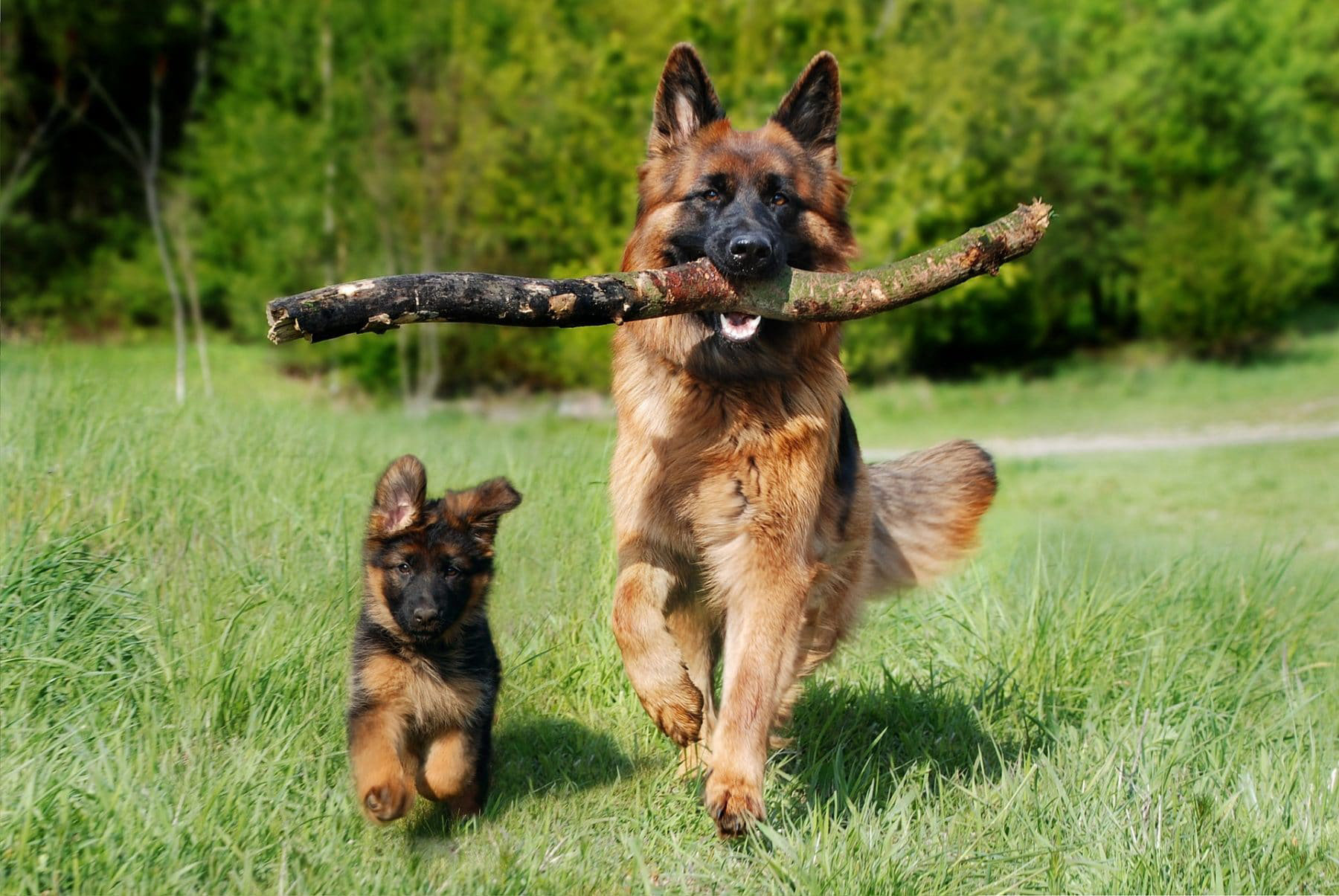
Most Popular Male Dog Names
Looking for the perfect dog name for your new male pup? We have created filterable lists of male dog names from our database of hundreds of thousands of Sniffspot users. You can filter by gender, breed and state to find the most cute, unique and creative male dog names.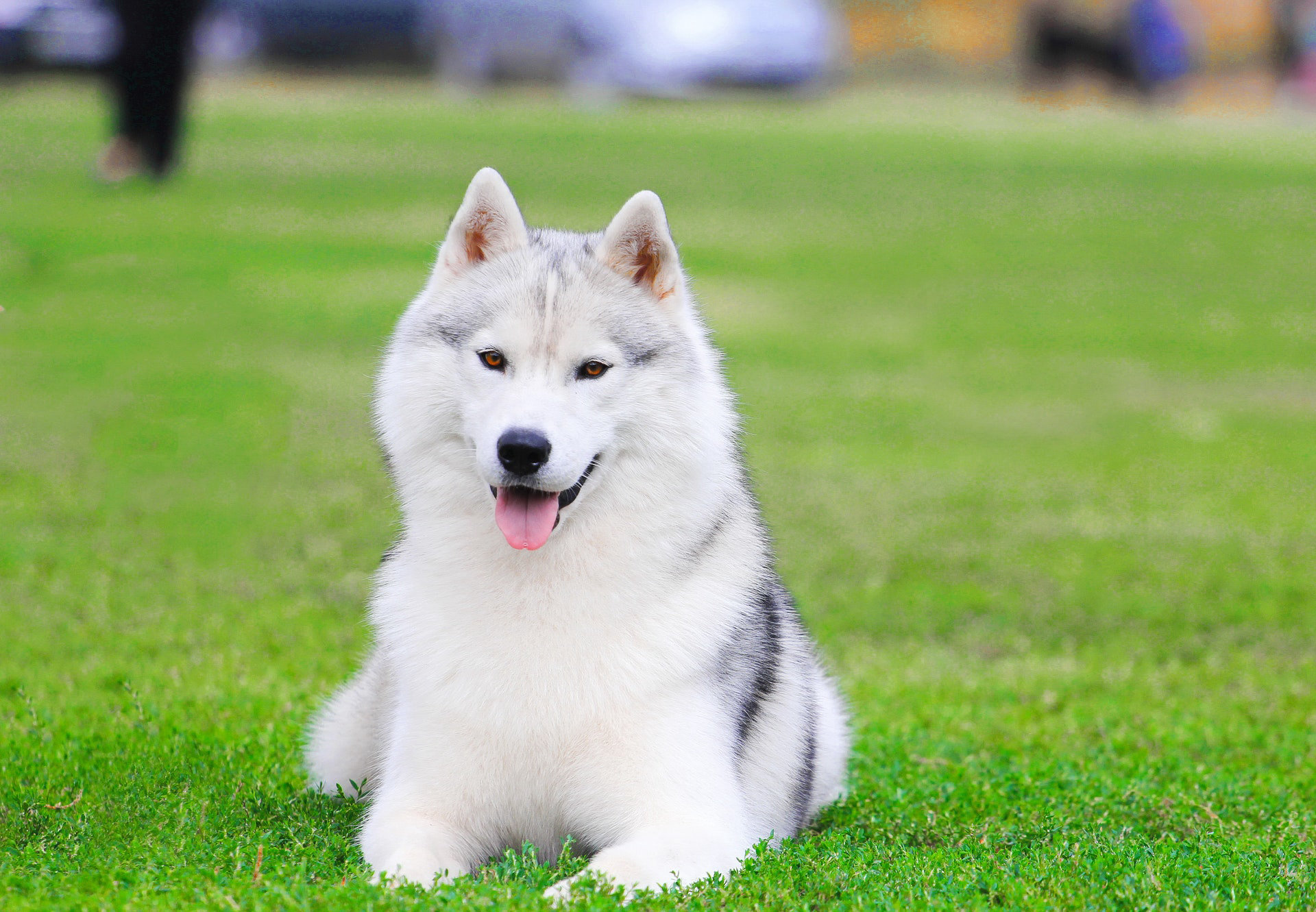
Most Popular Female Dog Names
Looking for the perfect dog name for your new female pup? We have created filterable lists of female dog names from our database of hundreds of thousands of Sniffspot users. You can filter by gender, breed and state to find the most cute, unique and creative female dog names.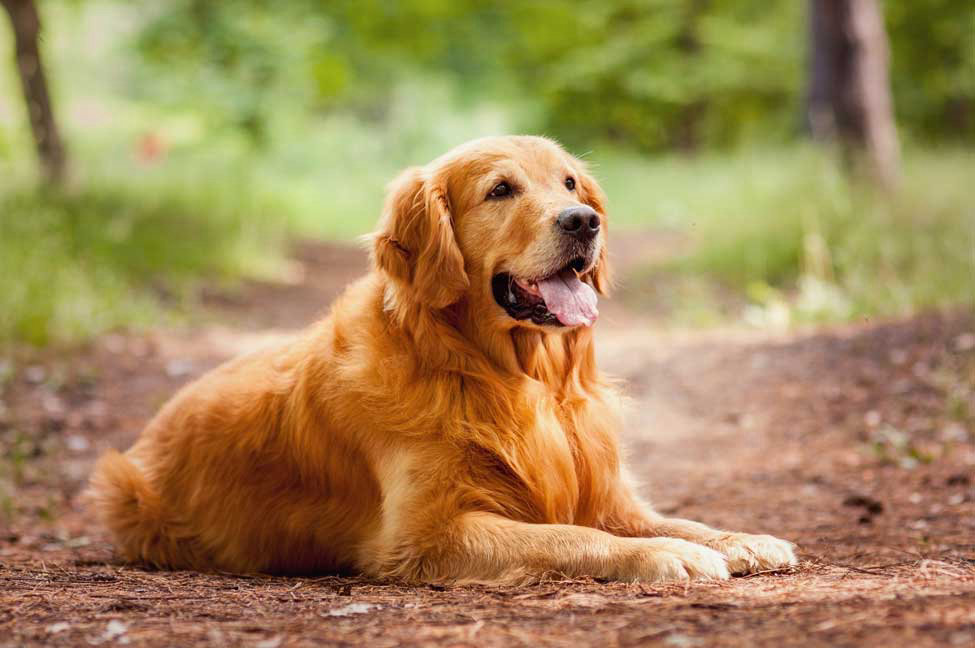
Most Popular Golden Retriever Names
Welcome to our comprehensive list of Golden Retriever dog names, curated from our vast database of Sniffspot users. Filter through hundreds of thousands of options by gender, breed, and state to discover the most adorable, original, and imaginative names for your beloved Golden Retriever.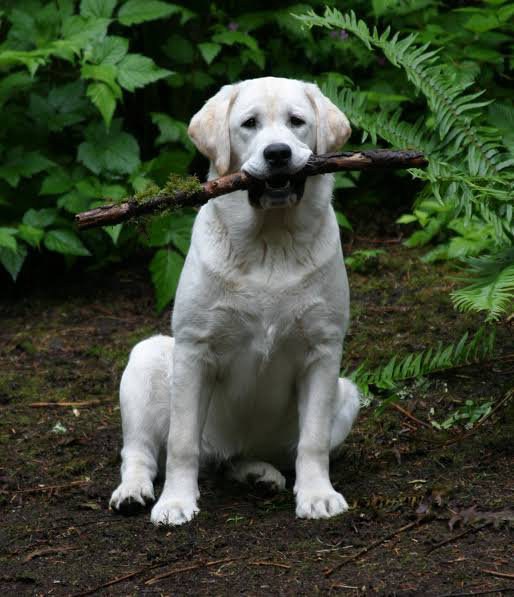
Most Popular Labrador Retriever Names
Welcome to our Labrador Retriever dog names page! Here you can browse through filterable lists of names for your beloved furry friend, ranging from cute and classic to unique and creative options. Our database of hundreds of thousands of Sniffspot users ensures you'll find the perfect name for your Labrador Retriever, whether you're seeking a name for a male or female, based on breed or state.


Top dog rescues in the US

The Best Washington Dog Rescues & Shelters in 2026
This list showcases the top dog rescues & shelters in Washington. These remarkable organizations have been recognized for their unwavering dedication to the well-being of countless dogs.
The Best Oregon Dog Rescues & Shelters in 2026
This list showcases the top dog rescues & shelters in Oregon. These remarkable organizations have been recognized for their unwavering dedication to the well-being of countless dogs.
The Best California Dog Rescues & Shelters in 2026
This list showcases the top dog rescues & shelters in California. These remarkable organizations have been recognized for their unwavering dedication to the well-being of countless dogs.
The Best Florida Dog Rescues & Shelters in 2026
This list showcases the top dog rescues & shelters in Florida. These remarkable organizations have been recognized for their unwavering dedication to the well-being of countless dogs.
The Best New York Dog Rescues & Shelters in 2026
This list showcases the top dog rescues & shelters in New York. These remarkable organizations have been recognized for their unwavering dedication to the well-being of countless dogs.
/354x256/Photos/SeoDogRescue/1282/178507e67e44-MC_logo_square.jpg)
/354x256/Photos/SeoDogRescue/931/cef8bbb17769-South_Coast_Humane_Society.png)
/354x256/Photos/SeoDogRescue/61/30aea3371b69-MainSquare_2.png)
/354x256/Photos/SeoDogRescue/298/1000035238.jpg)
/354x256/Photos/SeoDogRescue/814/91cfd62cd986-IMG_1035.jpeg)