Top articlesSee all...

A Comprehensive Guide to Dog Exercise

How To Crate train An Older Dog - A Comprehensive Guide

How To Socialize A Dog - A Comprehensive Guide

Leash Training: A Guide to Training Your Dog to Walk on a Leash

Skijoring: A Guide to Skijoring with Dogs

The Best Dog Enrichment Toys

The Best United States Dog Parks

The Best Indoor Dog Parks in the United States

The Best Off-Leash Dog Parks in the United States
Top articles
A Comprehensive Guide to Dog Exercise
How To Crate train An Older Dog - A Comprehensive Guide
How To Socialize A Dog - A Comprehensive Guide
Leash Training: A Guide to Training Your Dog to Walk on a Leash
Skijoring: A Guide to Skijoring with Dogs
The Best Dog Enrichment Toys
The Best United States Dog Parks
The Best Indoor Dog Parks in the United States
The Best Off-Leash Dog Parks in the United States
See all...Bringing Home a Rescue Dog: How to Survive the First Night in a New Home

/fit-in/0x450/wp-content/uploads/2026/09/first-night-with-rescue-dog.png)
Adopting a rescue dog is one of the best decisions you'll ever make. But that first evening rarely looks like the reunion video you pictured. Your dog might pace, refuse dinner, or press into the corner of the room like the floor is made of lava. None of that means you made a mistake.
It means you have an animal who spent the day being handed from a shelter into a total stranger's car. The smells, sounds, and rules of your house are all brand new at once.
This guide walks through exactly what a normal night one looks like, how to help an anxious dog without adding to their stress, and how tonight's choices quietly shape the relationship with your dog for years to come. Whether you've just brought home a wide-eyed youngster or one of the many calm, underrated older dogs waiting for a second chance, the plan tonight is the same: keep things low-key and let them come to you.
- Key Points
- What to Expect the First Night With Your Rescue Dog
- Why Do Rescue Dogs Get Scared When They First Arrive?
- How Do You Set Up a Safe Space Before Your New Rescue Comes Home?
- What Should You Do the Moment You Arrive Home With Your New Pet?
- How Can You Help Your Dog at Night During the First Few Days?
- What Behaviour Changes Should You Expect in the First Month?
- Frequently Asked Questions
- Keep Reading Before You Adopt
- Mistakes Are Normal
Key Points
- Night one is about survival, not bonding. A quiet, scared, or standoffish dog is normal, not a sign of a bad fit.
- Set up a quiet retreat before your dog comes home, and keep the first week low-key rather than celebratory.
- Handle the bathroom trip first, then let your dog explore the house at their own pace without forced introductions.
- Loud welcomes and constant handling work against settling in, not for it. Keep your own energy low-key.
- Young dogs and grown dogs settle in differently. Expect more mess and chaos from a young dog, and more emotional caution from an older one.
- Use the 3-3-3 rule as a loose guide: roughly three days to adjust, three weeks to learn the routine, three months to feel fully at home.
- Lean on reward-based training and a predictable schedule, and ask for professional support if fear or guarding doesn't ease.
What to Expect the First Night With Your Rescue Dog
Most dogs come home overstimulated, exhausted, or both. Don't be surprised if night one feels anticlimactic instead of joyful.
A dog may refuse food or water for several hours. They might want to be left completely alone, or shadow you from room to room and whine at a closed door. All of it is a normal stress response, not a preview of their personality.
This is also when a dog's backstory becomes useful context instead of trivia. A dog surrendered by previous owners behaves differently on night one than one who has only ever known a rescue centre or foster care. Try not to compare your night to someone else's rescue dog home story on social media.
Every dog adjusts on their own timeline, and tonight is about survival, not bonding milestones.

Why Do Rescue Dogs Get Scared When They First Arrive?
A totally new situation means new sounds and a total loss of whatever routine your dog had, even if that routine wasn't a great one. Dogs orient themselves through scent and repetition, so a home with neither can genuinely feel unsafe for the first hour or two.
This is why so many newly adopted dogs freeze near the door or duck under the nearest piece of furniture the second they're inside. Fear at this stage isn't a problem to correct.
The moment they feel overwhelmed, back off rather than lean in, however tempting it is to shower them with affection. A dog may also refuse eye contact entirely, and that's fine too.
So much unfamiliar input at once can be overwhelming for an animal who's never seen your home before. Give them a safe place, and skip the narration to friends and family in real time.
How Do You Set Up a Safe Space Before Your New Rescue Comes Home?
Before your new rescue has even sniffed the doorway, pick one low-traffic room or corner and turn it into a non-threatening, den-like retreat: a comfortable bed or covered crate, a bowl of water, and a baby gate instead of a shut door so they never feel trapped.
This becomes their one safe spot for weeks to come, somewhere they can get their bearings without a person following them in. Keep the rest of the house calm and quiet while they adjust. Skip the welcome-home party, ask visiting friends to wait a week, and turn off anything loud enough to compete with a strange environment.
A crate covered on three sides can help some dogs feel more comfortable, though it isn't the right call for every dog, especially one with a rough history of confinement.
What Should You Do the Moment You Arrive Home With Your New Pet?
Walk them on a leash straight to their potty spot before heading inside, even if the car ride was long. A dog who has to pee the moment they get inside is not a dog who's ready to calmly explore a new living room.
Handle going outside before anything else, then let them sniff at their own pace once you're in. Don't force introductions to every room, every toy, or every family member in the first ten minutes.
Keep your own energy calmly boring: soft voice, slow movement, no hovering. Dogs read body language before they read anything else about you, and a nervous animal watching your shoulders and hands will settle faster around someone who isn't leaning over them expectantly.
If you have other pets, keep that first meeting short, separated by a gate, and entirely optional for both animals.
How Can You Help Your Dog at Night During the First Few Days?
Set up their sleeping area near you rather than isolated in another room, at least for the first week. Getting your dog to sleep through those early hours takes patience for everyone.
Some dogs do best with a cozy bed right beside yours; others do better in a crate a few feet away, and some just want to snuggle in close. Let their personality, not a general rule, decide it.
Expect some whining or restlessness as they adjust, and resist the urge to rush in and scoop them up every time. Comforting them softly with a quiet word is fine, but sprinting over at the first sound can inadvertently reward the exact behaviour you're trying to reduce.
A little separation anxiety in those early nights is common, and most of it eases within the first few days as trust builds. A steady bedtime routine will help them settle faster than constant reassurance ever will.
Crate, Kennel, or Sofa: What Helps a New Dog Feel Secure?
A crate isn't a punishment, and for a lot of dogs it's the fastest route to feeling secure. Introduce it slowly with dog treats and a positive association, never as somewhere they're shoved after a mistake.
The enclosed shape can soothe an animal who's used to a small, quiet space already, while a crate with the door propped open works better for one who needs to know they can leave. In fact, VCA Animal Hospitals says crate training is one of the best ways to build a feeling of security.
Not every dog requires one. Some settle just fine on a designated mat, and once house rules are established, a spot on the furniture is fair game too. What matters isn't the exact setup. It's giving your dog one predictable, positive place that's entirely theirs to retreat to when the day gets to be too much.
Is Settling In Different for a Puppy Than for Adult Dogs?
A puppy has no house training, no bite inhibition, and a short attention span, so expect more accidents and more chewing even while they're nervous. That stimulation-seeking energy can look like pure chaos even when the youngster is genuinely scared underneath it.
Grown dogs usually arrive with some house trained habits already in place, but they may carry more emotional baggage from previous placements. An older rescue might need more time before they truly trust their surroundings, even if their outward behavior looks calmer.
If this is your first dog, an adult rescue is often more forgiving to learn on than a bouncy young dog. Neither age group is easier across the board; allow them time either way before expecting real progress.
How Long Does It Really Take for a Dog to Settle In?
There's no single timeline, but most professionals point to roughly three days to decompress, three weeks to learn your routine, and three months to fully feel at home. Our full 3-3-3 rule breaks the framework down in more depth.
What matters more than the exact numbers is the direction: each week should bring a little more ease as you watch your rescue dog settle into the household.
Post-adoption regression is normal too. Once your dog is settled into a steady routine, an occasional wobble around week four doesn't mean you're back at square one. It usually just means the honeymoon period has worn off and their real personality, including some pushiness or new demands, is finally showing.

What Behaviour Changes Should You Expect in the First Month?
As they get used to the new smells, sounds, and rhythms of your new place, expect a few rough edges: testing furniture rules, guarding a toy, or picking up new skills you never taught on purpose. If you notice any of the following, just know they're perfectly normal.
- Refuses food or water for the first several hours (totally normal, not a red flag yet)
- Paces, circles, or can't settle in one spot
- Hides under furniture or presses into a corner
- Won't make eye contact or flinches from touch
- Shuts down completely instead of acting scared
- Needs to pee the second they're out of the car, even after a long drive
- Whines or paces when you leave the room, even briefly
- Doesn't want to be touched, or alternately won't leave your side
- Skips sleep, or sleeps far more than you'd expect
Most of it just means your dog needs time to learn where the boundaries actually are, not a sign of a bad match. Positive reinforcement, consistency, and a predictable schedule solve far more of this than corrections ever will, and rewarding calm behavior around the vacuum or a dropped toy teaches faster than scolding does.
A little mental enrichment, like a stuffed food toy, gives a bored or anxious dog something better to do than fixate on every new sound.
If you're introducing your rescue to another dog in the household or on walks, go slowly. Our guide on how to introduce dogs covers parallel walks and neutral territory, both of which beat throwing two unfamiliar dogs together and hoping for the best.
When Should You Ask for Extra Support?
Most first-night jitters resolve on their own with time, structure, and consistency. A few signs are worth a professional opinion sooner: an animal who won't eat after several days, resource guarding that escalates instead of easing, or fear that doesn't budge at all a month in.
None of that means you've failed. It means your dog could use a bit more specialized help to get there.
A force-free professional who works with newly rescued and fearful dogs can shortcut a lot of trial and error, especially around crate anxiety, fearfulness, or house training setbacks. If you're in the Seattle area, our directory to find a rescue dog trainer is a good place to start looking for someone who specializes in exactly this transition.
Frequently Asked Questions
Here are some of the most common questions around bringing home a rescue dog.
Is it normal for a rescue dog to be scared on the first night?
Yes. Pacing, hiding, refusing food, or shutting down completely are all typical stress responses to a brand-new environment, not signs that something's wrong with the dog or the match. Most of this eases within the first few days as they get their bearings.
How long does it take for a rescue dog to fully adjust to a new home?
There's no fixed timeline, but the 3-3-3 rule is a useful rough guide: about three days to decompress, three weeks to learn the routine, and three months to feel fully at home. Some dogs move faster, some slower, and a little regression around week three or four is normal too.
Should I let my new rescue dog sleep in my bed the first night?
It's optional, not required. Some dogs settle faster sleeping near you, whether that's on the bed, in a crate beside it, or on their own bed in the room. Let their behavior guide the setup rather than starting with a rule you can't maintain long-term.
What if my rescue dog won't eat on the first night?
Skipping a meal or two from stress is common and not usually a concern. Offer food on a normal schedule without pressuring them to eat, and call your vet if they haven't eaten anything after 24 to 48 hours.
Should I crate my rescue dog the first night?
A crate can help a lot of dogs feel secure if it's introduced gently, with treats and a positive association rather than as a place they're forced into. It's not mandatory. Some dogs do just as well with a bed in a quiet corner.
How do I introduce my rescue dog to my other pets?
Go slowly and keep the first meeting short, separated by a gate, and low-pressure for both animals. Parallel walks and neutral territory tend to work better than a face-to-face introduction indoors on day one.
Is it normal for a rescue dog to hide for the first few days?
Yes, especially for dogs coming from a shelter or a hard previous situation. Give them a safe, quiet space to retreat to and let them come out on their own terms instead of coaxing or pulling them out.
When should I be concerned about my rescue dog not adjusting?
Reach out to a force-free trainer or your vet if they still won't eat after several days, if resource guarding is escalating rather than easing, or if fear hasn't budged at all after the first month. Otherwise, slow, steady progress each week is the normal pattern.
Keep Reading Before You Adopt
If you're earlier in the process, these related guides cover the ground before your dog ever comes home:
- How to Adopt a Dog: A Complete Step-by-Step Rescue Guide: The full process, from deciding you're ready to bringing your dog home.
- What Are the Requirements to Adopt a Dog?: What do you need to prepare before adopting a dog?
- Free Dog Adoption Near You: How to Find Your New Best Friend: How fee-waived adoption events actually work, and what's still included.
- How Much Does It Cost to Adopt a Dog? Fees, Breeds & More: Real adoption fees, and what's usually bundled into them.
Mistakes Are Normal
There's no version of this where you get it perfectly right on the first try, and that's fine. Most of what looks like a rough start is just an animal figuring out that this stranger's house is actually the last stop.
Give it structure. Give it time. Skip the pressure to force a moment that isn't ready to happen yet.
The dog who won't come out from under the bed tonight is very often the same one curled up on your feet in a month, like they've always been there. That part just takes longer than the first twenty-four hours, no matter how badly you want it tonight.


/fit-in/0x128/wp-content/uploads/2026/09/first-night-with-rescue-dog.png)
/fit-in/0x128/wp-content/uploads/2026/09/What-are-the-requirements-to-adopt-a-dog.png)
/fit-in/0x128/wp-content/uploads/2026/09/free-dog-adoptions.png)
/fit-in/0x128/wp-content/uploads/2020/07/shutterstock_330043559-1.jpg)
Most recent articles
/fit-in/0x256/wp-content/uploads/2026/09/first-night-with-rescue-dog.png)
/fit-in/0x256/wp-content/uploads/2026/09/What-are-the-requirements-to-adopt-a-dog.png)
/fit-in/0x256/wp-content/uploads/2026/09/free-dog-adoptions.png)
/fit-in/0x128/wp-content/uploads/2026/09/how-to-adopt-a-dog.png)
/fit-in/0x256/wp-content/uploads/2026/09/how-to-adopt-a-dog.png)
/fit-in/0x128/wp-content/uploads/2026/09/Cost-of-adopting-a-dog.png)
/fit-in/0x256/wp-content/uploads/2026/09/Cost-of-adopting-a-dog.png)
/fit-in/0x128/wp-content/uploads/2026/08/host-spotlight-1.png)
/fit-in/0x256/wp-content/uploads/2026/08/host-spotlight-1.png)
Related articles
Top dog guides per area
Dog training guides

Best Dog Fields in the US: 25+ Wide-Open Spaces for Your Pup to Run Free
The best dog fields in the US offer something that traditional enclosed parks simply can't match: acres of open space where your pup can truly stretch their legs and run at full speed. From Colorado's 470-acre prairie meadows to Tennessee's award-winning "Outback," these wide-open spaces allow dogs to roam, explore, and exercise naturally while engaging instincts that cramped urban parks suppress.

Dog Food Aggression & Resource Guarding Guide
Does your dog ever growl when you walk by their food dish? Maybe they get possessive of treats, carrying them far away and giving you side-eye when you start to approach — or snarling at your other pets or children if they get too close.

The Ultimate Guide to Scent Training for Dogs
Your dog's nose is an amazing tool. Did you know they have 40 times the olfactory receptors than humans? Scent training for dogs taps into this superpower, turning everyday moments into exciting sniff-fests. It's enriching for all types of dogs – reactive, shy, or simply adventurous. Ready to explore the world of scent work for dogs? Let's get started.

How Much Does It Cost to Train a Service Dog?
More than 80 million Americans rely on their service dogs to help them navigate the world. Task-trained assistance animals perform a huge range of life-changing—in many cases, life-saving—services: These dogs act as eyes for visually impaired handlers, provide mobility support, alert to seizures and blood sugar crashes, interrupt anxiety attacks, remind their people to take medications, and so much more.

How to Deal With Puppy Potty Training Regression

Dirty Dog Syndrome: Causes, Solutions, and Prevention
It's a cringe-worthy moment every dog owner dreads: your furry friend chowing down on something truly disgusting. If your dog has a penchant for poop, you're dealing with coprophagia. It's more common than you think, and thankfully, often manageable. This article explores the reasons behind dirty dog syndrome, from instinct to learned behavior. We'll also give you practical tips to help break this unpleasant habit.
/354x256/wp-content/uploads/2025/09/Screenshot-2025-09-21-at-6.39.54-PM.png)
/354x256/wp-content/uploads/2020/08/bernese-mountain-dog-208092_1280.jpg)
/354x256/wp-content/uploads/2022/04/shutterstock_543831754.jpg)
/354x256/wp-content/uploads/2022/08/shutterstock_494495788-1.jpg)
/354x256/wp-content/uploads/2022/07/shutterstock_237584221-1.jpg)
/354x256/wp-content/uploads/2022/10/shutterstock_705844504.jpg)
Dog enrichment guides
Best Dog Fields in the US: 25+ Wide-Open Spaces for Your Pup to Run Free
The best dog fields in the US offer something that traditional enclosed parks simply can't match: acres of open space where your pup can truly stretch their legs and run at full speed. From Colorado's 470-acre prairie meadows to Tennessee's award-winning "Outback," these wide-open spaces allow dogs to roam, explore, and exercise naturally while engaging instincts that cramped urban parks suppress.

Best Dog Water Parks in the US: 15+ Amazing Splash Destinations for Your Pup
Do you have a water-loving dog looking to burn some energy? There are countless dog parks to visit throughout our country — but some of them become far too hot in the midday sun to be safe for your pets to play. That’s why we’ve put together a list of some of the best dog water parks throughout the United States! At these locations, your pup can frolic, splash, and swim to their heart’s content.

Best Toys for Herding Dogs: Keeping Your Pup Happy & Engaged
Herding dogs are amazing, intelligent companions. But that also means they need more than just a simple game of fetch. Finding the right toys for herding dogs is key to keeping them happy and stimulated. This article explores some of the best toys for herding dogs, including options specifically for breeds like Border Collies and Australian Shepherds. We'll help you discover the perfect herding toys for dogs to tap into their natural instincts and keep them entertained for hours.

Tough Dog Toys for Aggressive Chewers: A Practical Guide
Does your dog destroy every toy you give them? Is your house littered with the remnants of plush toys? Are you tired of wasting money on "indestructible" dog toys for aggressive chewers that don't last? Then this post is for you. We'll cover everything you need to know about finding the best dog toys for aggressive chewers, so you can finally give your pup something safe, durable, and fun.

Dog Exercise Calculator: How Much Exercise Does Your Dog Need?
Every dog needs to move, but how much is actually enough? The answer depends on more than just breed. Age, health, and even your own lifestyle all play a role in figuring out the right daily exercise routine for your pup.

Complete Guide To Herding With Dogs
* All Sniffspot articles are reviewed by certified trainers for quality, please see bottom of article for details *
/354x256/wp-content/uploads/2023/04/dogwaterpark.png)
/354x256/wp-content/uploads/2022/05/shutterstock_174836186.jpg)
/354x256/wp-content/uploads/2023/02/shutterstock_1346929262.jpg)
/354x256/wp-content/uploads/2022/08/dogexercisecalculatorfeaturedimage.jpg)
/354x256/wp-content/uploads/2020/07/bb.jpg)
Dog reactivity guides
Best Dog Fields in the US: 25+ Wide-Open Spaces for Your Pup to Run Free
The best dog fields in the US offer something that traditional enclosed parks simply can't match: acres of open space where your pup can truly stretch their legs and run at full speed. From Colorado's 470-acre prairie meadows to Tennessee's award-winning "Outback," these wide-open spaces allow dogs to roam, explore, and exercise naturally while engaging instincts that cramped urban parks suppress.

Rottweiler Aggression: Signs, Causes & Training
Many dogs have gotten a bad reputation over the years for being "dangerous breeds." Rottweilers are among them. Like pit bulls and other large, blocky-headed types of dogs, these powerful and beautiful animals are often assumed to be aggressive.

The Reactive Dog Chart: How to Calm Your Dog's Triggers
If your dog lunges, barks, or loses their mind at the sight of another dog, a stranger, or a bicycle, you’re living with a reactive dog (and you’re far from alone). Dog reactivity is one of the most common behavioral challenges dog owners face, and it can make even a simple walk feel stressful and isolating.

How to Socialize a Reactive Dog: A Step-by-Step Guide
Does your dog display reactivity to other pets or people—barking, lunging, or growling when they see their triggers? Whether they're a rescue still settling in, missed critical socialization as a puppy, or had a negative experience that changed how they see the world, you're not alone. Reactivity is one of the most common dog behavior concerns, and with the right approach, you can help your dog feel calmer and more confident.

What Is a Reactive Dog? The Complete Guide for Understanding and Helping Your Pup
Does your dog transform into a barking, lunging tornado the second they spot another dog across the street? You're definitely not alone. According to our research of over 4,000 dog owners, 66% of dogs show some signs of reactivity.

9 Best Online Communities for Reactive Dog Parents
Does your dog's reactivity make walks stressful? You're not alone. Many dog owners face similar challenges. This guide offers practical advice and support for managing reactivity, including finding the best online dog training for reactive dogs. We'll connect you with reactive dog support groups, share training tips, and explore resources like the best dog training app for reactive dogs. Let's build a stronger bond with your dog, together.
* All Sniffspot articles are reviewed by certified trainers for quality, please see bottom of article for details *
/354x256/wp-content/uploads/2023/05/Screen-Shot-2024-05-23-at-9.33.57-PM.png)
/354x256/wp-content/uploads/2022/08/dogreactivitychartfeaturedimage.jpg)
/354x256/wp-content/uploads/2022/08/shutterstock_523383649.jpg)
/354x256/wp-content/uploads/2020/07/a.jpg)
/354x256/wp-content/uploads/2022/01/shutterstock_796422001.jpg)
Sniffspot community guides
Best Dog Fields in the US: 25+ Wide-Open Spaces for Your Pup to Run Free
The best dog fields in the US offer something that traditional enclosed parks simply can't match: acres of open space where your pup can truly stretch their legs and run at full speed. From Colorado's 470-acre prairie meadows to Tennessee's award-winning "Outback," these wide-open spaces allow dogs to roam, explore, and exercise naturally while engaging instincts that cramped urban parks suppress.

The State of Public Dog Parks Across the United States
From 2009 to 2020, there was a 40 percent increase in the development of public dog parks. Designated spots for canine exercise have become commonplace in every major city in North America — many pet owners won’t even consider renting an apartment that doesn’t have its own fenced-in pet area for their canine companions.

How This Family is Affording Their Dream Property Through Renting it Hourly to Dogs
Thousand Oaks, California has been a safe haven for Sniffspot host, Jen, since childhood. Having grown up in busy Santa Barbara, Jen, an introvert from an early age, would seek out solitude and serenity away from tourists attractions and droves of people visiting from elsewhere. “My grandparents own 60 acres about a 30 minute drive from here, and I grew up spending every summer and every holiday visiting them on the ranch,” Jen explained. “In Santa Barbara, we wouldn't go to the beach on the weekend because that's where everybody was, so you'd find places off the beaten path where the tourists weren't. For me, the ranch was just my happy place.”

Host Tips: Ellen K. What Makes Sniffspot Successful for Me
Ellen is the host of Country Pasture Getaway, one of Sniffspot's most popular sniff spots. She has taken the time to write up the lessons she has learned about how to be a great sniff spot host.

How this Oregon Farmer is Making a Business From Renting Her Land to Dogs
Just 20 minutes outside of the busy city of Portland, Oregon, and settled right on the banks of the Columbia River, you’ll find what countless visitors have flocked to the area in search of – mountain views, crisp, clean air, and running water for miles. What you might not expect to find, however, is a hidden oasis designed just for dogs and their people, owned and operated by a farming couple and enjoyed by visitors on two legs, and four.

Host Tips: Fran T. Providing Great Guest Service at our Spot
Fran is the host of Ranch Setting, one of Sniffspot's most popular spots. She has taken the time to write up the lessons she has learned about how to be a great Sniffspot host.
/354x256/wp-content/uploads/2022/07/Sniffspot_infographic_1-01.jpeg)
/354x256/wp-content/uploads/2021/05/Final-Edit-003-1.jpg)
/354x256/wp-content/uploads/2020/07/good-photo-3_orig.jpg)
/354x256/wp-content/uploads/2021/05/sniffspot-28-of-45-1.jpg)
/354x256/wp-content/uploads/2020/07/screen-shot-2019-09-19-at-2-01-47-pm_orig.png)
Top dog trainers in the US
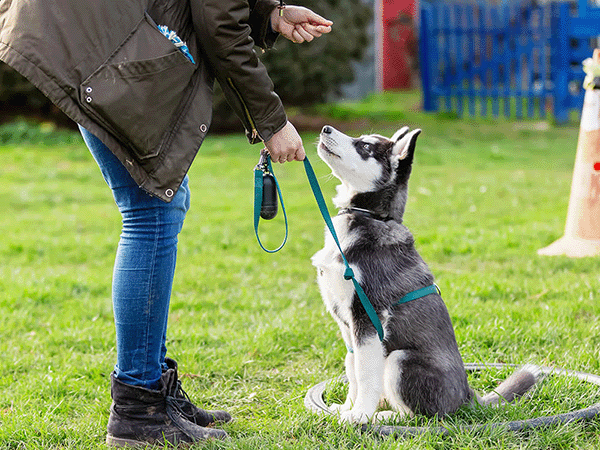
The Best Dog Trainers in the United States of 2026
This is a list of the top dog trainers in the United States, based on votes from the Sniffspot community and the general public.
The Best Dog Trainers in Seattle, WA of 2026
This is a list of the top dog trainers in Seattle, WA, based on votes from the Sniffspot community and the general public.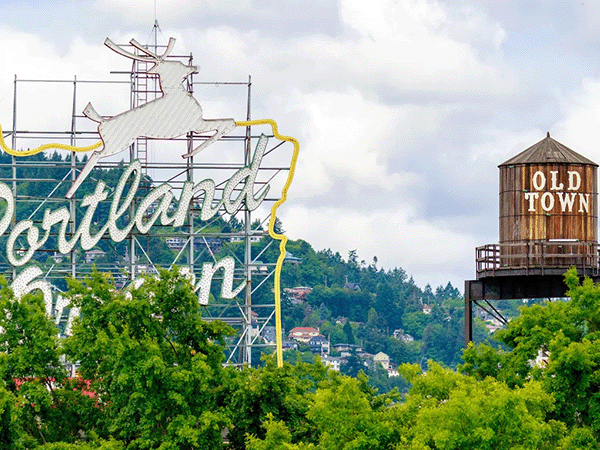
The Best Dog Trainers in Portland, OR of 2026
This is a list of the top dog trainers in Portland, OR, based on votes from the Sniffspot community and the general public.
The Best Dog Trainers in Los Angeles, CA of 2026
This is a list of the top dog trainers in Los Angeles, CA, based on votes from the Sniffspot community and the general public.
The Best Dog Trainers in New York, NY of 2026
This is a list of the top dog trainers in New York, NY, based on votes from the Sniffspot community and the general public.


City dog park guides
Best Dog Fields in the US: 25+ Wide-Open Spaces for Your Pup to Run Free
The best dog fields in the US offer something that traditional enclosed parks simply can't match: acres of open space where your pup can truly stretch their legs and run at full speed. From Colorado's 470-acre prairie meadows to Tennessee's award-winning "Outback," these wide-open spaces allow dogs to roam, explore, and exercise naturally while engaging instincts that cramped urban parks suppress.

Top 10 Indoor Dog Parks: A US Guide
Looking for a space to play with your dog no matter what the weather’s like outside? Look no further than our list of the best indoor dog parks in the United States! These climate-controlled spaces are growing in popularity as pet ownership increases throughout the country. As a bonus, many of them also offer dog training, boarding, grooming, or daycare services on the premises.

Best Dog Parks in the US: Ultimate Guide to Public & Private Off-Leash Adventures
Is your pup giving you those pleading "let me run free" eyes? Whether you're a new dog parent or a seasoned pro looking for fresh adventures, finding the perfect off-leash paradise for your furry friend can feel ruff! From sun-soaked California beaches where your water-loving lab can make a splash to mountain trails in Vermont where your adventure buddy can chase every scent, we've sniffed out the 15 best dog parks across America.

Dog Parks Near Me: Las Vegas Edition
Looking for the perfect dog park near me in Las Vegas? You're in luck! This guide explores all the best options for your pup, from public dog parks to private dog parks near me on Sniffspot. We'll help you find the ideal spot for playtime, socializing, and fresh air. Plus, we'll cover essential etiquette and safety tips to ensure a happy visit for everyone. Get ready for some tail-wagging fun!
Discover the Perfect Dog Park in Las Vegas
This page is about public city dog parks and also includes Sniffspot private dog parks. Sniffspot is the largest network of private dog parks for rent in the world!Best Dog Parks in the US: Off-Leash Guide
Looking for the perfect dog park? Whether you need a wide-open public space or a private, fenced-in spot, this guide will help you find the best dog parks across the US. We'll cover top-rated public parks, the perks of private dog parks, and even explore Sniffspot locations – giving your pup a safe and fun place to play. Ready to find your dog's new favorite spot? Let's go!

Sniffspot: Portland's Best Private Dog Parks
Ready to discover Portland's best dog parks? Whether you're looking for a public park or the unique experience of a private Sniffspot, this guide has you covered. We'll help you find the perfect spot for your pup, with tips on what to bring, how to prepare, and even understanding dog body language. Plus, we'll explore some top Portland dog parks, including public and Sniffspot options, so you can plan your next dog-friendly adventure in the City of Roses.
Portland Dog Parks: Public & Private Options
This page is about public city dog parks and also includes Sniffspot private dog parks. Sniffspot is the largest network of private dog parks for rent in the world!
/354x256/wp-content/uploads/2023/04/indoordogparks.png)
/354x256/wp-content/uploads/2023/03/offleashdogparks.png)
/354x256/wp-content/uploads/2023/02/vegas.jpg)
/354x256/wp-content/uploads/2023/02/portland.jpg)
Dog breeds
Best Dog Fields in the US: 25+ Wide-Open Spaces for Your Pup to Run Free
The best dog fields in the US offer something that traditional enclosed parks simply can't match: acres of open space where your pup can truly stretch their legs and run at full speed. From Colorado's 470-acre prairie meadows to Tennessee's award-winning "Outback," these wide-open spaces allow dogs to roam, explore, and exercise naturally while engaging instincts that cramped urban parks suppress.

German Shepherd Guide: Best Family Dog? Truth from 9K Owners
The German Shepherd Dog (GSDs) are known for their intelligence, loyalty, and striking appearance. They're also incredibly versatile, excelling as working dogs and devoted family companions. This guide covers everything you need to know about GSDs, from understanding their unique traits and rich history to practical advice on training and care. So, whether you're a seasoned GSD owner or just starting your research, let's explore this remarkable breed together.

Labrador Retriever: Real Tips from Owners
Discover the Labrador Retriever, a breed celebrated for its playful nature, affectionate temperament, and trainability. Labradors are known for their friendly demeanor and adaptability, making them perfect family companions and versatile working dogs. As one of the most popular types of retrievers, Labs are ideal companions for various lifestyles and are recognized by the American Kennel Club (AKC) as an excellent breed for families.

Golden Retriever Advice: The Complete Owner's Guide
Golden Retrievers: they're gorgeous, playful, and incredibly popular. But before you welcome one into your home, you need the right golden retriever advice. This guide draws on the wisdom of nearly 10,000 Golden Retriever owners, offering practical tips for caring for these affectionate dogs. From understanding their high energy levels to mastering grooming and training, we'll cover everything you need to know. So whether you're already a devoted Golden parent or just starting your research, get ready to learn how to give your furry friend the best possible care.

Are American Staffordshire Terriers Good for First-Time Owners: Complete Guide
Think American Staffordshire Terriers are tough? Think again. While their muscular build might intimidate some, these dogs are known for their playful and loyal personalities. This guide draws on the experience of nearly 10,000 AmStaff owners to reveal the truth about this often misunderstood breed. Want to learn more about caring for an American Staffordshire Terrier? You're in the right place.

Australian Shepherd Facts: Breed Info & Care Guide
Discover the Australian Shepherd, an AKC breed celebrated for its trainable, playful, and affectionate nature. Despite its name, the Australian Shepherd is actually a native breed to the United States, originally developed to breed on farms and ranches. Considered a medium dog, Australian Shepherds were bred for herding beginning in the 1950s. As one of the high-energy breeds, Aussies are known for their boundless energy and need for regular exercise, including aerobic exercise.
/354x256/wp-content/uploads/2024/07/German-Shepherd-Dog.png)
/354x256/wp-content/uploads/2024/07/Screen-Shot-2024-07-24-at-4.06.05-PM.png)
/354x256/wp-content/uploads/2024/07/Screen-Shot-2024-07-25-at-3.05.09-PM.png)
/354x256/wp-content/uploads/2024/07/staffy.jpg)
/354x256/wp-content/uploads/2024/07/Screen-Shot-2024-07-25-at-3.39.43-PM.png)
Top dog names in the US
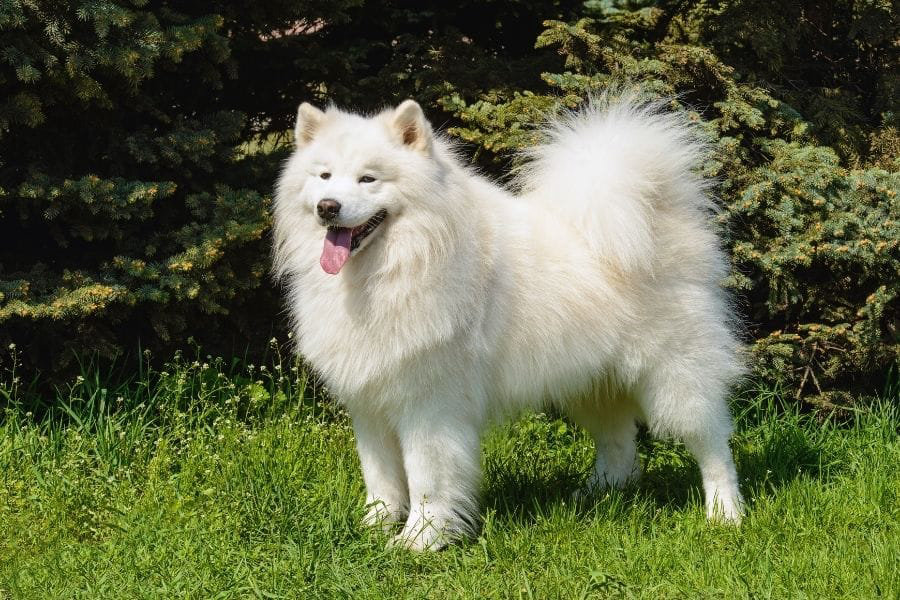
Top 1,000 Most Popular Dog Names
Looking for the perfect dog name for your new pup? We have created filterable lists of dog names from our database of hundreds of thousands of Sniffspot users. You can filter by gender, breed and state to find the most cute, unique and creative dog names.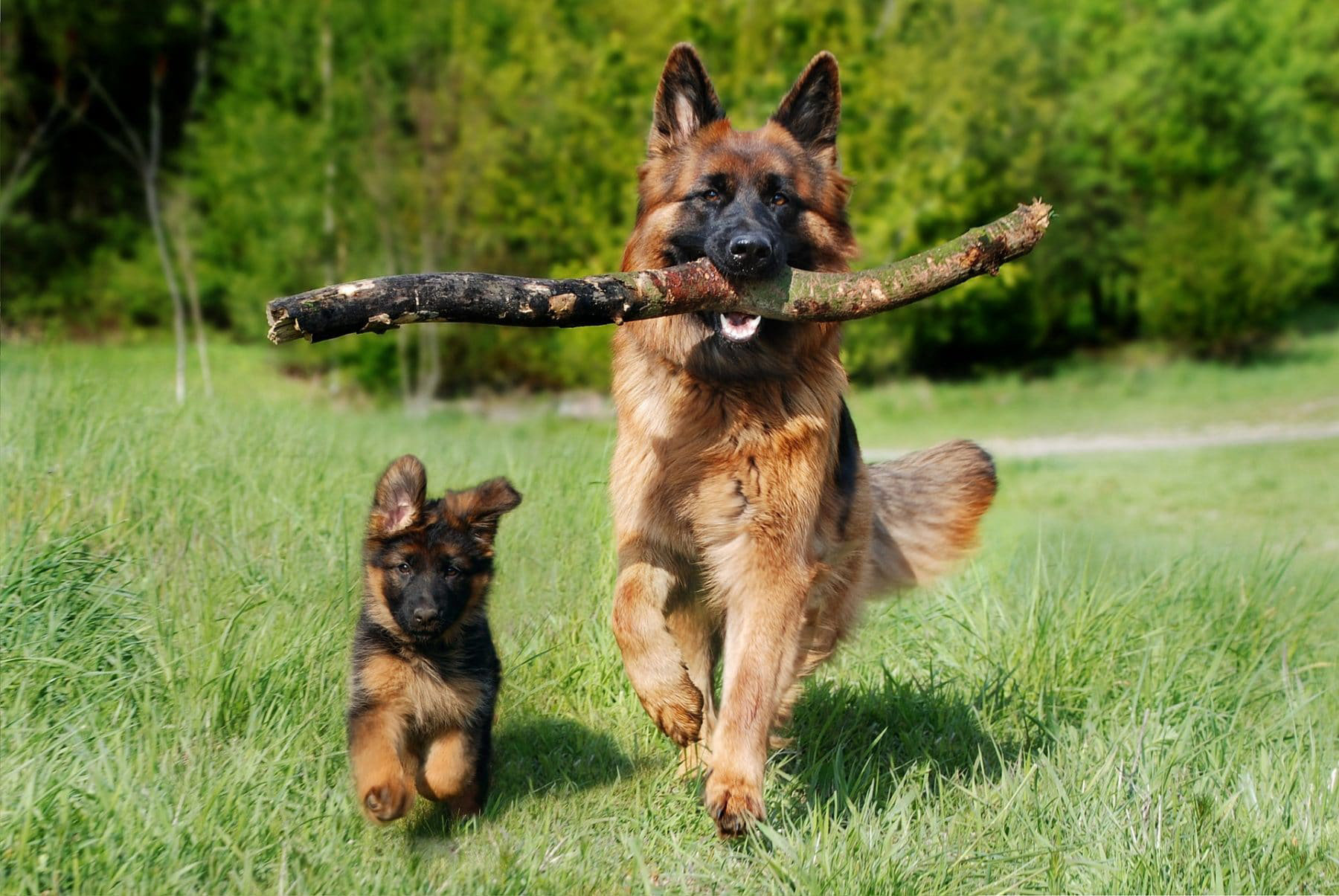
Most Popular Male Dog Names
Looking for the perfect dog name for your new male pup? We have created filterable lists of male dog names from our database of hundreds of thousands of Sniffspot users. You can filter by gender, breed and state to find the most cute, unique and creative male dog names.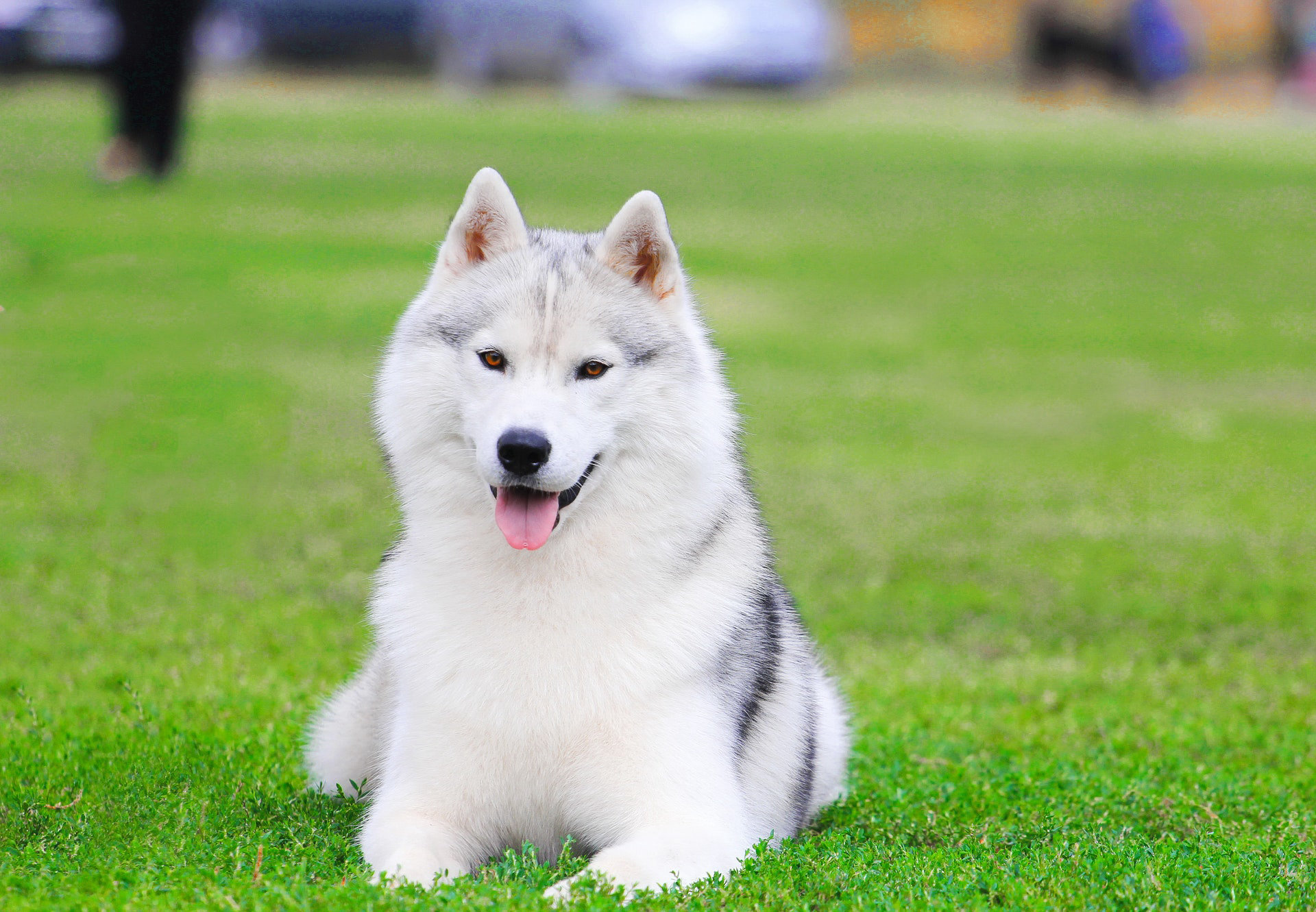
Most Popular Female Dog Names
Looking for the perfect dog name for your new female pup? We have created filterable lists of female dog names from our database of hundreds of thousands of Sniffspot users. You can filter by gender, breed and state to find the most cute, unique and creative female dog names.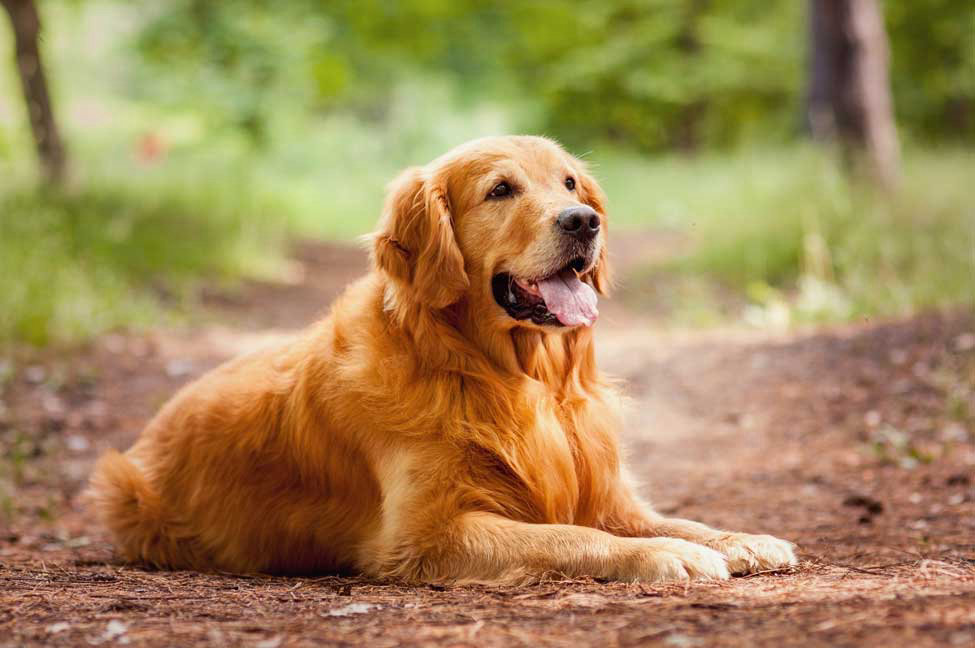
Most Popular Golden Retriever Names
Welcome to our comprehensive list of Golden Retriever dog names, curated from our vast database of Sniffspot users. Filter through hundreds of thousands of options by gender, breed, and state to discover the most adorable, original, and imaginative names for your beloved Golden Retriever.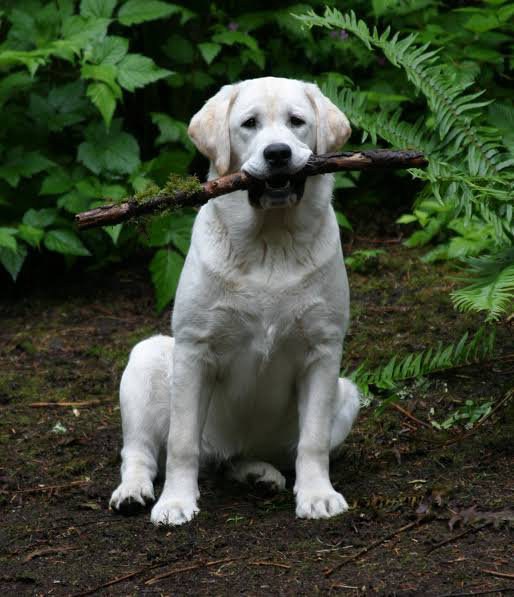
Most Popular Labrador Retriever Names
Welcome to our Labrador Retriever dog names page! Here you can browse through filterable lists of names for your beloved furry friend, ranging from cute and classic to unique and creative options. Our database of hundreds of thousands of Sniffspot users ensures you'll find the perfect name for your Labrador Retriever, whether you're seeking a name for a male or female, based on breed or state.


Top dog rescues in the US

The Best Washington Dog Rescues & Shelters in 2026
This list showcases the top dog rescues & shelters in Washington. These remarkable organizations have been recognized for their unwavering dedication to the well-being of countless dogs.
The Best Oregon Dog Rescues & Shelters in 2026
This list showcases the top dog rescues & shelters in Oregon. These remarkable organizations have been recognized for their unwavering dedication to the well-being of countless dogs.
The Best California Dog Rescues & Shelters in 2026
This list showcases the top dog rescues & shelters in California. These remarkable organizations have been recognized for their unwavering dedication to the well-being of countless dogs.
The Best Florida Dog Rescues & Shelters in 2026
This list showcases the top dog rescues & shelters in Florida. These remarkable organizations have been recognized for their unwavering dedication to the well-being of countless dogs.
The Best New York Dog Rescues & Shelters in 2026
This list showcases the top dog rescues & shelters in New York. These remarkable organizations have been recognized for their unwavering dedication to the well-being of countless dogs.
/354x256/Photos/SeoDogRescue/1282/178507e67e44-MC_logo_square.jpg)
/354x256/Photos/SeoDogRescue/931/cef8bbb17769-South_Coast_Humane_Society.png)
/354x256/Photos/SeoDogRescue/61/30aea3371b69-MainSquare_2.png)
/354x256/Photos/SeoDogRescue/298/1000035238.jpg)
/354x256/Photos/SeoDogRescue/814/91cfd62cd986-IMG_1035.jpeg)