Top articlesSee all...

A Comprehensive Guide to Dog Exercise

How To Crate train An Older Dog - A Comprehensive Guide

How To Socialize A Dog - A Comprehensive Guide

Leash Training: A Guide to Training Your Dog to Walk on a Leash

Skijoring: A Guide to Skijoring with Dogs

The Best Dog Enrichment Toys

The Best United States Dog Parks

The Best Indoor Dog Parks in the United States

The Best Off-Leash Dog Parks in the United States
Top articles
A Comprehensive Guide to Dog Exercise
How To Crate train An Older Dog - A Comprehensive Guide
How To Socialize A Dog - A Comprehensive Guide
Leash Training: A Guide to Training Your Dog to Walk on a Leash
Skijoring: A Guide to Skijoring with Dogs
The Best Dog Enrichment Toys
The Best United States Dog Parks
The Best Indoor Dog Parks in the United States
The Best Off-Leash Dog Parks in the United States
See all...The Ultimate Guide for Shiba Inu Owners

/fit-in/0x450/wp-content/uploads/2024/12/Moving-with-your-pet-4.png)
Shiba Inus: internet-famous doge, side-eye masters, and bundles of fluffy independence. But what's really like living with one? This guide taps into the wisdom of experienced Shiba Inu owners in the Sniffspot community, giving you the inside scoop on Shiba Inu ownership. We'll cover their unique temperament, training tips, exercise needs, and even those quirky Shiba screams. Thinking about welcoming a Shiba into your home? Or already on this adventure? This guide offers practical advice and a supportive community to help you and your Shiba Inu thrive.
Whether you’re considering adding one of these fluffy masterminds to your family or already living with a Shiba sovereign, our real-world advice will help you navigate life with these fascinating four-legged friends. After all, who better to spill the kibble than people who live with these captivating canines every day?
As one of our Sniffspot users, Anna, says: “Get ready for a dog that will make you laugh, challenge your patience, and steal your heart – usually all within the same five minutes!”
Source: Sniffspot Breed Survey 2024
Shiba Inu: At a Glance
- Breed Type: Non-Sporting
- Size: Medium
- Life Expectancy: 12-15 years
- Weight Range: 17-23 pounds
- Height Range: 13.5-16.5 inches
- Temperament: Independent, Alert, Curious
- Coat Type: Double coat
- Color: Red, cream, black and tan, or sesame
Getting to Know the Shiba Inu
If dogs were high school students, Shibas would definitely be voted “Most Likely to Do Their Own Thing.” Based on our community survey, these charismatic pups are the perfect blend of independent spirit and loyal companion – imagine a teenage rebel with a heart of gold!
While they might not be the “run up and kiss everyone” type (we’re looking at you, Golden Retrievers), Shibas form deep, meaningful bonds with their chosen humans. They’re like that friend who doesn’t do small talk but will absolutely be there when you need them. The survey reveals that Shiba Inus are moderately trainable, which is polite speak for “they know exactly what you want, they’re just considering whether it aligns with their current priorities.”
When it comes to living arrangements, 72.73% of our owners say a large house with a fenced yard is ideal – because every Shiba deserves their own kingdom! However, don’t despair if you’re an apartment dweller; 36.36% of Shiba owners have found success in apartment living with regular walks. Just remember: a tired Shiba is a good Shiba (and probably plotting fewer escape attempts).
Source Alison Pang on Unsplash
Key Takeaways
- Shiba Inus thrive on positive reinforcement and clear boundaries: Their intelligence and independent nature make them receptive to reward-based training and consistent routines, while harsh corrections are ineffective. Early socialization is key for navigating their selective social preferences.
- Prepare for a dog with unique needs and quirks: From their dramatic Shiba scream to their escape artist skills, potential owners should anticipate a dog that's both captivating and challenging. Understanding their exercise needs and grooming requirements, especially during shedding season, is essential.
- Shibas require experienced and dedicated owners: Their independent spirit and specific training needs can be overwhelming for first-time dog owners. Thorough research and a commitment to understanding the breed's nuances are crucial for a successful and fulfilling partnership.
The Shiba Inu Story: Origins and History
Let’s hop in our time machine and travel back to ancient Japan, where the Shiba Inu story begins. As one of Japan’s oldest and smallest native breeds, these clever canines were originally the ultimate hunting companions in the mountainous regions. Think of them as the original “small but mighty” champions!
Used to flush out small game and birds, these agile pups were essentially the ninja warriors of the dog world. Their compact size and quick reflexes made them perfect for navigating rough terrain, while their keen senses helped them track down prey. Talk about a dog with an impressive resume!
However, like many great stories, the Shiba’s tale has its dramatic moments. During World War II, the breed nearly faced extinction due to a combination of bombing raids and a post-war distemper epidemic. But thanks to dedicated breeding programs and some very determined dog lovers, the Shiba Inu bounced back like a true comeback kid.
Today, while they’re more likely to be hunting for treats in your kitchen than for game in the mountains, Shibas haven’t lost their sharp instincts and athletic abilities. They’ve simply redirected their skills toward new pursuits – like figuring out how to open the treat cabinet or planning their next great escape!
Where Did Shiba Inus Originate?
Let’s hop in our time machine and travel back to ancient Japan, where the Shiba Inu story begins. As one of Japan’s oldest and smallest native breeds, these clever canines were originally hunting companions in the mountainous regions. Picture them as the original “small but mighty” champions, perfectly adapted to their environment.
These agile pups were essentially the ninja warriors of the dog world, used to flush out small game and birds. Their compact size and quick reflexes made them perfect for navigating rough terrain, while their keen senses helped them track down prey. It's no wonder they thrived in the challenging mountain landscapes.
What Does "Shiba Inu" Mean?
The name “Shiba” likely refers to the brushwood where they hunted, painting a vivid picture of these resourceful dogs working their way through dense undergrowth. “Inu,” simply means “dog” in Japanese. So, “Shiba Inu” translates roughly to “brushwood dog,” a fitting tribute to their origins and hunting prowess. Looking for the perfect name for your Shiba Inu? Check out Sniffspot's dog name database for inspiration.
Shiba Inu Temperament and Traits
Get ready to meet a dog that’s basically the high school overachiever of the canine world – they’ve got personality traits for days! Here’s what makes a Shiba a Shiba:
- Temperament: Independent (they wrote the book on it), Alert (nothing gets past those pointy ears), and Curious (if there’s mischief to be found, they’ll find it)
- Energy Level: Moderate – they need 1-2 hours of daily exercise, or they’ll remodel your furniture for fun
- Trainability: Moderately trainable – think of them as the lawyers of the dog world: they’ll hear your case, then present their counter-argument
- Grooming needs: Low maintenance – they’re like the wash-and-wear of the dog world
- Interaction with Children: Cautious – they prefer to thoroughly review all friendship applications
- Interaction with Other Dogs: Selective – they’re not here to win any popularity contests
Independent and Aloof
If independence were a sport, Shibas would be Olympic gold medalists. They possess a distinct self-reliance, often described as “cat-like” in their aloofness. Think graceful, dignified, and perfectly content in their own company. This independence shines through in their cleanliness too—Shibas are meticulous groomers, often licking their paws and fur like a feline. This independent streak, while endearing, can also translate to a certain stubbornness. They're not necessarily defiant, just discerning. As one Sniffspot user wisely put it, “My Shiba isn’t stubborn, she’s just opinionated.” So, while they're deeply loyal to their families, don't expect a Shiba to be a clingy, overly affectionate pup. They'll show their love in their own way, on their own terms. This aloofness can sometimes be misinterpreted as standoffishness with strangers, but it’s simply part of their unique Shiba charm. They prefer to observe and assess before offering their trust, which makes early socialization especially important.
Confident and Bold
Shiba Inus exude a quiet confidence that’s both captivating and occasionally comical. They strut with a swagger that says, “I know I’m fabulous.” This boldness, coupled with a strong prey drive, means they're always up for an adventure (or a squirrel chase). This adventurous spirit, however, requires a watchful eye and secure surroundings. Fenced yards are a must, as Shibas are notorious escape artists, always on the lookout for the next great expedition.
And while they're generally good with their families, their prey drive can extend to smaller pets, so careful introductions and supervision are key. This confident nature also means they're not easily intimidated. They'll stand their ground, even against larger dogs, which can sometimes lead to misunderstandings at the dog park. A good rule of thumb? Supervise your Shiba’s interactions with other dogs, especially in new environments. Remember, a confident Shiba is a happy Shiba, but a little caution goes a long way.
Intelligent and Clever
Shiba Inus are undeniably intelligent, but their cleverness often manifests as selective hearing. They understand commands perfectly well; they’re just experts at evaluating whether following them is worth their while. This intelligence, combined with their independent nature, can make training a bit of a puzzle. They respond best to positive reinforcement methods, like treat-based training and enthusiastic praise. Harsh corrections or punishment? Forget about it. That’ll just offend their dignified sensibilities.
Think of training a Shiba as a negotiation rather than a dictatorship. You’re working with a sharp mind that enjoys a good challenge, so make training engaging and rewarding. And remember, even with the best training, a Shiba will always retain a bit of their independent spirit. They might choose to ignore your recall command if they’ve spotted a particularly interesting scent, but that’s just part of their quirky charm. After all, who wants a dog that’s completely predictable? Embrace the Shiba’s intelligence, and you’ll be rewarded with a loyal companion who keeps you on your toes.
Shiba Inu Ownership: What to Expect
So you’ve decided to welcome a Shiba into your life? Buckle up, buttercup – you’re in for quite the ride! Here’s your survival guide to living with these adorable troublemakers.

Source: Sniffspot Breed Survey 2024
Grooming Your Shiba Inu
Good news! According to our survey, 48.48% of Shiba owners report their dogs are relatively low-maintenance in the grooming department. While they do have a double coat that sheds (prepare for the Great Fur-pocalypse twice a year during shedding season), regular brushing and occasional baths are usually enough to keep your Shiba looking Instagram-ready.
Pro tip: Invest in a good vacuum cleaner – it’ll become your new best friend during shedding season. Your Shiba won’t be jealous; they’ll be too busy watching you clean up their fur with that signature Shiba smirk.
Shedding Season
Twice a year, prepare for what we affectionately call the “Great Fur-pocalypse.” Your Shiba Inu will shed their undercoat with a fervor that would make a snowstorm jealous (Sniffspot Breed Survey 2024). You’ll find Shiba fur on everything—your clothes, your furniture, even your food. Investing in a good quality de-shedding tool is key. A slicker brush, undercoat rake, or grooming glove can help manage the tumbleweeds of fur taking over your home. Daily, or even twice daily, brushing during shedding season will minimize the fallout and keep your Shiba comfortable.
Regular Brushing
Outside of shedding season, Shibas are surprisingly low-maintenance. Almost half of Shiba owners in our Sniffspot Breed Survey 2024 reported their dogs as relatively easy to groom. A weekly brushing with a standard bristle brush is usually enough to keep their coat healthy and shiny. This removes loose fur and distributes natural oils. It’s also a great opportunity to bond with your Shiba and check for any skin issues.
Bathing
Shibas are naturally clean dogs and don’t need frequent baths. Over-bathing can strip their coat of its natural oils, leading to dry skin and a dull coat. A bath every few months, or as needed (like after a roll in something particularly fragrant), is usually sufficient. Use a dog-specific shampoo and conditioner. And be prepared for the Shiba shake—it’s a spectacle of water and fur (Sniffspot Breed Survey 2024). A little grooming goes a long way in keeping your Shiba looking and feeling their best.
Exercise Essentials for Shiba Inus
Think of Shibas as the middle-distance runners of the dog world – they need enough exercise to keep them from turning your home into their personal agility course, but they’re not marathon athletes. Our survey shows 42.42% of Shiba Inus need 1-2 hours of daily activity.
Their favorite ways to burn energy include:
- Squeaky Toy Olympics (75.76%): They’re surprisingly serious about their squeaker sports
- Scent Work (60.61%): Put that ancient hunting heritage to good use!
- Tug-of-war (60.61%): Where they can show off their inner mighty warrior
Physical Exercise
Shibas are energetic dogs who need regular exercise to stay happy and healthy. A securely fenced Sniffspot is ideal for letting your Shiba run and play freely. Remember their hunting background? Activities like scent work or a good game of fetch in a safe, enclosed space can really tap into those instincts. Even a simple walk around the neighborhood can do wonders, but be prepared for some Shiba stubbornness if they decide they've had enough! A tired Shiba is a well-behaved Shiba, so finding the right balance of physical activity is key.
Mental Stimulation
Don't let that fluffy exterior fool you—Shibas are intelligent dogs who thrive on mental challenges. Puzzle toys, training sessions (with plenty of positive reinforcement!), and even learning new tricks can keep their minds engaged. Shibas can be independent thinkers (some might say stubborn!), so finding activities that capture their interest is essential. The Sniffspot survey showed that Shibas excel at scent work and tug-of-war, both mentally stimulating activities. Think of it like this: a bored Shiba is a Shiba plotting their next grand escape or, worse, deciding your new shoes look suspiciously like chew toys. Keeping them mentally stimulated is a win-win for both of you!
Feeding Your Shiba Inu: Diet and Nutrition
When it comes to dining preferences, 63.64% of Shiba parents stick to commercial dry kibble. But don’t let their medium size fool you – these clever canines can be quite the food critics! They need high-quality nutrition to fuel their escapades and maintain their stunning good looks.
Remember: A hungry Shiba is an engineering genius who will figure out how to break into any treats container you think is “dog-proof.” Don’t say we didn’t warn you!
Shiba Inu Health: Potential Concerns
Even these magnificent creatures have their kryptonite. Our survey revealed these main health issues:
- Skin conditions (42.42%): Because even supermodels have their off days
- Digestive issues (30.30%): Sometimes their stomach is as picky as their personality
- Joint problems (24.24%): All those dramatic exits can take their toll
Shiba Inus and Socialization: Are They Friendly?
If Shibas had a dating profile, it would probably read: “Selective introvert seeking understanding humans. Must respect personal space and accept that I don’t chase balls for just anyone.” Our survey reveals their unique social preferences:
- With Strangers: “New phone, who dis?” – they’re typically neutral, neither rushing to greet nor avoiding
- With Children: “Tiny humans require careful evaluation” – cautious but can be wonderful companions with proper introduction
- With Other Dogs: “I don’t do casual playdates” – careful and selective about their canine companions
- With Other Pets: “Let’s maintain a professional relationship” – generally neutral, but don’t expect immediate BFFs

Source: Sniffspot Breed Survey 2024
Here’s what our Shiba-owned humans say about their dogs’ unique personalities:
- “Very smart, up for anything, and loves to cuddle (not really common in the breed) – we hit the Shiba jackpot!” (CB)
- “They’re like that friend who won’t laugh at just any joke, but when they do, it means the world.” (SC)
- “Think of them as the cat software running on dog hardware.” (Ellen)
Introducing Your Shiba Inu to Other Dogs
Remember that “selective introvert” dating profile? It applies double when introducing your Shiba Inu to other dogs. As our survey revealed, Shibas aren’t exactly eager to join the neighborhood dog park crew. They prefer a small, carefully curated circle of canine companions. Think quality over quantity. "Shibas are not here to win any popularity contests," one survey respondent noted. "They're careful and selective about their canine companions."
Start slow and steady with introductions. Neutral territory, like a Sniffspot, is your best bet. Keep initial meetings brief and positive, focusing on creating a comfortable, low-pressure environment. Don’t force interactions; let your Shiba take the lead. They’ll let you know when (and if) they’re ready to mingle. As another owner put it, "With other dogs, my Shiba's motto is 'I don't do casual playdates.'"
Even if your Shiba doesn’t become best buds with every dog they meet, early socialization is crucial for developing their social skills and helping them learn how to appropriately interact with other canines. It’s all about setting them up for success – on their terms, of course.
Living with Cats and Other Pets
Shibas generally maintain a “professional relationship” with other pets. They’re not likely to start a feud, but don’t expect them to be snuggle buddies either. Think polite roommates rather than inseparable besties. One of our survey respondents perfectly captured this dynamic: "With other pets, it's like, 'Let's maintain a professional relationship' – generally neutral, but don’t expect immediate BFFs."
If you’re introducing a Shiba to a cat or other small pet, supervised introductions are key. Give them plenty of time to adjust to each other’s presence. Respect your Shiba’s need for personal space, and provide separate areas where they can retreat if needed. "They prefer to thoroughly review all friendship applications," another owner quipped.
Remember, Shibas are known for their independent nature. They may not be the most affectionate with other pets, but they can learn to live harmoniously under the same roof. Just be prepared for a lot of side-eye and dramatic sighs if the cat dares to sit on their favorite spot on the couch.
Training a Shiba Inu: Tips and Tricks
Ah, training a Shiba Inu – where human determination meets canine stubbornness in an epic battle of wits! According to our survey, here’s what actually works (and no, bribing them with your entire treat cabinet isn’t a sustainable strategy):
- Positive reinforcement (100% of owners): Because you catch more Shibas with honey than vinegar!
- Consistent daily routines (51.52%): They’re creatures of habit… when it suits them
- Socialization (30.30%): Yes, your little wolf needs to learn how to play nice with others
Pro tip: Training a Shiba is like negotiating with a tiny, furry diplomat. They’ll consider your proposal, present their counteroffers, and occasionally pretend they don’t speak your language when it doesn’t benefit them.
Positive Reinforcement Methods
Training a Shiba Inu requires a strategic approach, and according to our Sniffspot survey, 100% of Shiba owners agree that positive reinforcement is the most effective method. This means rewarding your Shiba with treats, praise, or playtime when they exhibit desired behaviors. As one owner humorously noted, “You catch more Shibas with honey than vinegar!” This highlights the importance of building a positive association with training. Think of it like this: every time your Shiba performs a desired behavior, they're earning a point towards a fantastic reward. This encourages them to repeat those behaviors, making training a more enjoyable experience for both of you.
Consistency and Patience
Consistency is key when training a Shiba Inu. Our survey found that 51.52% of owners emphasize the need for consistent daily routines. Shibas thrive on structure, and establishing a regular training schedule helps them understand expectations. Working with a qualified dog trainer can be invaluable in establishing these routines and ensuring you're using consistent techniques. Remember, patience is essential. These clever canines may take their time to comply, as they often weigh their options before responding. Don't get discouraged if your Shiba doesn't immediately master a command. They're not being disobedient; they're processing the information and deciding how it fits into their world.
Addressing Shiba Inu Stubbornness
Shiba Inus are known for their independent and sometimes stubborn nature. As one owner put it, “Training a Shiba is like negotiating with a tiny, furry diplomat.” They’re intelligent and will often consider whether following commands aligns with their current priorities. 30.30% of owners recommend socialization as a key part of training. This helps your Shiba learn to interact positively with other dogs and people. Safe, controlled environments like Sniffspot parks can be excellent venues for socialization. This exposure to various situations, combined with positive reinforcement for good behavior, can mitigate some of their stubbornness. By showing your Shiba that following commands leads to positive interactions and experiences, you're making cooperation a more appealing option.
Why Shiba Inu Owners Adore Their Dogs
Despite their strong-willed nature (or perhaps because of it), Shiba Inus have a way of wrapping their humans around their little paws. Here’s what makes their owners’ hearts melt:
- “Their independence is like having a roommate who pays rent in cuddles and entertainment.” (Sam)
- “Watching their quirky personality unfold is better than any TV show. Who needs Netflix when you have a Shiba?” (Krystal)
- “They’re basically tiny wolves in designer fur coats – smart, emotional, and totally aware of how cute they are.” (S)
The Realities of Shiba Inu Ownership: Challenges to Consider
Let’s get real for a minute – living with a Shiba isn’t all Instagram-worthy moments and cute head tilts. Our owners spilled the kibble on their biggest challenges:
- “These little Houdinis need a PhD in escape artistry. If your fence isn’t Fort Knox level, they’ll see it as a personal challenge.” (Sam)
- “Their stubbornness is legendary. Sometimes I think they’re running advanced algorithms to decide whether to listen or not.” (Lauren)
- “Recall? More like ‘reconsider if this command aligns with my current interests.'” (Anna)
Shiba Inus for First-Time Owners: A Good Fit?

Source: Sniffspot Breed Survey 2024
Hold onto your leash, because here’s some real talk: 72.73% of our Shiba owners say this isn’t the breed for first-time dog parents. Why? It’s like jumping into the deep end of the pool before learning to swim – technically possible, but why make life harder?
Advice for Shiba Inu Owners from Experienced Owners
Finally, let’s share the real-deal tips from Shiba Inu owners.
Training Tales from Shiba Inu Owners
- “Start training yesterday! And remember, Rome wasn’t built in a day, and your Shiba won’t learn ‘come’ in one either.” (CB)
- “Find a trainer who understands the Shiba operating system – it’s unique and requires special handling.” (Ellen)
- “Patience isn’t just a virtue with Shibas, it’s a survival skill.” (Anna)
Understanding the Shiba Inu Mindset
- “Think of them as interns in the art of being a domestic dog – they have their own way of doing things.” (S)
- “Embrace the chaos. Your Shiba will teach you more about going with the flow than any meditation app.” (AP)
Finding the Right Shiba Inu
Bringing a Shiba Inu into your life is a big decision. These independent pups have unique needs, so finding the right Shiba for your lifestyle is key. Whether you're head-over-heels for a puppy or open to an adult dog, consider these two paths:
Choosing a Reputable Breeder
Finding a reputable Shiba Inu breeder can feel like searching for a hidden treasure. It takes time, research, and a healthy dose of skepticism. Why the extra effort? A responsible breeder prioritizes the health and temperament of their dogs above all else. They perform health screenings and carefully select breeding pairs to minimize the risk of genetic health issues. This means you're more likely to welcome home a healthy, well-adjusted puppy.
Reputable breeders also provide early socialization for their puppies, exposing them to various sights, sounds, and experiences. This early exposure sets the stage for a confident and well-behaved adult dog. Think of it as giving your Shiba a head start in puppy kindergarten! For guidance on finding top breeders, resources like Happy Dog Breeds and We Love Doodles offer helpful lists and insights. The National Shiba Club of America also provides valuable resources on selecting a breeder. Remember, responsible breeders want to ensure their puppies go to loving homes, so expect them to ask you questions too! They're not being nosy; they're just looking out for their dogs.
Considering a Rescue Shiba Inu
Adopting a Shiba Inu can be an incredibly rewarding experience. Many Shibas find themselves in shelters through no fault of their own, just waiting for a loving home. Opening your heart and home to a rescue Shiba gives a deserving dog a second chance at happiness. Plus, you'll be freeing up space for another dog in need.
Keep in mind that rescue Shibas may come with some unknowns. Some may have experienced trauma or neglect, leading to behavioral challenges. Others may have underlying health conditions that require ongoing care. It's important to be prepared for these possibilities and to work with the rescue organization to understand the dog's history and needs. Many rescue organizations offer support and resources to help new owners navigate the unique challenges of Shiba Inu ownership. If you're ready to provide a loving and patient home, rescuing a Shiba Inu can be a wonderful way to add a furry friend to your family. Check out local shelters and rescue organizations in your area, or explore online resources like Petfinder to find adoptable Shibas near you. And once you've welcomed your new Shiba, be sure to check out the amazing dog parks available on Sniffspot—it's a great way to socialize your Shiba and provide them with a safe and enriching environment to play and explore.

Living with a Shiba Inu: Practical Tips
Shiba Inus are intelligent and independent dogs, but that independence can sometimes translate into a penchant for mischief—or escaping. A bored Shiba is a Shiba plotting their next great escape, as one owner aptly put it. So, setting up a safe and secure environment for your Shiba Inu is key to a harmonious life together.
Creating a Safe and Secure Environment
Remember those escape artist tendencies we mentioned? They’re not an exaggeration. Our Sniffspot Breed Survey revealed that Shibas are masters of escape, so securing your home and yard is paramount. Think Fort Knox-level security: high fences, no gaps, and gates that latch securely. These little Houdinis can scale surprisingly high and squeeze through impossibly small spaces. A fenced yard is ideal, as 72.73% of Shiba owners in our survey confirmed. If you live in an apartment, don’t worry! It’s totally doable, but be extra vigilant about supervision and leashing when outside. Consider using a Sniffspot to give your Shiba a safe and enriching outdoor experience.
Next up: exercise. A tired Shiba is a well-behaved Shiba. Regular physical activity is essential for burning off excess energy and reducing the urge to roam (or redecorate your apartment with their teeth). Aim for at least 1–2 hours of exercise daily, whether it's brisk walks, playtime at a secure Sniffspot, or engaging in activities like scent work or tug-of-war. This will not only keep them physically fit but also mentally stimulated, which is crucial for a happy Shiba.
Finally, training is crucial. While Shibas are intelligent, their independent nature means they might choose to ignore your commands if they don’t align with their current agenda. Establishing clear boundaries and consistent training from the start will help create a secure and structured environment for your Shiba, making them feel safe and confident within their limits. Positive reinforcement methods work best with this breed, so focus on rewarding good behavior rather than punishing unwanted actions. Check out our resources on top dog trainers for additional support.
Fun Facts About Shiba Inus
Shiba Inus are more than just adorable faces and sassy attitudes. These dogs have a rich history and some truly unique quirks. Here are a few fun facts that’ll make you appreciate these fascinating pups even more:
- Ancient Origins: Shiba Inus are an ancient Japanese breed, one of the oldest in Japan, originating from the mountainous Chūbu region. They were originally hunting dogs, skilled at flushing out small game and birds. So, that impressive "zoomie" session in your living room? It's just their ancient hunting instincts kicking in! Learn more about the Shiba Inu's history.
- Unique Vocalizations: Forget barking—Shiba Inus are known for their unique vocalizations. They can yodel, purr, and even scream! This “Shiba scream” is usually reserved for moments of extreme excitement (or displeasure), so consider it a vocal masterpiece expressing their complex emotions.
- Independent Nature: If dogs were high school students, Shibas would definitely be voted “Most Likely to Do Their Own Thing.” This independent streak is part of their charm, but it also means they might not be the most eager-to-please pupils in obedience class.
- Social Preferences: If Shibas had a dating profile, it would probably read: “Selective introvert seeking understanding humans. Must respect personal space and accept that I don’t chase balls for just anyone.” They're discerning about their friendships, both human and canine, preferring quality over quantity.
- Grooming Needs: While that glorious double coat is undeniably gorgeous, it does come with some shedding. According to our survey, 48.48% of Shiba owners report their dogs are relatively low-maintenance in the grooming department. Regular brushing and the occasional bath are usually all it takes to keep them looking their best.
- Exercise Requirements: Think of Shibas as the middle-distance runners of the dog world. They need enough exercise to keep them entertained and out of trouble, but they’re not marathon athletes. A good mix of physical activity and mental stimulation is key to a happy Shiba. Finding dog parks and open spaces for your Shiba to run and play is essential. Sniffspot can help you discover dog-friendly locations near you.
- Health Concerns: Even these magnificent creatures have their vulnerabilities. Our survey revealed that skin conditions, digestive issues, and joint problems are some common health concerns to be aware of. Regular vet checkups and a healthy lifestyle can help keep your Shiba in tip-top shape.
These fun facts are just a glimpse into the wonderful world of Shiba Inus. They're complex, captivating creatures who bring a unique blend of independence, loyalty, and quirky charm to the lives of their lucky owners. If you're looking for the perfect name for your Shiba, browse our collection of dog names for inspiration.
FAQs: Everything You’re Afraid to Ask (But Should Know!)
Decoding the Shiba Scream
Ah, the famous Shiba scream – part opera, part fire alarm, all drama! This unique vocalization can happen during moments of extreme joy, displeasure, or when they’re just feeling extra expressive. Consider it their way of adding a soundtrack to life’s moments.
How Much Exercise Do Shibas Really Need?
According to our survey, 42.42% of Shibas need moderate exercise (1-2 hours) daily. Think of it as their daily “prevent chaos” routine – skip it at your furniture’s peril!
Are Shibas Truly Stubborn?
No… they’re probably more stubborn than that! But their intelligence and charm make up for it. Usually. Most of the time. Sometimes.
Will My Shiba Inu Cuddle?
Shibas operate on their own terms. Some are secret cuddle bugs, others prefer to show their love by existing in the same zip code as you. It’s all part of their charm!
What Does Shiba Inu Mean?
In Japanese, Shiba Inu translates to “brushwood dog.” While the exact source of this name has been lost to time, most historians believe it was a term once used to describe the terrain where these dogs once hunted in Japan.
Helpful Resources for Shiba Inu Owners
Ready to join the Shiba squad? Here are some essential resources to help you on your journey:
- National Shiba Club of America
- Southern California Shiba Inu Rescue Inc
- How to Train an Independent Dog Breed
- Top Dog Trainers in the USA
- Best Shiba Inu Dog Names
Is a Shiba Inu the Right Breed for You?
Living with a Shiba Inu is like having a smart, sassy, furry roommate who occasionally graces you with their presence and regularly tests your problem-solving skills. They’re not just pets; they’re personality packed into a fox-like package with a side of attitude.
If you’re ready for a dog that will make you laugh, occasionally make you cry (tears of both joy and frustration), and definitely make your life more interesting, a Shiba might be your perfect match. Just remember: they’re not here to please you – they’re here to please themselves, and if that happens to align with your wishes, well, that’s just a happy coincidence!
Sources


/fit-in/0x128/wp-content/uploads/2020/08/shutterstock_1421150522.jpg)
/fit-in/0x128/wp-content/uploads/2022/03/shutterstock_1608507346.jpg)
/fit-in/0x128/wp-content/uploads/2026/09/What-is-dog-surfing.png)
/fit-in/0x128/wp-content/uploads/2020/07/shutterstock_330043559-1.jpg)
/fit-in/0x128/wp-content/uploads/2024/12/Screenshot-2024-12-26-at-1.40.01)
Most recent articles
/fit-in/0x256/wp-content/uploads/2020/08/shutterstock_1421150522.jpg)
/fit-in/0x256/wp-content/uploads/2022/03/shutterstock_1608507346.jpg)
/fit-in/0x256/wp-content/uploads/2026/09/What-is-dog-surfing.png)
/fit-in/0x128/wp-content/uploads/2023/05/Dog-sports-101.png)
/fit-in/0x256/wp-content/uploads/2023/05/Dog-sports-101.png)
/fit-in/0x128/wp-content/uploads/2026/09/first-night-with-rescue-dog.png)
/fit-in/0x256/wp-content/uploads/2026/09/first-night-with-rescue-dog.png)
/fit-in/0x128/wp-content/uploads/2026/09/What-are-the-requirements-to-adopt-a-dog.png)
/fit-in/0x256/wp-content/uploads/2026/09/What-are-the-requirements-to-adopt-a-dog.png)
Related articles
Top dog guides per area
Dog training guides

Best Dog Fields in the US: 25+ Wide-Open Spaces for Your Pup to Run Free
The best dog fields in the US offer something that traditional enclosed parks simply can't match: acres of open space where your pup can truly stretch their legs and run at full speed. From Colorado's 470-acre prairie meadows to Tennessee's award-winning "Outback," these wide-open spaces allow dogs to roam, explore, and exercise naturally while engaging instincts that cramped urban parks suppress.

Dog Food Aggression & Resource Guarding Guide
Does your dog ever growl when you walk by their food dish? Maybe they get possessive of treats, carrying them far away and giving you side-eye when you start to approach — or snarling at your other pets or children if they get too close.

The Ultimate Guide to Scent Training for Dogs
Your dog's nose is an amazing tool. Did you know they have 40 times the olfactory receptors than humans? Scent training for dogs taps into this superpower, turning everyday moments into exciting sniff-fests. It's enriching for all types of dogs – reactive, shy, or simply adventurous. Ready to explore the world of scent work for dogs? Let's get started.

How Much Does It Cost to Train a Service Dog?
More than 80 million Americans rely on their service dogs to help them navigate the world. Task-trained assistance animals perform a huge range of life-changing—in many cases, life-saving—services: These dogs act as eyes for visually impaired handlers, provide mobility support, alert to seizures and blood sugar crashes, interrupt anxiety attacks, remind their people to take medications, and so much more.

How to Deal With Puppy Potty Training Regression

Dirty Dog Syndrome: Causes, Solutions, and Prevention
It's a cringe-worthy moment every dog owner dreads: your furry friend chowing down on something truly disgusting. If your dog has a penchant for poop, you're dealing with coprophagia. It's more common than you think, and thankfully, often manageable. This article explores the reasons behind dirty dog syndrome, from instinct to learned behavior. We'll also give you practical tips to help break this unpleasant habit.
/354x256/wp-content/uploads/2025/09/Screenshot-2025-09-21-at-6.39.54-PM.png)
/354x256/wp-content/uploads/2020/08/bernese-mountain-dog-208092_1280.jpg)
/354x256/wp-content/uploads/2022/04/shutterstock_543831754.jpg)
/354x256/wp-content/uploads/2022/08/shutterstock_494495788-1.jpg)
/354x256/wp-content/uploads/2022/07/shutterstock_237584221-1.jpg)
/354x256/wp-content/uploads/2022/10/shutterstock_705844504.jpg)
Dog enrichment guides
Best Dog Fields in the US: 25+ Wide-Open Spaces for Your Pup to Run Free
The best dog fields in the US offer something that traditional enclosed parks simply can't match: acres of open space where your pup can truly stretch their legs and run at full speed. From Colorado's 470-acre prairie meadows to Tennessee's award-winning "Outback," these wide-open spaces allow dogs to roam, explore, and exercise naturally while engaging instincts that cramped urban parks suppress.

Best Dog Water Parks in the US: 15+ Amazing Splash Destinations for Your Pup
Do you have a water-loving dog looking to burn some energy? There are countless dog parks to visit throughout our country — but some of them become far too hot in the midday sun to be safe for your pets to play. That’s why we’ve put together a list of some of the best dog water parks throughout the United States! At these locations, your pup can frolic, splash, and swim to their heart’s content.

Best Toys for Herding Dogs: Keeping Your Pup Happy & Engaged
Herding dogs are amazing, intelligent companions. But that also means they need more than just a simple game of fetch. Finding the right toys for herding dogs is key to keeping them happy and stimulated. This article explores some of the best toys for herding dogs, including options specifically for breeds like Border Collies and Australian Shepherds. We'll help you discover the perfect herding toys for dogs to tap into their natural instincts and keep them entertained for hours.

Tough Dog Toys for Aggressive Chewers: A Practical Guide
Does your dog destroy every toy you give them? Is your house littered with the remnants of plush toys? Are you tired of wasting money on "indestructible" dog toys for aggressive chewers that don't last? Then this post is for you. We'll cover everything you need to know about finding the best dog toys for aggressive chewers, so you can finally give your pup something safe, durable, and fun.

Dog Exercise Calculator: How Much Exercise Does Your Dog Need?
Every dog needs to move, but how much is actually enough? The answer depends on more than just breed. Age, health, and even your own lifestyle all play a role in figuring out the right daily exercise routine for your pup.

Complete Guide To Herding With Dogs
* All Sniffspot articles are reviewed by certified trainers for quality, please see bottom of article for details *
/354x256/wp-content/uploads/2023/04/dogwaterpark.png)
/354x256/wp-content/uploads/2022/05/shutterstock_174836186.jpg)
/354x256/wp-content/uploads/2023/02/shutterstock_1346929262.jpg)
/354x256/wp-content/uploads/2022/08/dogexercisecalculatorfeaturedimage.jpg)
/354x256/wp-content/uploads/2020/07/bb.jpg)
Dog reactivity guides
Best Dog Fields in the US: 25+ Wide-Open Spaces for Your Pup to Run Free
The best dog fields in the US offer something that traditional enclosed parks simply can't match: acres of open space where your pup can truly stretch their legs and run at full speed. From Colorado's 470-acre prairie meadows to Tennessee's award-winning "Outback," these wide-open spaces allow dogs to roam, explore, and exercise naturally while engaging instincts that cramped urban parks suppress.

Rottweiler Aggression: Signs, Causes & Training
Many dogs have gotten a bad reputation over the years for being "dangerous breeds." Rottweilers are among them. Like pit bulls and other large, blocky-headed types of dogs, these powerful and beautiful animals are often assumed to be aggressive.

The Reactive Dog Chart: How to Calm Your Dog's Triggers
If your dog lunges, barks, or loses their mind at the sight of another dog, a stranger, or a bicycle, you’re living with a reactive dog (and you’re far from alone). Dog reactivity is one of the most common behavioral challenges dog owners face, and it can make even a simple walk feel stressful and isolating.

How to Socialize a Reactive Dog: A Step-by-Step Guide
Does your dog display reactivity to other pets or people—barking, lunging, or growling when they see their triggers? Whether they're a rescue still settling in, missed critical socialization as a puppy, or had a negative experience that changed how they see the world, you're not alone. Reactivity is one of the most common dog behavior concerns, and with the right approach, you can help your dog feel calmer and more confident.

What Is a Reactive Dog? The Complete Guide for Understanding and Helping Your Pup
Does your dog transform into a barking, lunging tornado the second they spot another dog across the street? You're definitely not alone. According to our research of over 4,000 dog owners, 66% of dogs show some signs of reactivity.

9 Best Online Communities for Reactive Dog Parents
Does your dog's reactivity make walks stressful? You're not alone. Many dog owners face similar challenges. This guide offers practical advice and support for managing reactivity, including finding the best online dog training for reactive dogs. We'll connect you with reactive dog support groups, share training tips, and explore resources like the best dog training app for reactive dogs. Let's build a stronger bond with your dog, together.
* All Sniffspot articles are reviewed by certified trainers for quality, please see bottom of article for details *
/354x256/wp-content/uploads/2023/05/Screen-Shot-2024-05-23-at-9.33.57-PM.png)
/354x256/wp-content/uploads/2022/08/dogreactivitychartfeaturedimage.jpg)
/354x256/wp-content/uploads/2022/08/shutterstock_523383649.jpg)
/354x256/wp-content/uploads/2020/07/a.jpg)
/354x256/wp-content/uploads/2022/01/shutterstock_796422001.jpg)
Sniffspot community guides
Best Dog Fields in the US: 25+ Wide-Open Spaces for Your Pup to Run Free
The best dog fields in the US offer something that traditional enclosed parks simply can't match: acres of open space where your pup can truly stretch their legs and run at full speed. From Colorado's 470-acre prairie meadows to Tennessee's award-winning "Outback," these wide-open spaces allow dogs to roam, explore, and exercise naturally while engaging instincts that cramped urban parks suppress.

The State of Public Dog Parks Across the United States
From 2009 to 2020, there was a 40 percent increase in the development of public dog parks. Designated spots for canine exercise have become commonplace in every major city in North America — many pet owners won’t even consider renting an apartment that doesn’t have its own fenced-in pet area for their canine companions.

How This Family is Affording Their Dream Property Through Renting it Hourly to Dogs
Thousand Oaks, California has been a safe haven for Sniffspot host, Jen, since childhood. Having grown up in busy Santa Barbara, Jen, an introvert from an early age, would seek out solitude and serenity away from tourists attractions and droves of people visiting from elsewhere. “My grandparents own 60 acres about a 30 minute drive from here, and I grew up spending every summer and every holiday visiting them on the ranch,” Jen explained. “In Santa Barbara, we wouldn't go to the beach on the weekend because that's where everybody was, so you'd find places off the beaten path where the tourists weren't. For me, the ranch was just my happy place.”

Host Tips: Ellen K. What Makes Sniffspot Successful for Me
Ellen is the host of Country Pasture Getaway, one of Sniffspot's most popular sniff spots. She has taken the time to write up the lessons she has learned about how to be a great sniff spot host.

How this Oregon Farmer is Making a Business From Renting Her Land to Dogs
Just 20 minutes outside of the busy city of Portland, Oregon, and settled right on the banks of the Columbia River, you’ll find what countless visitors have flocked to the area in search of – mountain views, crisp, clean air, and running water for miles. What you might not expect to find, however, is a hidden oasis designed just for dogs and their people, owned and operated by a farming couple and enjoyed by visitors on two legs, and four.

Host Tips: Fran T. Providing Great Guest Service at our Spot
Fran is the host of Ranch Setting, one of Sniffspot's most popular spots. She has taken the time to write up the lessons she has learned about how to be a great Sniffspot host.
/354x256/wp-content/uploads/2022/07/Sniffspot_infographic_1-01.jpeg)
/354x256/wp-content/uploads/2021/05/Final-Edit-003-1.jpg)
/354x256/wp-content/uploads/2020/07/good-photo-3_orig.jpg)
/354x256/wp-content/uploads/2021/05/sniffspot-28-of-45-1.jpg)
/354x256/wp-content/uploads/2020/07/screen-shot-2019-09-19-at-2-01-47-pm_orig.png)
Top dog trainers in the US
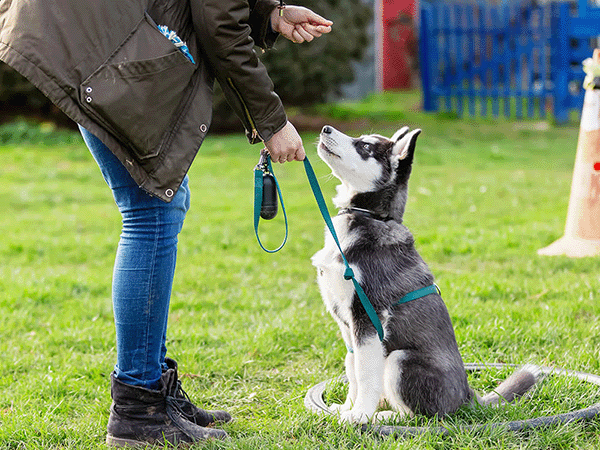
The Best Dog Trainers in the United States of 2026
This is a list of the top dog trainers in the United States, based on votes from the Sniffspot community and the general public.
The Best Dog Trainers in Seattle, WA of 2026
This is a list of the top dog trainers in Seattle, WA, based on votes from the Sniffspot community and the general public.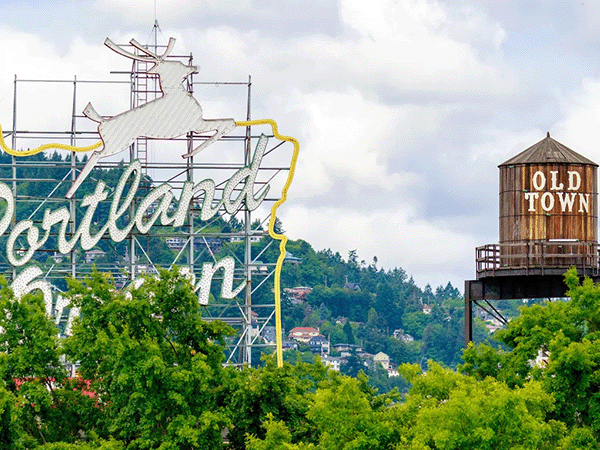
The Best Dog Trainers in Portland, OR of 2026
This is a list of the top dog trainers in Portland, OR, based on votes from the Sniffspot community and the general public.
The Best Dog Trainers in Los Angeles, CA of 2026
This is a list of the top dog trainers in Los Angeles, CA, based on votes from the Sniffspot community and the general public.
The Best Dog Trainers in New York, NY of 2026
This is a list of the top dog trainers in New York, NY, based on votes from the Sniffspot community and the general public.


City dog park guides
Best Dog Fields in the US: 25+ Wide-Open Spaces for Your Pup to Run Free
The best dog fields in the US offer something that traditional enclosed parks simply can't match: acres of open space where your pup can truly stretch their legs and run at full speed. From Colorado's 470-acre prairie meadows to Tennessee's award-winning "Outback," these wide-open spaces allow dogs to roam, explore, and exercise naturally while engaging instincts that cramped urban parks suppress.

Top 10 Indoor Dog Parks: A US Guide
Looking for a space to play with your dog no matter what the weather’s like outside? Look no further than our list of the best indoor dog parks in the United States! These climate-controlled spaces are growing in popularity as pet ownership increases throughout the country. As a bonus, many of them also offer dog training, boarding, grooming, or daycare services on the premises.

Best Dog Parks in the US: Ultimate Guide to Public & Private Off-Leash Adventures
Is your pup giving you those pleading "let me run free" eyes? Whether you're a new dog parent or a seasoned pro looking for fresh adventures, finding the perfect off-leash paradise for your furry friend can feel ruff! From sun-soaked California beaches where your water-loving lab can make a splash to mountain trails in Vermont where your adventure buddy can chase every scent, we've sniffed out the 15 best dog parks across America.

Dog Parks Near Me: Las Vegas Edition
Looking for the perfect dog park near me in Las Vegas? You're in luck! This guide explores all the best options for your pup, from public dog parks to private dog parks near me on Sniffspot. We'll help you find the ideal spot for playtime, socializing, and fresh air. Plus, we'll cover essential etiquette and safety tips to ensure a happy visit for everyone. Get ready for some tail-wagging fun!
Discover the Perfect Dog Park in Las Vegas
This page is about public city dog parks and also includes Sniffspot private dog parks. Sniffspot is the largest network of private dog parks for rent in the world!Best Dog Parks in the US: Off-Leash Guide
Looking for the perfect dog park? Whether you need a wide-open public space or a private, fenced-in spot, this guide will help you find the best dog parks across the US. We'll cover top-rated public parks, the perks of private dog parks, and even explore Sniffspot locations – giving your pup a safe and fun place to play. Ready to find your dog's new favorite spot? Let's go!

Sniffspot: Portland's Best Private Dog Parks
Ready to discover Portland's best dog parks? Whether you're looking for a public park or the unique experience of a private Sniffspot, this guide has you covered. We'll help you find the perfect spot for your pup, with tips on what to bring, how to prepare, and even understanding dog body language. Plus, we'll explore some top Portland dog parks, including public and Sniffspot options, so you can plan your next dog-friendly adventure in the City of Roses.
Portland Dog Parks: Public & Private Options
This page is about public city dog parks and also includes Sniffspot private dog parks. Sniffspot is the largest network of private dog parks for rent in the world!
/354x256/wp-content/uploads/2023/04/indoordogparks.png)
/354x256/wp-content/uploads/2023/03/offleashdogparks.png)
/354x256/wp-content/uploads/2023/02/vegas.jpg)
/354x256/wp-content/uploads/2023/02/portland.jpg)
Dog breeds
Best Dog Fields in the US: 25+ Wide-Open Spaces for Your Pup to Run Free
The best dog fields in the US offer something that traditional enclosed parks simply can't match: acres of open space where your pup can truly stretch their legs and run at full speed. From Colorado's 470-acre prairie meadows to Tennessee's award-winning "Outback," these wide-open spaces allow dogs to roam, explore, and exercise naturally while engaging instincts that cramped urban parks suppress.

German Shepherd Guide: Best Family Dog? Truth from 9K Owners
The German Shepherd Dog (GSDs) are known for their intelligence, loyalty, and striking appearance. They're also incredibly versatile, excelling as working dogs and devoted family companions. This guide covers everything you need to know about GSDs, from understanding their unique traits and rich history to practical advice on training and care. So, whether you're a seasoned GSD owner or just starting your research, let's explore this remarkable breed together.

Labrador Retriever: Real Tips from Owners
Discover the Labrador Retriever, a breed celebrated for its playful nature, affectionate temperament, and trainability. Labradors are known for their friendly demeanor and adaptability, making them perfect family companions and versatile working dogs. As one of the most popular types of retrievers, Labs are ideal companions for various lifestyles and are recognized by the American Kennel Club (AKC) as an excellent breed for families.

Golden Retriever Advice: The Complete Owner's Guide
Golden Retrievers: they're gorgeous, playful, and incredibly popular. But before you welcome one into your home, you need the right golden retriever advice. This guide draws on the wisdom of nearly 10,000 Golden Retriever owners, offering practical tips for caring for these affectionate dogs. From understanding their high energy levels to mastering grooming and training, we'll cover everything you need to know. So whether you're already a devoted Golden parent or just starting your research, get ready to learn how to give your furry friend the best possible care.

Are American Staffordshire Terriers Good for First-Time Owners: Complete Guide
Think American Staffordshire Terriers are tough? Think again. While their muscular build might intimidate some, these dogs are known for their playful and loyal personalities. This guide draws on the experience of nearly 10,000 AmStaff owners to reveal the truth about this often misunderstood breed. Want to learn more about caring for an American Staffordshire Terrier? You're in the right place.

Australian Shepherd Facts: Breed Info & Care Guide
Discover the Australian Shepherd, an AKC breed celebrated for its trainable, playful, and affectionate nature. Despite its name, the Australian Shepherd is actually a native breed to the United States, originally developed to breed on farms and ranches. Considered a medium dog, Australian Shepherds were bred for herding beginning in the 1950s. As one of the high-energy breeds, Aussies are known for their boundless energy and need for regular exercise, including aerobic exercise.
/354x256/wp-content/uploads/2024/07/German-Shepherd-Dog.png)
/354x256/wp-content/uploads/2024/07/Screen-Shot-2024-07-24-at-4.06.05-PM.png)
/354x256/wp-content/uploads/2024/07/Screen-Shot-2024-07-25-at-3.05.09-PM.png)
/354x256/wp-content/uploads/2024/07/staffy.jpg)
/354x256/wp-content/uploads/2024/07/Screen-Shot-2024-07-25-at-3.39.43-PM.png)
Top dog names in the US
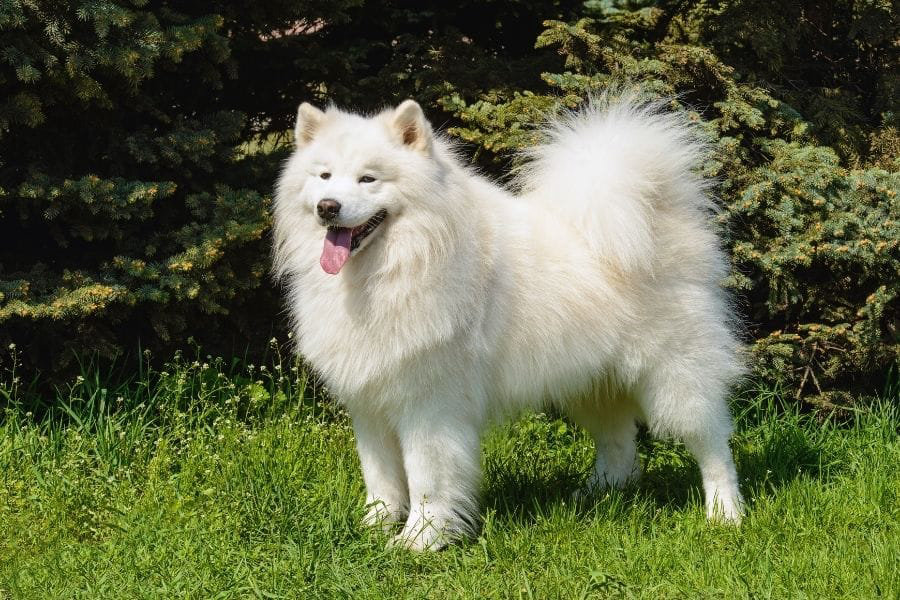
Top 1,000 Most Popular Dog Names
Looking for the perfect dog name for your new pup? We have created filterable lists of dog names from our database of hundreds of thousands of Sniffspot users. You can filter by gender, breed and state to find the most cute, unique and creative dog names.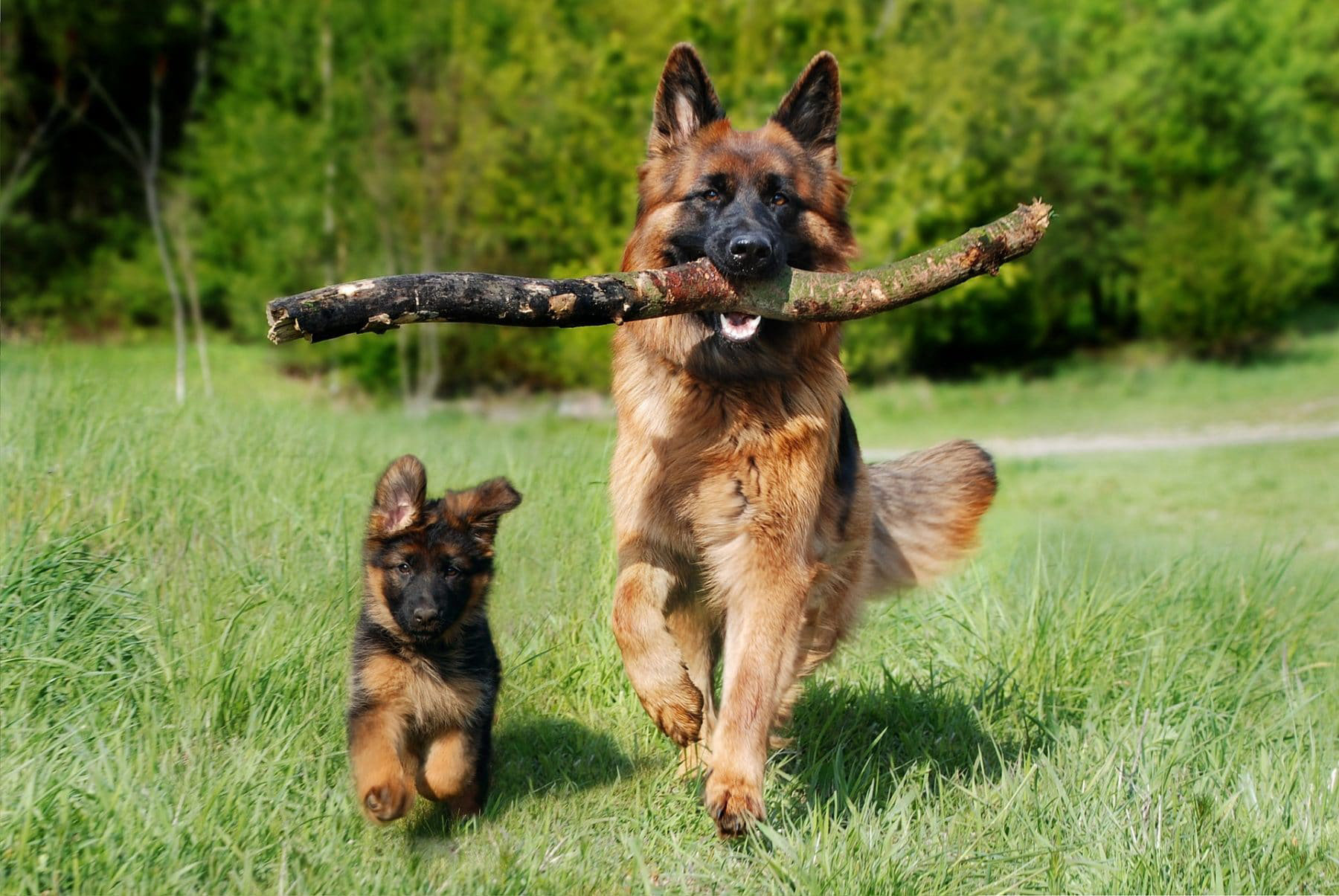
Most Popular Male Dog Names
Looking for the perfect dog name for your new male pup? We have created filterable lists of male dog names from our database of hundreds of thousands of Sniffspot users. You can filter by gender, breed and state to find the most cute, unique and creative male dog names.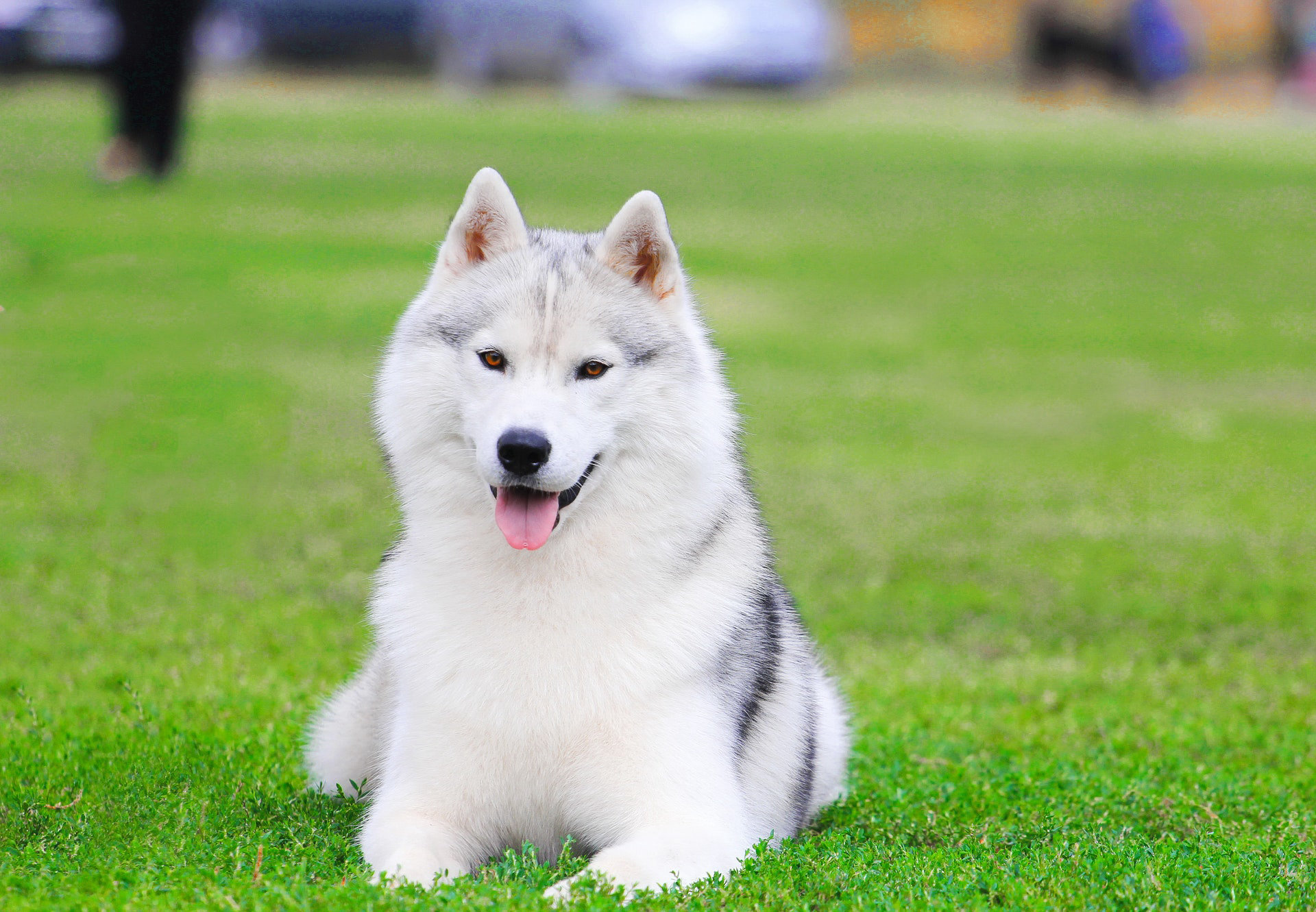
Most Popular Female Dog Names
Looking for the perfect dog name for your new female pup? We have created filterable lists of female dog names from our database of hundreds of thousands of Sniffspot users. You can filter by gender, breed and state to find the most cute, unique and creative female dog names.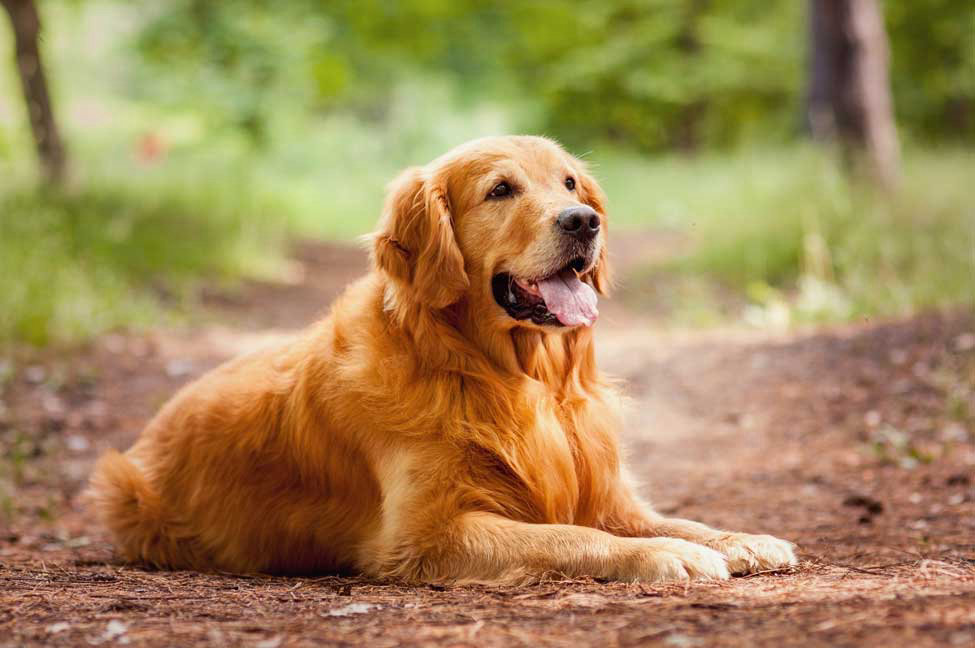
Most Popular Golden Retriever Names
Welcome to our comprehensive list of Golden Retriever dog names, curated from our vast database of Sniffspot users. Filter through hundreds of thousands of options by gender, breed, and state to discover the most adorable, original, and imaginative names for your beloved Golden Retriever.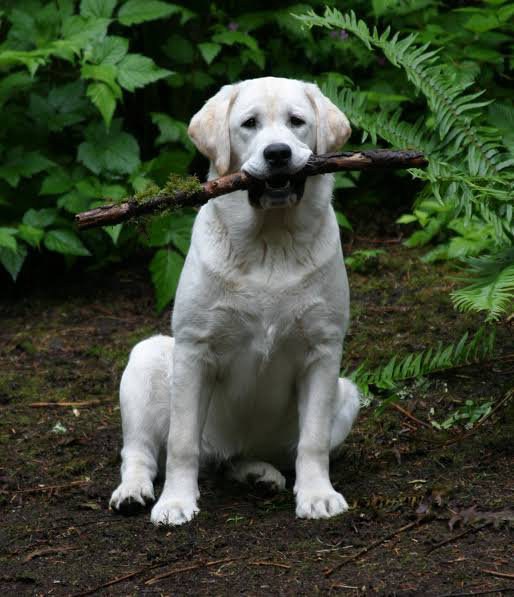
Most Popular Labrador Retriever Names
Welcome to our Labrador Retriever dog names page! Here you can browse through filterable lists of names for your beloved furry friend, ranging from cute and classic to unique and creative options. Our database of hundreds of thousands of Sniffspot users ensures you'll find the perfect name for your Labrador Retriever, whether you're seeking a name for a male or female, based on breed or state.


Top dog rescues in the US

The Best Washington Dog Rescues & Shelters in 2026
This list showcases the top dog rescues & shelters in Washington. These remarkable organizations have been recognized for their unwavering dedication to the well-being of countless dogs.
The Best Oregon Dog Rescues & Shelters in 2026
This list showcases the top dog rescues & shelters in Oregon. These remarkable organizations have been recognized for their unwavering dedication to the well-being of countless dogs.
The Best California Dog Rescues & Shelters in 2026
This list showcases the top dog rescues & shelters in California. These remarkable organizations have been recognized for their unwavering dedication to the well-being of countless dogs.
The Best Florida Dog Rescues & Shelters in 2026
This list showcases the top dog rescues & shelters in Florida. These remarkable organizations have been recognized for their unwavering dedication to the well-being of countless dogs.
The Best New York Dog Rescues & Shelters in 2026
This list showcases the top dog rescues & shelters in New York. These remarkable organizations have been recognized for their unwavering dedication to the well-being of countless dogs.
/354x256/Photos/SeoDogRescue/1282/178507e67e44-MC_logo_square.jpg)
/354x256/Photos/SeoDogRescue/931/cef8bbb17769-South_Coast_Humane_Society.png)
/354x256/Photos/SeoDogRescue/61/30aea3371b69-MainSquare_2.png)
/354x256/Photos/SeoDogRescue/298/1000035238.jpg)
/354x256/Photos/SeoDogRescue/814/91cfd62cd986-IMG_1035.jpeg)