Top articlesSee all...

A Comprehensive Guide to Dog Exercise

How To Crate train An Older Dog - A Comprehensive Guide

How To Socialize A Dog - A Comprehensive Guide

Leash Training: A Guide to Training Your Dog to Walk on a Leash

Skijoring: A Guide to Skijoring with Dogs

The Best Dog Enrichment Toys

The Best United States Dog Parks

The Best Indoor Dog Parks in the United States

The Best Off-Leash Dog Parks in the United States
Top articles
A Comprehensive Guide to Dog Exercise
How To Crate train An Older Dog - A Comprehensive Guide
How To Socialize A Dog - A Comprehensive Guide
Leash Training: A Guide to Training Your Dog to Walk on a Leash
Skijoring: A Guide to Skijoring with Dogs
The Best Dog Enrichment Toys
The Best United States Dog Parks
The Best Indoor Dog Parks in the United States
The Best Off-Leash Dog Parks in the United States
See all...Dog Summer Camp and Doggie Day Camp: What They Are and How to Choose

/fit-in/0x450/wp-content/uploads/2026/05/two-dogs-hiking.jpg)
Every summer, the same question surfaces in dog owner forums: is doggie day camp actually worth it? The short answer is: it depends on your dog, the facility, and what you're hoping to get out of it.
Dog day camp has become a genuine industry. There are national chains, boutique facilities, training-integrated programs, and everything in between. The terminology alone is confusing: day camp, summer camp, doggie daycare, board-and-train, training camp. These terms get used interchangeably, but they mean different things, and choosing the wrong type of program for your dog can result in a dog who comes home more stressed than when they left.
This guide breaks down what each type of program actually is, what to look for when evaluating facilities, red flags that should send you somewhere else, and what options exist for dogs who aren't suited to group settings. Because not every dog belongs in a playgroup, and that's perfectly okay.
Jump Ahead: Dog Summer Camp and Doggie Day Camp: What They Are and How to Choose
Key Takeaways
- Doggie day camp is structured enrichment and exercise during the day, typically with more programming than standard daycare
- Dog summer camp usually involves a stronger training component and may be multi-day or overnight
- Board-and-train is different from day camp and requires extra due diligence around training methods
- Always ask directly about training philosophy. Positive reinforcement programs exist and are worth seeking out
- Group settings aren't right for every dog, and private alternatives are a legitimate, effective option

What Is Doggie Day Camp?
Doggie day camp is essentially structured dog daycare with more programming built in. Dogs arrive in the morning, spend the day in supervised play groups, rest periods, and often some basic training reinforcement, then go home in the evening with their owners.
The key distinction from standard doggie daycare is structure and activity. Basic daycare is often just supervised group play, which can mean a large group of dogs in a room together for most of the day. Day camp implies more intention: scheduled outdoor play, structured enrichment activities, rest rotations, and sometimes brief training sessions woven in.
It's a good option for:
- High-energy dogs who need more than a walk around the block
- Working owners who want their dog to actually burn energy during the day, not just wait it out
- Social dogs who genuinely enjoy the company of other dogs
- Puppies who are working on socialization during their critical window
The primary goal is enrichment and exercise. If you're hoping for significant skill-building, a training camp or board-and-train is a better fit.
What Is Dog Summer Camp?
Dog summer camp typically refers to a more intensive program that runs over multiple days or weeks, often with a stronger training component. Some programs are day-only (dogs go home each night), while others are sleep-away programs where dogs stay for the duration.
Common types of dog summer camp include:
- Training-integrated day camp: Dogs attend daily, 5 days a week, with dedicated training sessions built in alongside play and enrichment. Often marketed as "summer camp" for the seasonal programming.
- Sleep-away dog camp: Dogs stay overnight, usually for 1-2 weeks. Often combines outdoor adventure activities (hiking, swimming, agility courses) with group play and training.
- Sport-specific camp: Intensive programming around a specific discipline like agility, nosework, herding, dock diving, or flyball. Geared toward dogs and owners interested in dog sports.
- Working dog camp: Designed for breeds with strong working instincts (herding breeds, hunting breeds, protection breeds) to engage with tasks that match their instincts.
If you're searching for "dog summer camp" because you want your dog to come back calmer and better trained, training-integrated day camp is probably what you're looking for. If you want them to have a genuinely immersive outdoor experience while you're on a family vacation, sleep-away camp could be the answer.
 Dogs play outside at Unleashed Dog Camp in the Seattle, WA area
Dog Training Camps: What's the Difference?
It's worth separating these out because they serve different purposes.
Day camp is primarily about enrichment, exercise, and socialization during the day. Training is a secondary benefit at most facilities. Dogs come home to their owners each night.
Training camp is a more intensive, focused skill-building program. Dogs typically attend for a set number of weeks, with sessions specifically designed to build or refine behaviors. Some training camps are day programs; others involve boarding.
Board-and-train is when your dog stays at the trainer's facility overnight (sometimes for 2-4 weeks) and receives training throughout the day. Results vary widely depending on the facility, the methods used, and whether the owners receive proper handoff training after. A board-and-train done well can be genuinely effective. A board-and-train done poorly can create new problems.
The most important thing with any training program: ask directly about methods. What does the trainer do when a dog gets it right? What do they do when a dog gets it wrong?
Positive reinforcement programs reward correct behavior with treats, play, or praise. They work with the dog's motivation and build real learning. You want a facility that can articulate this clearly and enthusiastically.
Be wary of any program that talks about being "pack leaders," uses phrases like "dominating" the dog, or is vague or defensive when you ask about correction methods. Prong collars, choke chains, e-collars, and aversive corrections are not necessary for effective training, and they can cause harm, fear, and fallout behaviors. It's worth asking.
🐾 If your dog needs off-leash exercise and enrichment without the group setting, private spaces are a real option. Find a Sniffspot near you →
What to Look For in a Dog Day Camp
Not all facilities are created equal. Here's what to look for when evaluating options.
Staff-to-Dog Ratio
A reasonable ratio for active playgroups is roughly 1 staff member per 10-15 dogs. For puppies or smaller groups, you want to see tighter ratios. If a facility is vague about how many staff are present during play, or if their ratio is much higher than this, that's a concern. Effective supervision in a group of dogs requires attention and human presence.
Temperament Screening and Group Matching
Reputable facilities evaluate dogs before placing them in playgroups. This usually involves a trial day or assessment session where staff observe how the dog interacts with others. Size, energy level, and play style should all factor into how groups are organized.
A facility that will take any dog without an evaluation isn't protecting your dog (or the others in the group). Good temperament screening protects everyone.
Play Style Matching
Not all dogs should play together. A very high-energy Border Collie and a mellow senior Beagle don't belong in the same group. Dogs with very different play styles (body slamming vs. chasing vs. wrestling) can cause conflict even without any aggressive intent.
Ask how groups are organized. Do they separate large and small dogs? Do they group by energy level? Facilities that put real thought into group composition tend to have fewer incidents and happier dogs.
Supervision and Camera Access
Many facilities now offer webcam access so owners can check in on their dog during the day. This is a genuinely good sign. It suggests the facility has nothing to hide and trusts its own operation.
Ask whether you can check in via webcam. Also ask how they document and communicate incidents (scuffles, injuries, a dog having a hard day). Transparent communication is a marker of a well-run facility.
Training Philosophy
Ask this directly: "What training methods do you use? What happens when a dog does something wrong?"
A positive reinforcement facility will give you a clear, confident answer about using rewards to encourage good behavior. They'll talk about redirection, timeouts if needed, and removing a dog from a situation that's too stressful before it escalates.
If the answer is vague, defensive, or involves words like "corrections" or "discipline," keep asking. You have every right to know how your dog will be treated.
Trial Day Policy
Most reputable facilities offer a trial day or half-day for new dogs. This serves both parties: it lets the facility assess whether the dog is a good fit, and it lets you see how your dog does in the environment before committing to regular attendance.
If a facility doesn't offer any kind of trial, that's worth noting.

Red Flags to Watch Out For
Some things should stop you from enrolling, regardless of how convenient or affordable the facility is.
- No temperament evaluation: If they'll take your dog without meeting them first, they're not thinking about group safety.
- Vague or defensive answers about training methods: You should be able to get a direct, confident explanation. Evasiveness is information.
- Overcrowding: A very large number of dogs with minimal staffing is a recipe for stress and injury.
- No transparency about incidents: If a dog gets hurt or has a difficult day, you should hear about it. Facilities that downplay or conceal incidents are prioritizing their reputation over your dog's wellbeing.
- Punishment-based methods: Prong collars, choke chains, e-collars, physical corrections, or yelling are not appropriate in a day camp setting (or in any training setting). If you observe these or hear about them, leave.
- No camera access and resistance to drop-in visits: A facility that won't let you see what's happening with your dog is a red flag.
- High staff turnover: Dog care is hard work and some turnover is normal, but very high turnover often indicates a poorly managed facility. Your dog's consistency and comfort depend on familiar faces.
What If Group Day Camp Isn't Right For My Dog?
Some dogs don't thrive in group settings. If your dog doesn't do well in group settings, forcing them into one isn't going to fix that, and it can make things worse. Dogs who are reactive, dog-selective, anxious, or easily overstimulated can come home from day camp more wound up than when they left, not less.
Signs your dog might not be a group day camp candidate:
- History of scuffles or resource guarding with unfamiliar dogs
- Leash reactivity or fence aggression that extends to unfamiliar dogs in close quarters
- Extreme shyness or anxiety in new environments
- Overstimulation that leads to meltdowns, compulsive behavior, or inability to settle
- Medical conditions that make rough play risky (bad hips, recent surgery, vision or hearing loss)
None of this means your dog can't have great exercise and enrichment. It means group day camp probably isn't the right tool.
Alternatives that work:
- Private training sessions: One-on-one with a certified force-free trainer. Focused skill-building, recall training, confidence work.
- One-on-one playdates: A single dog they know well, in a familiar space, with good supervision. Lower stakes and more manageable than a group.
- Private Sniffspot bookings: Rent a private fenced space for an hour or two. Your dog gets full off-leash play and enrichment without other dogs present. You control the environment, the timing, and who else is there. For off-leash play and enrichment without the group dynamic, this is genuinely one of the best options available.
The goal is the same as day camp: a tired, satisfied dog. The method just looks different.
🐾 Your dog deserves good exercise even if group day camp isn't for them. Find a private space near you on Sniffspot →
How Much Does Dog Day Camp Cost?
Pricing varies significantly by location, facility type, and what's included.
Typical day camp pricing:
- Basic doggie day camp: $25-$45/day
- Boutique or training-integrated day camp: $45-$75/day
- Multi-week summer camp programs: $300-$800+ depending on duration and programming
What drives the price difference:
- Staff-to-dog ratio (more staff = more cost)
- Training integration (certified trainers cost more)
- Facility quality and amenities (outdoor space, pools, agility equipment)
- Location (urban facilities typically cost more than suburban or rural ones)
- Group size (smaller groups often come with a premium)
For more comprehensive breakdown, check out our guide to the cost of owning a dog.
National chains vs. independent boutique facilities:
National chains like PetSmart (PetsHotel) and Petco offer day camp services that are generally affordable and widely available. Quality can vary significantly by location and depends heavily on individual staff. They're a reasonable starting point if budget is a primary concern.
Independent boutique facilities often offer smaller groups, more personalized attention, and staff who genuinely specialize in dog behavior. They tend to cost more, but for dogs who need more attentive handling, the difference in experience can be significant.
Many facilities offer package pricing (buying a block of 10 or 20 days at a reduced rate) that brings the per-day cost down meaningfully if your dog will attend regularly.
It's worth noting: how much exercise your dog actually needs depends on breed, age, and health. Day camp 3 days a week might be enough for some dogs; others might need daily enrichment all week.
Frequently Asked Questions: Dog Day Camp and Dog Summer Camp
What is the difference between dog daycare and dog day camp?
Standard dog daycare is typically supervised group play with minimal structure. Dogs are together, monitored, and safe, but there's usually no deliberate programming beyond that. Dog day camp implies more intention: scheduled outdoor play, enrichment activities, rest rotations, and sometimes brief training woven in. Both have dogs going home to their owners each night. Day camp is generally more engaging for high-energy or high-needs dogs.
How do I know if my dog is ready for day camp?
Your dog should be comfortable around unfamiliar dogs, up to date on vaccinations (most facilities require this), and not have a history of serious aggression or injury-causing incidents with other dogs. A trial day at a good facility will tell you a lot. If your dog comes home settled, relaxed, and tired in a good way, that's a positive sign. If they come home wound up, unable to settle, or shut down, the group setting may not be right for them.
Is dog day camp worth it?
For the right dog, yes. A social, high-energy dog who attends a well-run day camp regularly will typically be calmer at home, better exercised, and more satisfied. For dogs who find group settings stressful, it's not worth it regardless of how nice the facility is. The value depends entirely on whether your specific dog genuinely enjoys it.
How much does doggie day camp cost?
Most facilities charge between $25 and $75 per day depending on location, amenities, and how much training is integrated into the programming. Urban boutique facilities tend to be at the higher end. Many offer package pricing that reduces the per-day rate for regular attendees.
What if my dog is reactive? Can they still go to day camp?
It depends on the nature and degree of the reactivity. Dogs with mild on-leash reactivity who are fine with other dogs in off-leash settings sometimes do well in day camp. Dogs with dog-directed reactivity, a history of scuffles, or high arousal that escalates quickly in groups are generally not good day camp candidates. If you're unsure, consult with a certified force-free trainer before enrolling. There are good alternatives for dogs who can't do group settings.
How do I find a reputable dog training camp near me?
Start by looking for trainers or facilities with credentials: CPDT-KA (Certified Professional Dog Trainer), KPA CTP (Karen Pryor Academy Certified Training Partner), or CDBC (Certified Dog Behavior Consultant) are markers of professional training education. Ask directly about methods. Look for reviews that specifically mention positive experiences with anxious, reactive, or challenging dogs. A facility confident in positive reinforcement will be happy to talk about it.
What does a dog do at summer camp all day?
A typical day at a well-run summer camp might include: morning drop-off and transition, supervised outdoor play in temperament-matched groups, a rest period mid-day (important for preventing overstimulation), enrichment activities like puzzle feeders or training games, another outdoor session in the afternoon, and pickup in the evening. Some facilities include swimming, agility equipment, or sniff walks in their programming. Dogs sleep a lot when they get home. That's the goal.
Conclusion
The "best" dog summer camp or day camp is the one that's genuinely right for your dog, not just the most convenient or the most Instagram-worthy. That means asking hard questions about supervision, group composition, and training methods before enrolling. It means watching your dog's behavior after their first few sessions. And it means being honest about whether the group setting is actually serving them.
For dogs who thrive socially, a well-run program is a genuinely great option for summer. For dogs who find group dynamics stressful, the most loving thing you can do is acknowledge that and find an alternative that actually works for them.
Either way, signs your dog needs more stimulation don't go away just because summer started. The format might change. The need stays the same.
🐾 For dogs who need off-leash play on their own terms, private Sniffspot spaces are available year-round. Book a space near you →
There is so much misinformation out there, we want to make sure we only provide the highest quality information to our community. We have all of our articles reviewed by qualified, positive-only trainers.
This is the trainer that reviewed this article:
Rayanne Spence CPDT-KA, IAABC-ADT
Professional Dog Trainer – Animal Medical Center of Hattiesburg


/fit-in/0x128/wp-content/uploads/2026/09/is-pet-insurance-worth-it.png)
/fit-in/0x128/wp-content/uploads/2026/09/first-night-with-rescue-dog.png)
/fit-in/0x128/wp-content/uploads/2026/09/What-are-the-requirements-to-adopt-a-dog.png)
/fit-in/0x128/wp-content/uploads/2020/07/shutterstock_330043559-1.jpg)
/fit-in/0x128/wp-content/uploads/2026/05/best-breeds-for-swimming.png)
Most recent articles
/fit-in/0x256/wp-content/uploads/2026/09/is-pet-insurance-worth-it.png)
/fit-in/0x256/wp-content/uploads/2026/09/first-night-with-rescue-dog.png)
/fit-in/0x256/wp-content/uploads/2026/09/What-are-the-requirements-to-adopt-a-dog.png)
/fit-in/0x128/wp-content/uploads/2026/09/Dog-heartworm-prevention.png)
/fit-in/0x256/wp-content/uploads/2026/09/Dog-heartworm-prevention.png)
/fit-in/0x128/wp-content/uploads/2026/09/insurance-that-pays-vet-directly.png)
/fit-in/0x256/wp-content/uploads/2026/09/insurance-that-pays-vet-directly.png)
/fit-in/0x128/wp-content/uploads/2026/09/what-does-pet-insurance-cover.png)
/fit-in/0x256/wp-content/uploads/2026/09/what-does-pet-insurance-cover.png)
Related articles
Top dog guides per area
Dog training guides

Best Dog Fields in the US: 25+ Wide-Open Spaces for Your Pup to Run Free
The best dog fields in the US offer something that traditional enclosed parks simply can't match: acres of open space where your pup can truly stretch their legs and run at full speed. From Colorado's 470-acre prairie meadows to Tennessee's award-winning "Outback," these wide-open spaces allow dogs to roam, explore, and exercise naturally while engaging instincts that cramped urban parks suppress.

Dog Food Aggression & Resource Guarding Guide
Does your dog ever growl when you walk by their food dish? Maybe they get possessive of treats, carrying them far away and giving you side-eye when you start to approach — or snarling at your other pets or children if they get too close.

The Ultimate Guide to Scent Training for Dogs
Your dog's nose is an amazing tool. Did you know they have 40 times the olfactory receptors than humans? Scent training for dogs taps into this superpower, turning everyday moments into exciting sniff-fests. It's enriching for all types of dogs – reactive, shy, or simply adventurous. Ready to explore the world of scent work for dogs? Let's get started.

How Much Does It Cost to Train a Service Dog?
More than 80 million Americans rely on their service dogs to help them navigate the world. Task-trained assistance animals perform a huge range of life-changing—in many cases, life-saving—services: These dogs act as eyes for visually impaired handlers, provide mobility support, alert to seizures and blood sugar crashes, interrupt anxiety attacks, remind their people to take medications, and so much more.

How to Deal With Puppy Potty Training Regression

Dirty Dog Syndrome: Causes, Solutions, and Prevention
It's a cringe-worthy moment every dog owner dreads: your furry friend chowing down on something truly disgusting. If your dog has a penchant for poop, you're dealing with coprophagia. It's more common than you think, and thankfully, often manageable. This article explores the reasons behind dirty dog syndrome, from instinct to learned behavior. We'll also give you practical tips to help break this unpleasant habit.
/354x256/wp-content/uploads/2025/09/Screenshot-2025-09-21-at-6.39.54-PM.png)
/354x256/wp-content/uploads/2020/08/bernese-mountain-dog-208092_1280.jpg)
/354x256/wp-content/uploads/2022/04/shutterstock_543831754.jpg)
/354x256/wp-content/uploads/2022/08/shutterstock_494495788-1.jpg)
/354x256/wp-content/uploads/2022/07/shutterstock_237584221-1.jpg)
/354x256/wp-content/uploads/2022/10/shutterstock_705844504.jpg)
Dog enrichment guides
Best Dog Fields in the US: 25+ Wide-Open Spaces for Your Pup to Run Free
The best dog fields in the US offer something that traditional enclosed parks simply can't match: acres of open space where your pup can truly stretch their legs and run at full speed. From Colorado's 470-acre prairie meadows to Tennessee's award-winning "Outback," these wide-open spaces allow dogs to roam, explore, and exercise naturally while engaging instincts that cramped urban parks suppress.

Best Dog Water Parks in the US: 15+ Amazing Splash Destinations for Your Pup
Do you have a water-loving dog looking to burn some energy? There are countless dog parks to visit throughout our country — but some of them become far too hot in the midday sun to be safe for your pets to play. That’s why we’ve put together a list of some of the best dog water parks throughout the United States! At these locations, your pup can frolic, splash, and swim to their heart’s content.

Best Toys for Herding Dogs: Keeping Your Pup Happy & Engaged
Herding dogs are amazing, intelligent companions. But that also means they need more than just a simple game of fetch. Finding the right toys for herding dogs is key to keeping them happy and stimulated. This article explores some of the best toys for herding dogs, including options specifically for breeds like Border Collies and Australian Shepherds. We'll help you discover the perfect herding toys for dogs to tap into their natural instincts and keep them entertained for hours.

Tough Dog Toys for Aggressive Chewers: A Practical Guide
Does your dog destroy every toy you give them? Is your house littered with the remnants of plush toys? Are you tired of wasting money on "indestructible" dog toys for aggressive chewers that don't last? Then this post is for you. We'll cover everything you need to know about finding the best dog toys for aggressive chewers, so you can finally give your pup something safe, durable, and fun.

Dog Exercise Calculator: How Much Exercise Does Your Dog Need?
Every dog needs to move, but how much is actually enough? The answer depends on more than just breed. Age, health, and even your own lifestyle all play a role in figuring out the right daily exercise routine for your pup.

Complete Guide To Herding With Dogs
* All Sniffspot articles are reviewed by certified trainers for quality, please see bottom of article for details *
/354x256/wp-content/uploads/2023/04/dogwaterpark.png)
/354x256/wp-content/uploads/2022/05/shutterstock_174836186.jpg)
/354x256/wp-content/uploads/2023/02/shutterstock_1346929262.jpg)
/354x256/wp-content/uploads/2022/08/dogexercisecalculatorfeaturedimage.jpg)
/354x256/wp-content/uploads/2020/07/bb.jpg)
Dog reactivity guides
Best Dog Fields in the US: 25+ Wide-Open Spaces for Your Pup to Run Free
The best dog fields in the US offer something that traditional enclosed parks simply can't match: acres of open space where your pup can truly stretch their legs and run at full speed. From Colorado's 470-acre prairie meadows to Tennessee's award-winning "Outback," these wide-open spaces allow dogs to roam, explore, and exercise naturally while engaging instincts that cramped urban parks suppress.

Rottweiler Aggression: Signs, Causes & Training
Many dogs have gotten a bad reputation over the years for being "dangerous breeds." Rottweilers are among them. Like pit bulls and other large, blocky-headed types of dogs, these powerful and beautiful animals are often assumed to be aggressive.

The Reactive Dog Chart: How to Calm Your Dog's Triggers
If your dog lunges, barks, or loses their mind at the sight of another dog, a stranger, or a bicycle, you’re living with a reactive dog (and you’re far from alone). Dog reactivity is one of the most common behavioral challenges dog owners face, and it can make even a simple walk feel stressful and isolating.

How to Socialize a Reactive Dog: A Step-by-Step Guide
Does your dog display reactivity to other pets or people—barking, lunging, or growling when they see their triggers? Whether they're a rescue still settling in, missed critical socialization as a puppy, or had a negative experience that changed how they see the world, you're not alone. Reactivity is one of the most common dog behavior concerns, and with the right approach, you can help your dog feel calmer and more confident.

What Is a Reactive Dog? The Complete Guide for Understanding and Helping Your Pup
Does your dog transform into a barking, lunging tornado the second they spot another dog across the street? You're definitely not alone. According to our research of over 4,000 dog owners, 66% of dogs show some signs of reactivity.

9 Best Online Communities for Reactive Dog Parents
Does your dog's reactivity make walks stressful? You're not alone. Many dog owners face similar challenges. This guide offers practical advice and support for managing reactivity, including finding the best online dog training for reactive dogs. We'll connect you with reactive dog support groups, share training tips, and explore resources like the best dog training app for reactive dogs. Let's build a stronger bond with your dog, together.
* All Sniffspot articles are reviewed by certified trainers for quality, please see bottom of article for details *
/354x256/wp-content/uploads/2023/05/Screen-Shot-2024-05-23-at-9.33.57-PM.png)
/354x256/wp-content/uploads/2022/08/dogreactivitychartfeaturedimage.jpg)
/354x256/wp-content/uploads/2022/08/shutterstock_523383649.jpg)
/354x256/wp-content/uploads/2020/07/a.jpg)
/354x256/wp-content/uploads/2022/01/shutterstock_796422001.jpg)
Sniffspot community guides
Best Dog Fields in the US: 25+ Wide-Open Spaces for Your Pup to Run Free
The best dog fields in the US offer something that traditional enclosed parks simply can't match: acres of open space where your pup can truly stretch their legs and run at full speed. From Colorado's 470-acre prairie meadows to Tennessee's award-winning "Outback," these wide-open spaces allow dogs to roam, explore, and exercise naturally while engaging instincts that cramped urban parks suppress.

The State of Public Dog Parks Across the United States
From 2009 to 2020, there was a 40 percent increase in the development of public dog parks. Designated spots for canine exercise have become commonplace in every major city in North America — many pet owners won’t even consider renting an apartment that doesn’t have its own fenced-in pet area for their canine companions.

How This Family is Affording Their Dream Property Through Renting it Hourly to Dogs
Thousand Oaks, California has been a safe haven for Sniffspot host, Jen, since childhood. Having grown up in busy Santa Barbara, Jen, an introvert from an early age, would seek out solitude and serenity away from tourists attractions and droves of people visiting from elsewhere. “My grandparents own 60 acres about a 30 minute drive from here, and I grew up spending every summer and every holiday visiting them on the ranch,” Jen explained. “In Santa Barbara, we wouldn't go to the beach on the weekend because that's where everybody was, so you'd find places off the beaten path where the tourists weren't. For me, the ranch was just my happy place.”

Host Tips: Ellen K. What Makes Sniffspot Successful for Me
Ellen is the host of Country Pasture Getaway, one of Sniffspot's most popular sniff spots. She has taken the time to write up the lessons she has learned about how to be a great sniff spot host.

How this Oregon Farmer is Making a Business From Renting Her Land to Dogs
Just 20 minutes outside of the busy city of Portland, Oregon, and settled right on the banks of the Columbia River, you’ll find what countless visitors have flocked to the area in search of – mountain views, crisp, clean air, and running water for miles. What you might not expect to find, however, is a hidden oasis designed just for dogs and their people, owned and operated by a farming couple and enjoyed by visitors on two legs, and four.

Host Tips: Fran T. Providing Great Guest Service at our Spot
Fran is the host of Ranch Setting, one of Sniffspot's most popular spots. She has taken the time to write up the lessons she has learned about how to be a great Sniffspot host.
/354x256/wp-content/uploads/2022/07/Sniffspot_infographic_1-01.jpeg)
/354x256/wp-content/uploads/2021/05/Final-Edit-003-1.jpg)
/354x256/wp-content/uploads/2020/07/good-photo-3_orig.jpg)
/354x256/wp-content/uploads/2021/05/sniffspot-28-of-45-1.jpg)
/354x256/wp-content/uploads/2020/07/screen-shot-2019-09-19-at-2-01-47-pm_orig.png)
Top dog trainers in the US
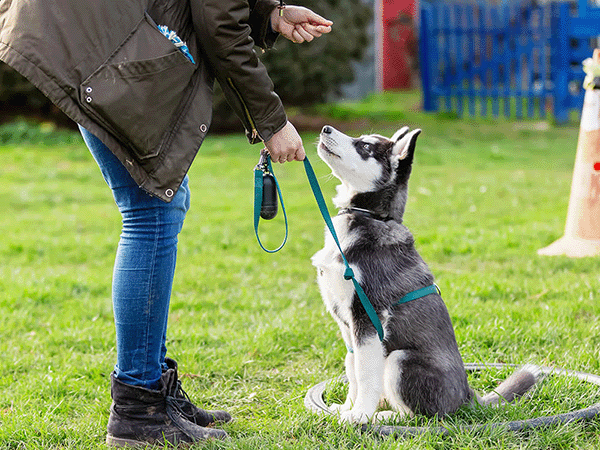
The Best Dog Trainers in the United States of 2026
This is a list of the top dog trainers in the United States, based on votes from the Sniffspot community and the general public.
The Best Dog Trainers in Seattle, WA of 2026
This is a list of the top dog trainers in Seattle, WA, based on votes from the Sniffspot community and the general public.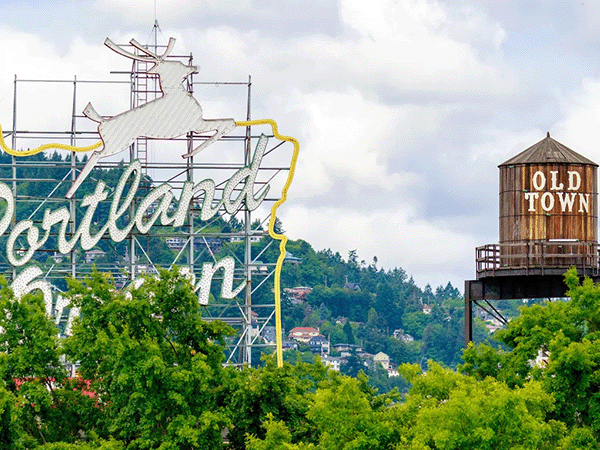
The Best Dog Trainers in Portland, OR of 2026
This is a list of the top dog trainers in Portland, OR, based on votes from the Sniffspot community and the general public.
The Best Dog Trainers in Los Angeles, CA of 2026
This is a list of the top dog trainers in Los Angeles, CA, based on votes from the Sniffspot community and the general public.
The Best Dog Trainers in New York, NY of 2026
This is a list of the top dog trainers in New York, NY, based on votes from the Sniffspot community and the general public.


City dog park guides
Best Dog Fields in the US: 25+ Wide-Open Spaces for Your Pup to Run Free
The best dog fields in the US offer something that traditional enclosed parks simply can't match: acres of open space where your pup can truly stretch their legs and run at full speed. From Colorado's 470-acre prairie meadows to Tennessee's award-winning "Outback," these wide-open spaces allow dogs to roam, explore, and exercise naturally while engaging instincts that cramped urban parks suppress.

Top 10 Indoor Dog Parks: A US Guide
Looking for a space to play with your dog no matter what the weather’s like outside? Look no further than our list of the best indoor dog parks in the United States! These climate-controlled spaces are growing in popularity as pet ownership increases throughout the country. As a bonus, many of them also offer dog training, boarding, grooming, or daycare services on the premises.

Best Dog Parks in the US: Ultimate Guide to Public & Private Off-Leash Adventures
Is your pup giving you those pleading "let me run free" eyes? Whether you're a new dog parent or a seasoned pro looking for fresh adventures, finding the perfect off-leash paradise for your furry friend can feel ruff! From sun-soaked California beaches where your water-loving lab can make a splash to mountain trails in Vermont where your adventure buddy can chase every scent, we've sniffed out the 15 best dog parks across America.

Dog Parks Near Me: Las Vegas Edition
Looking for the perfect dog park near me in Las Vegas? You're in luck! This guide explores all the best options for your pup, from public dog parks to private dog parks near me on Sniffspot. We'll help you find the ideal spot for playtime, socializing, and fresh air. Plus, we'll cover essential etiquette and safety tips to ensure a happy visit for everyone. Get ready for some tail-wagging fun!
Discover the Perfect Dog Park in Las Vegas
This page is about public city dog parks and also includes Sniffspot private dog parks. Sniffspot is the largest network of private dog parks for rent in the world!Best Dog Parks in the US: Off-Leash Guide
Looking for the perfect dog park? Whether you need a wide-open public space or a private, fenced-in spot, this guide will help you find the best dog parks across the US. We'll cover top-rated public parks, the perks of private dog parks, and even explore Sniffspot locations – giving your pup a safe and fun place to play. Ready to find your dog's new favorite spot? Let's go!

Sniffspot: Portland's Best Private Dog Parks
Ready to discover Portland's best dog parks? Whether you're looking for a public park or the unique experience of a private Sniffspot, this guide has you covered. We'll help you find the perfect spot for your pup, with tips on what to bring, how to prepare, and even understanding dog body language. Plus, we'll explore some top Portland dog parks, including public and Sniffspot options, so you can plan your next dog-friendly adventure in the City of Roses.
Portland Dog Parks: Public & Private Options
This page is about public city dog parks and also includes Sniffspot private dog parks. Sniffspot is the largest network of private dog parks for rent in the world!
/354x256/wp-content/uploads/2023/04/indoordogparks.png)
/354x256/wp-content/uploads/2023/03/offleashdogparks.png)
/354x256/wp-content/uploads/2023/02/vegas.jpg)
/354x256/wp-content/uploads/2023/02/portland.jpg)
Dog breeds
Best Dog Fields in the US: 25+ Wide-Open Spaces for Your Pup to Run Free
The best dog fields in the US offer something that traditional enclosed parks simply can't match: acres of open space where your pup can truly stretch their legs and run at full speed. From Colorado's 470-acre prairie meadows to Tennessee's award-winning "Outback," these wide-open spaces allow dogs to roam, explore, and exercise naturally while engaging instincts that cramped urban parks suppress.

German Shepherd Guide: Best Family Dog? Truth from 9K Owners
The German Shepherd Dog (GSDs) are known for their intelligence, loyalty, and striking appearance. They're also incredibly versatile, excelling as working dogs and devoted family companions. This guide covers everything you need to know about GSDs, from understanding their unique traits and rich history to practical advice on training and care. So, whether you're a seasoned GSD owner or just starting your research, let's explore this remarkable breed together.

Labrador Retriever: Real Tips from Owners
Discover the Labrador Retriever, a breed celebrated for its playful nature, affectionate temperament, and trainability. Labradors are known for their friendly demeanor and adaptability, making them perfect family companions and versatile working dogs. As one of the most popular types of retrievers, Labs are ideal companions for various lifestyles and are recognized by the American Kennel Club (AKC) as an excellent breed for families.

Golden Retriever Advice: The Complete Owner's Guide
Golden Retrievers: they're gorgeous, playful, and incredibly popular. But before you welcome one into your home, you need the right golden retriever advice. This guide draws on the wisdom of nearly 10,000 Golden Retriever owners, offering practical tips for caring for these affectionate dogs. From understanding their high energy levels to mastering grooming and training, we'll cover everything you need to know. So whether you're already a devoted Golden parent or just starting your research, get ready to learn how to give your furry friend the best possible care.

Are American Staffordshire Terriers Good for First-Time Owners: Complete Guide
Think American Staffordshire Terriers are tough? Think again. While their muscular build might intimidate some, these dogs are known for their playful and loyal personalities. This guide draws on the experience of nearly 10,000 AmStaff owners to reveal the truth about this often misunderstood breed. Want to learn more about caring for an American Staffordshire Terrier? You're in the right place.

Australian Shepherd Facts: Breed Info & Care Guide
Discover the Australian Shepherd, an AKC breed celebrated for its trainable, playful, and affectionate nature. Despite its name, the Australian Shepherd is actually a native breed to the United States, originally developed to breed on farms and ranches. Considered a medium dog, Australian Shepherds were bred for herding beginning in the 1950s. As one of the high-energy breeds, Aussies are known for their boundless energy and need for regular exercise, including aerobic exercise.
/354x256/wp-content/uploads/2024/07/German-Shepherd-Dog.png)
/354x256/wp-content/uploads/2024/07/Screen-Shot-2024-07-24-at-4.06.05-PM.png)
/354x256/wp-content/uploads/2024/07/Screen-Shot-2024-07-25-at-3.05.09-PM.png)
/354x256/wp-content/uploads/2024/07/staffy.jpg)
/354x256/wp-content/uploads/2024/07/Screen-Shot-2024-07-25-at-3.39.43-PM.png)
Top dog names in the US
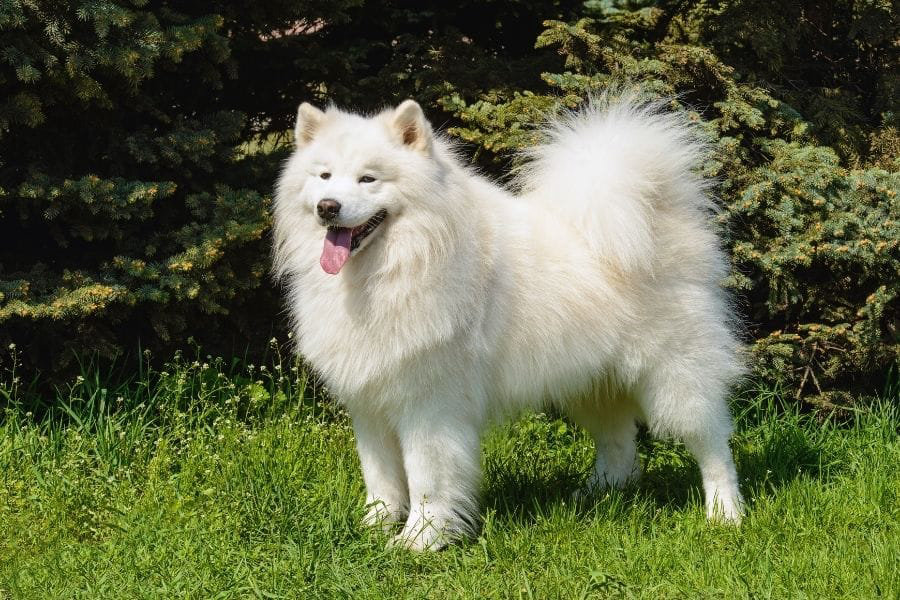
Top 1,000 Most Popular Dog Names
Looking for the perfect dog name for your new pup? We have created filterable lists of dog names from our database of hundreds of thousands of Sniffspot users. You can filter by gender, breed and state to find the most cute, unique and creative dog names.
Most Popular Male Dog Names
Looking for the perfect dog name for your new male pup? We have created filterable lists of male dog names from our database of hundreds of thousands of Sniffspot users. You can filter by gender, breed and state to find the most cute, unique and creative male dog names.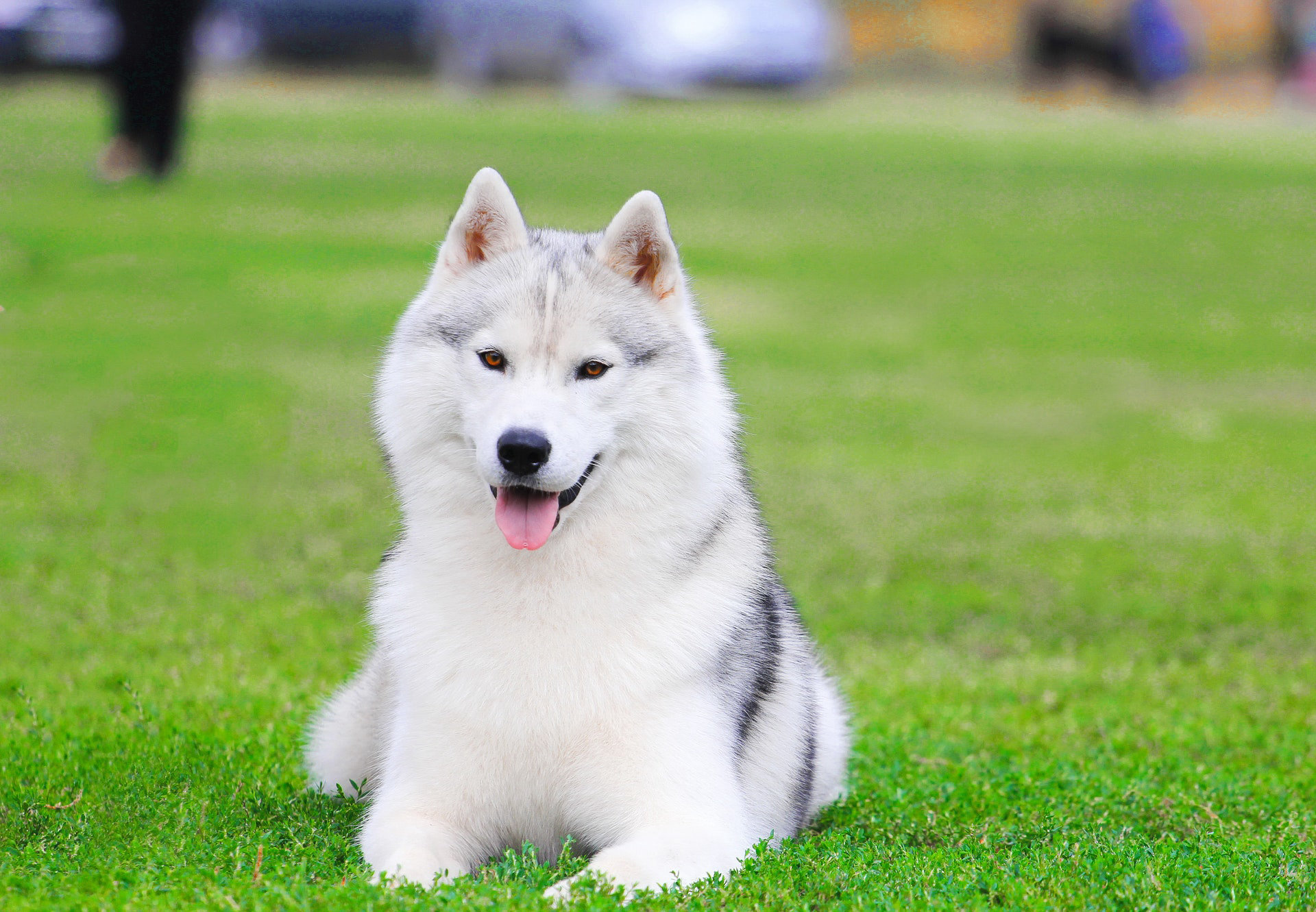
Most Popular Female Dog Names
Looking for the perfect dog name for your new female pup? We have created filterable lists of female dog names from our database of hundreds of thousands of Sniffspot users. You can filter by gender, breed and state to find the most cute, unique and creative female dog names.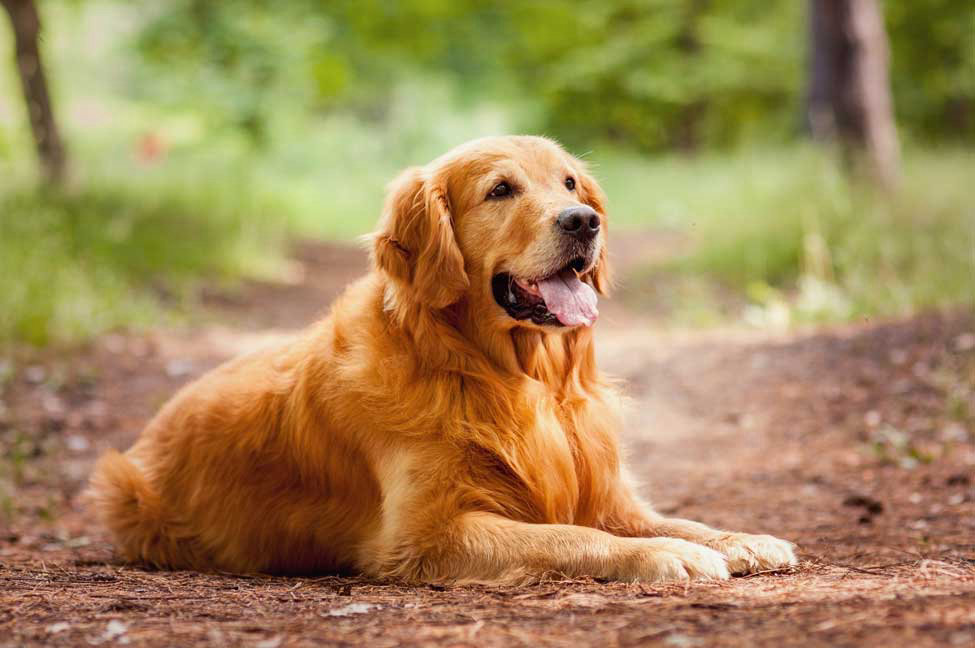
Most Popular Golden Retriever Names
Welcome to our comprehensive list of Golden Retriever dog names, curated from our vast database of Sniffspot users. Filter through hundreds of thousands of options by gender, breed, and state to discover the most adorable, original, and imaginative names for your beloved Golden Retriever.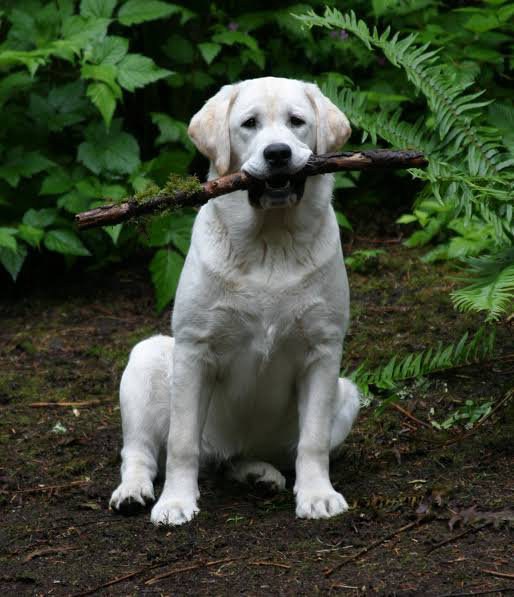
Most Popular Labrador Retriever Names
Welcome to our Labrador Retriever dog names page! Here you can browse through filterable lists of names for your beloved furry friend, ranging from cute and classic to unique and creative options. Our database of hundreds of thousands of Sniffspot users ensures you'll find the perfect name for your Labrador Retriever, whether you're seeking a name for a male or female, based on breed or state.


Top dog rescues in the US

The Best Washington Dog Rescues & Shelters in 2026
This list showcases the top dog rescues & shelters in Washington. These remarkable organizations have been recognized for their unwavering dedication to the well-being of countless dogs.
The Best Oregon Dog Rescues & Shelters in 2026
This list showcases the top dog rescues & shelters in Oregon. These remarkable organizations have been recognized for their unwavering dedication to the well-being of countless dogs.
The Best California Dog Rescues & Shelters in 2026
This list showcases the top dog rescues & shelters in California. These remarkable organizations have been recognized for their unwavering dedication to the well-being of countless dogs.
The Best Florida Dog Rescues & Shelters in 2026
This list showcases the top dog rescues & shelters in Florida. These remarkable organizations have been recognized for their unwavering dedication to the well-being of countless dogs.
The Best New York Dog Rescues & Shelters in 2026
This list showcases the top dog rescues & shelters in New York. These remarkable organizations have been recognized for their unwavering dedication to the well-being of countless dogs.
/354x256/Photos/SeoDogRescue/1282/178507e67e44-MC_logo_square.jpg)
/354x256/Photos/SeoDogRescue/931/cef8bbb17769-South_Coast_Humane_Society.png)
/354x256/Photos/SeoDogRescue/61/30aea3371b69-MainSquare_2.png)
/354x256/Photos/SeoDogRescue/298/1000035238.jpg)
/354x256/Photos/SeoDogRescue/814/91cfd62cd986-IMG_1035.jpeg)