Top articlesSee all...

A Comprehensive Guide to Dog Exercise

How To Crate train An Older Dog - A Comprehensive Guide

How To Socialize A Dog - A Comprehensive Guide

Leash Training: A Guide to Training Your Dog to Walk on a Leash

Skijoring: A Guide to Skijoring with Dogs

The Best Dog Enrichment Toys

The Best United States Dog Parks

The Best Indoor Dog Parks in the United States

The Best Off-Leash Dog Parks in the United States
Top articles
A Comprehensive Guide to Dog Exercise
How To Crate train An Older Dog - A Comprehensive Guide
How To Socialize A Dog - A Comprehensive Guide
Leash Training: A Guide to Training Your Dog to Walk on a Leash
Skijoring: A Guide to Skijoring with Dogs
The Best Dog Enrichment Toys
The Best United States Dog Parks
The Best Indoor Dog Parks in the United States
The Best Off-Leash Dog Parks in the United States
See all...Dog Sports 101: A Beginner's Guide to Canine Agility Competitions


Picture this: your dog sailing over a jump. Weaving through poles like a furry little slalom skier. Launching off a dock into a pool, ears flapping like a bad toupee in the wind. That's a dog sport in a nutshell, and it's way more paw-sible than most pet parents think.
You don't need a champion bloodline. You don't need years of experience. You just need a dog who's willing to give it a go, and maybe a pocket full of treats. Agility, flyball, rally obedience, they're all friendlier to beginners than they look on TV. The American Kennel Club alone sanctions more than 22,000 sport events a year. There's room for you and your leash-toting sidekick.
This guide covers what a dog sport actually is, who's eligible to compete, which activities dog lovers can't get enough of right now, and how to sniff out the right one for your pup. Whether you've got a herding breed who tries to boss around the family cat, a scent hound who'd rather sniff than sprint, or a couch potato who just wants to learn a new trick, there's a sport out there with your dog's name on it. Let's fetch into it.
Jump Ahead: Dog Sports 101: A Beginner's Guide to Canine Agility Competitions
- What Is a Dog Sport, Exactly?
- Who Can Compete in Dog Sports?
- What Are AKC Dog Sports and Trials?
- Does My Dog Need a Certain Health Status or Temperament to Compete?
- What Are the Benefits of Dog Sports for My Dog?
- What Is Flyball, and How Does This Team Dog Sport Work?
- What Is Dock Diving (or Dock Jumping)?
- What Are Disc Dog Competitions and Canine Freestyle Events?
- What Kind of Sports Can Dogs Do?
- What Are the Most Popular Dog Sports?
- How Do You Find Dog Trainers and Training Classes to Get Started?
- How Do You Choose the Right Dog Sport for Your Dog?
- Do You Need to Compete in Dog Sports to Enjoy Them?
- Frequently Asked Questions: Dog Sports
Key Takeaways
- A dog sport is any organized activity where dogs and handlers train and compete side by side. Most welcome total newbies.
- No purebred papers required. Mixed breed dogs are eligible for the vast majority of AKC and UKC events.
- Popular dog sports range from full-throttle options like agility and flyball to laid-back picks like nosework and rally obedience.
- Match the sport to your dog's instincts and energy level. It makes everything more fun.
- Positive, reward-based training classes are the safest on-ramp into any sport on this list.
- You never have to compete to reap the benefits. Plenty of pet parents practice purely for the bond (and the tired-dog nap that follows).
What Is a Dog Sport, Exactly?
Every dog sport starts with the same simple idea: give a dog a job, and watch them come alive. A dog sport is a catch-all term for organized activities dogs and their people do together, most blending athleticism, brains, and teamwork. Think of it as a gym membership, minus the awkward small talk.
Some canine sporting events feel like human sports. Flyball is basically a relay race. Teams of dogs sprint a course, smack a box to release a ball, then race it back over hurdles. Fastest team wins, no participation trophies.
Other formats have no real human equivalent. Rally obedience has a dog responding to a handler's cues on the fly, sort of like a looser, faster-paced cousin of traditional obedience trials. Many canine sports actually started as job interviews for working dogs on farms, long before they became weekend hobbies. These days, most events have an entry-level division built for total rookies. Purebred or mixed breed, everyone's invited to the party.
Dog sports double as canine enrichment too. They give a dog a job, a reason to focus, and a chance to build confidence around other dogs and people. Bonus: tired dogs are happy dogs.
Who Can Compete in Dog Sports?
Good news first: you almost certainly don't need a fancy pedigree to get started. Rules change depending on the sport, the sanctioning organization, and sometimes the specific event. Lots of facilities host casual "fun runs" with looser rules than an official trial, great news for beginners who'd rather not get thrown into the deep end.
Mixed breed dogs are welcome in the vast majority of events. The two biggest sanctioning bodies in the US are the American Kennel Club (AKC) and the United Kennel Club (UKC). Both run mixed-breed-friendly programs right alongside their purebred divisions.
Conformation dog shows are the one exception. Those events size dogs up against a written breed standard, so purebreds only. Most handlers don't even call it a "sport," since the physical demands are pretty mild. Still a fun way to meet a local breed club, if that's your scene.
What Are AKC Dog Sports and Trials?
The American Kennel Club runs the biggest dog sport network in the country, and it's not just for blue-ribbon show dogs. AKC dog sports and trials cover everything from agility and flyball to rally, herding, and scent work, each with its own rulebook, judges, and titles a dog can earn along the way.
A "trial" is simply an official, judged competition where dogs perform for a score or a qualifying run, and enough qualifying runs earn a dog a title to put after their name. Less formal matches or "fun runs" let dogs practice the same skills without the pressure of an official score, which makes them a great low-stakes way to dip a paw in. AKC Canine Partners also lets mixed breed dogs register and compete in almost every one of these events, so a rescue mutt has just as much of a shot at a ribbon as a dog with a five-generation pedigree.
Most AKC sports run through licensed local clubs, so a quick search for dog sport events in your area is the easiest way to see what a trial actually looks like before you sign up for one.
Does My Dog Need a Certain Health Status or Temperament to Compete?
Not every dog sport asks the same thing of your dog's body, and that's good news for basically everyone. Your dog needs to be in reasonably good shape for most dog sports, since most dog sports involve some level of physical activity. That said, the intensity varies a ton. Agility, flyball, dock diving, disc dog competitions, and lure coursing bring the sweat. Nosework, rally obedience, and barn hunt keep things chill, which makes them favorites for senior dogs or dogs nursing an injury.
Temperament matters too, though no single dog needs to check every box. Think honestly about your dog's drive and focus. Dogs in high-energy sports like agility and flyball tend to thrive with a strong love of work and play.
Don't count out a mellow mutt, though. Plenty of laid-back companion dogs enjoy competitive activities just as much. Dog sport competitors also need to hold focus around distractions, both in training and on the big day. Good news: that's a trainable skill, not a personality flaw. Working breeds like Belgian Malinois and German Shepherds often gravitate toward agility, thanks to their drive and eagerness to please.
🐾 Working with the right expert can change everything. Find a certified reactive dog trainer near you →

What Are the Benefits of Dog Sports for My Dog?
Dog sports do a lot more than fill a weekend. They build muscle, sharpen focus, and give your dog a job to actually feel proud of.
Take agility, the celebrity of the bunch. You've probably seen it on TV during the Westminster Masters Agility Championship: one dog and handler running a timed course together, over jumps and through tunnels and weave poles. Herding breeds like the Border Collie tend to dominate, but honestly, any breed or mix can give it a run (pun very much intended). Beyond the ribbons, agility builds serious body awareness and confidence, since a dog has to think on all four paws at once.
The benefits go past the physical, too. Dog sports build trust between you and your dog, sharpen focus around distractions, and give anxious or under-stimulated dogs a healthy outlet instead of, say, redecorating your couch cushions. Since dogs run agility courses one at a time, it's also a solid option for pups still building confidence around a crowd.
Want to test the waters at home first? Plenty of pet parents rig up a few basic obstacles in the backyard with cones, hula hoops, or a low homemade jump. Our full beginner's guide to dog agility walks through exactly how to start.
What Is Flyball, and How Does This Team Dog Sport Work?
Flyball is a relay race for dogs, and it is glorious, tennis-ball-fueled chaos. Two teams of four dogs take turns racing a short course of hurdles. Each dog hits a spring-loaded box to release a tennis ball, then races it back over the jumps. Fastest team wins the heat. No, your dog does not need to say "please."
It's loud, it's fast, and it is an absolute blast for a dog with a strong retrieving streak. It's not always the best fit for a dog still working through reactivity training, though. Traditional flyball lanes run dogs close together, so most trainers suggest building solid focus first. Our pocket guide to flyball for dogs breaks down AKC's flyball title program and what a typical practice actually looks like.

What Is Dock Diving (or Dock Jumping)?
Dock diving might be the simplest dog sport on this whole list: run, jump, splash, repeat. Also called dock jumping, distance jumping measures how far your dog can leap. Air retrieve tests how high they can reach for a suspended bumper.
It's become a hit with casual pet parents because there's nothing to overthink. North America Diving Dogs, the biggest dock diving organization around, hosts events open to any dog with access to a pool. A Labrador Retriever or other water-loving breed usually cannonballs right in. Other dogs need a little patient encouragement before they trust the leap of faith.
What Are Disc Dog Competitions and Canine Freestyle Events?
If your dog already treats every frisbee like a life-or-death mission, disc dog competitions were basically invented for you. Also called canine disc sports, formats range from simple distance-and-accuracy rounds to elaborate freestyle routines set to music, showcasing a dog and handler's throwing-and-catching game. AKC's disc dog title program is a solid place to find local events.
Canine freestyle, also called musical freestyle or dog dancing, is a completely different kind of performance. Handler and dog choreograph a routine of heelwork, tricks, and movement set to music, and judges score the pair on teamwork and flair. Groups like the Canine Freestyle Federation have resources if you want to give your dog their big dance debut, no ballet slippers required.
What Kind of Sports Can Dogs Do?
Dogs can compete in more ways than most people realize, and the options break down into a few broad buckets. Speed and obstacle sports like agility and flyball reward fast feet and quick thinking. Nose-driven sports like nosework, barn hunt, and lure coursing tap into a dog's sense of smell or natural prey drive. Obedience and teamwork sports like rally obedience and canine freestyle score how well a dog and handler communicate.
Pulling sports like bikejoring, skijoring, and canicross put a dog's whole body to work hauling you around, and herding sports channel the job some breeds were bred to do in the first place. No matter which bucket your dog gravitates toward, there's very likely a version of it open to beginners.

What Are the Most Popular Dog Sports?
Here's where things get fun: a rundown of the most popular dog sports beyond agility, flyball, and dock diving, broken down by what actually happens on the course.
Rally Obedience
Rally obedience, often shortened to rally-o, feels like obedience training got a caffeine boost. Handler and dog move together through numbered stations, each with a sign describing a skill to perform.
It's scored on accuracy and teamwork, not stiff formality. AKC Rally is one of the friendliest formats for beginners out there. It's also a looser entry point into the world of obedience competitions, for handlers not quite ready for a full-blown obedience trial.
Herding and Treibball
Herding trials let working breeds finally use their instincts out loud. Breeds like Border Collies, Australian Shepherds, and Australian Cattle Dogs move livestock through a course under a handler's direction. No sheep in your backyard? Treibball lets dogs "herd" giant inflatable balls instead. Somehow, it works.
Nosework and Barn Hunt
A dog's nose is basically a superpower, and nosework puts it to work. Handlers hide a scent, and the dog sniffs it out like a furry little detective. Our guide to scent training for dogs has the full rundown.
The National Association of Canine Scent Work runs trials nationwide, and plenty of dog owners do it purely for fun with zero interest in ribbons. Barn hunt channels that same nose-first instinct: dogs search a straw-bale course for caged rats, no actual rodents harmed.
Lure Coursing
Give a sighthound an open field and a fake rabbit, and watch pure joy happen. Lure coursing lets sighthounds chase a mechanized lure around an open course, satisfying a natural prey drive that a tennis ball just can't match. Read more about lure coursing here. AKC's Coursing Ability Test offers a beginner-friendly pass-or-fail format any breed can try.
Bikejoring, Skijoring, and Canicross
Ever wished your dog could double as a personal trainer? These three sports make it official. Bikejoring, skijoring, and canicross round things out with one shared idea: your dog pulls you while wearing a proper harness. Bikejoring hooks a dog (or a small team) to a bike. Skijoring pairs it with cross-country skiing. Canicross is basically trail running with your own furry engine. All three need real trust between the two of you. You're moving fast, together, on uneven ground.
How Do You Find Dog Trainers and Training Classes to Get Started?
Every successful dog sport team has one thing in common: a solid foundation built with the right trainer. The fastest way into any dog sport is a few foundational dog training classes with a certified trainer who understands dog behavior and training, plus the mechanics of your chosen sport.
Look for someone who leans on positive training methods: treats, play, and marker or clicker work instead of corrections. Force-free dog training tends to build happier, more confident performers.
Most sport-specific dog trainers can also point you toward local clubs and upcoming agility events. It beats searching the internet at midnight. Plenty of trainers compete themselves, and some pet parents fall so hard for the process they start considering becoming a dog trainer. A few private sessions before your first group class helps your dog build confidence without an audience watching their first wobbly attempt.
How Do You Choose the Right Dog Sport for Your Dog?
With this many options on the table, picking just one can feel like choosing a favorite child. A few tricks make it easier.
Start by watching a competition without your dog. See the whole thing, start to finish. You'll get a real feel for the pace and noise level before committing any training time. Find events through both organizations' event listings, local Facebook groups for dog sport fans, or by asking area trainers which facilities host trials.
Next, think about what your dog already loves. A herding breed who tries to boss around the family cat is a natural for treibball. A terrier who digs after every chipmunk might light up at barn hunt. A food-obsessed dog with a mellow streak could be a nosework star. Matching various dog sports to instincts your dog already has beats fighting against them every time.
Finally, practice at home before signing up for anything. A few basic pieces of agility equipment (cones, a low jump, a tunnel from the hardware store) or a scent search where you encourage your dog to sniff out a hidden treat costs almost nothing. 🐾 A quiet, fully fenced space makes early practice way less distracting for a dog still building focus. Find a private Sniffspot near you →
Do You Need to Compete in Dog Sports to Enjoy Them?
Nope. Not even a little. As dog sports have grown in popularity, so has a weird pressure to enroll every dog in something. You don't owe anyone a trial schedule.
Dog sports offer real value even if you never set paw in a ring: exercise, mental stimulation, and a stronger connection with your dog. Plenty of pet parents practice agility footwork or scent games purely for the fun of it and never enter a single event. Completely legit way to enjoy dog ownership. If organized sports just aren't your dog's thing, a private space for decompression time or everyday enrichment does the same job of keeping your canine companion happy.
Frequently Asked Questions: Dog Sports
Do you need a purebred dog to compete in dog sports?
Nope. Most AKC and UKC dog sports welcome mixed breed dogs, and programs like AKC Canine Partners exist specifically to register them for competition. Conformation dog shows are the one exception, since those events judge dogs against a specific breed standard.
What is the easiest dog sport for a beginner to try?
Nosework, rally obedience, and barn hunt are usually the friendliest starting points, since they ask less of a dog's body and offer gentle, low-pressure classes. Agility also has beginner "fun run" formats that are way more relaxed than a real trial.
Can reactive dogs do dog sports?
Many can, once they've got some foundational training down. Solo sports like agility, nosework, and dock diving tend to work better than close-contact team sports like traditional flyball. A certified trainer can help you build the skills to get there safely.
How much does it cost to get started in dog sports?
It varies a lot by sport and region. Most people start with one group class, often $20 to $40 a session, before spending on gear or entry fees. Home practice with basic equipment or simple scent games is nearly free.
What is the difference between AKC and UKC dog sports?
Both are national organizations running agility, obedience, rally, and more, and both welcome mixed breed dogs in most programs. Titles and event availability differ slightly, so check which one has more active clubs near you.
Can senior dogs compete in dog sports?
Yes, with the vet's blessing. Lower-impact options like nosework, rally, and trick training are popular with older dogs, since they offer mental stimulation without hard jumping or sprinting.
Do I need a professional trainer to compete in dog sports?
Not always required, but it helps a ton. A trainer who knows your sport can catch technique issues early and make sure your dog's foundational obedience skills are solid before showtime.
The Bottom Line
Dog sports open up a whole new way to bond with your dog beyond the daily walk. Maybe that's chasing a personal best in agility. Maybe it's just a scent puzzle in the backyard. Either way works. The right fit depends on your dog's health, temperament, and what actually makes their tail wag, not what looks impressive at a trial.
Here's what to remember:
- No purebred papers, big budget, or prior experience required.
- Match the sport to your dog's natural drive, not the flashiest option on the list.
- Positive, reward-based training classes are the safest way in.
- Competing is optional. Having fun together is the whole point.
🐾 Ready to start training somewhere your dog can actually focus? Book a fenced, private Sniffspot near you →
Beth Joy, CPDT-KA, PMCT
Owner and Lead Trainer Unleashed Joy Dog Training - Mt. Airy, MD.
Certified Professional Dog Trainer (CPDT-KA)
www.unleashedjoy.com


Most recent articles


Related articles
Top dog guides per area
Dog training guides

Best Dog Fields in the US: 25+ Wide-Open Spaces for Your Pup to Run Free
The best dog fields in the US offer something that traditional enclosed parks simply can't match: acres of open space where your pup can truly stretch their legs and run at full speed. From Colorado's 470-acre prairie meadows to Tennessee's...
Dog Food Aggression & Resource Guarding Guide
Does your dog ever growl when you walk by their food dish? Maybe they get possessive of treats, carrying them far away and giving you side-eye when you start to approach — or snarling at your other pets or children if they get too close.
The Ultimate Guide to Scent Training for Dogs
Your dog's nose is an amazing tool. Did you know they have 40 times the olfactory receptors than humans? Scent training for dogs taps into this superpower, turning everyday moments into exciting sniff-fests. It's enriching for all types of dogs –...
How Much Does It Cost to Train a Service Dog?
More than 80 million Americans rely on their service dogs to help them navigate the world. Task-trained assistance animals perform a huge range of life-changing—in many cases, life-saving—services: These dogs act as eyes for visually impaired...
How to Deal With Puppy Potty Training Regression
You thought those dreaded middle-of-the-night potty breaks were over. You were finally free from cleaning up puppy puddles. Then, suddenly, your six-month-old who's been accident-free for weeks starts peeing on your rug again.
Dirty Dog Syndrome: Causes, Solutions, and Prevention
It's a cringe-worthy moment every dog owner dreads: your furry friend chowing down on something truly disgusting. If your dog has a penchant for poop, you're dealing with coprophagia. It's more common than you think, and thankfully, often...


Dog enrichment guides
Best Dog Fields in the US: 25+ Wide-Open Spaces for Your Pup to Run Free
The best dog fields in the US offer something that traditional enclosed parks simply can't match: acres of open space where your pup can truly stretch their legs and run at full speed. From Colorado's 470-acre prairie meadows to Tennessee's...
Best Dog Water Parks in the US: 15+ Amazing Splash Destinations for Your Pup
Do you have a water-loving dog looking to burn some energy? There are countless dog parks to visit throughout our country — but some of them become far too hot in the midday sun to be safe for your pets to play. That’s why we’ve put together a...
Best Toys for Herding Dogs: Keeping Your Pup Happy & Engaged
Herding dogs are amazing, intelligent companions. But that also means they need more than just a simple game of fetch. Finding the right toys for herding dogs is key to keeping them happy and stimulated. This article explores some of the best toys...
Tough Dog Toys for Aggressive Chewers: A Practical Guide
Does your dog destroy every toy you give them? Is your house littered with the remnants of plush toys? Are you tired of wasting money on "indestructible" dog toys for aggressive chewers that don't last? Then this post is for you. We'll cover...
Dog Exercise Calculator: How Much Exercise Does Your Dog Need?
Every dog needs to move, but how much is actually enough? The answer depends on more than just breed. Age, health, and even your own lifestyle all play a role in figuring out the right daily exercise routine for your pup.
Complete Guide To Herding With Dogs
* All Sniffspot articles are reviewed by certified trainers for quality, please see bottom of article for details *


Dog reactivity guides
Best Dog Fields in the US: 25+ Wide-Open Spaces for Your Pup to Run Free
The best dog fields in the US offer something that traditional enclosed parks simply can't match: acres of open space where your pup can truly stretch their legs and run at full speed. From Colorado's 470-acre prairie meadows to Tennessee's...
Rottweiler Aggression: Signs, Causes & Training
Many dogs have gotten a bad reputation over the years for being "dangerous breeds." Rottweilers are among them. Like pit bulls and other large, blocky-headed types of dogs, these powerful and beautiful animals are often assumed to be aggressive.
The Reactive Dog Chart: How to Calm Your Dog's Triggers
If your dog lunges, barks, or loses their mind at the sight of another dog, a stranger, or a bicycle, you’re living with a reactive dog (and you’re far from alone). Dog reactivity is one of the most common behavioral challenges dog owners face,...
How to Socialize a Reactive Dog: A Step-by-Step Guide
Does your dog display reactivity to other pets or people—barking, lunging, or growling when they see their triggers? Whether they're a rescue still settling in, missed critical socialization as a puppy, or had a negative experience that changed...
What Is a Reactive Dog? The Complete Guide for Understanding and Helping Your Pup
Does your dog transform into a barking, lunging tornado the second they spot another dog across the street? You're definitely not alone. According to our research of over 4,000 dog owners, 66% of dogs show some signs of reactivity.
9 Best Online Communities for Reactive Dog Parents
Does your dog's reactivity make walks stressful? You're not alone. Many dog owners face similar challenges. This guide offers practical advice and support for managing reactivity, including finding the best online dog training for reactive dogs....


Sniffspot community guides
Best Dog Fields in the US: 25+ Wide-Open Spaces for Your Pup to Run Free
The best dog fields in the US offer something that traditional enclosed parks simply can't match: acres of open space where your pup can truly stretch their legs and run at full speed. From Colorado's 470-acre prairie meadows to Tennessee's...
The State of Public Dog Parks Across the United States
From 2009 to 2020, there was a 40 percent increase in the development of public dog parks. Designated spots for canine exercise have become commonplace in every major city in North America — many pet owners won’t even consider renting an apartment...
How This Family is Affording Their Dream Property Through Renting it Hourly to Dogs
Thousand Oaks, California has been a safe haven for Sniffspot host, Jen, since childhood. Having grown up in busy Santa Barbara, Jen, an introvert from an early age, would seek out solitude and serenity away from tourists attractions and droves of...
Host Tips: Ellen K. What Makes Sniffspot Successful for Me
Ellen is the host of Country Pasture Getaway, one of Sniffspot's most popular sniff spots. She has taken the time to write up the lessons she has learned about how to be a great sniff spot host.
How this Oregon Farmer is Making a Business From Renting Her Land to Dogs
Just 20 minutes outside of the busy city of Portland, Oregon, and settled right on the banks of the Columbia River, you’ll find what countless visitors have flocked to the area in search of – mountain views, crisp, clean air, and running water for...
Host Tips: Fran T. Providing Great Guest Service at our Spot
Fran is the host of Ranch Setting, one of Sniffspot's most popular spots. She has taken the time to write up the lessons she has learned about how to be a great Sniffspot host.


Top dog trainers in the US
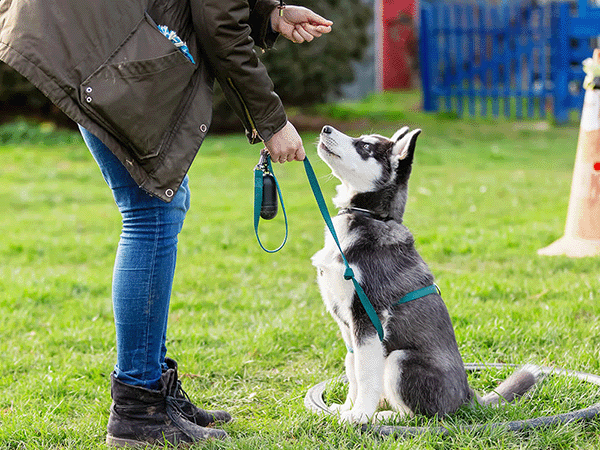
The Best Dog Trainers in the United States of 2026
This is a list of the top dog trainers in the United States, based on votes from the Sniffspot community and the general public.
The Best Dog Trainers in Seattle, WA of 2026
This is a list of the top dog trainers in Seattle, WA, based on votes from the Sniffspot community and the general public.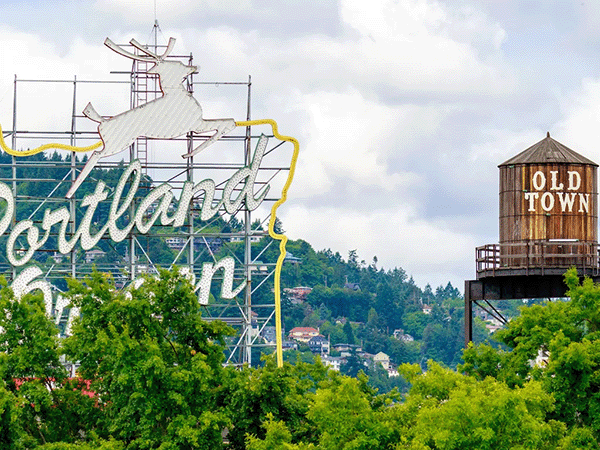
The Best Dog Trainers in Portland, OR of 2026
This is a list of the top dog trainers in Portland, OR, based on votes from the Sniffspot community and the general public.
The Best Dog Trainers in Los Angeles, CA of 2026
This is a list of the top dog trainers in Los Angeles, CA, based on votes from the Sniffspot community and the general public.
The Best Dog Trainers in New York, NY of 2026
This is a list of the top dog trainers in New York, NY, based on votes from the Sniffspot community and the general public.


City dog park guides
Best Dog Fields in the US: 25+ Wide-Open Spaces for Your Pup to Run Free
The best dog fields in the US offer something that traditional enclosed parks simply can't match: acres of open space where your pup can truly stretch their legs and run at full speed. From Colorado's 470-acre prairie meadows to Tennessee's...
Top 10 Indoor Dog Parks: A US Guide
Looking for a space to play with your dog no matter what the weather’s like outside? Look no further than our list of the best indoor dog parks in the United States! These climate-controlled spaces are growing in popularity as pet ownership...
Best Dog Parks in the US: Ultimate Guide to Public & Private Off-Leash Adventures
Is your pup giving you those pleading "let me run free" eyes? Whether you're a new dog parent or a seasoned pro looking for fresh adventures, finding the perfect off-leash paradise for your furry friend can feel ruff! From sun-soaked California...
Dog Parks Near Me: Las Vegas Edition
Looking for the perfect dog park near me in Las Vegas? You're in luck! This guide explores all the best options for your pup, from public dog parks to private dog parks near me on Sniffspot. We'll help you find the ideal spot for playtime,...Best Dog Parks in the US: Off-Leash Guide
Looking for the perfect dog park? Whether you need a wide-open public space or a private, fenced-in spot, this guide will help you find the best dog parks across the US. We'll cover top-rated public parks, the perks of private dog parks, and even...
Sniffspot: Portland's Best Private Dog Parks
Ready to discover Portland's best dog parks? Whether you're looking for a public park or the unique experience of a private Sniffspot, this guide has you covered. We'll help you find the perfect spot for your pup, with tips on what to bring, how...


Dog breeds
Best Dog Fields in the US: 25+ Wide-Open Spaces for Your Pup to Run Free
The best dog fields in the US offer something that traditional enclosed parks simply can't match: acres of open space where your pup can truly stretch their legs and run at full speed. From Colorado's 470-acre prairie meadows to Tennessee's...
German Shepherd Guide: Best Family Dog? Truth from 9K Owners
The German Shepherd Dog (GSDs) are known for their intelligence, loyalty, and striking appearance. They're also incredibly versatile, excelling as working dogs and devoted family companions. This guide covers everything you need to know about...
Labrador Retriever: Real Tips from Owners
Discover the Labrador Retriever, a breed celebrated for its playful nature, affectionate temperament, and trainability. Labradors are known for their friendly demeanor and adaptability, making them perfect family companions and versatile working...
Golden Retriever Advice: The Complete Owner's Guide
Golden Retrievers: they're gorgeous, playful, and incredibly popular. But before you welcome one into your home, you need the right golden retriever advice. This guide draws on the wisdom of nearly 10,000 Golden Retriever owners, offering...
Are American Staffordshire Terriers Good for First-Time Owners: Complete Guide
Think American Staffordshire Terriers are tough? Think again. While their muscular build might intimidate some, these dogs are known for their playful and loyal personalities. This guide draws on the experience of nearly 10,000 AmStaff owners to...
Australian Shepherd Facts: Breed Info & Care Guide
Discover the Australian Shepherd, an AKC breed celebrated for its trainable, playful, and affectionate nature. Despite its name, the Australian Shepherd is actually a native breed to the United States, originally developed to breed on farms and...


Top dog names in the US
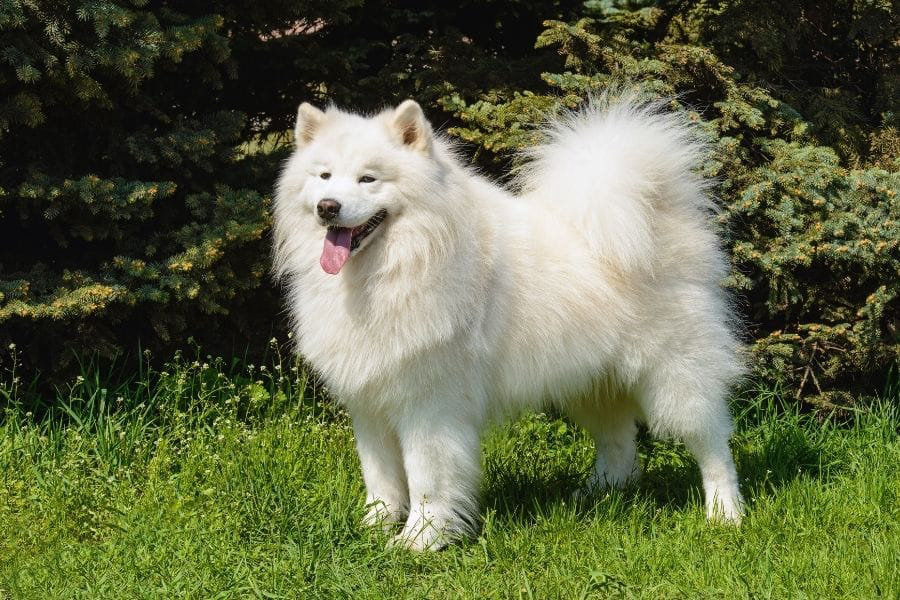
Top 1,000 Most Popular Dog Names
Looking for the perfect dog name for your new pup? We have created filterable lists of dog names from our database of hundreds of thousands of Sniffspot users. You can filter by gender, breed and state to find the most cute, unique and creative dog names.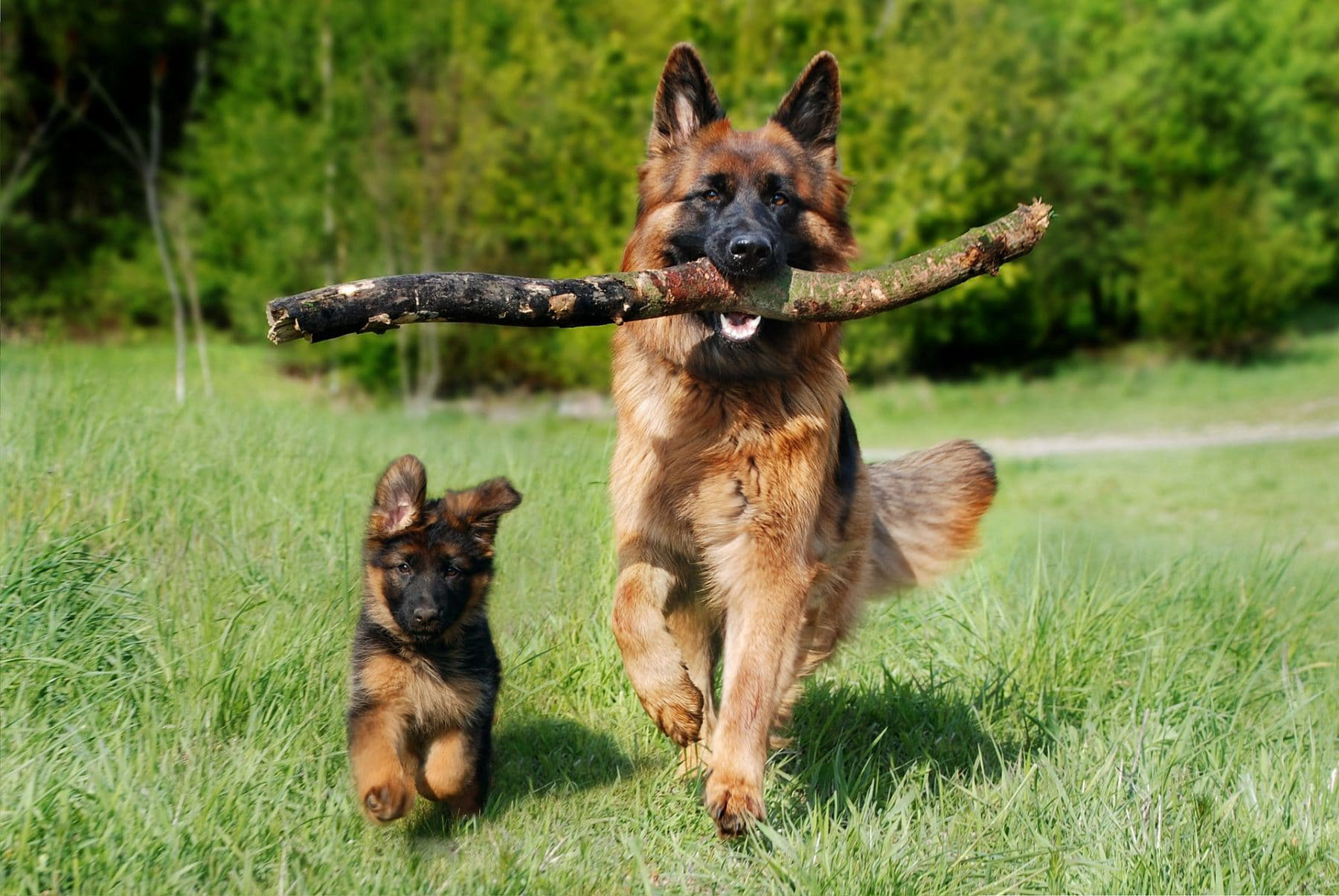
Most Popular Male Dog Names
Looking for the perfect dog name for your new male pup? We have created filterable lists of male dog names from our database of hundreds of thousands of Sniffspot users. You can filter by gender, breed and state to find the most cute, unique and creative male dog names.
Most Popular Female Dog Names
Looking for the perfect dog name for your new female pup? We have created filterable lists of female dog names from our database of hundreds of thousands of Sniffspot users. You can filter by gender, breed and state to find the most cute, unique and creative female dog names.
Most Popular Golden Retriever Names
Welcome to our comprehensive list of Golden Retriever dog names, curated from our vast database of Sniffspot users. Filter through hundreds of thousands of options by gender, breed, and state to discover the most adorable, original, and imaginative names for your beloved Golden Retriever.
Most Popular Labrador Retriever Names
Welcome to our Labrador Retriever dog names page! Here you can browse through filterable lists of names for your beloved furry friend, ranging from cute and classic to unique and creative options. Our database of hundreds of thousands of Sniffspot users ensures you'll find the perfect name for your Labrador Retriever, whether you're seeking a name for a male or female, based on breed or state.


Top dog rescues in the US

The Best Washington Dog Rescues & Shelters in 2026
This list showcases the top dog rescues & shelters in Washington. These remarkable organizations have been recognized for their unwavering dedication to the well-being of countless dogs.
The Best Oregon Dog Rescues & Shelters in 2026
This list showcases the top dog rescues & shelters in Oregon. These remarkable organizations have been recognized for their unwavering dedication to the well-being of countless dogs.
The Best California Dog Rescues & Shelters in 2026
This list showcases the top dog rescues & shelters in California. These remarkable organizations have been recognized for their unwavering dedication to the well-being of countless dogs.
The Best Florida Dog Rescues & Shelters in 2026
This list showcases the top dog rescues & shelters in Florida. These remarkable organizations have been recognized for their unwavering dedication to the well-being of countless dogs.
The Best New York Dog Rescues & Shelters in 2026
This list showcases the top dog rescues & shelters in New York. These remarkable organizations have been recognized for their unwavering dedication to the well-being of countless dogs.


