Top articlesSee all...

A Comprehensive Guide to Dog Exercise

How To Crate train An Older Dog - A Comprehensive Guide

How To Socialize A Dog - A Comprehensive Guide

Leash Training: A Guide to Training Your Dog to Walk on a Leash

Skijoring: A Guide to Skijoring with Dogs

The Best Dog Enrichment Toys

The Best United States Dog Parks

The Best Indoor Dog Parks in the United States

The Best Off-Leash Dog Parks in the United States
Top articles
A Comprehensive Guide to Dog Exercise
How To Crate train An Older Dog - A Comprehensive Guide
How To Socialize A Dog - A Comprehensive Guide
Leash Training: A Guide to Training Your Dog to Walk on a Leash
Skijoring: A Guide to Skijoring with Dogs
The Best Dog Enrichment Toys
The Best United States Dog Parks
The Best Indoor Dog Parks in the United States
The Best Off-Leash Dog Parks in the United States
See all...The Best Side Hustles for Dog Lovers (That Actually Pay)

/fit-in/0x450/wp-content/uploads/2026/07/Side-hustles-for-dog-lovers.png)
You already spend a good chunk of your income on your dog. Food, vet visits, toys he destroys in a week, the occasional emergency trip to the vet at 9pm. What if your dog, or at least your love of dogs, paid you back for once?
Side hustles for dog lovers are having a moment, and for good reason. The pet industry offers more entry points than most people realize, and a lot of that demand is for real, practical help: someone to walk the dog, watch the dog, train the dog, or give the dog a place to run. This isn't a "become a TikTok influencer and hope for the best" list. These are realistic side hustles for animal lovers and dog lovers alike, the kind real dog moms, dog dads, and pet lovers are doing right now, with honest income ranges and a clear sense of what each one actually requires to turn your passion for pets into something that pays.
Note: none of this is legal or tax advice. Rules vary by city and state, so treat the notes below as a starting point, not the final word, and check with your local licensing office or a tax professional before you get serious about any of these.
Jump Ahead: The Best Side Hustles for Dog Lovers (That Actually Pay)
- Side Hustle Income at a Glance
- Dog Walking
- Pet Sitting and Dog Boarding
- Hosting a Private Dog Space (Sniffspot)
- Dog Training
- Dog Photography
- Product-Based Side Hustles: Treats and Merch
- Pet Blogger or Content Creator
- Dog Grooming
- How to Choose the Right Side Hustle for You
- Frequently Asked Questions: Side Hustles for Dog Lovers
- Is a Dog Side Hustle Right for You?
Key Takeaways
- Dog walking and pet sitting are the easiest side hustles for dog lovers to start this week, with the lowest cost of entry and the least amount of planning.
- Hosting a private yard on Sniffspot is one of the only pet-related side hustles on this list that's genuinely passive: you don't need to be home, and you don't need to like every dog that books.
- Dog training and dog grooming pay the most per hour but require real upfront investment in certification before you can charge professional rates.
- Product-based side hustles like a dog treat bakery or handmade pet accessories have low startup costs but take longer to build steady income.
- Pet blogging and content creation are the slowest to pay off, often 12 to 24 months, and only make sense if you'd do it even without the income.
Side Hustle Income at a Glance
Every side hustle on this list trades off time, startup cost, and how hands-on the work is. Here's the quick version before the full breakdown below.

Above, see our income comparison chart for nine dog- and pet-related side hustles (dog walking, pet sitting/boarding, hosting a Sniffspot, dog training, dog photography, dog treat bakery, handmade pet accessories, pet blogging, and dog grooming), showing realistic income range, startup cost, time commitment, and best-fit person for each.

Dog Walking
Dog walking is the classic entry point into pet industry side hustles, and it's still one of the best for a reason: almost no startup cost, and you can start taking clients within days.
How It Works
Most dog walkers get their first clients through a dog walking app or through word of mouth in their neighborhood. You set your own availability, walk dogs on a schedule that works for you, and get paid per walk, often meeting up at local dog parks along the route. Building a client base outside these apps eventually cuts out the platform fee, but it takes longer to get started that way.
What It Actually Pays
Expect roughly $15 to $35 per walk depending on your market, with denser, pet-friendly cities toward the top of that range since demand for dog walkers tends to track closely with how many pups live within a short radius. A dog walker who's booked solid on a given day can put together a decent chunk of extra money without much overhead, and a successful dog walking schedule can realistically fill most of a weekday.
Pros and Cons
- Pros: Flexible schedule, low startup cost, built-in exercise for you, and a steady stream of dog time if that's what you're after.
- Cons: Weather-dependent, physically demanding over a full day, and there's a real income ceiling since your time is the only thing you're selling.
Good fit for: people who want to be active and social, and who don't mind being outside in less-than-perfect weather. If you're in an active dog market, it's worth checking the best US cities for active dogs to see how your city stacks up for demand.
⚖️ Legal note: Most areas don't require a special license to walk dogs professionally, but check local leash laws and look into basic liability insurance before you're regularly responsible for someone else's dog.

Pet Sitting and Dog Boarding
Pet sitting and dog boarding pay better than walking per hour, but they ask more of your space and your time. The appeal is straightforward: helping pet owners feel confident their dog is safe while they're away, and it's a genuinely easy way to give pet parents real peace of mind instead of a stranger's guess. Some sitters call it dog sitting instead, but it's the same basic services for pet owners either way.
In-Home Boarding vs. Drop-In Visits
In-home boarding means a dog stays overnight at your place, which pays more but takes over more of your home and schedule. Drop-in visits are shorter: you stop by to feed, walk, or check on a dog while their owner is away, and they're easier to fit around a day job.
Some pet sitters eventually offer a range of services beyond overnight stays, including doggy daycare and pet daycare drop-off during the workday, since not every client needs a full overnight stay. Building out actual daycare services usually means more space and more dogs at once, so most sitters ease into it rather than starting there.
Platforms vs. Building Your Own Client Base
Rover and Wag are the easiest way to find your first clients as a pet sitter, since they handle a lot of the trust-building work for you. Once you have reviews and repeat clients, a lot of pet sitters shift toward building their own client base directly, which keeps more of the money in your pocket.
What It Actually Pays
Realistic income lands around $25 to $100 per night for boarding, and $15 to $25 per drop-in visit. Clients often pay more than people expect once you factor in multiple dogs, holidays, or last-minute bookings; the real cost of having a dog breaks down why owners are often willing to pay a premium for reliable care.
What You Need
A safe, secure space for visiting dogs, basic pet first aid knowledge, and a genuine comfort level with pet waste cleanup, since that's a bigger part of the job than people expect.
Experienced pet sitters with a track record of good reviews can charge noticeably more than someone just starting out, and demand tends to spike around holiday pet travel, when boarding requests pile up fast. If you're comfortable with dogs who need a little more management, boarding a reactive dog is a smaller, less-served niche where you can often charge more.
⚖️ Legal note: Some cities and HOAs regulate home-based pet boarding, so check local zoning rules and your lease or HOA agreement before you start advertising overnight stays.

Hosting a Private Dog Space (Sniffspot)
If you have a yard, this is the pet-related side hustle on this list that requires the least active time, and it's one of the few that works even when you're not home.
How to Rent Your Yard
Sniffspot lets you list a fenced yard, and dog owners book it by the hour for private, off-leash time. You're not walking anyone's dog or cleaning up after an overnight guest. You set your price and availability, dog owners book through the app, and you get paid. That's it.
Who Books
Sniffspot hosts get booked by a wider range of dog owners than most people assume: owners of reactive dogs who need private space away from other dogs, people practicing recall or off-leash training, and dog owners who just want a change of scenery from the local dog park.
Reactive dog owners in particular are consistent, repeat bookers, since finding a reactive dog trainer or a safe place to practice is genuinely hard for them elsewhere.
What It Actually Pays
Most Sniffspot hosts charge somewhere between $5 and $30 per dog, per hour, depending on location, fencing quality, and what the space offers (Sniffspot Help Center). Sniffspot itself doesn't promise a specific number since it depends heavily on your space and market, but hosts in dense, dog-friendly areas with a fully fenced yard consistently report earning enough to meaningfully offset a rent or mortgage payment, and some hosts in strong markets have reported earning in the range of a few hundred to a few thousand dollars a month once their listing is established.
Gayle, a Sniffspot host in Pasadena, is a good example of what's possible without any prior hosting experience. She started her spot after losing her own dog and volunteering at a local shelter, and has welcomed more than 232 dogs since opening in September 2025, largely by keeping her prices low early on to build reviews, then raising them once demand picked up.
What You Need
An outdoor space and a Sniffspot listing. That's genuinely the floor. Shade, seating, fencing, and a water source help you charge more, and hosts who offer pet-friendly extras like this tend to book out faster, but none of it is required to get your first booking. Pet owners seek out spaces where their canine companion can just be a dog for an hour, and a basic, clean, secure yard already checks that box.
🐾 Have a yard dogs would love? List your space on Sniffspot →
Good fit for: homeowners with a yard who want passive income and don't want another active side hustle competing for their time.
⚖️ Legal note: Review your homeowner's insurance and local zoning before you list, and read through Sniffspot's host guidelines so you understand what's covered if something goes wrong during a booking.

Dog Training
Dog training pays well, but it's the side hustle on this list that asks the most of you before you can start charging for it.
The Investment
Unlike walking or sitting, dog training requires real upfront investment: certification, mentorship hours, and enough hands-on experience that clients trust you with their dog's behavior. This isn't a start-tomorrow hustle.
What It Actually Pays
Realistic income for a certified professional dog trainer runs $50 to $150 per hour for private sessions, which makes it one of the highest-paying options here once you're established.
Certification Paths
CPDT-KA (Certified Professional Dog Trainer) and KPA CTP (Karen Pryor Academy) are two respected, positive-reinforcement-based certification paths, both grounded in real animal behavior science rather than trends.
Both focus on force-free, reward-based methods rather than corrections or dominance-based training, which is the standard most reputable trainers and clients now expect. Clicker training is a good, low-cost way to start building real skills before you invest in formal certification. Some trainers eventually specialize further, in service dog training or behavior-specific work, once they've built a base of general obedience clients.
Best Starting Point
Assist an established trainer before going solo. It's the fastest way to build real experience, and a lot of trainers are open to bringing on an assistant, especially one willing to work for reduced pay in exchange for the mentorship.
Good fit for: people who want a longer-term career pivot into dog training, not just a quick side hustle, since the upfront time investment doesn't pay off immediately.
⚖️ Legal note: Positive reinforcement certifications like CPDT-KA aren't legally required to call yourself a dog trainer in most states, but liability insurance is worth the cost once you're regularly working with other people's dogs.

Dog Photography
Dog photography has a lower barrier to entry than most people assume, mostly because modern phone cameras have closed the gap with dedicated equipment.
Getting Started
You don't need a professional camera to start. A lot of successful pet photographers build their first portfolio entirely on a phone, offering free or discounted sessions to friends, shelters, and local rescues in exchange for permission to use the photos in their own marketing.
Who Hires Pet Photographers
Individual pet owners looking for a nice portrait, shelters and rescue organizations that need better adoption photos, and even other pet care providers, including Sniffspot hosts who want good photos of their space in action.
What It Actually Pays
Once you've built a portfolio, expect $100 to $300 per session, with pricing that climbs from there for experienced photographers with a strong local reputation for pet portrait work. Setting up a pet photography business is mostly about consistency: a simple booking page, a handful of strong portfolio shots, and a local pet community willing to share your work.
Good fit for: people who already have photography skills or a real interest in it, since the technical learning curve is the main thing separating a hobbyist from someone who can actually charge for the work.
⚖️ Legal note: A basic business license and liability insurance protect you if a shoot goes wrong, and a signed model release covers you if you plan to use client dogs in your own marketing or portfolio.

Product-Based Side Hustles: Treats and Merch
If you'd rather make something than provide a service, product-based side hustles let you turn a love for animals into things dog lovers actually buy.
Dog Treat Bakery
Homemade dog treats are one of the more approachable pet industry side hustles to start, since the barrier is mostly ingredients and time, not certification.
Most home bakers selling dog treats as a side hustle land somewhere between $100 and $1,000 a month, working just a few hours a week around an existing schedule. That's realistic for someone selling locally or through a small online shop, not running it as a full-time bakery. Some outliers can even earn upwards of $4,000 per month from their own kitchens.
Profit margins on dog treats tend to run high, often 30 to 60 percent, since ingredients are cheap relative to what pet parents are willing to pay for something that looks handmade and feels special.
Local farmers markets, a pet supplies store willing to carry a local product, and a simple online shop are the most common ways to start selling. Before you consider starting a pet treat business as anything more than a hobby, it's worth checking what your state actually requires.
⚖️Legal note: Homemade pet treats sold for profit are usually subject to your state's cottage food laws or pet food labeling rules, so check your state's requirements before you sell your first batch. This is one of the more commonly overlooked legal steps on this list.
Handmade Pet Accessories and Merch
Dog collars, bandanas, leashes, dog toys, and other handmade pet products sell well on platforms like Etsy, especially anything personalized. A custom collar or ID tag typically sells in the $15 to $45 range with strong margins, and handmade pet clothing like bandanas or sweaters often runs $12 to $40.
Income varies a lot here. Casual sellers often make $50 to $500 a month, while people who treat it like a real small business, with consistent listings and decent product photos, can build toward several thousand dollars a month over a year or two. Selling pet products this way rewards consistency more than any single "hit" dog product, and a strong local pet following on social media tends to matter more than paid ads early on.
⚖️ Legal note: An LLC or formal business license isn't required to start selling handmade goods, but it's worth setting up once you're selling regularly, both for liability and for keeping your taxes straightforward.

Pet Blogger or Content Creator
This is the honest, slow-build option on this list, and it deserves an honest take: it's the most competitive, requires the most consistency, and pays the least for the longest stretch of time.
How It Actually Makes Money
Plenty of people who become a pet blogger or content creator started with no plan beyond posting about their own dog. Pet bloggers and content creators typically earn through a mix of affiliate links, brand partnerships, and ad revenue once they've built an audience of engaged pet lovers.
None of these pay meaningfully until you have real, engaged traffic or followers, which takes time to build. Successful pet content often covers pet health basics, gear reviews, or breed-specific advice, the kind of practical information people actually search for.
Realistic Timeline
Most creative side hustles in this category take 12 to 24 months of consistent posting before they generate meaningful income, and plenty never do. This isn't a discouragement so much as an honest expectation to set going in.
A lot of successful pet creators didn't start there either; some came from photography, some from a totally unrelated career like event planner, and simply pivoted once they realized how much they enjoyed the pet side of things.
Good fit for: people who would keep doing it even if it didn't pay, at least at first, since the early months look a lot like a hobby before they look like income.
⚖️ Legal note: Affiliate links and sponsored content require an FTC disclosure, and that rule applies no matter how small your following is.

Dog Grooming
Dog grooming is high demand and fairly recession-proof, since people keep their dogs groomed even when they're cutting other spending.
The Investment
Like dog training, grooming isn't a start-tomorrow hustle. It requires real training or certification, and most successful groomers spend time working under an experienced groomer before going independent.
What It Actually Pays
Realistic income runs $50 to $100 per dog once you're established, with mobile grooming increasingly commanding premium rates since it saves pet owners a trip.
Mobile Grooming
Mobile grooming vans are a growing segment of the pet industry, since convenience is genuinely valuable to busy pet parents. The startup cost is higher than in-home pet grooming services, but so is the ceiling on what you can charge.
Good fit for: hands-on people willing to invest in training upfront, since this is one of the more physically demanding options on this list.
⚖️ Legal note: Some states require groomers to be licensed or facilities to pass health inspections, especially for mobile grooming vans, so check your state's specific requirements before setting up shop.
How to Choose the Right Side Hustle for You
With this many options, the right pick usually comes down to a handful of honest questions about your time, budget, and how hands-on you want to be.
- How much time do you actually have? Passive options like hosting a Sniffspot fit around a busy schedule. Active ones like dog walking or pet sitting need dedicated hours.
- Do you want to work with dogs directly? If yes, dog walking, pet sitting, and dog training put you in direct contact with dogs. If not, hosting, product-based side hustles, and content creation keep you more in the background.
- What's your startup budget? Low-budget options include dog walking and hosting a Sniffspot. Higher-budget options include dog grooming and dog training, both of which require real certification costs upfront.
- Are you in an urban or suburban market? This matters a lot for pricing across nearly every option on this list, from dog walking rates to Sniffspot booking demand.
The income comparison table above is worth a second look here if you're weighing two or three options against each other.
Frequently Asked Questions: Side Hustles for Dog Lovers
These are the questions that come up most often once people start seriously considering a pet-related side hustle.
How much can you make as a dog walker?
Most dog walkers earn $15 to $25 per walk, depending on their market. A walker who can book multiple walks a day, especially in a dense, pet-friendly city, can turn this into a meaningful chunk of extra money without much overhead.
Is pet sitting a good side hustle?
Yes, for many pet owners. Pet sitting pays better per hour than dog walking, and clients often pay more than people expect for reliable, trustworthy care, especially around holidays. It does take up more of your time and space than a quick walk, so it fits best for people with flexibility in their schedule.
Do you need a license to be a pet sitter?
In most areas, no formal license is required to start pet sitting, but rules vary by city and state. Some cities and HOAs have restrictions on home-based pet boarding specifically, so it's worth checking local regulations before advertising overnight stays.
What's the easiest way to make money with dogs?
Dog walking and hosting a private space like a Sniffspot are the two easiest ways to make money with dogs and pets, since both have low startup costs and don't require certification. Hosting is the more passive of the two.
Can I make money if I don't want to walk dogs?
Yes. Hosting a Sniffspot, selling dog treats or handmade pet products, pet photography, and pet blogging are all pet-related side hustles that don't require you to walk dogs at all.
What is Sniffspot and how does hosting work?
Sniffspot is a platform where dog owners rent private, fenced yards by the hour for safe, off-leash time. As a host, you list your space, set your own price and availability, and get paid when dog owners book. It doesn't require active work once your listing is live, which makes it one of the more genuinely passive side hustles for dog lovers.
Do I need to report side hustle income on my taxes?
Yes. Side hustle income is taxable in the US regardless of how small it is, and if you earn above certain thresholds through a platform like Rover, Wag, or Sniffspot, you may receive a tax form from that platform directly. Keep basic records of your income and expenses from the start, and talk to a tax professional if your side hustle grows into consistent income.
Is a Dog Side Hustle Right for You?
Dog people are creative and resourceful, and there's a side hustle here for nearly every lifestyle. Turning a love of pets into a profitable side hustle doesn't require picking the flashiest option on this list, just the one that fits how much time and energy you actually have.
Some of these options ask you to be out and active with dogs all day. Others, like hosting a private yard, let you earn passively from a space you already own without changing your daily routine at all, which is exactly what makes it such a rewarding side hustle for people who already have the space.
The honest version of this list matters more than the exciting one: dog walking and hosting are the easiest to start this week, training and grooming pay the most once you've invested in certification, and content creation is a long game that only makes sense if you'd do it anyway. Pick the one that actually fits your life, not the one that sounds the most impressive.
🐾 Have a yard dogs would love? List your space on Sniffspot →


/fit-in/0x128/wp-content/uploads/2026/10/puppy-obedience-training.png)
/fit-in/0x128/wp-content/uploads/2022/07/shutterstock_237584221-1.jpg)
/fit-in/0x128/wp-content/uploads/2020/08/shutterstock_421958377.jpg)
/fit-in/0x128/wp-content/uploads/2026/07/Dog-Enrichment-DIYs.png)
/fit-in/0x128/wp-content/uploads/2026/07/The-great-dog-debate.png)
Most recent articles
/fit-in/0x256/wp-content/uploads/2026/10/puppy-obedience-training.png)
/fit-in/0x256/wp-content/uploads/2022/07/shutterstock_237584221-1.jpg)
/fit-in/0x256/wp-content/uploads/2020/08/shutterstock_421958377.jpg)
/fit-in/0x128/wp-content/uploads/2025/03/Moving-with-your-pet-1.png)
/fit-in/0x256/wp-content/uploads/2025/03/Moving-with-your-pet-1.png)
/fit-in/0x128/wp-content/uploads/2024/11/Screen-Shot-2024-11-29-at-12.58.43-PM.png)
/fit-in/0x256/wp-content/uploads/2024/11/Screen-Shot-2024-11-29-at-12.58.43-PM.png)
/fit-in/0x128/wp-content/uploads/2025/03/Moving-with-your-pet-2.png)
/fit-in/0x256/wp-content/uploads/2025/03/Moving-with-your-pet-2.png)
Related articles
Top dog guides per area
Dog training guides

Best Dog Fields in the US: 25+ Wide-Open Spaces for Your Pup to Run Free
The best dog fields in the US offer something that traditional enclosed parks simply can't match: acres of open space where your pup can truly stretch their legs and run at full speed. From Colorado's 470-acre prairie meadows to Tennessee's...
Dog Food Aggression & Resource Guarding Guide
Does your dog ever growl when you walk by their food dish? Maybe they get possessive of treats, carrying them far away and giving you side-eye when you start to approach — or snarling at your other pets or children if they get too close.
The Ultimate Guide to Scent Training for Dogs
Your dog's nose is an amazing tool. Did you know they have 40 times the olfactory receptors than humans? Scent training for dogs taps into this superpower, turning everyday moments into exciting sniff-fests. It's enriching for all types of dogs –...
How Much Does It Cost to Train a Service Dog?
More than 80 million Americans rely on their service dogs to help them navigate the world. Task-trained assistance animals perform a huge range of life-changing—in many cases, life-saving—services: These dogs act as eyes for visually impaired...
How to Deal With Puppy Potty Training Regression
You thought those dreaded middle-of-the-night potty breaks were over. You were finally free from cleaning up puppy puddles. Then, suddenly, your six-month-old who's been accident-free for weeks starts peeing on your rug again.
Dirty Dog Syndrome: Causes, Solutions, and Prevention
It's a cringe-worthy moment every dog owner dreads: your furry friend chowing down on something truly disgusting. If your dog has a penchant for poop, you're dealing with coprophagia. It's more common than you think, and thankfully, often...
/354x256/wp-content/uploads/2025/09/Screenshot-2025-09-21-at-6.39.54-PM.png)
/354x256/wp-content/uploads/2020/08/bernese-mountain-dog-208092_1280.jpg)
/354x256/wp-content/uploads/2022/04/shutterstock_543831754.jpg)
/354x256/wp-content/uploads/2022/08/shutterstock_494495788-1.jpg)
/354x256/wp-content/uploads/2022/07/shutterstock_237584221-1.jpg)
/354x256/wp-content/uploads/2022/10/shutterstock_705844504.jpg)
Dog enrichment guides
Best Dog Fields in the US: 25+ Wide-Open Spaces for Your Pup to Run Free
The best dog fields in the US offer something that traditional enclosed parks simply can't match: acres of open space where your pup can truly stretch their legs and run at full speed. From Colorado's 470-acre prairie meadows to Tennessee's...
Best Dog Water Parks in the US: 15+ Amazing Splash Destinations for Your Pup
Do you have a water-loving dog looking to burn some energy? There are countless dog parks to visit throughout our country — but some of them become far too hot in the midday sun to be safe for your pets to play. That’s why we’ve put together a...
Best Toys for Herding Dogs: Keeping Your Pup Happy & Engaged
Herding dogs are amazing, intelligent companions. But that also means they need more than just a simple game of fetch. Finding the right toys for herding dogs is key to keeping them happy and stimulated. This article explores some of the best toys...
Tough Dog Toys for Aggressive Chewers: A Practical Guide
Does your dog destroy every toy you give them? Is your house littered with the remnants of plush toys? Are you tired of wasting money on "indestructible" dog toys for aggressive chewers that don't last? Then this post is for you. We'll cover...
Dog Exercise Calculator: How Much Exercise Does Your Dog Need?
Every dog needs to move, but how much is actually enough? The answer depends on more than just breed. Age, health, and even your own lifestyle all play a role in figuring out the right daily exercise routine for your pup.
Complete Guide To Herding With Dogs
* All Sniffspot articles are reviewed by certified trainers for quality, please see bottom of article for details *
/354x256/wp-content/uploads/2023/04/dogwaterpark.png)
/354x256/wp-content/uploads/2022/05/shutterstock_174836186.jpg)
/354x256/wp-content/uploads/2023/02/shutterstock_1346929262.jpg)
/354x256/wp-content/uploads/2022/08/dogexercisecalculatorfeaturedimage.jpg)
/354x256/wp-content/uploads/2020/07/bb.jpg)
Dog reactivity guides
Best Dog Fields in the US: 25+ Wide-Open Spaces for Your Pup to Run Free
The best dog fields in the US offer something that traditional enclosed parks simply can't match: acres of open space where your pup can truly stretch their legs and run at full speed. From Colorado's 470-acre prairie meadows to Tennessee's...
Rottweiler Aggression: Signs, Causes & Training
Many dogs have gotten a bad reputation over the years for being "dangerous breeds." Rottweilers are among them. Like pit bulls and other large, blocky-headed types of dogs, these powerful and beautiful animals are often assumed to be aggressive.
The Reactive Dog Chart: How to Calm Your Dog's Triggers
If your dog lunges, barks, or loses their mind at the sight of another dog, a stranger, or a bicycle, you’re living with a reactive dog (and you’re far from alone). Dog reactivity is one of the most common behavioral challenges dog owners face,...
How to Socialize a Reactive Dog: A Step-by-Step Guide
Does your dog display reactivity to other pets or people—barking, lunging, or growling when they see their triggers? Whether they're a rescue still settling in, missed critical socialization as a puppy, or had a negative experience that changed...
What Is a Reactive Dog? The Complete Guide for Understanding and Helping Your Pup
Does your dog transform into a barking, lunging tornado the second they spot another dog across the street? You're definitely not alone. According to our research of over 4,000 dog owners, 66% of dogs show some signs of reactivity.
9 Best Online Communities for Reactive Dog Parents
Does your dog's reactivity make walks stressful? You're not alone. Many dog owners face similar challenges. This guide offers practical advice and support for managing reactivity, including finding the best online dog training for reactive dogs....
/354x256/wp-content/uploads/2023/05/Screen-Shot-2024-05-23-at-9.33.57-PM.png)
/354x256/wp-content/uploads/2022/08/dogreactivitychartfeaturedimage.jpg)
/354x256/wp-content/uploads/2022/08/shutterstock_523383649.jpg)
/354x256/wp-content/uploads/2020/07/a.jpg)
/354x256/wp-content/uploads/2022/01/shutterstock_796422001.jpg)
Sniffspot community guides
Best Dog Fields in the US: 25+ Wide-Open Spaces for Your Pup to Run Free
The best dog fields in the US offer something that traditional enclosed parks simply can't match: acres of open space where your pup can truly stretch their legs and run at full speed. From Colorado's 470-acre prairie meadows to Tennessee's...
The State of Public Dog Parks Across the United States
From 2009 to 2020, there was a 40 percent increase in the development of public dog parks. Designated spots for canine exercise have become commonplace in every major city in North America — many pet owners won’t even consider renting an apartment...
How This Family is Affording Their Dream Property Through Renting it Hourly to Dogs
Thousand Oaks, California has been a safe haven for Sniffspot host, Jen, since childhood. Having grown up in busy Santa Barbara, Jen, an introvert from an early age, would seek out solitude and serenity away from tourists attractions and droves of...
Host Tips: Ellen K. What Makes Sniffspot Successful for Me
Ellen is the host of Country Pasture Getaway, one of Sniffspot's most popular sniff spots. She has taken the time to write up the lessons she has learned about how to be a great sniff spot host.
How this Oregon Farmer is Making a Business From Renting Her Land to Dogs
Just 20 minutes outside of the busy city of Portland, Oregon, and settled right on the banks of the Columbia River, you’ll find what countless visitors have flocked to the area in search of – mountain views, crisp, clean air, and running water for...
Host Tips: Fran T. Providing Great Guest Service at our Spot
Fran is the host of Ranch Setting, one of Sniffspot's most popular spots. She has taken the time to write up the lessons she has learned about how to be a great Sniffspot host.
/354x256/wp-content/uploads/2022/07/Sniffspot_infographic_1-01.jpeg)
/354x256/wp-content/uploads/2021/05/Final-Edit-003-1.jpg)
/354x256/wp-content/uploads/2020/07/good-photo-3_orig.jpg)
/354x256/wp-content/uploads/2021/05/sniffspot-28-of-45-1.jpg)
/354x256/wp-content/uploads/2020/07/screen-shot-2019-09-19-at-2-01-47-pm_orig.png)
Top dog trainers in the US
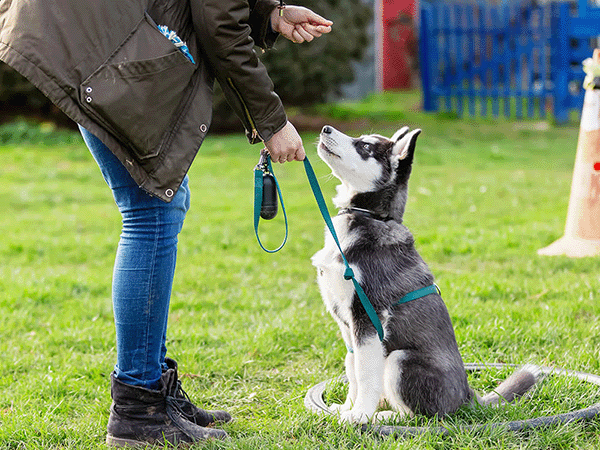
The Best Dog Trainers in the United States of 2026
This is a list of the top dog trainers in the United States, based on votes from the Sniffspot community and the general public.
The Best Dog Trainers in Seattle, WA of 2026
This is a list of the top dog trainers in Seattle, WA, based on votes from the Sniffspot community and the general public.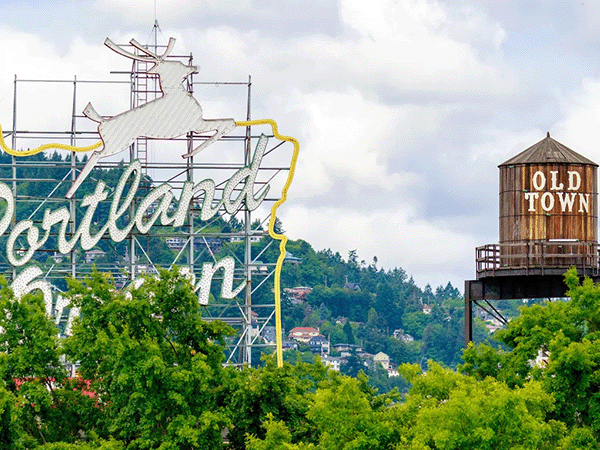
The Best Dog Trainers in Portland, OR of 2026
This is a list of the top dog trainers in Portland, OR, based on votes from the Sniffspot community and the general public.
The Best Dog Trainers in Los Angeles, CA of 2026
This is a list of the top dog trainers in Los Angeles, CA, based on votes from the Sniffspot community and the general public.
The Best Dog Trainers in New York, NY of 2026
This is a list of the top dog trainers in New York, NY, based on votes from the Sniffspot community and the general public.


City dog park guides
Best Dog Fields in the US: 25+ Wide-Open Spaces for Your Pup to Run Free
The best dog fields in the US offer something that traditional enclosed parks simply can't match: acres of open space where your pup can truly stretch their legs and run at full speed. From Colorado's 470-acre prairie meadows to Tennessee's...
Top 10 Indoor Dog Parks: A US Guide
Looking for a space to play with your dog no matter what the weather’s like outside? Look no further than our list of the best indoor dog parks in the United States! These climate-controlled spaces are growing in popularity as pet ownership...
Best Dog Parks in the US: Ultimate Guide to Public & Private Off-Leash Adventures
Is your pup giving you those pleading "let me run free" eyes? Whether you're a new dog parent or a seasoned pro looking for fresh adventures, finding the perfect off-leash paradise for your furry friend can feel ruff! From sun-soaked California...
Dog Parks Near Me: Las Vegas Edition
Looking for the perfect dog park near me in Las Vegas? You're in luck! This guide explores all the best options for your pup, from public dog parks to private dog parks near me on Sniffspot. We'll help you find the ideal spot for playtime,...Best Dog Parks in the US: Off-Leash Guide
Looking for the perfect dog park? Whether you need a wide-open public space or a private, fenced-in spot, this guide will help you find the best dog parks across the US. We'll cover top-rated public parks, the perks of private dog parks, and even...
Sniffspot: Portland's Best Private Dog Parks
Ready to discover Portland's best dog parks? Whether you're looking for a public park or the unique experience of a private Sniffspot, this guide has you covered. We'll help you find the perfect spot for your pup, with tips on what to bring, how...
/354x256/wp-content/uploads/2023/04/indoordogparks.png)
/354x256/wp-content/uploads/2023/03/offleashdogparks.png)
/354x256/wp-content/uploads/2023/02/vegas.jpg)
/354x256/wp-content/uploads/2023/02/portland.jpg)
Dog breeds
Best Dog Fields in the US: 25+ Wide-Open Spaces for Your Pup to Run Free
The best dog fields in the US offer something that traditional enclosed parks simply can't match: acres of open space where your pup can truly stretch their legs and run at full speed. From Colorado's 470-acre prairie meadows to Tennessee's...
German Shepherd Guide: Best Family Dog? Truth from 9K Owners
The German Shepherd Dog (GSDs) are known for their intelligence, loyalty, and striking appearance. They're also incredibly versatile, excelling as working dogs and devoted family companions. This guide covers everything you need to know about...
Labrador Retriever: Real Tips from Owners
Discover the Labrador Retriever, a breed celebrated for its playful nature, affectionate temperament, and trainability. Labradors are known for their friendly demeanor and adaptability, making them perfect family companions and versatile working...
Golden Retriever Advice: The Complete Owner's Guide
Golden Retrievers: they're gorgeous, playful, and incredibly popular. But before you welcome one into your home, you need the right golden retriever advice. This guide draws on the wisdom of nearly 10,000 Golden Retriever owners, offering...
Are American Staffordshire Terriers Good for First-Time Owners: Complete Guide
Think American Staffordshire Terriers are tough? Think again. While their muscular build might intimidate some, these dogs are known for their playful and loyal personalities. This guide draws on the experience of nearly 10,000 AmStaff owners to...
Australian Shepherd Facts: Breed Info & Care Guide
Discover the Australian Shepherd, an AKC breed celebrated for its trainable, playful, and affectionate nature. Despite its name, the Australian Shepherd is actually a native breed to the United States, originally developed to breed on farms and...
/354x256/wp-content/uploads/2024/07/German-Shepherd-Dog.png)
/354x256/wp-content/uploads/2024/07/Screen-Shot-2024-07-24-at-4.06.05-PM.png)
/354x256/wp-content/uploads/2024/07/Screen-Shot-2024-07-25-at-3.05.09-PM.png)
/354x256/wp-content/uploads/2024/07/staffy.jpg)
/354x256/wp-content/uploads/2024/07/Screen-Shot-2024-07-25-at-3.39.43-PM.png)
Top dog names in the US
Top 1,000 Most Popular Dog Names
Looking for the perfect dog name for your new pup? We have created filterable lists of dog names from our database of hundreds of thousands of Sniffspot users. You can filter by gender, breed and state to find the most cute, unique and creative dog names.
Most Popular Male Dog Names
Looking for the perfect dog name for your new male pup? We have created filterable lists of male dog names from our database of hundreds of thousands of Sniffspot users. You can filter by gender, breed and state to find the most cute, unique and creative male dog names.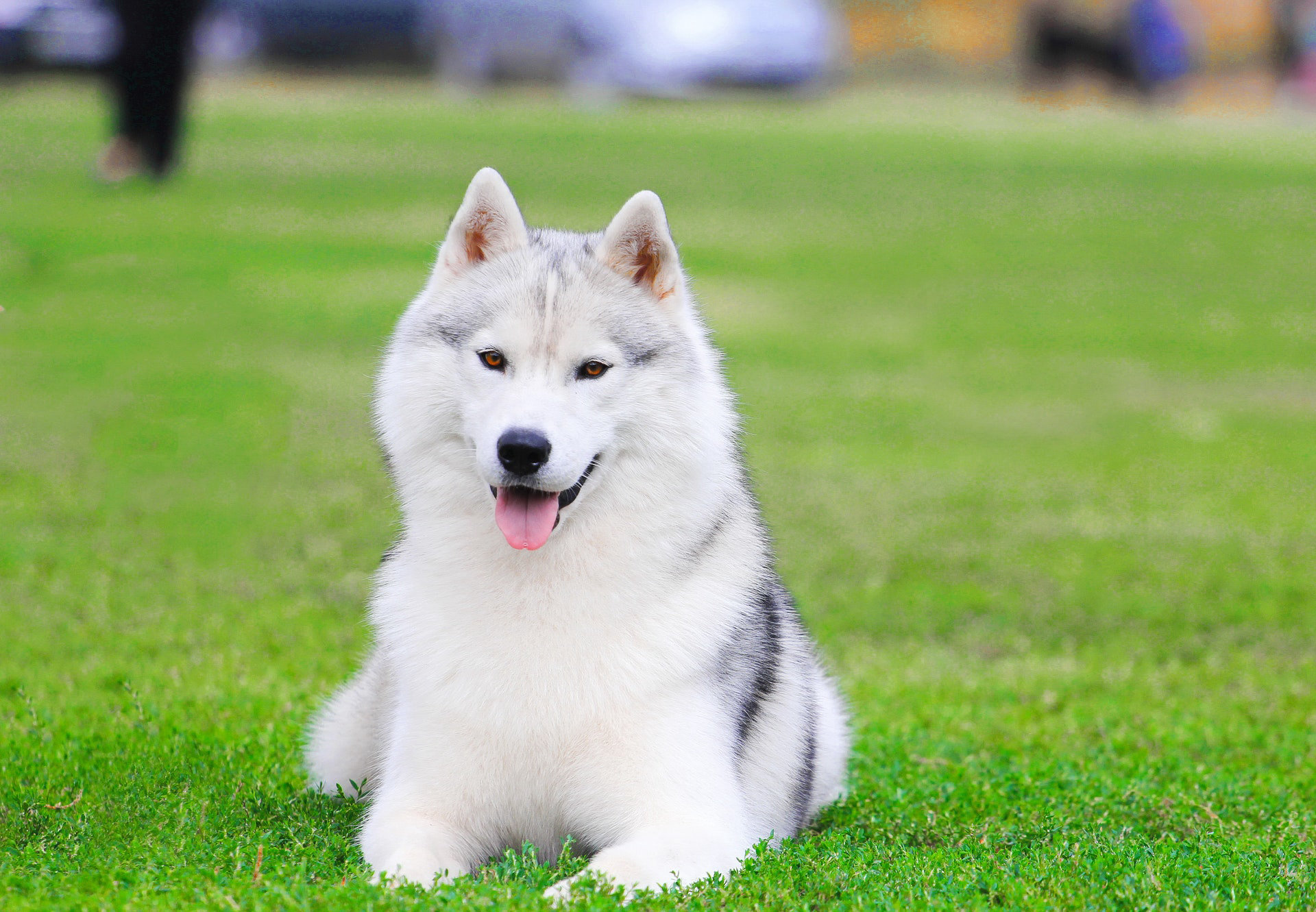
Most Popular Female Dog Names
Looking for the perfect dog name for your new female pup? We have created filterable lists of female dog names from our database of hundreds of thousands of Sniffspot users. You can filter by gender, breed and state to find the most cute, unique and creative female dog names.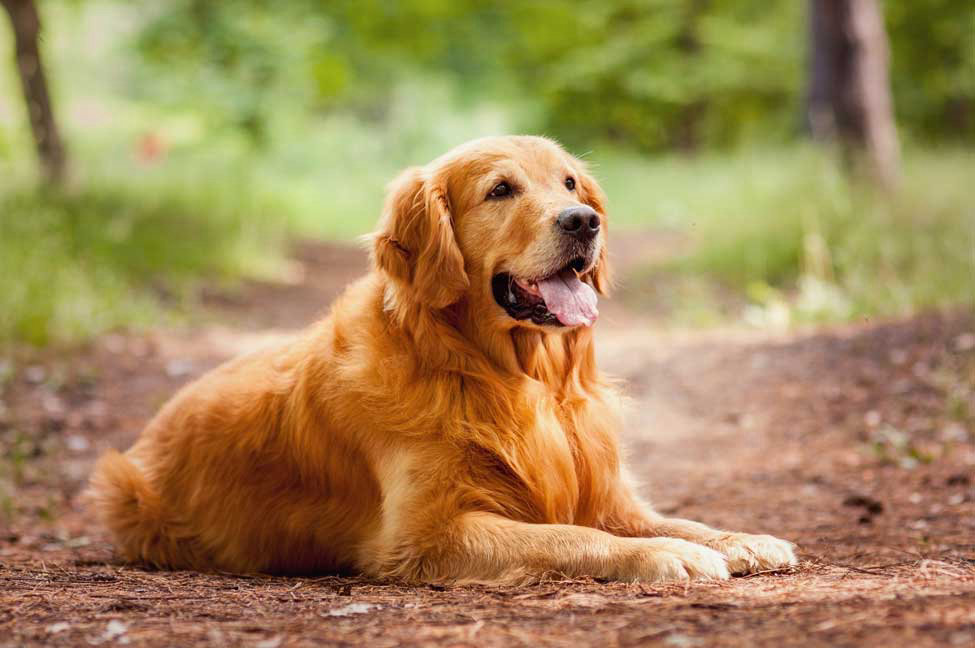
Most Popular Golden Retriever Names
Welcome to our comprehensive list of Golden Retriever dog names, curated from our vast database of Sniffspot users. Filter through hundreds of thousands of options by gender, breed, and state to discover the most adorable, original, and imaginative names for your beloved Golden Retriever.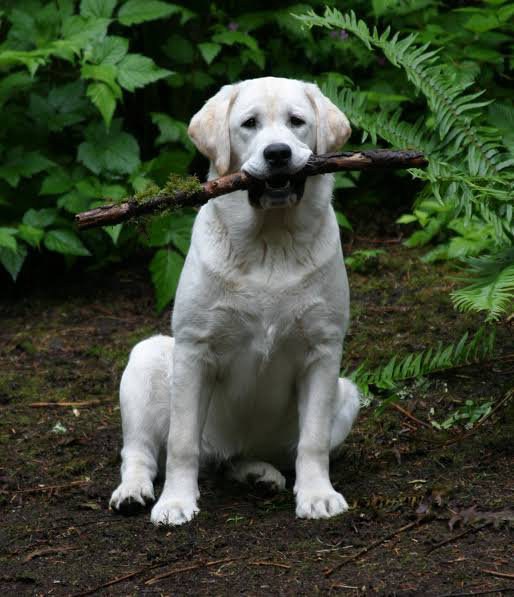
Most Popular Labrador Retriever Names
Welcome to our Labrador Retriever dog names page! Here you can browse through filterable lists of names for your beloved furry friend, ranging from cute and classic to unique and creative options. Our database of hundreds of thousands of Sniffspot users ensures you'll find the perfect name for your Labrador Retriever, whether you're seeking a name for a male or female, based on breed or state.


Top dog rescues in the US

The Best Washington Dog Rescues & Shelters in 2026
This list showcases the top dog rescues & shelters in Washington. These remarkable organizations have been recognized for their unwavering dedication to the well-being of countless dogs.
The Best Oregon Dog Rescues & Shelters in 2026
This list showcases the top dog rescues & shelters in Oregon. These remarkable organizations have been recognized for their unwavering dedication to the well-being of countless dogs.
The Best California Dog Rescues & Shelters in 2026
This list showcases the top dog rescues & shelters in California. These remarkable organizations have been recognized for their unwavering dedication to the well-being of countless dogs.
The Best Florida Dog Rescues & Shelters in 2026
This list showcases the top dog rescues & shelters in Florida. These remarkable organizations have been recognized for their unwavering dedication to the well-being of countless dogs.
The Best New York Dog Rescues & Shelters in 2026
This list showcases the top dog rescues & shelters in New York. These remarkable organizations have been recognized for their unwavering dedication to the well-being of countless dogs.
/354x256/Photos/SeoDogRescue/1282/178507e67e44-MC_logo_square.jpg)
/354x256/Photos/SeoDogRescue/931/cef8bbb17769-South_Coast_Humane_Society.png)
/354x256/Photos/SeoDogRescue/61/30aea3371b69-MainSquare_2.png)
/354x256/Photos/SeoDogRescue/298/1000035238.jpg)
/354x256/Photos/SeoDogRescue/814/91cfd62cd986-IMG_1035.jpeg)