Top articlesSee all...

A Comprehensive Guide to Dog Exercise

How To Crate train An Older Dog - A Comprehensive Guide

How To Socialize A Dog - A Comprehensive Guide

Leash Training: A Guide to Training Your Dog to Walk on a Leash

Skijoring: A Guide to Skijoring with Dogs

The Best Dog Enrichment Toys

The Best United States Dog Parks

The Best Indoor Dog Parks in the United States

The Best Off-Leash Dog Parks in the United States
Top articles
A Comprehensive Guide to Dog Exercise
How To Crate train An Older Dog - A Comprehensive Guide
How To Socialize A Dog - A Comprehensive Guide
Leash Training: A Guide to Training Your Dog to Walk on a Leash
Skijoring: A Guide to Skijoring with Dogs
The Best Dog Enrichment Toys
The Best United States Dog Parks
The Best Indoor Dog Parks in the United States
The Best Off-Leash Dog Parks in the United States
See all...The Best Dog Breeds for Swimming (And a Few That Sink)

/fit-in/0x450/wp-content/uploads/2026/05/best-breeds-for-swimming.png)
Some dogs hit the water and it looks like they've been training for it their whole lives. Tail working like a rudder, paws churning, giant grin. Other dogs step one paw in, look at you with deep personal offense, and walk away.
The difference usually comes down to genetics. The best dog breeds for swimming weren't just lucky enough to like water. They were selectively bred over centuries to work in it, retrieve from it, and thrive in conditions that would send other dogs straight to the towel pile.
This guide covers the breeds built for water, the ones that can manage with some encouragement, and the ones you really should not let dive off the dock without serious supervision. There's also a practical section on what to know before your dog's first swim, whatever their breed.
Whether you've got a Labrador who needs a lake to match their energy level or a Bulldog who deserves a clear-eyed heads-up about their limitations, you're in the right place.
Jump Ahead: The Best Dog Breeds for Swimming
- Key Takeaways
- Why Some Dogs Are Built for Water
- The Best Swimming Dog Breeds
- Breeds That Can Swim But Need Extra Support
- Dog Breeds That Struggle to Swim (And Why)
- Do All Dogs Need to Be Swimmers?
- What to Know Before Your Dog's First Swim
- Frequently Asked Questions: Best Dog Breeds for Swimming
- Get to Know The Swimming Breeds
Key Takeaways
- Water-loving breeds were selectively bred for jobs in and around water, giving them physical traits like webbed feet, water-resistant coats, and otter-like tails.
- Labrador Retrievers, Golden Retrievers, Portuguese Water Dogs, and Standard Poodles are among the strongest natural swimmers.
- Brachycephalic breeds (Bulldogs, French Bulldogs, Pugs) face genuine respiratory risks in water and should never swim unsupervised.
- Heavy-fronted, short-legged, or very small breeds tire quickly and benefit from life jackets even in shallow water.
- No dog should be forced into water. Positive, gradual introduction works far better and keeps the experience safe.
- Private water access gives high-energy water breeds the off-leash freedom they need without the chaos of public swimming spots.
Why Some Dogs Are Built for Water
A Labrador Retriever doesn't love swimming because of good luck. It loves swimming because its ancestors were bred for centuries to retrieve fishing nets in the freezing waters off Newfoundland. That job required a dog that could swim strongly, stay warm in cold water, and haul lines without quitting.
The physical traits that made that work possible are still present in modern Labs: webbed paws that work like paddles, a dense water-resistant double coat that traps warmth, and a thick "otter tail" that functions as a rudder. These aren't coincidences. They're the result of deliberate selective breeding for water work.
This pattern repeats across every breed on the best swimmer list. Portuguese Water Dogs herded fish and retrieved gear between fishing boats. Standard Poodles retrieved waterfowl from cold German lakes. Irish Water Spaniels were developed specifically for hunting in the waterways of Ireland.
Understanding the working history behind a breed tells you a lot about how they'll approach water. Breeds with generations of water work in their background tend to take to it naturally. Breeds developed for land-based jobs (herding, tracking, guarding) often can swim, but it's not in their bones the same way.
It's also worth noting that anatomy matters enormously. Short noses, barrel chests, and heavy front-to-back weight distribution all affect how a dog performs in water. We'll get to those specifics in the section on breeds that struggle.
The Best Swimming Dog Breeds
These breeds aren't just capable swimmers. Water is often where they're happiest and most physically fulfilled. Many of them are working-level energy dogs whose exercise needs go beyond what a backyard can realistically meet.

Labrador Retriever
The Labrador Retriever is the gold standard of water dogs, and it earned that title. Originally bred by fishermen in Newfoundland, Canada, Labs were working dogs who retrieved fish that escaped nets, hauled lines, and spent long days in cold North Atlantic water. Their physical traits reflect that history precisely: webbed toes that act as natural paddles, a short dense double coat that repels water while insulating against cold, and a thick, rounded "otter tail" they use to steer.
Labs aren't just capable in water. They are genuinely athletic swimmers who often prefer water to almost any other activity. Most will enter water without hesitation and will stay in far longer than their owners want to stand on a shore.
They're also among the most trainable breeds, which makes teaching water safety and recall cues genuinely straightforward. If you have a Lab and access to water, you have a very happy dog.

Golden Retriever
The Golden Retriever was developed in the Scottish Highlands in the mid-1800s to retrieve waterfowl from rivers and ponds. Lord Tweedmouth's original breeding program aimed to produce a dog capable of retrieving shot birds from rough terrain and open water, which required a dog that could swim well and stay out in the field for long sessions.
Goldens have a dense water-repellent outer coat, strong athletic build, and a love of fetch that transfers naturally to retrieving from water. Their enthusiasm for the activity is, depending on your perspective, either delightful or completely unmanageable.
They tend to be somewhat less driven in water than a Chesapeake Bay Retriever or a Portuguese Water Dog, but they're strong, willing swimmers who usually need very little encouragement to get in.

Portuguese Water Dog
The Portuguese Water Dog was bred specifically to work alongside fishing fleets in Portugal, herding fish into nets, retrieving lost gear, and swimming messages between boats. That is an extraordinarily water-specific working history, and it shows.
PWDs have webbed feet, a non-shedding curly or wavy coat that handles water well, and a muscular, compact build built for sustained swimming. They're athletic and driven, with more energy and focus than many people expect from a medium-sized dog.
They're also the breed most people associate with the White House after the Obama family's dogs Bo and Sunny brought them into the public eye. Famous ownership aside, they're genuinely excellent water dogs for active owners.

Irish Water Spaniel
The Irish Water Spaniel is one of the oldest spaniel breeds, developed in Ireland specifically for waterfowl hunting. They're distinctive-looking dogs with a tight liver-colored curly coat that's highly water-resistant, and an unusual smooth "rat tail" that sets them apart from every other spaniel.
They're strong, enthusiastic swimmers and were bred to work in cold, rough Irish waterways, which required real physical toughness. Less common than Labs or Goldens, they tend to be underestimated as swimmers, which is a mistake.
Irish Water Spaniels are active, intelligent dogs who need owners ready to match their energy and drive. If water access is part of the picture, they'll thrive.

Standard Poodle
Here's the thing about Standard Poodles: the elaborate show clip has nothing to do with their actual working history, and a lot of people write them off because of the aesthetic association.
"Poodle" comes from the German "Pudel," which roughly translates to "to splash in water." Standard Poodles were German water retrievers, bred to retrieve waterfowl from cold lakes and rivers. The traditional clip actually had functional origins: it reduced drag in the water while keeping joints and vital organs warm.
Their curly coat repels water efficiently, they're powerful and athletic swimmers, and they're among the most intelligent dog breeds in existence. Standard Poodles are not lap dogs in water wings. They're working retrievers who happen to also be exceptionally trainable.

Chesapeake Bay Retriever
The Chesapeake Bay Retriever was developed in the United States specifically to retrieve waterfowl in the notoriously cold and rough waters of the Chesapeake Bay. That context is important: this is a dog built for conditions that would exhaust most other water breeds.
Their coat is oily and wavy, which repels cold water more aggressively than the coats of Labs or Goldens. They're powerfully built, more tenacious in the water than most retrievers, and have a working drive that is serious and single-minded. Chessies are not casual swimming dogs. They're purpose-built for hard water work, and recreational swimming often barely takes the edge off.
They tend to be more reserved with strangers and more independent than Labs or Goldens. Experienced dog owners typically do better with them.

German Shorthaired Pointer
The German Shorthaired Pointer is one of the most genuinely versatile hunting breeds, equally capable on land and in water. Developed in Germany as an all-purpose gun dog, they retrieve waterfowl as readily as they work upland birds.
GSPs have webbed feet, an athletic lean build, and a short coat that moves well in water without getting waterlogged. They're high-energy working dogs who need significant daily exercise, and water activity is one of the best outlets for that energy.
If a GSP has access to water, it will swim. The more relevant question for most owners is how to give them enough of it.
🐾 High-drive water breeds need more than a sprinkler. Find private Sniffspot spaces with water access near you →

Nova Scotia Duck Tolling Retriever
The Nova Scotia Duck Tolling Retriever, often called a Toller, is the smallest of the retriever breeds. Developed in Nova Scotia to lure and retrieve waterfowl, they have a distinctive hunting style: they "toll" (lure) ducks into range by playing along the shoreline, then retrieve the shot birds from water.
Tollers are enthusiastic, strong swimmers with a water-resistant double coat and the retrieving drive common to all retriever breeds. They're often overlooked in conversations about water dogs, which is a genuine oversight.
They're also one of the higher-energy retriever breeds and need active owners. Water access is a significant quality-of-life factor for a Toller who's getting adequate exercise overall.

Boykin Spaniel
The Boykin Spaniel is South Carolina's state dog, developed for hunting wild turkeys and waterfowl in the swampy terrain of the state's rivers and wetlands. Compact, athletic, and built for southern water conditions, they're capable water dogs who tend to be underestimated because of their medium-small size.
Boykins have webbed feet, a water-resistant coat, and the hunting drive that makes them willing and capable retrievers from water. They're also genuinely friendly, adaptable dogs that fit well in active family situations.

Vizsla
The Vizsla is a Hungarian hunting breed with a lean, muscular build and a short coat that doesn't have the water-specific adaptations of the retriever breeds. They lack a dense double coat and webbed feet aren't as pronounced. But they're athletic, driven dogs who often take to water enthusiastically when introduced to it early.
Vizslas are one of the highest-energy breeds in existence and need substantial daily exercise. Water activity is an excellent outlet that engages them physically without the joint impact of running. Many Vizsla owners find that water time is one of the best tools in their exercise toolkit.
Individual variation matters here more than with the retriever breeds. Most Vizslas take to water well, but early positive introduction makes a significant difference.
Breeds That Can Swim But Need Extra Support
These breeds can swim and many enjoy it, but water isn't baked into their genetics the way it is for retrievers and water spaniels. With gradual, positive introduction and appropriate support, most can safely enjoy water activity.
- Beagle: Compact and sturdy with decent swimming ability. Beagles weren't bred for water work, so they're not natural swimmers, but many take to it fine with a gradual introduction. Life jacket recommended for deeper water.
- Dalmatian: Athletic enough to swim competently, but no water-specific physical traits. Individual variation in Dalmatians is high. Some love water immediately; others couldn't care less. Let the individual dog lead.
- Australian Shepherd: Strong and athletic, and many Australian Shepherds genuinely enjoy water. But they were bred for land work, so water is a bonus activity rather than a core drive. Most do well with access to water, especially given their high exercise needs.
- Siberian Husky: Can swim, but is often reluctant. The bigger practical concern: their thick double coat absorbs significant water weight when wet, which fatigue them faster than you'd expect for such a capable working dog. Shorter sessions and a life jacket in deeper water are reasonable precautions.
- Rhodesian Ridgeback: Athletic and physically capable, but not a water breed by background. Some take to water easily; others don't find it particularly compelling. Approach like any breed without a strong water history: gradual, positive, and following the dog's lead.

Dog Breeds That Struggle to Swim (And Why)
This section is just as important as the list of great swimmers. Anatomy is not negotiable, and some breeds face genuine physical challenges in water that their owners need to understand before anyone gets near a pool.
Brachycephalic Breeds
Brachycephalic breeds have shortened skulls and compressed airways. This includes Bulldogs, French Bulldogs, Boxers, Shih Tzus, and Pugs, among others.
Their compromised airways make sustained physical effort difficult under any conditions. In water, this becomes genuinely dangerous. They tire fast, struggle to keep their nose above the water surface while moving, and overheat quickly. A Bulldog can panic quickly in water that a Labrador would consider a warm-up.
If brachycephalic dogs swim at all, it should be supervised at all times, kept to brief sessions, limited to shallow water where they can touch bottom, and done with a properly fitted canine life jacket. The American Kennel Club notes explicitly that many brachycephalic breeds require life vests whenever they're near water.
This isn't about being overprotective. It's about understanding that the anatomy that makes these dogs look the way they do also creates real physical constraints.
Heavy-Fronted, Short-Legged Breeds
Dachshunds, Basset Hounds, and similar breeds with long bodies, short legs, and significant front-heavy weight distribution can swim short distances but fatigue quickly. Their proportions make efficient swimming difficult. Their legs have to work much harder than a well-proportioned dog to keep them afloat and moving forward.
This doesn't mean they can never enjoy water. Many Dachshunds love a paddle in calm, shallow water. But deep water without a life jacket is not appropriate, and close supervision is essential.
Giant and Heavily Muscled Breeds
Mastiffs and Great Danes have the muscle mass to move through water, but that same mass is heavy to keep afloat. Sustained swimming is genuinely tiring for giant breeds in a way it isn't for dogs built for the water.
Many giant breeds can swim short distances and enjoy water in warm weather. But long swim sessions in deep water are not appropriate. Access to shallow areas where they can stand and move without needing to fully swim is the better option for most giant-breed dogs.
Small Breeds
Chihuahuas, Yorkshire Terriers, and other small dogs face a specific physics problem: their small body mass means they chill rapidly in any but the warmest water, and they tire fast. They can often swim technically, but the safety margins are narrow.
For small dogs near any water, close supervision and a well-fitted life jacket aren't optional extras. They're the baseline.
🐾 Let your dog explore water at their own pace in a safe, private space. Browse Sniffspot listings with water access →
Do All Dogs Need to Be Swimmers?
No. Swimming is excellent exercise for many dogs, but it is not a requirement for any dog.
A dog who doesn't enjoy water should not be forced into it. Forced exposure to something frightening doesn't build positive associations. It builds anxiety, and sometimes aggression. A dog who is anxious about water is better served by a different form of exercise than by repeated stressful encounters with a lake.
What every dog needs is adequate physical and mental exercise suited to their breed and individual personality. For a Labrador, water might be the single best exercise tool available. For a Greyhound, sprinting in a secure off-leash space is going to do more. For a Border Collie, mental enrichment may matter as much as any physical outlet.
The Complete Dog Exercise Guide covers exercise needs by breed type if you want a broader framework. The Dog Exercise Calculator can help you figure out what your specific dog actually needs per day.
The goal is a well-exercised, happy dog. The method is whatever works safely for that particular animal. However, if you have the time to dedicate to this process long-term, we have a guide to introducing a water-shy dog to swimming.

What to Know Before Your Dog's First Swim
Even the most water-inclined breeds benefit from a thoughtful first introduction. Here's what matters:
Life jackets aren't just for weak swimmers. Even strong swimming breeds benefit from a life jacket in deep water, rough conditions, or unfamiliar environments. For any dog that isn't a proven natural swimmer, a properly fitted canine life jacket is the right call for any open water situation. Look for one with a handle on the back so you can assist your dog if needed.
Start shallow. Let your dog walk into water gradually rather than dropping them into deep water. Shallow entry lets them feel the water under their feet, adjust to the sensation, and choose how far to go in. Dogs who feel they have control of the situation are far more likely to develop a positive relationship with water.
Use positive reinforcement throughout. Bring high-value treats. Reward calm, confident behavior near and in the water. Never push, pull, or throw a dog into water to "see if they swim." That approach produces fear, not confidence. Teaching your dog to swim works best with patience and reward-based methods.
Dry ears after every swim. Water trapped in the ear canal is a setup for ear infections, especially in breeds with floppy ears. A gentle dry with a towel and letting your dog shake out on their own goes a long way toward preventing problems.
Know your exit. Make sure your dog can easily exit the water wherever you're swimming. Pools with only vertical sides and no ramp can trap a dog who can't find the stairs. Check the exit situation before your dog gets in.
Watch for fatigue. Even strong swimmers tire. Signs of fatigue in water include slower paddling, a lower body position, and irregular breathing. Get your dog out of the water before they're exhausted. A tired dog in water is a dog in trouble.
Frequently Asked Questions: Best Dog Breeds for Swimming
What is the best dog breed for swimming?
Labrador Retrievers are consistently considered the best all-around swimming breed. They were literally bred for water work, have the physical traits that make swimming efficient and comfortable (webbed paws, otter tail, water-resistant double coat), and have the temperament and trainability to make water outings easy to manage. Portuguese Water Dogs and Chesapeake Bay Retrievers are arguably more powerful swimmers, but Labs are the gold standard for most owners because of the complete package of ability, enthusiasm, and trainability.
Do all dogs know how to swim instinctively?
No. The "doggy paddle" is often described as an instinct, but many dogs do not swim naturally when placed in water. Some breeds have strong natural swimming instincts backed by physical adaptations. Others flail, panic, or simply sink without prior exposure and positive introduction. Never assume a dog can swim just because it's a dog. Gradual introductions in shallow water are appropriate for every breed.
Can Bulldogs swim?
Bulldogs can technically move in water for very short distances, but swimming poses real risks for them. Their flat faces, heavy front-loaded body structure, and compromised airways make sustained swimming dangerous. Bulldogs tire rapidly in water and can panic quickly. If a Bulldog is near any water, a life jacket is essential, supervision must be constant, and the water should be shallow enough that they can stand. Many vet behaviorists and breed experts recommend keeping Bulldogs away from deep water entirely.
What dogs should not swim?
Breeds that face genuine risk in water include all brachycephalic breeds (Bulldogs, French Bulldogs, Pugs, Shih Tzus, Boxers), heavy-fronted short-legged breeds (Dachshunds, Basset Hounds), giant breeds without water-specific conditioning, and very small breeds in anything but warm, shallow water. Any dog with a health condition affecting breathing, joint function, or cardiovascular capacity should be cleared by a vet before swimming.
Do Poodles like water?
Most Standard Poodles like water quite a bit, which makes sense given they were originally German water retrievers. The "Pudel" in their name comes from a German word meaning to splash in water. Despite the show-ring associations, Poodles are genuinely athletic water dogs who often take to swimming enthusiastically. Miniature and Toy Poodles vary more by individual, and their smaller size means more careful supervision in open water regardless.
How do I know if my dog breed is good at swimming?
Look at the breed's working history. If a breed was developed to work in or around water (retrievers, water spaniels, the Portuguese Water Dog), they're likely strong natural swimmers. Physical traits also tell you a lot: webbed feet, dense water-resistant double coats, and athletic moderate builds are all signs of water-adapted dogs. Breeds with flat faces, very heavy front ends, short legs, or extremely small or giant frames are more likely to struggle.
What water dog breeds are best for active owners?
For active owners who want a dog that can genuinely keep up with outdoor water activities, the top picks are Labrador Retriever, Portuguese Water Dog, Chesapeake Bay Retriever, German Shorthaired Pointer, and Nova Scotia Duck Tolling Retriever. All of these are working-level energy dogs who need significant daily exercise and have the physical ability and drive to make water activity a core part of their routine. Check out most active dog breeds if you want a broader comparison across activity types.
Do Labs or Golden Retrievers swim better?
Both are excellent swimmers with similar physical traits and working histories as waterfowl retrievers. Chesapeake Bay Retrievers are generally considered more powerful in rough, cold water than either. Between Labs and Goldens specifically, Labs tend to be slightly more driven in water and will often stay in longer. Goldens are typically just as capable technically but may be a bit more moderate in their water obsession. Individual variation within either breed is high, so your particular dog may not match the breed average either way.
Get to Know The Swimming Breeds
The best dog breeds for swimming got that way through centuries of selection for specific water-based jobs. That history is still visible in their anatomy, their instincts, and the look on a Labrador's face when it spots a lake from 200 yards away.
If you have a water-loving breed, giving them regular, meaningful access to water isn't just fun. It's appropriate exercise for what they were built to do. High-energy water dogs who only have backyard access often show it in the form of destructive behavior, anxiety, and general household chaos.
For breeds on the struggle list, understanding their limitations is an act of care. A French Bulldog doesn't need to be kept away from water because it's not tough enough. It needs protection from a situation its anatomy genuinely wasn't built for.
Whatever your dog's relationship with water, start with their individual comfort and go from there. A positive, gradual introduction at a safe, calm location is the right move for every breed.
🐾 Ready to find the right space for your water dog? Search private Sniffspot listings near you →
All our articles are reviewed by qualified professionals, from certified dog trainers to veterinary staff. This article was reviewed by Elisa Quinn, CVT, SEA Island Animal Clinic.


/fit-in/0x128/wp-content/uploads/2020/08/shutterstock_421958377.jpg)
/fit-in/0x128/wp-content/uploads/2025/03/Moving-with-your-pet-1.png)
/fit-in/0x128/wp-content/uploads/2024/11/Screen-Shot-2024-11-29-at-12.58.43-PM.png)
/fit-in/0x128/wp-content/uploads/2020/07/shutterstock_330043559-1.jpg)
/fit-in/0x128/wp-content/uploads/2026/05/dog-swimming-in-pool.jpg)
Most recent articles
/fit-in/0x256/wp-content/uploads/2020/08/shutterstock_421958377.jpg)
/fit-in/0x256/wp-content/uploads/2025/03/Moving-with-your-pet-1.png)
/fit-in/0x256/wp-content/uploads/2024/11/Screen-Shot-2024-11-29-at-12.58.43-PM.png)
/fit-in/0x128/wp-content/uploads/2025/03/Moving-with-your-pet-2.png)
/fit-in/0x256/wp-content/uploads/2025/03/Moving-with-your-pet-2.png)
/fit-in/0x128/wp-content/uploads/2024/05/dog-friendly-airlines.jpg)
/fit-in/0x256/wp-content/uploads/2024/05/dog-friendly-airlines.jpg)
/fit-in/0x128/wp-content/uploads/2024/11/Moving-with-your-pet-2.png)
/fit-in/0x256/wp-content/uploads/2024/11/Moving-with-your-pet-2.png)
Related articles
Top dog guides per area
Dog training guides

Best Dog Fields in the US: 25+ Wide-Open Spaces for Your Pup to Run Free
The best dog fields in the US offer something that traditional enclosed parks simply can't match: acres of open space where your pup can truly stretch their legs and run at full speed. From Colorado's 470-acre prairie meadows to Tennessee's award-winning "Outback," these wide-open spaces allow dogs to roam, explore, and exercise naturally while engaging instincts that cramped urban parks suppress.

Dog Food Aggression & Resource Guarding Guide
Does your dog ever growl when you walk by their food dish? Maybe they get possessive of treats, carrying them far away and giving you side-eye when you start to approach — or snarling at your other pets or children if they get too close.

The Ultimate Guide to Scent Training for Dogs
Your dog's nose is an amazing tool. Did you know they have 40 times the olfactory receptors than humans? Scent training for dogs taps into this superpower, turning everyday moments into exciting sniff-fests. It's enriching for all types of dogs – reactive, shy, or simply adventurous. Ready to explore the world of scent work for dogs? Let's get started.

How Much Does It Cost to Train a Service Dog?
More than 80 million Americans rely on their service dogs to help them navigate the world. Task-trained assistance animals perform a huge range of life-changing—in many cases, life-saving—services: These dogs act as eyes for visually impaired handlers, provide mobility support, alert to seizures and blood sugar crashes, interrupt anxiety attacks, remind their people to take medications, and so much more.

How to Deal With Puppy Potty Training Regression

Dirty Dog Syndrome: Causes, Solutions, and Prevention
It's a cringe-worthy moment every dog owner dreads: your furry friend chowing down on something truly disgusting. If your dog has a penchant for poop, you're dealing with coprophagia. It's more common than you think, and thankfully, often manageable. This article explores the reasons behind dirty dog syndrome, from instinct to learned behavior. We'll also give you practical tips to help break this unpleasant habit.
/354x256/wp-content/uploads/2025/09/Screenshot-2025-09-21-at-6.39.54-PM.png)
/354x256/wp-content/uploads/2020/08/bernese-mountain-dog-208092_1280.jpg)
/354x256/wp-content/uploads/2022/04/shutterstock_543831754.jpg)
/354x256/wp-content/uploads/2022/08/shutterstock_494495788-1.jpg)
/354x256/wp-content/uploads/2022/07/shutterstock_237584221-1.jpg)
/354x256/wp-content/uploads/2022/10/shutterstock_705844504.jpg)
Dog enrichment guides
Best Dog Fields in the US: 25+ Wide-Open Spaces for Your Pup to Run Free
The best dog fields in the US offer something that traditional enclosed parks simply can't match: acres of open space where your pup can truly stretch their legs and run at full speed. From Colorado's 470-acre prairie meadows to Tennessee's award-winning "Outback," these wide-open spaces allow dogs to roam, explore, and exercise naturally while engaging instincts that cramped urban parks suppress.

Best Dog Water Parks in the US: 15+ Amazing Splash Destinations for Your Pup
Do you have a water-loving dog looking to burn some energy? There are countless dog parks to visit throughout our country — but some of them become far too hot in the midday sun to be safe for your pets to play. That’s why we’ve put together a list of some of the best dog water parks throughout the United States! At these locations, your pup can frolic, splash, and swim to their heart’s content.

Best Toys for Herding Dogs: Keeping Your Pup Happy & Engaged
Herding dogs are amazing, intelligent companions. But that also means they need more than just a simple game of fetch. Finding the right toys for herding dogs is key to keeping them happy and stimulated. This article explores some of the best toys for herding dogs, including options specifically for breeds like Border Collies and Australian Shepherds. We'll help you discover the perfect herding toys for dogs to tap into their natural instincts and keep them entertained for hours.

Tough Dog Toys for Aggressive Chewers: A Practical Guide
Does your dog destroy every toy you give them? Is your house littered with the remnants of plush toys? Are you tired of wasting money on "indestructible" dog toys for aggressive chewers that don't last? Then this post is for you. We'll cover everything you need to know about finding the best dog toys for aggressive chewers, so you can finally give your pup something safe, durable, and fun.

Dog Exercise Calculator: How Much Exercise Does Your Dog Need?
Every dog needs to move, but how much is actually enough? The answer depends on more than just breed. Age, health, and even your own lifestyle all play a role in figuring out the right daily exercise routine for your pup.

Complete Guide To Herding With Dogs
* All Sniffspot articles are reviewed by certified trainers for quality, please see bottom of article for details *
/354x256/wp-content/uploads/2023/04/dogwaterpark.png)
/354x256/wp-content/uploads/2022/05/shutterstock_174836186.jpg)
/354x256/wp-content/uploads/2023/02/shutterstock_1346929262.jpg)
/354x256/wp-content/uploads/2022/08/dogexercisecalculatorfeaturedimage.jpg)
/354x256/wp-content/uploads/2020/07/bb.jpg)
Dog reactivity guides
Best Dog Fields in the US: 25+ Wide-Open Spaces for Your Pup to Run Free
The best dog fields in the US offer something that traditional enclosed parks simply can't match: acres of open space where your pup can truly stretch their legs and run at full speed. From Colorado's 470-acre prairie meadows to Tennessee's award-winning "Outback," these wide-open spaces allow dogs to roam, explore, and exercise naturally while engaging instincts that cramped urban parks suppress.

Rottweiler Aggression: Signs, Causes & Training
Many dogs have gotten a bad reputation over the years for being "dangerous breeds." Rottweilers are among them. Like pit bulls and other large, blocky-headed types of dogs, these powerful and beautiful animals are often assumed to be aggressive.

The Reactive Dog Chart: How to Calm Your Dog's Triggers
If your dog lunges, barks, or loses their mind at the sight of another dog, a stranger, or a bicycle, you’re living with a reactive dog (and you’re far from alone). Dog reactivity is one of the most common behavioral challenges dog owners face, and it can make even a simple walk feel stressful and isolating.

How to Socialize a Reactive Dog: A Step-by-Step Guide
Does your dog display reactivity to other pets or people—barking, lunging, or growling when they see their triggers? Whether they're a rescue still settling in, missed critical socialization as a puppy, or had a negative experience that changed how they see the world, you're not alone. Reactivity is one of the most common dog behavior concerns, and with the right approach, you can help your dog feel calmer and more confident.

What Is a Reactive Dog? The Complete Guide for Understanding and Helping Your Pup
Does your dog transform into a barking, lunging tornado the second they spot another dog across the street? You're definitely not alone. According to our research of over 4,000 dog owners, 66% of dogs show some signs of reactivity.

9 Best Online Communities for Reactive Dog Parents
Does your dog's reactivity make walks stressful? You're not alone. Many dog owners face similar challenges. This guide offers practical advice and support for managing reactivity, including finding the best online dog training for reactive dogs. We'll connect you with reactive dog support groups, share training tips, and explore resources like the best dog training app for reactive dogs. Let's build a stronger bond with your dog, together.
* All Sniffspot articles are reviewed by certified trainers for quality, please see bottom of article for details *
/354x256/wp-content/uploads/2023/05/Screen-Shot-2024-05-23-at-9.33.57-PM.png)
/354x256/wp-content/uploads/2022/08/dogreactivitychartfeaturedimage.jpg)
/354x256/wp-content/uploads/2022/08/shutterstock_523383649.jpg)
/354x256/wp-content/uploads/2020/07/a.jpg)
/354x256/wp-content/uploads/2022/01/shutterstock_796422001.jpg)
Sniffspot community guides
Best Dog Fields in the US: 25+ Wide-Open Spaces for Your Pup to Run Free
The best dog fields in the US offer something that traditional enclosed parks simply can't match: acres of open space where your pup can truly stretch their legs and run at full speed. From Colorado's 470-acre prairie meadows to Tennessee's award-winning "Outback," these wide-open spaces allow dogs to roam, explore, and exercise naturally while engaging instincts that cramped urban parks suppress.

The State of Public Dog Parks Across the United States
From 2009 to 2020, there was a 40 percent increase in the development of public dog parks. Designated spots for canine exercise have become commonplace in every major city in North America — many pet owners won’t even consider renting an apartment that doesn’t have its own fenced-in pet area for their canine companions.

How This Family is Affording Their Dream Property Through Renting it Hourly to Dogs
Thousand Oaks, California has been a safe haven for Sniffspot host, Jen, since childhood. Having grown up in busy Santa Barbara, Jen, an introvert from an early age, would seek out solitude and serenity away from tourists attractions and droves of people visiting from elsewhere. “My grandparents own 60 acres about a 30 minute drive from here, and I grew up spending every summer and every holiday visiting them on the ranch,” Jen explained. “In Santa Barbara, we wouldn't go to the beach on the weekend because that's where everybody was, so you'd find places off the beaten path where the tourists weren't. For me, the ranch was just my happy place.”

Host Tips: Ellen K. What Makes Sniffspot Successful for Me
Ellen is the host of Country Pasture Getaway, one of Sniffspot's most popular sniff spots. She has taken the time to write up the lessons she has learned about how to be a great sniff spot host.

How this Oregon Farmer is Making a Business From Renting Her Land to Dogs
Just 20 minutes outside of the busy city of Portland, Oregon, and settled right on the banks of the Columbia River, you’ll find what countless visitors have flocked to the area in search of – mountain views, crisp, clean air, and running water for miles. What you might not expect to find, however, is a hidden oasis designed just for dogs and their people, owned and operated by a farming couple and enjoyed by visitors on two legs, and four.

Host Tips: Fran T. Providing Great Guest Service at our Spot
Fran is the host of Ranch Setting, one of Sniffspot's most popular spots. She has taken the time to write up the lessons she has learned about how to be a great Sniffspot host.
/354x256/wp-content/uploads/2022/07/Sniffspot_infographic_1-01.jpeg)
/354x256/wp-content/uploads/2021/05/Final-Edit-003-1.jpg)
/354x256/wp-content/uploads/2020/07/good-photo-3_orig.jpg)
/354x256/wp-content/uploads/2021/05/sniffspot-28-of-45-1.jpg)
/354x256/wp-content/uploads/2020/07/screen-shot-2019-09-19-at-2-01-47-pm_orig.png)
Top dog trainers in the US
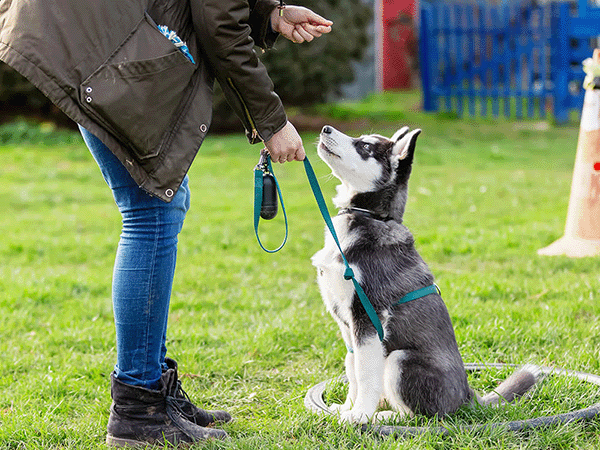
The Best Dog Trainers in the United States of 2026
This is a list of the top dog trainers in the United States, based on votes from the Sniffspot community and the general public.
The Best Dog Trainers in Seattle, WA of 2026
This is a list of the top dog trainers in Seattle, WA, based on votes from the Sniffspot community and the general public.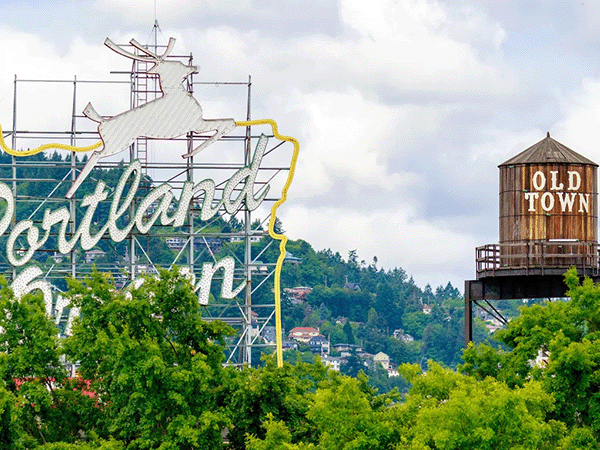
The Best Dog Trainers in Portland, OR of 2026
This is a list of the top dog trainers in Portland, OR, based on votes from the Sniffspot community and the general public.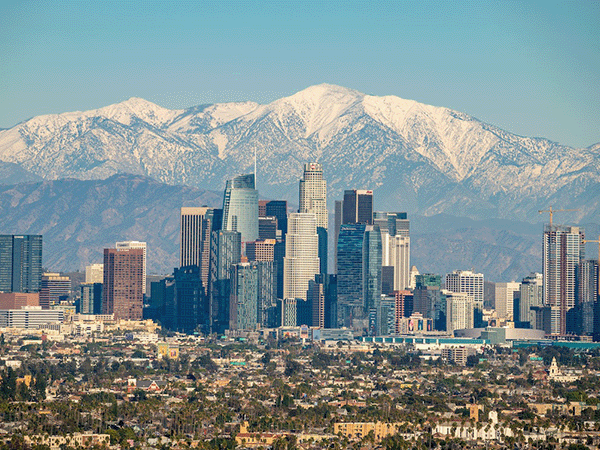
The Best Dog Trainers in Los Angeles, CA of 2026
This is a list of the top dog trainers in Los Angeles, CA, based on votes from the Sniffspot community and the general public.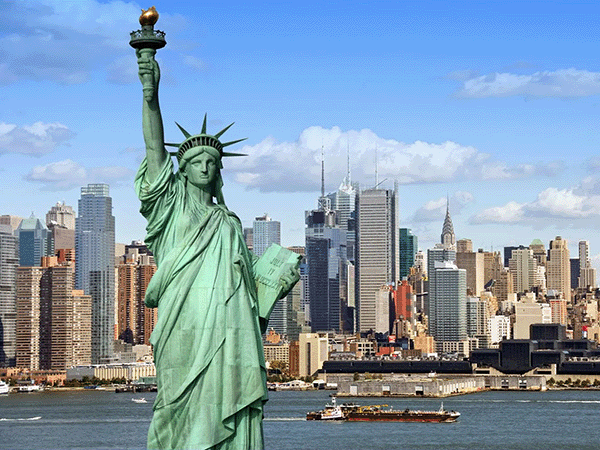
The Best Dog Trainers in New York, NY of 2026
This is a list of the top dog trainers in New York, NY, based on votes from the Sniffspot community and the general public.


City dog park guides
Best Dog Fields in the US: 25+ Wide-Open Spaces for Your Pup to Run Free
The best dog fields in the US offer something that traditional enclosed parks simply can't match: acres of open space where your pup can truly stretch their legs and run at full speed. From Colorado's 470-acre prairie meadows to Tennessee's award-winning "Outback," these wide-open spaces allow dogs to roam, explore, and exercise naturally while engaging instincts that cramped urban parks suppress.

Top 10 Indoor Dog Parks: A US Guide
Looking for a space to play with your dog no matter what the weather’s like outside? Look no further than our list of the best indoor dog parks in the United States! These climate-controlled spaces are growing in popularity as pet ownership increases throughout the country. As a bonus, many of them also offer dog training, boarding, grooming, or daycare services on the premises.

Best Dog Parks in the US: Ultimate Guide to Public & Private Off-Leash Adventures
Is your pup giving you those pleading "let me run free" eyes? Whether you're a new dog parent or a seasoned pro looking for fresh adventures, finding the perfect off-leash paradise for your furry friend can feel ruff! From sun-soaked California beaches where your water-loving lab can make a splash to mountain trails in Vermont where your adventure buddy can chase every scent, we've sniffed out the 15 best dog parks across America.

Dog Parks Near Me: Las Vegas Edition
Looking for the perfect dog park near me in Las Vegas? You're in luck! This guide explores all the best options for your pup, from public dog parks to private dog parks near me on Sniffspot. We'll help you find the ideal spot for playtime, socializing, and fresh air. Plus, we'll cover essential etiquette and safety tips to ensure a happy visit for everyone. Get ready for some tail-wagging fun!
Discover the Perfect Dog Park in Las Vegas
This page is about public city dog parks and also includes Sniffspot private dog parks. Sniffspot is the largest network of private dog parks for rent in the world!Best Dog Parks in the US: Off-Leash Guide
Looking for the perfect dog park? Whether you need a wide-open public space or a private, fenced-in spot, this guide will help you find the best dog parks across the US. We'll cover top-rated public parks, the perks of private dog parks, and even explore Sniffspot locations – giving your pup a safe and fun place to play. Ready to find your dog's new favorite spot? Let's go!

Sniffspot: Portland's Best Private Dog Parks
Ready to discover Portland's best dog parks? Whether you're looking for a public park or the unique experience of a private Sniffspot, this guide has you covered. We'll help you find the perfect spot for your pup, with tips on what to bring, how to prepare, and even understanding dog body language. Plus, we'll explore some top Portland dog parks, including public and Sniffspot options, so you can plan your next dog-friendly adventure in the City of Roses.
Portland Dog Parks: Public & Private Options
This page is about public city dog parks and also includes Sniffspot private dog parks. Sniffspot is the largest network of private dog parks for rent in the world!
/354x256/wp-content/uploads/2023/04/indoordogparks.png)
/354x256/wp-content/uploads/2023/03/offleashdogparks.png)
/354x256/wp-content/uploads/2023/02/vegas.jpg)
/354x256/wp-content/uploads/2023/02/portland.jpg)
Dog breeds
Best Dog Fields in the US: 25+ Wide-Open Spaces for Your Pup to Run Free
The best dog fields in the US offer something that traditional enclosed parks simply can't match: acres of open space where your pup can truly stretch their legs and run at full speed. From Colorado's 470-acre prairie meadows to Tennessee's award-winning "Outback," these wide-open spaces allow dogs to roam, explore, and exercise naturally while engaging instincts that cramped urban parks suppress.

German Shepherd Guide: Best Family Dog? Truth from 9K Owners
The German Shepherd Dog (GSDs) are known for their intelligence, loyalty, and striking appearance. They're also incredibly versatile, excelling as working dogs and devoted family companions. This guide covers everything you need to know about GSDs, from understanding their unique traits and rich history to practical advice on training and care. So, whether you're a seasoned GSD owner or just starting your research, let's explore this remarkable breed together.

Labrador Retriever: Real Tips from Owners
Discover the Labrador Retriever, a breed celebrated for its playful nature, affectionate temperament, and trainability. Labradors are known for their friendly demeanor and adaptability, making them perfect family companions and versatile working dogs. As one of the most popular types of retrievers, Labs are ideal companions for various lifestyles and are recognized by the American Kennel Club (AKC) as an excellent breed for families.

Golden Retriever Advice: The Complete Owner's Guide
Golden Retrievers: they're gorgeous, playful, and incredibly popular. But before you welcome one into your home, you need the right golden retriever advice. This guide draws on the wisdom of nearly 10,000 Golden Retriever owners, offering practical tips for caring for these affectionate dogs. From understanding their high energy levels to mastering grooming and training, we'll cover everything you need to know. So whether you're already a devoted Golden parent or just starting your research, get ready to learn how to give your furry friend the best possible care.

Are American Staffordshire Terriers Good for First-Time Owners: Complete Guide
Think American Staffordshire Terriers are tough? Think again. While their muscular build might intimidate some, these dogs are known for their playful and loyal personalities. This guide draws on the experience of nearly 10,000 AmStaff owners to reveal the truth about this often misunderstood breed. Want to learn more about caring for an American Staffordshire Terrier? You're in the right place.

Australian Shepherd Facts: Breed Info & Care Guide
Discover the Australian Shepherd, an AKC breed celebrated for its trainable, playful, and affectionate nature. Despite its name, the Australian Shepherd is actually a native breed to the United States, originally developed to breed on farms and ranches. Considered a medium dog, Australian Shepherds were bred for herding beginning in the 1950s. As one of the high-energy breeds, Aussies are known for their boundless energy and need for regular exercise, including aerobic exercise.
/354x256/wp-content/uploads/2024/07/German-Shepherd-Dog.png)
/354x256/wp-content/uploads/2024/07/Screen-Shot-2024-07-24-at-4.06.05-PM.png)
/354x256/wp-content/uploads/2024/07/Screen-Shot-2024-07-25-at-3.05.09-PM.png)
/354x256/wp-content/uploads/2024/07/staffy.jpg)
/354x256/wp-content/uploads/2024/07/Screen-Shot-2024-07-25-at-3.39.43-PM.png)
Top dog names in the US
Top 1,000 Most Popular Dog Names
Looking for the perfect dog name for your new pup? We have created filterable lists of dog names from our database of hundreds of thousands of Sniffspot users. You can filter by gender, breed and state to find the most cute, unique and creative dog names.
Most Popular Male Dog Names
Looking for the perfect dog name for your new male pup? We have created filterable lists of male dog names from our database of hundreds of thousands of Sniffspot users. You can filter by gender, breed and state to find the most cute, unique and creative male dog names.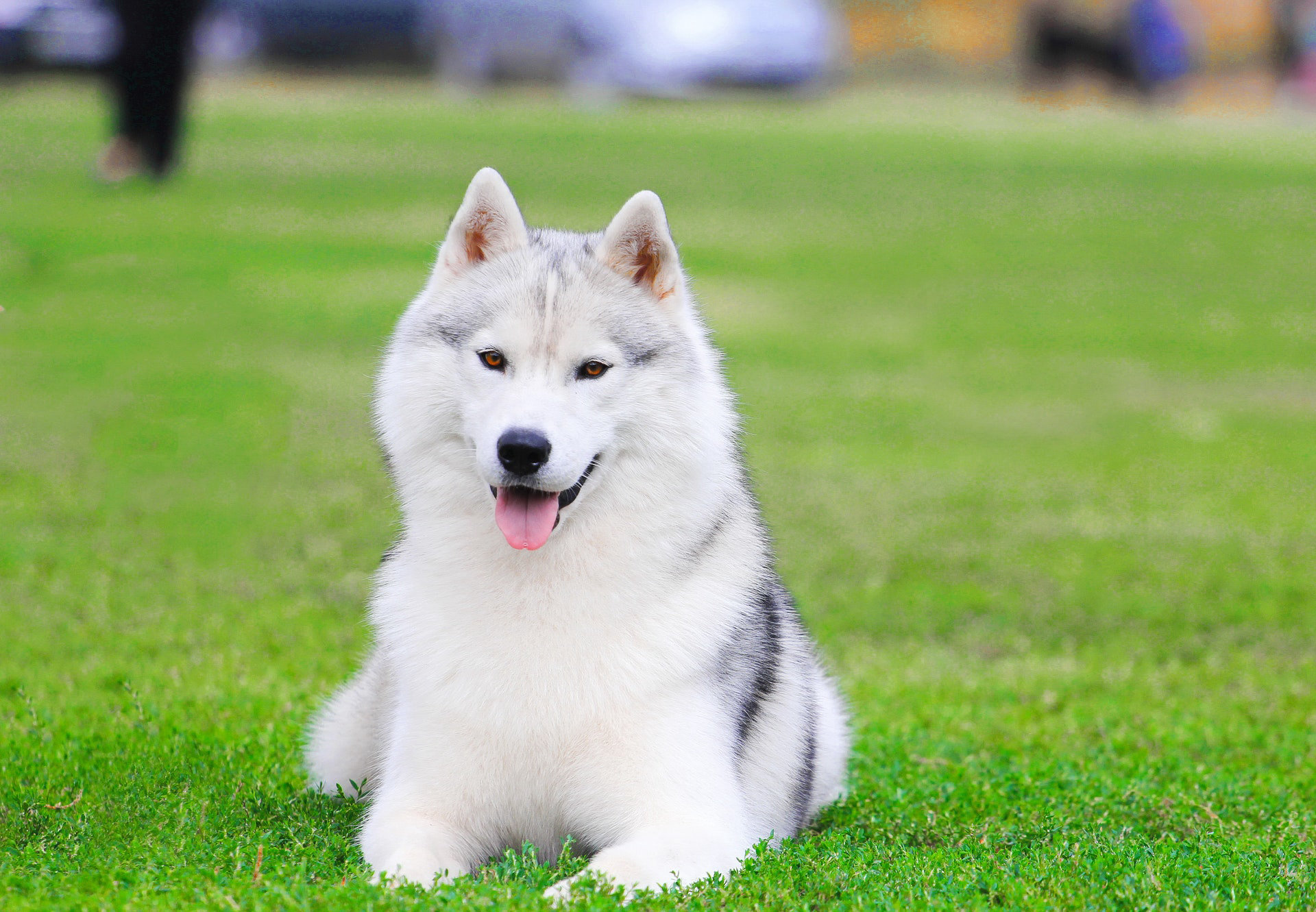
Most Popular Female Dog Names
Looking for the perfect dog name for your new female pup? We have created filterable lists of female dog names from our database of hundreds of thousands of Sniffspot users. You can filter by gender, breed and state to find the most cute, unique and creative female dog names.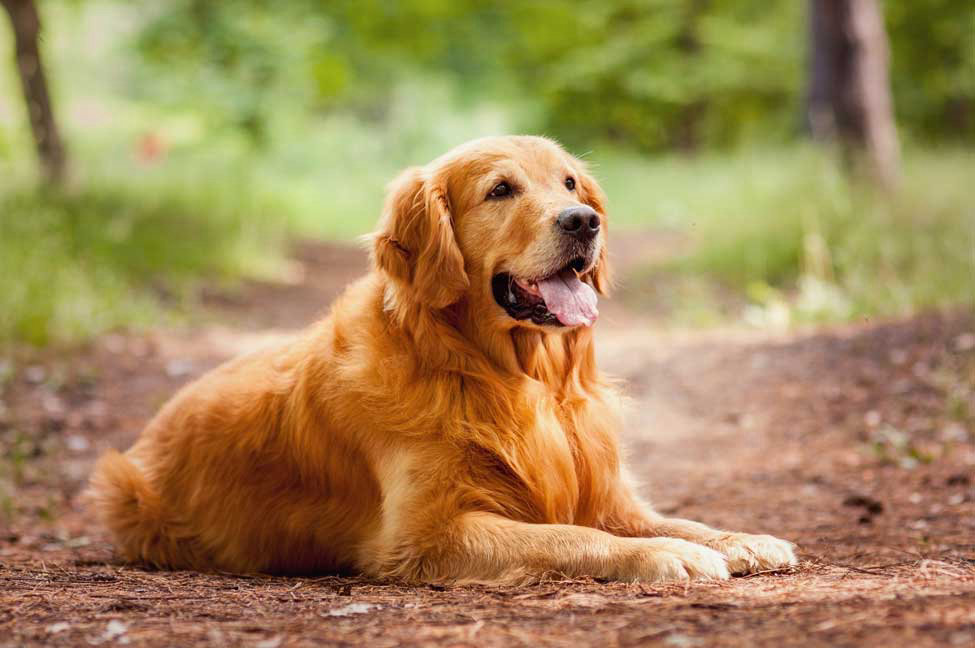
Most Popular Golden Retriever Names
Welcome to our comprehensive list of Golden Retriever dog names, curated from our vast database of Sniffspot users. Filter through hundreds of thousands of options by gender, breed, and state to discover the most adorable, original, and imaginative names for your beloved Golden Retriever.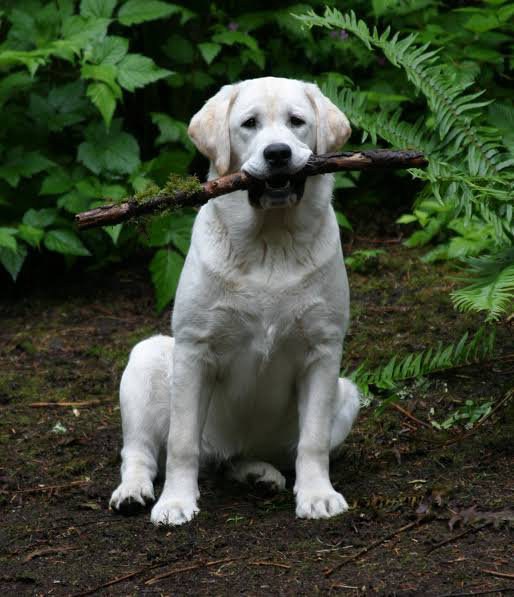
Most Popular Labrador Retriever Names
Welcome to our Labrador Retriever dog names page! Here you can browse through filterable lists of names for your beloved furry friend, ranging from cute and classic to unique and creative options. Our database of hundreds of thousands of Sniffspot users ensures you'll find the perfect name for your Labrador Retriever, whether you're seeking a name for a male or female, based on breed or state.


Top dog rescues in the US

The Best Washington Dog Rescues & Shelters in 2026
This list showcases the top dog rescues & shelters in Washington. These remarkable organizations have been recognized for their unwavering dedication to the well-being of countless dogs.
The Best Oregon Dog Rescues & Shelters in 2026
This list showcases the top dog rescues & shelters in Oregon. These remarkable organizations have been recognized for their unwavering dedication to the well-being of countless dogs.
The Best California Dog Rescues & Shelters in 2026
This list showcases the top dog rescues & shelters in California. These remarkable organizations have been recognized for their unwavering dedication to the well-being of countless dogs.
The Best Florida Dog Rescues & Shelters in 2026
This list showcases the top dog rescues & shelters in Florida. These remarkable organizations have been recognized for their unwavering dedication to the well-being of countless dogs.
The Best New York Dog Rescues & Shelters in 2026
This list showcases the top dog rescues & shelters in New York. These remarkable organizations have been recognized for their unwavering dedication to the well-being of countless dogs.
/354x256/Photos/SeoDogRescue/1282/178507e67e44-MC_logo_square.jpg)
/354x256/Photos/SeoDogRescue/931/cef8bbb17769-South_Coast_Humane_Society.png)
/354x256/Photos/SeoDogRescue/61/30aea3371b69-MainSquare_2.png)
/354x256/Photos/SeoDogRescue/298/1000035238.jpg)
/354x256/Photos/SeoDogRescue/814/91cfd62cd986-IMG_1035.jpeg)