Top articlesSee all...

A Comprehensive Guide to Dog Exercise

How To Crate train An Older Dog - A Comprehensive Guide

How To Socialize A Dog - A Comprehensive Guide

Leash Training: A Guide to Training Your Dog to Walk on a Leash

Skijoring: A Guide to Skijoring with Dogs

The Best Dog Enrichment Toys

The Best United States Dog Parks

The Best Indoor Dog Parks in the United States

The Best Off-Leash Dog Parks in the United States
Top articles
A Comprehensive Guide to Dog Exercise
How To Crate train An Older Dog - A Comprehensive Guide
How To Socialize A Dog - A Comprehensive Guide
Leash Training: A Guide to Training Your Dog to Walk on a Leash
Skijoring: A Guide to Skijoring with Dogs
The Best Dog Enrichment Toys
The Best United States Dog Parks
The Best Indoor Dog Parks in the United States
The Best Off-Leash Dog Parks in the United States
See all...Train Stubborn Dogs: Proven Techniques & Tips


You feel like you’ve tried everything… but you just can’t get your dog to listen. They still pee on the carpet or bark out the windows or run away when you call them at the park. It’s not this hard for your neighbor and his new puppy, right? Why is your dog so stubborn? Are you a bad pet parent? Are you doing something wrong?
We’ve been there, and we understand.
Dog training can be frustrating when your furry friend seems to ignore you. If you're struggling with a dog who just won't listen, this guide is for you. We'll cover how to train stubborn dogs, focusing on clear communication and positive reinforcement. Let's ditch the "stubborn" label and unlock your dog's potential together. Read on for helpful tips and background information.
What does it mean for a dog to be stubborn?
The word “stubborn” can be used to describe a wide range of canine behavior. While some dogs were selectively bred to be more independent, most pets aren’t “disobedient” on purpose.
In reality: When a dog appears to be stubborn, it actually means they are under motivated—or have no idea what is being asked of them.
Key Takeaways
- "Stubborn" dogs often have unmet needs: Instead of disobedience, behaviors we perceive as stubborn frequently signal unmet needs, breed-specific instincts, fear, or confusion. Addressing these underlying issues is crucial for effective training.
- Motivation is key for successful training: Find what truly excites your dog—whether it's treats, toys, praise, or something else entirely—and use it strategically to reward desired behaviors. A positive, engaging approach makes training more enjoyable for both of you.
- Consistency and a supportive environment are essential: Manage your dog's environment to minimize opportunities for unwanted behaviors, ensure everyone in the household uses the same training cues and rules, and don't hesitate to reach out to a certified professional dog trainer for personalized guidance.
Common reasons your dog might seem stubborn
Your dog doesn’t understand what you’re asking
Many dogs want to please their owners but just don’t know how. Living in a modern human world can be confusing for a canine! We sometimes forget that they don’t naturally understand verbal language or societal norms the way we do.
Your Dog's Breed Traits and History
Understanding your dog's breed traits and history is crucial in addressing what may seem like stubbornness. Many breeds were selectively bred for specific tasks, which can influence their behavior and training responses. For instance, hunting breeds like Shiba Inus, Beagles, and Dachshunds were developed to be independent thinkers. This independence can sometimes manifest as a lack of responsiveness to commands, especially when you're trying to train recall, and they're busy sniffing out an interesting scent at a dog park. In contrast, breeds such as Saint Bernards and Bulldogs were bred for traits that may appear as stubbornness in a training context. These traits, however, are actually rooted in their historical roles and characteristics. A Saint Bernard's calm demeanor, for example, might be misinterpreted as resistance to learning new tricks.
As noted by K9 Connoisseur, "Stubbornness in dogs isn't about being 'bad,' but reflects independent personalities and breed traits." This means that what we interpret as stubbornness may actually be a reflection of a dog's natural instincts and the way they were bred to think and behave. Understanding these traits can help pet owners tailor their training methods to better suit their dog's unique personality. For example, incorporating scent work into the training routine for a Beagle can tap into their natural instincts and make training more engaging.
It's also important to recognize that a dog's perceived stubbornness can stem from their past experiences and the training techniques used on them. As highlighted by Dog Dynamics, "A dog's 'stubbornness' is often a result of poor training techniques. Consistency and patience are key to successful dog training." This suggests that by employing effective training strategies that align with your dog's breed characteristics, you can foster better communication and understanding with your pet. Finding a qualified dog trainer can be invaluable in developing a personalized training plan.
Your puppy isn’t old enough to focus
Puppies often have trouble focusing, especially in new environments. Young puppies take in overwhelming amounts of new information every day and are often distracted by things we may not even notice.
In adolescence, dogs (just like human teenagers) are going through growth spurts, hormonal changes, and awkward phases. They may seem stubborn—but really they’re dealing with many emotional and physical adjustments that can make it really hard for them to complete behaviors that they otherwise might know well.
Developmental Stages and Expectations
It's important to remember that dogs, like humans, go through distinct developmental stages that influence their behavior and learning abilities. Expecting a puppy to have the same focus and self-control as an adult dog is unrealistic. Similarly, adolescent dogs experience hormonal fluctuations and emotional changes that can affect their behavior, sometimes making them seem "stubborn" when they're simply navigating a challenging phase. Young puppies are easily distracted and have short attention spans—their focus is often pulled in multiple directions by new sights, sounds, and smells. For more insights into the challenges puppies face, check out our comprehensive guide on puppy training.
As dogs mature, their ability to concentrate improves, but adolescence brings its own set of challenges. Just like human teenagers, adolescent dogs can be impulsive and prone to testing boundaries. This isn't necessarily defiance, but rather a natural part of their development. Our Dog Training 101 guide offers valuable tips on understanding canine behavior and tailoring your training approach to your dog's specific needs and developmental stage.
Your dog has not generalized their cues to new environments
Dogs often struggle to generalize behaviors. It’s not uncommon for them to enthusiastically follow basic cues in a familiar environment but stare at us owners blankly when we ask in a busier place.
This doesn’t mean your puppy is disobeying you on purpose. It just indicates a lack of training generalization. They need more help understanding that your verbal cue or hand signal means the same thing in every location! Plus new environments often come with new competing motivators that compete to capture your dog’s attention. Training is an ongoing process.
Your dog isn’t sufficiently motivated to work for you
Just like us people, dogs like to know there’s something in it for them! If your dog doesn’t listen—especially if they used to follow training cues but have recently started blowing you off—it might be because they feel you’re not “paying” them enough for their behavior.
Understanding Your Dog's Unique Motivations
Dogs, like people, have unique personalities and motivations. What works for one dog might not work for another. A sweet, gentle Golden Retriever might be perfectly content with a simple "good girl," while a determined Husky may need something a little more enticing, like a favorite toy or a high-value treat. Figuring out what makes your individual dog tick is key to successful training.
Sometimes, what looks like stubbornness is actually a reflection of breed traits. Breeds like Shiba Inus, Beagles, and Dachshunds were bred for independent thinking while hunting. This independence can sometimes be perceived as stubbornness in a training context. Similarly, breeds like Saint Bernards and Bulldogs were bred for certain traits that might also appear as stubbornness during training. Understanding your dog's breed history can offer valuable insights into their behavior (Dog Dynamics). This knowledge can help you tailor your training approach.
Positive reinforcement—using rewards like treats, praise, or playtime—is far more effective than punishment (K9 Connoisseur). If your dog seems resistant to training, experiment with different rewards. Find what truly motivates them. It might not always be food! Some dogs are more motivated by toys, a quick game of tug-of-war, or even just enthusiastic praise (Vetstreet). Once you've identified those high-value rewards, use them strategically to make training more appealing than any distractions (Dogster).
Finally, remember that training is an ongoing process. Be patient, stay positive, and celebrate even the smallest successes. By understanding your dog's unique motivations and using positive reinforcement, you can build a strong bond and achieve your training goals. And if you're looking for the perfect place to practice those newly learned skills, check out Sniffspot's listings of dog-friendly parks and spaces near you!
Your dog is scared or overwhelmed
Nervous dogs can seem stubborn, but they’re really just having a hard time coping with their environments. They might be too overwhelmed to be able to pay attention to you at all, let alone follow your cues—but not necessarily for lack of trying.
If your dog freezes on walks or has a hard time listening, consider whether they might be scared.
Creating a Positive Training Environment
Once you understand why your dog might be struggling, you can address the root cause of their “stubbornness.” Often, this involves creating a positive training environment that sets your dog up for success. Here’s how:
Use Positive Reinforcement
Positive reinforcement (treats, praise, playtime) is far more effective than punishment. High-value treats are especially important for motivating dogs who are hesitant to engage in training. Think small pieces of cooked chicken, hot dogs, or cheese. If your dog has food sensitivities, check with your vet to determine which treats are safe and healthy.
Keep Training Sessions Short and Sweet
Short, engaging training sessions are more effective than long, drawn-out lessons that frustrate both you and your pup. Dogs have short attention spans, so aim for 5–10 minutes at a time, especially when starting out.
Minimize Distractions
Choose a quiet and distraction-free area for training sessions, especially in the beginning. This could be inside your home or a quiet, fenced-in area like one of the private dog parks on Sniffspot. As your dog progresses, you can gradually introduce more distractions to help them generalize their training to different environments.
Make it Fun!
Training should be fun for both you and your dog! Use a happy, encouraging tone of voice and incorporate games and play into your sessions. If your dog seems bored or frustrated, take a break and try again later. Remember: A tired dog is often a well-behaved dog, so consider scheduling training sessions after a walk or playtime at a Sniffspot park.
Be Patient and Celebrate Small Victories
Training takes time and patience, especially with a dog labeled “stubborn.” Celebrate small victories along the way. Every step in the right direction, no matter how small, is worth celebrating. This positive feedback will help keep your dog motivated and reinforce the behaviors you want to see. If you’re struggling, consider working with a certified professional dog trainer. They can help you develop a personalized training plan and troubleshoot any challenges you’re facing. Check out Sniffspot’s guide to the top dog trainers in the United States to find a qualified professional near you.
Your dog is expressing natural breed traits
We bred certain traits into dog breeds over generations and generations. For example: Hounds are notorious for walking with their noses to the ground, herders are hyper-aware of their surroundings, terriers frantically chase prey, and so on.
If your dog seems stubborn because they won’t walk calmly on a loose leash or stop digging through your sock drawer, it’s worth thinking about what jobs we developed their ancestors to do. Your four-legged friend might simply be following their instincts! We can’t blame them for that.
Your dog is in physical pain
Canines are great at hiding discomfort. If your dog seems reluctant to perform certain cues (like lying down) you should consider whether they might be in pain. It could be that Fido is just feeling hurt, not disobedient.
How to build a more cooperative relationship with your stubborn dog
Living with a dog who doesn’t seem to listen is frustrating. After you’ve thought through the above section to see if a label other than “stubborn” might be more appropriate to describe your pet, it’s a good idea to step back and think about your dog-owner relationship as a whole.
Spend time engaging together, especially in play
When you’re struggling with your dog, it’s easy to forget the reasons that you got a puppy in the first place.
But we bet one of them was to have fun together, wasn’t it?
If you and your dog are struggling to connect, try spending more time engaging in activities you both love. A good game of fetch or tug will put you in a better mindset to work together during a formal training session.
Incorporating Mental Stimulation
Don’t underestimate the power of mental exercise! Puzzle toys, snuffle mats, and even short training sessions can do wonders for your dog’s focus. As explained by K9 Connoisseur, a tired, mentally stimulated dog is much more likely to focus during training. Consider incorporating brain games into your routine. This can be as simple as hiding treats around the house for your dog to find or teaching them a new trick. Even a quick five-minute training session can make a big difference, according to Dog Dynamics. Engaging in activities that stimulate your dog mentally can also help build a stronger bond and improve their responsiveness to training. Plus, mental stimulation can help reduce boredom and anxiety, which can sometimes hinder training. If you're looking for places to take your dog for some mental and physical exercise, check out Sniffspot's listings of dog-friendly parks and spaces.
Provide opportunities for your dog to express natural behaviors
As mentioned previously, some stubborn dogs simply have not had their needs met, and will naturally find it harder to focus on what you are asking them. Giving them safe opportunities to express natural behavior can make a world of difference!
A few examples:
- Instead of asking your terrier to ignore their prey drive completely, consider enrolling in a barn hunt class together.
- Try out some nosework with your hound.
- Get your herding breed a herding ball or let them engage in stalky behavior during play with you.
- Take your husky out on regular runs, or consider biologically appropriate activities like skijoring or bikejoring.
- And more: Ask yourself what your dog was bred to do and how you can help them tap into those instincts.
The more we fulfill our dogs, the better they’re able to listen to what we ask!
Finding the Right Outlet for Your Dog's Energy at Sniffspot
Sometimes, even with the best intentions, finding the right outlet for your dog's energy can be tricky. A tired dog is often a more receptive dog when it comes to training. That's where Sniffspot comes in. We offer a variety of options to help your dog express their natural behaviors and burn off some steam, making them happier and more ready to learn. Remember, as we mentioned earlier, providing opportunities for your dog to express natural behaviors is key, and fulfilling their needs makes a world of difference in their ability to listen.
Dog Parks
Sniffspot's dog parks offer a variety of environments to suit every dog's personality and energy level. From wide open fields perfect for a rousing game of fetch to shaded trails ideal for sniffing and exploring, you're sure to find the perfect spot. These private dog parks provide a safe and controlled environment for your dog to socialize, play, and release pent-up energy. This can be especially helpful for dogs who are easily overwhelmed or reactive in public dog parks. A visit to a Sniffspot park can be just what your dog needs to feel happy and fulfilled.
Water Parks
For dogs who love a good splash, Sniffspot also lists dog water parks. These parks offer a refreshing way for your dog to cool off and exercise, especially during warmer weather. Whether it's a pool, a lake, or a beach, these water parks provide a fun and stimulating environment. Plus, the added resistance of water provides an excellent workout, helping your dog burn even more energy. Check out the listings on Sniffspot to find the perfect watery escape for your pup.
How to increase your stubborn dog’s training motivation
Pay attention to what your dog finds rewarding
Just because we think our dogs should like something doesn’t mean they actually will.
A common reason your dog might seem stubborn is because they’d rather work for a different reward than what you’ve been using. Some pets are highly food motivated for training treats (or even their own kibble) while others prefer toys. Some love verbal praise and hearing your happy voice while others don’t pay it as much mind. Every dog is an individual!
Take some time to observe the things your dog loves best outside of training sessions. Are they always sniffing for a new smell? Do they gobble their food the instant you set it down? Can they never get enough of their favorite ball? Use that information to your advantage by picking the reward that will motivate them most.
Vary your rewards—and add in randomized “jackpots“
Variety is the spice of life! Even if your dog is working for their favorite reward in the world, they might become bored of it over time.
Maintain your dog’s interest by switching up your rewards between training sessions (or even within the same lesson). Vary the ways that you are delivering treats or how long your play breaks are—and once in a while, toss in a big jackpot (like giving them a whole handful of treats or a longer burst of toy play) when they’re least expecting it.
If they start to think “any time now I might get a whole bucketful of treats!” they’ll be more likely to stay engaged than if you give them the exact same cookie on every repetition.
Start in familiar, low-distraction environments
If multiple things are competing for your dog’s attention at once, they’ll have a harder time learning from you. Have your sessions in a quiet spot (like your own home’s living room or backyard) before asking them to perform in more distracting environments (like a private Sniffspot with space to roam).
Over time, start working on cues around more and more distractions in a range of environments, and allow your dog to be successful at each stage before moving on to the next.
Gradually Increasing Distractions
If multiple things are competing for your dog’s attention, they’ll have a harder time learning. Start training sessions in a quiet spot, like your living room or backyard. Once your dog reliably responds to cues in that low-distraction environment, slowly start to add distractions. Think of it like levels in a video game—you have to master one level before moving on to the next.
For example, after your dog learns “sit” in your quiet living room, practice “sit” with the TV on. Once they’ve mastered that, try practicing “sit” in your backyard, where there are more interesting smells and sights. The key is to gradually increase the distraction level, allowing your dog to be successful at each stage. This helps them generalize the behavior, meaning they’ll eventually perform the cue reliably no matter where you are. It’s not uncommon for dogs to enthusiastically follow cues at home, but then completely ignore them in busier places. This doesn’t mean they’re being stubborn, it just means they need more practice generalizing the behavior to different environments. Progressive training builds confidence and sets your dog up for success.
Eventually, you can even practice cues at a private Sniffspot. Sniffspots are designed for off-leash play and exploration, offering a safe and controlled environment to work on training with more distractions. The novelty of a new location can be a great motivator!
Focus on having fun in training sessions
Dogs are masters at reading our emotions. Over the years we’ve bred this sensitivity into them even more. Today some pet canines are better at interpreting human body language—even as puppies—than that of their own species! (That’s a big deal in the animal kingdom.)
What does this mean for your training? In short, it’s hard to fool a dog. If you’re not having fun working with your companion, chances are they’ll pick up on that—and it will only discourage you both more.
Try keeping frequent training sessions short, simple, and upbeat. Set yourselves up for success! Try to make the skills, behaviors, and tricks you’re asking for relatively easy for your dog. This way you can praise and reward them heavily for getting things right.
And remember: Dog training isn’t a race. It can be difficult not to compare your dog’s progress to others, but dogs are individuals. Working at your puppy’s own pace is important!
Common skills your dog might struggle with if they seem stubborn
We have separate blogs detailing how to work on each of these behaviors:
- Walking nicely on a leash
- Coming when called
- Crate training
- And more! Browse our full list of dog training articles on the Sniffspot blog.

Positive Reinforcement Techniques for Stubborn Dogs
When working with dogs who seem “stubborn,” remember that positive reinforcement methods are key. This means rewarding desired behaviors instead of punishing unwanted ones. Positive reinforcement, such as treats, praise, or playtime, can be incredibly effective, especially when you find what truly motivates your dog. High-value treats are particularly helpful for keeping a dog’s attention.
Luring
Luring is a straightforward technique where you use a treat to guide your dog into the desired position. Hold the treat near your dog's nose and move it slowly, encouraging them to follow. For example, to teach "Sit," move the treat over their head towards their tail. As their rear end goes down, say "Sit" and give them the treat. This method helps your dog understand what you're asking and creates a positive association with the behavior. It's like showing them the way with a delicious reward! Dogster offers additional tips on luring.
Capturing
Capturing involves rewarding your dog for behaviors they do naturally. If your dog sits on their own, immediately mark the behavior with a word like "Yes!" and give them a treat. This teaches them that sitting is a good thing, making them more likely to repeat it. It's all about catching them in the act and rewarding them for it! Dog Dynamics provides further strategies on capturing and other training techniques for dogs who are harder to motivate.
How to stay consistent with your stubborn dog
Using the right rewards, having fun….that all sounds well and good. But how do you get through the difficult moments with your dog? What do you do when you’re at the end of your rope and feel like you’ll never make progress?
Here are two important ways to stay on track in your training.
Use management to prevent your dog from practicing unwanted behaviors
We don’t always have the energy or opportunity for a structured training session. And that’s okay! As you work on increasing your dog’s motivation to work with you, consider implementing some management protocols to prevent problem behaviors from getting worse.
This might look like:
- Keeping a leash on your dog inside the house so you can gently guide them away from things like counter surfing.
- Investing in some pee pads to minimize damage to your carpet or hard floors while your dog continues to work through house training.
- Putting opaque film on your windows to keep your dog from seeing—and barking at—people or other pets walking by.
- Having your dog wear a long line at the park instead of letting them fully off leash.
- And so on.
Make sure your entire household is on the same page about your dog’s training
It takes a village! Your dog’s training will progress more slowly if your family members have different expectations for them.
Take some time to sit down with everyone who lives with your dog and talk about what verbal cues, hand signals, and rules you’ll all use. If you’re a social butterfly, you might want to consider chatting with friends who regularly visit or see your dog out and about, too.
An added bonus of these conversations? When you’re feeling low, your support network will have your back.

Addressing the Owner's Mindset in Dog Training
Let’s be honest: Sometimes the biggest hurdle in dog training isn’t the dog—it’s us! Our own mindsets can make or break the experience. If we’re stressed, frustrated, or impatient, our dogs will pick up on it. Remember, dogs are experts at reading our emotions. This can lead to a vicious cycle of negativity, making training feel like a chore. But it doesn’t have to be this way. A positive and patient approach can transform your training sessions from frustrating battles into fun bonding experiences.
Patience and Understanding
Think of dog training like learning a new language. It takes time, consistency, and a whole lot of patience. There will be days when your dog seems to understand everything perfectly, and other days when they look at you like you’ve grown a second head. That’s perfectly normal! As K9 Connoisseur points out in their advice on training a stubborn dog, training is a long process, so celebrate the small victories and try to avoid frustration. Even tiny steps forward are worth celebrating. Did your dog finally make eye contact when you called their name? Did they hold their "sit" for a whole extra second? Those are wins! Acknowledge them, and remember that progress isn't always linear. Dogster reiterates this point, highlighting how owner frustration can hinder the entire training process. Remember, your patience and understanding will go a long way in building a strong foundation for your dog's learning.
Avoiding Punishment
Speaking of frustration, it’s important to understand that punishment has no place in positive reinforcement training. Yelling, hitting, or using other aversive methods will only damage your relationship with your dog and create anxiety and distrust, as explained in Vetstreet's guide on training stubborn dogs. Instead, focus on rewarding the behaviors you want to see. Positive reinforcement—using treats, praise, playtime, or anything your dog finds rewarding—is far more effective. K9 Connoisseur recommends using high-value treats, especially for dogs who are harder to motivate. Think of it this way: you’re building a partnership with your dog, not forcing them into submission. A positive approach strengthens your bond and makes training a much more enjoyable experience for both of you. Vetstreet also discusses the long-term negative effects punishment can have on a dog's behavior and the human-animal bond, further reinforcing the importance of a positive approach. Building a positive training experience will help you and your dog learn and grow together.
Next steps if your stubborn dog still isn’t learning
Take your companion for a full vet check up
If your dog still isn’t making training progress, it’s a good idea to make sure they have a clean bill of health. A thorough veterinary exam can identify problems we might miss at first glance—like arthritis or hearing loss—that can keep our pets from performing at their best.
Reach out to a professional trainer
Sometimes all we need is a little extra guidance from someone we can trust. If your dog still seems stubborn, get in touch with a certified force-free trainer! They’ll be able to understand your unique situation and provide personalized guidance to better enjoy your companion moving forward.
Finding Top Dog Trainers
Finding the right trainer can feel overwhelming, but it’s worth the effort. A certified force-free trainer will understand your unique situation and provide personalized guidance. Look for trainers who emphasize positive reinforcement methods, which are generally more effective and humane. Sniffspot maintains a list of top dog trainers across the United States, which is a great place to start your search. Many trainers offer virtual consultations, so you can connect with someone regardless of location.
When you connect with a potential trainer, ask lots of questions! A good trainer will be happy to discuss their methods and philosophy. Asking for references or testimonials from previous clients is also helpful. Finding a trainer who clicks with both you and your dog is key for a positive training experience.
Trainer that reviewed this article
There is so much misinformation out there, we want to make sure we only provide the highest quality information to our community. We have all of our articles reviewed by qualified, positive-only trainers. The trainers that review our content are reviewed by other trainers to ensure that we have the best quality filters on our content.
This is the trainer that reviewed this article:
Beth Berkobien, MS – Animal Behavior, Cert. SAPT
Behavior Consultant/Trainer – Rehab Your Rescue Behavior Services – Masters degree in animal behavior, certified in separation anxiety
Related Articles
- Dog Training 101: A Beginner’s Guide | Sniffspot
- How to Train a Stubborn Dog | Adult Dog and Puppy Training
- Leash Training: The Ultimate Guide for Stress-Free Walks
- Definitive Guide To Off Leash Training With Your Dog
- How to Clicker Train Your Dog

Frequently Asked Questions
My dog knows a cue at home, but ignores me everywhere else. Why? Your dog likely hasn't generalized the behavior to new environments. Start by practicing in a quiet space, then gradually introduce distractions. This helps them understand the cue means the same thing in all locations. Think of it like learning a new language—you wouldn't expect to be fluent after just one lesson in a classroom! You need to practice in different settings to truly master it.
What's the biggest mistake people make when training a "stubborn" dog? Getting frustrated and resorting to punishment. This damages your relationship and makes your dog less likely to cooperate. Focus on positive reinforcement—rewarding the behaviors you want to see. It builds trust and makes training more enjoyable for both of you. Remember, training should strengthen your bond, not create a power struggle.
My dog isn't motivated by treats. What else can I use? Not all dogs are food-driven! Observe what your dog loves most. It could be toys, praise, a specific game, or even just a chance to sniff around. Use these as rewards during training. The key is to find what truly motivates your dog and tailor your approach accordingly.
How long should training sessions be? Keep them short and sweet, especially when starting out. Dogs have short attention spans, so aim for 5-10 minutes at a time. Several short, focused sessions are more effective than one long, drawn-out lesson that leaves you both frustrated. It's better to end on a positive note, wanting more!
What if I've tried everything and my dog still isn't learning? First, rule out any underlying medical issues with a vet checkup. If your dog is healthy, consider consulting a certified force-free trainer. They can provide personalized guidance and help you troubleshoot any challenges. Sometimes, an outside perspective is all you need to break through a training plateau.


Most recent articles


Related articles
Top dog guides per area
Dog training guides

Best Dog Fields in the US: 25+ Wide-Open Spaces for Your Pup to Run Free
The best dog fields in the US offer something that traditional enclosed parks simply can't match: acres of open space where your pup can truly stretch their legs and run at full speed. From Colorado's 470-acre prairie meadows to Tennessee's...
Dog Food Aggression & Resource Guarding Guide
Does your dog ever growl when you walk by their food dish? Maybe they get possessive of treats, carrying them far away and giving you side-eye when you start to approach — or snarling at your other pets or children if they get too close.
The Ultimate Guide to Scent Training for Dogs
Your dog's nose is an amazing tool. Did you know they have 40 times the olfactory receptors than humans? Scent training for dogs taps into this superpower, turning everyday moments into exciting sniff-fests. It's enriching for all types of dogs –...
How Much Does It Cost to Train a Service Dog?
More than 80 million Americans rely on their service dogs to help them navigate the world. Task-trained assistance animals perform a huge range of life-changing—in many cases, life-saving—services: These dogs act as eyes for visually impaired...
How to Deal With Puppy Potty Training Regression
You thought those dreaded middle-of-the-night potty breaks were over. You were finally free from cleaning up puppy puddles. Then, suddenly, your six-month-old who's been accident-free for weeks starts peeing on your rug again.
Dirty Dog Syndrome: Causes, Solutions, and Prevention
It's a cringe-worthy moment every dog owner dreads: your furry friend chowing down on something truly disgusting. If your dog has a penchant for poop, you're dealing with coprophagia. It's more common than you think, and thankfully, often...


Dog enrichment guides
Best Dog Fields in the US: 25+ Wide-Open Spaces for Your Pup to Run Free
The best dog fields in the US offer something that traditional enclosed parks simply can't match: acres of open space where your pup can truly stretch their legs and run at full speed. From Colorado's 470-acre prairie meadows to Tennessee's...
Best Dog Water Parks in the US: 15+ Amazing Splash Destinations for Your Pup
Do you have a water-loving dog looking to burn some energy? There are countless dog parks to visit throughout our country — but some of them become far too hot in the midday sun to be safe for your pets to play. That’s why we’ve put together a...
Best Toys for Herding Dogs: Keeping Your Pup Happy & Engaged
Herding dogs are amazing, intelligent companions. But that also means they need more than just a simple game of fetch. Finding the right toys for herding dogs is key to keeping them happy and stimulated. This article explores some of the best toys...
Tough Dog Toys for Aggressive Chewers: A Practical Guide
Does your dog destroy every toy you give them? Is your house littered with the remnants of plush toys? Are you tired of wasting money on "indestructible" dog toys for aggressive chewers that don't last? Then this post is for you. We'll cover...
Dog Exercise Calculator: How Much Exercise Does Your Dog Need?
Every dog needs to move, but how much is actually enough? The answer depends on more than just breed. Age, health, and even your own lifestyle all play a role in figuring out the right daily exercise routine for your pup.
Complete Guide To Herding With Dogs
* All Sniffspot articles are reviewed by certified trainers for quality, please see bottom of article for details *


Dog reactivity guides
Best Dog Fields in the US: 25+ Wide-Open Spaces for Your Pup to Run Free
The best dog fields in the US offer something that traditional enclosed parks simply can't match: acres of open space where your pup can truly stretch their legs and run at full speed. From Colorado's 470-acre prairie meadows to Tennessee's...
Rottweiler Aggression: Signs, Causes & Training
Many dogs have gotten a bad reputation over the years for being "dangerous breeds." Rottweilers are among them. Like pit bulls and other large, blocky-headed types of dogs, these powerful and beautiful animals are often assumed to be aggressive.
The Reactive Dog Chart: How to Calm Your Dog's Triggers
If your dog lunges, barks, or loses their mind at the sight of another dog, a stranger, or a bicycle, you’re living with a reactive dog (and you’re far from alone). Dog reactivity is one of the most common behavioral challenges dog owners face,...
How to Socialize a Reactive Dog: A Step-by-Step Guide
Does your dog display reactivity to other pets or people—barking, lunging, or growling when they see their triggers? Whether they're a rescue still settling in, missed critical socialization as a puppy, or had a negative experience that changed...
What Is a Reactive Dog? The Complete Guide for Understanding and Helping Your Pup
Does your dog transform into a barking, lunging tornado the second they spot another dog across the street? You're definitely not alone. According to our research of over 4,000 dog owners, 66% of dogs show some signs of reactivity.
9 Best Online Communities for Reactive Dog Parents
Does your dog's reactivity make walks stressful? You're not alone. Many dog owners face similar challenges. This guide offers practical advice and support for managing reactivity, including finding the best online dog training for reactive dogs....


Sniffspot community guides
Best Dog Fields in the US: 25+ Wide-Open Spaces for Your Pup to Run Free
The best dog fields in the US offer something that traditional enclosed parks simply can't match: acres of open space where your pup can truly stretch their legs and run at full speed. From Colorado's 470-acre prairie meadows to Tennessee's...
The State of Public Dog Parks Across the United States
From 2009 to 2020, there was a 40 percent increase in the development of public dog parks. Designated spots for canine exercise have become commonplace in every major city in North America — many pet owners won’t even consider renting an apartment...
How This Family is Affording Their Dream Property Through Renting it Hourly to Dogs
Thousand Oaks, California has been a safe haven for Sniffspot host, Jen, since childhood. Having grown up in busy Santa Barbara, Jen, an introvert from an early age, would seek out solitude and serenity away from tourists attractions and droves of...
Host Tips: Ellen K. What Makes Sniffspot Successful for Me
Ellen is the host of Country Pasture Getaway, one of Sniffspot's most popular sniff spots. She has taken the time to write up the lessons she has learned about how to be a great sniff spot host.
How this Oregon Farmer is Making a Business From Renting Her Land to Dogs
Just 20 minutes outside of the busy city of Portland, Oregon, and settled right on the banks of the Columbia River, you’ll find what countless visitors have flocked to the area in search of – mountain views, crisp, clean air, and running water for...
Host Tips: Fran T. Providing Great Guest Service at our Spot
Fran is the host of Ranch Setting, one of Sniffspot's most popular spots. She has taken the time to write up the lessons she has learned about how to be a great Sniffspot host.


Top dog trainers in the US
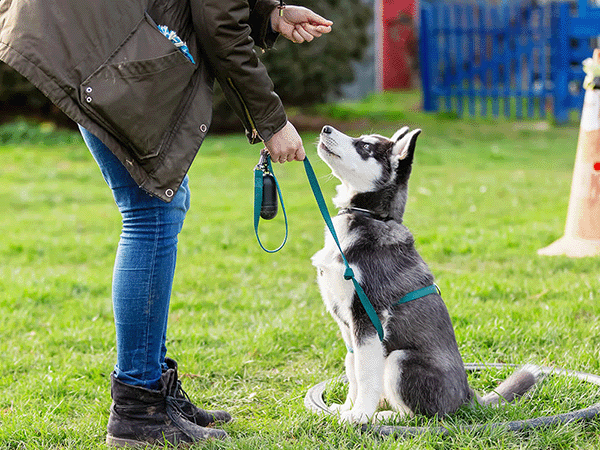
The Best Dog Trainers in the United States of 2026
This is a list of the top dog trainers in the United States, based on votes from the Sniffspot community and the general public.
The Best Dog Trainers in Seattle, WA of 2026
This is a list of the top dog trainers in Seattle, WA, based on votes from the Sniffspot community and the general public.
The Best Dog Trainers in Portland, OR of 2026
This is a list of the top dog trainers in Portland, OR, based on votes from the Sniffspot community and the general public.
The Best Dog Trainers in Los Angeles, CA of 2026
This is a list of the top dog trainers in Los Angeles, CA, based on votes from the Sniffspot community and the general public.
The Best Dog Trainers in New York, NY of 2026
This is a list of the top dog trainers in New York, NY, based on votes from the Sniffspot community and the general public.


City dog park guides
Best Dog Fields in the US: 25+ Wide-Open Spaces for Your Pup to Run Free
The best dog fields in the US offer something that traditional enclosed parks simply can't match: acres of open space where your pup can truly stretch their legs and run at full speed. From Colorado's 470-acre prairie meadows to Tennessee's...
Top 10 Indoor Dog Parks: A US Guide
Looking for a space to play with your dog no matter what the weather’s like outside? Look no further than our list of the best indoor dog parks in the United States! These climate-controlled spaces are growing in popularity as pet ownership...
Best Dog Parks in the US: Ultimate Guide to Public & Private Off-Leash Adventures
Is your pup giving you those pleading "let me run free" eyes? Whether you're a new dog parent or a seasoned pro looking for fresh adventures, finding the perfect off-leash paradise for your furry friend can feel ruff! From sun-soaked California...
Dog Parks Near Me: Las Vegas Edition
Looking for the perfect dog park near me in Las Vegas? You're in luck! This guide explores all the best options for your pup, from public dog parks to private dog parks near me on Sniffspot. We'll help you find the ideal spot for playtime,...Best Dog Parks in the US: Off-Leash Guide
Looking for the perfect dog park? Whether you need a wide-open public space or a private, fenced-in spot, this guide will help you find the best dog parks across the US. We'll cover top-rated public parks, the perks of private dog parks, and even...
Sniffspot: Portland's Best Private Dog Parks
Ready to discover Portland's best dog parks? Whether you're looking for a public park or the unique experience of a private Sniffspot, this guide has you covered. We'll help you find the perfect spot for your pup, with tips on what to bring, how...


Dog breeds
Best Dog Fields in the US: 25+ Wide-Open Spaces for Your Pup to Run Free
The best dog fields in the US offer something that traditional enclosed parks simply can't match: acres of open space where your pup can truly stretch their legs and run at full speed. From Colorado's 470-acre prairie meadows to Tennessee's...
German Shepherd Guide: Best Family Dog? Truth from 9K Owners
The German Shepherd Dog (GSDs) are known for their intelligence, loyalty, and striking appearance. They're also incredibly versatile, excelling as working dogs and devoted family companions. This guide covers everything you need to know about...
Labrador Retriever: Real Tips from Owners
Discover the Labrador Retriever, a breed celebrated for its playful nature, affectionate temperament, and trainability. Labradors are known for their friendly demeanor and adaptability, making them perfect family companions and versatile working...
Golden Retriever Advice: The Complete Owner's Guide
Golden Retrievers: they're gorgeous, playful, and incredibly popular. But before you welcome one into your home, you need the right golden retriever advice. This guide draws on the wisdom of nearly 10,000 Golden Retriever owners, offering...
Are American Staffordshire Terriers Good for First-Time Owners: Complete Guide
Think American Staffordshire Terriers are tough? Think again. While their muscular build might intimidate some, these dogs are known for their playful and loyal personalities. This guide draws on the experience of nearly 10,000 AmStaff owners to...
Australian Shepherd Facts: Breed Info & Care Guide
Discover the Australian Shepherd, an AKC breed celebrated for its trainable, playful, and affectionate nature. Despite its name, the Australian Shepherd is actually a native breed to the United States, originally developed to breed on farms and...


Top dog names in the US
Top 1,000 Most Popular Dog Names
Looking for the perfect dog name for your new pup? We have created filterable lists of dog names from our database of hundreds of thousands of Sniffspot users. You can filter by gender, breed and state to find the most cute, unique and creative dog names.
Most Popular Male Dog Names
Looking for the perfect dog name for your new male pup? We have created filterable lists of male dog names from our database of hundreds of thousands of Sniffspot users. You can filter by gender, breed and state to find the most cute, unique and creative male dog names.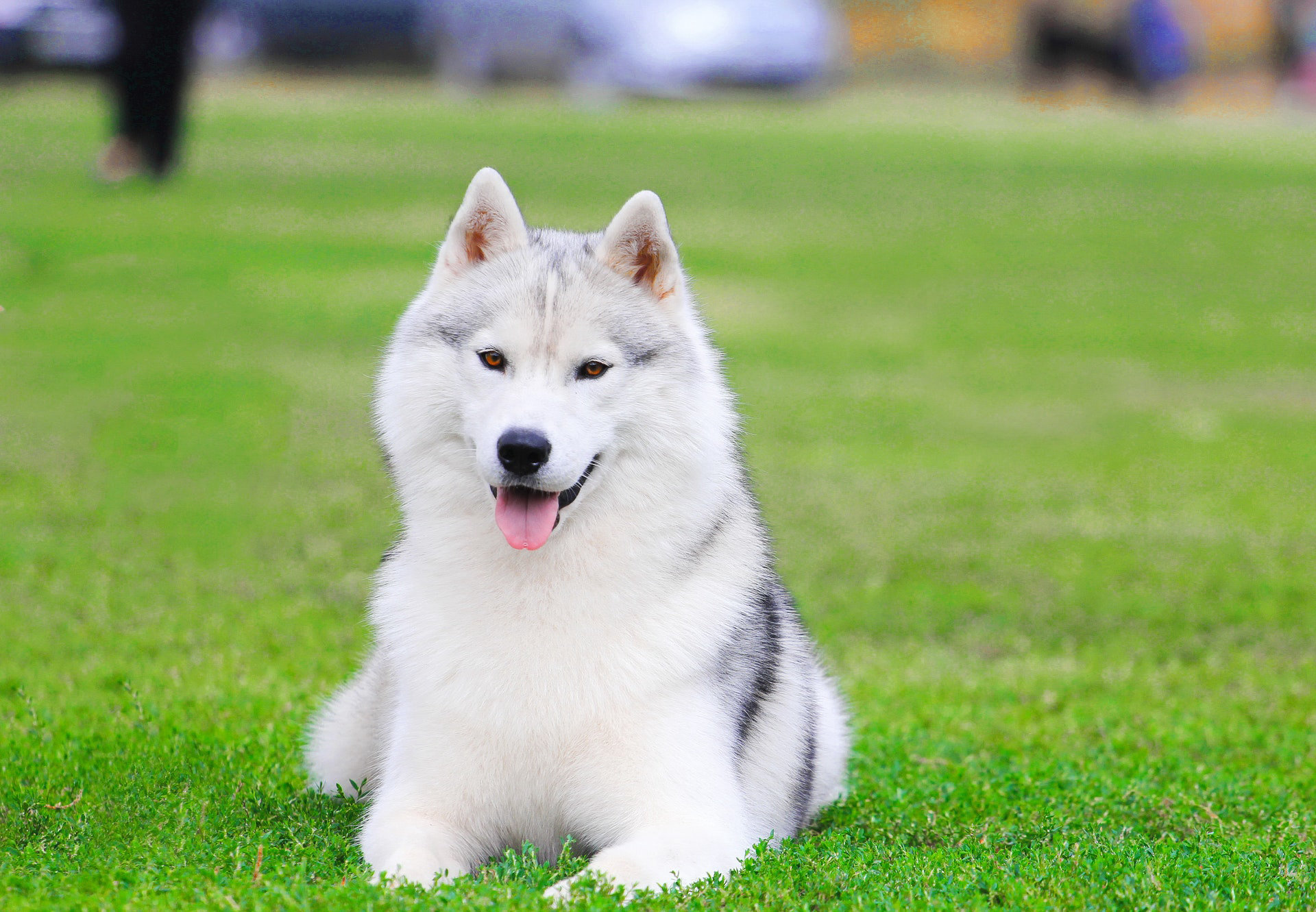
Most Popular Female Dog Names
Looking for the perfect dog name for your new female pup? We have created filterable lists of female dog names from our database of hundreds of thousands of Sniffspot users. You can filter by gender, breed and state to find the most cute, unique and creative female dog names.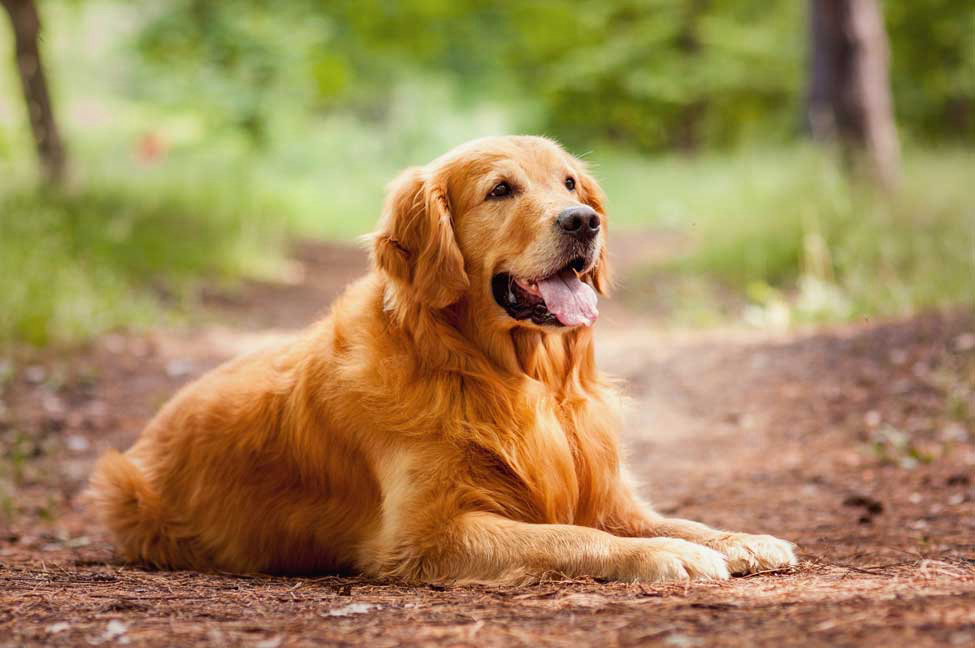
Most Popular Golden Retriever Names
Welcome to our comprehensive list of Golden Retriever dog names, curated from our vast database of Sniffspot users. Filter through hundreds of thousands of options by gender, breed, and state to discover the most adorable, original, and imaginative names for your beloved Golden Retriever.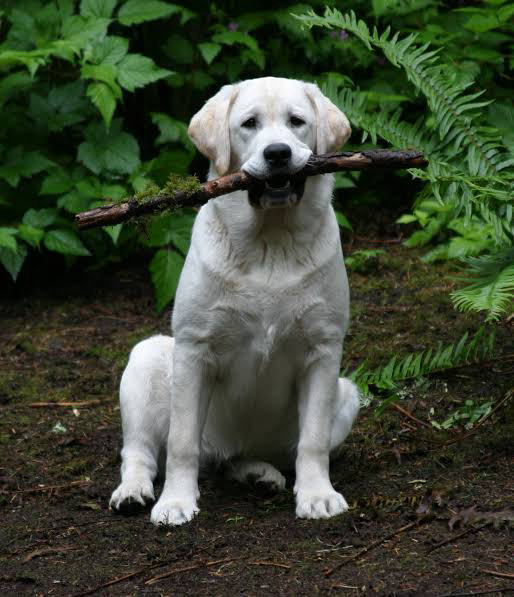
Most Popular Labrador Retriever Names
Welcome to our Labrador Retriever dog names page! Here you can browse through filterable lists of names for your beloved furry friend, ranging from cute and classic to unique and creative options. Our database of hundreds of thousands of Sniffspot users ensures you'll find the perfect name for your Labrador Retriever, whether you're seeking a name for a male or female, based on breed or state.


Top dog rescues in the US

The Best Washington Dog Rescues & Shelters in 2026
This list showcases the top dog rescues & shelters in Washington. These remarkable organizations have been recognized for their unwavering dedication to the well-being of countless dogs.
The Best Oregon Dog Rescues & Shelters in 2026
This list showcases the top dog rescues & shelters in Oregon. These remarkable organizations have been recognized for their unwavering dedication to the well-being of countless dogs.
The Best California Dog Rescues & Shelters in 2026
This list showcases the top dog rescues & shelters in California. These remarkable organizations have been recognized for their unwavering dedication to the well-being of countless dogs.
The Best Florida Dog Rescues & Shelters in 2026
This list showcases the top dog rescues & shelters in Florida. These remarkable organizations have been recognized for their unwavering dedication to the well-being of countless dogs.
The Best New York Dog Rescues & Shelters in 2026
This list showcases the top dog rescues & shelters in New York. These remarkable organizations have been recognized for their unwavering dedication to the well-being of countless dogs.


