Top articlesSee all...

A Comprehensive Guide to Dog Exercise

How To Crate train An Older Dog - A Comprehensive Guide

How To Socialize A Dog - A Comprehensive Guide

Leash Training: A Guide to Training Your Dog to Walk on a Leash

Skijoring: A Guide to Skijoring with Dogs

The Best Dog Enrichment Toys

The Best United States Dog Parks

The Best Indoor Dog Parks in the United States

The Best Off-Leash Dog Parks in the United States
Top articles
A Comprehensive Guide to Dog Exercise
How To Crate train An Older Dog - A Comprehensive Guide
How To Socialize A Dog - A Comprehensive Guide
Leash Training: A Guide to Training Your Dog to Walk on a Leash
Skijoring: A Guide to Skijoring with Dogs
The Best Dog Enrichment Toys
The Best United States Dog Parks
The Best Indoor Dog Parks in the United States
The Best Off-Leash Dog Parks in the United States
See all...Does My Dog Need a Friend? How to Know Based on Breed and Personality

/fit-in/0x450/wp-content/uploads/2026/07/does-my-dog-need-a-friend.jpg)
Your dog perks up every time another dog passes the window. He whines, paces, and presses his nose to the glass like he's missing out on something important. Or maybe it's the opposite: a strange dog at the fence sends him straight behind your legs, and he's calmest when it's just the two of you.
Does my dog need a friend? It's one of the most common questions pet owners ask themselves, and the honest answer depends on the dog in front of you, not on a blanket rule about dogs being pack animals. Breed history plays a role. So does energy level, age, and plain old personality. A high-energy working breed and a couch-loving senior can live in the same house and still be a mismatch waiting to happen.
This guide walks through the real signs your dog wants a companion, the signs he's genuinely fine as a single dog, and what actually makes two dogs compatible if you decide to move forward. We'll also cover how to test the waters, including a low-stakes introvert dog meetup, before you commit to a second dog you can't take back.
Jump Ahead: Does My Dog Need a Friend? How to Know Based on Breed and Personality
- Not All Dogs Are Social Creatures
- Signs Your Dog Might Want a Companion
- Signs Your Dog Is Actually Fine Solo
- What Makes a Good Match? The Full Compatibility Picture
- Social Needs by Breed Type
- Gender and Size Compatibility
- What If You're Considering a Third Dog?
- How to Test the Waters Before Committing to a Second Dog
- Setting Up a Low-Stakes Introvert Dog Meetup
- How Sniffspot Helps
- Frequently Asked Questions: Does My Dog Need a Friend
- Conclusion: Should You Get a Second Dog?
Key Takeaways
- Whether your dog needs a friend comes down to breed tendencies, energy level, and individual personality, not a blanket assumption that dogs are pack animals and need company no matter what.
- Clingy behavior, boredom, and constant excitement around other dogs often signal your dog would be happier with a companion. A calm, content dog who's fine home alone usually isn't asking for one.
- Energy level match matters as much as breed. Pairing a high-energy dog with a low-energy one is one of the most common causes of tension in a dog household.
- Vets generally recommend opposite-gender pairings and dogs within roughly 50% of each other's size, though personality still matters more than either factor.
- You can test compatibility with parallel walks, meetups, and short visits before you bring home a new dog.
- A private, neutral space like a Sniffspot yard is one of the lowest-stress ways to introduce a current dog to a potential new addition.
🐾 A neutral yard beats a crowded dog park for a first meeting. Book a Sniffspot for the introduction →
Not All Dogs Are Social Creatures
"Dogs are pack animals" gets repeated so often it sounds like settled science. It's true in a broad sense: dogs descend from social canids, and most are wired to live alongside others. But pack animals and need for company don't automatically mean every dog needs another dog specifically. Dogs don't all need the same things. Being pack animals means dogs are built for social bonds, not that every household requires multiple dogs. For a lot of dogs, you and your household already fill that role completely.
Every dog is different. Some dogs genuinely light up around other dogs and clearly love company. They seek out play, mirror a playmate's energy, and seem more relaxed after time with a close companion. Others tolerate other dogs without particularly wanting one around full time. A smaller number actively prefer being a single dog, whether because of breed background, an early bad experience, or just their particular personality.
None of these categories is more "normal" than the others. A dog who's fine solo isn't broken, and a dog who wants a companion isn't high maintenance. The mistake most owners make is assuming one answer applies to every dog, then adding a new dog to the house based on what they assume their dog should want instead of what the dog is actually telling them.
That's the real goal here: reading your specific dog instead of a generic rule, since what's right for one dog isn't automatically right for the next. A dog who has always thrived as an only dog, content and settled, may genuinely be fine staying that way for life; if this is your first dog, there's no rush to decide either way.
A dog who's shown real signs of loneliness when left alone, on the other hand, may benefit from adding another dog as a companion, especially if you're regularly leaving your dog alone for long stretches during the day.
Signs Your Dog Might Want a Companion
If you've caught yourself wondering whether you want another dog because your current dog seems bored or restless, these are the patterns to check for. A few show up again and again in dogs who would be happier with a companion dog and genuinely enjoy having a companion around.
If your dog has always sought out other dogs at the park or on walks, that craving for companionship is real, not something he'll simply grow out of. Some dogs seem to say they need friends the same way they beg at the dinner table: persistently and unmistakably. None of these signs alone is proof, but if several apply to your dog, it's worth taking seriously.
- He's constantly overstimulated around other dogs: pulling toward every dog on a walk, whining at dogs through the window, or unable to settle on a dog-friendly patio. A dog can get genuinely worked up in these moments, not just excited.
- He might be feeling lonely or isolated when left home alone: pacing, destructive chewing, excessive barking, or accidents that don't match his usual habits.
- He's a velcro dog: who follows you room to room and seems to need more time and attention than your schedule can realistically provide.
- He plays well with other dogs: at daycare, the dog park, or a friend's house, and seems noticeably calmer and happier afterward, like he genuinely enjoys the company of other dogs.
- He's an adult dog who has always done well around other dogs: and simply seems to like the company more than his current routine allows.
- He perks up, play-bows, or gets visibly excited: whenever a dog is nearby, even from a distance, even when he can't get to them.
If your dog would like a friend, several of these will sound familiar. A dog friend may be exactly the companionship he's after, not just more time with you.
Signs Your Dog Is Actually Fine Solo
Plenty of dogs are perfectly content as a single dog, and pushing a housemate on them can backfire. Watch for these signs instead.
- He's an old dog, set in his ways after years as your only dog, and shows no real interest in playmates at the dog park or anywhere else. Plenty of older dogs feel the same way.
- He guards his toys, food, or resting spots even from people. If your dog is prone to that kind of resource guarding, sharing space with a housemate could create real conflict.
- He's calm and settled when left alone: no pacing, no destructive behavior, no excessive barking. He's happy to relax on his own and doesn't need company to feel secure.
- He tolerates other dogs on walks but doesn't seem to like other dogs enough to want one full time. He's polite, not eager.
- He's had a rocky history with other dogs, including fear or reactivity, and tends to get stressed around unfamiliar dogs.
- He's simply a one-person, one-household kind of dog. Some dogs prefer human company over canine company and already get plenty of love and attention from you, and that's a legitimate preference, not a flaw.
If your dog would rather nap solo and skip the dog park altogether, that's information, not a problem that needs fixing. Some dogs genuinely enjoy their alone time as much as they enjoy yours, and a dog doesn't need a canine sibling to live a full, happy life.
 Sniffspot user Brenda S. shares her dogs safely in the car
What Makes a Good Match? The Full Compatibility Picture
If you've read the signs and think your current dog might genuinely benefit from a second dog, the next question is compatibility, and there are a few things to consider before you commit.
Getting this right matters more than the decision to get a companion in the first place. A bad match can make life harder for both dogs, and for you. Two dogs means double the food, double the vet visits, and double the walks, so it's worth getting the match right. (Wondering how much it costs to own a dog? We've done the math.)
Breed Tendencies
Breed history shapes a dog's baseline social instincts, even though it never tells the whole story. Herding and working breeds were often developed to coordinate closely with other dogs and with people, so cooperation tends to come naturally.
Guardian breeds were bred to be watchful and selective about who they let into their space, including other dogs. Scent hounds and many terriers were historically worked more independently, which can translate into dogs who are perfectly content on their own.
None of this is destiny. A well-socialized guardian breed can be a wonderful companion to a new dog, and a working breed can end up preferring to be an only dog. Breed tendency is a starting point for your expectations, not a guarantee.
Energy Level
Energy level match matters just as much as breed, arguably more. A high-energy breed young dog paired with a low-energy senior is one of the most common recipes for household tension. The high-energy dog gets bored and pushy. The low-energy dog gets overwhelmed and starts avoiding the other dog, or worse, starts snapping to communicate "back off."
The safest bet is two dogs with a similar activity level, or at least a similar tolerance for play and roughhousing. A dog who loves to run needs a playmate who can keep up, not one who'll get dragged along or left behind. To keep your dog engaged rather than frustrated, look for a canine friend who can match his pace. If your dog is more of a couch companion, a mellow match will serve both dogs better than a puppy who wants no end to playtime.
Individual Personality
Beyond breed and energy, personality is the single biggest predictor of whether two dogs will actually get along. Animal behavior researchers, including Lisa Gunter, an assistant professor of animal behavior and welfare at Virginia Tech, generally advise pet parents to think less about a checklist and more about a specific dog's past experiences and social habits when weighing a second dog (Kinship).
In practice, that means paying attention to how your dog actually behaves around other dogs he already knows, not just what his breed or energy level suggests on paper.
Every dog is different, and the dog in front of you always outranks the general rule.
 Dogs play outside at Unleashed Dog Camp in the Seattle, WA area
Social Needs by Breed Type
Breed alone won't answer whether your dog needs a friend, but it's a useful lens for setting realistic expectations.
High-Social Breeds (Pack-Oriented, Working Dogs)
Breeds developed to work in close coordination with other dogs or people often do well in multi dog homes, because cooperative work is baked into their instincts. Border Collies, Australian Shepherds, Belgian Malinois, and German Shepherds all fall into this category. These are pack animals in the fullest sense: bred for teamwork, high mental stimulation needs, and a strong drive to have a job and a partner to do it with.
Even so, individual variation still applies. A dog from a high-social breed line who's had a poor socialization history won't automatically become friends with any dog you bring home.
Independent Breeds (Scent Hounds, Some Terriers)
Some breeds were bred to work more independently. Sighthounds and scent hounds often followed their nose or the hunt with less reliance on constant teamwork. Terriers were frequently bred for solo vermin work. These breeds can be perfectly happy as a single dog, and some genuinely prefer it.
The Shiba Inu is a well-known example: independent, a little cat-like, and often just as content without a canine roommate. Beagles and Dachshunds can go either way, since both were historically worked in pairs or small packs for scent work. Breed alone doesn't settle it for these dogs any more than it does for the rest.
The Introvert Dog: What That Looks Like
An introvert dog isn't the same as a fearful or poorly socialized one. He might greet other dogs politely, enjoy the occasional visit with a familiar dog, and still prefer to spend most of his time without one.
Signs of an introvert dog include low interest in unfamiliar dogs, a tendency to get overstimulated or shut down in group settings like the dog park, and a clear need for solo downtime to recharge after socializing.
If that sounds like your dog, a full-time canine companion may not be the answer, but an occasional, low-pressure introvert dog meetup with one calm dog he already knows might be exactly the right amount of company.
Gender and Size Compatibility
Once you've thought through breed and energy, two more practical factors come into play: gender and size. Neither is a hard rule, but both affect the odds of a smooth match.
Why Most Vets Recommend Opposite-Gender Pairings
Veterinary behaviorists at VCA Animal Hospitals note that when all else is equal, a male and female pairing is the combination least likely to develop serious conflict, and that the most serious cases of aggression between dogs in the same household tend to happen between two females.
That doesn't mean same-sex pairs can't work well together. Plenty do, especially with spaying or neutering and careful matching for personality and energy. But if you're choosing between two otherwise equal options, an opposite-gender pairing statistically carries less risk.
Size Proximity: The General Guideline Against More Than a 50% Size Difference
Many trainers and rescues use a rough "50 percent rule": the smaller dog shouldn't weigh less than about half of the larger dog's weight. It's not an ironclad law, but it exists for real safety reasons.
A big size gap raises the risk of accidental injury during normal play, and it can trigger predatory drift, a phenomenon where a larger dog's prey instinct activates around a smaller dog that moves, squeals, or runs in a way that reads as prey rather than a playmate.
What to Watch for When These Factors Don't Align
Same-sex pairs and size-mismatched pairs absolutely can succeed, especially if you're adopting another dog from a rescue and don't get to pick every variable. Introducing a new dog under these conditions just takes more patience.
Plan for a longer introduction timeline, separate resources (bowls, beds, toys, and a crate for each dog) for longer than you'd otherwise need, and closer supervision during play.
If you already have multiple dogs at home, adding one more changes the dynamic further, so budget extra time for the whole household to adjust. If tension shows up and doesn't resolve on its own, a certified trainer or behaviorist can help before small friction turns into a real problem.

What If You're Considering a Third Dog?
Most of this guide has been about the jump from one dog to two, but plenty of owners eventually ask about three dogs, not just a second dog. The math changes once you're past a pair: two dogs tend to sort themselves into a simple dynamic, while 3 dogs start to behave more like an actual pack, with its own hierarchy and alliances.
A current dog who did beautifully when you brought home your second dog won't necessarily respond the same way to a new dog joining an already-settled duo, so it's worth testing the waters again rather than assuming last time's success guarantees this one.
Watch for the same signs your dog gave you the first time around: excitement at the window, calm body language, genuine interest rather than tolerance. Does your dog like the idea of a third housemate as much as he liked the second? It's worth asking whether your dog would actually enjoy a third companion, not just tolerate one. Your dog may take to a third addition the same way he took to his second, or he may not, and a pup who's used to sharing space with one sibling often adjusts faster than an only pup would.
Before you get a second dog — or a third — it comes back to the same question as before: does your dog need more company, or does he already have exactly enough? If both of your current dogs perk up around visiting dogs and seem to genuinely enjoy having company, bringing in another dog friend is more likely to be welcomed than resented.
If either dog already guards resources or struggles with change, adding one before that's resolved usually multiplies the stress instead of the fun. A third dog can absolutely work in the right household, but it's a bigger commitment than getting a second dog, and it deserves the same careful, one-step-at-a-time introduction.
How to Test the Waters Before Committing to a Second Dog
It's better to test the waters than to guess. Before you adopt a second dog, there are several low-stakes ways to see how your current dog actually responds to a new addition joining the household.
- Parallel walks. Walk both dogs side by side, at a comfortable distance, without letting them interact directly at first. This lets them get used to each other's presence without the pressure of a face-to-face meeting. For more help, review our full guide to parallel walks.
- Meetups with a friend's calm dog. Borrow a well-socialized dog from someone you trust and let the two dogs meet on neutral ground.
- A doggie daycare trial. A day or two at a good daycare shows you how your dog behaves around a rotating cast of other dogs in a supervised setting.
- Fostering before adopting. Many rescues allow a trial foster period, which is one of the most honest tests available.
- A private meet-and-greet space. Renting a fenced, private yard for a supervised introduction gives both dogs room to approach at their own pace, with an easy way to separate if it's not working.
🐾 Give both dogs room to size each other up without dog park chaos. Book a private Sniffspot for a supervised meet-and-greet →
Setting Up a Low-Stakes Introvert Dog Meetup
A low-stakes introvert dog meetup can be fun and exciting instead of stressful, if you set it up right. For a cautious, reactive, or genuinely introvert dog, a public dog park is one of the worst places to test compatibility. Too many dogs, too much unpredictability, and no easy way to leave if things go sideways.
A better approach is a private, neutral, fully fenced space where both dogs can approach gradually and calmly. Keep the first session short. Let both dogs sniff around separately before bringing them closer. Watch body language closely: loose, relaxed movement is a good sign, while stiff posture, a tucked tail, or a hard stare means it's time to create distance and try again another day.
A single good introvert dog meetup won't tell you everything, but it will tell you far more than watching your dog react to strange dogs from behind a leash on a crowded sidewalk.
How Sniffspot Helps
Sniffspot is a network of private, fenced yards you can rent by the hour, and it's genuinely useful for exactly this kind of situation. Instead of introducing dogs at a crowded dog park or on unfamiliar turf, you can book a quiet, private space and control the entire environment. This means no other dogs showing up unannounced, no owners who aren't paying attention, no risk of an unpredictable dog crashing your introduction.
This matters most for reactive or introvert dogs, but it's useful for any pet owners weighing whether their dog would benefit from a companion.
You can rent a small suburban yard for a quiet one-on-one meetup or a larger fenced property if you want more room to let both dogs move and settle in naturally. If you already know your dog struggles with unfamiliar dogs, it's worth reading up on how to socialize a dog and learning to tell the difference between dogs playing and dogs fighting before you set up the meeting.
🐾 Find the right space to introduce your dog to a potential new friend. Find a Sniffspot near you →
Frequently Asked Questions: Does My Dog Need a Friend
What are the most frequently asked questions for whether your dog needs a friend?
Does my dog need a friend if he's home alone all day?
Not necessarily. Leaving your dog alone during the workday is normal for most dogs and isn't, by itself, a sign he needs a friend, or that your dog is lonely. Look instead at how he behaves while you're gone and after you get home. Pacing, destructive chewing, or excessive barking point toward boredom or loneliness a companion dog can help ease.
Calm, settled behavior suggests he's coping fine on his own, and your dog may simply need you to hire a dog walker or add more daytime enrichment instead of getting another dog. Every particular dog is different, so watch his actual behavior rather than assuming.
What's the best age to get a second dog?
There's no single best age, but a few things help. Wait until your current dog is fully trained and securely bonded with you before adding a new dog to the household. If your current dog is a senior, consider whether he has the patience and energy for a younger, more playful dog, or whether a calmer adult dog would be a better match.
Very young puppies generally shouldn't be brought in as each other's sole companions, since they can bond more to each other than to you. And if you've recently lost one dog, give yourself and any remaining dog time to grieve before adding one more to the family.
Is it better to get a dog of the opposite gender?
Statistically, yes, slightly. Male-female pairings tend to have the lowest rate of serious conflict, and the most serious aggression cases in multi-dog households tend to happen between two females. That said, personality and energy level matter more than gender alone. A well-matched same-sex pair, especially when both dogs are spayed or neutered, can absolutely thrive together.
How do I know if my dog likes other dogs?
Watch him around dogs he already knows and trusts. Loose, wiggly body language, play bows, and a relaxed posture are good signs. Genuine interest, rather than just tolerance, shows up as him seeking out interaction instead of just enduring it. If he consistently seems happier, calmer, or more playful after time with other dogs, that's a strong signal he'd do well with a companion of his own.
What if my dog is an introvert?
An introvert dog can still have a good relationship with a companion, just not necessarily a constant, high-energy one. Look for a calm, low-key match rather than a high-drive puppy, and introduce them slowly in a private, low-pressure setting instead of a crowded dog park. Some introvert dogs do best with occasional, supervised time with one familiar dog rather than a full-time housemate.
Can a second dog make a reactive dog worse?
It can, if the pairing or introduction is rushed. A poorly matched or badly introduced new dog can add stress to a reactive dog's life and make existing behavior issues worse, not better. On the other hand, a carefully chosen, well-introduced companion can sometimes help a reactive dog feel calmer and more secure. This is a case where working with a certified trainer before you commit is genuinely worth it.
How long does it take for two dogs to get along?
It varies widely, from a few days to several months. Some dogs get along well almost immediately, as if they've got a second best friend for life. Others need weeks of parallel walks, supervised visits, and separate resources before they fully settle into a comfortable relationship, and having another dog in the house changes the routine for everyone while that happens.
Give the process real time before deciding it isn't working, and keep supervising closely until both dogs are consistently relaxed around each other. Owners who've added a second dog to a slow-to-warm-up household often say the adjustment took longer than they expected, but was worth it.
Does my dog need a friend more than he needs a bigger yard or more walks?
Not always. Some dogs that seem restless are actually under-exercised or under-stimulated rather than lonely. Before assuming a companion is the fix, try an extra walk, a food puzzle, or a weekly Sniffspot visit for sniffing time and see if the restlessness eases. If it doesn't, and the other signs line up, a companion may genuinely be the missing piece.
🐾 Working with the right expert can change everything. Find a certified reactive dog trainer near you →
Conclusion: Should You Get a Second Dog?
There's no universal answer to whether your dog needs a friend. Many dogs are pack animals through and through, and clearly happier with a companion. Others are perfectly content, maybe even happiest, going it alone. The signs are usually there if you know what to look for: how your dog behaves home alone, how he responds to other dogs he already knows, and whether his breed and energy level point toward wanting more company or less.
Dogs love differently, and that's really the whole point of this guide: read the dog in front of you, not a rule of thumb. If you do decide a second dog is right, take the compatibility picture seriously and take the time to find the right friend for your dog, not just any friend.
Gender, size, energy, and personality all play a role, and testing the waters before you commit will save both dogs a rough adjustment. A well-matched second dog is a great addition to the family, not a gamble, when you take the time to get it right.
Dogs who get the right amount of social time, whether from you or from a companion, tend to be healthier and happier for it. Every furry friend deserves attention and love in whatever form fits him best.
🐾 Whether you're testing compatibility or just giving your current dog more social time, a private Sniffspot yard is a low-stress place to start. Find a Sniffspot near you →
This post was reviewed for accuracy by Kaia Wilson (she/her), CPDT-KA, SAP-BC, FDM, founder of Dogspeed Training. Kaia has spent more than a decade helping dogs and their people work through fear, anxiety, reactivity, and separation anxiety, and holds certifications as a Certified Professional Dog Trainer (CPDT-KA), Separation Anxiety Pro (SAP-BC), and Fear-Free Distinction Member (FDM).


/fit-in/0x128/wp-content/uploads/2026/10/puppy-obedience-training.png)
/fit-in/0x128/wp-content/uploads/2022/07/shutterstock_237584221-1.jpg)
/fit-in/0x128/wp-content/uploads/2020/08/shutterstock_421958377.jpg)
/fit-in/0x128/wp-content/uploads/2026/07/Signs-of-a-poorly-socialized-dog.png)
/fit-in/0x128/wp-content/uploads/2026/07/Dog-Enrichment-DIYs.png)
Most recent articles
/fit-in/0x256/wp-content/uploads/2026/10/puppy-obedience-training.png)
/fit-in/0x256/wp-content/uploads/2022/07/shutterstock_237584221-1.jpg)
/fit-in/0x256/wp-content/uploads/2020/08/shutterstock_421958377.jpg)
/fit-in/0x128/wp-content/uploads/2025/03/Moving-with-your-pet-1.png)
/fit-in/0x256/wp-content/uploads/2025/03/Moving-with-your-pet-1.png)
/fit-in/0x128/wp-content/uploads/2024/11/Screen-Shot-2024-11-29-at-12.58.43-PM.png)
/fit-in/0x256/wp-content/uploads/2024/11/Screen-Shot-2024-11-29-at-12.58.43-PM.png)
/fit-in/0x128/wp-content/uploads/2025/03/Moving-with-your-pet-2.png)
/fit-in/0x256/wp-content/uploads/2025/03/Moving-with-your-pet-2.png)
Related articles
Top dog guides per area
Dog training guides

Best Dog Fields in the US: 25+ Wide-Open Spaces for Your Pup to Run Free
The best dog fields in the US offer something that traditional enclosed parks simply can't match: acres of open space where your pup can truly stretch their legs and run at full speed. From Colorado's 470-acre prairie meadows to Tennessee's...
Dog Food Aggression & Resource Guarding Guide
Does your dog ever growl when you walk by their food dish? Maybe they get possessive of treats, carrying them far away and giving you side-eye when you start to approach — or snarling at your other pets or children if they get too close.
The Ultimate Guide to Scent Training for Dogs
Your dog's nose is an amazing tool. Did you know they have 40 times the olfactory receptors than humans? Scent training for dogs taps into this superpower, turning everyday moments into exciting sniff-fests. It's enriching for all types of dogs –...
How Much Does It Cost to Train a Service Dog?
More than 80 million Americans rely on their service dogs to help them navigate the world. Task-trained assistance animals perform a huge range of life-changing—in many cases, life-saving—services: These dogs act as eyes for visually impaired...
How to Deal With Puppy Potty Training Regression
You thought those dreaded middle-of-the-night potty breaks were over. You were finally free from cleaning up puppy puddles. Then, suddenly, your six-month-old who's been accident-free for weeks starts peeing on your rug again.
Dirty Dog Syndrome: Causes, Solutions, and Prevention
It's a cringe-worthy moment every dog owner dreads: your furry friend chowing down on something truly disgusting. If your dog has a penchant for poop, you're dealing with coprophagia. It's more common than you think, and thankfully, often...
/354x256/wp-content/uploads/2025/09/Screenshot-2025-09-21-at-6.39.54-PM.png)
/354x256/wp-content/uploads/2020/08/bernese-mountain-dog-208092_1280.jpg)
/354x256/wp-content/uploads/2022/04/shutterstock_543831754.jpg)
/354x256/wp-content/uploads/2022/08/shutterstock_494495788-1.jpg)
/354x256/wp-content/uploads/2022/07/shutterstock_237584221-1.jpg)
/354x256/wp-content/uploads/2022/10/shutterstock_705844504.jpg)
Dog enrichment guides
Best Dog Fields in the US: 25+ Wide-Open Spaces for Your Pup to Run Free
The best dog fields in the US offer something that traditional enclosed parks simply can't match: acres of open space where your pup can truly stretch their legs and run at full speed. From Colorado's 470-acre prairie meadows to Tennessee's...
Best Dog Water Parks in the US: 15+ Amazing Splash Destinations for Your Pup
Do you have a water-loving dog looking to burn some energy? There are countless dog parks to visit throughout our country — but some of them become far too hot in the midday sun to be safe for your pets to play. That’s why we’ve put together a...
Best Toys for Herding Dogs: Keeping Your Pup Happy & Engaged
Herding dogs are amazing, intelligent companions. But that also means they need more than just a simple game of fetch. Finding the right toys for herding dogs is key to keeping them happy and stimulated. This article explores some of the best toys...
Tough Dog Toys for Aggressive Chewers: A Practical Guide
Does your dog destroy every toy you give them? Is your house littered with the remnants of plush toys? Are you tired of wasting money on "indestructible" dog toys for aggressive chewers that don't last? Then this post is for you. We'll cover...
Dog Exercise Calculator: How Much Exercise Does Your Dog Need?
Every dog needs to move, but how much is actually enough? The answer depends on more than just breed. Age, health, and even your own lifestyle all play a role in figuring out the right daily exercise routine for your pup.
Complete Guide To Herding With Dogs
* All Sniffspot articles are reviewed by certified trainers for quality, please see bottom of article for details *
/354x256/wp-content/uploads/2023/04/dogwaterpark.png)
/354x256/wp-content/uploads/2022/05/shutterstock_174836186.jpg)
/354x256/wp-content/uploads/2023/02/shutterstock_1346929262.jpg)
/354x256/wp-content/uploads/2022/08/dogexercisecalculatorfeaturedimage.jpg)
/354x256/wp-content/uploads/2020/07/bb.jpg)
Dog reactivity guides
Best Dog Fields in the US: 25+ Wide-Open Spaces for Your Pup to Run Free
The best dog fields in the US offer something that traditional enclosed parks simply can't match: acres of open space where your pup can truly stretch their legs and run at full speed. From Colorado's 470-acre prairie meadows to Tennessee's...
Rottweiler Aggression: Signs, Causes & Training
Many dogs have gotten a bad reputation over the years for being "dangerous breeds." Rottweilers are among them. Like pit bulls and other large, blocky-headed types of dogs, these powerful and beautiful animals are often assumed to be aggressive.
The Reactive Dog Chart: How to Calm Your Dog's Triggers
If your dog lunges, barks, or loses their mind at the sight of another dog, a stranger, or a bicycle, you’re living with a reactive dog (and you’re far from alone). Dog reactivity is one of the most common behavioral challenges dog owners face,...
How to Socialize a Reactive Dog: A Step-by-Step Guide
Does your dog display reactivity to other pets or people—barking, lunging, or growling when they see their triggers? Whether they're a rescue still settling in, missed critical socialization as a puppy, or had a negative experience that changed...
What Is a Reactive Dog? The Complete Guide for Understanding and Helping Your Pup
Does your dog transform into a barking, lunging tornado the second they spot another dog across the street? You're definitely not alone. According to our research of over 4,000 dog owners, 66% of dogs show some signs of reactivity.
9 Best Online Communities for Reactive Dog Parents
Does your dog's reactivity make walks stressful? You're not alone. Many dog owners face similar challenges. This guide offers practical advice and support for managing reactivity, including finding the best online dog training for reactive dogs....
/354x256/wp-content/uploads/2023/05/Screen-Shot-2024-05-23-at-9.33.57-PM.png)
/354x256/wp-content/uploads/2022/08/dogreactivitychartfeaturedimage.jpg)
/354x256/wp-content/uploads/2022/08/shutterstock_523383649.jpg)
/354x256/wp-content/uploads/2020/07/a.jpg)
/354x256/wp-content/uploads/2022/01/shutterstock_796422001.jpg)
Sniffspot community guides
Best Dog Fields in the US: 25+ Wide-Open Spaces for Your Pup to Run Free
The best dog fields in the US offer something that traditional enclosed parks simply can't match: acres of open space where your pup can truly stretch their legs and run at full speed. From Colorado's 470-acre prairie meadows to Tennessee's...
The State of Public Dog Parks Across the United States
From 2009 to 2020, there was a 40 percent increase in the development of public dog parks. Designated spots for canine exercise have become commonplace in every major city in North America — many pet owners won’t even consider renting an apartment...
How This Family is Affording Their Dream Property Through Renting it Hourly to Dogs
Thousand Oaks, California has been a safe haven for Sniffspot host, Jen, since childhood. Having grown up in busy Santa Barbara, Jen, an introvert from an early age, would seek out solitude and serenity away from tourists attractions and droves of...
Host Tips: Ellen K. What Makes Sniffspot Successful for Me
Ellen is the host of Country Pasture Getaway, one of Sniffspot's most popular sniff spots. She has taken the time to write up the lessons she has learned about how to be a great sniff spot host.
How this Oregon Farmer is Making a Business From Renting Her Land to Dogs
Just 20 minutes outside of the busy city of Portland, Oregon, and settled right on the banks of the Columbia River, you’ll find what countless visitors have flocked to the area in search of – mountain views, crisp, clean air, and running water for...
Host Tips: Fran T. Providing Great Guest Service at our Spot
Fran is the host of Ranch Setting, one of Sniffspot's most popular spots. She has taken the time to write up the lessons she has learned about how to be a great Sniffspot host.
/354x256/wp-content/uploads/2022/07/Sniffspot_infographic_1-01.jpeg)
/354x256/wp-content/uploads/2021/05/Final-Edit-003-1.jpg)
/354x256/wp-content/uploads/2020/07/good-photo-3_orig.jpg)
/354x256/wp-content/uploads/2021/05/sniffspot-28-of-45-1.jpg)
/354x256/wp-content/uploads/2020/07/screen-shot-2019-09-19-at-2-01-47-pm_orig.png)
Top dog trainers in the US
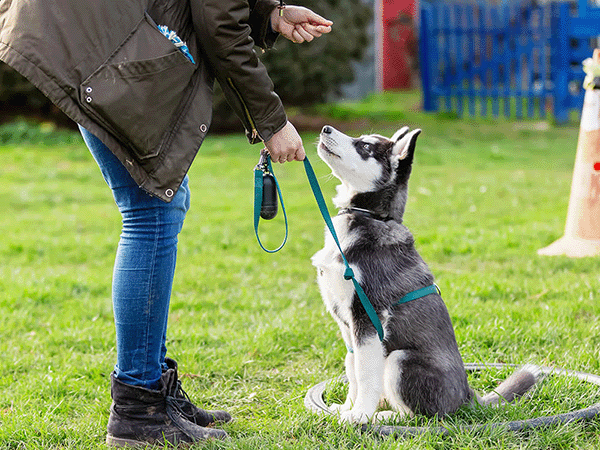
The Best Dog Trainers in the United States of 2026
This is a list of the top dog trainers in the United States, based on votes from the Sniffspot community and the general public.
The Best Dog Trainers in Seattle, WA of 2026
This is a list of the top dog trainers in Seattle, WA, based on votes from the Sniffspot community and the general public.
The Best Dog Trainers in Portland, OR of 2026
This is a list of the top dog trainers in Portland, OR, based on votes from the Sniffspot community and the general public.
The Best Dog Trainers in Los Angeles, CA of 2026
This is a list of the top dog trainers in Los Angeles, CA, based on votes from the Sniffspot community and the general public.
The Best Dog Trainers in New York, NY of 2026
This is a list of the top dog trainers in New York, NY, based on votes from the Sniffspot community and the general public.


City dog park guides
Best Dog Fields in the US: 25+ Wide-Open Spaces for Your Pup to Run Free
The best dog fields in the US offer something that traditional enclosed parks simply can't match: acres of open space where your pup can truly stretch their legs and run at full speed. From Colorado's 470-acre prairie meadows to Tennessee's...
Top 10 Indoor Dog Parks: A US Guide
Looking for a space to play with your dog no matter what the weather’s like outside? Look no further than our list of the best indoor dog parks in the United States! These climate-controlled spaces are growing in popularity as pet ownership...
Best Dog Parks in the US: Ultimate Guide to Public & Private Off-Leash Adventures
Is your pup giving you those pleading "let me run free" eyes? Whether you're a new dog parent or a seasoned pro looking for fresh adventures, finding the perfect off-leash paradise for your furry friend can feel ruff! From sun-soaked California...
Dog Parks Near Me: Las Vegas Edition
Looking for the perfect dog park near me in Las Vegas? You're in luck! This guide explores all the best options for your pup, from public dog parks to private dog parks near me on Sniffspot. We'll help you find the ideal spot for playtime,...Best Dog Parks in the US: Off-Leash Guide
Looking for the perfect dog park? Whether you need a wide-open public space or a private, fenced-in spot, this guide will help you find the best dog parks across the US. We'll cover top-rated public parks, the perks of private dog parks, and even...
Sniffspot: Portland's Best Private Dog Parks
Ready to discover Portland's best dog parks? Whether you're looking for a public park or the unique experience of a private Sniffspot, this guide has you covered. We'll help you find the perfect spot for your pup, with tips on what to bring, how...
/354x256/wp-content/uploads/2023/04/indoordogparks.png)
/354x256/wp-content/uploads/2023/03/offleashdogparks.png)
/354x256/wp-content/uploads/2023/02/vegas.jpg)
/354x256/wp-content/uploads/2023/02/portland.jpg)
Dog breeds
Best Dog Fields in the US: 25+ Wide-Open Spaces for Your Pup to Run Free
The best dog fields in the US offer something that traditional enclosed parks simply can't match: acres of open space where your pup can truly stretch their legs and run at full speed. From Colorado's 470-acre prairie meadows to Tennessee's...
German Shepherd Guide: Best Family Dog? Truth from 9K Owners
The German Shepherd Dog (GSDs) are known for their intelligence, loyalty, and striking appearance. They're also incredibly versatile, excelling as working dogs and devoted family companions. This guide covers everything you need to know about...
Labrador Retriever: Real Tips from Owners
Discover the Labrador Retriever, a breed celebrated for its playful nature, affectionate temperament, and trainability. Labradors are known for their friendly demeanor and adaptability, making them perfect family companions and versatile working...
Golden Retriever Advice: The Complete Owner's Guide
Golden Retrievers: they're gorgeous, playful, and incredibly popular. But before you welcome one into your home, you need the right golden retriever advice. This guide draws on the wisdom of nearly 10,000 Golden Retriever owners, offering...
Are American Staffordshire Terriers Good for First-Time Owners: Complete Guide
Think American Staffordshire Terriers are tough? Think again. While their muscular build might intimidate some, these dogs are known for their playful and loyal personalities. This guide draws on the experience of nearly 10,000 AmStaff owners to...
Australian Shepherd Facts: Breed Info & Care Guide
Discover the Australian Shepherd, an AKC breed celebrated for its trainable, playful, and affectionate nature. Despite its name, the Australian Shepherd is actually a native breed to the United States, originally developed to breed on farms and...
/354x256/wp-content/uploads/2024/07/German-Shepherd-Dog.png)
/354x256/wp-content/uploads/2024/07/Screen-Shot-2024-07-24-at-4.06.05-PM.png)
/354x256/wp-content/uploads/2024/07/Screen-Shot-2024-07-25-at-3.05.09-PM.png)
/354x256/wp-content/uploads/2024/07/staffy.jpg)
/354x256/wp-content/uploads/2024/07/Screen-Shot-2024-07-25-at-3.39.43-PM.png)
Top dog names in the US
Top 1,000 Most Popular Dog Names
Looking for the perfect dog name for your new pup? We have created filterable lists of dog names from our database of hundreds of thousands of Sniffspot users. You can filter by gender, breed and state to find the most cute, unique and creative dog names.
Most Popular Male Dog Names
Looking for the perfect dog name for your new male pup? We have created filterable lists of male dog names from our database of hundreds of thousands of Sniffspot users. You can filter by gender, breed and state to find the most cute, unique and creative male dog names.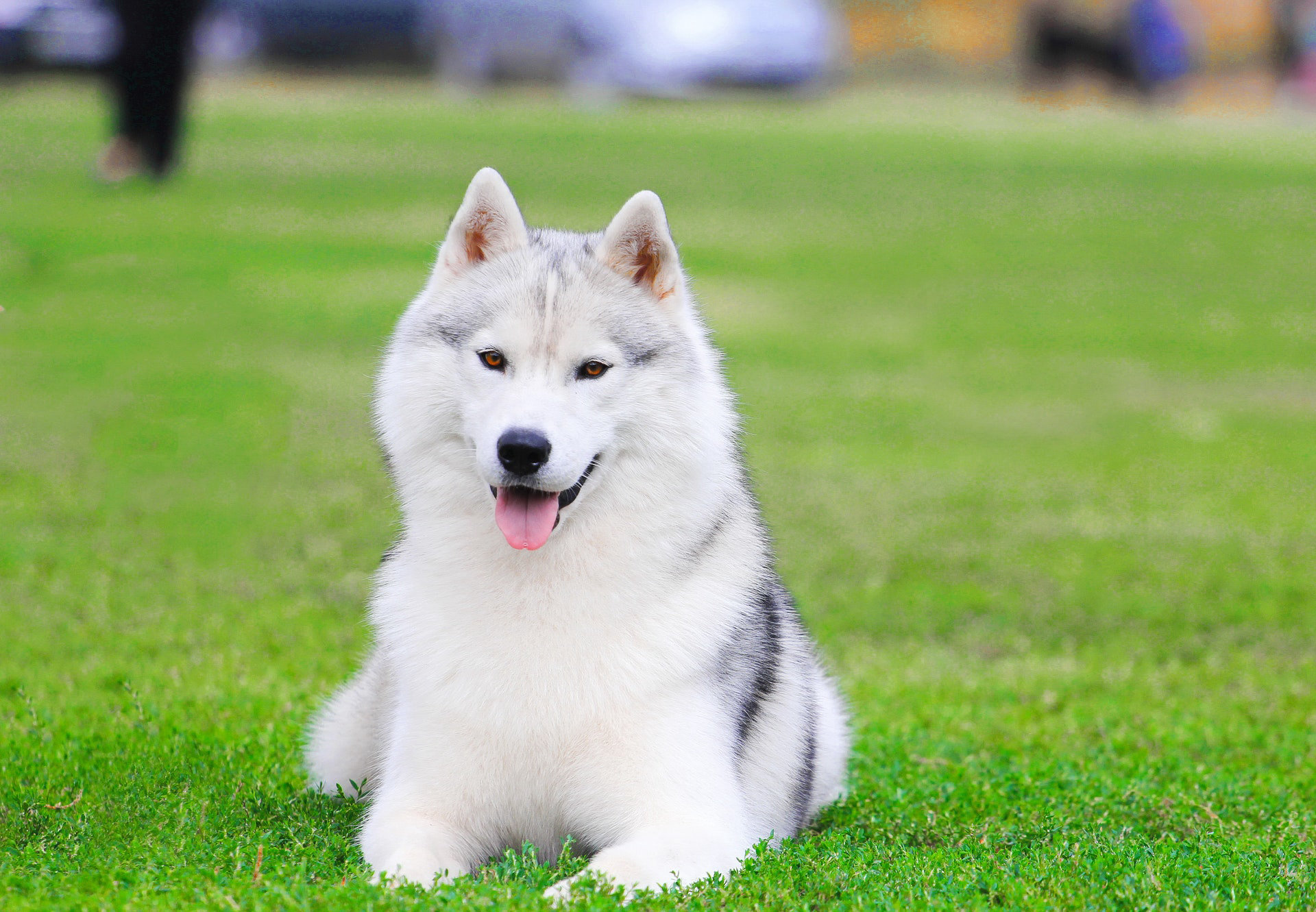
Most Popular Female Dog Names
Looking for the perfect dog name for your new female pup? We have created filterable lists of female dog names from our database of hundreds of thousands of Sniffspot users. You can filter by gender, breed and state to find the most cute, unique and creative female dog names.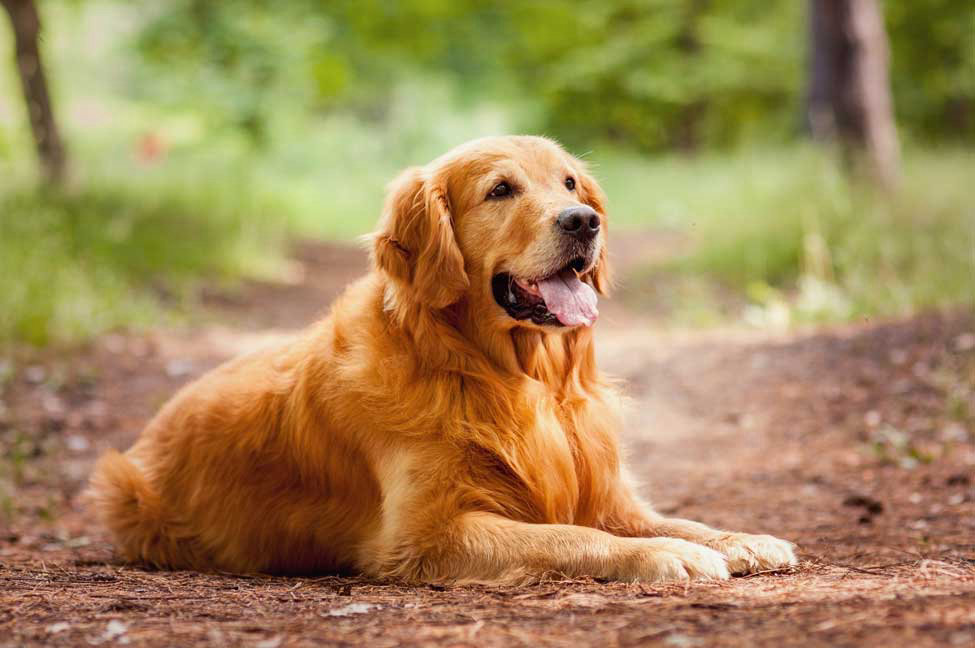
Most Popular Golden Retriever Names
Welcome to our comprehensive list of Golden Retriever dog names, curated from our vast database of Sniffspot users. Filter through hundreds of thousands of options by gender, breed, and state to discover the most adorable, original, and imaginative names for your beloved Golden Retriever.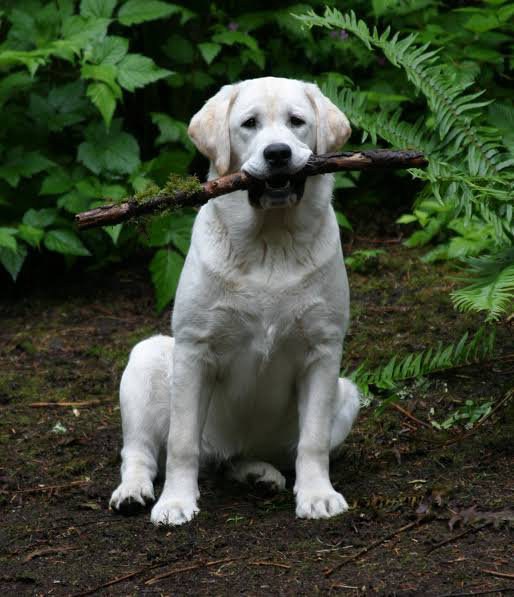
Most Popular Labrador Retriever Names
Welcome to our Labrador Retriever dog names page! Here you can browse through filterable lists of names for your beloved furry friend, ranging from cute and classic to unique and creative options. Our database of hundreds of thousands of Sniffspot users ensures you'll find the perfect name for your Labrador Retriever, whether you're seeking a name for a male or female, based on breed or state.


Top dog rescues in the US

The Best Washington Dog Rescues & Shelters in 2026
This list showcases the top dog rescues & shelters in Washington. These remarkable organizations have been recognized for their unwavering dedication to the well-being of countless dogs.
The Best Oregon Dog Rescues & Shelters in 2026
This list showcases the top dog rescues & shelters in Oregon. These remarkable organizations have been recognized for their unwavering dedication to the well-being of countless dogs.
The Best California Dog Rescues & Shelters in 2026
This list showcases the top dog rescues & shelters in California. These remarkable organizations have been recognized for their unwavering dedication to the well-being of countless dogs.
The Best Florida Dog Rescues & Shelters in 2026
This list showcases the top dog rescues & shelters in Florida. These remarkable organizations have been recognized for their unwavering dedication to the well-being of countless dogs.
The Best New York Dog Rescues & Shelters in 2026
This list showcases the top dog rescues & shelters in New York. These remarkable organizations have been recognized for their unwavering dedication to the well-being of countless dogs.
/354x256/Photos/SeoDogRescue/1282/178507e67e44-MC_logo_square.jpg)
/354x256/Photos/SeoDogRescue/931/cef8bbb17769-South_Coast_Humane_Society.png)
/354x256/Photos/SeoDogRescue/61/30aea3371b69-MainSquare_2.png)
/354x256/Photos/SeoDogRescue/298/1000035238.jpg)
/354x256/Photos/SeoDogRescue/814/91cfd62cd986-IMG_1035.jpeg)