Top articlesSee all...

A Comprehensive Guide to Dog Exercise

How To Crate train An Older Dog - A Comprehensive Guide

How To Socialize A Dog - A Comprehensive Guide

Leash Training: A Guide to Training Your Dog to Walk on a Leash

Skijoring: A Guide to Skijoring with Dogs

The Best Dog Enrichment Toys

The Best United States Dog Parks

The Best Indoor Dog Parks in the United States

The Best Off-Leash Dog Parks in the United States
Top articles
A Comprehensive Guide to Dog Exercise
How To Crate train An Older Dog - A Comprehensive Guide
How To Socialize A Dog - A Comprehensive Guide
Leash Training: A Guide to Training Your Dog to Walk on a Leash
Skijoring: A Guide to Skijoring with Dogs
The Best Dog Enrichment Toys
The Best United States Dog Parks
The Best Indoor Dog Parks in the United States
The Best Off-Leash Dog Parks in the United States
See all...How to Tire Out a Dog: 20 Ways to Burn Energy Fast

/fit-in/0x450/wp-content/uploads/2026/05/white-pitbull-tired-on-rug.jpg)
You've taken the walk. You've done the fetch. Your dog has been outside twice already and is now staring at you like you personally owe them something.
High-energy dogs are a lot. Under-exercised dogs are worse. And the gap between "dog who got a nice walk" and "dog who is actually tired" is bigger than most people expect, especially if you have a working breed, a young dog, or a dog who's been cooped up due to weather, injury recovery, or a busy week.
The good news is that tiring out a dog isn't just about distance covered or time outside. It's about the right kind of effort. A 15-minute training session can exhaust a dog more effectively than a 45-minute leash walk. Twenty minutes of real off-leash running beats an hour of structured on-leash trotting. A sniff-heavy enrichment session activates your dog's brain in a way that watching Netflix together simply does not.
This guide covers 20 ways to tire out a dog, organized by type, so you can match the method to your dog, your situation, and however much time you have. Whether you need to burn energy fast or build a sustainable daily routine, there's something here.
Jump Ahead: How to Tire Out a Dog: 20 Ways to Burn Energy Fast
- Why a Tired Dog Is a Happy Dog
- Physical Exercise: The Fastest Way to Burn Energy
- Mental Exercise: The Underrated Tire-Out Method
- Socialization and Play
- Water Activities for Hot Days
- How to Tire Out a Dog When You Can't Go Outside
- How to Tire Out a High-Energy Dog
- How to Know When Your Dog Is Actually Tired
- Frequently Asked Questions: How to Tire Out a Dog
- Treat Your Dog to the Right Level of Exhaustion
Key Takeaways
- Mental exercise tires dogs out faster than most people expect, sometimes faster than physical exercise
- Off-leash running is the most efficient physical energy burner by a significant margin
- High-energy breeds need substantially more than a daily walk to be genuinely satisfied
- Signs of a well-exercised dog include easy settling, voluntary napping, and not pestering you
- Indoor options exist and work. On days you can't get outside, they're worth using
- Matching the activity to your dog's breed, age, and health matters as much as the activity itself
Why a Tired Dog Is a Happy Dog
Under-exercise is one of the most common and underestimated contributors to dog behavior problems. It doesn't show up in their bloodwork. It doesn't get diagnosed at the vet. But it drives a lot of the behaviors that make life with a dog genuinely difficult.
A dog who isn't getting enough physical and mental stimulation will find their own ways to meet those needs. That looks like:
- Destructive chewing (the couch, the baseboards, your shoes, things that seemed safe)
- Excessive barking or whining with no apparent trigger
- Restlessness at night, inability to settle, pestering behavior
- Leash reactivity that seems worse or more intense than usual
- Anxiety behaviors like excessive licking, pacing, or compulsive tail chasing
This isn't a discipline problem; it's a needs problem. A dog who does any of these things after a long walk is often a dog who needs more, or a different kind, of outlet.
The solution isn't punishment. It's meeting the need. Signs your dog needs more exercise are worth knowing, because once you start looking, they're usually pretty clear.

Physical Exercise: The Fastest Way to Burn Energy
For most dogs, physical exercise is the foundation. Mental enrichment matters a lot (more on that shortly), but a dog who hasn't had real physical output in a few days needs to move before anything else is going to work.
1. Off-Leash Running and Fetch
This is the most efficient energy-burner available to most dog owners. Twenty minutes of genuine off-leash running (sprinting, fetching, doing zoomies, chasing something) burns more energy than an hour of leash walking. There's no comparison.
The catch is that most dog owners don't have reliable access to safe off-leash space. Dog parks are unpredictable, public fields are rarely fenced, and backyards aren't universal. That's where off-leash time matters as a real consideration, not just a nice-to-have.
Private rentable spaces on Sniffspot give dogs the chance to actually sprint. Fully fenced, no other dogs unless you invite them, bookable for an hour or two. For a high-energy dog who needs to run, this changes the math entirely. Twenty minutes of real off-leash fetch in a private field, and you will have a different dog on your hands for the rest of the day.
🐾 Let your dog actually run it out. Find a private fenced Sniffspot space near you →
2. Swimming
Swimming is one of the most efficient full-body workouts a dog can get, and it's incredibly low-impact on joints. Dogs use their core, legs, and shoulders simultaneously. A 15-minute swim is roughly equivalent to a 45-minute run in terms of muscular effort, which makes it particularly valuable for dogs who need to burn energy but have orthopedic issues or are recovering from injury.
It's also excellent for dogs who overheat easily. Water keeps them cool while they work hard. If you haven't introduced your dog to water yet, teaching your dog to swim is more straightforward than most people assume, as long as you go slowly and use high-value treats.
Some Sniffspot hosts have ponds and water access on their properties, worth filtering for if swimming is something your dog enjoys.
3. Trail Hiking
A trail hike hits differently than a sidewalk walk. The terrain demands more physical effort (uneven ground, inclines, scrambling over roots and rocks). The smells are constant and genuinely interesting to a dog's brain. The novelty of a new environment adds mental stimulation on top of the physical output.
An hour on a decent trail typically tires a dog more than two hours of neighborhood walking. If you're in or near an area with accessible trails, this is one of the best investments of your exercise time.
4. Flirt Pole
If you've never used a flirt pole, it looks like a giant cat toy for dogs. A long pole with a rope and a lure attached. You move the lure along the ground and in short arcs, and your dog chases it.
It's intensely fun for most dogs and genuinely exhausting. Ten minutes of flirt pole play is real work. It's also low-effort for the human end of things, which is a nice bonus. The key is to let your dog catch the lure regularly. All chase and no reward gets frustrating fast. Use "leave it" and "drop it" as natural pauses to build in some impulse control training while you're at it.
5. Tug
A well-structured tug session is great exercise and doubles as a training opportunity. Dogs love it. It's physically tiring, engages their prey drive, and deepens the bond between dog and owner.
Contrary to outdated belief, tug does not make dogs aggressive or dominant. It does teach rules if you play with clear boundaries (start and stop on your cue, drop on cue). High-arousal dogs who struggle with impulse control can actually benefit from tug played with clear structure, since they're practicing regulation under excitement.
6. Bike or Scooter Running (Canicross)
For athletic, healthy adult dogs, running alongside a bike or scooter (or proper canicross (where the dog is harnessed to a runner) is an extremely effective energy outlet. The dog sets a faster pace than most humans run, covers more distance, and reaches actual fatigue much more quickly.
This isn't for puppies (whose growth plates are still developing), seniors, dogs with orthopedic issues, or brachycephalic breeds. For a healthy, athletic dog with good leash manners, it can be genuinely transformative. Build up gradually: short distances, low speed, with plenty of water breaks.

Mental Exercise: The Underrated Tire-Out Method
Here's something a lot of dog owners don't realize until they see it for themselves: mental work exhausts dogs. Serious mental engagement can tire a dog more quickly than equivalent physical exercise, and the tiredness that results is often deeper and more settled.
The reason is that problem-solving, learning, and concentration use real cognitive and physiological resources. A dog who just worked their brain for 20 minutes doesn't just need rest. They want it.
Mental exercises for dogs deserve a real place in your dog's weekly routine, not just as a supplement to physical exercise but as a primary tool in its own right. Understanding mental vs. physical exercise helps you use both more strategically.
7. Puzzle Feeders and Snuffle Mats
Puzzle feeders require dogs to manipulate objects, slide panels, lift covers, and figure out sequences to access their food. The effort required varies by puzzle difficulty, but even a basic puzzle extends mealtime from 30 seconds to 5-10 minutes and adds genuine cognitive engagement.
Snuffle mats have fabric loops and channels where you hide kibble or small treats. Dogs root through with their nose to find everything. The sniffing itself is mentally tiring in a way that's distinct from physical exercise. It's calming and satisfying in a deeply biological way.
Start easier than you think you need to and work up. A dog who gets frustrated and gives up has learned nothing good.
8. Training New Commands
A dedicated training session of 10-20 minutes teaches your dog something new while burning cognitive energy that they don't get from walks. The engagement required for learning (paying attention, making decisions, experimenting, getting feedback) is genuinely tiring.
Focus on short, positive sessions. End before your dog's attention starts drifting. Use high-value treats for new behaviors. Keep the energy upbeat. Clicker training is an excellent framework for this, especially for marking precise behaviors your dog is learning.
Even a dog who "knows everything" can work on proofing behaviors in new environments, adding duration and distance, or learning low-stakes tricks. Spin, bow, paw targets, names of toys, fetch by name. The specifics matter less than the engagement.
9. Scent Work and Nose Games
Dogs have approximately 300 million scent receptors (humans have about 6 million). Using that sense is intrinsically satisfying and genuinely tiring for dogs. Scent work taps into something they're already built to do.
Start simple: hide a few high-value treats around the living room and tell your dog to "find it." Let them use their nose. Work up to harder hiding spots. Eventually you can introduce scent discrimination (finding a specific scent), which is the foundation of formal nosework.
Formal K9 Nosework classes are available in most areas and are a fantastic activity for all dogs, including reactive dogs, seniors, and dogs who can't do vigorous physical exercise. It's one of the most genuinely tiring activities available, and dogs who do it regularly tend to be noticeably calmer at home.
10. Kong Stuffing and Chews
This one sits at the edge of exercise and calm-down activity. A stuffed Kong or a long-lasting chew (bully stick, raw bone, beef trachea) doesn't tire a dog the way fetch does, but it gives them focused occupation that depletes arousal and energy over time.
Freeze stuffed Kongs for maximum time and difficulty. Use them after a physical exercise session to help dogs settle, rather than as a substitute for exercise entirely. They're also excellent for teaching dogs to enjoy being alone calmly.
Socialization and Play
11. Dog-to-Dog Playdates
Playdates with a compatible dog (one your dog knows and genuinely likes) are one of the most exhausting activities in the best possible way. Dogs who play together run, chase, wrestle, and disengage in a constant back-and-forth that most humans can't replicate. An hour with a good play partner can produce the kind of tired that means three hours of quiet napping.
The key is "compatible." A playdate with a dog your dog doesn't like is a stressor, not a benefit. Look for play partners who match your dog's play style, size, and energy level. If a play session keeps pausing because one dog is overwhelmed or the other is escalating, the match isn't right.
Dog parks are an option but not an ideal one for every dog. They're unpredictable, entry and exits can be chaotic, and off-leash group play with unknown dogs isn't appropriate for every temperament. Private playdates or private spaces give you more control over the experience.
12. Structured Group Classes
Group training classes combine learning with the arousal of being around other dogs. For dogs who are ready for it, this is meaningfully tiring: they have to pay attention, regulate their excitement, learn, and do all of that with distractions present. The ride home from a good training class is usually a quiet one.
🐾 Your dog's best exercise days start with a private space to actually run. Book a Sniffspot →

Water Activities for Hot Days
13. Swimming (Revisited for Summer)
Worth mentioning again in the summer context: swimming is one of the only activities that tires dogs out while also keeping them cool. On days when it's too hot for sustained running or hiking, water play fills the gap beautifully.
A kiddie pool in the backyard, a creek, a pond, a dog-friendly lake. Any body of water your dog can move through is effective. Dogs who love water will play in it until they're genuinely tired. Dogs who are unsure often come around with patient, treat-heavy introductions.
14. Sprinkler and Hose Play
Not every dog swims, but a lot of dogs go absolutely berserk chasing a sprinkler or hose stream. It's not efficient exercise by the numbers, but it's genuinely active and fun, and on a hot day it's cooling at the same time. No pool required.
15. Water Fetch
Combining water and fetch is often more tiring than either alone. Retrieving from shallow water, wading out and back repeatedly, chasing floating toys: the resistance of water adds physical work to every movement. A retrieving breed near water is a retrieving breed in their element.

How to Tire Out a Dog When You Can't Go Outside
Bad weather, injury recovery, urban living without easy access to outdoor space: there are plenty of situations where going outside isn't a great option. Indoor exercise alternatives genuinely work if you commit to them.
16. Indoor Training Sessions
A 20-minute focused training session inside is exercise. It's not the same as running, but it burns cognitive energy, builds the human-dog relationship, and gives your dog something to do other than pace around. New tricks, proofing known behaviors, working on impulse control (stay, leave it, wait): all effective.
17. Hide and Seek
Hide from your dog and call them to find you. Most dogs find this thrilling. It builds recall, uses their nose, and requires them to problem-solve. Hide progressively better as they get the hang of it. This is also a surprisingly effective activity for teaching reliable recall in a positive, low-pressure way.
You can also hide toys or specific objects and send your dog to find them by name. "Find your ball," then hide it, then release them to search. Most dogs catch on fast and find it genuinely engaging.
18. Stair Work
If you have stairs, they're a built-in exercise tool. Tossing a toy up the stairs and having your dog retrieve it and bring it back adds elevation change to fetch. Repeated trips up and down stairs add meaningful cardiovascular and muscular work quickly. Not appropriate for dogs with hip or joint issues, but for healthy dogs it's efficient.
19. Indoor Obstacle Course
Sofa cushions, chairs, a broom handle across two stacks of books, a hula hoop, a cardboard box they have to crawl through: basic agility-style obstacles can be assembled from household items and require your dog to think, problem-solve, and move in non-linear ways. It's also inherently fun to teach. Shape the behaviors with treats: click or mark when they interact with each obstacle, and build from there.
20. Treadmill (for Appropriate Dogs)
Dog treadmills exist and some owners use them regularly for high-energy dogs on days when outdoor exercise isn't possible. This requires specific introduction training. You can't just put a dog on a treadmill. Done right, with gradual shaping and positive reinforcement, some dogs adapt to it well. It's an investment, but for dogs who genuinely need high-volume daily exercise, it can fill a gap.
Always supervise. Start very slow. And recognize it's a supplement to real exercise, not a full substitute.
How to Tire Out a High-Energy Dog
High-energy breeds are in a category of their own. Border Collies, Australian Shepherds, Belgian Malinois, Vizslas, Weimaraners, Jack Russell Terriers, Siberian Huskies, and working-line retrievers were bred to work long hours. A daily walk and a puzzle feeder is not enough for these dogs. Not even close.
What "enough" actually looks like for a high-energy breed:
- 2+ hours of genuine physical exercise daily, not just walks
- Structured mental engagement built into daily routine (training, scent work, puzzle feeders)
- Off-leash time for actual running, not just movement
- A "job" or sport that channels their instincts (agility, herding, nosework, dock diving, flyball)
These dogs thrive with structure and purpose. They fall apart when under-stimulated. If you have one and they're struggling behaviorally, the first question is almost always: are they actually tired?
Use the dog exercise calculator to figure out where your dog actually lands, because for working breeds in particular, the answer is often higher than owners expect. And check out your dog's complete exercise needs for a fuller breakdown by breed type and age.
For high-energy dogs, private off-leash space where they can genuinely sprint is especially valuable. Walks are necessary but insufficient. Running is where the real work happens.
How to Know When Your Dog Is Actually Tired
It's worth knowing what "actually tired" looks like, because it's different from "just walked" or "briefly played."
Signs your dog is genuinely well-exercised:
- They settle voluntarily without being asked or crated
- Breathing returns to normal and stays there
- They nap, often heavily, sometimes within 20-30 minutes of getting home
- Their eyes are soft and relaxed rather than scanning for activity
- They're not pestering you or looking for things to get into
- They greet you calmly rather than bouncing off the walls
Signs you've pushed too hard:
- Limping or reluctance to move (back off and rest)
- Excessive panting that doesn't resolve after a cool-down period
- Muscle trembling or weakness in the legs
- Unusual clumsiness or stumbling
- Refusing to get up or move voluntarily
The goal is the first list, not the second. A tired dog is a satisfied dog. An over-exercised dog is an injured or stressed one. For puppies especially, too much impact exercise before growth plates close (typically 12-18 months depending on breed) can cause lasting joint damage. Keep puppy sessions shorter, lower-impact, and prioritize mental stimulation over sustained running.
For more ideas for exercising your dog across seasons and situations, the variety is genuinely useful to have on hand.
Frequently Asked Questions: How to Tire Out a Dog
How do I tire out a high-energy dog?
High-energy dogs need a combination of extended physical exercise and deliberate mental stimulation daily. Off-leash running and fetch are the most efficient physical tools. Scent work, training sessions, and puzzle feeders handle the mental side. Many working breeds also benefit from a dog sport (agility, nosework, flyball) that gives them a structured outlet for their instincts. The honest answer is that high-energy dogs need more time and creativity invested in their exercise than most people expect going in.
How long should I exercise my dog each day?
It varies significantly by breed, age, and health. A young Labrador or Border Collie may need 2+ hours of real activity. A senior Basset Hound may do fine with two 20-minute walks and some indoor enrichment. The dog exercise calculator is a useful reference point. Your dog's behavior at home is often the most honest indicator: a dog who's settled and content is probably getting enough. A dog who can't relax probably isn't.
Can mental stimulation tire out a dog?
Yes, significantly. Scent work, training sessions, puzzle feeders, and novel problem-solving tasks use real cognitive resources. A 20-minute training session or a dedicated nosework session can produce the same settled, sleepy calm that a 45-60 minute walk produces. Mental and physical exercise work well together, and on days when physical exercise is limited, mental stimulation is a genuine and effective supplement.
What is the fastest way to tire out a dog?
Off-leash running and fetch in a safe, fenced space is the fastest physical method. Swimming is close behind and is lower-impact. Combining physical exercise with mental engagement (a fetch session followed by a short training session) is more effective than either alone. For many dogs, especially working breeds, nothing compares to genuinely running at their own pace in a space where they can really go.
How do I tire out my dog on a rainy day?
Indoor training sessions, snuffle mats, puzzle feeders, hide-and-seek games, and tug are your primary tools. A 20-minute training session on new behaviors or proofing existing ones can produce meaningful tiredness. If you have stairs, use them. If your dog is comfortable with it, a treadmill session is an option. The key is combining physical outlet (even limited) with mental engagement.
How do I know if my dog is tired enough?
A well-exercised dog settles voluntarily, naps willingly, and isn't pestering you or looking for mischief. They're calm and relaxed, not wound up. If your dog can't settle after exercise, they may need more physical output, more mental engagement, or both. If they're limping, trembling, or refusing to move, they've had too much.
Is it possible to over-exercise a dog?
Yes. Especially for puppies, brachycephalic breeds, seniors, and dogs with joint conditions. Limping, muscle trembling, excessive panting that doesn't resolve, and reluctance to move are signs you've pushed too hard. Build up exercise gradually, especially with new activities or after a period of rest. For puppies, keep impact exercise (jumping, sustained running) limited until growth plates close, which varies by breed size.
Treat Your Dog to the Right Level of Exhaustion
Tiring out a dog isn't a single activity. It's a toolkit, and the best results come from using more than one tool.
Physical exercise is the foundation: off-leash running, swimming, hiking, fetch in a space where your dog can actually move. Mental exercise is the multiplier: training sessions, scent work, puzzle feeders that engage your dog's brain rather than just passing time. And the combination of both, matched to your dog's breed, age, and personality, is what produces a genuinely satisfied animal rather than just a briefly distracted one.
High-energy dogs need more than walks. Reactive or dog-selective dogs need private space to run. Older dogs need lower-impact options that still engage them. Whatever your dog's situation, the need to actually be tired is real, and meeting it consistently is one of the most meaningful things you can do for them.
🐾 Give your dog the off-leash sprint they've been waiting for. Find a private Sniffspot near you →
All our articles are reviewed by qualified professionals, from certified dog trainers to veterinary staff. This article was reviewed by Elisa Quinn, CVT, SEA Island Animal Clinic.


/fit-in/0x128/wp-content/uploads/2026/09/is-pet-insurance-worth-it.png)
/fit-in/0x128/wp-content/uploads/2026/09/first-night-with-rescue-dog.png)
/fit-in/0x128/wp-content/uploads/2026/09/What-are-the-requirements-to-adopt-a-dog.png)
/fit-in/0x128/wp-content/uploads/2020/07/shutterstock_330043559-1.jpg)
/fit-in/0x128/wp-content/uploads/2026/05/golden-retriever-swimming-in-lake.jpg)
Most recent articles
/fit-in/0x256/wp-content/uploads/2026/09/is-pet-insurance-worth-it.png)
/fit-in/0x256/wp-content/uploads/2026/09/first-night-with-rescue-dog.png)
/fit-in/0x256/wp-content/uploads/2026/09/What-are-the-requirements-to-adopt-a-dog.png)
/fit-in/0x128/wp-content/uploads/2026/09/Dog-heartworm-prevention.png)
/fit-in/0x256/wp-content/uploads/2026/09/Dog-heartworm-prevention.png)
/fit-in/0x128/wp-content/uploads/2026/09/insurance-that-pays-vet-directly.png)
/fit-in/0x256/wp-content/uploads/2026/09/insurance-that-pays-vet-directly.png)
/fit-in/0x128/wp-content/uploads/2026/09/what-does-pet-insurance-cover.png)
/fit-in/0x256/wp-content/uploads/2026/09/what-does-pet-insurance-cover.png)
Related articles
Top dog guides per area
Dog training guides

Best Dog Fields in the US: 25+ Wide-Open Spaces for Your Pup to Run Free
The best dog fields in the US offer something that traditional enclosed parks simply can't match: acres of open space where your pup can truly stretch their legs and run at full speed. From Colorado's 470-acre prairie meadows to Tennessee's award-winning "Outback," these wide-open spaces allow dogs to roam, explore, and exercise naturally while engaging instincts that cramped urban parks suppress.

Dog Food Aggression & Resource Guarding Guide
Does your dog ever growl when you walk by their food dish? Maybe they get possessive of treats, carrying them far away and giving you side-eye when you start to approach — or snarling at your other pets or children if they get too close.

The Ultimate Guide to Scent Training for Dogs
Your dog's nose is an amazing tool. Did you know they have 40 times the olfactory receptors than humans? Scent training for dogs taps into this superpower, turning everyday moments into exciting sniff-fests. It's enriching for all types of dogs – reactive, shy, or simply adventurous. Ready to explore the world of scent work for dogs? Let's get started.

How Much Does It Cost to Train a Service Dog?
More than 80 million Americans rely on their service dogs to help them navigate the world. Task-trained assistance animals perform a huge range of life-changing—in many cases, life-saving—services: These dogs act as eyes for visually impaired handlers, provide mobility support, alert to seizures and blood sugar crashes, interrupt anxiety attacks, remind their people to take medications, and so much more.

How to Deal With Puppy Potty Training Regression

Dirty Dog Syndrome: Causes, Solutions, and Prevention
It's a cringe-worthy moment every dog owner dreads: your furry friend chowing down on something truly disgusting. If your dog has a penchant for poop, you're dealing with coprophagia. It's more common than you think, and thankfully, often manageable. This article explores the reasons behind dirty dog syndrome, from instinct to learned behavior. We'll also give you practical tips to help break this unpleasant habit.
/354x256/wp-content/uploads/2025/09/Screenshot-2025-09-21-at-6.39.54-PM.png)
/354x256/wp-content/uploads/2020/08/bernese-mountain-dog-208092_1280.jpg)
/354x256/wp-content/uploads/2022/04/shutterstock_543831754.jpg)
/354x256/wp-content/uploads/2022/08/shutterstock_494495788-1.jpg)
/354x256/wp-content/uploads/2022/07/shutterstock_237584221-1.jpg)
/354x256/wp-content/uploads/2022/10/shutterstock_705844504.jpg)
Dog enrichment guides
Best Dog Fields in the US: 25+ Wide-Open Spaces for Your Pup to Run Free
The best dog fields in the US offer something that traditional enclosed parks simply can't match: acres of open space where your pup can truly stretch their legs and run at full speed. From Colorado's 470-acre prairie meadows to Tennessee's award-winning "Outback," these wide-open spaces allow dogs to roam, explore, and exercise naturally while engaging instincts that cramped urban parks suppress.

Best Dog Water Parks in the US: 15+ Amazing Splash Destinations for Your Pup
Do you have a water-loving dog looking to burn some energy? There are countless dog parks to visit throughout our country — but some of them become far too hot in the midday sun to be safe for your pets to play. That’s why we’ve put together a list of some of the best dog water parks throughout the United States! At these locations, your pup can frolic, splash, and swim to their heart’s content.

Best Toys for Herding Dogs: Keeping Your Pup Happy & Engaged
Herding dogs are amazing, intelligent companions. But that also means they need more than just a simple game of fetch. Finding the right toys for herding dogs is key to keeping them happy and stimulated. This article explores some of the best toys for herding dogs, including options specifically for breeds like Border Collies and Australian Shepherds. We'll help you discover the perfect herding toys for dogs to tap into their natural instincts and keep them entertained for hours.

Tough Dog Toys for Aggressive Chewers: A Practical Guide
Does your dog destroy every toy you give them? Is your house littered with the remnants of plush toys? Are you tired of wasting money on "indestructible" dog toys for aggressive chewers that don't last? Then this post is for you. We'll cover everything you need to know about finding the best dog toys for aggressive chewers, so you can finally give your pup something safe, durable, and fun.

Dog Exercise Calculator: How Much Exercise Does Your Dog Need?
Every dog needs to move, but how much is actually enough? The answer depends on more than just breed. Age, health, and even your own lifestyle all play a role in figuring out the right daily exercise routine for your pup.

Complete Guide To Herding With Dogs
* All Sniffspot articles are reviewed by certified trainers for quality, please see bottom of article for details *
/354x256/wp-content/uploads/2023/04/dogwaterpark.png)
/354x256/wp-content/uploads/2022/05/shutterstock_174836186.jpg)
/354x256/wp-content/uploads/2023/02/shutterstock_1346929262.jpg)
/354x256/wp-content/uploads/2022/08/dogexercisecalculatorfeaturedimage.jpg)
/354x256/wp-content/uploads/2020/07/bb.jpg)
Dog reactivity guides
Best Dog Fields in the US: 25+ Wide-Open Spaces for Your Pup to Run Free
The best dog fields in the US offer something that traditional enclosed parks simply can't match: acres of open space where your pup can truly stretch their legs and run at full speed. From Colorado's 470-acre prairie meadows to Tennessee's award-winning "Outback," these wide-open spaces allow dogs to roam, explore, and exercise naturally while engaging instincts that cramped urban parks suppress.

Rottweiler Aggression: Signs, Causes & Training
Many dogs have gotten a bad reputation over the years for being "dangerous breeds." Rottweilers are among them. Like pit bulls and other large, blocky-headed types of dogs, these powerful and beautiful animals are often assumed to be aggressive.

The Reactive Dog Chart: How to Calm Your Dog's Triggers
If your dog lunges, barks, or loses their mind at the sight of another dog, a stranger, or a bicycle, you’re living with a reactive dog (and you’re far from alone). Dog reactivity is one of the most common behavioral challenges dog owners face, and it can make even a simple walk feel stressful and isolating.

How to Socialize a Reactive Dog: A Step-by-Step Guide
Does your dog display reactivity to other pets or people—barking, lunging, or growling when they see their triggers? Whether they're a rescue still settling in, missed critical socialization as a puppy, or had a negative experience that changed how they see the world, you're not alone. Reactivity is one of the most common dog behavior concerns, and with the right approach, you can help your dog feel calmer and more confident.

What Is a Reactive Dog? The Complete Guide for Understanding and Helping Your Pup
Does your dog transform into a barking, lunging tornado the second they spot another dog across the street? You're definitely not alone. According to our research of over 4,000 dog owners, 66% of dogs show some signs of reactivity.

9 Best Online Communities for Reactive Dog Parents
Does your dog's reactivity make walks stressful? You're not alone. Many dog owners face similar challenges. This guide offers practical advice and support for managing reactivity, including finding the best online dog training for reactive dogs. We'll connect you with reactive dog support groups, share training tips, and explore resources like the best dog training app for reactive dogs. Let's build a stronger bond with your dog, together.
* All Sniffspot articles are reviewed by certified trainers for quality, please see bottom of article for details *
/354x256/wp-content/uploads/2023/05/Screen-Shot-2024-05-23-at-9.33.57-PM.png)
/354x256/wp-content/uploads/2022/08/dogreactivitychartfeaturedimage.jpg)
/354x256/wp-content/uploads/2022/08/shutterstock_523383649.jpg)
/354x256/wp-content/uploads/2020/07/a.jpg)
/354x256/wp-content/uploads/2022/01/shutterstock_796422001.jpg)
Sniffspot community guides
Best Dog Fields in the US: 25+ Wide-Open Spaces for Your Pup to Run Free
The best dog fields in the US offer something that traditional enclosed parks simply can't match: acres of open space where your pup can truly stretch their legs and run at full speed. From Colorado's 470-acre prairie meadows to Tennessee's award-winning "Outback," these wide-open spaces allow dogs to roam, explore, and exercise naturally while engaging instincts that cramped urban parks suppress.

The State of Public Dog Parks Across the United States
From 2009 to 2020, there was a 40 percent increase in the development of public dog parks. Designated spots for canine exercise have become commonplace in every major city in North America — many pet owners won’t even consider renting an apartment that doesn’t have its own fenced-in pet area for their canine companions.

How This Family is Affording Their Dream Property Through Renting it Hourly to Dogs
Thousand Oaks, California has been a safe haven for Sniffspot host, Jen, since childhood. Having grown up in busy Santa Barbara, Jen, an introvert from an early age, would seek out solitude and serenity away from tourists attractions and droves of people visiting from elsewhere. “My grandparents own 60 acres about a 30 minute drive from here, and I grew up spending every summer and every holiday visiting them on the ranch,” Jen explained. “In Santa Barbara, we wouldn't go to the beach on the weekend because that's where everybody was, so you'd find places off the beaten path where the tourists weren't. For me, the ranch was just my happy place.”

Host Tips: Ellen K. What Makes Sniffspot Successful for Me
Ellen is the host of Country Pasture Getaway, one of Sniffspot's most popular sniff spots. She has taken the time to write up the lessons she has learned about how to be a great sniff spot host.

How this Oregon Farmer is Making a Business From Renting Her Land to Dogs
Just 20 minutes outside of the busy city of Portland, Oregon, and settled right on the banks of the Columbia River, you’ll find what countless visitors have flocked to the area in search of – mountain views, crisp, clean air, and running water for miles. What you might not expect to find, however, is a hidden oasis designed just for dogs and their people, owned and operated by a farming couple and enjoyed by visitors on two legs, and four.

Host Tips: Fran T. Providing Great Guest Service at our Spot
Fran is the host of Ranch Setting, one of Sniffspot's most popular spots. She has taken the time to write up the lessons she has learned about how to be a great Sniffspot host.
/354x256/wp-content/uploads/2022/07/Sniffspot_infographic_1-01.jpeg)
/354x256/wp-content/uploads/2021/05/Final-Edit-003-1.jpg)
/354x256/wp-content/uploads/2020/07/good-photo-3_orig.jpg)
/354x256/wp-content/uploads/2021/05/sniffspot-28-of-45-1.jpg)
/354x256/wp-content/uploads/2020/07/screen-shot-2019-09-19-at-2-01-47-pm_orig.png)
Top dog trainers in the US
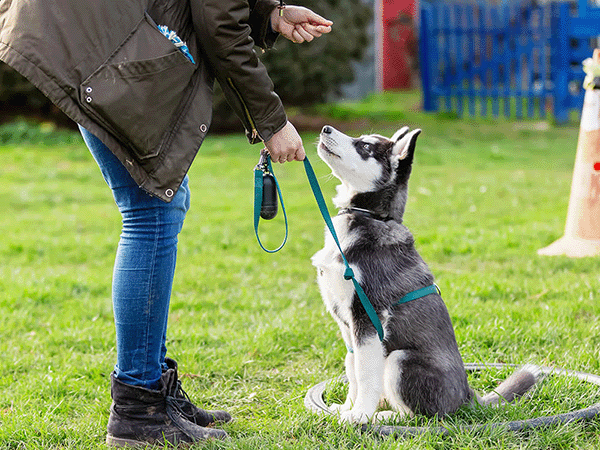
The Best Dog Trainers in the United States of 2026
This is a list of the top dog trainers in the United States, based on votes from the Sniffspot community and the general public.
The Best Dog Trainers in Seattle, WA of 2026
This is a list of the top dog trainers in Seattle, WA, based on votes from the Sniffspot community and the general public.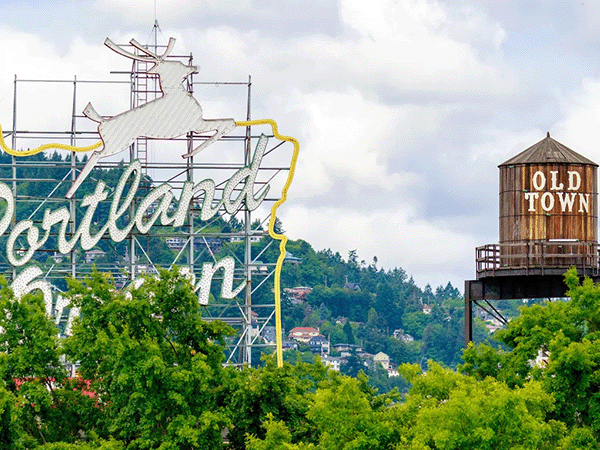
The Best Dog Trainers in Portland, OR of 2026
This is a list of the top dog trainers in Portland, OR, based on votes from the Sniffspot community and the general public.
The Best Dog Trainers in Los Angeles, CA of 2026
This is a list of the top dog trainers in Los Angeles, CA, based on votes from the Sniffspot community and the general public.
The Best Dog Trainers in New York, NY of 2026
This is a list of the top dog trainers in New York, NY, based on votes from the Sniffspot community and the general public.


City dog park guides
Best Dog Fields in the US: 25+ Wide-Open Spaces for Your Pup to Run Free
The best dog fields in the US offer something that traditional enclosed parks simply can't match: acres of open space where your pup can truly stretch their legs and run at full speed. From Colorado's 470-acre prairie meadows to Tennessee's award-winning "Outback," these wide-open spaces allow dogs to roam, explore, and exercise naturally while engaging instincts that cramped urban parks suppress.

Top 10 Indoor Dog Parks: A US Guide
Looking for a space to play with your dog no matter what the weather’s like outside? Look no further than our list of the best indoor dog parks in the United States! These climate-controlled spaces are growing in popularity as pet ownership increases throughout the country. As a bonus, many of them also offer dog training, boarding, grooming, or daycare services on the premises.

Best Dog Parks in the US: Ultimate Guide to Public & Private Off-Leash Adventures
Is your pup giving you those pleading "let me run free" eyes? Whether you're a new dog parent or a seasoned pro looking for fresh adventures, finding the perfect off-leash paradise for your furry friend can feel ruff! From sun-soaked California beaches where your water-loving lab can make a splash to mountain trails in Vermont where your adventure buddy can chase every scent, we've sniffed out the 15 best dog parks across America.

Dog Parks Near Me: Las Vegas Edition
Looking for the perfect dog park near me in Las Vegas? You're in luck! This guide explores all the best options for your pup, from public dog parks to private dog parks near me on Sniffspot. We'll help you find the ideal spot for playtime, socializing, and fresh air. Plus, we'll cover essential etiquette and safety tips to ensure a happy visit for everyone. Get ready for some tail-wagging fun!
Discover the Perfect Dog Park in Las Vegas
This page is about public city dog parks and also includes Sniffspot private dog parks. Sniffspot is the largest network of private dog parks for rent in the world!Best Dog Parks in the US: Off-Leash Guide
Looking for the perfect dog park? Whether you need a wide-open public space or a private, fenced-in spot, this guide will help you find the best dog parks across the US. We'll cover top-rated public parks, the perks of private dog parks, and even explore Sniffspot locations – giving your pup a safe and fun place to play. Ready to find your dog's new favorite spot? Let's go!

Sniffspot: Portland's Best Private Dog Parks
Ready to discover Portland's best dog parks? Whether you're looking for a public park or the unique experience of a private Sniffspot, this guide has you covered. We'll help you find the perfect spot for your pup, with tips on what to bring, how to prepare, and even understanding dog body language. Plus, we'll explore some top Portland dog parks, including public and Sniffspot options, so you can plan your next dog-friendly adventure in the City of Roses.
Portland Dog Parks: Public & Private Options
This page is about public city dog parks and also includes Sniffspot private dog parks. Sniffspot is the largest network of private dog parks for rent in the world!
/354x256/wp-content/uploads/2023/04/indoordogparks.png)
/354x256/wp-content/uploads/2023/03/offleashdogparks.png)
/354x256/wp-content/uploads/2023/02/vegas.jpg)
/354x256/wp-content/uploads/2023/02/portland.jpg)
Dog breeds
Best Dog Fields in the US: 25+ Wide-Open Spaces for Your Pup to Run Free
The best dog fields in the US offer something that traditional enclosed parks simply can't match: acres of open space where your pup can truly stretch their legs and run at full speed. From Colorado's 470-acre prairie meadows to Tennessee's award-winning "Outback," these wide-open spaces allow dogs to roam, explore, and exercise naturally while engaging instincts that cramped urban parks suppress.

German Shepherd Guide: Best Family Dog? Truth from 9K Owners
The German Shepherd Dog (GSDs) are known for their intelligence, loyalty, and striking appearance. They're also incredibly versatile, excelling as working dogs and devoted family companions. This guide covers everything you need to know about GSDs, from understanding their unique traits and rich history to practical advice on training and care. So, whether you're a seasoned GSD owner or just starting your research, let's explore this remarkable breed together.

Labrador Retriever: Real Tips from Owners
Discover the Labrador Retriever, a breed celebrated for its playful nature, affectionate temperament, and trainability. Labradors are known for their friendly demeanor and adaptability, making them perfect family companions and versatile working dogs. As one of the most popular types of retrievers, Labs are ideal companions for various lifestyles and are recognized by the American Kennel Club (AKC) as an excellent breed for families.

Golden Retriever Advice: The Complete Owner's Guide
Golden Retrievers: they're gorgeous, playful, and incredibly popular. But before you welcome one into your home, you need the right golden retriever advice. This guide draws on the wisdom of nearly 10,000 Golden Retriever owners, offering practical tips for caring for these affectionate dogs. From understanding their high energy levels to mastering grooming and training, we'll cover everything you need to know. So whether you're already a devoted Golden parent or just starting your research, get ready to learn how to give your furry friend the best possible care.

Are American Staffordshire Terriers Good for First-Time Owners: Complete Guide
Think American Staffordshire Terriers are tough? Think again. While their muscular build might intimidate some, these dogs are known for their playful and loyal personalities. This guide draws on the experience of nearly 10,000 AmStaff owners to reveal the truth about this often misunderstood breed. Want to learn more about caring for an American Staffordshire Terrier? You're in the right place.

Australian Shepherd Facts: Breed Info & Care Guide
Discover the Australian Shepherd, an AKC breed celebrated for its trainable, playful, and affectionate nature. Despite its name, the Australian Shepherd is actually a native breed to the United States, originally developed to breed on farms and ranches. Considered a medium dog, Australian Shepherds were bred for herding beginning in the 1950s. As one of the high-energy breeds, Aussies are known for their boundless energy and need for regular exercise, including aerobic exercise.
/354x256/wp-content/uploads/2024/07/German-Shepherd-Dog.png)
/354x256/wp-content/uploads/2024/07/Screen-Shot-2024-07-24-at-4.06.05-PM.png)
/354x256/wp-content/uploads/2024/07/Screen-Shot-2024-07-25-at-3.05.09-PM.png)
/354x256/wp-content/uploads/2024/07/staffy.jpg)
/354x256/wp-content/uploads/2024/07/Screen-Shot-2024-07-25-at-3.39.43-PM.png)
Top dog names in the US
Top 1,000 Most Popular Dog Names
Looking for the perfect dog name for your new pup? We have created filterable lists of dog names from our database of hundreds of thousands of Sniffspot users. You can filter by gender, breed and state to find the most cute, unique and creative dog names.
Most Popular Male Dog Names
Looking for the perfect dog name for your new male pup? We have created filterable lists of male dog names from our database of hundreds of thousands of Sniffspot users. You can filter by gender, breed and state to find the most cute, unique and creative male dog names.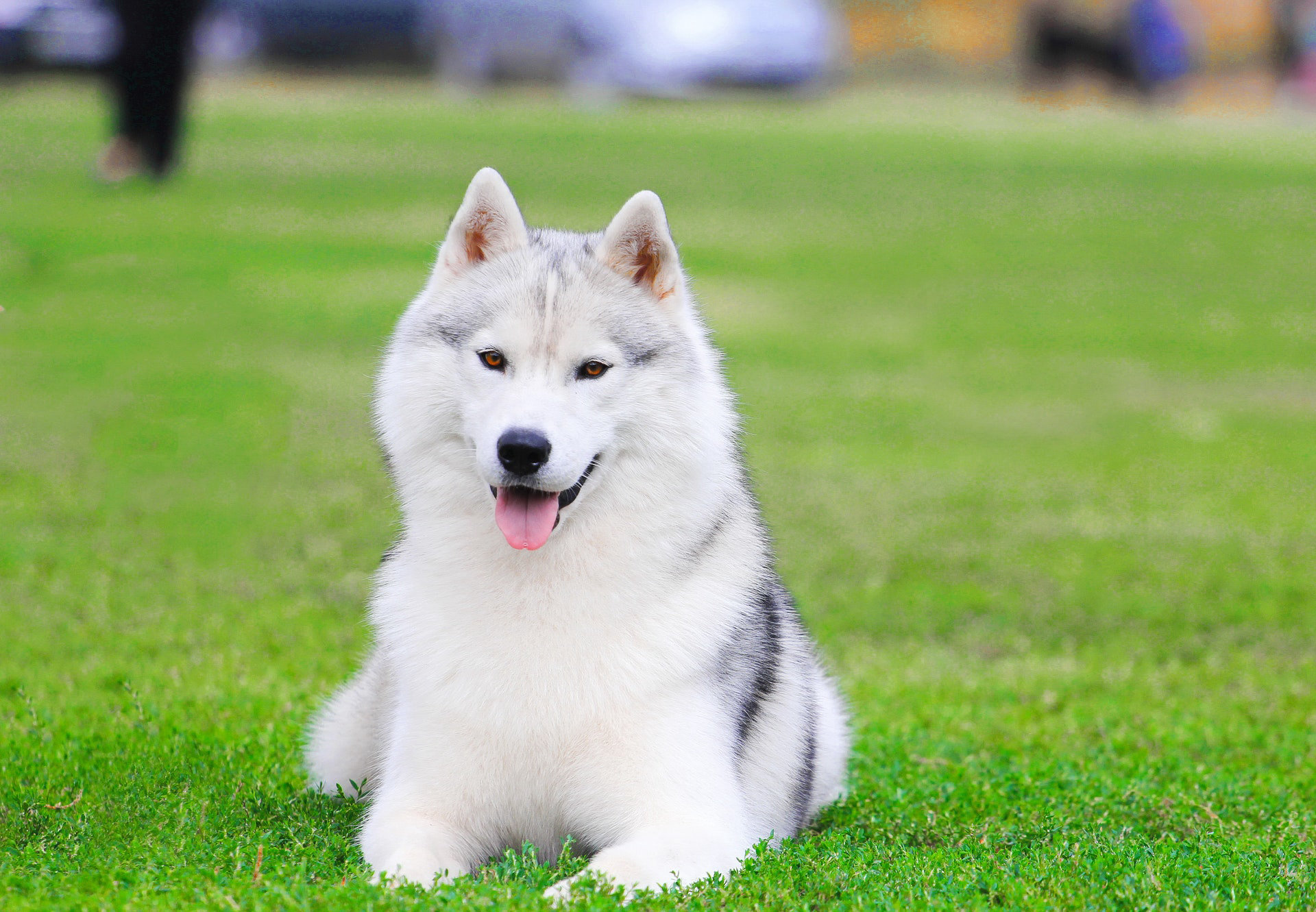
Most Popular Female Dog Names
Looking for the perfect dog name for your new female pup? We have created filterable lists of female dog names from our database of hundreds of thousands of Sniffspot users. You can filter by gender, breed and state to find the most cute, unique and creative female dog names.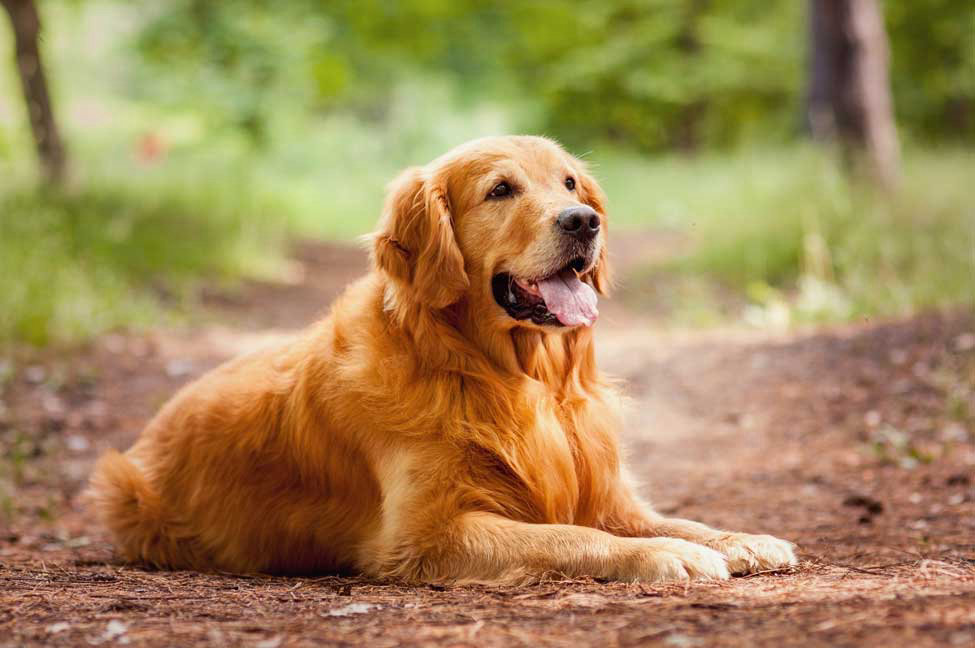
Most Popular Golden Retriever Names
Welcome to our comprehensive list of Golden Retriever dog names, curated from our vast database of Sniffspot users. Filter through hundreds of thousands of options by gender, breed, and state to discover the most adorable, original, and imaginative names for your beloved Golden Retriever.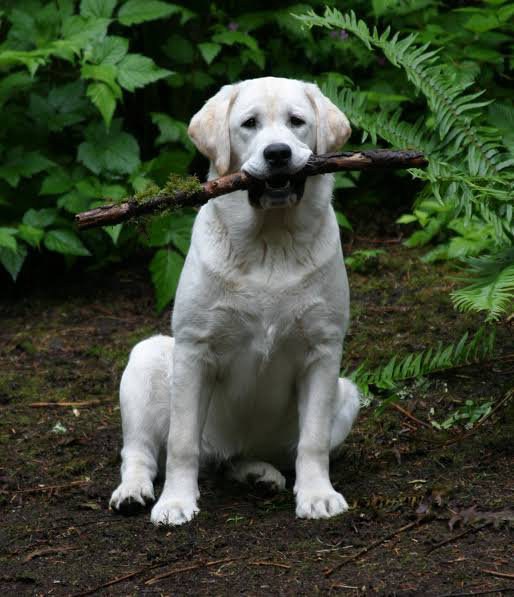
Most Popular Labrador Retriever Names
Welcome to our Labrador Retriever dog names page! Here you can browse through filterable lists of names for your beloved furry friend, ranging from cute and classic to unique and creative options. Our database of hundreds of thousands of Sniffspot users ensures you'll find the perfect name for your Labrador Retriever, whether you're seeking a name for a male or female, based on breed or state.


Top dog rescues in the US

The Best Washington Dog Rescues & Shelters in 2026
This list showcases the top dog rescues & shelters in Washington. These remarkable organizations have been recognized for their unwavering dedication to the well-being of countless dogs.
The Best Oregon Dog Rescues & Shelters in 2026
This list showcases the top dog rescues & shelters in Oregon. These remarkable organizations have been recognized for their unwavering dedication to the well-being of countless dogs.
The Best California Dog Rescues & Shelters in 2026
This list showcases the top dog rescues & shelters in California. These remarkable organizations have been recognized for their unwavering dedication to the well-being of countless dogs.
The Best Florida Dog Rescues & Shelters in 2026
This list showcases the top dog rescues & shelters in Florida. These remarkable organizations have been recognized for their unwavering dedication to the well-being of countless dogs.
The Best New York Dog Rescues & Shelters in 2026
This list showcases the top dog rescues & shelters in New York. These remarkable organizations have been recognized for their unwavering dedication to the well-being of countless dogs.
/354x256/Photos/SeoDogRescue/1282/178507e67e44-MC_logo_square.jpg)
/354x256/Photos/SeoDogRescue/931/cef8bbb17769-South_Coast_Humane_Society.png)
/354x256/Photos/SeoDogRescue/61/30aea3371b69-MainSquare_2.png)
/354x256/Photos/SeoDogRescue/298/1000035238.jpg)
/354x256/Photos/SeoDogRescue/814/91cfd62cd986-IMG_1035.jpeg)